
Featured Project
Keeping an ear out for entangled whales
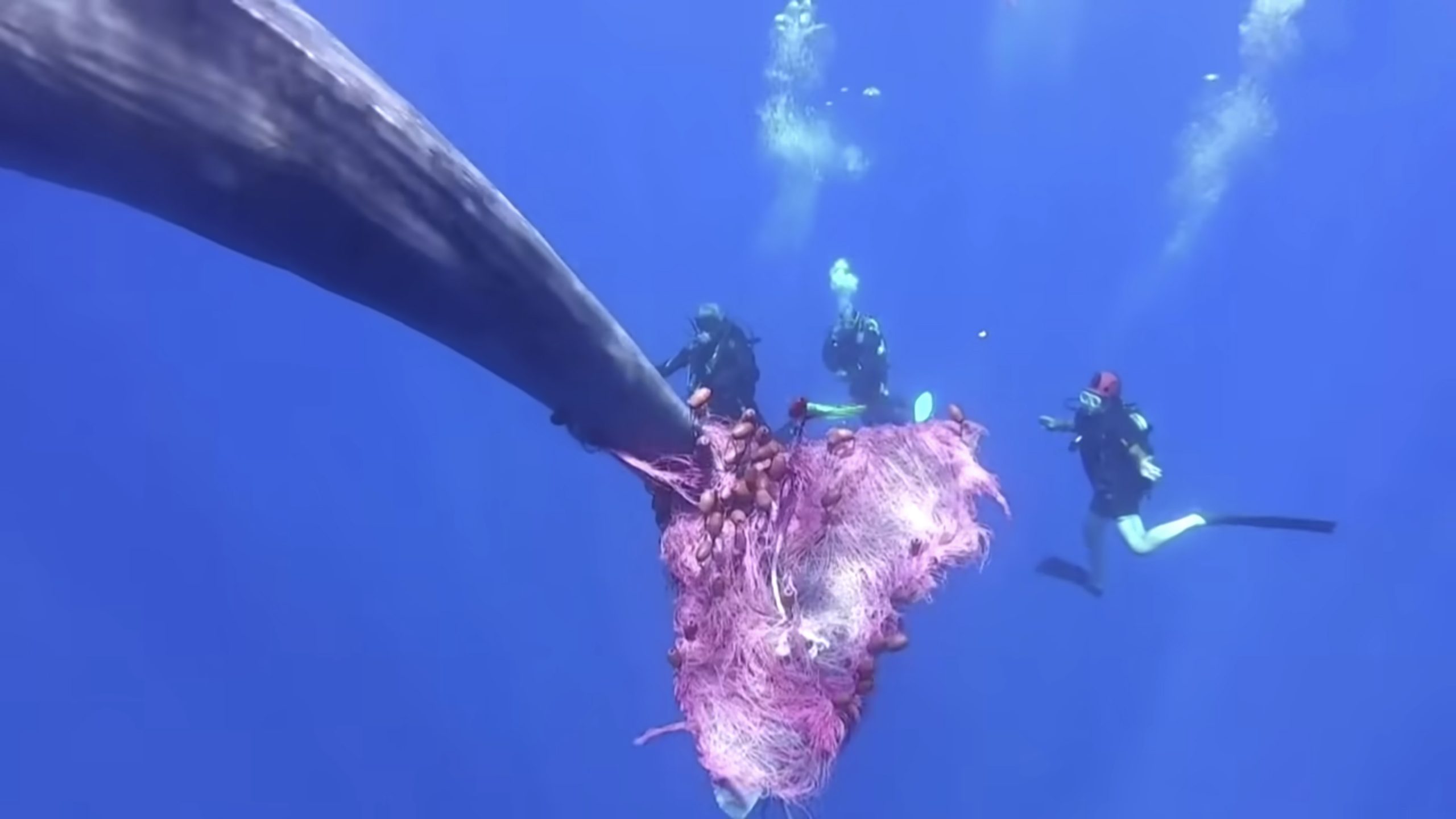
To help mitigate the impacts of illegal fishing off the Sicilian coast, a WHOI scientist and his collaborators are attaching acoustic tags to drift nets so sperm whales can be located and tracked for disentanglement crews.
Read MoreProject funded to digitize and mine weather data from whaling logbooks

An ongoing collaborative effort by Woods Hole Oceanographic Institution (WHOI), University of Massachusetts Dartmouth (UMassD), and Providence Public Library (PPL), has received a grant from FM Global. The project is investigating the role of historical weather data in current climate change research, and the increasingly urgent issues surrounding it.
Read MoreWHOI advancing a seaweed solution to develop new kelp strains
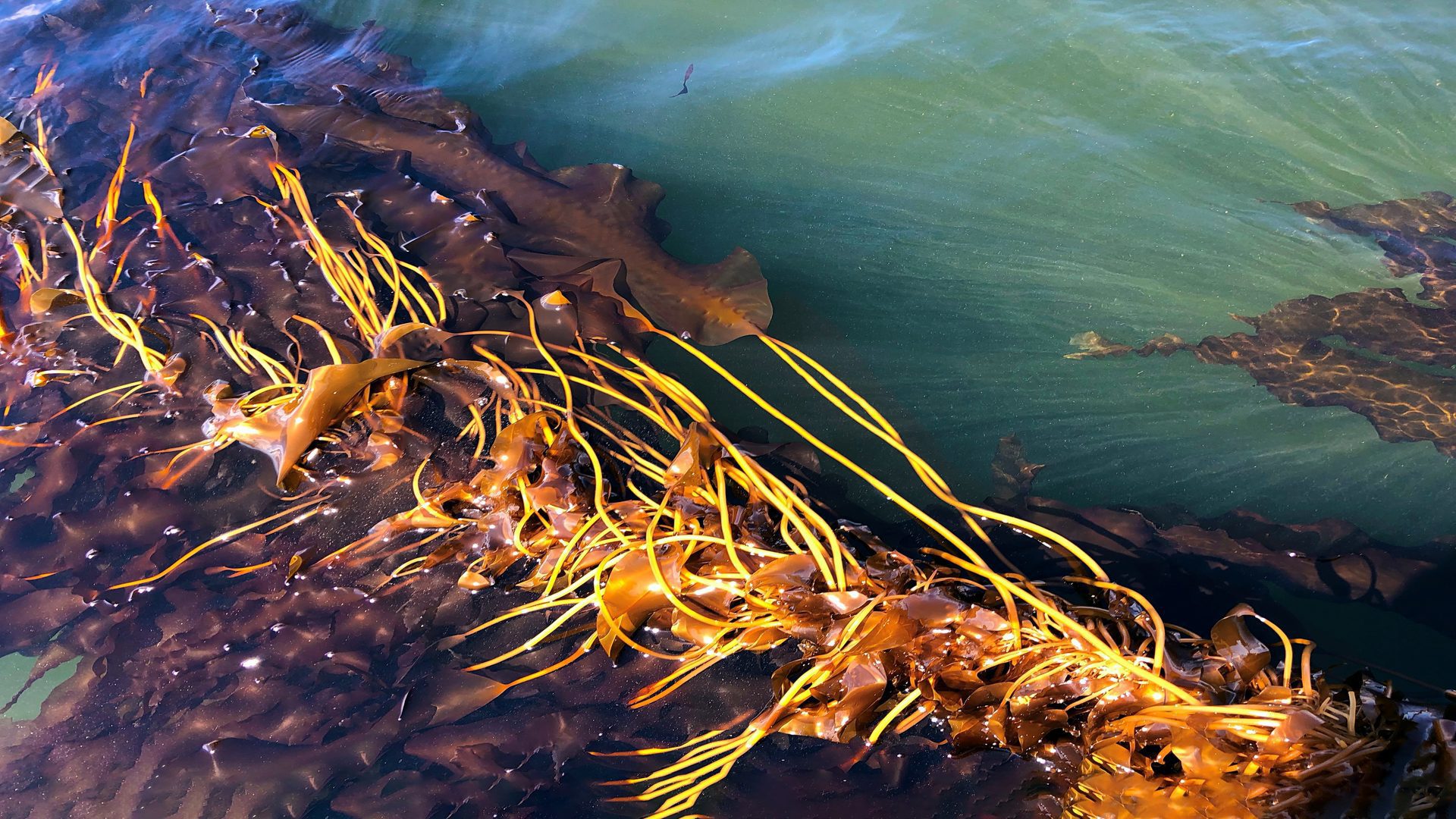
A leader in ocean science, Woods Hole Oceanographic Institution (WHOI) is embarking on a study of how new seaweed strains could further enhance the burgeoning seaweed industry and offer solutions to some of the world’s pressing challenges. This research is funded in part by World Wildlife Fund (WWF) with support from the Bezos Earth Fund.
Read MoreA dragnet for toxic algae?
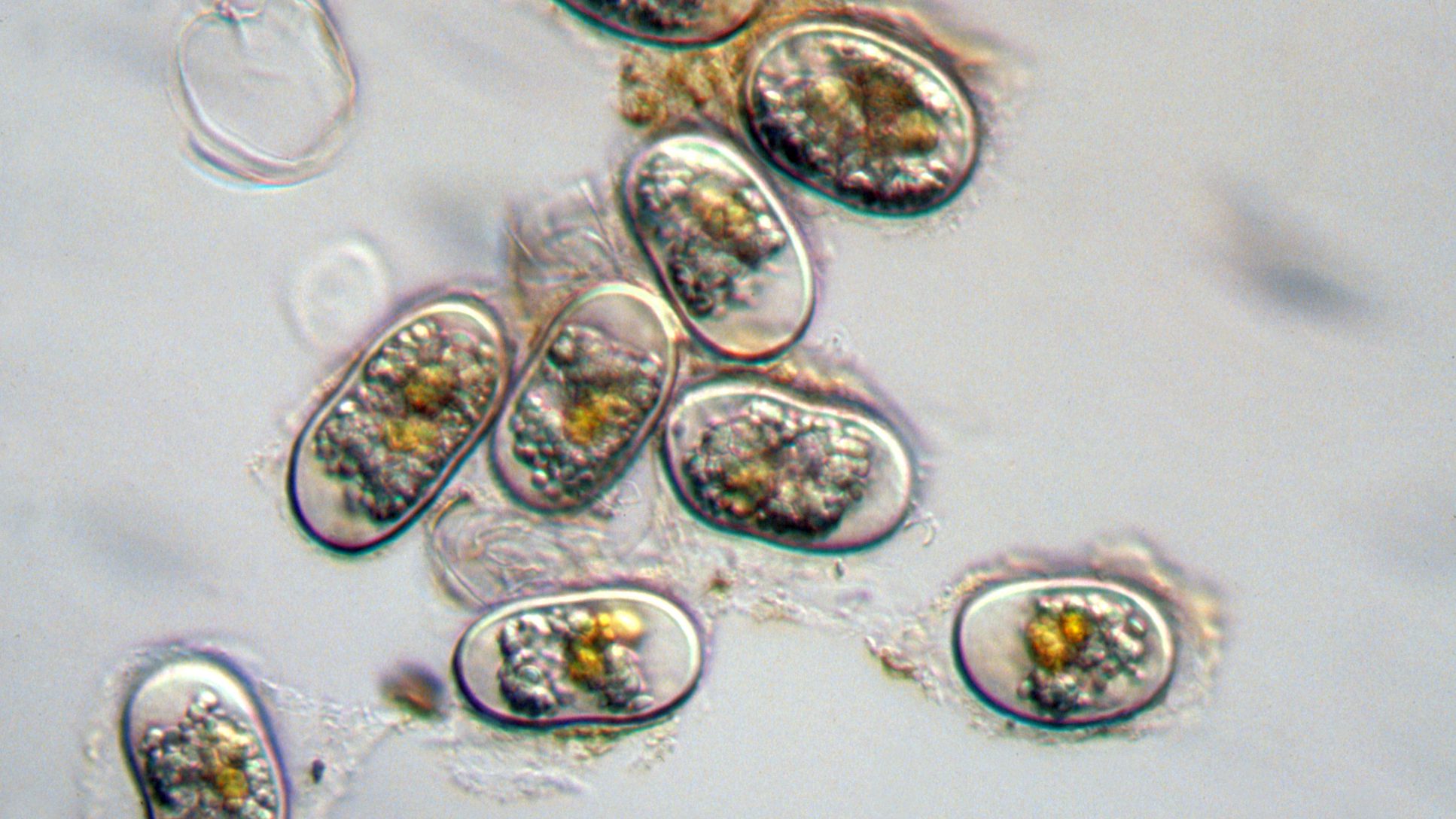
To keep a close eye on harmful algal blooms, shellfish farmers are relying on a WHOI-developed camera system that spies on toxic species below the surface and sends alerts when they’re present.
Read MoreWhat happens to marine life when oxygen is scarce?
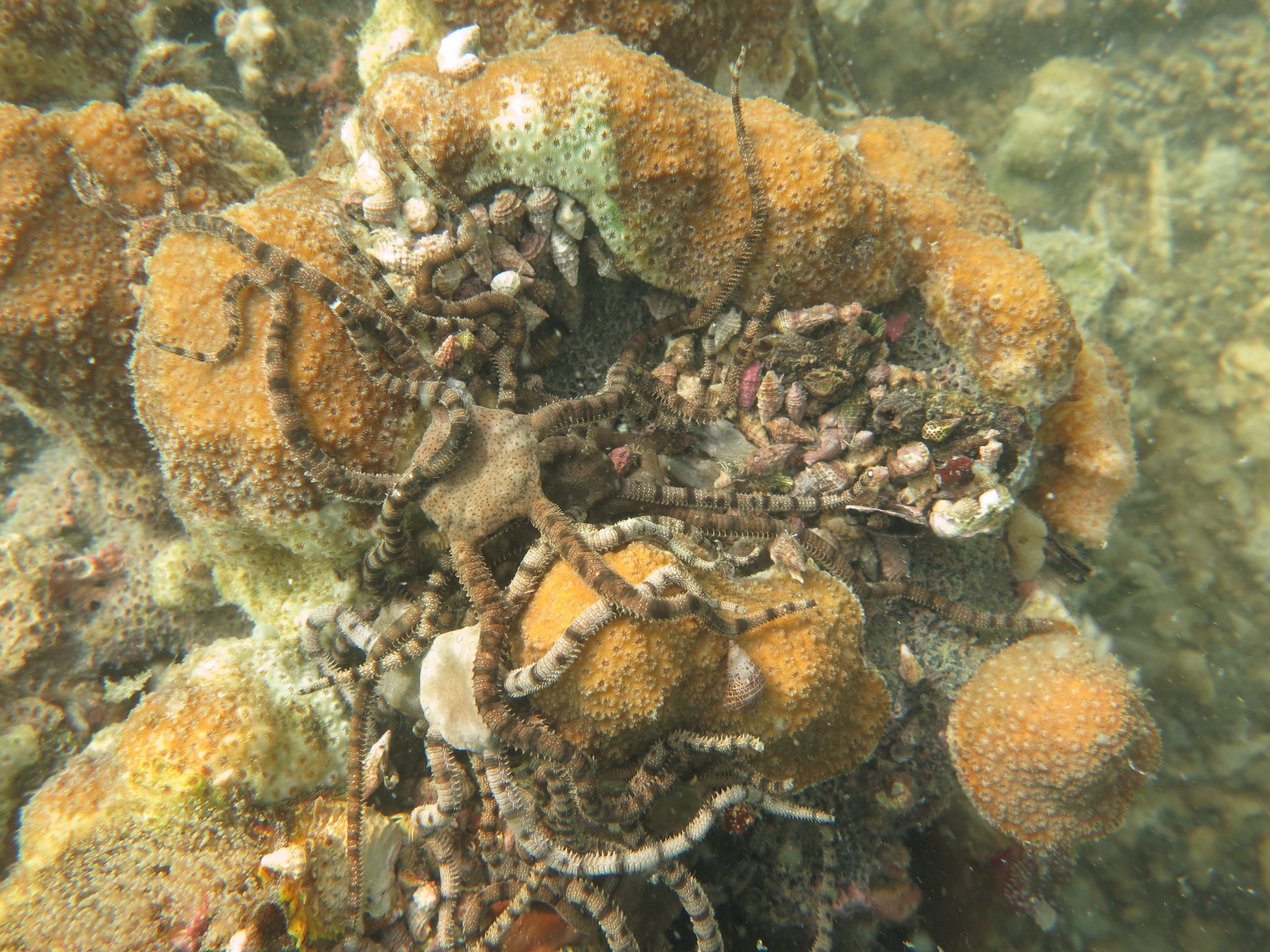
A new study co-led by WHOI postdoctoral scholar Maggie Johnson looks closely at the changes occurring in both coral reef and microbial communities near Bocas del Toro during sudden hypoxic events, which occur when there is little to no oxygen in a given area of water.
Read MoreSpock versus the volcano
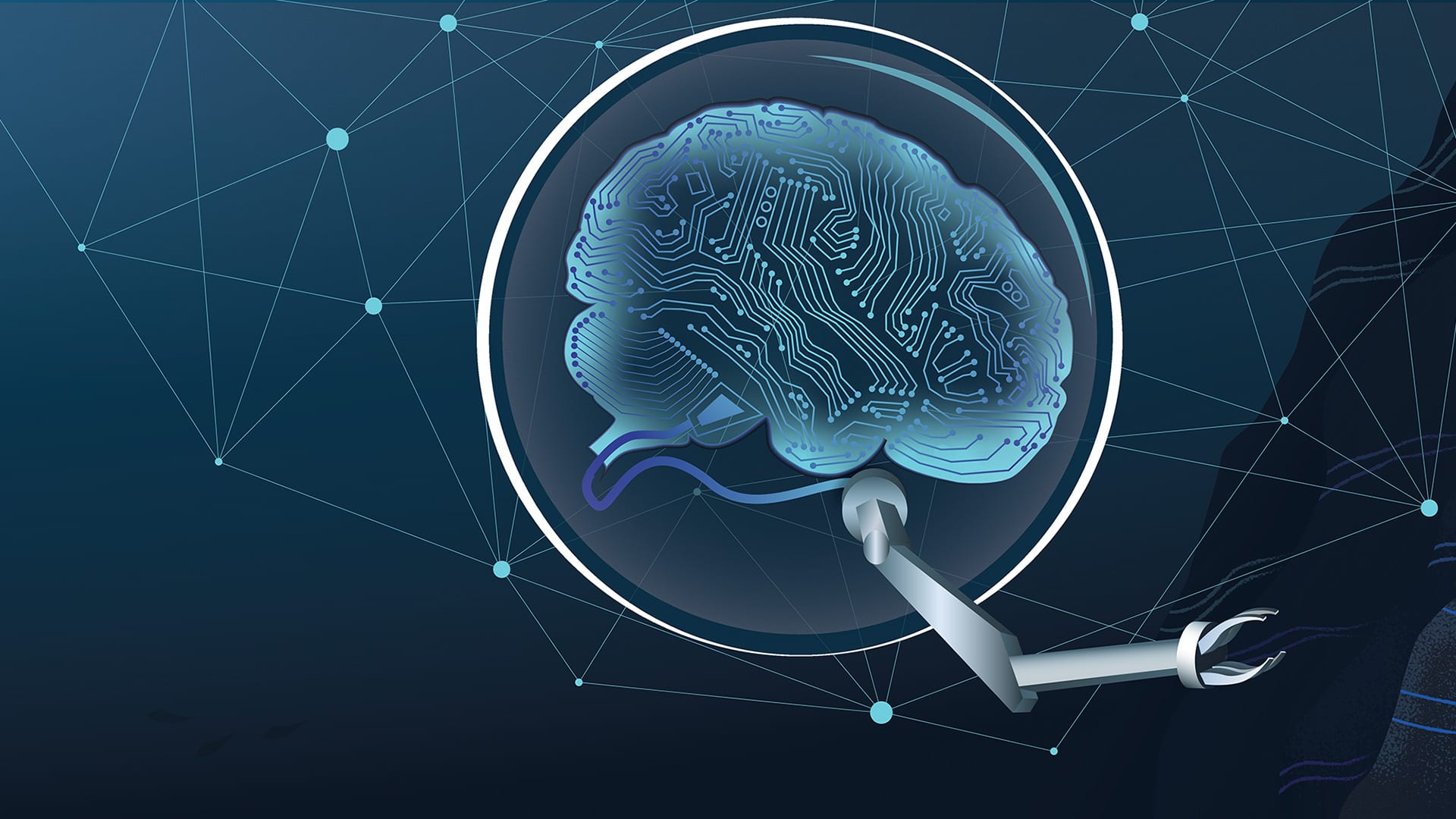
Five hundred meters below the calm surface waters of the Aegean Sea off Santorini Island, Greece, lies an active submarine volcano. There, a decision-making robot equipped with artificial intelligence searches for life and danger.
Read MoreSecrets in the dust
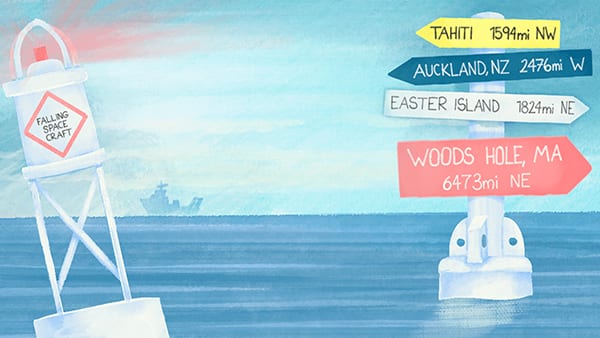
Scientists mine ancient dust from the ocean’s loneliest spot
Read MoreA rare mission north
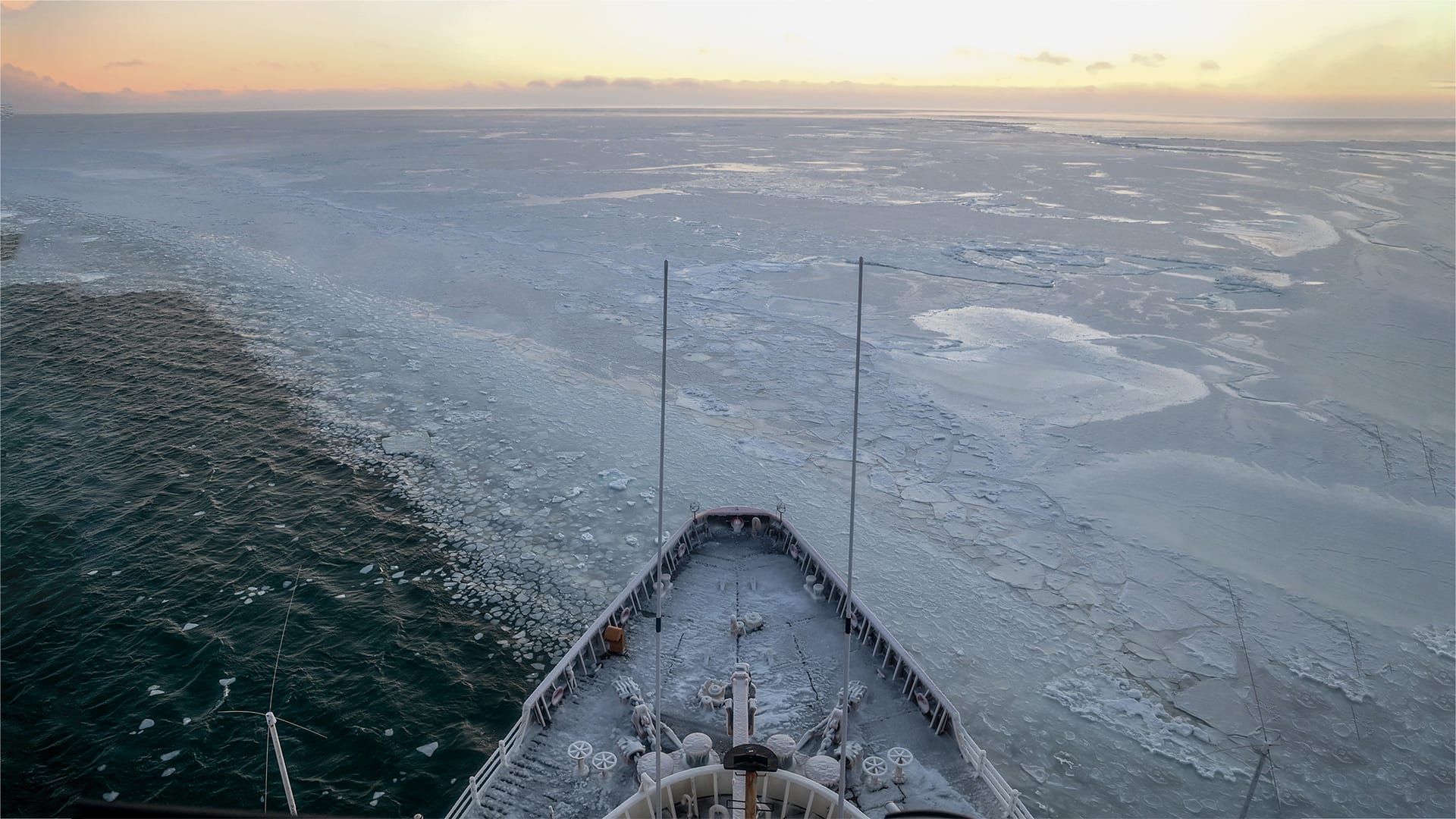
Serendipitous science mission aboard the Polar Star provides “once-in-a-lifetime” opportunity to collect critical ocean data below the ice
Read MoreStudy Shows that Lobsters Can Detect Sound
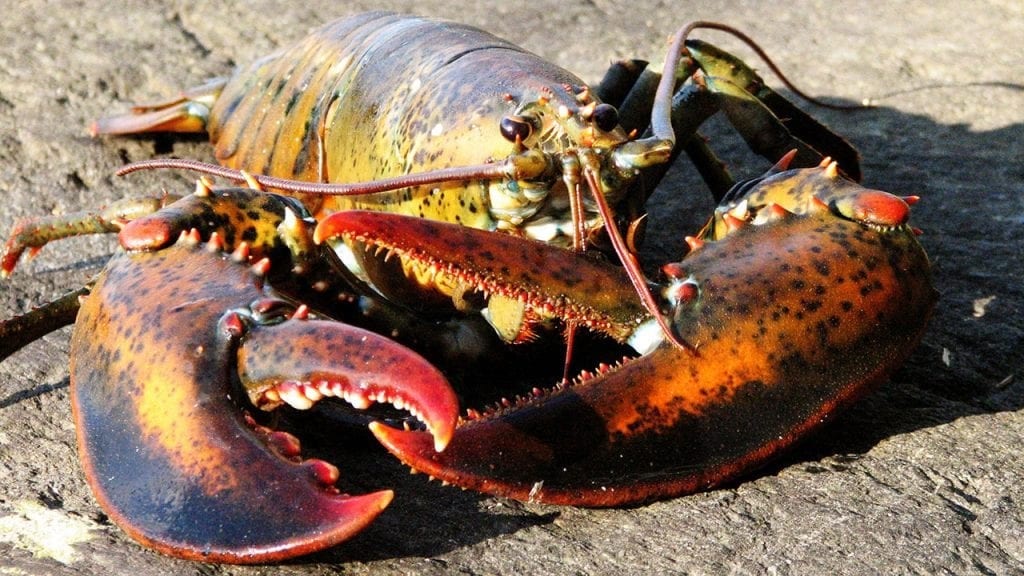
A new study demonstrates that lobsters can detect low-frequency sound and suggests that anthropogenic noise could affect lobsters. The study comes out at a time when the construction of more offshore wind farms, with their associated underwater pile driving noise, is being considered in New England.
Read More‘What we know now is how much we don’t know’: Enter the strange world of the ocean twilight zone

A difficult area to study and often overlooked by science, new technology is aiding its exploration, forcing researchers to re-evaluate just how much life is down there. Researchers now believe…
Read MoreThe ocean has heartburn. Is relief on the way?

Researchers investigate the use of alkalinity enhancement to quell ocean acidification and help maintain the sea’s role as a carbon sink
Read MoreAlvin: Pioneer of the Deep

The deep-sea submersible Alvin has brought explorers to extraordinary places for more than 50 years. Now, as Alvin is poised to continue its revolutionary scientific work, a new set of…
Read MoreHow historic hurricanes can help predict storm intensity
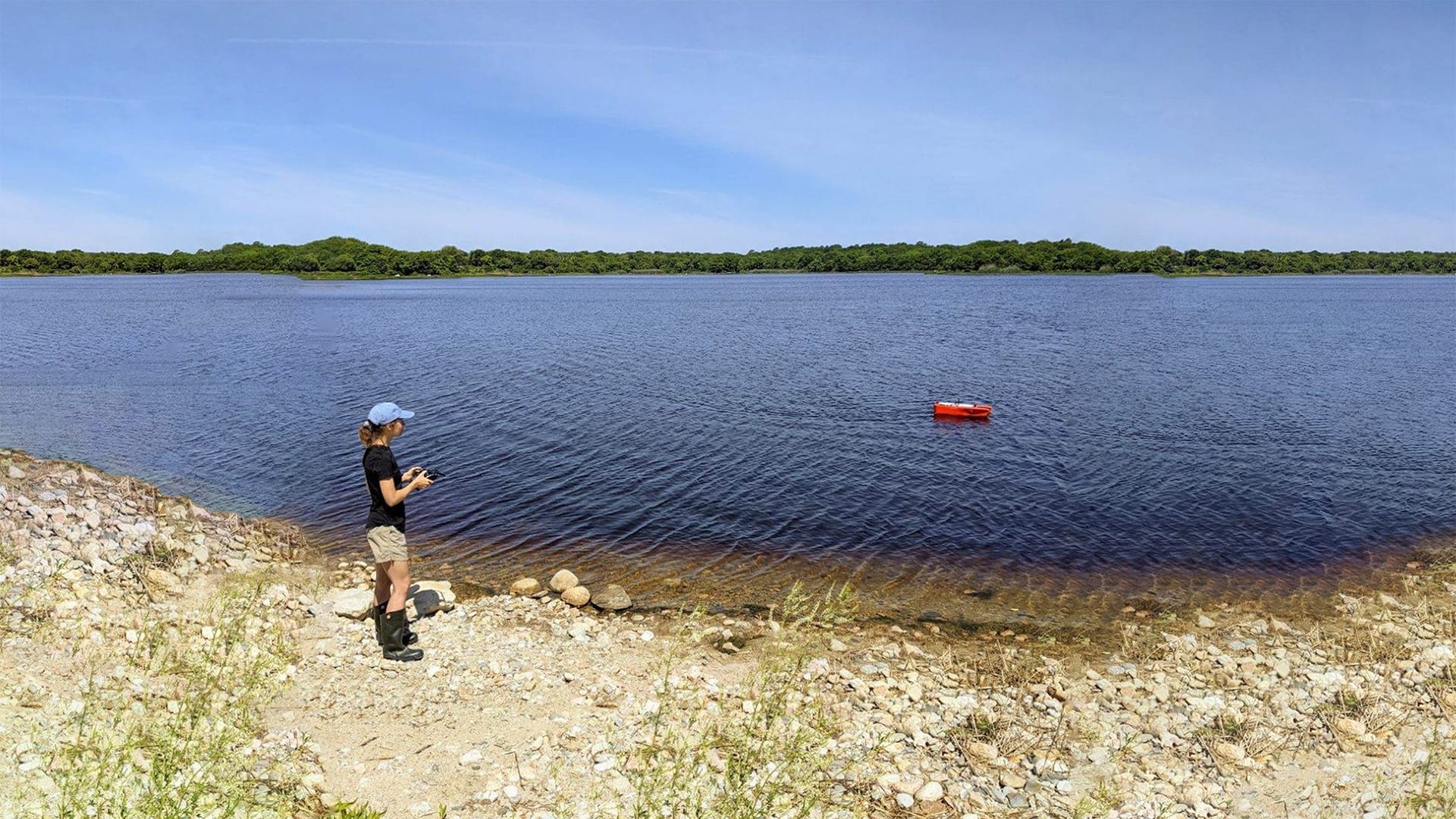
Research into past hurricanes could help predict the strength of future storms, and inform infrastructure planning and emergency management decisions in southern New England
Read MoreUnderwater robot offers new insight into mid-ocean “twilight zone”
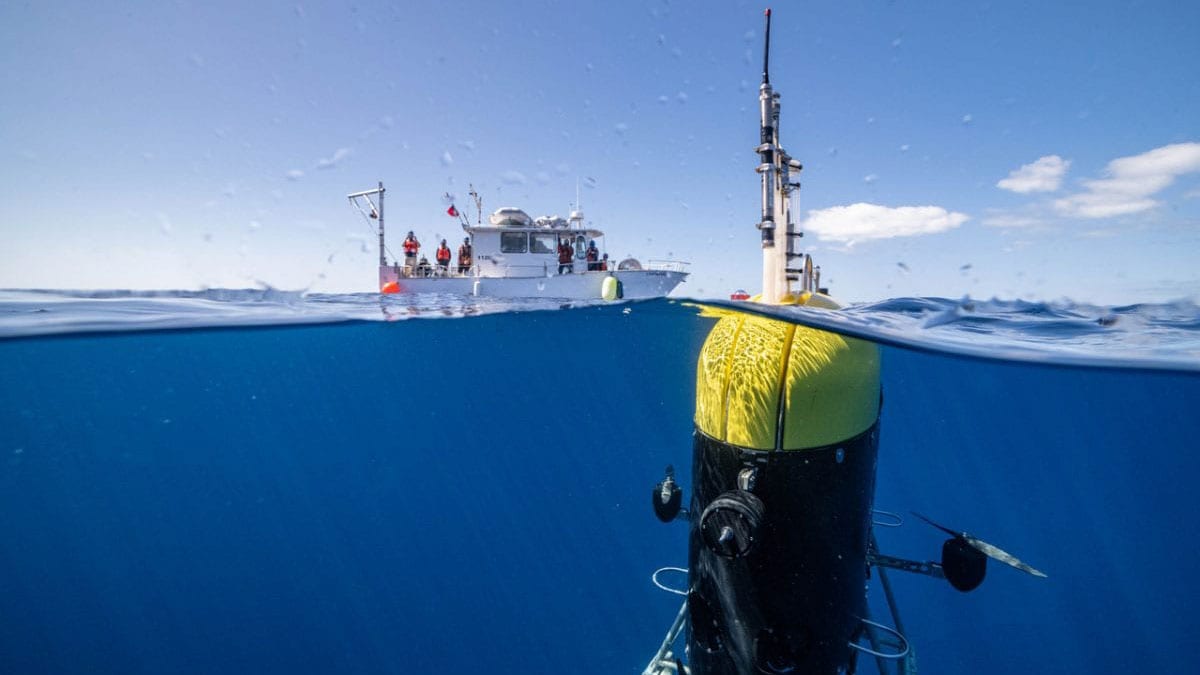
Woods Hole, MA (June 16, 2021) — An innovative underwater robot known as Mesobot is providing researchers with deeper insight into the vast mid-ocean region known as the “twilight zone.”…
Read MoreIcebergs drifting from Canada to Southern Florida
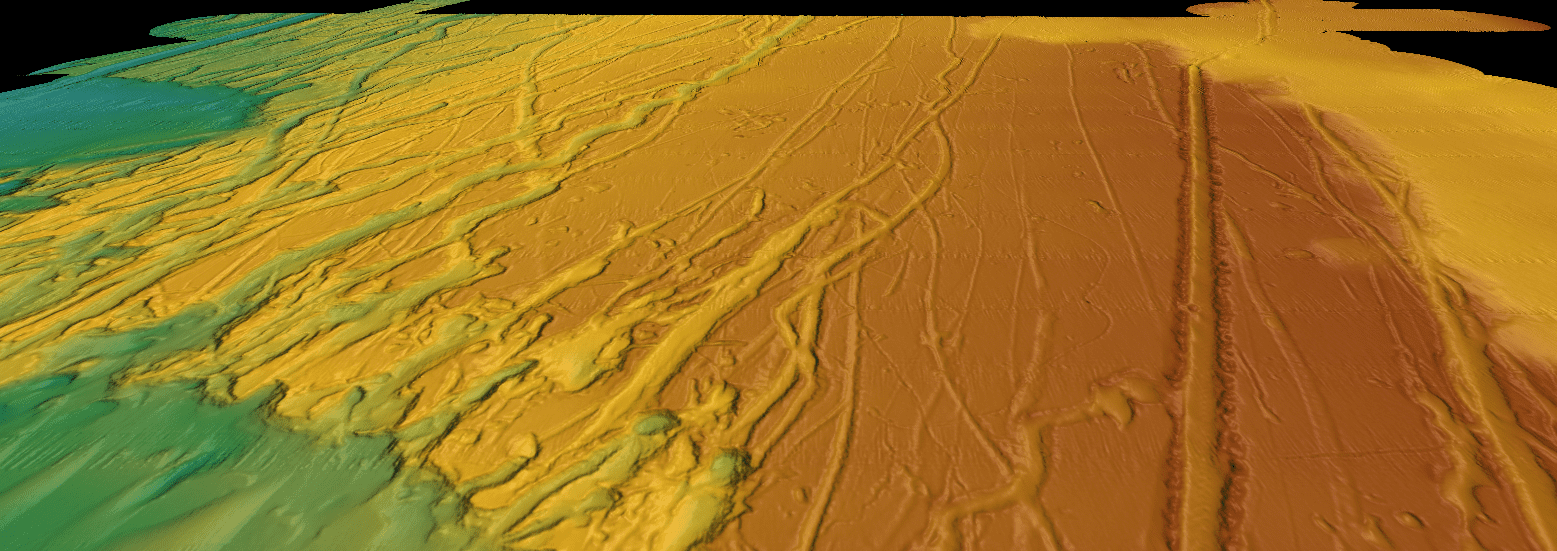
A newly developed iceberg computer model helped the researchers understand the timing and circulation of meltwater and icebergs through the global oceans during glacial periods, which is crucial for deciphering how past changes in high-latitude freshwater forcing influenced shifts in climate.
Read MorePapers Explore Massive Plankton Blooms with Very Different Ecosystem Impacts
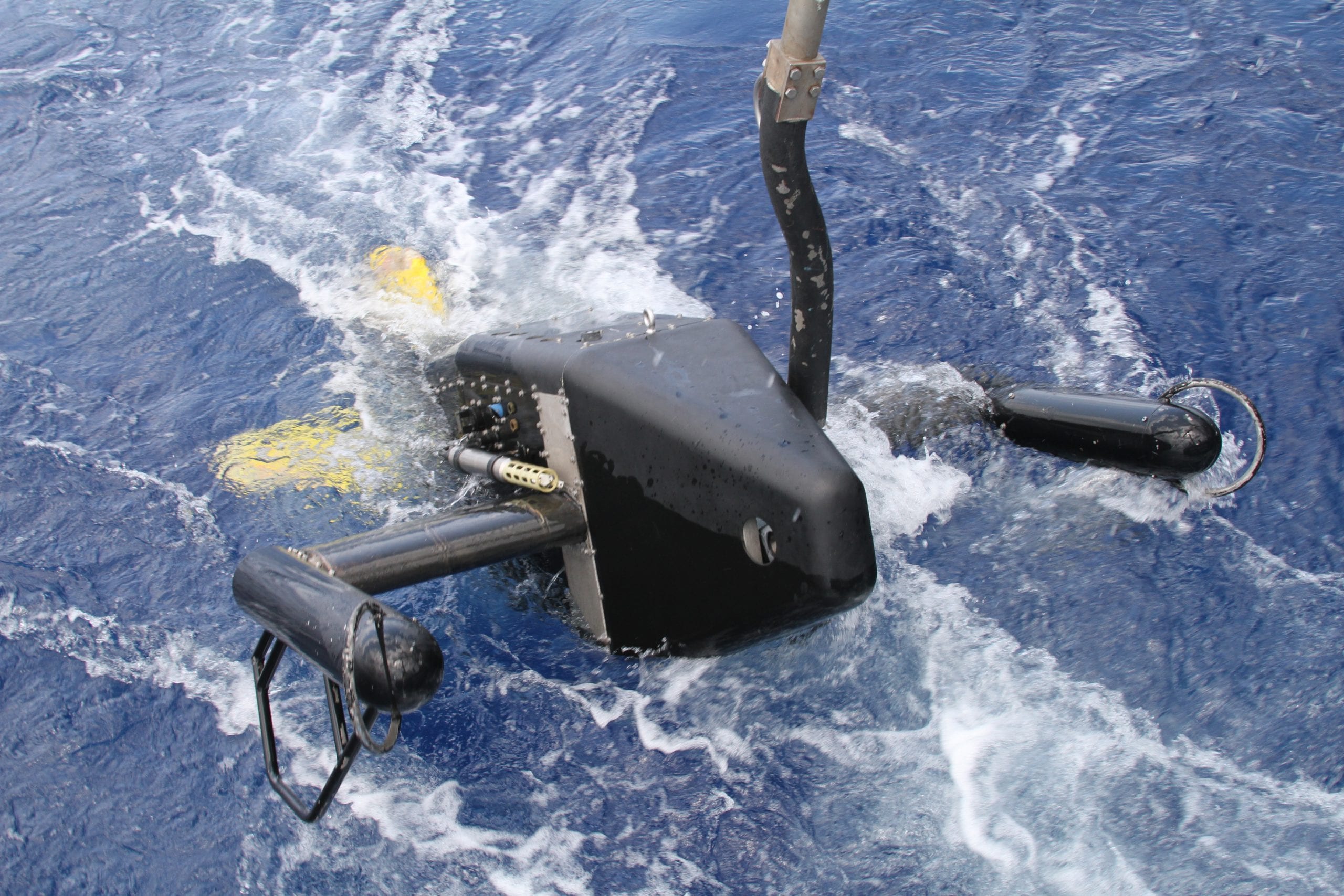
Two papers explore the distribution and abundance of plankton and what conditions lead to big plankton blooms with vastly different potential impacts on the ecosystem.
Read MoreWoods Hole Oceanographic Institution Wants Everyone to “Keep it Weird”
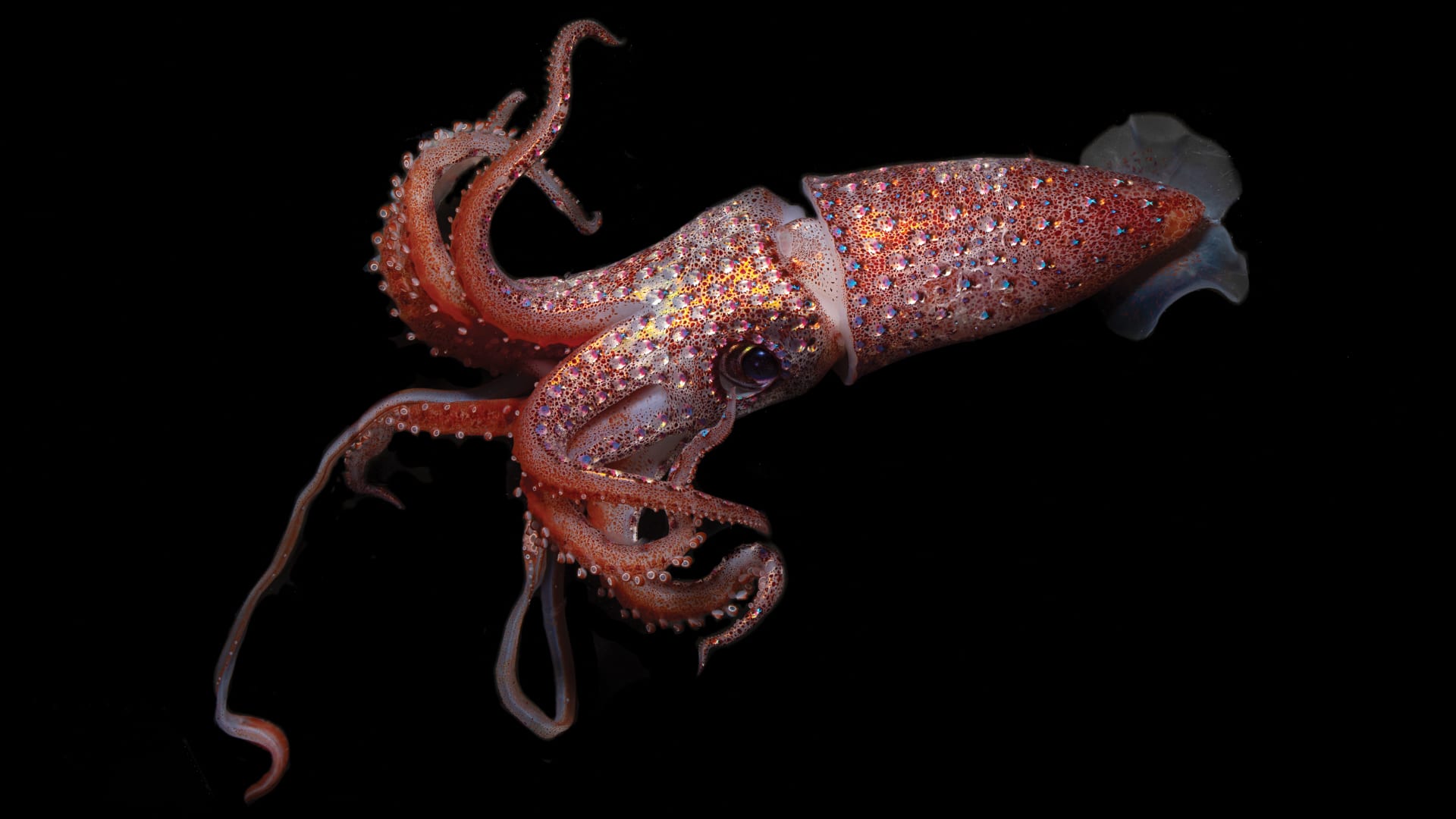
Campaign raises awareness of the ocean twilight zone by celebrating the “weird” in all of us Woods Hole, Mass. (May 27, 2021) — Woods Hole Oceanographic Institution (WHOI) wants to…
Read MoreSome Forams Could Thrive with Climate Change, Metabolism Study Finds
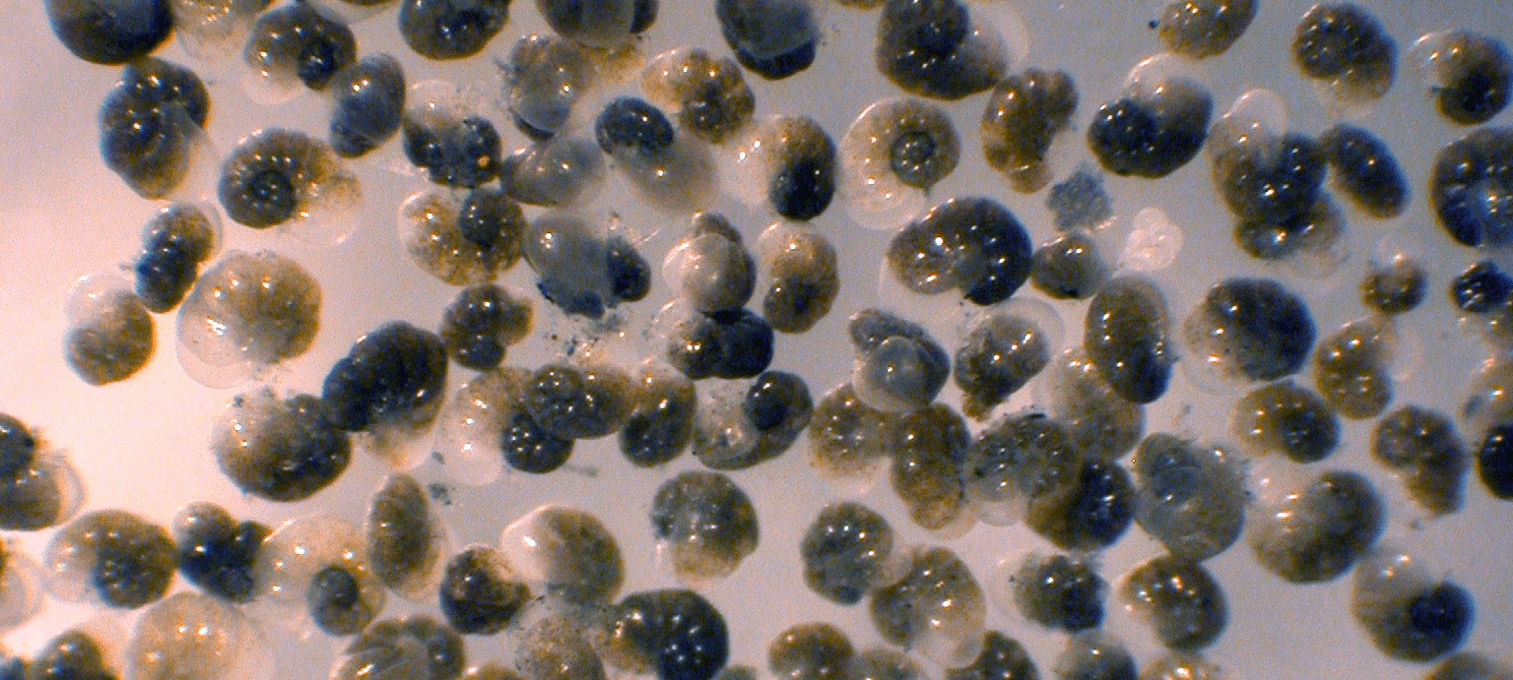
Oceanic deoxygenation is increasingly affecting marine ecosystems. A new paper that examines two foram species found that they demonstrated great metabolic versatility to flourish in hypoxic and anoxic sediments where there is little or no dissolved oxygen, inferring that the forams’ contribution to the marine ecosystem will increase with the expansion of oxygen-depleted habitats.
Read MoreFive things to know about NOAA’s 2021 Tech Demo
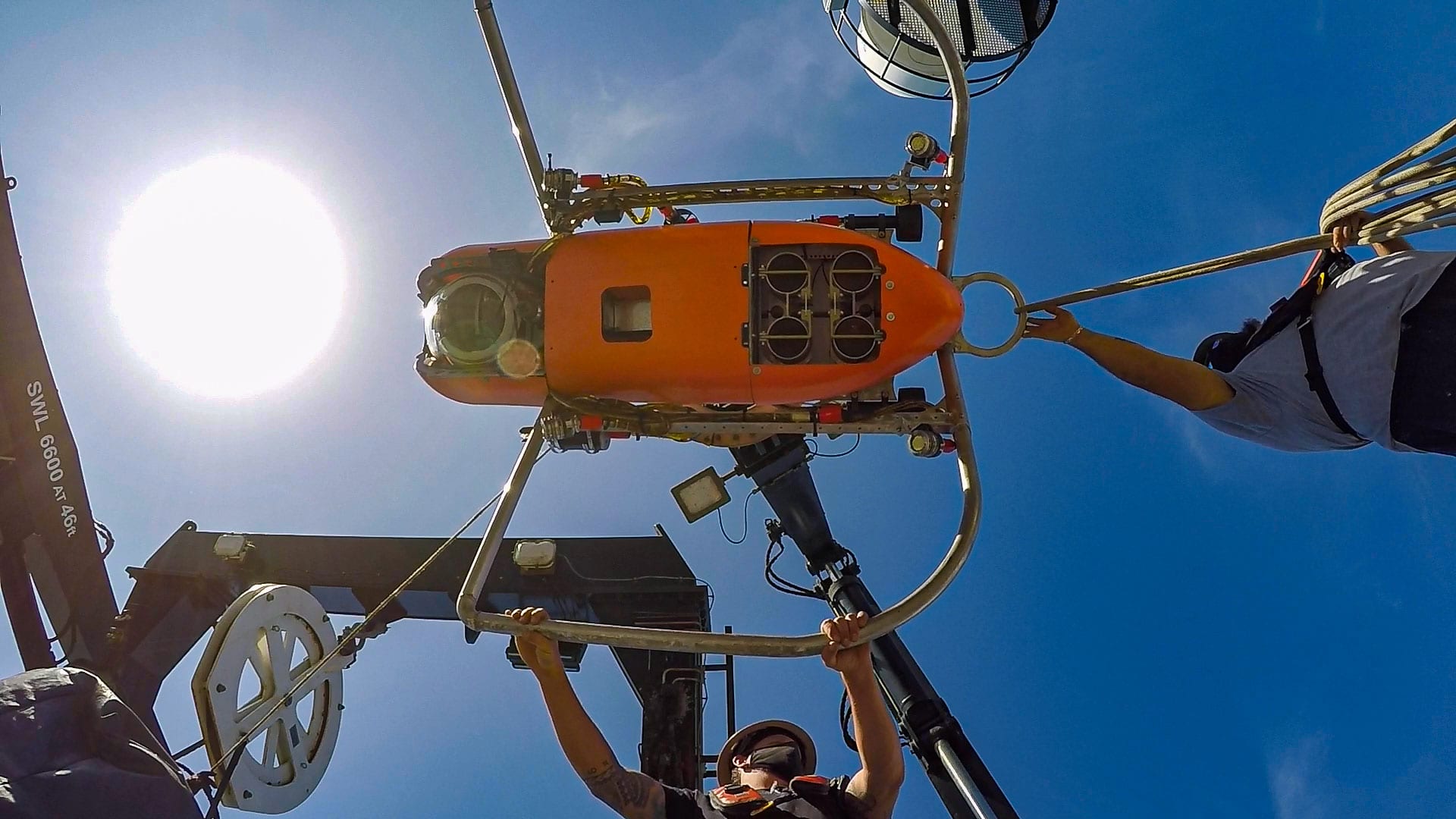
Researchers prepare WHOI’s autonomous underwater vehicle, Orpheus for its first deep dive of 2021Tech Demo.
Read MoreA new ocean soundscape
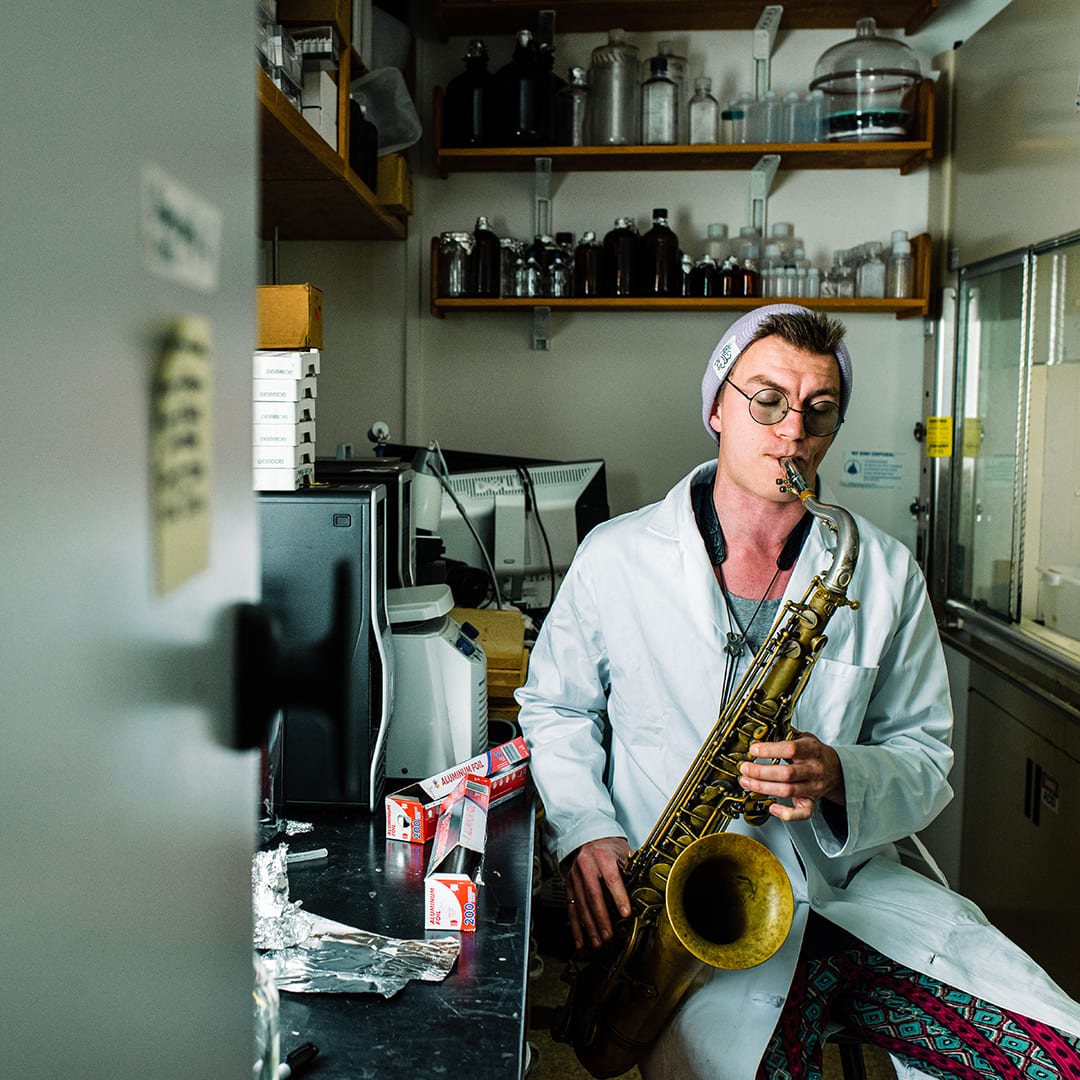
Combining his passions for marine chemistry and music, an MIT-WHOI Joint Program student converts data into songs that reveal the chemical nuances of the ocean.
Read MoreStudy Finds 6⁰C Cooling on Land during the Last Ice Age, With Implications about Future Global Warming
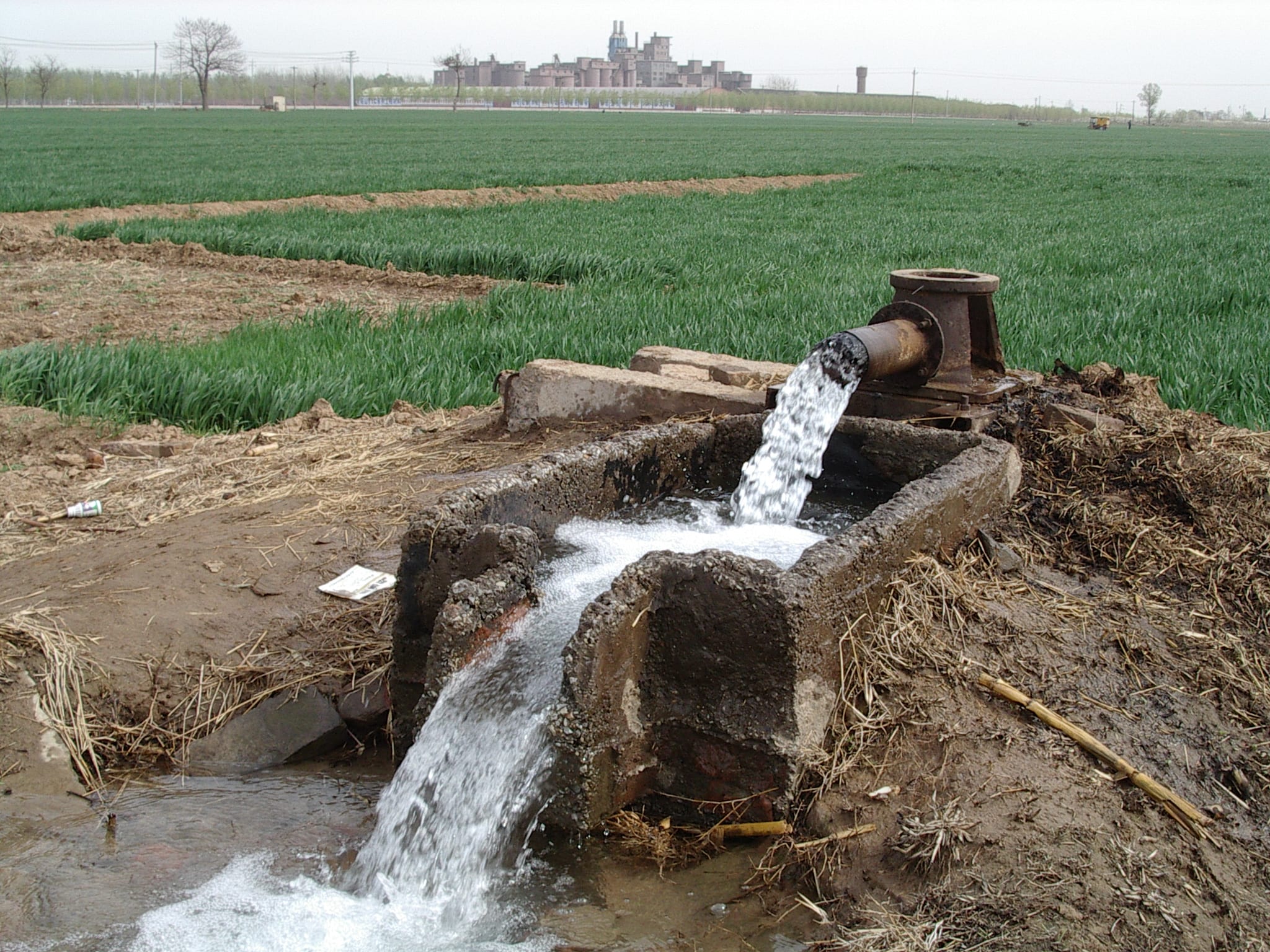
A recent report shows that prior studies have underestimated the cooling in the last glacial period, which has low-balled estimates of the Earth’s climate sensitivity to greenhouse gases. The rather high climate sensitivity is not good news regarding future global warming, which may be stronger than expected using previous best estimates.
Read MoreRemote Learning Takes on New Meaning with the Launch of Dive and Discover ™ Expedition 17

Dive and Discover Expedition 17 will look more closely at the middle of the ocean, also known as the mesopelagic or the ocean’s twilight zone.
Read MoreOil spill response beneath the ice
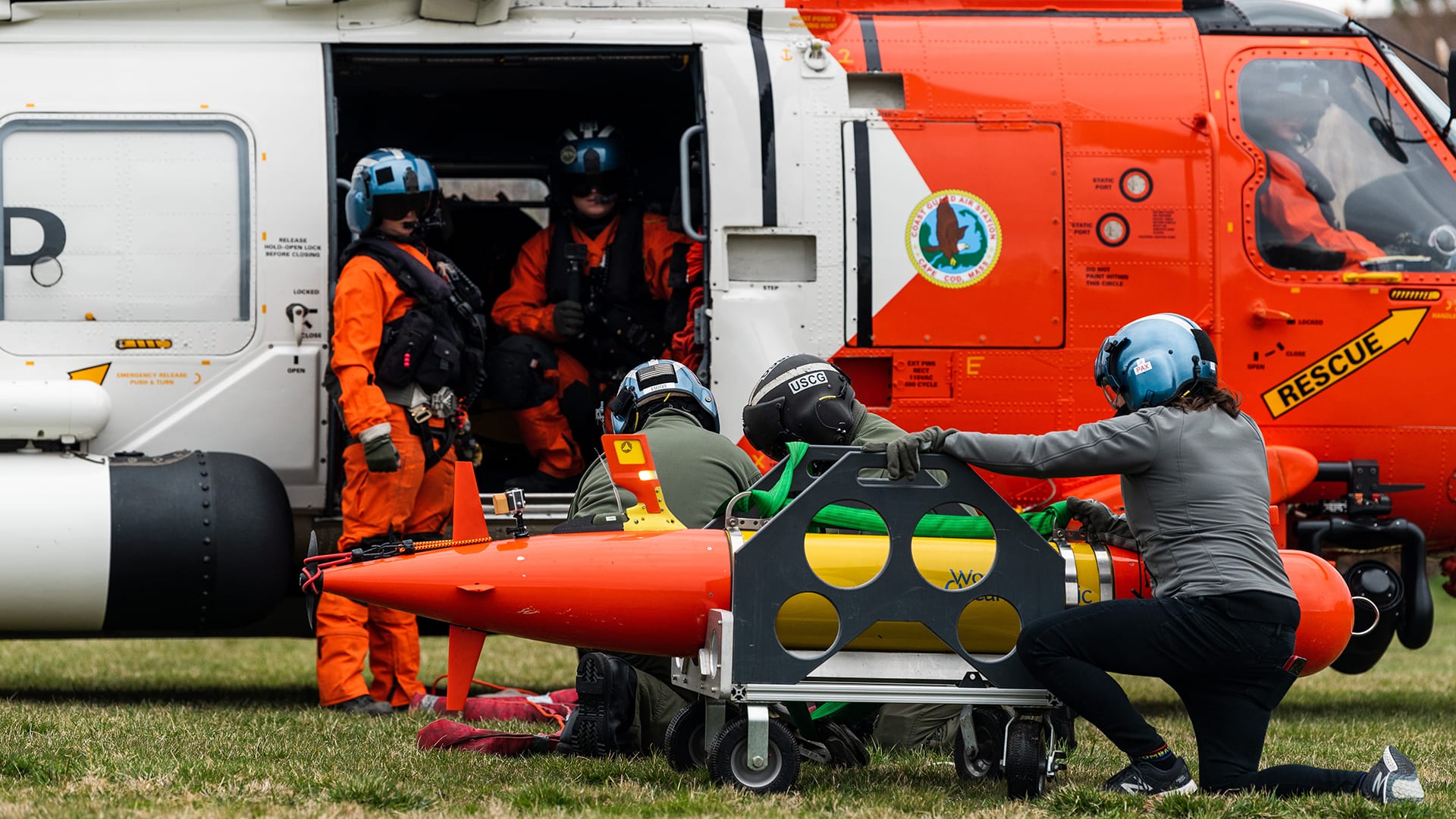
Successful test deployment of WHOI vehicle Polaris expands U.S. Coast Guard response to oil spills in the Arctic
Read MoreFrom Mars to the deep
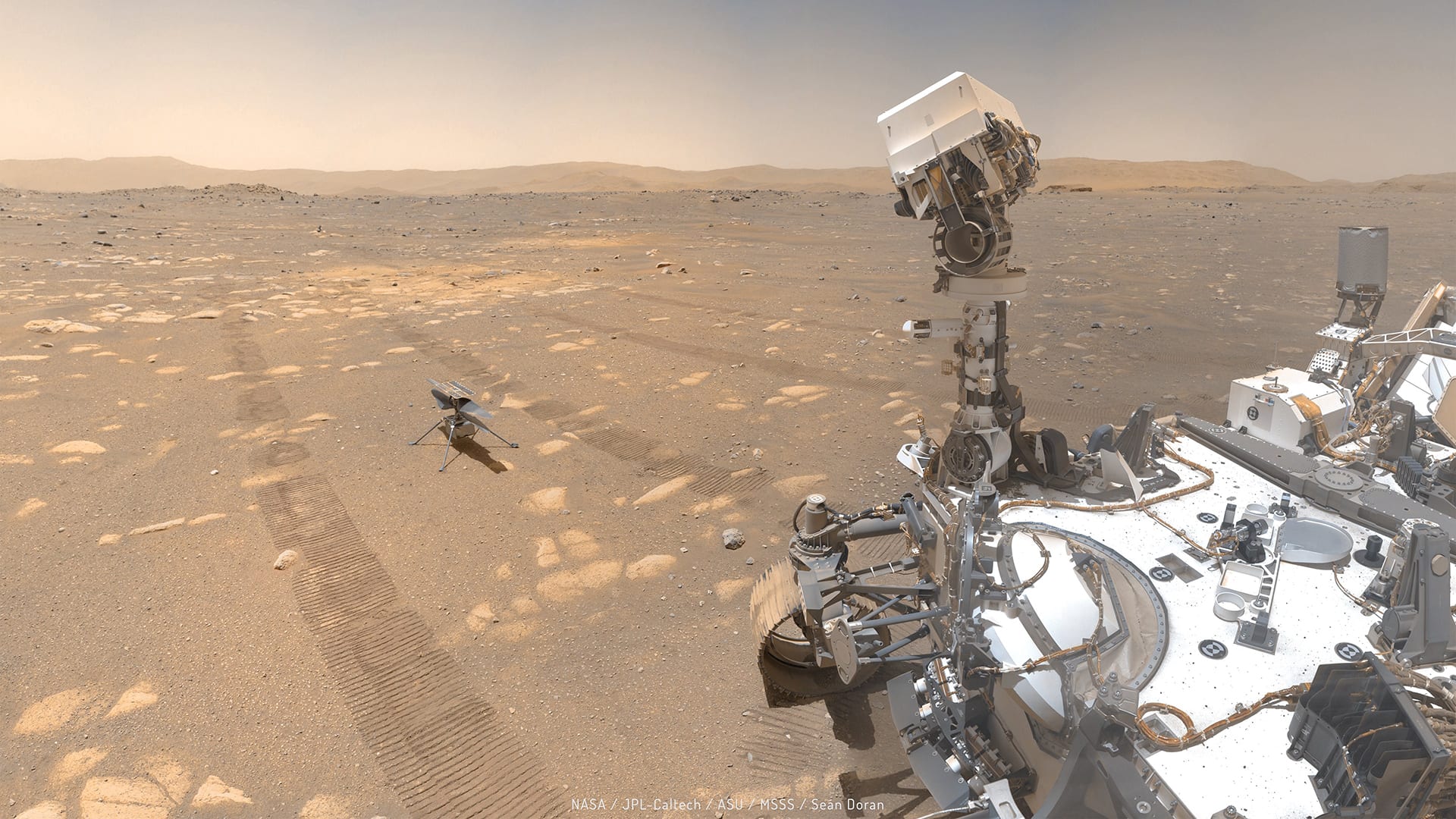
Navigation technology that helped NASA’s Perseverance rover land safely on Mars could guide robots in another unexplored terrain that’s much closer to home: the deepest trenches of the ocean.
Read More