
Physical Oceanography
Ocean Reference Stations: Long-term, open ocean observations of surface meteorology and air-sea fluxes are essential benchmarks
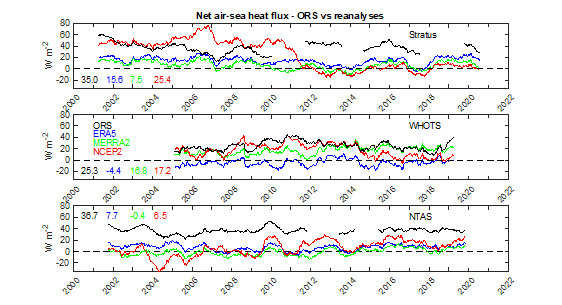
Weller, R., Lukas, R., Potemra, J., Plueddemann, A., Fairall, C., & Bigorre, S., 2022. Ocean Reference Stations: Long-term, open ocean observations of surface meteorology and air-sea fluxes are essential benchmarks.…
Read MorePO’s 2022 Summer Student Fellows
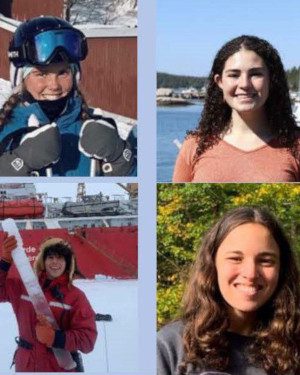
NESMA TFO project, North Atlantic
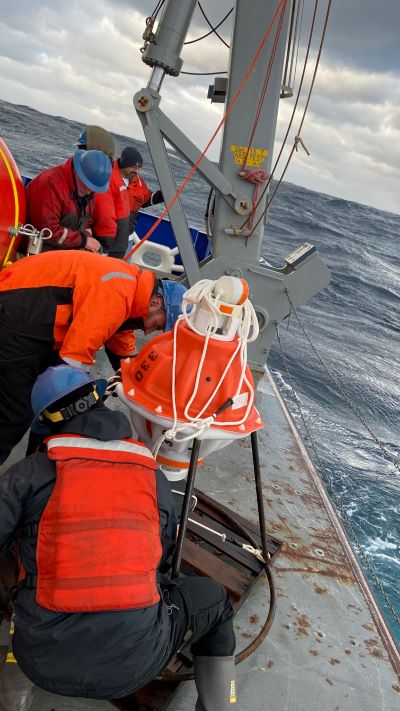
March in the stormy North Atlantic observed from the bridge of the R/V Neil Armstrong during AR65
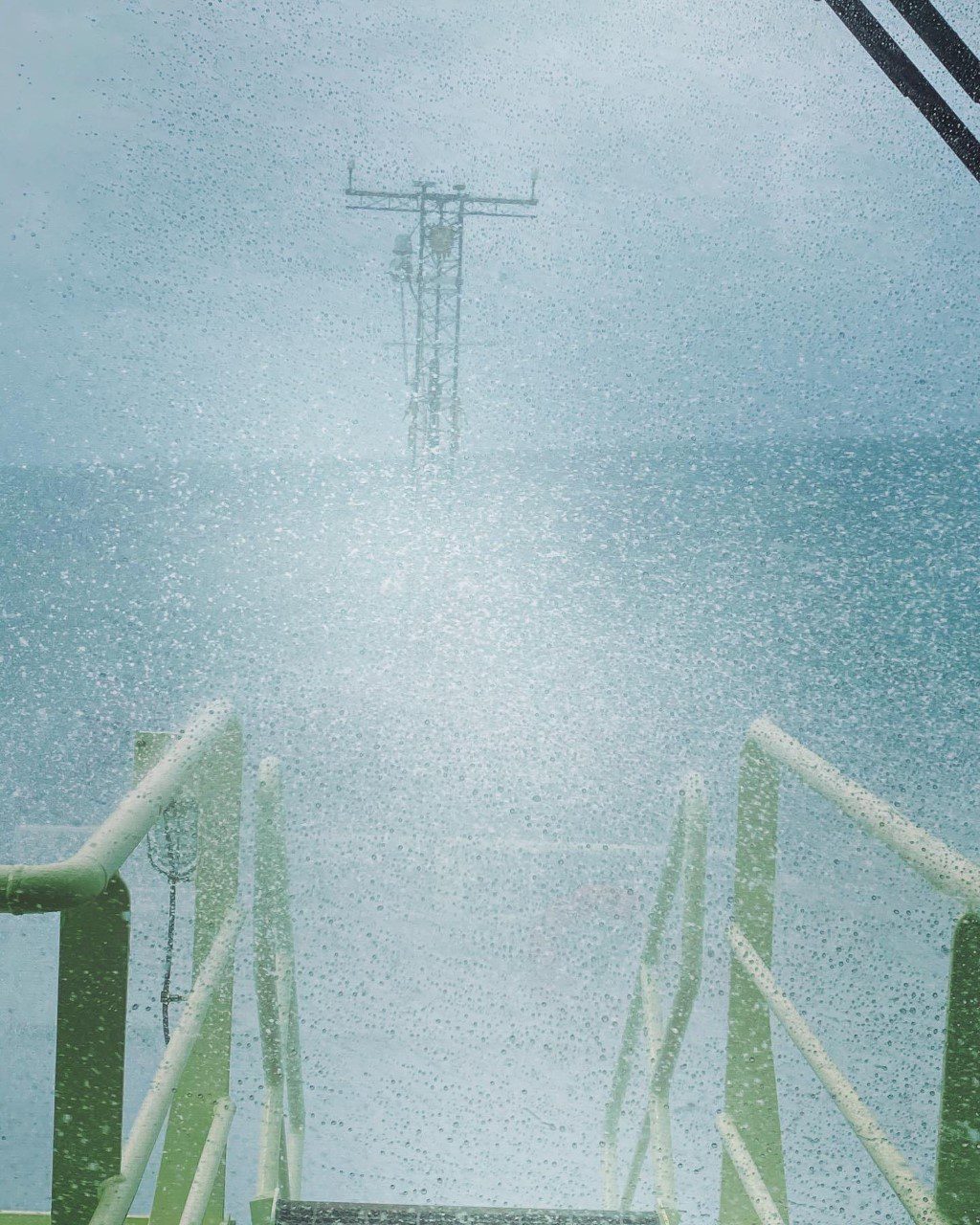
March in the stormy North Atlantic observed from the bridge of the R/V Neil Armstrong during AR65…
Read MoreTwo distinct modes of climate responses to the anthropogenic aerosol forcing changes
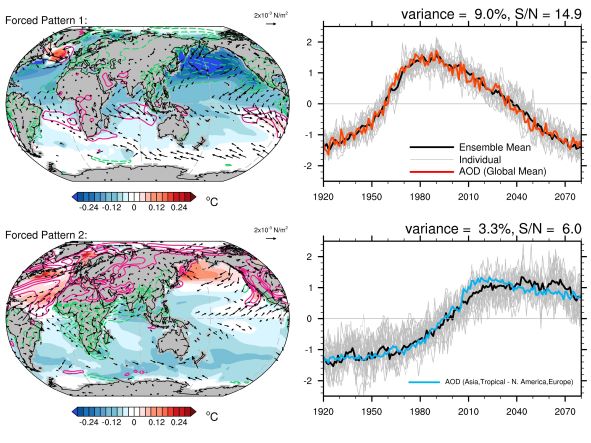
Shi, J.-R., Kwon, Y.-O., & Wijffels, S. E., 2022. Two Distinct Modes of Climate Responses to the Anthropogenic Aerosol Forcing Changes. Journal of Climate, 1–27. https://doi.org/10.1175/jcli-d-21-0656.1 Anthropogenic aerosols (AAs) have a…
Read MoreA Ka-band wind geophysical model function using doppler scatterometer measurements from the air-sea interaction tower experiment
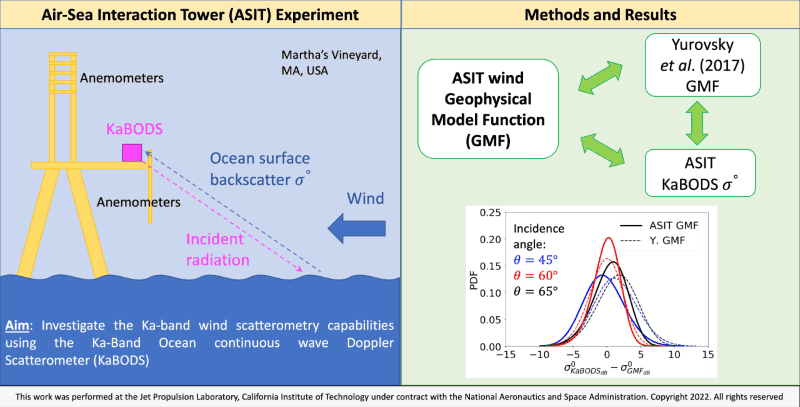
Polverari, F., Wineteer, A., Rodríguez, E., Perkovic-Martin, D., Siqueira, P., Farrar, J., Adam, M., Closa Tarrés, M., & Edson, J., 2022. A Ka-band wind geophysical model function using doppler scatterometer…
Read MoreWind fetch and direction effects on Langmuir turbulence in a coastal ocean
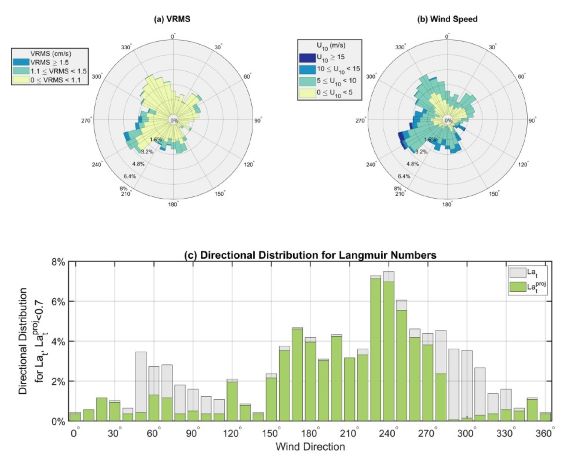
Wang, X., Kukulka, T., Plueddemann, A., 2022. Wind fetch and direction effects on Langmuir turbulence in a coastal ocean. Journal of Geophysical Research: Oceans, 127, e2021JC018222. https://doi.org/10.1029/2021jc018222 The strength of…
Read MoreDecadal observations of internal wave energy, shear, and mixing in the western Arctic Ocean
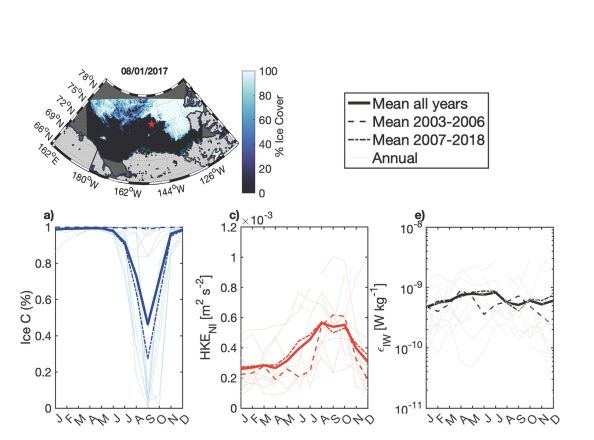
Fine, E., Cole, S., 2022. Decadal observations of internal wave energy, shear, and mixing in the western Arctic Ocean. Journal of Geophysical Research Oceans, 127. https://doi.org/10.1029/2021jc018056 Changes in the Arctic…
Read MoreWHOI & Pangaea Logistics Solutions to advance ocean science data acquisition through Science RoCS program
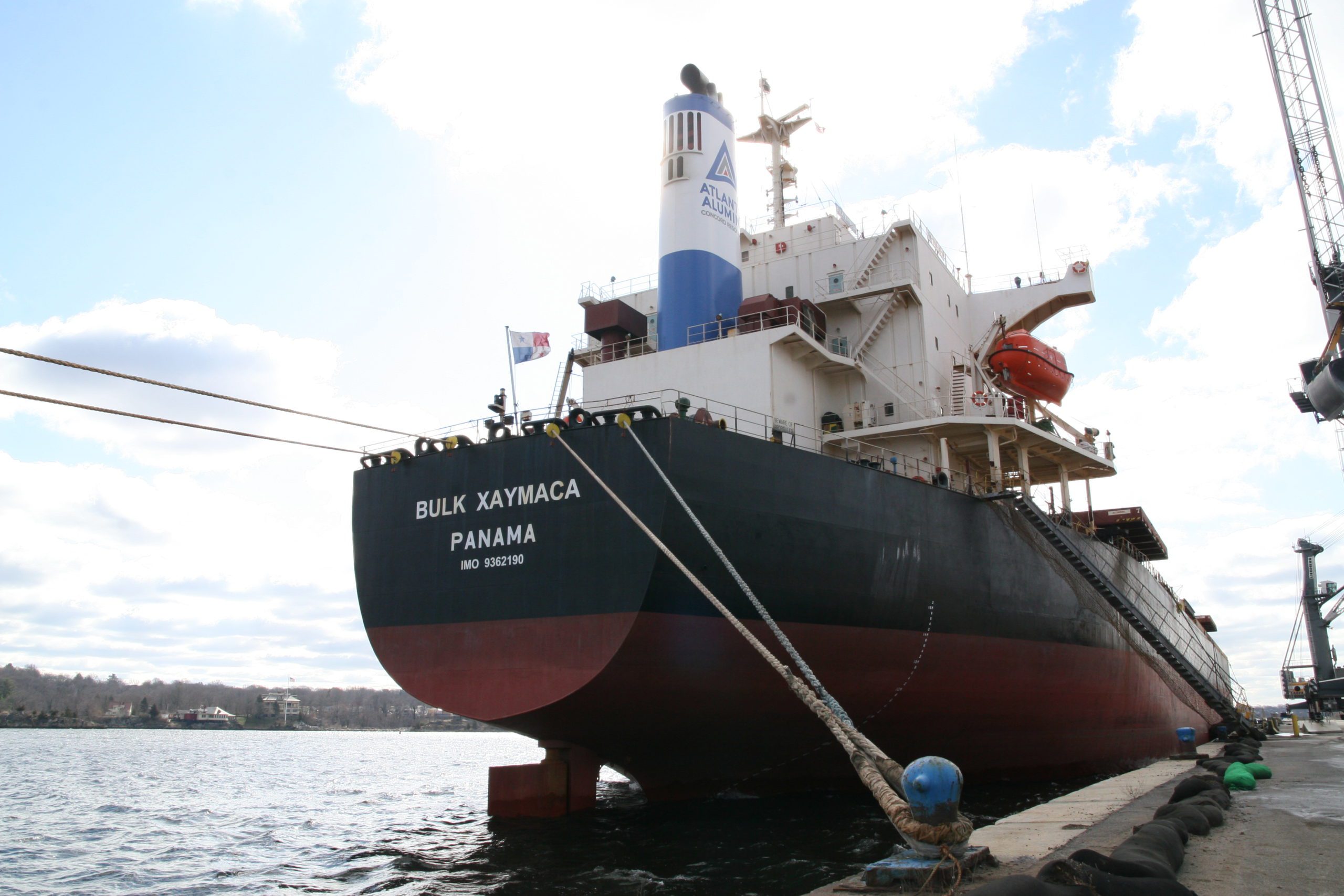
WHOI and Pangaea Logistics Solutions (Pangaea), a U.S. based, international maritime and logistics transportation company, today announced the launch of a new science program aboard Pangaea’s fleet of ships. Science RoCS (Science Research on Commercial Ships) is an innovative program pairing scientists with commercial vessels to regularly monitor the vast and open ocean, particularly along repeat routes in hard-to-reach areas where critical gaps in monitoring exist.
Read MoreWHOI-led team awarded $7.6M to support Gulf of Mexico Loop Current research
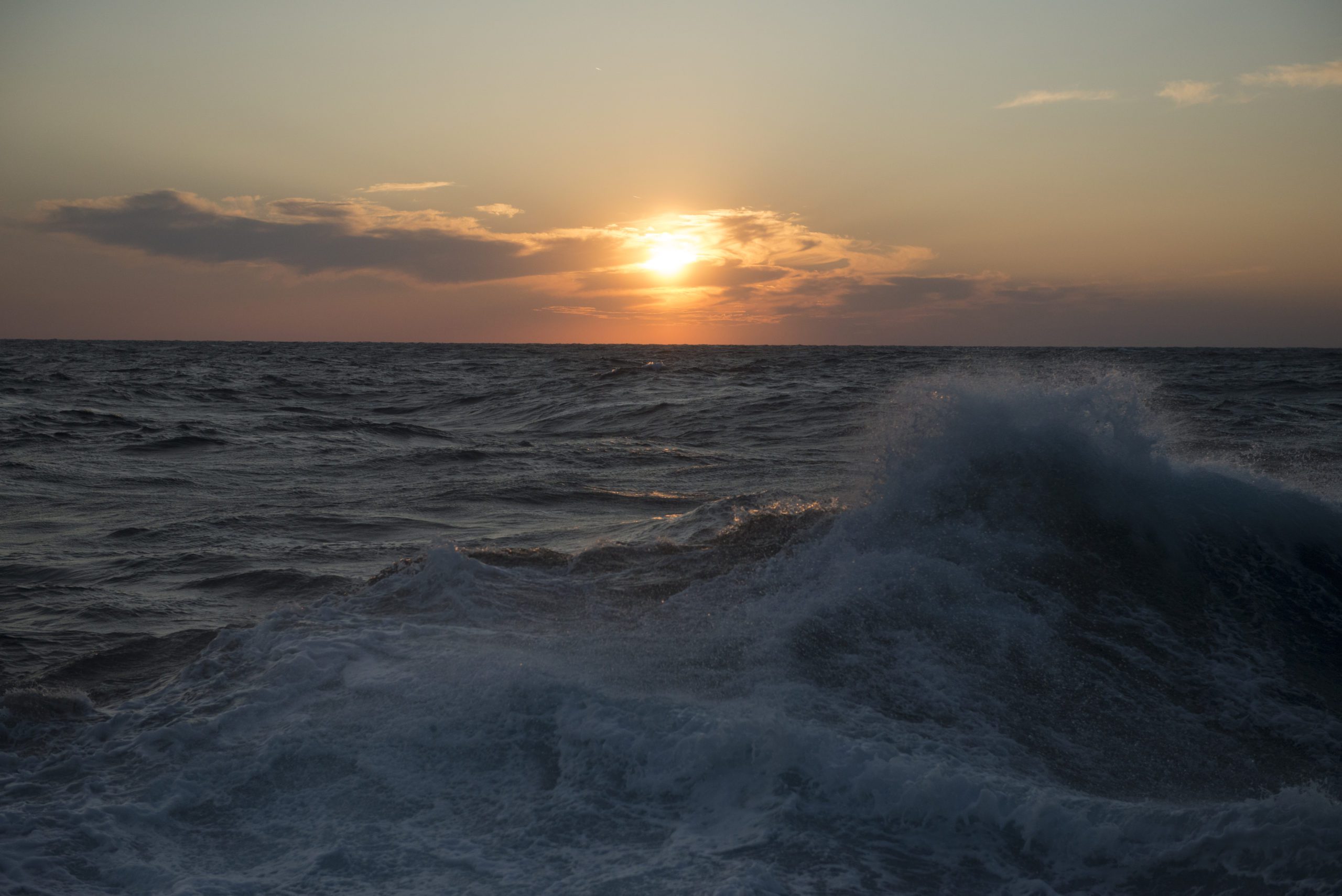
A Woods Hole Oceanographic Institution-led research team has been awarded $7.6 million from the Gulf Research Program (GRP) of the National Academies of Sciences, Engineering, and Medicine (NASEM).
Read MoreOCIA: Accelerating the pace of ocean-climate research
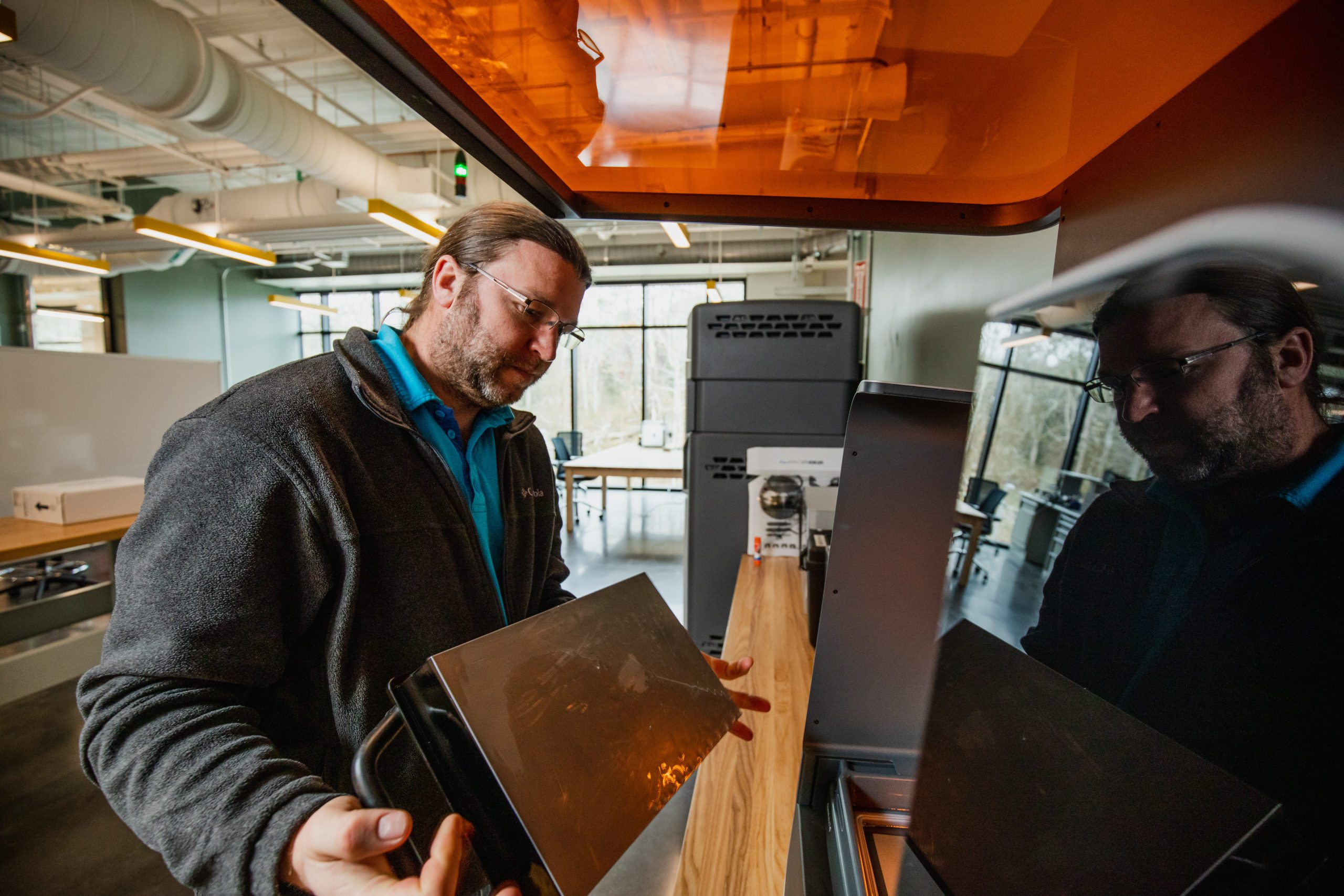
The first five projects funded by the Ocean Climate Innovation Accelerator (OCIA) are set to advance research at the intersection of oceans and climate.
Read MoreEvidence Bolsters Classification of a Major Spawning Ground for Atlantic Bluefin Tuna Off the Northeast U.S.
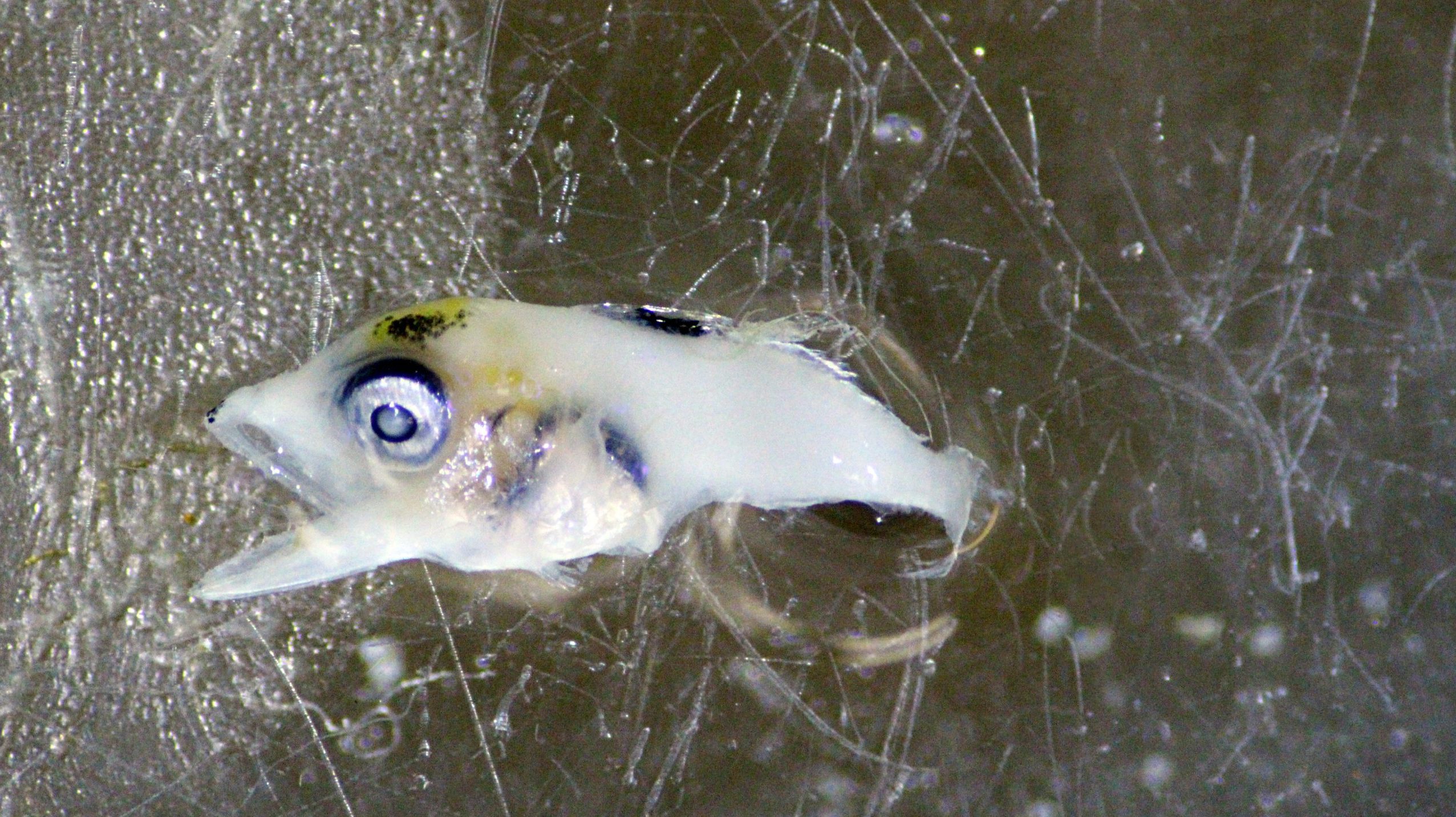
The Slope Sea off the Northeast United States is a major spawning ground for Atlantic bluefin tuna (Thunnus thynnus), a new WHOI-led paper affirms. This finding likely has important implications for population dynamics and the survival of this fish.
Read MoreUpwelling of Atlantic water in Barrow Canyon, Chukchi Sea
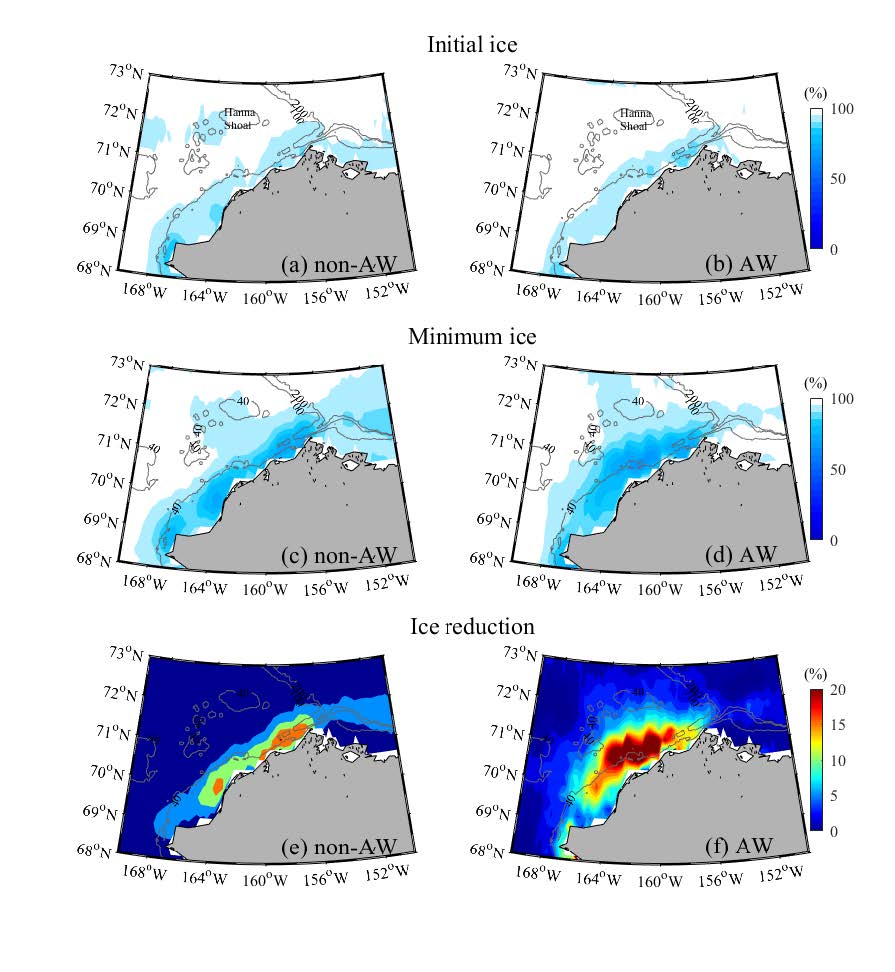
Li, S., Lin, P., Dou, T., Xiao, C., Itoh, M., Kikuchi, T., & Qin, D., 2022. Upwelling of Atlantic water in Barrow Canyon, Chukchi Sea. Journal of Geophysical Research: Oceans, 127(3), e2021JC017839. https://doi.org/10.1029/2021JC017839…
Read MoreCTD and rosette deployment off the side of the Coast Guard Cutter Healy
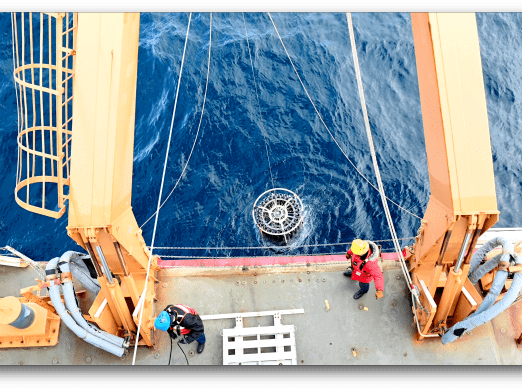
CTD and rosette deployment off the side of the Coast Guard Cutter Healy during Robert Pickart’s RAPID cruise in Baffin Bay in September-October 2021…
Read MoreWelcome Postdoctoral Investigator Astrid Pacini
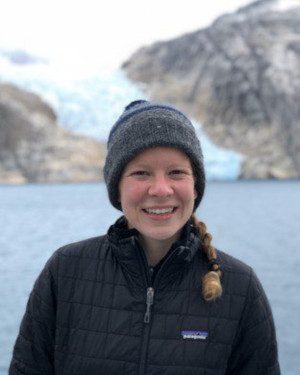
Astrid Pacini, Postdoctoral Investigator, joins WHOI’s PO Department.
Read MoreOcean data gives Northeast fishermen an edge against a warming ocean
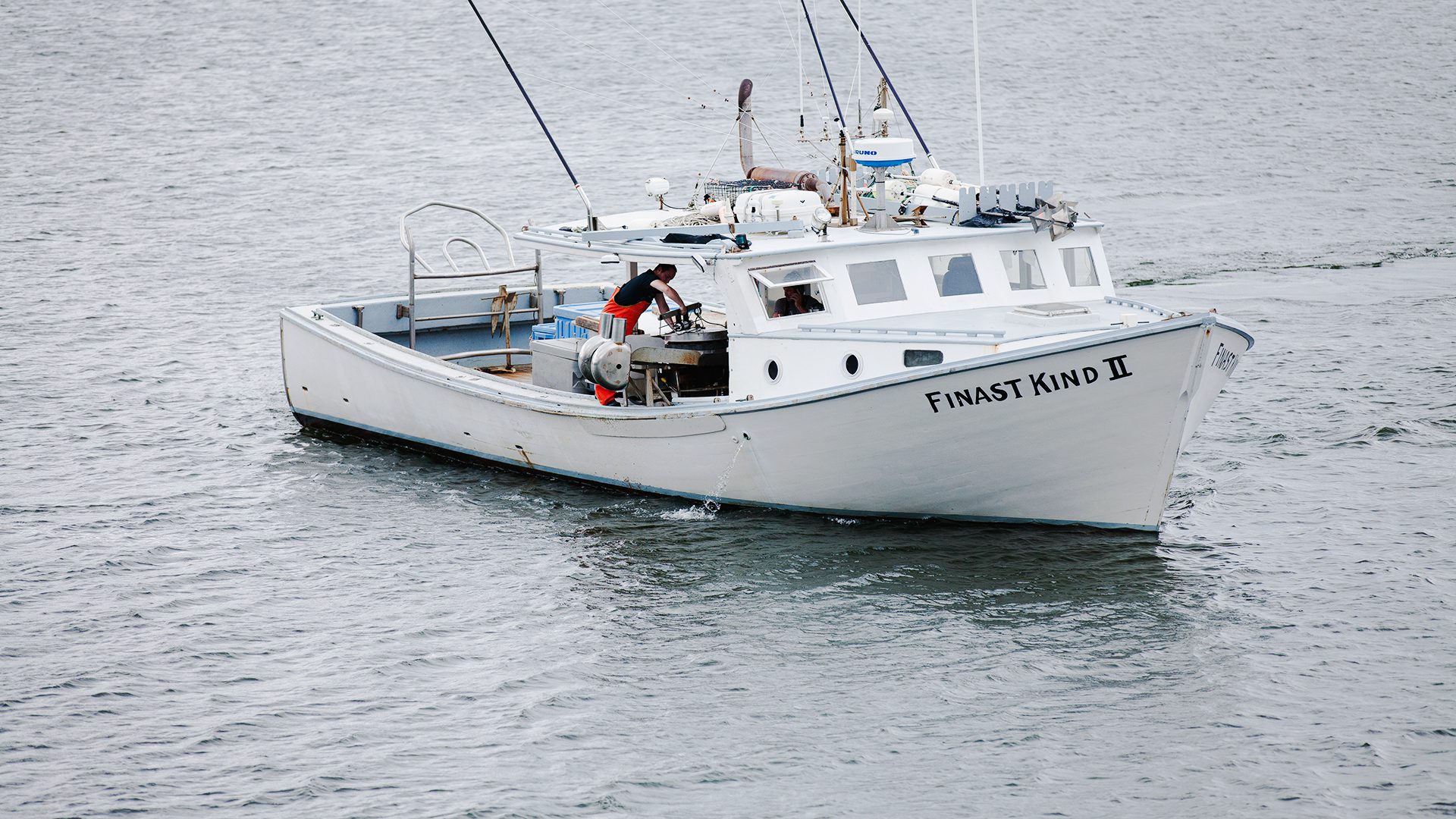
Fishermen successfully brace against warm water wave from Gulf Stream, thanking greater access to data from the WHOI Shelf Fleet Program
Read MoreWelcome Postdoctoral Investigator Leo Middleton
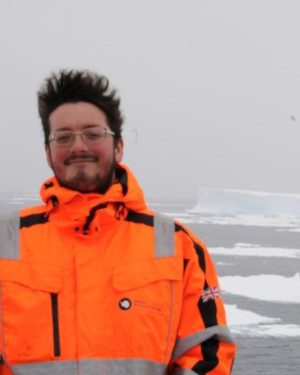
Leo Middleton, Postdoctoral Investigator, joins WHOI’s PO Department.
Read MoreNew ocean floats to boost global network essential for weather, climate research
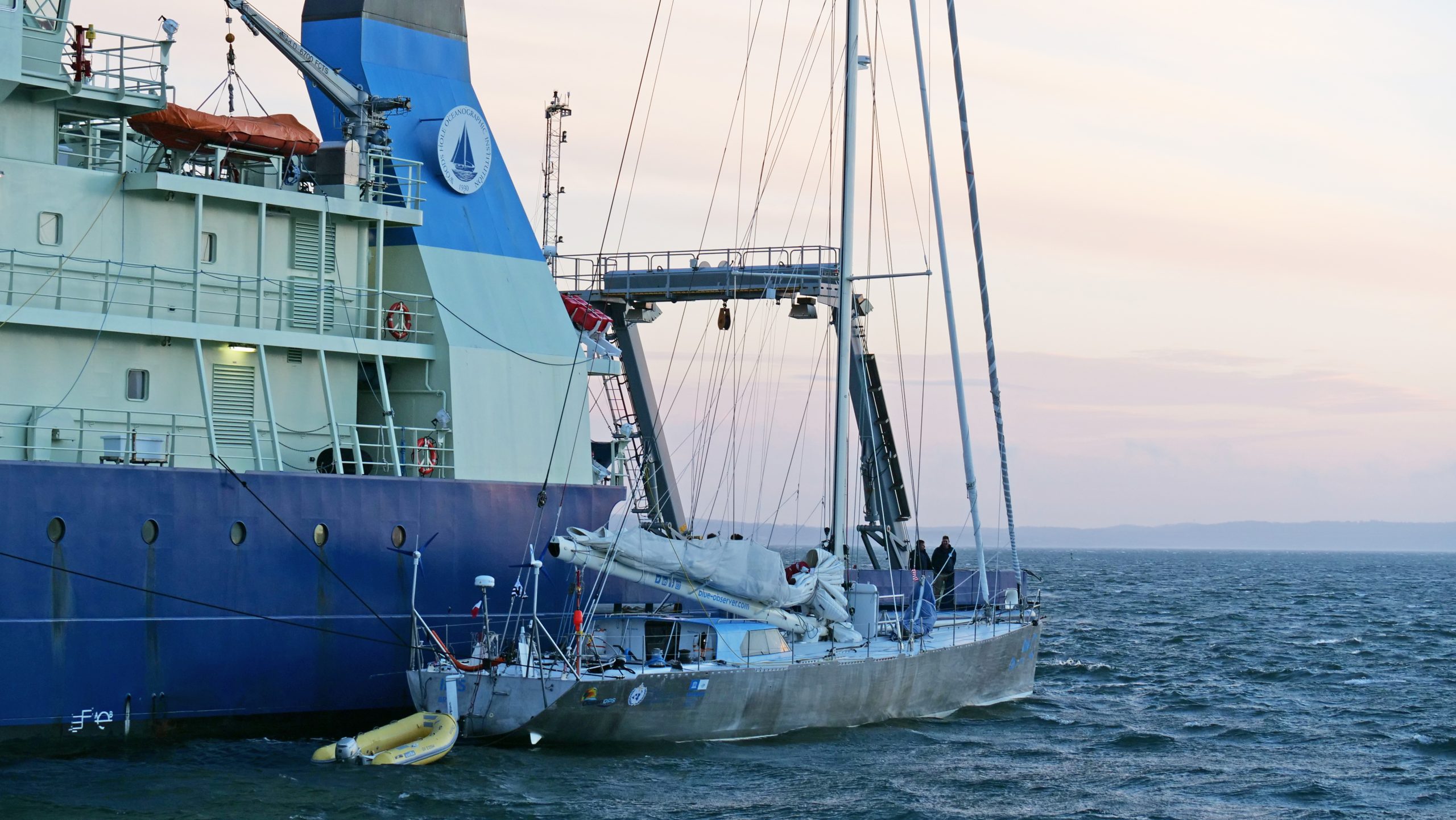
WHOI and partners join together to launch approximately 100 new Argo floats across the Atlantic Ocean to collect data that supports ocean, weather and climate research and prediction
Read MoreSpotlight on Assistant Scientist, Nick Foukal
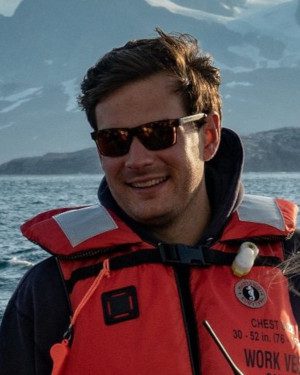
Nick Foukal is interested in the dynamics of the North Atlantic and Arctic, with a particular focus on how these basins store and transport heat.
Read MoreTropical fish…up north? How ocean physics play a role in altering water temperature and salinity
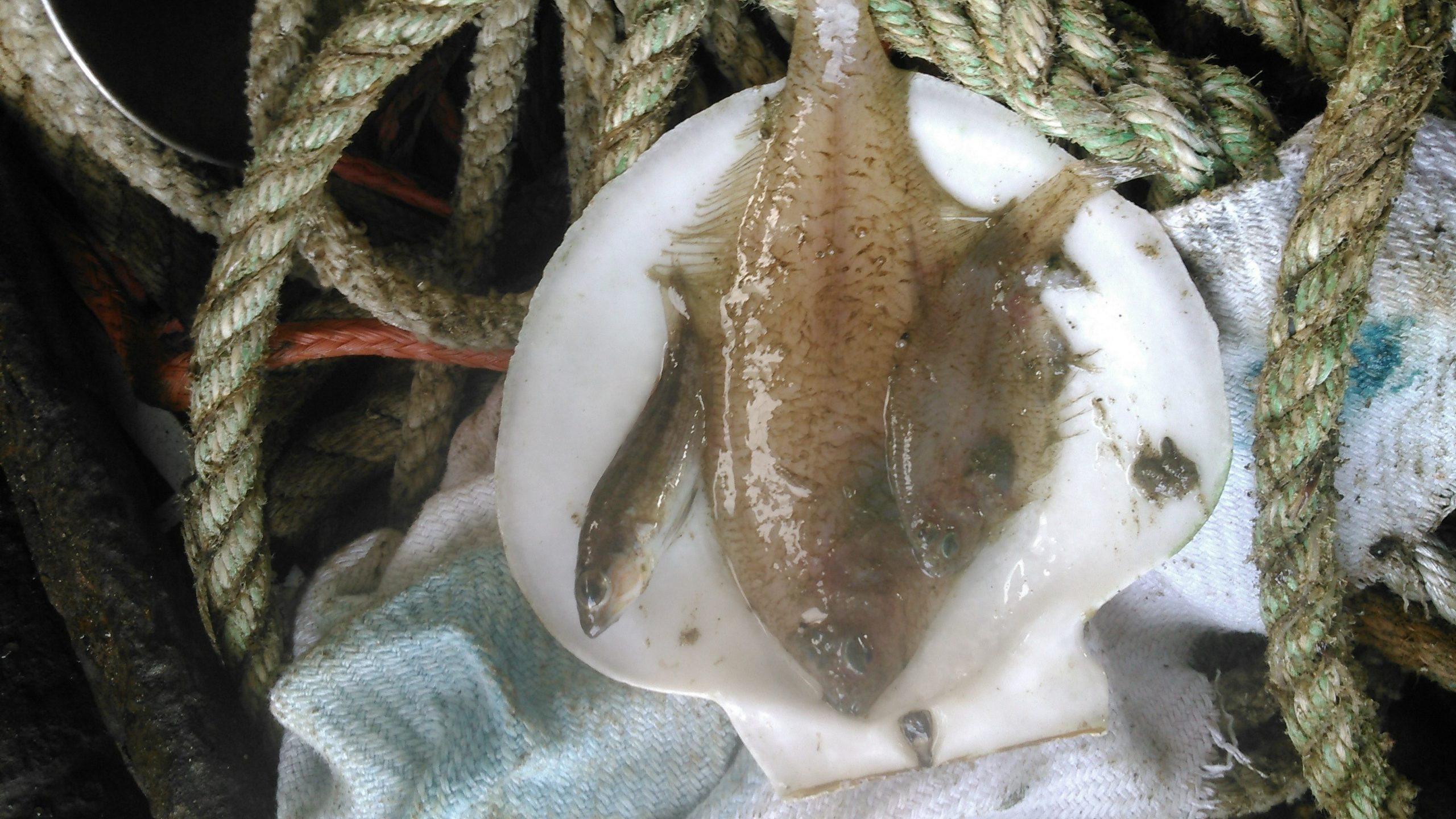
A study led by Woods Hole Oceanographic Institution scientists is explaining why warm and salty water along with warm water fish species, such as the deep-sea dwelling Gulf Stream flounder and Black Sea bass, were found far inshore in New England in the middle of winter 2017. How did this happen? Researchers say it is due to an intrusion of offshore water from the open ocean onto the Northeast U.S. Shelf, caused by eddies (a circular current of water) and wind.
Read MoreSatellite Altimetry Mission Promises Huge Advances for Physical Oceanography and Hydrology
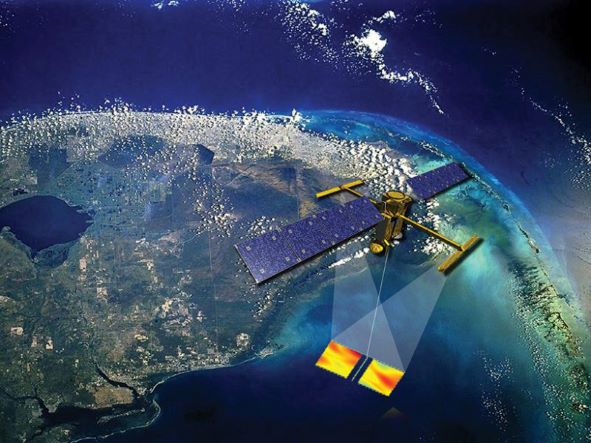
Thomas Farrar, the oceanography science co-lead for the Surface Water and Ocean Topography (SWOT) mission, says that when the satellite launches in late 2022, it will provide huge advances for physical oceanography…
Read MoreFrom the sound: A future powered by the sea

These two WHOI scientists discuss the promise of offshore wind and wave as renewable energy, and why WHOI is uniquely poised to make these safe and efficient forms of power
Read MoreMesoscale and submesoscale shelf-ocean exchanges initialize an advective Marine Heatwave
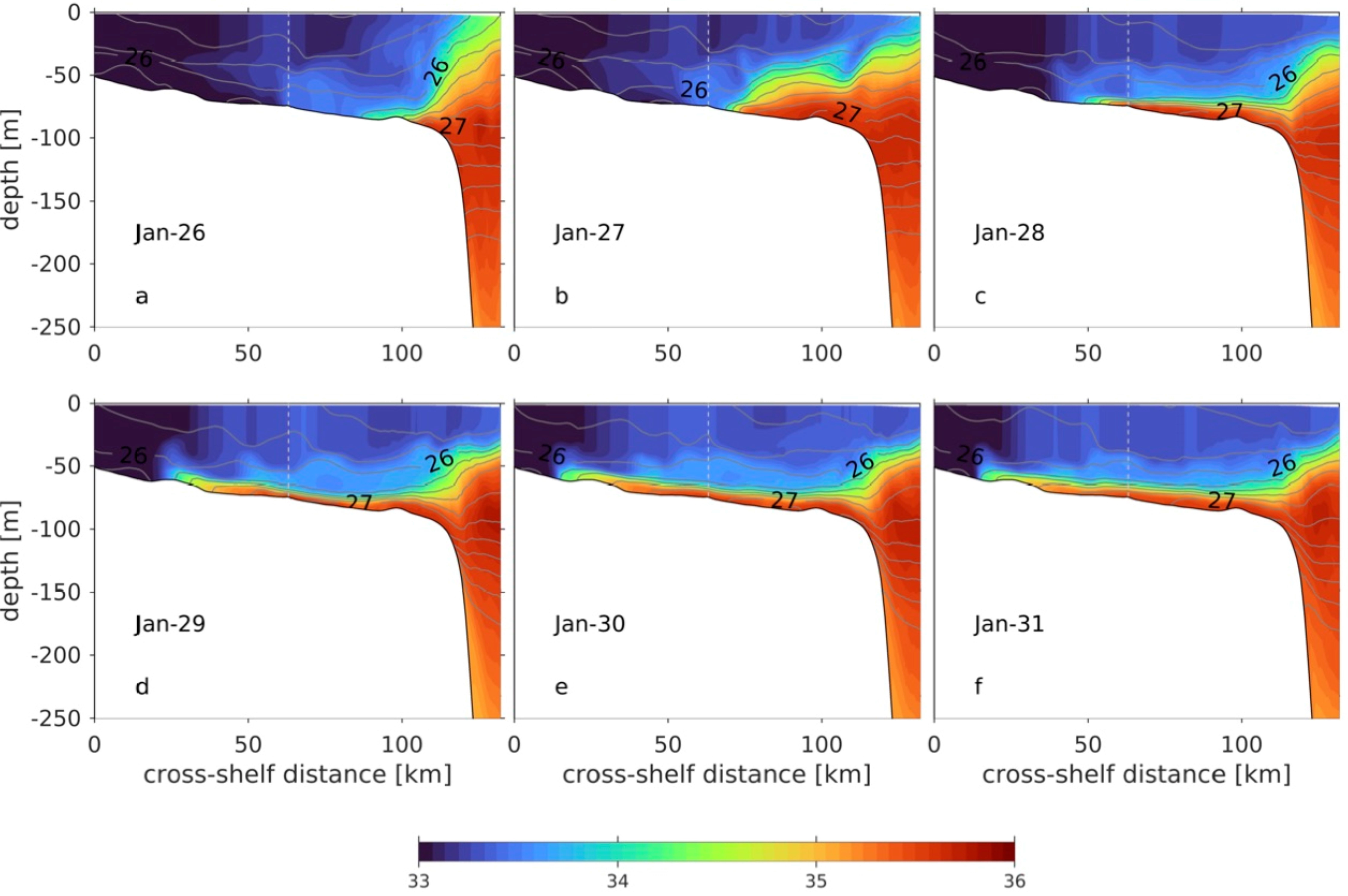
Chen, K., Gawarkiewicz, G., Yang, J., 2022. Mesoscale and submesoscale shelf-ocean exchanges initialize an advective Marine Heatwave. Journal of Geophysical Research: Oceans, 127, e2021JC017927. https://doi.org/10.1029/2021JC017927 Bottom intensified intrusion as revealed…
Read MoreMIT/WHOI Joint Program Armstrong Cruise
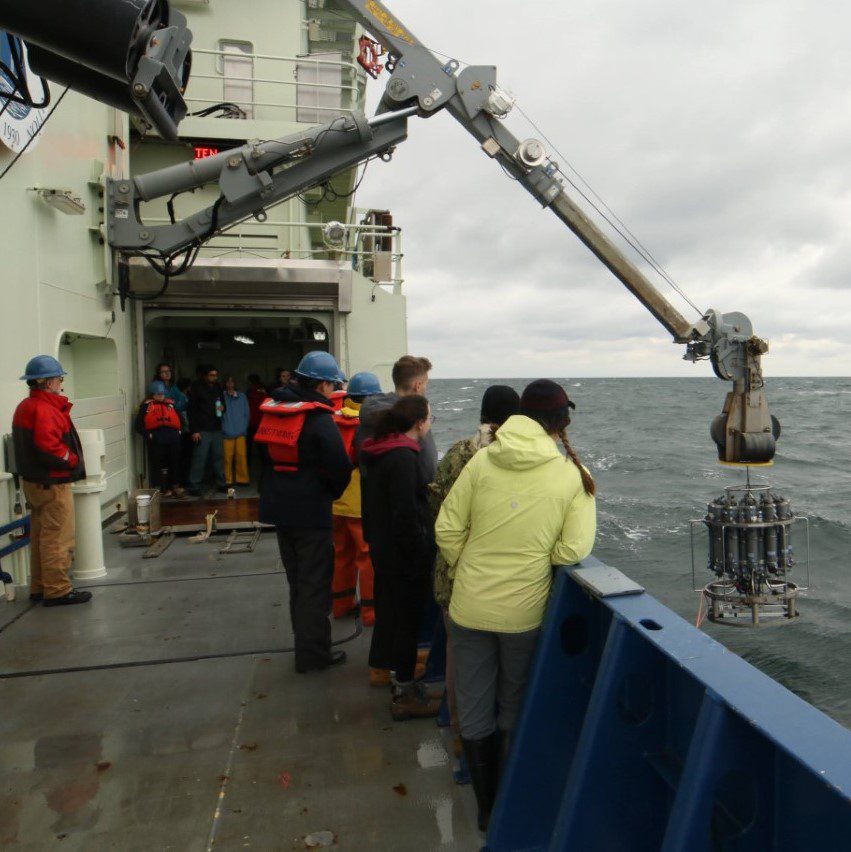
After a year’s pause, the annual Joint Program student cruise resumed this fall!
Read More