
Geology & Geophysics
Woods Hole Oceanographic Institution’s Heather Benway Receives AGU Honor

Heather Benway, a senior research specialist at the Woods Hole Oceanographic Institution (WHOI) is the recipient of the 2023 Ocean Science Award from the American Geological Union (AGU).
Read MoreDigital Reefs: Enabling the Industrial Metaverse with MIT Technology Review
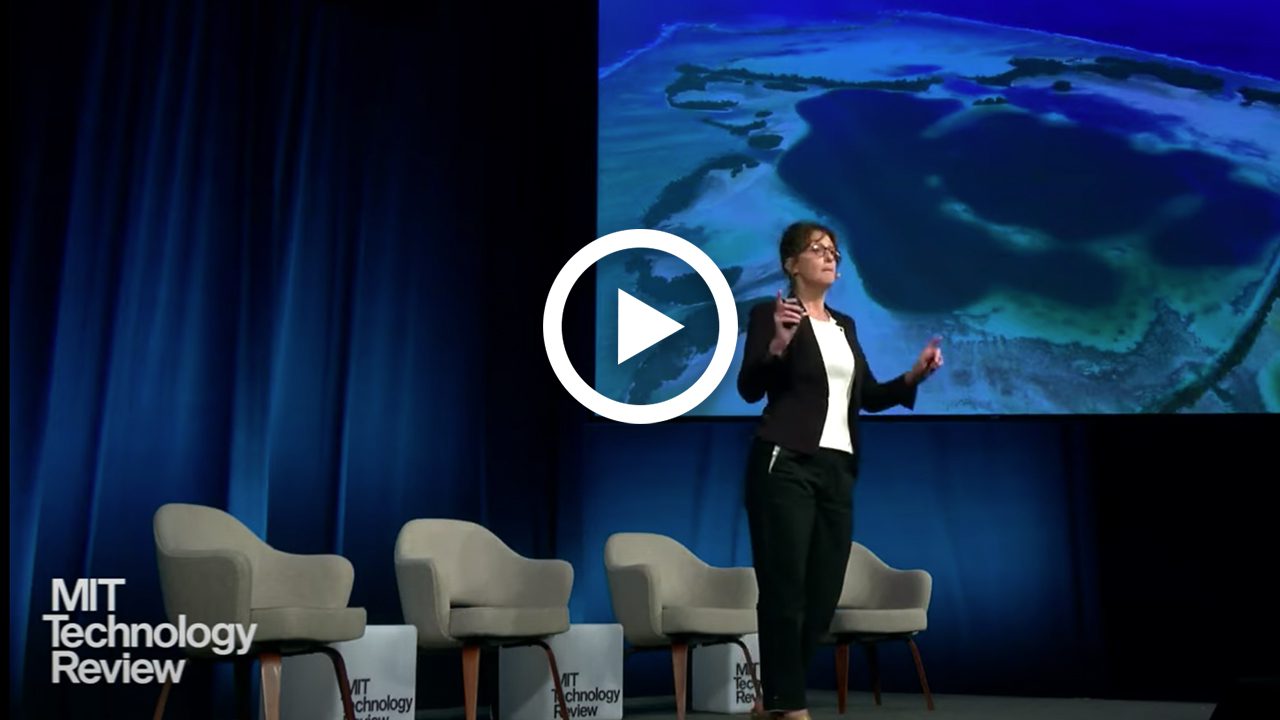
Digital Reefs principal investigator Anne Cohen presented her vision for a technologically supported future of decision-making for coral reefs
Read MoreIn a geologic triumph, scientists drill a window into Earth’s mantle

Paddling an angry, ancient ocean
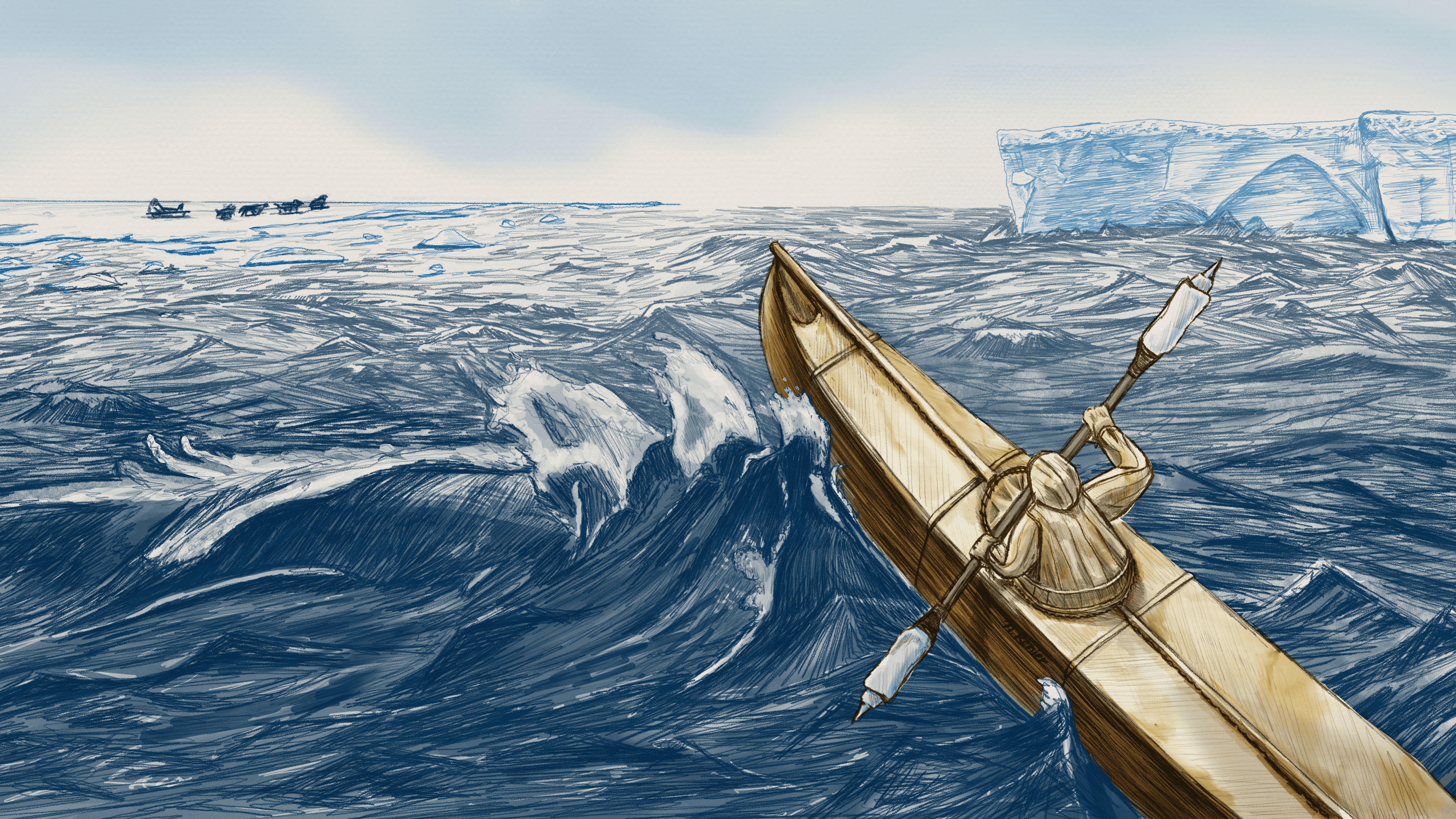
If ancient Beringians got to the Americas by boat, it couldn’t have been easy
Read MoreCoral reef discovered in the Galápagos Marine Reserve with Alvin
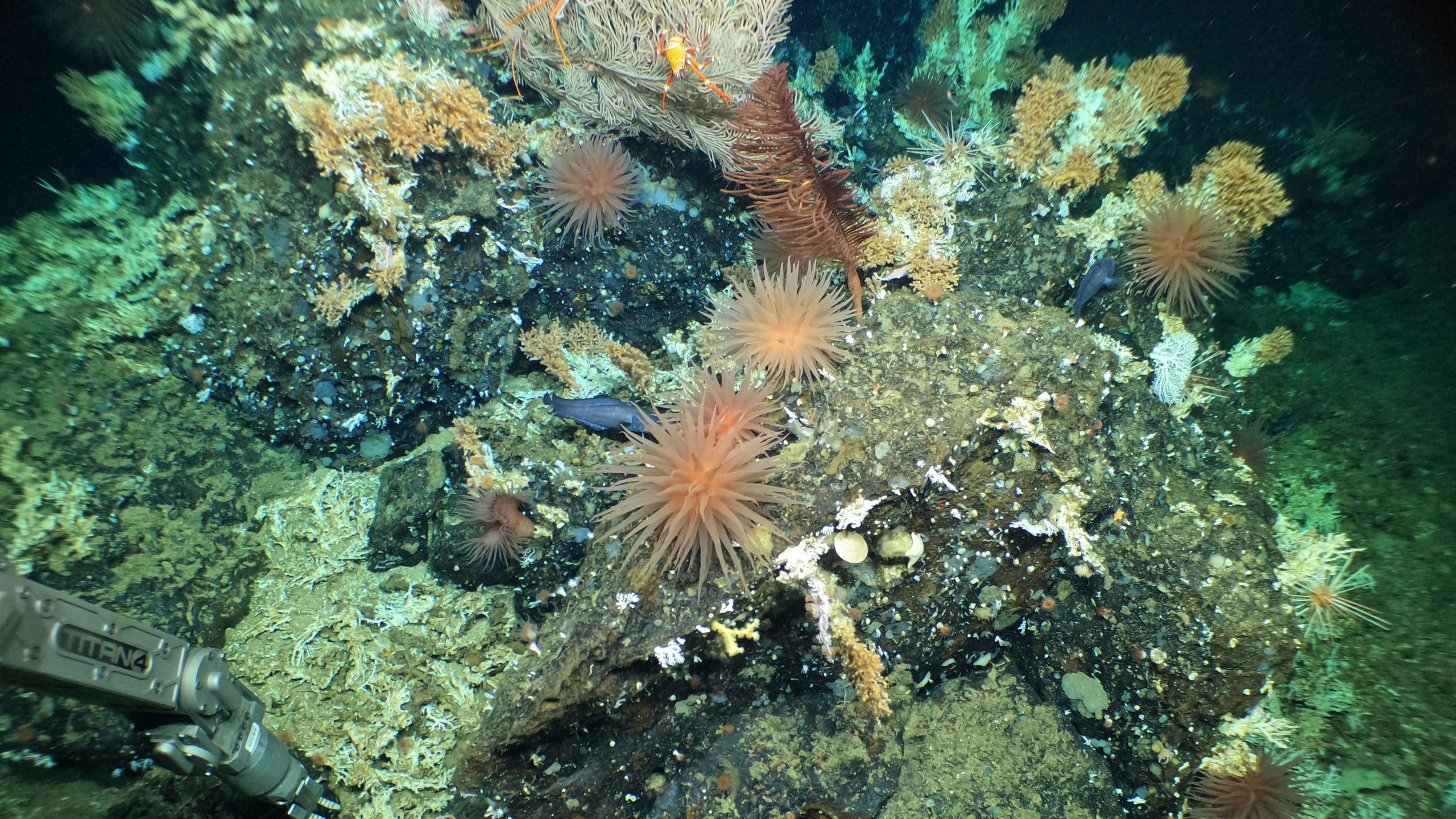
In April 2023, scientists diving in the human-occupied submersible Alvin discovered extensive, ancient deep-sea coral reefs within the Galápagos Marine Reserve.
Read MoreScientists Aboard R/V Atlantis Discover Deep-Sea Coral Reefs in the Galápagos
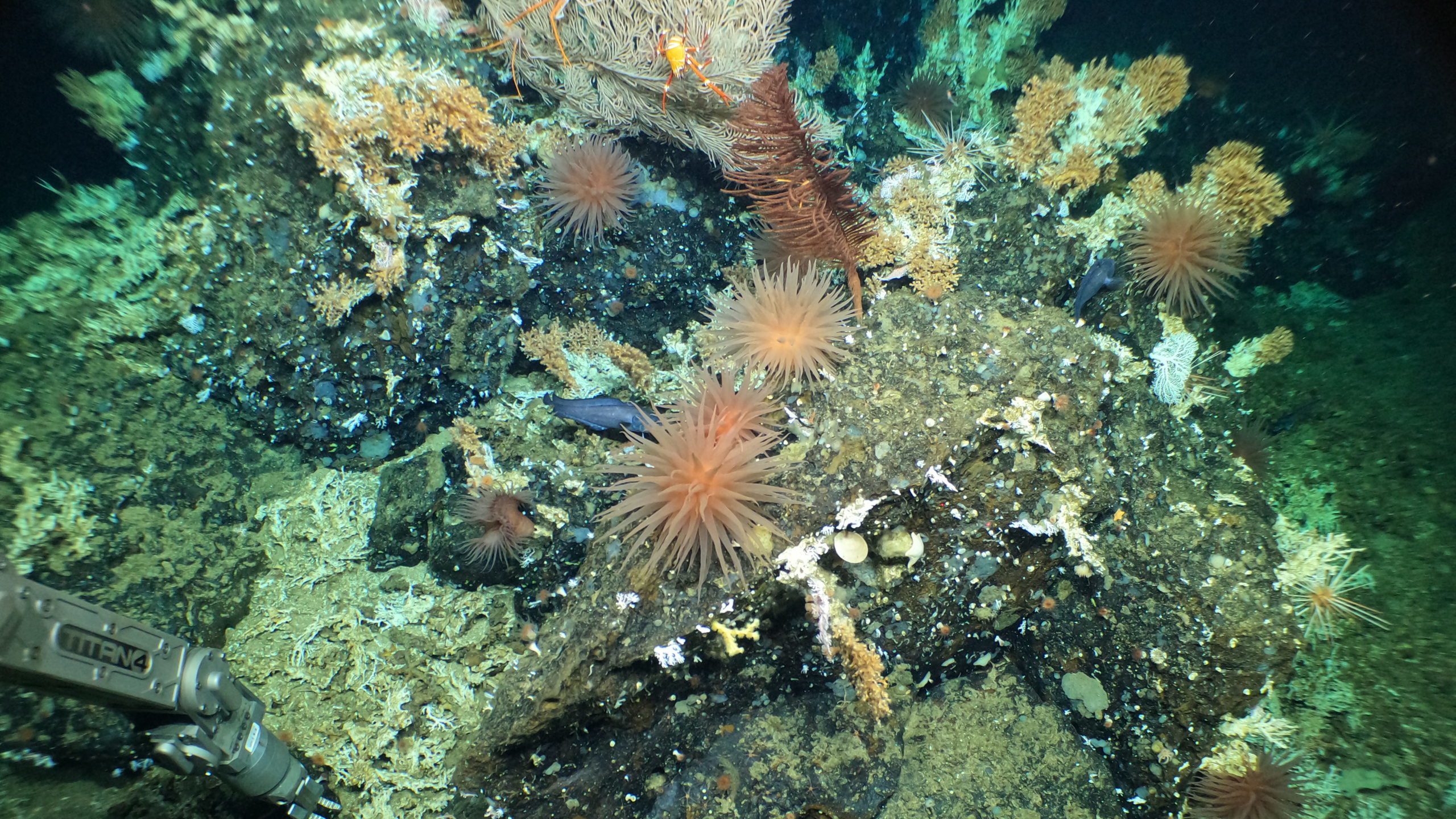
Observations using the newly upgraded human-occupied vehicle Alvin are the first of a deep-water coral reef in the Galápagos Marine Reserve.
The reefs are located at depths between 400-600 m, atop previously unmapped seamounts.
Building Blocks of Life on the Atlantis Massif
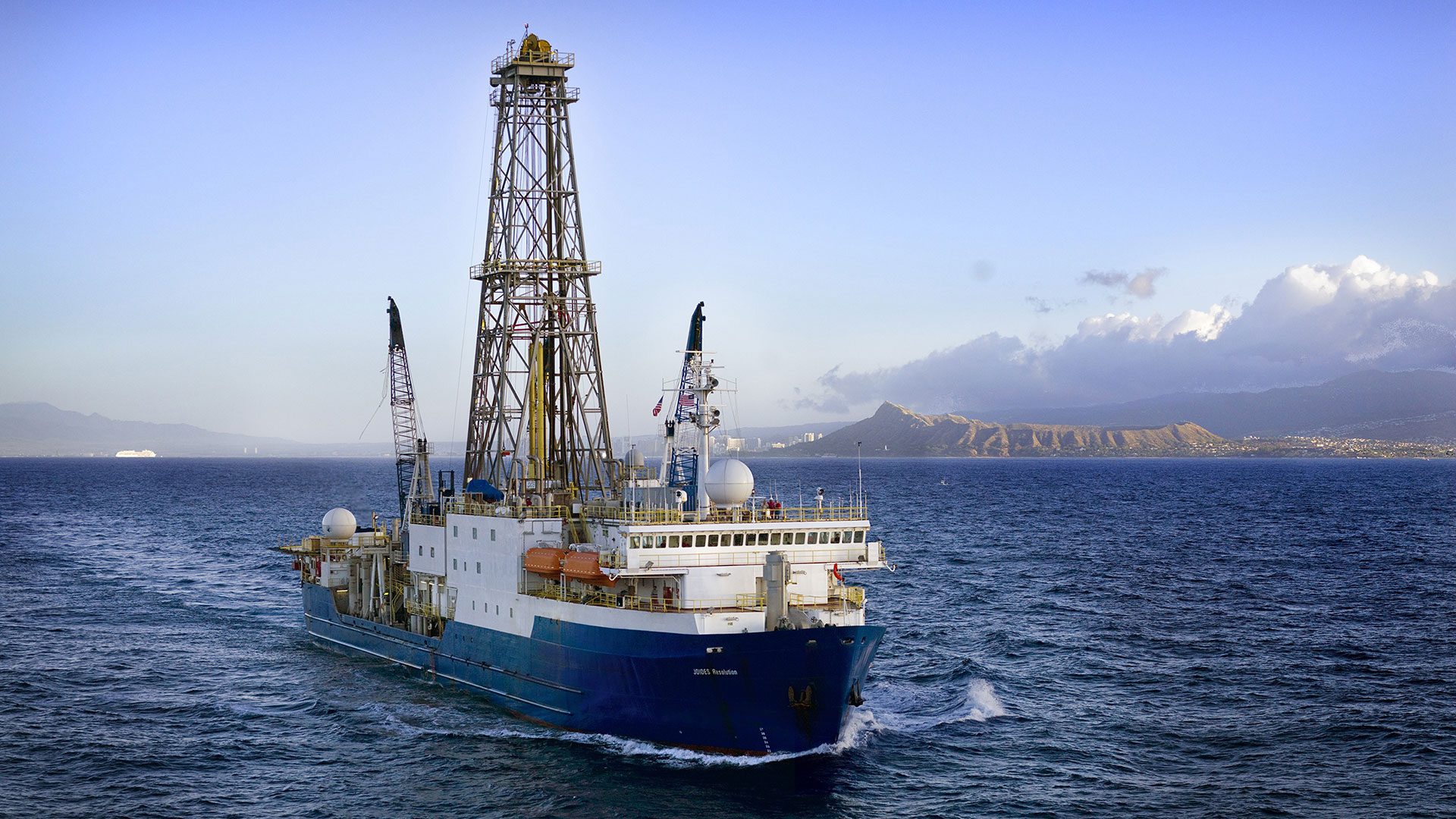
An upcoming expedition aboard the US ocean drilling ship JOIDES Resolution co-led by Susan Q. Lang, a geochemist at WHOI and director NOSAMS Facility, will attempt to shed new light on the processes that likely helped jumpstart the formation of life early in Earth’s history.
Read MoreWhere Did Earth’s Water Come From? Not Melted Meteorites, According to Scientists
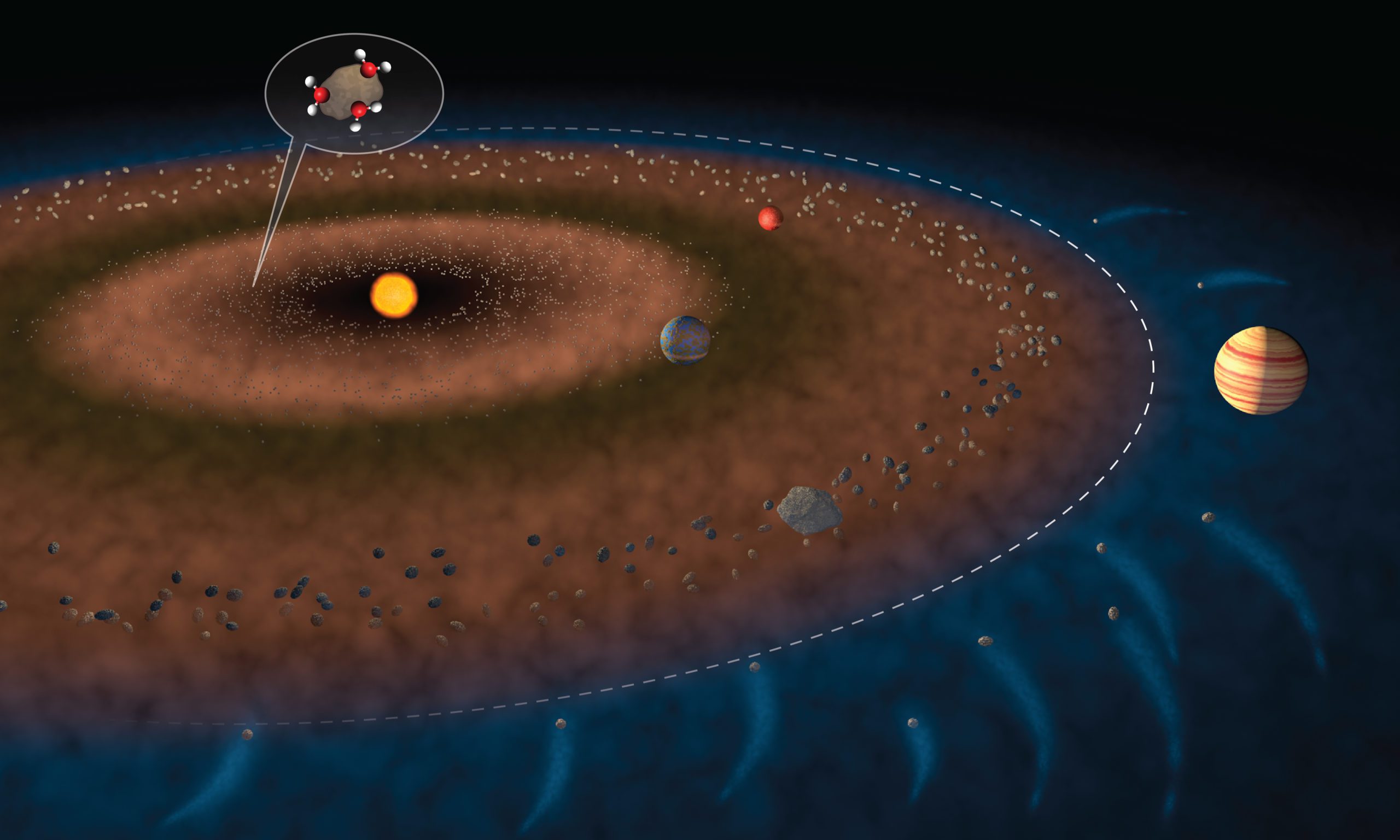
WHOI is part of a collaborative study, offering new insight into the extraterrestrial origins of our lakes, rivers and oceans
Read MoreDrilling Deeper Into Ocean Floor in Search for Origins of Life

Reconstructing the Bering Sea’s stormy past
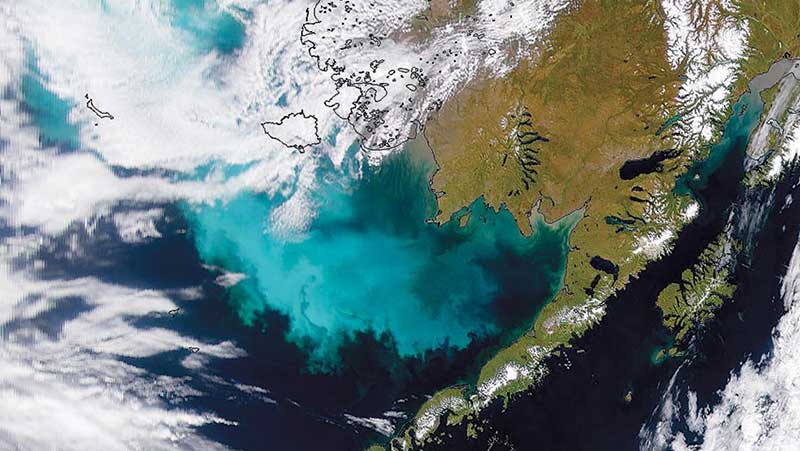
Researchers help Bering Sea indigenous communities understand the past and plan for future
Read MoreThe Mystery of the Healthy Coral Reef
Coral Species That Withstand Ocean Warming Identified
Palau’s Rock Islands Harbor Heat-Resistant Corals
Marine Science Goes to Space
Palau’s Rock Islands Harbor Heat-resistant Corals
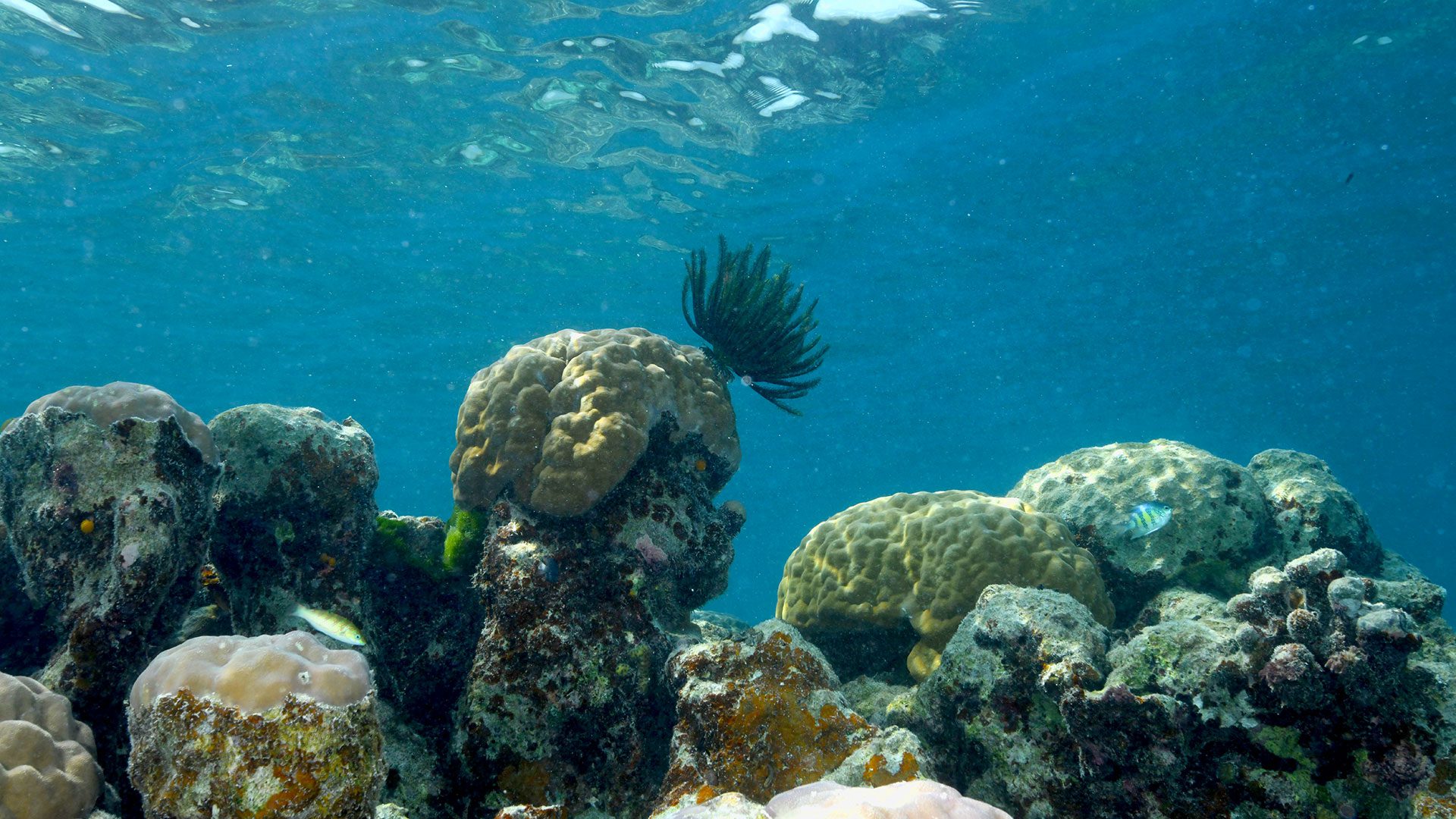
Scientists studying reefs in Palau have identified subgroups of a coral species that exhibit remarkable tolerance to the extreme heat associated with marine heatwaves
Read MoreThe predictive power of geochemistry
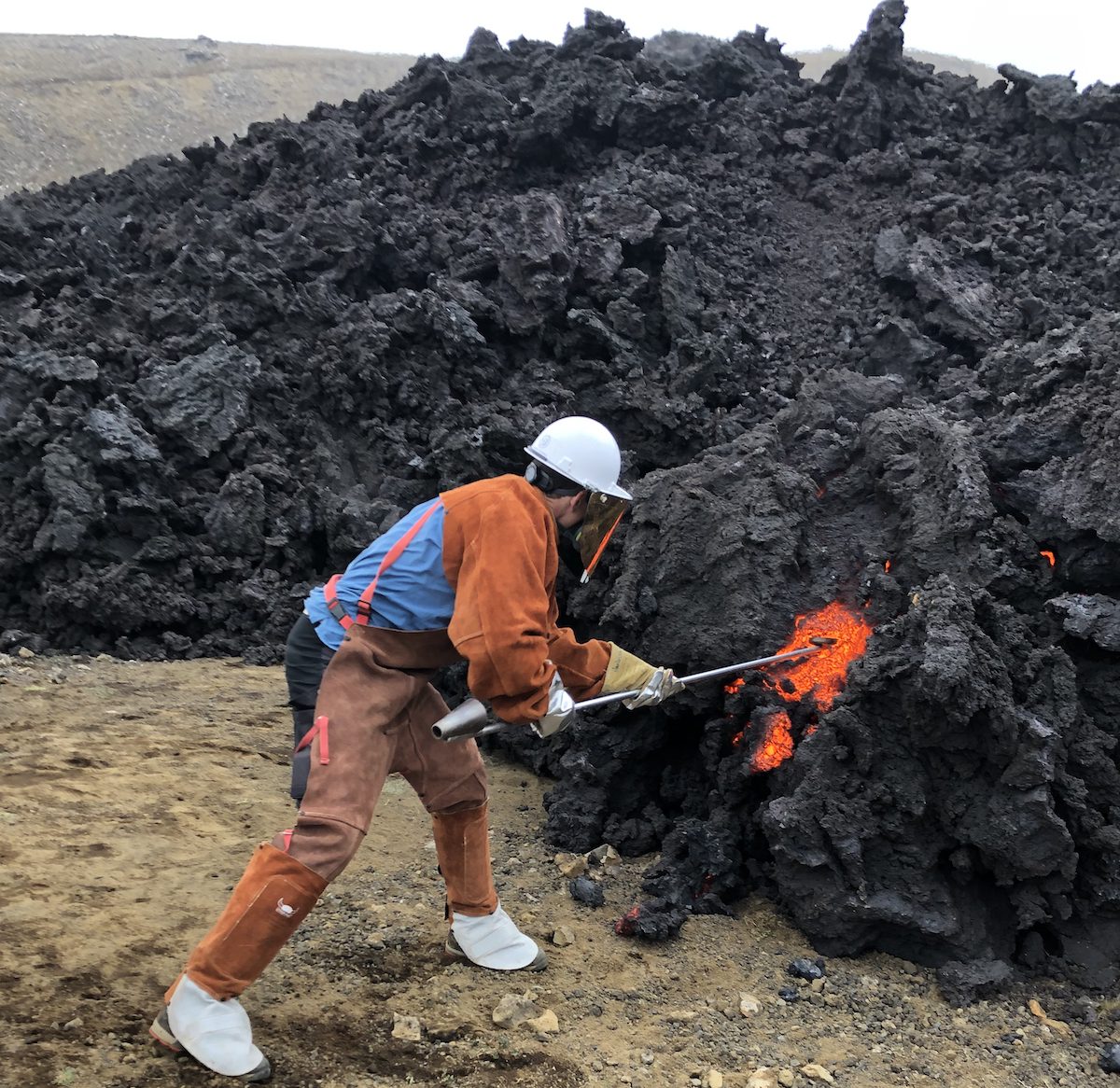
A WHOI researcher looks for changes in gas molecules to forecast volcanic eruptions such as Mauna Loa in Hawai’i.
Read MoreArctic Hydrothermal Vent Site Could Help in Search for Extraterrestrial Life
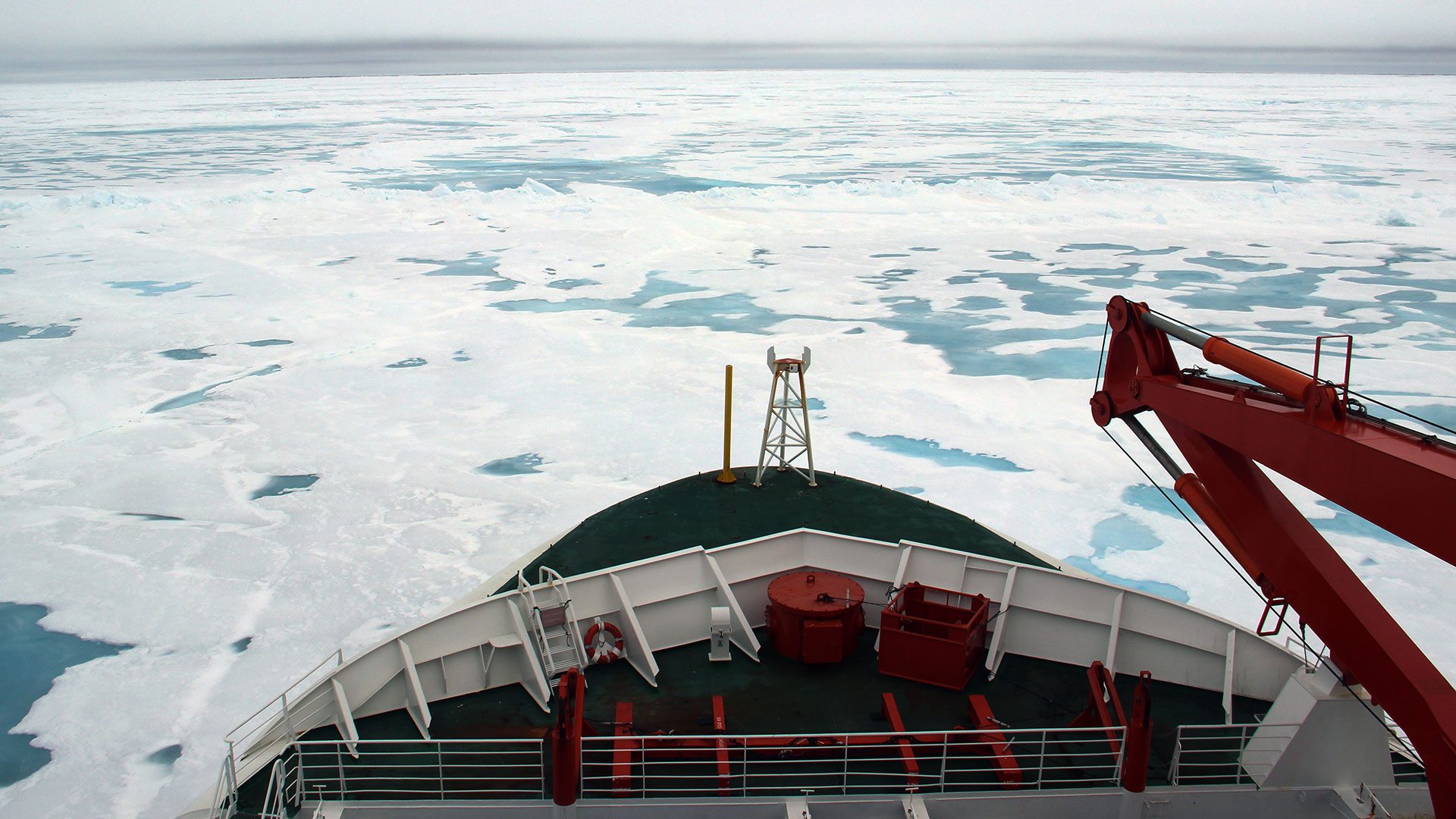
When scientists discovered a hydrothermal vent site in the Arctic Ocean’s Aurora hydrothermal system in 2014, they did not immediately realize just how exciting their discovery was.
Read MoreWhat happens to Cape Cod with sea level rise? Here’s insights into what could go wrong

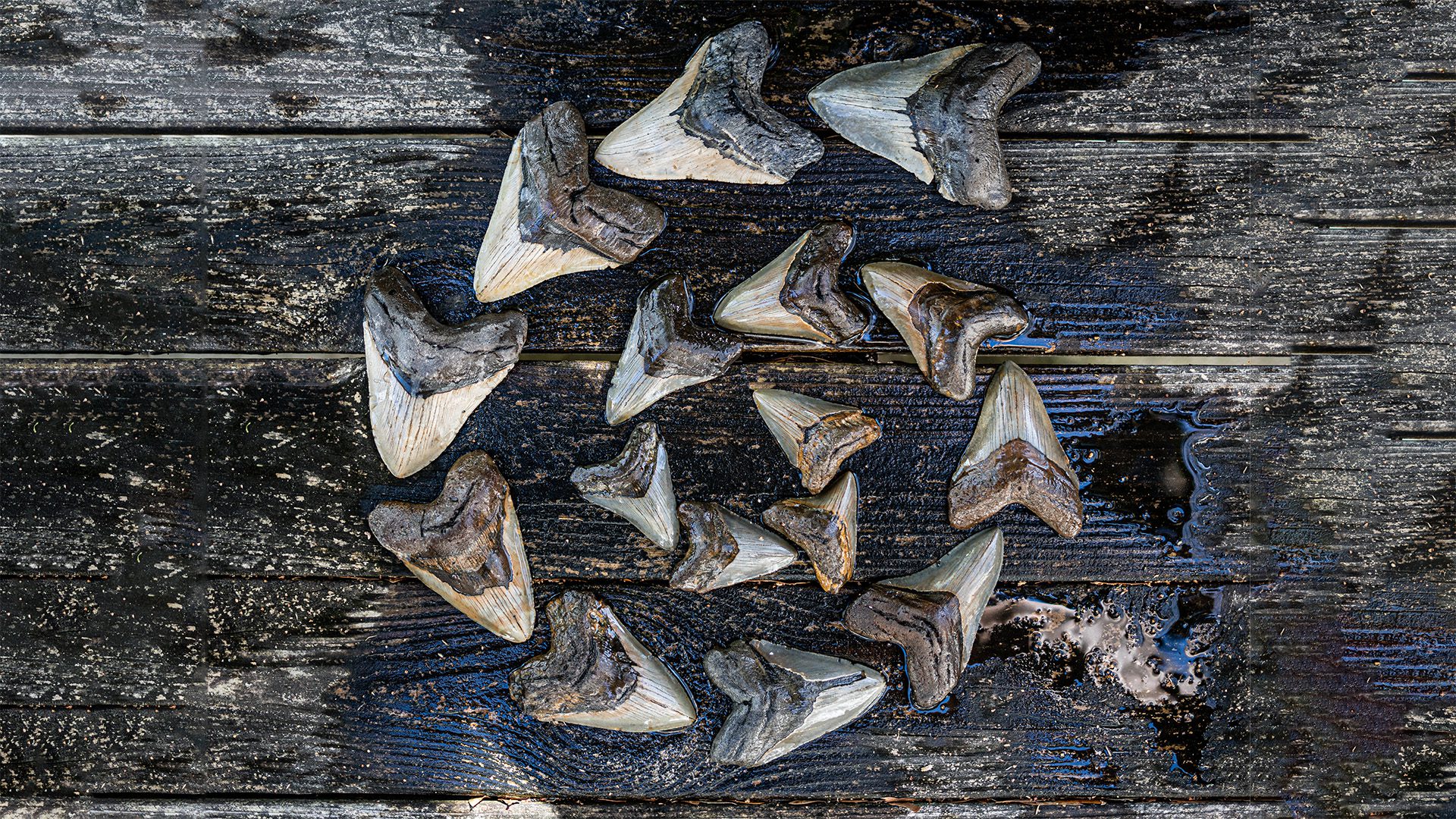
Wilmington’s shark tooth divers can thank the last ice age for their treasure trove
Hydrothermal field discovered at the East Pacific Rise 9°54’N
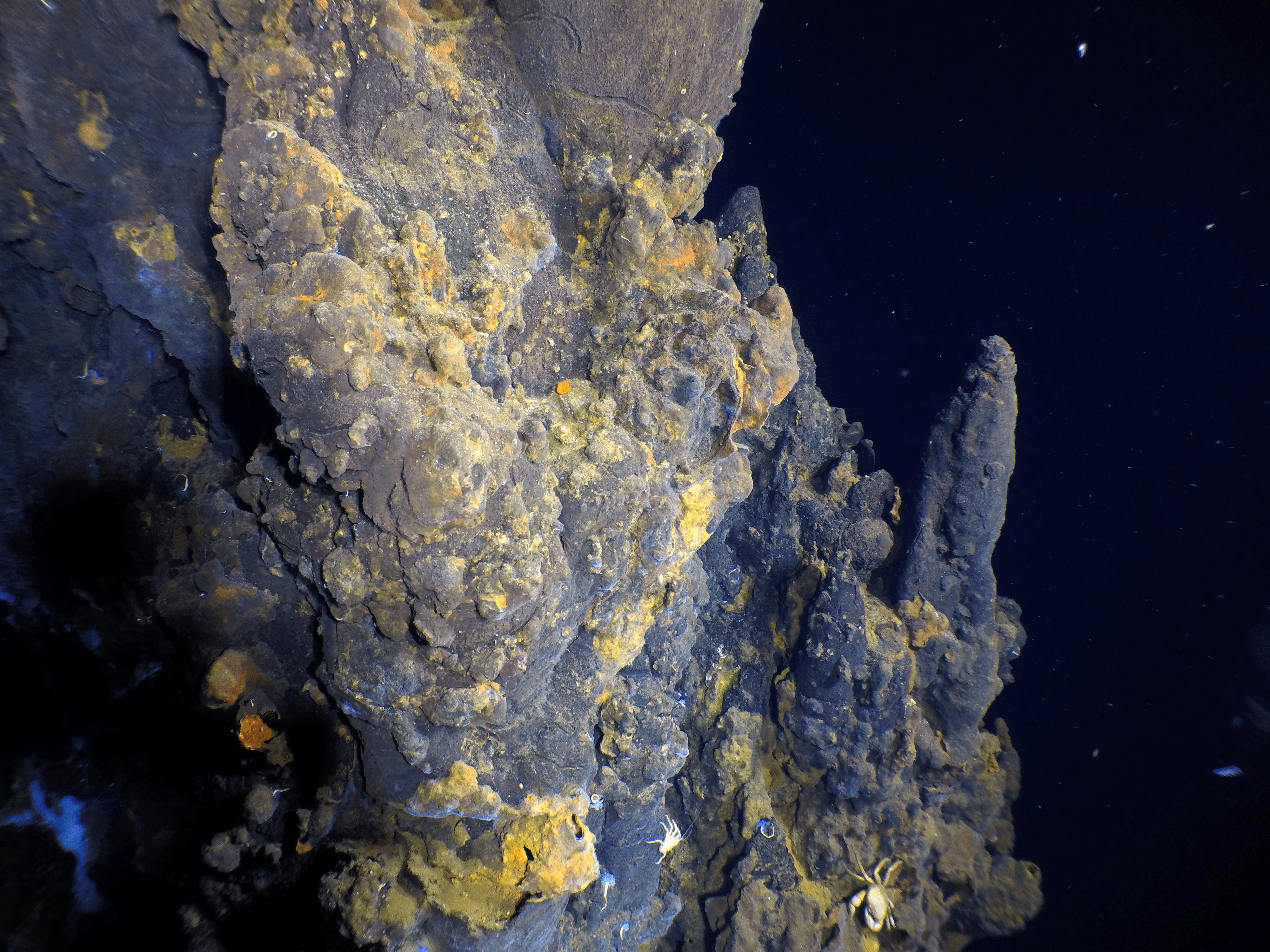
A new high-temperature, off-axis hydrothermal vent field on Pacific seafloor at 2550 meters depth was discovered in 2021 by a team that included researchers from Lehigh University; Scripps Institution of Oceanography (SIO); the University of Bergen Norway; and Woods Hole Oceanographic Institution (WHOI).
Read MoreHow to study an underwater earthquake from shore
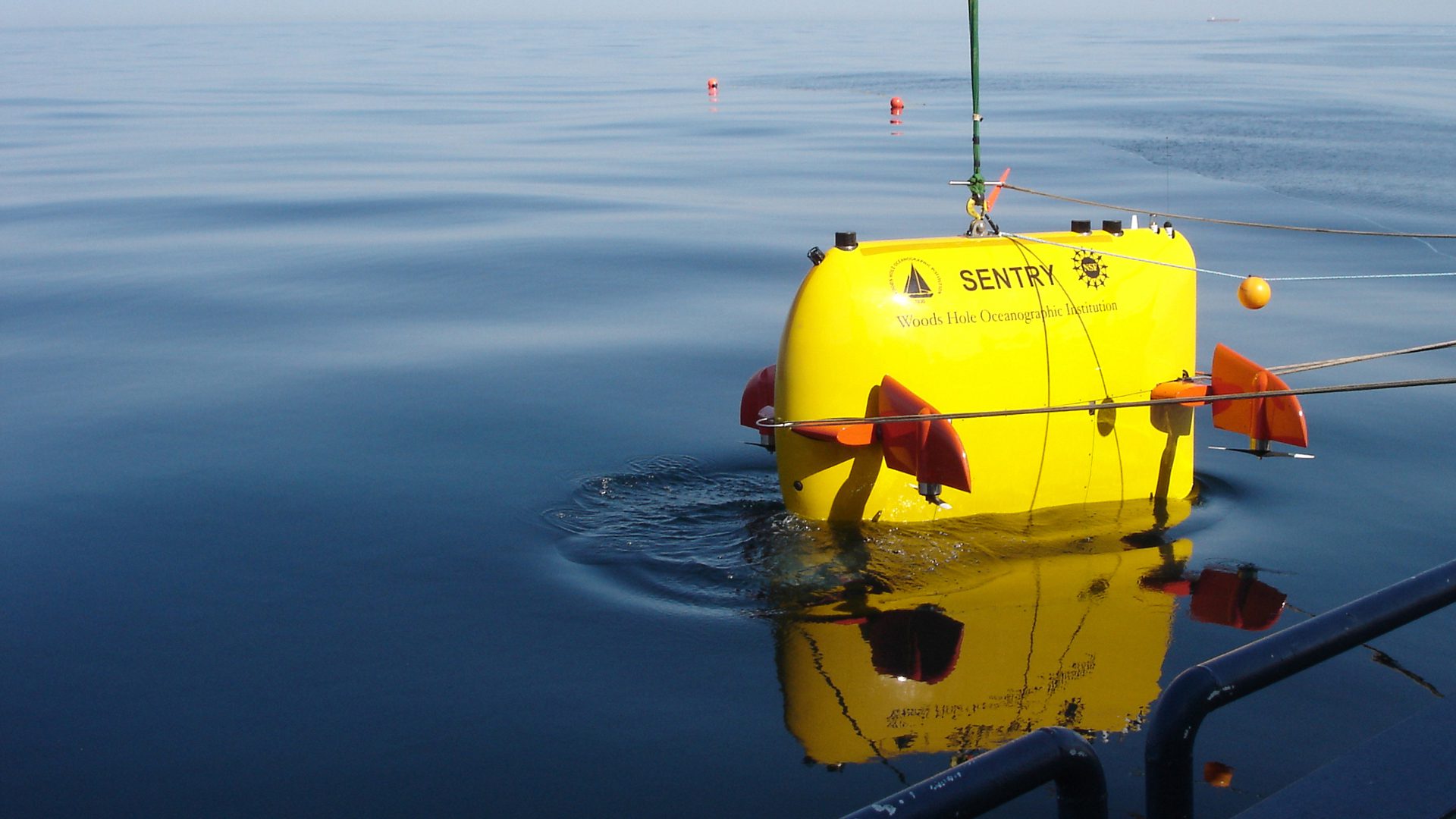
Scientist Chris German on a successful AUV Sentry mission when the science team could not travel to sea
Read MoreNovel tool sheds light on coral reef erosion
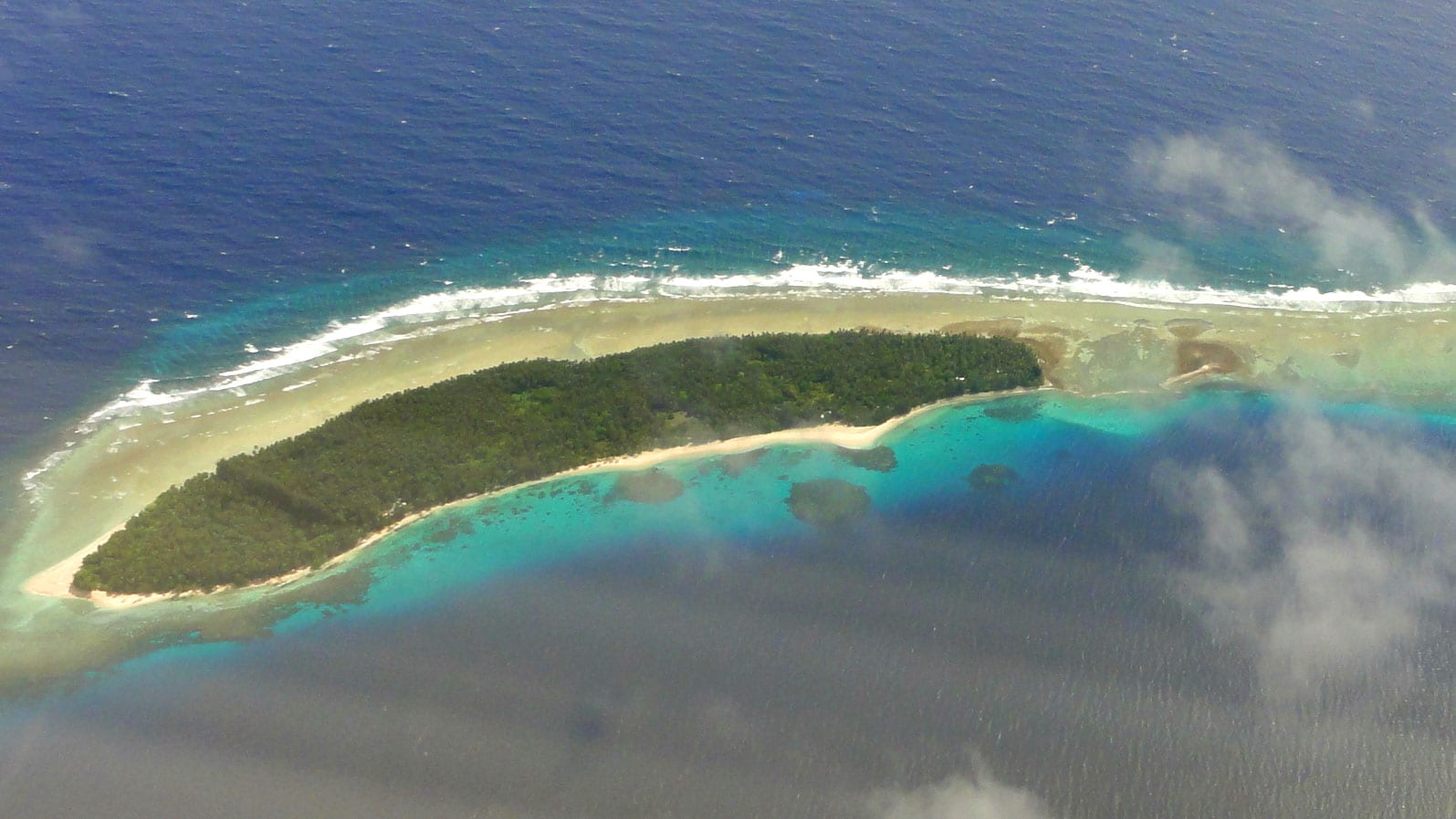
Coral reefs are among the last lines of defense against coastal flooding.
Read MoreGeoscience technology company founded by MIT/WHOI Joint Program student awarded $3.8M from U.S. Department of Energy
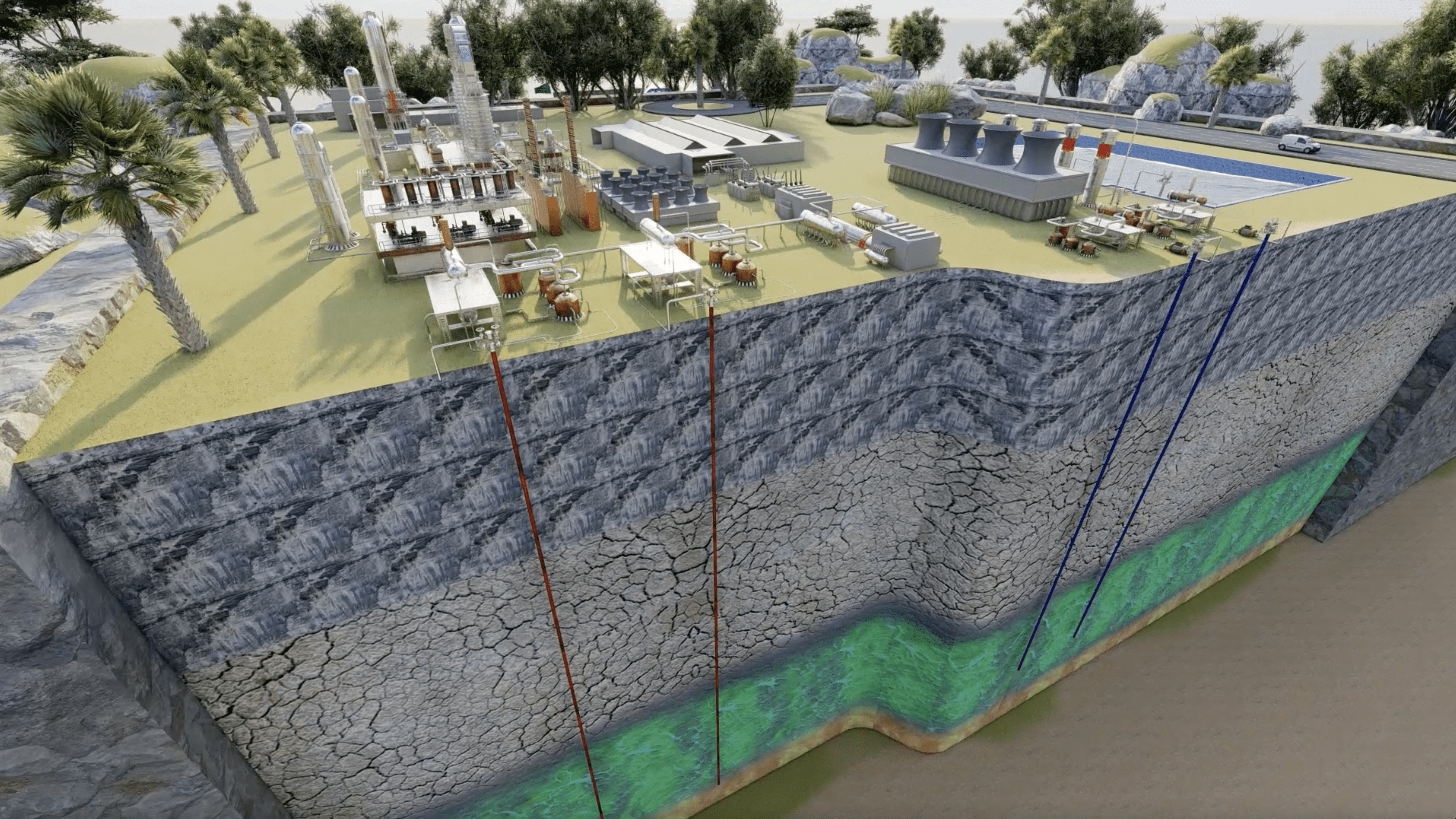
Eden, a geoscience technology development company co-founded by Massachusetts Institute of Technology/Woods Hole Oceanographic Institution Joint Program student Paris Smalls, will receive $3.8 million in federal funding from the U.S. Department of Energy Advanced Research Projects Agency-Energy (ARPA-E).
Read MoreArc volcanoes are wetter than previously thought, with scientific and economic implications
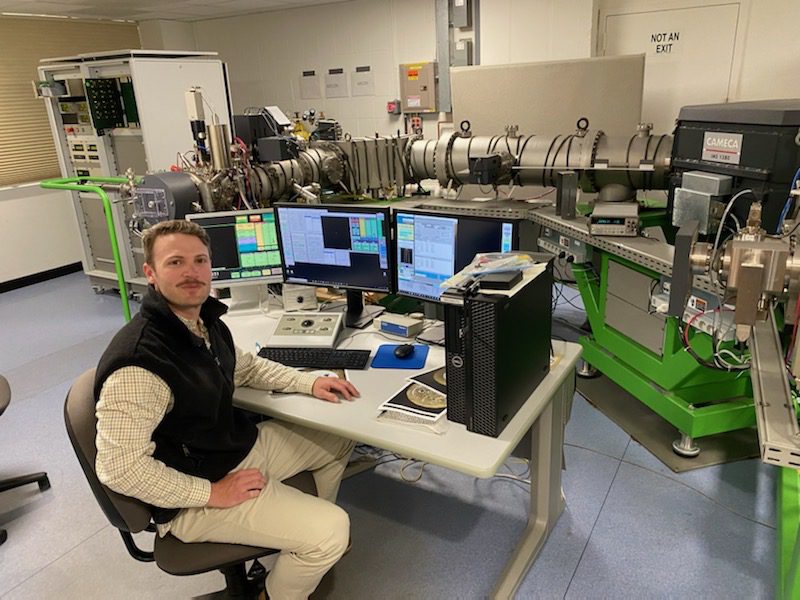
This increased amount of water has broad implications for understanding how Earth’s lower crust forms, how magma erupts through the crust, and how economically important mineral ore deposits form, according to a new paper led by authors from the Woods Hole Oceanographic Institution (WHOI).
Read More