
News Releases
Researchers use drones to weigh whales

Researchers devised a way to accurately estimate the weight of free-living whales using only aerial images taken by drones.
Read MoreNew Sub-species of Pilot Whale Identified in Pacific Ocean
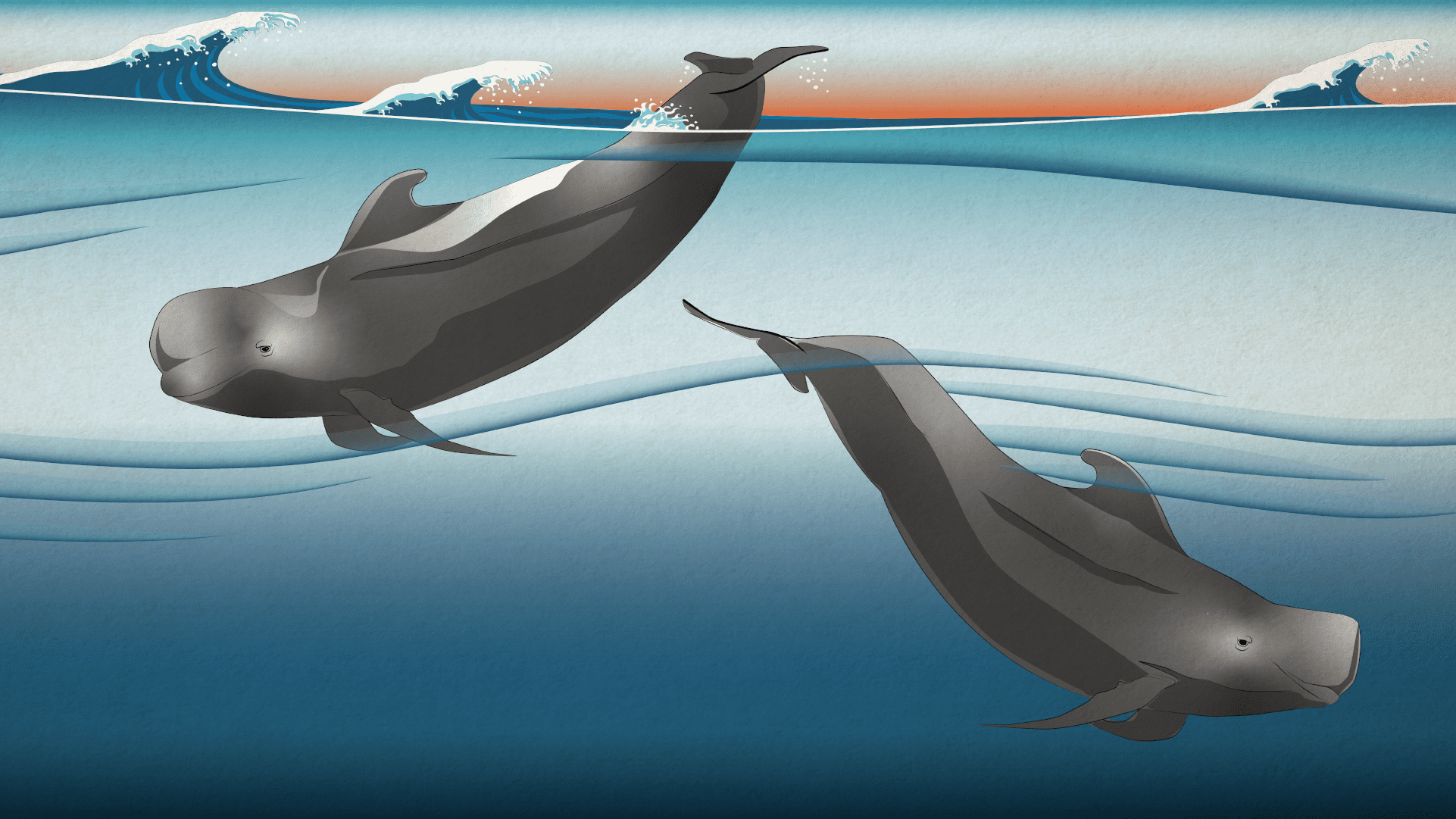
Short-finned pilot whales have long been recognized as a single species, but a recent study found that two unique subspecies actually exist.
Read MoreNew Report Explores Threats, Solutions Impacting Right Whales
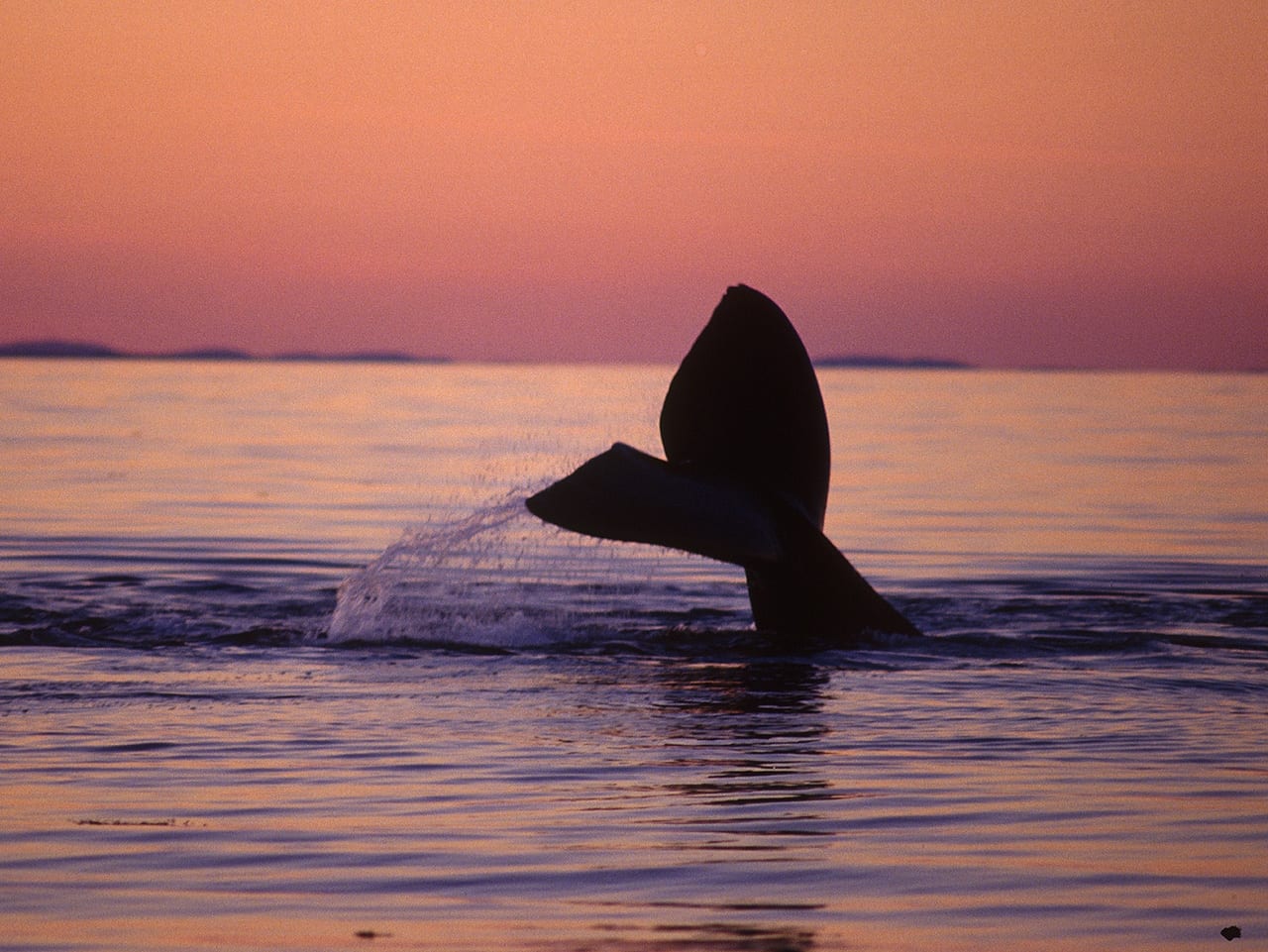
The North Atlantic right whale is a critically endangered whale species that is protected under the U.S. Endangered Species Act, the Marine Mammal Protection Act, and Canadaâs Species at Risk Act. These animals, of which there are only 411 remaining, are often found within 50 miles of the East Coast of North America, making them vulnerable to human activities.
Read MoreWHOI to be Featured in Upcoming BBC Program ‘Blue Planet Live’
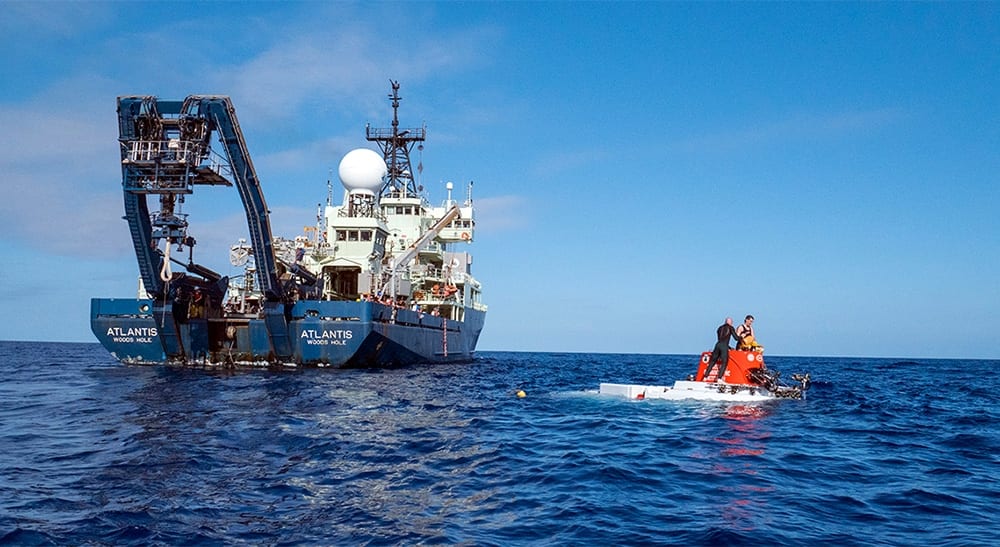
Scientists, engineers, vehicle operators, and ship crew from the Woods Hole Oceanographic Institution (WHOI) will be a featured part of the upcoming BBC program, Blue Planet Live, which will air over four nights beginning March 24. The series will include two live broadcasts from the research vessel Atlantis showing launch and recovery of the human-occupied submersible Alvin.
Read MoreGroups of Pilot Whales Have Their Own Dialects
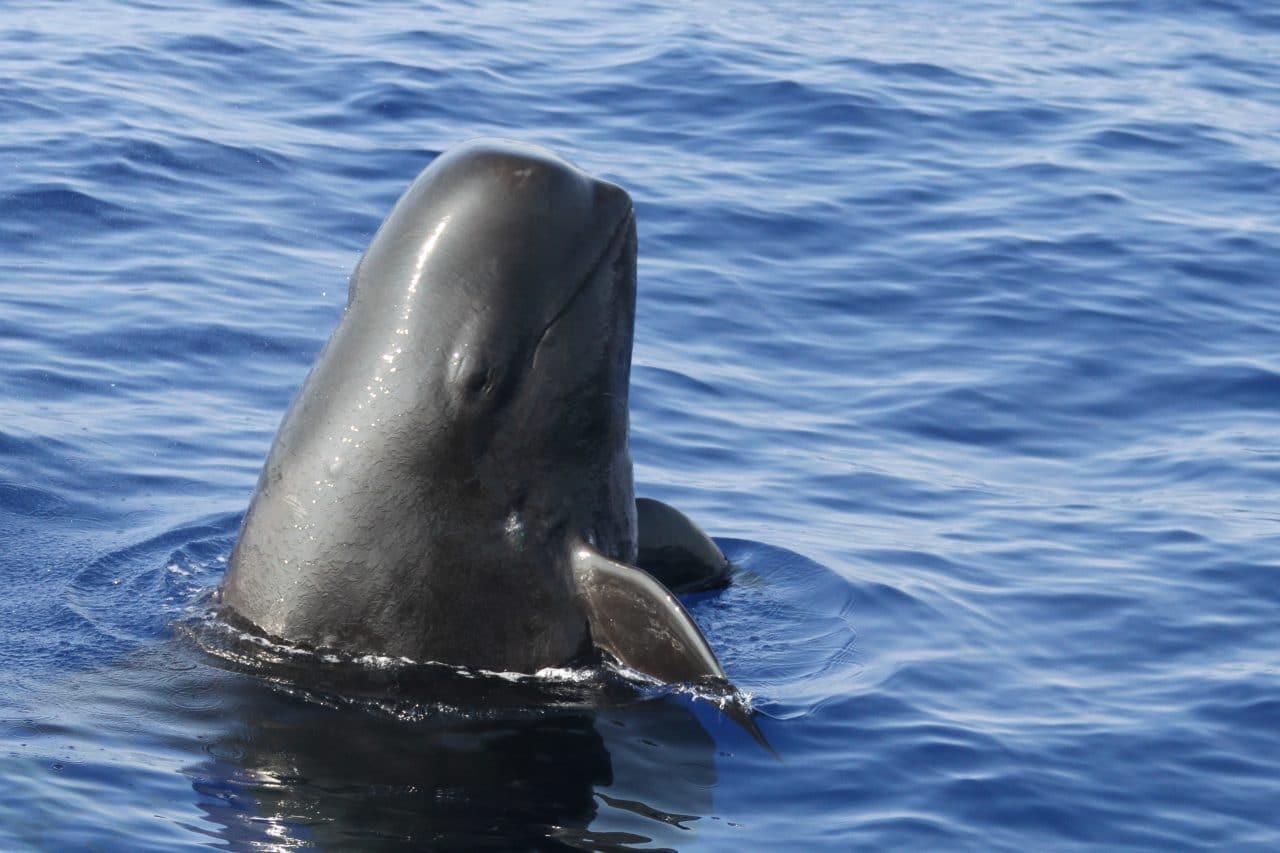
In humans, different social groups, cities, or regions often have distinct accents and dialects. Those vocal traits are not unique to us, however. A new study from the Woods Hole Oceanographic Institution (WHOI) has found that short-finned pilot whales living off the coast of Hawai’i have their own sorts of vocal dialects, a discovery that may help researchers understand the whales’ complex social structure.
Read MoreHearing Tests on Wild Whales
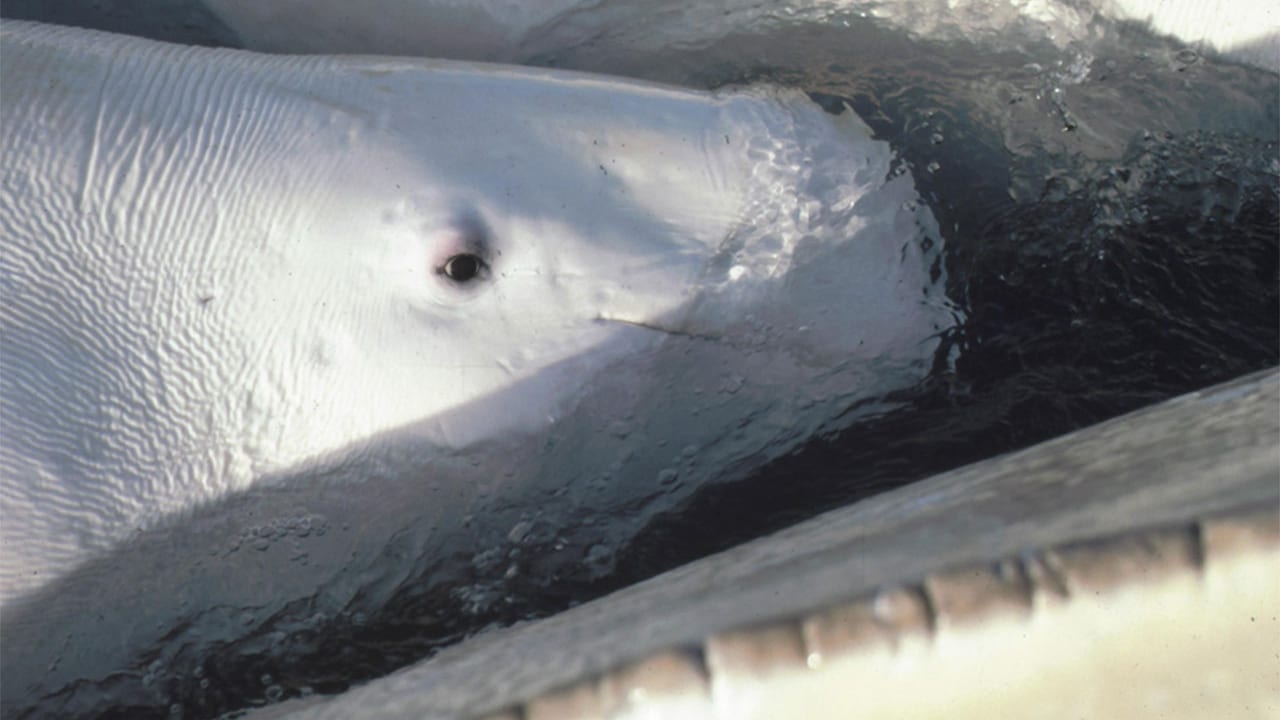
Scientists published the first hearing tests on a wild population of healthy marine mammals. The tests on beluga whales in Bristol Bay, AK, revealed that the whales have sensitive auditory systems and showed less age-related hearing loss than is expected.
Read MoreMonitoring Bacteria on Whale Skin
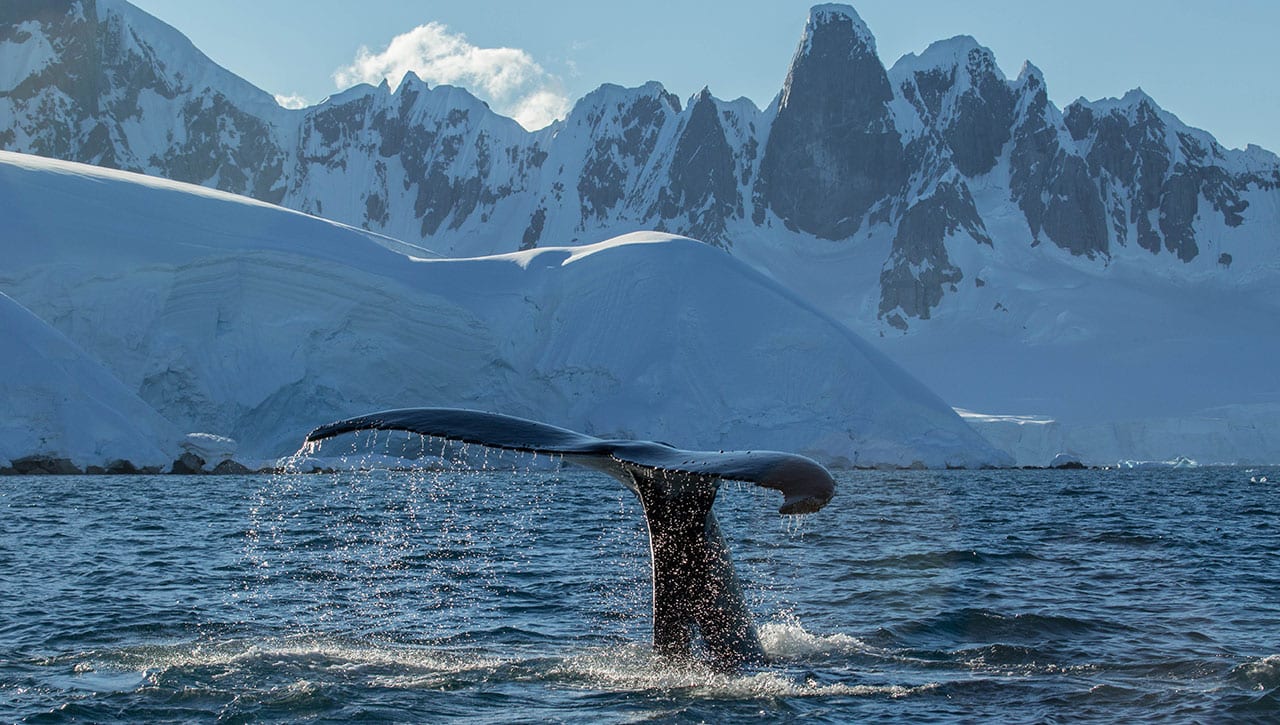
Just like with humans, the skin on marine mammals serves as an important line of defense against pathogens in their environment. A new study sheds light on the skin microbiome – a group of microorganisms that live on skin – in healthy humpback whales, which could aid in future efforts to monitor their health.
Read MoreStudy Identifies Whale Blow Microbiome
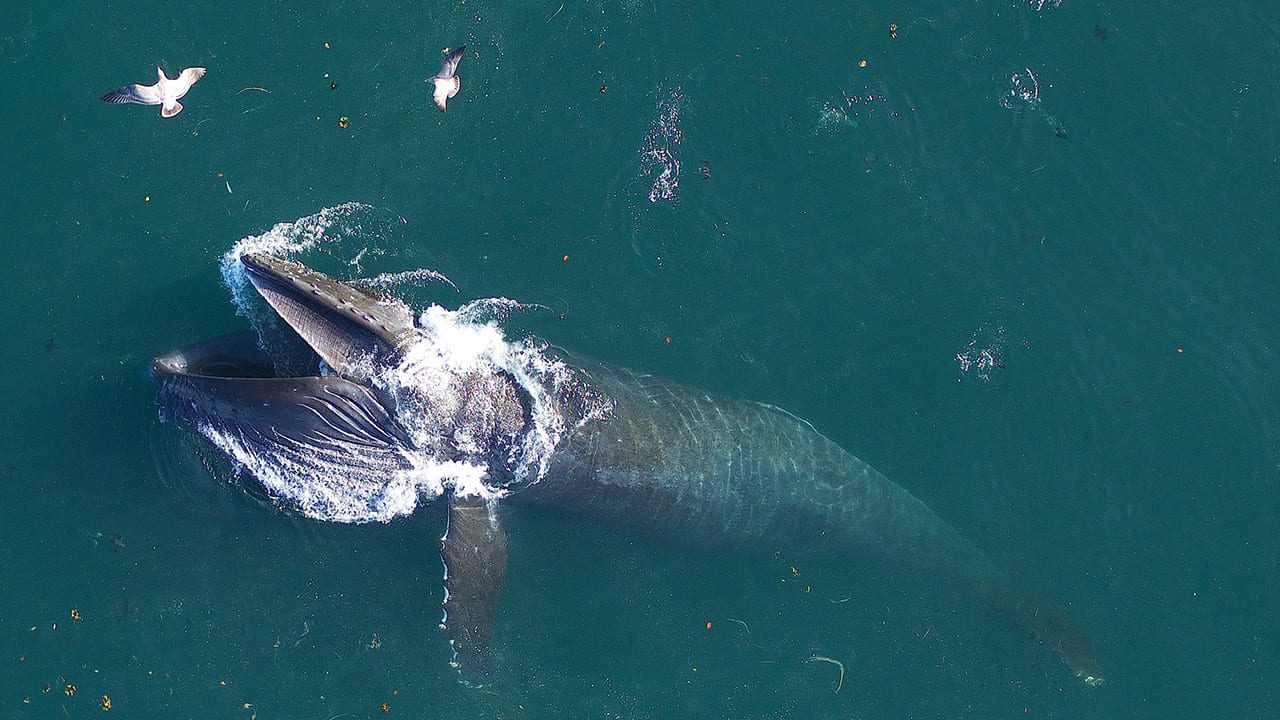
A new study by the Woods Hole Oceanographic Institution (WHOI) and colleagues identified for the first time an extensive conserved group of bacteria within healthy humpback whales’ blow’the moist breath that whales spray out of their blowholes when they exhale.
Read MoreSix Right Whales Die In Canadian Waters In Less Than Three Weeks
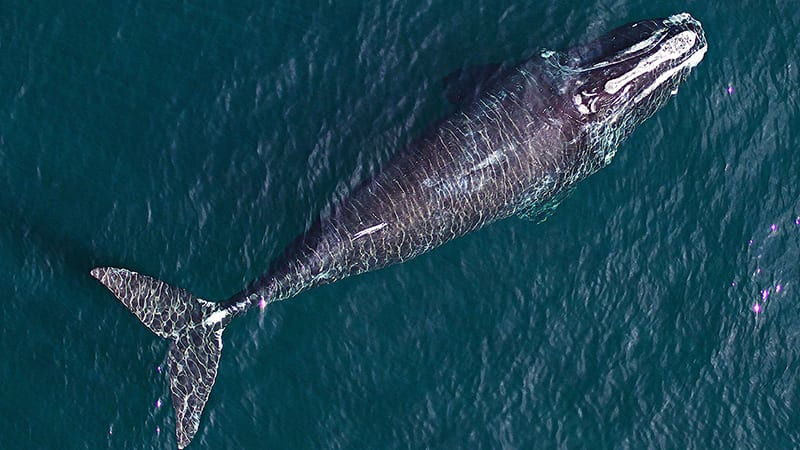
Over the past three weeks, six critically endangered North Atlantic right whales have died in Canadian waters. With only about 500 of these massive plankton feeders still alive, these deaths…
Read MoreScientists Now Listening for Whales in New York Waters With Real-time Acoustic Buoy
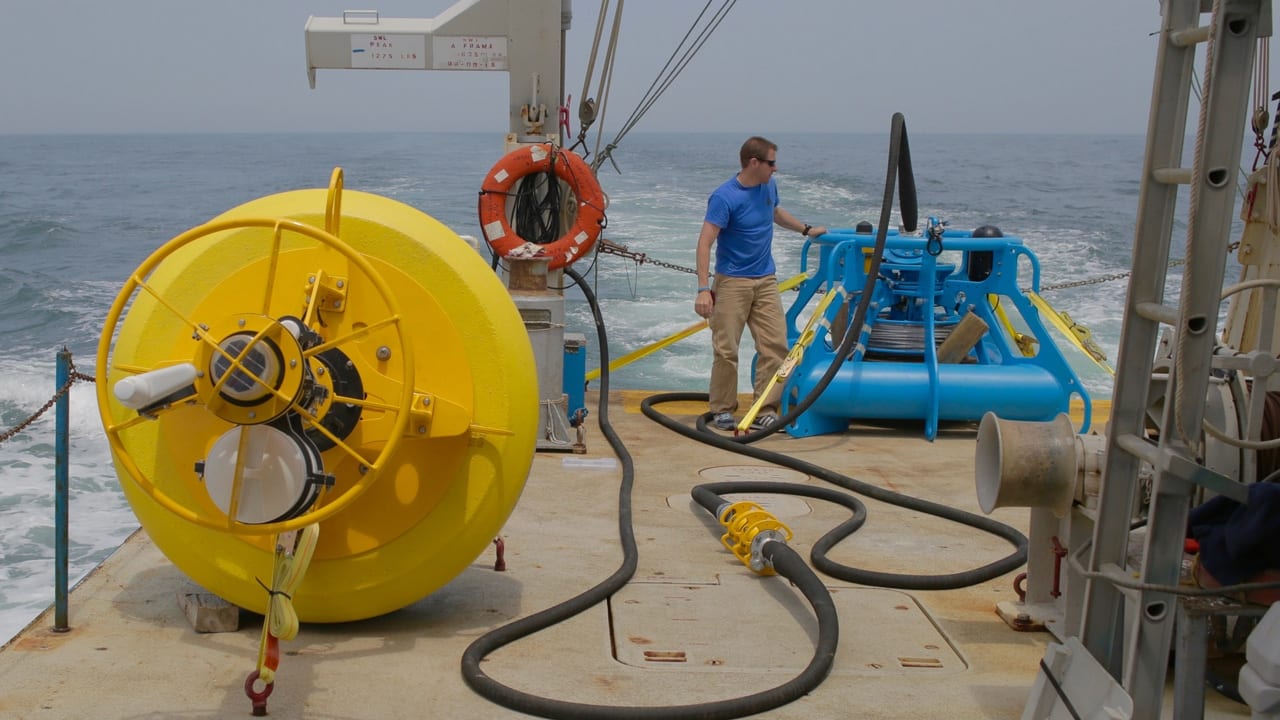
Scientists working for WCS’s (Wildlife Conservation Society) New York Aquarium and the Woods Hole Oceanographic Institution (WHOI) now have an “ear” for the New York region’s biggest “voices and singers”‘ the whales of New York Bight.
Read MoreAmy Apprill Featured in Science’s Video Series
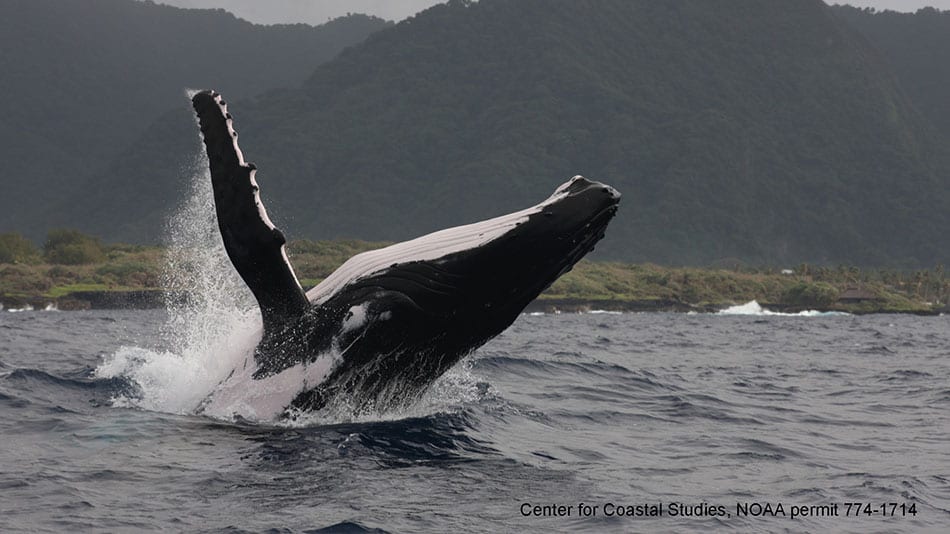
Amy Apprill, a microbiologist at the Woods Hole Oceanographic Institution (WHOI), is one of the extraordinary women scientists featured in Science Magazine’s online video series, “XX Files: Extraordinary Science, Extraordinary Women.” The eight-part series, which highlights diverse projects led by a group of impressive female scientists, began in early October. The video featuring Apprill’s work, “The Humpback Microbiome,” debuts on December 15 and is the last in the special series.
Read MoreDrag from Fishing Gear Entanglements Quantified
In a paper published online Dec. 9, 2015, in Marine Mammal Science, a research team led by the Woods Hole Oceanographic Institution (WHOI), has for the first time quantified the amount of drag on entangled whales that is created by towing fishing gear, such as rope, buoys, and lobster and crab traps. The study provides important data for teams evaluating the risks and benefits of whale disentanglements.
Read MoreNew Study Provides First Field Observations of Rare Omura’s Whales
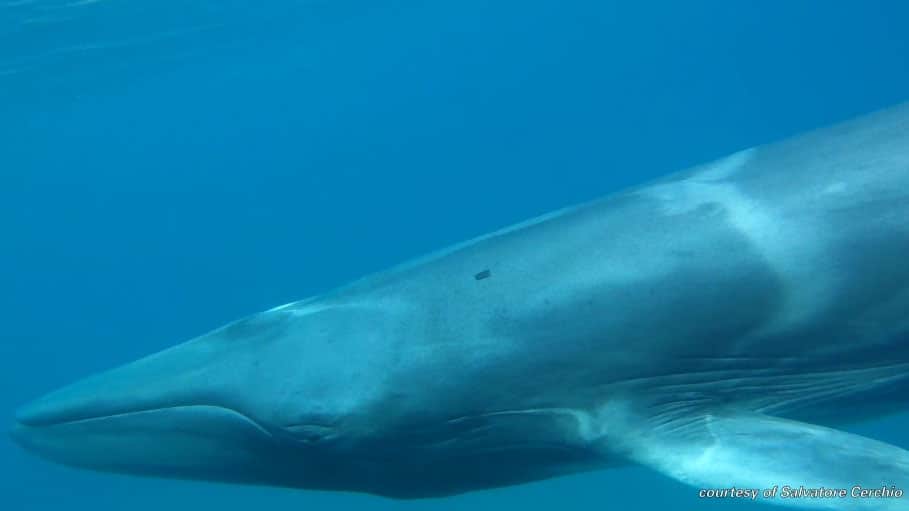
In a paper published October 14, 2015, in the Royal Society Open Science journal, the researchers describe the whales’ foraging and vocal behaviors, and habitat preferences in the shallow waters of coastal Madagascar.
Read MoreWhale Research Takes Flight
A research team has successfully demonstrated a new non-invasive tool to obtain hard-to-get health measurements of large endangered whales in the wild: Using a small remote-controlled hexacopter, scientists for the first time collected both breath samples from the whales’ spouts combined with aerial photos of their body condition.
Read MoreScientists Test Hearing in Bristol Bay Beluga Whale Population
The ocean is an increasingly industrialized space. Shipping, fishing, and recreational vessels, oil and gas exploration and other human activities all increase noise levels in the ocean and make it…
Read MoreScientists Identify Core Skin Bacterial Community in Humpback Whales
In a paper published in the open access journal PLOS ONE, researchers at Woods Hole Oceanographic Institution (WHOI) and colleagues identified a core skin bacterial community that humpback whales share across populations, which could point to a way to assess the overall health of these endangered marine mammals.
Read MoreKilling Whales by Design and Default
While countries such as Japan, Norway, and Iceland often are criticized for their commercial whaling practices, Woods Hole Oceanographic Institution (WHOI) marine biologist Michael Moore points out how the majority…
Read MoreDolphins Assist Scientists Studying Effects of Data-logging Tags
For scientists studying marine mammals in the wild, data-logging tags are invaluable tools that allow them to observe animals’ movements and behaviors that are otherwise hidden beneath the waves much…
Read MoreStudy reveals how fishing gear can cause slow death of whales
Using a “patient monitoring” device attached to a whale entangled in fishing gear, scientists showed for the first time how fishing lines changed a whale’s diving and swimming behavior. The…
Read MoreScientists Use Marine Robots to Detect Endangered Whales
Two robots equipped with instruments designed to “listen” for the calls of baleen whales detected nine endangered North Atlantic right whales in the Gulf of Maine last month. The robots…
Read MoreStudy Looks at Gray Seal Impact on Beach Water Quality
Scientists from the newly created Northwest Atlantic Seal Research Consortium (NASRC) are using data collected by the Massachusetts Department of Public Health (MDPH) to investigate whether seals may impact beach…
Read MoreNew Research Consortium Brings Scientists, Fishermen, and Managers Together to Address Seal Issues in the Northeast
People come from miles away to see the seals off the shores of Cape Cod and surrounding regions, but the animals are creating some challenges for local fishermen. Recent increases…
Read MoreStudy Amplifies Understanding of Hearing in Baleen Whales
For decades, scientists have known that dolphins and other toothed whales have specialized fats associated with their jaws, which efficiently convey sound waves from the ocean to their ears. But until now, the hearing systems of their toothless grazing cousins, baleen whales, remained a mystery, largely because specimens to study are hard to get. Now, a new study by scientists at Woods Hole Oceanographic Institution has shown that some baleen whales also have fats leading to their ears.
Read MoreStranded Dolphins Exhibit Bubbles, and Ability to Recover
In a study published online in the Proceedings of the Royal Society B, a team that includes researchers from the Woods Hole Oceanographic Institution (WHOI) has confirmed that bubbles do form in live, stranded dolphins. But in many cases, those animals are able to manage those bubbles and can resume relatively normal lives of swimming and diving in the ocean.
Read More