
News Releases
New study reveals New York Bight is a key spring habitat for endangered sei whales
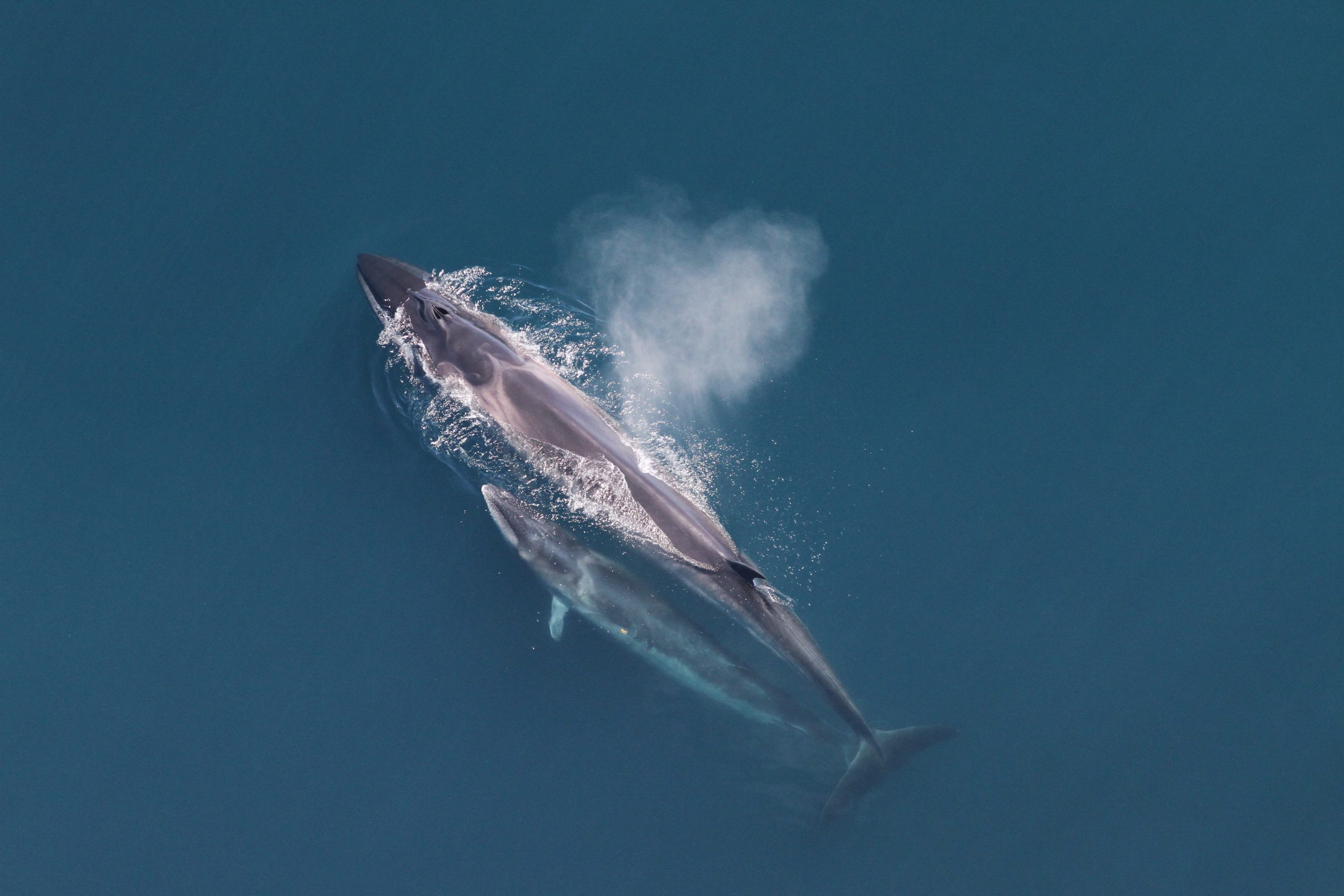
Researchers from WCS and WHOI discover seasonal and daily patterns that could help reduce ship strikes and inform best practices and policies
Read MoreWHOI discovers the oldest known whale recordings, dating to 1949
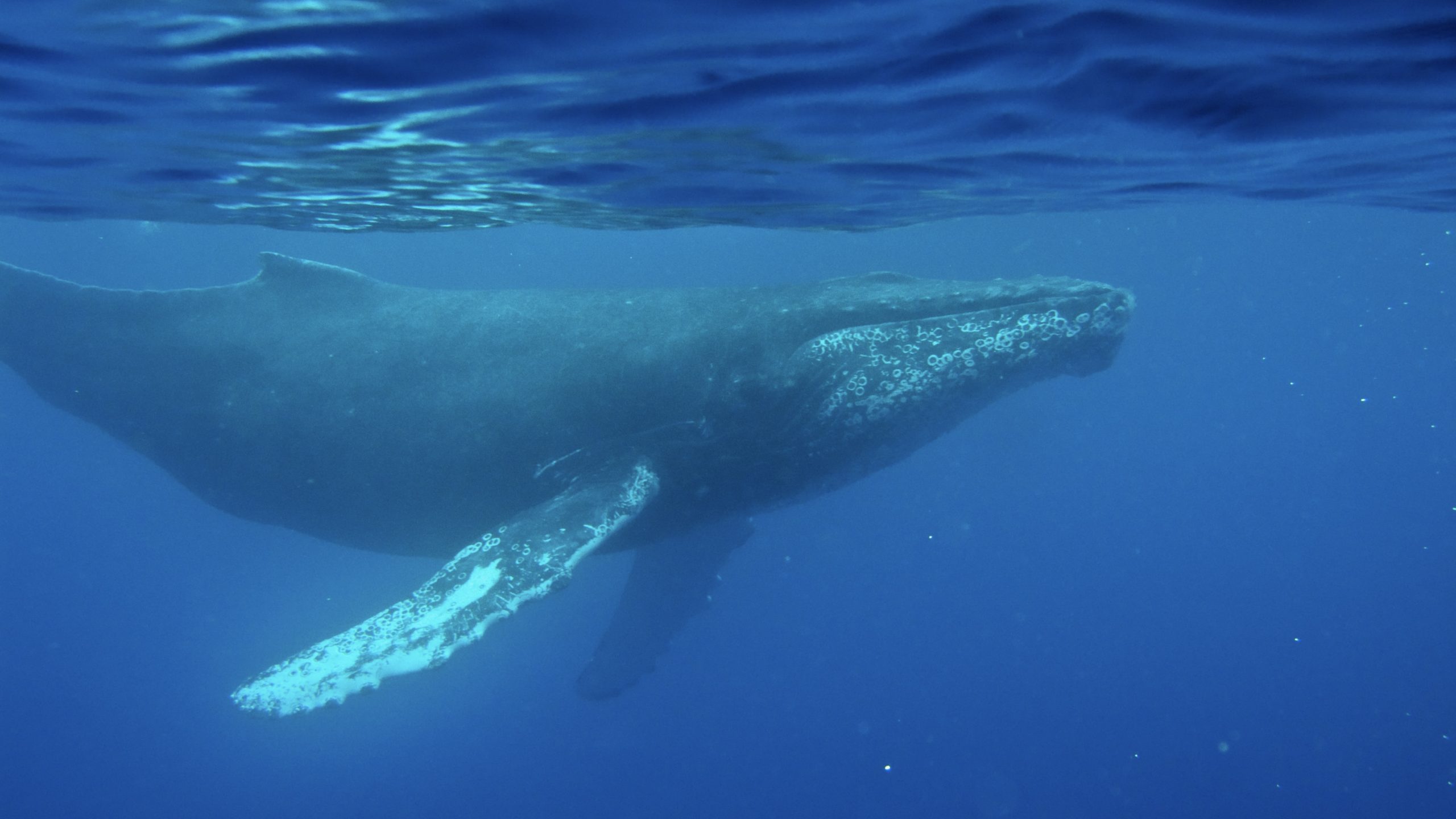
The recording was discovered on a fragile but remarkably well-preserved audograph disc in WHOI’s archival collections.
Read MoreWoods Hole Oceanographic Institution and CMA CGM expand their partnership

CMA CGM, which has long been committed to preserving biodiversity through multiple initiatives in the U.S. and worldwide, will support two key WHOI projects
Read MoreWhat can a whale’s breath tell us? According to a new study, a lot about its health
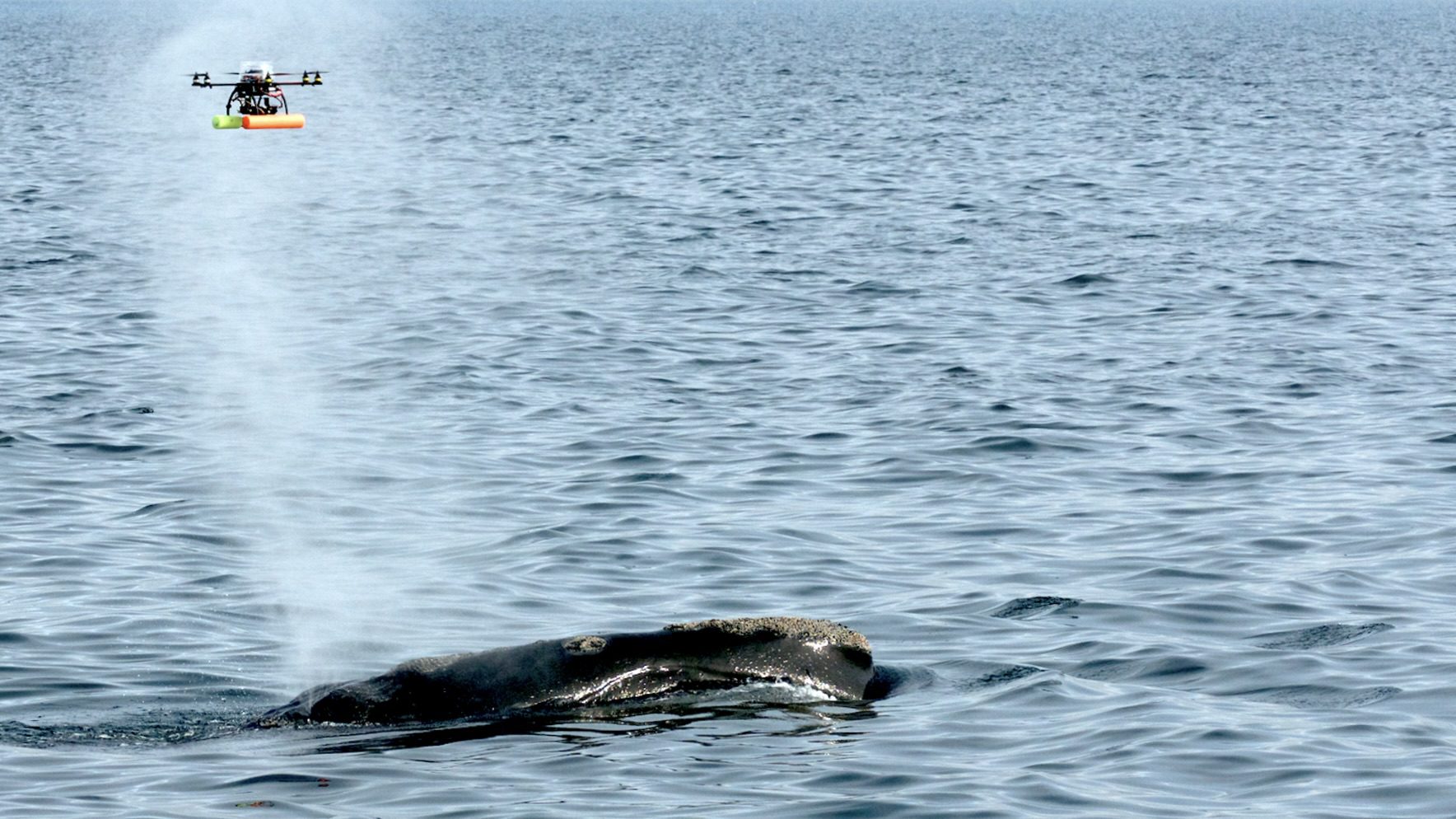
A first of its kind study links drone-collected respiratory microbes with health assessments, offering hope for protecting vulnerable populations
Read MoreFecal samples from bowhead whales link ocean warming to rising algal toxins in Arctic waters

Filter-feeding whales sample the Arctic food web, tracking decades of change
Read MoreGroundbreaking research sheds light on how whales and dolphins use sound
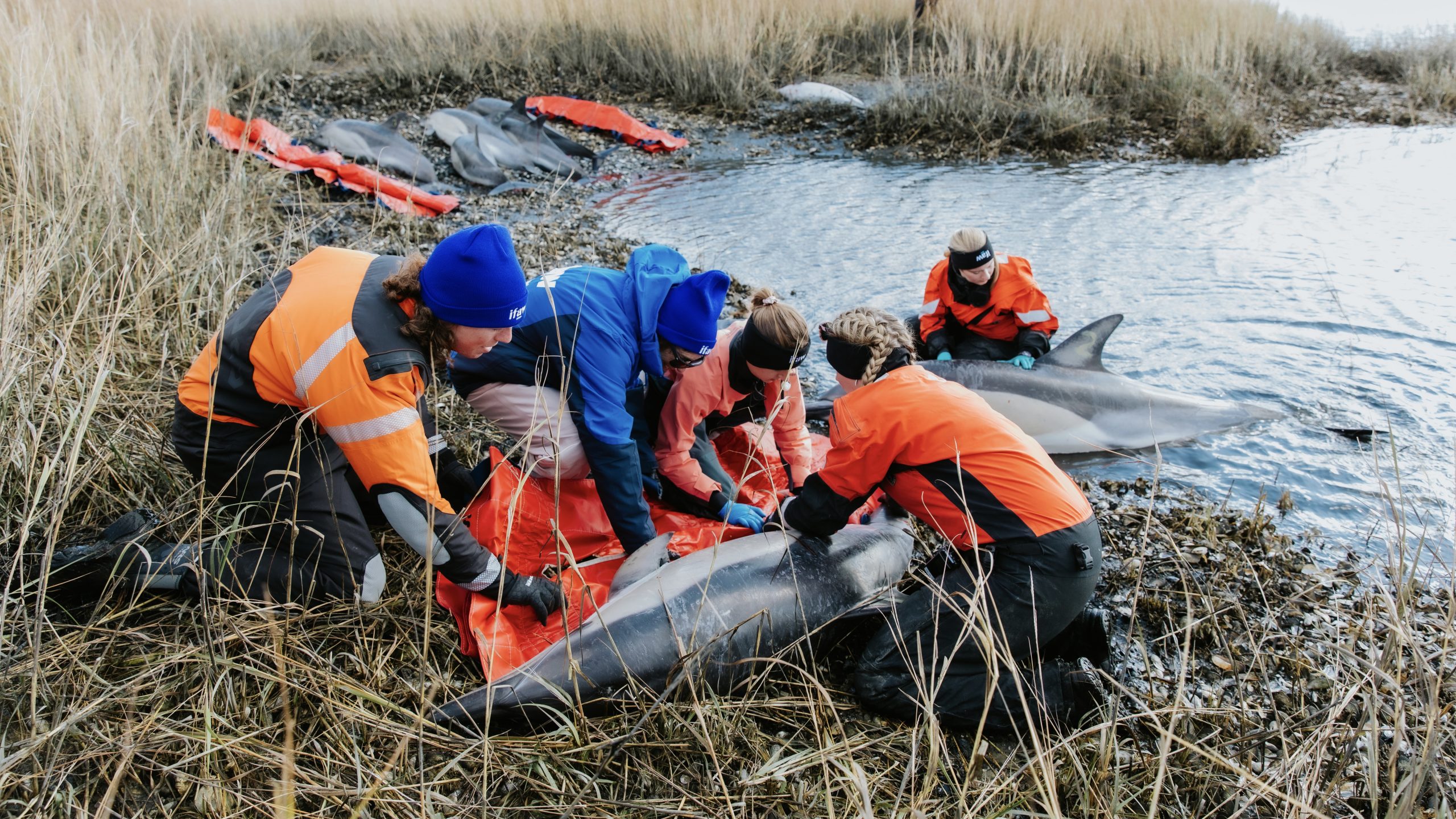
Differences in brain structure between echolocating and non-echolocating marine mammals offers insight into auditory processing
Read MoreResearchers awarded for identifying first evidence of possible language-like communication in dolphins
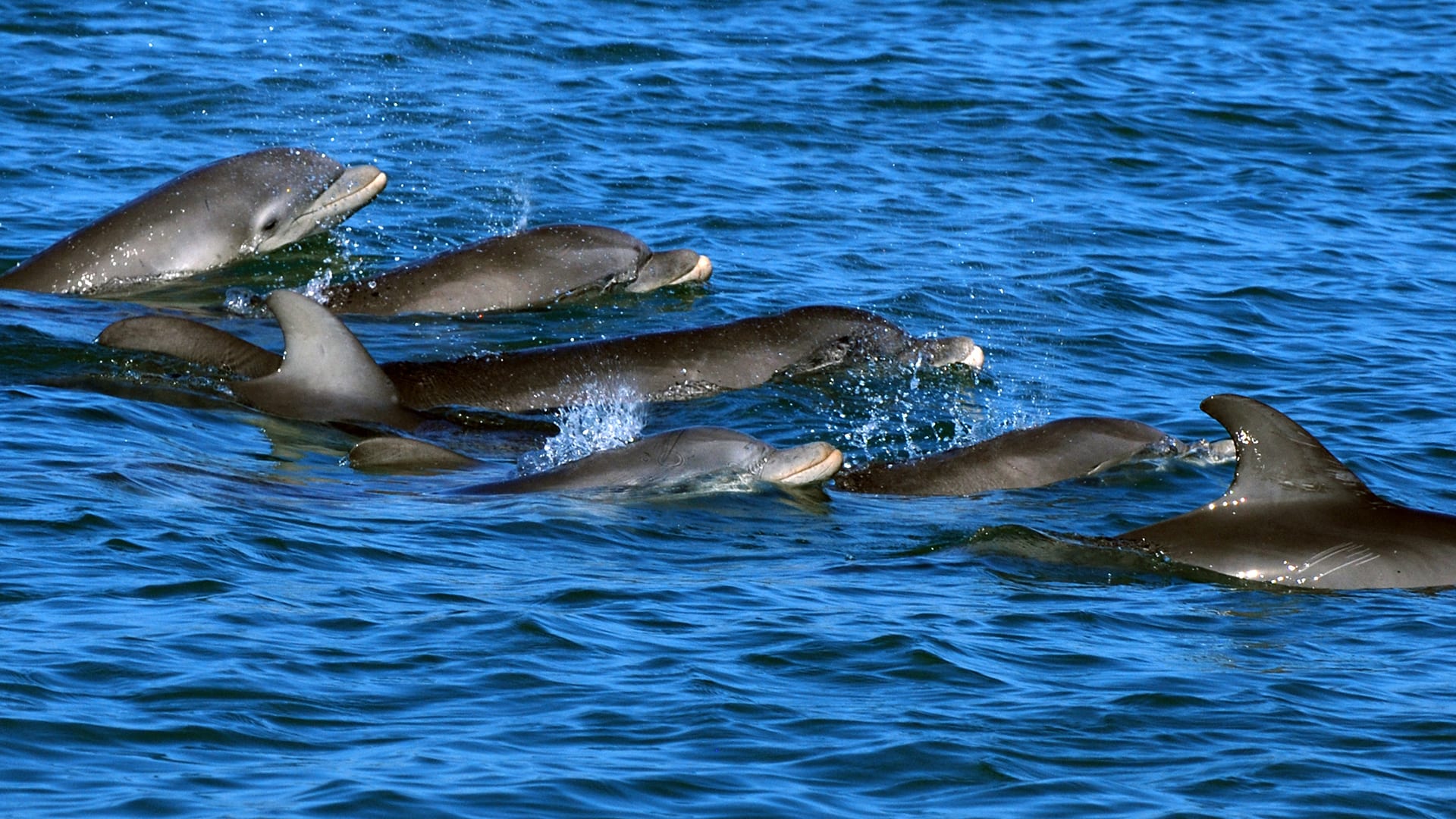
Woods Hole Oceanographic Institution and partners take home prestigious award
Read MoreWHOI and Brazil-based NGO partner to save West Indian manatee
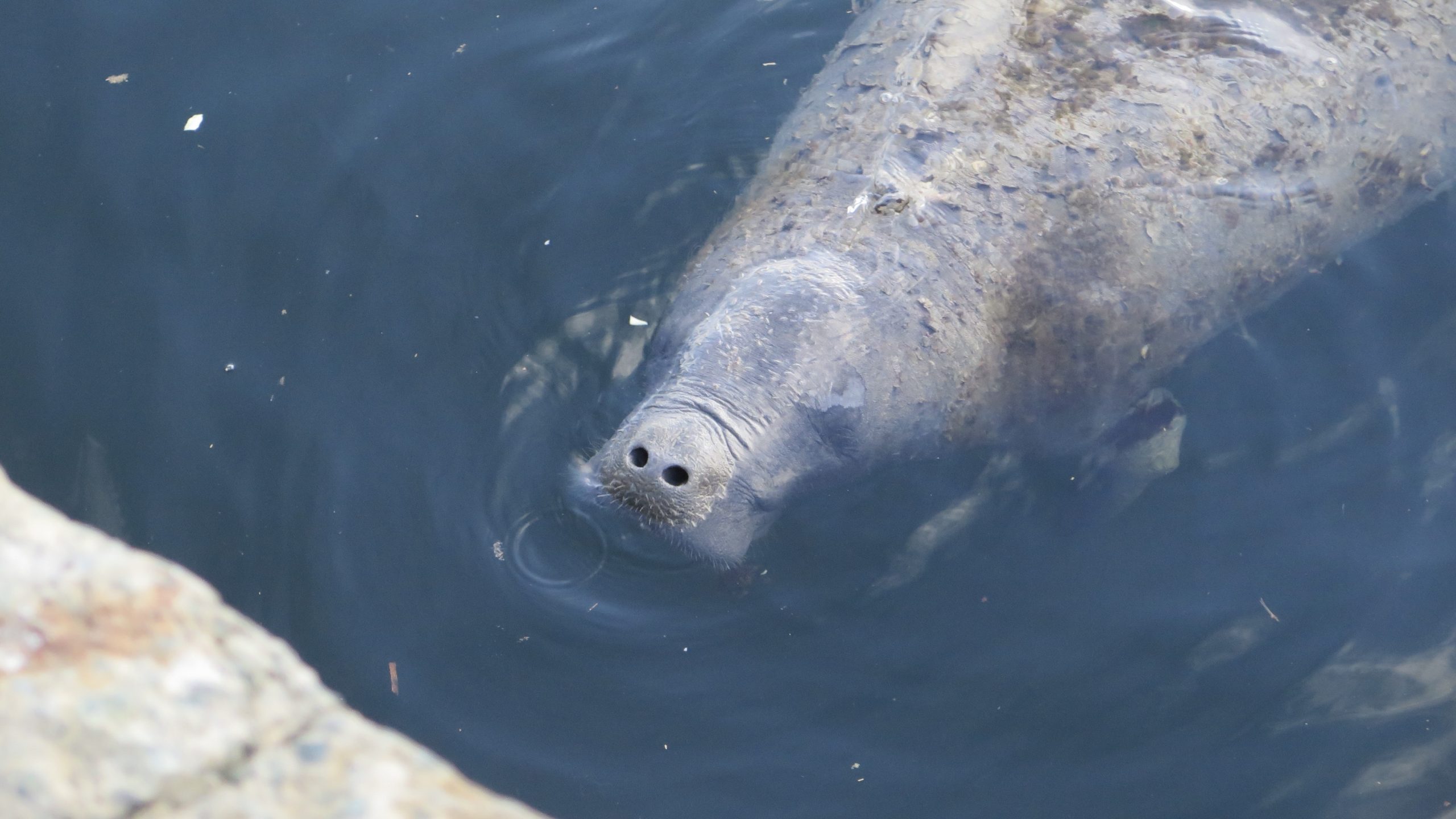
A new study shines light on the role of currents in marine mammal conservation
Read MoreWeddell seals in the Antarctic strategically time their most extreme dives to maximize foraging
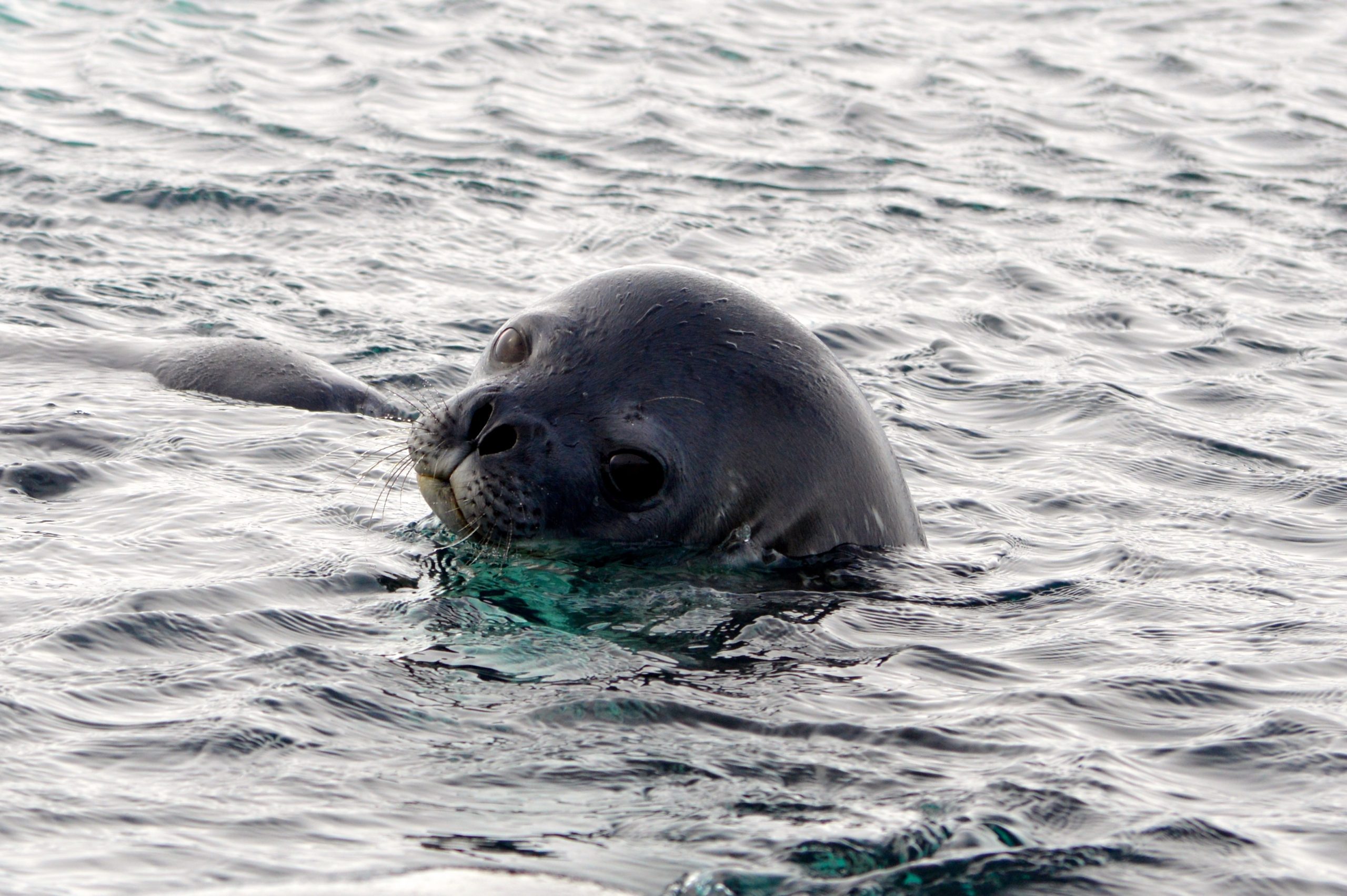
New research from WHOI and partners sheds light on a novel dive foraging strategy.
Read MoreShip-mounted camera systems increase protections for marine mammals
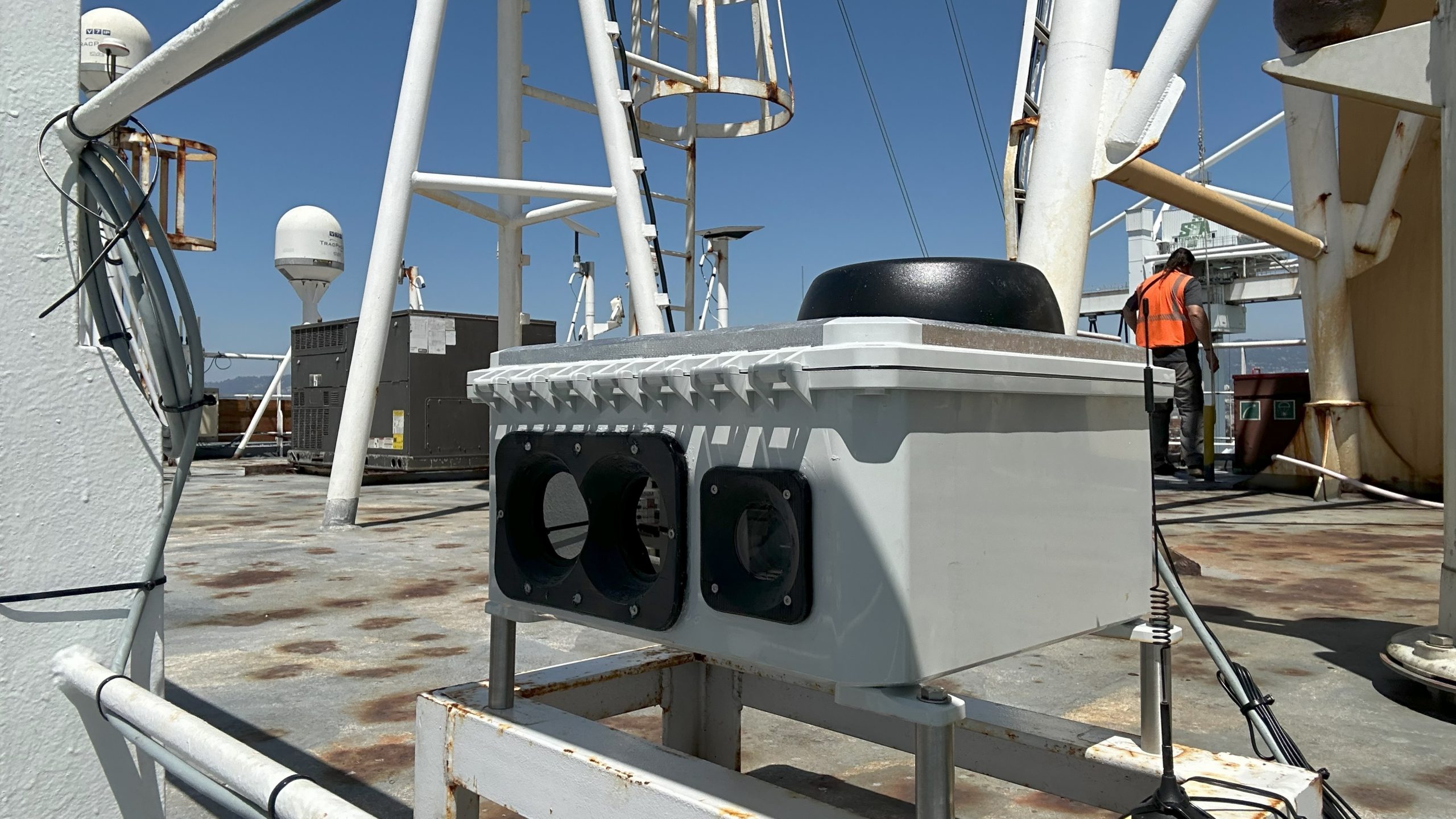
This technology uses thermal imaging to detect a whale’s body or spout and provides real-time information on their distance and bearing from a vessel.
Read MoreNew Research Reveals: The New York Bight Is an Important Year-Round Habitat for Endangered Fin Whales
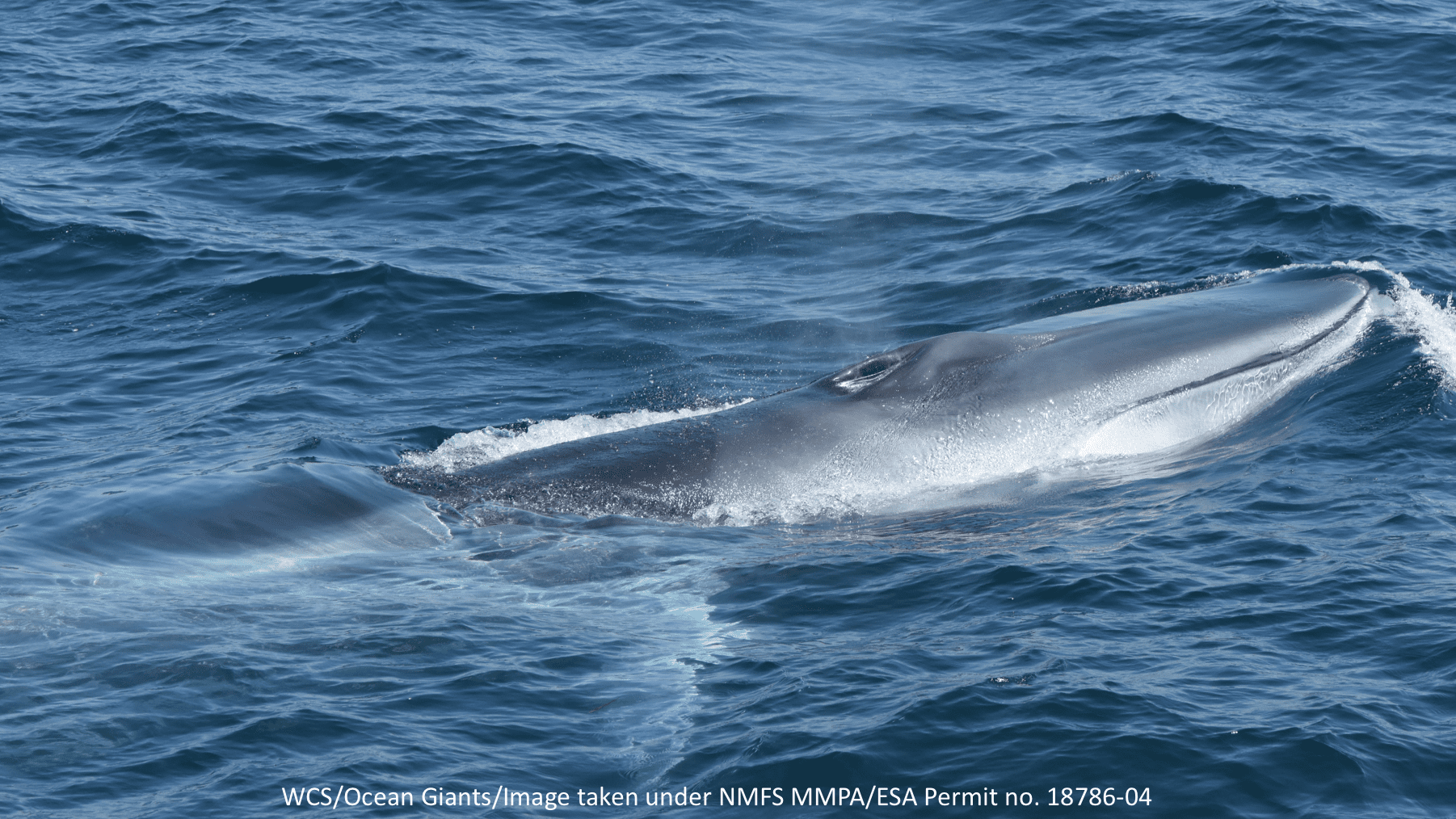
Researchers aim to use their science to help inform best practices and strategies to better protect fin whales in waters off NY and NJ Woods Hole, Mass. – The New…
Read MoreBottlenose Dolphins Communicate in “Motherese” with Their Offspring
Findings are comparable to human mothers, caregivers who modify their speech to infants and children
Read MoreWeddell seal moms sacrifice to provide for their pups
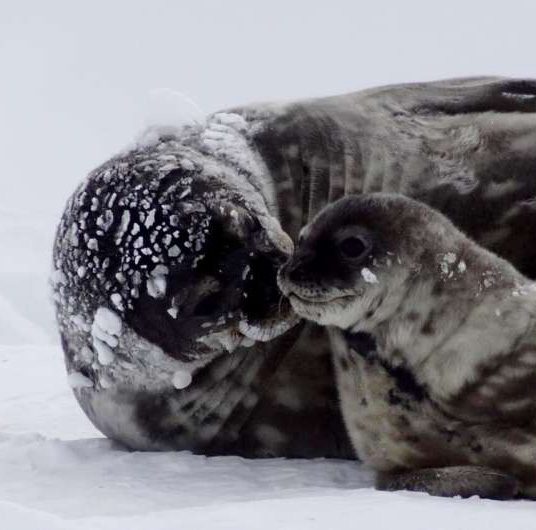
Seal mothers dramatically limit diving and foraging while lactating to provide more iron to their young
Read MoreWHOI and CMA CGM Group deploy acoustic monitoring buoy near Norfolk, Virginia
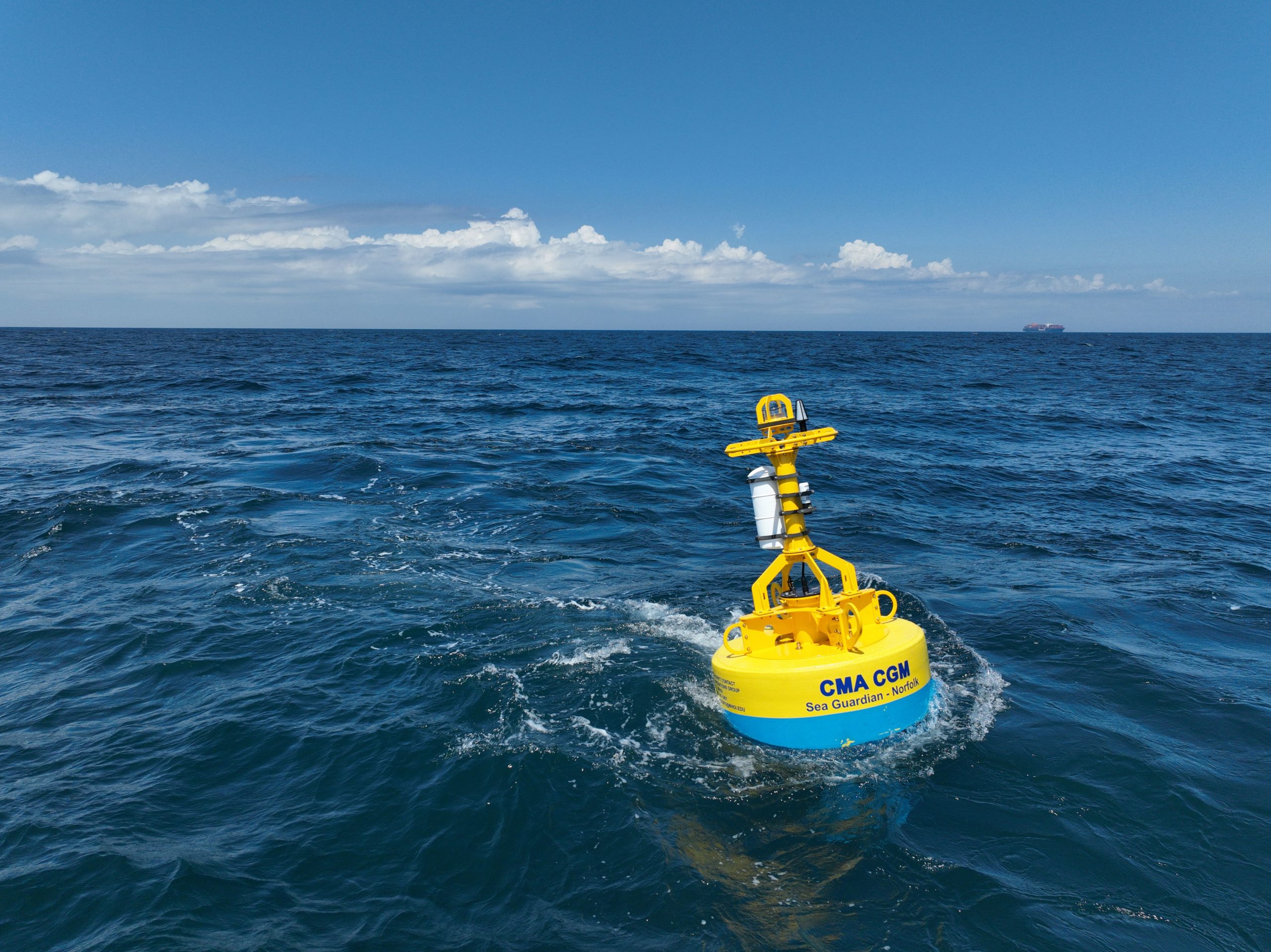
Woods Hole Oceanographic Institution (WHOI) and The CMA CGM Group, a global player in sea, land, air, and logistics solutions, have deployed an acoustic monitoring buoy 33 miles off the coast of Norfolk, Virginia. A second buoy is slated for deployment off the coast of Savannah, Georgia in the coming weeks.
Read MoreSmaller female North Atlantic right whales, fewer calves
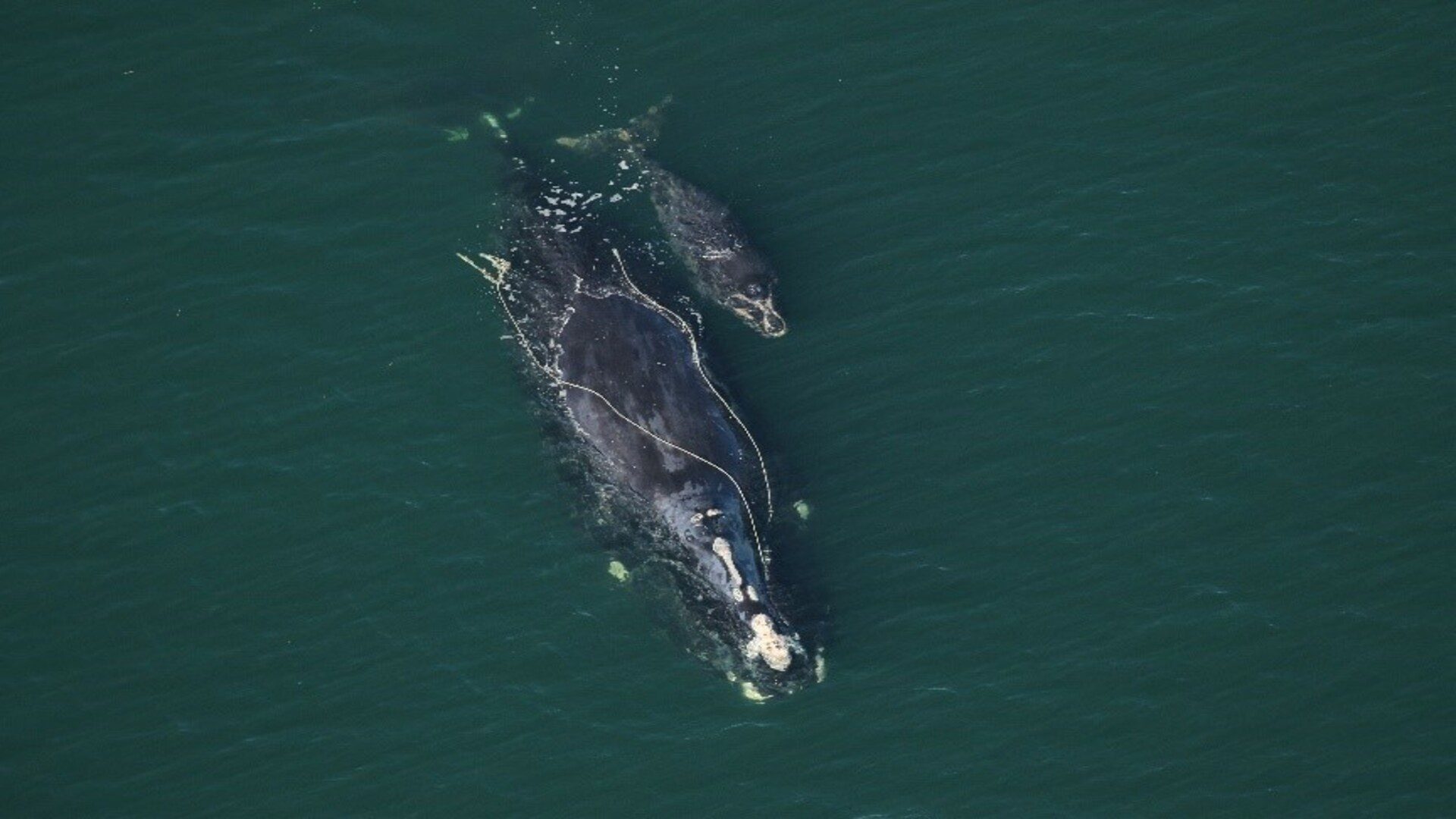
The declining body size of North Atlantic right whales may have critical consequences for the future of the species. New research, co-authored by Woods Hole Oceanographic Institution’s senior scientist Michael Moore, shows that smaller females produce fewer calves.
Read MoreWHOI collaborates with CMA CGM to increase protections for marine mammals

A collaboration between Woods Hole Oceanographic Institution (WHOI) and the CMA CGM Group, a world leader in shipping and logistics, aims to increase whale detection efforts along the U.S East Coast, particularly for North Atlantic right whales, and reduce the potential for ship strikes along critical shipping routes.
Read MoreNew book by WHOI marine scientist offers a grim look at an endangered whale species
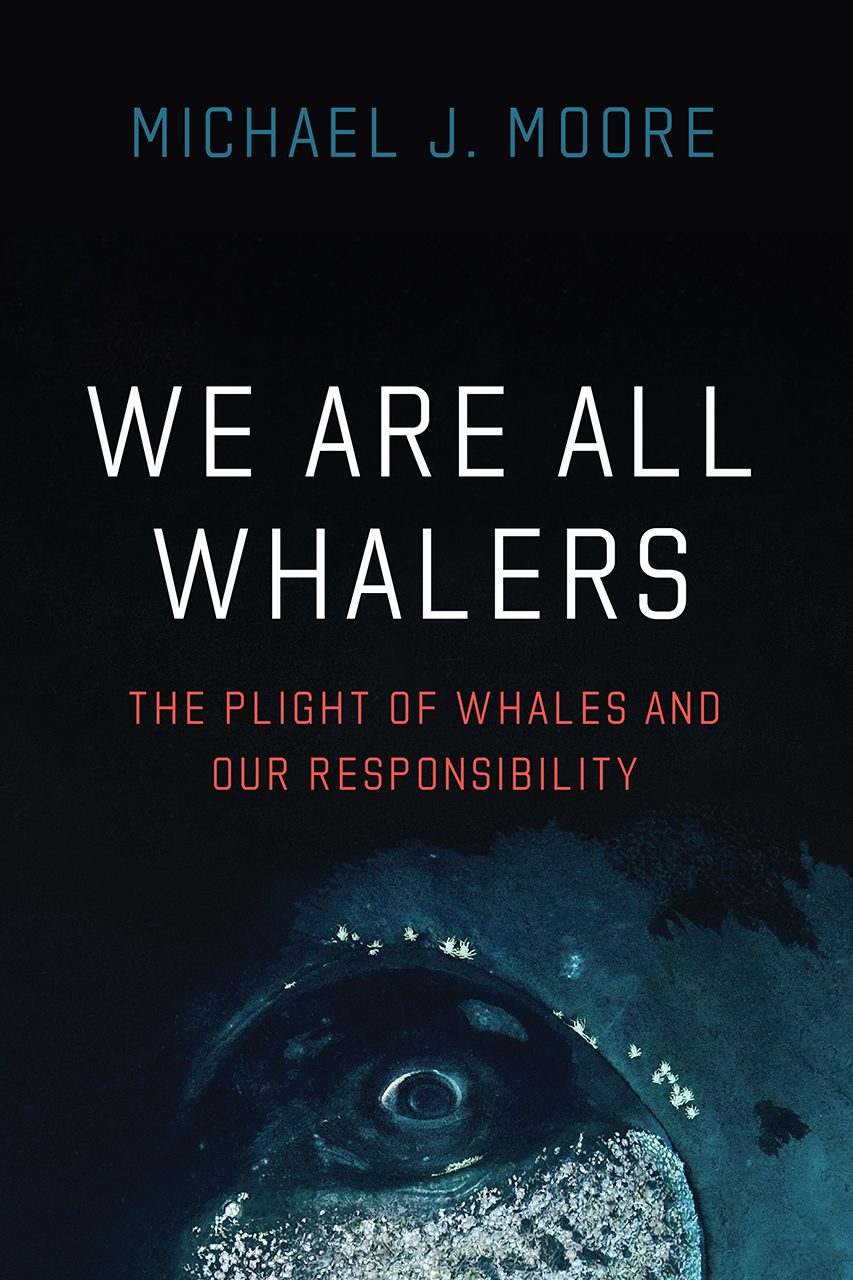
A new book by Michael Moore, veterinarian, and marine scientist at Woods Hole Oceanographic Institution (WHOI), examines the plight and future of the North Atlantic right whale, one of the most critically endangered species on the planet, and draws on Moore’s 40 years of fieldwork to offer possible solutions.
Read MoreWHOI and NOAA Fisheries Release New North Atlantic Right Whale Health Assessment Review
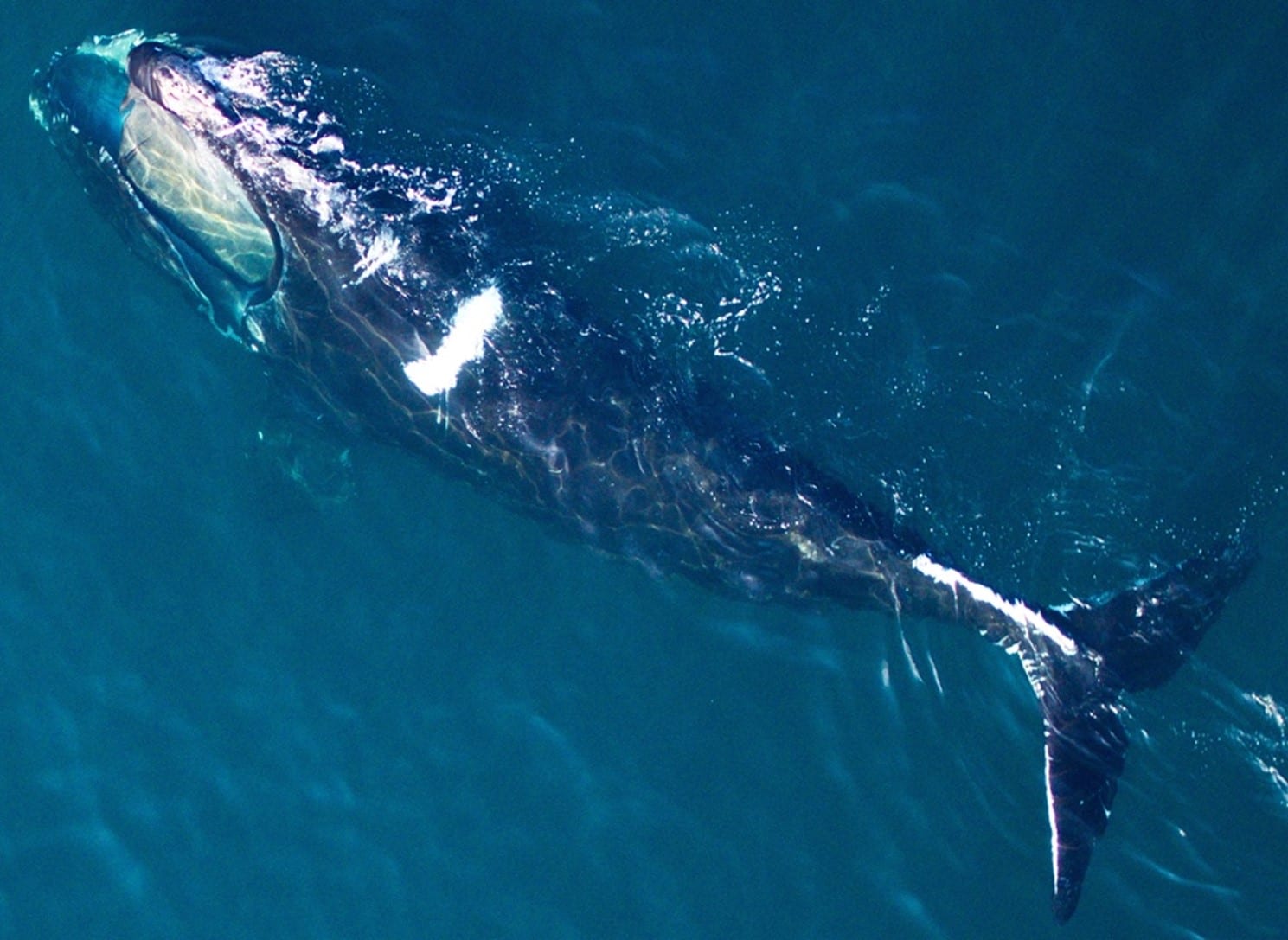
North Atlantic right whales are critically endangered and declining. Climate change, vessel strikes, entanglements and noise engender poor health and reproductive failure, and are major threats to individuals and the species. Trauma reduction measures and applying new tools to assess and enhance their health, are critically important.
Read MoreStudy Sheds Light on Critically Endangered Beluga Whale Population
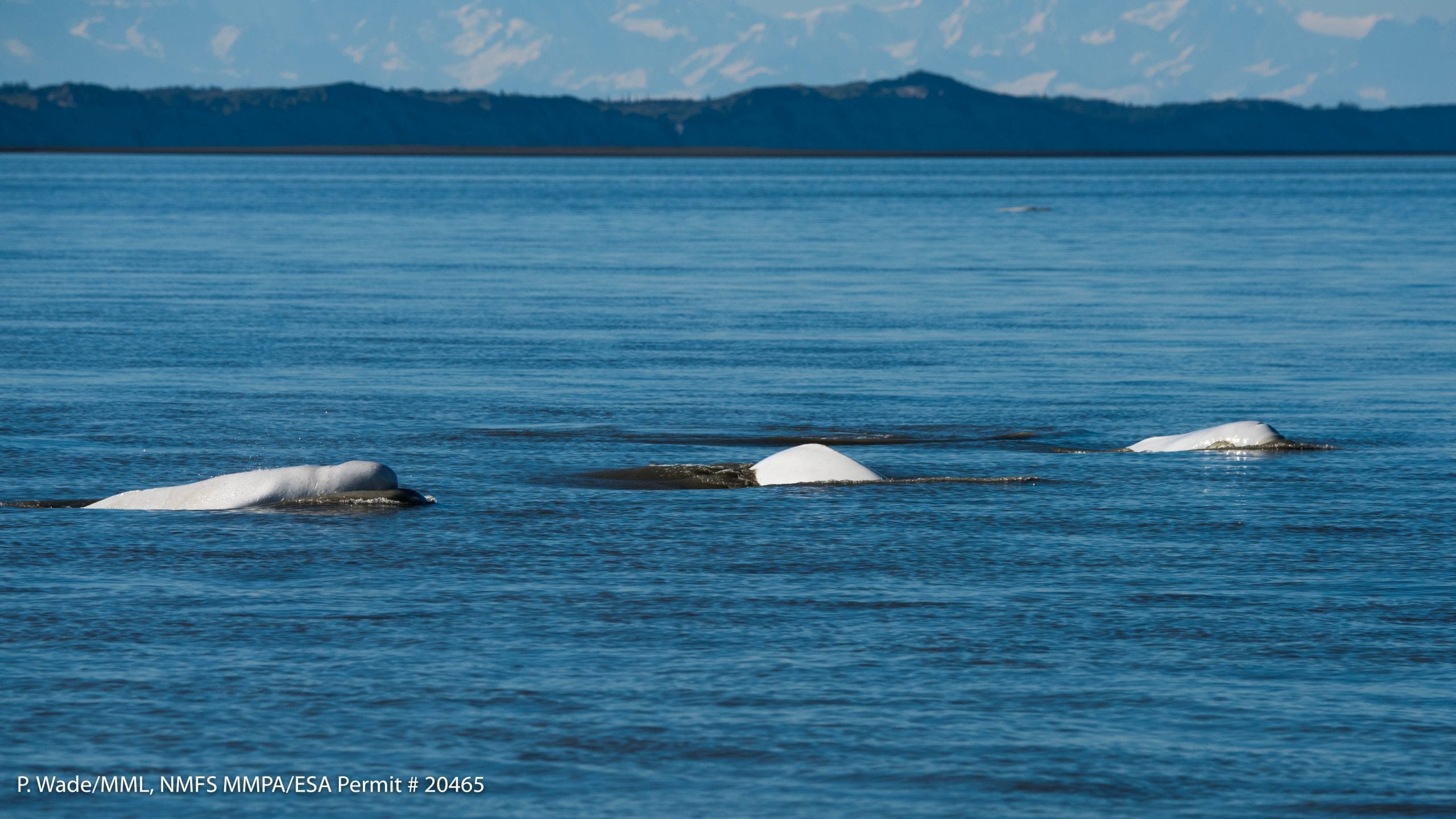
A team of scientists from Woods Hole Oceanographic Institution (WHOI) and NOAA Fisheries are collaborating to help stem the decline of a critically endangered population of beluga whales in the Cook Inlet, Alaska.
Read MoreWHOI Scientists Make Woods Hole Film Festival Appearance
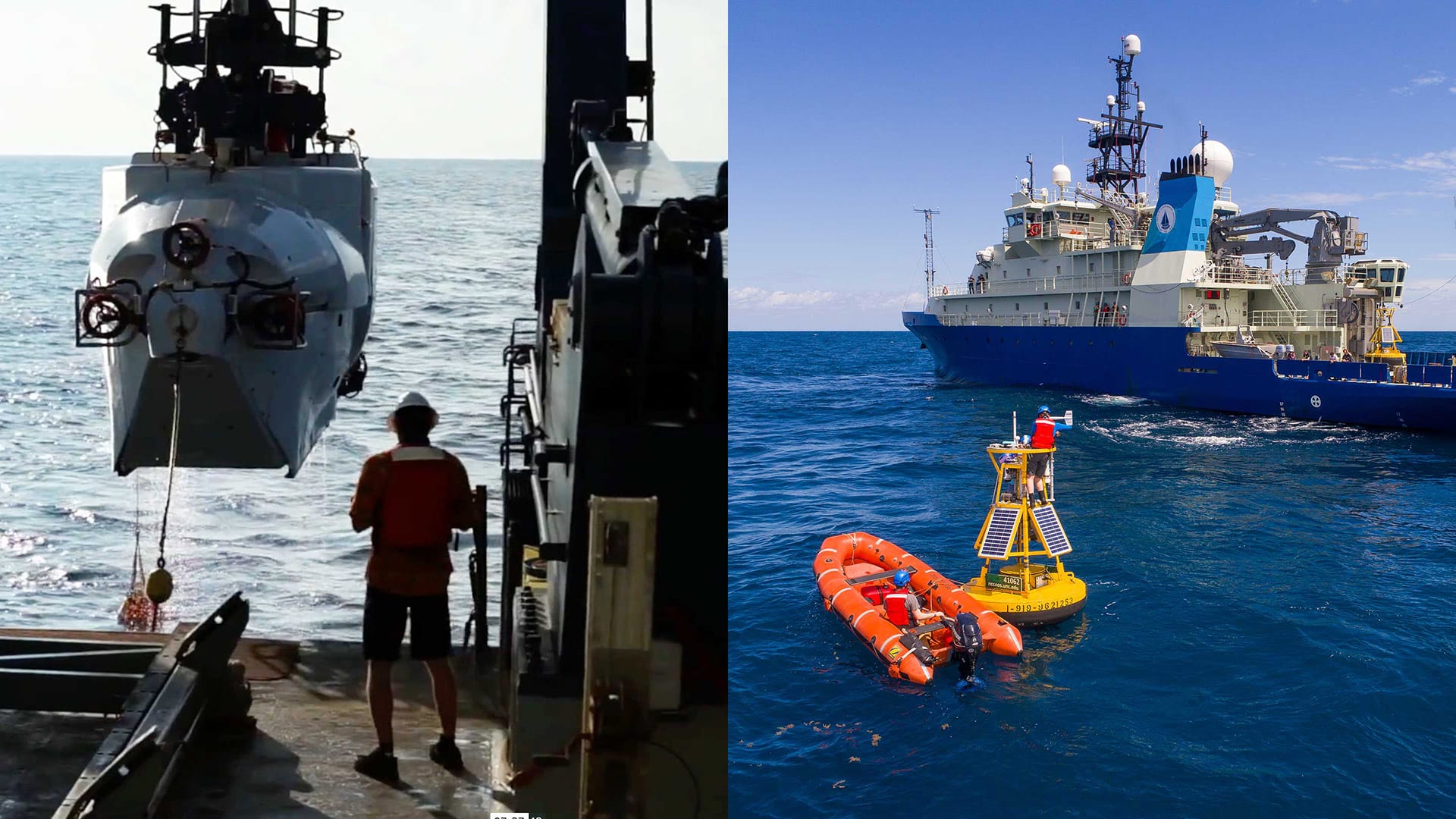
Woods Hole Oceanographic Institution (WHOI) scientists appear in two shorts and a feature film at this year’s Woods Hole Film Festival (WHFF). In addition, scientists will also participate in Q&A…
Read MoreFishing less could be a win for both lobstermen and endangered whales
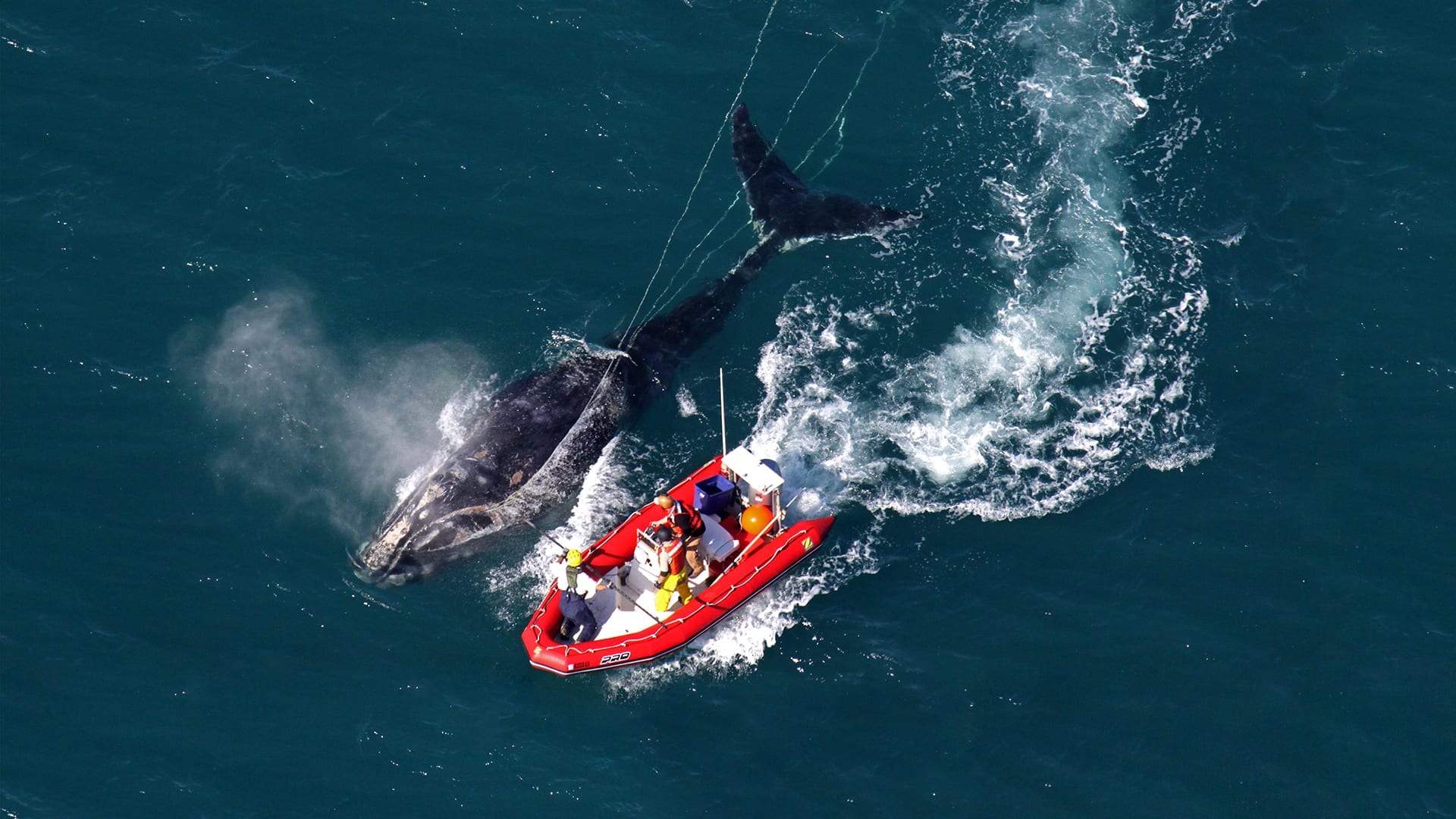
A new study found that New England’s historic lobster fishery may turn a higher profit by operating with less gear in the water and a shorter season, which could also benefit endangered North Atlantic right whales.
Read MoreNorth Atlantic right whales are in much poorer condition than their Southern counterparts
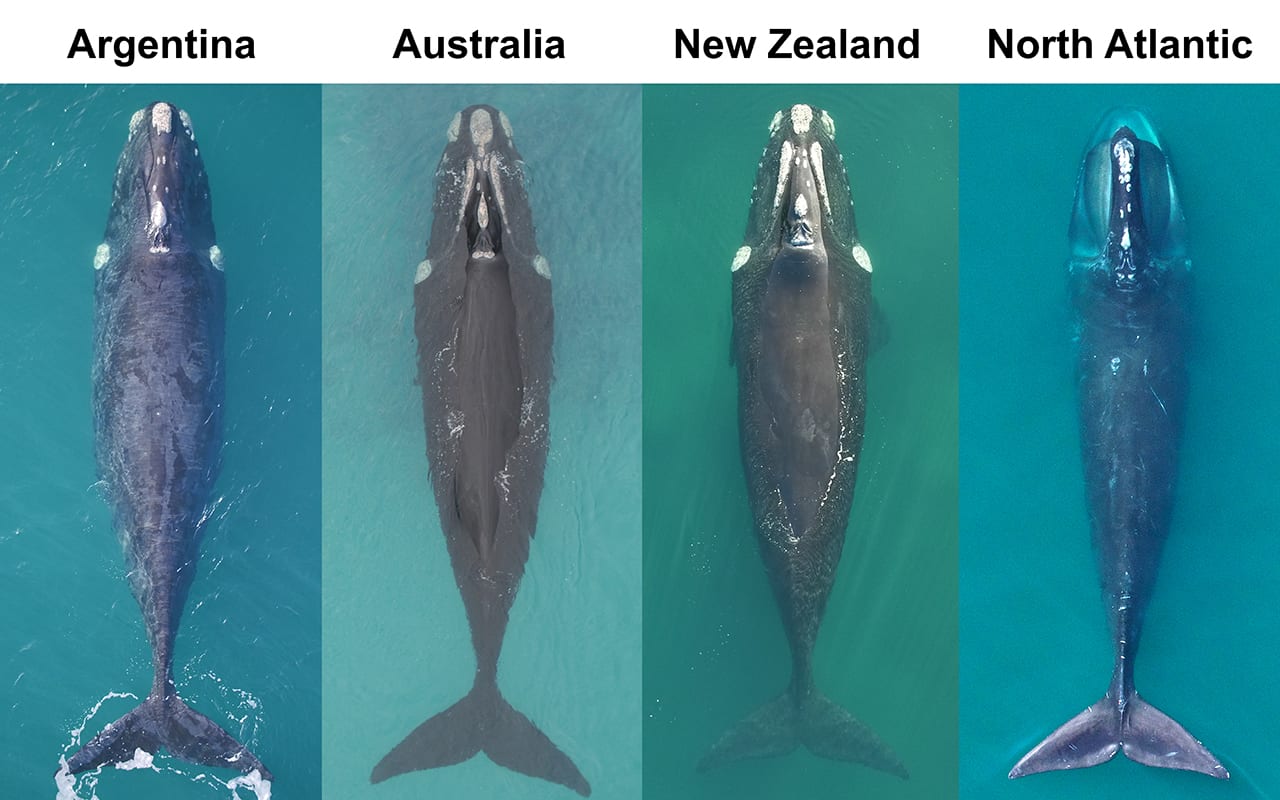
New research by an international team of scientists reveals that endangered North Atlantic right whales are in much poorer body condition than their counterparts in the southern hemisphere.
Read MoreWhales may owe their efficient digestion to millions of tiny microbes
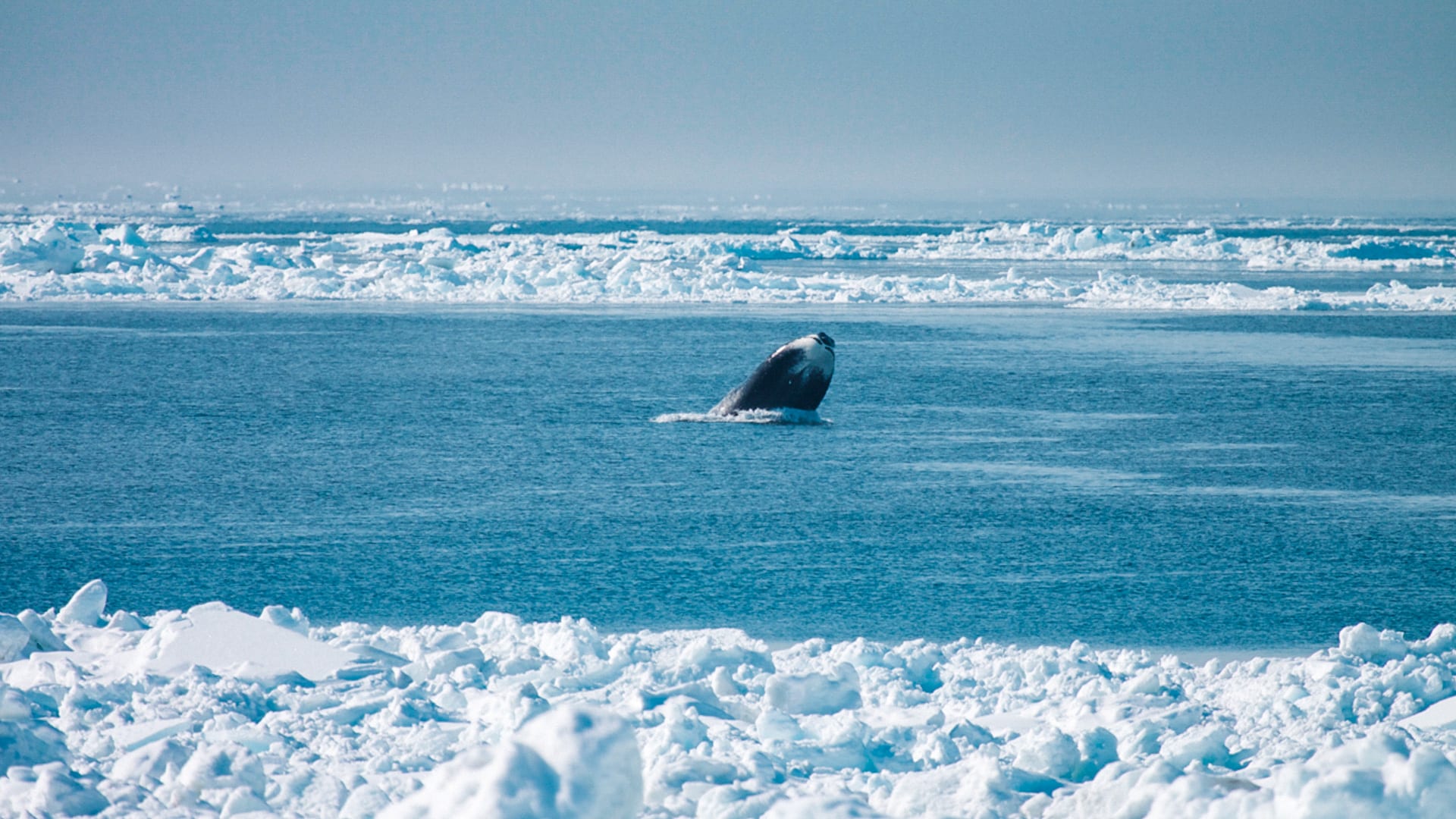
A study by researchers at Woods Hole Oceanographic Institution (WHOI) shows that the microbial communities inside whales may play an important role in the digestion of one of the ocean’s most abundant carbon-rich lipids, known as a wax ester.
Read MoreSeaWorld & Busch Gardens conservation fund commits $900,000 to protect critically endangered North Atlantic right whales
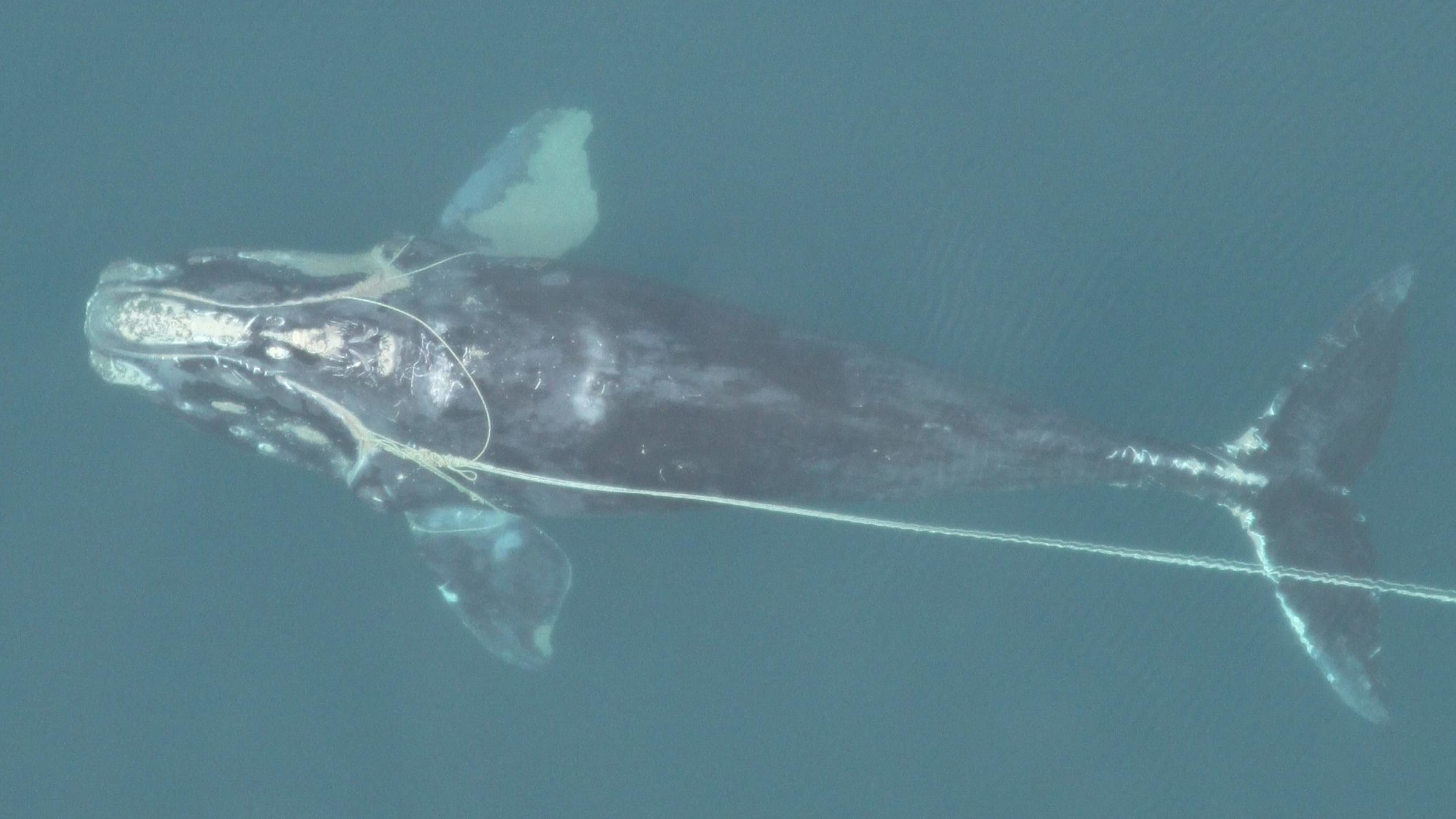
The funding provided by the SeaWorld Conservation Fund will be primarily used to test alternative non-lethal fishing gear. Whales and sea turtles commonly entangle in ropes that connect crab or lobster traps on the sea floor to buoys on the sea surface.
Read More