
News Releases
Woods Hole Oceanographic Institution and CMA CGM expand their partnership

CMA CGM, which has long been committed to preserving biodiversity through multiple initiatives in the U.S. and worldwide, will support two key WHOI projects
Read MoreWhat can a whale’s breath tell us? According to a new study, a lot about its health
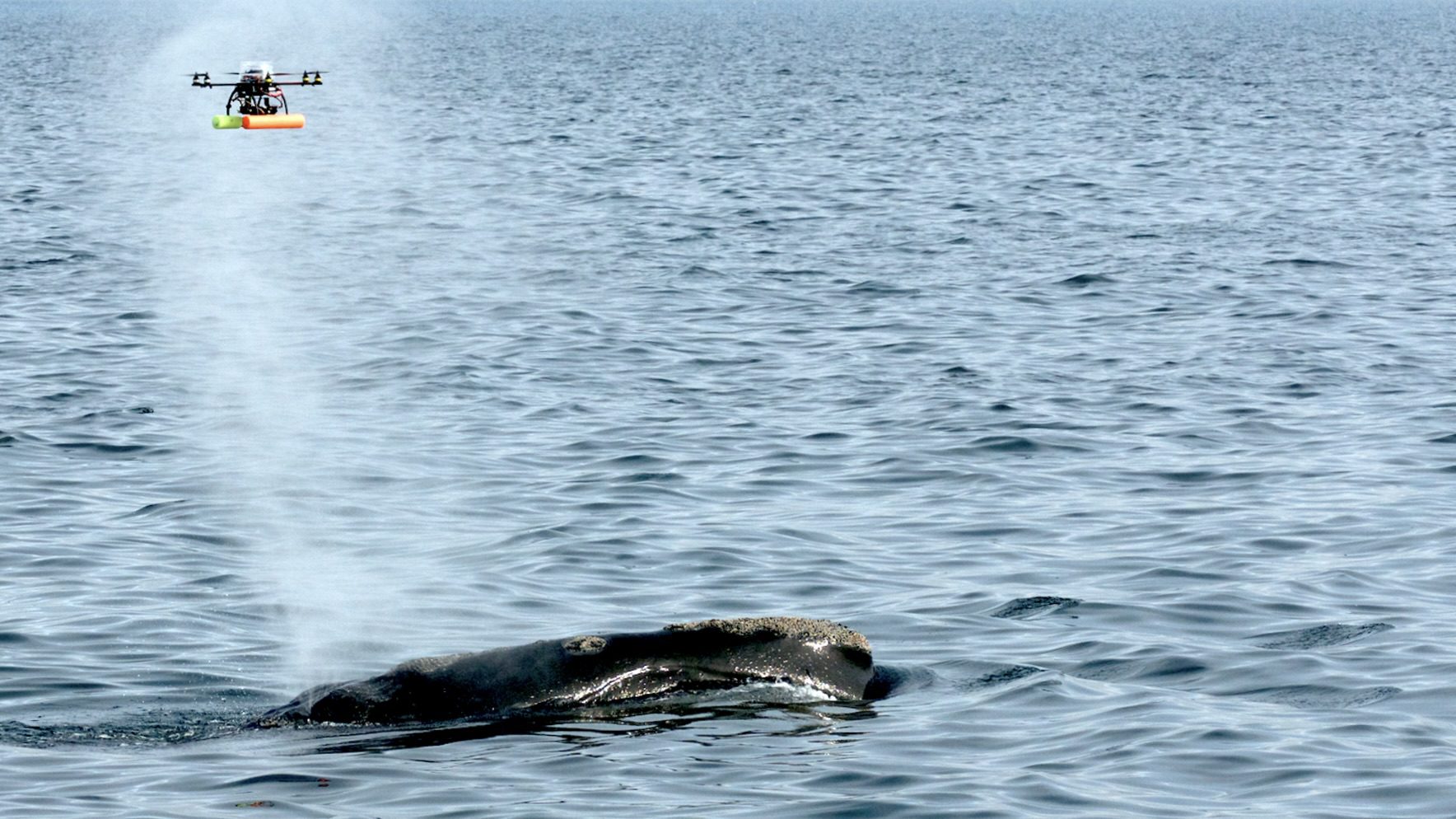
A first of its kind study links drone-collected respiratory microbes with health assessments, offering hope for protecting vulnerable populations
Read MoreShip-mounted camera systems increase protections for marine mammals
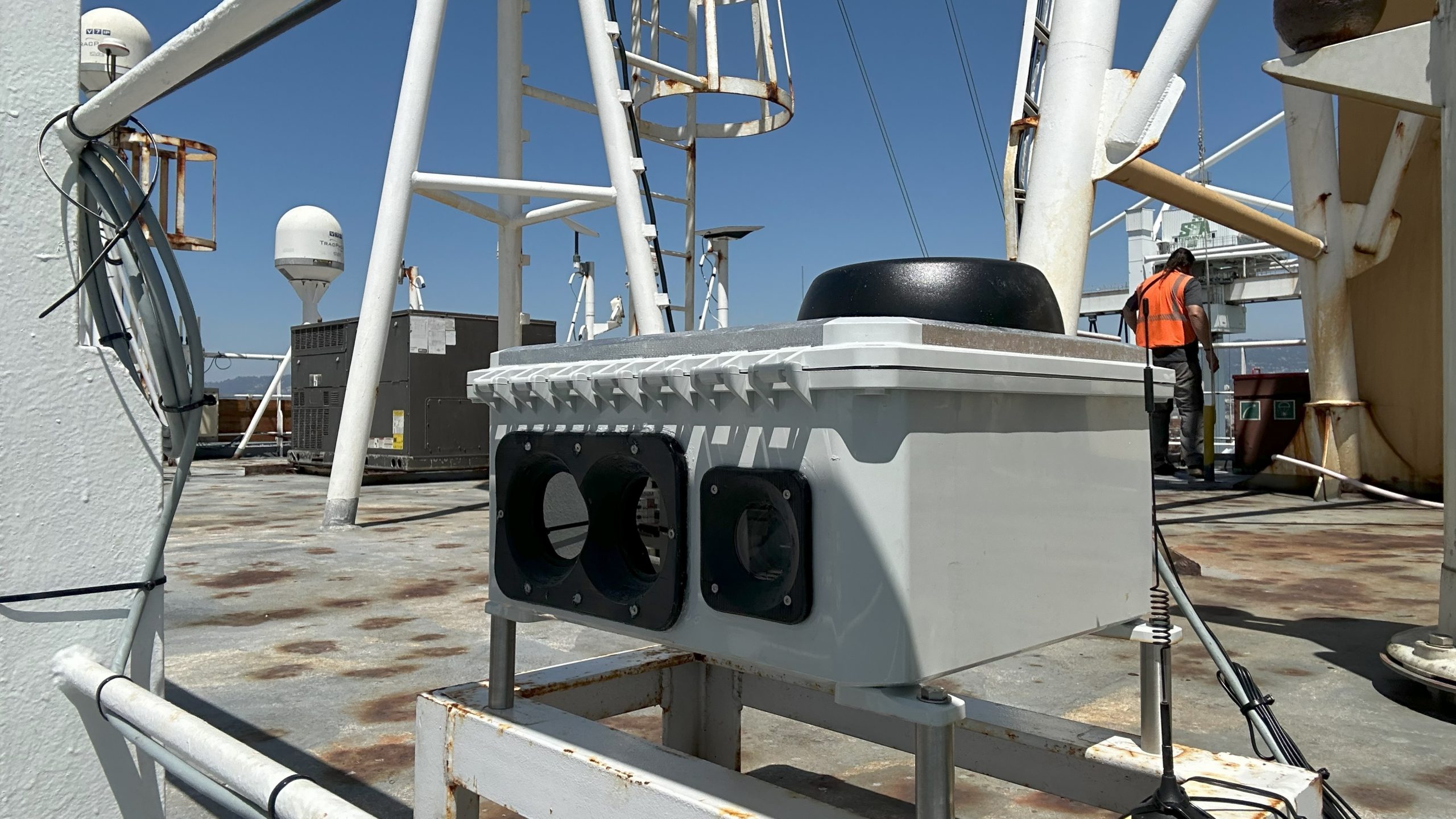
This technology uses thermal imaging to detect a whale’s body or spout and provides real-time information on their distance and bearing from a vessel.
Read MoreWHOI and CMA CGM Group deploy acoustic monitoring buoy near Norfolk, Virginia
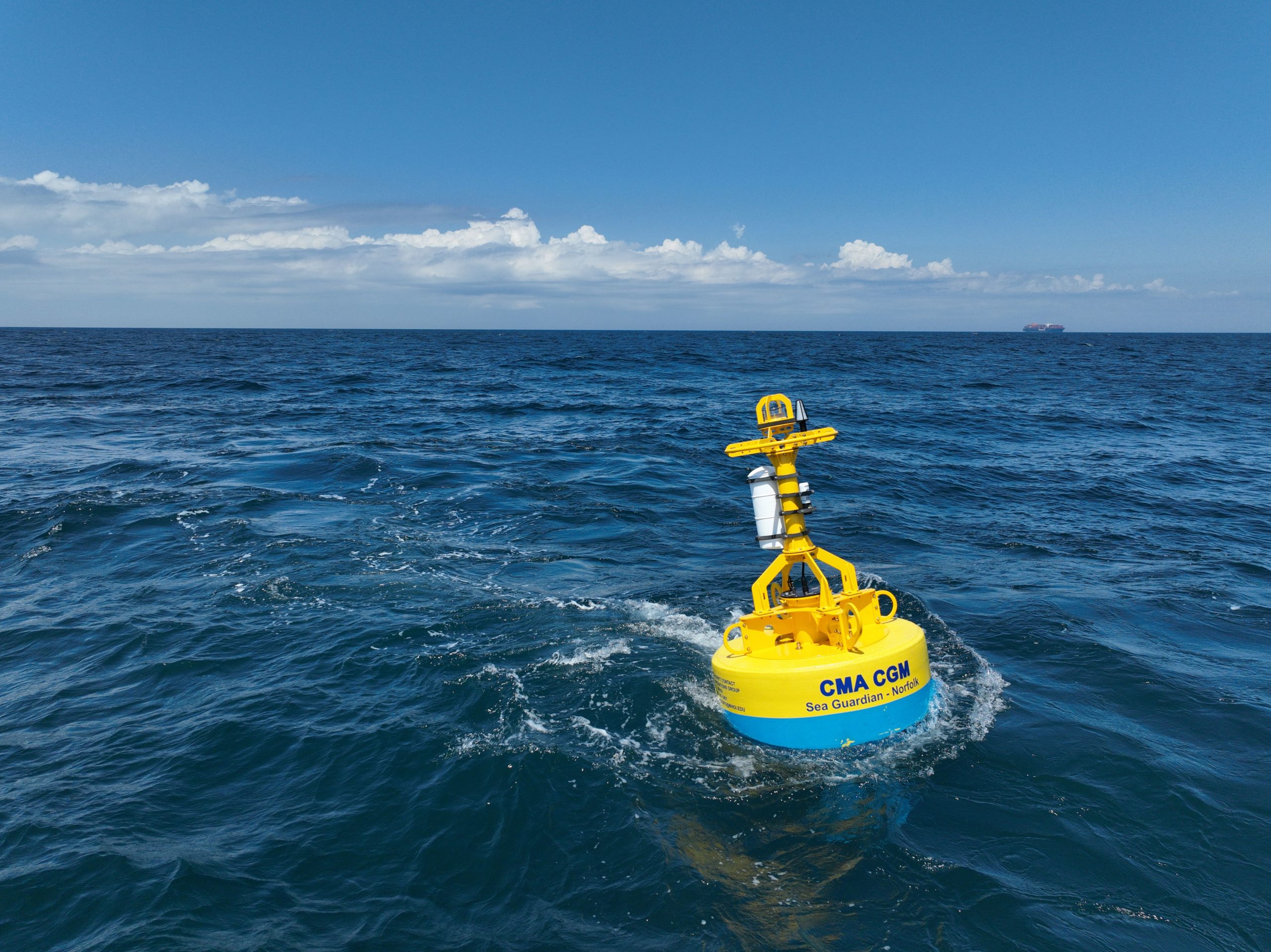
Woods Hole Oceanographic Institution (WHOI) and The CMA CGM Group, a global player in sea, land, air, and logistics solutions, have deployed an acoustic monitoring buoy 33 miles off the coast of Norfolk, Virginia. A second buoy is slated for deployment off the coast of Savannah, Georgia in the coming weeks.
Read MoreSmaller female North Atlantic right whales, fewer calves
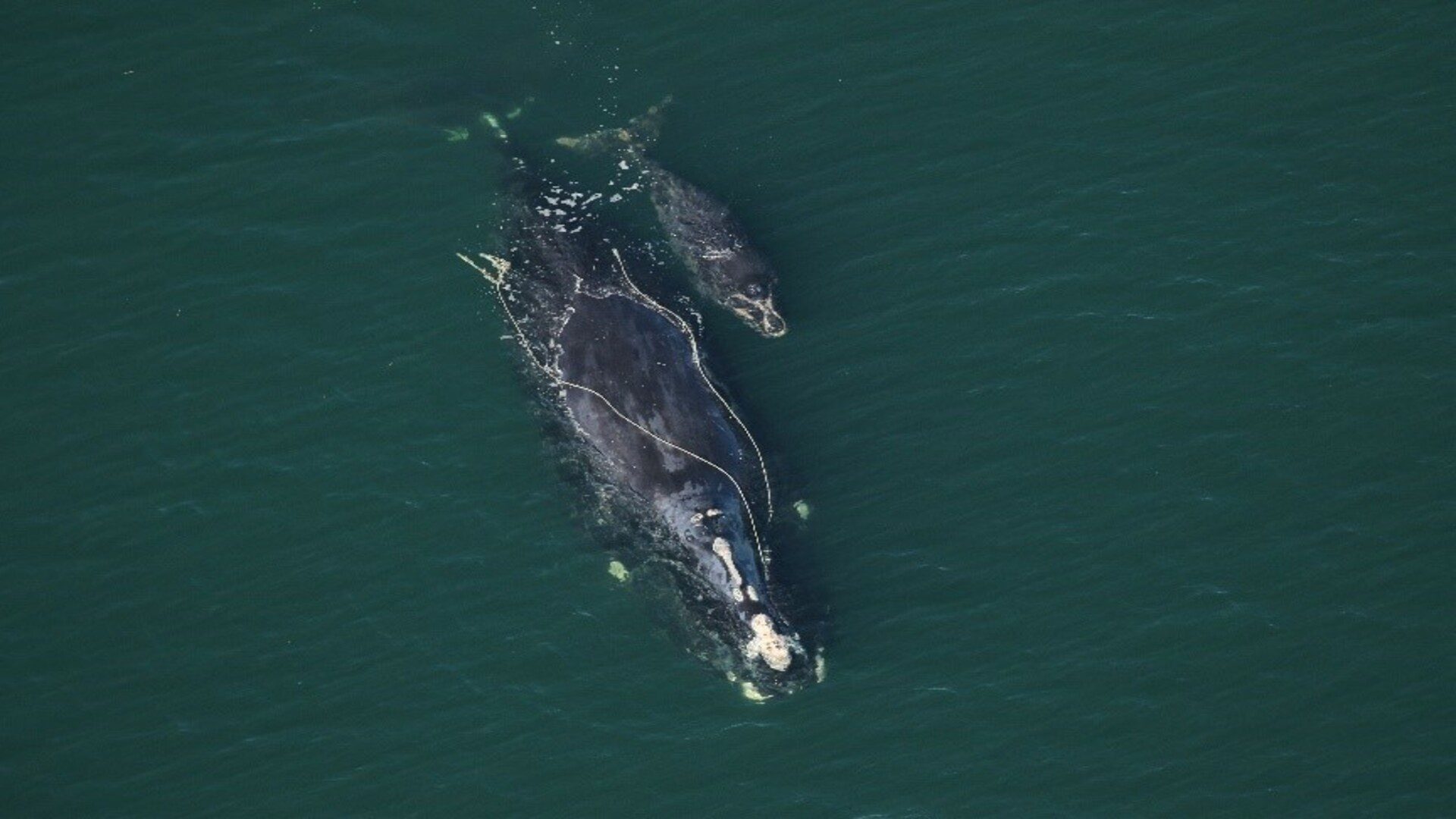
The declining body size of North Atlantic right whales may have critical consequences for the future of the species. New research, co-authored by Woods Hole Oceanographic Institution’s senior scientist Michael Moore, shows that smaller females produce fewer calves.
Read MoreWHOI collaborates with CMA CGM to increase protections for marine mammals
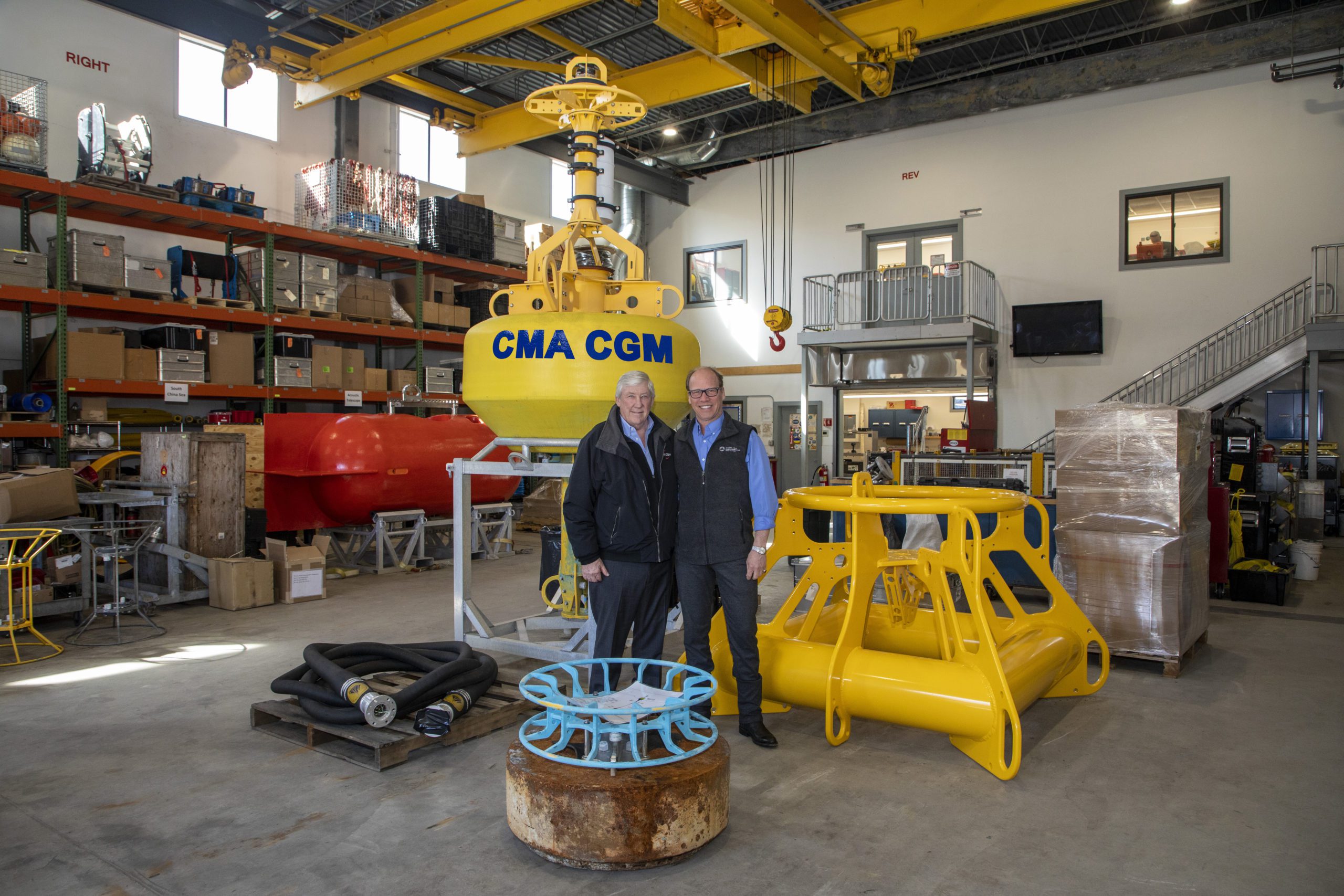
A collaboration between Woods Hole Oceanographic Institution (WHOI) and the CMA CGM Group, a world leader in shipping and logistics, aims to increase whale detection efforts along the U.S East Coast, particularly for North Atlantic right whales, and reduce the potential for ship strikes along critical shipping routes.
Read MoreNew book by WHOI marine scientist offers a grim look at an endangered whale species
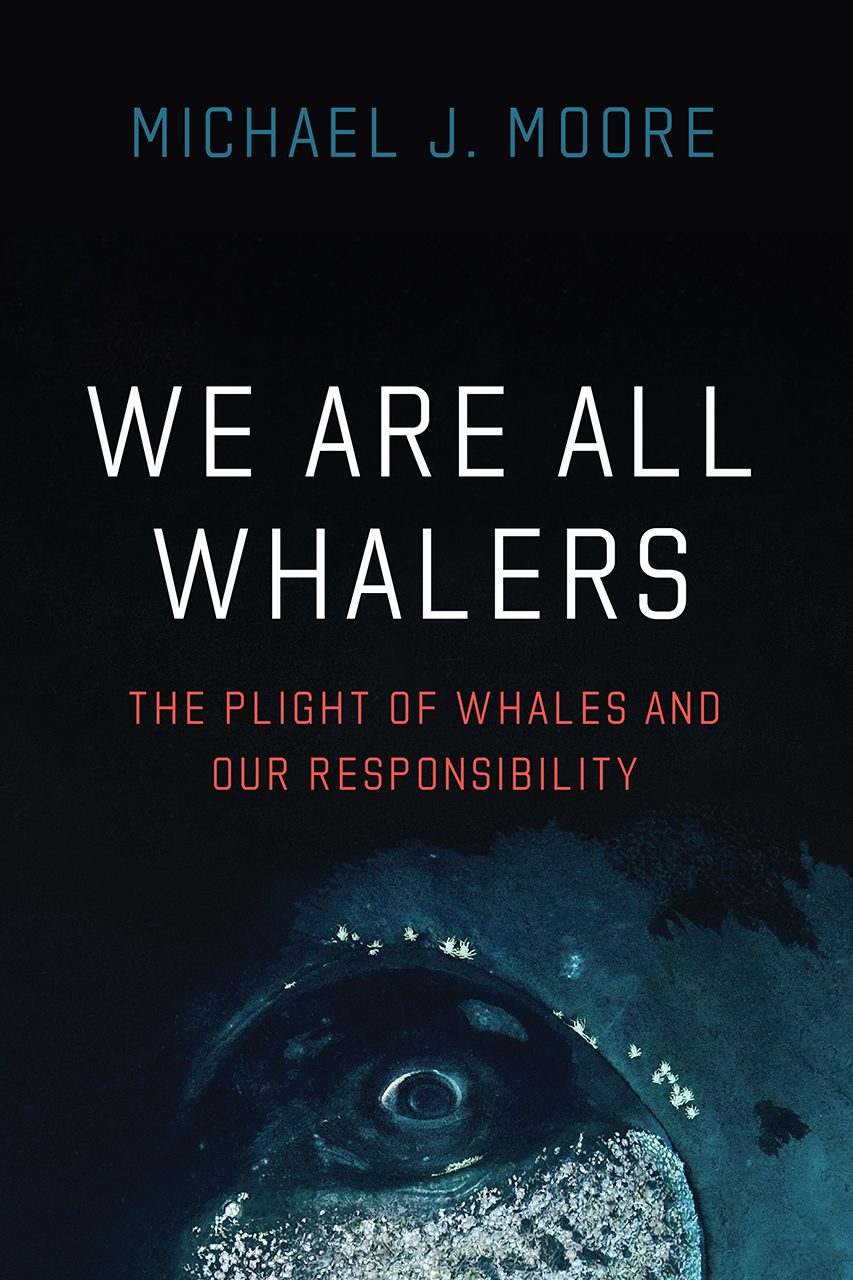
A new book by Michael Moore, veterinarian, and marine scientist at Woods Hole Oceanographic Institution (WHOI), examines the plight and future of the North Atlantic right whale, one of the most critically endangered species on the planet, and draws on Moore’s 40 years of fieldwork to offer possible solutions.
Read MoreWHOI and NOAA Fisheries Release New North Atlantic Right Whale Health Assessment Review
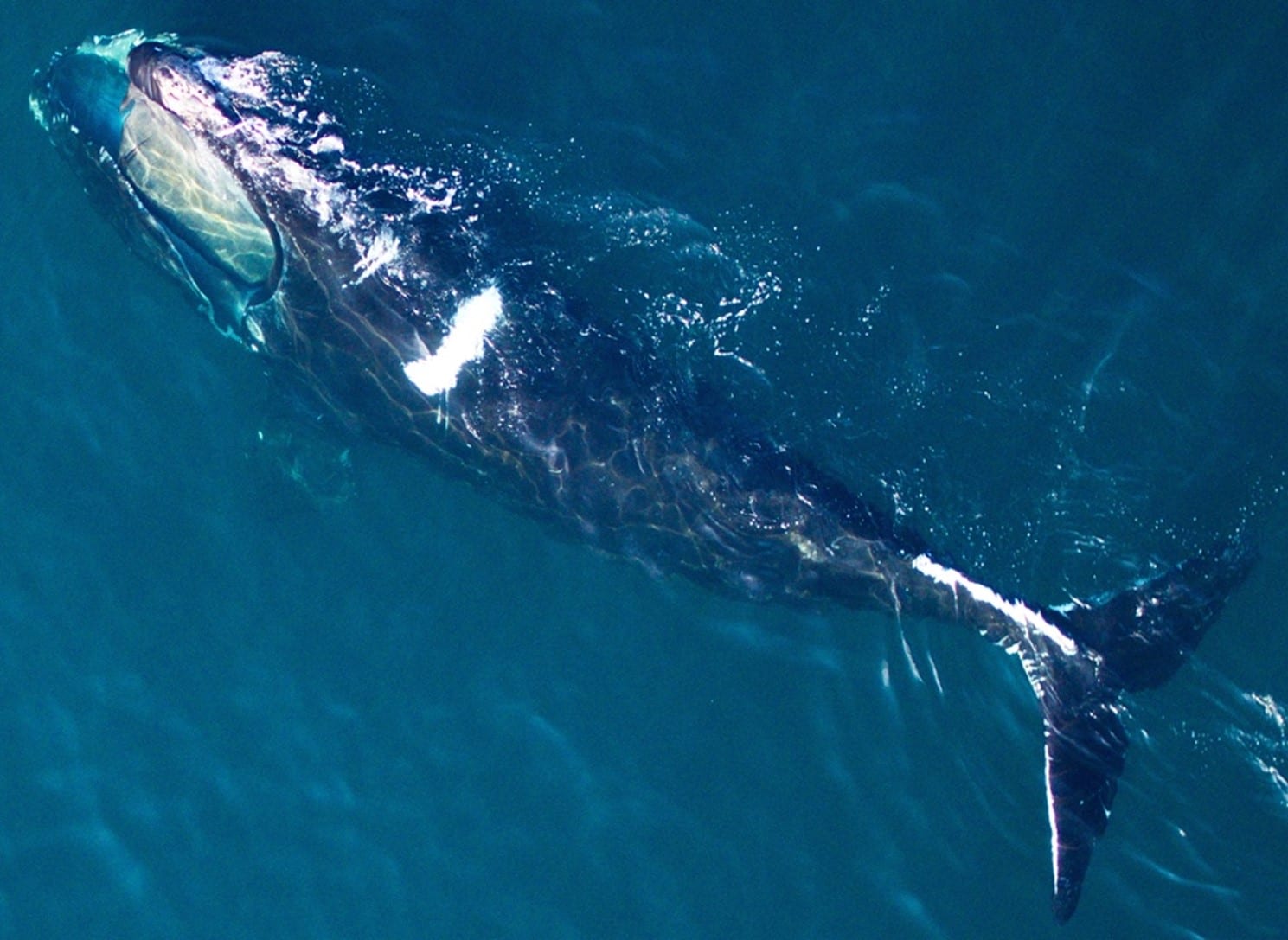
North Atlantic right whales are critically endangered and declining. Climate change, vessel strikes, entanglements and noise engender poor health and reproductive failure, and are major threats to individuals and the species. Trauma reduction measures and applying new tools to assess and enhance their health, are critically important.
Read MoreWHOI Scientists Make Woods Hole Film Festival Appearance
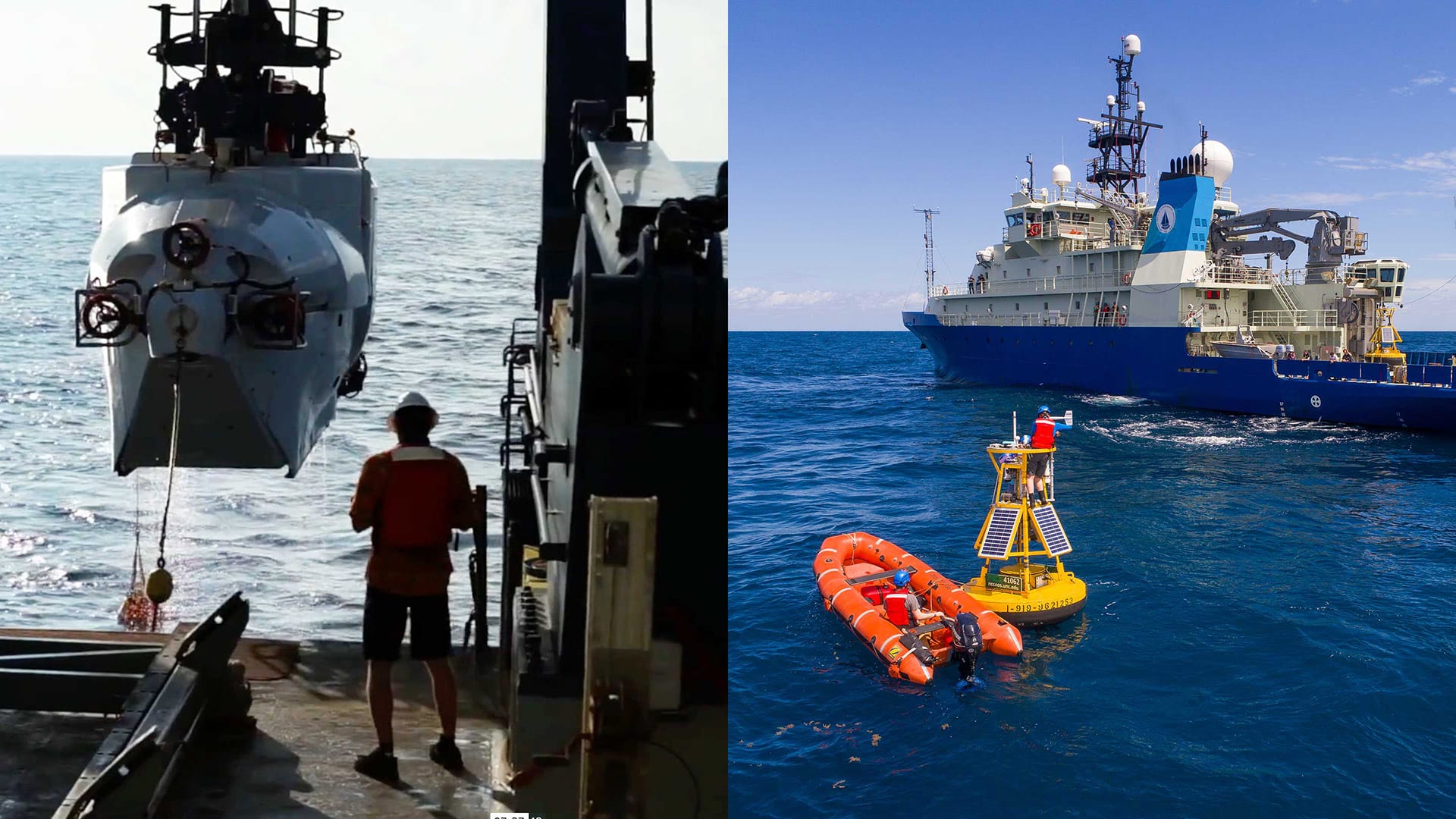
Woods Hole Oceanographic Institution (WHOI) scientists appear in two shorts and a feature film at this year’s Woods Hole Film Festival (WHFF). In addition, scientists will also participate in Q&A…
Read MoreFishing less could be a win for both lobstermen and endangered whales
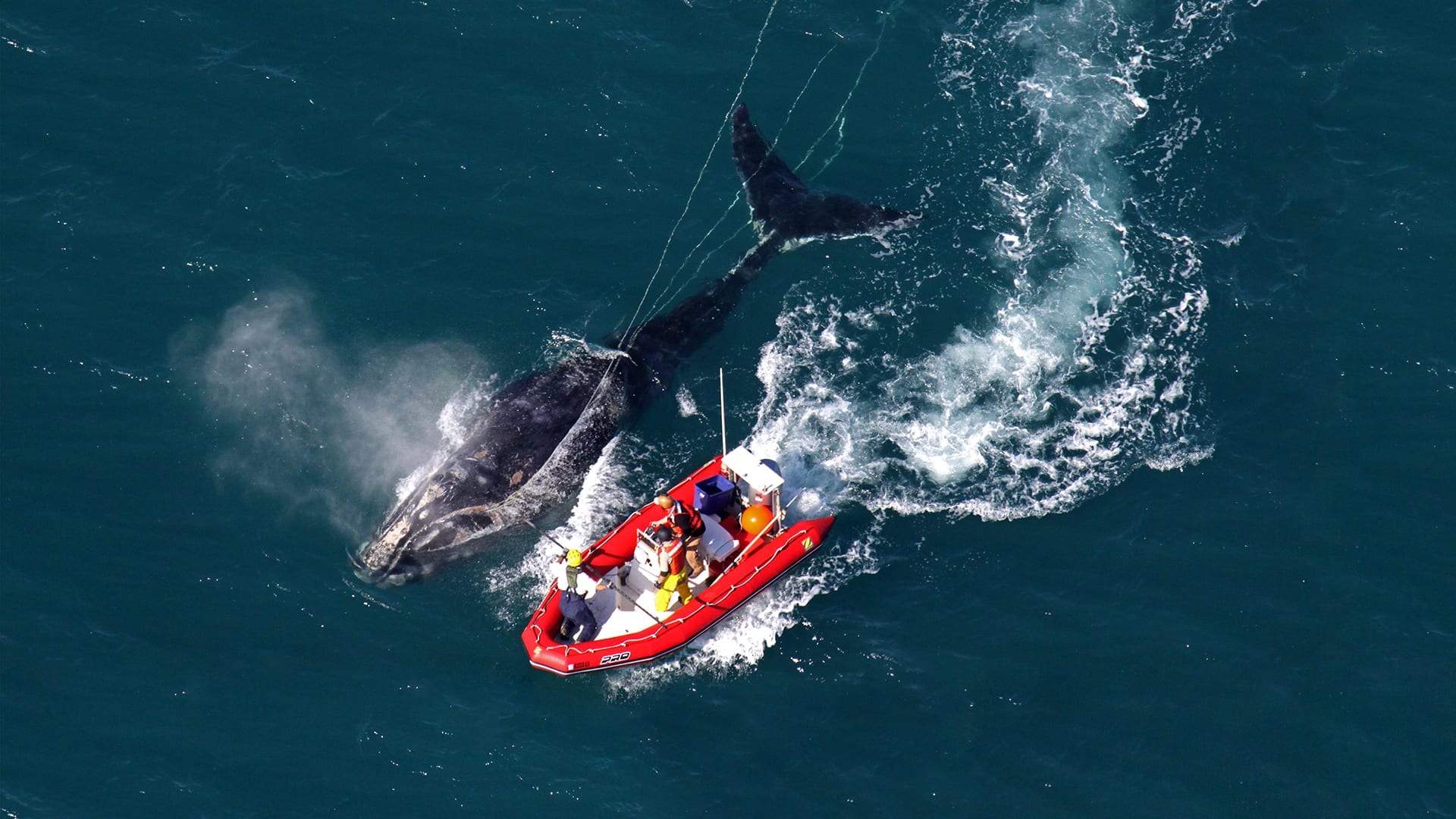
A new study found that New England’s historic lobster fishery may turn a higher profit by operating with less gear in the water and a shorter season, which could also benefit endangered North Atlantic right whales.
Read MoreNorth Atlantic right whales are in much poorer condition than their Southern counterparts
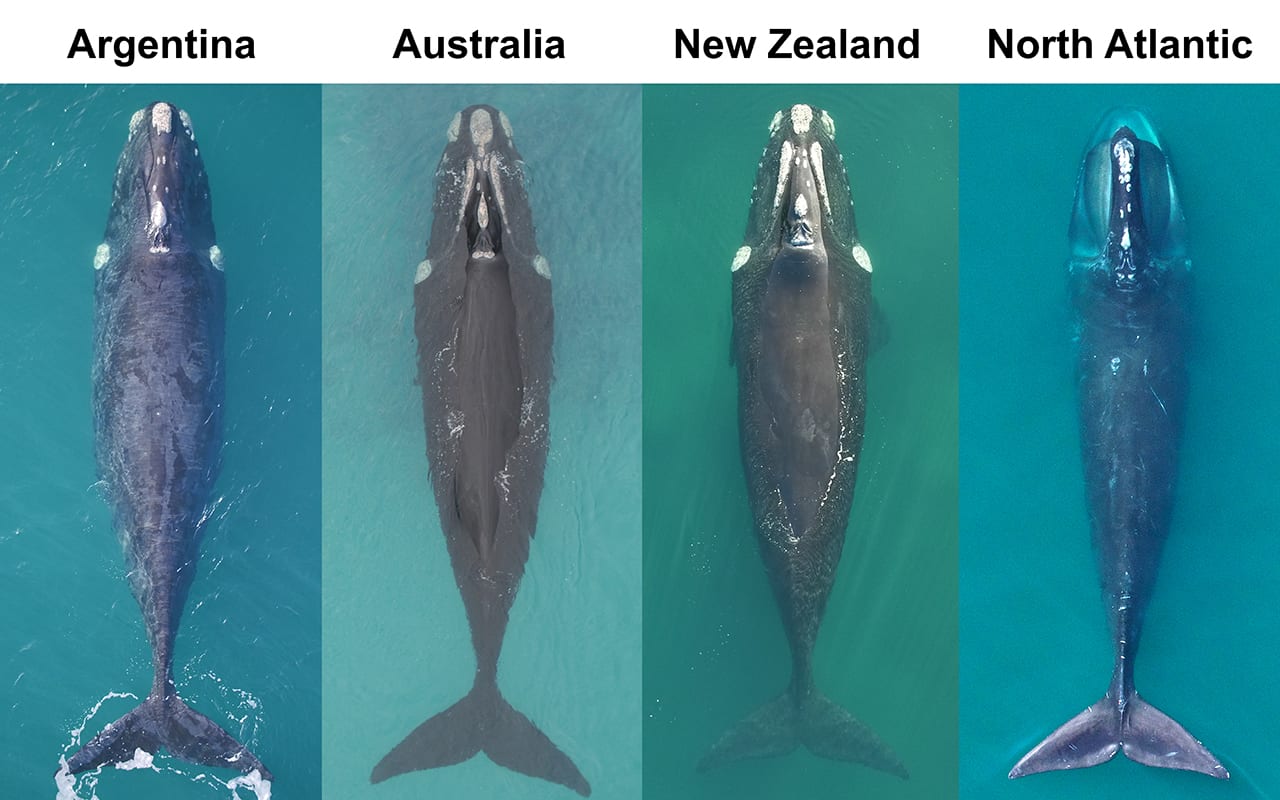
New research by an international team of scientists reveals that endangered North Atlantic right whales are in much poorer body condition than their counterparts in the southern hemisphere.
Read MoreWhales may owe their efficient digestion to millions of tiny microbes
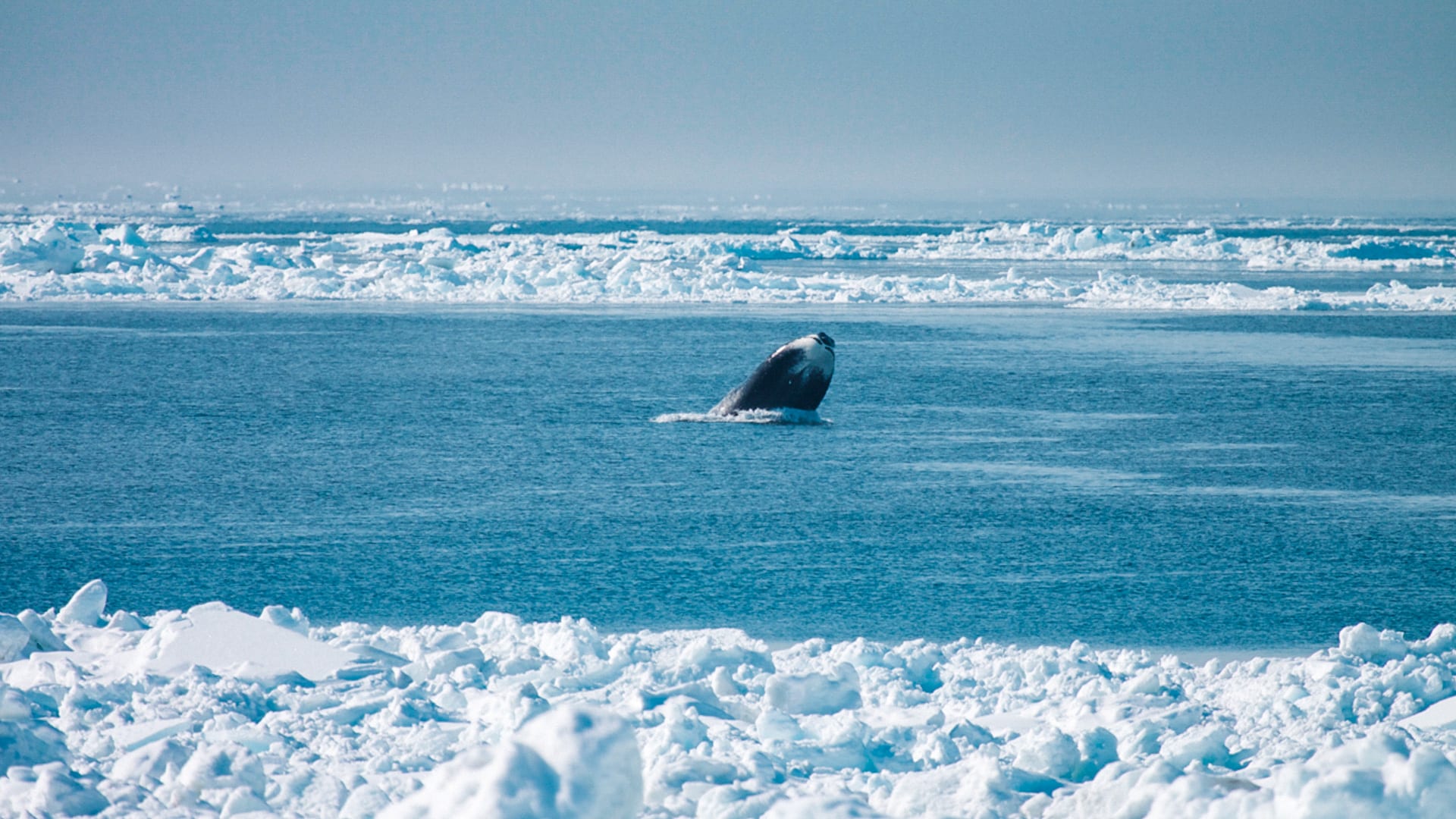
A study by researchers at Woods Hole Oceanographic Institution (WHOI) shows that the microbial communities inside whales may play an important role in the digestion of one of the ocean’s most abundant carbon-rich lipids, known as a wax ester.
Read MoreSeaWorld & Busch Gardens conservation fund commits $900,000 to protect critically endangered North Atlantic right whales
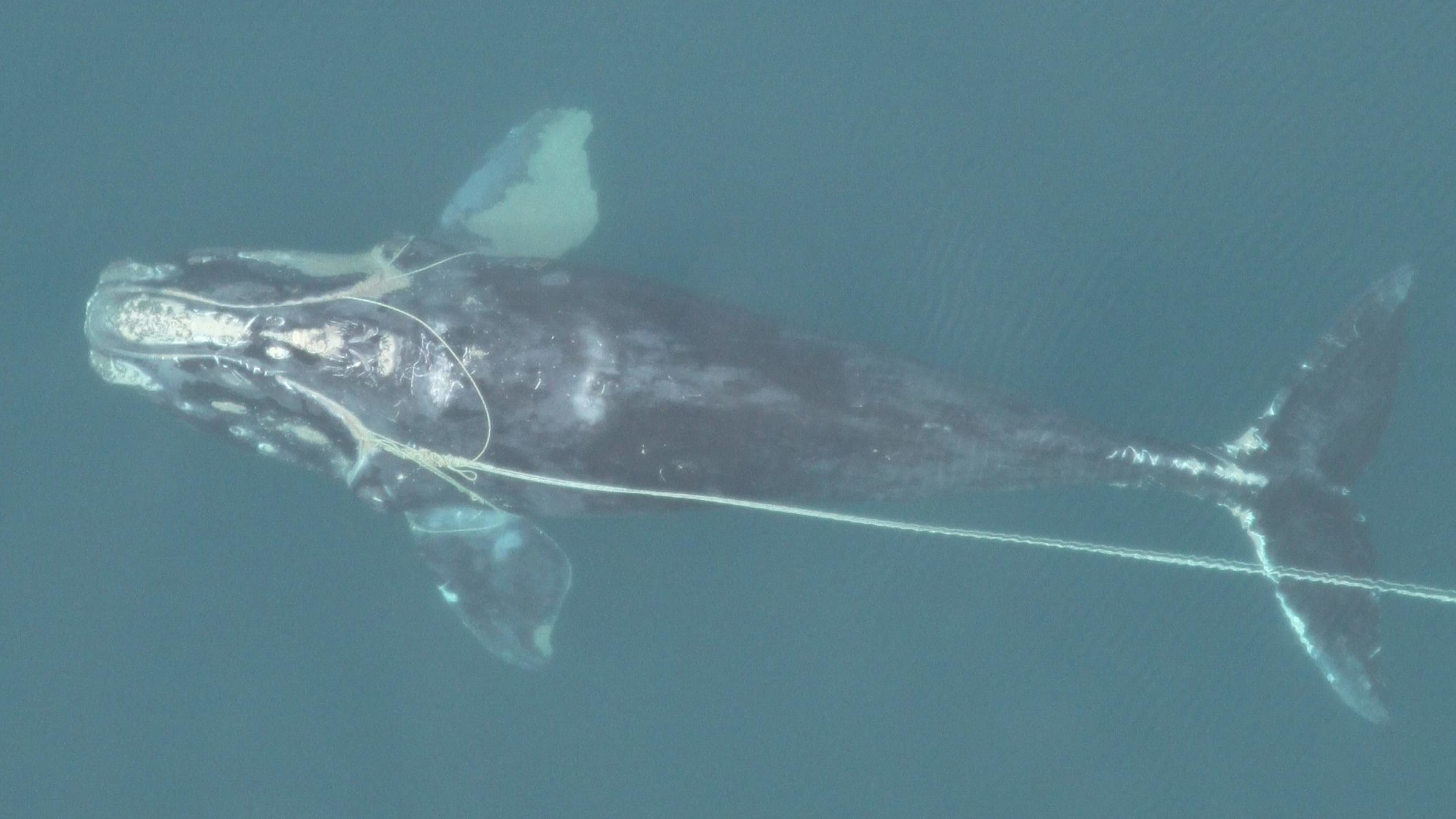
The funding provided by the SeaWorld Conservation Fund will be primarily used to test alternative non-lethal fishing gear. Whales and sea turtles commonly entangle in ropes that connect crab or lobster traps on the sea floor to buoys on the sea surface.
Read MoreResearchers use drones to weigh whales

Researchers devised a way to accurately estimate the weight of free-living whales using only aerial images taken by drones.
Read MoreNew Report Explores Threats, Solutions Impacting Right Whales
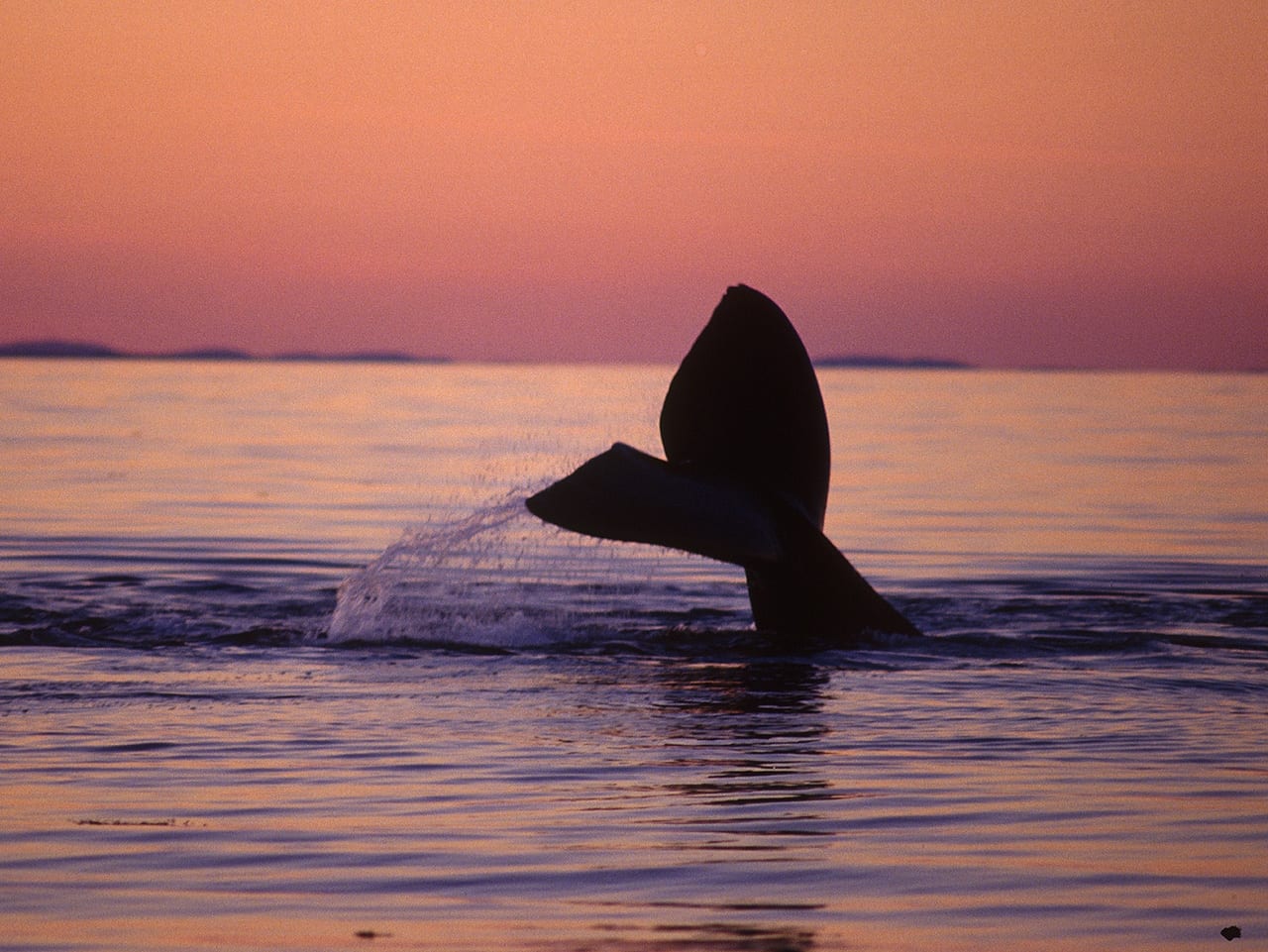
The North Atlantic right whale is a critically endangered whale species that is protected under the U.S. Endangered Species Act, the Marine Mammal Protection Act, and Canadaâs Species at Risk Act. These animals, of which there are only 411 remaining, are often found within 50 miles of the East Coast of North America, making them vulnerable to human activities.
Read MoreWHOI to be Featured in Upcoming BBC Program ‘Blue Planet Live’
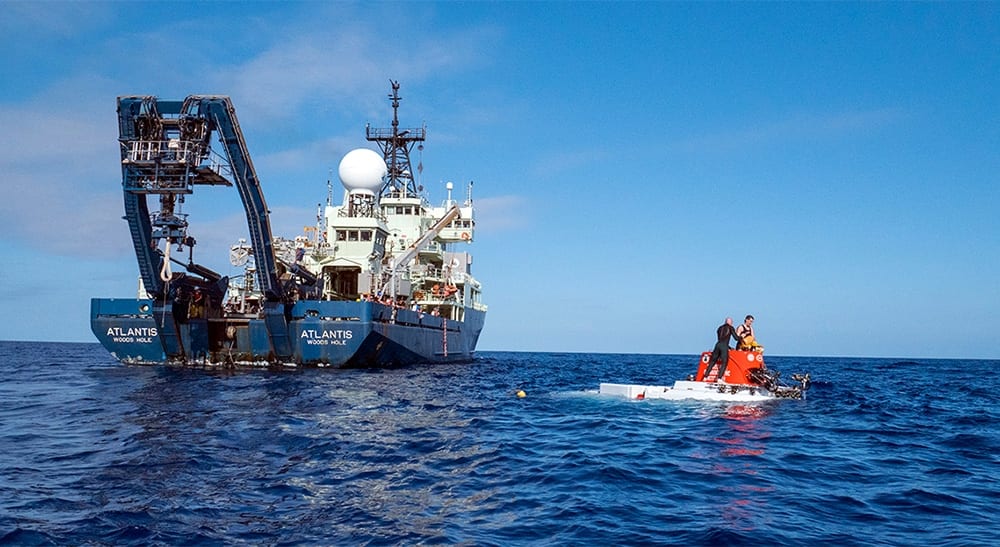
Scientists, engineers, vehicle operators, and ship crew from the Woods Hole Oceanographic Institution (WHOI) will be a featured part of the upcoming BBC program, Blue Planet Live, which will air over four nights beginning March 24. The series will include two live broadcasts from the research vessel Atlantis showing launch and recovery of the human-occupied submersible Alvin.
Read MoreStudy Identifies Whale Blow Microbiome
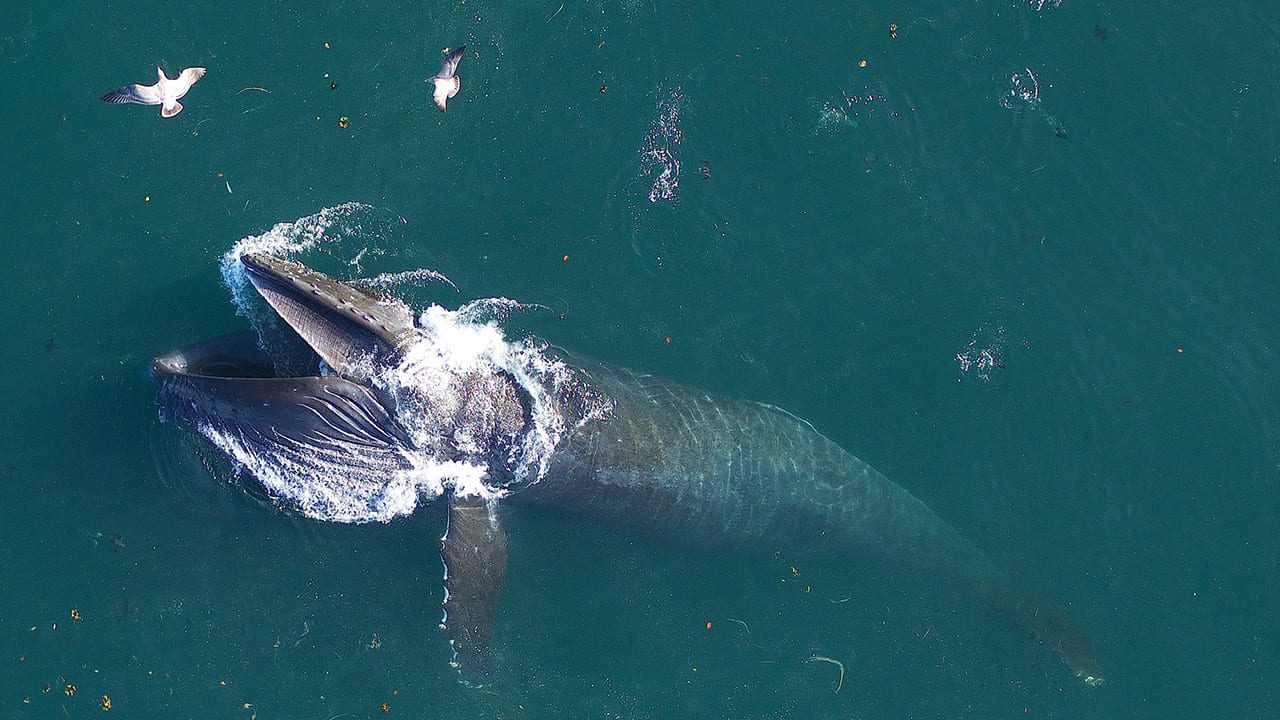
A new study by the Woods Hole Oceanographic Institution (WHOI) and colleagues identified for the first time an extensive conserved group of bacteria within healthy humpback whales’ blow’the moist breath that whales spray out of their blowholes when they exhale.
Read MoreSix Right Whales Die In Canadian Waters In Less Than Three Weeks
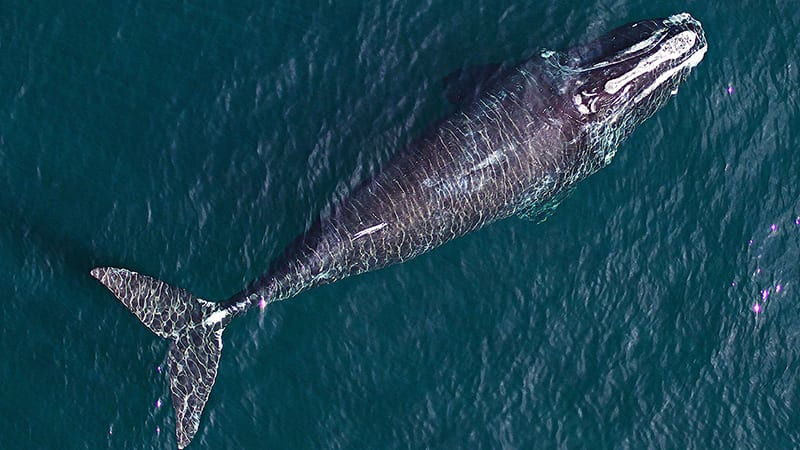
Over the past three weeks, six critically endangered North Atlantic right whales have died in Canadian waters. With only about 500 of these massive plankton feeders still alive, these deaths…
Read MoreScientists Now Listening for Whales in New York Waters With Real-time Acoustic Buoy
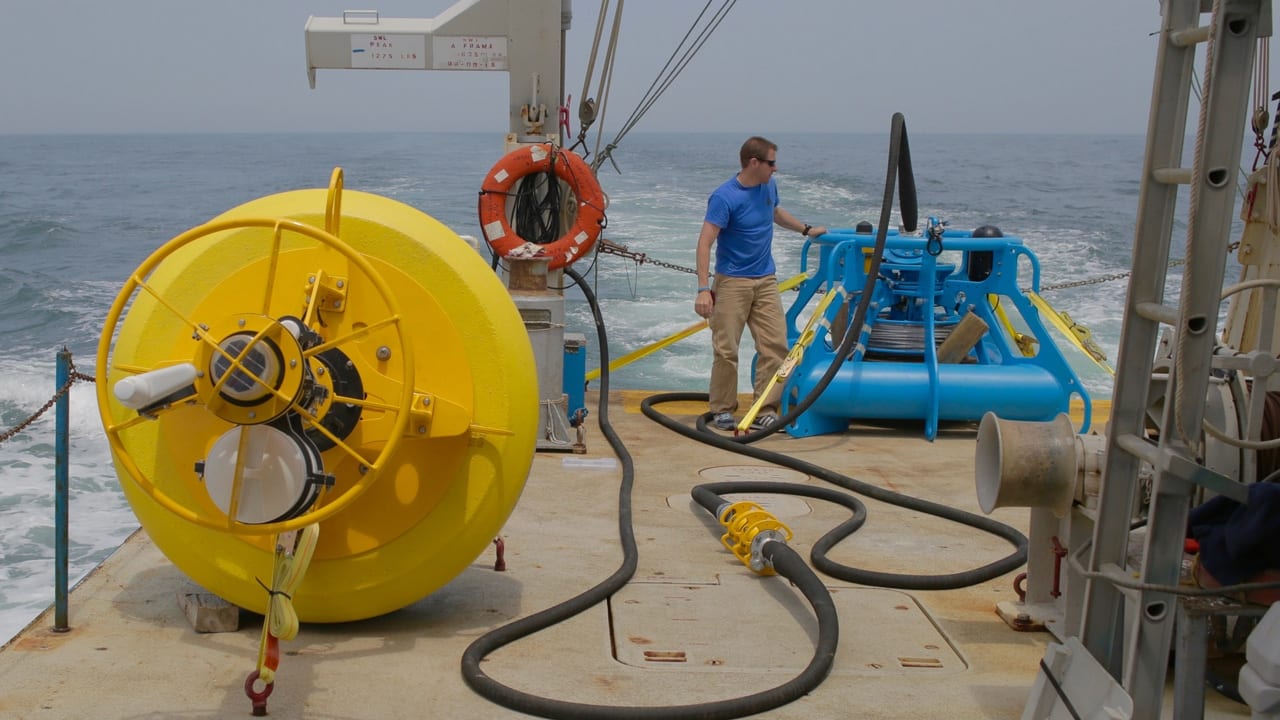
Scientists working for WCS’s (Wildlife Conservation Society) New York Aquarium and the Woods Hole Oceanographic Institution (WHOI) now have an “ear” for the New York region’s biggest “voices and singers”‘ the whales of New York Bight.
Read MoreDrag from Fishing Gear Entanglements Quantified
In a paper published online Dec. 9, 2015, in Marine Mammal Science, a research team led by the Woods Hole Oceanographic Institution (WHOI), has for the first time quantified the amount of drag on entangled whales that is created by towing fishing gear, such as rope, buoys, and lobster and crab traps. The study provides important data for teams evaluating the risks and benefits of whale disentanglements.
Read MoreNew Study Provides First Field Observations of Rare Omura’s Whales
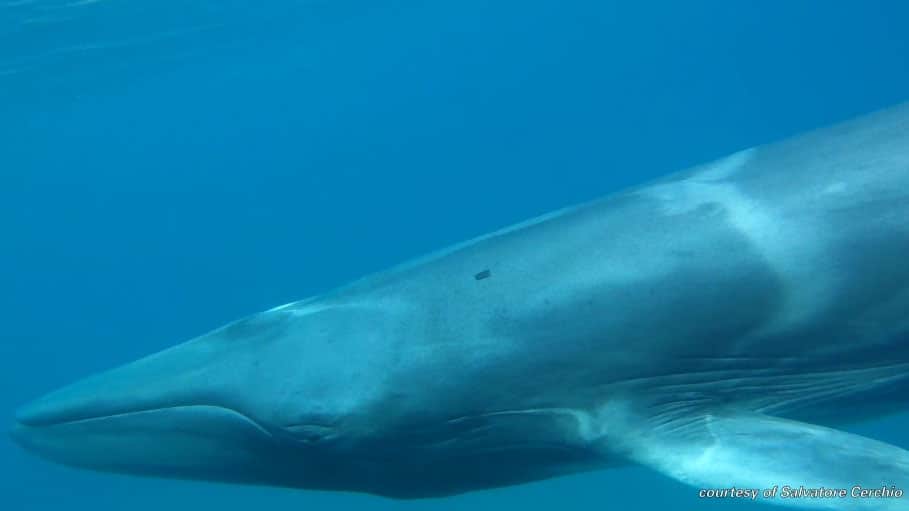
In a paper published October 14, 2015, in the Royal Society Open Science journal, the researchers describe the whales’ foraging and vocal behaviors, and habitat preferences in the shallow waters of coastal Madagascar.
Read MoreStudy reveals how fishing gear can cause slow death of whales
Using a “patient monitoring” device attached to a whale entangled in fishing gear, scientists showed for the first time how fishing lines changed a whale’s diving and swimming behavior. The…
Read MoreScientists Use Marine Robots to Detect Endangered Whales
Two robots equipped with instruments designed to “listen” for the calls of baleen whales detected nine endangered North Atlantic right whales in the Gulf of Maine last month. The robots…
Read MorePrey-tell: Why Right Whales Linger in the Gulf of Maine
WHOIÃÂs Mark Baumgartner finds that the location, the length of stay, and perhaps the very abundance of the whales may be dependent on an interesting vertical migration pattern by the copepods on which the whales feed. It seems to be a case, he said, of ÃÂhow the behavior of the prey influences the behavior of the whales.ÃÂ
Read More