
Biology
Puzzling over a mollusk mystery
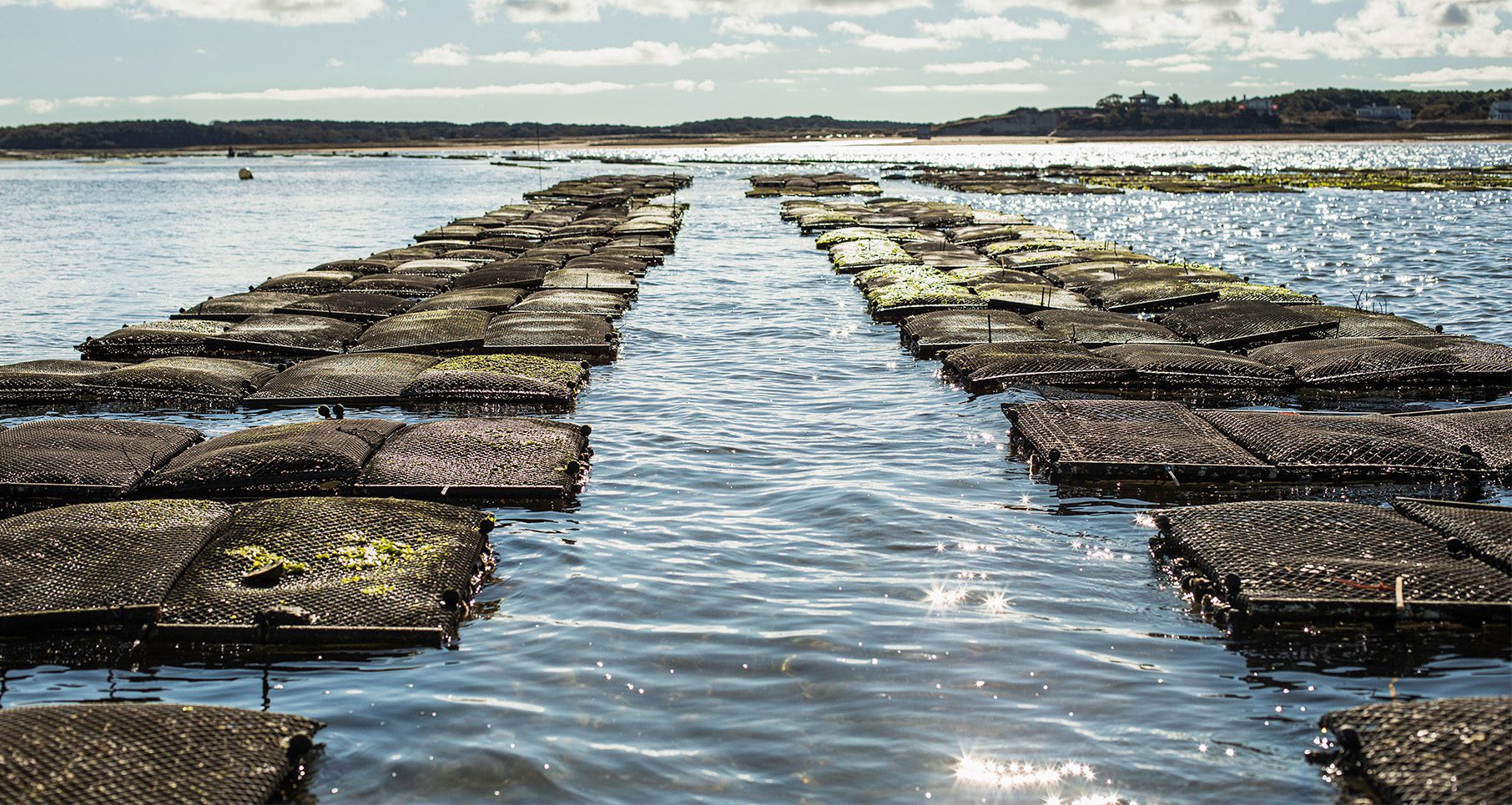
What’s causing a contagious cancer to spread among clams?
Read MoreAlexandra Cabanelas Bermudez
MIT-WHOI Joint Program student
Read MoreScientists Discover Additional Healthy Deep-sea Coral Reefs and New Seamounts in the Galápagos
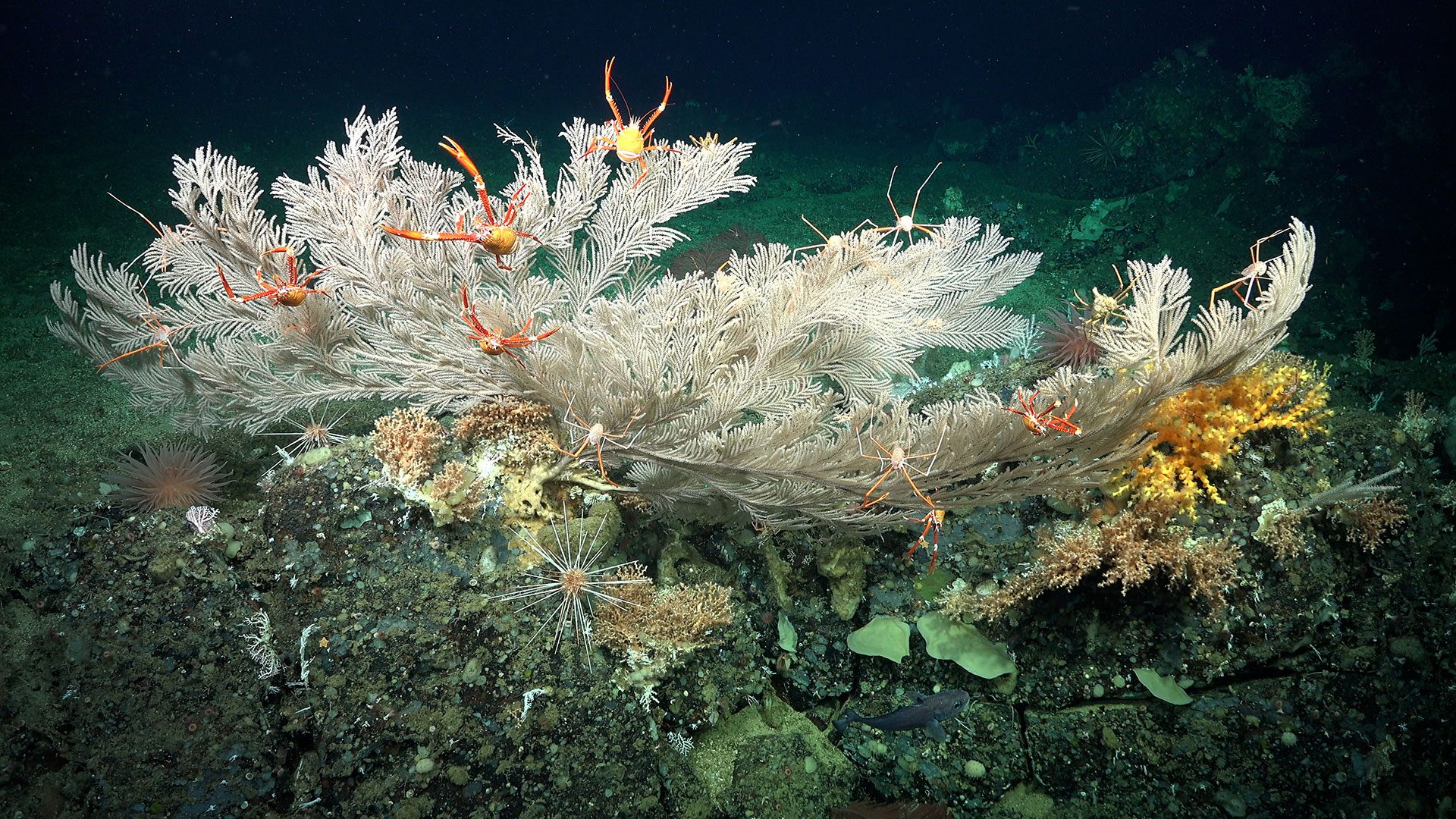
Stunning 800 meter-long coral reef discovered with Schmidt Ocean Institute’s underwater robot off Galápagos Islands Puerto Ayora, Ecuador– Scientists examining underwater cliff ecosystems onboard research vessel Falkor(too) using the 4,500…
Read MoreRodrigo Zúñiga Mouret
Research Assistant, Biology
Read MoreNorth Atlantic right whale population leveled off in 2022
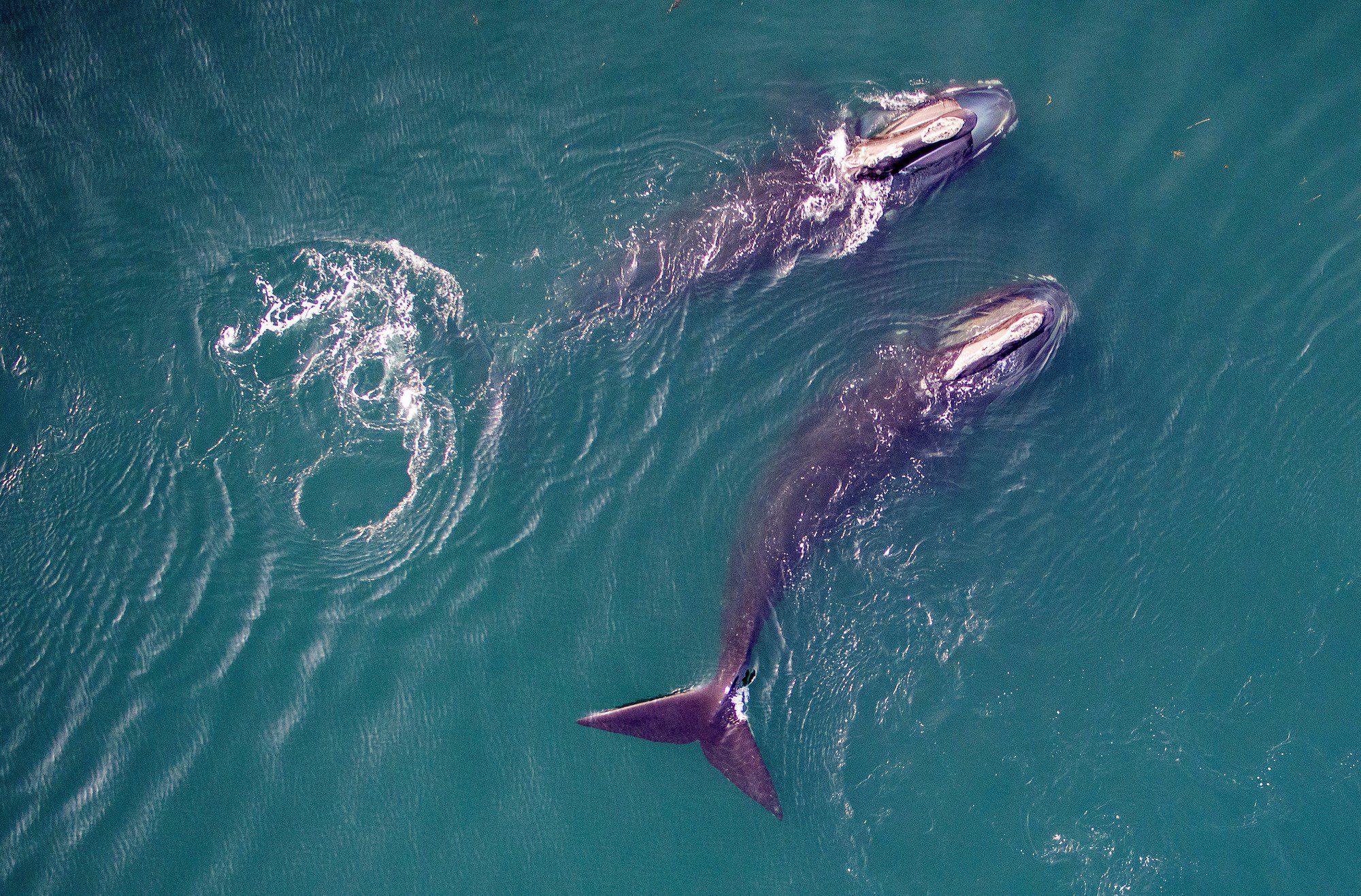
There are 356 North Atlantic right whales left, with births balancing deaths—but their critically endangered status remains urgent.
Read MoreInnovative Techniques Provide New Means to Monitor Coral Reef Health
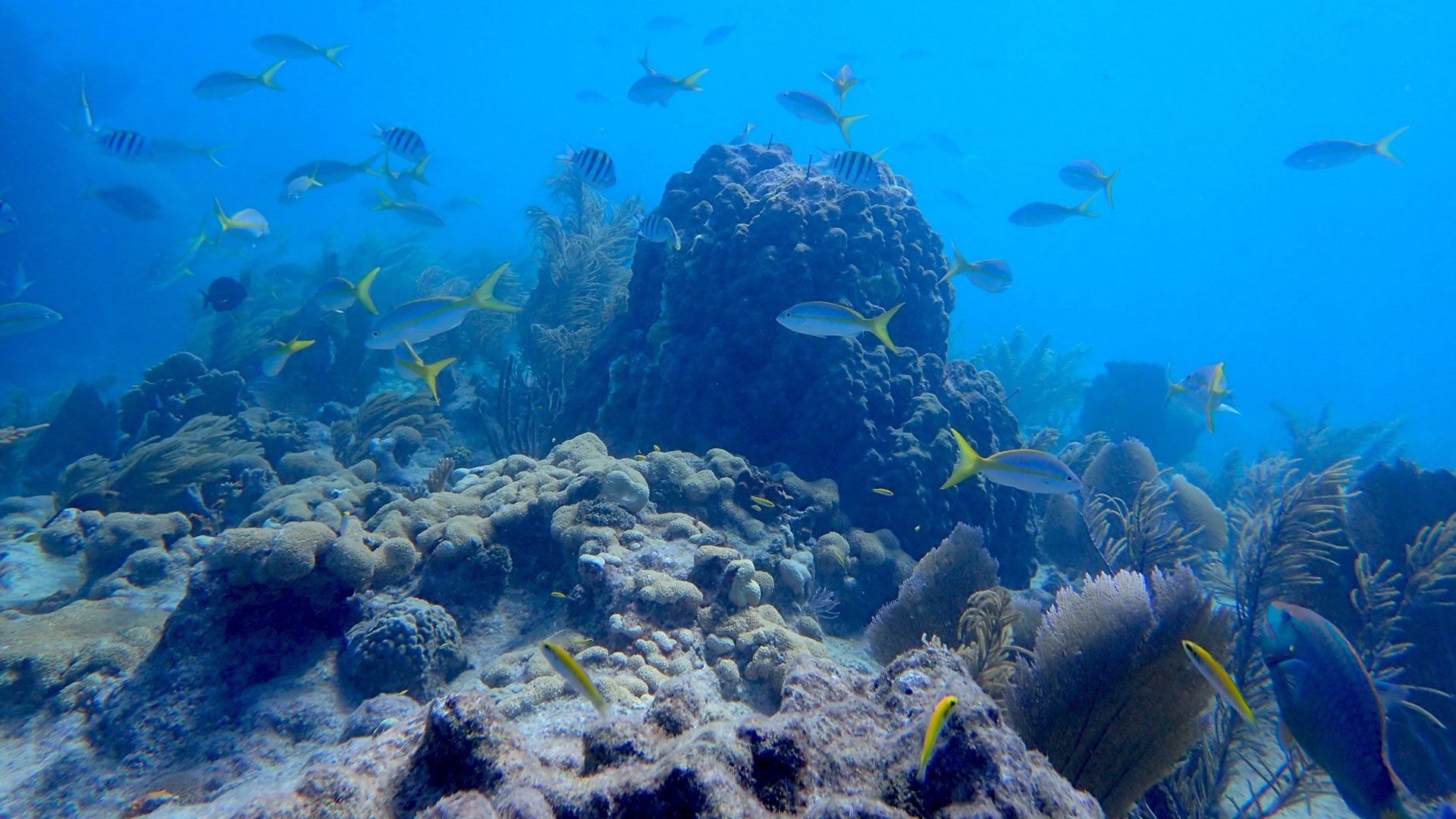
These new techniques, which look at microbes and dissolved metabolites of reefs, offer a new means to examine reef features and have broad conservation applications.
Read MoreStace Beaulieu
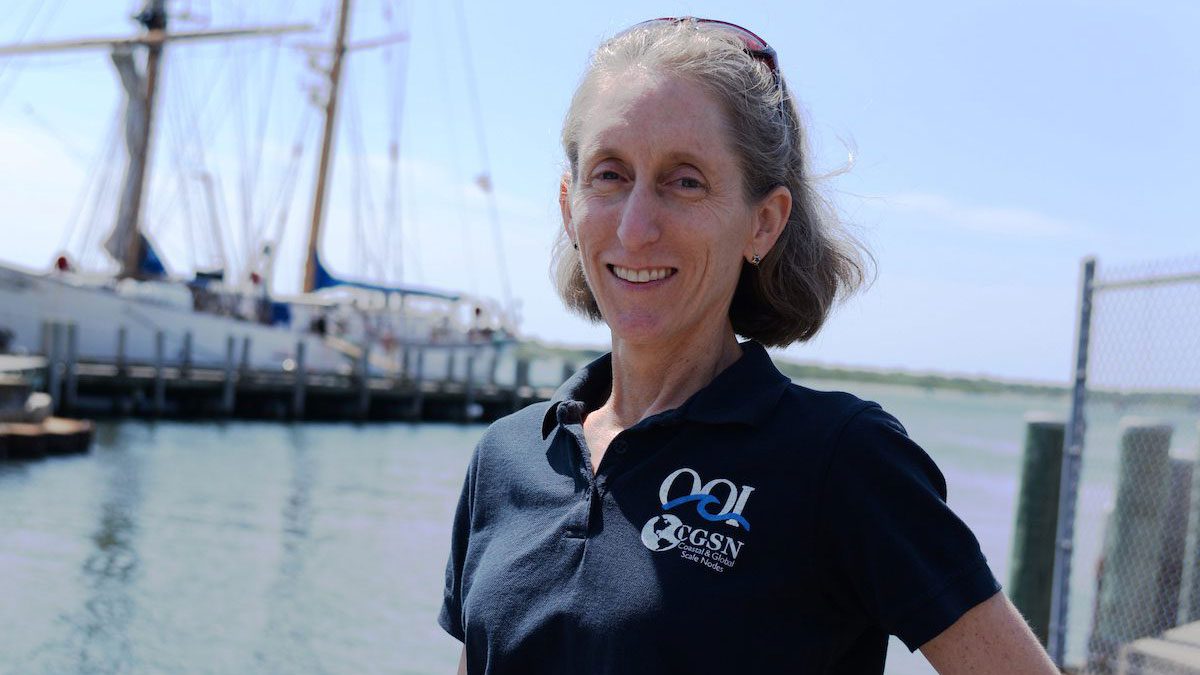
Data Scientist
Read MoreA tale of two schooners
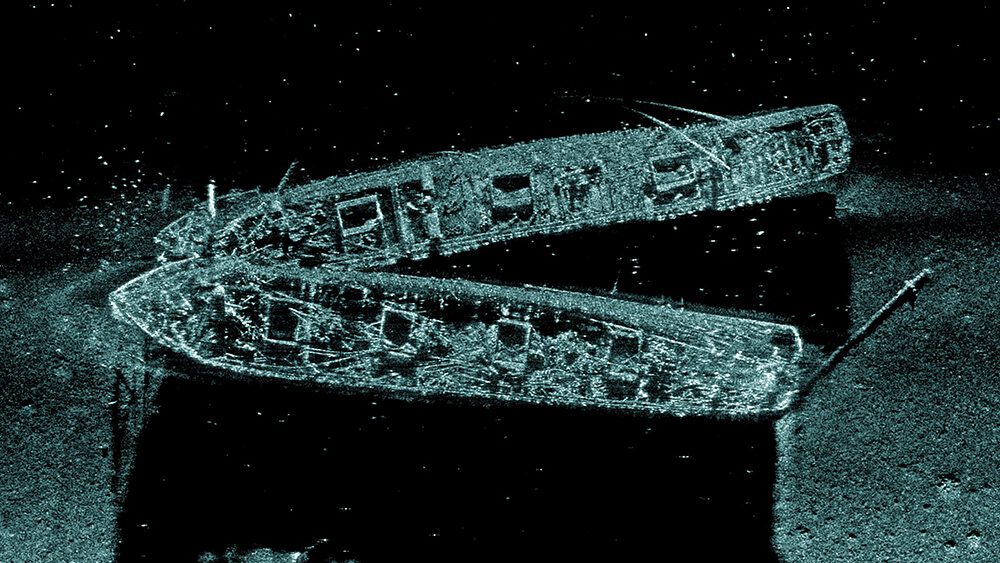
Following a 1902 collision off the Massachusetts coast, the coal schooners Frank A. Palmer and the Louise B. Crary now exist as one intertwined wreck, captured by here side-scan sonar in Stellwagen Bank National Marine Sanctuary.
Read MoreCrossata alba jellyfish
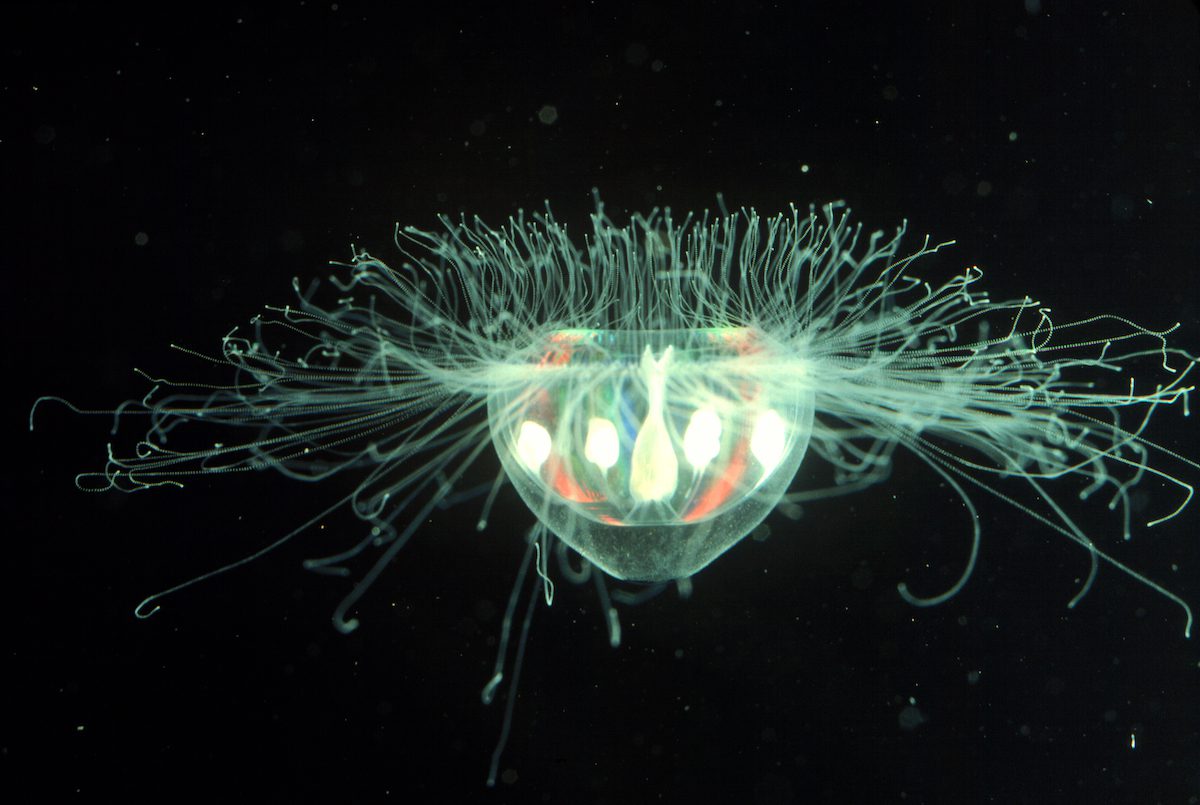
Delicate jellyfish such as this Crossota alba thrive in the Ocean Twilight Zone, where no wind, waves, or turbulence can tear them apart. In spite of their fragility, these gelatinous animals are often successful predators
Read MoreCoral Landscape
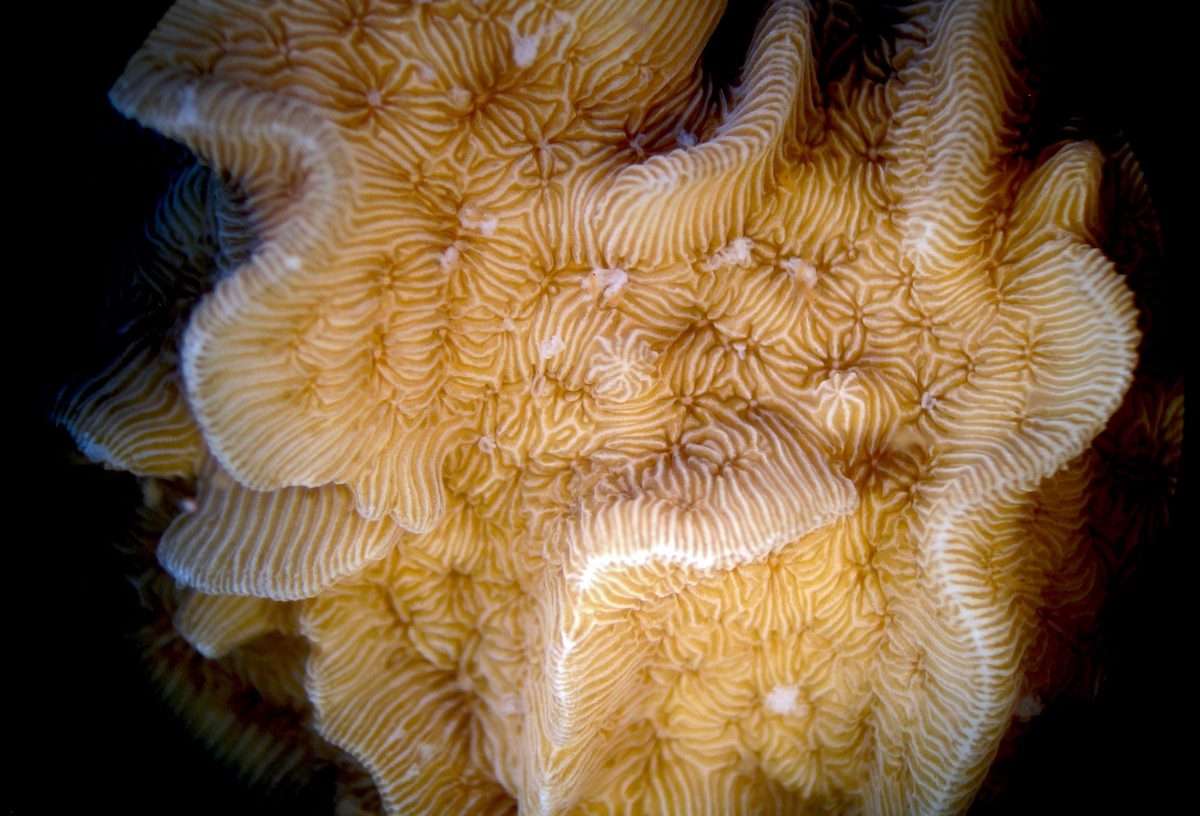
It’s not a mountain landscape viewed from above. It’s actually Pavona varians, or “corrugated coral,” photographed under a microscope! This hard-skeleton coral sends tiny white filaments out to snare and…
Read MoreROV Jason explores Axial Seamount
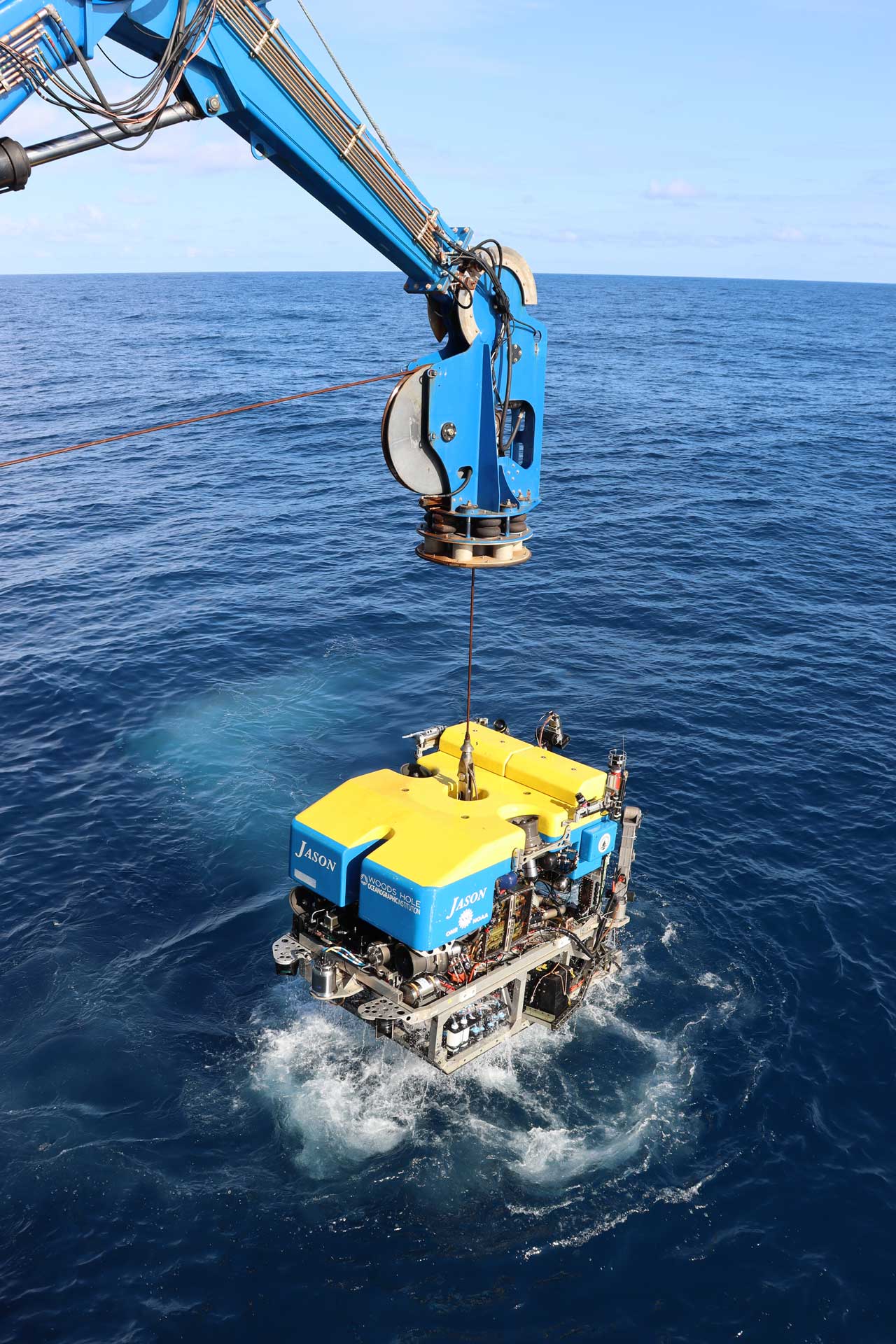
During the PROTATAX23 cruise to Axial Seamount off the coast of Oregon, ROV Jason dove eight times, visited 19 hydrothermal vents, and collected 144 samples– including some from over 1500…
Read MoreA sensor to monitor acid in the ocean
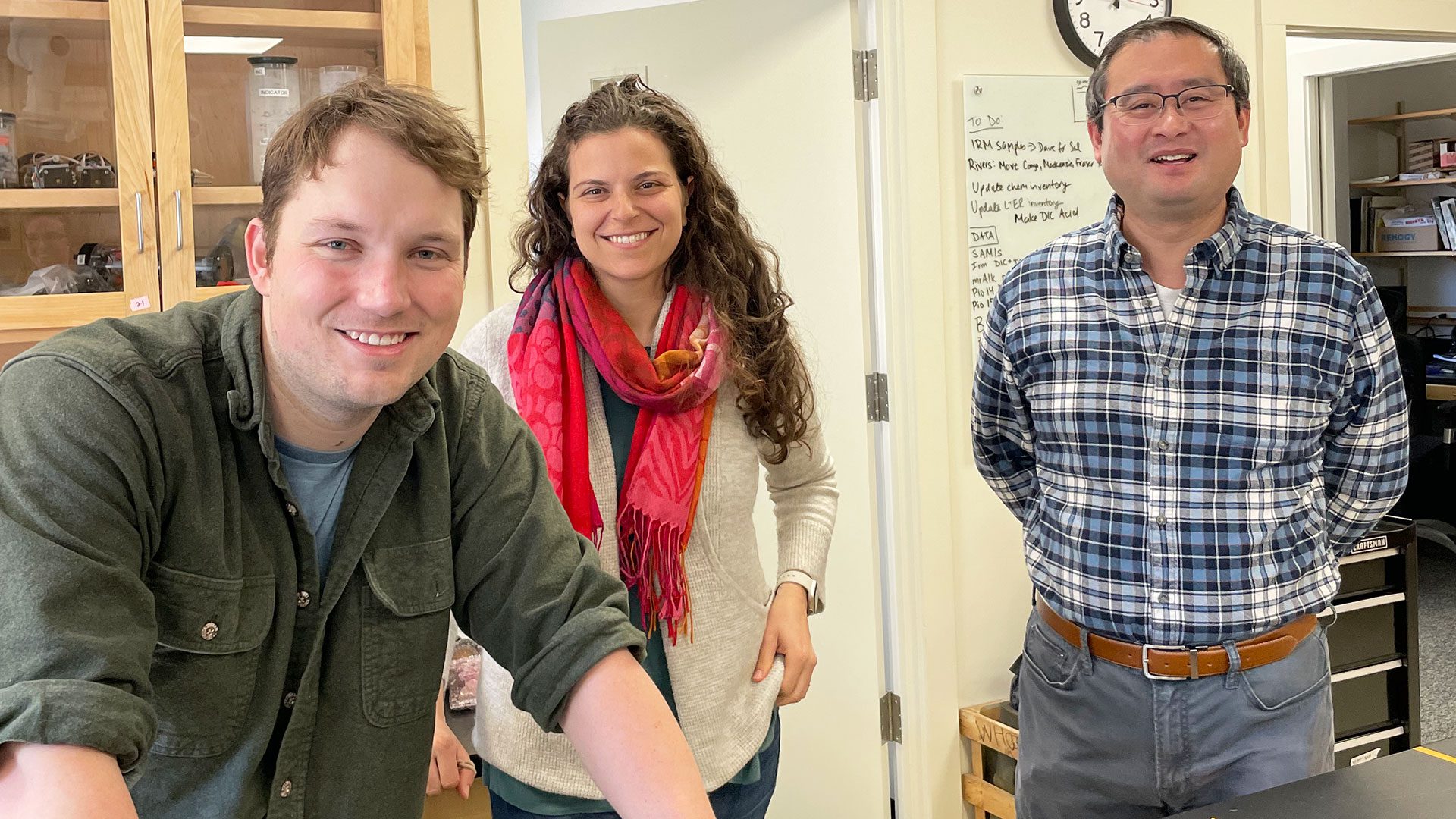
Excess carbon dioxide in the atmosphere is making the ocean more acidic and less hospitable to shelled marine life. At WHOI, scientists Jennie Rheuban, Aleck Wang, MIT-WHOI joint program student…
Read MoreBe Sure to Thank the Little Guys
AI in the Ocean Twilight Zone
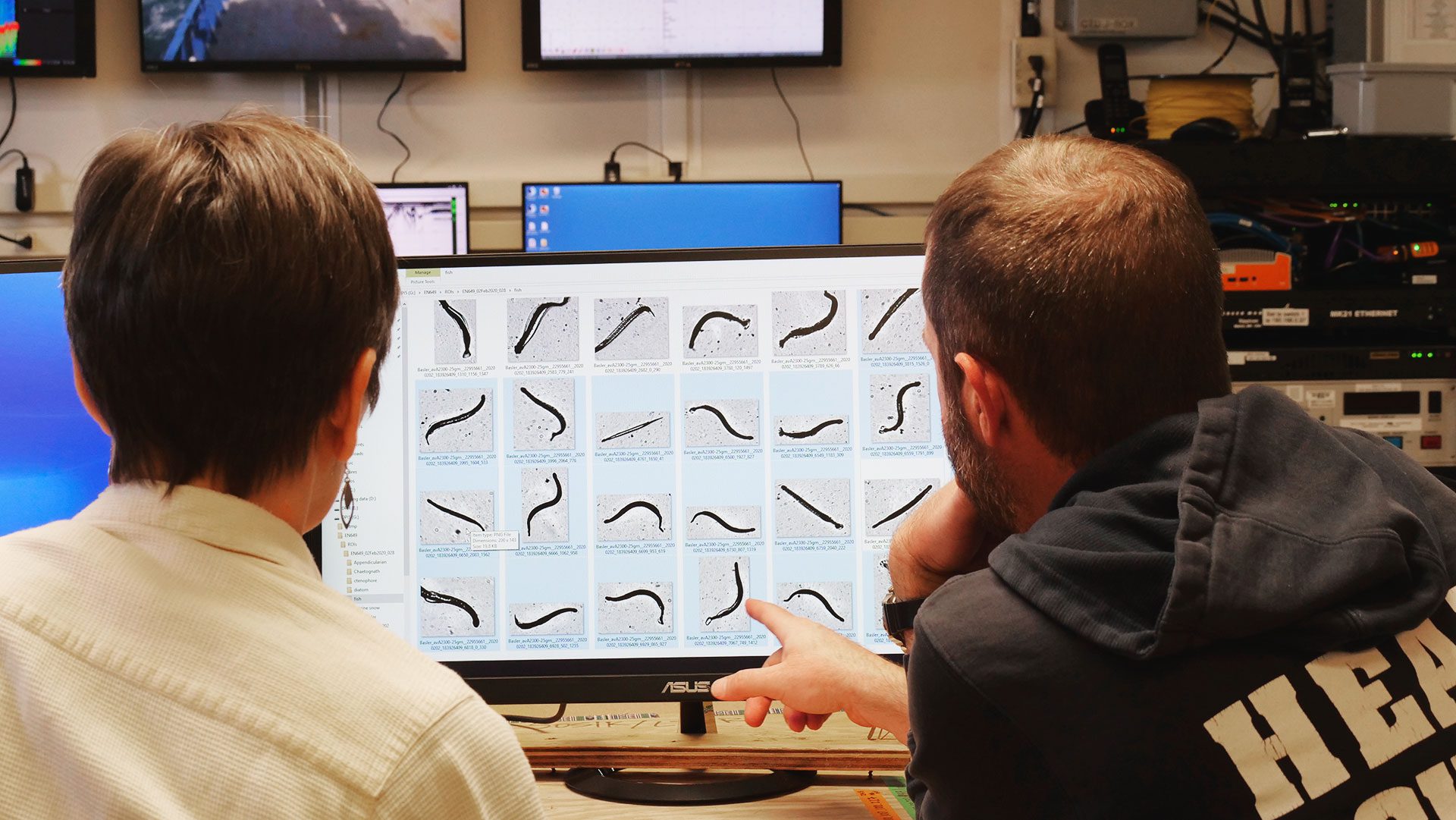
Deep Learning techniques are revealing new secrets about the mesopelagic
Read MoreKeeping an ear out for whales
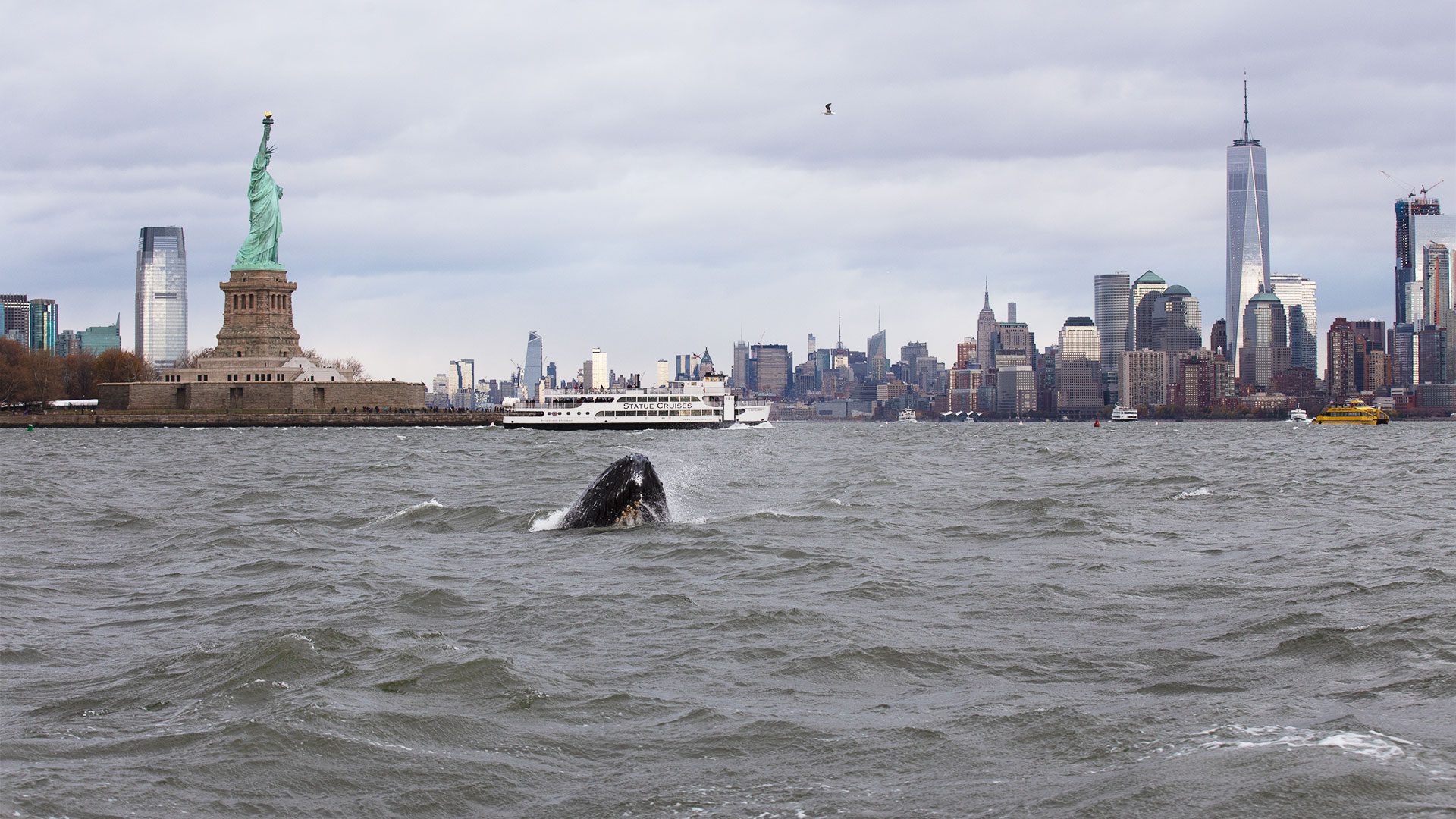
Scientists look to safeguard the mammals with robotic buoys in the New York Bight
Read MoreAre warming Alaskan Arctic waters a new toxic algal hotspot?
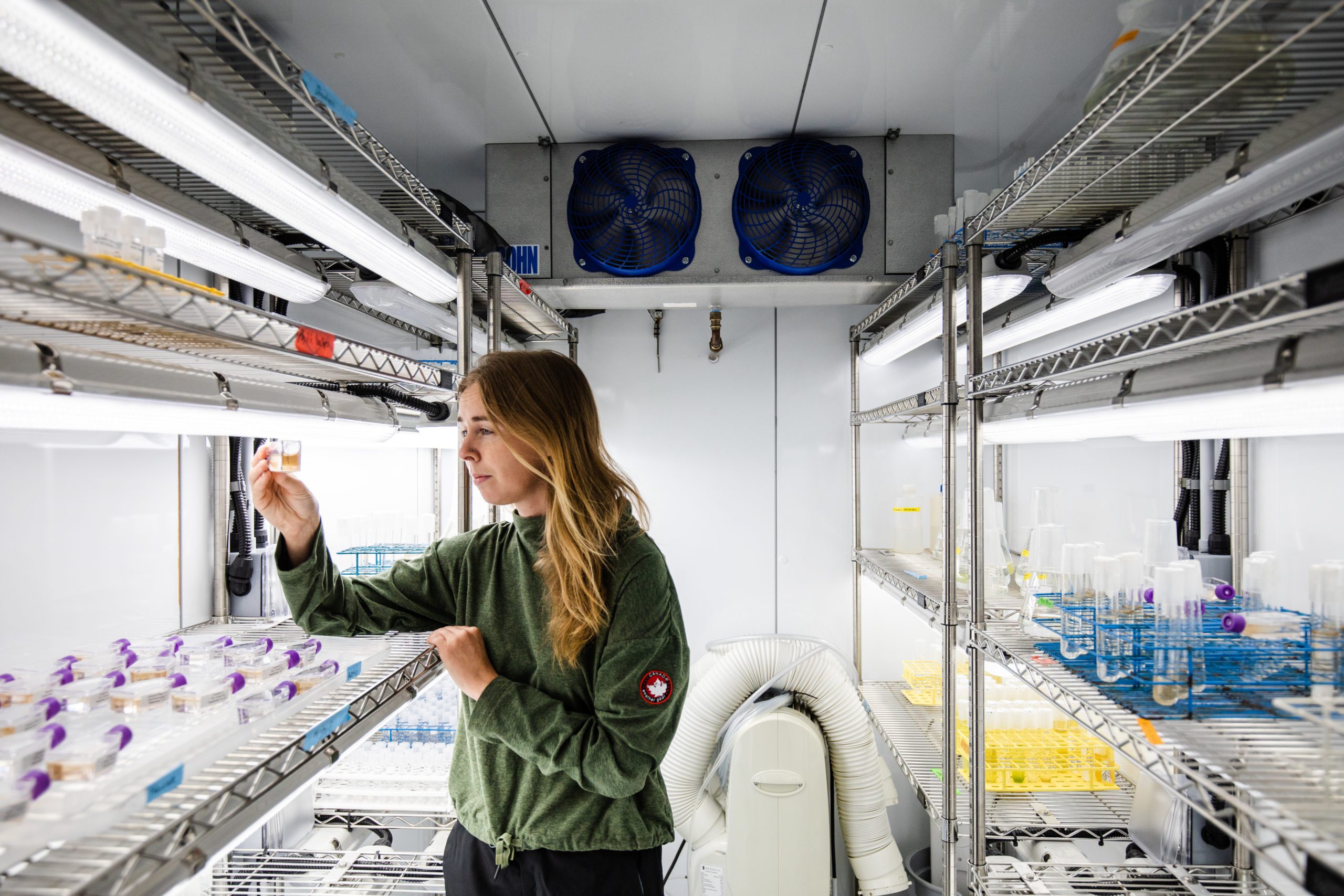
WHOI researchers warn Arctic communities following detection of a harmful bloom
Read MoreNOVA: Saving the Right Whale
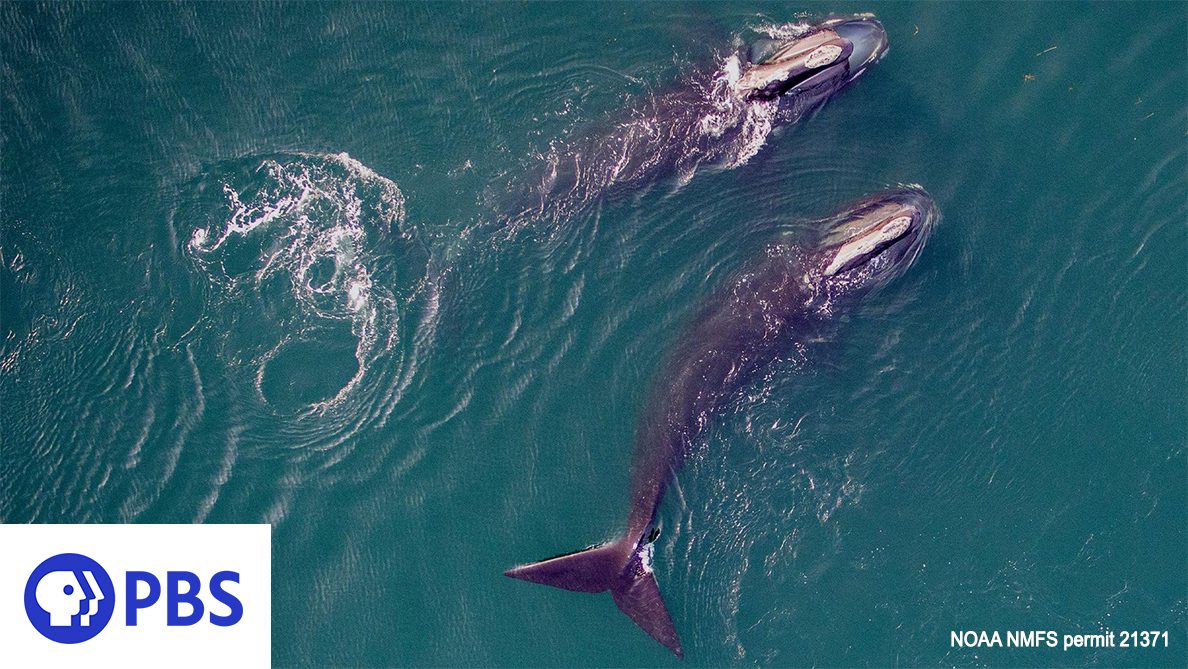
Experts from WHOI, Center for Coastal Studies, and NOAA are among the specialists determined to save this critically endangered species.
Read MoreRecognizing Massachusetts Right Whale Day
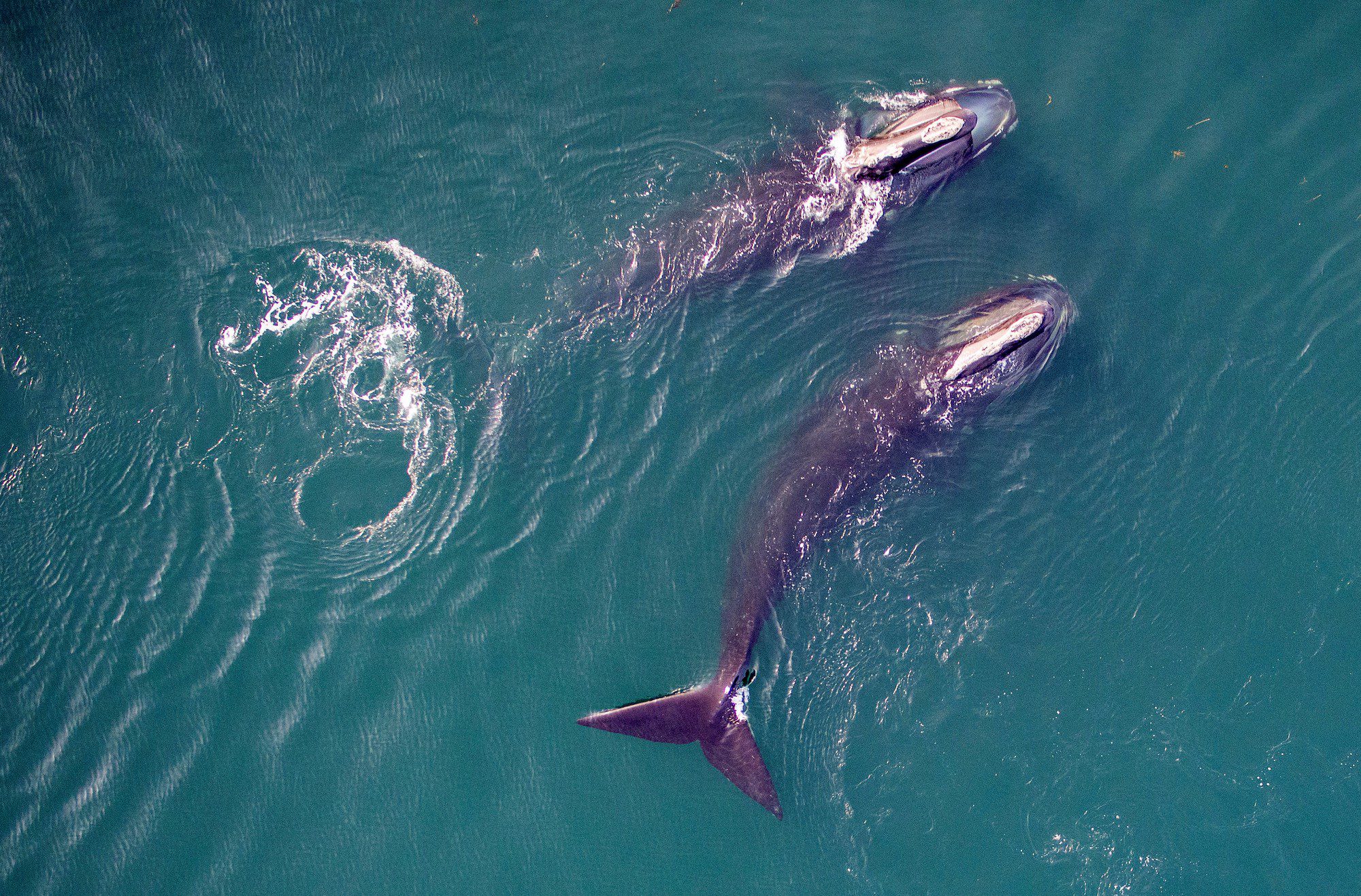
April 24 marks the first-ever Right Whale Day in Massachusetts. WHOI biologist and veterinarian Michael Moore recently met with the resident who brought this special recognition about– and explains why it’s important to raise awareness about the critically endangered North Atlantic right whale.
Read MoreCINAR Names Four New Fellows in Quantitative Fisheries and Ecosystems Science
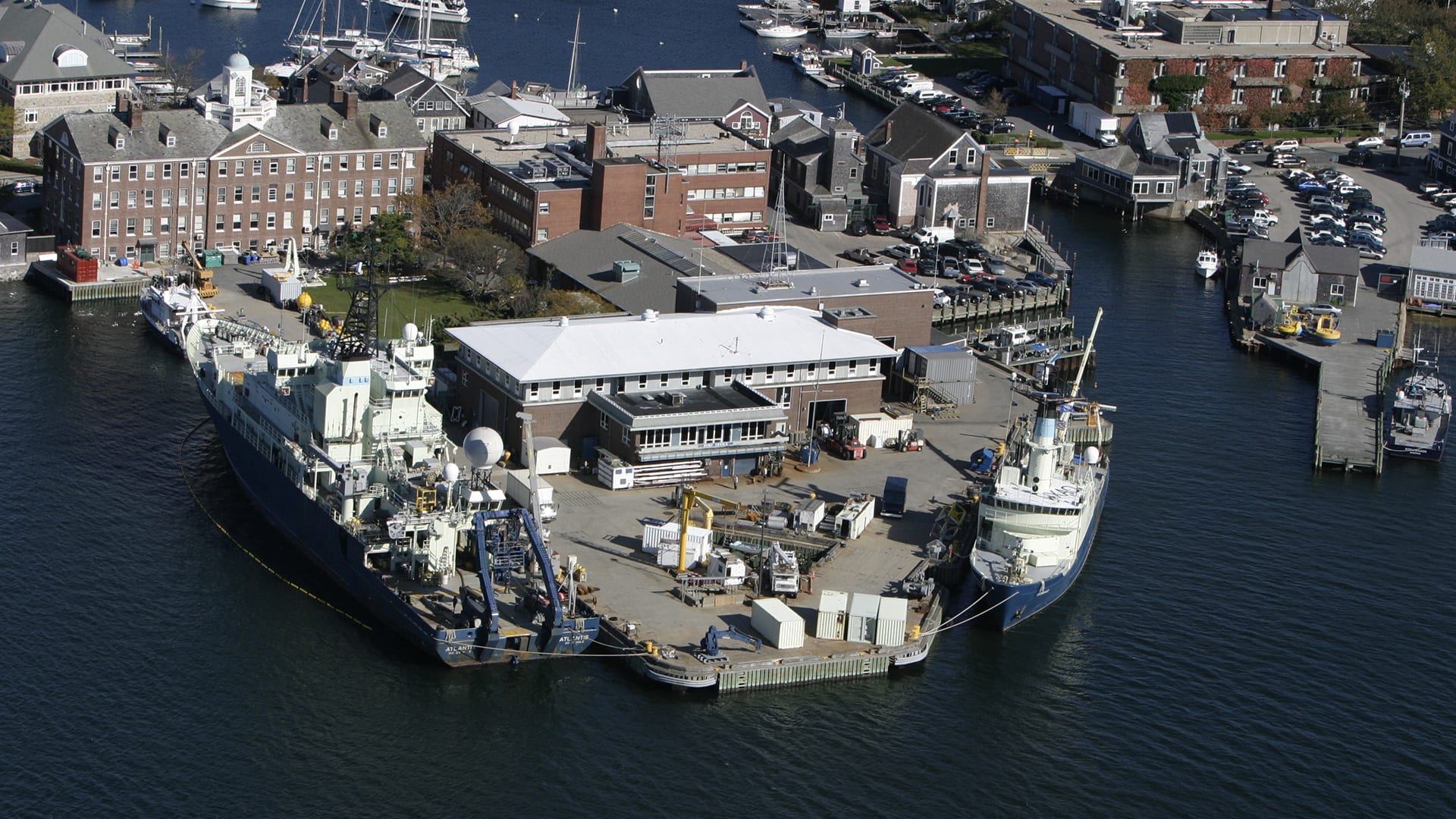
The goal of the fellowship program is to engage early-career scientists in research that supports the training and education in the he assessment and management of living marine resources in the Northeast U.S.
Read MoreWHOI helps lead groundbreaking study on the human and ocean health impacts of ocean plastics
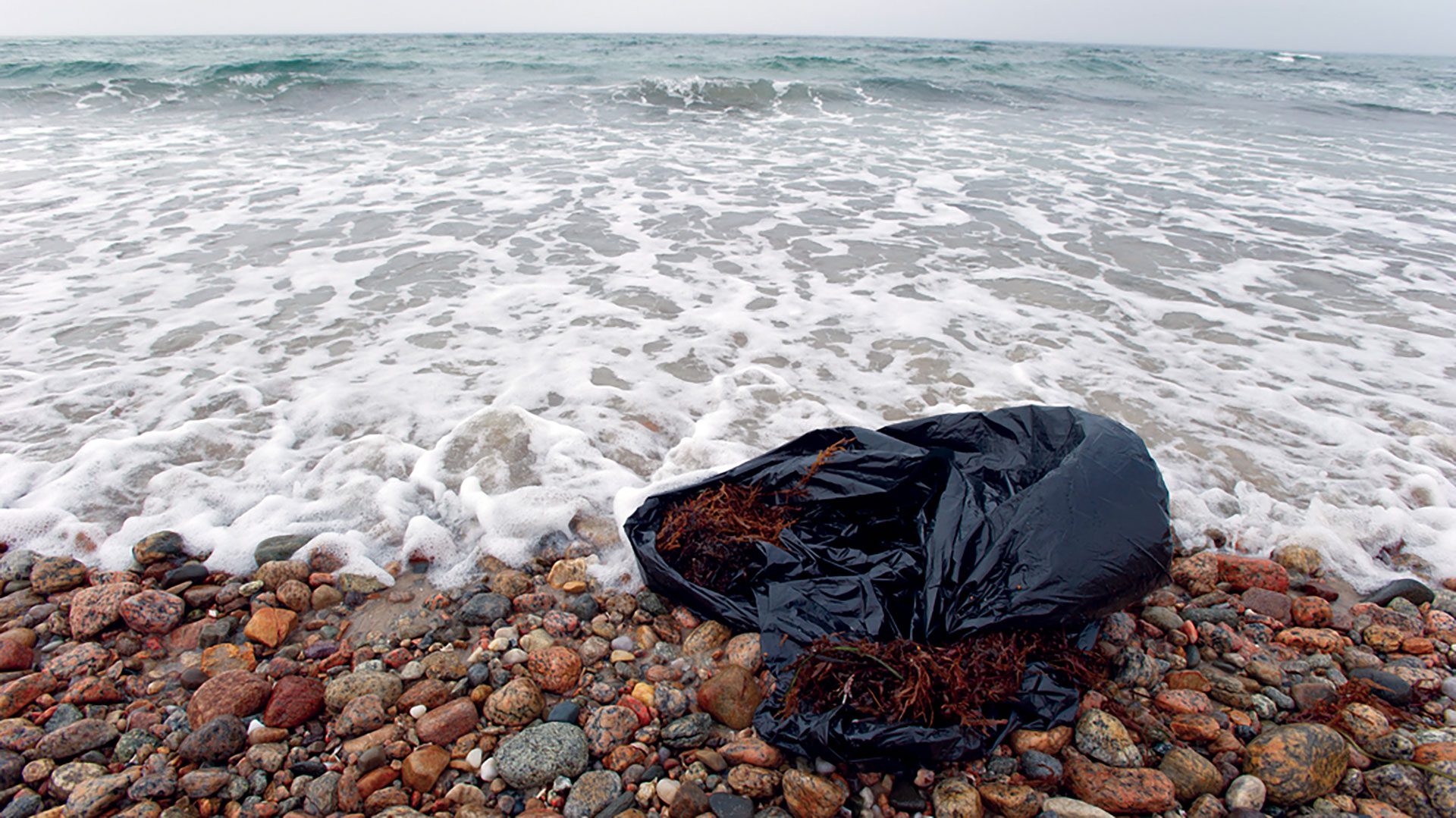
For the first time, leading researchers from the fields of healthcare, ocean science, and social science have collaborated to quantify plastic’s considerable risks to all life on Earth. The Minderoo-Monaco Commission on Plastics and Human Health report, released today, presents a comprehensive analysis showing plastics as a hazard at every stage of their life cycle.
Read MoreNew technology tries to protect whales

Casting a (long) line to the twilight zone food web
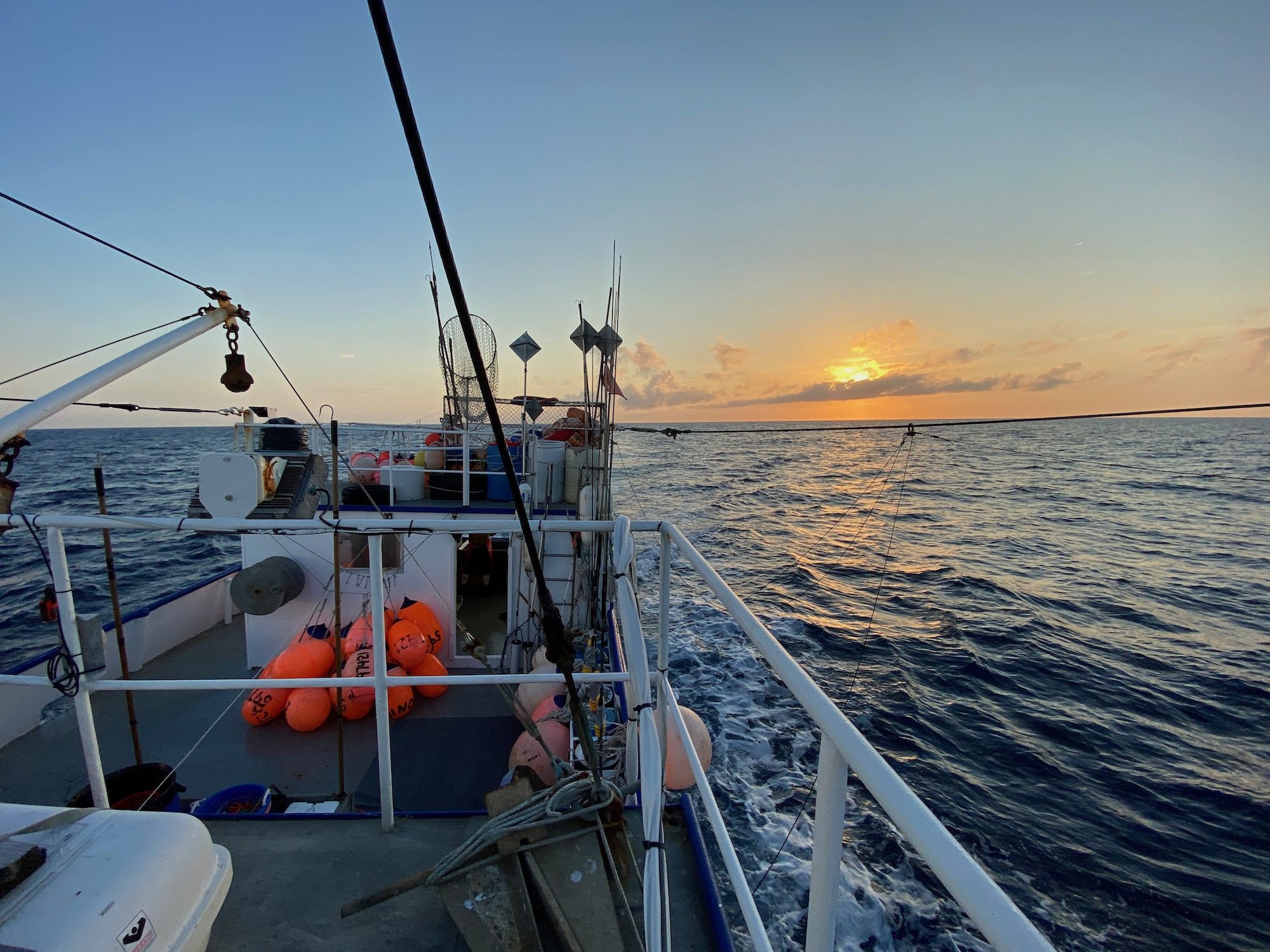
Scientists and fishermen work together to study key predators in the ocean twilight zone
Read More