
Biology
Journey Into the Ocean’s Microbiomes
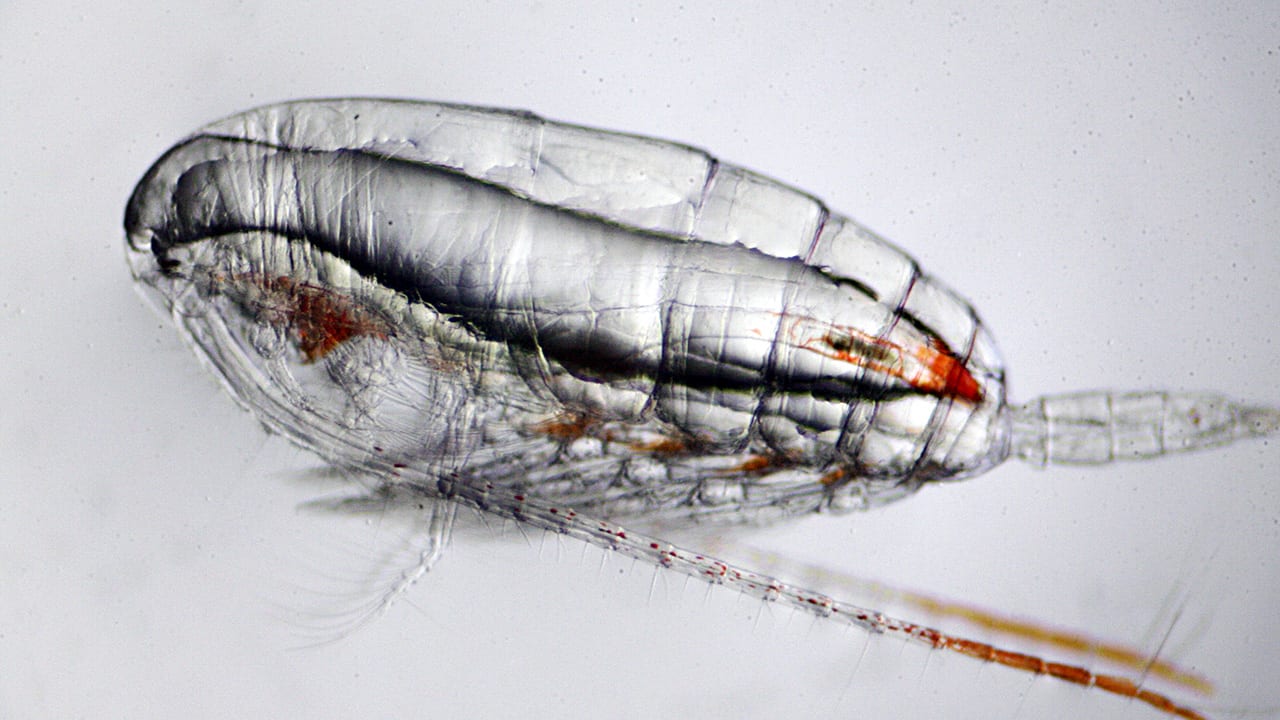
Bacteria in the ocean, including pathogenic ones, often hitchhike on tiny crustaceans called copepods. A graduate student explored their complex relationships.
Read MoreRecipes for Antibiotic Resistance
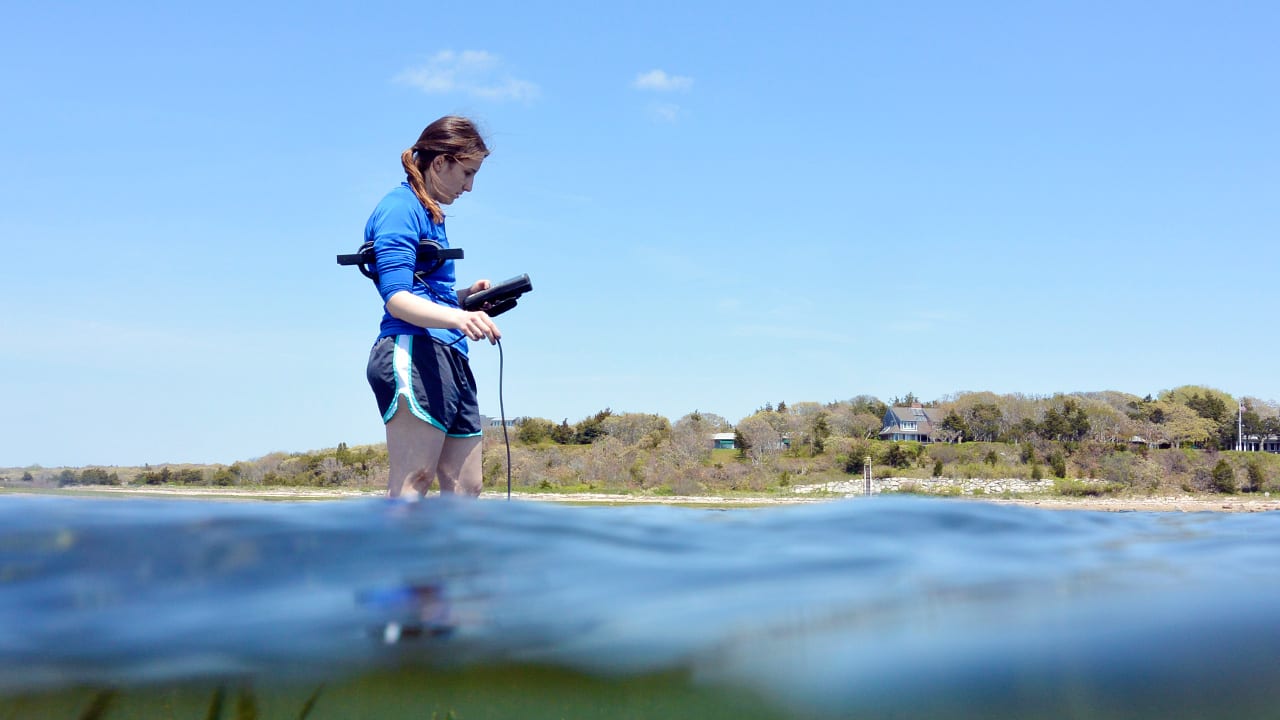
MIT-WHOI graduate student Megan May is investigating how microbes naturally develop resistance to antibiotic compounds in the marine environment and how human activities, including overuse of drugs and pollution, may be affecting the dynamic.
Read MoreHABCAM
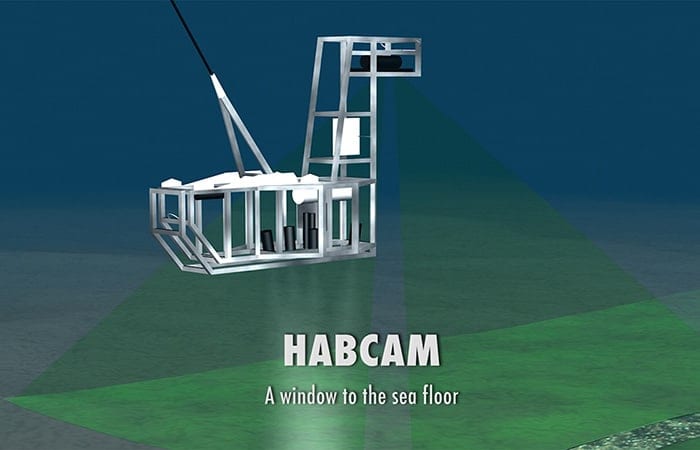
A towed underwater vehicle equipped with cameras, sonar, and sensors paints vivid portraits of life on the seafloor.
Read MoreSex, Games, and the Evolution of Gender Gaps
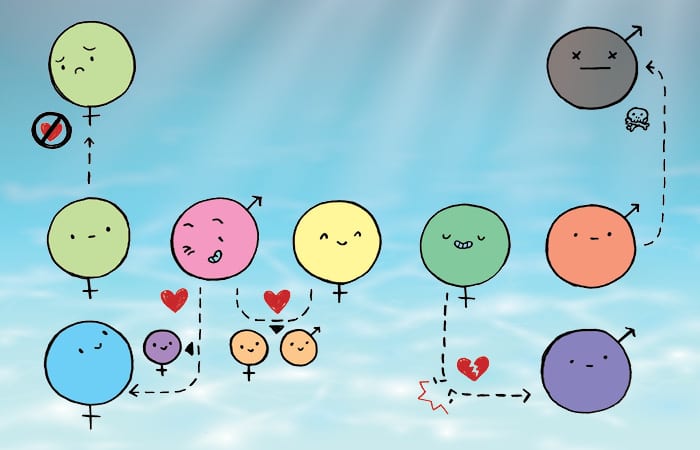
Population models can help us plan breeding programs for endangered species and understand the evolution of sex ratios.
Read MoreForecasting the Future of Fish
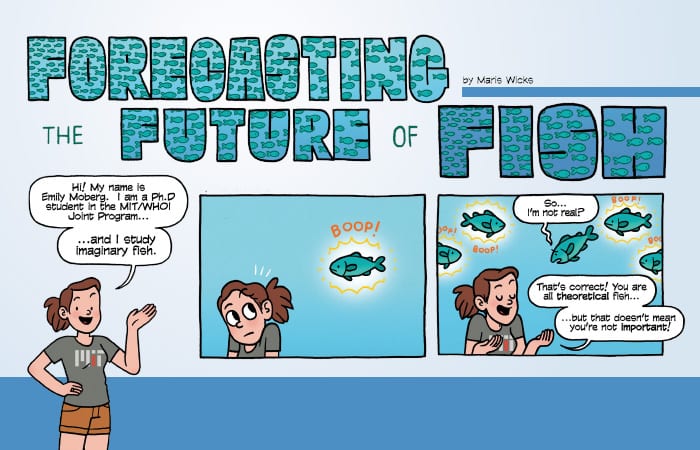
How can we weigh all the interrelated factors involved in managing a critical ocean resource? Oceanus magazine experiments with a graphic article to help explain a complex issue.
Read MoreTurtleCam
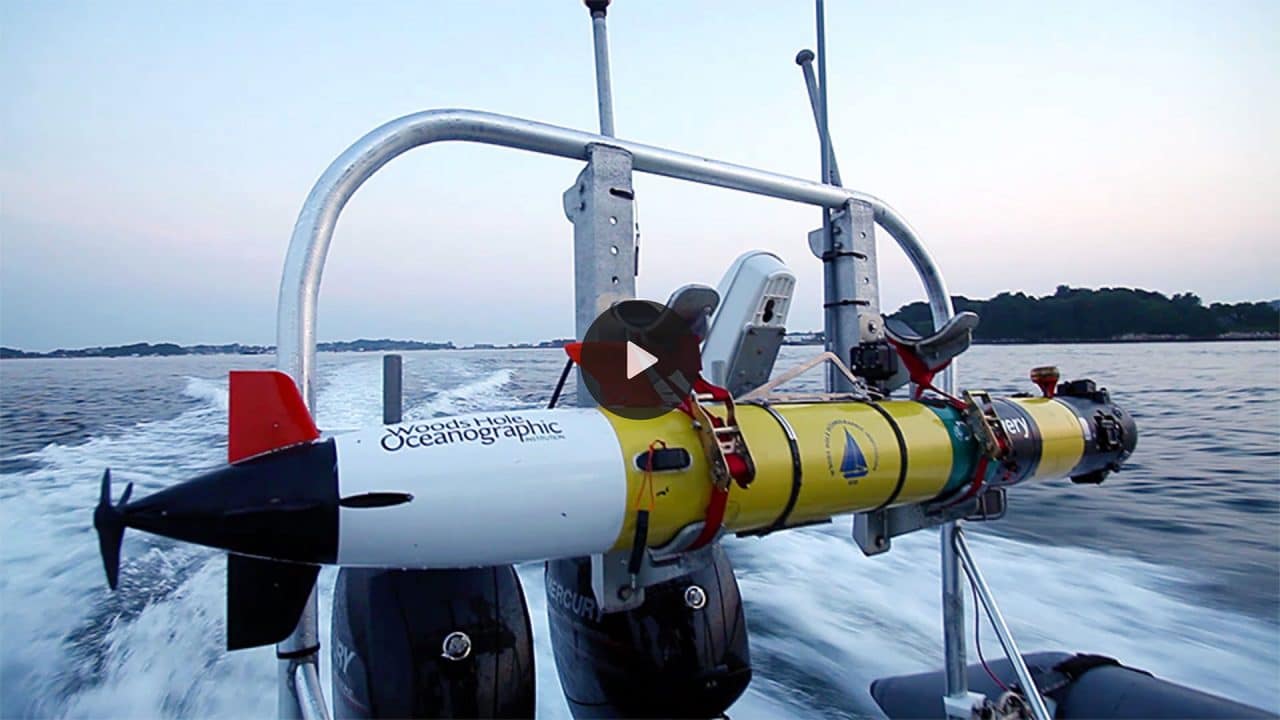
WHOI scientists create a robotic bloodhound to track and watch sea turtles in their inaccessible realm.
Read MoreSetting a Watchman for Harmful Algal Blooms
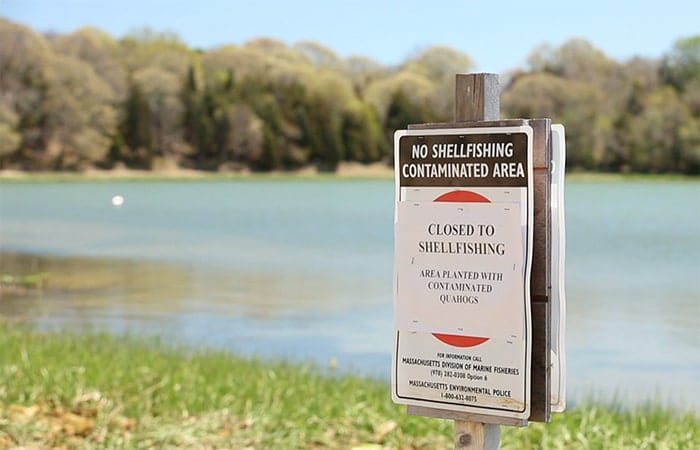
As harmful algal blooms are becoming more frequent and severe worldwide, researchers in the lab of WHOI biologist Don Anderson are testing an array of new instruments that can be…
Read MoreThe Man Who Opened Our Ears to the Ocean
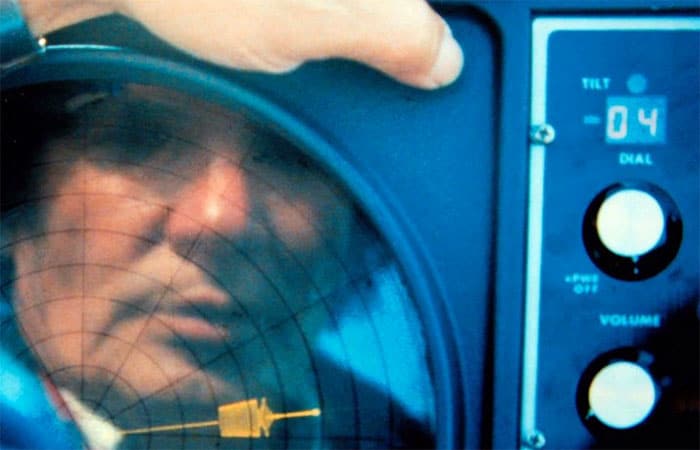
Over his long career at WHOI, Bill Watkins pioneered new instruments to collect sounds of whales, dolphins, and other marine mammals. That treasure trove will now be archive in the…
Read MoreNew AUV Plankton Sampling System Deployed
Traditionally, pumps and nets are used for sampling plankton, which require sampling at predetermined stations or towing nets behind a ship, followed by visually sorting collected organisms into taxonomic groups. Samples generally combine organisms collected throughout horizontal or vertical tracks, making it impossible to detect small gradations or species-specific patterns in larval distribution.
The sampling system combines three cutting edge technologies—an adapted Suspended Particulate Rosette (SUPR) multi-sampler, a REMUS autonomous underwater vehicle equipped with sensors, and identification of organisms by DNA barcode analysis. They’ve dubbed the new system “SUPR-REMUS.”
Read MoreUltrasounds for Coral Reefs?
In a study, published Aug. 6, 2015 in Marine Ecology Progress Series, scientists at Woods Hole Oceanographic Institution (WHOI) used low-cost autonomous underwater recorders over four months to collect “soundscapes” of reefs in in the U.S. Virgin Islands. They showed how the collective sound recordings of reef inhabitants painted vivid pictures of the reefs’ abundance and diversity.
In a second study, published the same day in Marine Pollution Bulletin, the researchers recorded boat noise—showing how it could mask vital sounds that organisms make to reproduce, feed, and find new homes. They also demonstrated how underwater recorders could help marine managers keep an ear on potentially disruptive human activity in far-off locations.
Read MoreWhale Research Takes Flight
A research team has successfully demonstrated a new non-invasive tool to obtain hard-to-get health measurements of large endangered whales in the wild: Using a small remote-controlled hexacopter, scientists for the first time collected both breath samples from the whales’ spouts combined with aerial photos of their body condition.
Read MoreCamera’s Eye Sees Large Numbers of Young Scallops Off Delaware Bay
NOAA researchers and colleagues from the Woods Hole Oceanographic Institution (WHOI) have reported what appears to be a banner year for young sea scallops off the Delmarva Peninsula in mid-Atlantic waters of the U.S. NOAA’s HabCamV4, a towed imaging and sensor platform, has photographed miles of sea bottom packed with as many as 350 sea scallops in less than 1 square meter (less than three square feet). Other colorful images captured by the HabCam showed swimming scallops, sea stars and crabs—both scallop predators—and many species of fish, squid and sponges.
Read MoreA Green Thumb for Ocean Microbes
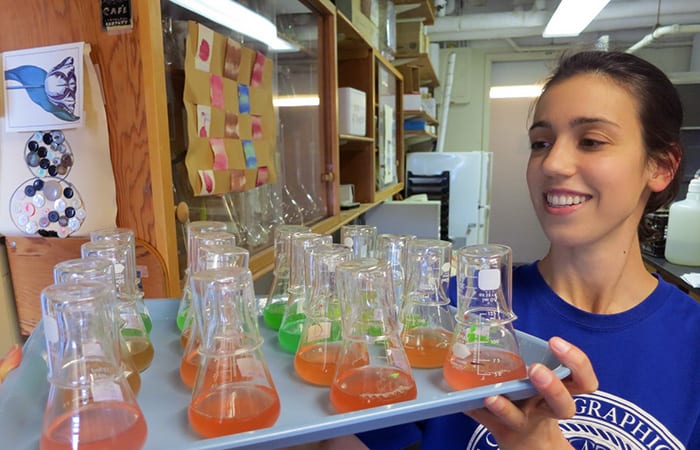
Anyone who has tried to grow orchids or keep a bonsai tree alive will tell you that cultivating plants is not always simple. My thesis research absolutely depended on cultivating…
Read MoreGulf of Maine Red Tide Bloom Expected to Be Similar to Past Three Years
New England’s spring and summer red tides will be similar in extent to those of the past three years, according to the 2015 Gulf of Maine red tide seasonal forecast. The forecast is the eighth seasonal Gulf of Maine red tide forecast funded by NOAA and issued by scientists from the Woods Hole Oceanographic Institution and North Carolina State University.
The forecast is part of a larger NOAA effort to deliver ecological forecasts that support human health and well-being, coastal economies, and coastal and marine stewardship.
Red tide, a type of harmful algal bloom (HAB) caused by the alga Alexandrium fundyense, produces a toxin that can lead to paralytic shellfish poisoning, which can result in serious or even fatal illness in humans who eat contaminated shellfish. In 2005, an unusually large red tide event caused $23 million in lost shellfish sales in Massachusetts and Maine.
Read MoreSand, Seals, and Solitude
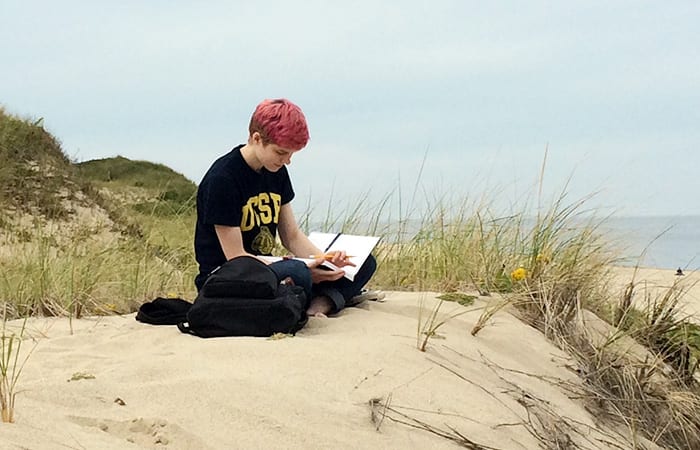
In high school, students interested in art or science often diverge into separate fields. For several years now, an art teacher and scientist in Falmouth, Mass., have seeded a modest…
Read MoreA Telescope to Peer into the Vast Ocean
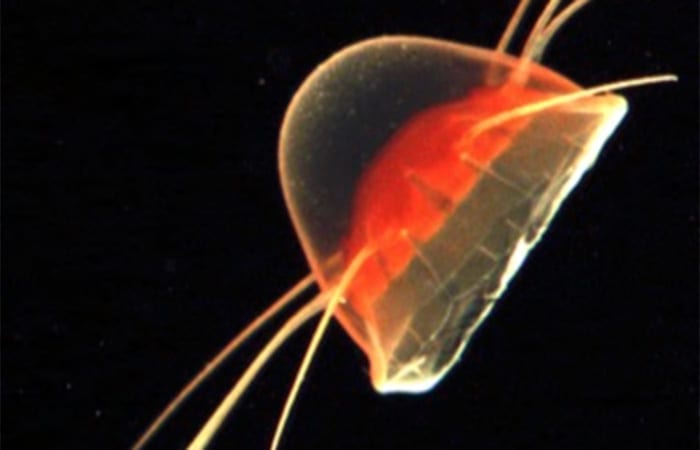
There are more single-celled plankton in the ocean than stars in the universe. A new instrument is about to depart on a mission across the vast Pacific to capture images of what is out there.
Read MoreBringing a Lab to the Seafloor
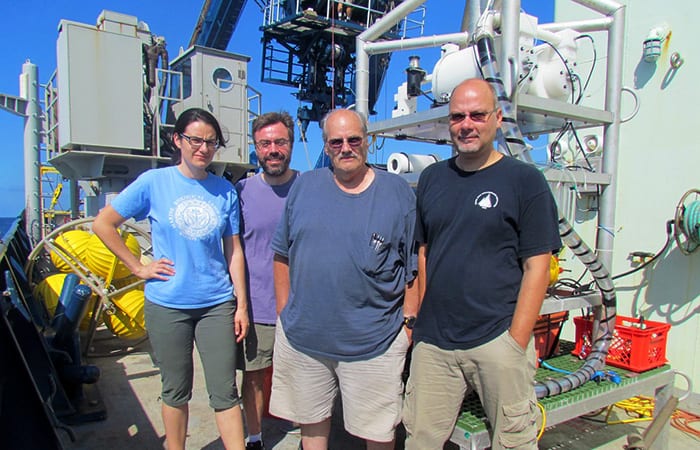
Scientists can’t really know if new oceanographic instruments will really work until they try them in actual conditions in the real ocean. In this case, the rubber hit the road at the bottom of the sea.
Read MoreThe Waves Within the Waves
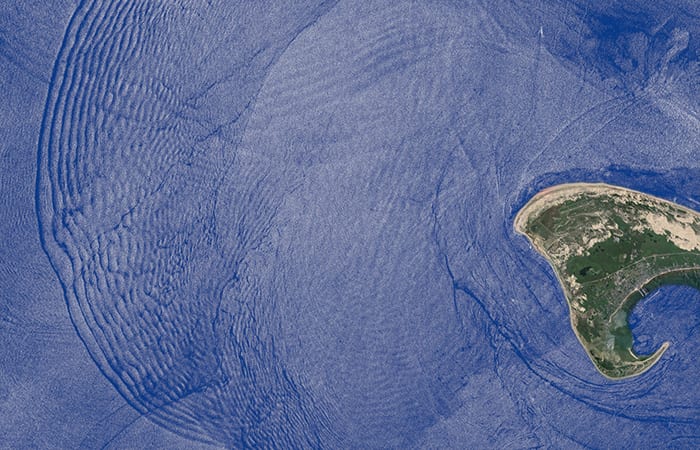
If the 30-foot wave we were looking for had tumbled across the ocean’s surface that July day, it might have been mistaken for a monstrous rogue wave. But that’s not…
Read MoreNew Museum Exhibit Explores Deep Ocean Environment
The Woods Hole Oceanographic Institution (WHOI) in collaboration with the Ocean Explorium in New Bedford, Mass., has created new digital content for museum-based spherical display systems that brings high-definition images and video of dynamic, deep ocean ecosystems to the public.
Read MoreTrouble in the Tropics
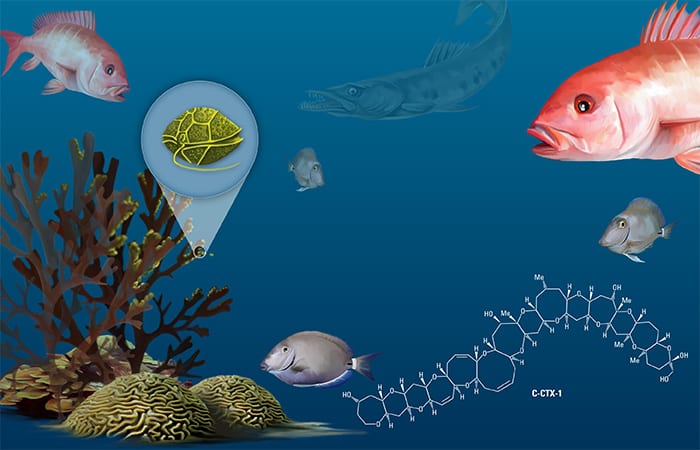
An MIT-WHOI graduate student is on the trail of marine toxins that accumulate in fish and are eaten by people.
Read MoreWHOI Part of the Stantec Team Selected to Lead Major Marine Arctic Ecosystem Study
Woods Hole Oceanographic Institution (WHOI), as a part of the Stantec Team, has been selected by an interagency scientific review panel to lead a long-term scientific study of the Arctic marine ecosystem along the Beaufort Sea shelf from Barrow, Alaska, to the Mackenzie River delta in Canadian waters.
Read MoreBig Questions About Tiny Bacteria
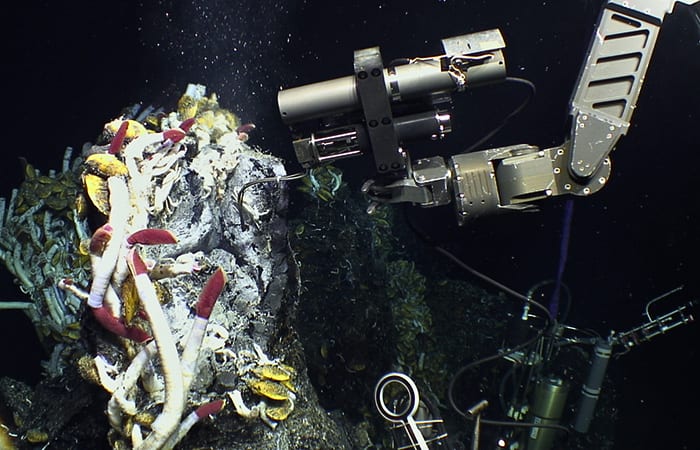
It’s 3 a.m., and Jesse McNichol is struggling to stay awake. Since midafternoon, he’s been in his lab, tending to a jumble of glassware, plastic tubing, and metal cylinders filled…
Read MoreIt’s Hard to Kill a Killifish
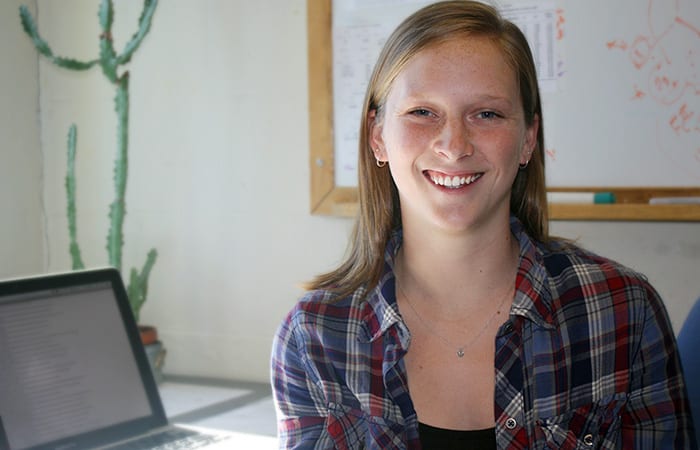
Summer Student Fellow Lily Helfrich is using a new molecular tool, microRNA analysis, to explore why some killifish are able to thrive in waters heavily contaminated with PCBs.
Read MoreOn the Trail of an Invader
To find out when and how fast a small gray barnacle came to New England waters, WHOI researchers turn to forensic techniques.
Read More