
News Releases
Researchers to map the genome of the invasive European green crab
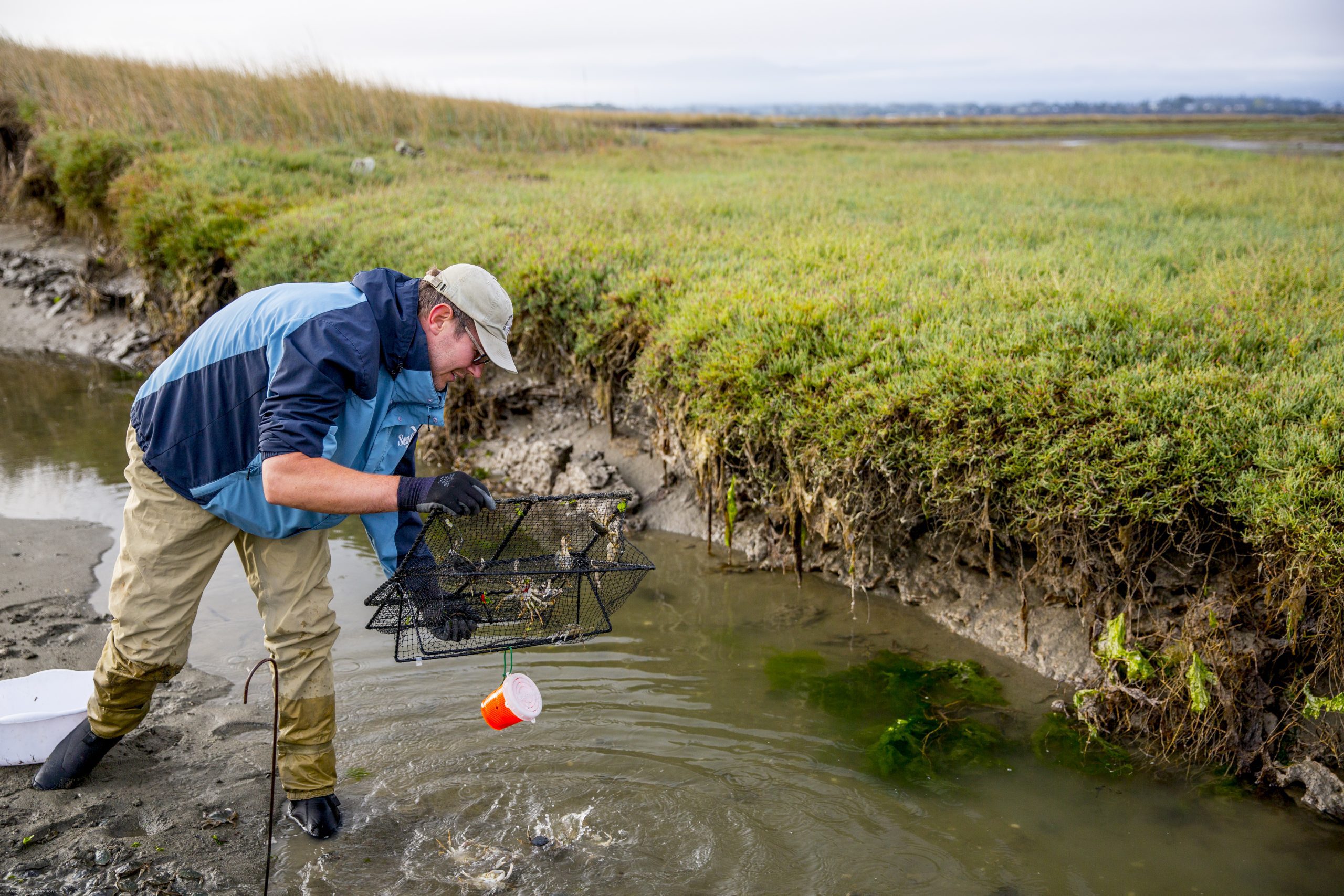
Washington Sea Grant will work with Washington Department of Fish and Wildlife and the Woods Hole Oceanographic Institution to shed light on a highly invasive species
Read MoreNew study calls for uplisting emperor penguins to threatened on IUCN Red List
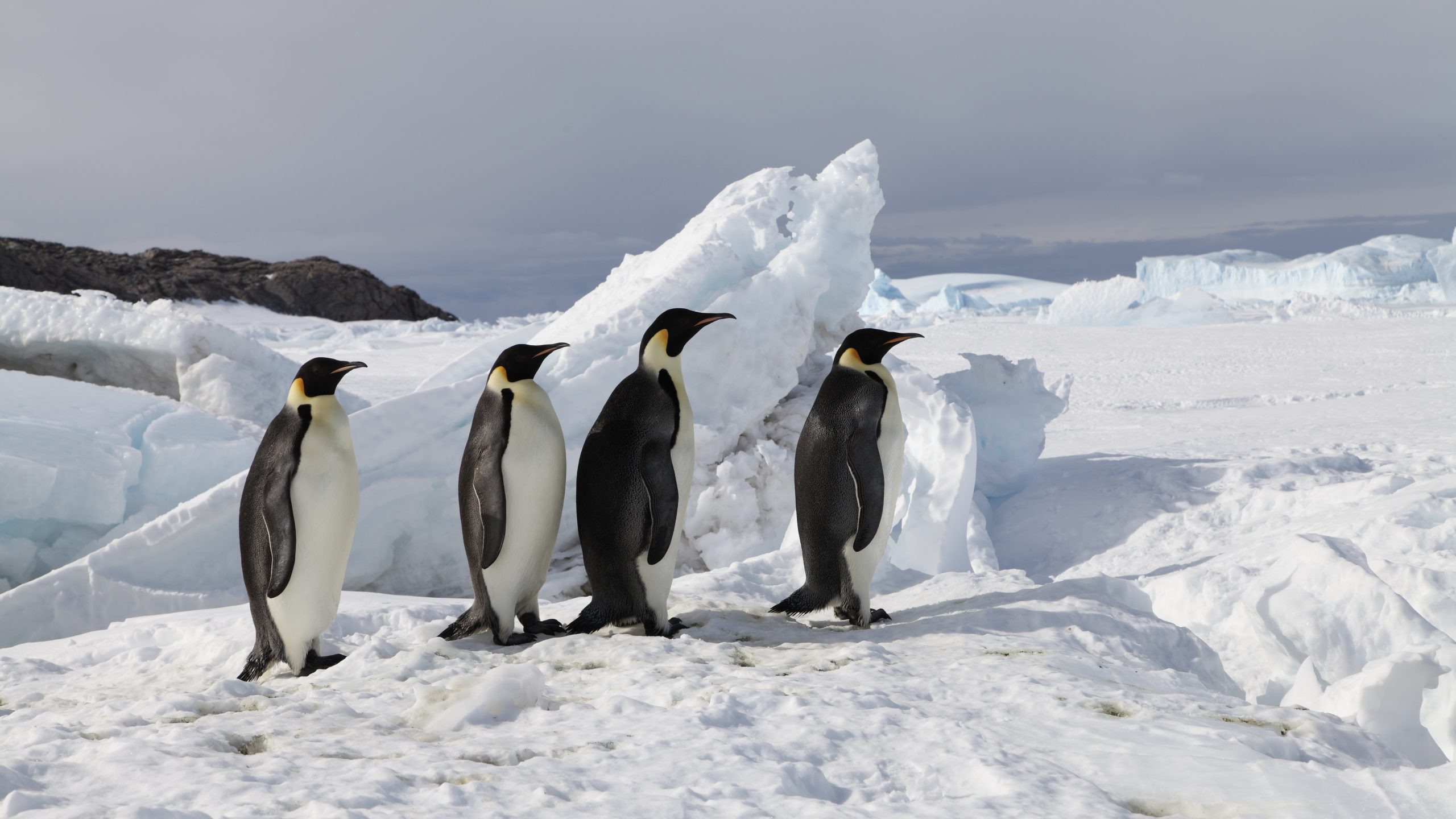
Woods Hole Oceanographic Institution among research groups that offer findings to support protection of species
Read More‘Fishial’ recognition: Neural network identifies coral reef sounds
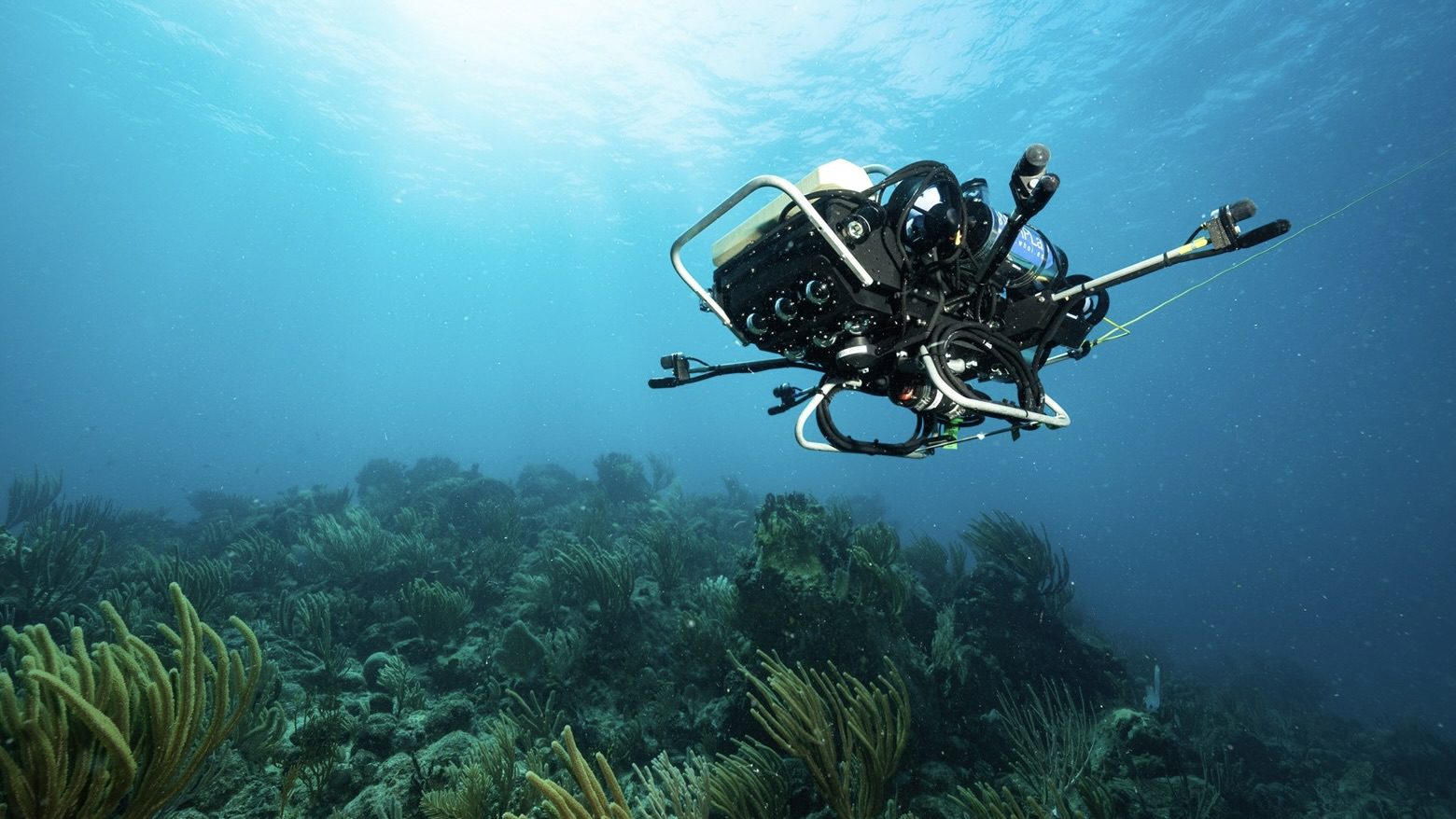
Faster identification of fish sounds from acoustic recordings can improve research, conservation efforts
Read MoreScientists from the Woods Hole Oceanographic Institution identify heat-resistant kelp strain
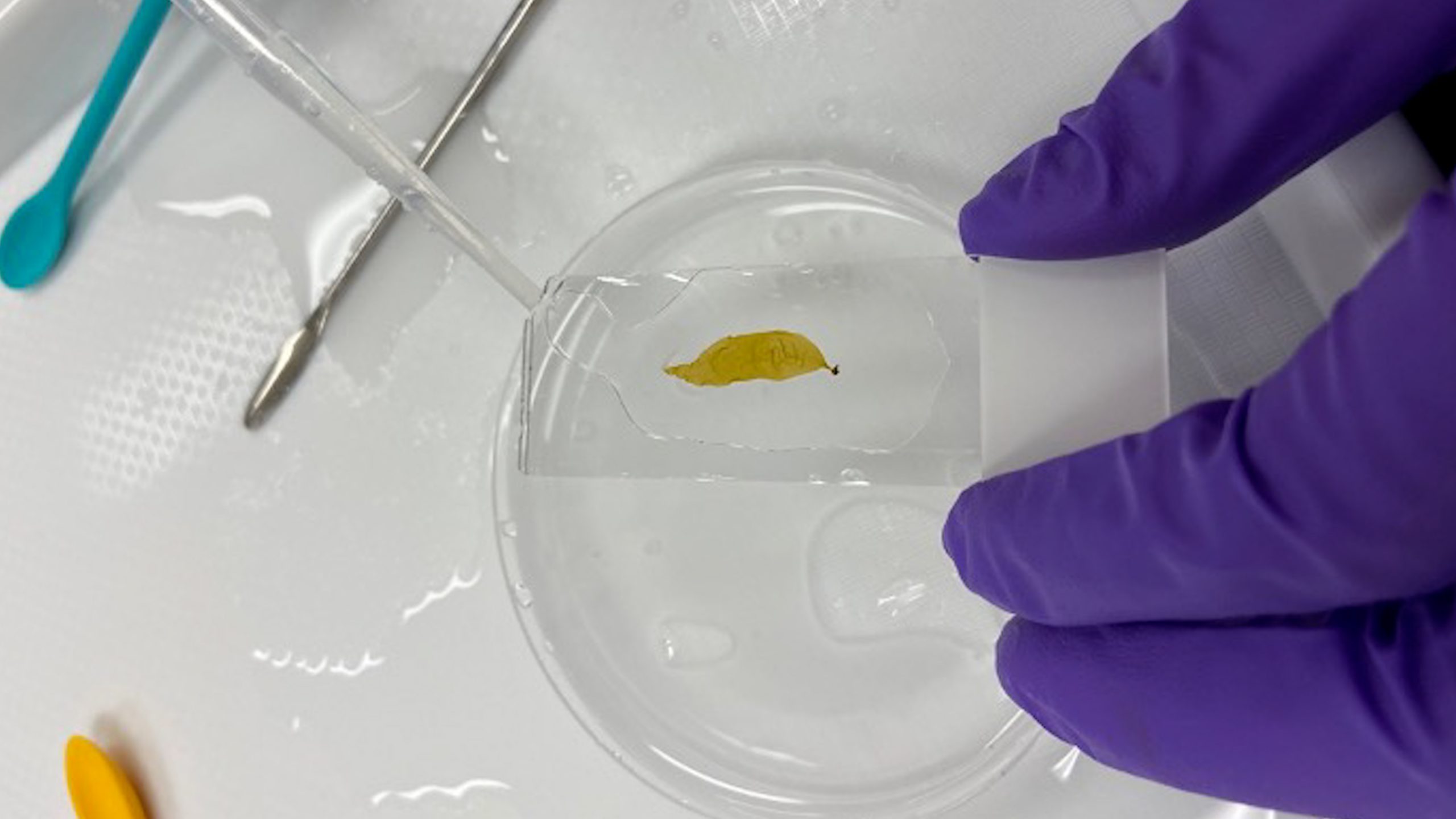
A new strain of kelp can help support sustainable farming
Read MoreNew study provides insight into how some species thrive in dark, oxygen-free environments
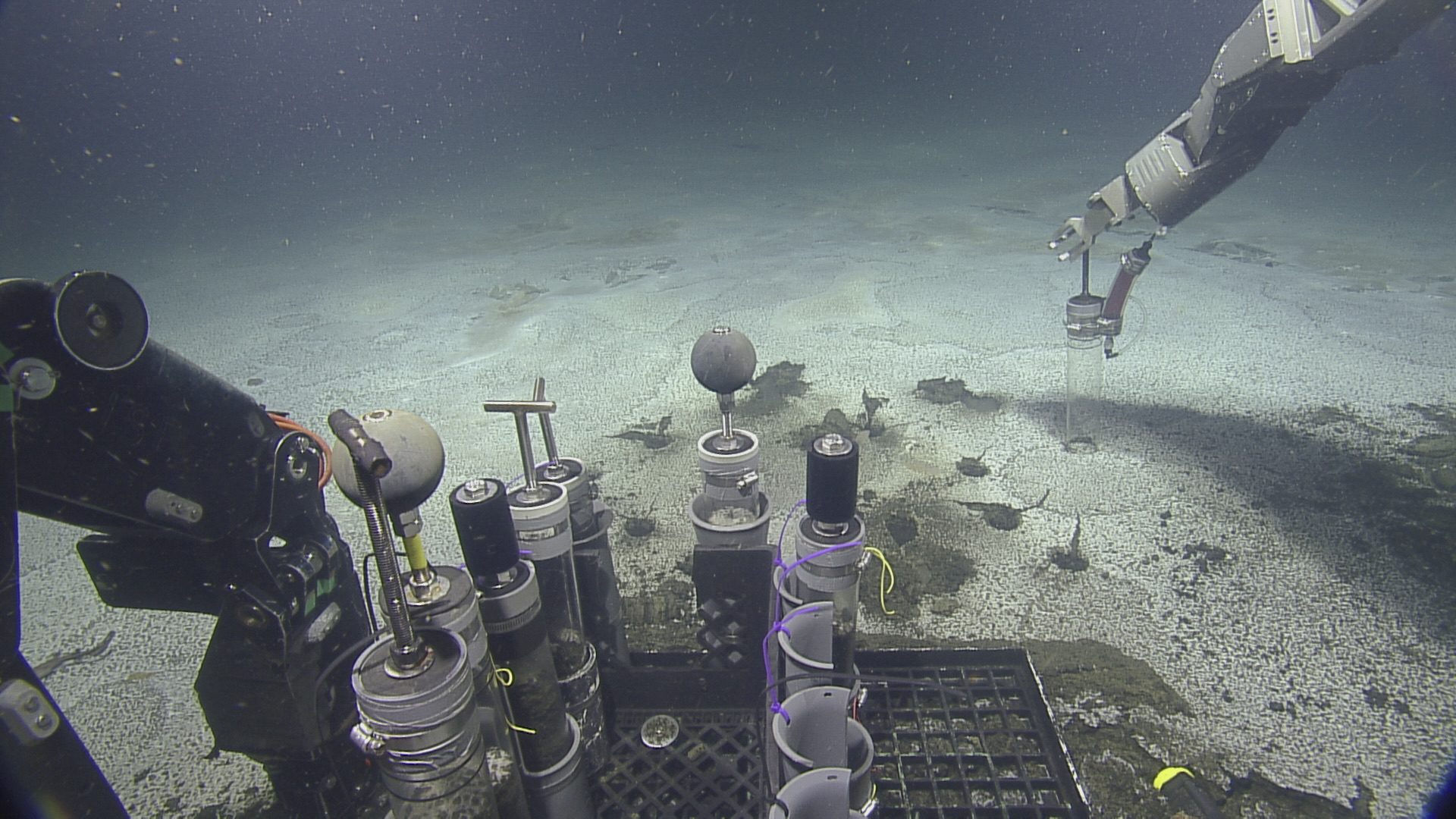
New research on single-celled organisms sheds light on deep-sea energy sources
Read MoreNew study highlights the correlation between live corals and fishing yields
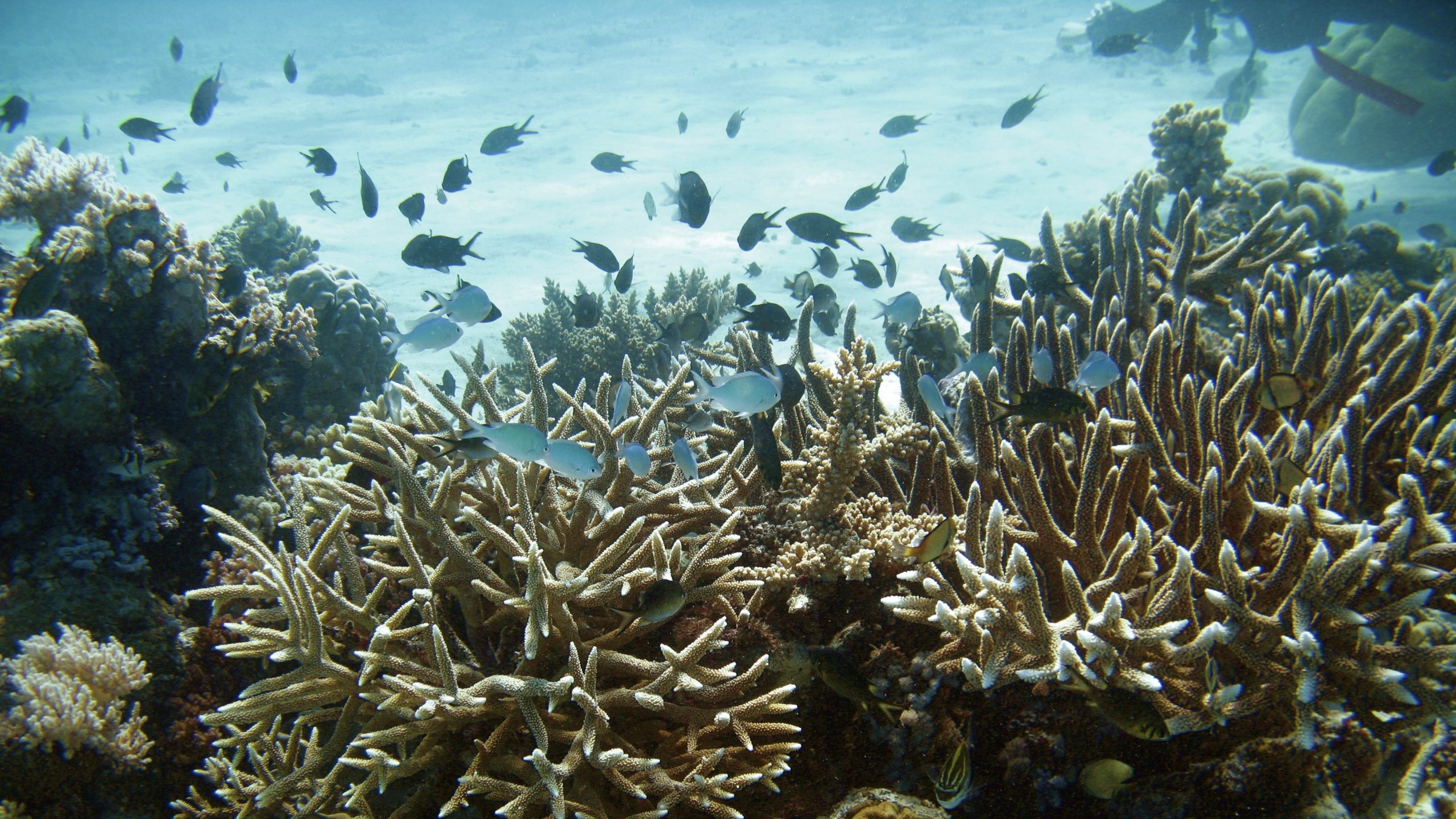
Research led by Woods Hole Oceanographic Institution predicts lower fishing yields as corals struggle to survive
Read MoreWHOI and Brazil-based NGO partner to save West Indian manatee
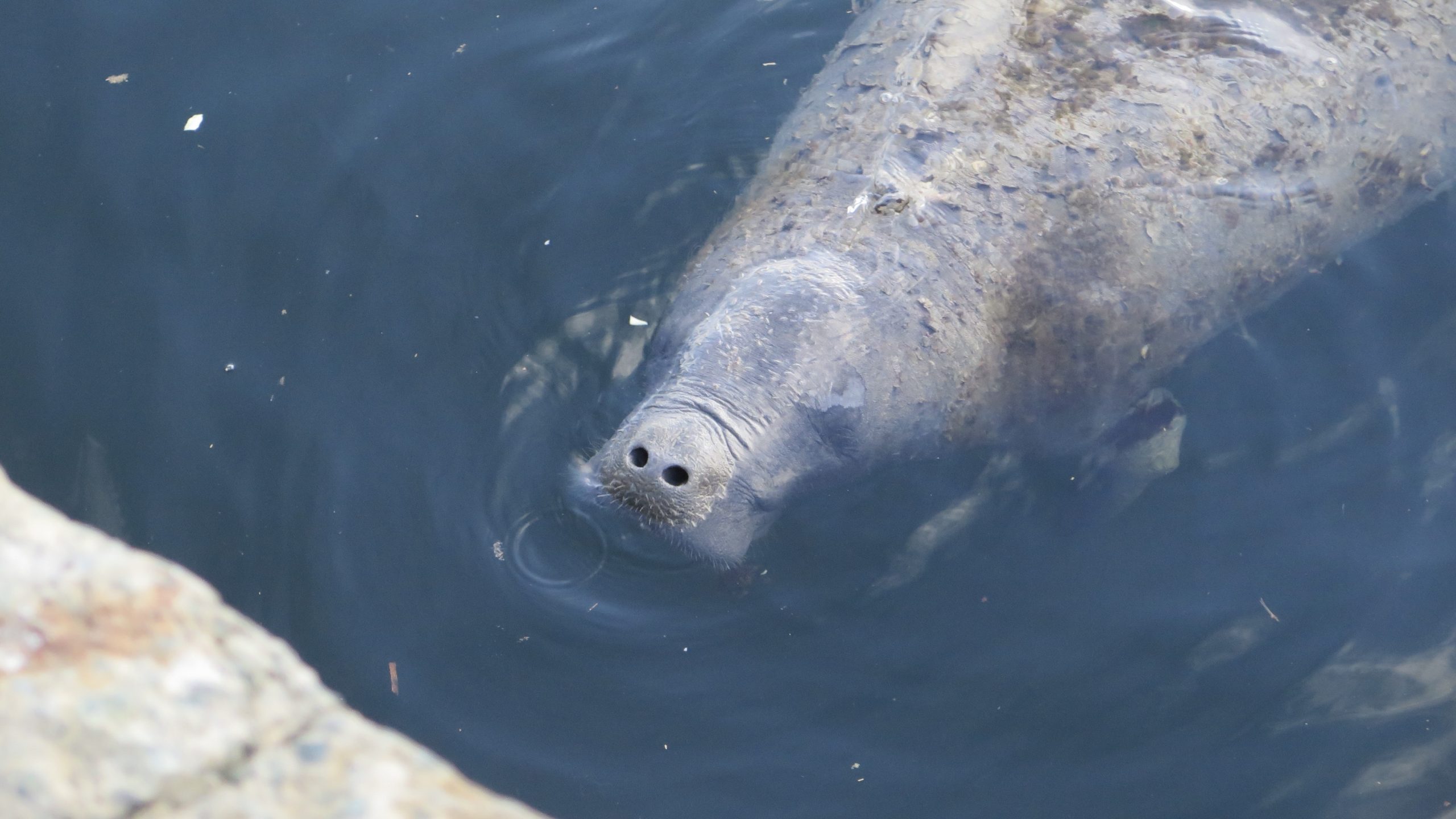
A new study shines light on the role of currents in marine mammal conservation
Read MoreWeddell seals in the Antarctic strategically time their most extreme dives to maximize foraging
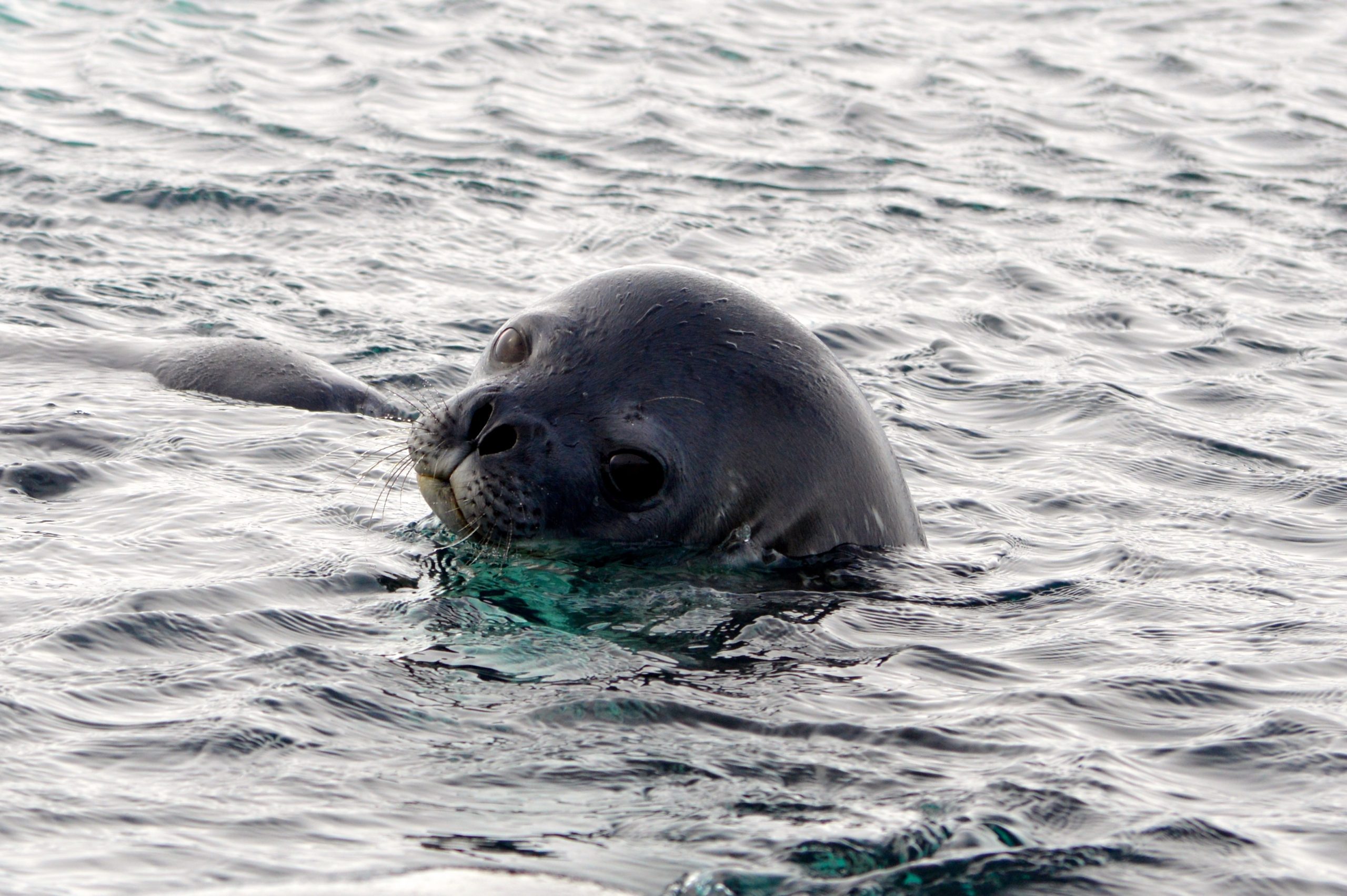
New research from WHOI and partners sheds light on a novel dive foraging strategy.
Read MoreShip-mounted camera systems increase protections for marine mammals
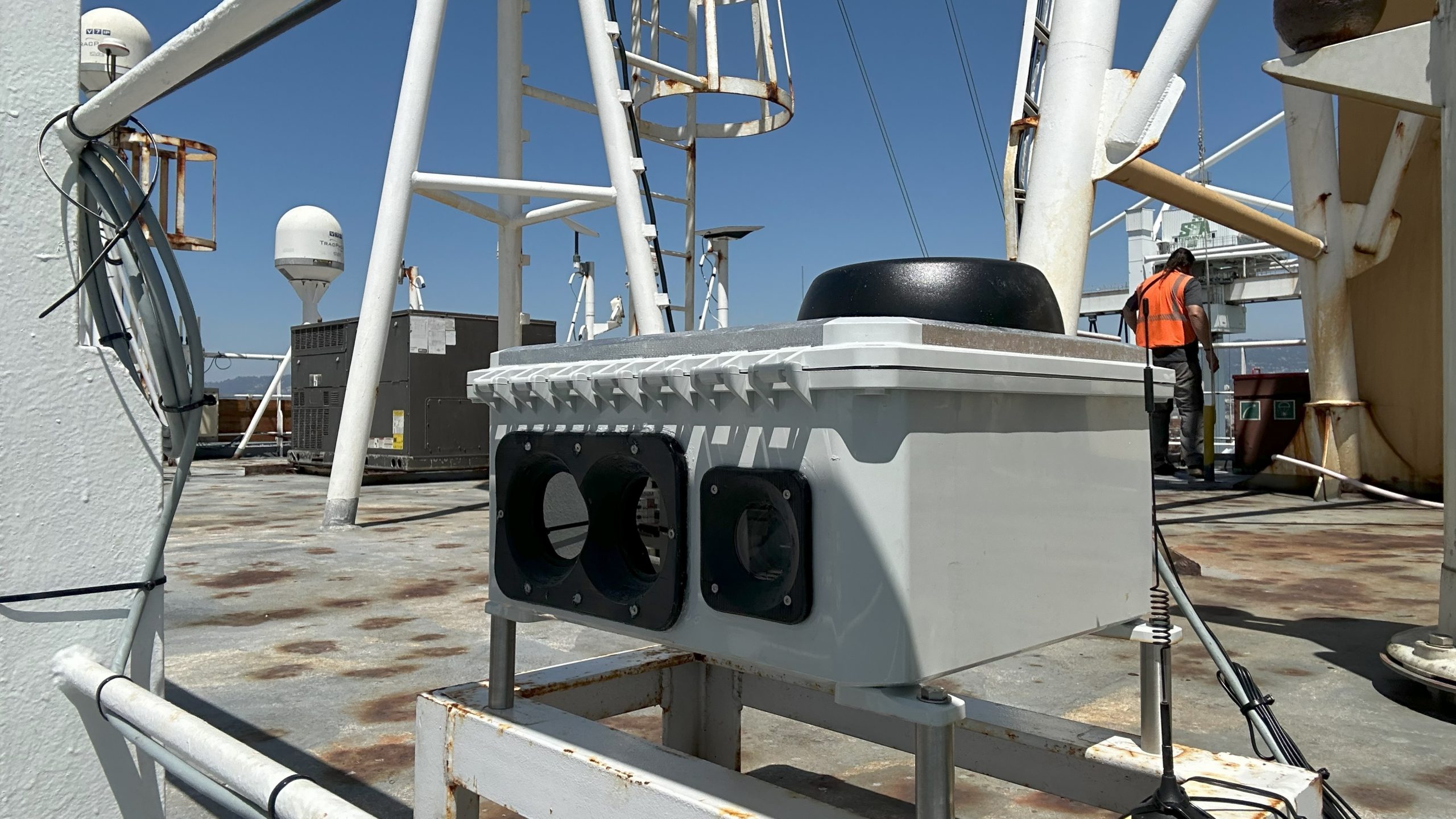
This technology uses thermal imaging to detect a whale’s body or spout and provides real-time information on their distance and bearing from a vessel.
Read MoreNew funding will boost vital reef restoration work
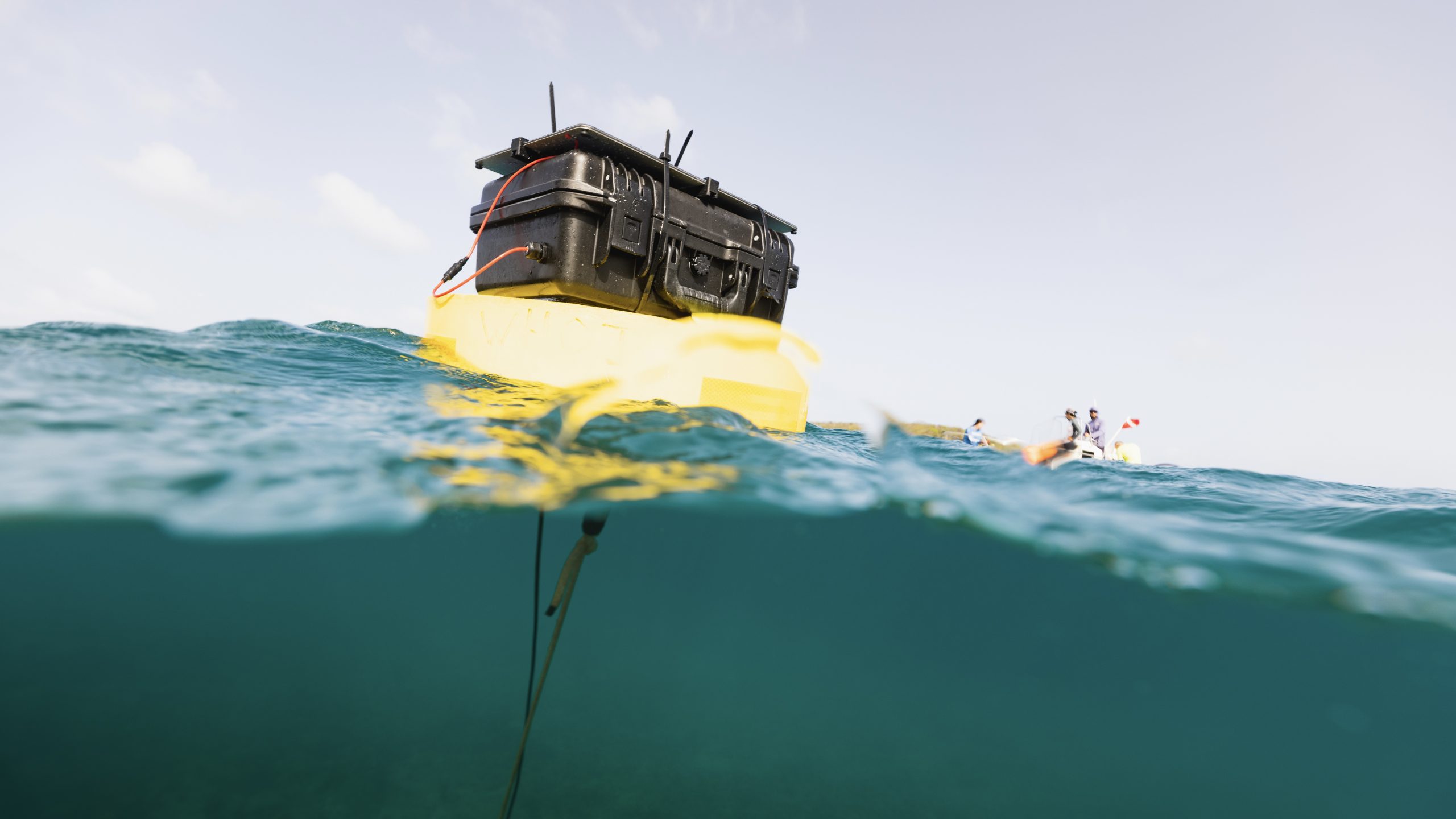
Coral Research and Development Accelerator Program funding will advance acoustic enhancement research in the Caribbean
Read MoreMicrobe Dietary Preferences Influence the Effectiveness of Carbon Sequestration in the Deep Ocean
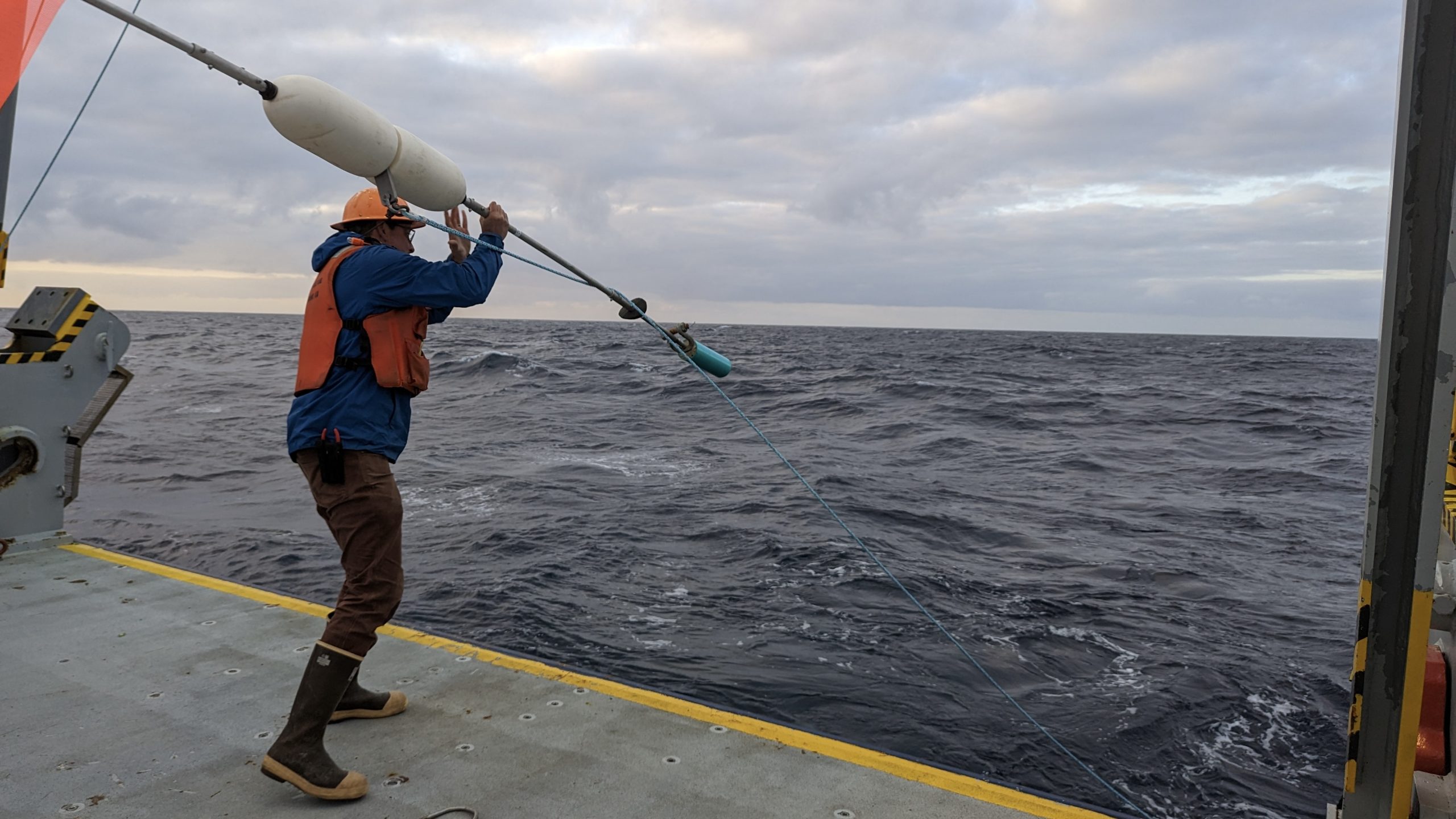
A series of seemingly small processes helps carry carbon dioxide from the ocean’s surface to the deep sea, where it can be stored away for decades.
Read MoreSwimming crustacean eats unlikely food source in the deep ocean
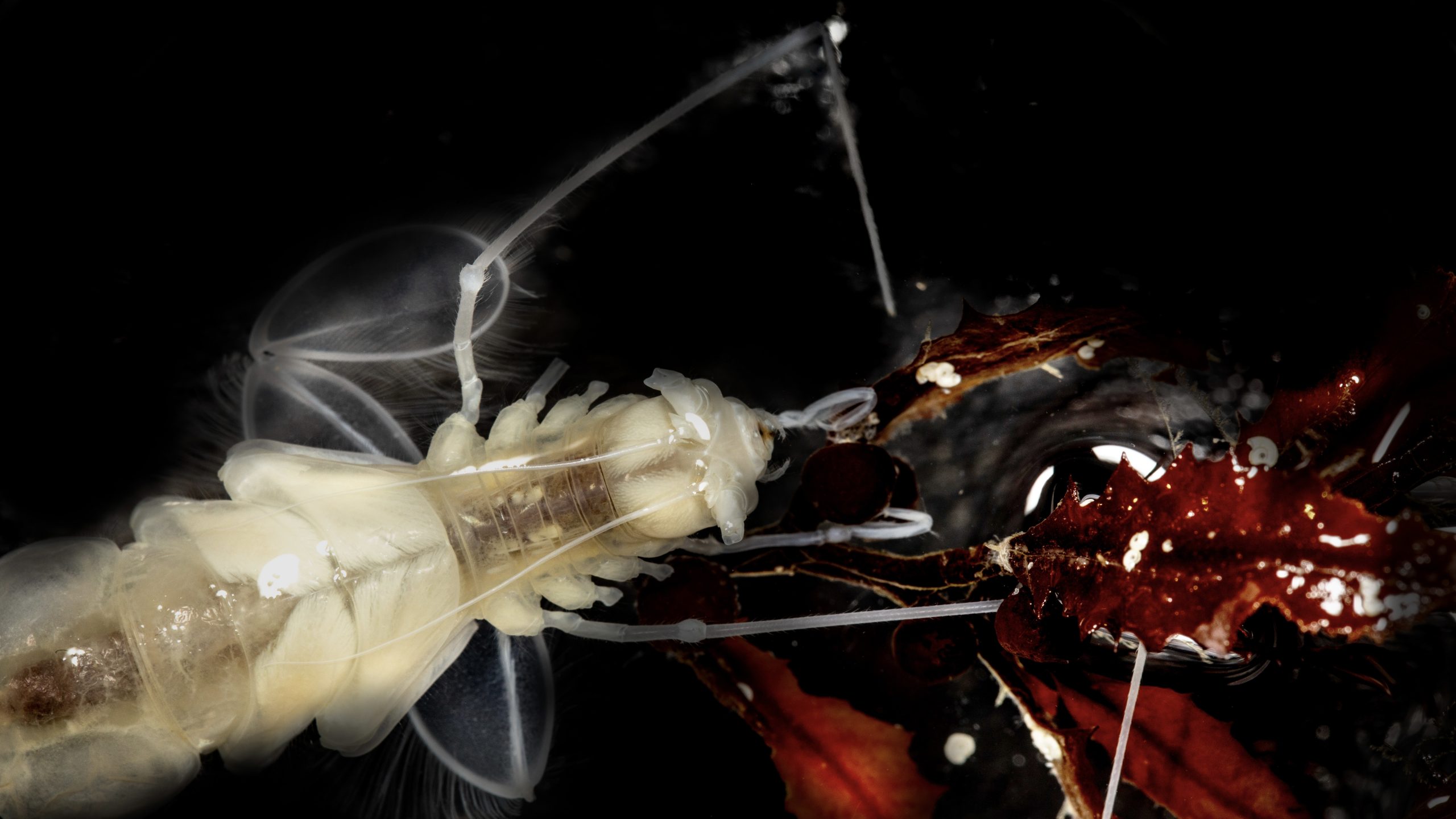
Increased capabilities in the human occupied submersible Alvin open a window on a rarely seen behavior.
Read MoreWHOI and the University of the Virgin Islands extend Partnership
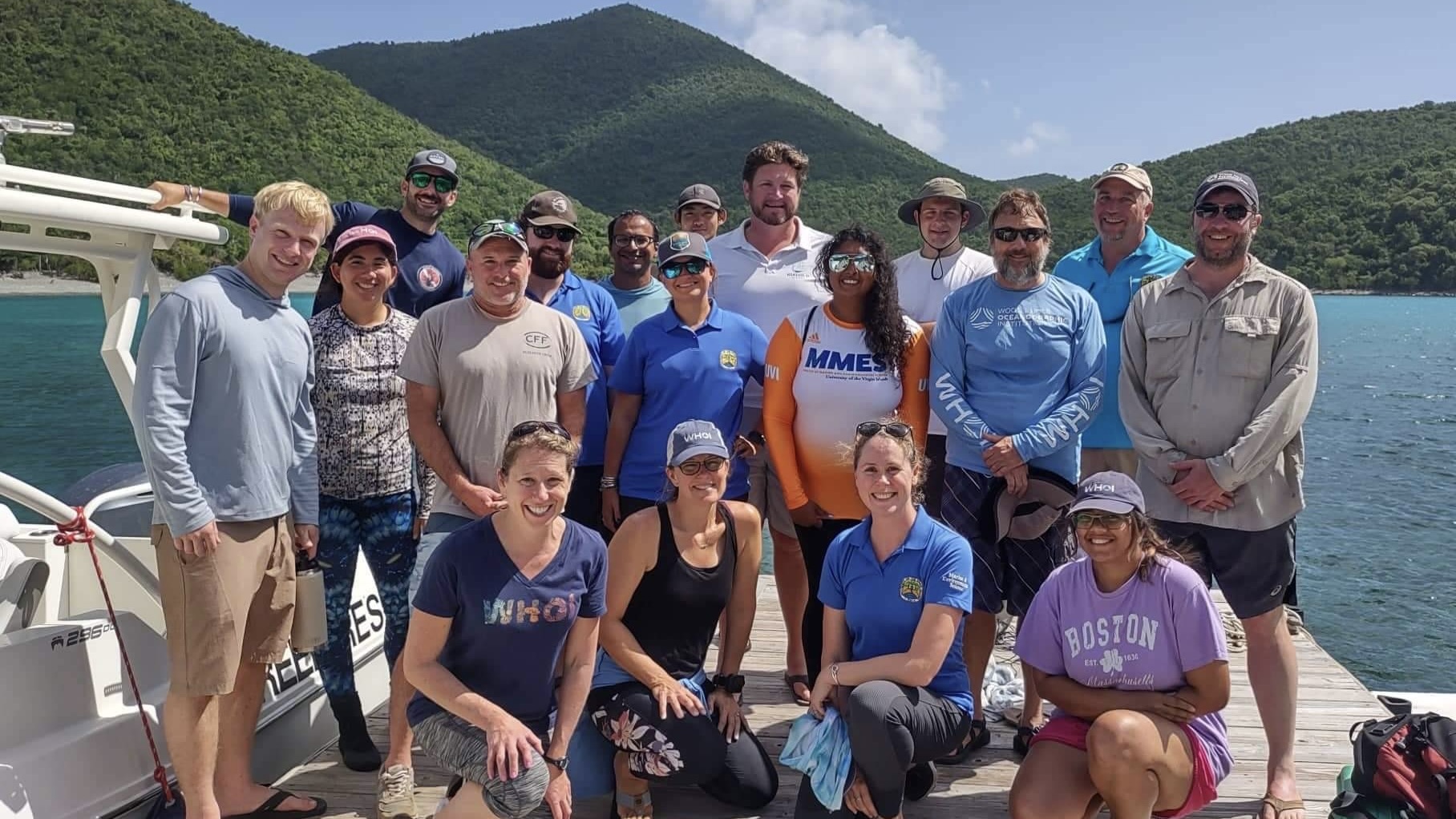
WHOI and the University of the Virgin Islands entered into a MOU extending their working partnership in the exploration and protection of the world’s oceans.
Read MoreGroundbreaking Study Reveals Oceanic Seabirds Chase Tropical Cyclones
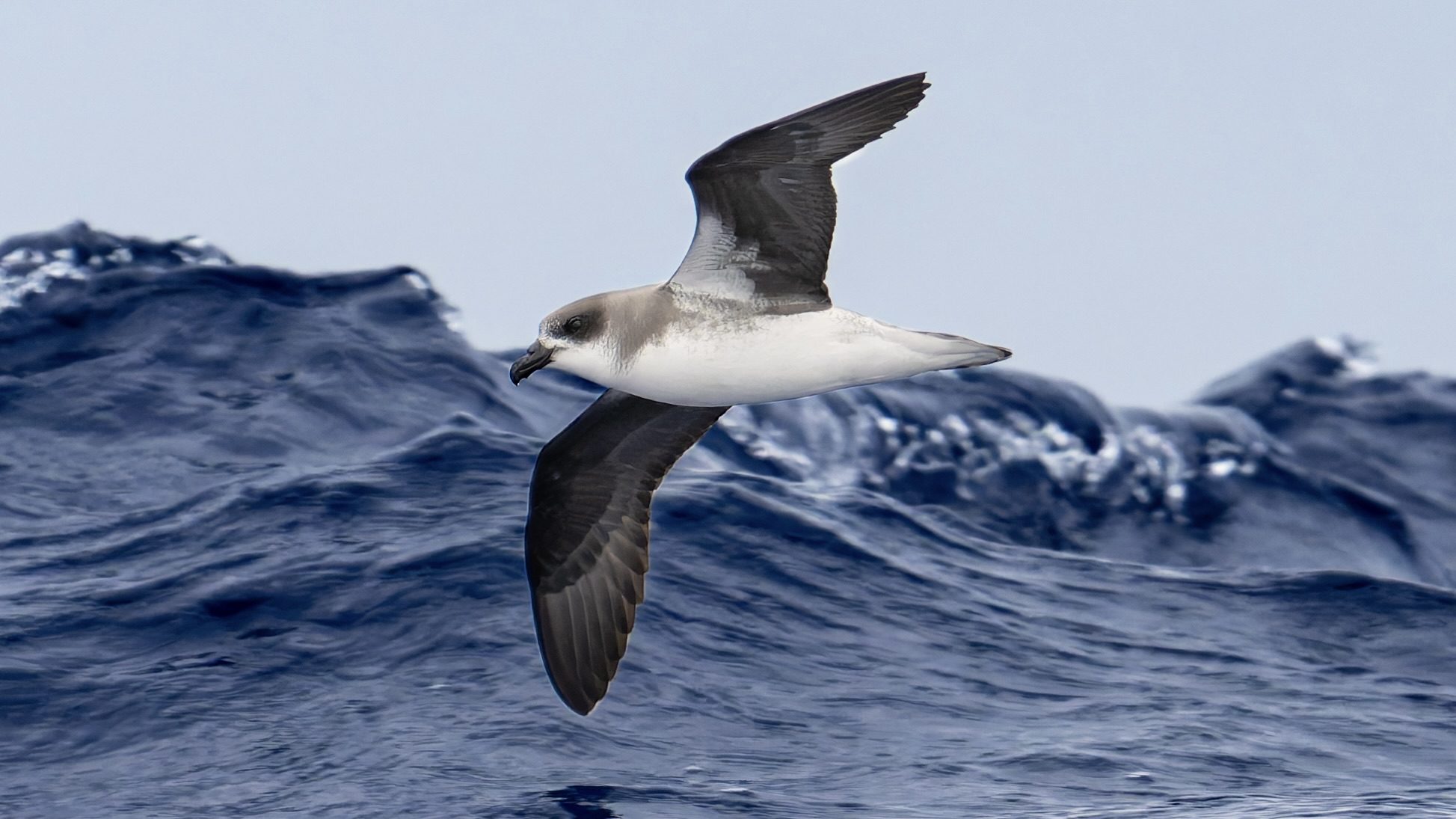
A new study reveals that the rare Desertas Petrels, a wide-ranging seabird in the North Atlantic, exhibit unique foraging behaviors during hurricane season.
Read MoreWHOI Scientists ‘read’ the messages in chemical clues left by coral reef inhabitants
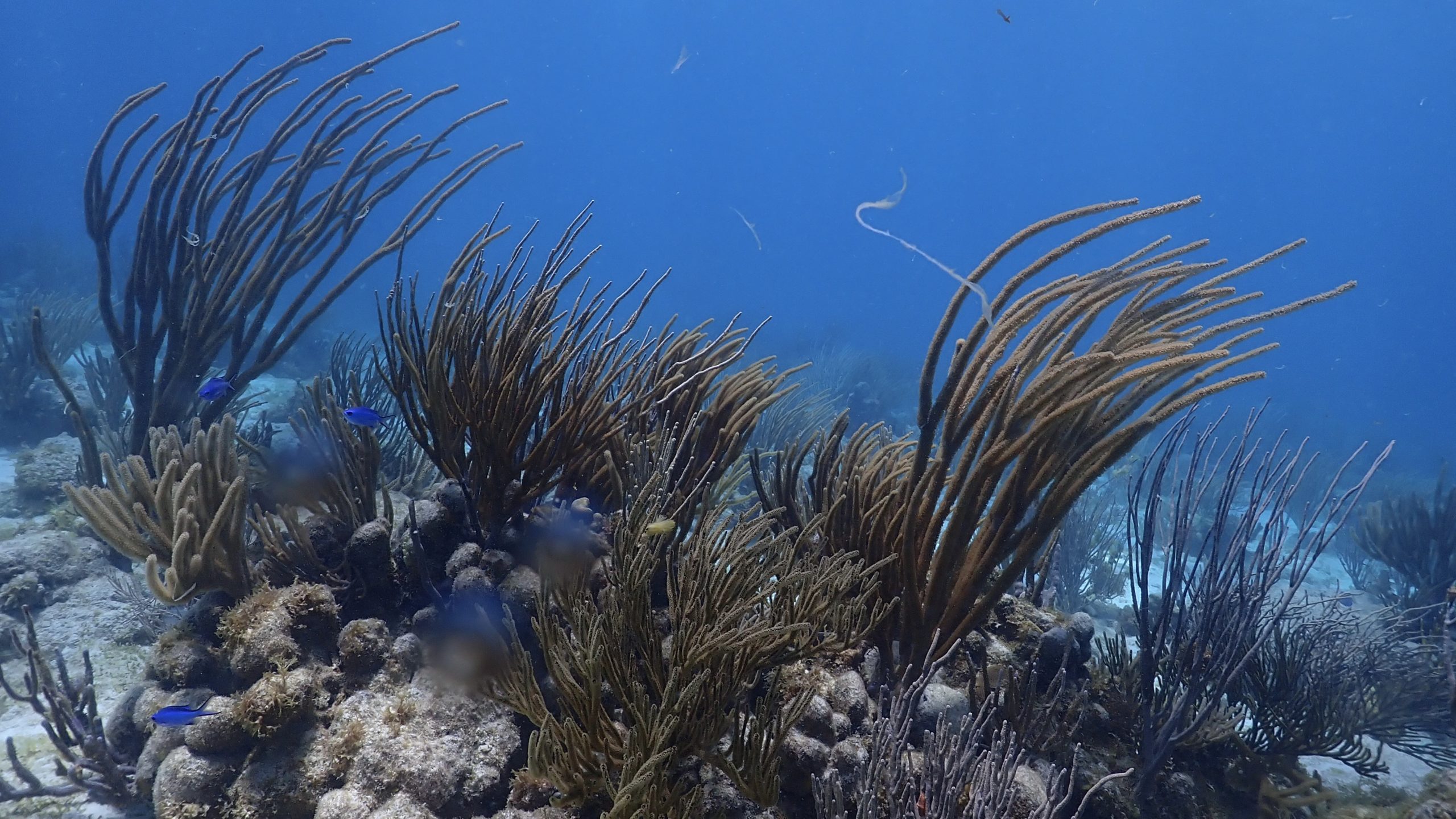
What species live in this coral reef, and are they healthy? Chemical clues emitted by marine organisms might hold that information
Read MoreResearchers improve satellite surveillance of emperor penguins

New method will provide accurate counts and breeding success of the threatened species in the light of climate change
Read MoreNew Technologies Revise Scientists’ Understanding of the Oxygen Minimum Zone
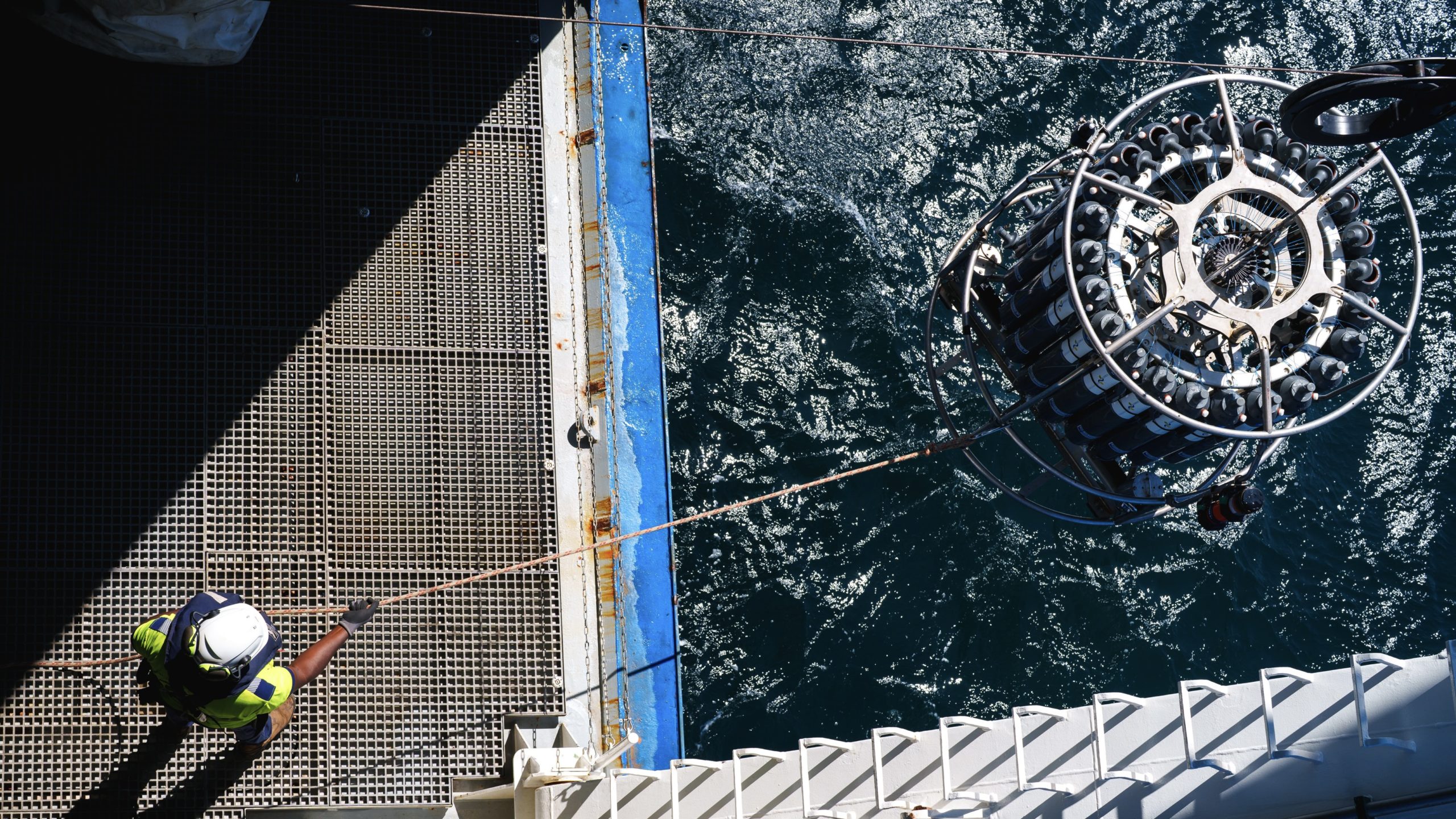
A new technology detects trace amounts of oxygen in an environment where previously these life-supporting molecules were below the limit of detection.
Read MoreA new tagging method for fragile marine species
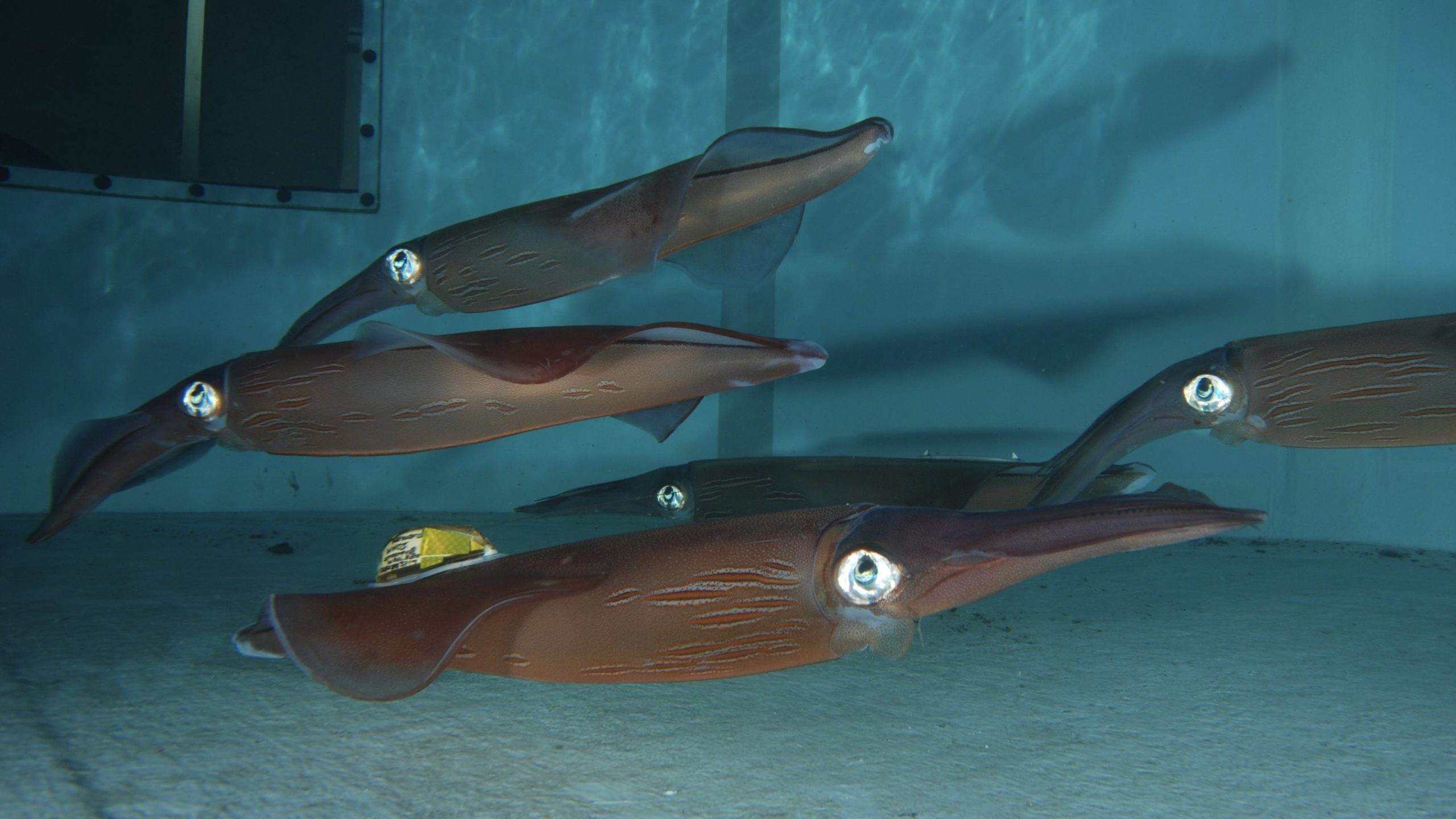
Newly developed bioadhesive sensors (BIMS) are effective and less invasive than traditional tagging. Scientists can attach them with a thin layer of dried-hydrogel in less than 20 seconds.
Read MoreStudy: eDNA methods give a real-time look at coral reef health
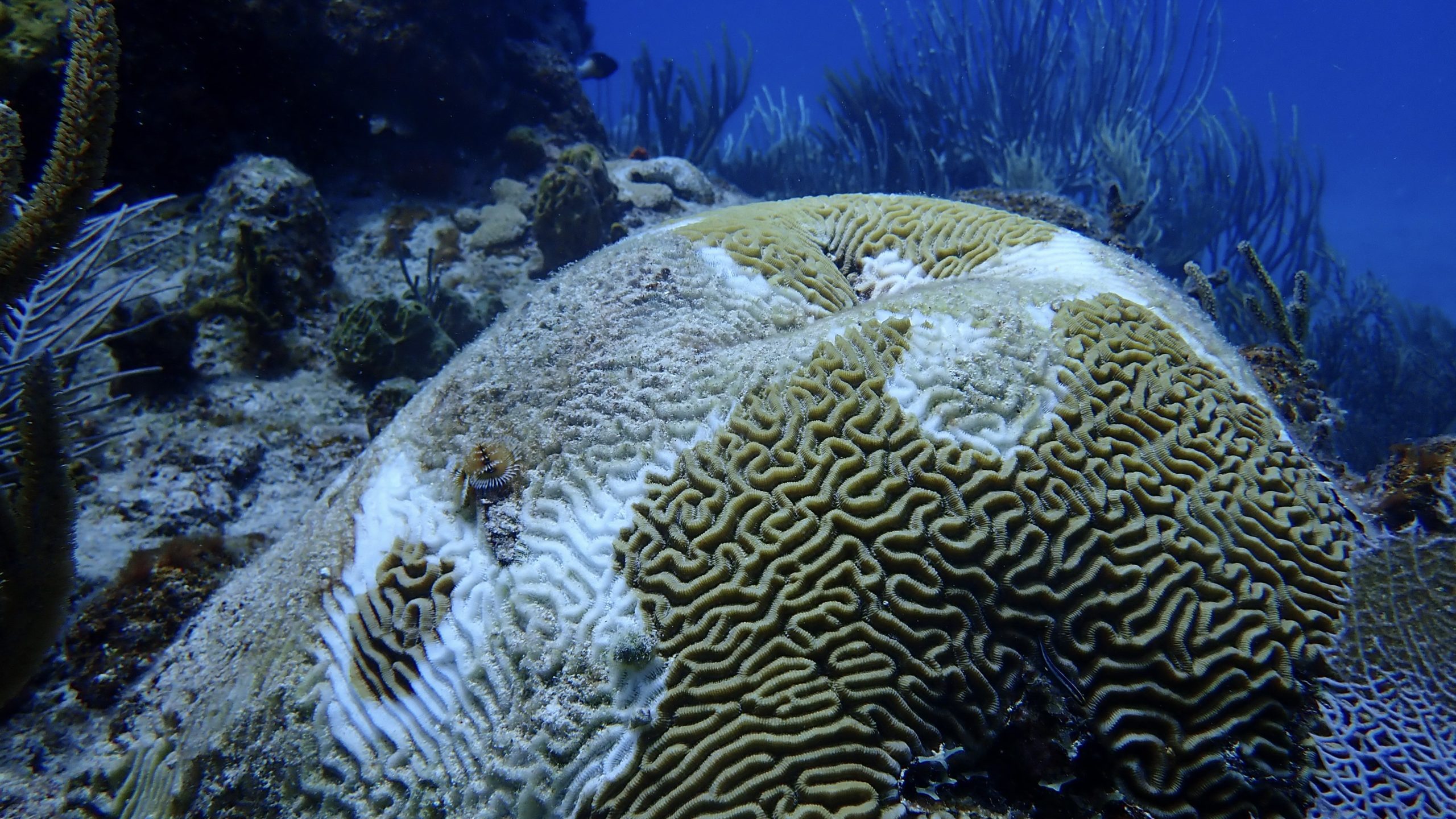
Researchers from WHOI studied the microbes in coral reef water by examining eight reefs in the U.S. Virgin Islands over a period of seven years, which included periods of hurricane and coral disease disturbance.
Read MoreSonic Youth: Healthy Reef Sounds Increase Coral Settlement
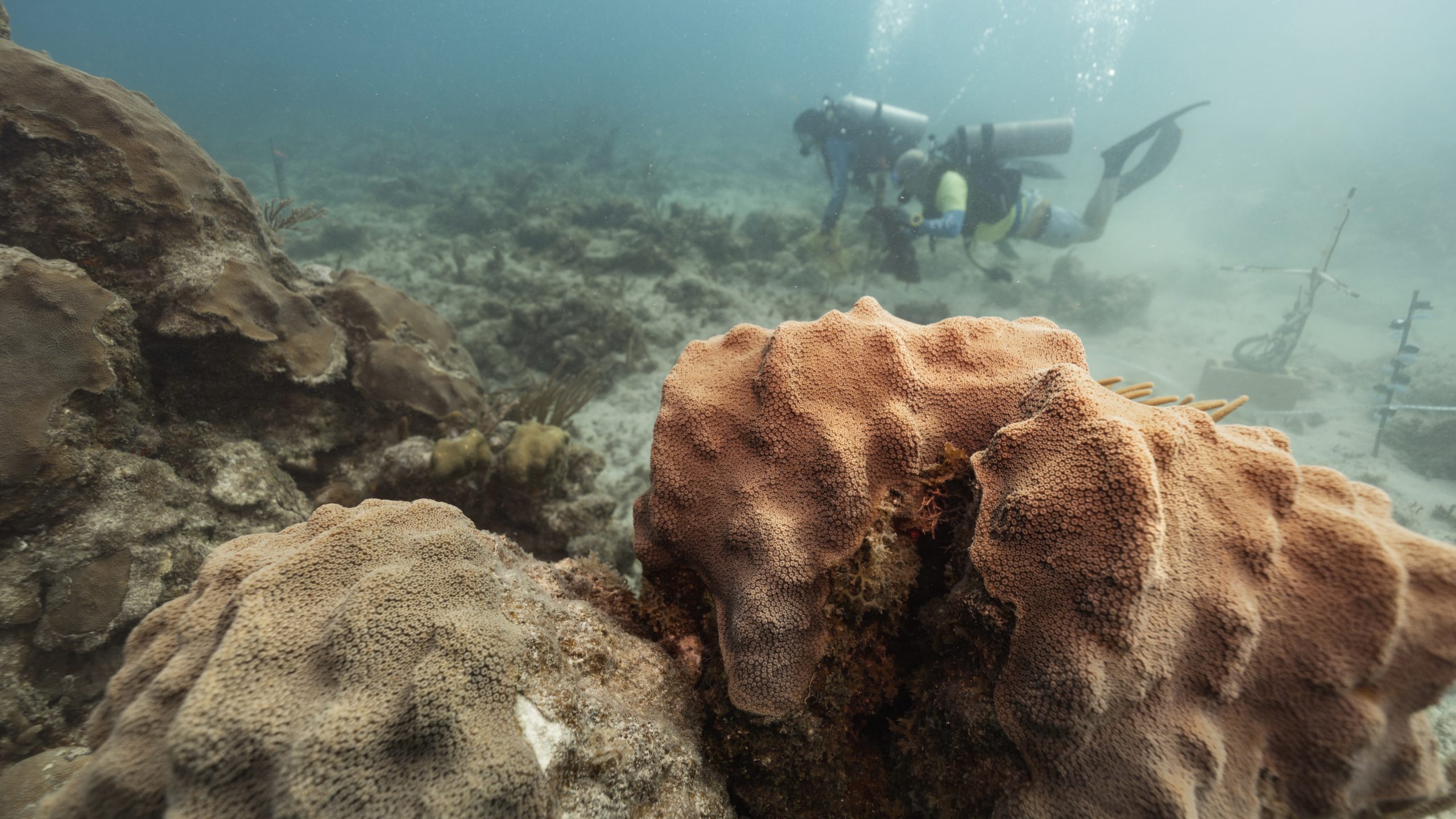
Researchers at WHOI demonstrated that replaying healthy reef sounds could potentially be used to encourage coral larvae to recolonize damaged or degraded reefs.
Read MoreHigh Resolution Imagery Advances the Ability to Monitor Decadal Changes in Emperor Penguin Populations
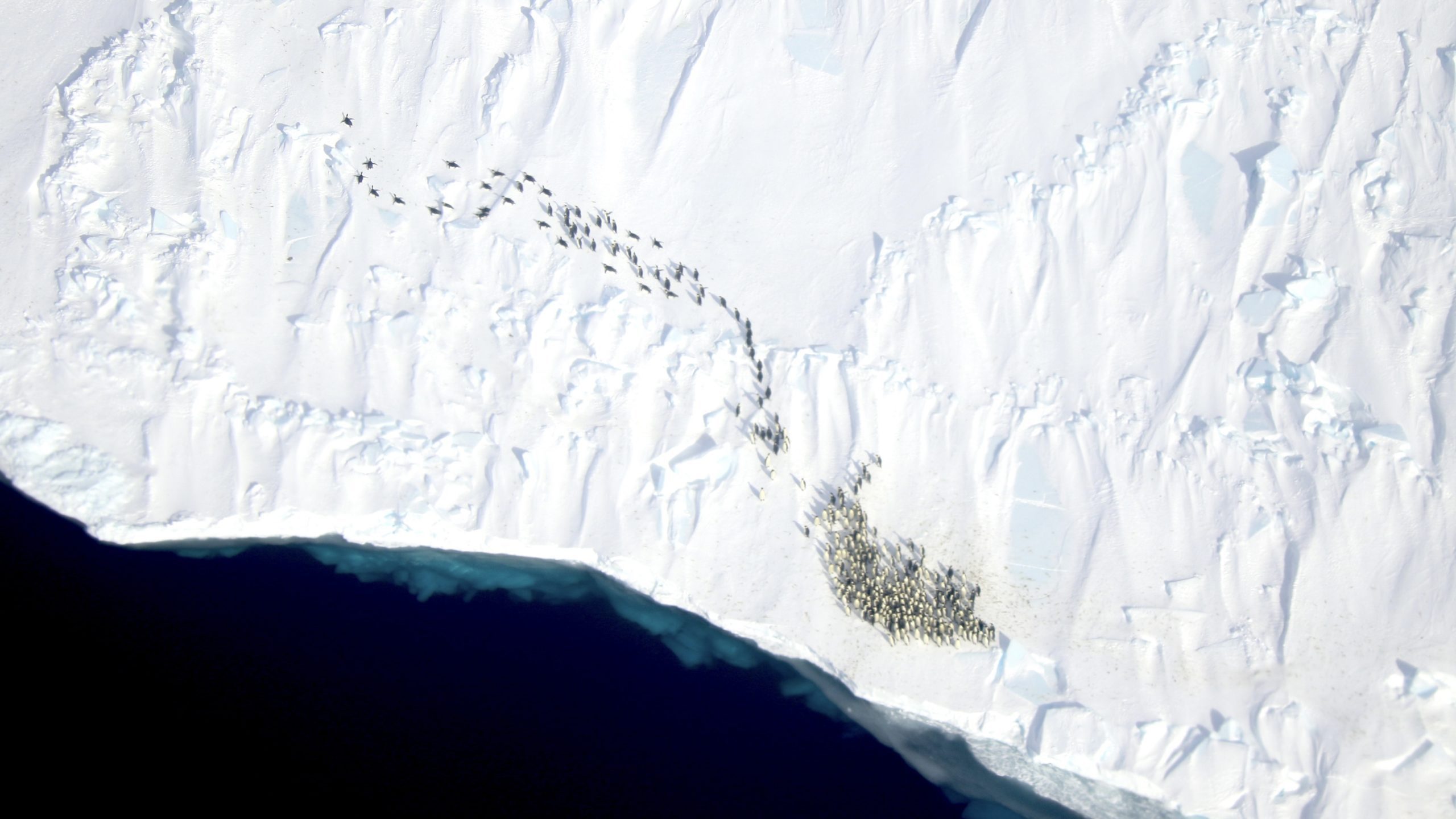
High resolution satellite imagery and field-based validation surveys have provided the first multi-year time series documenting emperor penguin populations.
Read MoreNew Deep-Sea Worm Discovered at Methane Seep Off Costa Rica Named after Alvin Pilot Bruce Strickrott
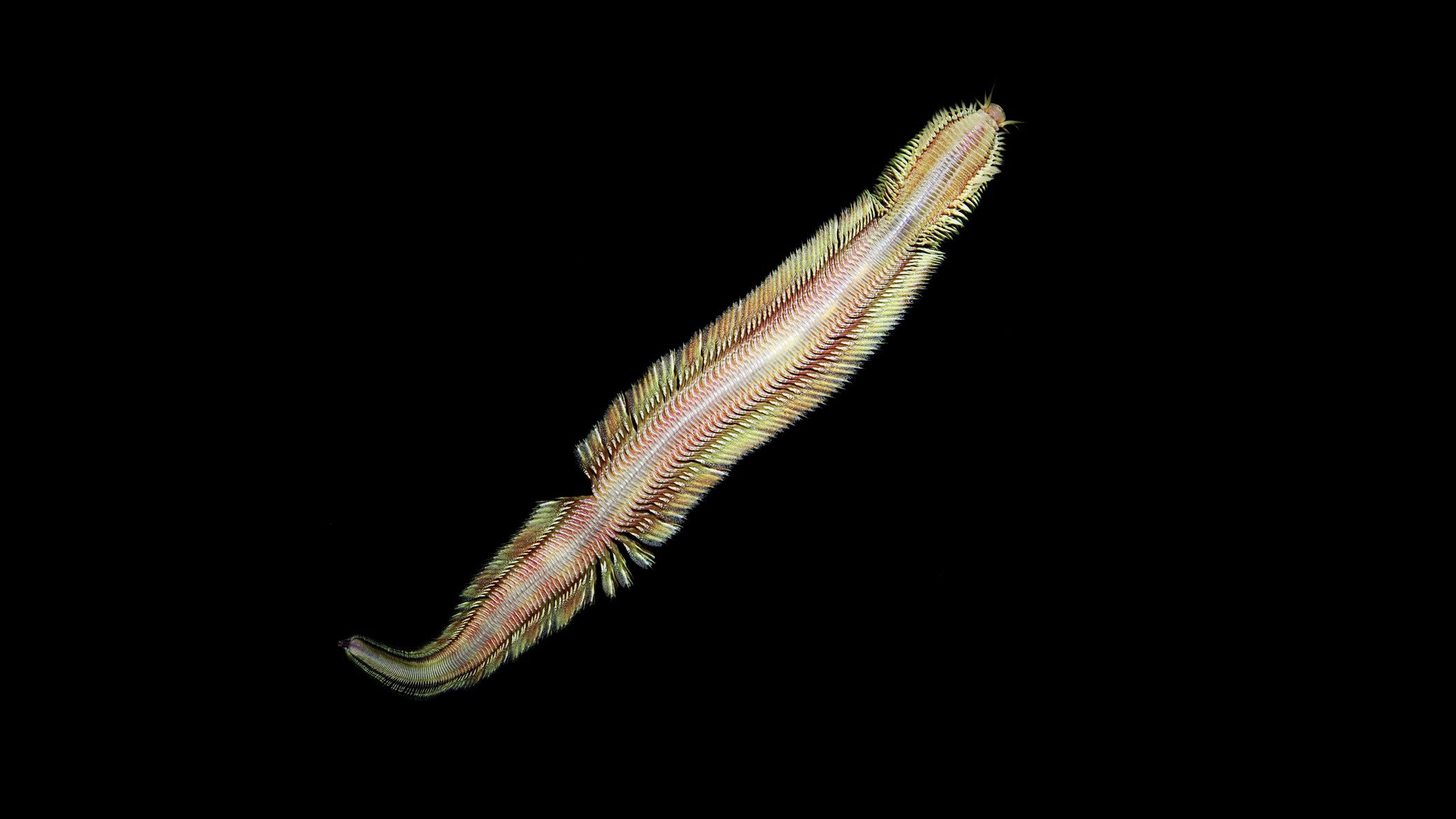
The creature raises the number of new species found by scientists studying these seemingly inhospitable ecosystems to 48 Woods Hole, Mass. — Woods Hole Oceanographic Institution (WHOI), along with…
Read MoreNew Research Reveals: The New York Bight Is an Important Year-Round Habitat for Endangered Fin Whales
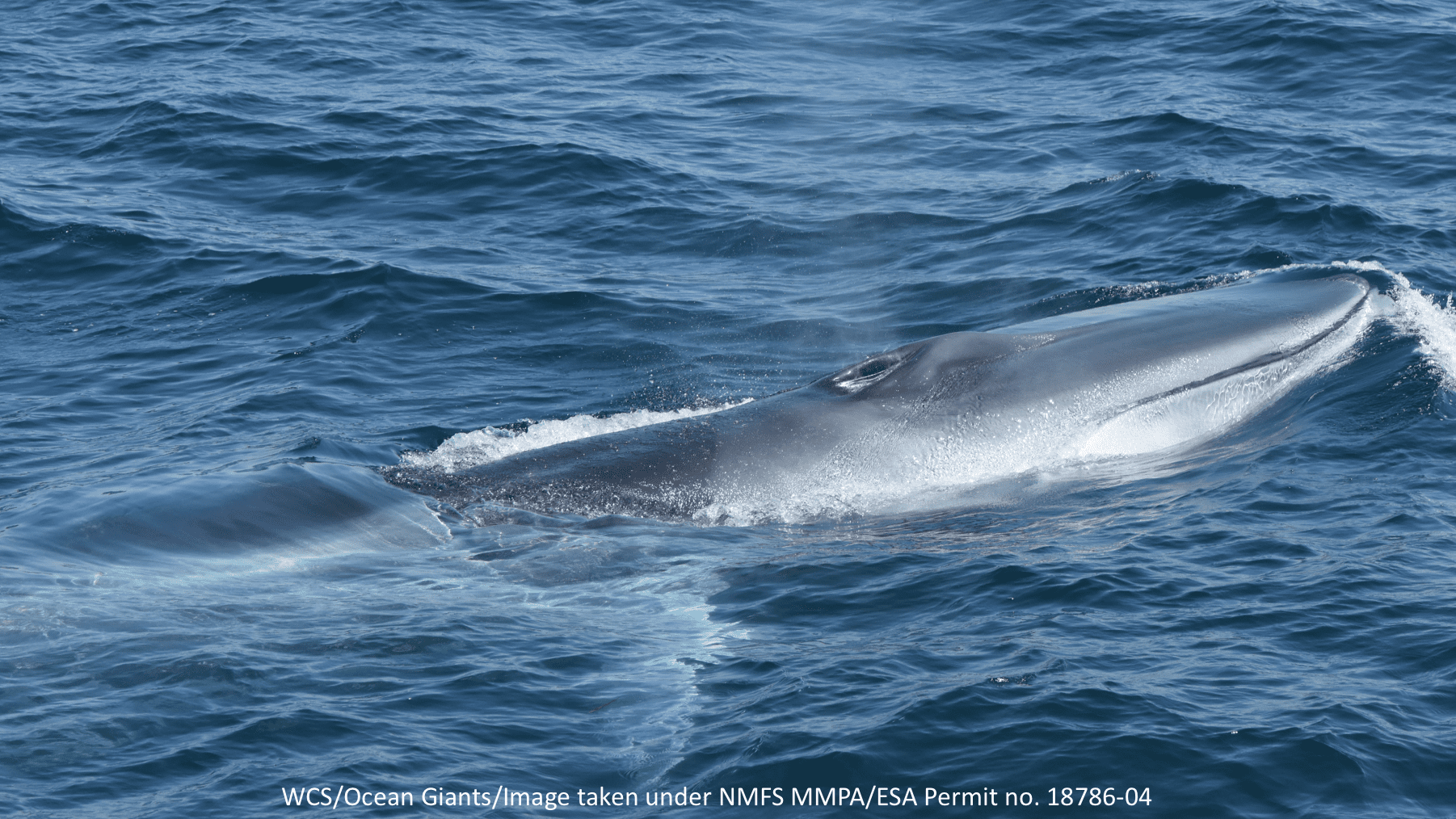
Researchers aim to use their science to help inform best practices and strategies to better protect fin whales in waters off NY and NJ Woods Hole, Mass. – The New…
Read MoreVitamin B12 adaptability in Antarctic algae has implications for climate change

Woods Hole, Mass. — Vitamin B12 deficiency in people can cause a slew of health problems and even become fatal. Until now, the same deficiencies were thought to impact certain…
Read More