
Featured Project
Remote Learning Takes on New Meaning with the Launch of Dive and Discover ™ Expedition 17

Dive and Discover Expedition 17 will look more closely at the middle of the ocean, also known as the mesopelagic or the ocean’s twilight zone.
Read MoreOil spill response beneath the ice
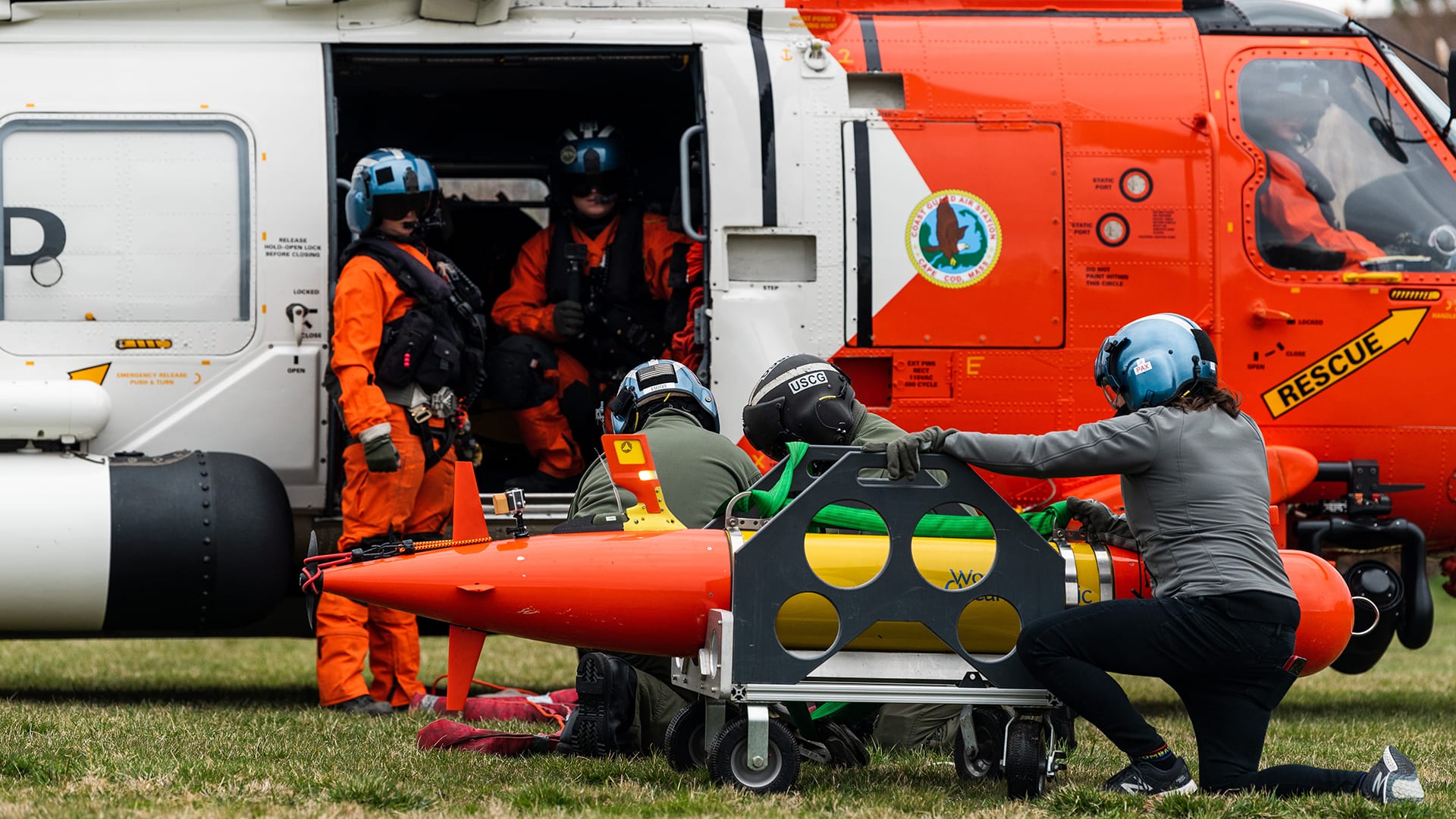
Successful test deployment of WHOI vehicle Polaris expands U.S. Coast Guard response to oil spills in the Arctic
Read MoreFrom Mars to the deep
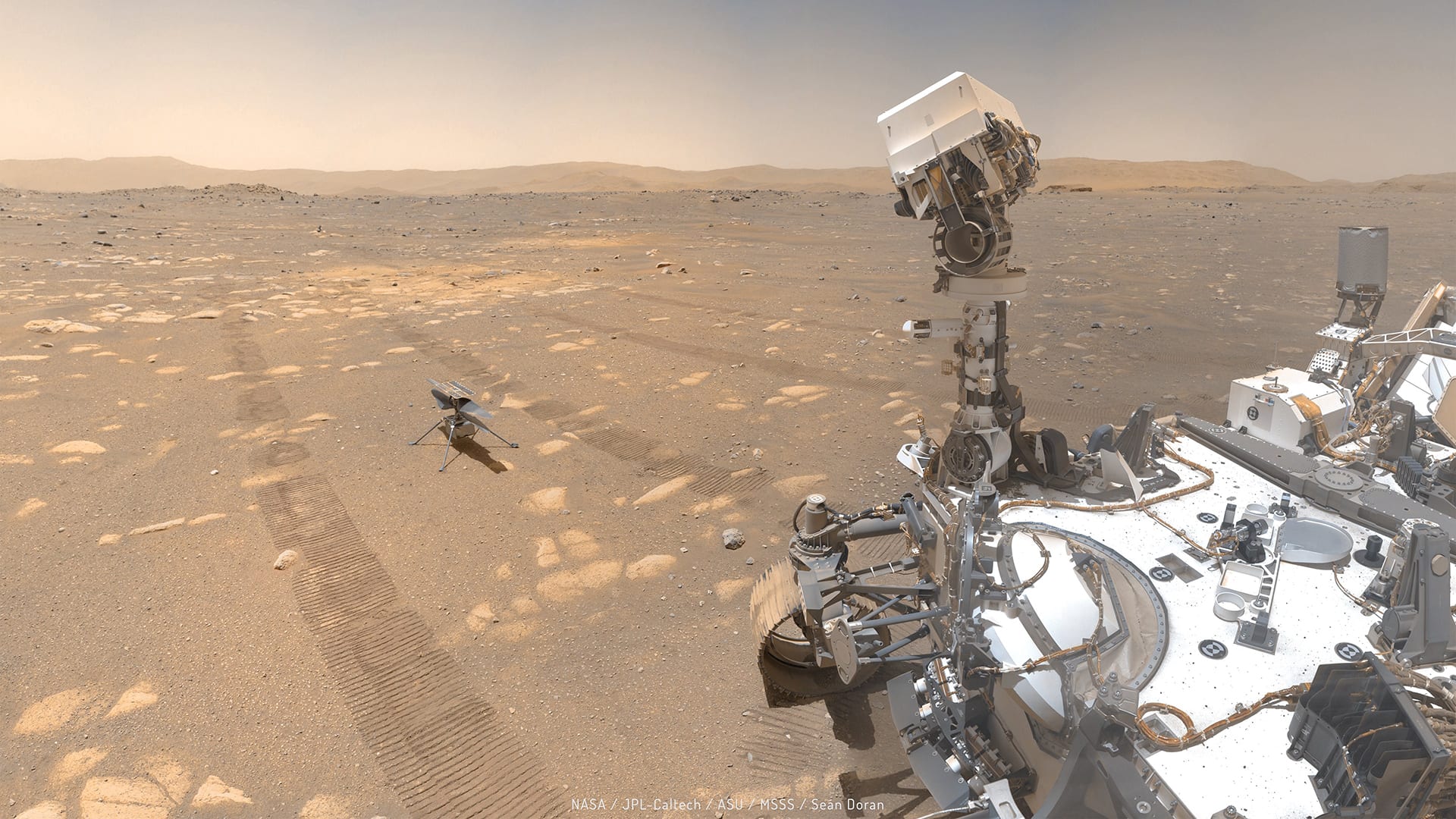
Navigation technology that helped NASA’s Perseverance rover land safely on Mars could guide robots in another unexplored terrain that’s much closer to home: the deepest trenches of the ocean.
Read MorePlate Tectonics Fuels a Vast Underground Ecosystem
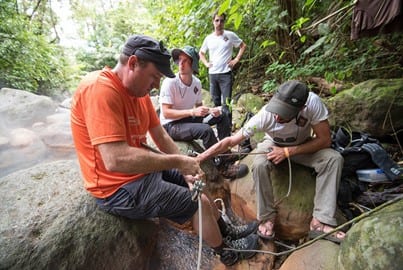
The subsurface is among Earth’s largest biomes, but the extent to which microbial communities vary across tectonic plate boundaries or interact with subduction-scale geological processes remains unknown. In a recently published study, scientists compare bacterial community composition with deep-subsurface geochemistry from 21 hot springs across the Costa Rican convergent margin.
Read MoreFukushima and the Ocean: A decade of disaster response

One decade since explosions rocked Japan’s Fukushima Dai-ichi nuclear power plant, researchers look back at how the ocean was impacted by the radioactivity fallout from the event, and discuss how the situation continues to evolve.
Read MoreClimate Change Can Destabilize the Global Soil Carbon Reservoir, New Study Finds

The vast reservoir of carbon that is stored in soils probably is more sensitive to destabilization from climate change than has previously been assumed, according to a new study by…
Read MoreRacing an undersea volcano
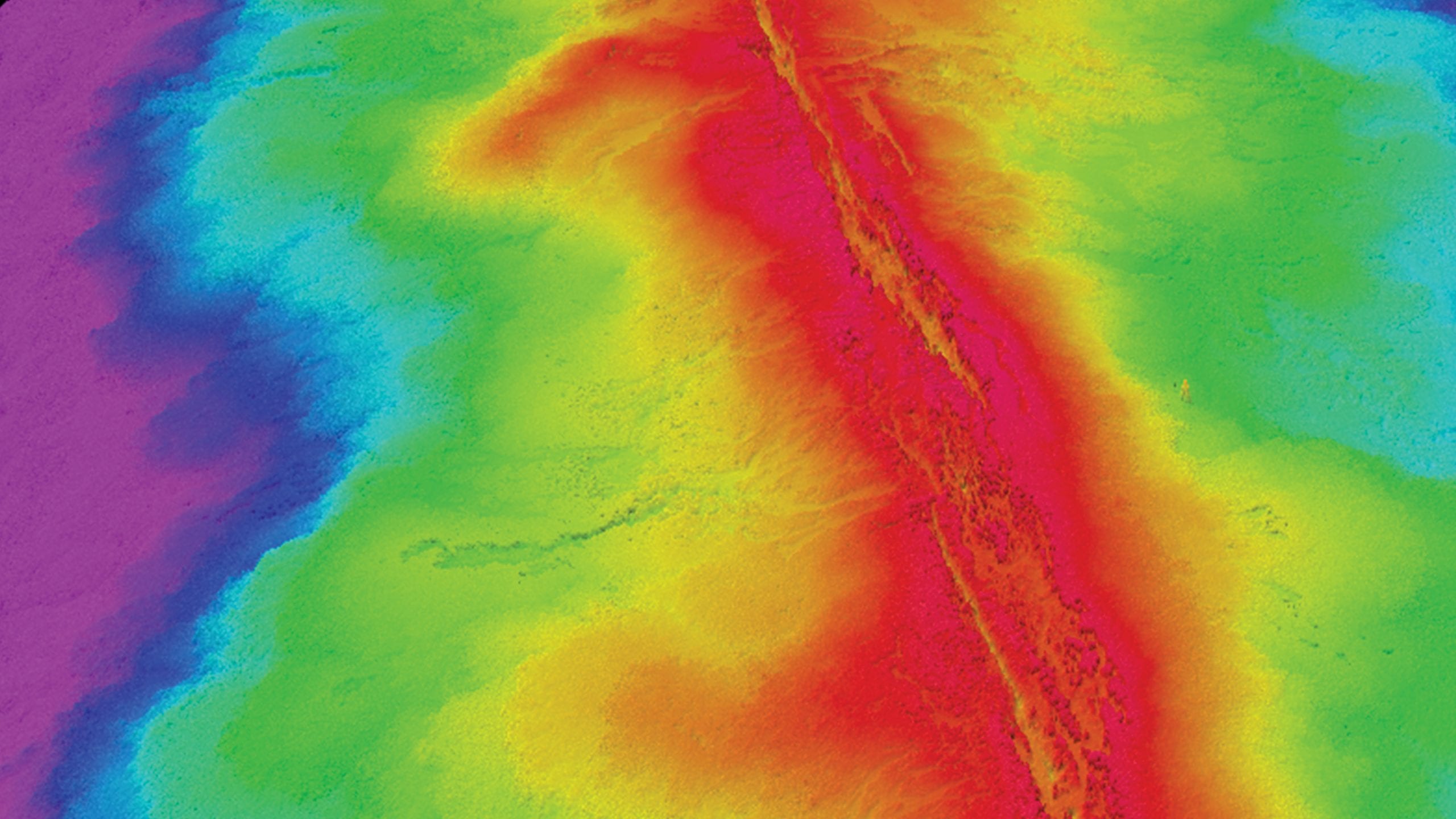
Using AUV Sentry to make a high-resolution, near-bottom, seafloor map before the next volcanic eruption at the East Pacific Rise
Read MoreAmidst pandemic, researchers deploy new monitoring station in tropical Pacific
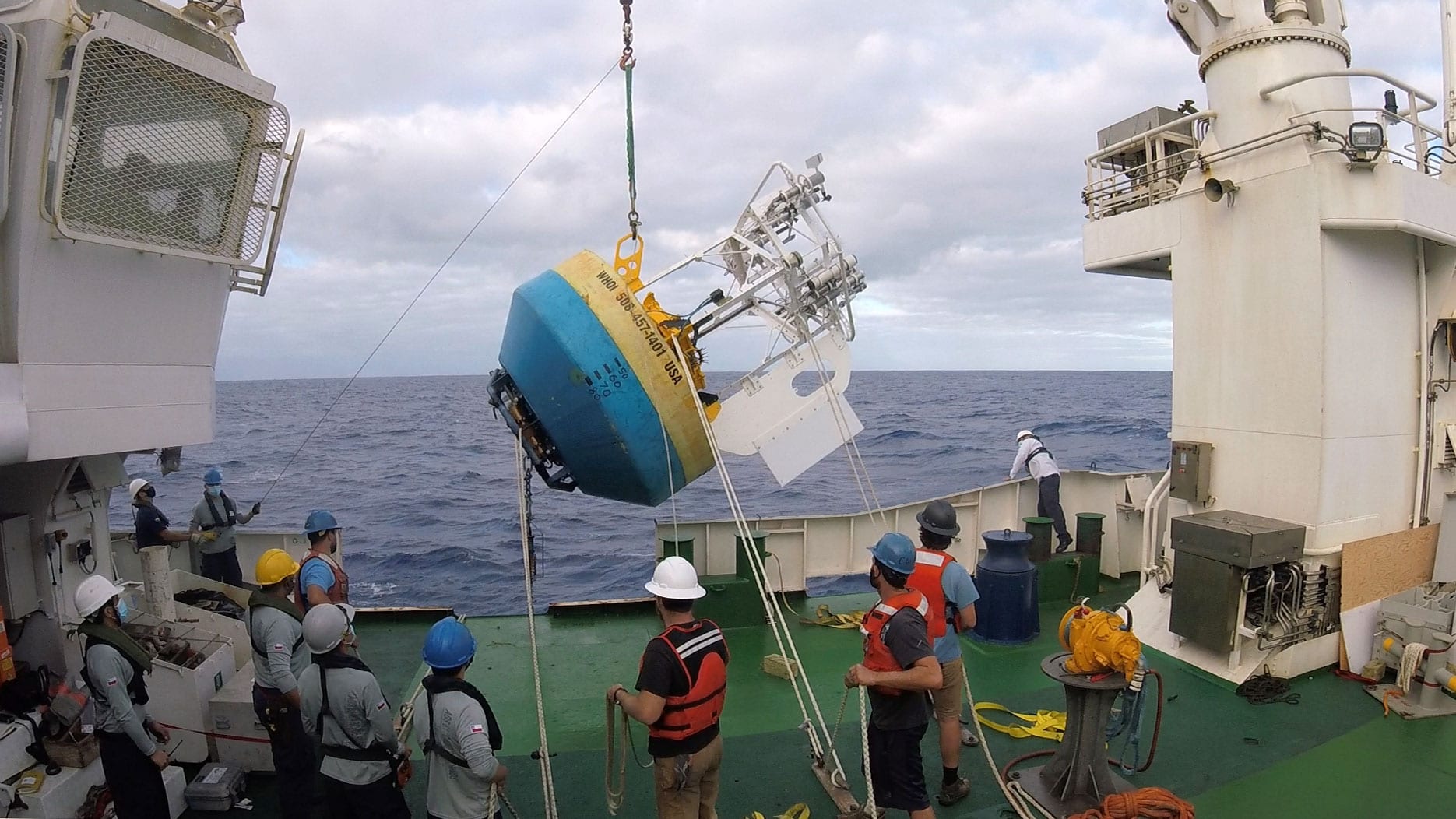
After two attempts in 2020 to replace a monitoring station of the coast of Chile, WHOI researchers and colleagues successfully deployed the moored system despite pandemic-related challenges. This extends a 20-year ongoing presence of a monitoring buoy in this otherwise data-sparse area of the Pacific.
Read MoreMicrobial Methane – New Fuel for Ocean Robots?
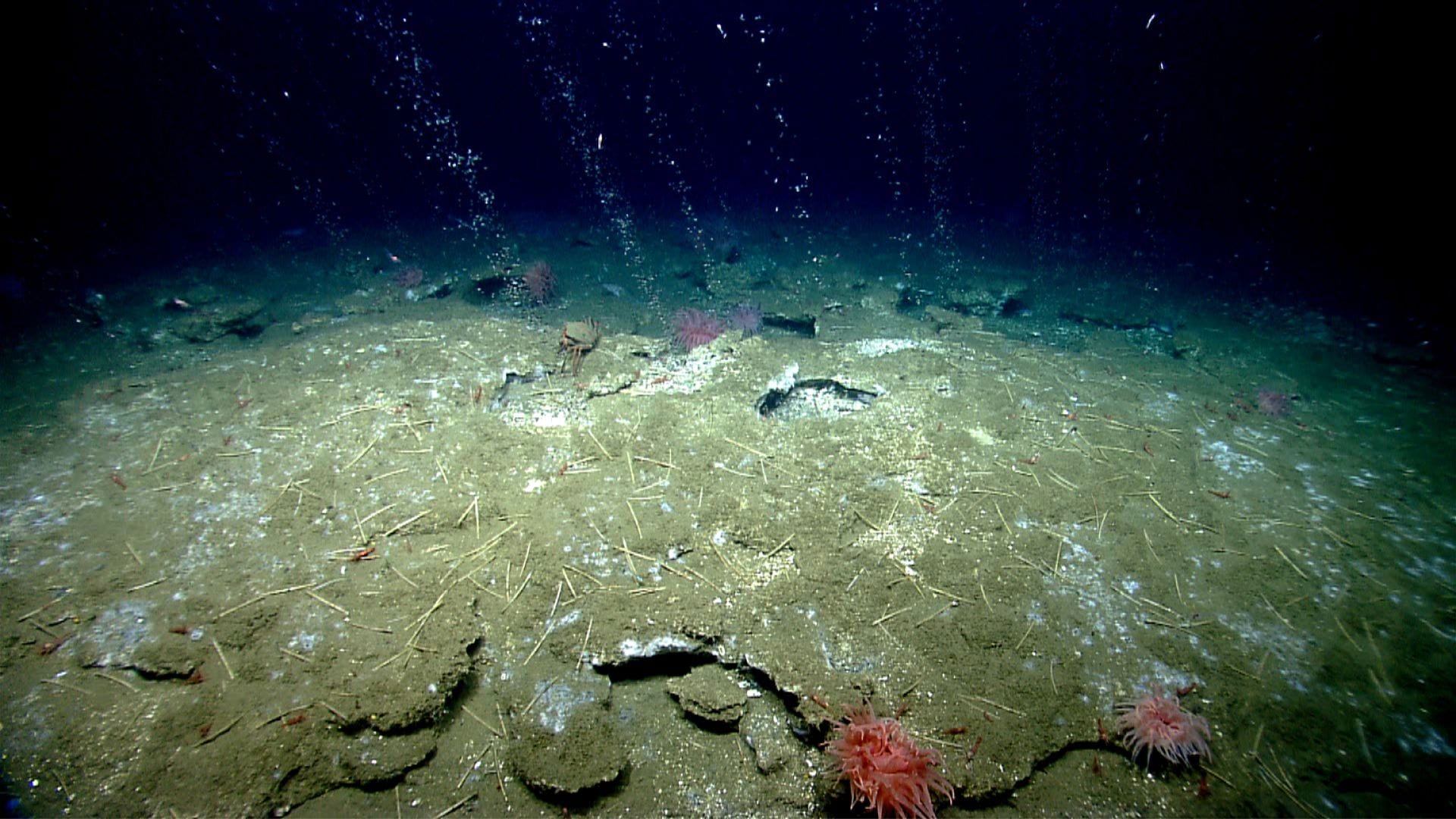
Researchers are developing on an energy harvesting platform that converts marine methane to electricity. The system could be an answer to power-hungry robots that are being asked to explore increasingly larger swaths of the ocean.
Read MoreWHOI and NOAA Fisheries Release New North Atlantic Right Whale Health Assessment Review
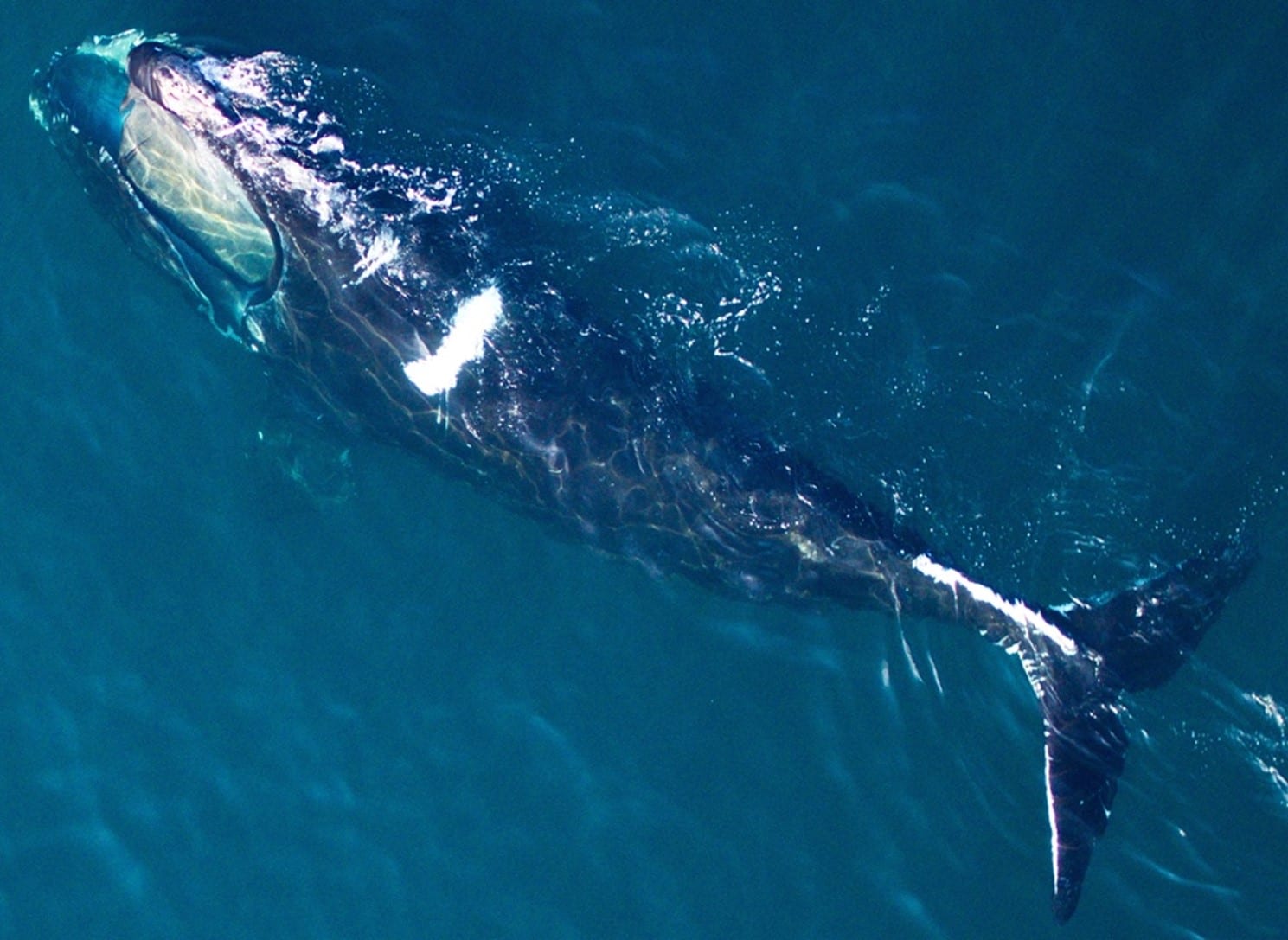
North Atlantic right whales are critically endangered and declining. Climate change, vessel strikes, entanglements and noise engender poor health and reproductive failure, and are major threats to individuals and the species. Trauma reduction measures and applying new tools to assess and enhance their health, are critically important.
Read MoreTracking change in the Arctic Ocean

Changes in the Arctic Ocean are becoming clearer, thanks to an ocean monitoring network maintained by WHOI researchers in the Beaufort Gyre since 2003.
Read MoreThe Search for Life
WHOI researchers featured in episode of news program Full Measure February 17, 2021 This week, NASA’s Perseverance Rover lands on Mars to continue the search for life on the Red…
Read MoreNew observation network will provide unprecedented, long-term view of life in the ocean twilight zone
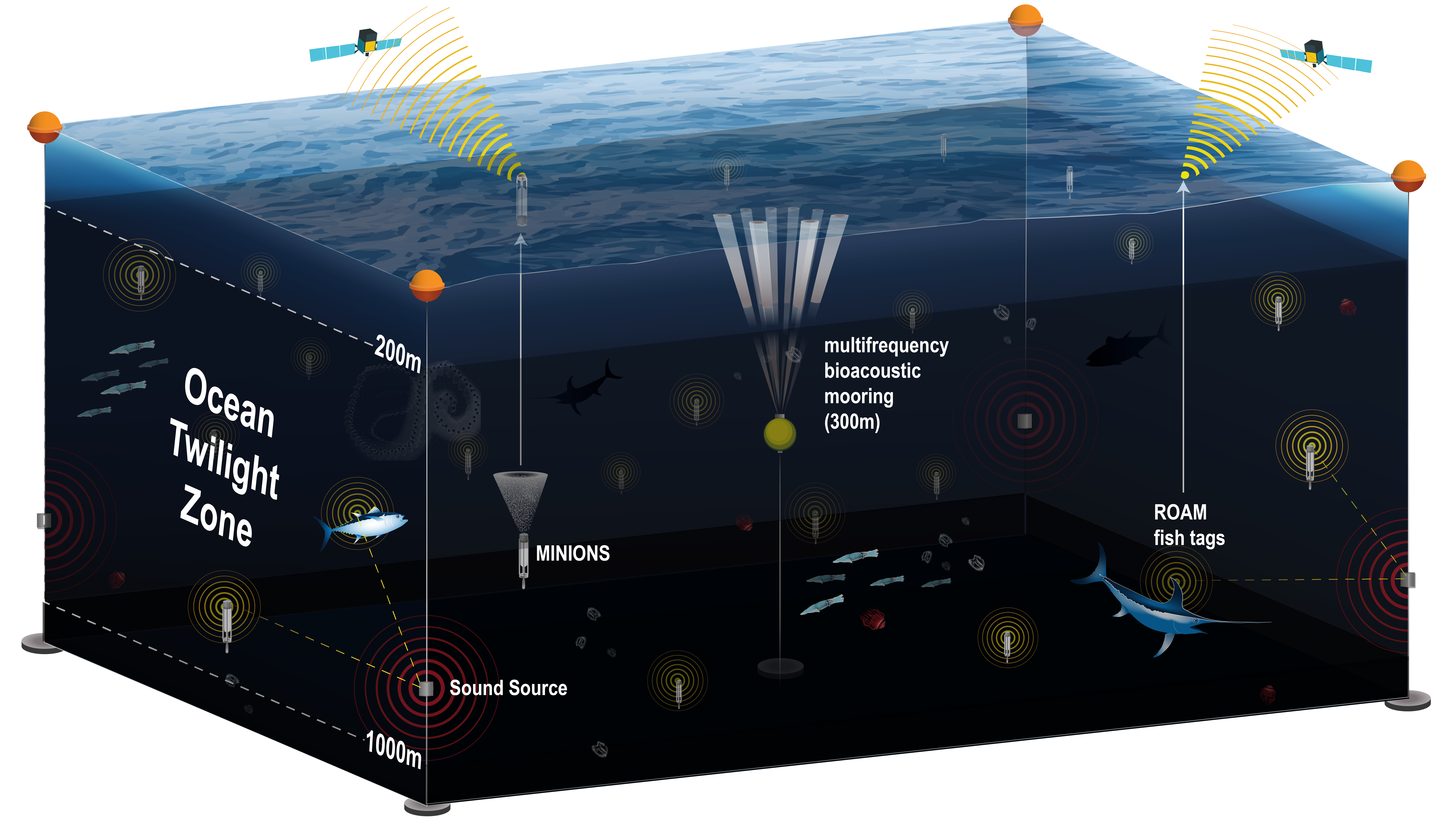
A new observation network under development by the Woods Hole Oceanographic Institution (WHOI) will offer round-the-clock data about the ocean twilight zone – a dimly lit region roughly 200–1000 meters (650–3200 feet) below the surface, containing the largest amount of fish biomass on Earth.
Read MoreSmart cameras keep lookout for endangered whales
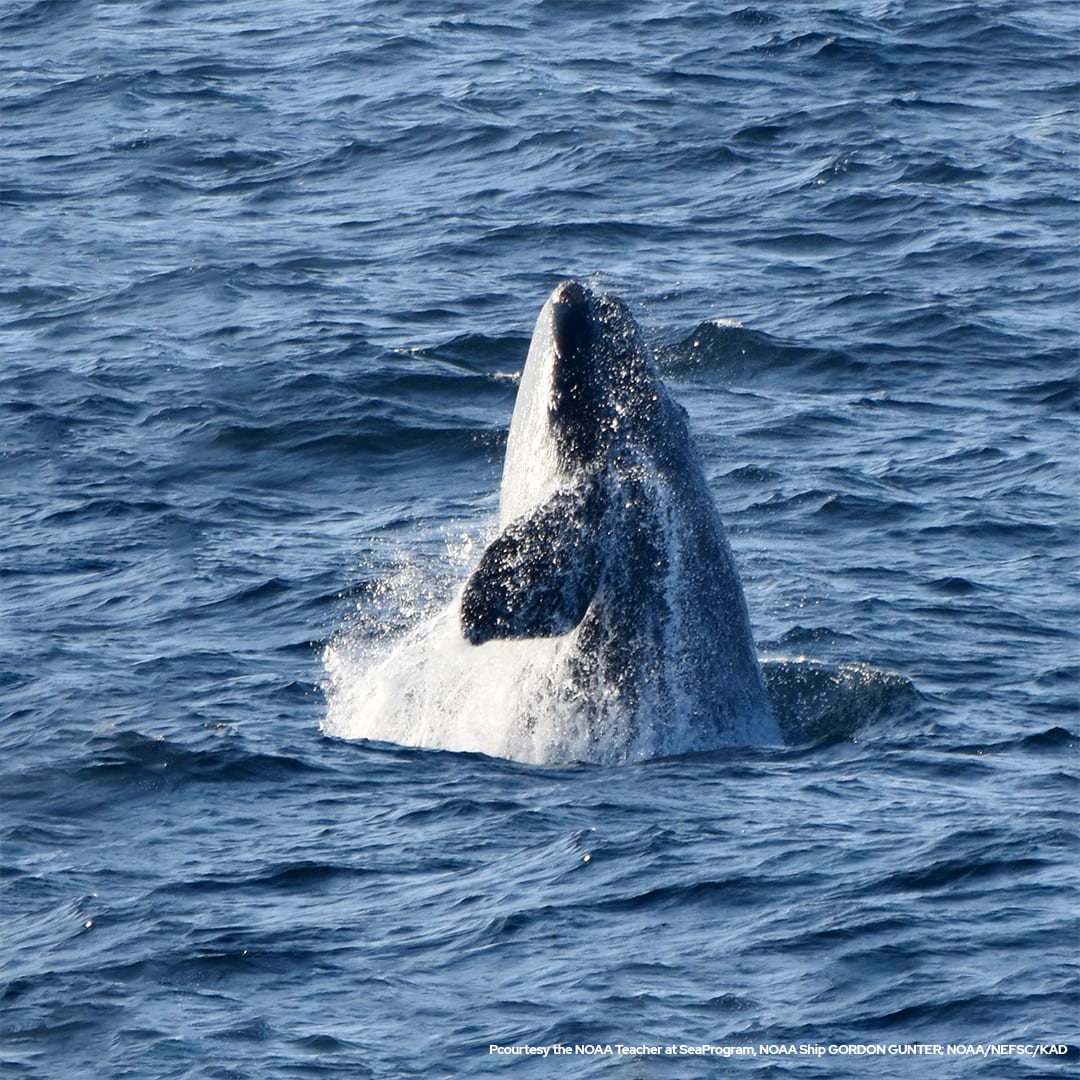
A ship-mounted thermal imaging system provides real-time detection of whales, which could reduce the number of endangered marine mammals killed by vessels each year.
Read MoreCould listening to the deep sea help save it?
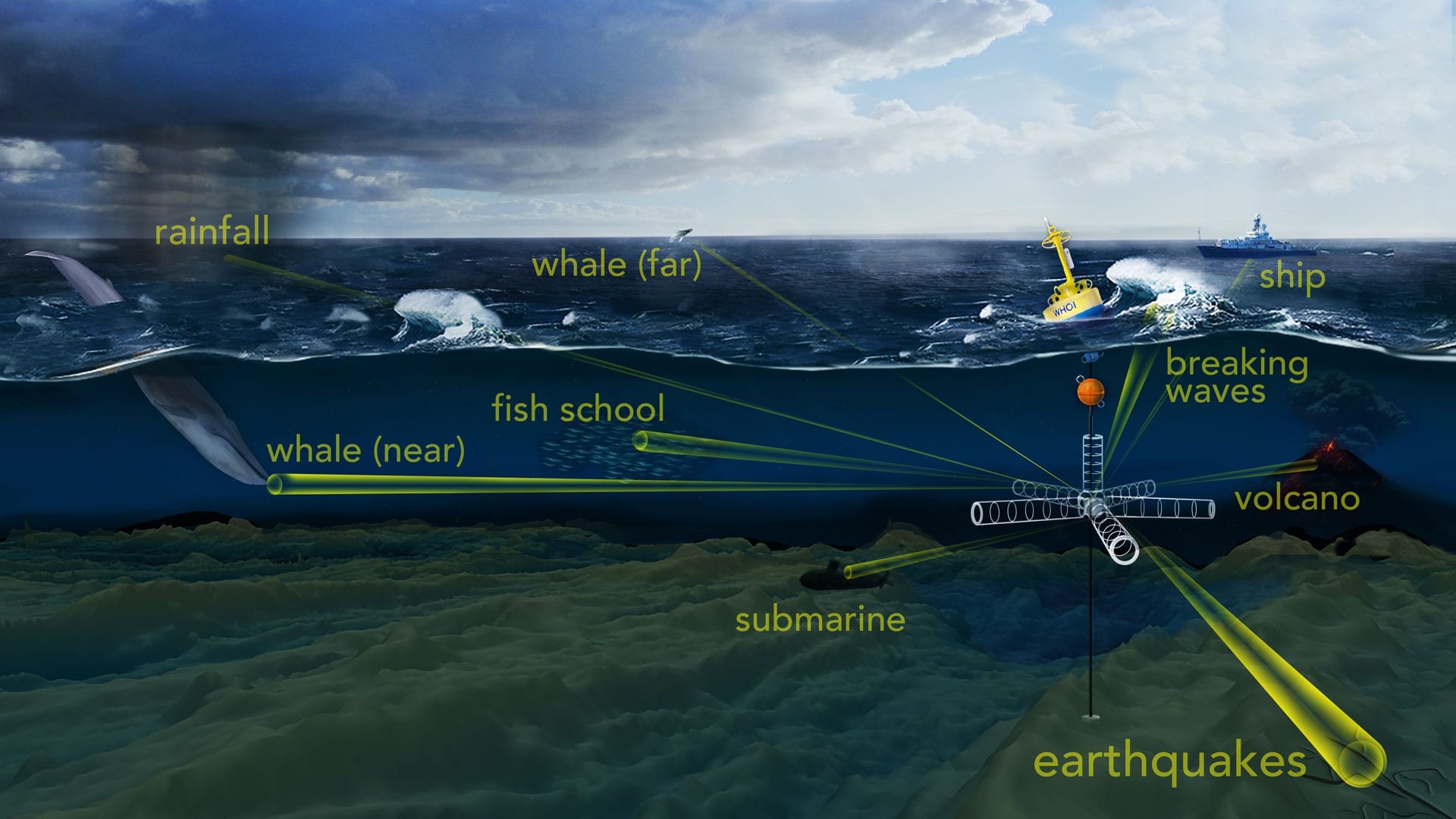
A recent New York Times article about sound in the deep ocean briefly mentions the work by Woods Hole Oceanographic Institution (WHOI) acoustic scientist Ying-Tsong “YT” Lin and his work developing an “acoustic telescope.”
Read More‘High-octane’ hurricane fuel swirls in the Gulf of Mexico
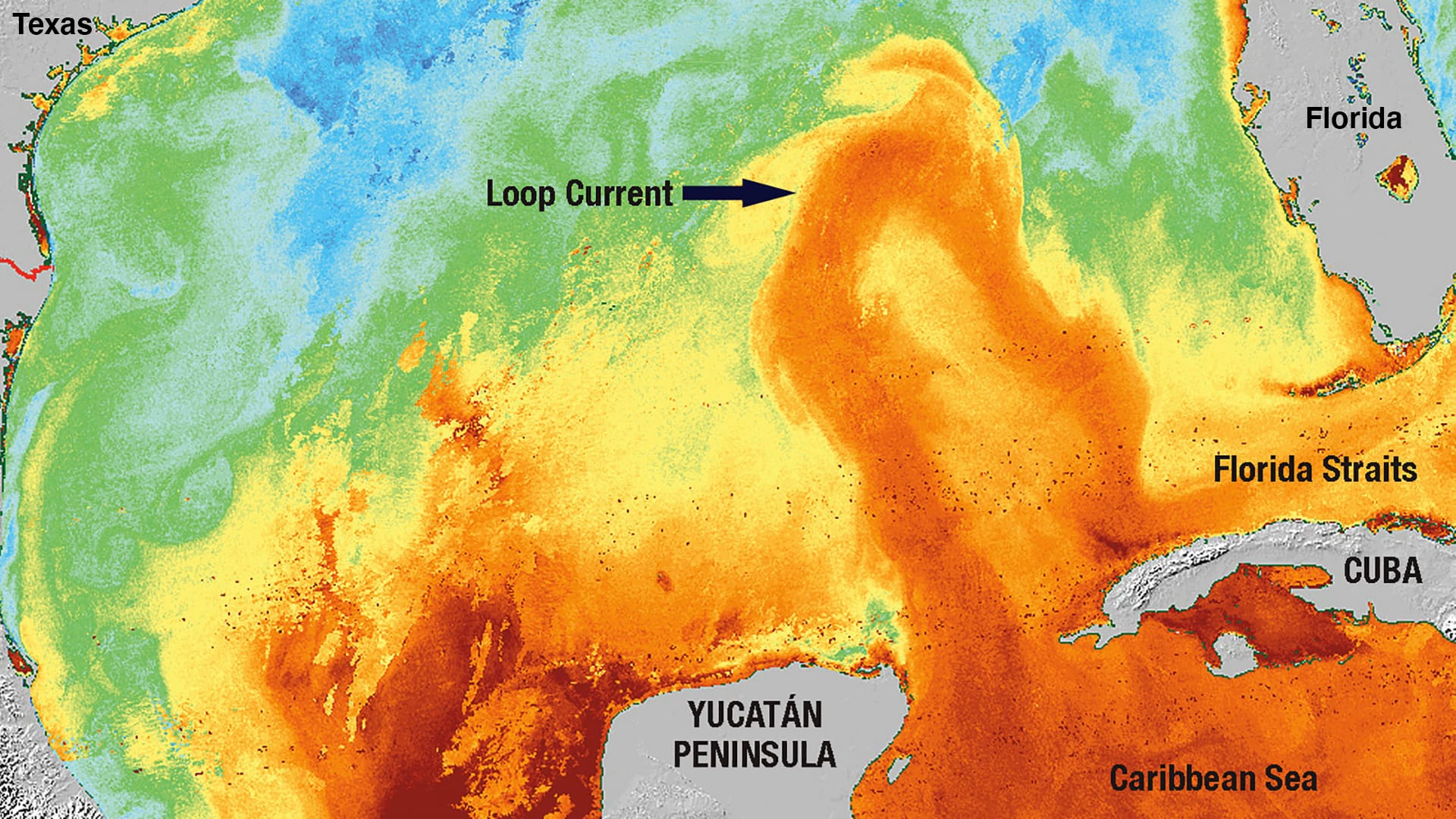
Researchers deploy an arsenal of underwater floats to monitor the Loop Current—one of the Atlantic Ocean’s fastest and warmest currents—to collect critical data for hurricane forecasting.
Read MoreInvestigating the ocean’s influence on Australia’s drought
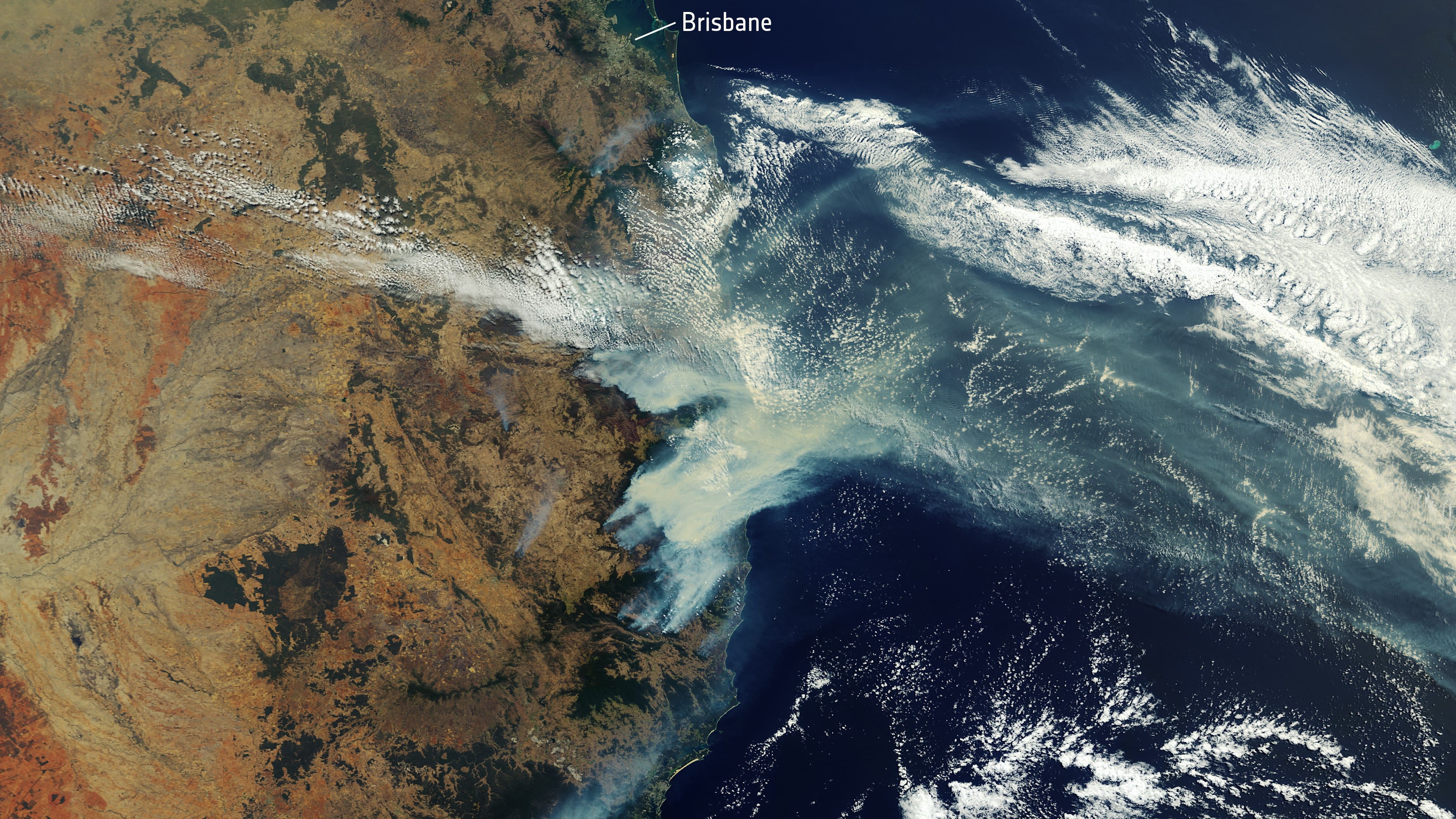
Researchers look to the Indian Ocean for clues on how Australia’s blazing wildfires and bone-dry conditions have reached such extremes.
Read MoreHunger in the Arctic prompts focus on causes, not symptoms
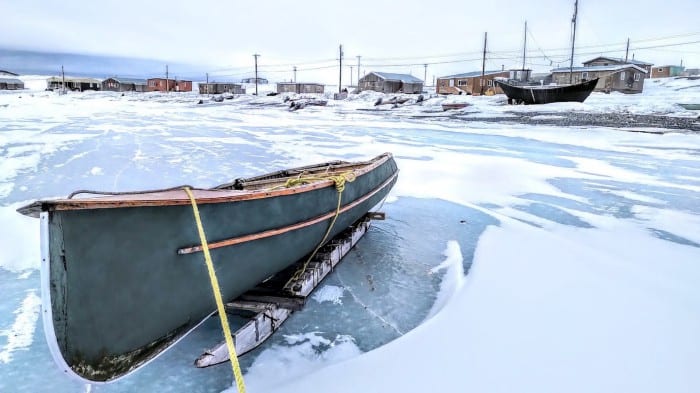
As Arctic Inuit communities try to cope with extreme food insecurity, researchers look for answers
Read MoreWHOI oceanographer completes epic Arctic mission
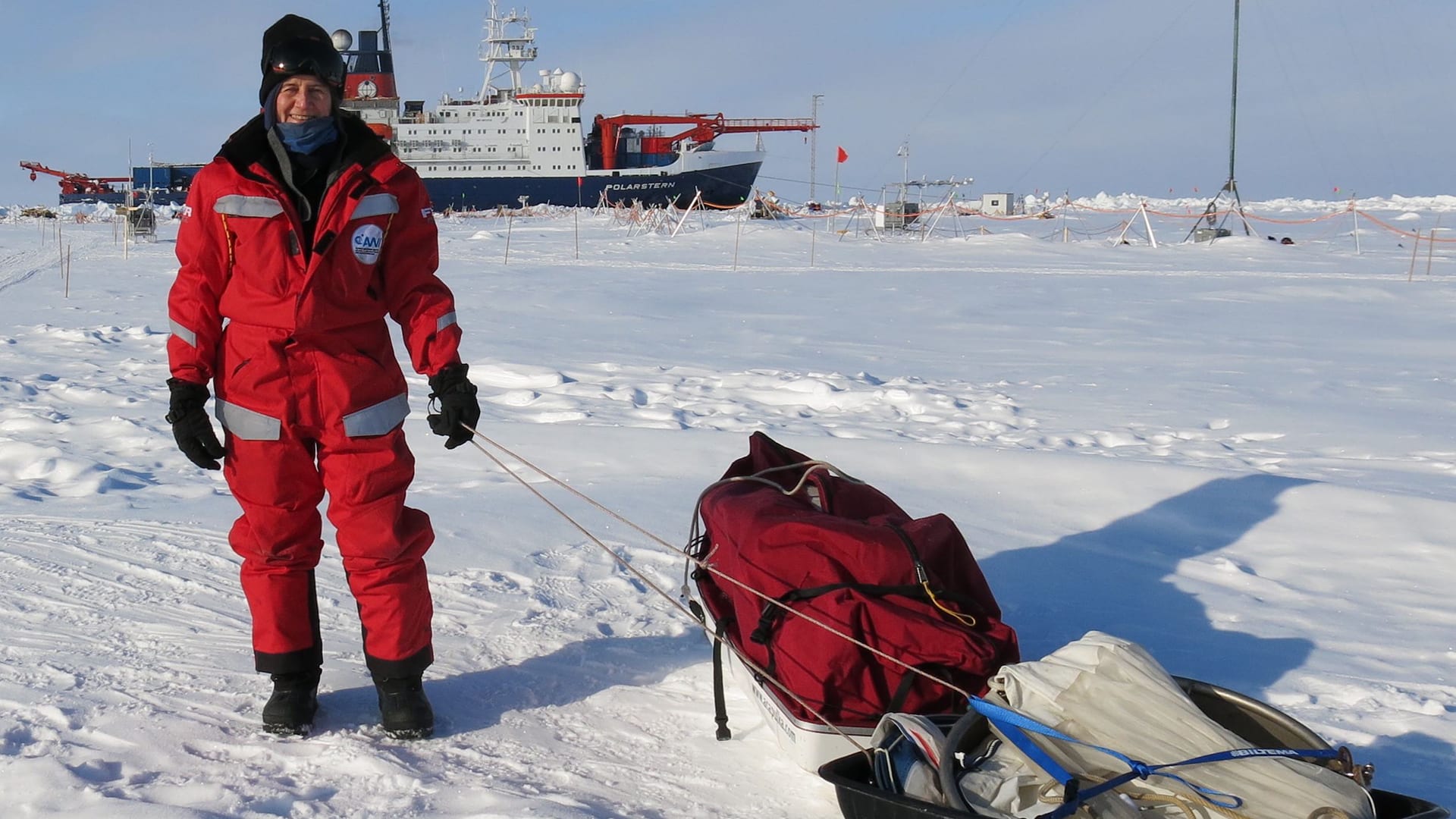
The largest Arctic science expedition in history has ended, with the return of the German icebreaker Polarstern to its home port of Bremerhaven more than one year after it departed Tromso, Norway.
Read MoreMining ancient dust from the ocean’s loneliest spot
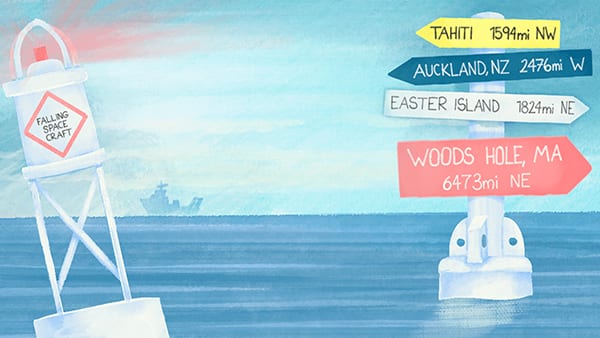
Researchers investigate dust from the ocean’s farthest point from land to reconstruct the climactic history of the Southern Hemisphere, and understand how micronutrients have influenced biological productivity in this oceanic desert.
Read MoreNorth Atlantic Ocean yields clues for better weather predictions
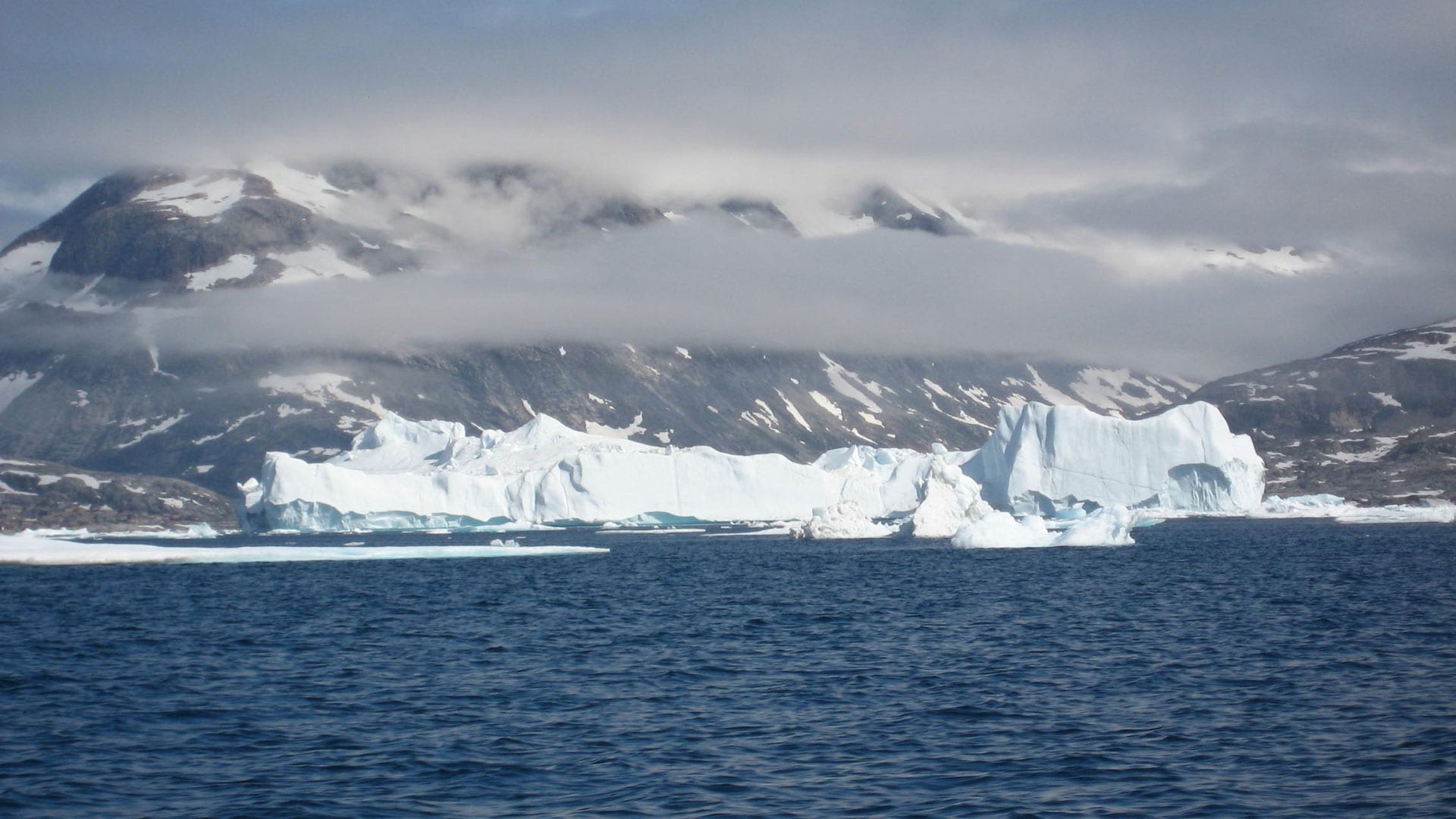
Findings of a new study investigating the interactions between the North Atlantic Ocean and the atmosphere will lead to more attention to how the ocean can be an important source of predictability in weather and climate.
Read MoreUncharted Waters
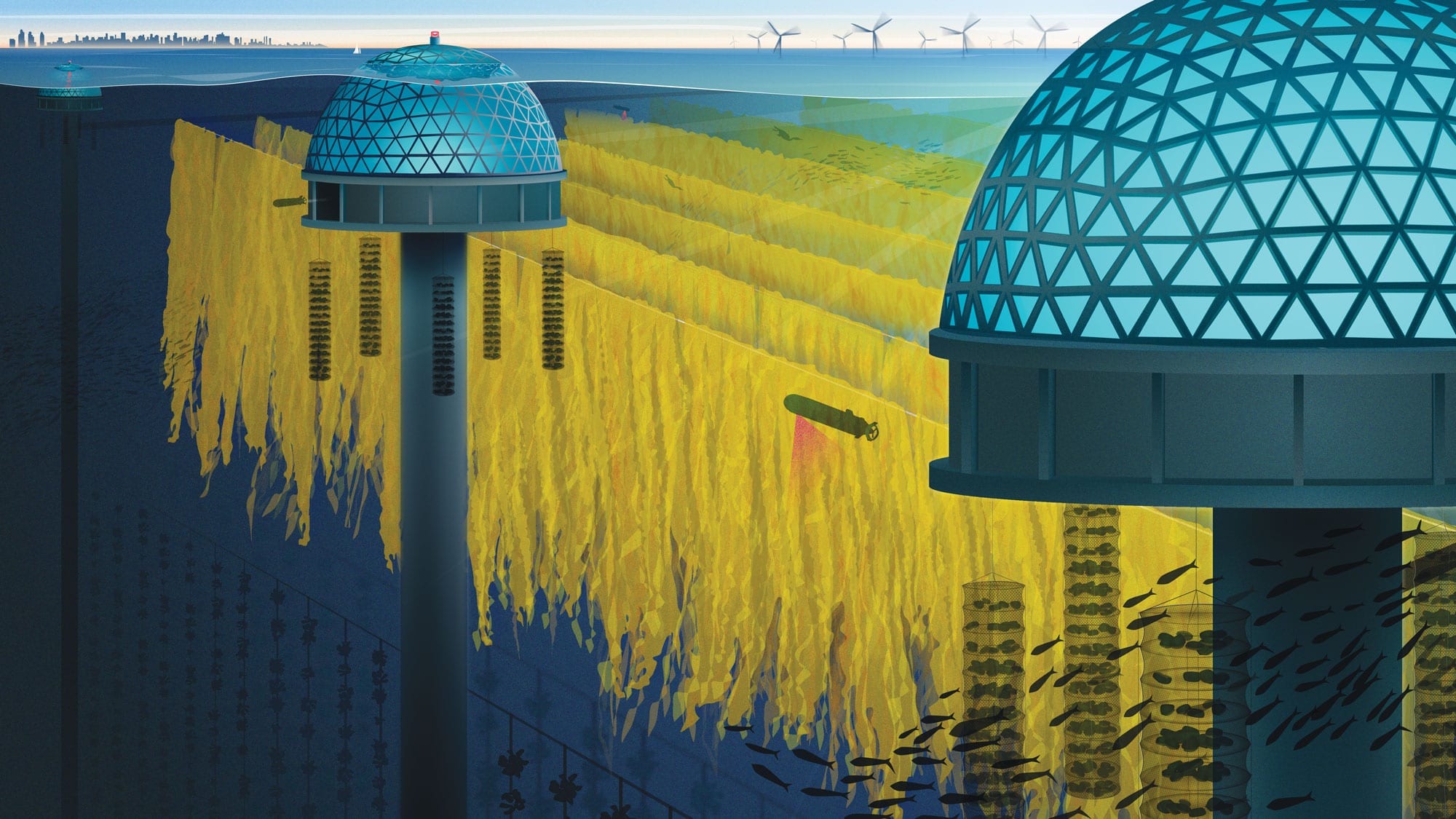
Our global ocean will change dramatically over the next few decades. What might it look like, and how will humans adapt?
Read MoreThe many lifetimes of plastics
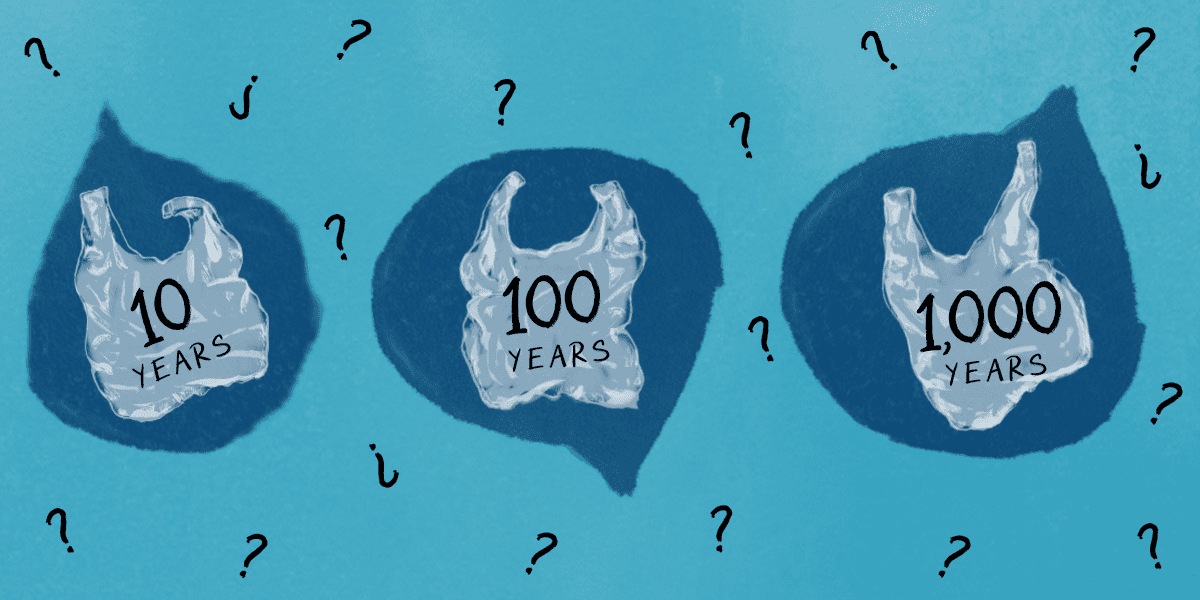
Infographics strive to give us a sense of how long plastic goods will last in the environment. But is this information reliable? The findings of a new study from WHOI may surprise you.
Read MoreLab shutdowns enable speedier investigation of coral disease
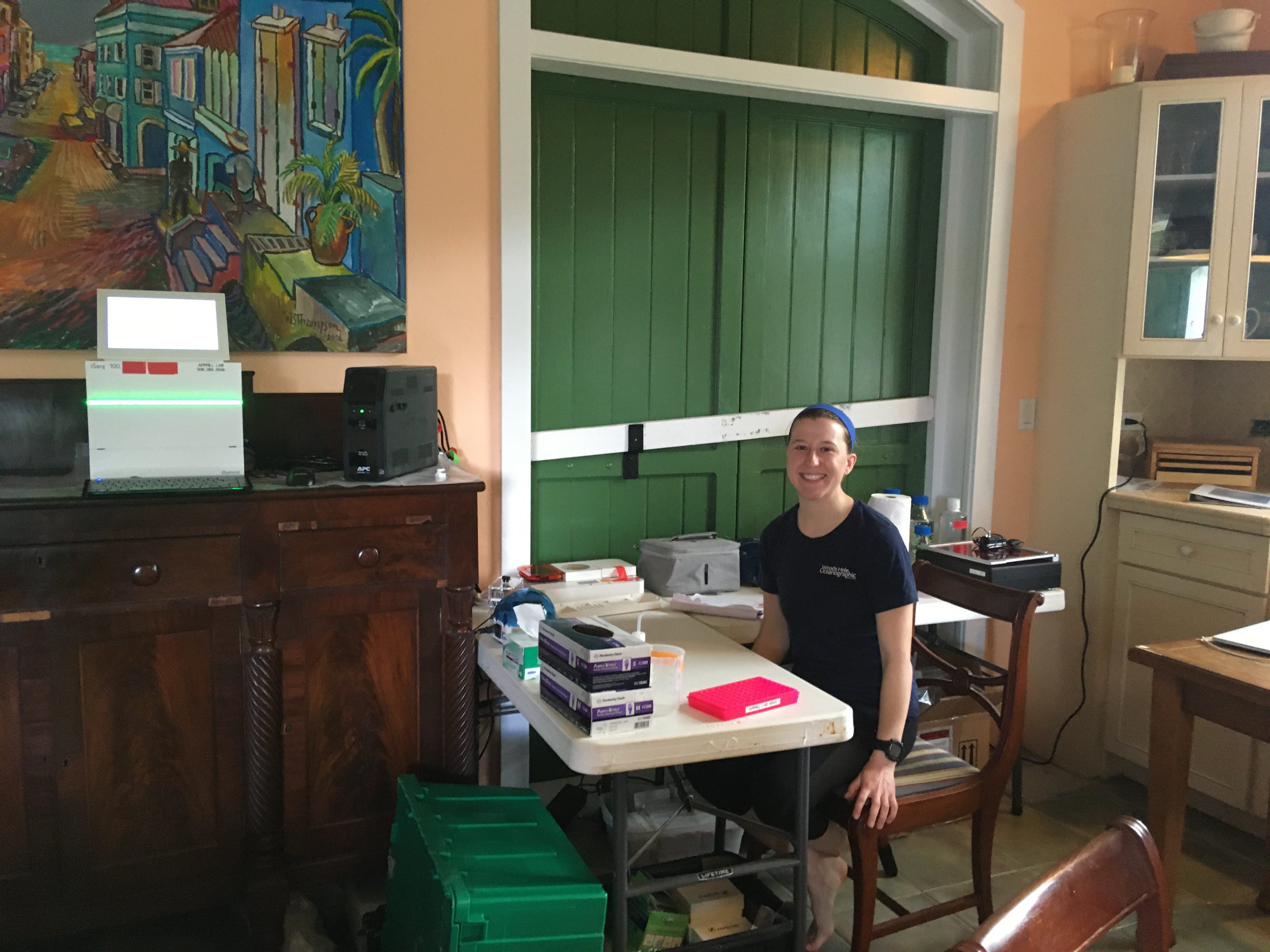
Despite labs shutting down due to the COVID-19 pandemic, WHOI microbiologists are working fast to solve a different kind of outbreak—one travelling below the ocean’s surface and ravaging coral reefs from Florida to the Caribbean.
Read More