
Biology
On the Verge of Extinction, These Whales Are Also Shrinking

Most of the 360 or so North Atlantic right whales alive today bear scars from entanglements in fishing gear and collisions with speeding ships and, according to new study, they…
Read MoreWoods Hole Oceanographic Institution Wants Everyone to “Keep it Weird”
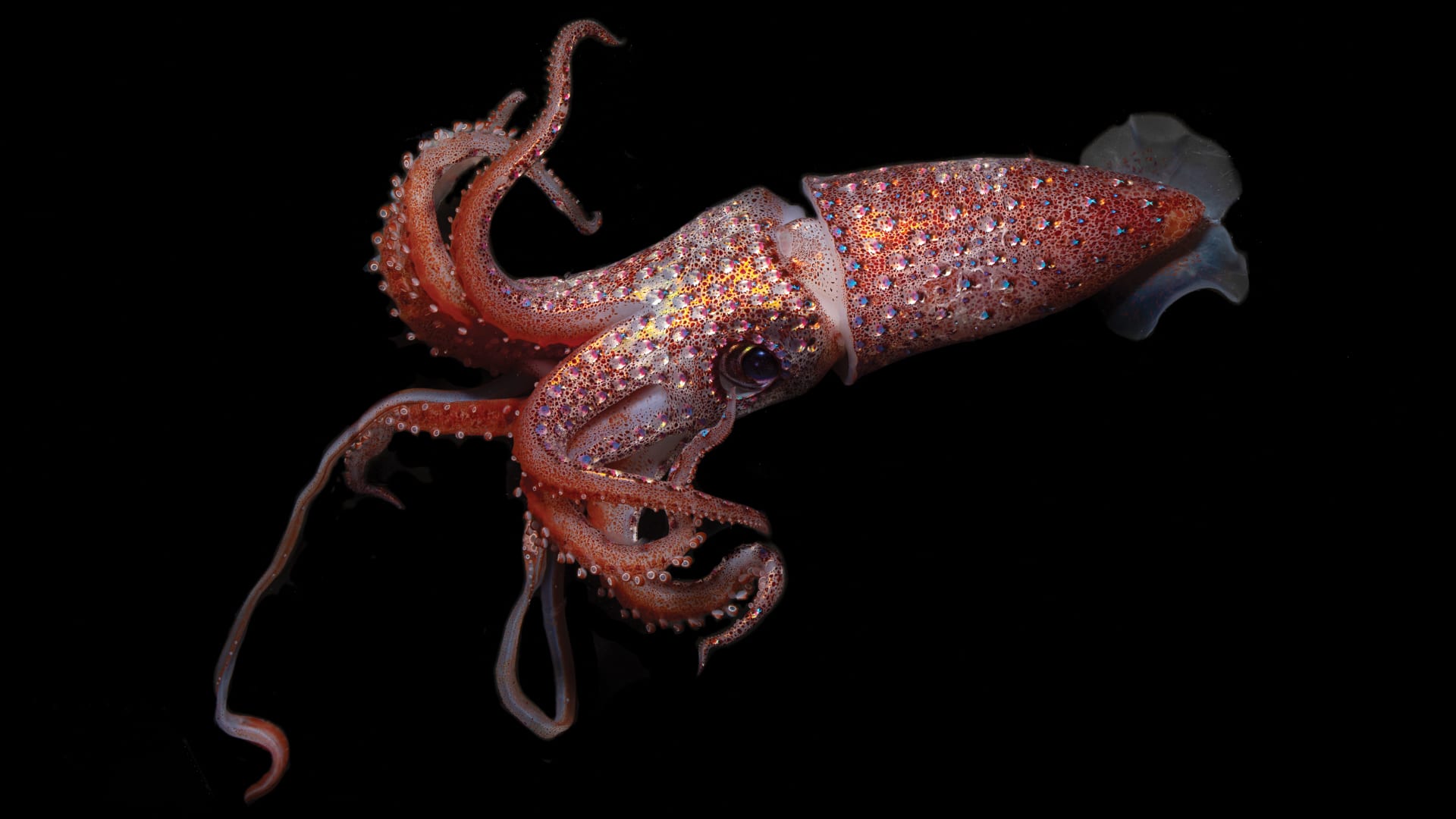
Campaign raises awareness of the ocean twilight zone by celebrating the “weird” in all of us Woods Hole, Mass. (May 27, 2021) — Woods Hole Oceanographic Institution (WHOI) wants to…
Read MoreRare Drone video shows critically endangered North Atlantic right whales
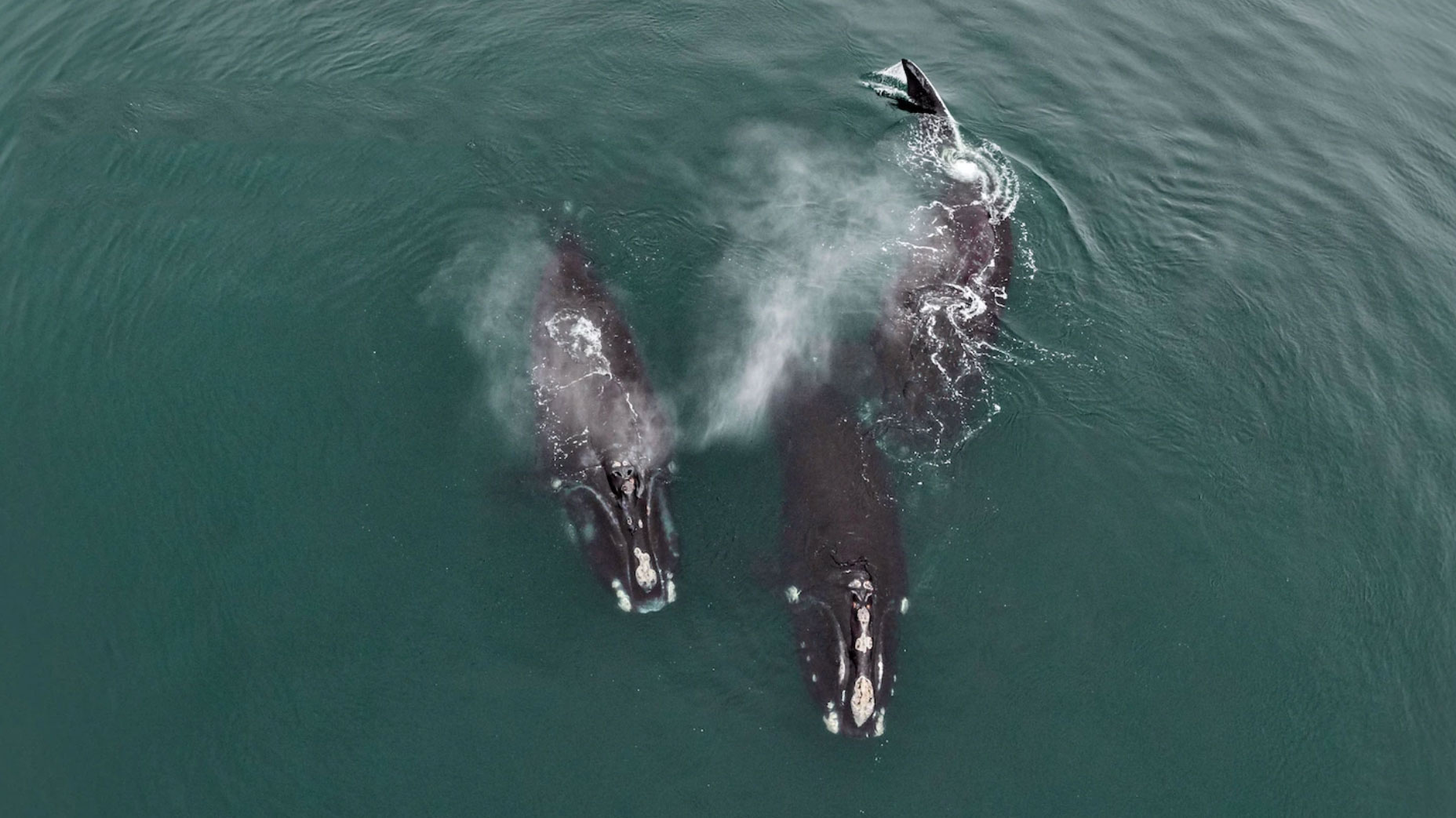
May 10, 2021 During a joint research trip on February 28 in Cape Cod Bay, Mass., WHOI whale trauma specialist Michael Moore, National Geographic photographer Brian Skerry, and scientists…
Read MoreNorthern Star Coral Study Could Help Protect Tropical Corals
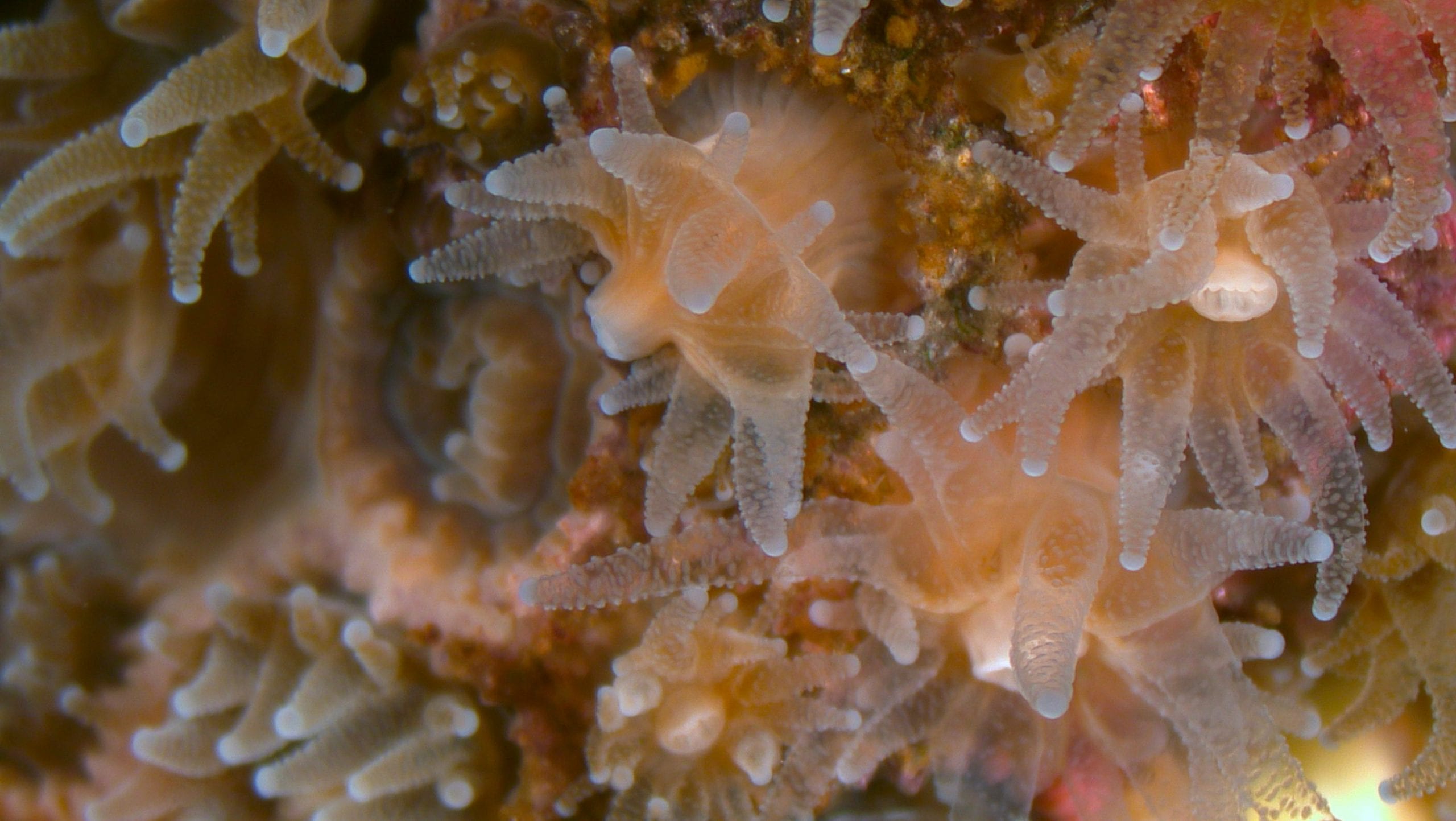
Worldwide, coral reefs are in crisis. Researchers at WHOI and Roger Williams University are finding that studying the recovery of this local New England species from a laboratory induced stressor could help better understand how to protect endangered tropical corals around the world.
Read MoreWHOI and NOAA Release Report on U.S. Socio-economic Effects of Harmful Algal Blooms
Woods Hole, Mass. — Harmful algal blooms (HABs) occur in all 50 U.S. states and many produce toxins that cause illness or death in humans and commercially important species. However,…
Read MoreWHOI and NOAA Fisheries Release New North Atlantic Right Whale Health Assessment Review
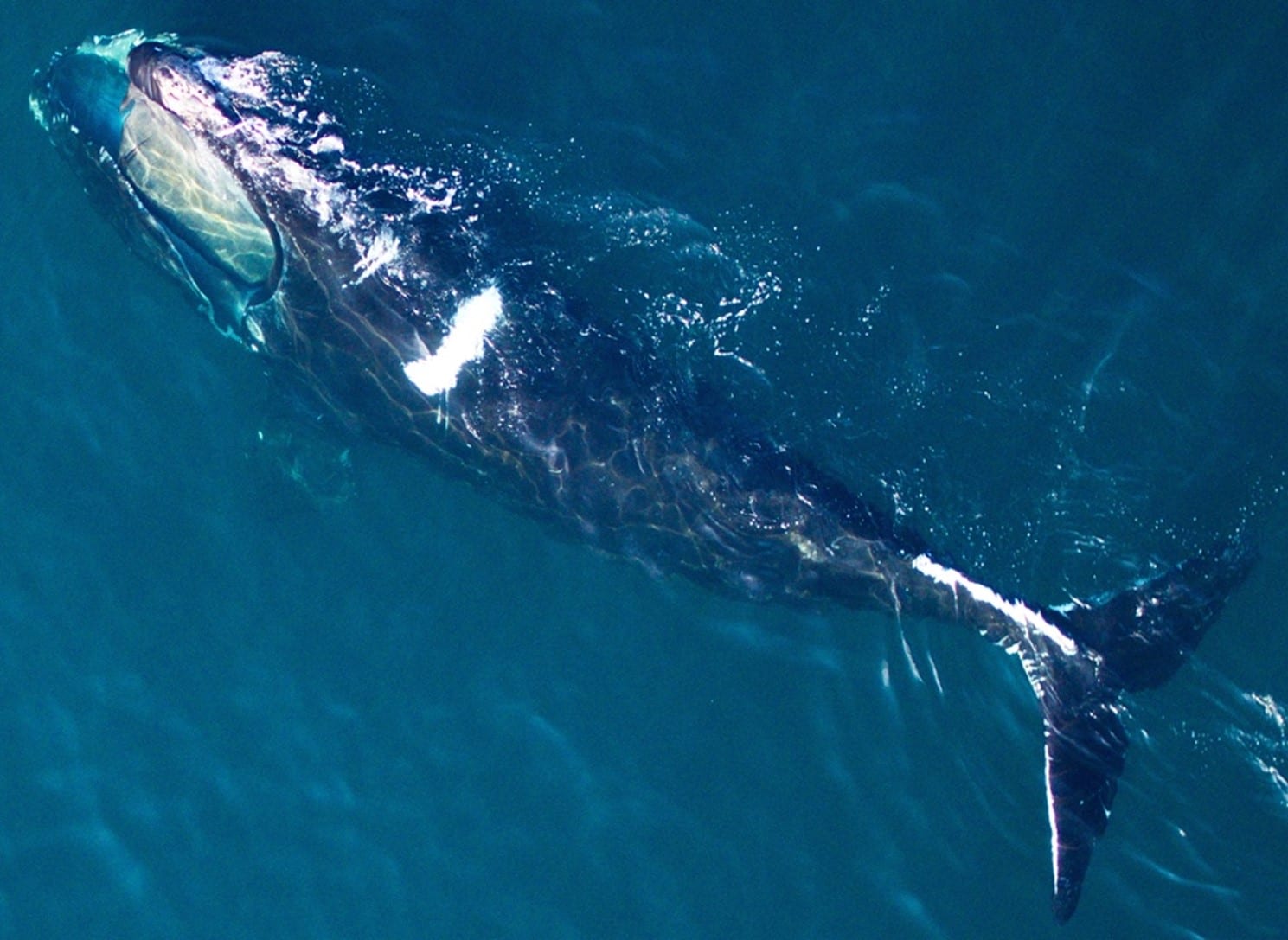
North Atlantic right whales are critically endangered and declining. Climate change, vessel strikes, entanglements and noise engender poor health and reproductive failure, and are major threats to individuals and the species. Trauma reduction measures and applying new tools to assess and enhance their health, are critically important.
Read More‘Ropeless’ Lobster Fishing Could Save The Whales. Could It Kill The Industry?

Researchers tag free-swimming sharks off Cape Cod using minimally invasive device
Researchers and scientists were recently able to use fin-mounted location tracking tags on free-swimming sharks off of Cape Cod while using a device that allowed them to tag the sharks without capturing them.
Read MoreCINAR Fellows in Quantitative Fisheries and Ecosystems Science Announced
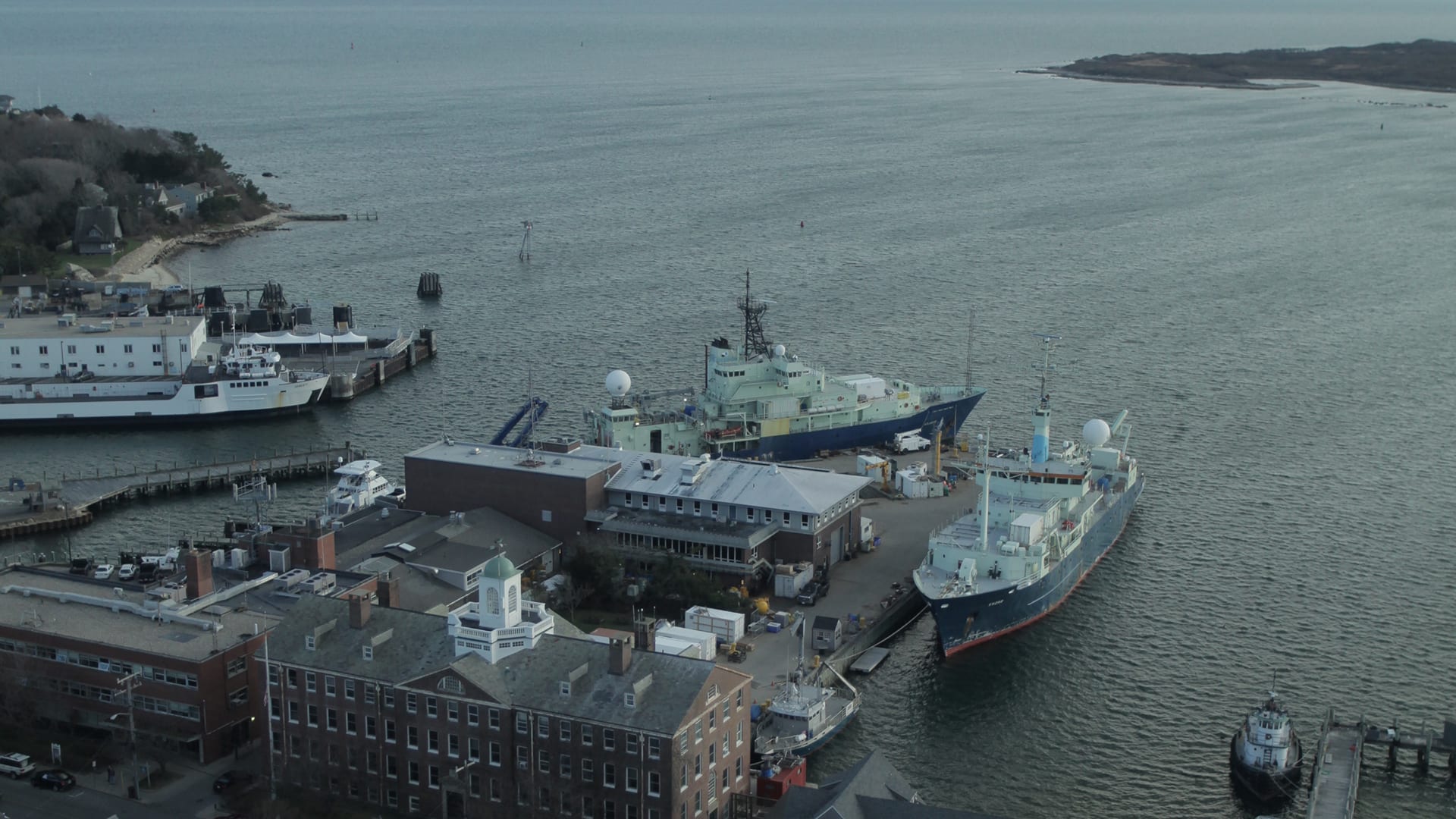
The Cooperative Institute for the North Atlantic Region (CINAR), led by the Woods Hole Oceanographic Institution, and the Northeast Fisheries Science Center are pleased to announce the appointment of five…
Read MoreHumpback whale songs provide insight to population changes
Following reports of unusually low whale numbers that began in 2015-16, researchers at the University of Hawaii in collaboration with the Hawaiian Islands Humpback Whale National Marine Sanctuary, Oceanwide Science…
Read MoreIn a major effort to protect endangered whales, state officials plan to ban lobster fishing for several months a year
Moving to ropeless fishing would have “a far more lasting impact in reducing mortality, and equally importantly, the health and hence reproductive success of live animals,” said Michael Moore, director of the Marine Mammal Center at WHOI.
Read MoreLocal Scientists Show Link Between Ocean Pollution And Illness

A new study from Boston College and the Woods Hole Oceanographic Institution draws some jarring conclusions on the link between ocean pollution and human health.
Read MoreFrom north to south pole, climate scientists grapple with pandemic disruptions

Carin Ashjian, a biological oceanographer at WHOI who studies the impact of climate on ecology, was also on the ship then and remembers that “there were a lot of mixed feelings” when news of the pandemic hit them in March
Read MoreNew study takes comprehensive look at marine pollution
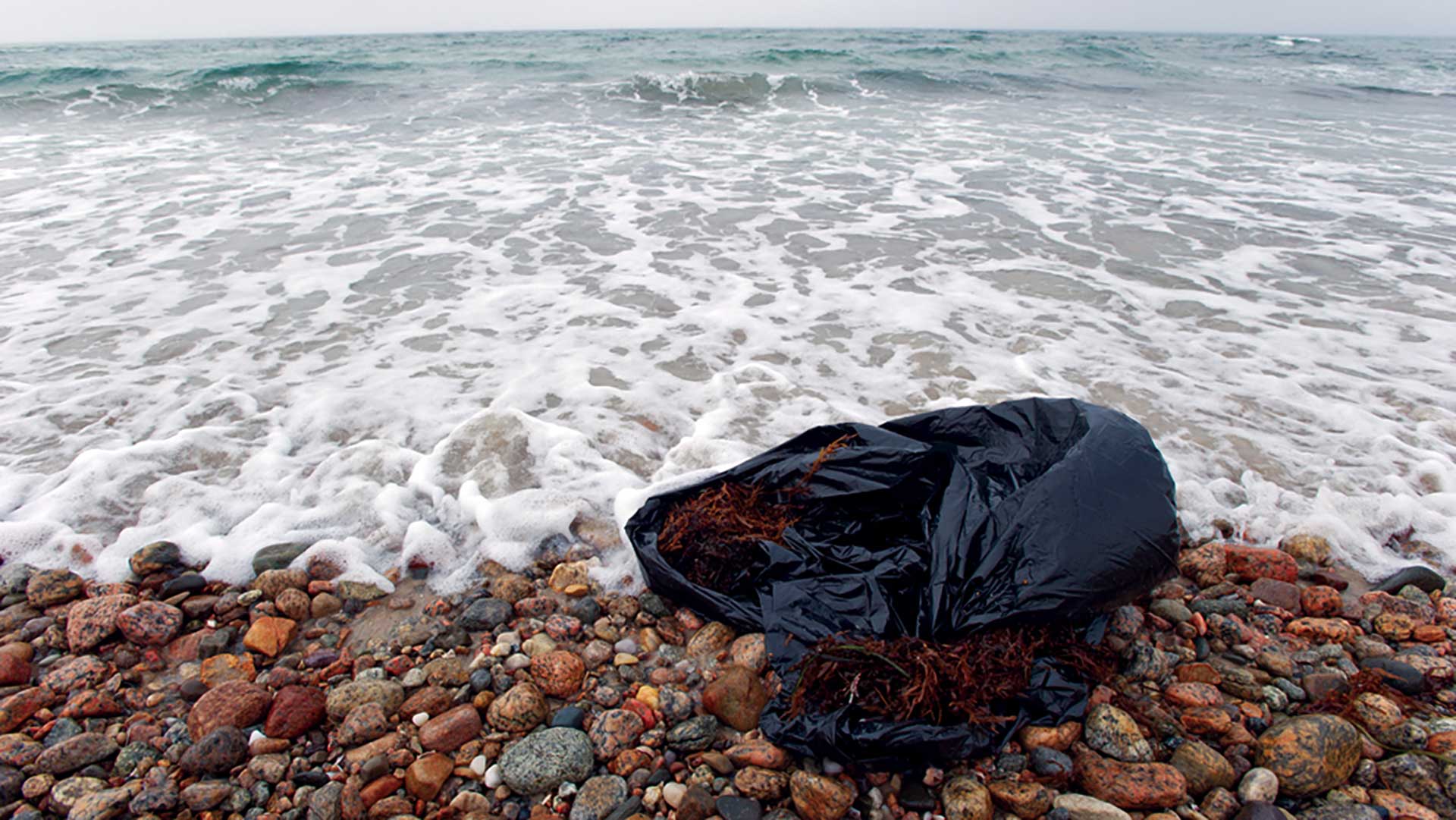
Paper finds ocean pollution is a complex mix of chemicals and materials, primarily land-based in origin, with far-reaching consequences for environmental and human health, but there are options available for…
Read MoreUnicorns of the Arctic face a new potential threat
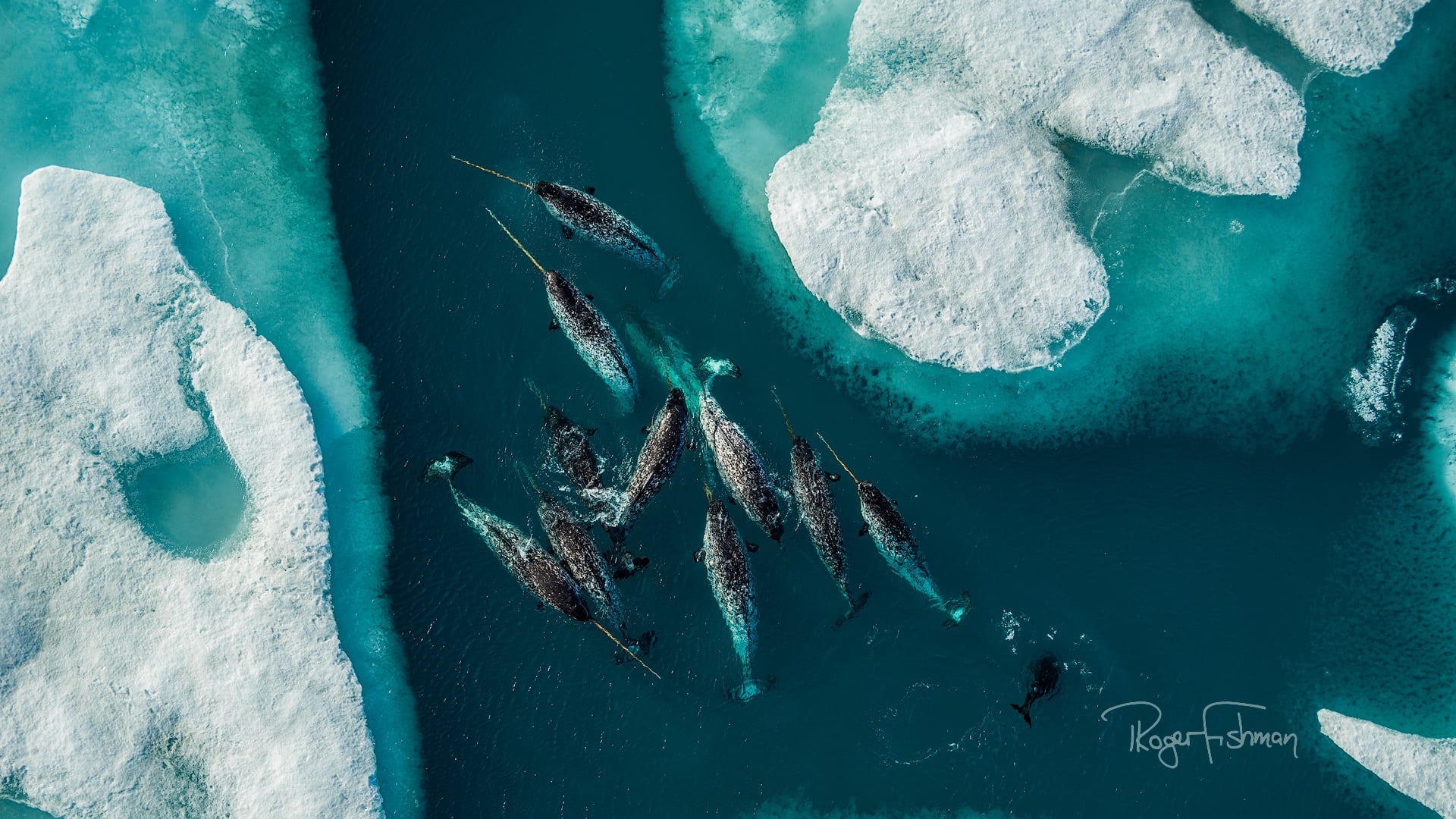
Narwhals and other marine mammals could be vulnerable to a new threat we’ve become all too familiar with: COVID-19
Read MoreEndangered right whale population down to 360 as they begin migration toward Florida coast

As the critically endangered North Atlantic right whales begin their southward migration from New England and Canada toward the coast of Florida, including Volusia and Flagler counties, researchers are marking the beginning of calving season with uncertainty and urgency.
Read MoreFishing gear confirmed as major cause of right whale deaths
A major study looking into the deaths of North Atlantic right whales has found that entanglement in fishing gear has become a leading cause of mortality.
Read MoreFilm explores path to right whale’s extinction
In May 2019, the United Nations released a report that said 1 million species on Earth were facing extinction, and that the rate of extinction was accelerating. Boston Globe reporter David Abel said it led him to make the film “Entangled” about the path to extinction for one species people on the Cape know well.
Read MoreScientists call for decade of concerted effort to enhance understanding of the deep seas
An international team of scientists, spanning 45 institutions in 17 countries, has called for a dedicated decade-long program of research to greatly advance discovery in these remote regions.
Read MoreOcean research group says right whale entanglements hurt animals’ reproductive health
A research group says the rise in the number of fishing-gear entanglements of North American right whales is hurting the animals’ ability to reproduce and care for their young.
Read MoreThe Battle Below

In late September, President Trump declared the U.S. dependence on China for so-called ‘rare earth’ minerals a ‘national emergency’. Those minerals are essential to technology from our phones to our…
Read MoreLong-running plankton study to resume off of Maine
A long-running study of tiny organisms off New England is set to resume due to an agreement between scientific organizations. The survey, which originally ran from 1961 to 2017, will resume…
Read MoreRemembering one of history’s greatest whale explosions

“The risk of a spontaneous explosion is always there with a decomposing whale,” says Michael Moore, a senior scientist at WHOI.
Read MoreCitizen science vital to cyanobacteria bloom research
“We have many parts of the country with huge coastlines like Maine and California and we’re finding it really difficult to monitor for multiple toxins threatening people and ecosystems,” said Don Anderson, a senior scientist at WHOI and a principal investigator at the Woods Hole Center for Oceans and Human Health.
Read More