
Zoology
Aquaculture
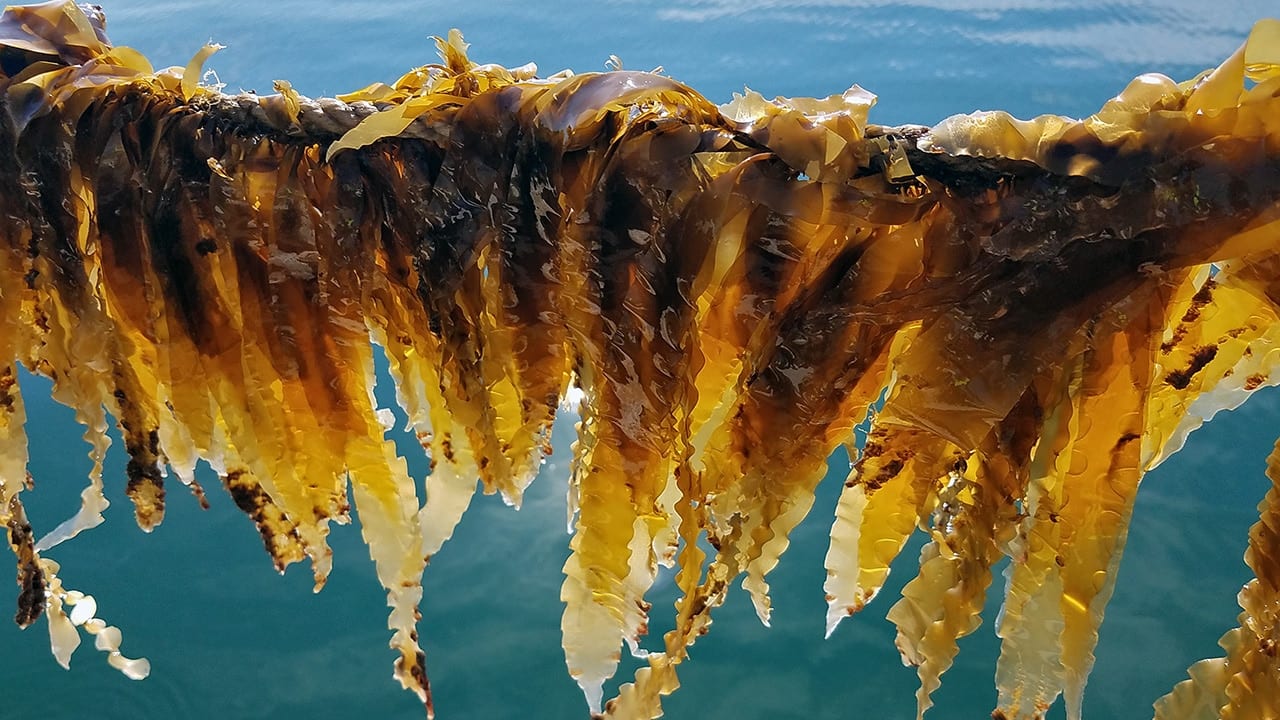
Aquaculture is the farming in fresh and saltwater environments of aquatic animals or plants principally for food. Fish, mollusks, crustaceans, and kelp are a few examples.
Read MorePhytoplankton
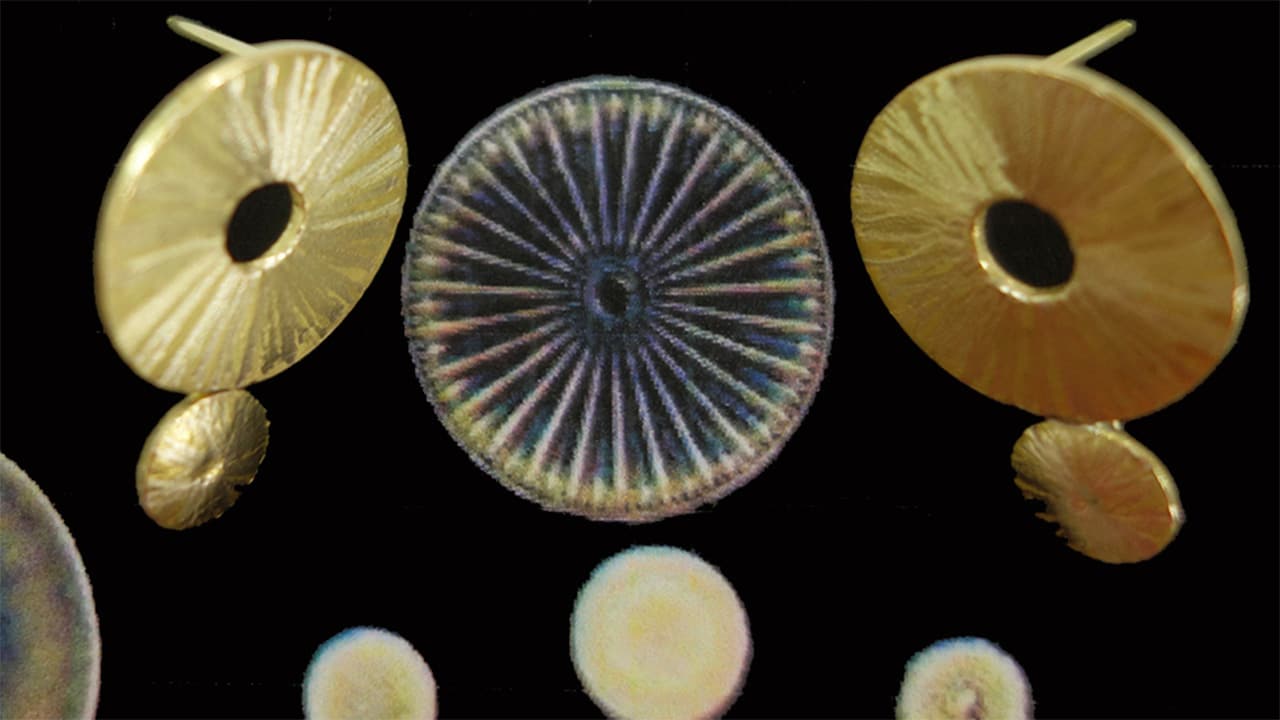
Phytoplankton are primary producers of the ocean—the organisms that form the base of the food chain. WHOI explores the microscopic, single-celled organisms.
Read MoreLife at Vents & Seeps
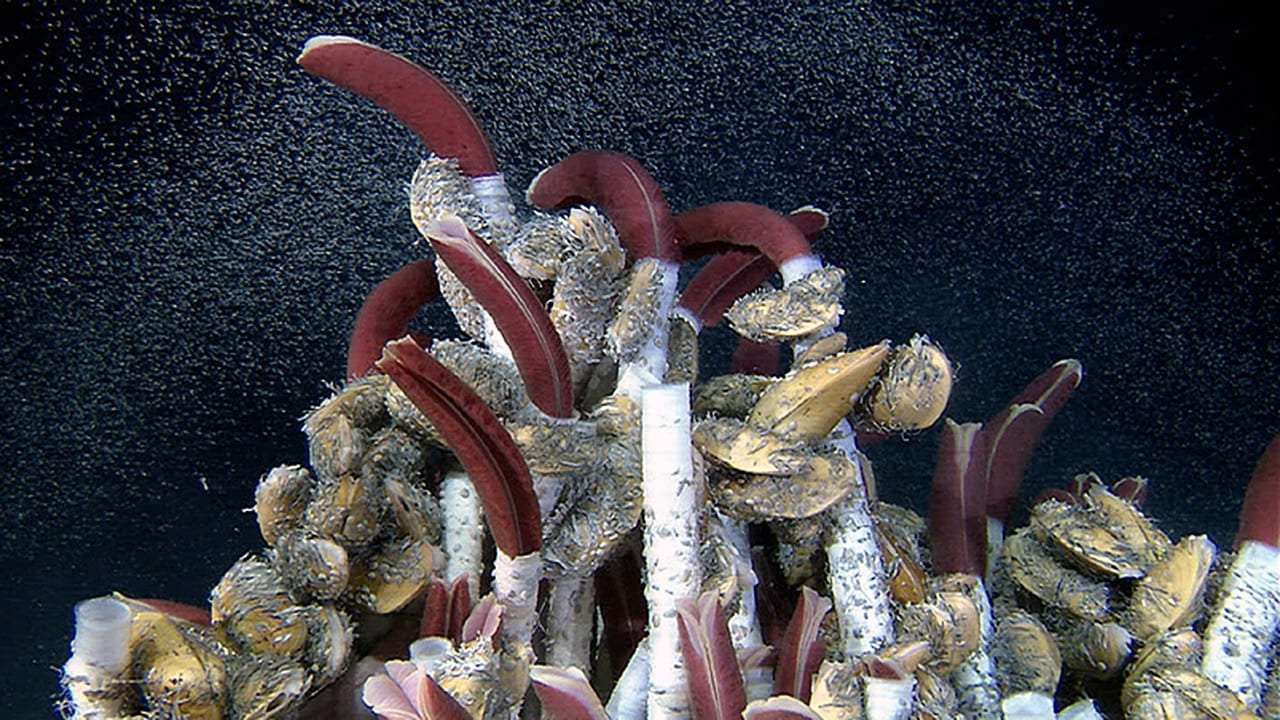
Hydrothermal vents and cold seeps are places where chemical-rich fluids emanate from the seafloor, often providing the energy to sustain lush communities of life in some very harsh environments.
Read MoreMarine Microbes
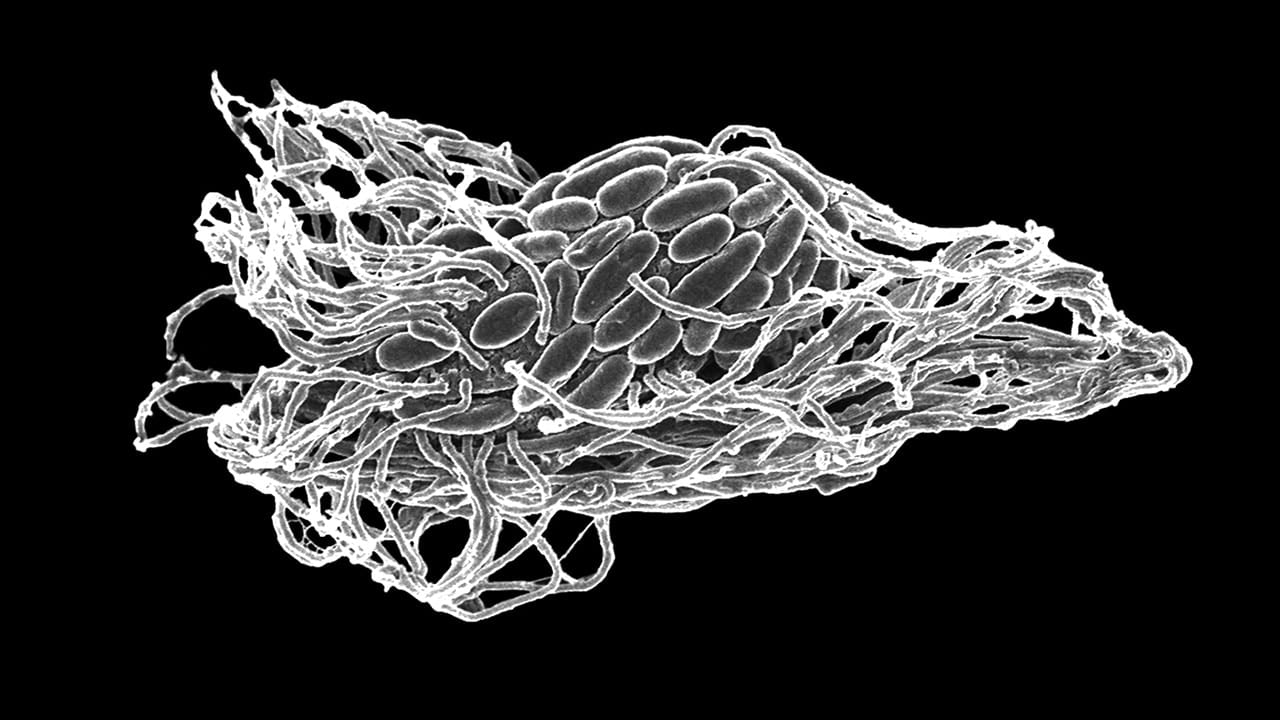
Microbial life can be found throughout the ocean, from rocks and sediments beneath the seafloor, across the vast stretches of open water, to intertidal and surf zones.
Read MoreCorals
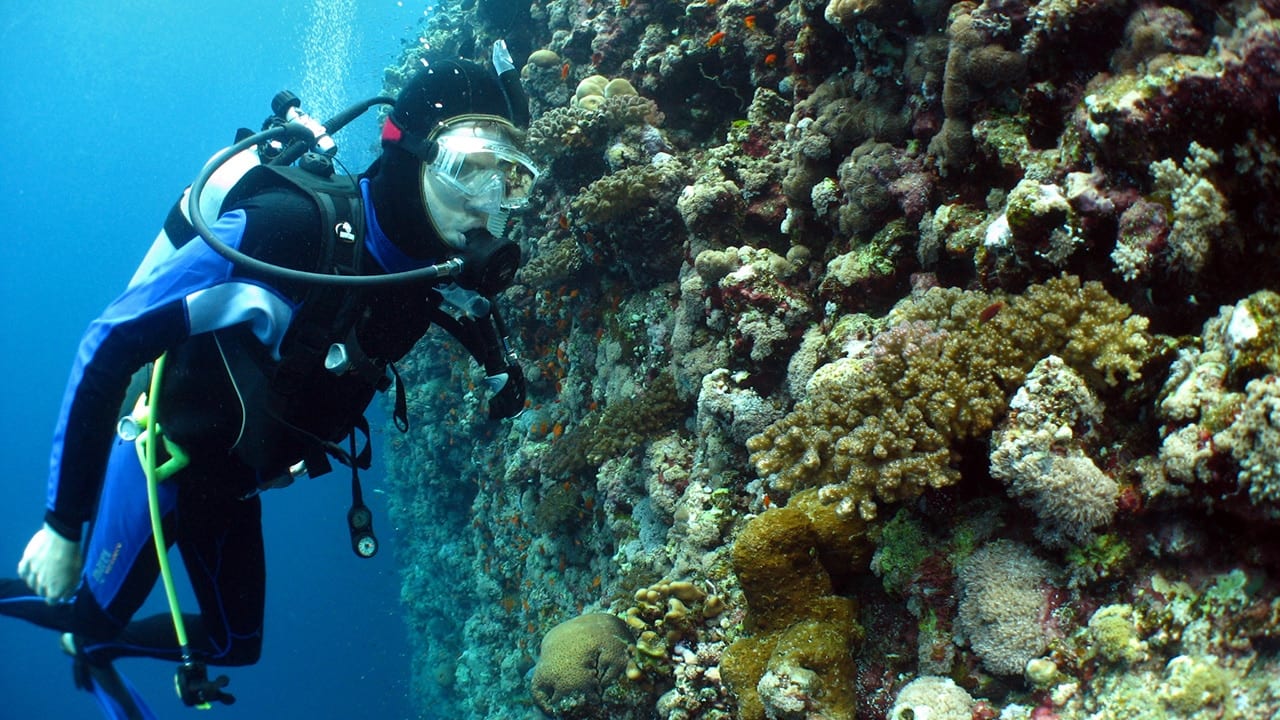
Many people think of coral as hard, rock-like formations that attract abundant, diverse marine life. In fact, corals are tiny marine animals called polyps that live together in colonies.
Read MoreJellyfish & Other Zooplankton
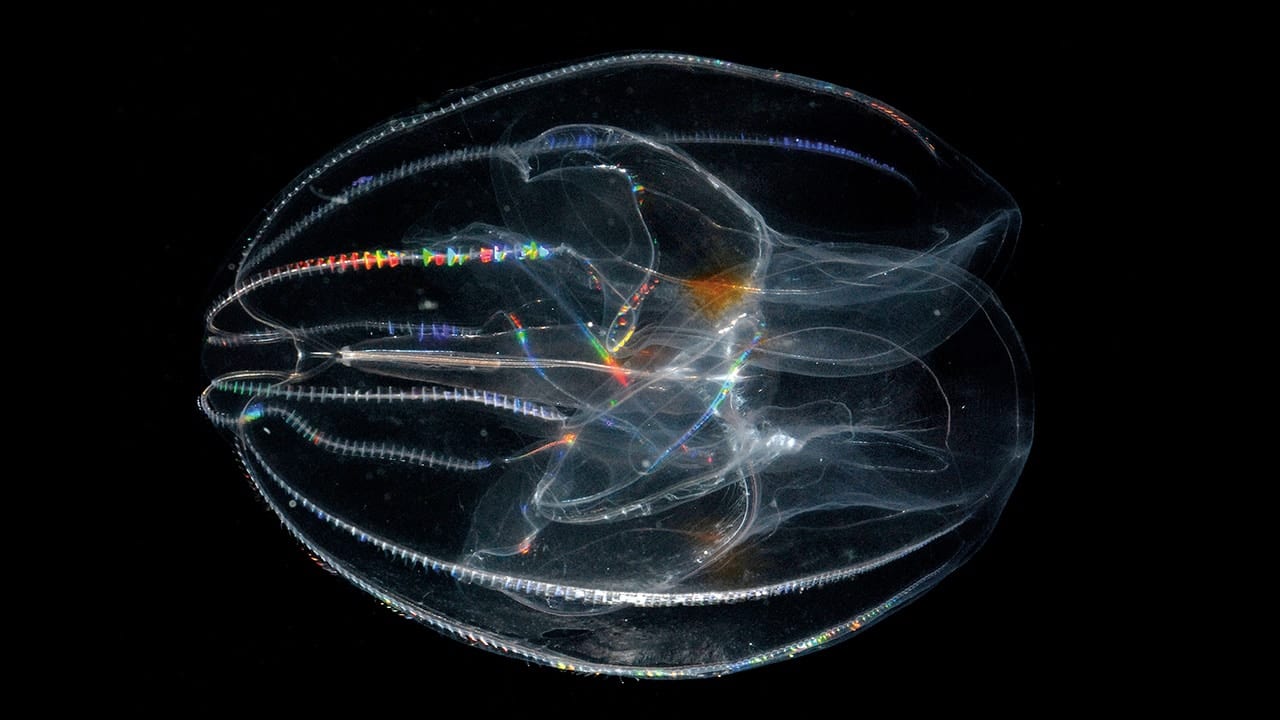
These animals live all or part of their life suspended and drifting in fresh or salt water, rarely come in contact with hard surfaces.
Read MoreChanging Shorelines & Erosion
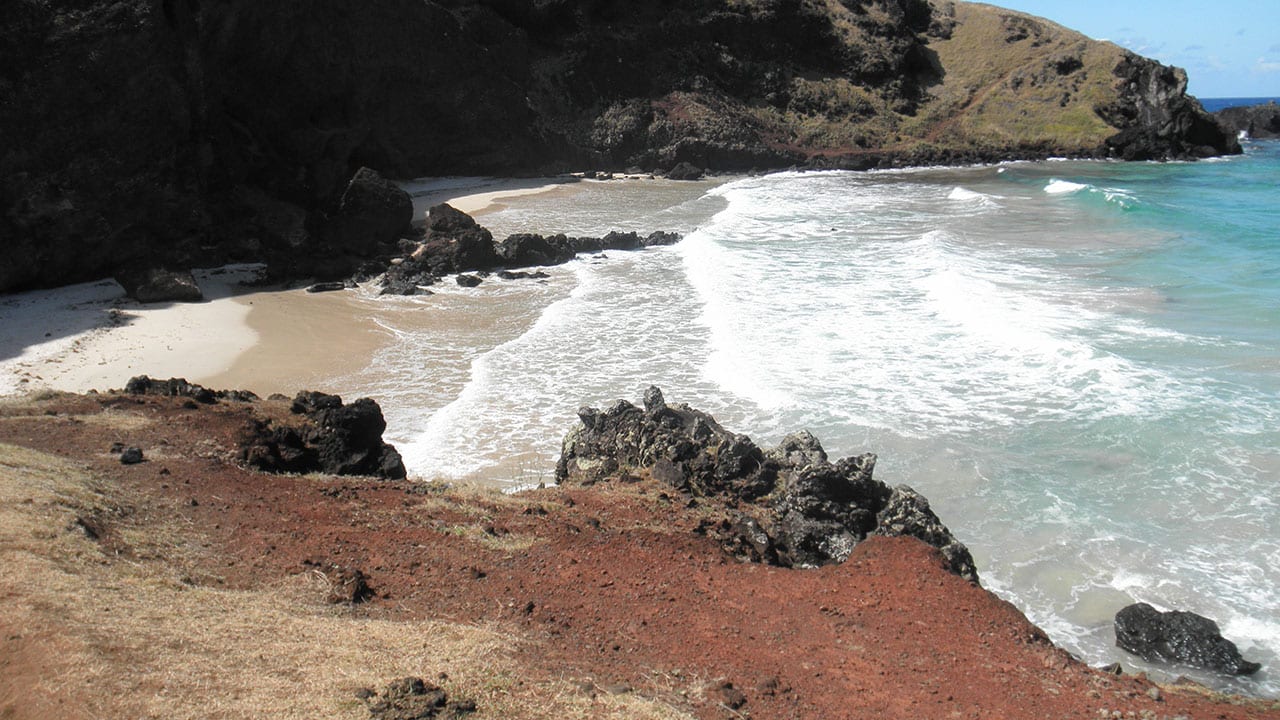
Waves, currents, wind, storms, and tides form complex interactions over time to cause erosion along some stretches of shoreline and growth in others.
Read MoreWhere the whales are
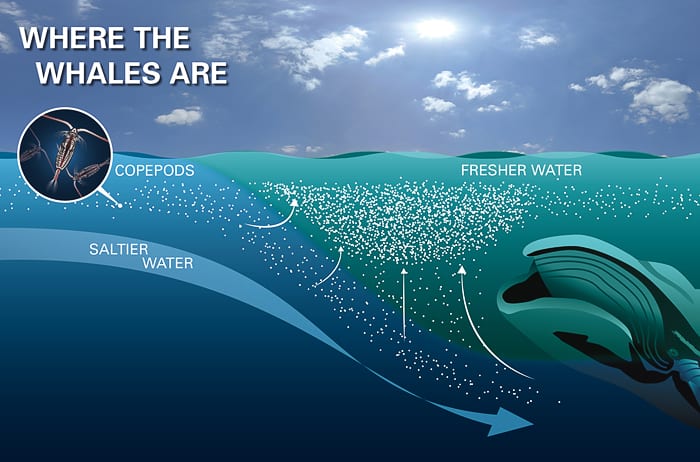
Fresh coastal currents meet salty ocean water to form a front where copepods aggregate in dense surface patches, creating feeding hotspots for marine life.
Read MoreDoes Sand Move Bacteria at the Beach?
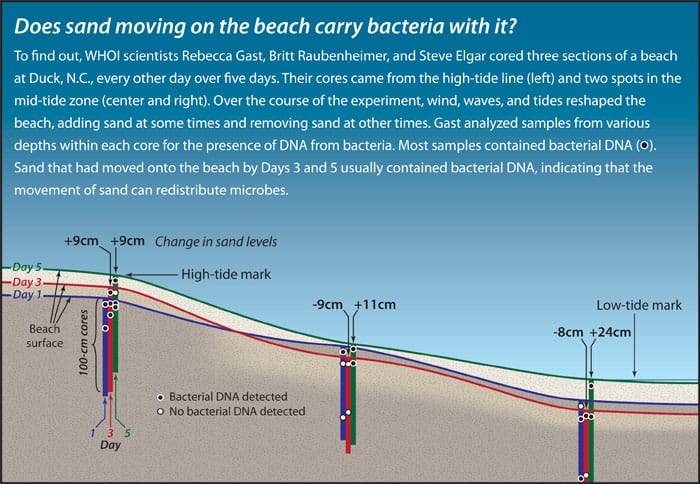
Sand that had moved onto the beach during days 3 and 5 of this study contained bacterial DNA, indicating the movement of sand can redistribute microbes.
Read MoreBacteria and Diatoms
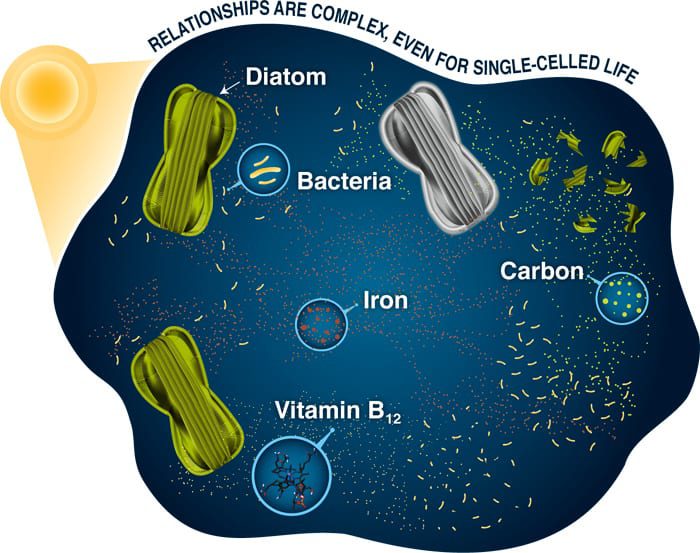
Diatoms and bacteria rely on each other for key nutrients like carbon and B12—but they also compete for scarce iron in the ocean’s complex chemical soup.
Read MoreHow do marine mammals avoid the bends?
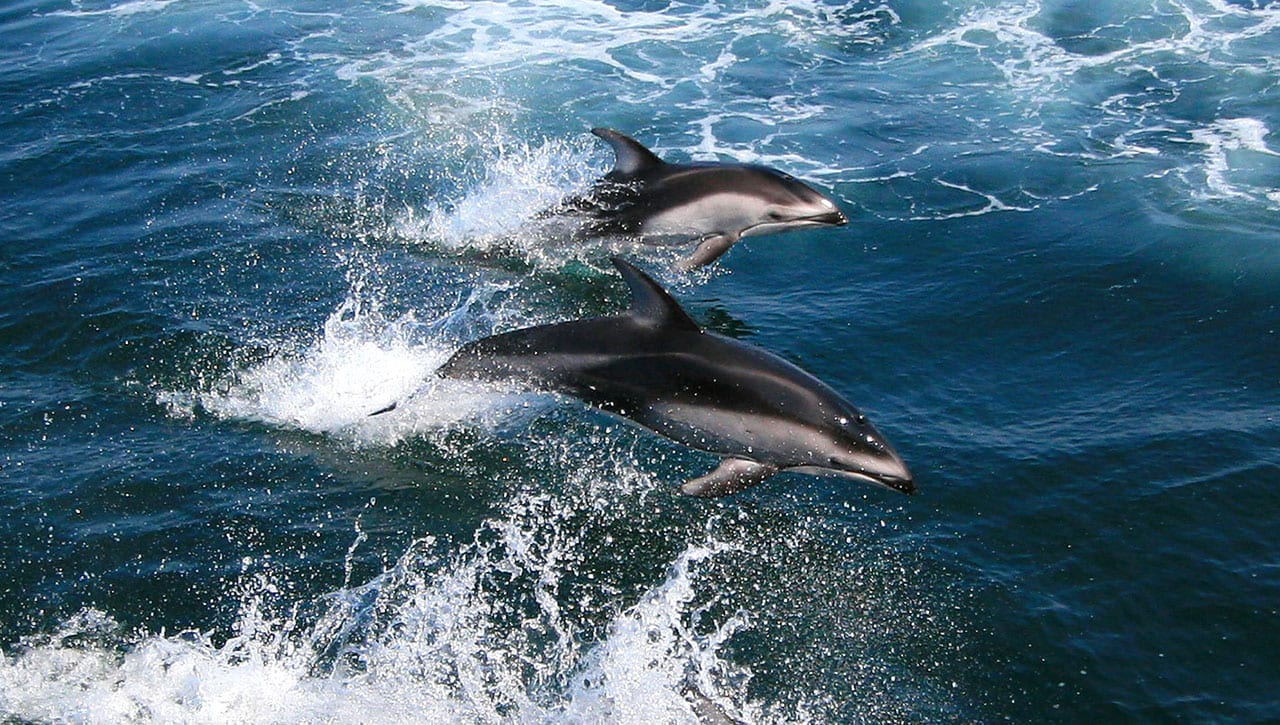
Deep-diving whales and other marine mammals can get the bends—the same painful and potentially life-threatening decompression sickness that strikes scuba divers who surface too quickly. A new study offers a hypothesis of how marine mammals generally avoid getting the bends and how they can succumb under stressful conditions.
Read More