
Zoology
Antarctic ecosystem, winter environment
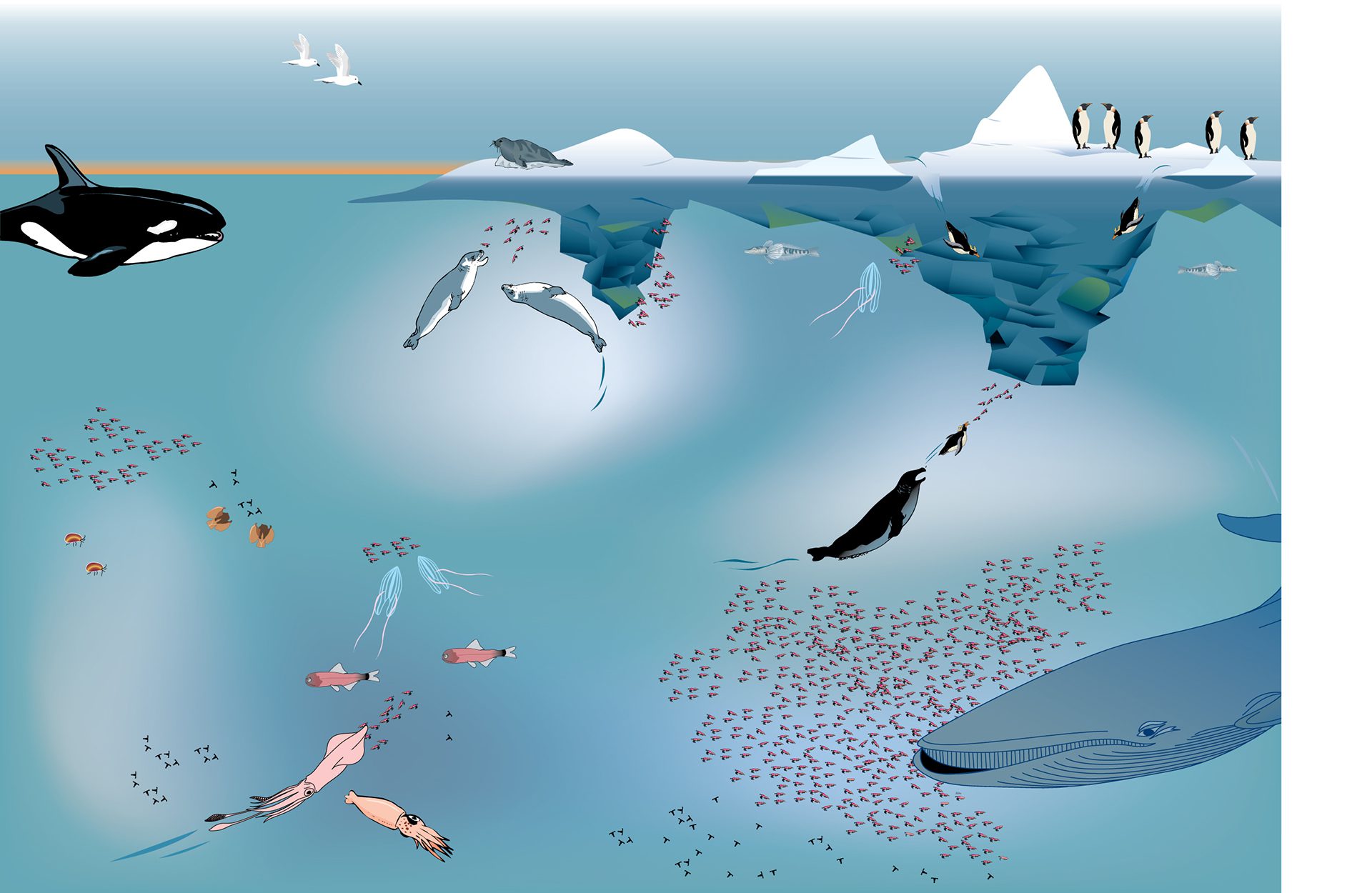
Antarctica’s coastal seas are especially important because they shelter an abundant ecosystem, supporting large predators such as penguins, seals and whales.
Read MoreArctic ecosystem, including humans
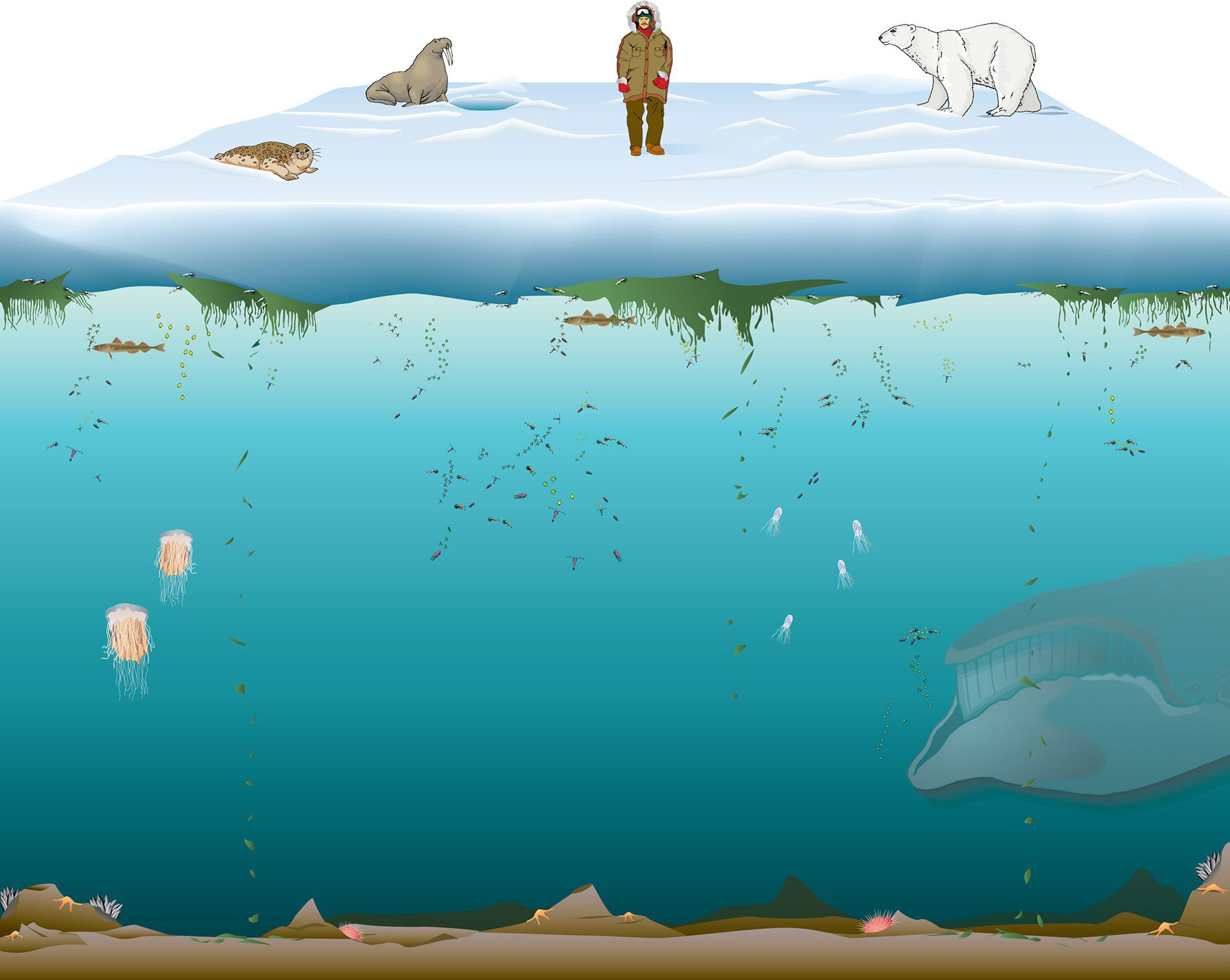
Arctic animals, including humans, survive on the ocean’s plentiful resources.
Read MoreAre offshore wind farms harming whales?
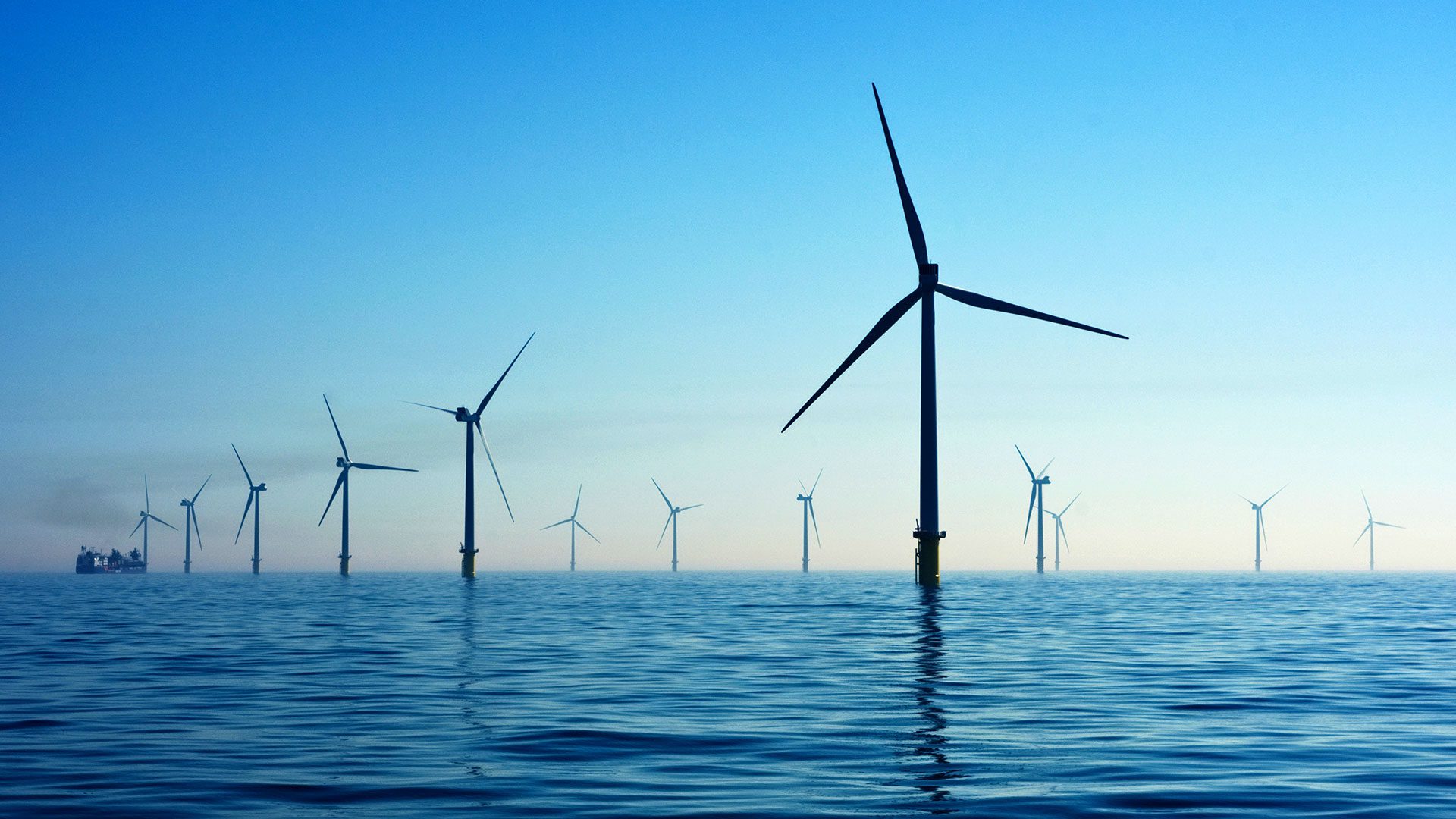
A collection of seemingly grass-roots organizations claim that offshore wind projects are responsible for an uptick in whale deaths. But there’s no evidence to support their claims. Whales have been…
Read MoreWhat is a marine heatwave?
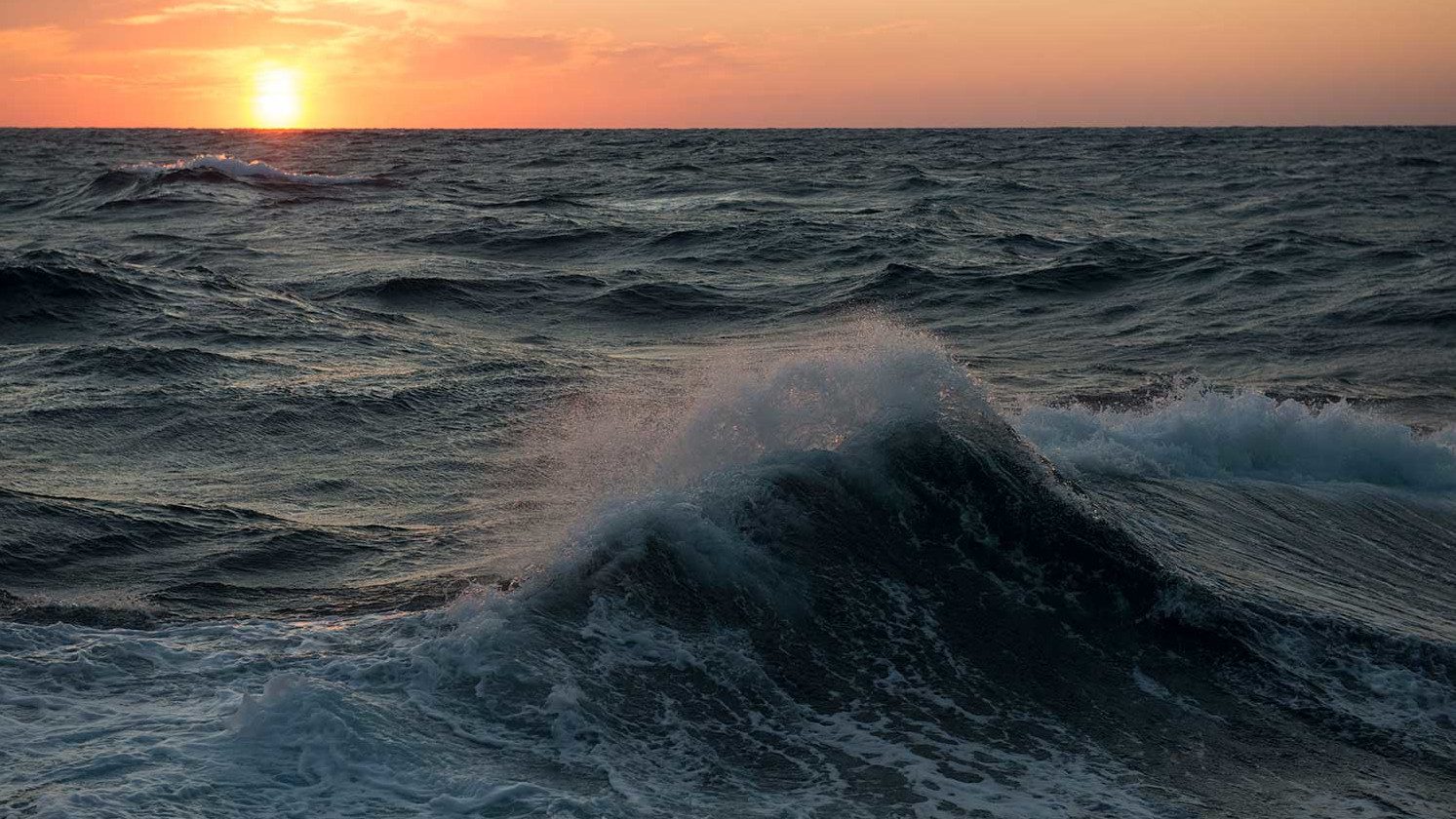
From waning winds to warmer atmospheres, here is the recipe for sudden temperature spikes in our ocean
Read MoreWhy do emperor penguins toboggan?
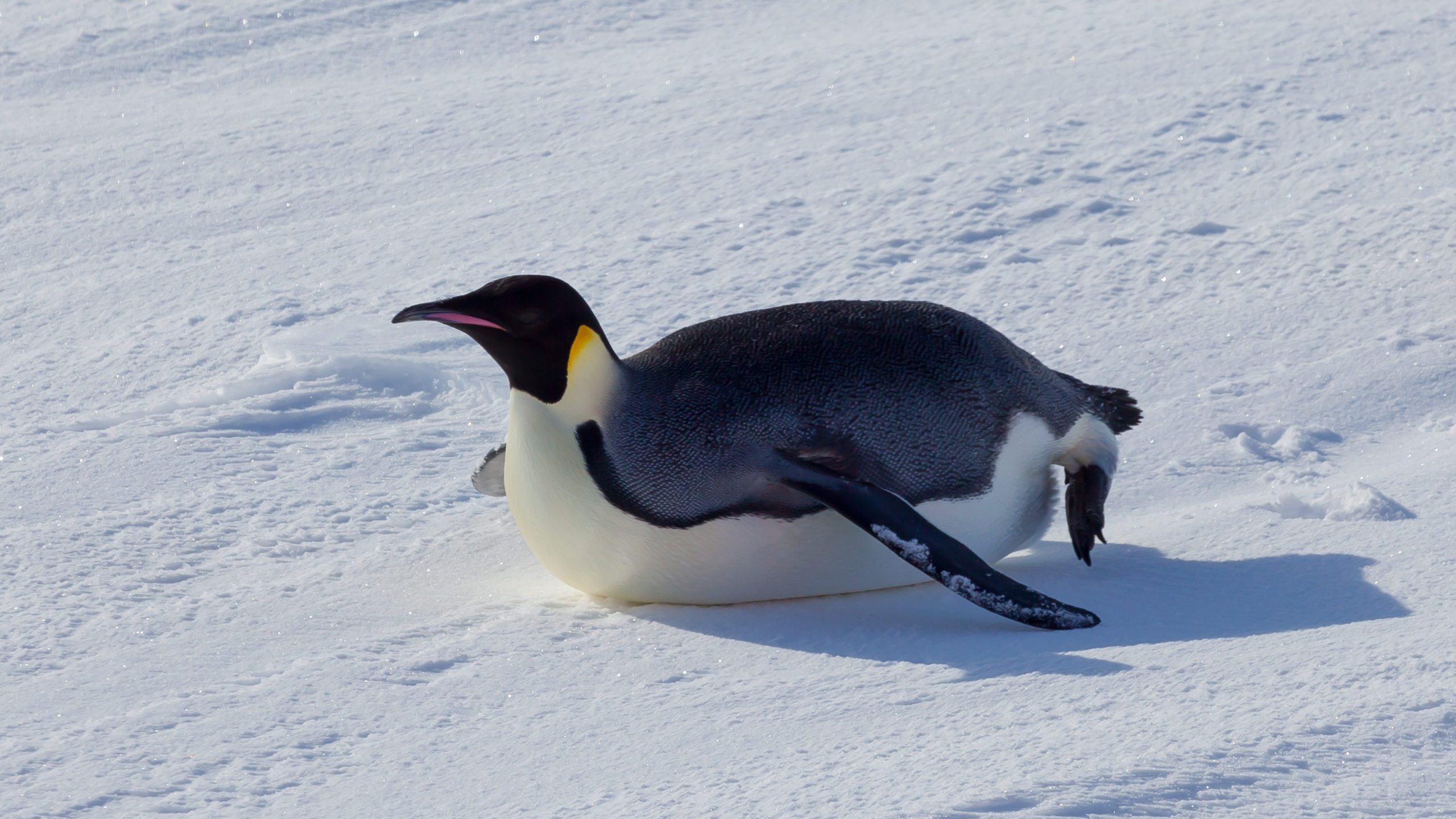
Learn why Emperor penguins slide around on their bellies or “toboggan” when they’re on the move in Antarctica.
Read MoreHow deep do marine plastics go?
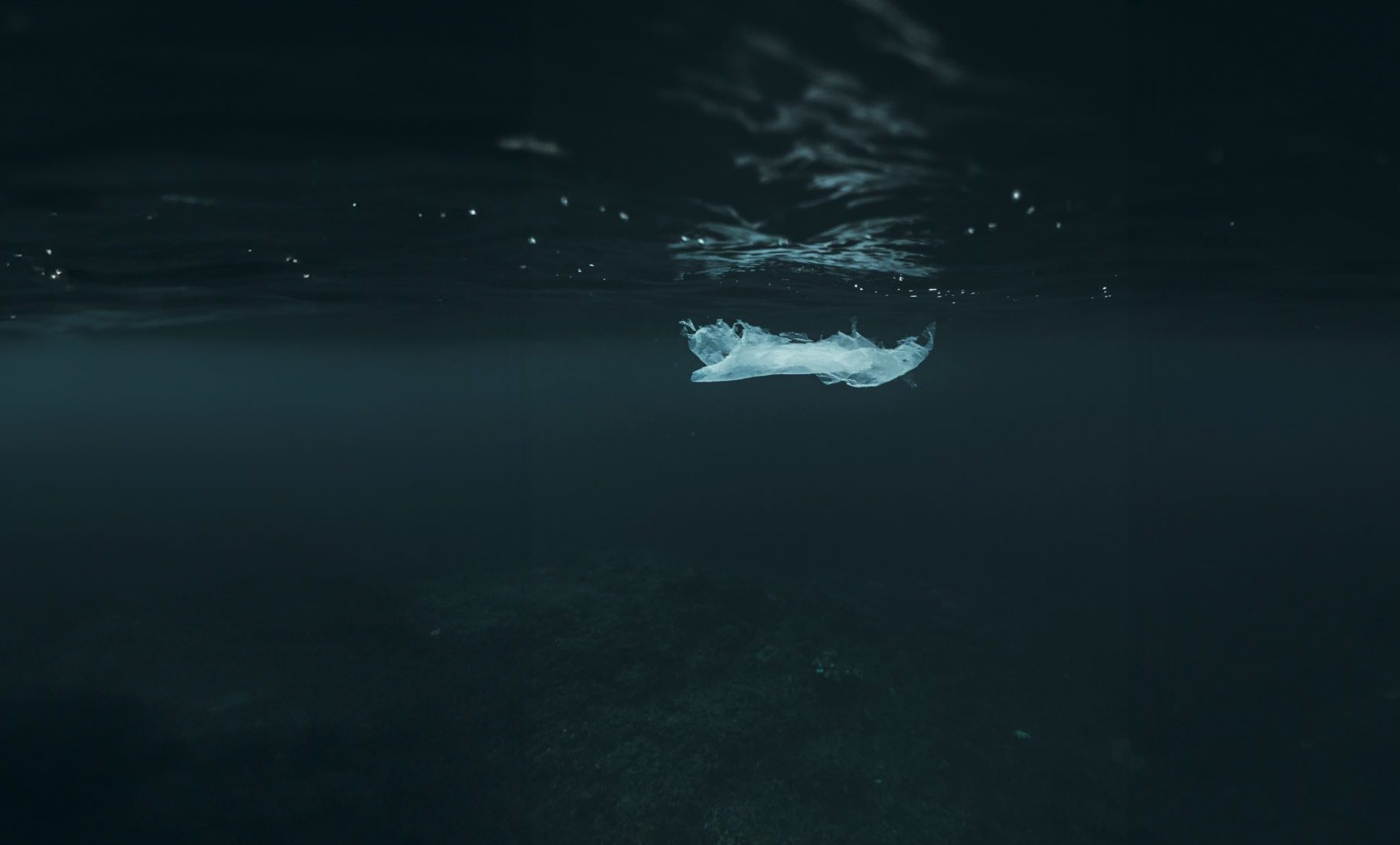
Learn how plastic pollution pervades the ocean, from surface debris to deep-sea trenches. With 390 million tons produced annually, plastic poses a significant threat, impacting marine ecosystems and organisms.
Read MoreHow does ocean warming affect fisheries?
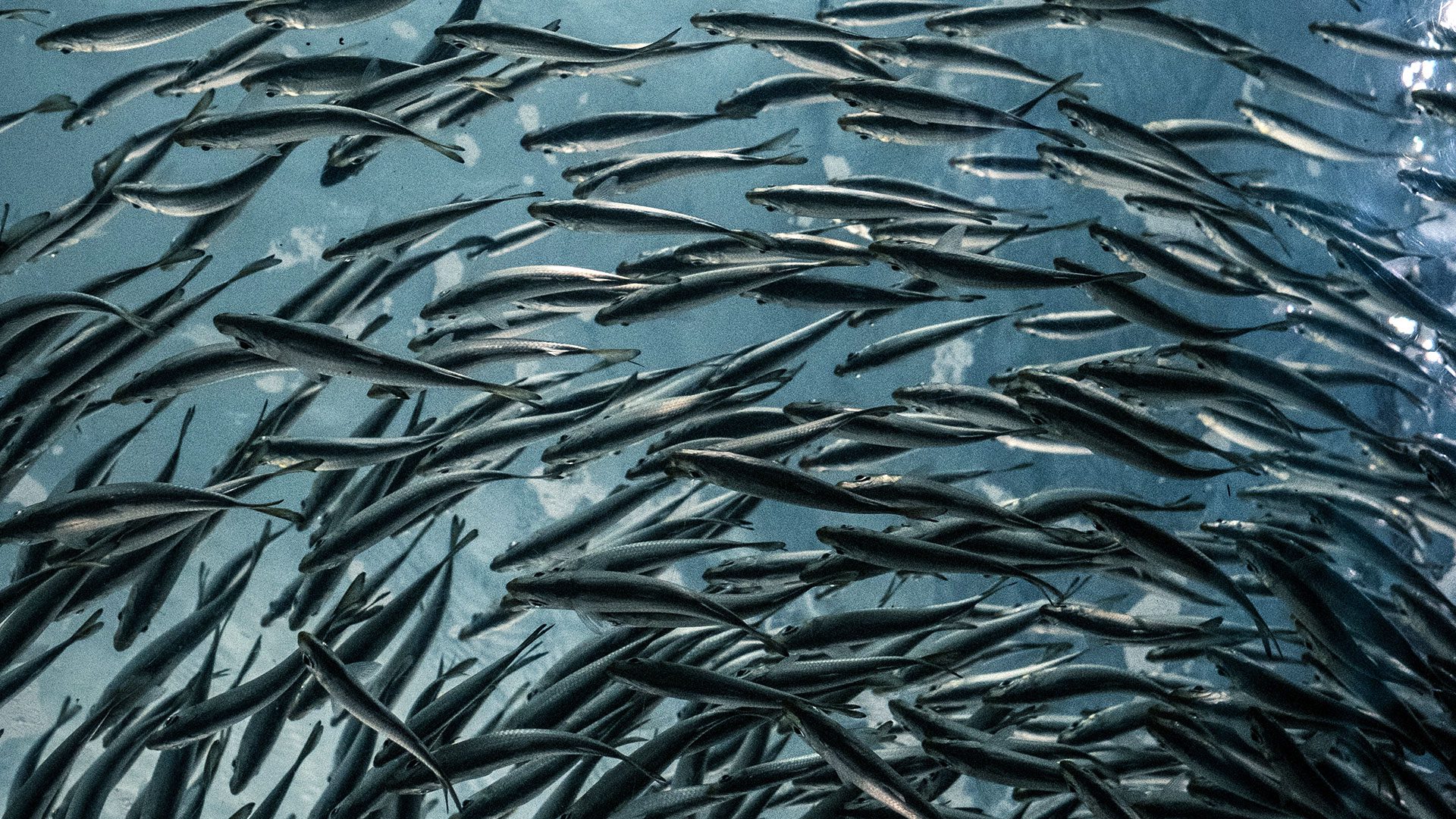
The ocean has absorbed 93% of excess heat from human activities, raising its temperature by 1.5°F since 1901. Warming oceans impact fish migration, leading to conflicts and overfishing.
Read MoreEnvironmental DNA (eDNA)
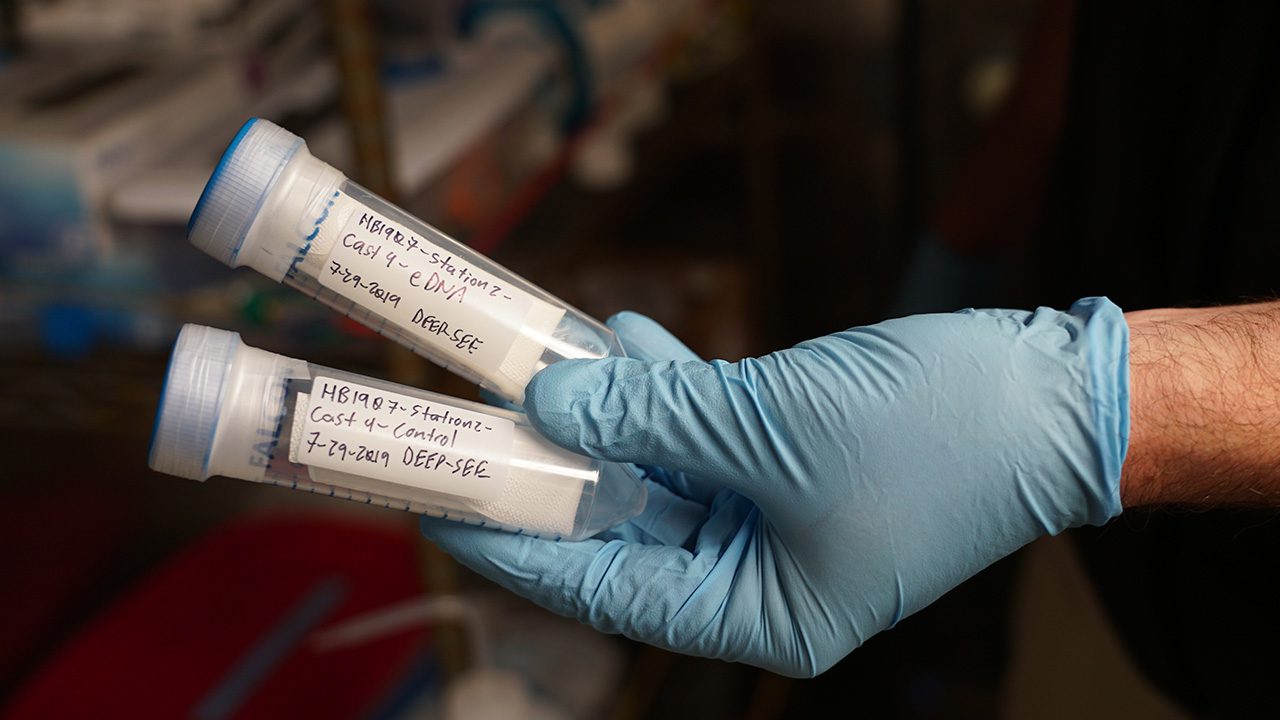
Environmental DNA (eDNA) is essentially DNA collected from the environment. As animals swim through the ocean, they’re constantly releasing DNA as they shed skin or scales into the water column.
Read MoreIt’s always freezing in the Arctic. Or is it?
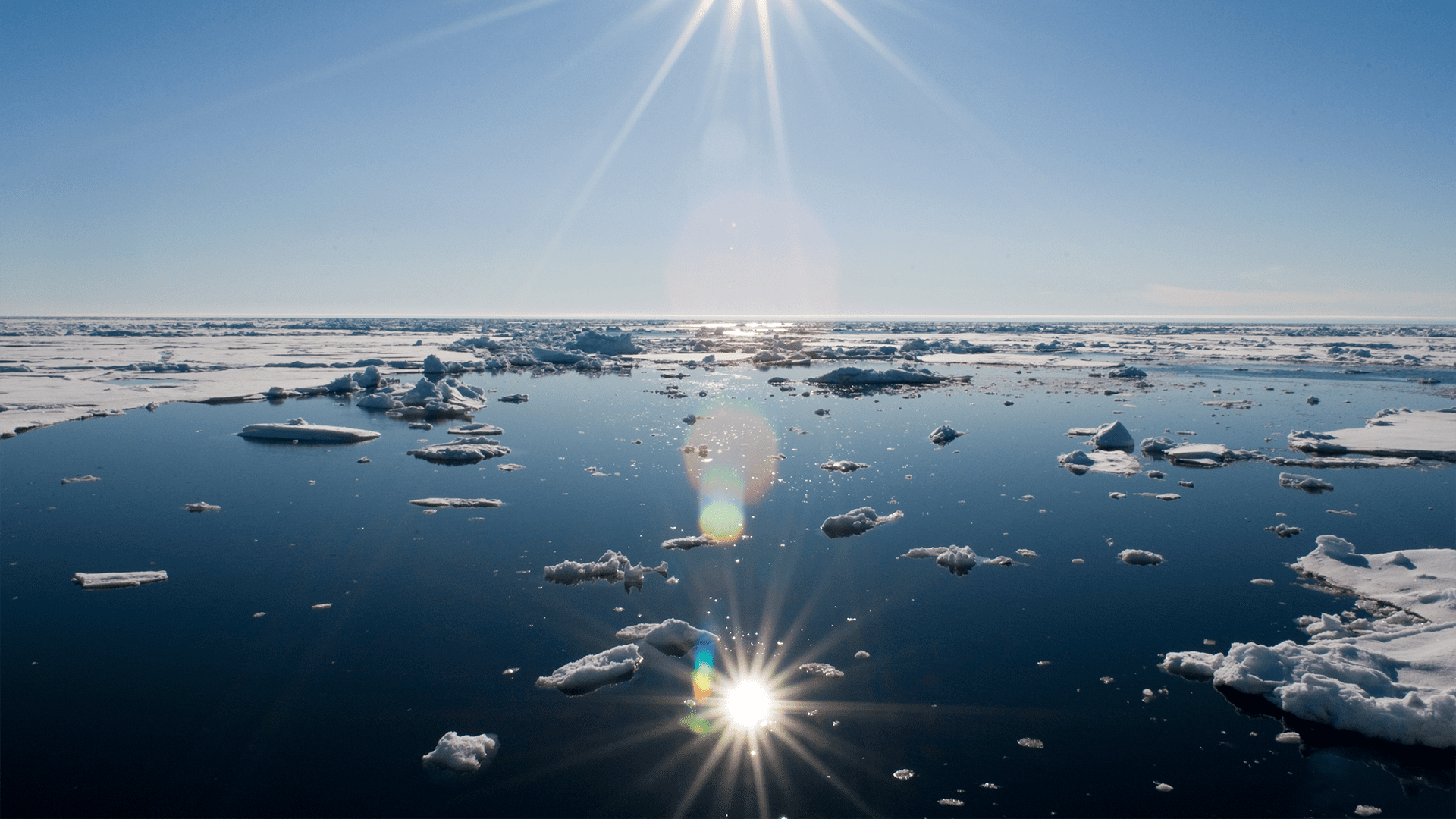
WHOI experts dig into a popular misconception that the Arctic is always frigid.
Read MoreIs the Great Barrier Reef making a comeback?
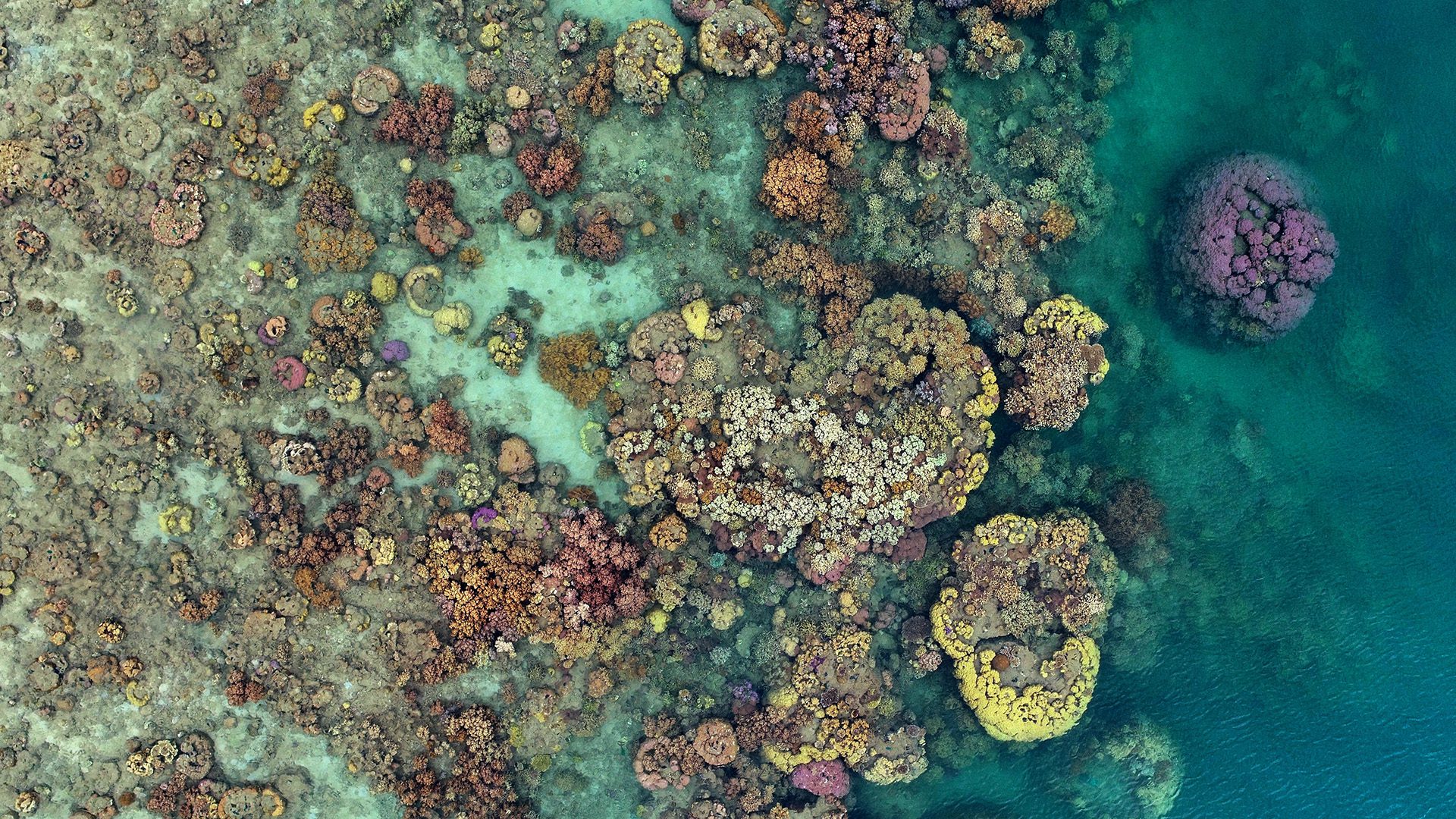
The world’s largest reef saw record growth after years of bleaching, but it’s not out of the woods yet
Read MoreHow do polynyas help feed emperor penguins?
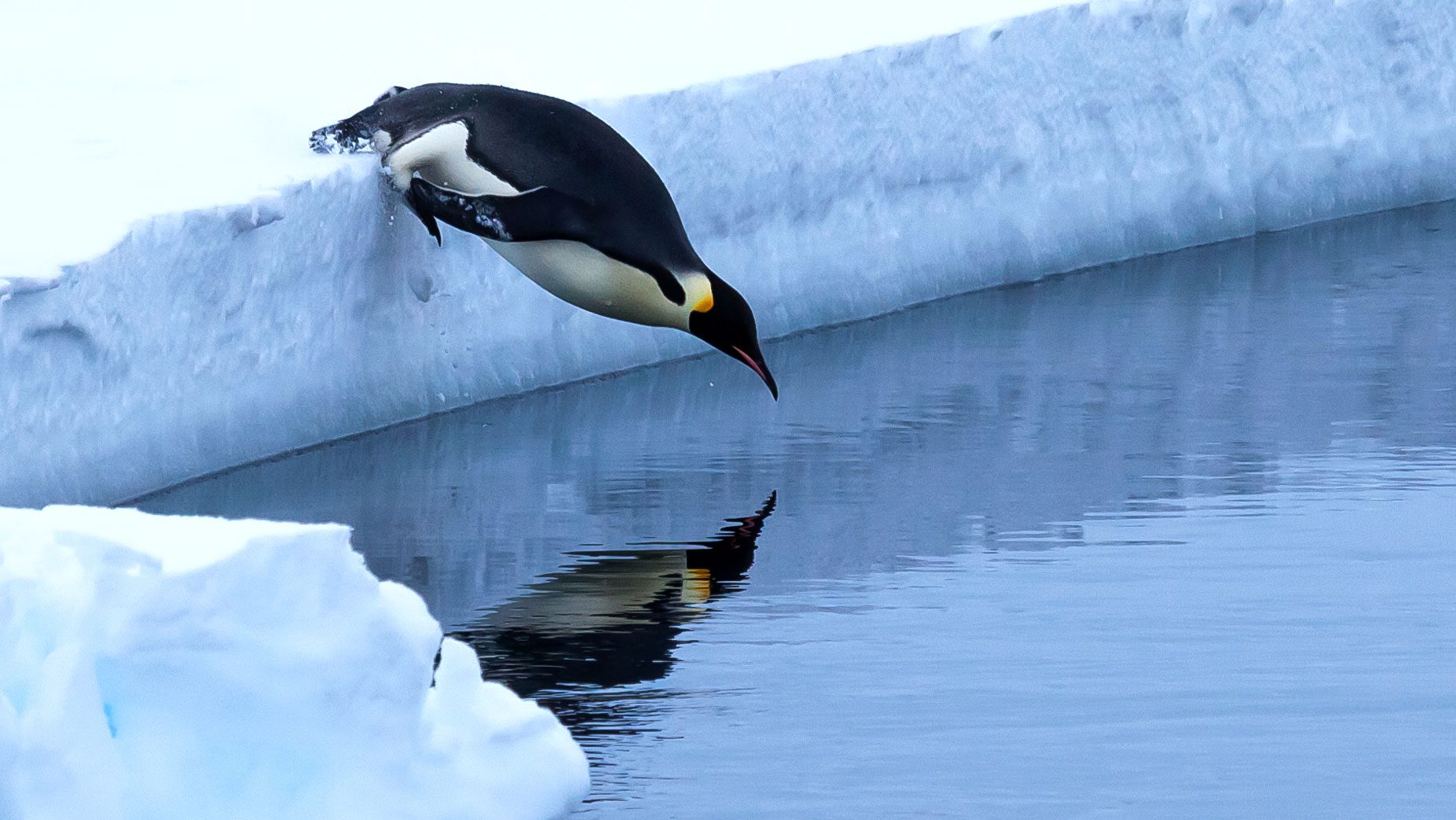
When female emperor penguins—and later, males—return to the ocean to feed, they need a spot that gives them easy access to both the water and the ice. And, they also need places that are teeming with fish and other types of prey. Learn how polynyas provide a place where penguins can feast and build their energy reserves after breeding.
Read MoreOcean acidification is no big deal, right?
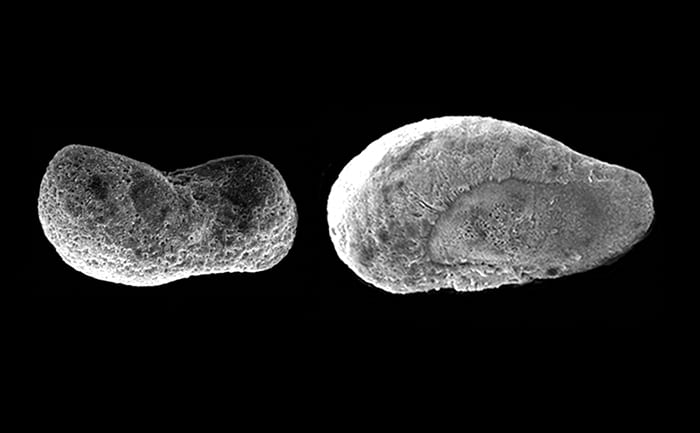
Some people argue that ocean acidification isn’t an issue of concern. After all, they say, the ocean isn’t actually acidic. There is some truth to that. On the pH scale,…
Read MoreOcean Plants
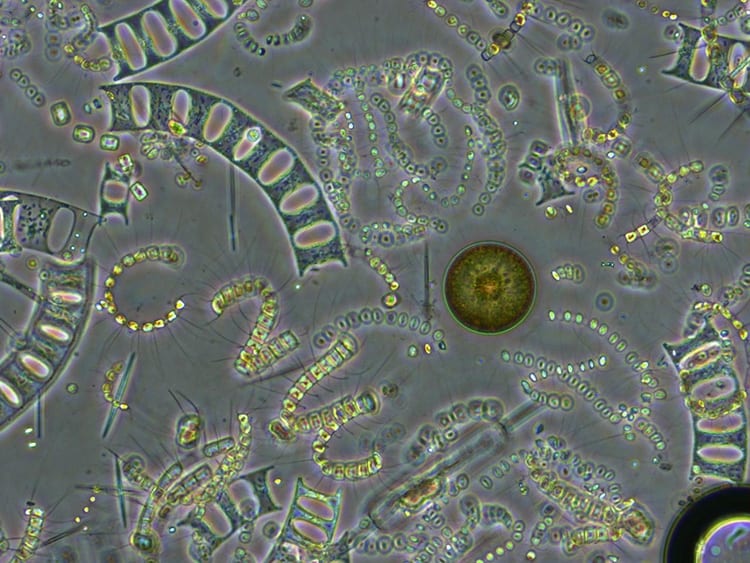
Ocean plants are critical to marine life—they are an important food source, they provide oxygen to surrounding marine life, and they supply refuge and nursery grounds.
Read MoreReef Ecosystems
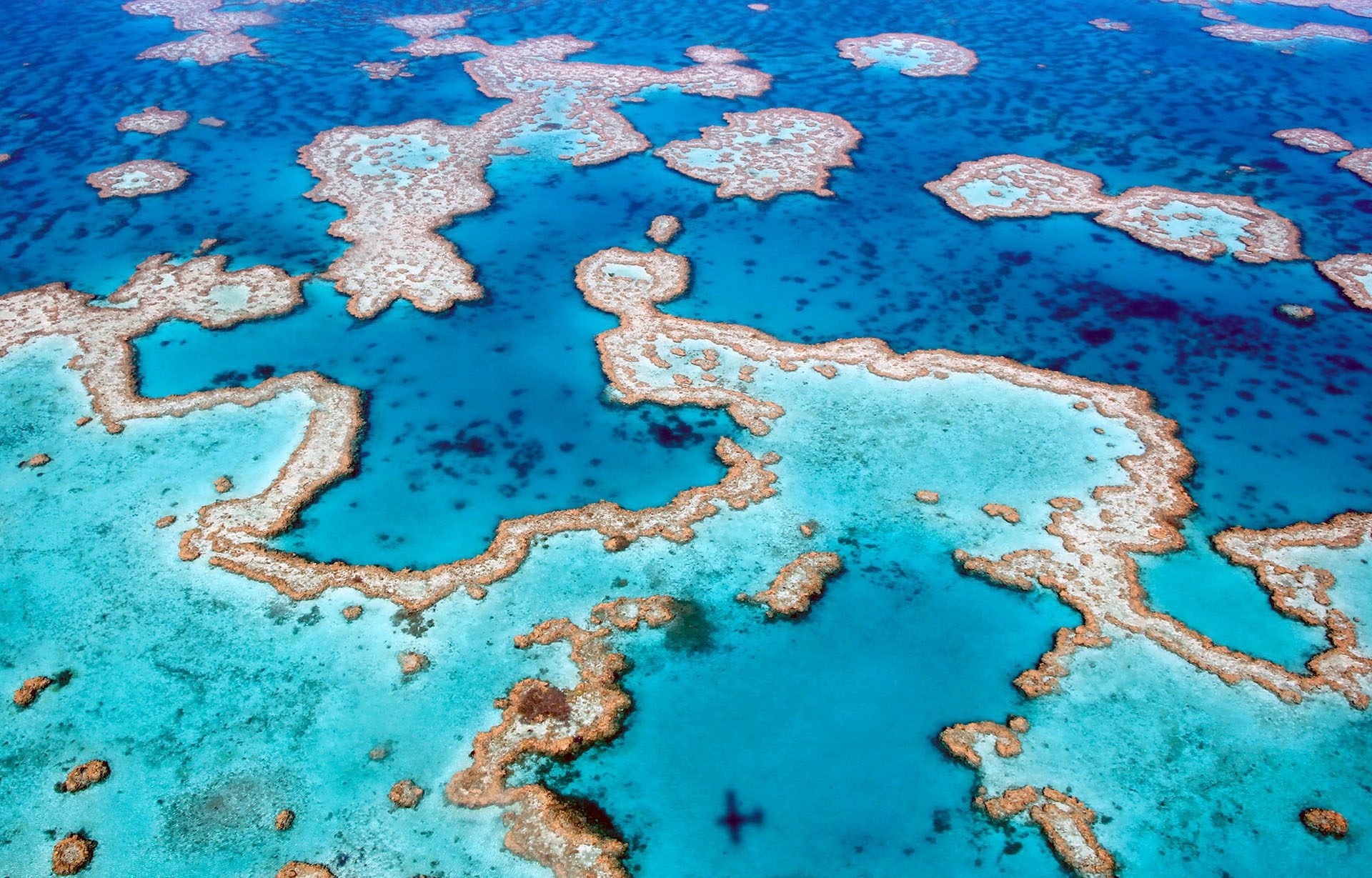
A healthy reef protects coastlines from wave damage, plays a critical role in providing food, boosts the economy, and provides materials for pharmaceuticals.
Read MoreCoral Stressors
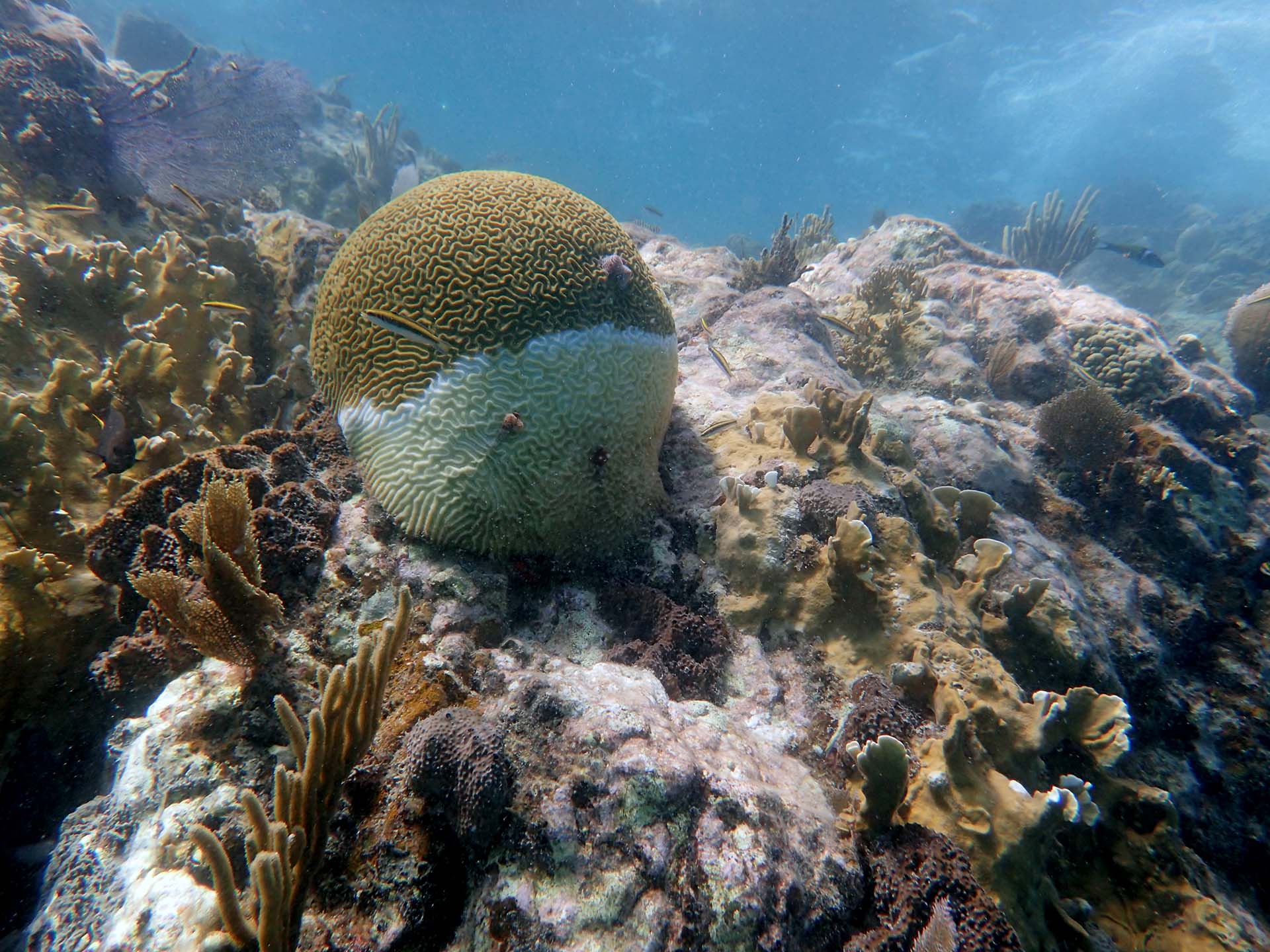
Stressors can affect organisms living on the reef or they can affect the corals, themselves. When corals die, other organisms must relocate or struggle to survive.
Read MoreReef Fish
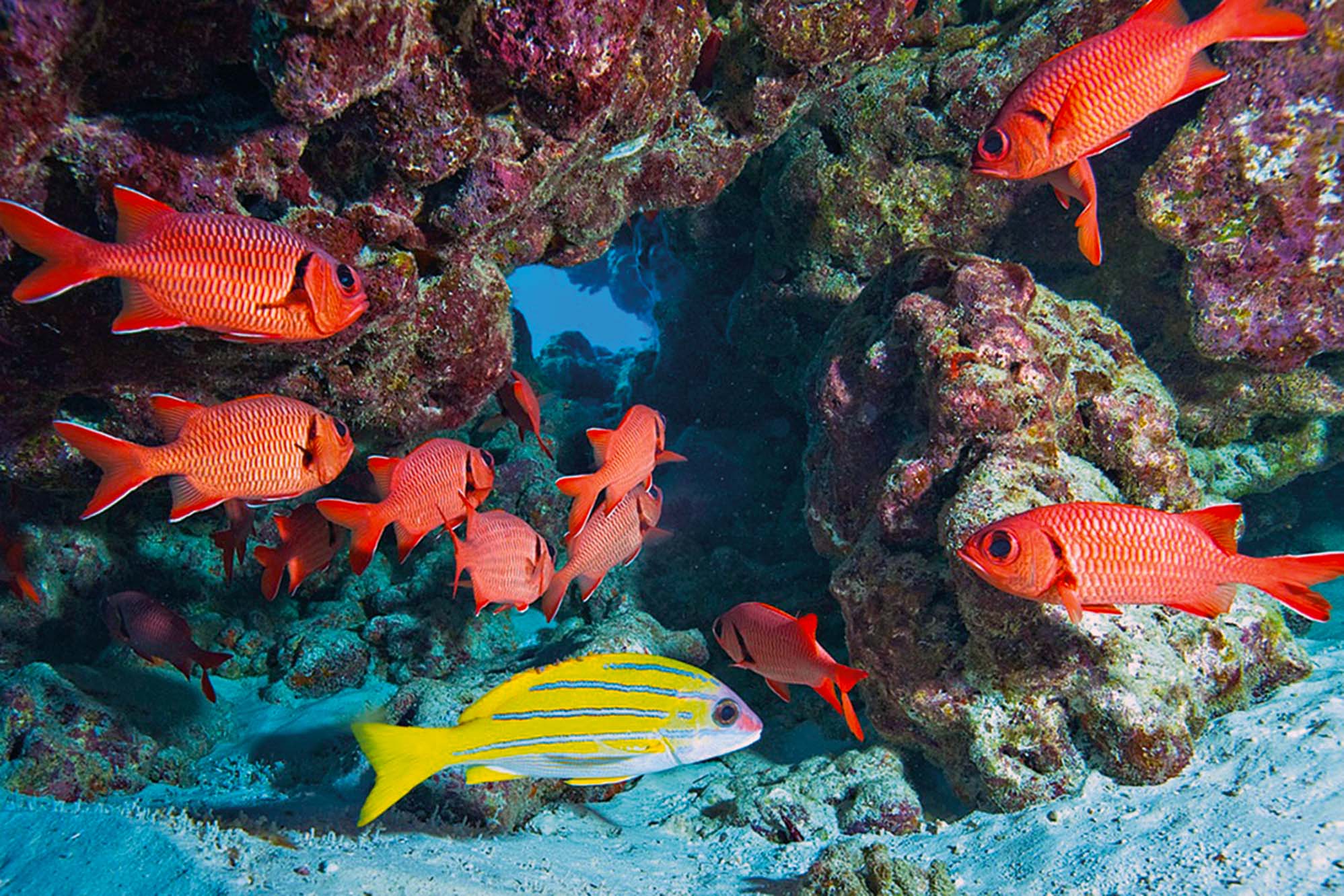
Fish that inhabit a coral reef play essential roles in the reef ecosystem, and reefs without fish struggle to recover from bleaching or other events that damage the coral.
Read MoreHow do corals form colonies?
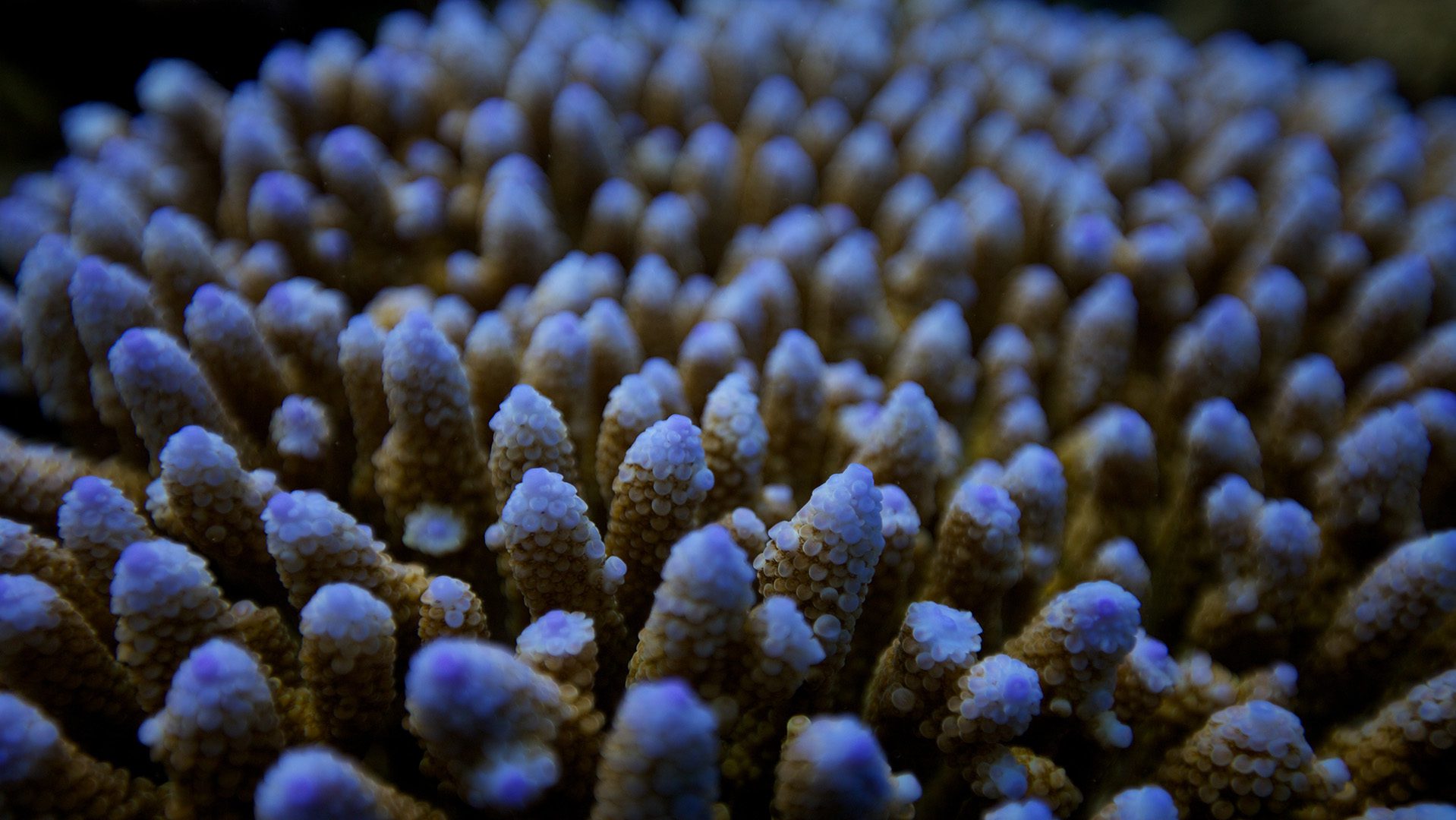
If you stare at just one spot on a coral reef, your eyes could be seeing more than 1,000 animals per square foot. That’s because the thing that makes up most of these marine ecosystems are tiny living animals called coral polyps, which exist on the surface of reef formations.
Read MoreAre corals plants, animals, or rocks?
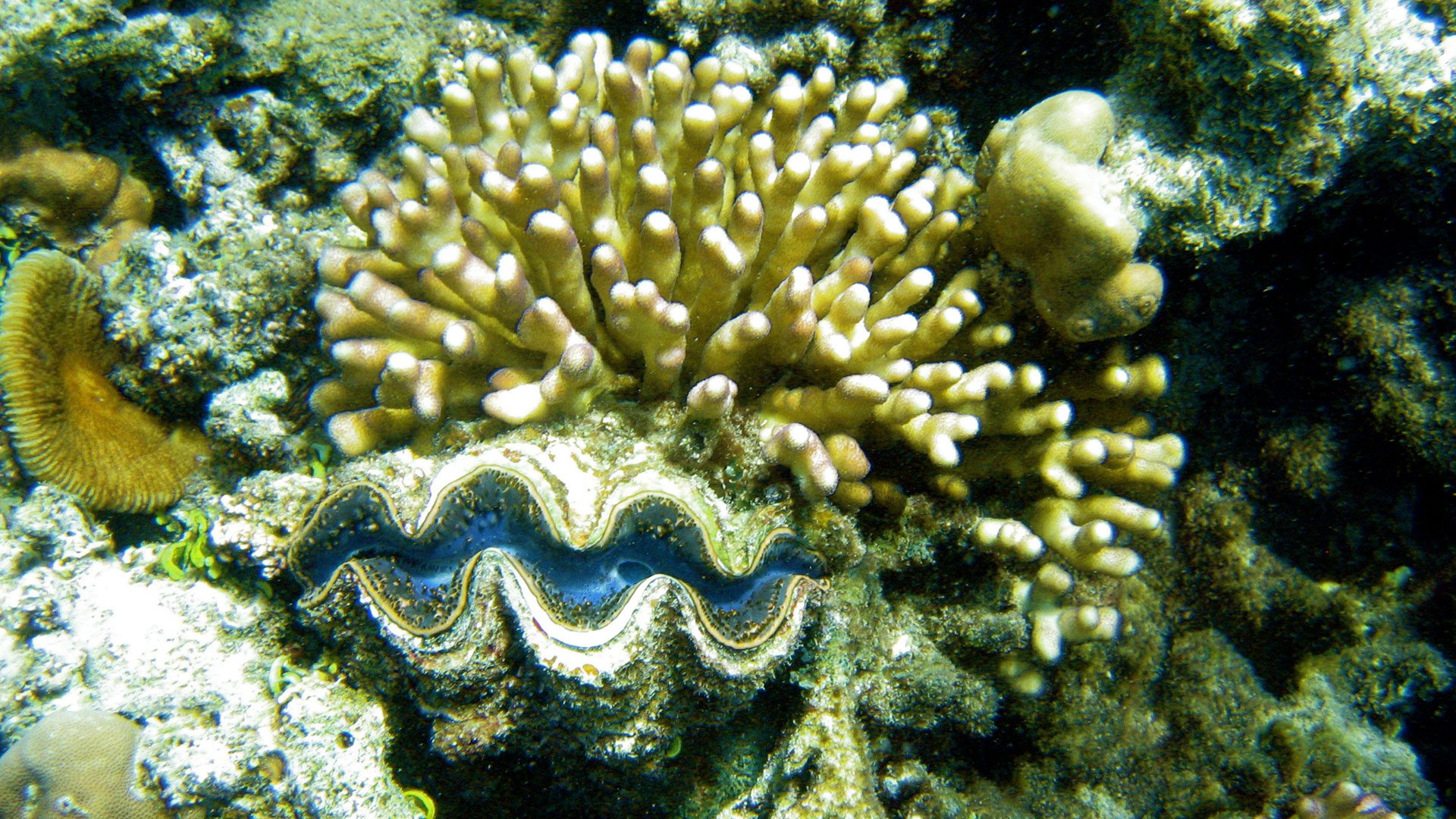
The base of a coral reef is coral, but what is coral? If you look at a piece of coral that washed up on shore, it’s solid and tough with rough edges and little pits.
Read MoreEmperor Penguins
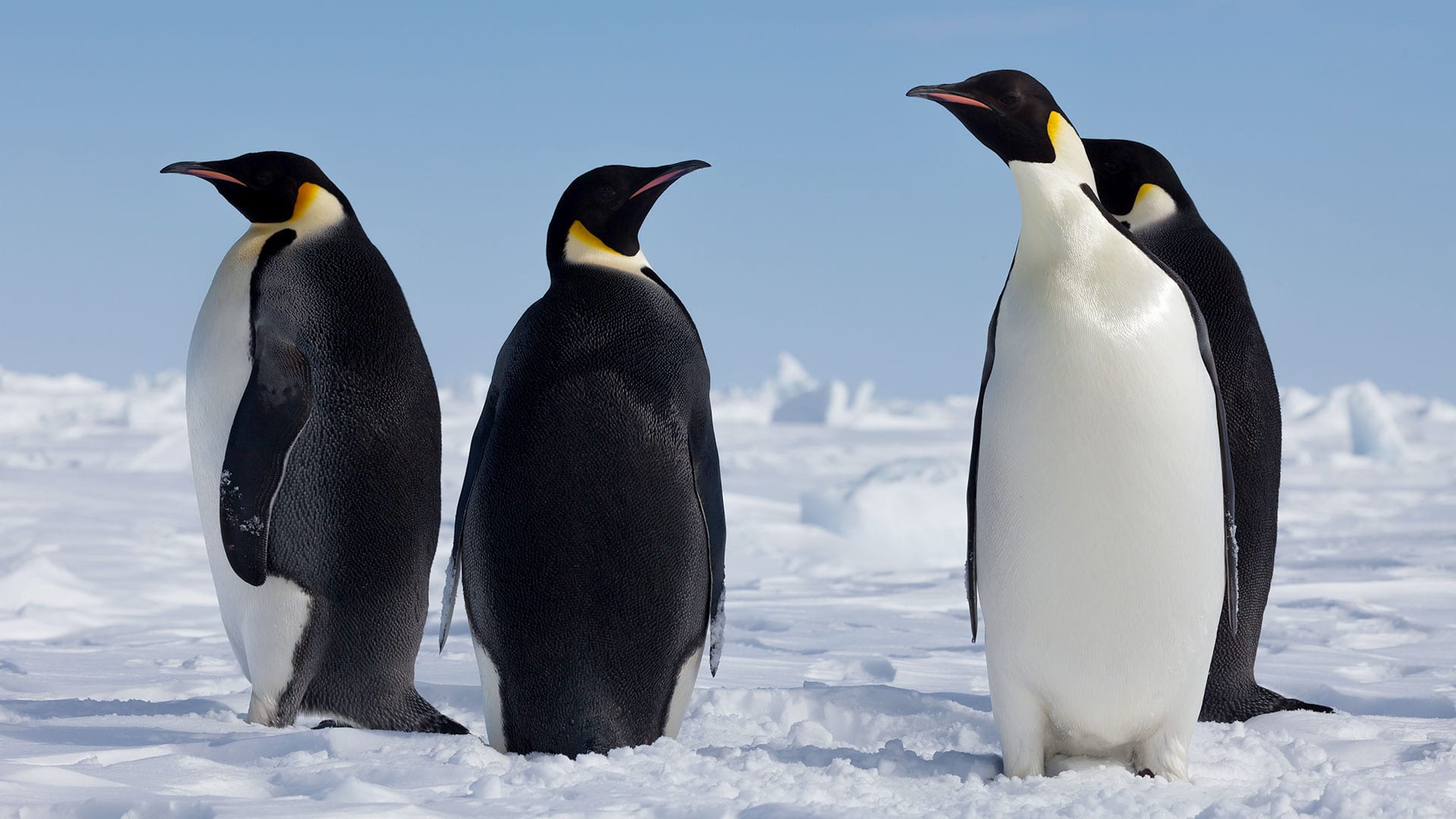
The emperor penguin is the largest living penguin species standing around 115 centimeters tall. Once they have found a partner, they work together to keep their young fed and safe.
Read MoreWhy do corals bleach?
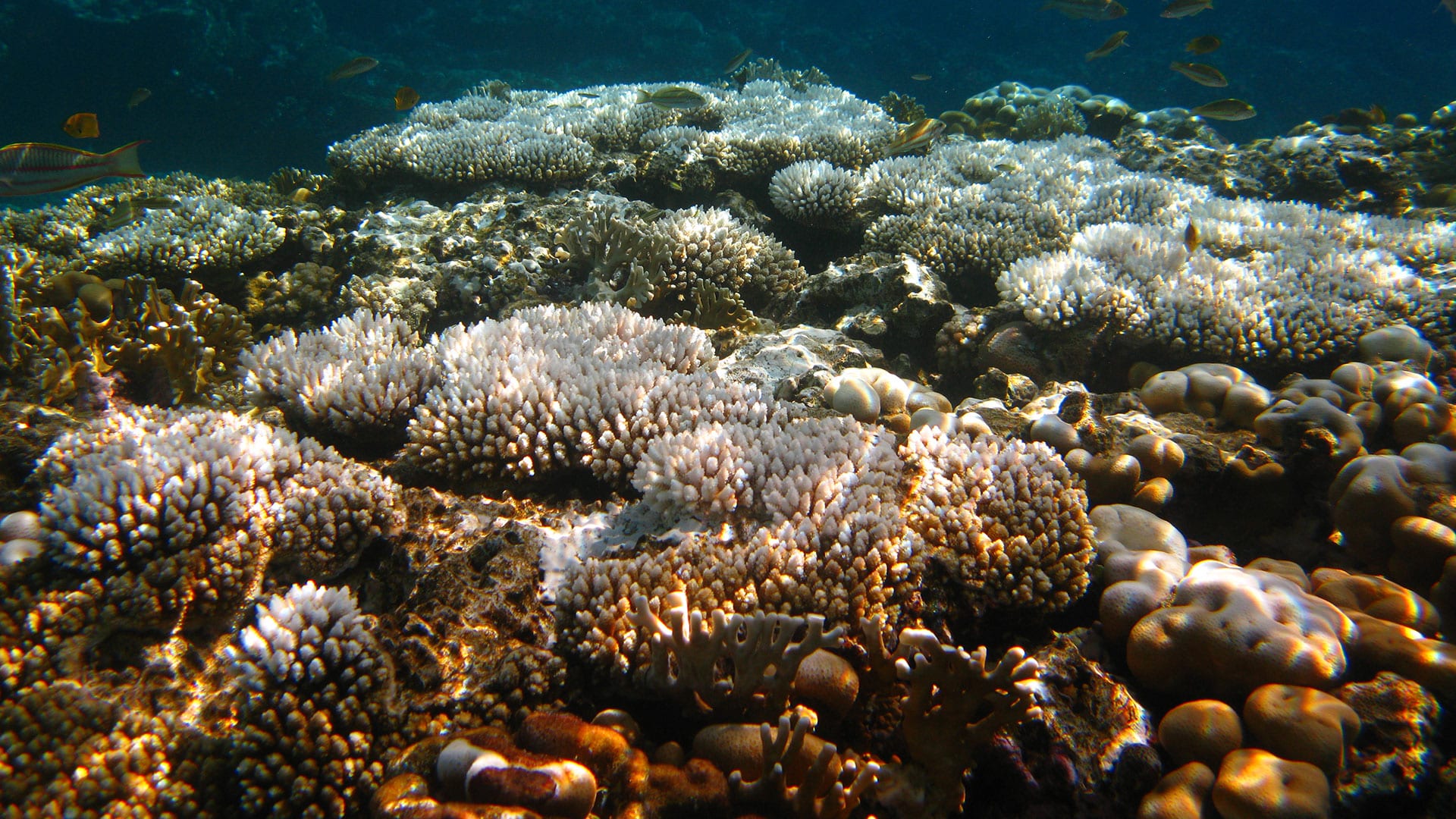
Corals have a symbiotic relationship with algae. The algae gives corals their color and provides them with food. In return, corals provide the algae with a place to live.
Read MoreDoes the ocean produce oxygen?
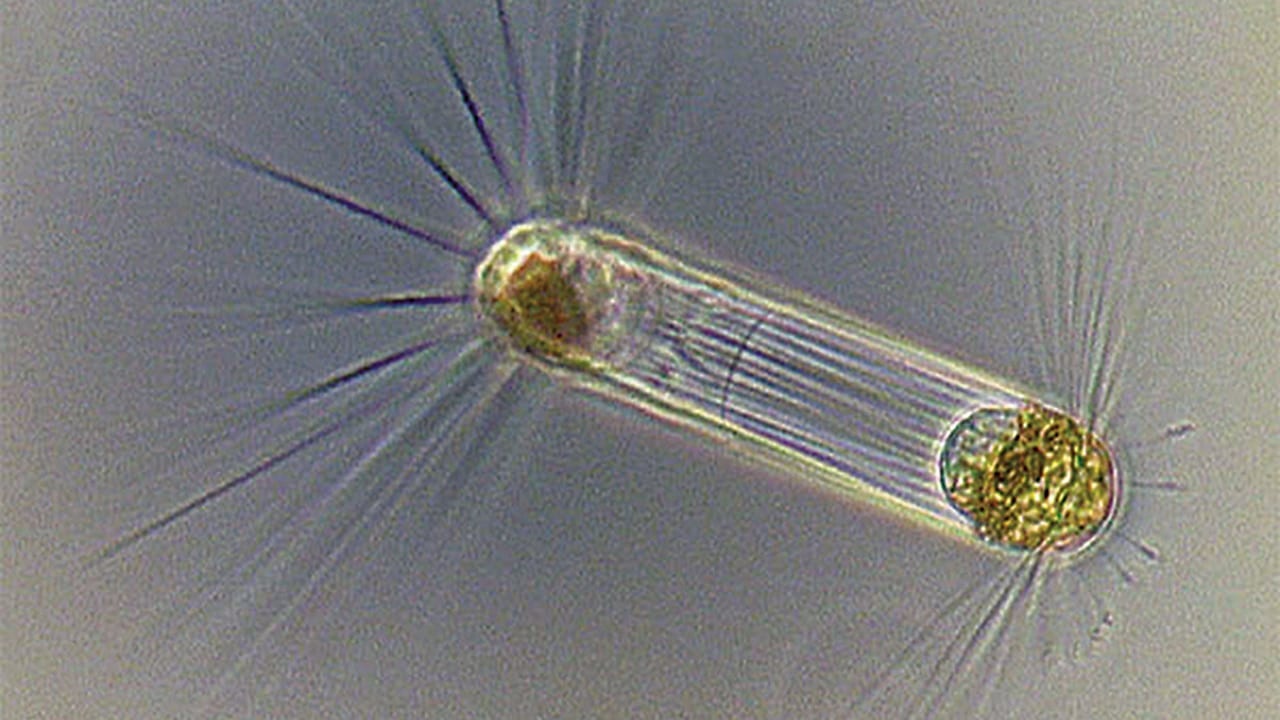
It’s easy to think of the world’s forests as the planet’s “lungs.” Trees pump out oxygen—the same stuff we breathe in. But does all our breathable air come from just land?
Read MoreRight Whales
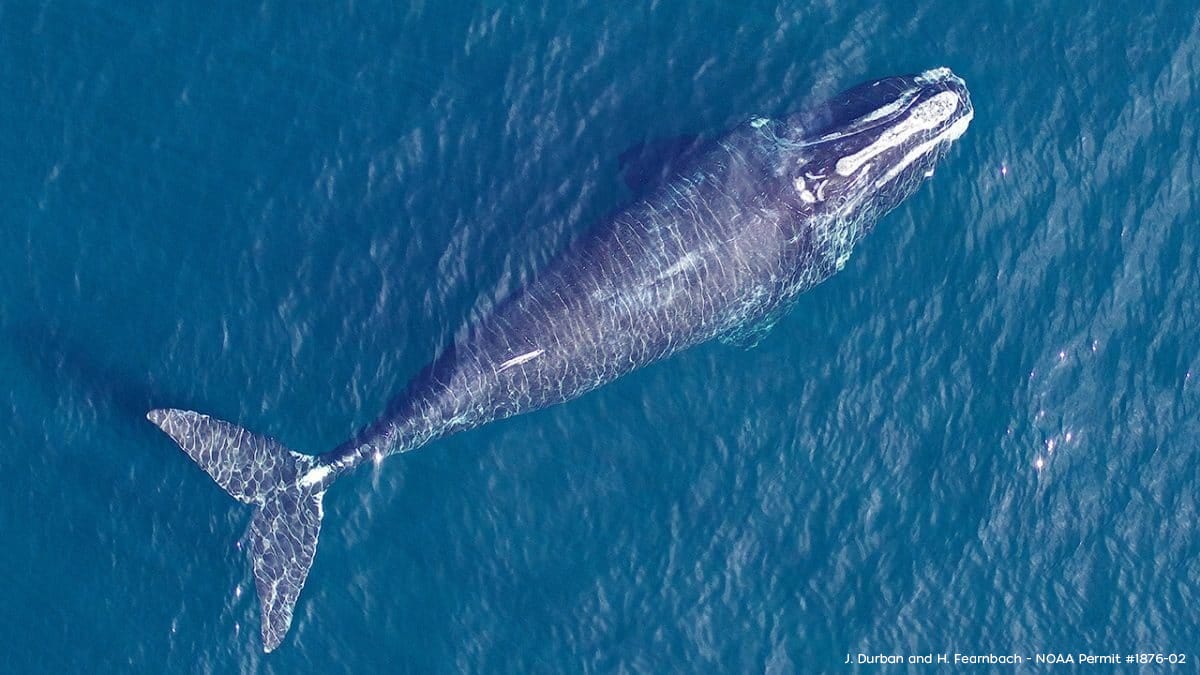
The North Atlantic right whale (Eubalaena glacialis) is one of the most endangered whales in the world—approximately 340 remain—due to entanglement and ship collisions.
Read MoreCarbon Dioxide, Shell Building, and Ocean Acidification
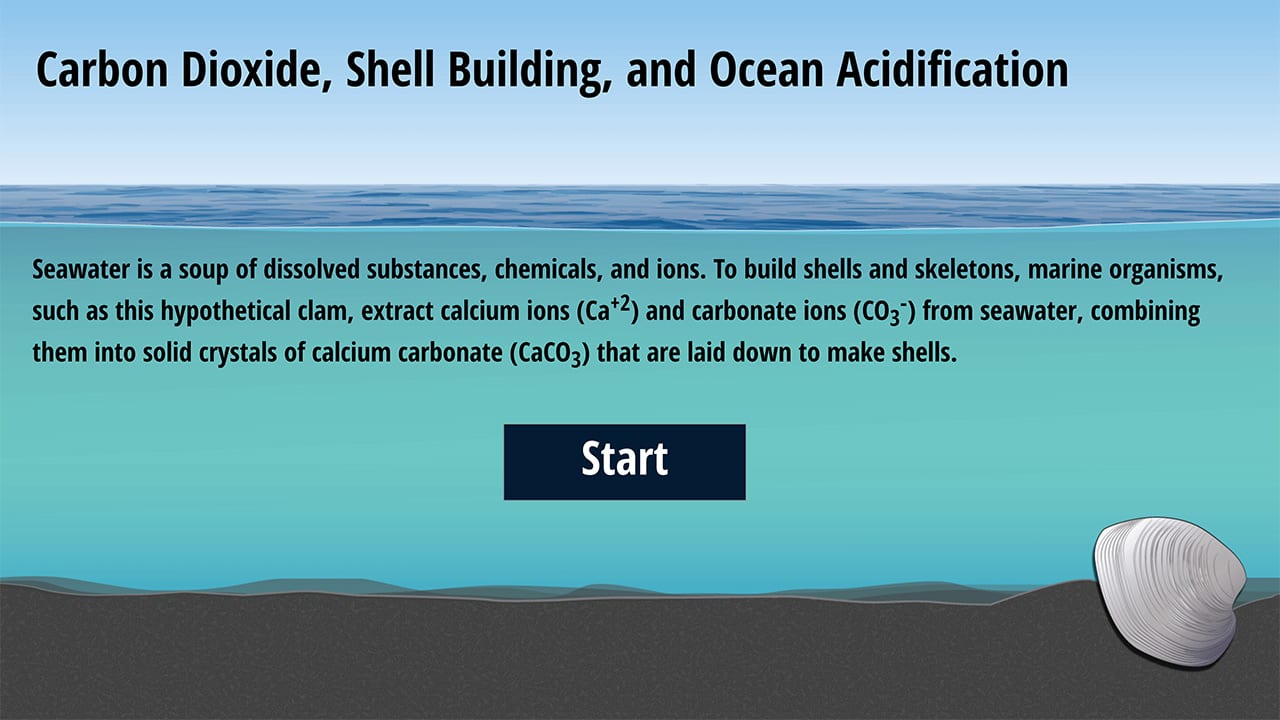
To build shells and skeletons, marine organisms extract calcium ions and carbonate ions from seawater to make shells.
Read MoreArctic Ocean Circulation
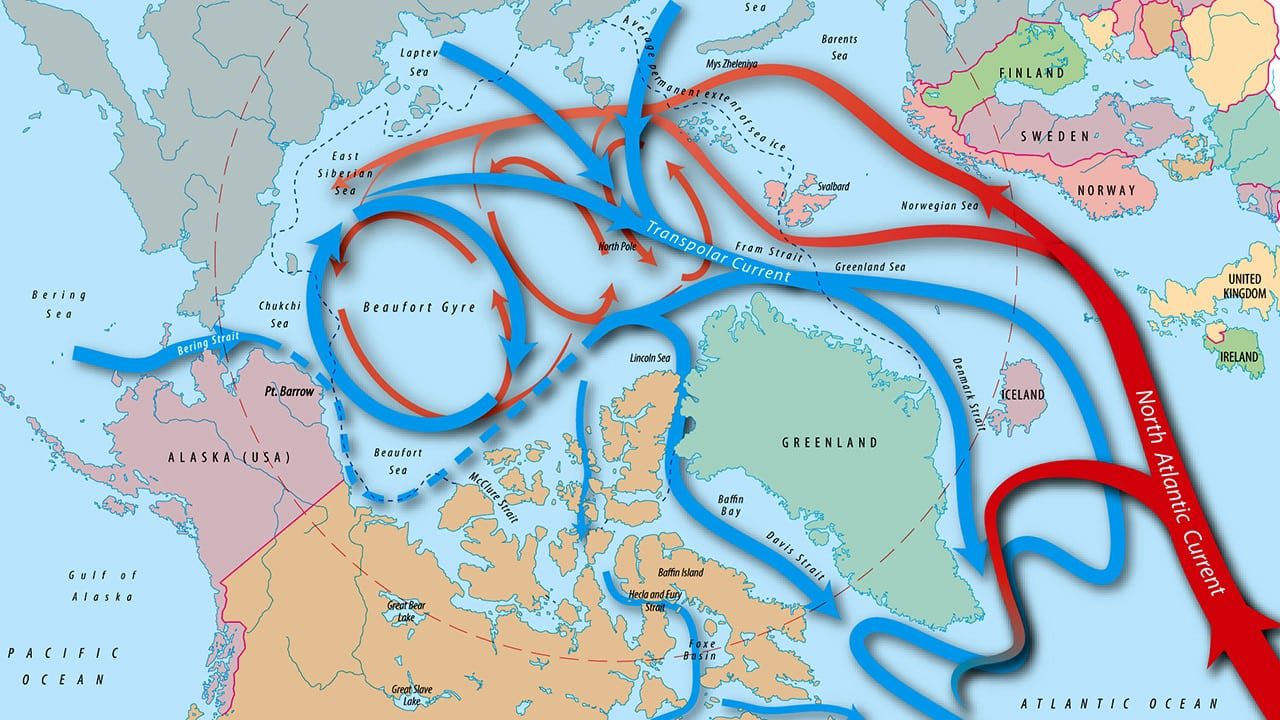
The complex ocean circulation system in the Arctic — which impacts the entire food web — is in a delicate balance.
Read More