
Sustainable Ocean
Breaking down plastics together

Through a surprising and successful partnership, WHOI and Eastman scientists are reinventing what we throw away
Read MoreHooked on change
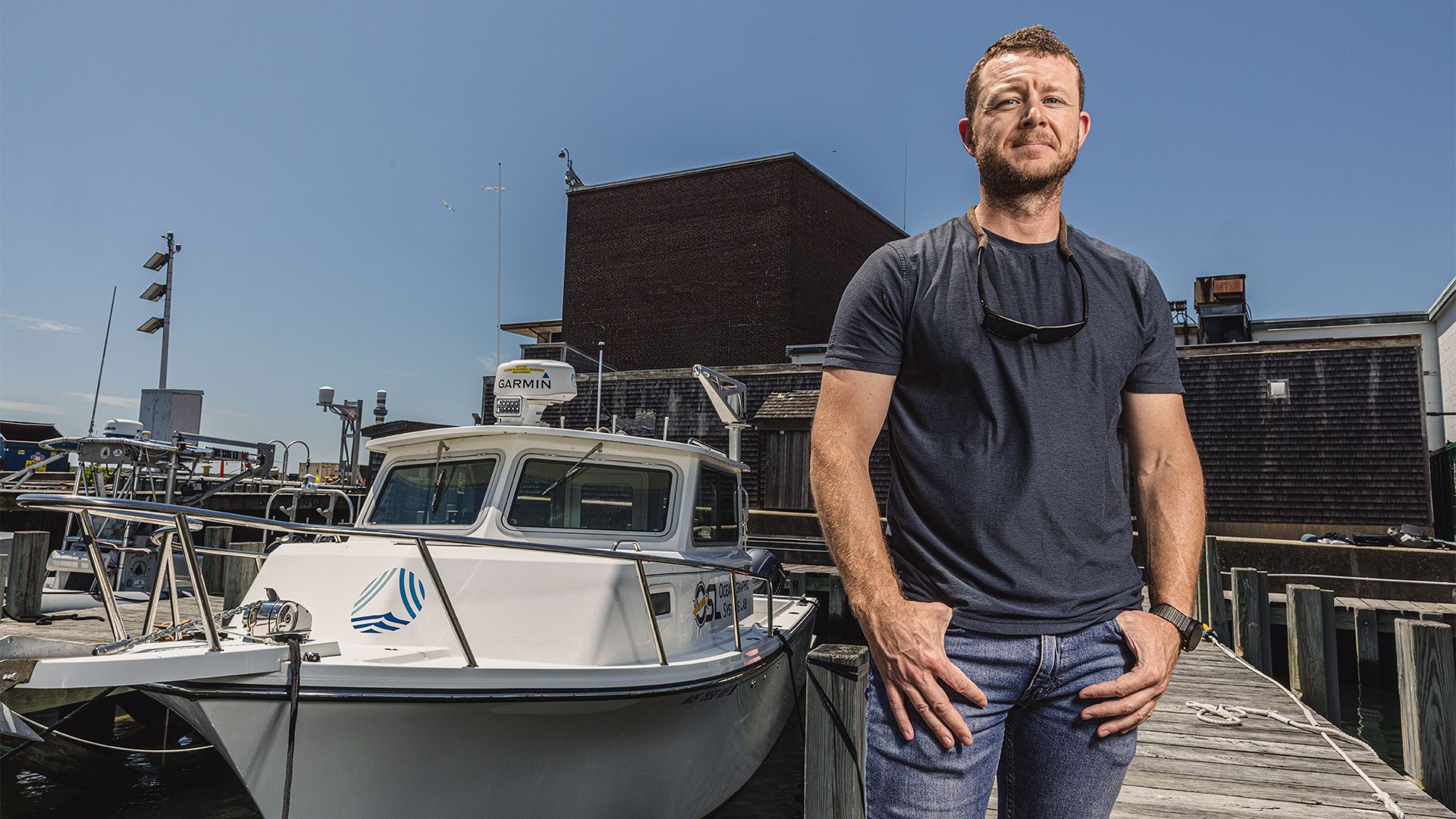
Charting a new course for fisheries in a warming world
Read MoreHarnessing the ocean to power transportation
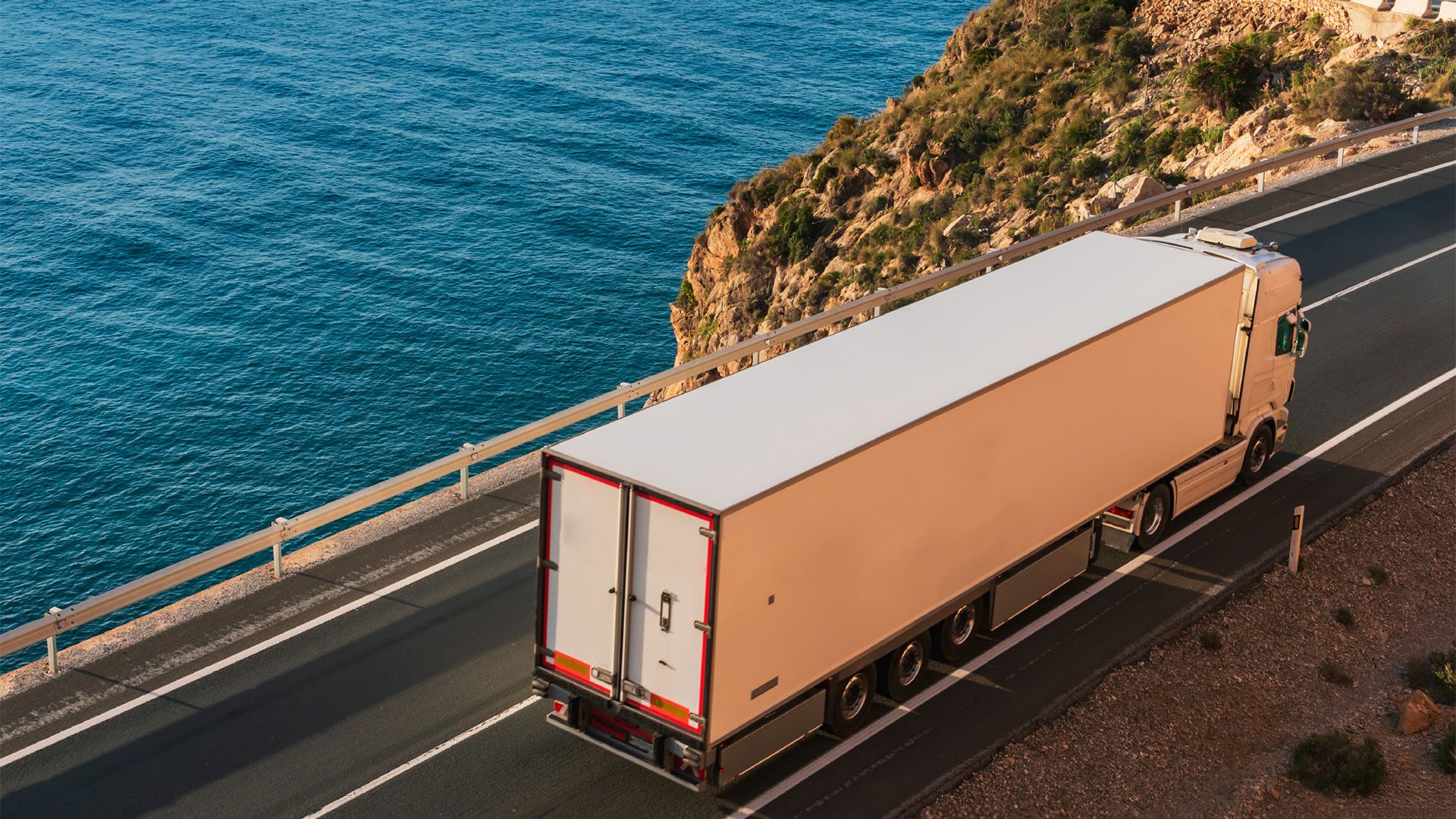
WHOI scientists are part of a team working to turn seaweed into biofuel
Read More30 by 30: How do we get there?
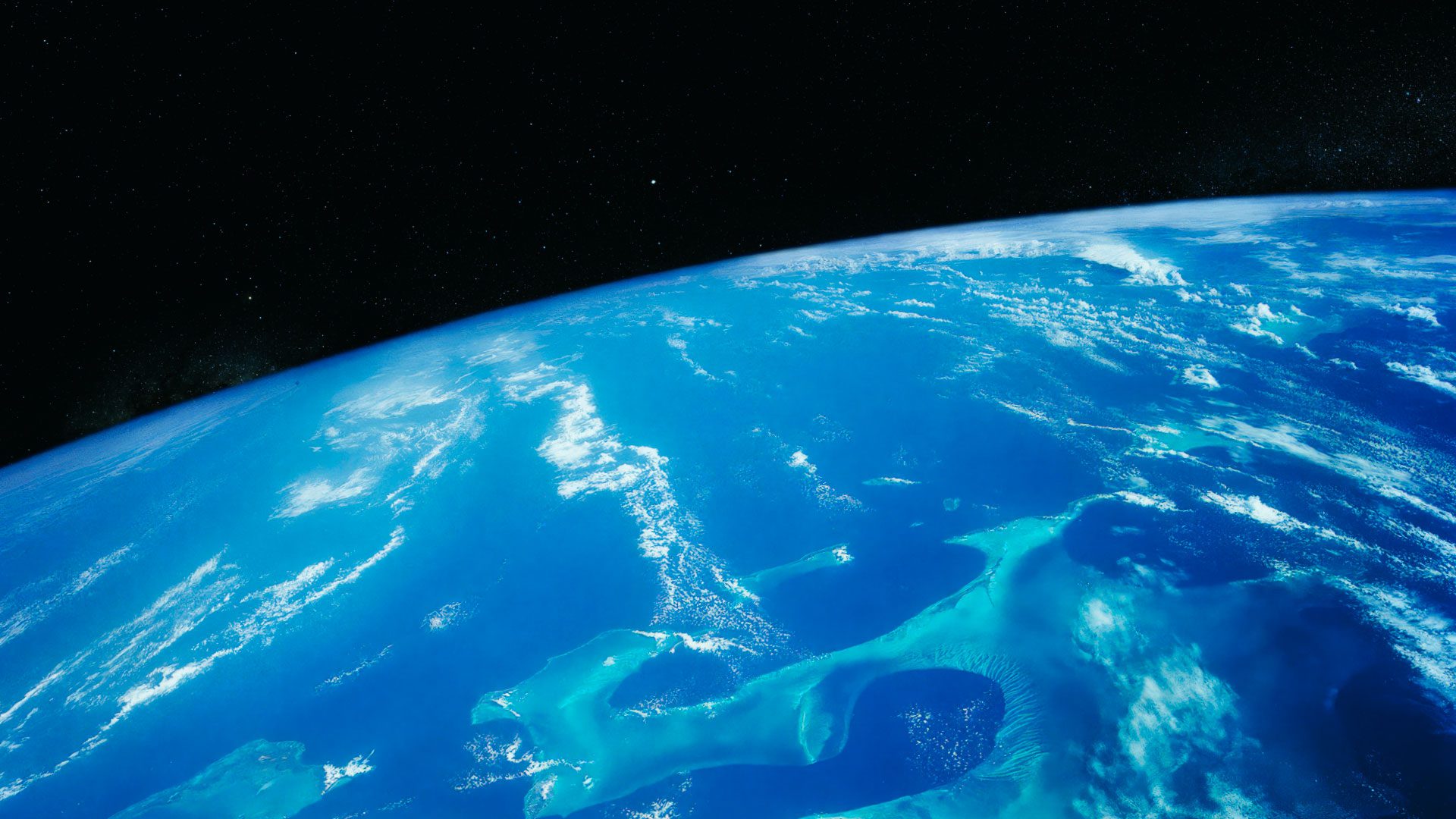
Researchers contribute to a bold initiative to conserve 30% of the global ocean by 2030
Read MoreAs illegal fishing rages on, is there any hope on the horizon?
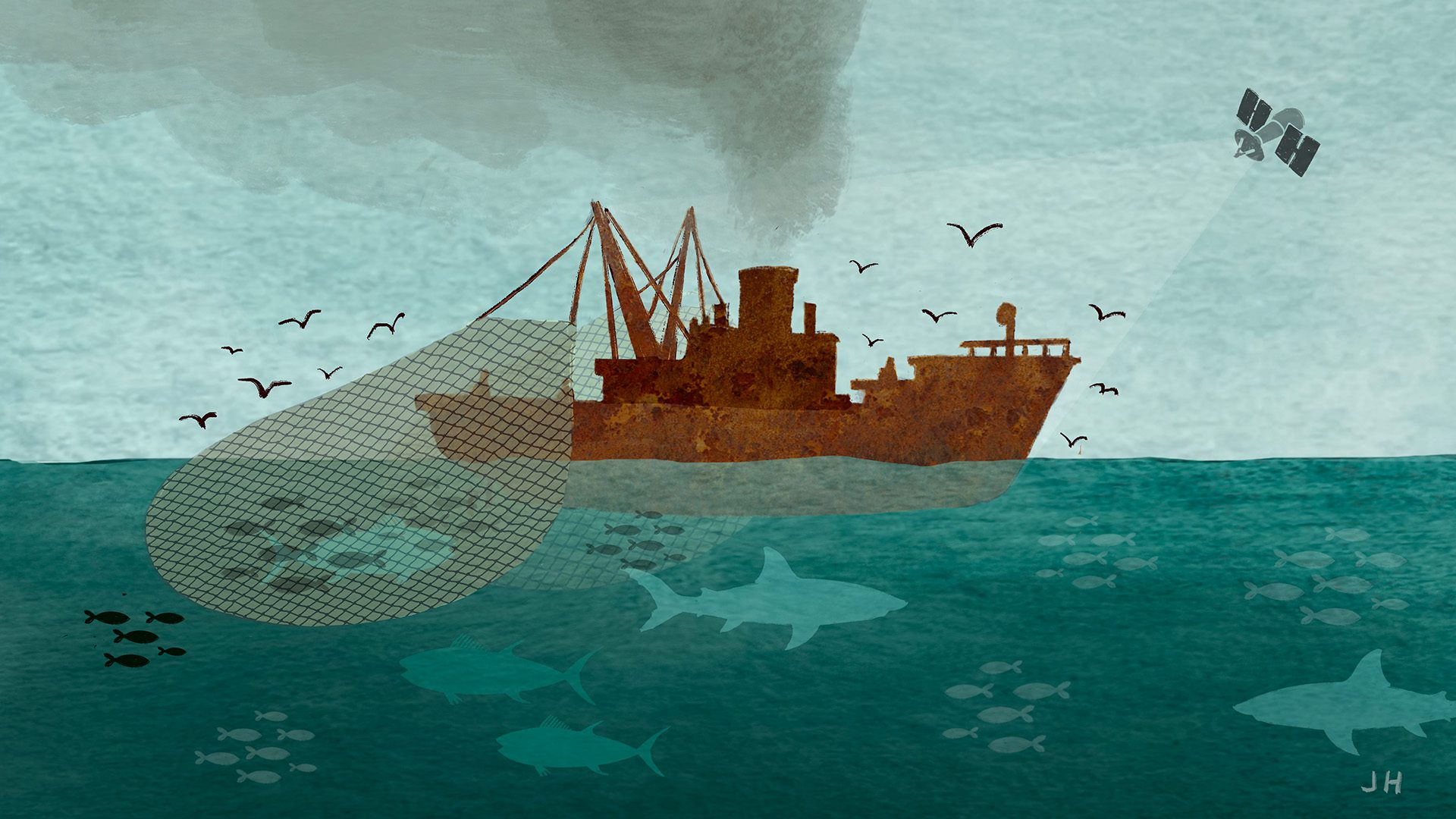
WHOI economist Yaqin Liu weighs in on the scourge of illegal fishing and what can be done to catch offenders
Read MoreMassachusetts Governor Maura Healey visits WHOI
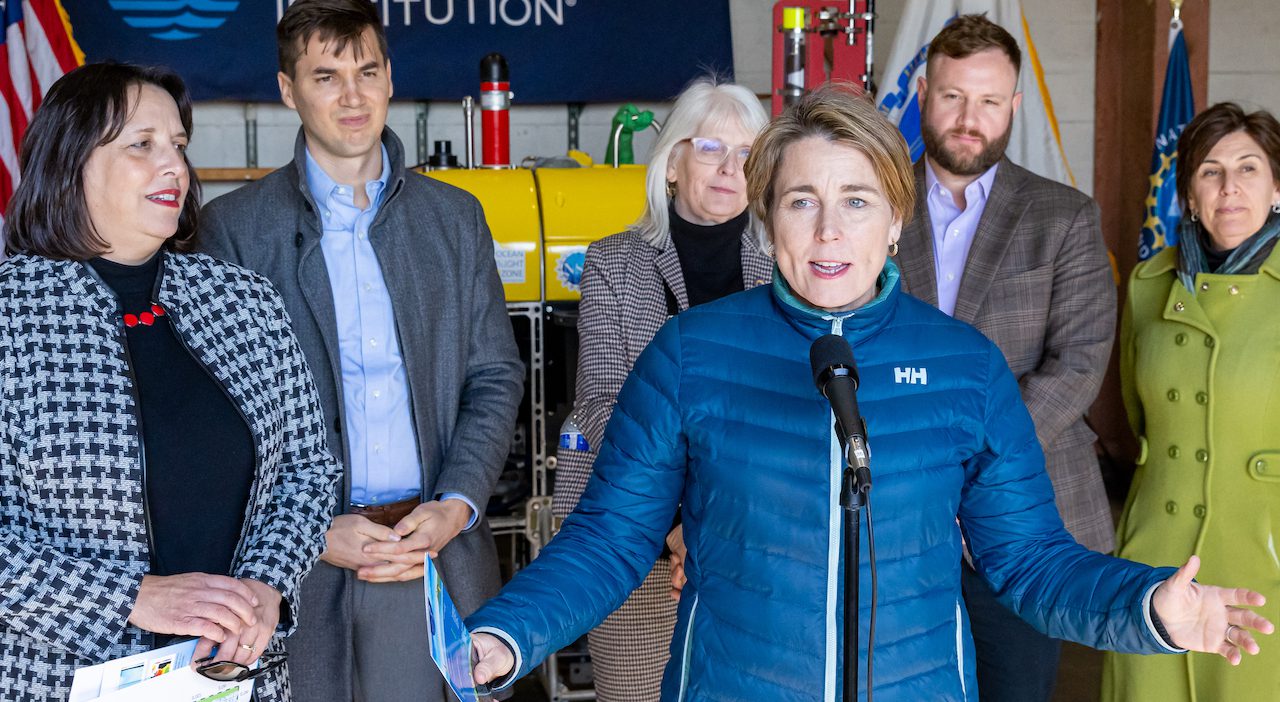
Healey-Driscoll administration “leans in” on climate, Blue Economy research at WHOI
Read MoreTracking dispersal of baby fish for better reef conservation
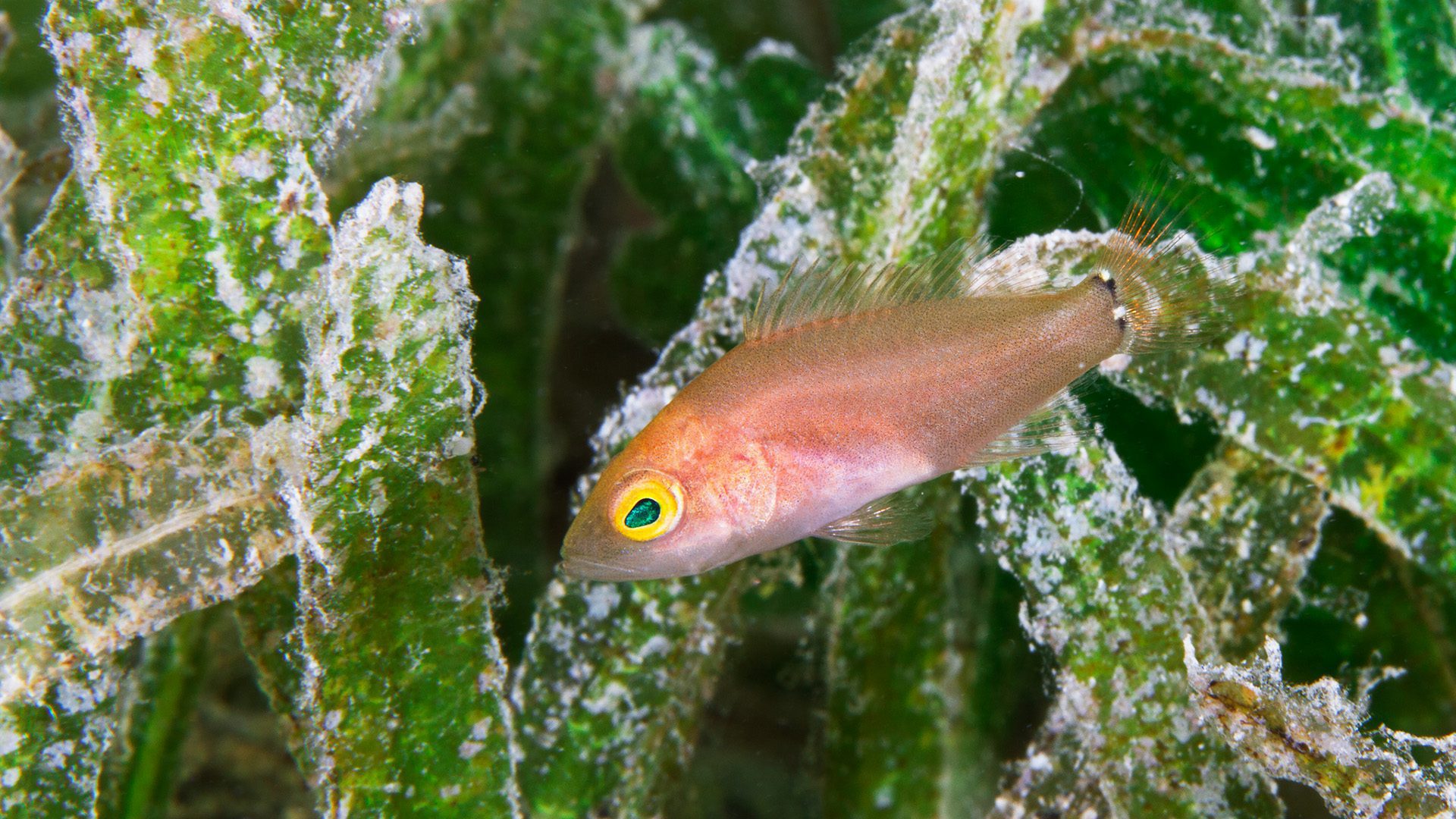
To improve marine protected areas, WHOI scientists study the traffic patterns of juvenile reef fish
Read MoreOcean data gives Northeast fishermen an edge against a warming ocean
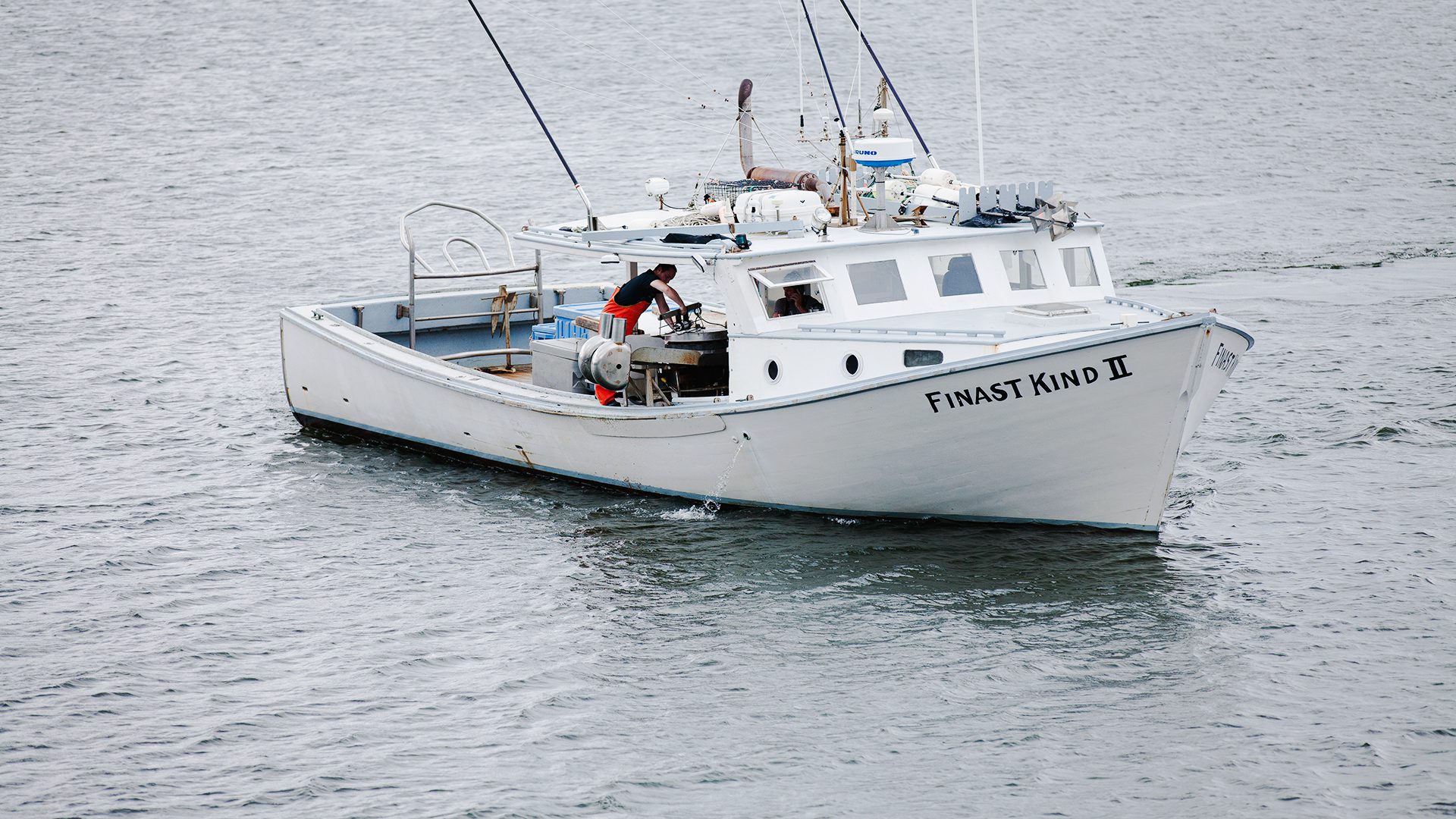
Fishermen successfully brace against warm water wave from Gulf Stream, thanking greater access to data from the WHOI Shelf Fleet Program
Read MoreHow to speak “Ocean”
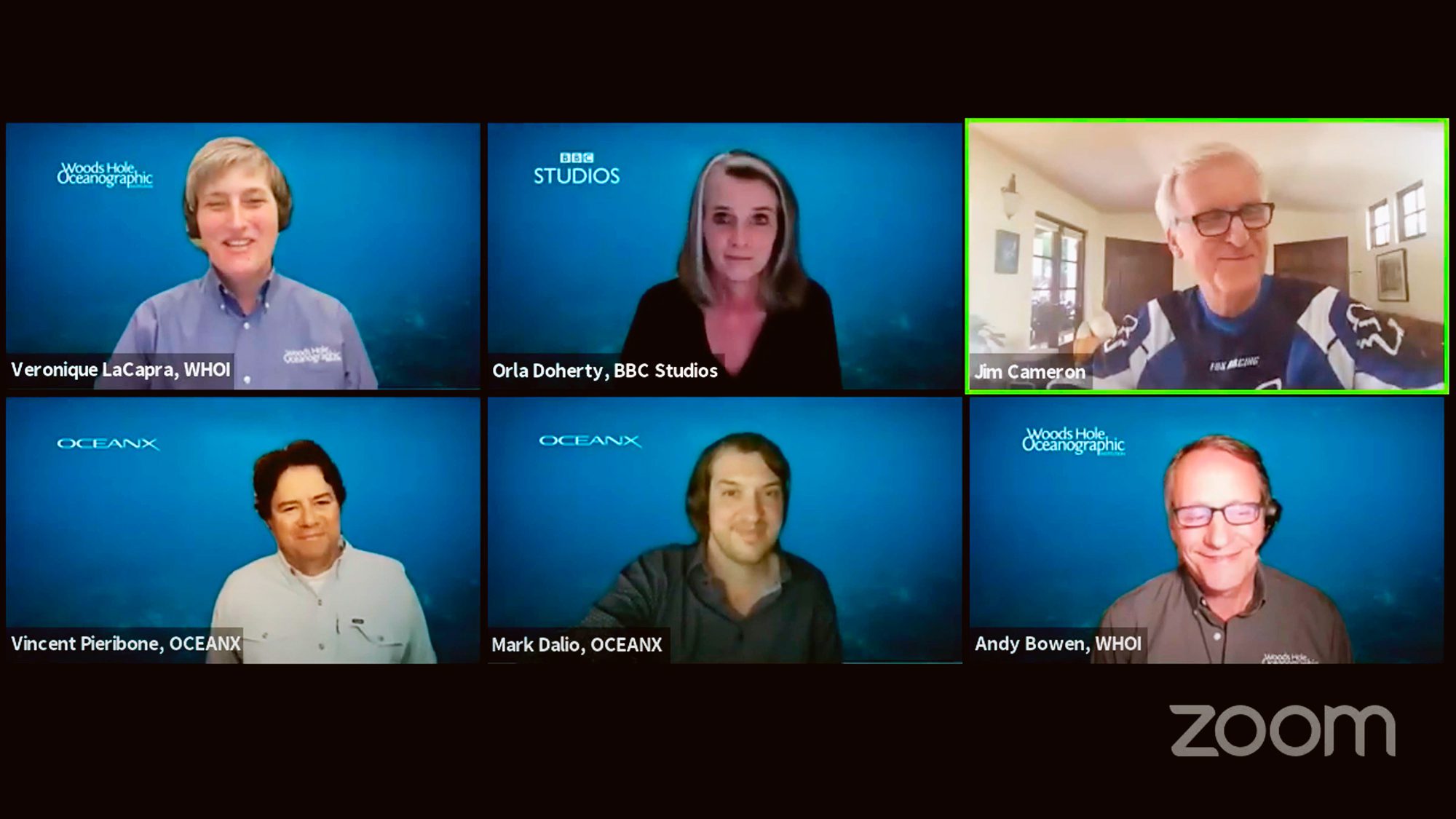
Major communications initiative aims to bridge gaps in ocean literacy and awareness
Read MoreFive times the ocean helped us learn about the human body
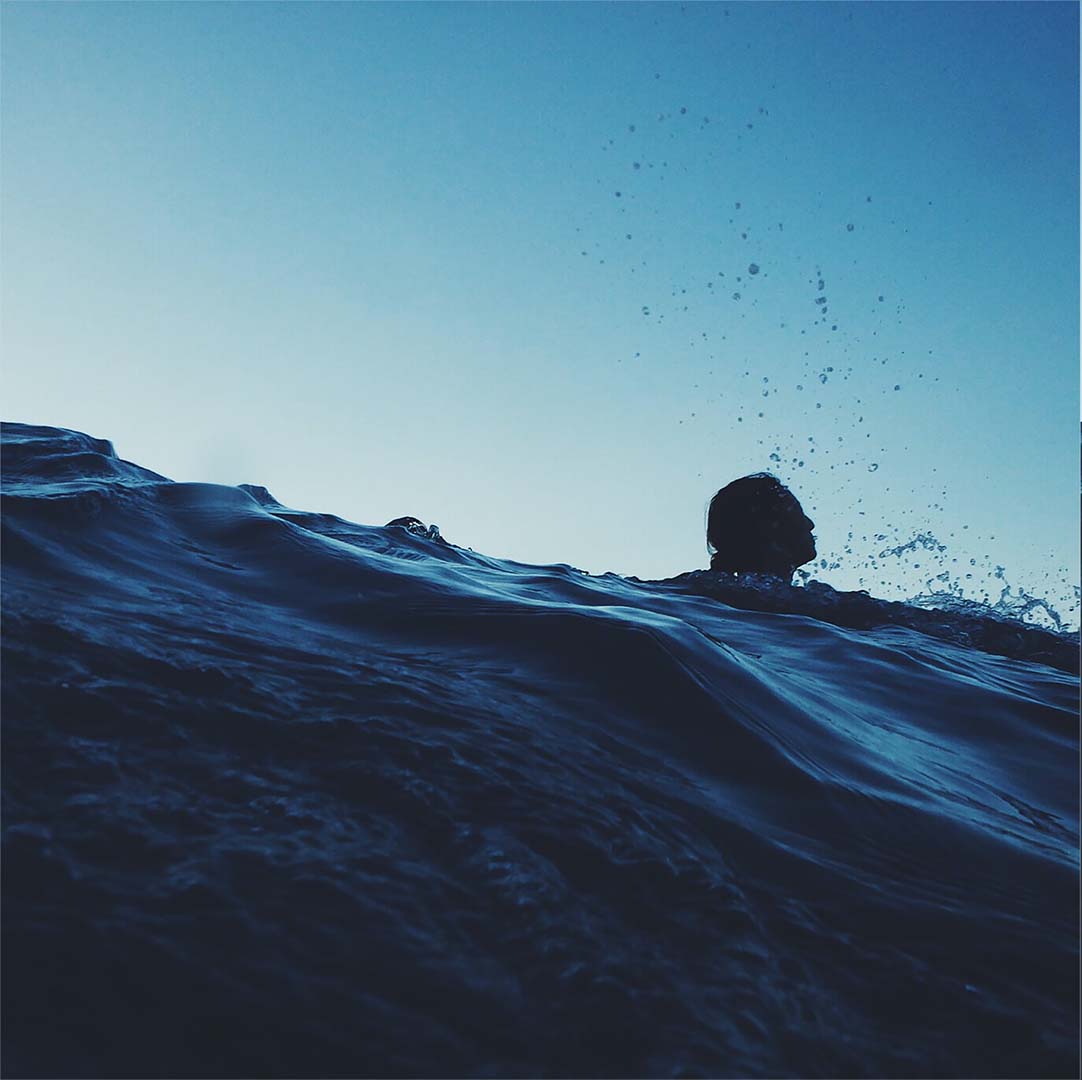
For people studying the human body, big ideas can sometimes come in small, briny packages
Read MoreMeasuring the great migration
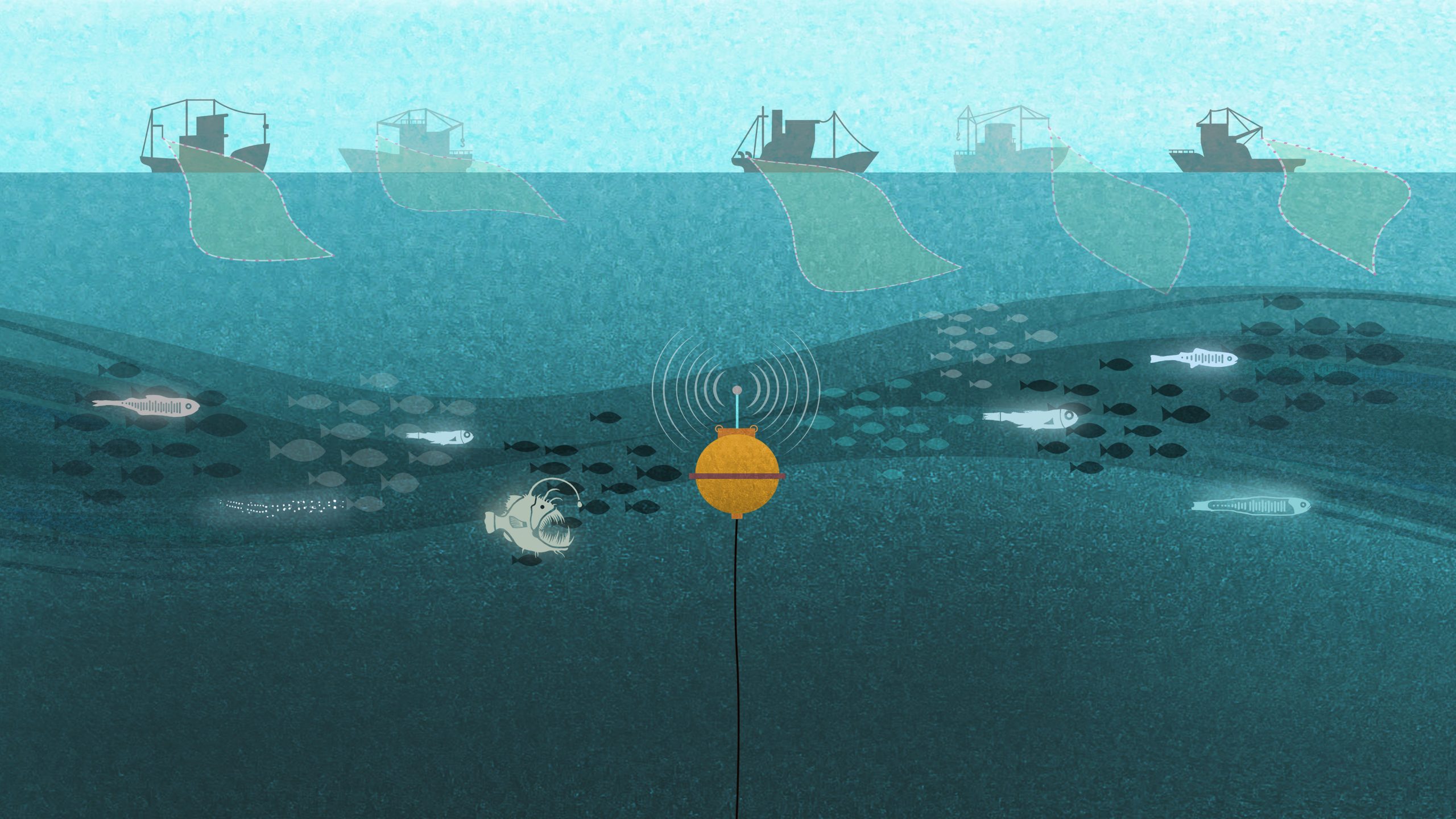
A bioacoustic mooring will use sound to help estimate life migrating in the ocean’s twilight zone as part of a new long-term observation network in the Atlantic
Read MoreA new way of “seeing” offshore wind power cables
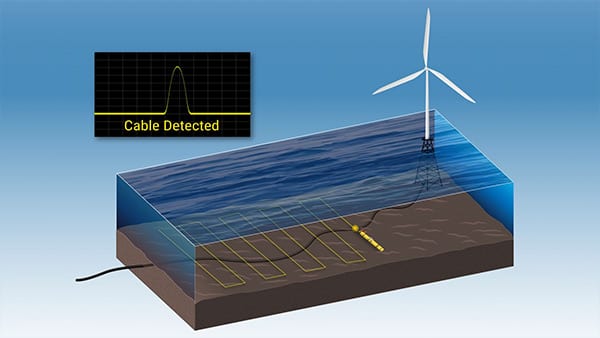
Eager to share best practices and technical know-how with the offshore wind sector, WHOI researchers test out an autonomous underwater vehicle (AUVs)—a staple of oceanographic research—to see if it can perform subsea cable surveys faster and more economically than using large and expensive ships.
Read MoreFresh Water Below the Seafloor?
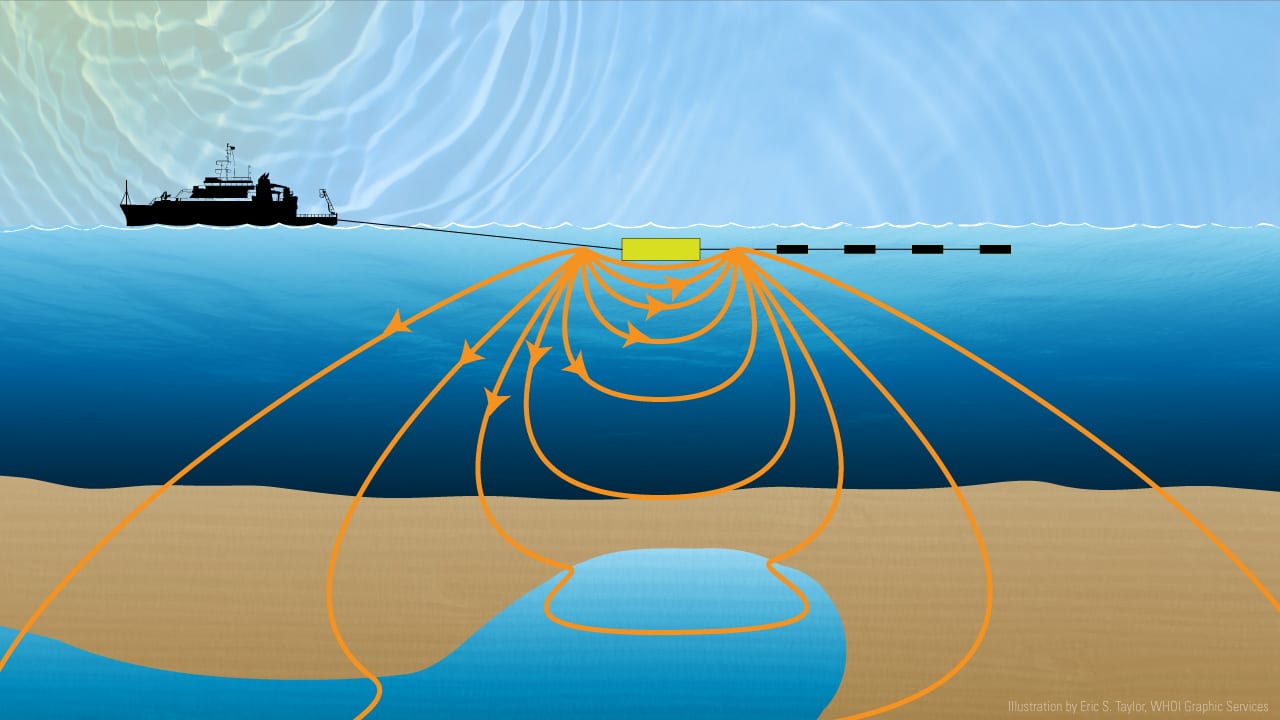
Using a new method to distinguish fresh water from oil or salt water, scientists are exploring beneath the continental shelf off New England to look for large pockets of trapped fresh water. This water may be continually filling from groundwater flowing from land or, alternatively, may have been left behind by ice ages glaciers.
Read MoreHow Would ‘On-Call’ Buoys Work?
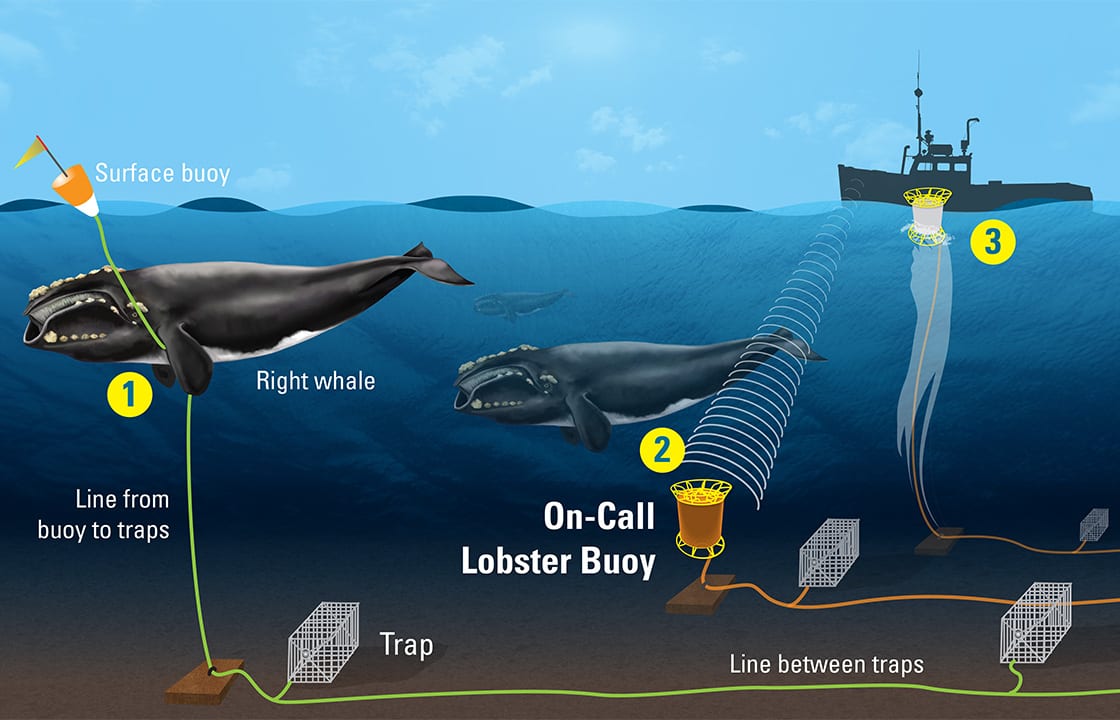
WHOI engineers are developing a new kind of lobster trap buoy that could help keep whales from getting tangled in fishing gear. Click on the numbers above to learn more. On a…
Read MoreMining Marine Microbes for New Drugs
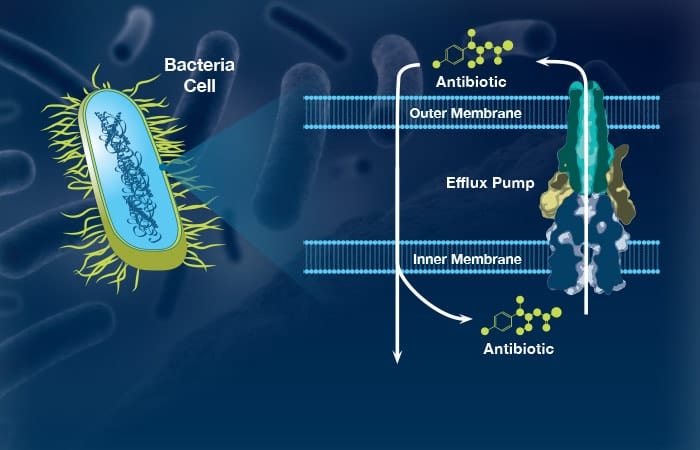
The ocean is a combat zone where marine microbes are constantly making chemical compounds to kill competitors or protect themselves. Could some of those compounds lead to pharmaceuticals that could help people?
Read MoreThe Great South Channel
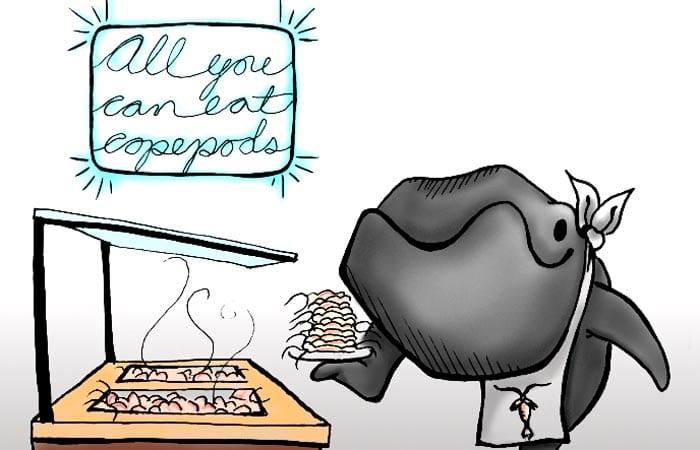
When people are hungry, they go to a place where they know they can find their favorite food. Right whales do much the same thing. In the Great South Channel,…
Read MoreVoyage to the Remote Phoenix Islands
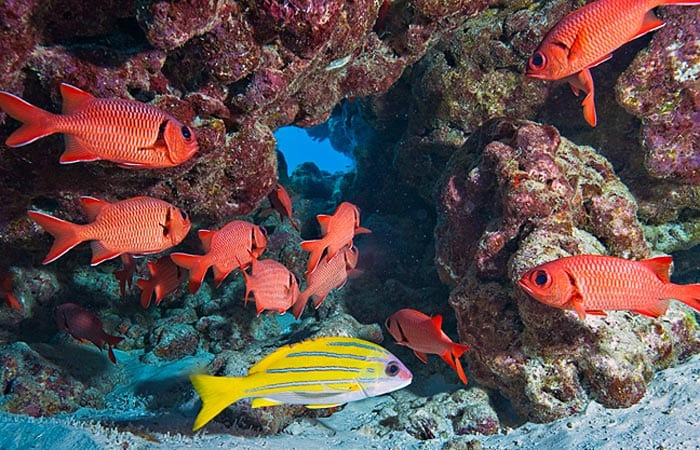
The Phoenix Islands aren’t obvious on a map—eight scattered coral atolls barely above sea level in the equatorial western Pacific. These specks form the most remote coral island archipelago in…
Read More‘Green’ Energy Powers Undersea Glider
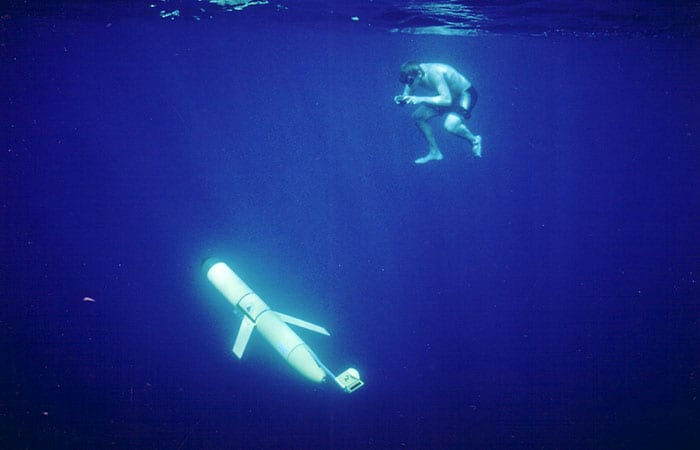
Researchers have successfully flown the first thermal glider through the ocean—a robotic vehicle that can propel itself for several months across thousands of miles, using only heat energy from the…
Read MoreWhich Way Will the Wind Blow?
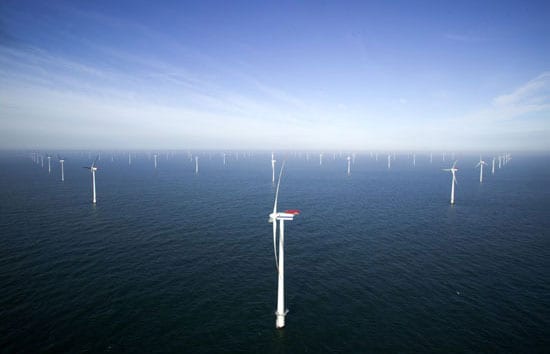
Wind energy is the fastest-growing sector of the global electric power industry, and several companies have proposed to build large wind turbines and utility-scale electric power-generating facilities in the coastal waters of the United States. Such facilities could change the way people use the ocean, and the public is divided over the costs and benefits. The environmental and economic benefits of renewable, nonpolluting sources of energy are clear. But there may be side effects from the placement of modern wind farms in the ocean, including the degradation of seascapes, impacts on birds and marine animals, and the disruption of existing patterns of human use of the ocean. The laws and regulations related to the placement of wind turbines in the ocean are at best rudimentary and inchoate; at worst, they are non-existent. Marine scientists and engineers can make an important contribution to this growing public debate by clarifying our understanding of the nature of these side effects. They might also inform public policies that balance the value of various ocean resources with the rights and interests of all who wish to use them.
Read More