
News Releases
Penguins Go Through the Flow
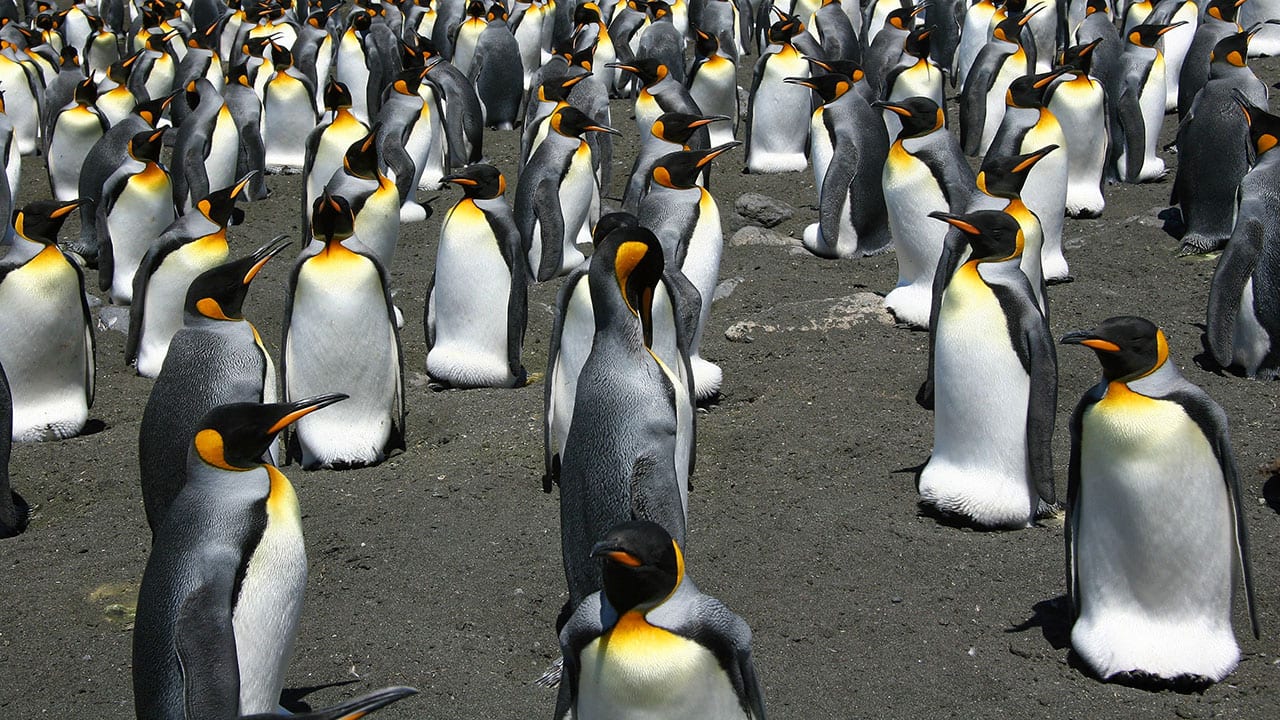
Colonies of breeding king penguins behave much like particles in liquids do, according to new study by the Woods Hole Oceanographic Institution (WHOI) and international colleagues. This “liquid ” organization and structure enables breeding colonies to protect themselves against predators while also keeping members together.
Read MoreMonitoring Bacteria on Whale Skin
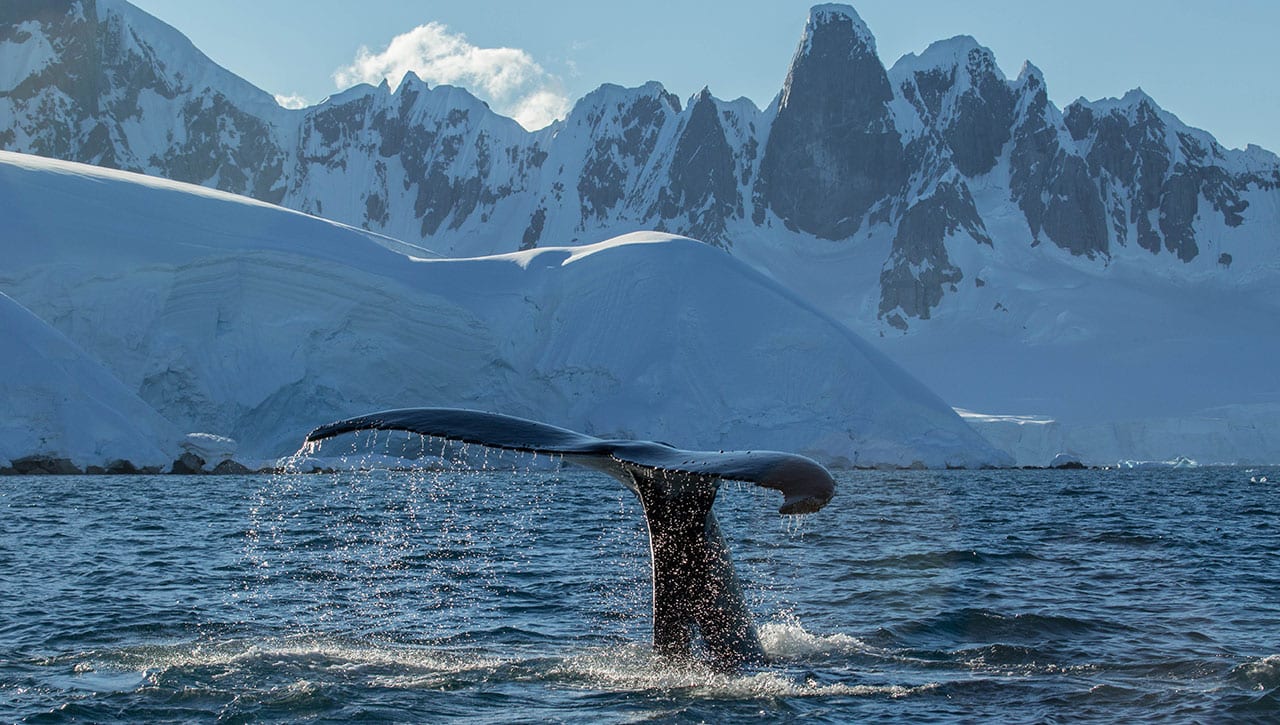
Just like with humans, the skin on marine mammals serves as an important line of defense against pathogens in their environment. A new study sheds light on the skin microbiome – a group of microorganisms that live on skin – in healthy humpback whales, which could aid in future efforts to monitor their health.
Read MoreFeeling the Heat in the NW Atlantic
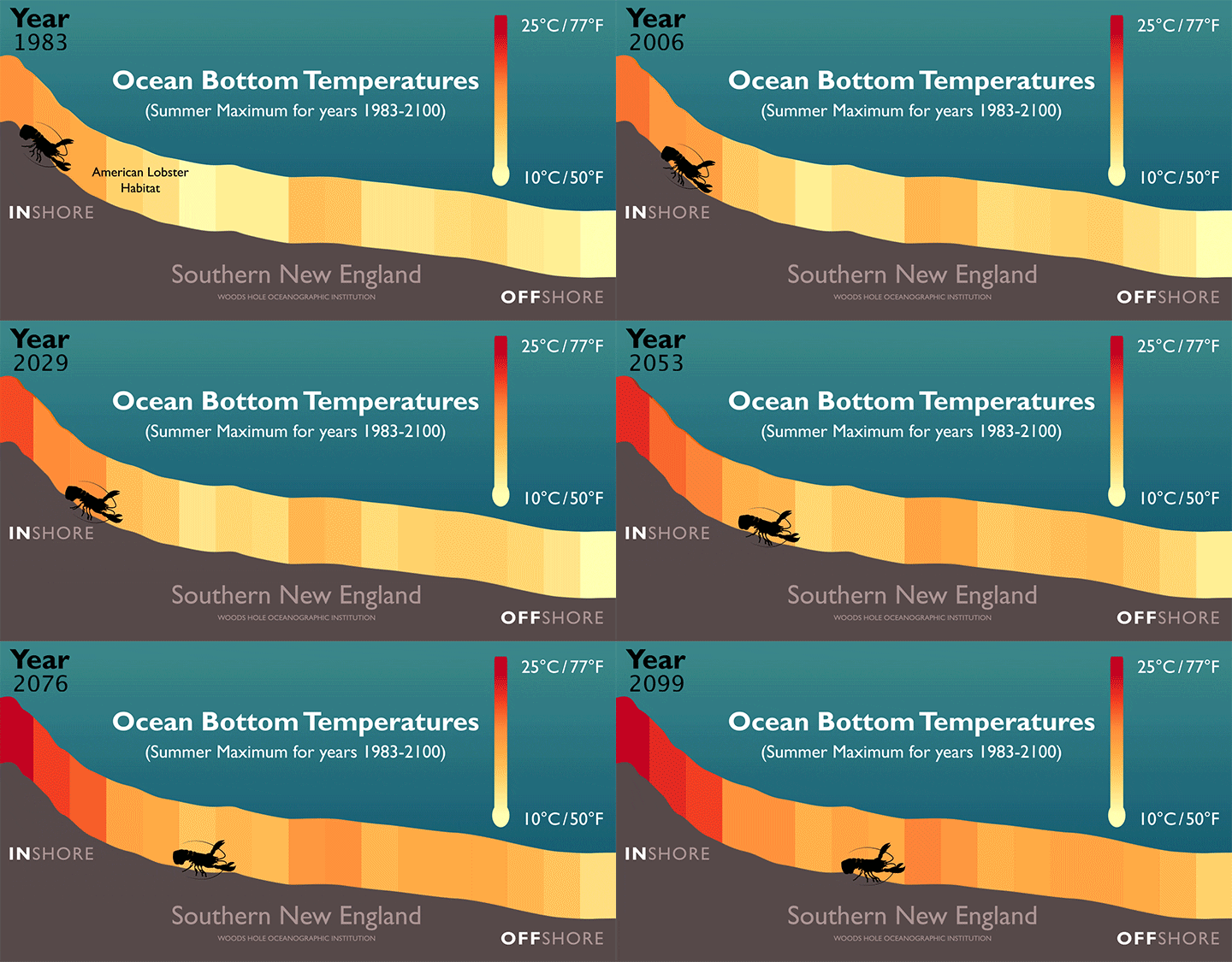
Rising temperatures along the bottom of the Atlantic Ocean will force American lobsters (H. americanus) farther offshore and into more northern waters, according to a new study led by researchers at the Woods Hole Oceanographic Institution (WHOI).
Read MoreScientists Find Surprising Evidence of Rapid Changes in the Arctic
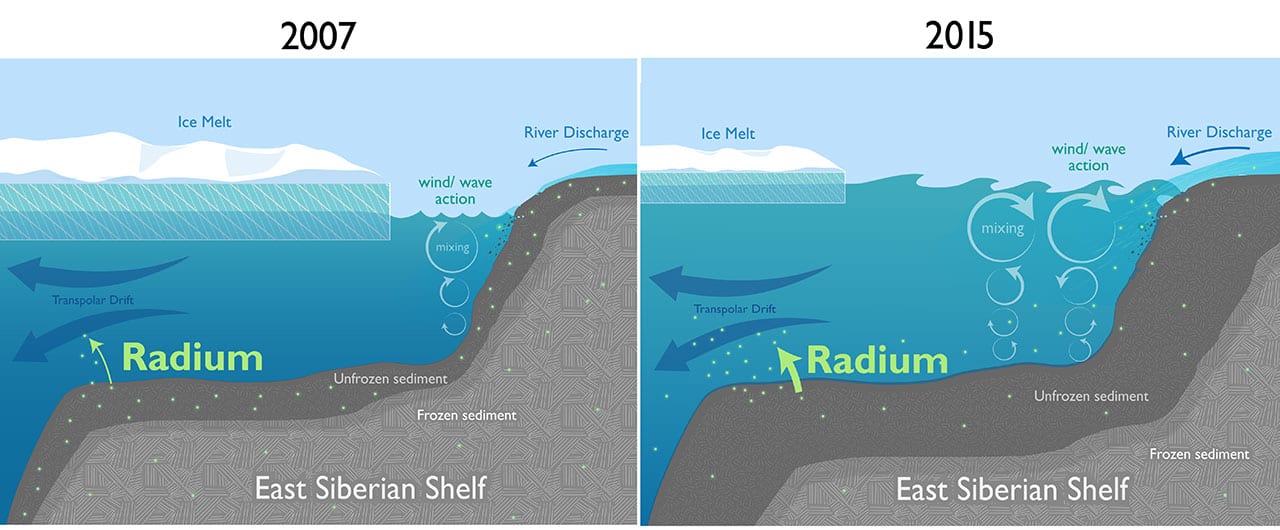
Scientists have found surprising evidence of rapid climate change in the Arctic: In the middle of the Arctic Ocean near the North Pole, they discovered that the levels of radium-228 have almost doubled over the last decade.
Read MoreNew Technique Offers Clues to Measure Ocean Deoxygenation
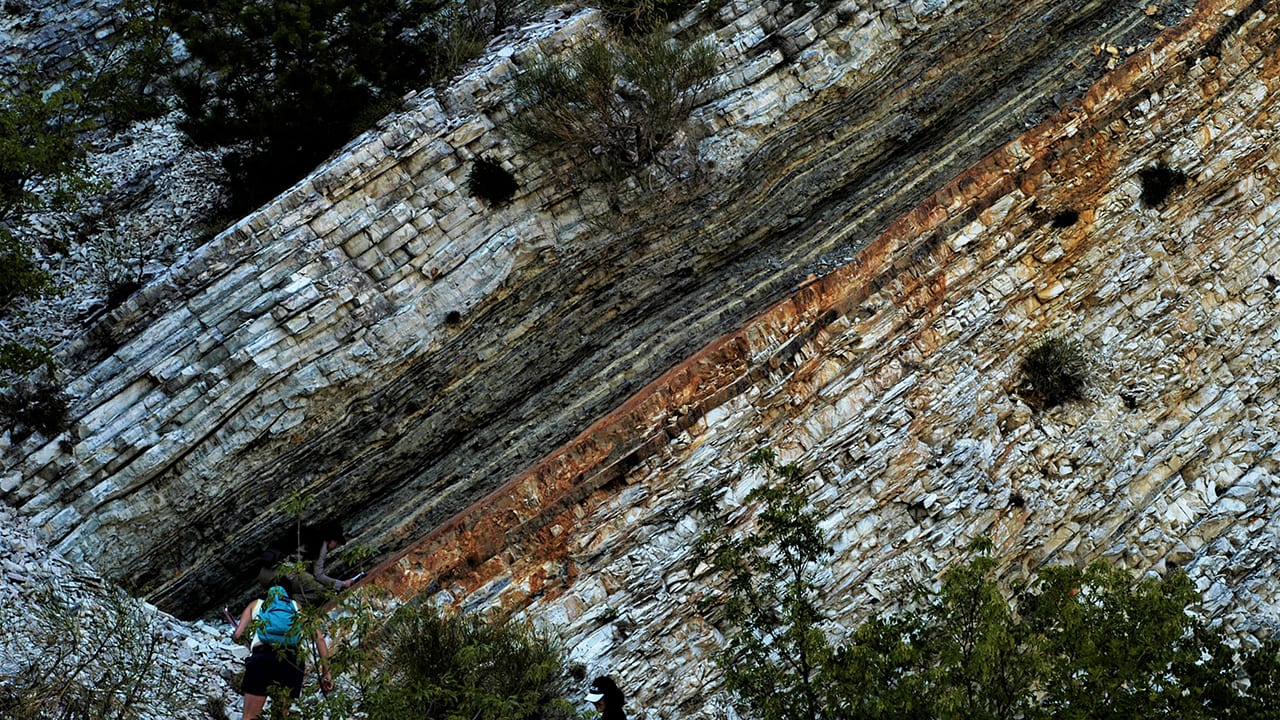
The living, breathing ocean may be slowly starting to suffocate. More than two percent of the ocean – s oxygen content has been depleted during the last half century, according to reports, and marine – dead zones – continue to expand throughout the global ocean. This deoxygenation, triggered mainly by more fertilizers and wastewater flowing into the ocean, pose a serious threat to marine life and ecosystems.
Read MoreMore Frequent Extreme Ocean Warming Could Further Endanger Albatross
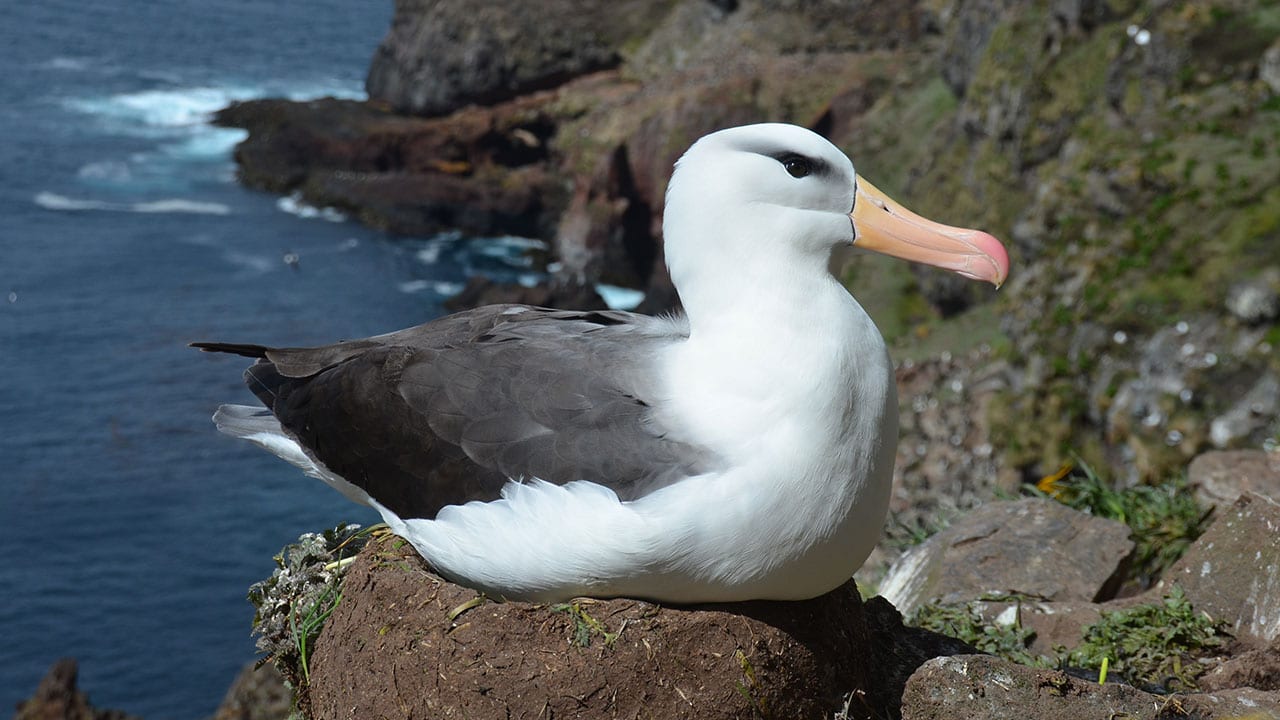
As scientists grapple with the behavioral, ecological and evolutionary impacts of extreme climatic events, the journal Philosophical Transactions of the Royal Society B created a special June issue to explore what is known on the topic and pioneer new approaches to this challenging and rapidly expanding field of study. The issue, which was published online May 8, 2017, was co-edited by Wood Hole Oceanographic institution (WHOI) biologist Stephanie Jenouvrier.
Read MoreCorals Die as Global Warming Collides with Local Weather in the South China Sea
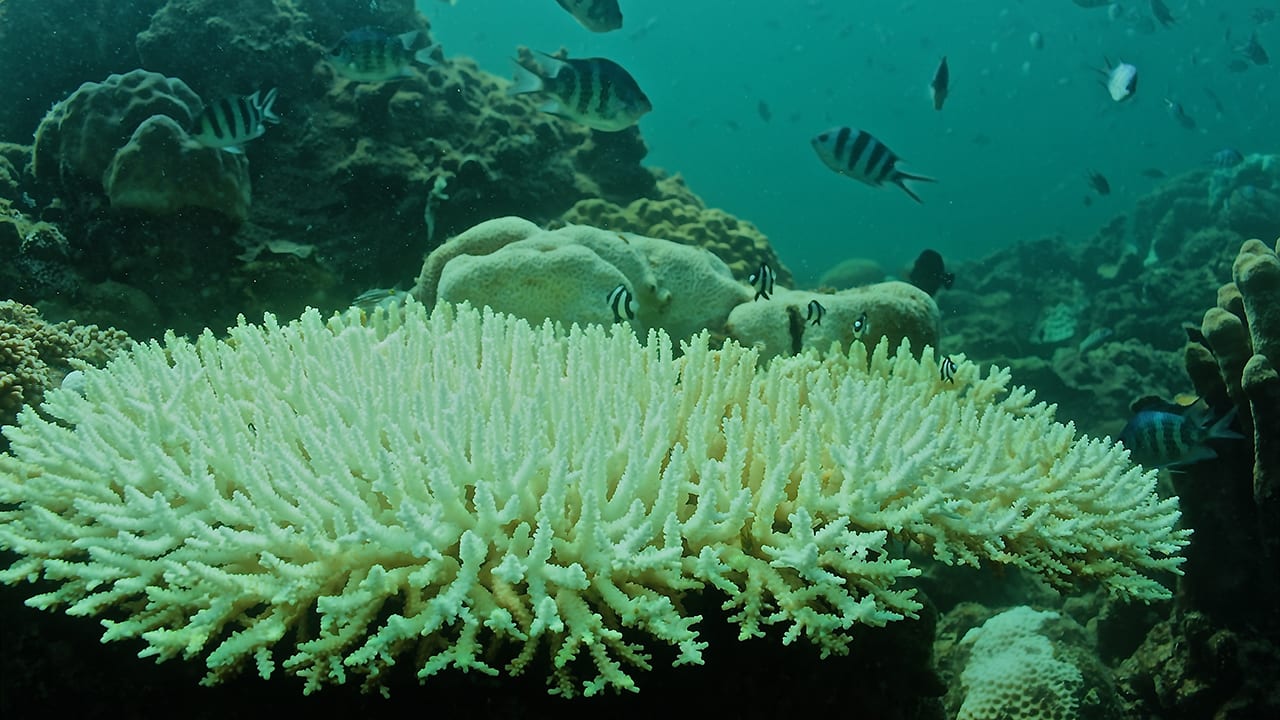
New research highlights the devastation caused when global-scale ocean warming interacts with short-lived weather anomalies, and adds urgency to the question of how reefs will fare through the end of this century.
Read MoreAntarctic Bottom Waters Freshening at Unexpected Rate
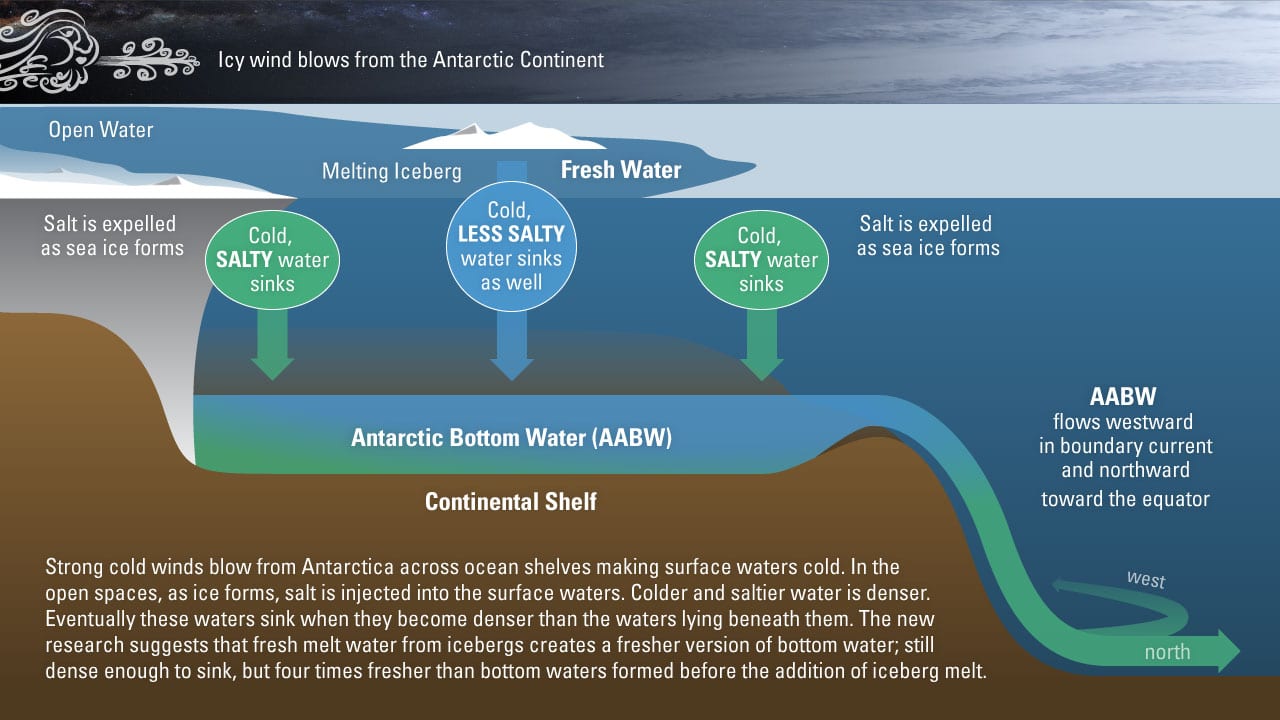
In the cold depths along the sea floor, Antarctic Bottom Waters are part of a critical part of the global circulatory system. Over the last decade, scientists have been monitoring changes in these waters, but a new WHOI study suggests these changes are themselves shifting in unexpected ways, with potentially significant consequences for the ocean and climate.
Read MoreFishermen, Scientists Collaborate to Collect Climate Data
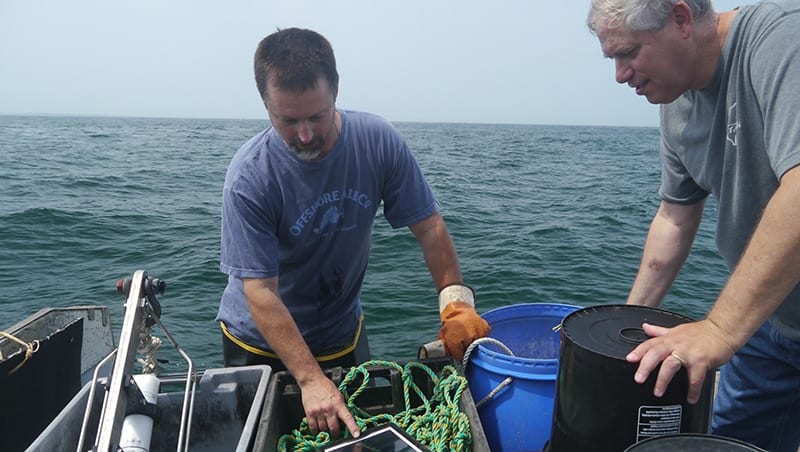
To help understand the ongoing changes in their slice of the ocean, a group of commerical fishermen in southern New England are now part of a fleet gathering much-needed climate data for scientists through a partnership with the Commercial Fisheries Research Foundation (CFRF) and Woods Hole Oceanographic Institution (WHOI).
Read MoreFiamma Straneo Selected for Prestigious Sverdrup Lecture
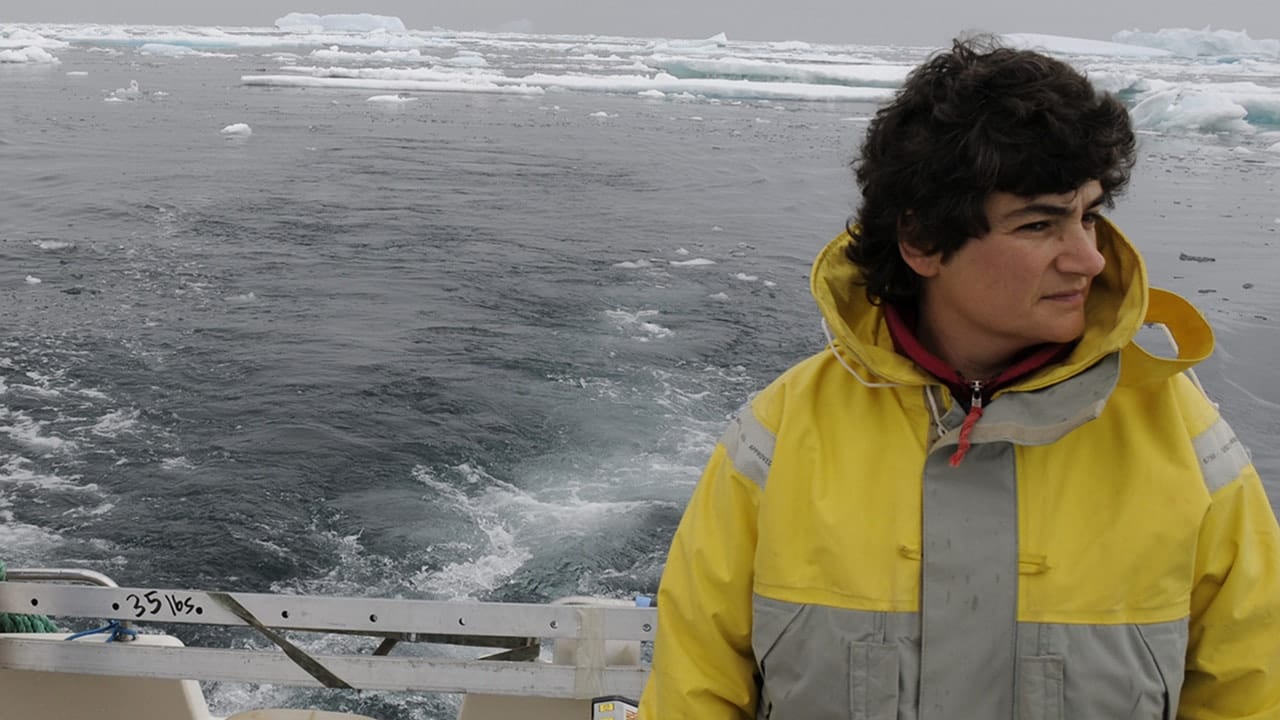
The American Geophysical Union (AGU) has chosen Fiamma Straneo, a physical oceanographer at Woods Hole Oceanographic Institution (WHOI), to deliver the Sverdrup Lecture at this year’s meeting of the Ocean Sciences section held in New Orleans from February 21-26, 2016. The lecture is one of the highest awards the section bestows on its members.
Read MoreStudy Reveals Climate Change Impacts on Buzzards Bay
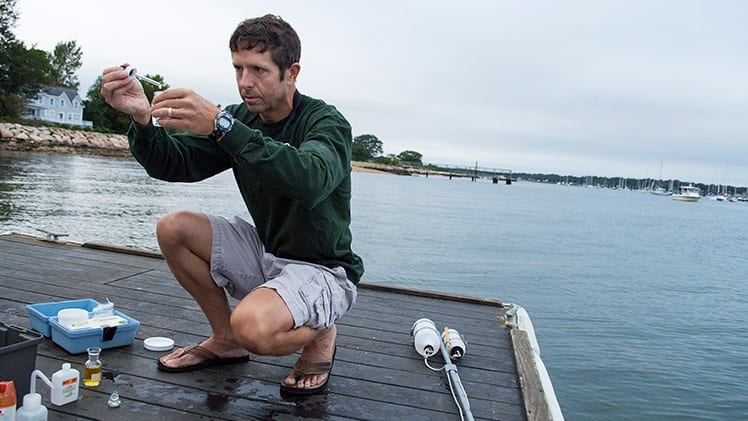
Utilizing 22 years of data collected by a network of citizen scientists, researchers from the Woods Hole Oceanographic Institution (WHOI) and their colleagues at the Buzzards Bay National Estuary Program, the Buzzards Bay Coalition, and the Marine Biological Laboratory found that average summertime temperatures in embayments throughout Buzzards Bay warmed by almost 2 degrees Celsius—roughly 4 degrees Fahrenheit.
Read MoreNew Study Projects That Melting of Antarctic Ice Shelves Will Intensify
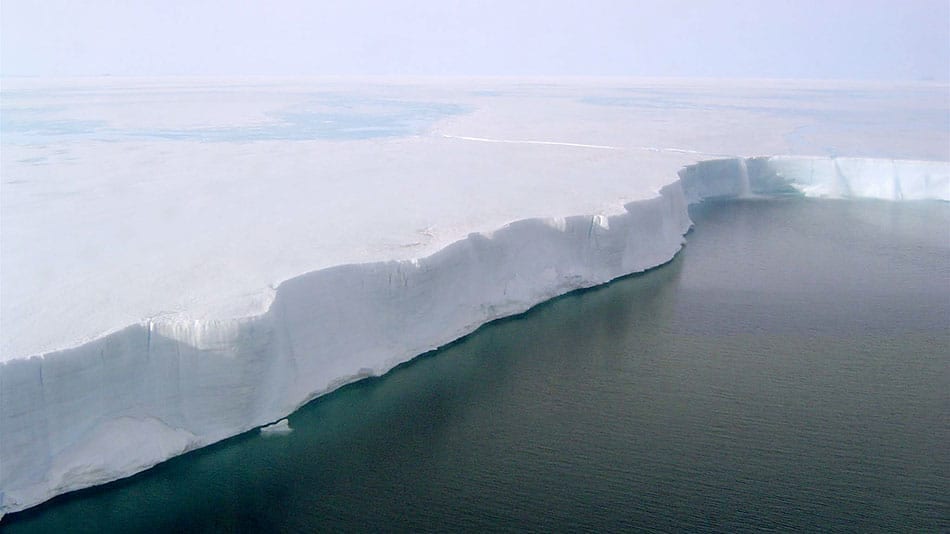
New research published today projects a doubling of surface melting of Antarctic ice shelves by 2050 and by 2100 may surpass intensities associated with ice shelf collapse, if greenhouse gas emissions from fossil fuel consumption continues at the present rate.
Ice shelves are the floating extensions of the continent’s massive land-based ice sheets. While the melting or breakup of floating ice shelves does not directly raise sea level, ice shelves do have a “door stop” effect: They slow the flow of ice from glaciers and ice sheets into the ocean, where it melts and raises sea levels.
Read MoreWHOI, NEAQ Embark on Expedition to the Phoenix Islands
A research team led by the New England Aquarium (NEAQ) and Woods Hole Oceanographic Institution (WHOI) are heading out on a 6,000-mile expedition to one of the most remote places on Earth—the Phoenix Islands in the central Pacific Ocean. Throughout the month of September and in the midst of a strengthening Pacific El Nino, researchers will investigate the combined effects of climate change and human activity on the these vast coral reef ecosystems and the diversity of life they sustain.
Read MoreShifting Winds, Ocean Currents Doubled Endangered Galapagos Penguin Population
New research suggests shifts in wind currents over the past three decades, possibly due to climate change and natural variability, have nudged the Equatorial Undercurrent north. The changing current expanded the nutrient-rich, cold water farther north along the coasts of the two islands, likely bolstering algae and fish numbers in the cold pool. This allowed the penguin population to double over the past 30 years, swelling to more than 1,000 birds by 2014, according to the new study.
Read MoreAccelerated Warming of the Continental Shelf Off Northeast Coast
A new study by physical oceanographers at Woods Hole Oceanographic Institution (WHOI), published in the Journal of Geophysical Research, shows that water temperatures in this continental shelf region have been trending upward, with unprecedented warming occurring over the last 13 years. The study also suggests a connection between sea level anomalies and water temperature along the continental shelf.
Read MoreSudden Draining of Glacial Lakes Explained
In 2008 scientists from Woods Hole Oceanographic Institution (WHOI) and the University of Washington documented for the first time how the icy bottoms of lakes atop the Greenland Ice Sheet can crack open suddenly—draining the lakes completely within hours and sending torrents of water to the base of the ice sheet thousands of feet below. Now they have found a surprising mechanism that triggers the cracks.
Scientists had theorized that the sheer weight of the water in these supraglacial lakes applied pressure that eventually cracked the ice, but they could not explain why some lake bottoms cracked while others did not.
Read MoreSecuring the Supply of Sea Scallops for Today and Tomorrow
Good management has brought the $559 million United States sea scallop fishery back from the brink of collapse over the past 20 years. However, its current fishery management plan does not account for longer-term environmental change like ocean warming and acidification that may affect the fishery in the future. A group of researchers from Woods Hole Oceanographic Institution (WHOI), NOAA’s National Marine Fisheries Service, and Ocean Conservancy hope to change that.
Read MoreSwirling Currents Deliver Phytoplankton Carbon to Ocean Depths
A new paper published March 26 in the journal Science that highlights the significant role that swirling currents, or eddies, play in pushing non-sinking carbon to ocean depths.
Read MoreMonster hurricanes reached U.S. during prehistoric periods of ocean warming
Intense hurricanes, possibly more powerful than any storms New England has experienced in recorded history, frequently pounded the region during the first millennium, from the peak of the Roman Empire into the height of the Middle Ages, according to a new study. The findings could have implications for the intensity and frequency of hurricanes the U.S. could experience as ocean temperatures increase as a result of climate change, according to the study’s authors.
Read MoreStudy Supplies Insight into Behavior of African Monsoon
Think of the Sahara and you will conjure images of a vast desert landscape, with nothing but sand as far as the eye can see. But for a period of about 10,000 years, the Sahara was characterized by lush, green vegetation and a network of lakes, rivers and deltas.
This “green Sahara” occurred between 14,800 and 5,500 years ago during what is known as the “African Humid Period.” Why and how it ended is the subject of scientific study that holds important information for predicting the region’s response to future climate change.
In a study published this week in Nature Geoscience, a team of researchers provides new insight into the behavior of the African monsoon at the end of the African Humid Period and the factors that caused it to collapse.
Read MoreNereid Under Ice Vehicle: A Powerful New Tool for Polar Science
Scientists studying the harsh and rapidly changing Arctic environment now have a valuable new tool to advance their work—an innovative robot, designed and built at the Woods Hole Oceanographic Institution (WHOI) that is changing the way scientists can interact with and observe the polar environment.
Read MoreEvidence Suggests California’s Drought is the Worst in 1,200 Years
As California finally experiences the arrival of a rain-bearing Pineapple Express this week, two climate scientists from the University of Minnesota and Woods Hole Oceanographic Institution have shown that the drought of 2012-2014 has been the worst in 1,200 years.
Read MoreWHOI Part of the Stantec Team Selected to Lead Major Marine Arctic Ecosystem Study
Woods Hole Oceanographic Institution (WHOI), as a part of the Stantec Team, has been selected by an interagency scientific review panel to lead a long-term scientific study of the Arctic marine ecosystem along the Beaufort Sea shelf from Barrow, Alaska, to the Mackenzie River delta in Canadian waters.
Read MoreUnderstanding the Ocean’s Role in Greenland Glacier Melt
The Greenland Ice Sheet is a 1.7 million-square-kilometer, 2-mile thick layer of ice that covers Greenland. Its fate is inextricably linked to our global climate system. In the last 40…
Read More