
News Releases
WHOI Among First Funding Recipients of The Audacious Project
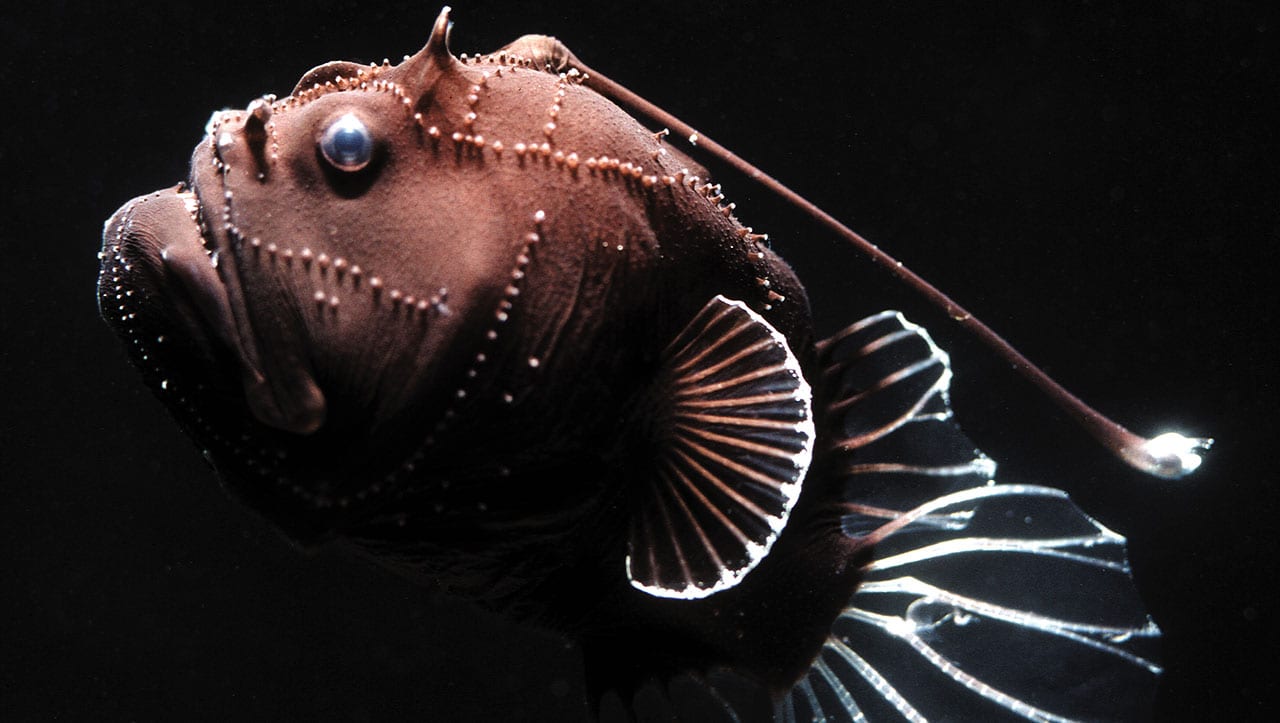
What if we explored the ocean’s vast twilight zone, teeming with undiscovered life? Today, the Woods Hole Oceanographic Institution (WHOI) was awarded $35 million – the largest philanthropic gift in the Institution’s history – to do just that. The award comes from The Audacious Project, a bold new philanthropic collaboration housed at TED to fund critical ideas that have potential to create massive, global change.
Read MoreTracing the Puzzling Origins of Clinging Jellyfish
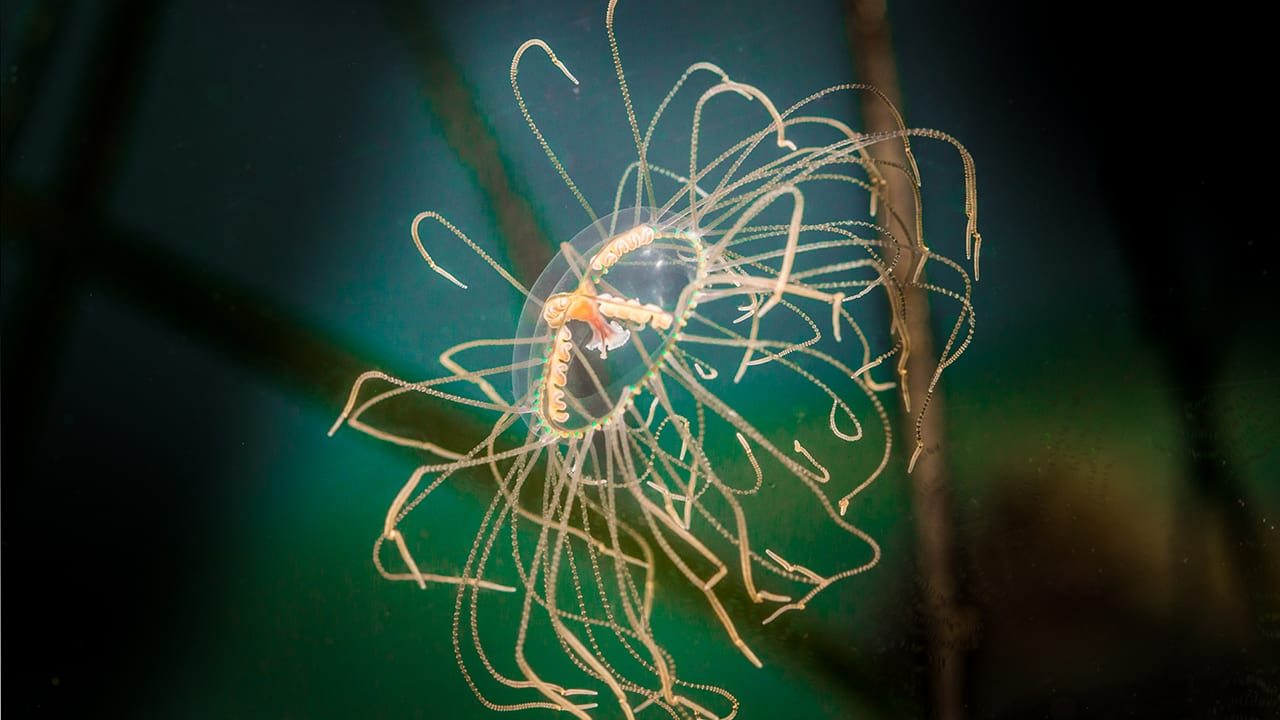
For such small and delicate creatures, they can pack mighty painful stings. Known as clinging jellyfish because they attach themselves to seagrasses and seaweeds, Gonionemus is found along coastlines in the Pacific and Atlantic oceans, and in particular in waters near Vladivostok, Russia. Exactly how these jellyfish, long assumed to be native to the North Pacific, became so widely distributed throughout the world has perplexed researchers for decades
Read MoreNovel Tag Developed for Squid, Jellyfish
A new data-logging tag, called the ITAG, developed at WHOI specifically for small and delicate invertebrates not only quantifies ocean conditions but also measures animals’ responses to their physical environments in high resolution.
Read MoreWhat Lives in the Sea?
The Census of Marine Life, a ten-year project to catalog all life in the sea, discovered more than 6,000 new species during its “decade of discovery,” scientists reported as they…
Read MoreThe Salp: Nature’s Near-Perfect Little Engine Just Got Better
What if trains, planes, and automobiles all were powered simply by the air through which they move? Moreover, what if their exhaust and byproducts helped the environment?
Well, such an energy-efficient, self-propelling mechanism already exists in nature. The salp, a smallish, barrel-shaped organism that resembles a kind of streamlined jellyfish, gets everything it needs from the ocean waters to feed and propel itself. And, scientists believe its waste material may actually help remove carbon dioxide (CO2) from the upper ocean and the atmosphere.
Jellyfish-Like Creatures May Play Major Role in Fate of Carbon Dioxide in the Ocean
Transparent jellyfish-like creatures known as salps, considered by many a low member in the ocean food web, may be more important to the fate of the greenhouse gas carbon dioxide…
Read More