
News Releases
Critical Atlantic Ocean currents remained active during the last ice age, according to new study
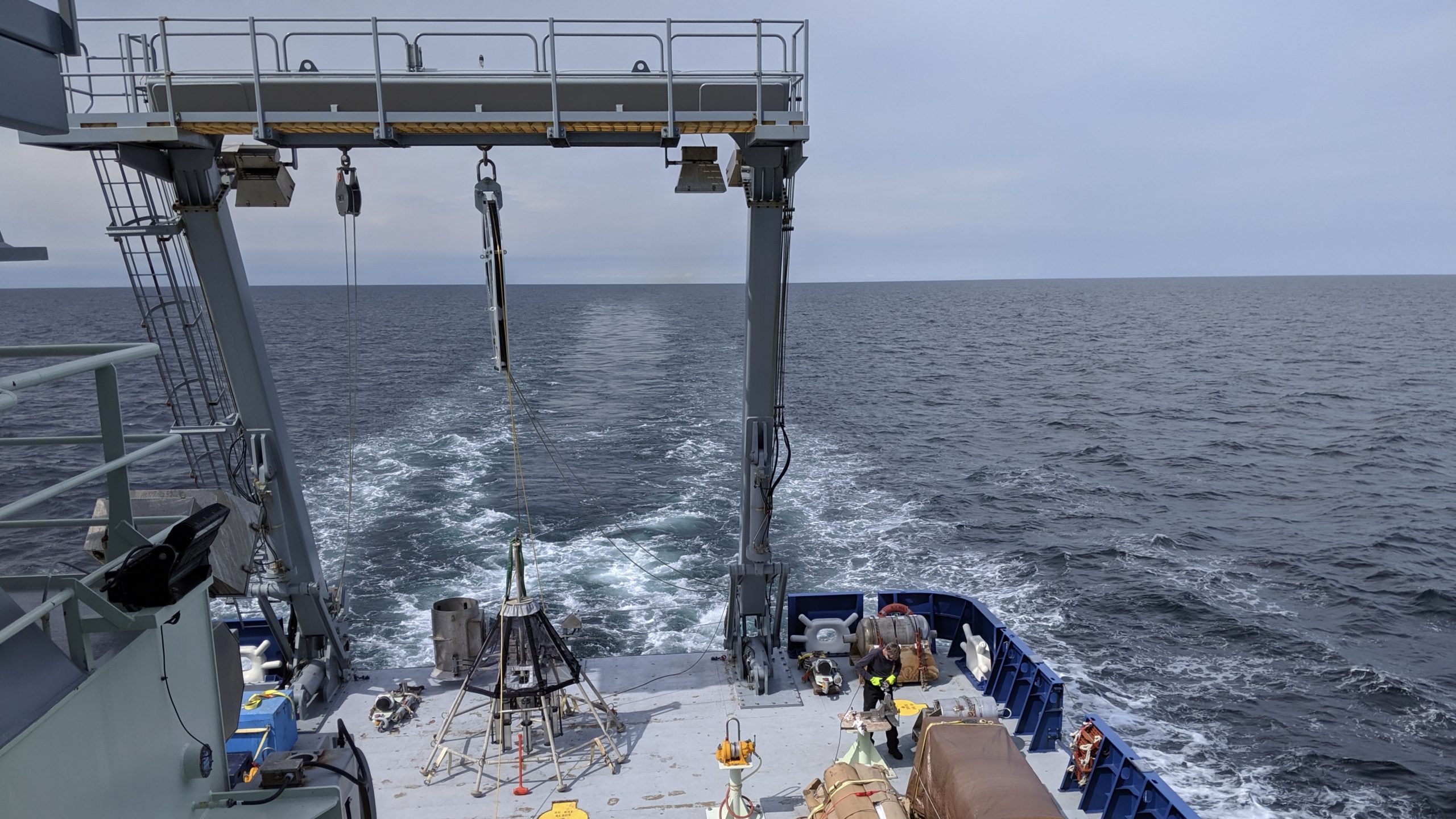
The study shows that deep ocean water in the North Atlantic was much warmer during the last ice age than scientists once believed.
Read MoreDeep ocean clues to a million-year-old Ice Age puzzle revealed in new study
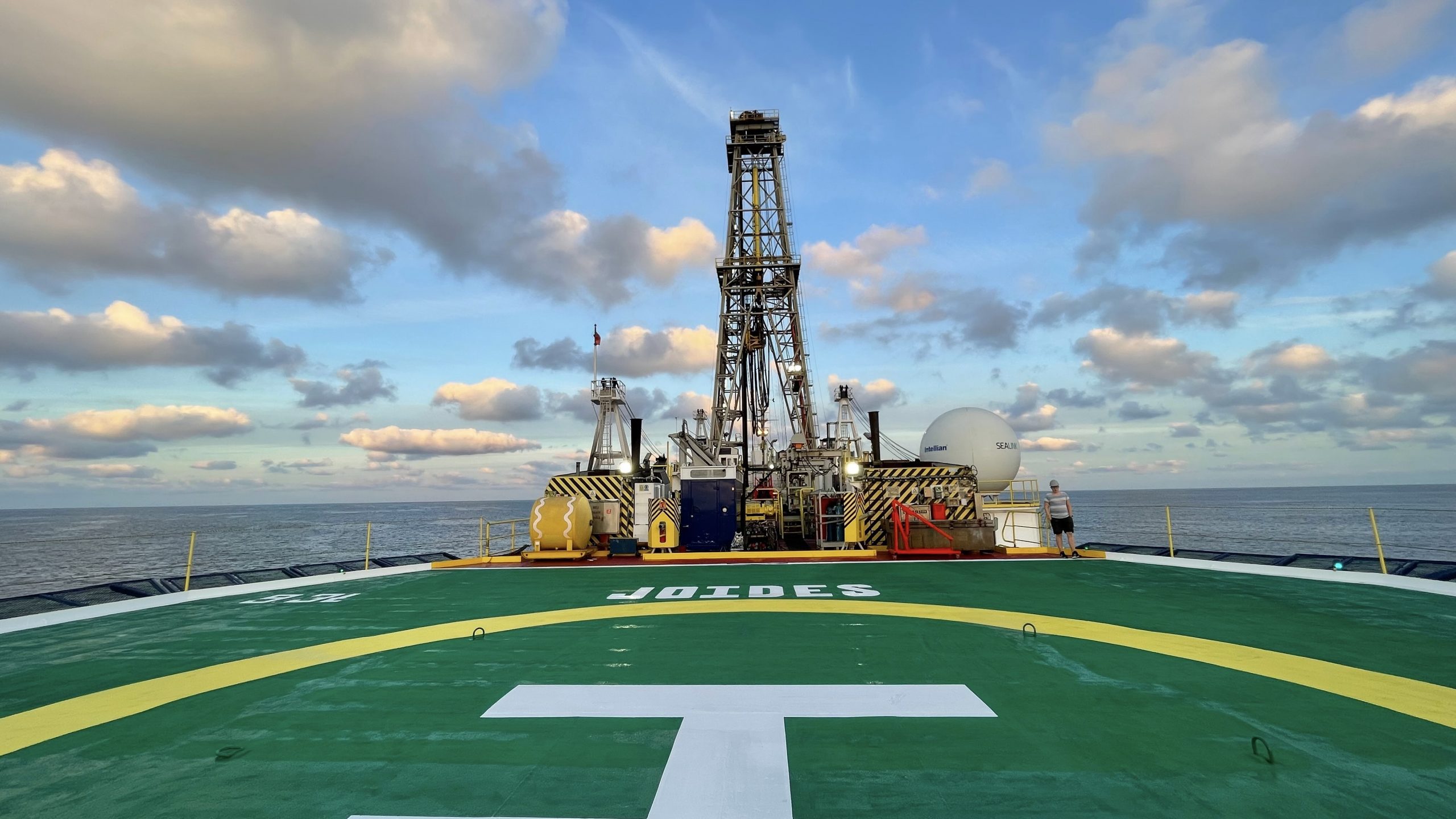
A new WHOI-led study challenges theories regarding the origins of a significant transition through the Earth’s ice ages.
Read MoreNew Study Definitively Confirms Gulf Stream Weakening
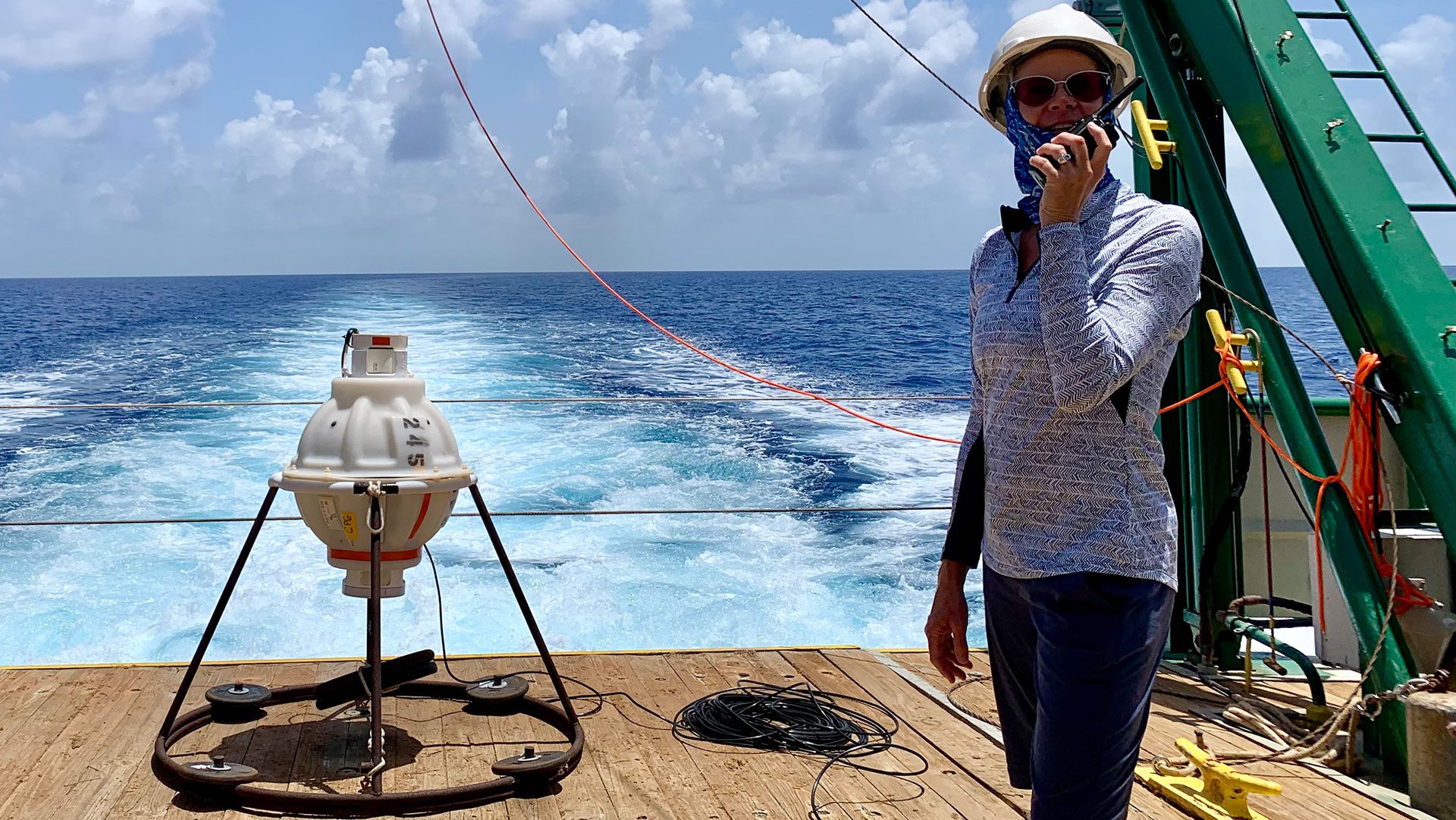
The Gulf Stream – which is a major ocean current off the U.S. East Coast and a part of the North Atlantic Ocean circulation – plays an important role in weather and climate, and a weakening could have significant implications.
Read MoreHow marine predators find food hot spots in open ocean “deserts”
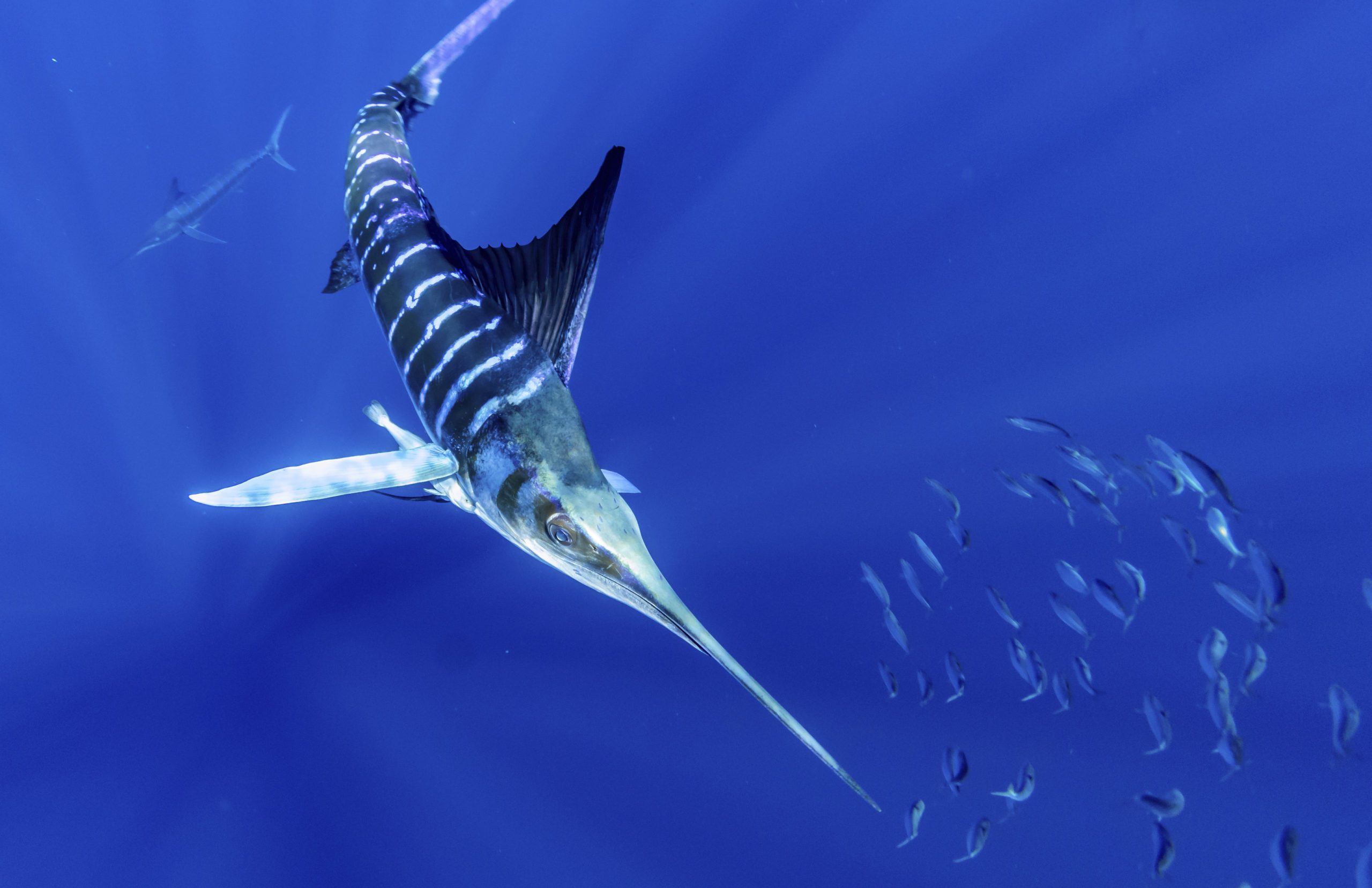
A new study led by scientists at Woods Hole Oceanographic Institution (WHOI) and University of Washington Applied Physics Laboratory (UW APL) finds that marine predators, such as tunas, billfishes and sharks, aggregate in anticyclonic, clockwise-rotating ocean eddies (mobile, coherent bodies of water). As these anticyclonic eddies move throughout the open ocean, the study suggests that the predators are also moving with them, foraging on the high deep-ocean biomass contained within.
Read MoreTropical fish…up north? How ocean physics play a role in altering water temperature and salinity
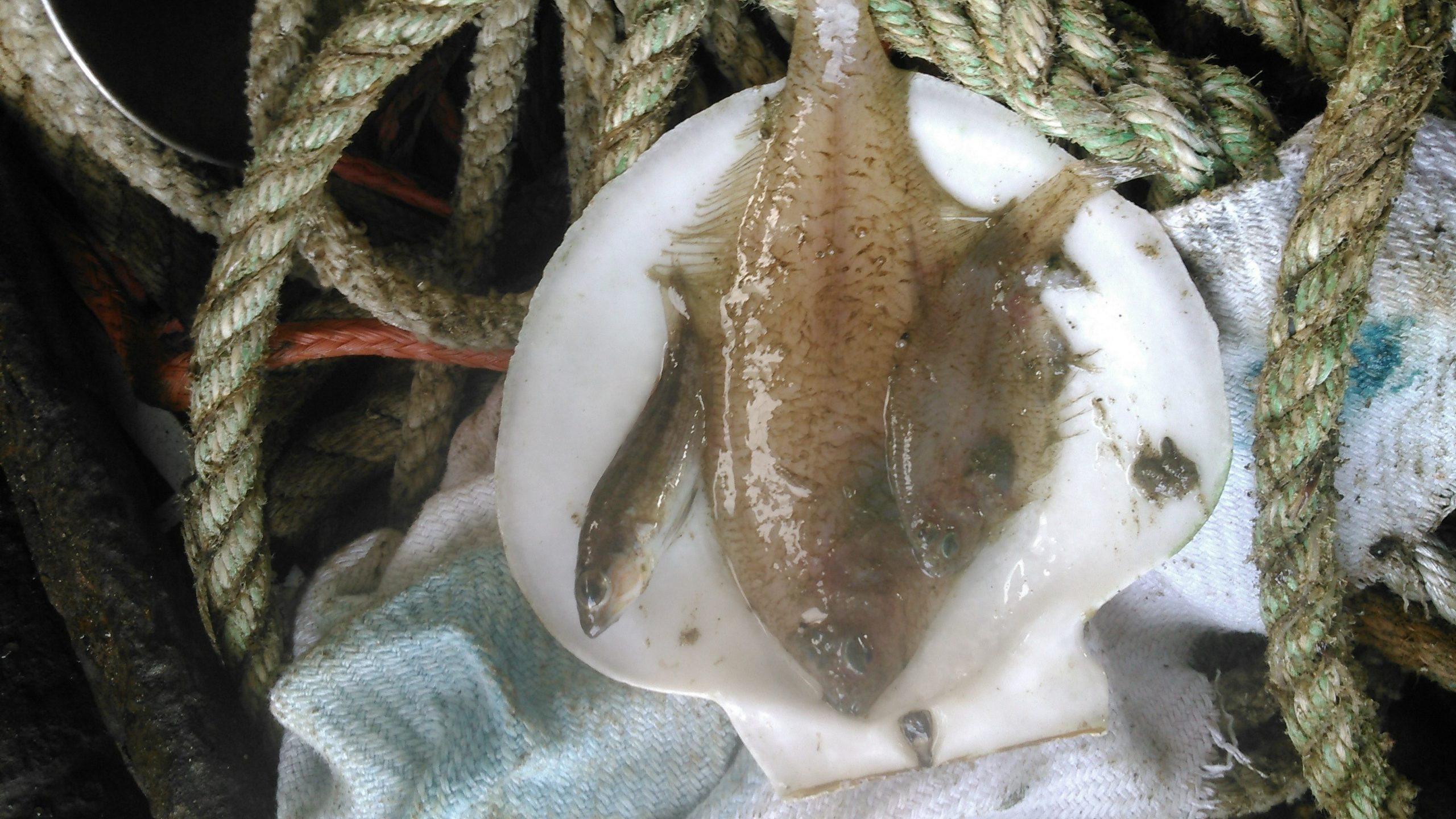
A study led by Woods Hole Oceanographic Institution scientists is explaining why warm and salty water along with warm water fish species, such as the deep-sea dwelling Gulf Stream flounder and Black Sea bass, were found far inshore in New England in the middle of winter 2017. How did this happen? Researchers say it is due to an intrusion of offshore water from the open ocean onto the Northeast U.S. Shelf, caused by eddies (a circular current of water) and wind.
Read MoreTwo New Studies Substantially Advance Understanding of Currents that Help Regulate Climate
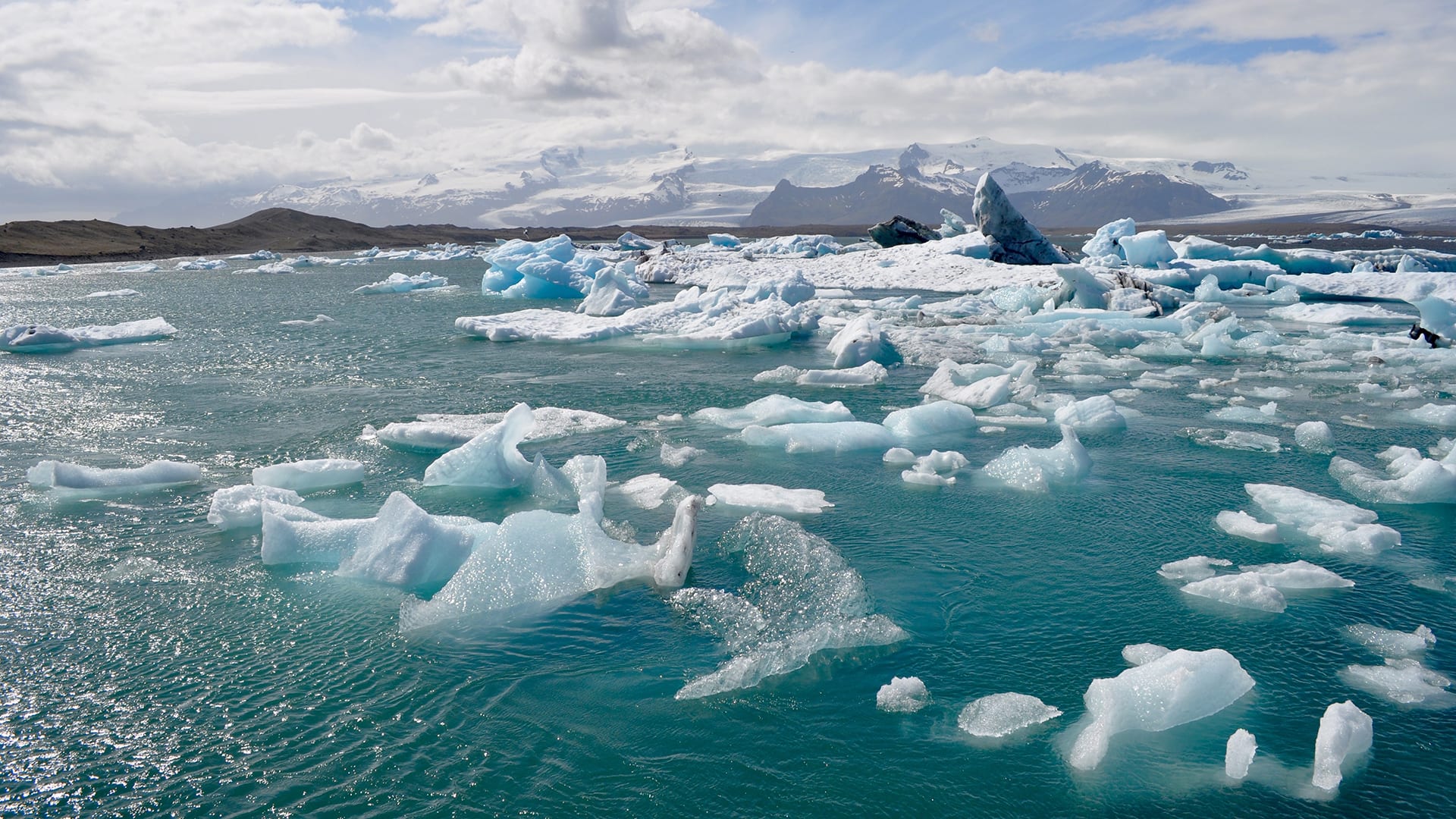
Two studies shed new light on a critical driver of the Atlantic Meridional Overturning Circulation (AMOC) and potential impacts of rising temperatures
Read MoreA rapidly changing Arctic
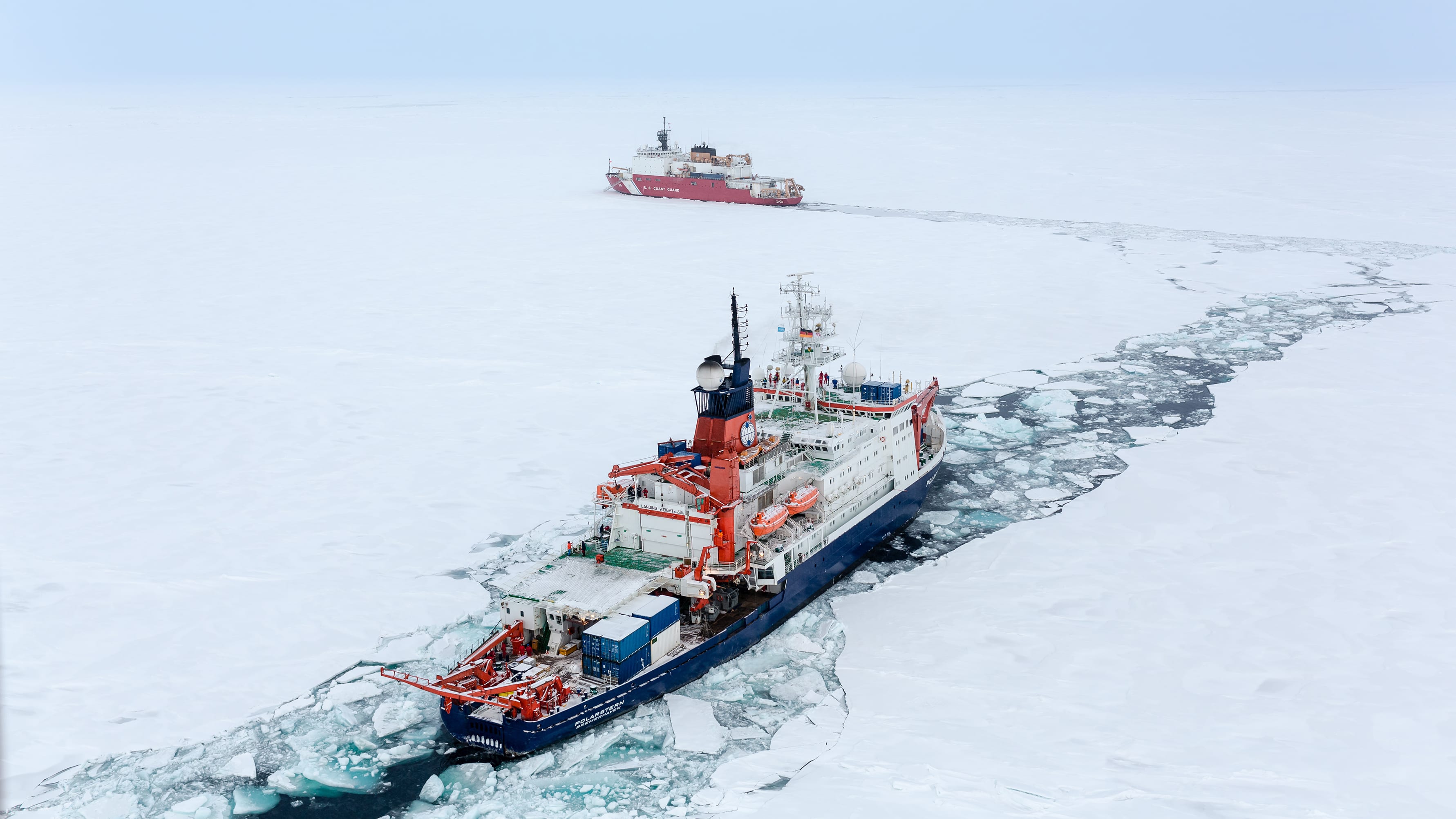
A new study by researchers at Woods Hole Oceanographic Institution (WHOI) and their international colleagues found that freshwater runoff from rivers and continental shelf sediments are bringing significant quantities of carbon and trace elements into parts of the Arctic Ocean via the Transpolar Drift—a major surface current that moves water from Siberia across the North Pole to the North Atlantic Ocean.
Read More