
News Releases
CINAR Names Four New Fellows in Quantitative Fisheries and Ecosystems Science
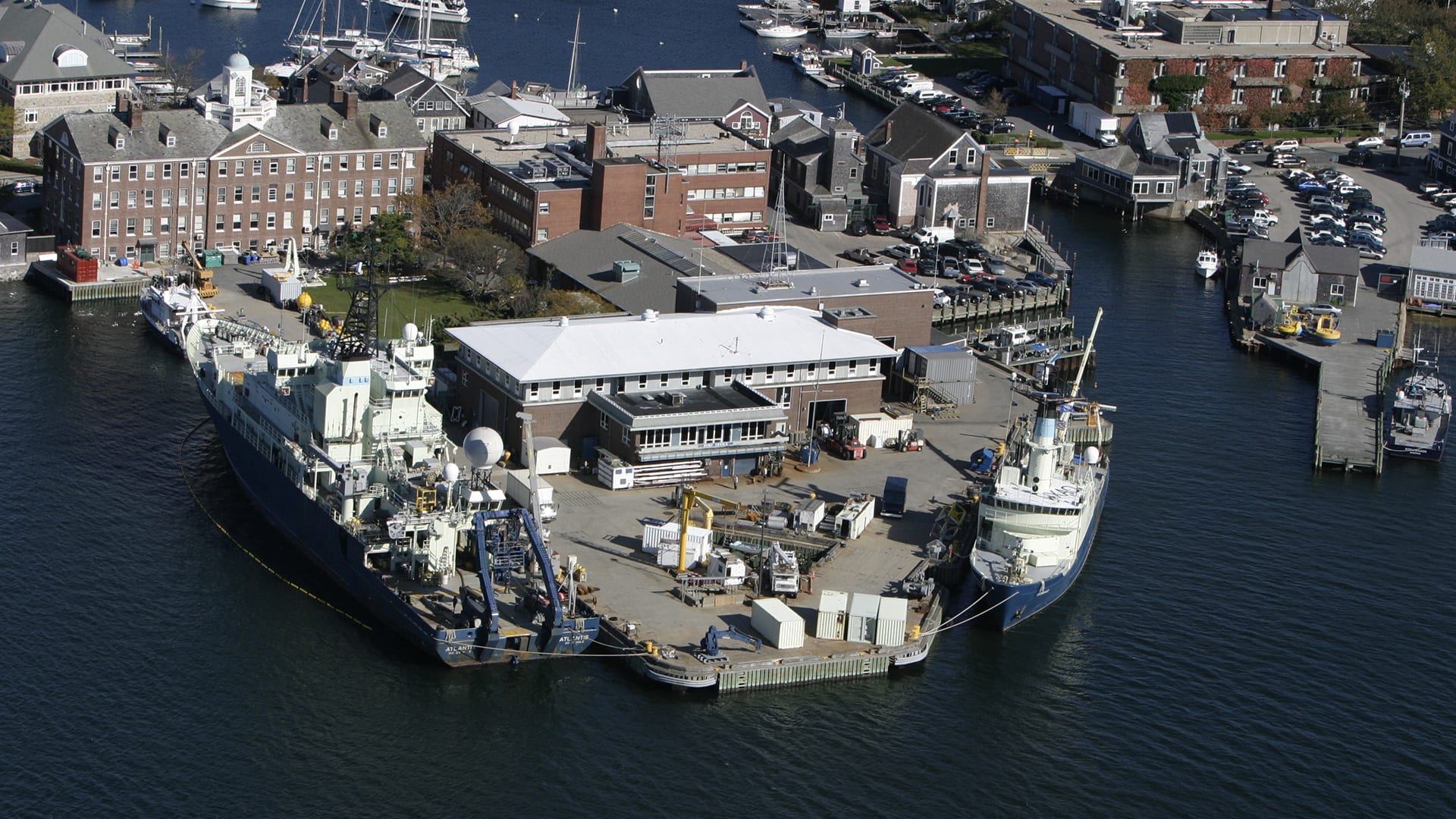
The goal of the fellowship program is to engage early-career scientists in research that supports the training and education in the he assessment and management of living marine resources in the Northeast U.S.
Read MoreDevelopment of a curious robot to study coral reef ecosystems awarded $1.5 million by the National Science Foundation
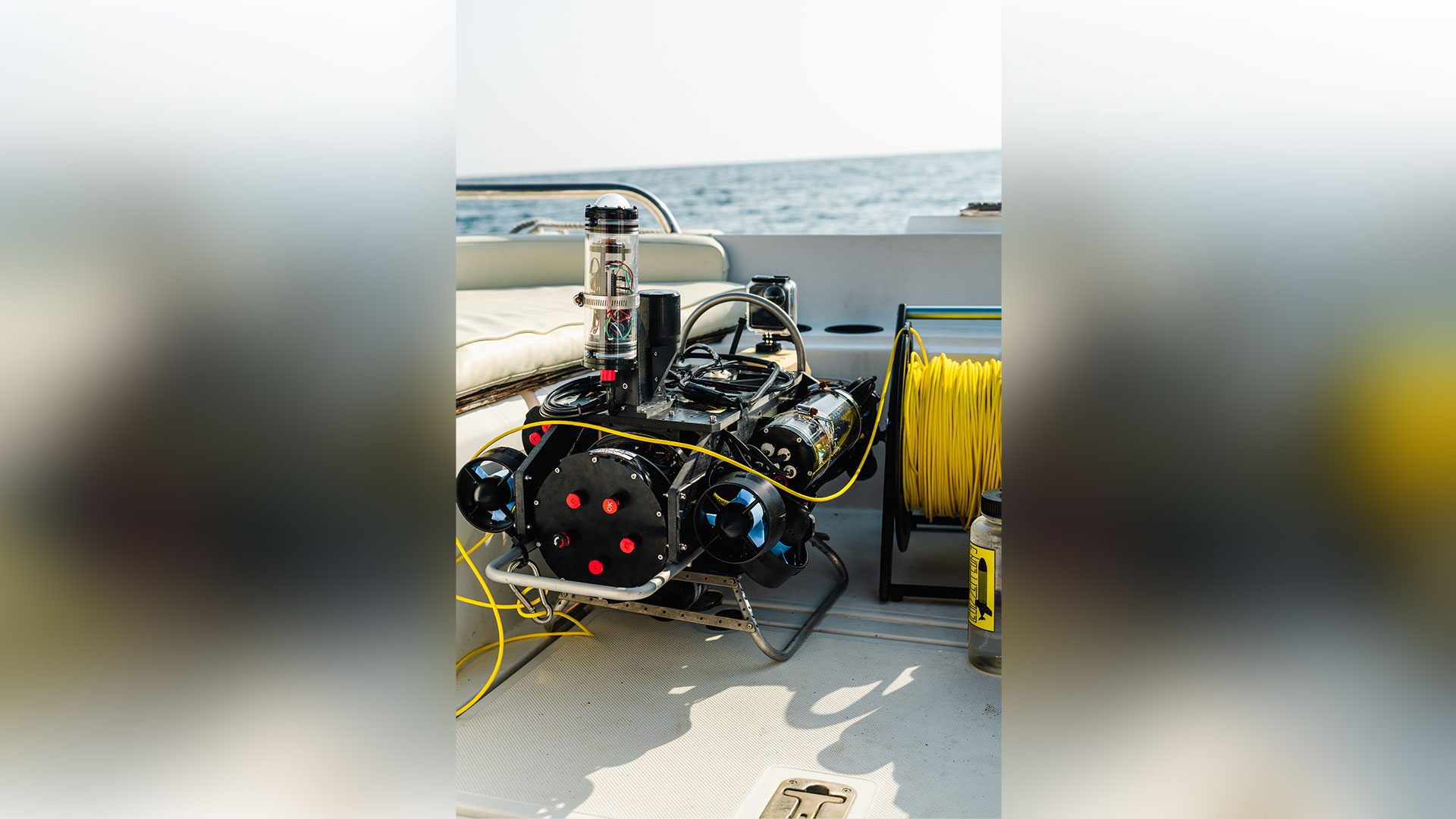
A prototype of an autonomous underwater vehicle capable of navigating complex underwater environments and of collecting data adaptively over long periods of time. Daniel Hentz / ©Woods Hole Oceanographic Institution…
Read MoreCINAR Fellows in Quantitative Fisheries and Ecosystems Science Announced
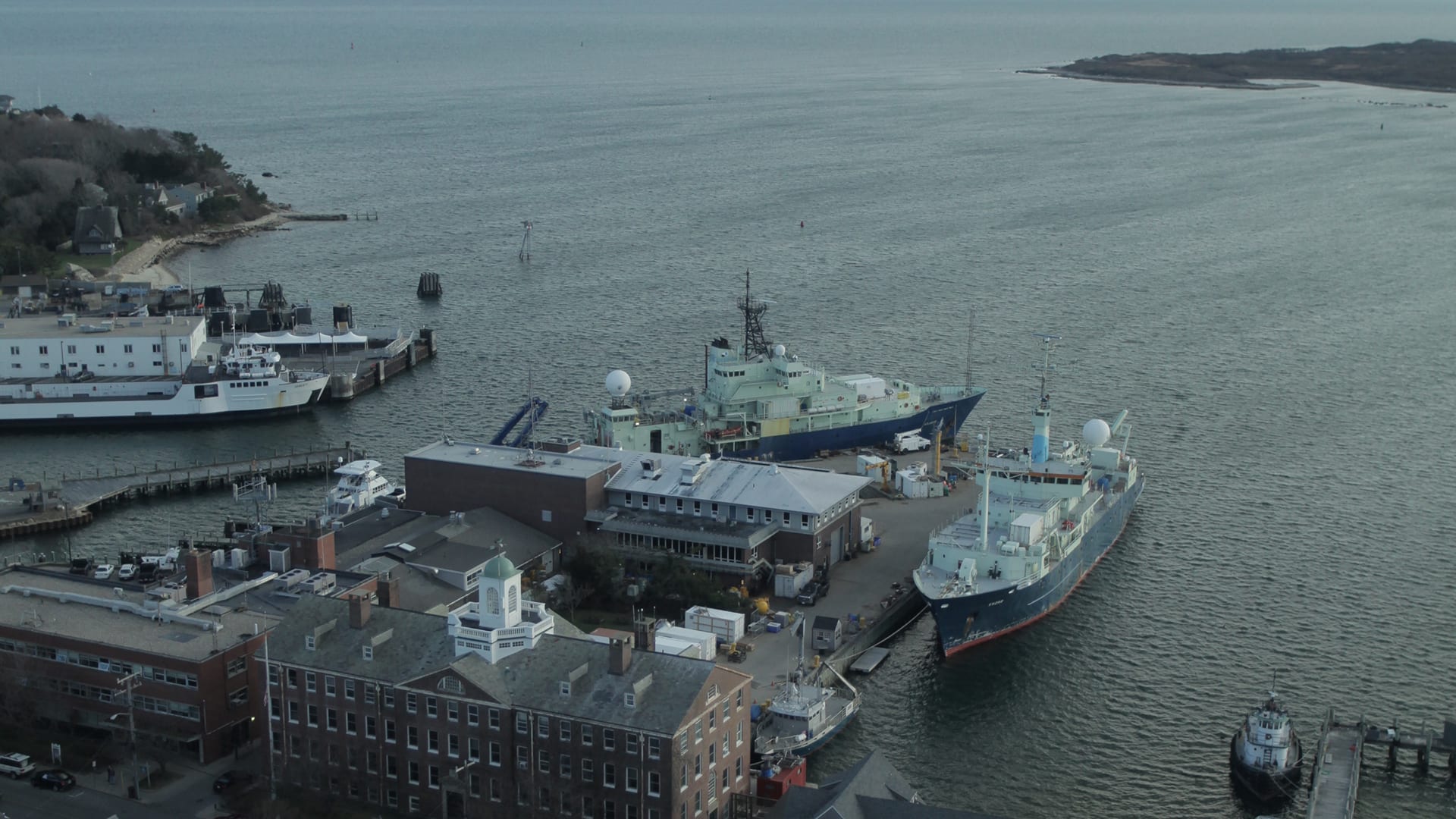
The Cooperative Institute for the North Atlantic Region (CINAR), led by the Woods Hole Oceanographic Institution, and the Northeast Fisheries Science Center are pleased to announce the appointment of five…
Read MoreU.S. aquariums and universities collaborate on transformative aquaculture of marine fish
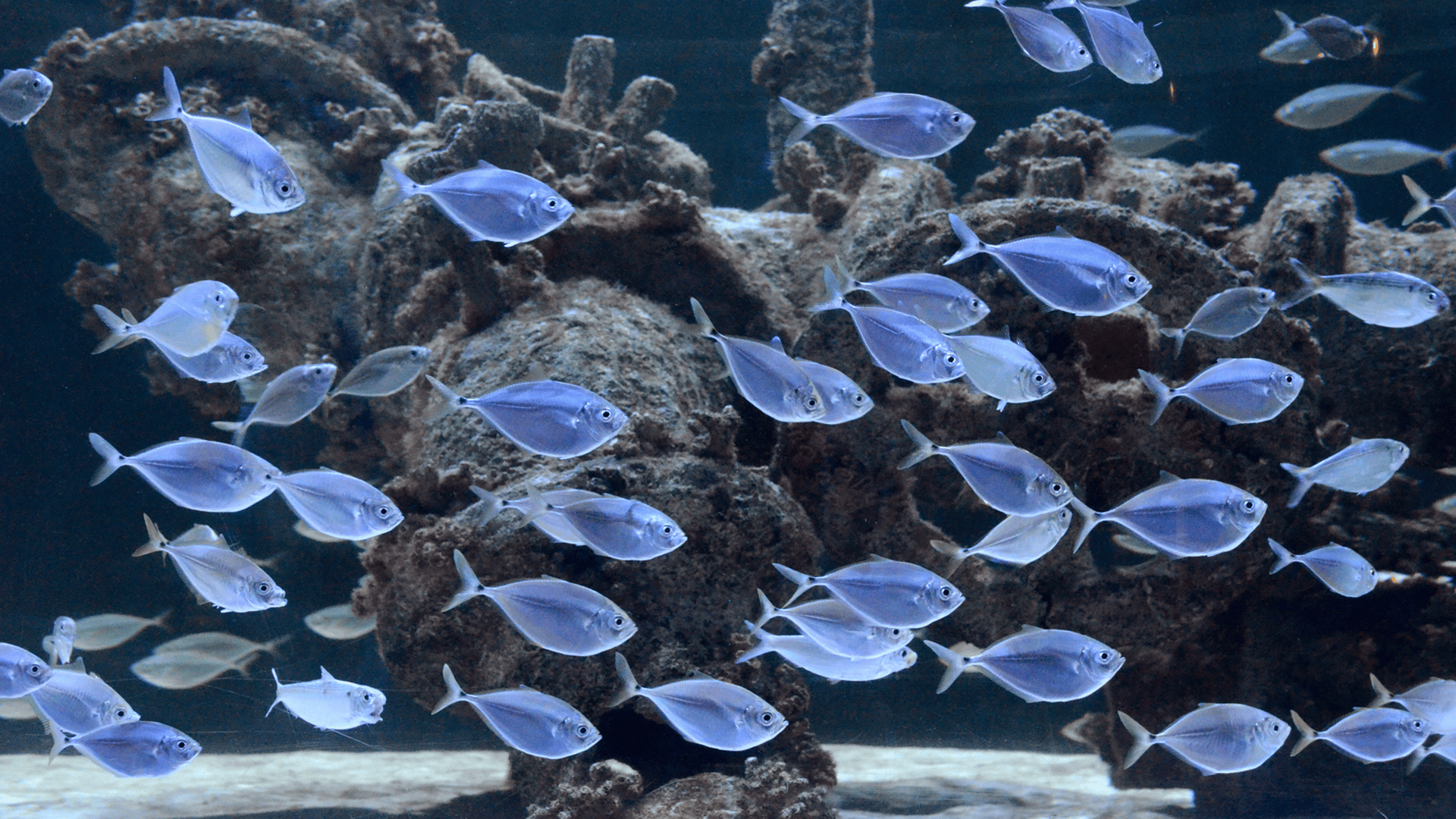
New, nationwide collaboration among public aquariums and research institutions finds new methods to breed more than 20 marine fish species in human care
Read MoreNew WHOI study shows seawater may offer early clues to changing reef health
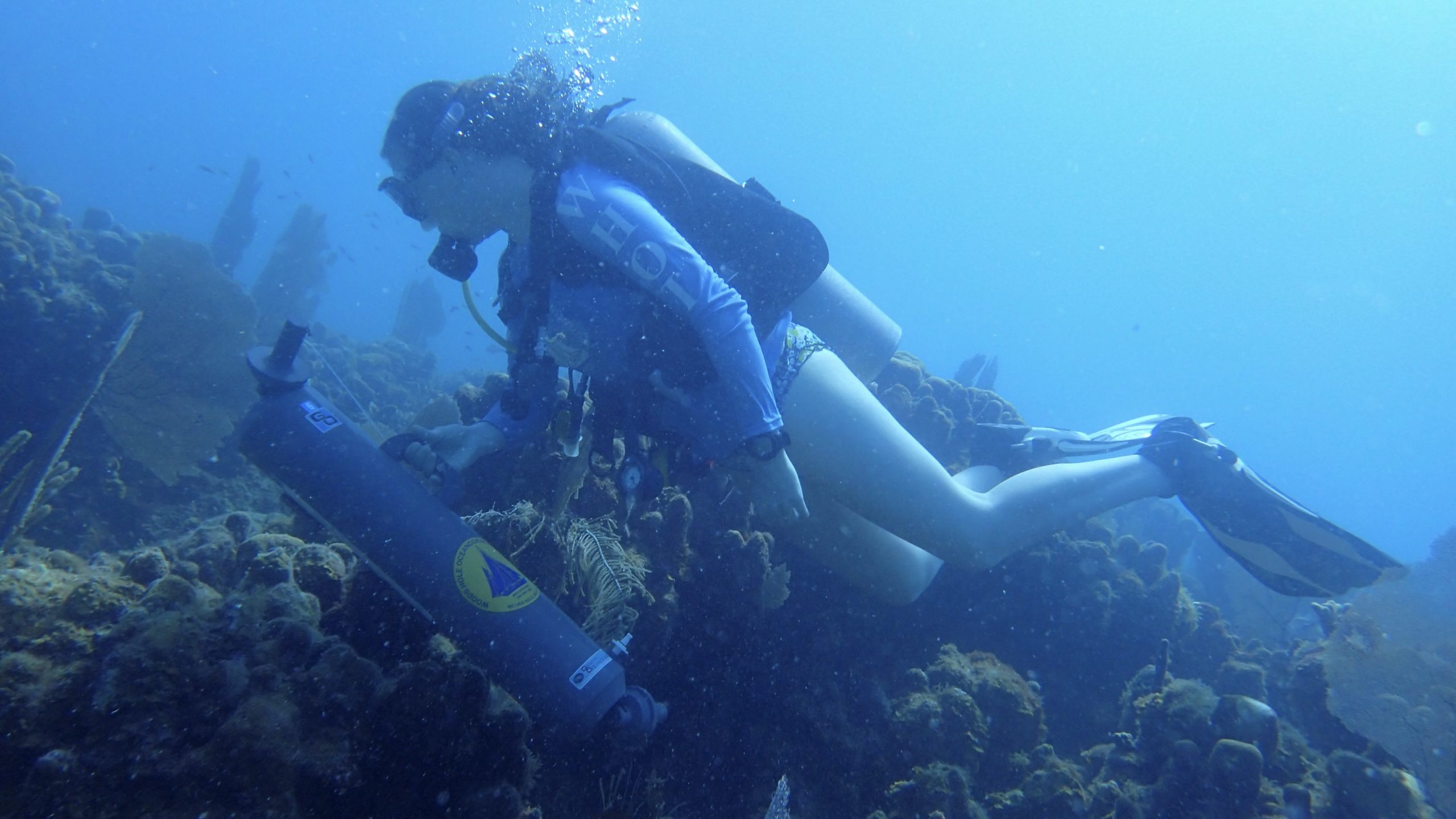
An interdisciplinary approach reveals how chemistry, microbes, and ocean circulation work together to shape reef ecosystems
Read MoreScientists warn of potential global marine invasive species event linked to idle ships in the Strait of Hormuz
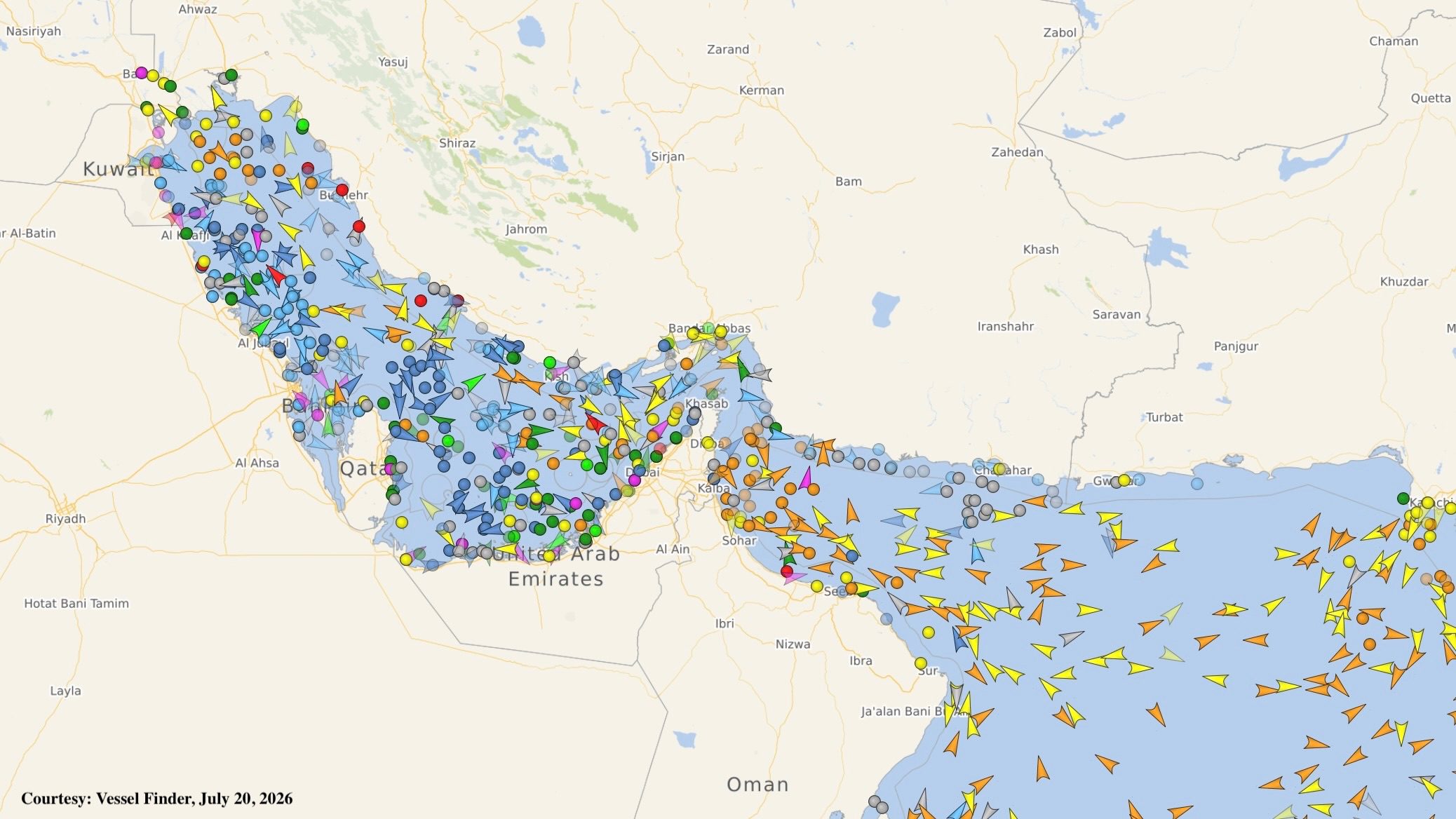
New analysis says thousands of stranded vessels may unintentionally spread invasive marine life worldwide
Read MoreWoods Hole Oceanographic Institution launches the Schiller Center for Reef Solutions

Transformative, $25 million investment will advance cutting-edge science and scalable solutions to protect coral reefs worldwide
Read MoreWHOI announces 2026 Ocean & Climate Outreach Series

WHOI and the Yawkey Foundation bring together scientists and community to look at the impacts of our changing ocean
Read MoreBloomberg Philanthropies commits $260 million to help close the ocean protection gap
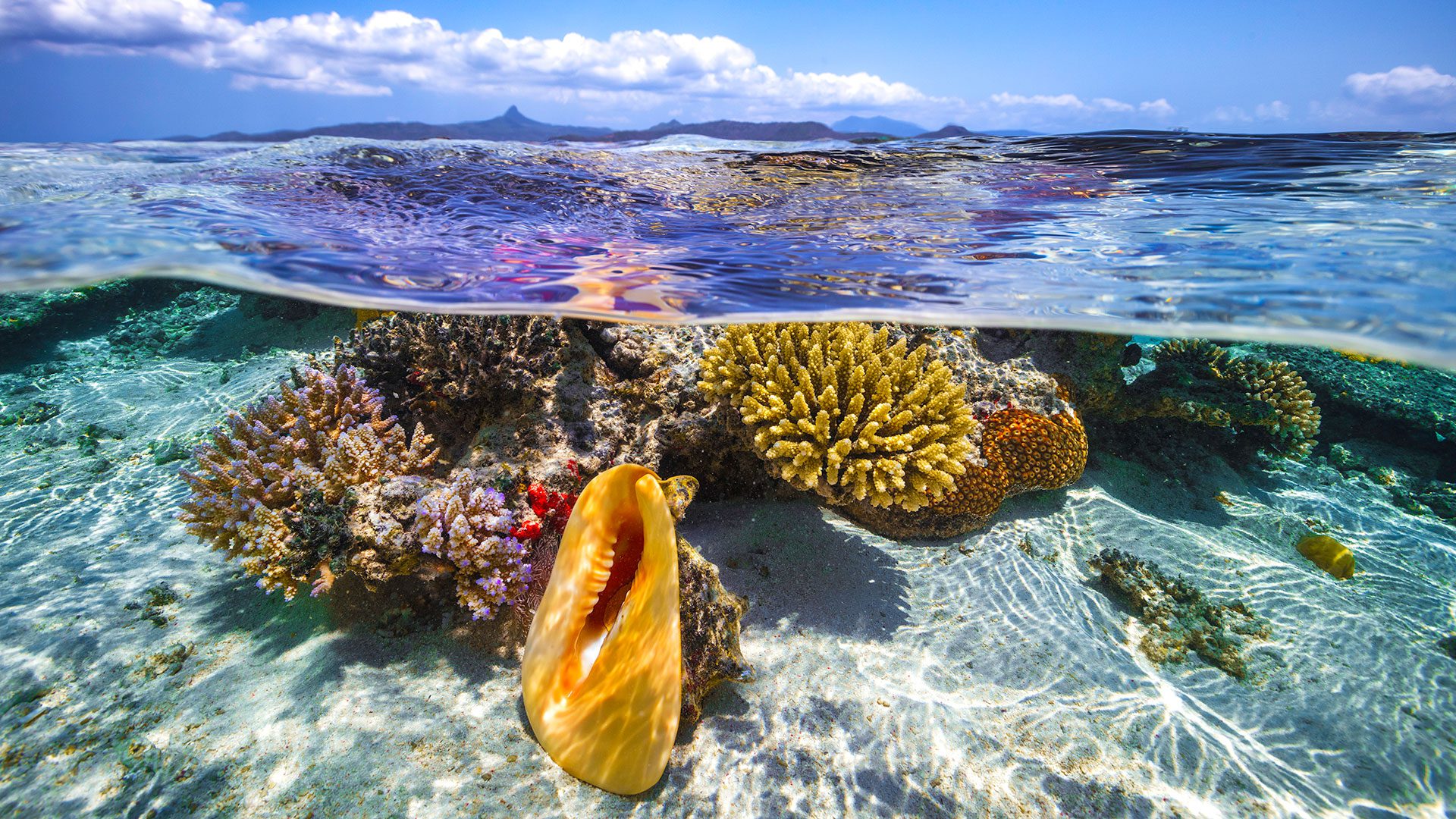
New work will support efforts to strengthen the role of small coastal and island nations in global ocean negotiations and advance new approaches to restoring degraded coral reefs
Read MoreMassDEP awards $500,000 to support eelgrass restoration
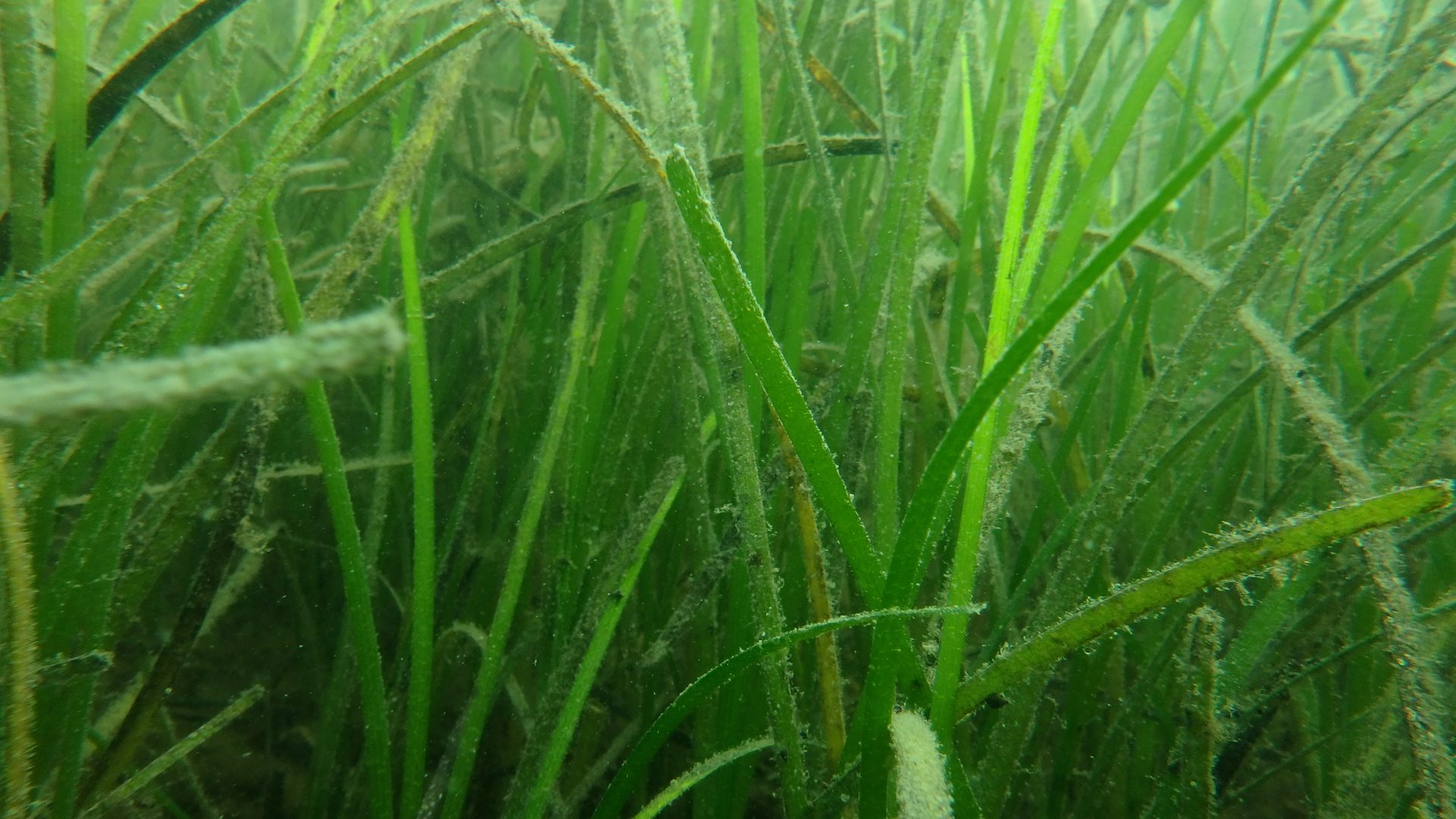
The Massachusetts Department of Environmental Protection is supporting a two-year study to quantify carbon storage in both natural and restored eelgrass meadows in coastal waters.
Read MoreNew climate-based tool predicts coral bleaching months in advance, offering critical lead time for reef protection
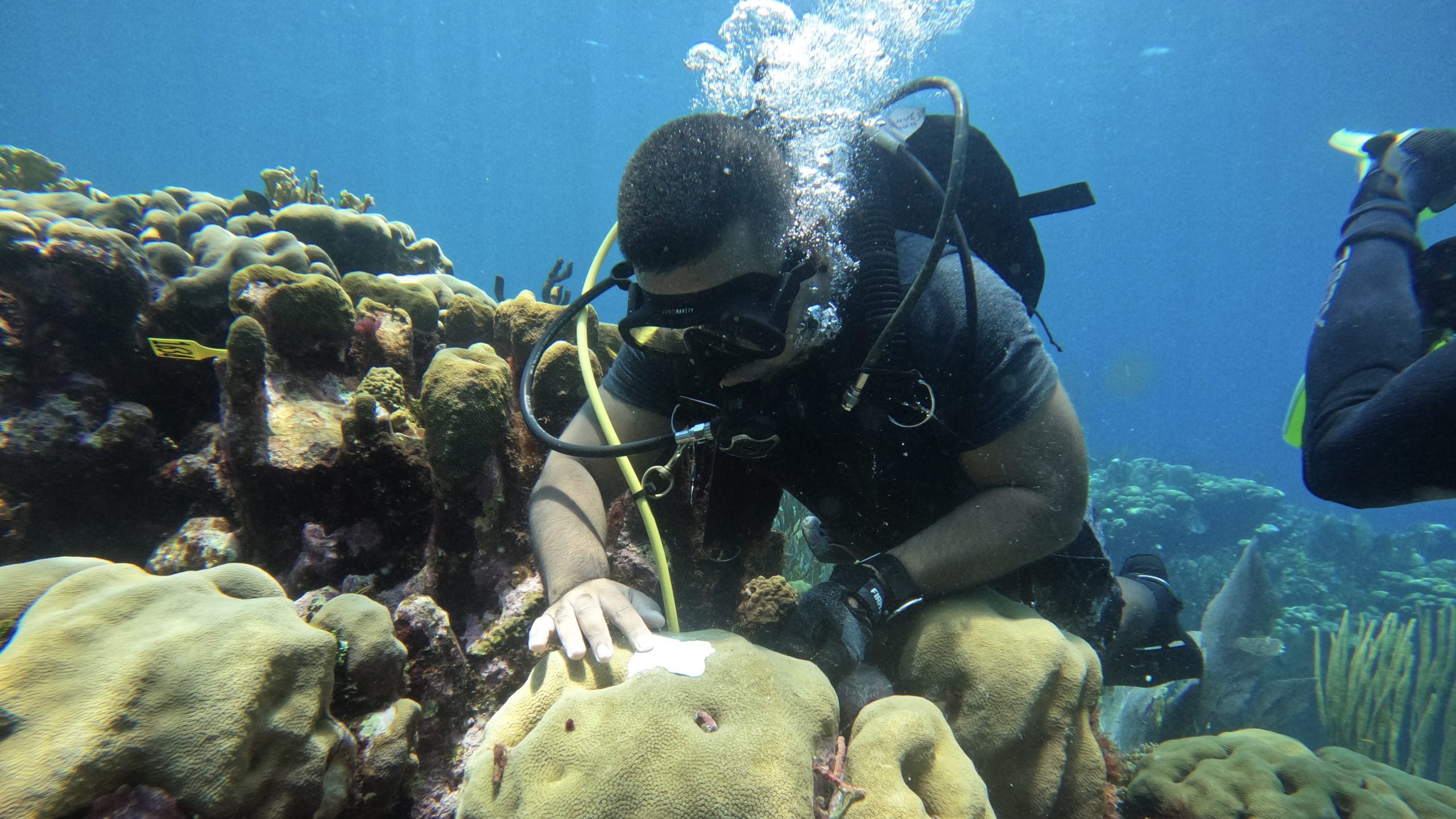
Researchers demonstrate that coral bleaching on the Caribbean island of Curaçao occurs when three major climate patterns
Read MoreOcean adventures begin at Woods Hole Oceanographic Institution’s Discovery Center
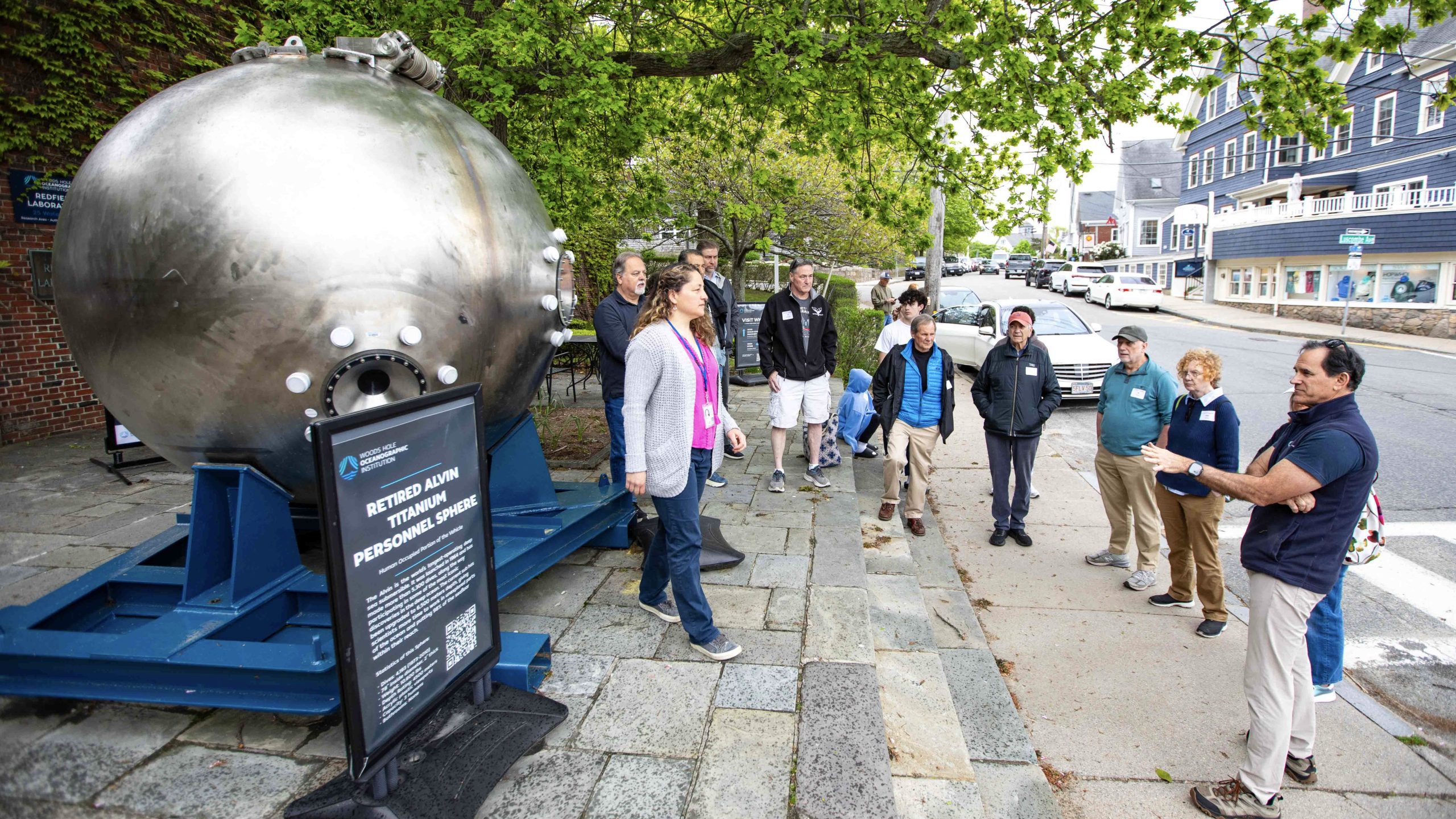
WHOI launches summer season with new exhibits and programs
Read MoreSpring 2026: Woods Hole Oceanographic Institution elects a returning Trustee, Life Trustees, and New Corporation Members
At Woods Hole Oceanographic Institution’s (WHOI’s) Spring Joint Meeting of the Board and Corporation, leadership elected one returning Trustee, two Life Trustees, and sixteen new Corporation Members.
Read MoreAutonomous underwater robot discovers hidden coral reef “hotspots”
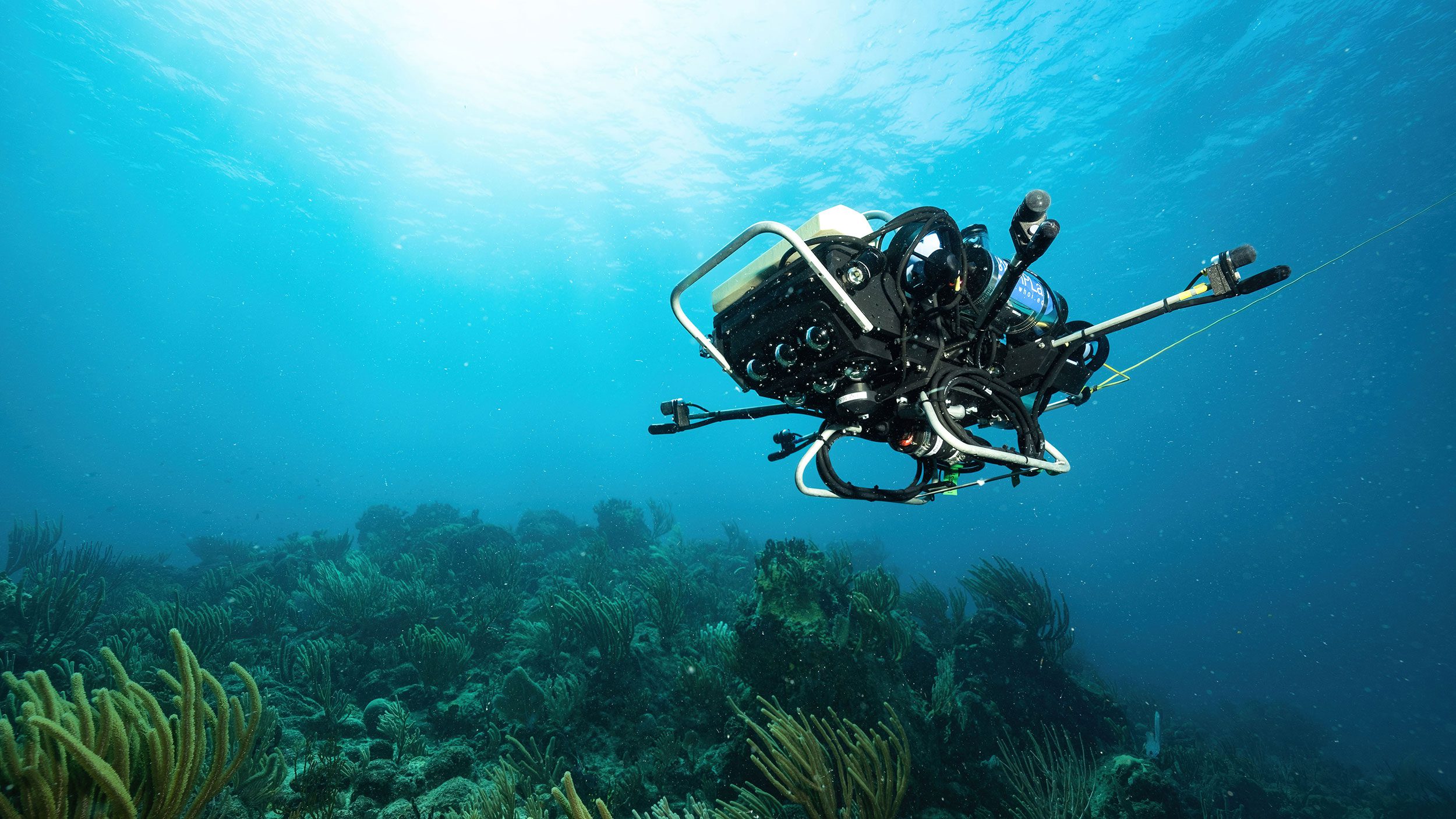
New underwater robot opens new possibilities in coral reef conservation by autonomously identifying biodiversity “hotspots”
Read MoreIndustrial fishing has been depleting midwater fish for decades, new WHOI study finds
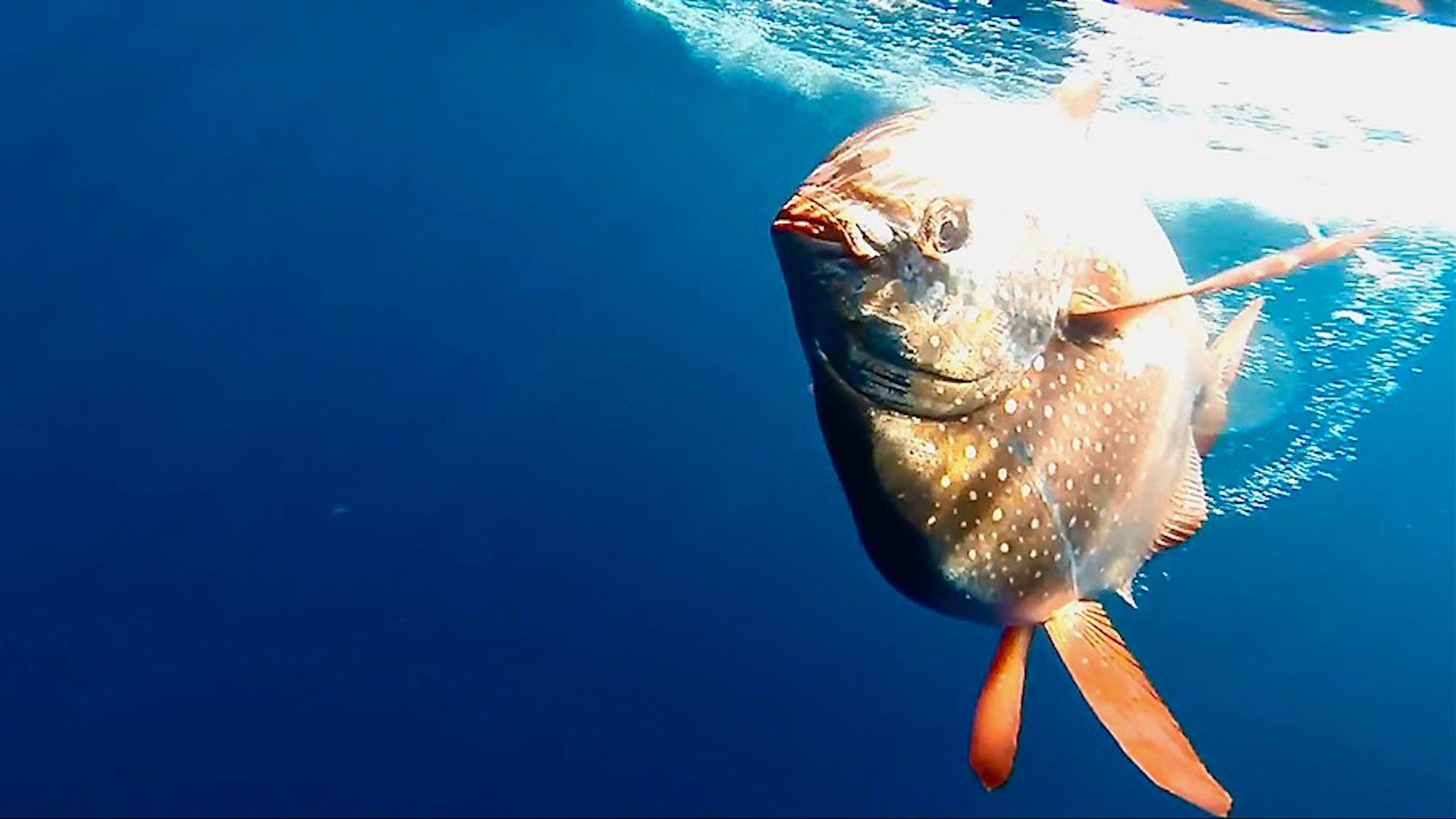
The research focuses on a poorly understood group of larger midwater fishes that the authors call the “dark web,” species, such as pomfrets and snake mackerels.
Read MorePONANT EXPLORATIONS GROUP and WHOI partner to launch new polar ocean image collection
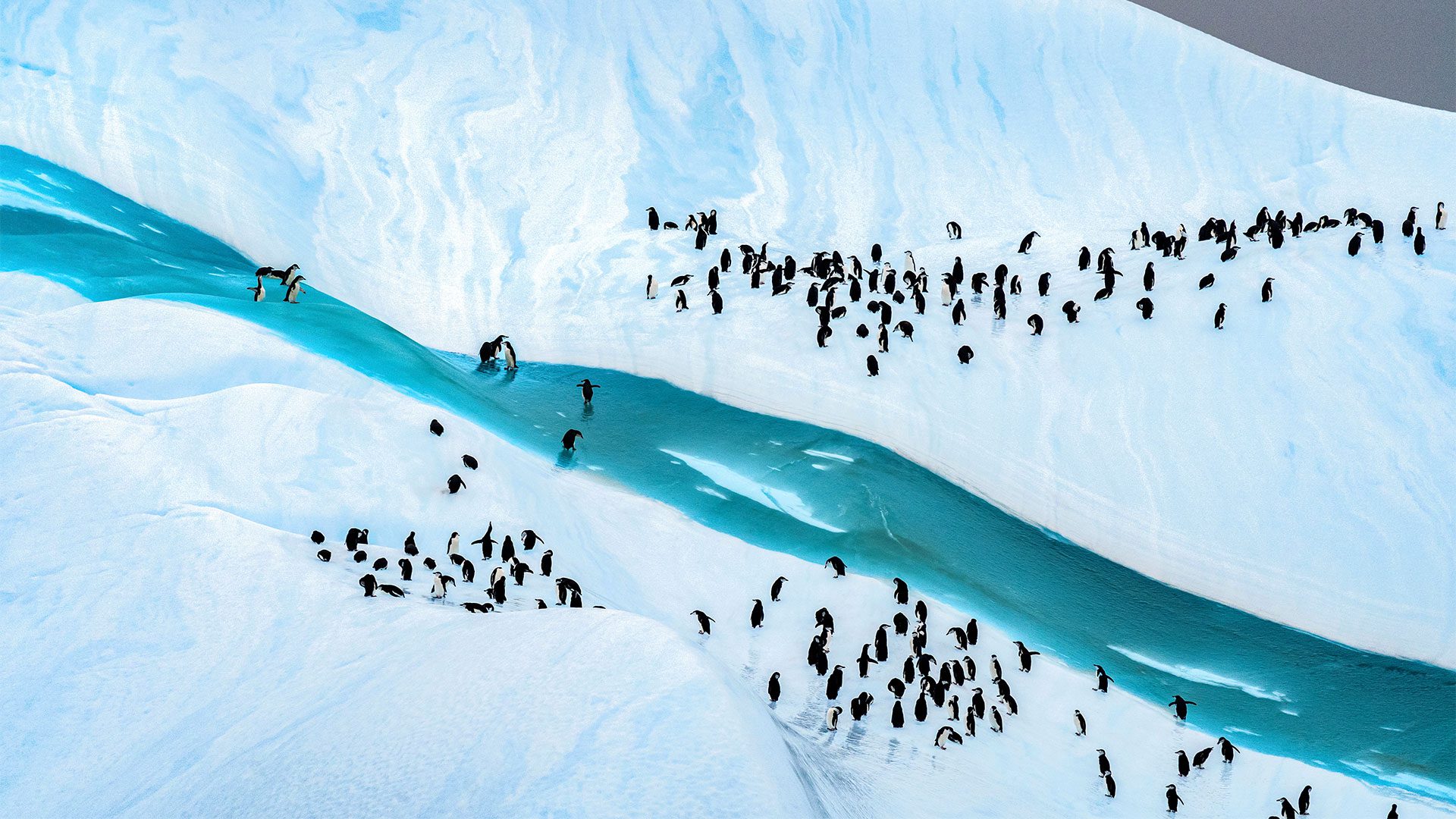
Global initiative expands Ocean Image Bank with critical Polar Imagery to advance research, education, and awareness
Read MoreForecasting with Fins: Sharks can improve ocean temperature predictions, new study finds
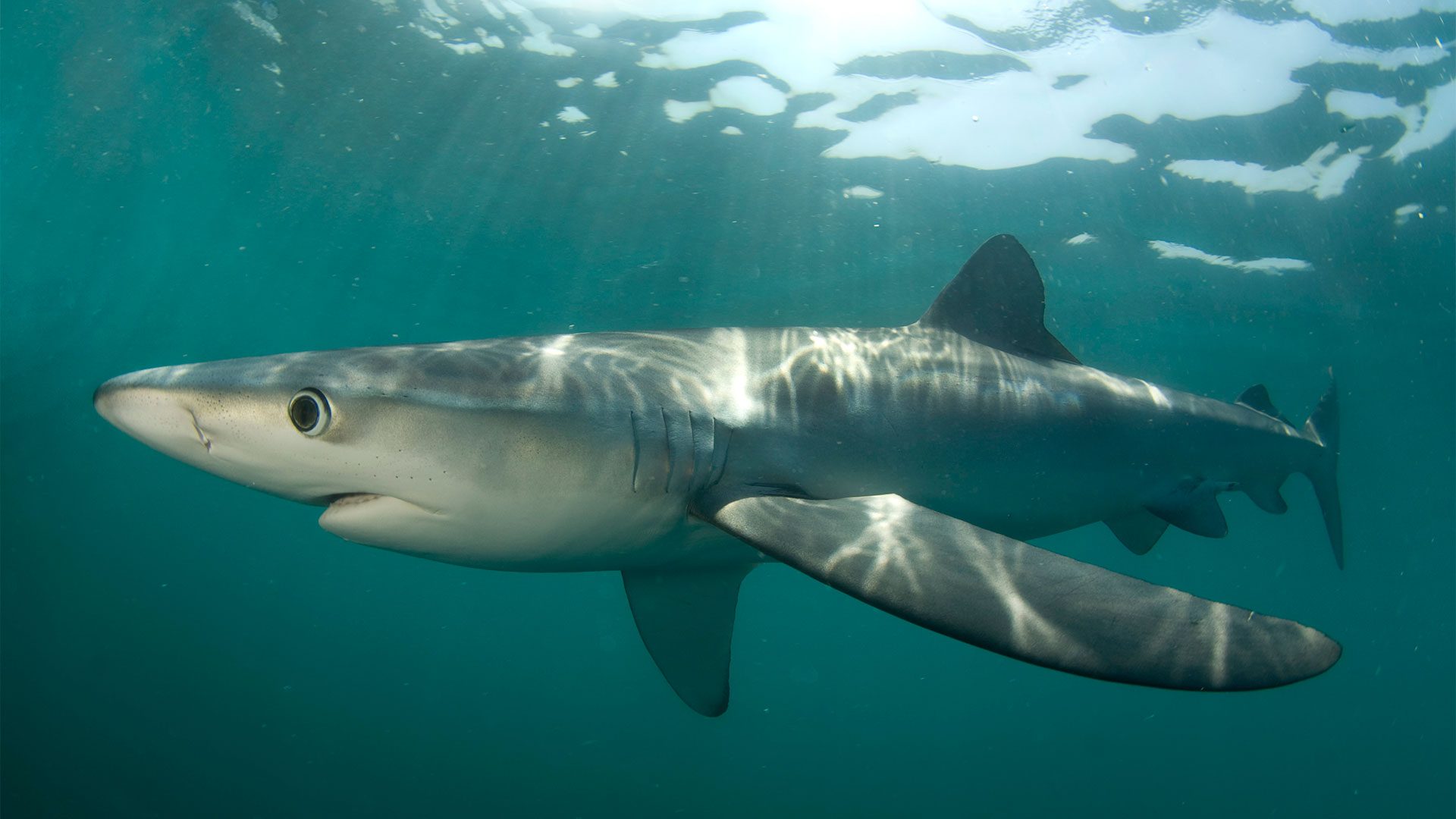
Research demonstrates how animal-borne sensors can work in tandem with traditional tools to improve ocean predictions
Read MoreWHOI Sea Grant supports $1.6 million in critical aquaculture and fisheries research
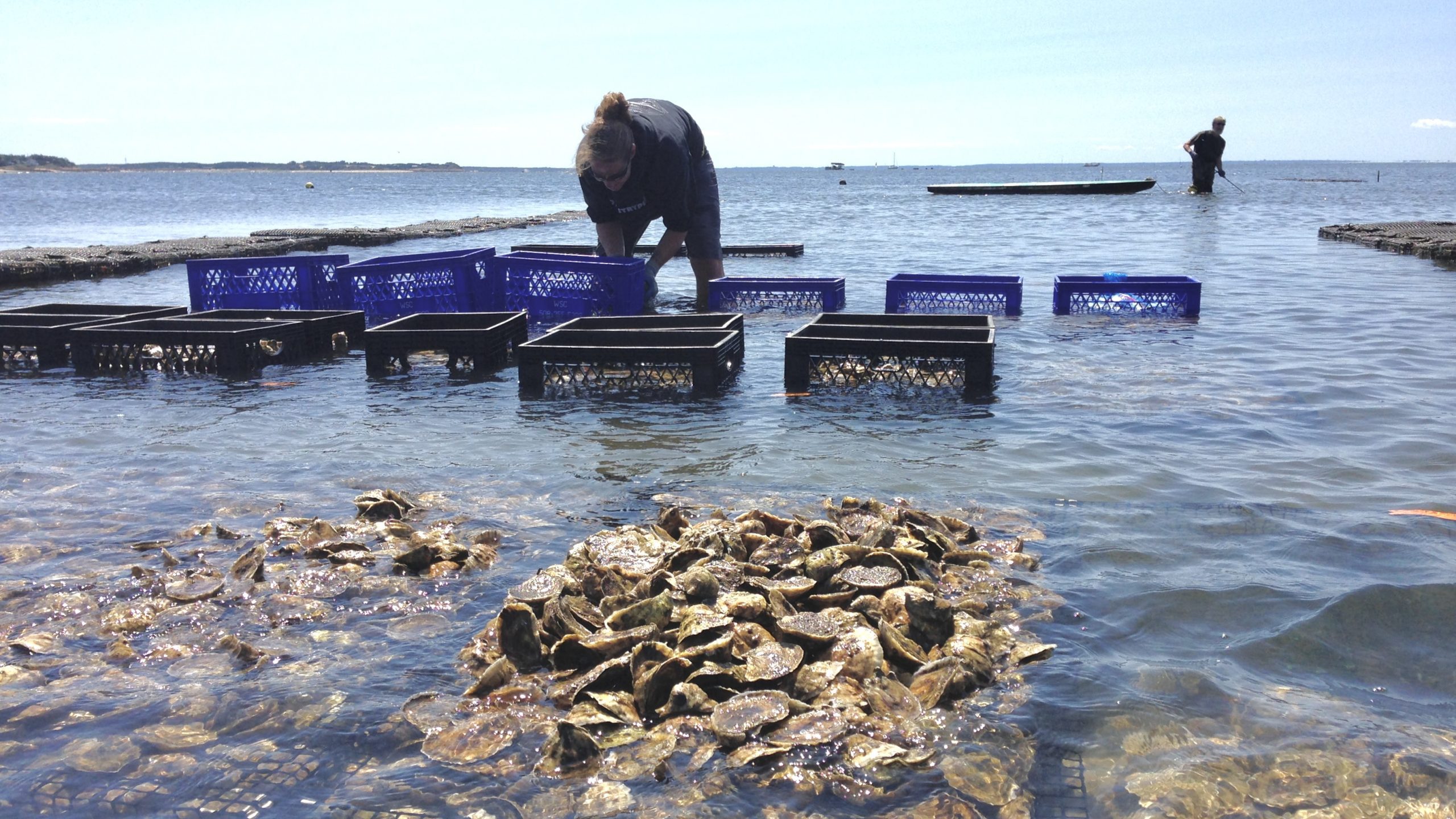
Over the next two years, these projects will generate new tools and data to support species economically and environmentally important to coastal Massachusetts.
Read MoreNew WHOI-led study reveals hidden “chemical currency” fueling the ocean’s carbon cycle
Researchers have identified a diverse set of molecules released by marine phytoplankton that fuel microbial life and help drive Earth’s carbon cycle
Read MoreWHOI scientist joins global Tara Coral expedition to unlock secrets of climate-resilient reefs
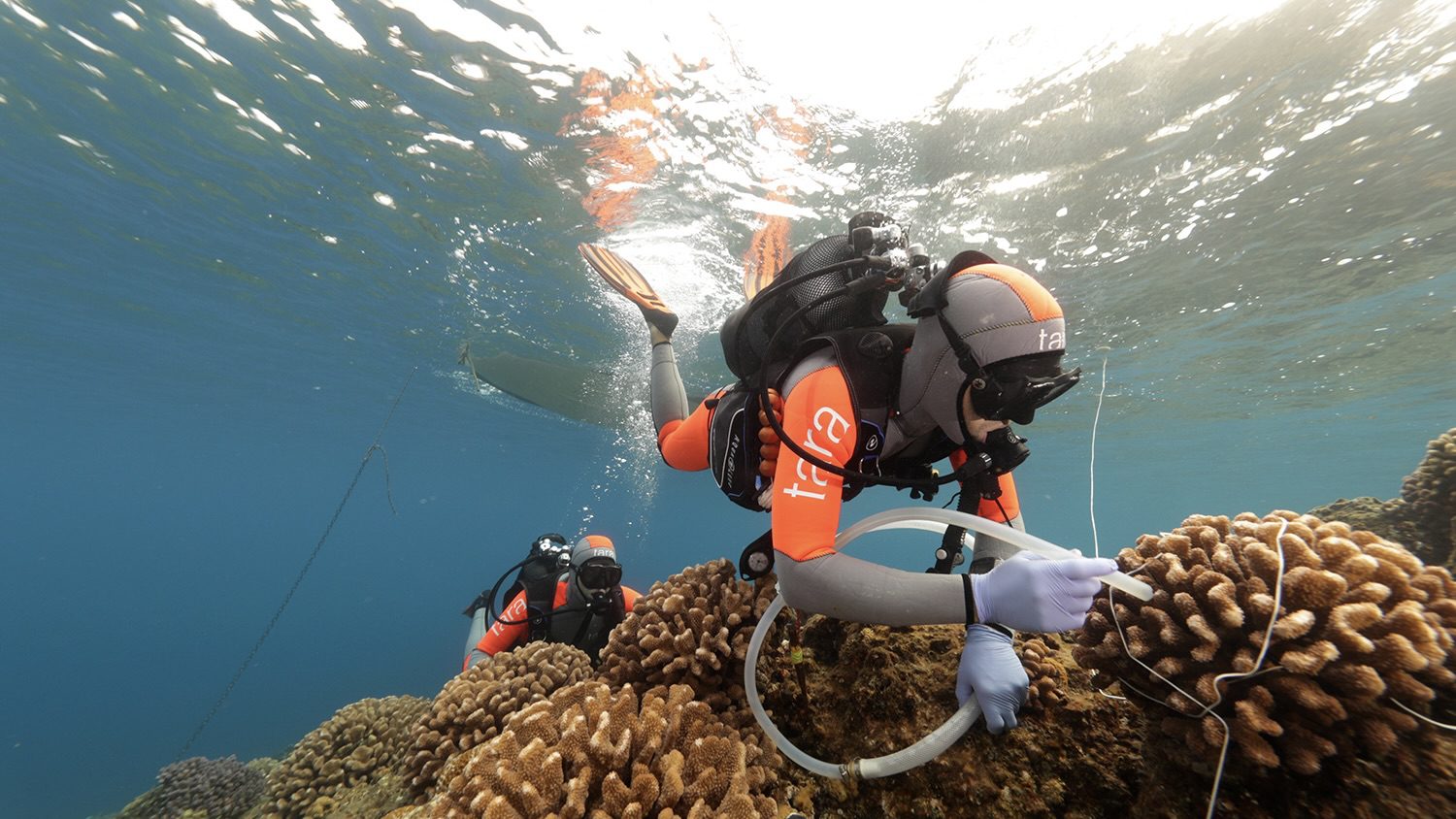
A two-year mission across the Coral Triangle will probe how viruses and reef ecosystems could help some corals withstand rising ocean temperatures.
Read MorePreliminary results from the first EPA-permitted ocean alkalinity enhancement (OAE) field trial

LOC-NESS project team shares findings at annual Ocean Sciences Meeting
Read MoreWHOI Scientist Catherine Walker Joins NASA-Selected EDGE Satellite Mission
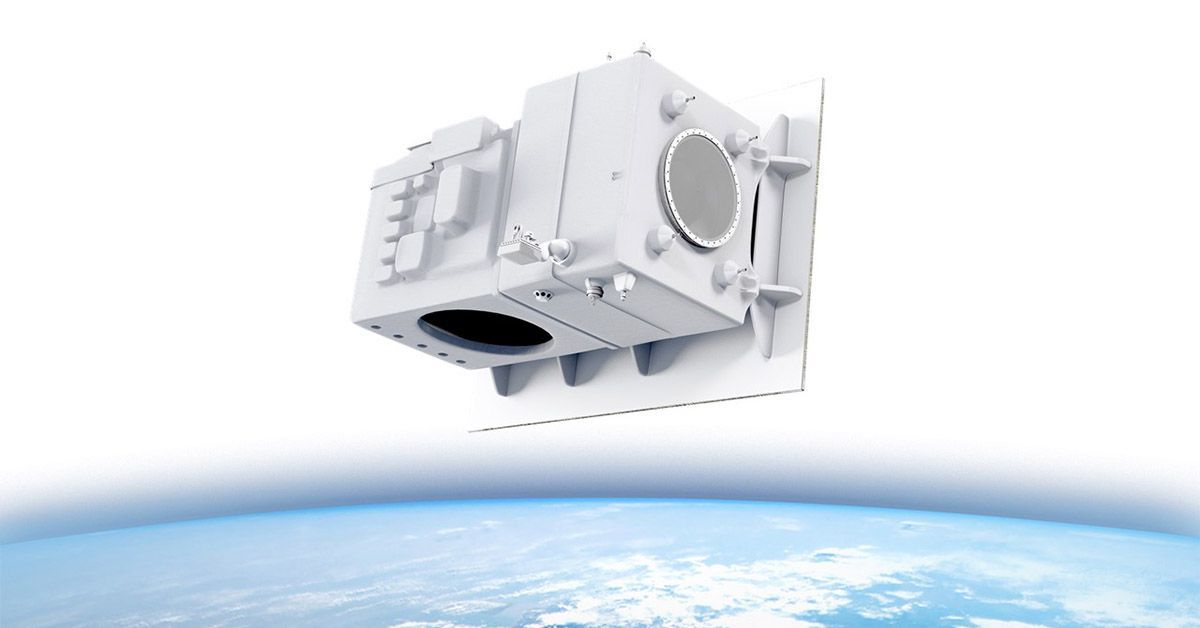
Satellite measuring land, polar, and coastal regions could launch by 2030
Read MoreNew WHOI study cautions that deep-sea fishing could undermine valuable tuna fisheries
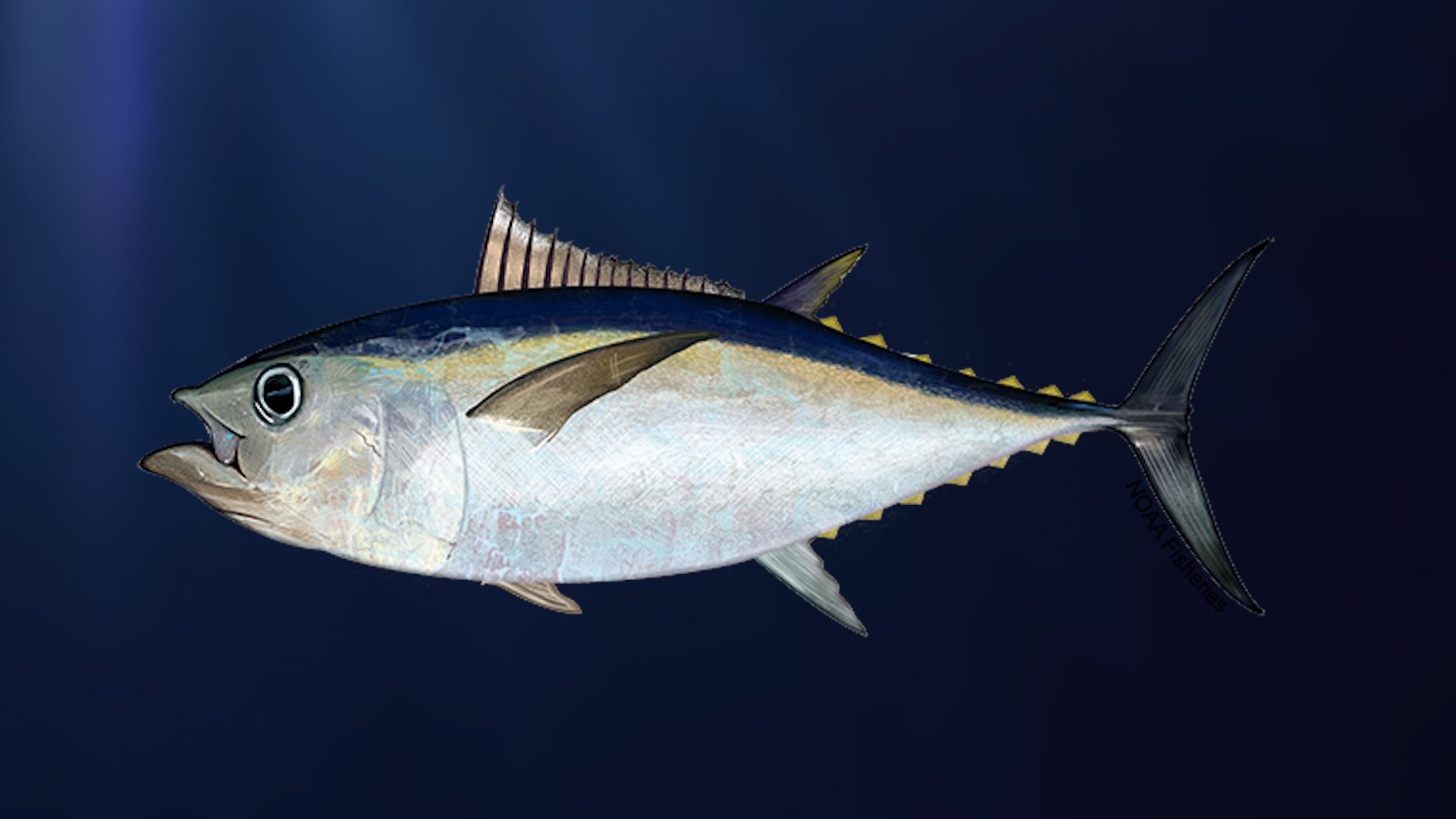
The study shows that large-scale harvesting of mesopelagic fish that live hundreds of meters below the surface could reduce the food available to bigeye tuna
Read MoreWoods Hole Oceanographic Institution and CMA CGM expand their partnership

CMA CGM, which has long been committed to preserving biodiversity through multiple initiatives in the U.S. and worldwide, will support two key WHOI projects
Read More