
Topic Feature
Spray Glider
Spray gliders are autonomous underwater vehicles that glide through the ocean to measure sea temperature, current velocity and other parameters at different elevations throughout water column. The measurements are taken…
Read MoreSubmerged Autonomous Launch Platforms
Amy Bower wanted to investigate an elusive and unpredictable phenomenon in a remote ocean. Off the west coast of Greenland, large, spinning rings of warm water, called eddies, occasionally form…
Read MoreRAFOS Float
What is it and why do we use it? The name RAFOS is the word SOFAR spelled backwards. SOFAR is an acronym for SOund Fixing And Ranging, which refers to…
Read MoreCarbon dioxide in seawater
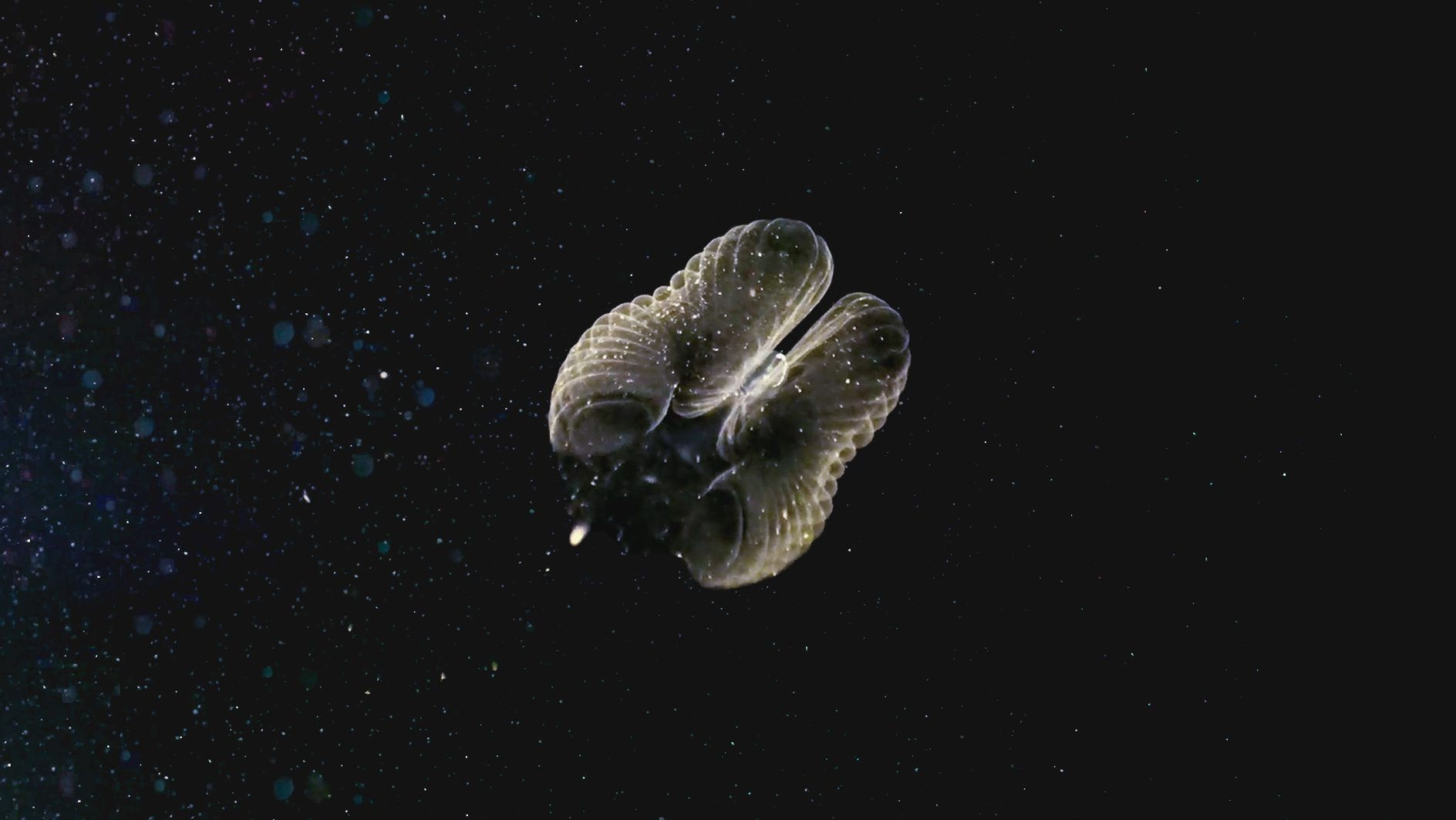
When carbon dioxide mixes with seawater it has the effect of reducing the availability of carbonate ions, which many marine organisms need to build their shells.
Read MoreThe pH scale
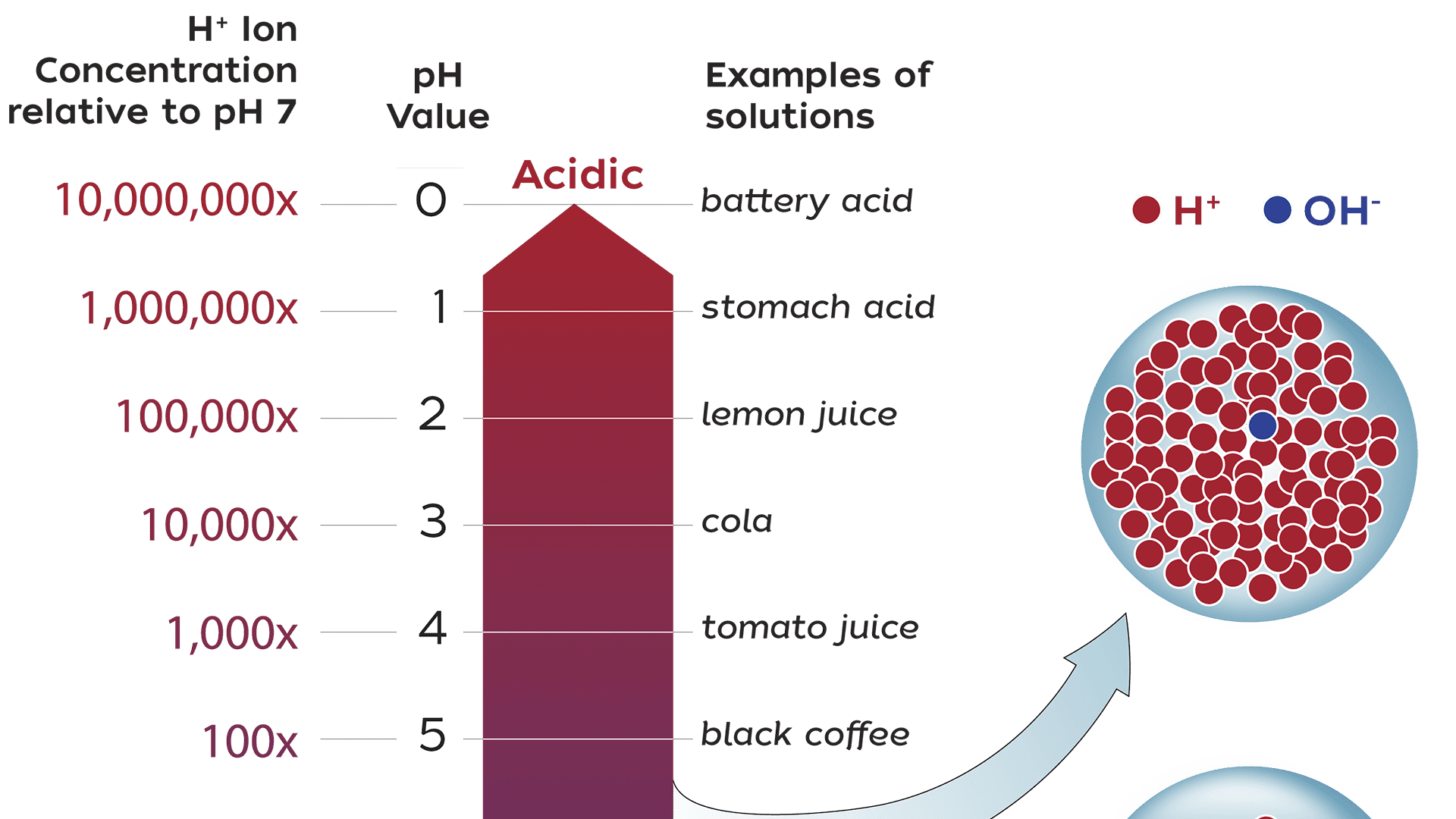
pH is a measure of the concentration of hydrogen ions in a solution. The more hydrogen ions that are present, the more acidic is the solution. The pH scale ranges from zero (very acidic) to 14 (very basic).
Read MoreFAQs about ocean acidification
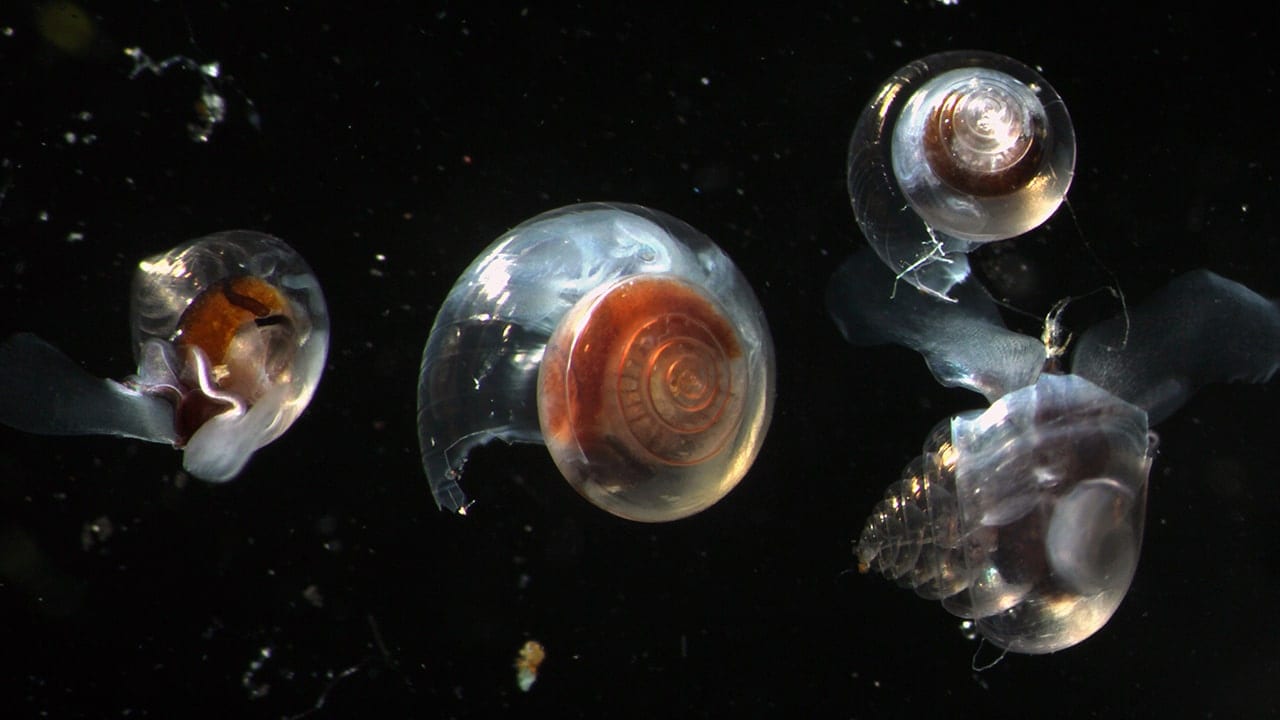
These questions were widely distributed to the research community with the request to draft concise replies summarizing current knowledge with peer review.
Read MoreHow old is that volcano?
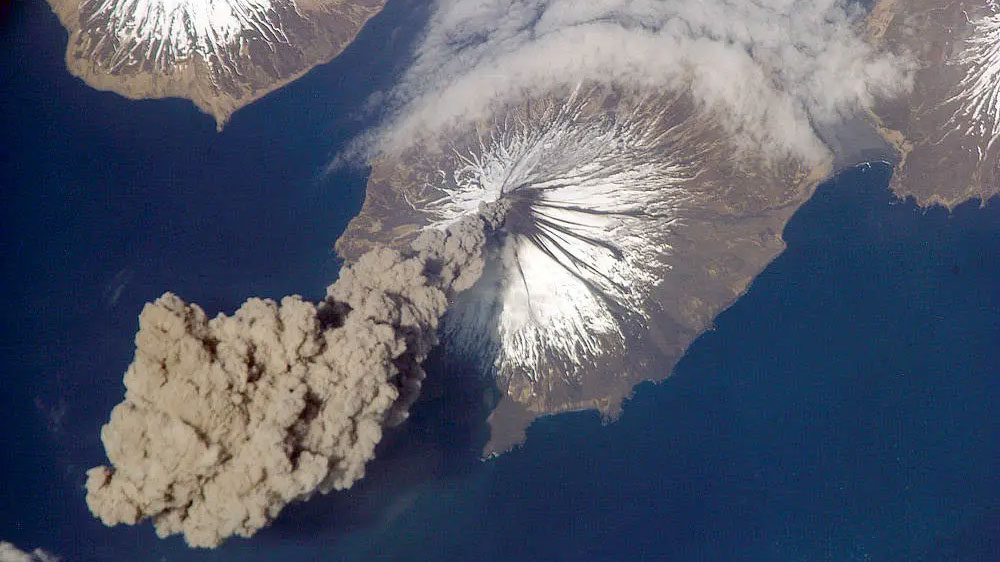
One of the most common questions that scientists and nature lovers ask when they see an interesting rock is: how old is it?
Read MoreLava flows
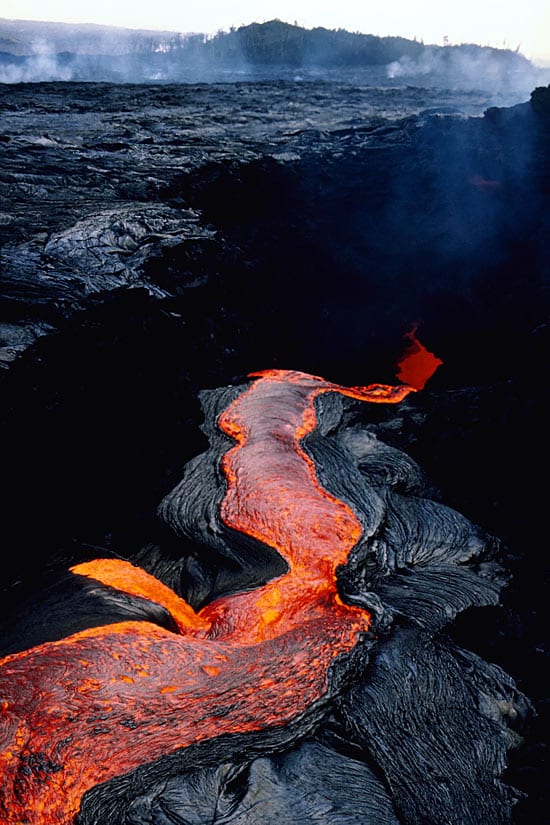
When a volcano erupts, the molten rock that comes out of the Earth is called lava. Lava is so hot, it remains molten and flows until it cools and hardens into rock.
Read MoreNootka Buoy
What is it and why do we use it? The Nootka buoy offers scientists the equivalent of a wireless hotspot in the middle of the deep ocean. The only catch…
Read MoreAutonomous Hydrophone Array (AHA)
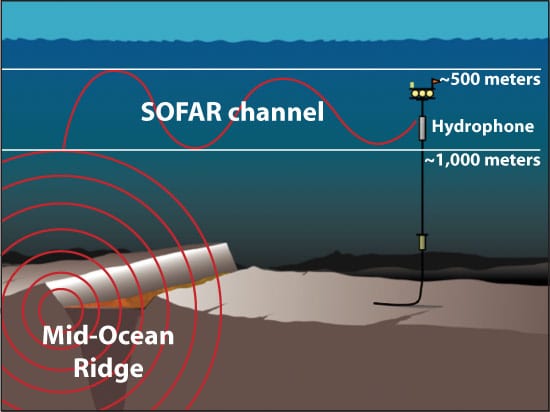
Hydrophone arrays “hear and record sound waves generated by seismic events, submarines, or whales, and are installed in places that don't block sound wave transmission.
Read MoreDating Corals, Knowing the Ocean
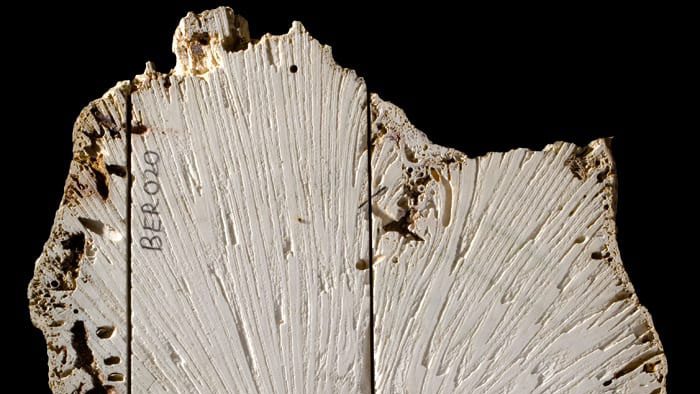
Coral is a useful tool for scientists who want to understand changes in past climate, but recalling that history presents its own set of challenges.
Read MoreGlobal Warming Q&A
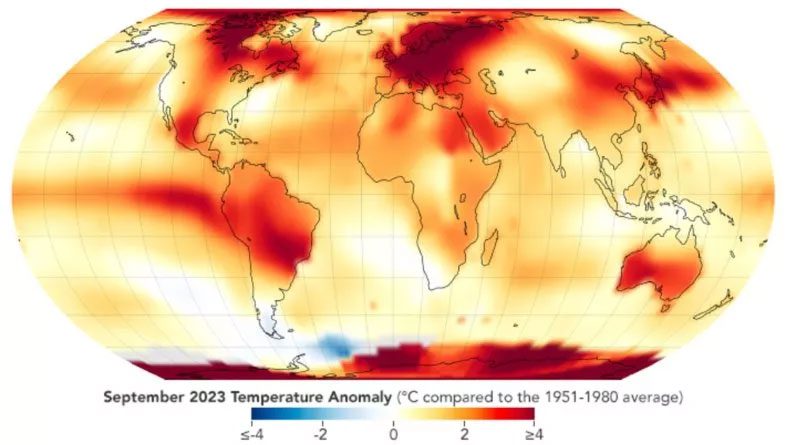
Q&A was developed from a panel discussion held in Woods Hole as part of the Institution’s spring trustee meeting, May 19, 2006.
Read MoreThe Heat Before the Cold
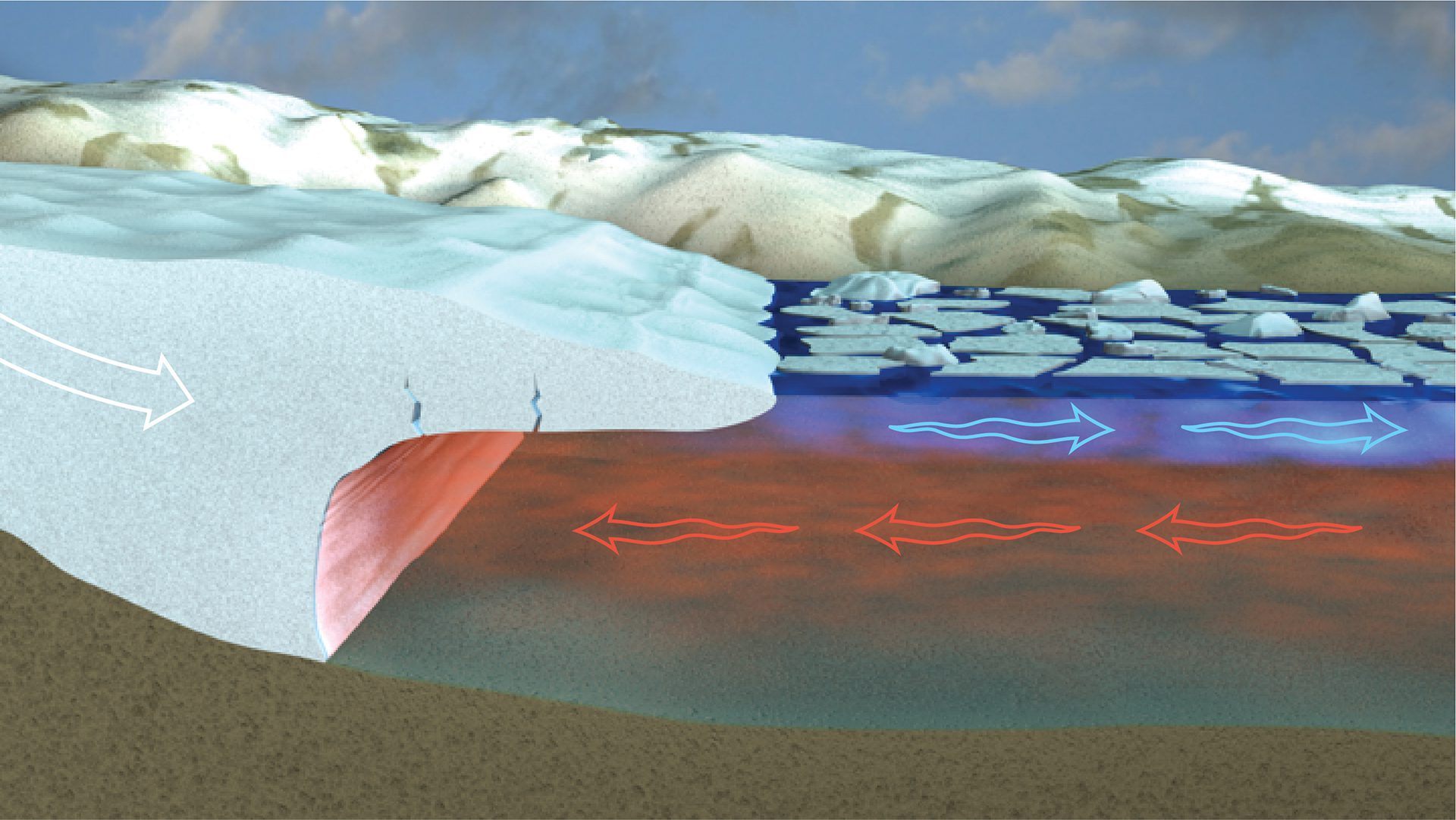
Global warming may trigger colder winters in the U.S. and Europe by disrupting ocean currents—proof that climate change holds surprising twists.
Read MoreAre We on the Brink of a ‘New Little Ice Age?’
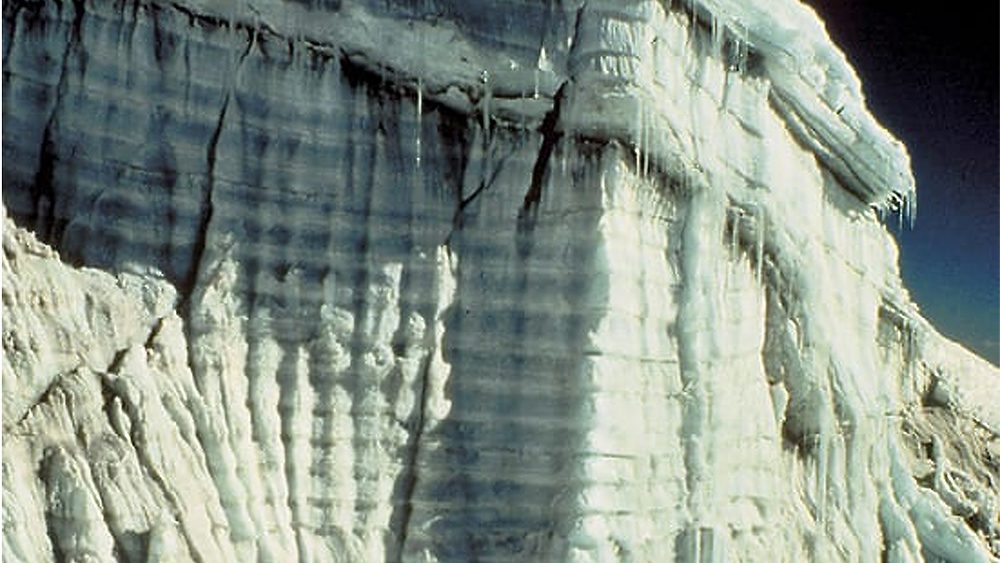
Evidence for abrupt climate change is readily apparent in ice cores taken from Greenland and Antarctica.
Read MoreAbrupt Climate Change: Should We Be Worried?
Fossil evidence demonstrates that Earth's climate can shift within a decade, establishing new and different patterns that can persist for decades to centuries.
Read MoreWhat’s After the Day After Tomorrow?
To help distinguish science from science fiction, here is a summary of points raised by the movie and commentary edited by WHOI climate scientists.
Read MoreCommon Misconceptions about Abrupt Climate Change
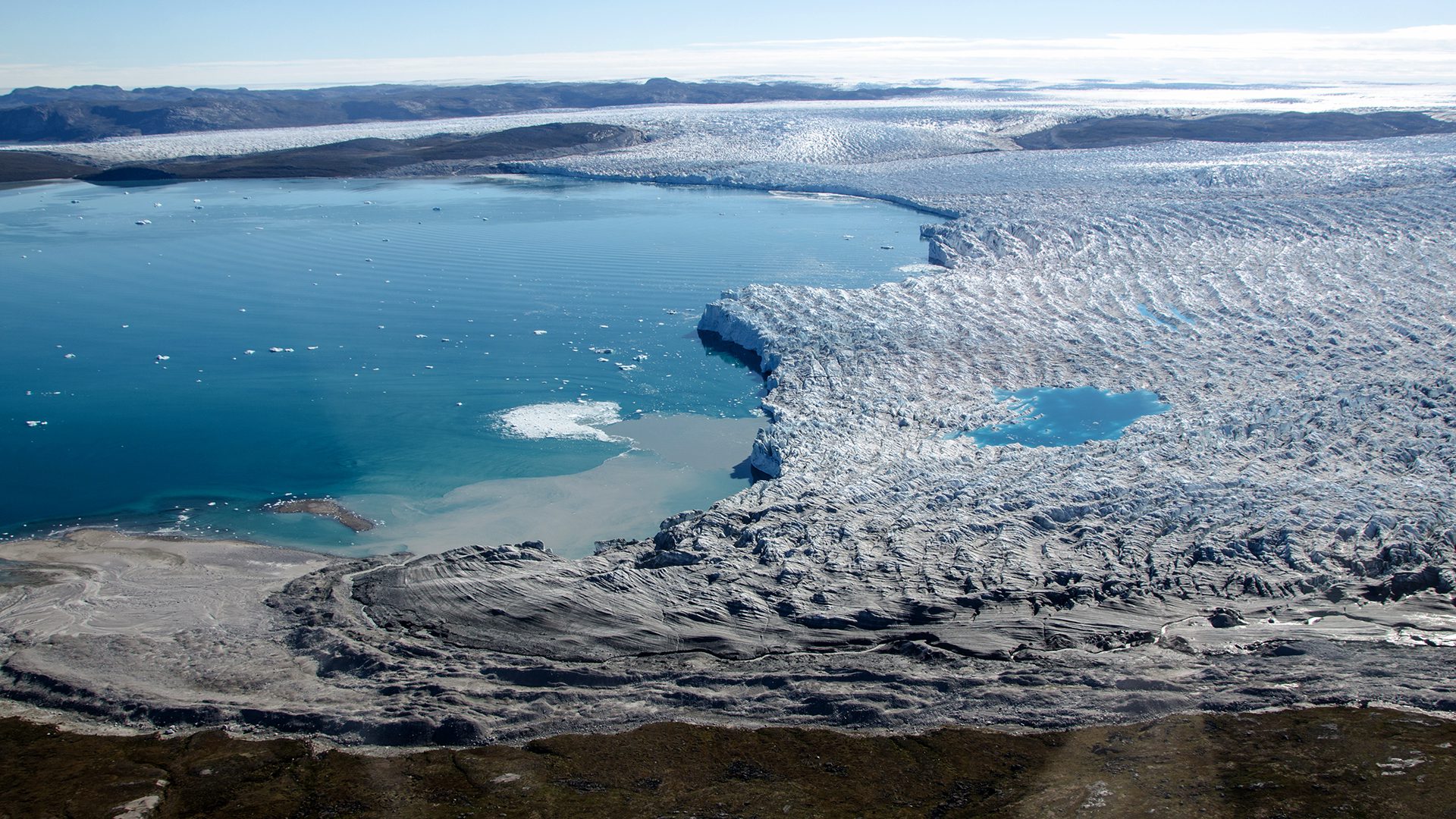
Several decades of scientific research have yielded significant advances in understanding the ocean's role in regulating Earth's climate.
Read More