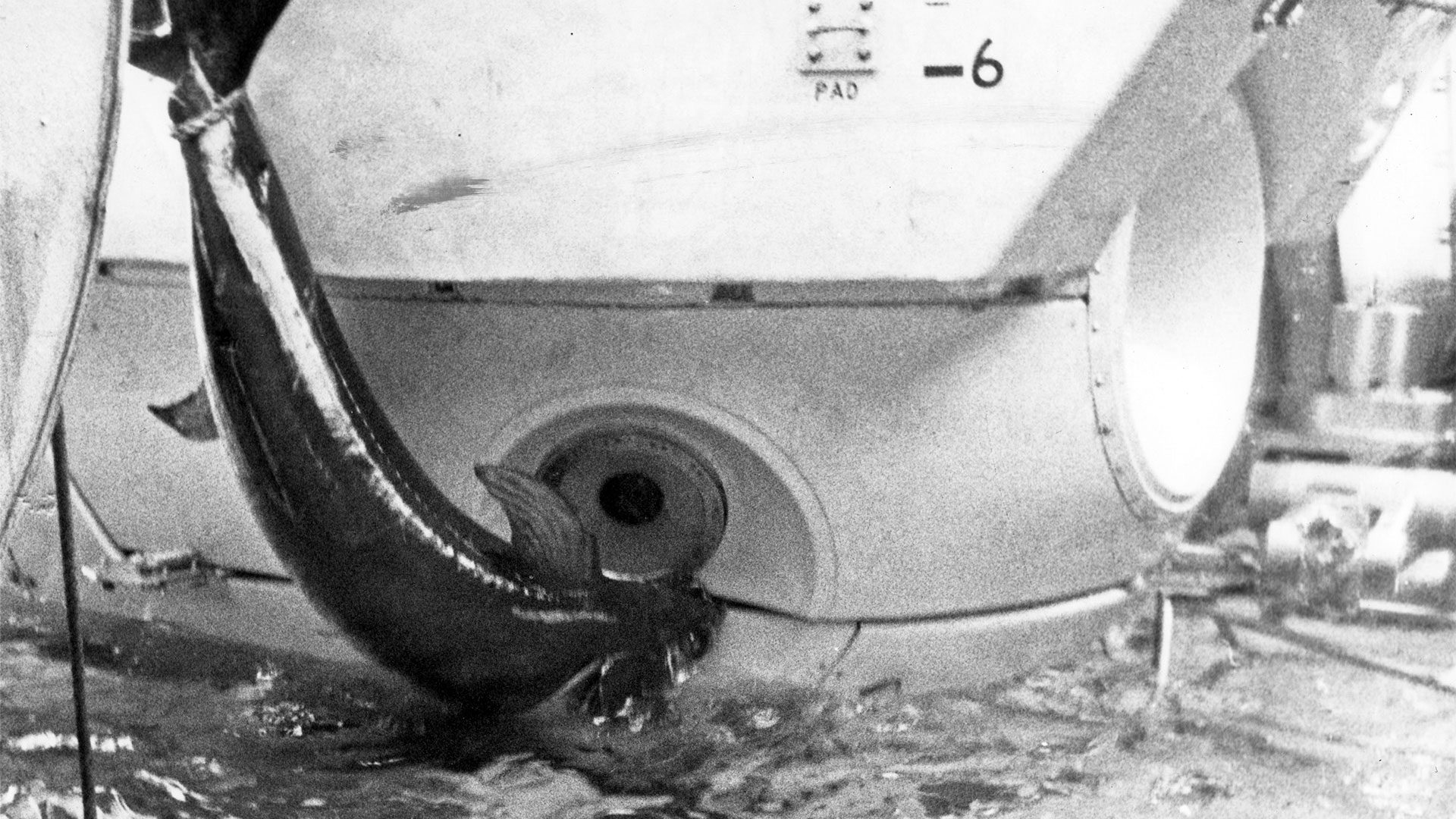
Alvin vs. the swordfish
During a 1967 dive off Florida, a startled swordfish rammed the famed submersible Alvin—lodging its sword in the hull and forcing the crew to abort the mission
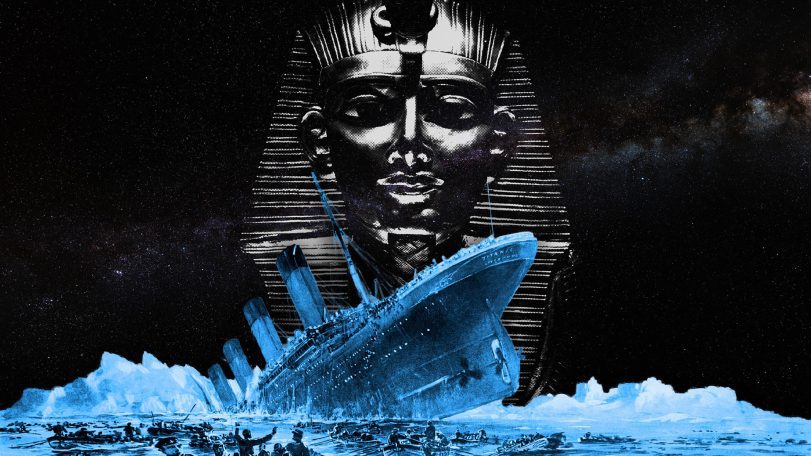
A mummy, a myth, and the Titanic
A 1986 handwritten letter to Bob Ballard revisits one of the Titanic disaster’s strangest myths
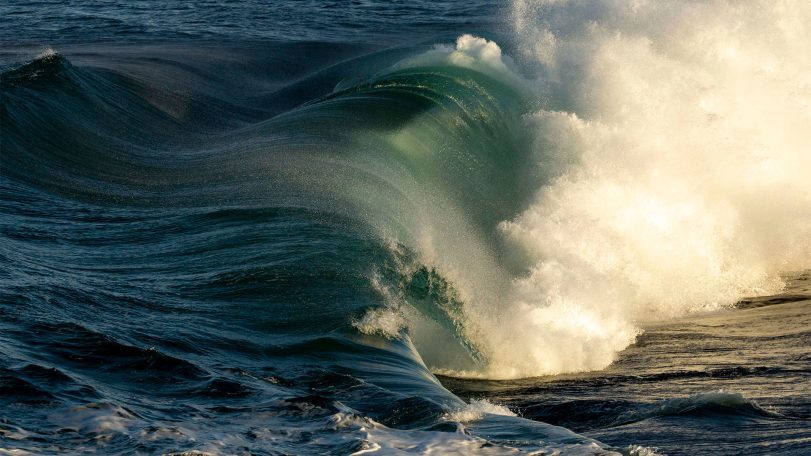
Turning motion into power: Wave energy converters for sustainable ocean monitoring
In the rapidly evolving world of ocean technology, wave energy is emerging as…
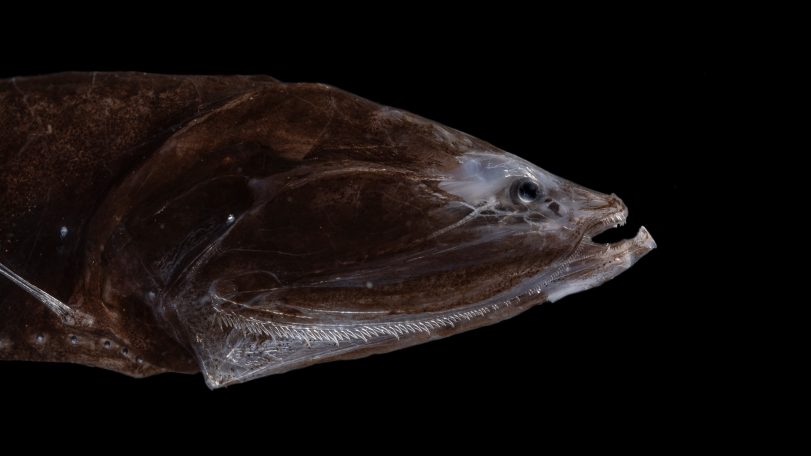
The world’s most abundant fish once thrived in an extreme climate
Fossilized teeth show bristlemouth fish evolved during one of the ocean’s hottest periods
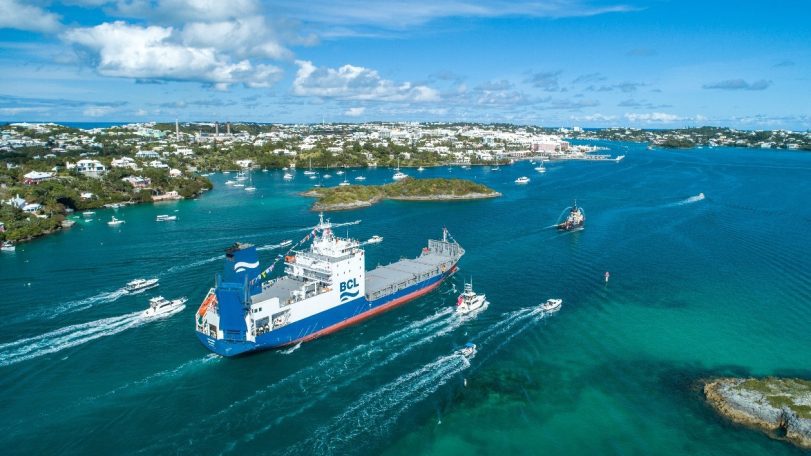
How a cargo ship is tracking hidden ocean life in the Atlantic
With funding support from CMA CGM, ocean observations aboard Bermuda Container Line’s M/V Oleander now include a window into microscopic life

Inside Room 71: WHOI history in seven artifacts
Some of the technology, art, and gifts that tell the story of the institution’s early days
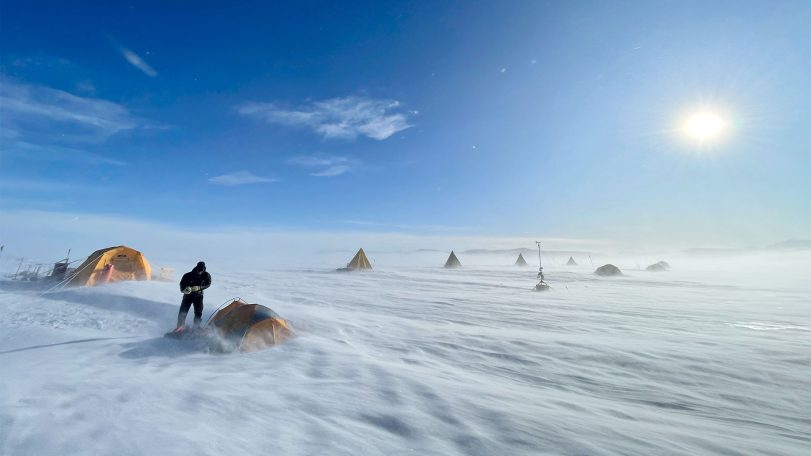
A scientist’s quest to find Earth’s oldest ice
After recovering ice that dates back 6 million years, Sarah Shackleton hopes to dig deeper into Earth’s history from a remote Antarctic moraine
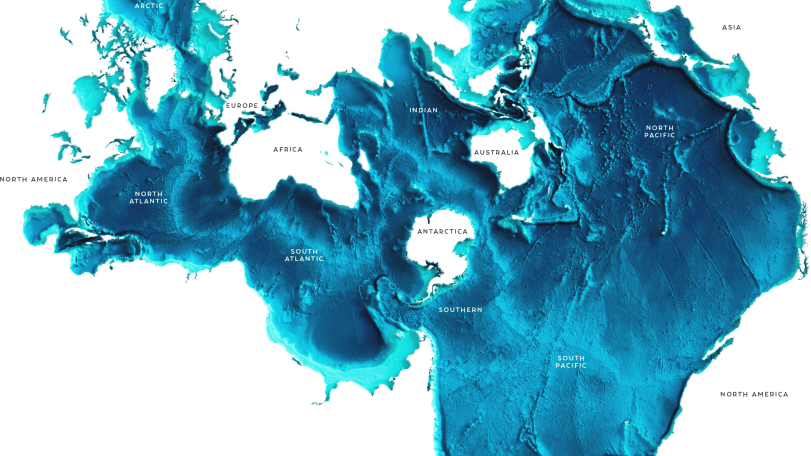
It’s the most ocean-friendly map ever created. Why haven’t more people seen it?
Discover the Spilhaus Projection, a radical world map that reveals Earth as one connected ocean—and reshapes how we see the planet.
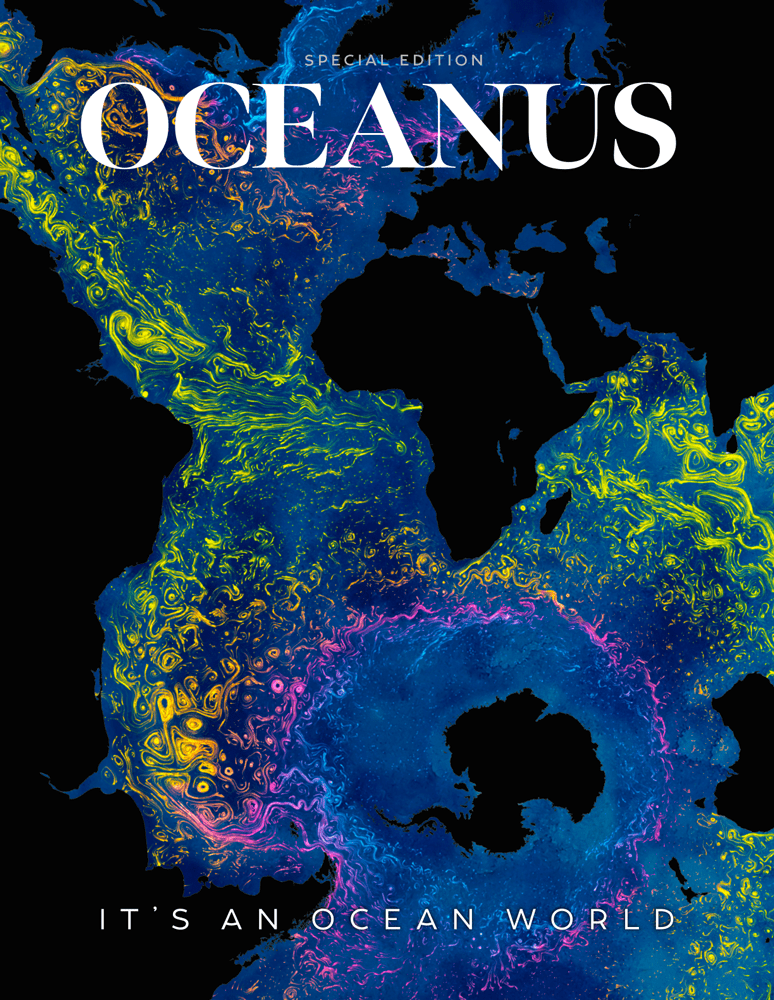
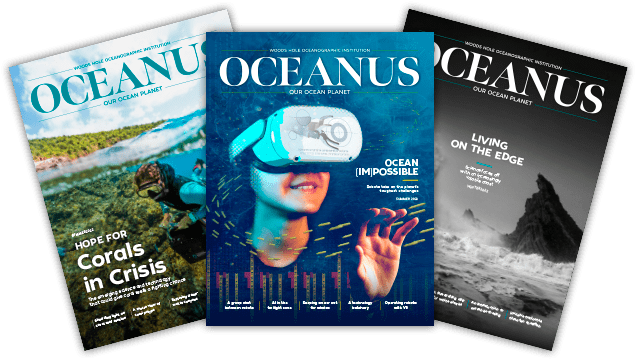
and get Oceanus delivered to your door twice a year as well as supporting WHOI's mission to further ocean science.
Our Ocean. Our Planet. Our Future.
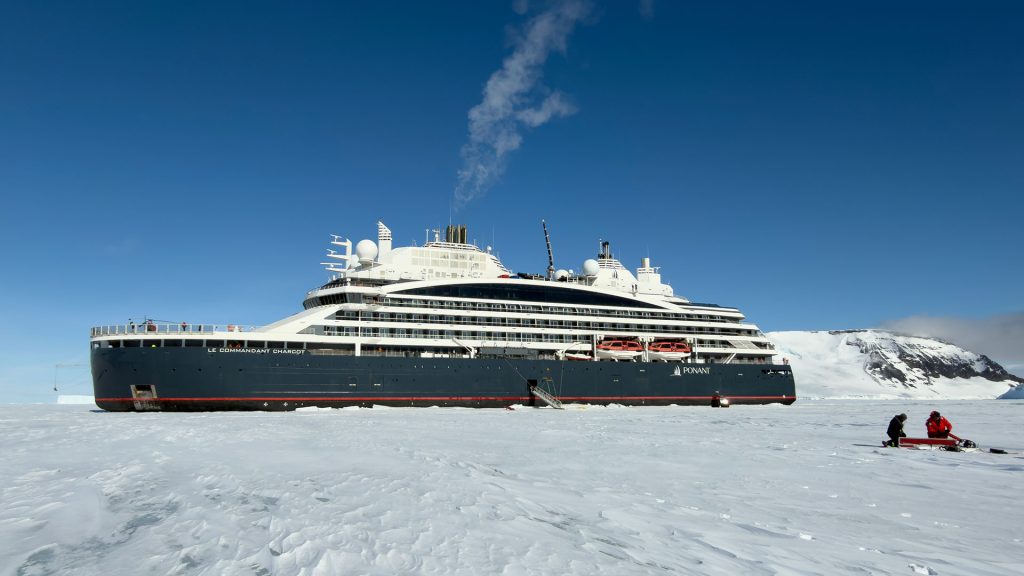
Luxury cruises with a side of climate science
A new partnership gives scientists rare access to remote Antarctic glaciers—and a new way to engage the public
The unseen toll of war on science
As the changing climate accelerates the spread of toxic algal blooms in the Arctic, the Russia–Ukraine war is cutting off critical international collaboration needed to understand and protect vulnerable ecosystems and communities.

The human cost of Brazil’s floods
New research maps social vulnerability after the 2024 deluge

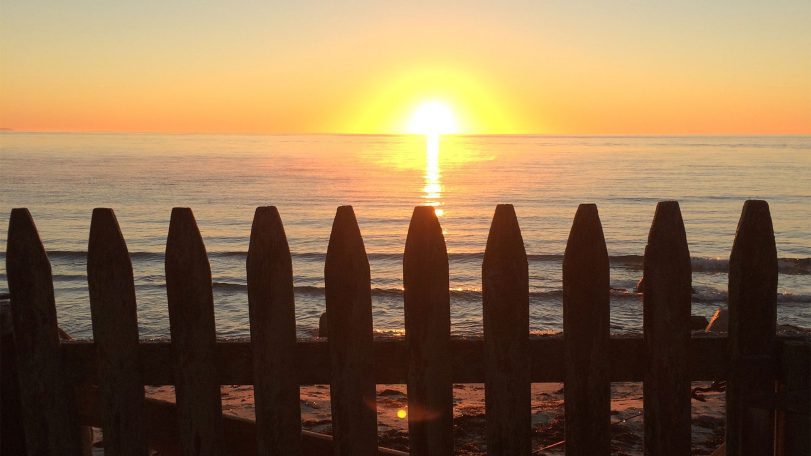
Tracking the hidden currents of Cape Cod Bay
Scientists are using drifters and ocean models to better understand how water, nutrients, and pollutants move through the bay
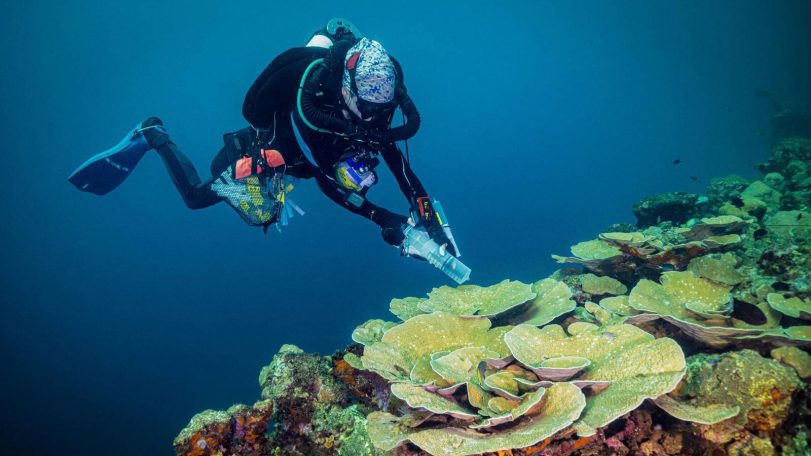
From ruin to reef
What Pacific wrecks are teaching us about coral resilience—and pollution
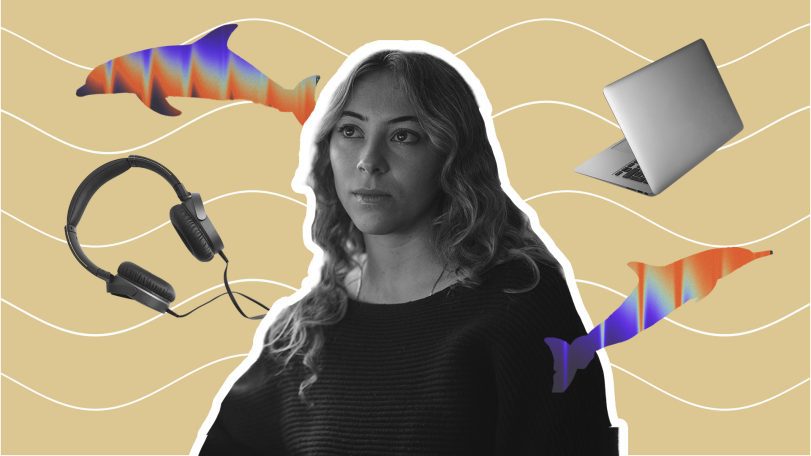
One researcher, 15,000 whistles: Inside the effort to decode dolphin communication
Scientists at WHOI analyze thousands of dolphin whistles to explore whether some sounds may function like words
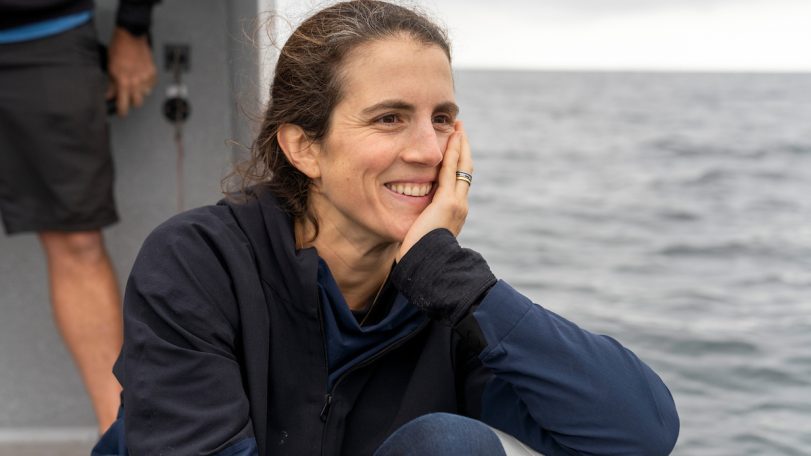
Remembering Tatiana Schlossberg, a voice for the ocean
Environmental journalist and author Tatiana Schlossberg passed away after battling leukemia on December 30, 2025….
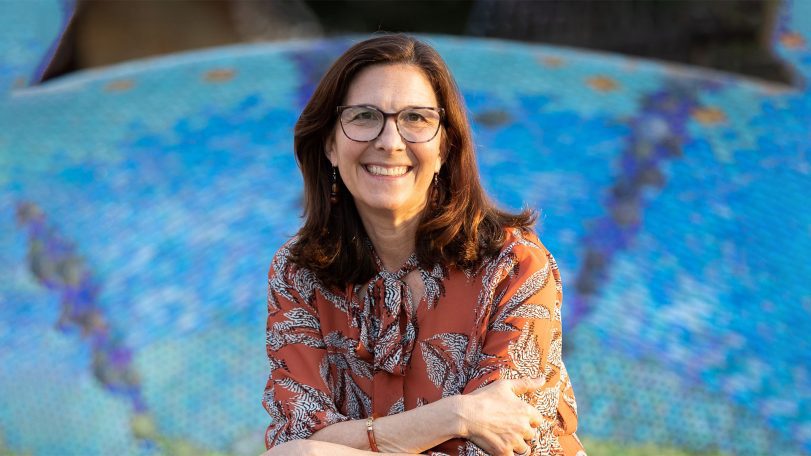
As the ocean warms, a science writer looks for coral solutions
Scientist-turned-author Juli Berwald highlights conservation projects to restore coral reefs
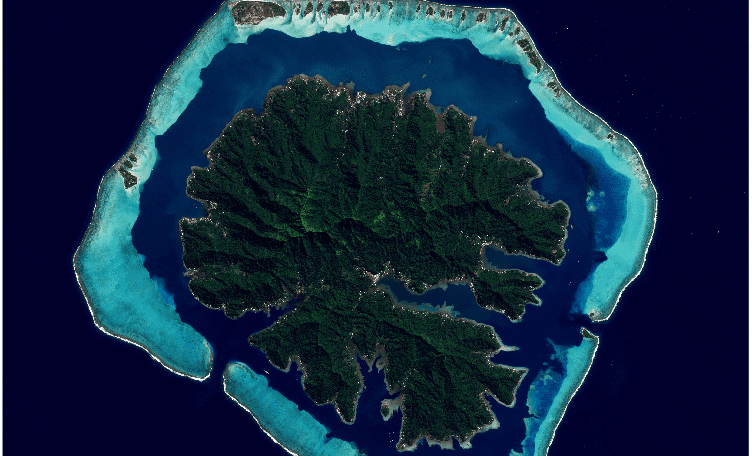
How an MIT-WHOI student used Google Earth to uncover a river–coral reef connection
Google Earth helps researcher decode how rivers sculpt massive breaks in coral reefs
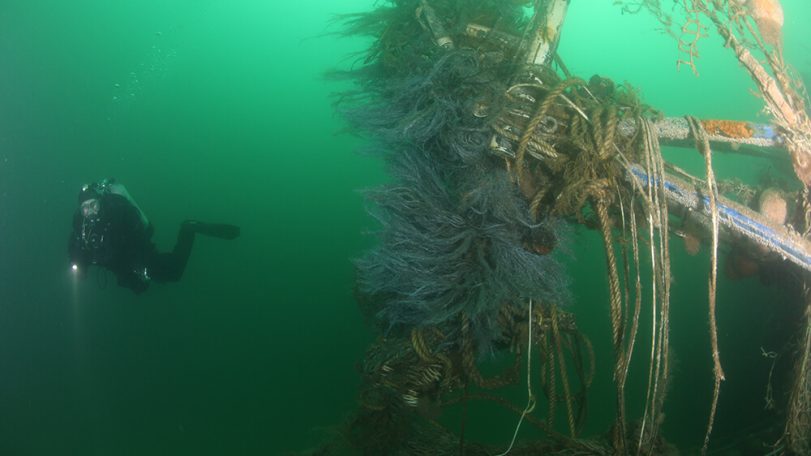
A new underwater robot could help preserve New England’s historic shipwrecks
WHOI’s ResQ ROV to clean up debris in prominent marine heritage sites
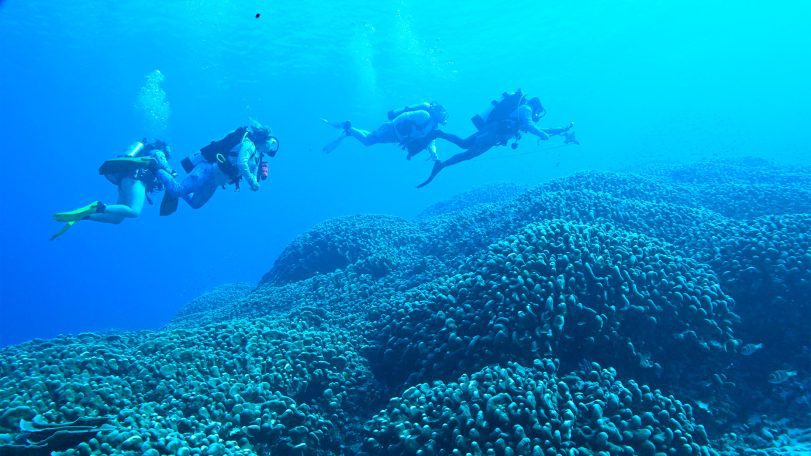
Inside the Solomon Islands’ hidden mega coral — a 300-year-old ocean giant
WHOI’s Reef Solutions team journeys to the world’s largest coral colony
Looking for something specific?
We can help you with that. Check out our extensive conglomeration of ocean information.
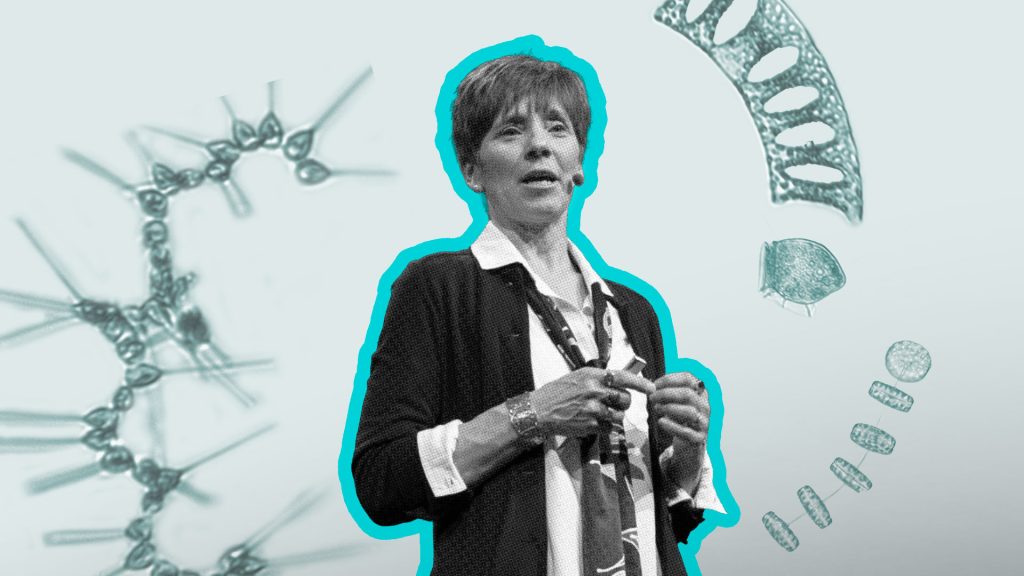
The little big picture
WHOI senior biologist Heidi Sosik on the critical need for long-term ocean datasets
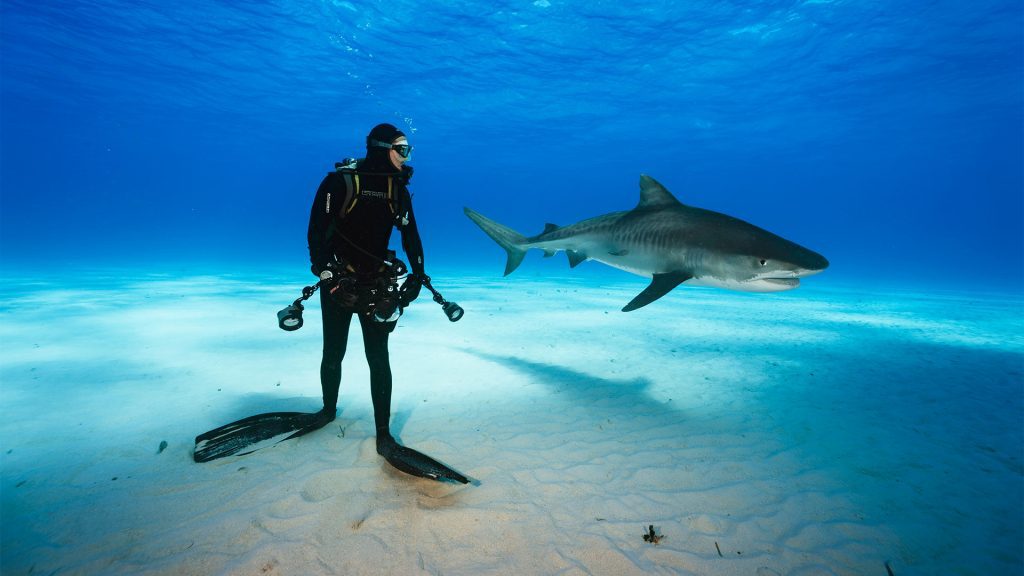
Lessons from a lifetime of exploration
Award-winning ocean photographer Brian Skerry shares insights from a career spent around ocean life and science
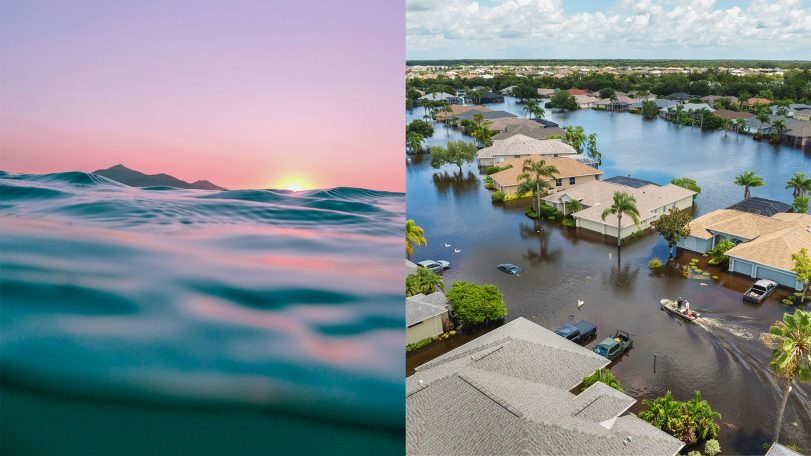
The ocean weather nexus, explained
The vital role of ocean observations in extreme weather forecasting

Breaking down plastics together
Through a surprising and successful partnership, WHOI and Eastman scientists are reinventing what we throw away
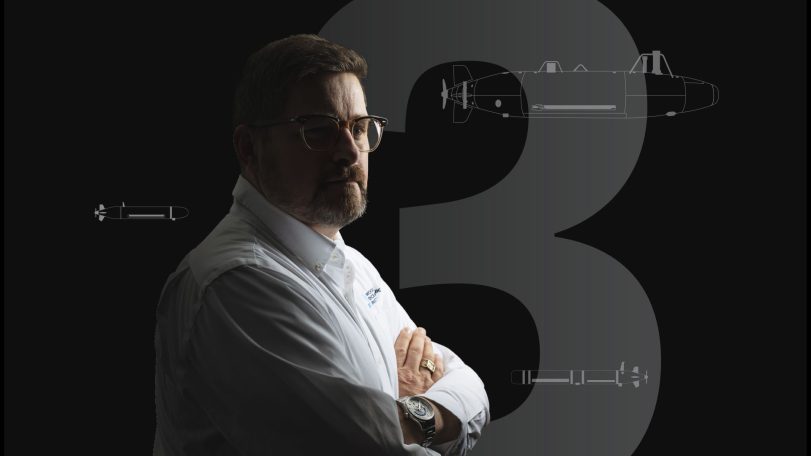
Three questions with Carl Hartsfield
Captain Hartsfield, USN retired, discusses the role ocean science plays in our national defense
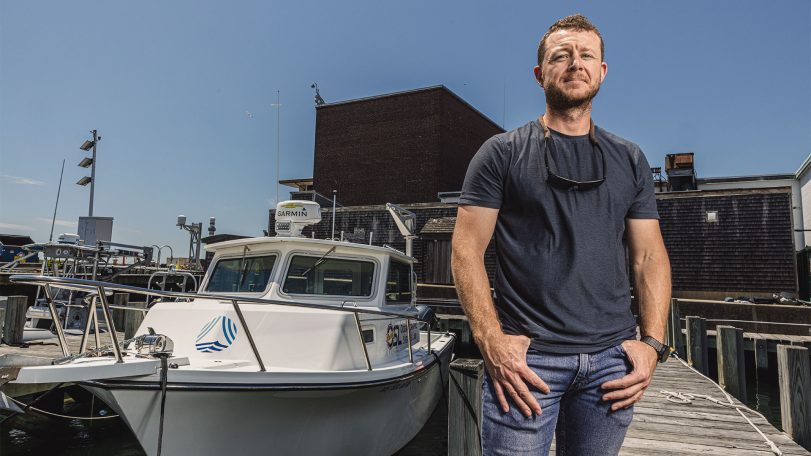
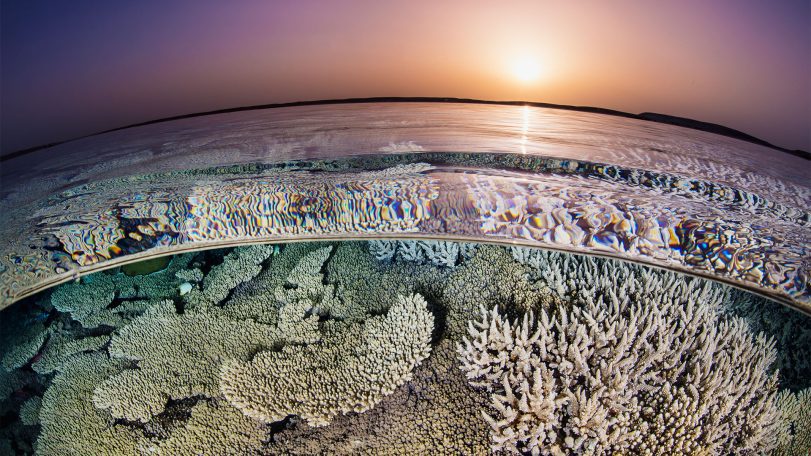
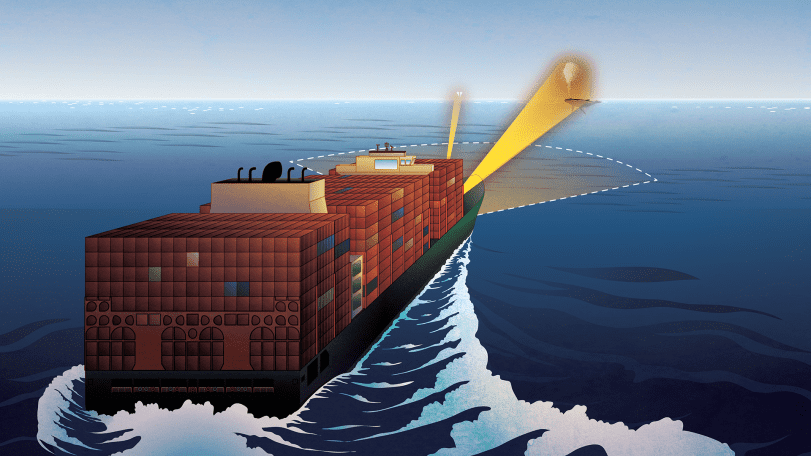
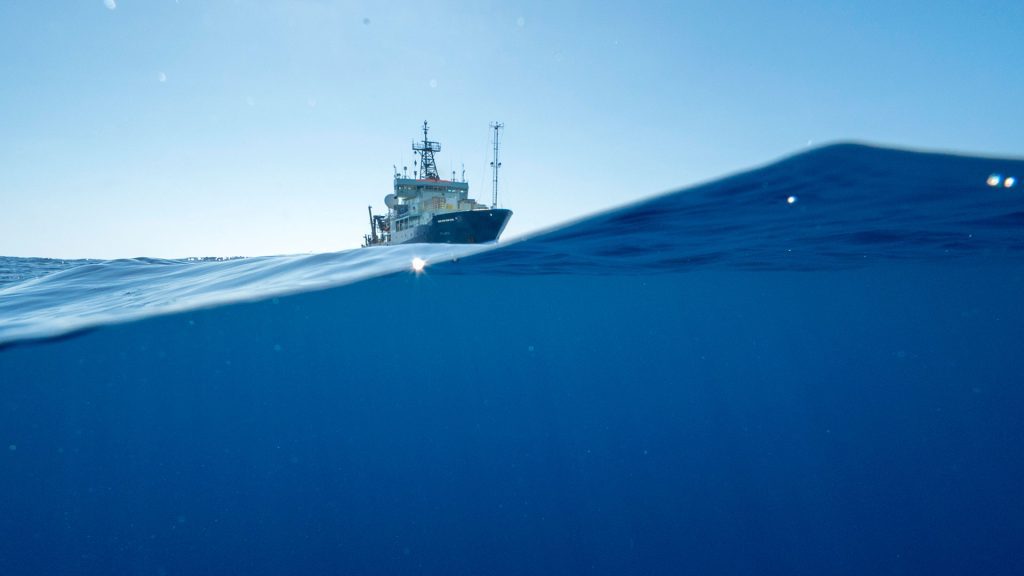
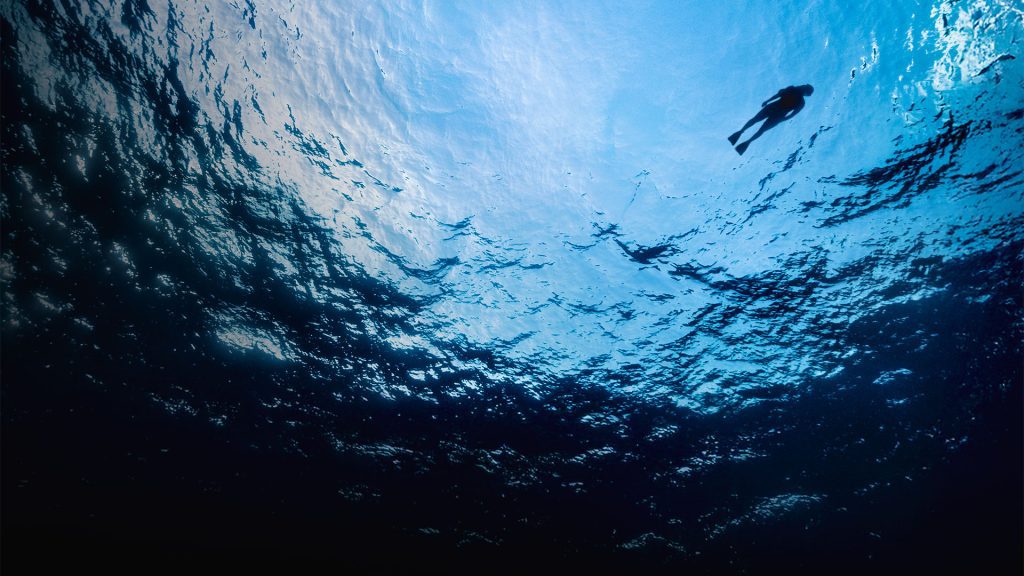
The Ocean (Re)Imagined
How expanding our view of the ocean can unlock new possibilities for life
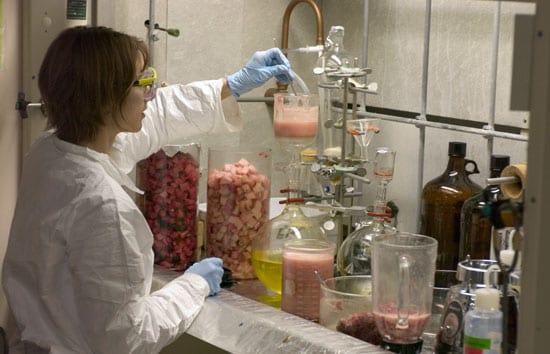
Mistaken Identity
Researchers at the Woods Hole Oceanographic Institution have found that two chemicals accumulating in the tissues of marine animals and suspected to be manmade pollutants actually came from natural sources.
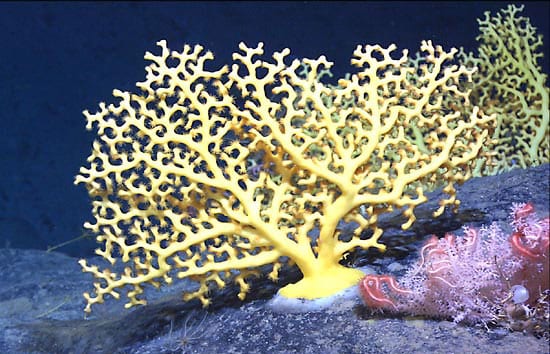
Coral Gardens in the Dark Depths
The words “coral reefs” conjure up images of a tropical paradise: shallow, warm, aquamarine waters, bright sunlight, white coral sand, and colorful, darting fish. But corals also live deep in the sea, in regions where the sun doesn’t penetrate and water temperatures remain just above freezing.
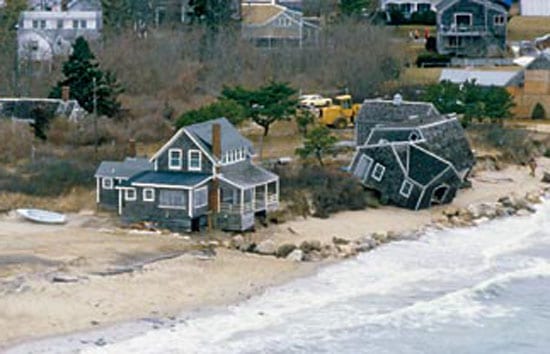
The Coastal Ocean Institute
We are all stewards of the coastal ocean. For some of us, the connection to the sea is clear and immediate; for others, it is subtle and distant. But whether you live on waterfront property or in a land-locked hamlet, your everyday activities affect this most sensitive and most threatened portion of the world?s oceans.
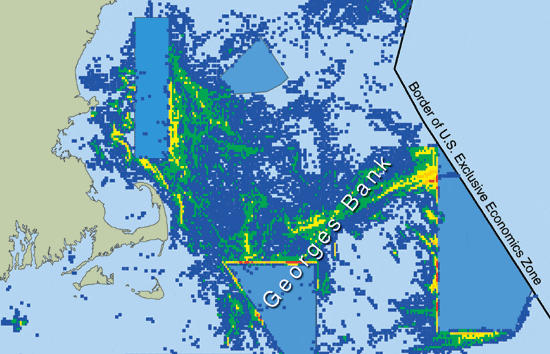
Do Marine Protected Areas Really Work?
Today, Marine Protected Areas, or MPAs—areas of the ocean temporarily or permanently closed to harvesting—are being proposed to restrict not only fishing, but also mineral and hydrocarbon extraction, and other activities. Some advocates of MPAs suggest that at least 20 percent of the coastal and open ocean should be set aside and permanently zoned to protect ecosystems, sustain fish stocks, and reduce conflicts between users of the oceans.
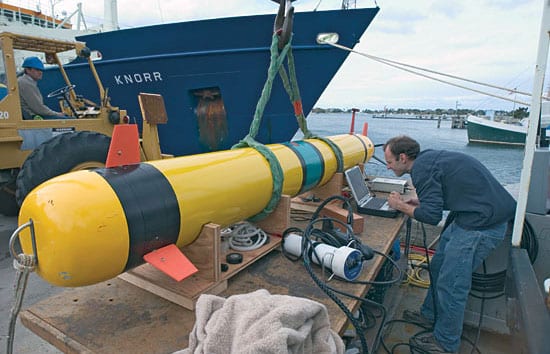
Robo-Sailors
In the mid-1990s, the Navy began funding research for small, robotic vehicles to perform unmanned reconnaissance in coastal waters. At WHOI, that helped spark the development of REMUS (Remote Environmental Monitoring UnitS), designed and built by Chris von Alt, Ben Allen, and colleagues in the Oceanographic Systems Laboratory.
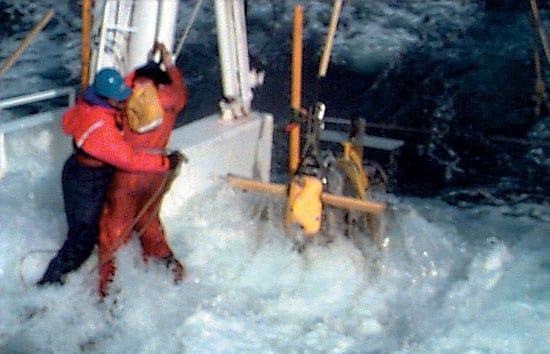
The Cacophony on the Coast
Unlike light, sound travels efficiently through water, and the Navy uses sound to monitor what’s going on in the ocean. To understand the sound messages transmitted through the seas, you need to understand the medium through which they are transmitted.
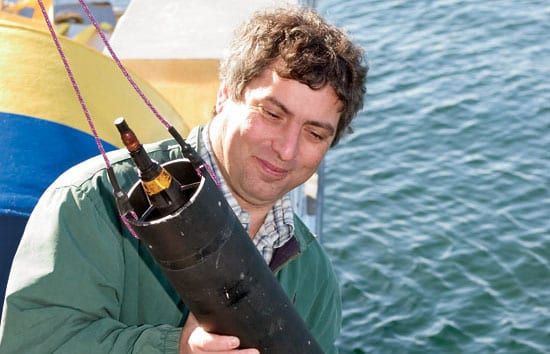
New Instrument Sheds Light on Bioluminescence
Bioluminescence is ubiquitous in the oceans, and especially prevalent in coastal regions where nutrients are abundant and life thrives. Yet scientists have little basic understanding of how bioluminescence is influenced by water temperatures, depths, seasons, geographic locations, even different times of day.
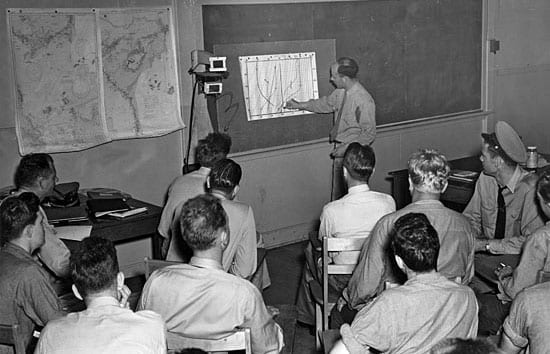
For the Navy, the Coast Isn’t Clear
Every so often, circumstances can conspire to make a battleship turn on a dime. Fifteen years ago, two geopolitical events prompted the U.S. Navy to abruptly change long-standing research priorities and steer rapidly in a new direction.
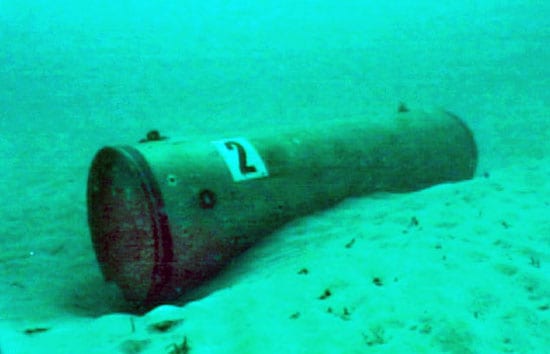
Where Are Mines Hiding on the Seafloor?
Eternally and incessantly, waves and currents stir up sand from the seafloor near the coast. Sediments get suspended in the ocean, carried onshore and off, and deposited elsewhere. In the process, objects on the seafloor—natural and unnatural—can get buried and uncovered.
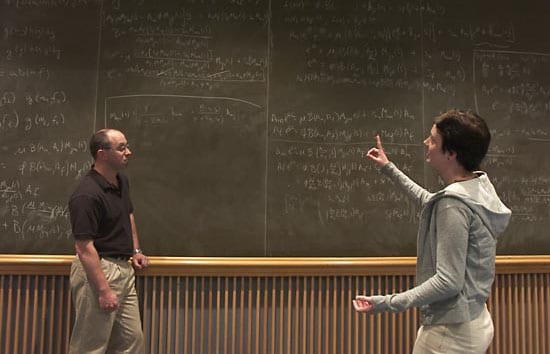
Can We Catch More Fish and Still Preserve the Stock?
People have always fished. But the history of fishing is also the history of overfishing. For hundreds of years, the establishment and enforcement of fishery management policies have generated controversy, as competing authorities have searched for a way to balance competing goals—to catch as many fish as possible while conserving the resource. To resolve this dilemma, we have applied mathematics—and we are finding that the ancient solution may still prove effective in modern times.
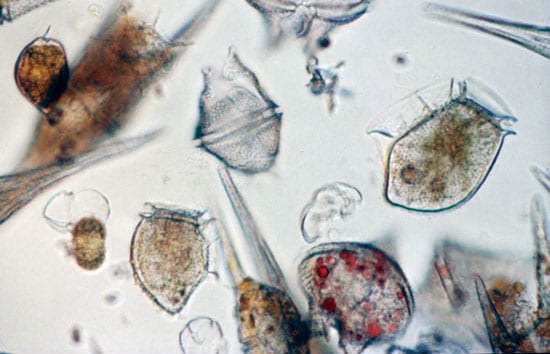
A Fatal Attraction for Harmful Algae
Estuaries are the borderlands between salt and freshwater environments, and they are incredibly diverse
both biologically and physically. The diversity and the high
energy of the ecosystem make estuaries remarkably resilient.
With a better understanding of these systems, we can reverse
their decline and restore the ecological richness of these
valuable, albeit muddy, environments.
Rites of Passage for Juvenile Marine Life
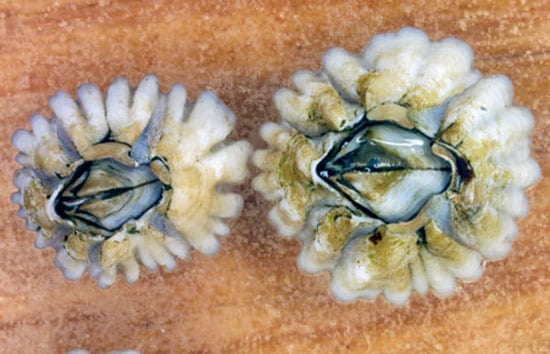
The childhood of a barnacle is fraught with challenges. It hatches in shallow waters close to shore as a tiny larva, no bigger than a speck of dust. Currents sweep it to deeper, choppy waters, sometimes miles offshore. In these proving grounds each larva floats, at the mercy of hungry fish and swift ocean currents. Billions of larvae?including fish, lobsters, clams, starfish, and sea cucumbers?begin life this way. Only a few survive and return to shore, where they settle on rocks or sandy seafloor to become adults. Why larvae make their offshore journey remains unclear, but we are beginning to uncover the intricacies of their return trip?learning how waves, currents, eddies, tides, and other phenomena bring larvae back toward the shore.