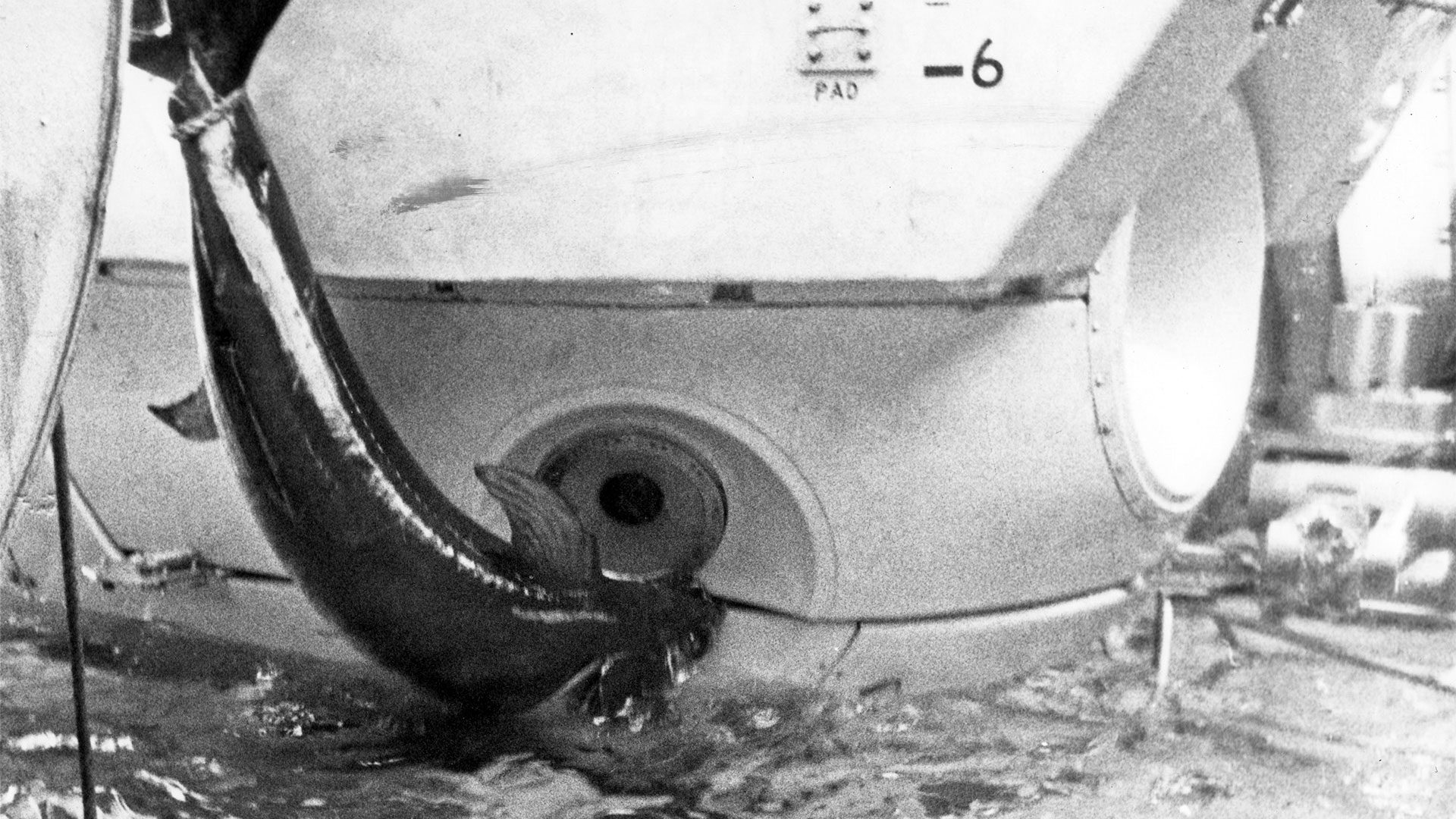
Alvin vs. the swordfish
During a 1967 dive off Florida, a startled swordfish rammed the famed submersible Alvin—lodging its sword in the hull and forcing the crew to abort the mission
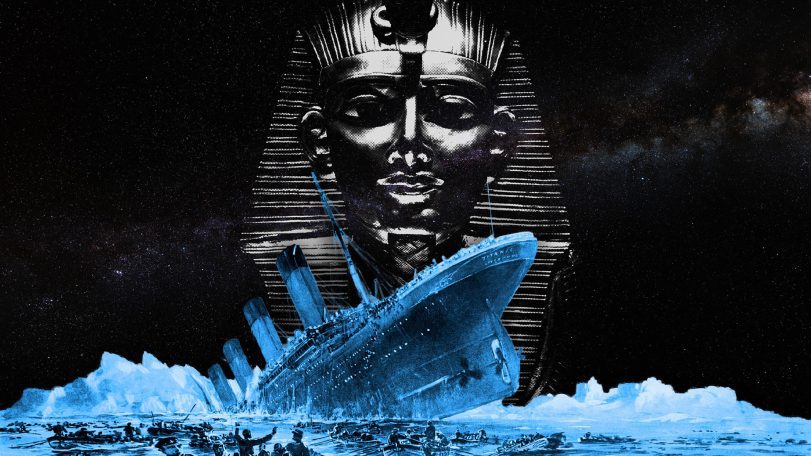
A mummy, a myth, and the Titanic
A 1986 handwritten letter to Bob Ballard revisits one of the Titanic disaster’s strangest myths
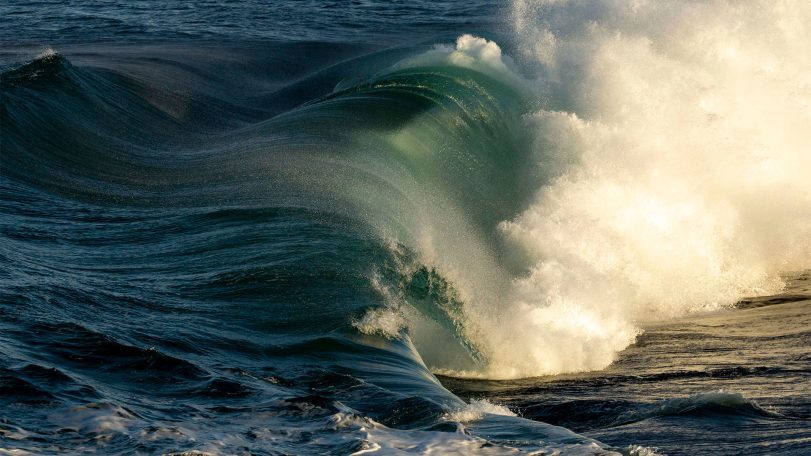
Turning motion into power: Wave energy converters for sustainable ocean monitoring
In the rapidly evolving world of ocean technology, wave energy is emerging as…
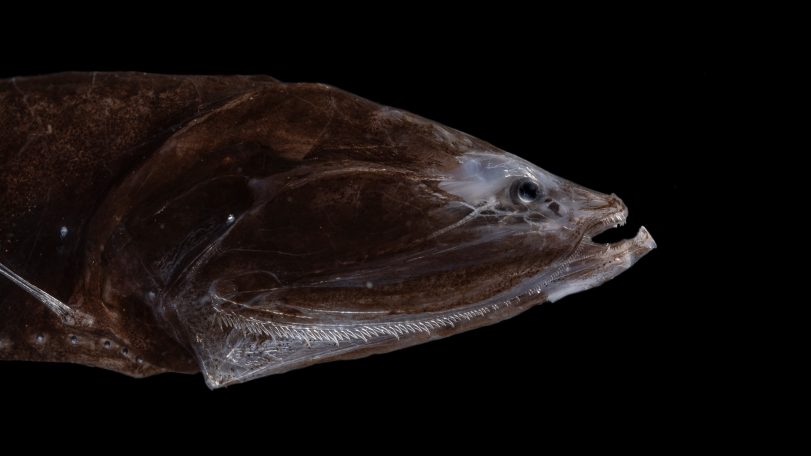
The world’s most abundant fish once thrived in an extreme climate
Fossilized teeth show bristlemouth fish evolved during one of the ocean’s hottest periods
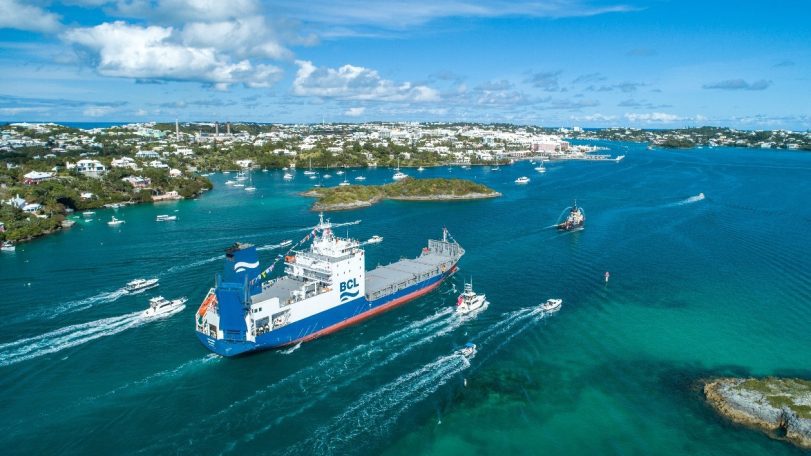
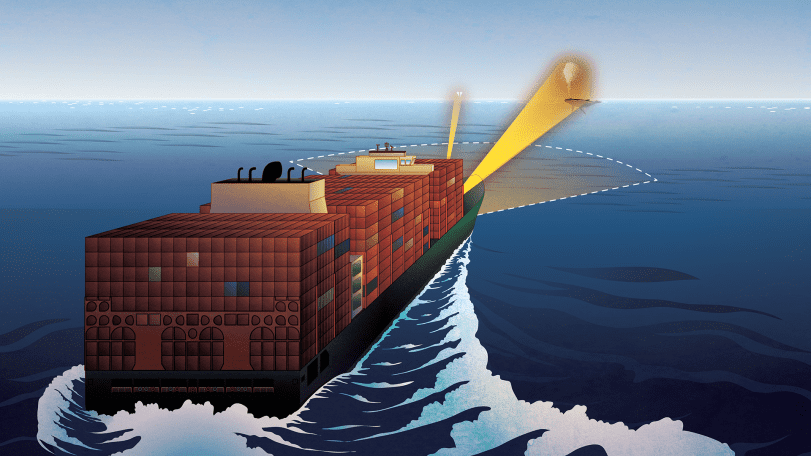
How a cargo ship is tracking hidden ocean life in the Atlantic
With funding support from CMA CGM, ocean observations aboard Bermuda Container Line’s M/V Oleander now include a window into microscopic life

Inside Room 71: WHOI history in seven artifacts
Some of the technology, art, and gifts that tell the story of the institution’s early days
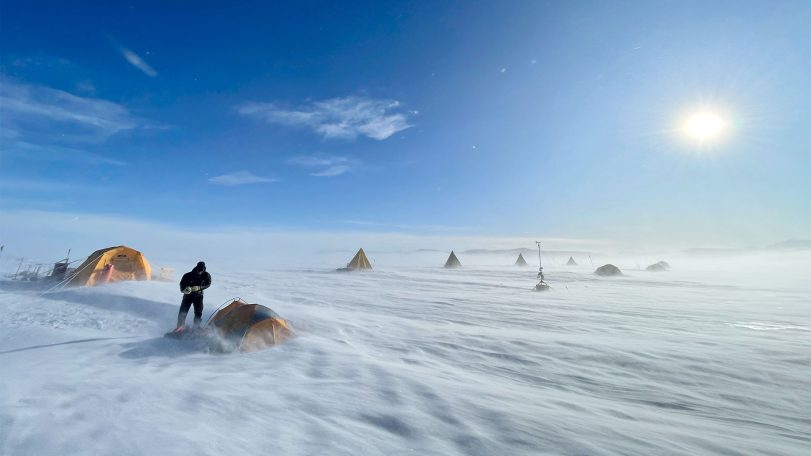
A scientist’s quest to find Earth’s oldest ice
After recovering ice that dates back 6 million years, Sarah Shackleton hopes to dig deeper into Earth’s history from a remote Antarctic moraine
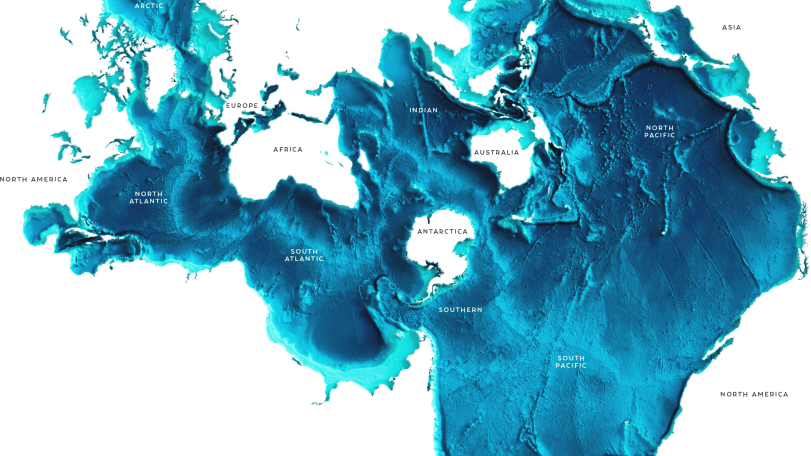
It’s the most ocean-friendly map ever created. Why haven’t more people seen it?
Discover the Spilhaus Projection, a radical world map that reveals Earth as one connected ocean—and reshapes how we see the planet.
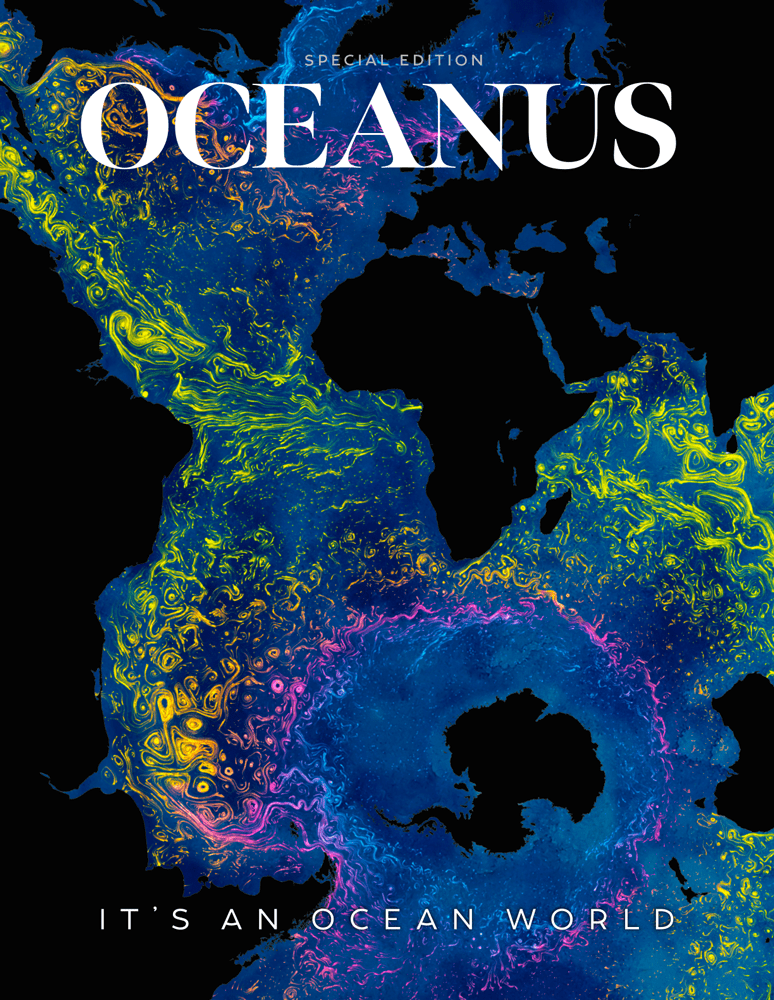
and get Oceanus delivered to your door twice a year as well as supporting WHOI's mission to further ocean science.
Our Ocean. Our Planet. Our Future.
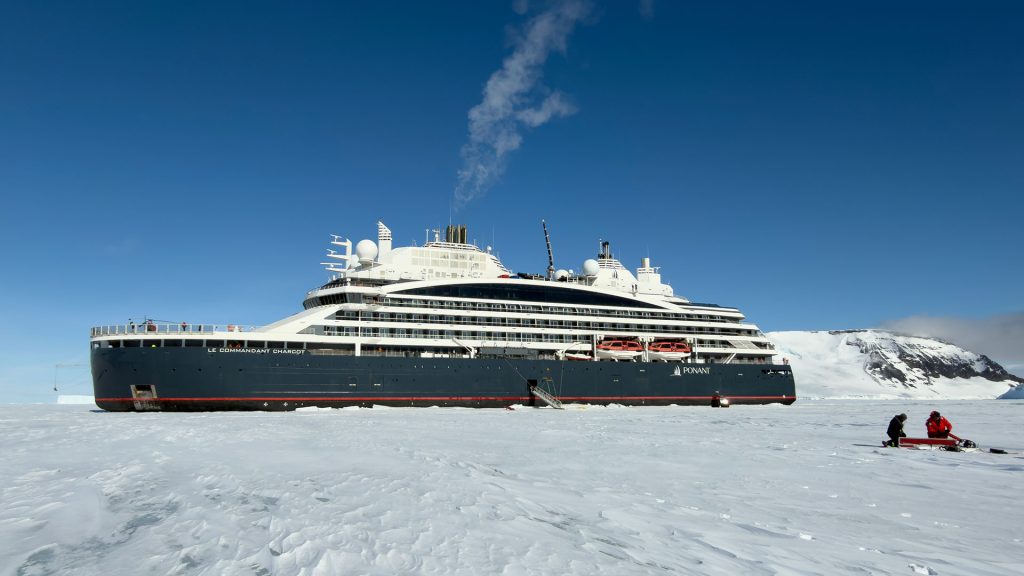
Luxury cruises with a side of climate science
A new partnership gives scientists rare access to remote Antarctic glaciers—and a new way to engage the public
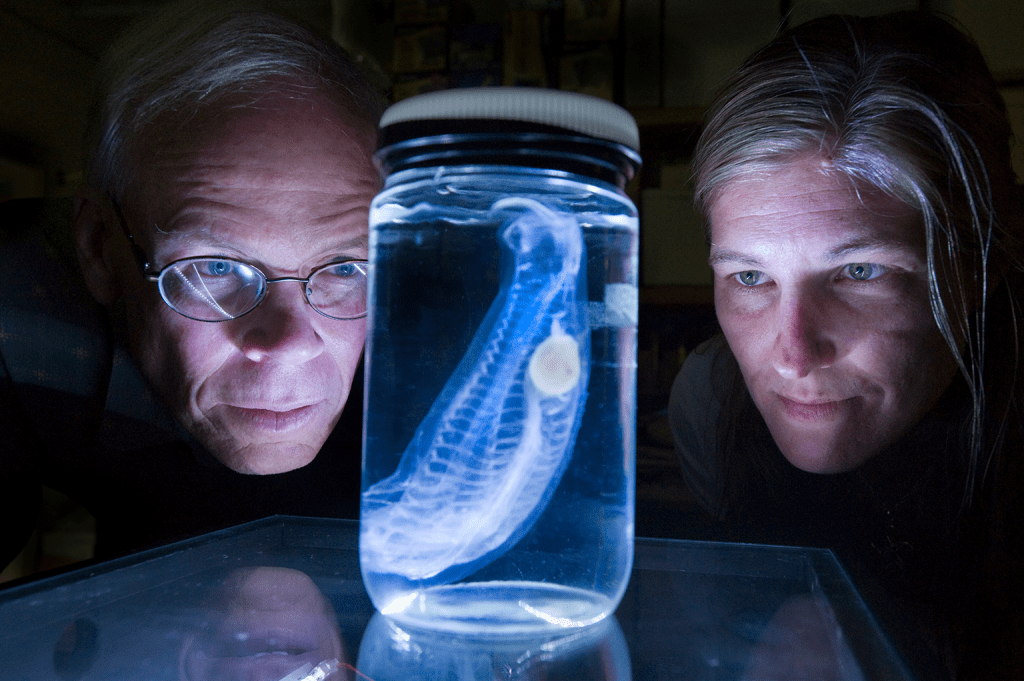
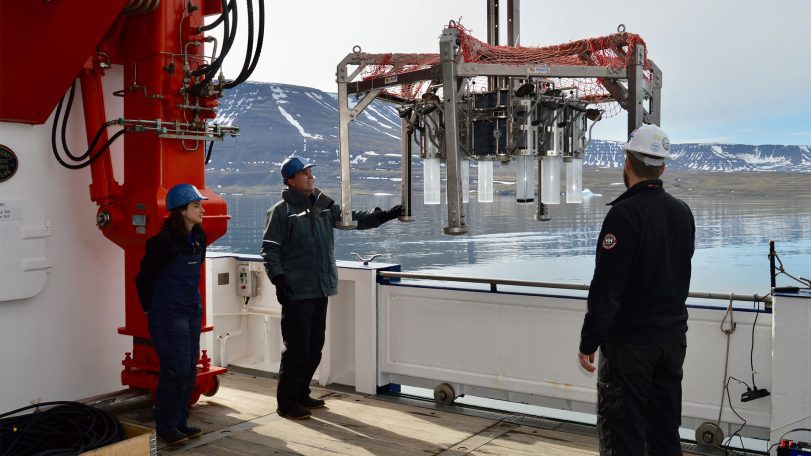
The unseen toll of war on science
As the changing climate accelerates the spread of toxic algal blooms in the Arctic, the Russia–Ukraine war is cutting off critical international collaboration needed to understand and protect vulnerable ecosystems and communities.

The human cost of Brazil’s floods
New research maps social vulnerability after the 2024 deluge

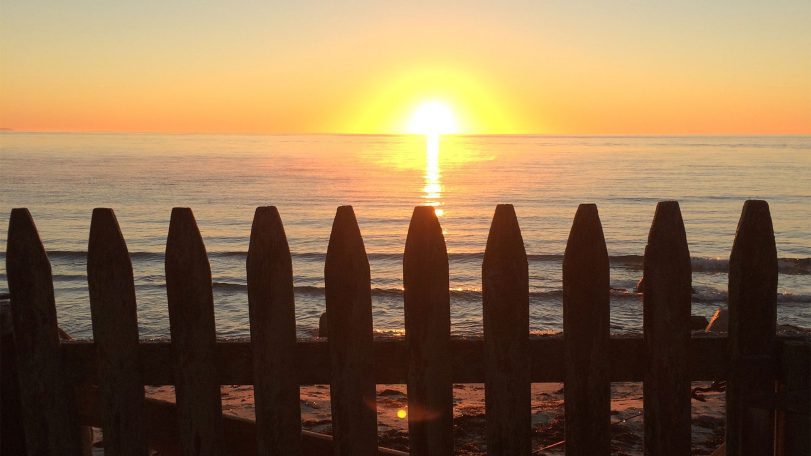
Tracking the hidden currents of Cape Cod Bay
Scientists are using drifters and ocean models to better understand how water, nutrients, and pollutants move through the bay
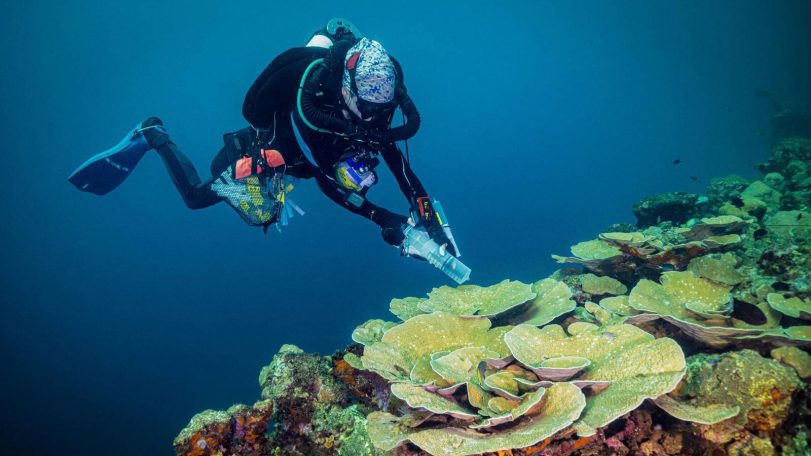
From ruin to reef
What Pacific wrecks are teaching us about coral resilience—and pollution
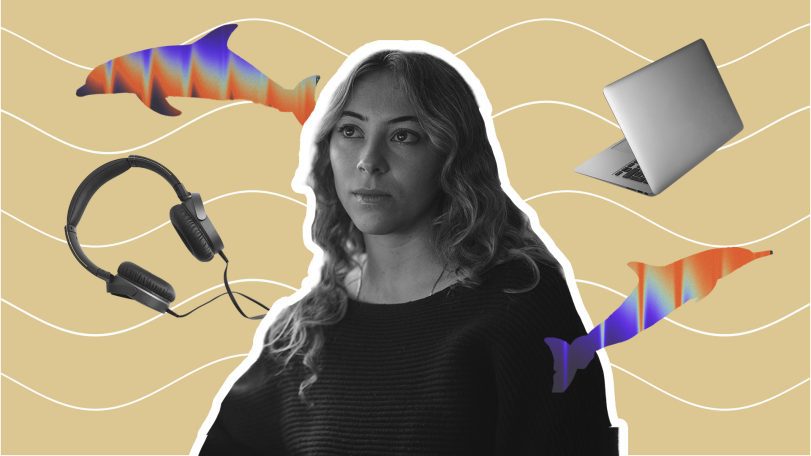
One researcher, 15,000 whistles: Inside the effort to decode dolphin communication
Scientists at WHOI analyze thousands of dolphin whistles to explore whether some sounds may function like words
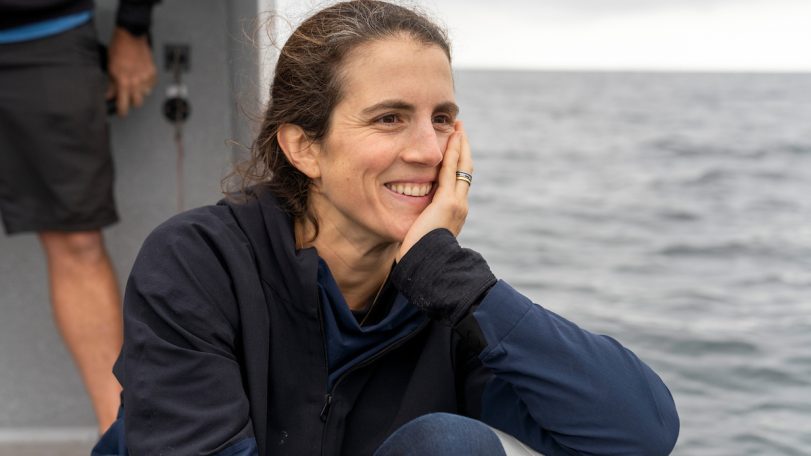
Remembering Tatiana Schlossberg, a voice for the ocean
Environmental journalist and author Tatiana Schlossberg passed away after battling leukemia on December 30, 2025….
As the ocean warms, a science writer looks for coral solutions
Scientist-turned-author Juli Berwald highlights conservation projects to restore coral reefs
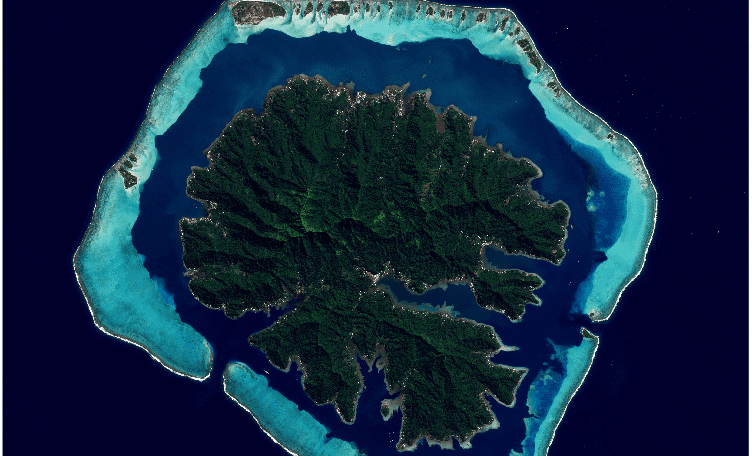
How an MIT-WHOI student used Google Earth to uncover a river–coral reef connection
Google Earth helps researcher decode how rivers sculpt massive breaks in coral reefs
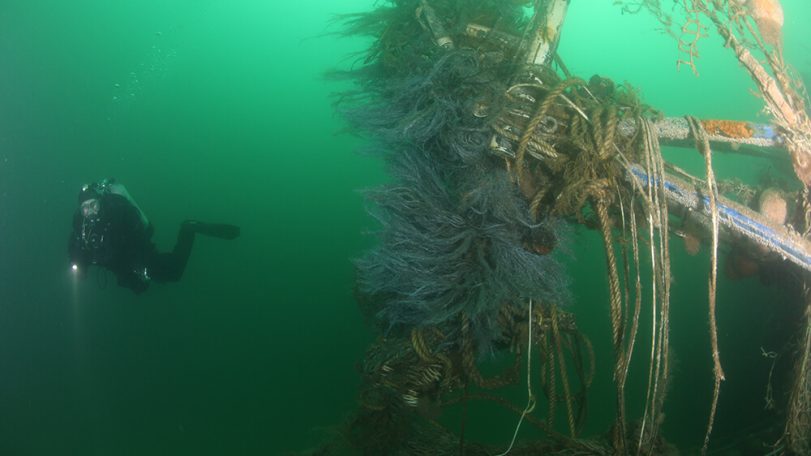
A new underwater robot could help preserve New England’s historic shipwrecks
WHOI’s ResQ ROV to clean up debris in prominent marine heritage sites
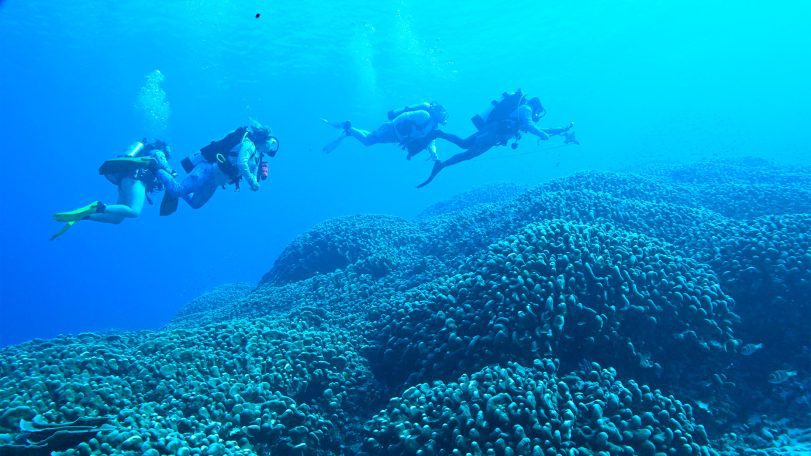
Inside the Solomon Islands’ hidden mega coral — a 300-year-old ocean giant
WHOI’s Reef Solutions team journeys to the world’s largest coral colony
Looking for something specific?
We can help you with that. Check out our extensive conglomeration of ocean information.
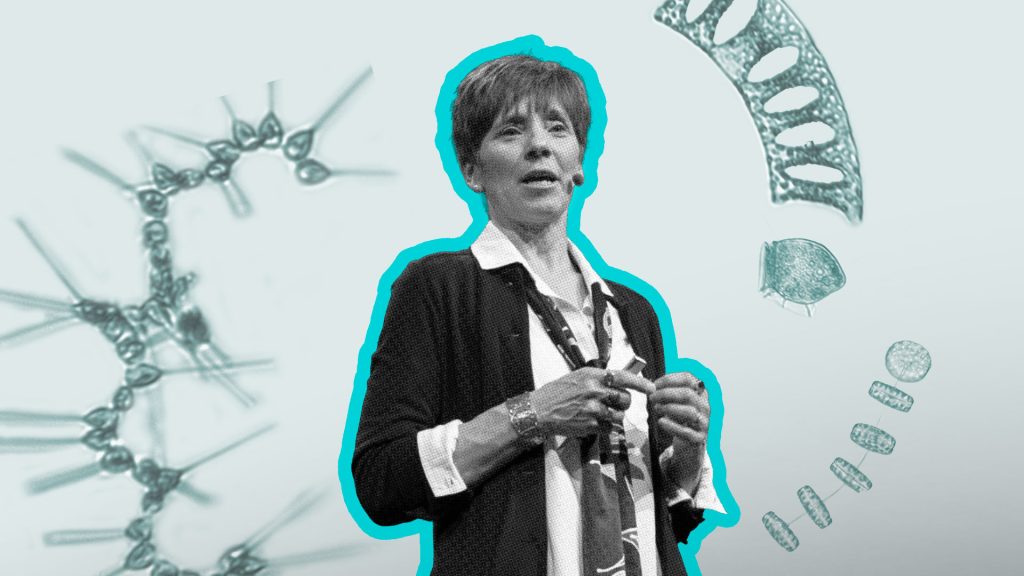
The little big picture
WHOI senior biologist Heidi Sosik on the critical need for long-term ocean datasets
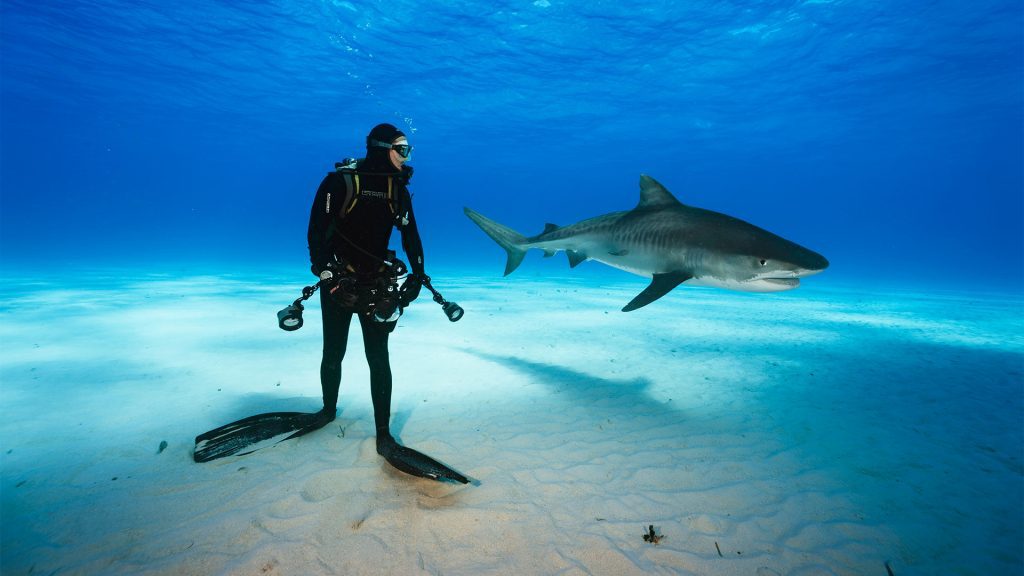
Lessons from a lifetime of exploration
Award-winning ocean photographer Brian Skerry shares insights from a career spent around ocean life and science
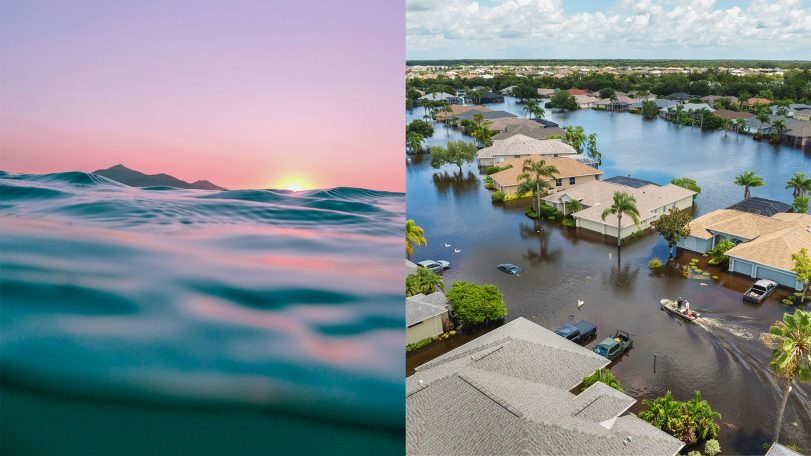
The ocean weather nexus, explained
The vital role of ocean observations in extreme weather forecasting

Breaking down plastics together
Through a surprising and successful partnership, WHOI and Eastman scientists are reinventing what we throw away
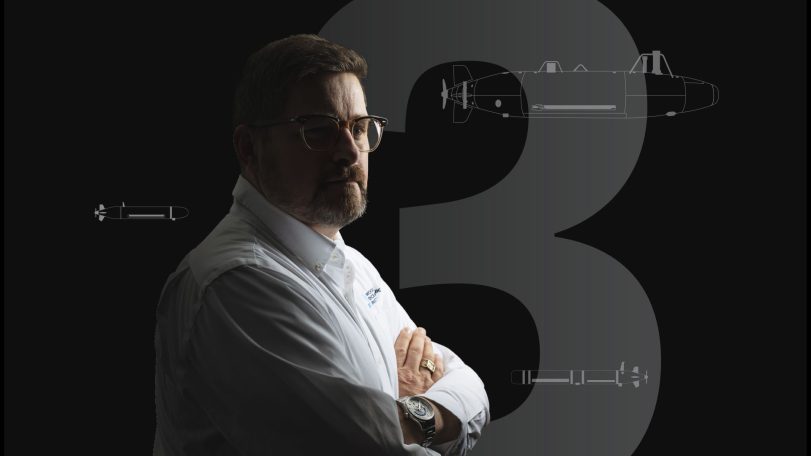
Three questions with Carl Hartsfield
Captain Hartsfield, USN retired, discusses the role ocean science plays in our national defense
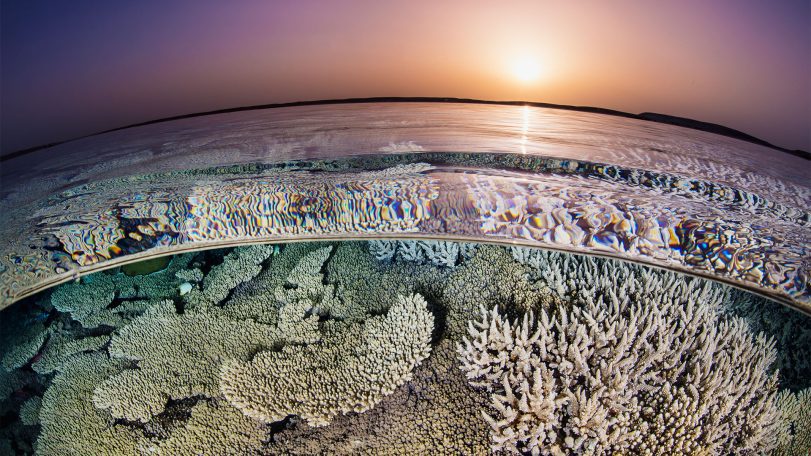
The Ocean (Re)Imagined
How expanding our view of the ocean can unlock new possibilities for life
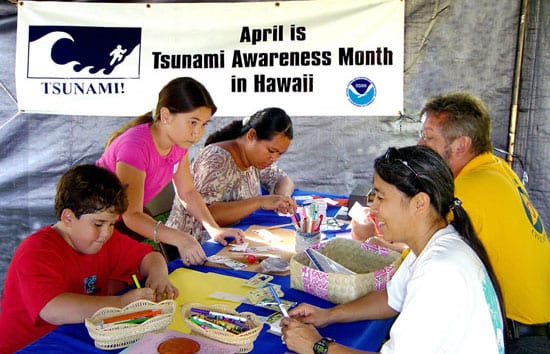
MIT/WHOI Graduate Leads the World’s Tsunami Awareness Program
Kong, a 1990 graduate of the MIT/WHOI Joint Program in Oceanography/Applied Ocean Science and Engineering, was one of the first people in the world to learn the magnitude of the underwater earthquake off the coast of Indonesia.
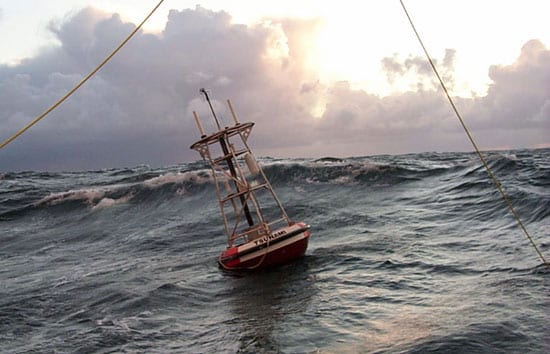
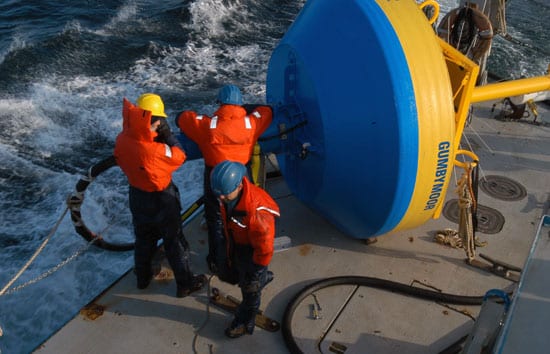
Throwing DART Buoys into the Ocean
Deep Ocean Assessment and Reporting of Tsunamis (DART) buoys are the foundation of warning network
What Could a Tsunami Network Look Like in the Future?
The Deep-ocean Assessment and Reporting (DART) system is battle-tested and operational, so it makes sense to use such buoys to address the immediate need for a tsunami network. Researchers at WHOI are concentrating on the next generation of multidisciplinary ocean observing platforms.
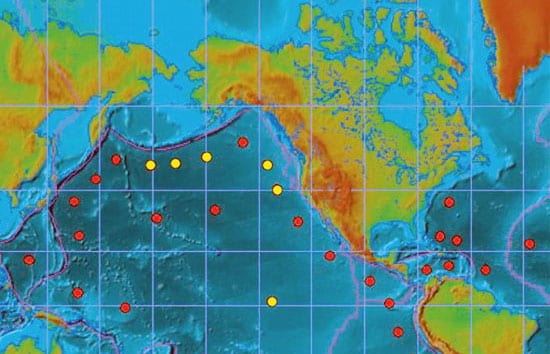
Building a Tsunami Warning Network
Since the great Indonesian earthquake and tsunami of December 26, 2004, policy-makers and scientists around the globe have been embracing a rare moment of public attention on the oceans, accelerating plans to create a comprehensive tsunami-warning network and to make citizens better prepared for the next massive wave. Another potent earthquake along the same fault on March 28, 2005, has increased that sense of urgency.
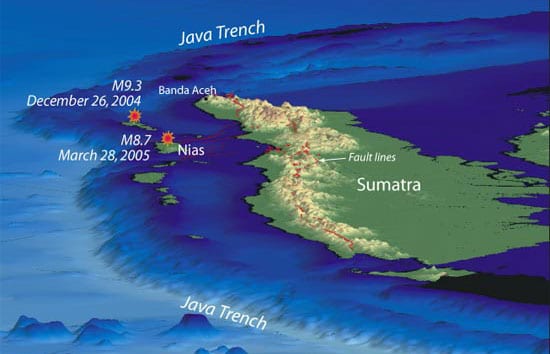
In the Tsunami’s Wake, New Knowledge About Earthquakes
If any good has come from the recent devastating earthquakes off Sumatra, it is that they are providing scientists with unprecedented clues to understanding how these large undersea earthquakes occur and how they create tsunamis.
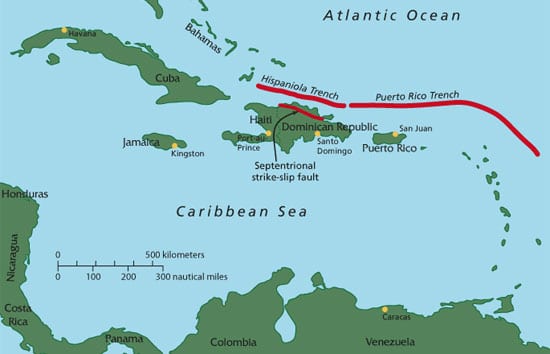
Tsunamis in the Caribbean? It’s Possible.
In a study published Dec. 24, 2004, in the Journal of Geophysical Research, Woods Hole geologists Uri ten Brink and Jian Lin reported a heightened earthquake risk from the Septentrional fault zone, which cuts through the highly populated Cibao valley in the Dominican Republic.
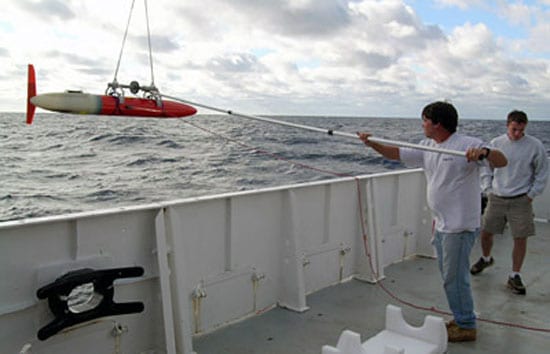
A Glide Across the Gulf Stream
News of the first successful Gulf Stream crossing by a glider last November—and the launching today (Thursday, March 24) of Spray’s seven-week round-trip mission from Bermuda across the Gulf Stream and back—has caused a ripple among scientists, who recall the dream of famed WHOI oceanographer Henry Stommel.
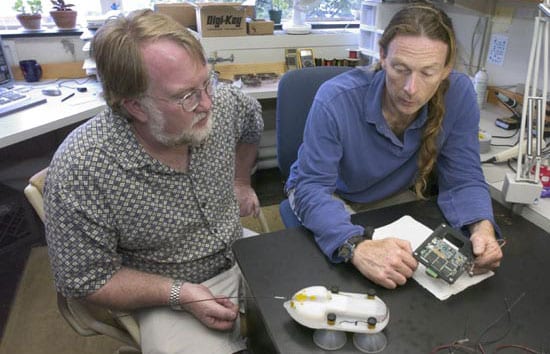
Playing Tag with Whales
The challenge of designing a device to learn what marine mammals do on dives is the stuff of dreams for an electronics engineer.
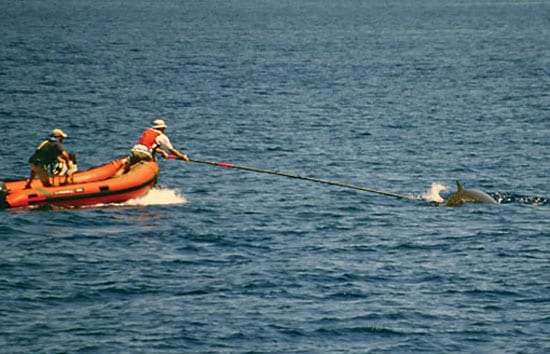
Run Deep, But Not Silent
For the first time in history, we can accompany a whale on its dive, hear what it hears, and observe its normal, natural, previously hidden behavior in the depths. Working closely together, scientists and engineers have created an innovative new device—the digital acoustic recording tag, or D-tag. It attaches to a living whale and records nearly everything that happens on its dives, without disturbing the animal.
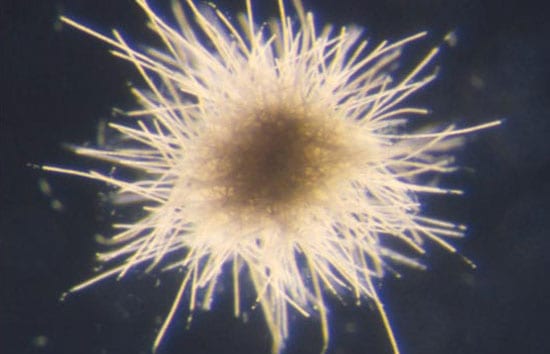
Little Things Matter A Lot
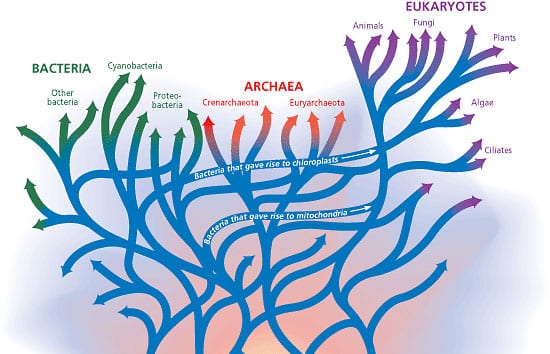
One group of bacteria—the cyanobacteria—has completely transformed Earth’s environment through their long history. Three billion years ago, ancestors of cyanobacteria infused Earth’s ancient atmosphere with the byproduct of their photosynthesis—oxygen—changing the chemistry of the planet and setting the stage for entirely new oxygen-breathing life forms to evolve. Without the cyanobacteria, the life we see around us, including humans, simply wouldn’t be here.
The Deeps of Time in the Depths of the Ocean
Wherever we have looked in the oceans, we have found previously unknown microorganisms. We have often found them living in conditions once thought to be incompatible with life, using unfamiliar physiologic and metabolic adaptations. These discoveries have radically changed our thinking about where and how life may have originated and evolved on this planet, and where it might exist on others.
Tracking Fish to Save Them
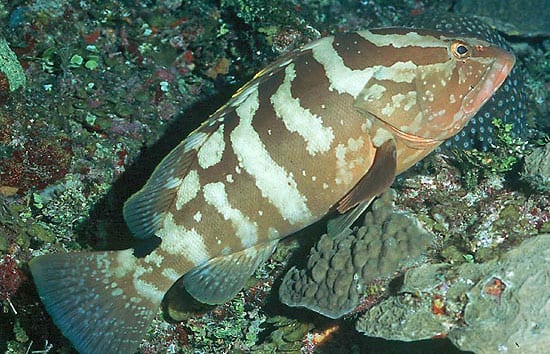
For decades, the Nassau grouper (Epinephelus striatus) was one of the most sought-after fish species in the Caribbean and Gulf of Mexico, from the Bahamas to Central America. These large, delicious fish live among coral reefs and have a breeding behavior that makes them especially vulnerable. They come together in aggregations of thousands to spawn at specific times and places, making them easy to catch—and to overfish.