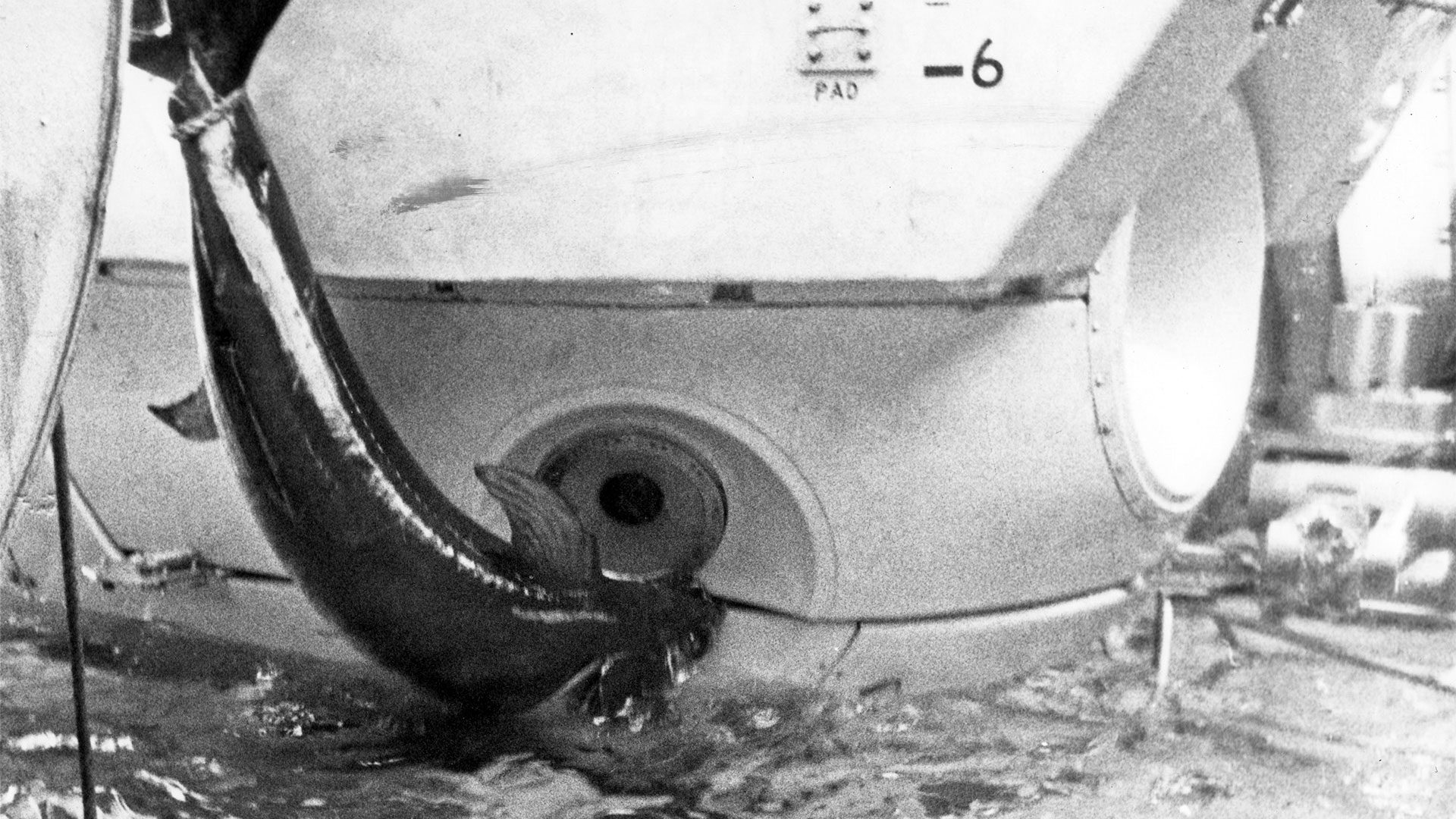
Alvin vs. the swordfish
During a 1967 dive off Florida, a startled swordfish rammed the famed submersible Alvin—lodging its sword in the hull and forcing the crew to abort the mission
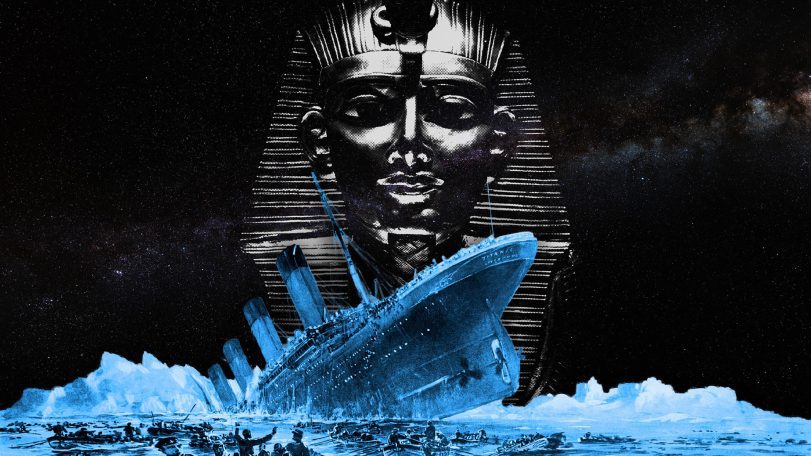
A mummy, a myth, and the Titanic
A 1986 handwritten letter to Bob Ballard revisits one of the Titanic disaster’s strangest myths
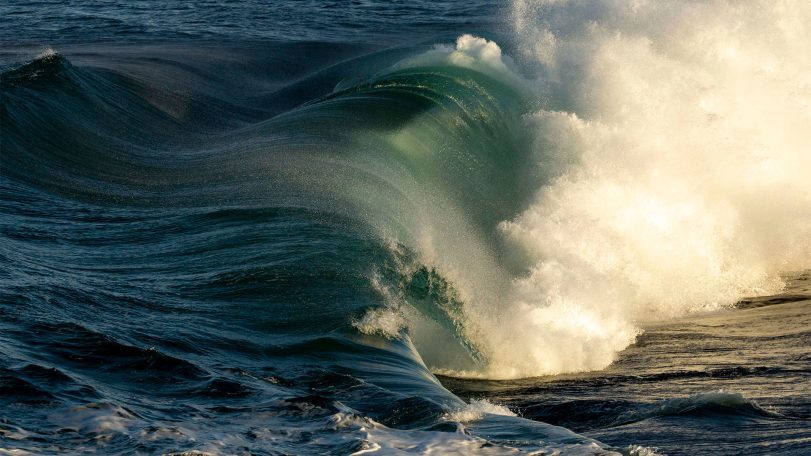
Turning motion into power: Wave energy converters for sustainable ocean monitoring
In the rapidly evolving world of ocean technology, wave energy is emerging as…
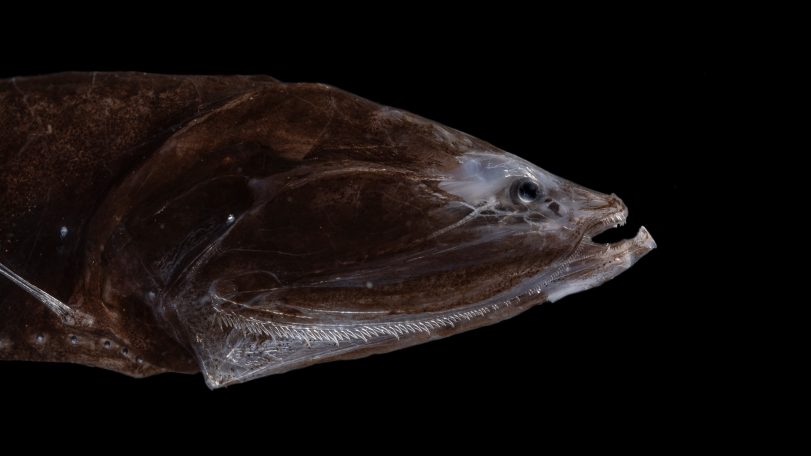
The world’s most abundant fish once thrived in an extreme climate
Fossilized teeth show bristlemouth fish evolved during one of the ocean’s hottest periods
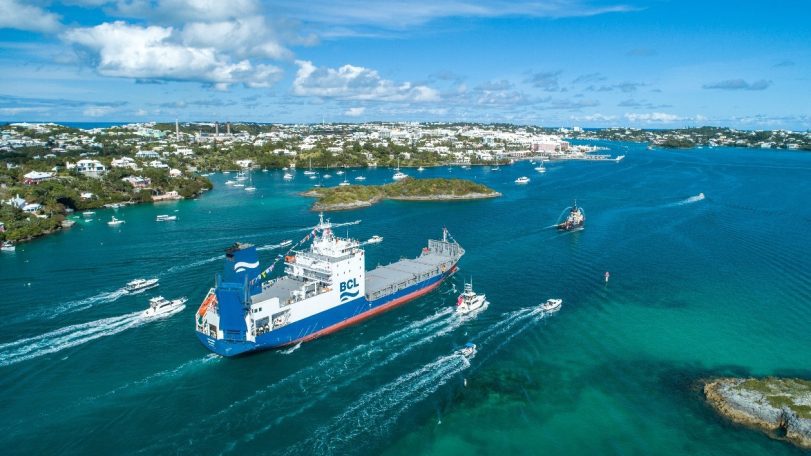
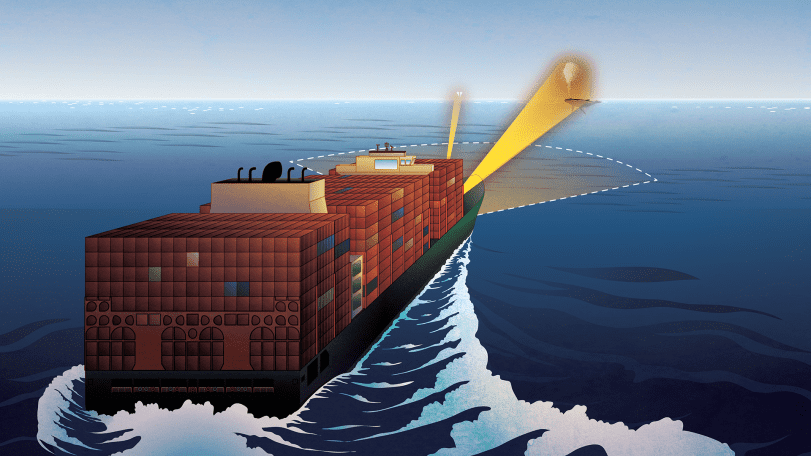
How a cargo ship is tracking hidden ocean life in the Atlantic
With funding support from CMA CGM, ocean observations aboard Bermuda Container Line’s M/V Oleander now include a window into microscopic life
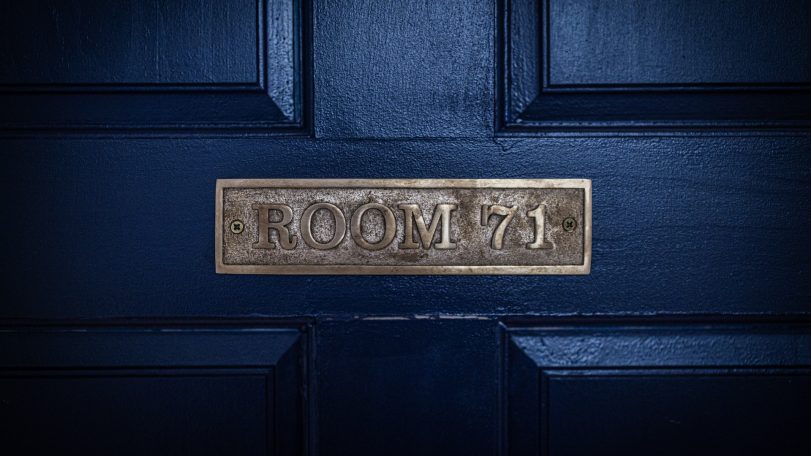
Inside Room 71: WHOI history in seven artifacts
Some of the technology, art, and gifts that tell the story of the institution’s early days
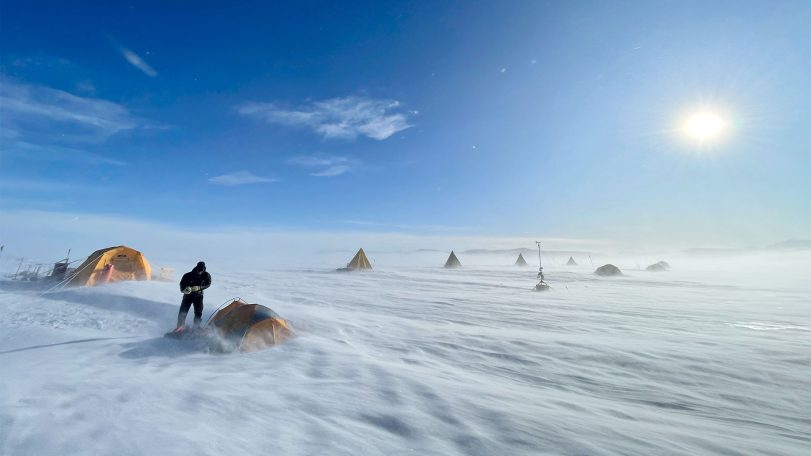
A scientist’s quest to find Earth’s oldest ice
After recovering ice that dates back 6 million years, Sarah Shackleton hopes to dig deeper into Earth’s history from a remote Antarctic moraine
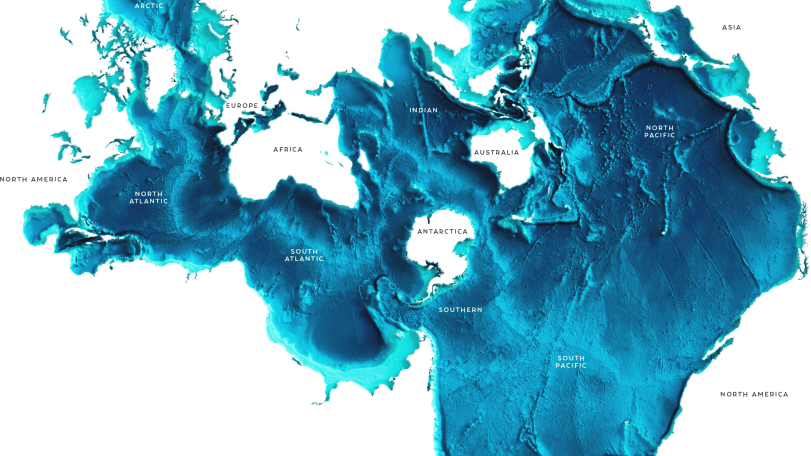
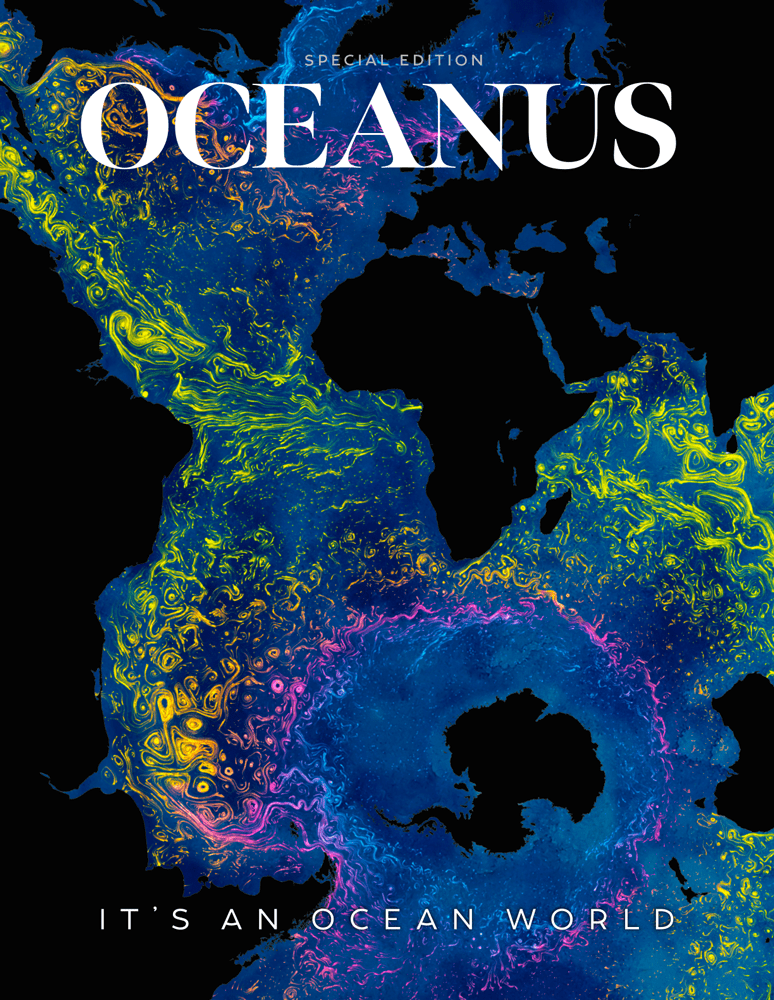
It’s the most ocean-friendly map ever created. Why haven’t more people seen it?
Discover the Spilhaus Projection, a radical world map that reveals Earth as one connected ocean—and reshapes how we see the planet.
and get Oceanus delivered to your door twice a year as well as supporting WHOI's mission to further ocean science.
Our Ocean. Our Planet. Our Future.
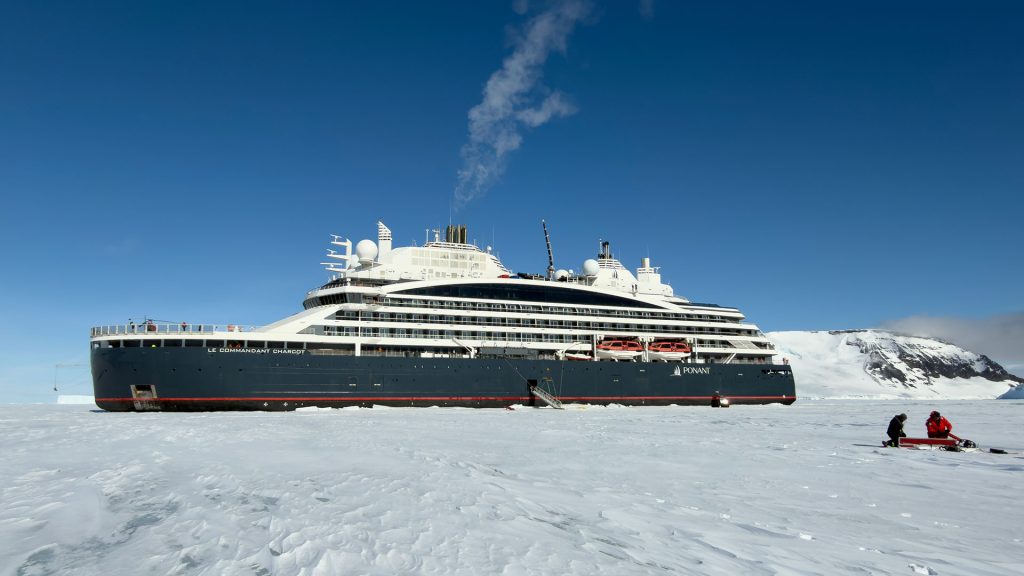
Luxury cruises with a side of climate science
A new partnership gives scientists rare access to remote Antarctic glaciers—and a new way to engage the public
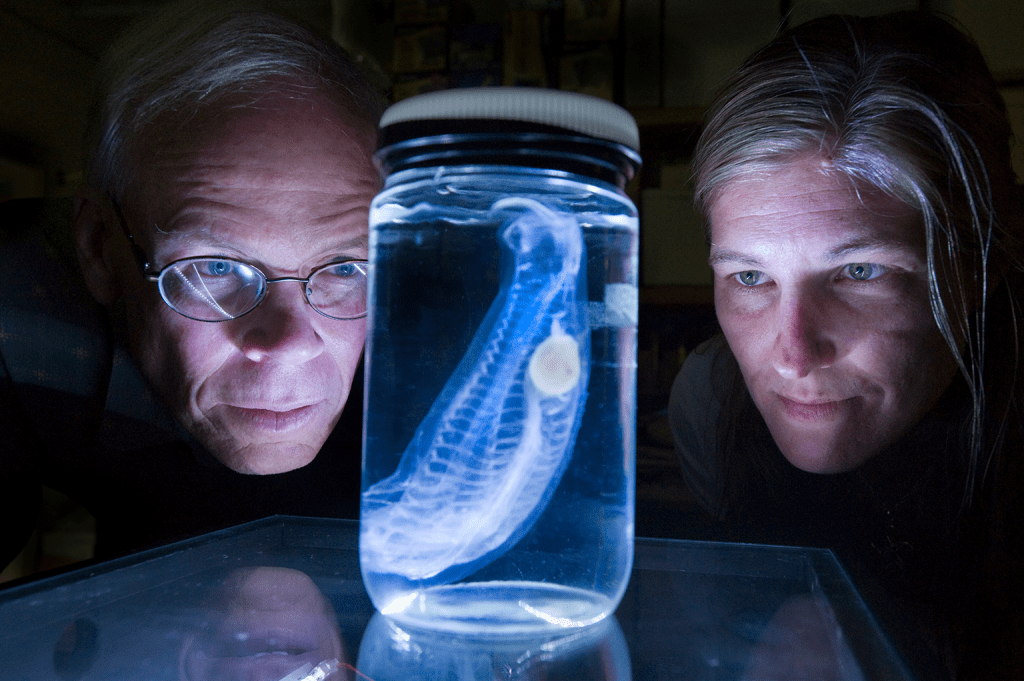
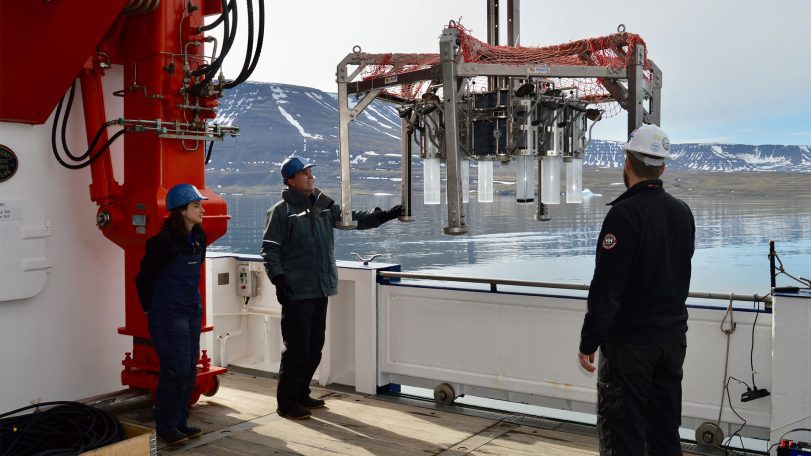
The unseen toll of war on science
As the changing climate accelerates the spread of toxic algal blooms in the Arctic, the Russia–Ukraine war is cutting off critical international collaboration needed to understand and protect vulnerable ecosystems and communities.

The human cost of Brazil’s floods
New research maps social vulnerability after the 2024 deluge

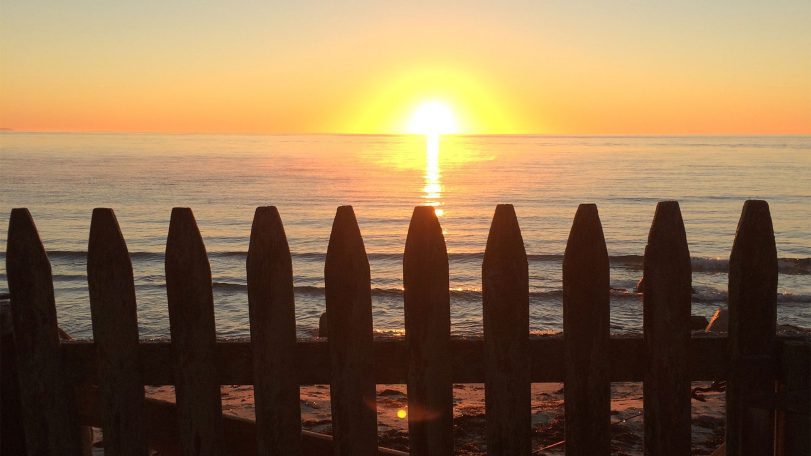
Tracking the hidden currents of Cape Cod Bay
Scientists are using drifters and ocean models to better understand how water, nutrients, and pollutants move through the bay
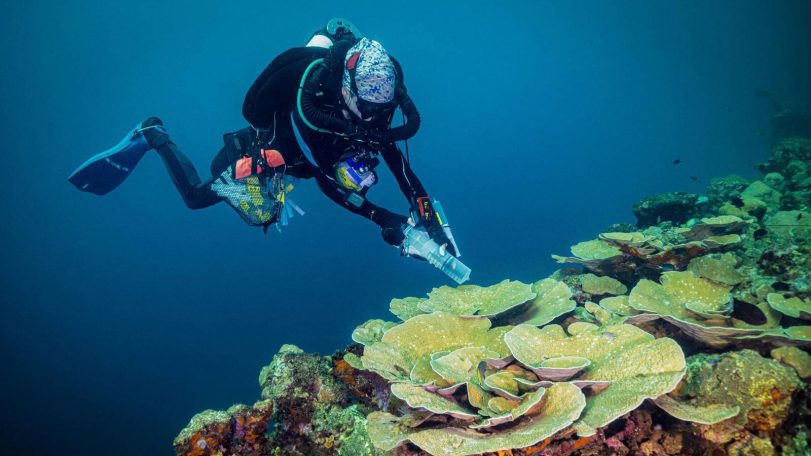
From ruin to reef
What Pacific wrecks are teaching us about coral resilience—and pollution
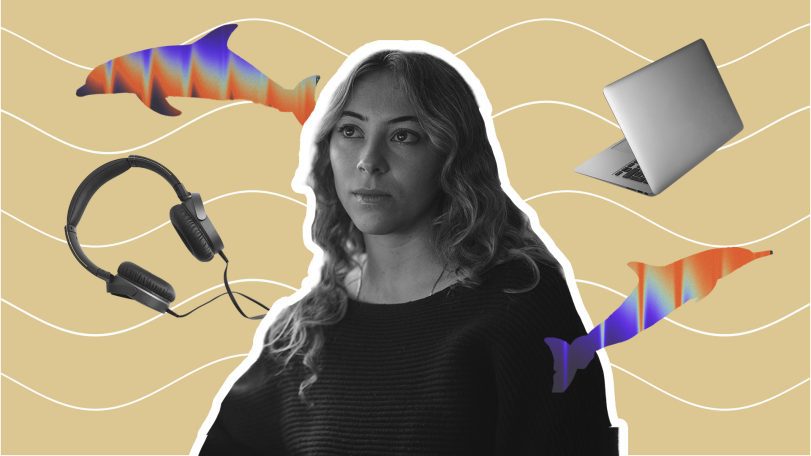
One researcher, 15,000 whistles: Inside the effort to decode dolphin communication
Scientists at WHOI analyze thousands of dolphin whistles to explore whether some sounds may function like words
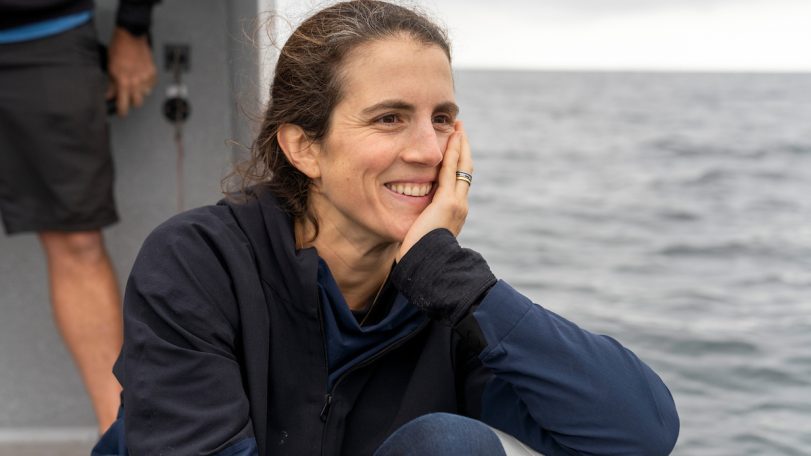
Remembering Tatiana Schlossberg, a voice for the ocean
Environmental journalist and author Tatiana Schlossberg passed away after battling leukemia on December 30, 2025….
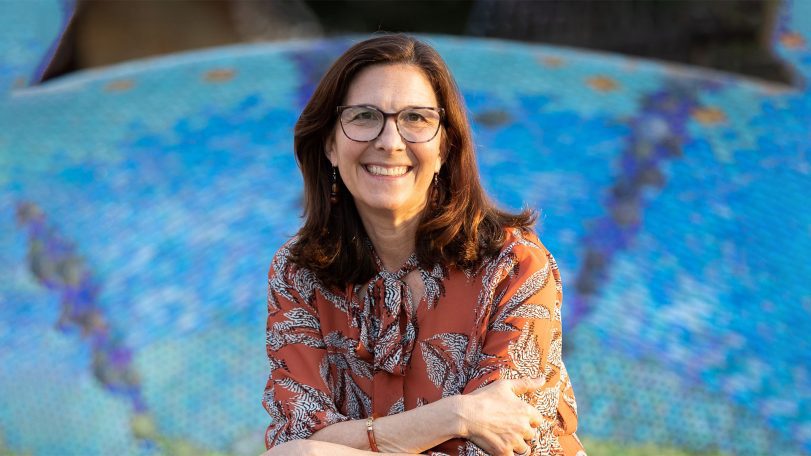
As the ocean warms, a science writer looks for coral solutions
Scientist-turned-author Juli Berwald highlights conservation projects to restore coral reefs
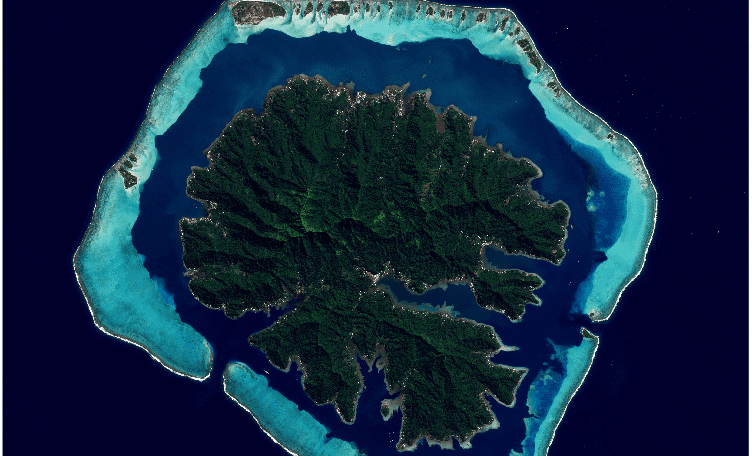
How an MIT-WHOI student used Google Earth to uncover a river–coral reef connection
Google Earth helps researcher decode how rivers sculpt massive breaks in coral reefs
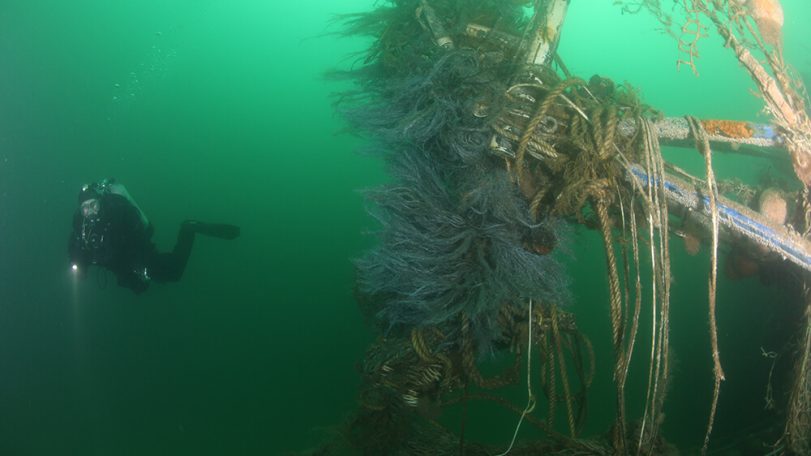
A new underwater robot could help preserve New England’s historic shipwrecks
WHOI’s ResQ ROV to clean up debris in prominent marine heritage sites
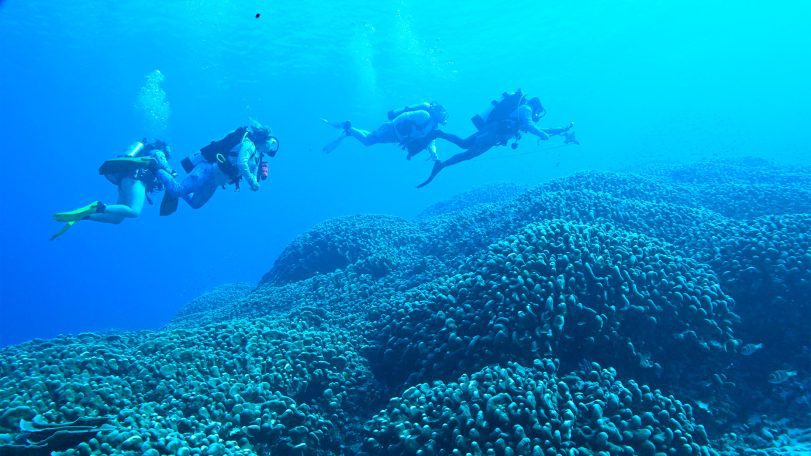
Inside the Solomon Islands’ hidden mega coral — a 300-year-old ocean giant
WHOI’s Reef Solutions team journeys to the world’s largest coral colony
Looking for something specific?
We can help you with that. Check out our extensive conglomeration of ocean information.
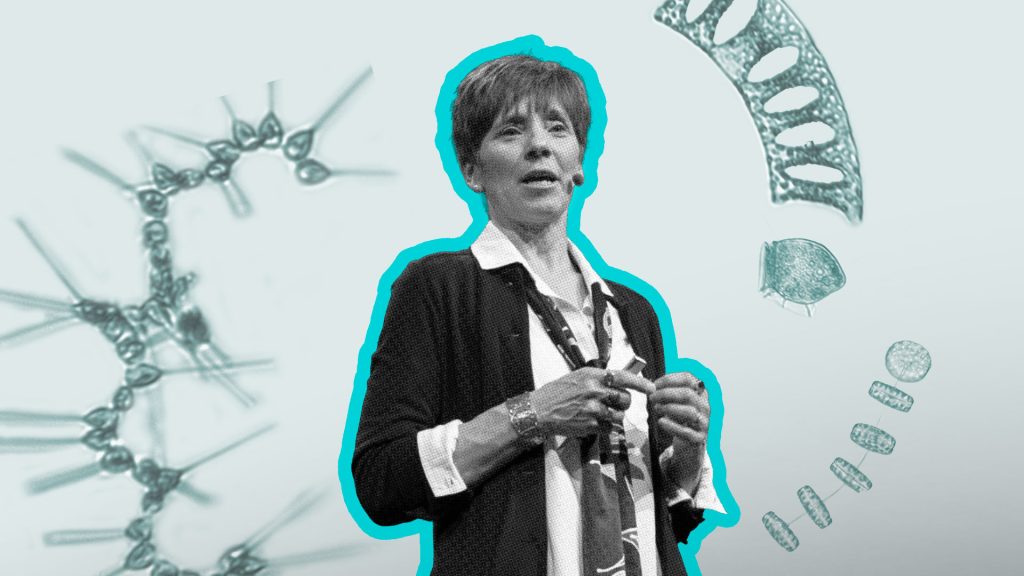
The little big picture
WHOI senior biologist Heidi Sosik on the critical need for long-term ocean datasets
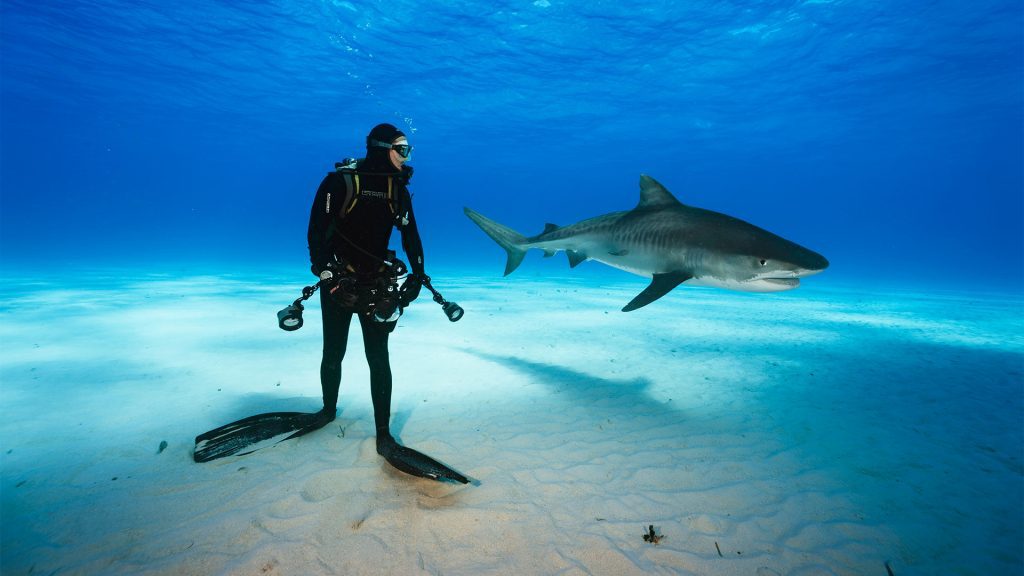
Lessons from a lifetime of exploration
Award-winning ocean photographer Brian Skerry shares insights from a career spent around ocean life and science
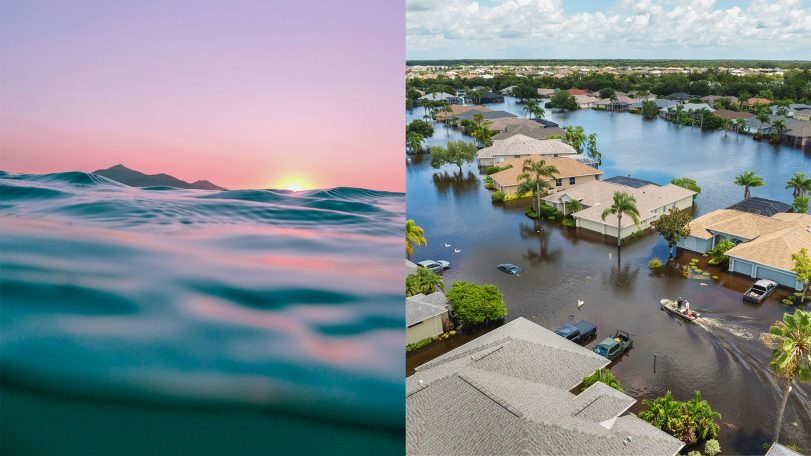
The ocean weather nexus, explained
The vital role of ocean observations in extreme weather forecasting

Breaking down plastics together
Through a surprising and successful partnership, WHOI and Eastman scientists are reinventing what we throw away
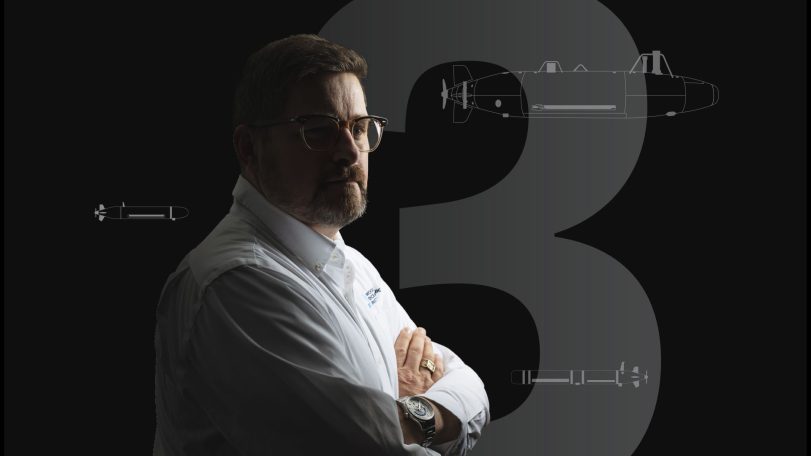
Three questions with Carl Hartsfield
Captain Hartsfield, USN retired, discusses the role ocean science plays in our national defense
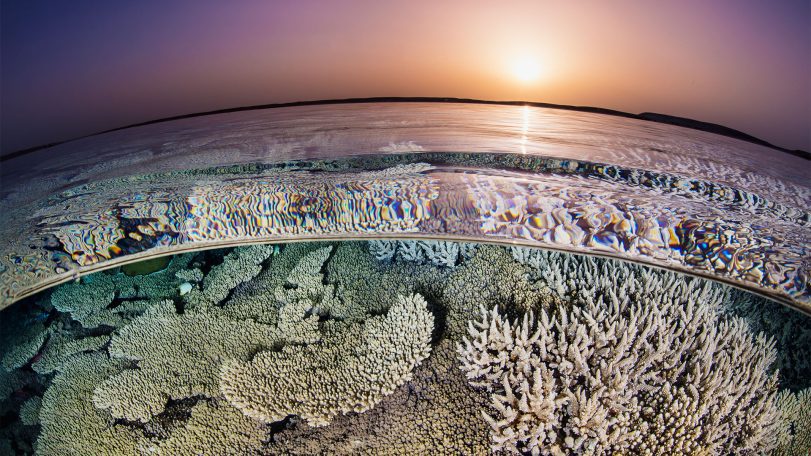
The Ocean (Re)Imagined
How expanding our view of the ocean can unlock new possibilities for life

Risks and Remedies from the Sea
Researchers from Woods Hole Oceanographic Institution, the Marine Biological Laboratory (MBL), and the Massachusetts Institute of Technology (MIT) have embarked on a novel collaboration to investigate harmful algal blooms, ocean-borne pathogens, and potential pharmaceuticals from marine sources.
Ocean Life Institute
The oceans cover 70 percent of the planet?s surface and constitute 99 percent of its living space, and every drop of ocean water holds living things. Without its oceans, Earth would be a rock in space, and life may never have appeared on our planet.
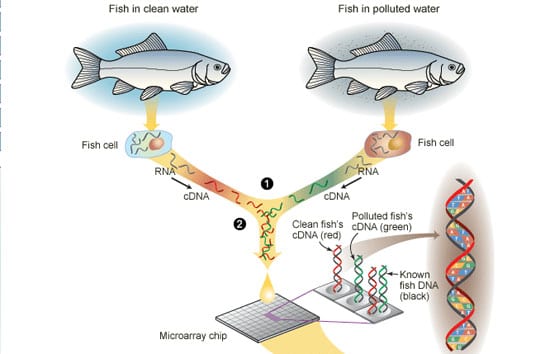
Down to the Sea on (Gene) Chips
The genomics revolution has reached the oceans. New genomic techniques are being used to find previously unknown life forms in the oceans; to learn how species, and genes themselves, evolved over Earth?s long history; to understand the genetic tools that allow species to adapt to diverse and often harsh environments; and to investigate species? responses to pollutants.
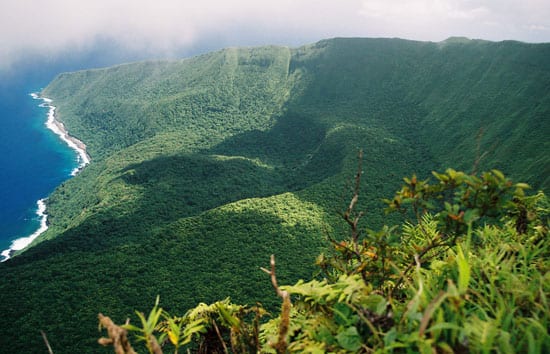
Rambling Atop an Active Volcano to Detect Telltale Rumbling Within It
With machete in hand and 60 pounds of satellite receiver and tripod on his back, Jeff Standish looked up into the lush tropical brush that covered the volcano, up a steep escarpment, and up again to the summit 3,000 feet above sea level. Then he turned to Rhea Workman, a graduate student in the WHOI/MIT Joint Program, and said, “We’re going up where?”
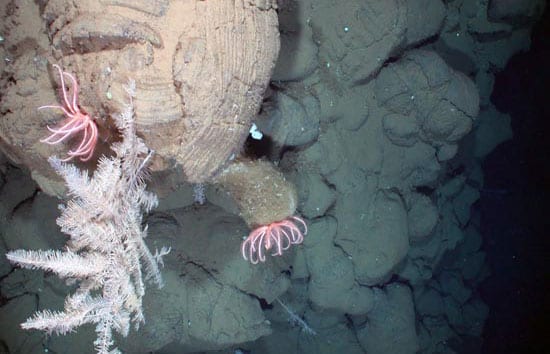
Rapid Response
The earthquakes were coming fast and frequent, as many as 50 to 70 an hour. On the morning of Sunday, Feb. 28, undersea hydrophones began detecting the most intense swarm of earthquakes to occur in the last three years along the Juan de Fuca Ridge, about 200 miles off the Pacific Northwest coast.
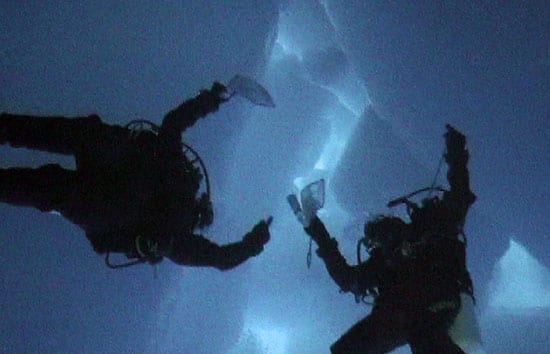
Voyages into the Antarctic Winter
At the extreme ends of the Earth, Antarctica is a vast, rocky continent, mostly ice-covered and barren. Surrounding Antarctica, the Southern Ocean is equally vast, cold, and ice-covered. But unlike the land, it teems with life, ranging from microscopic plankton to top predators: whales, seals, penguins, fish, and sea birds.
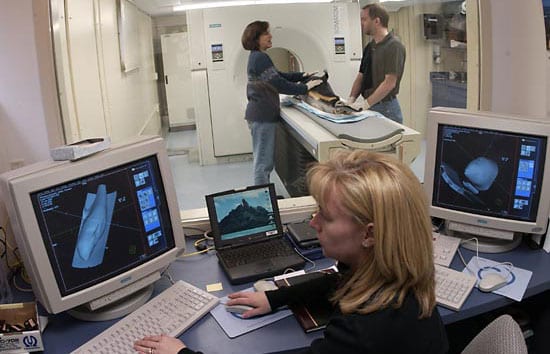
How to See What Whales Hear
On summer nights, if you sit quietly at the edge of a field or watch…
Hybrid Remotely Operated Vehicle (HROV)
The oceans average two miles in depth and in some places plunge almost seven miles – deeper than Mount Everest is high. Researchers at WHOI are developing a new underwater robot to explore these depths. Until now, these places have been beyond the reach of conventional technology. View various Quicktime animations of the HROV below.
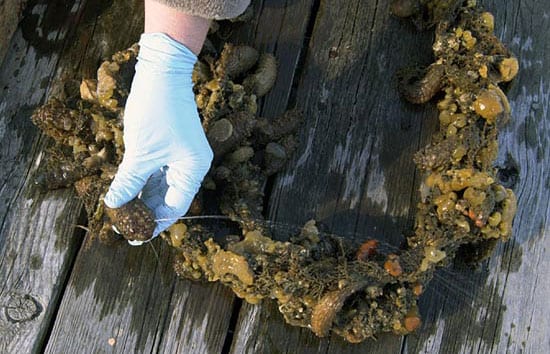
Big Trouble from Little Squirts
Welcome to the online version of Oceanus, the magazine that explores Earth’s last frontier. Oceanus delivers news and commentary on the meaning and value of ocean research, engineering, and education at Woods Hole Oceanographic Institution.
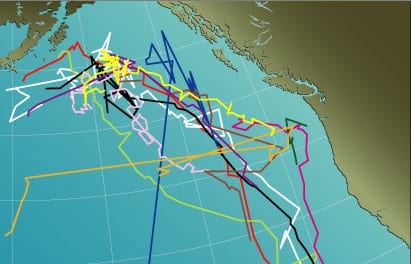
A Lone Voice Crying in the Watery Wilderness
And speaking of whales, here is a story of whales speaking—or more precisely, one whale, with its own, distinctive 52-hertz voice.
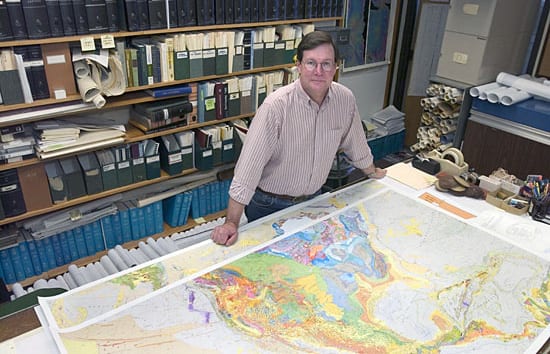
A “Thinking Map” of North America
For geologist Brian Tucholke, creating a new Geologic Map of North America was a 23-year adventure. Published in February by the Geological Society of America (GSA), the map illustrates the geology of approximately 15 percent of Earth?s surface and spans an area from the North Pole to Venezuela, and from Ireland to Siberia.
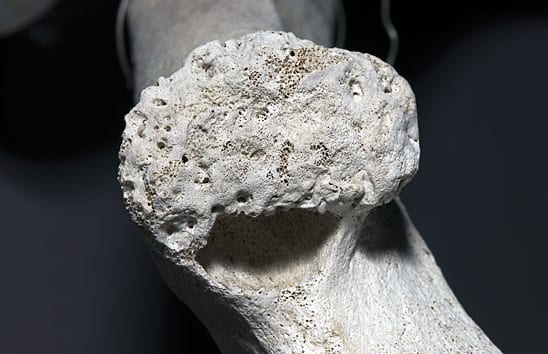
Even Sperm Whales Get the Bends
It seemed only natural for deep-diving sperm whales to be immune from decompression illness, or the bends?the painful, sometimes fatal condition that human divers suffer when they surface too rapidly. But the whales may be as susceptible as land mammals, according to a new study by WHOI biologists.