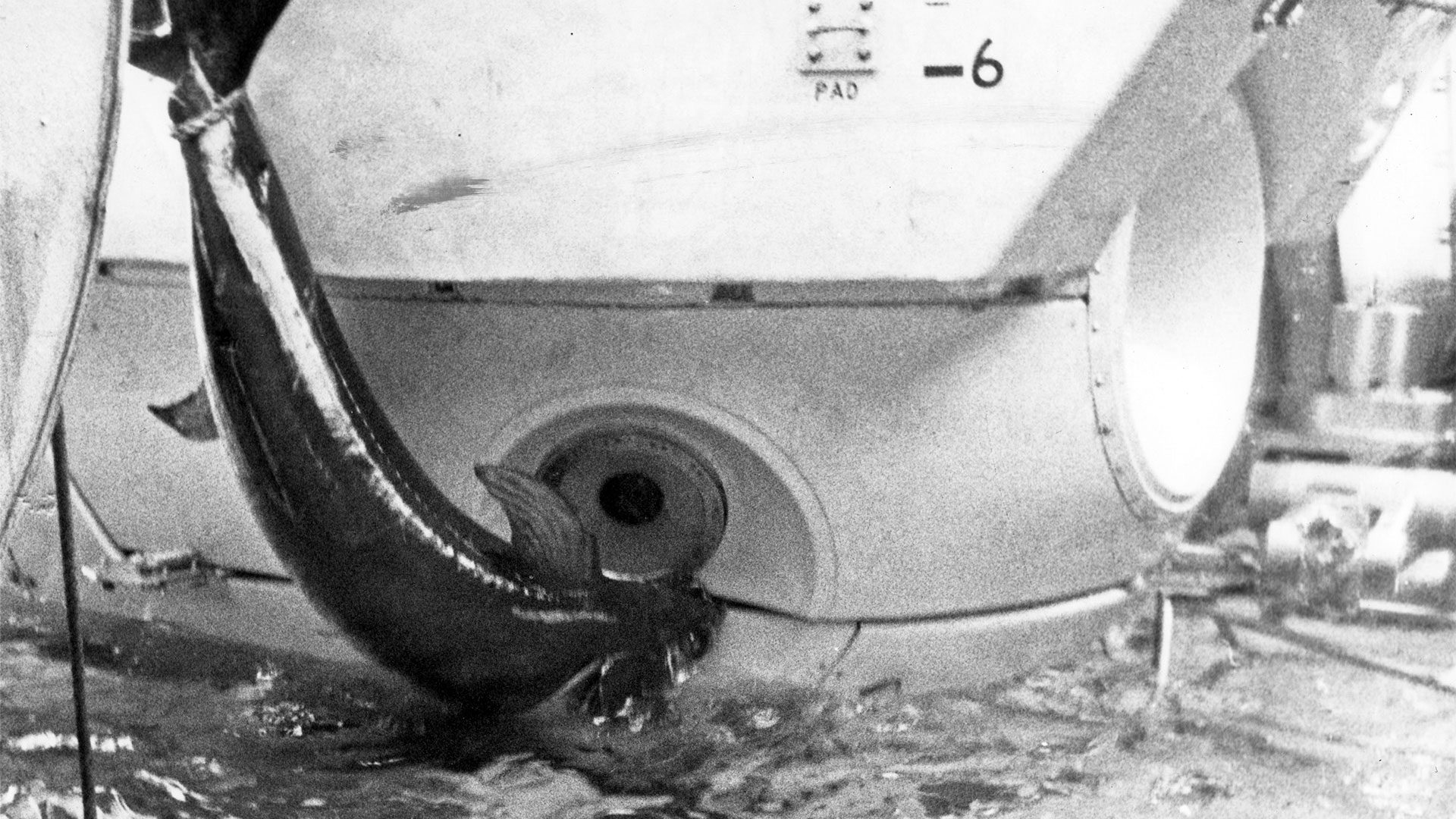
Alvin vs. the swordfish
During a 1967 dive off Florida, a startled swordfish rammed the famed submersible Alvin—lodging its sword in the hull and forcing the crew to abort the mission
A mummy, a myth, and the Titanic
A 1986 handwritten letter to Bob Ballard revisits one of the Titanic disaster’s strangest myths
Turning motion into power: Wave energy converters for sustainable ocean monitoring
In the rapidly evolving world of ocean technology, wave energy is emerging as…
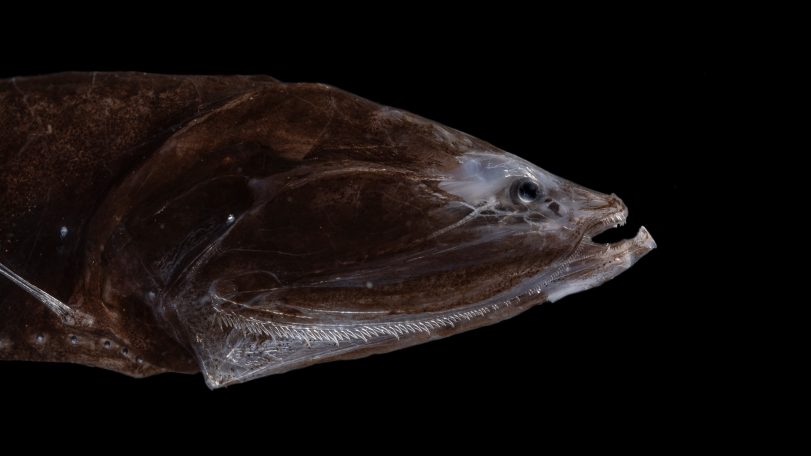
The world’s most abundant fish once thrived in an extreme climate
Fossilized teeth show bristlemouth fish evolved during one of the ocean’s hottest periods
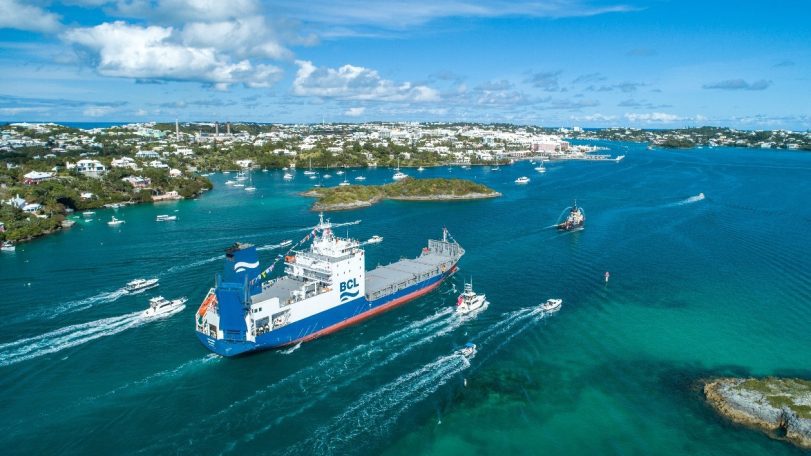
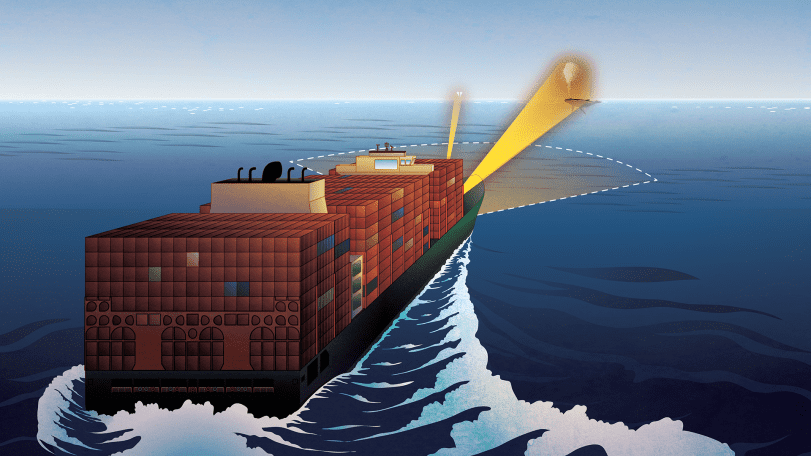
How a cargo ship is tracking hidden ocean life in the Atlantic
With funding support from CMA CGM, ocean observations aboard Bermuda Container Line’s M/V Oleander now include a window into microscopic life

Inside Room 71: WHOI history in seven artifacts
Some of the technology, art, and gifts that tell the story of the institution’s early days
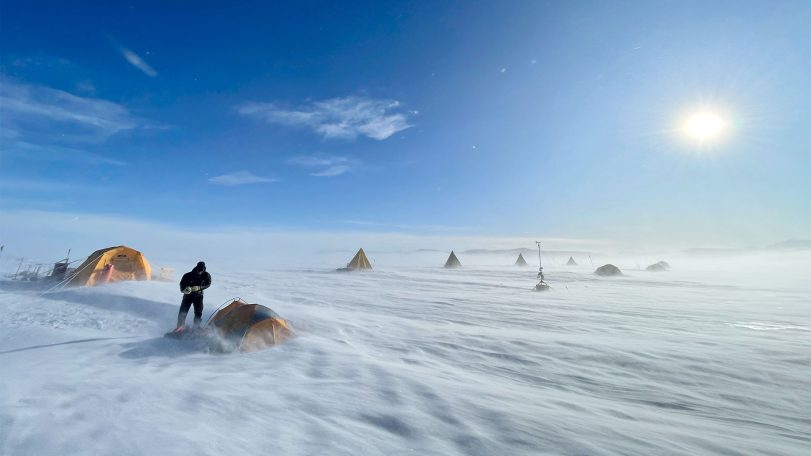
A scientist’s quest to find Earth’s oldest ice
After recovering ice that dates back 6 million years, Sarah Shackleton hopes to dig deeper into Earth’s history from a remote Antarctic moraine
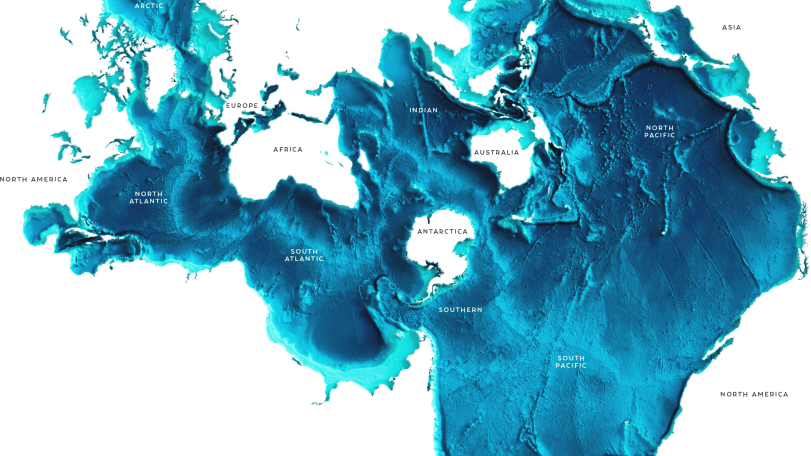
It’s the most ocean-friendly map ever created. Why haven’t more people seen it?
Discover the Spilhaus Projection, a radical world map that reveals Earth as one connected ocean—and reshapes how we see the planet.
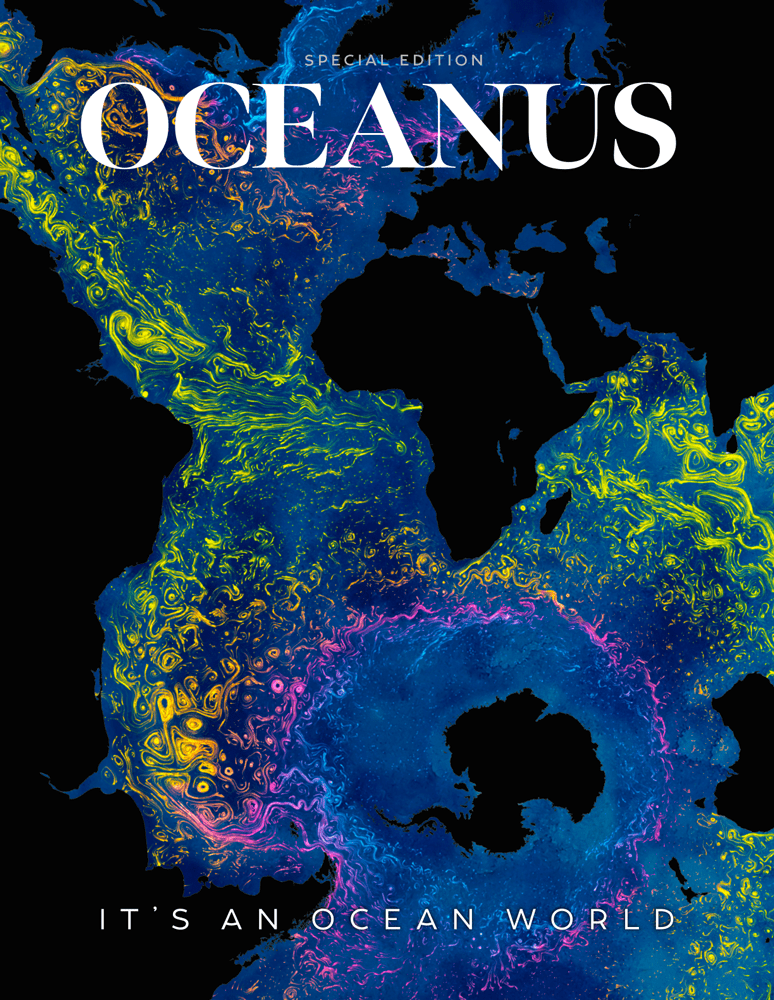
and get Oceanus delivered to your door twice a year as well as supporting WHOI's mission to further ocean science.
Our Ocean. Our Planet. Our Future.
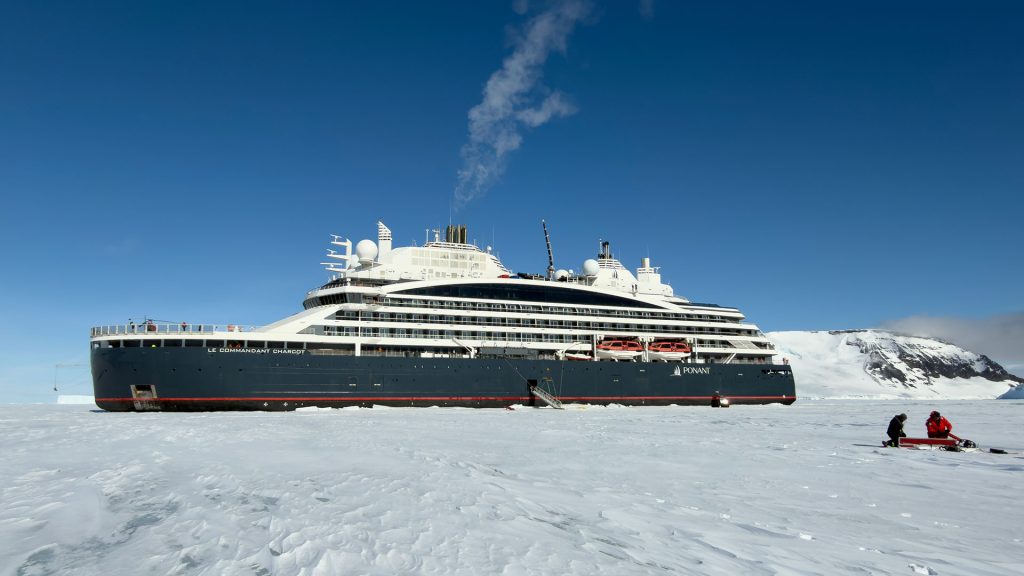
Luxury cruises with a side of climate science
A new partnership gives scientists rare access to remote Antarctic glaciers—and a new way to engage the public
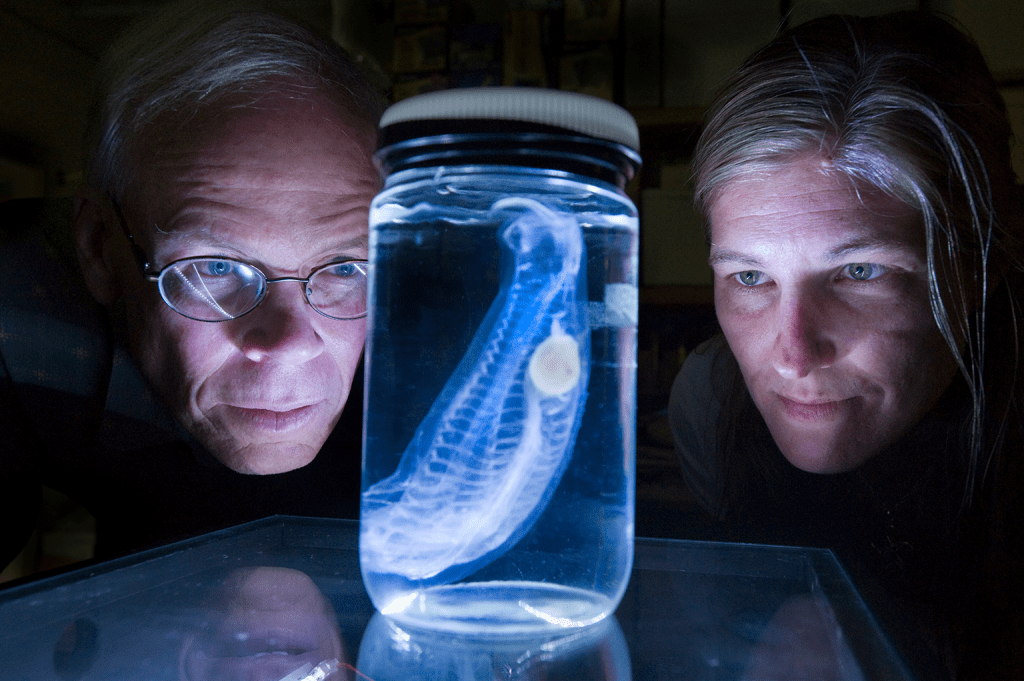
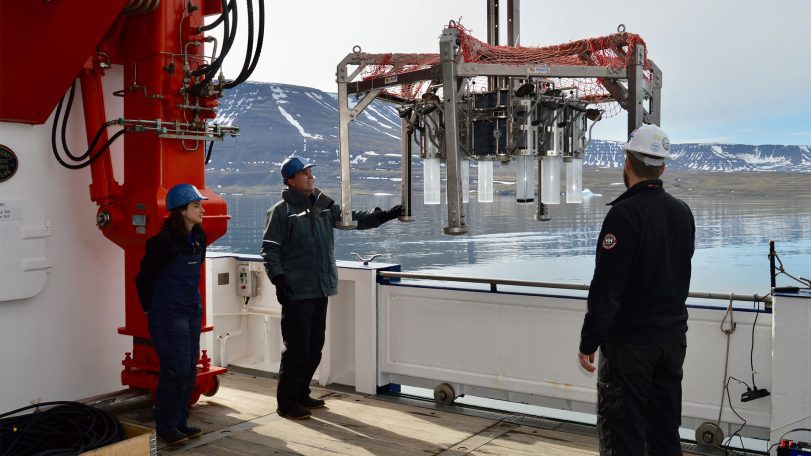
The unseen toll of war on science
As the changing climate accelerates the spread of toxic algal blooms in the Arctic, the Russia–Ukraine war is cutting off critical international collaboration needed to understand and protect vulnerable ecosystems and communities.

The human cost of Brazil’s floods
New research maps social vulnerability after the 2024 deluge

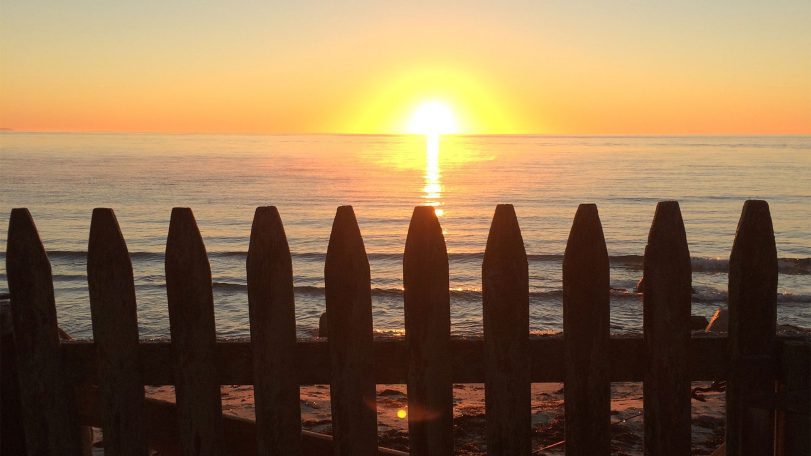
Tracking the hidden currents of Cape Cod Bay
Scientists are using drifters and ocean models to better understand how water, nutrients, and pollutants move through the bay
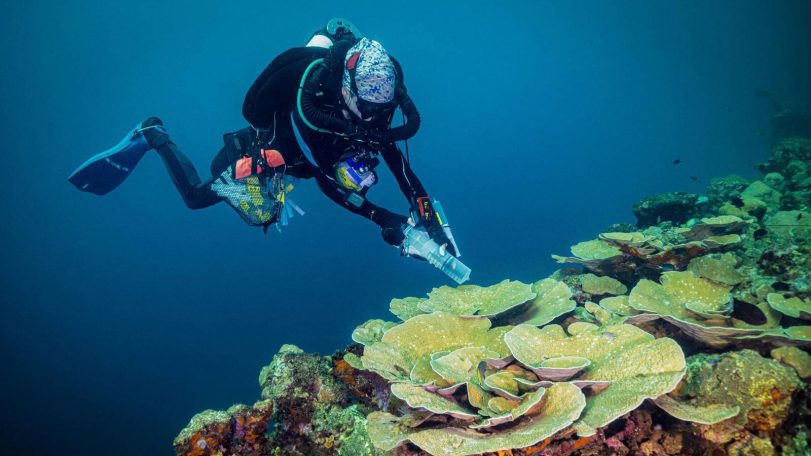
From ruin to reef
What Pacific wrecks are teaching us about coral resilience—and pollution
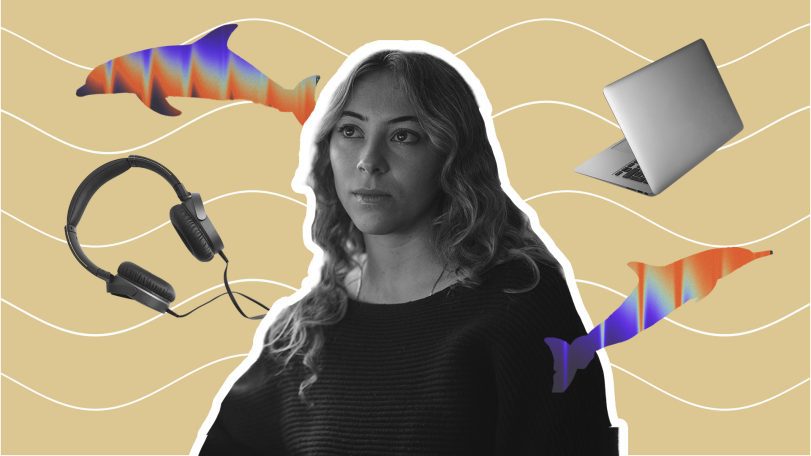
One researcher, 15,000 whistles: Inside the effort to decode dolphin communication
Scientists at WHOI analyze thousands of dolphin whistles to explore whether some sounds may function like words
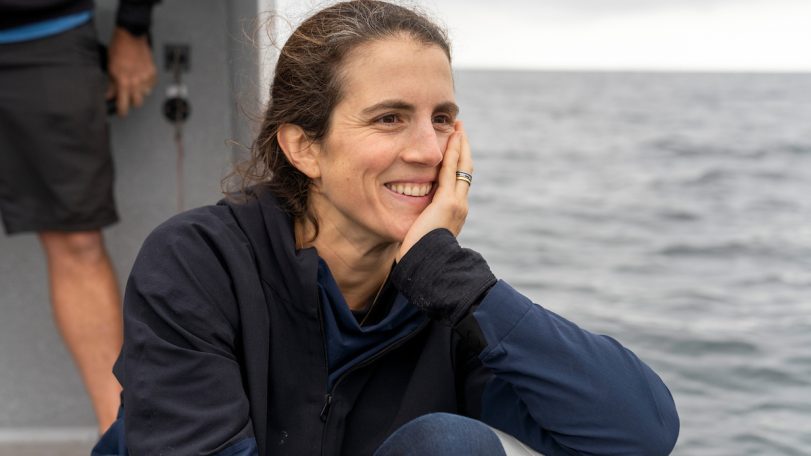
Remembering Tatiana Schlossberg, a voice for the ocean
Environmental journalist and author Tatiana Schlossberg passed away after battling leukemia on December 30, 2025….
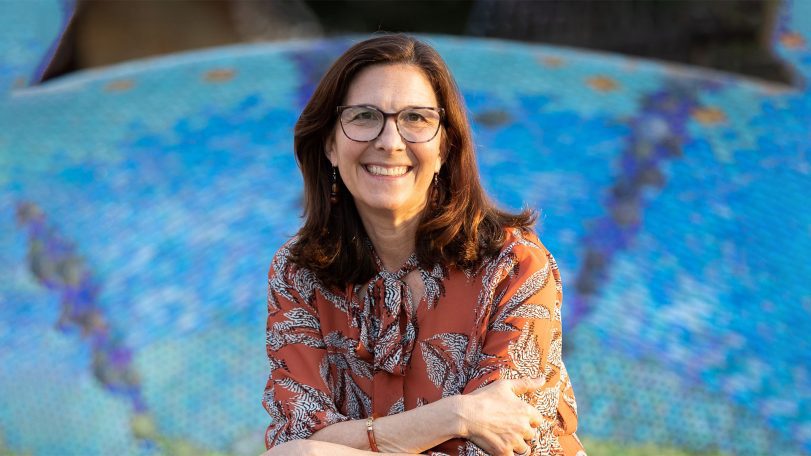
As the ocean warms, a science writer looks for coral solutions
Scientist-turned-author Juli Berwald highlights conservation projects to restore coral reefs
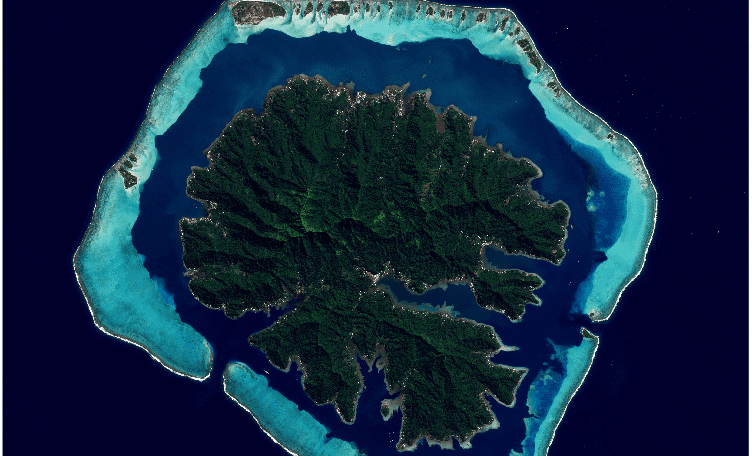
How an MIT-WHOI student used Google Earth to uncover a river–coral reef connection
Google Earth helps researcher decode how rivers sculpt massive breaks in coral reefs
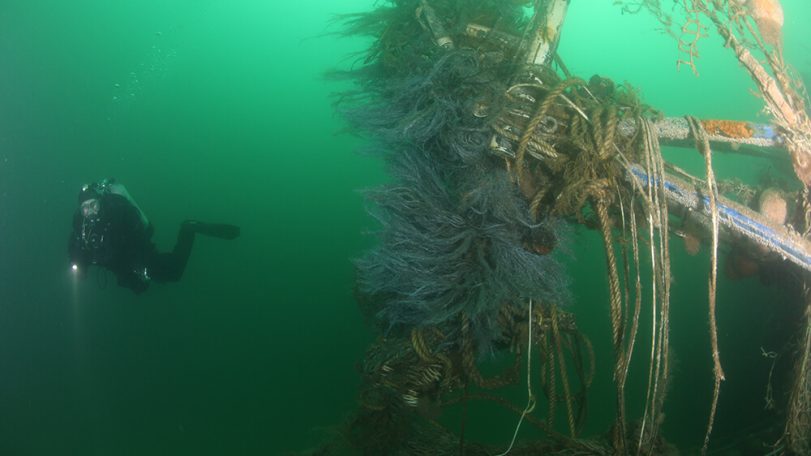
A new underwater robot could help preserve New England’s historic shipwrecks
WHOI’s ResQ ROV to clean up debris in prominent marine heritage sites
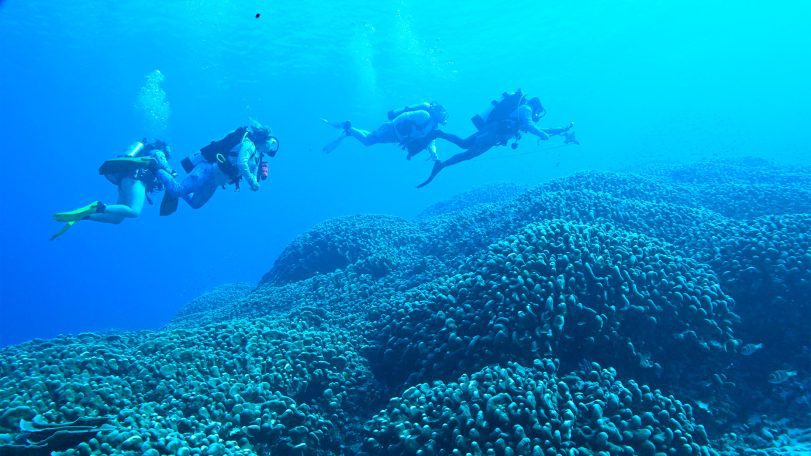
Inside the Solomon Islands’ hidden mega coral — a 300-year-old ocean giant
WHOI’s Reef Solutions team journeys to the world’s largest coral colony
Looking for something specific?
We can help you with that. Check out our extensive conglomeration of ocean information.
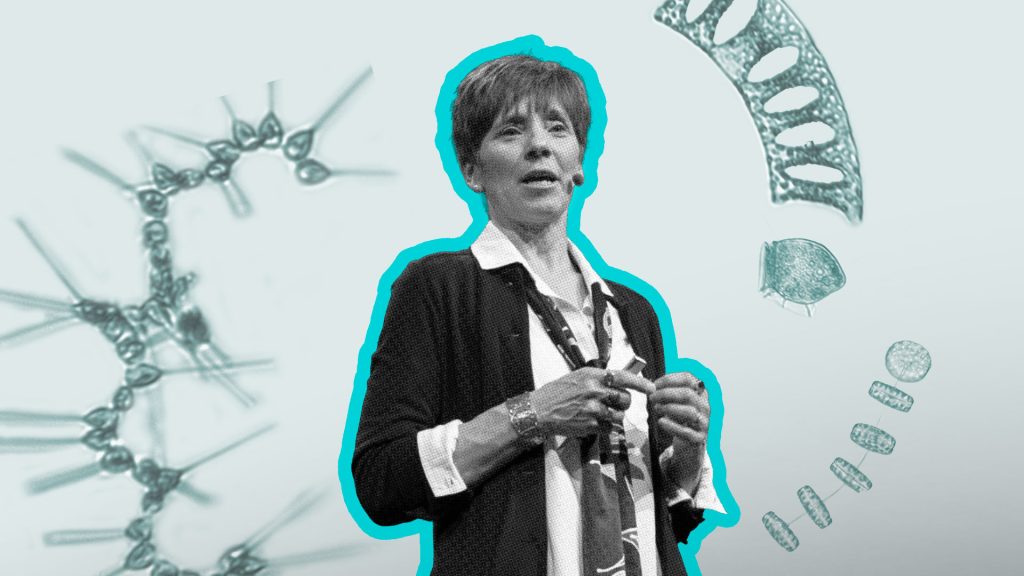
The little big picture
WHOI senior biologist Heidi Sosik on the critical need for long-term ocean datasets
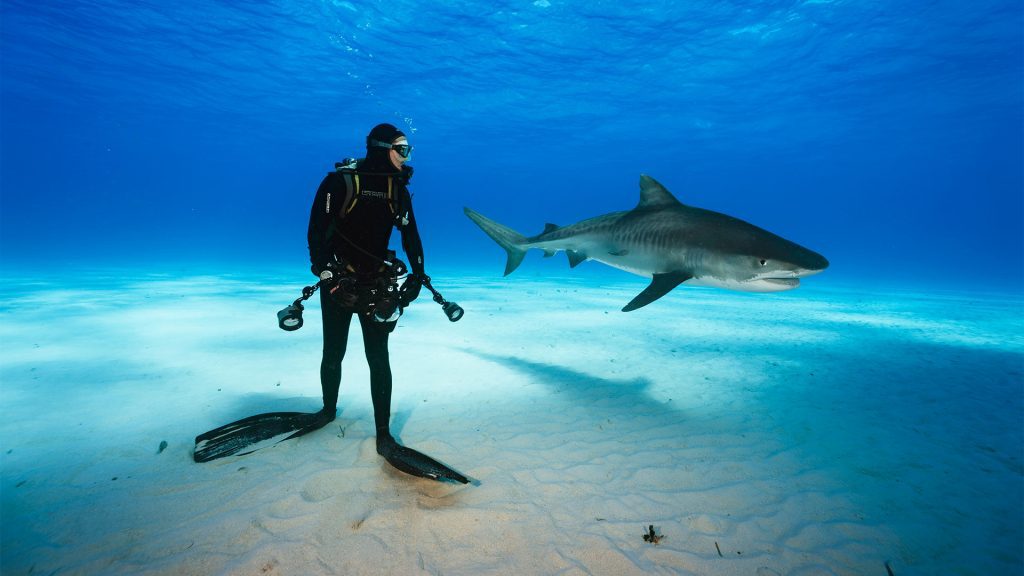
Lessons from a lifetime of exploration
Award-winning ocean photographer Brian Skerry shares insights from a career spent around ocean life and science
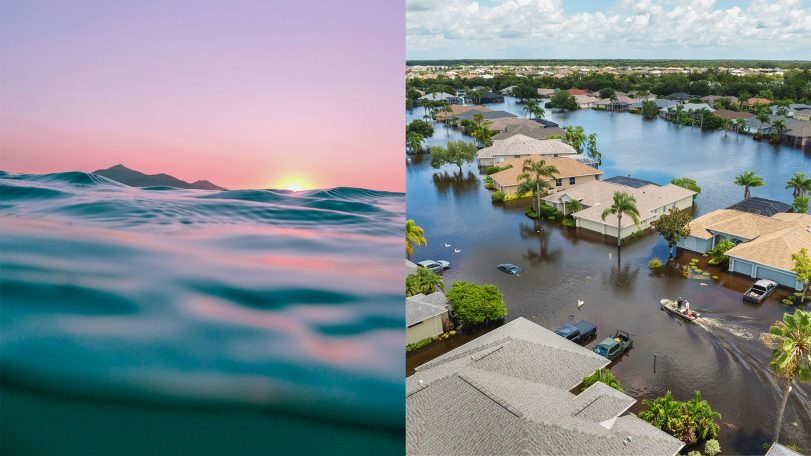
The ocean weather nexus, explained
The vital role of ocean observations in extreme weather forecasting

Breaking down plastics together
Through a surprising and successful partnership, WHOI and Eastman scientists are reinventing what we throw away
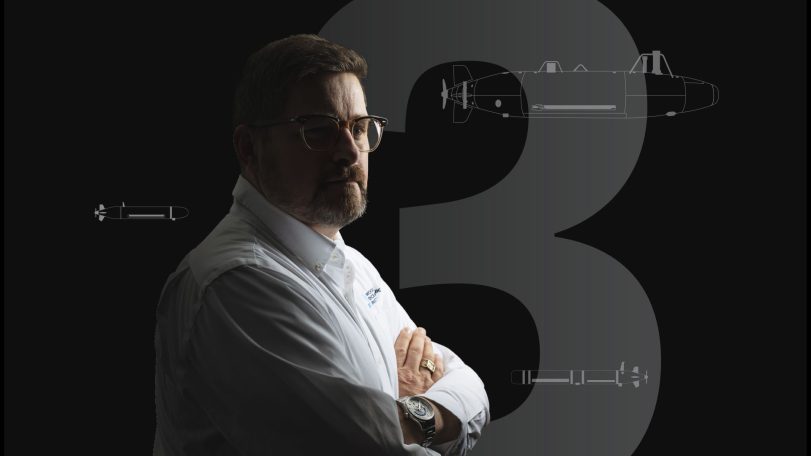
Three questions with Carl Hartsfield
Captain Hartsfield, USN retired, discusses the role ocean science plays in our national defense
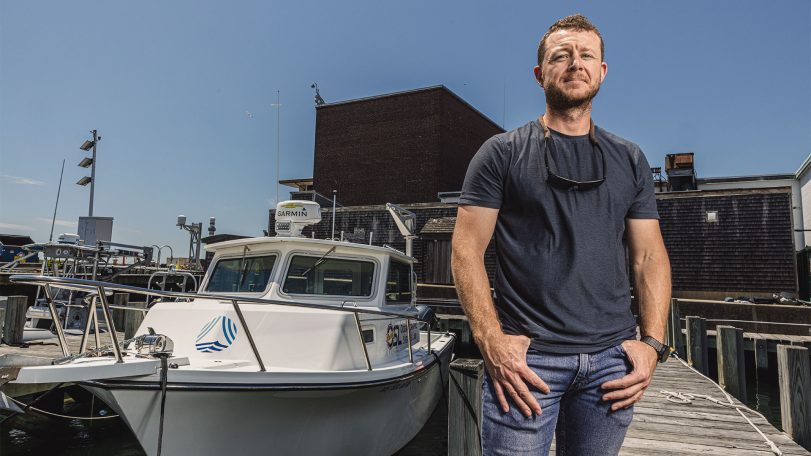
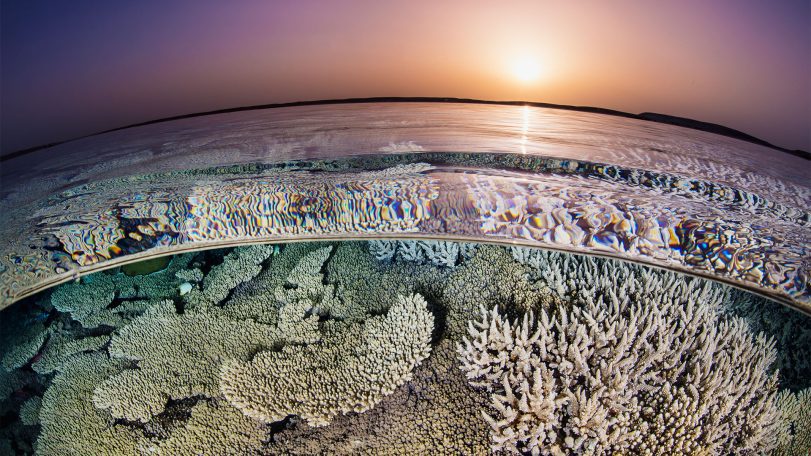
The Ocean (Re)Imagined
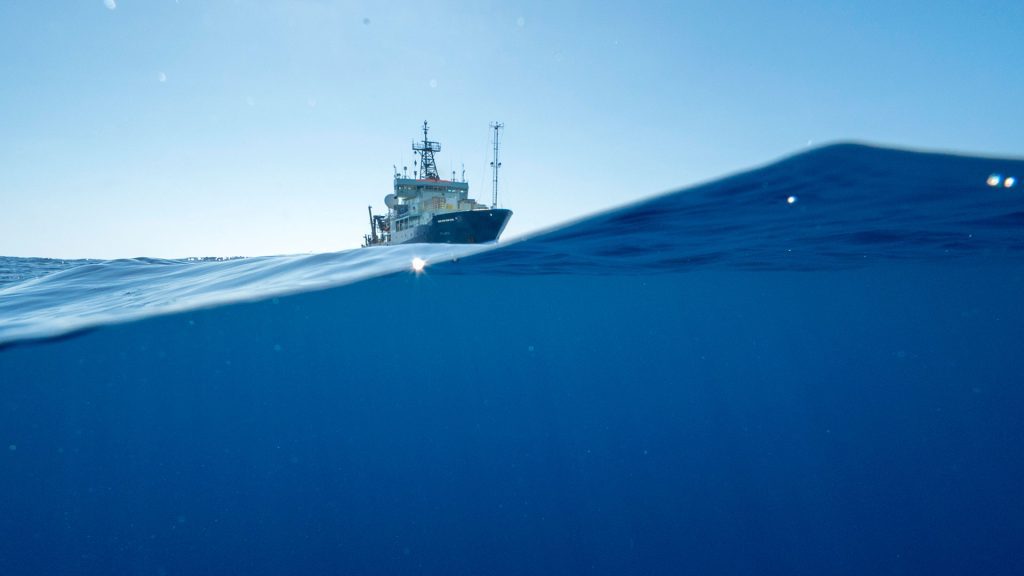
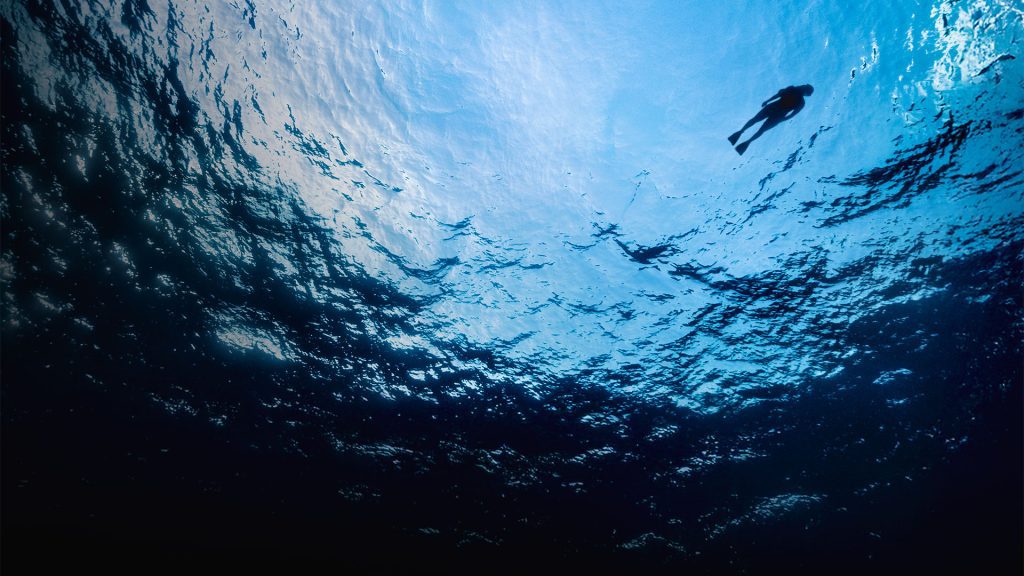
How expanding our view of the ocean can unlock new possibilities for life
Alvin‘s Pilots
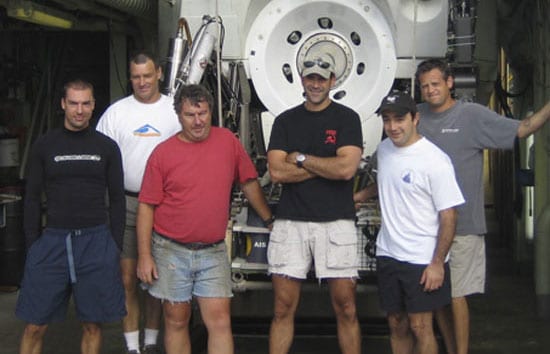
Forty summers ago in the Bahamas, two men climbed inside a 23-foot white submarine named…
A Whale Expert is Called in to Decipher Odd Elephant Calls
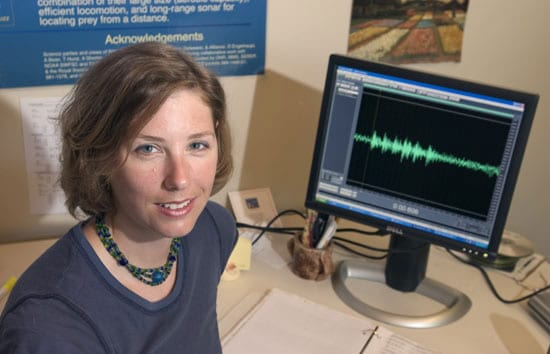
An article about work done by WHOI postdoctoral investigator Stephanie Watwood to analyze atypical sounds made by two African elephants, one imitating a truck and one the calls of another elephant species
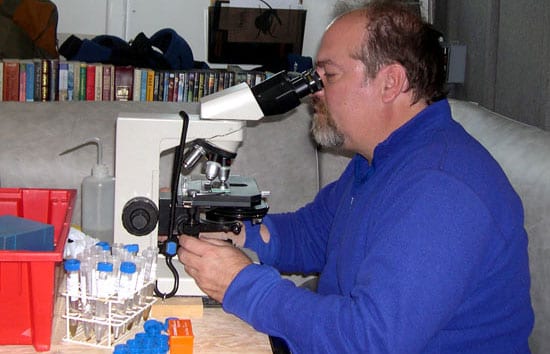
Red TideGone for Now, But Back Next Year?
The historic bloom of toxic algae that blanketed New England’s waters and halted shellfishing from Maine to Martha’s Vineyard in the spring of 2005 is over. But scientists are now wondering if there will be an encore.
Before departing, the algae likely left behind a colonizing population that may promote blooms in southern New England for at least the next few years.
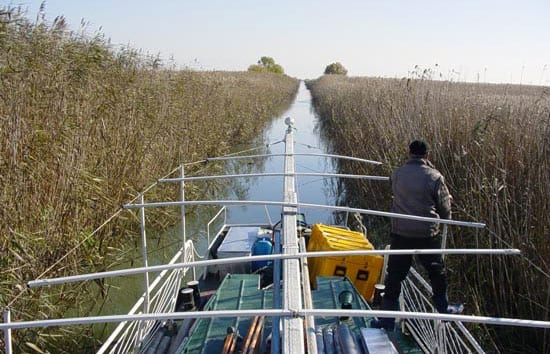
The Once and Future Danube River Delta
?The Danube River Delta is like the Everglades,? said Liviu Giosan, who grew up near the Romanian wetlands. The triangle-shaped, sediment-rich region at the mouth of the Danube River is also rich with human history. A traditional maritime culture persists on the delta, and the United Nations has declared the region a World Heritage site. The Danube Delta is also a great place for a geologist to study how the coast stretches, contracts, and undulates with time?and human interference.
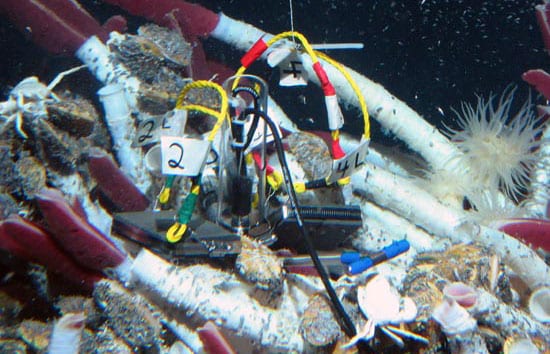
Settling on the Seafloor
People may search for a long time, but they know it when they see it—the…
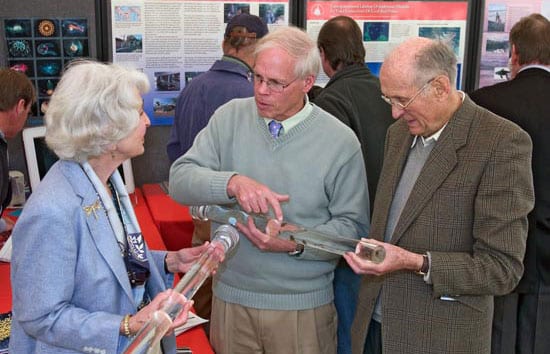
A Tropical Research Paradise
WHOI Trustees Frank and Lisina Hoch have issued a one-to-one $1.125 million challenge to seize new opportunities and expand the Institution’s research in tropical regions.

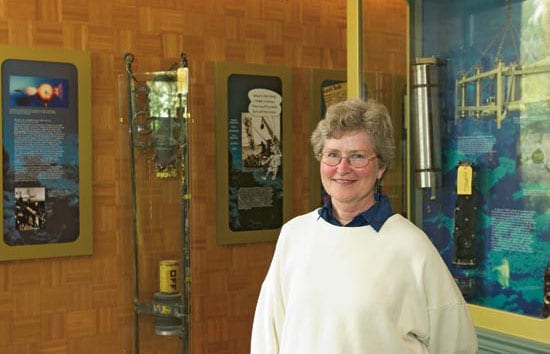
Institution Celebrates 75th Birthday in 2005
WHOI celebrates 75 years of ocean research, education, and exploration this year with several events planned for August and September.
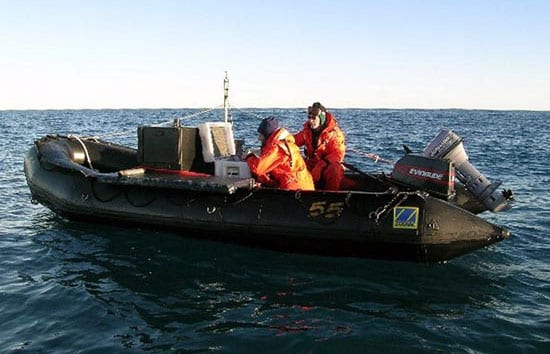
Seafloor Reconnaissance Reveals Hidden Dangers Off Antarctica
For five frigid weeks in April and May 2005, a team of scientists and engineers…
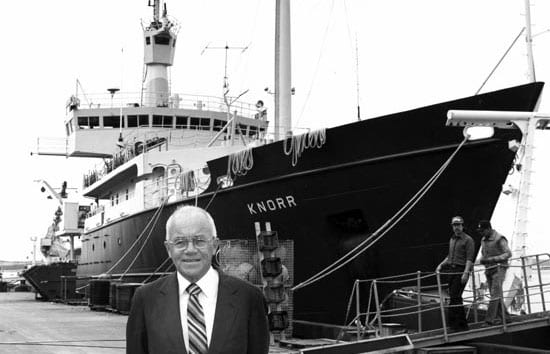
Guy Nichols: Transforming Institutions
Guy Nichols never shied away from tough jobs. And he never lost sight of the fact that an organization needs all its people, not just those at the top.
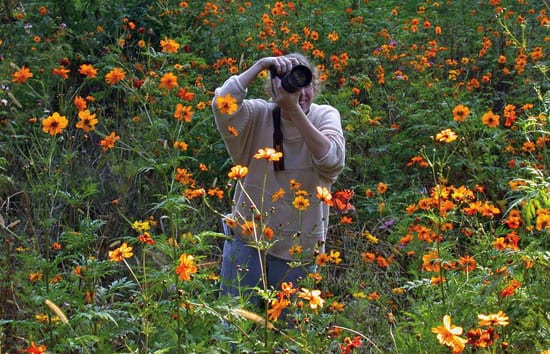
Remembering a Scientist/Student/Artist
Celeste Fowler joined the MIT/WHOI Joint Program (JP) in June 2003 and quickly made her presence felt.
WHOI Associates Have a New President
In May 2005, Carl Peterson was named president of the WHOI Associates, whose membership supports research at WHOI.