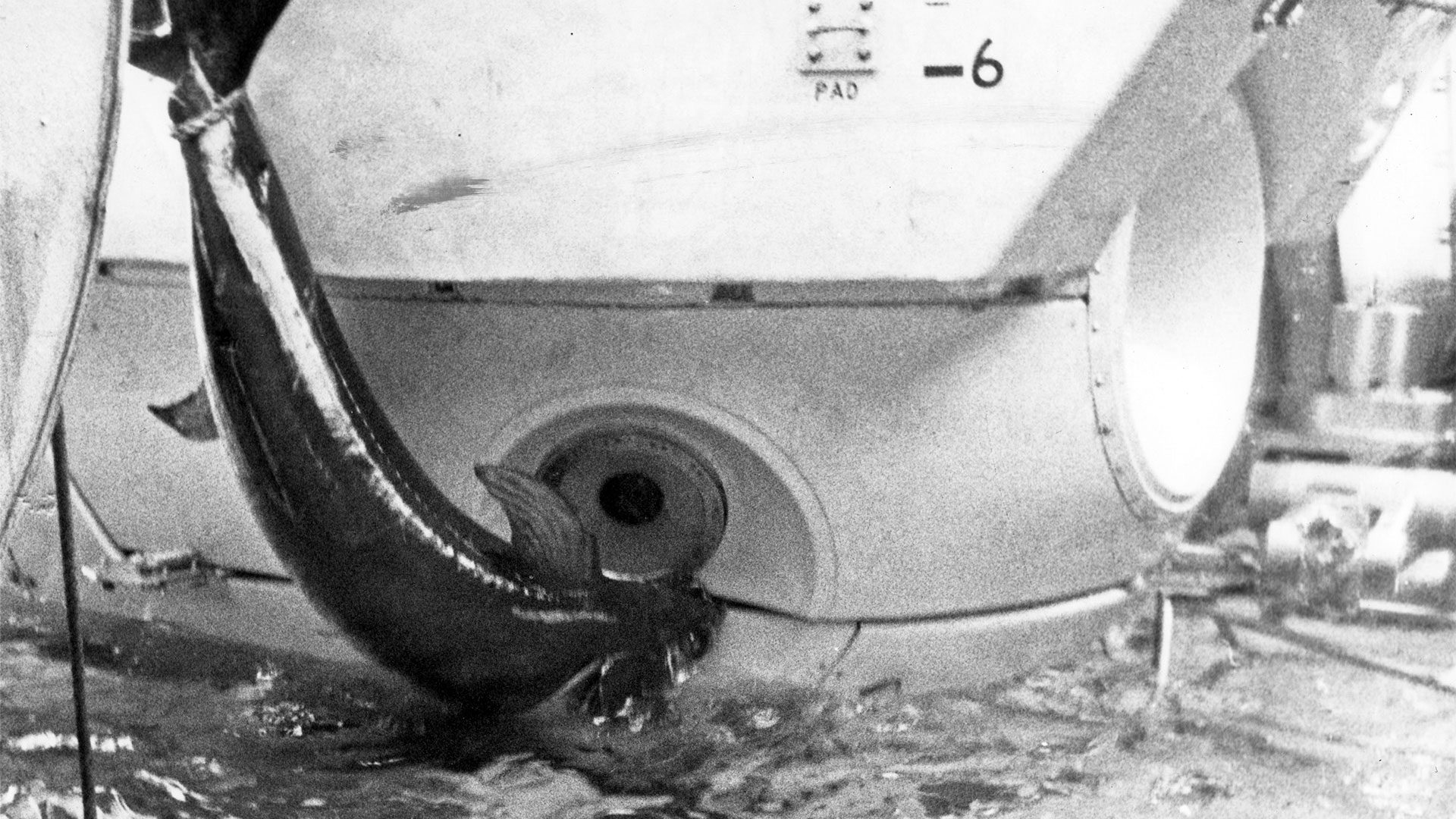
Alvin vs. the swordfish
During a 1967 dive off Florida, a startled swordfish rammed the famed submersible Alvin—lodging its sword in the hull and forcing the crew to abort the mission
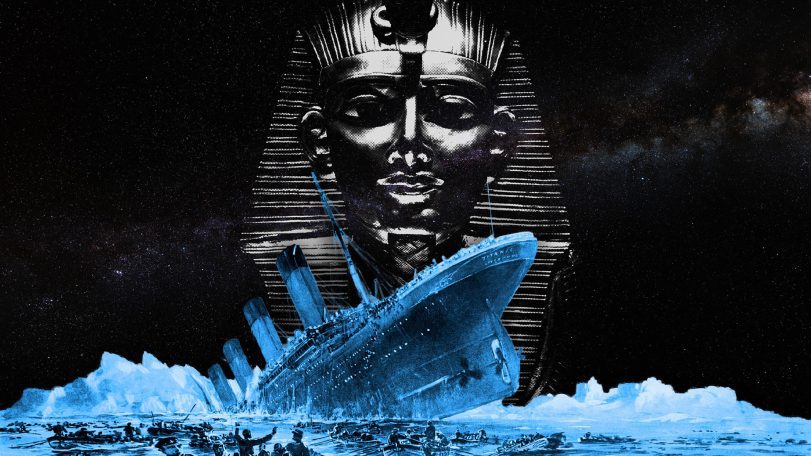
A mummy, a myth, and the Titanic
A 1986 handwritten letter to Bob Ballard revisits one of the Titanic disaster’s strangest myths
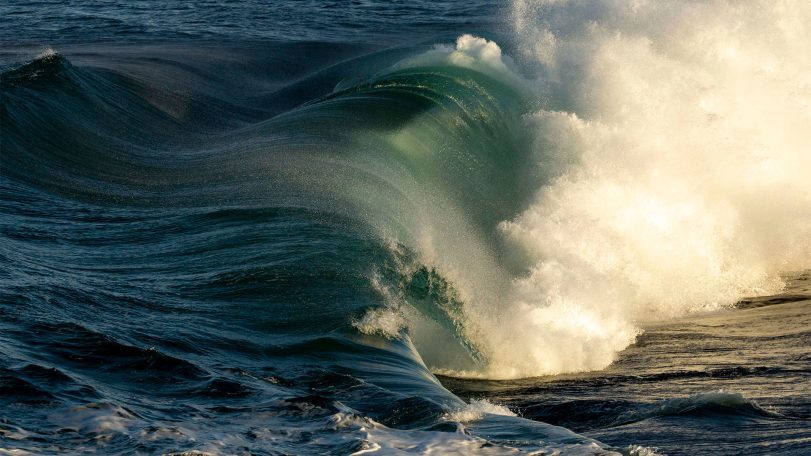
Turning motion into power: Wave energy converters for sustainable ocean monitoring
In the rapidly evolving world of ocean technology, wave energy is emerging as…
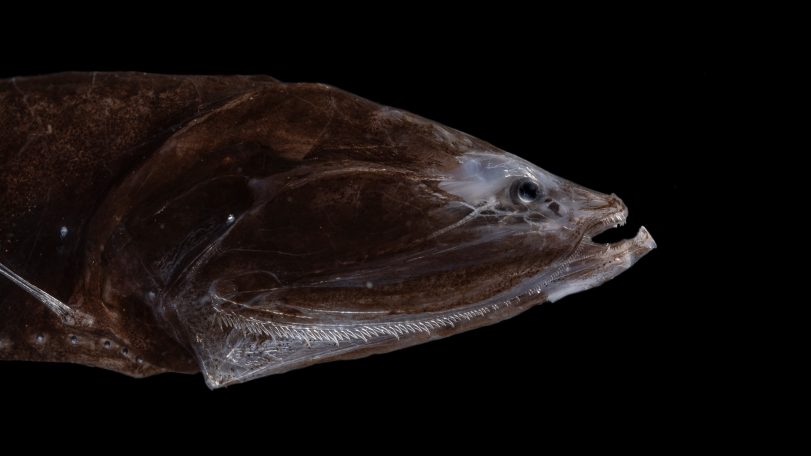
The world’s most abundant fish once thrived in an extreme climate
Fossilized teeth show bristlemouth fish evolved during one of the ocean’s hottest periods
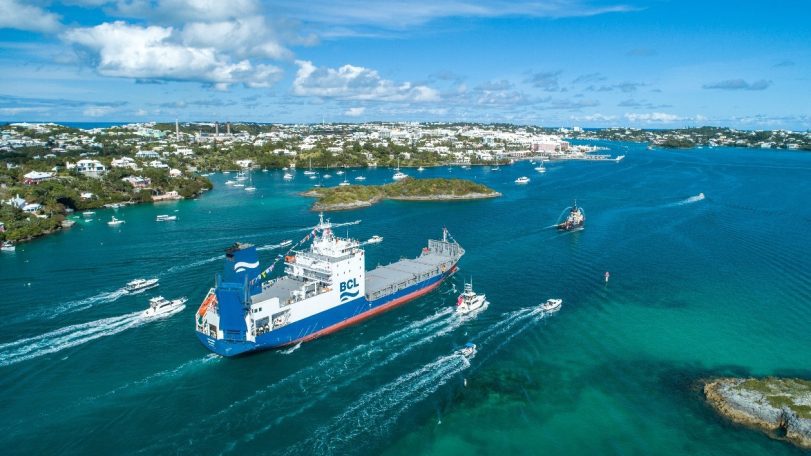
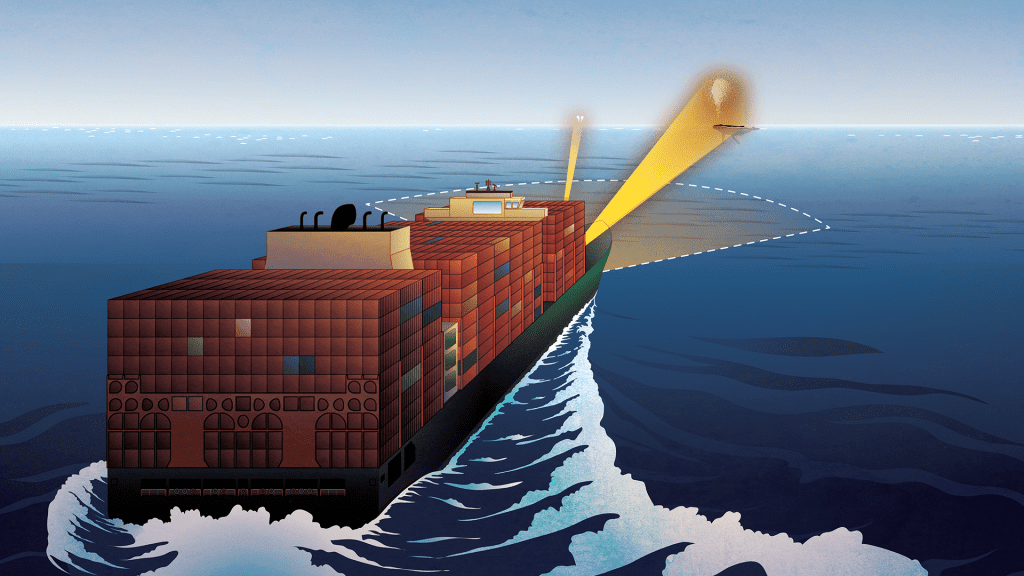
How a cargo ship is tracking hidden ocean life in the Atlantic
With funding support from CMA CGM, ocean observations aboard Bermuda Container Line’s M/V Oleander now include a window into microscopic life
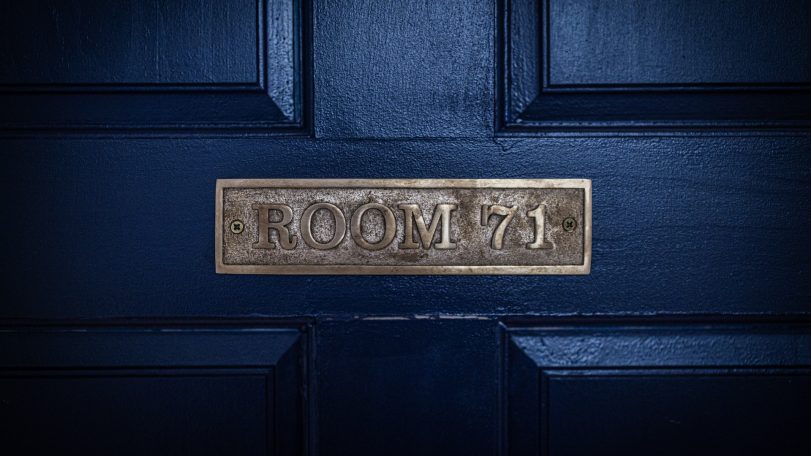
Inside Room 71: WHOI history in seven artifacts
Some of the technology, art, and gifts that tell the story of the institution’s early days
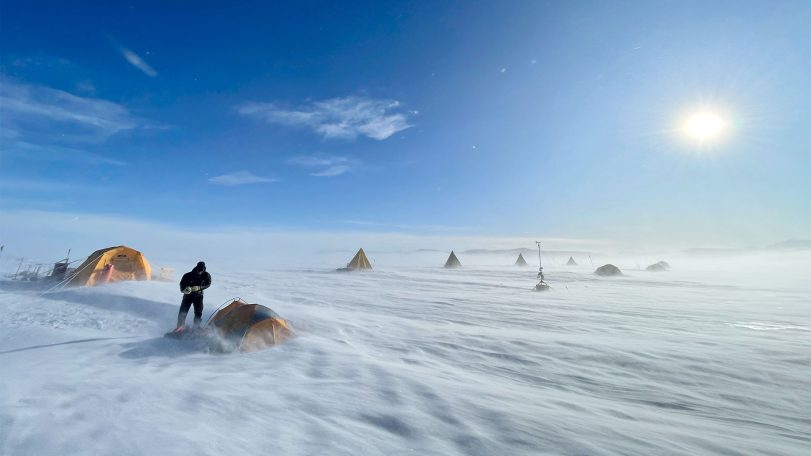
A scientist’s quest to find Earth’s oldest ice
After recovering ice that dates back 6 million years, Sarah Shackleton hopes to dig deeper into Earth’s history from a remote Antarctic moraine
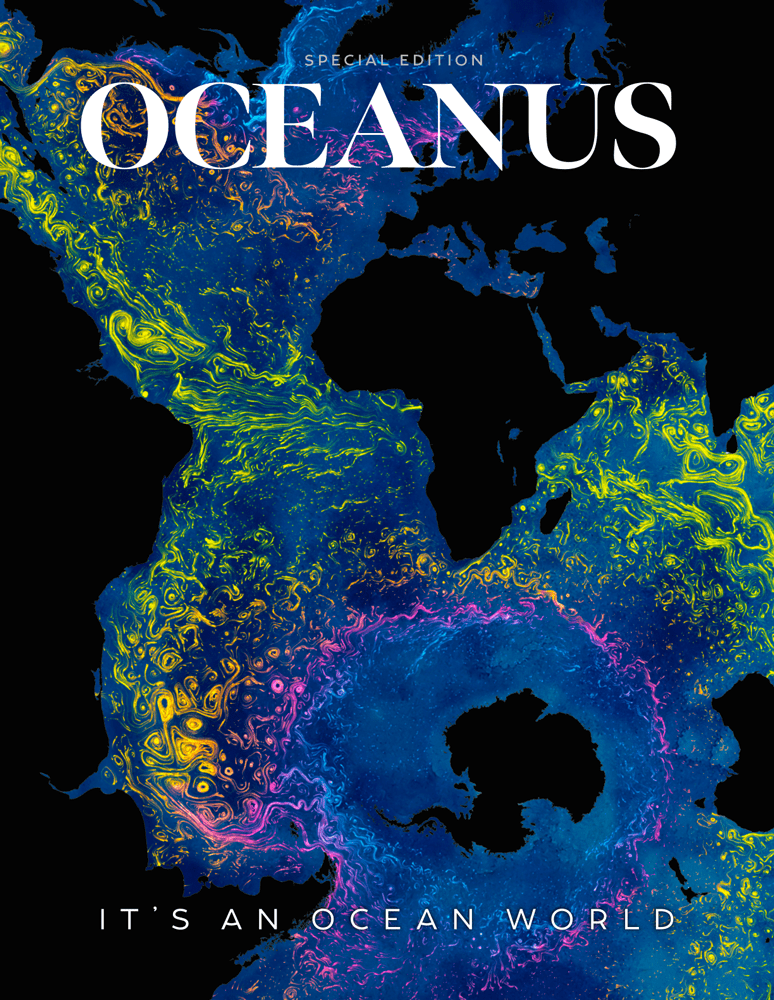
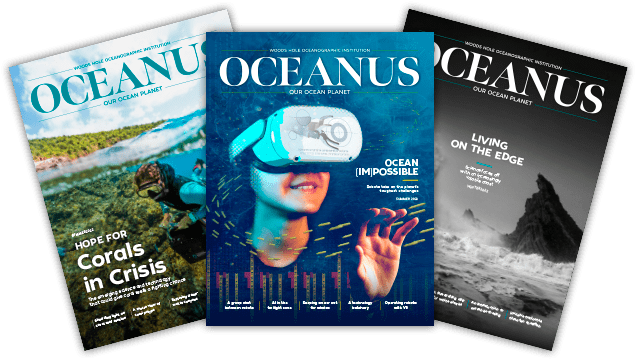
and get Oceanus delivered to your door twice a year as well as supporting WHOI's mission to further ocean science.
Our Ocean. Our Planet. Our Future.
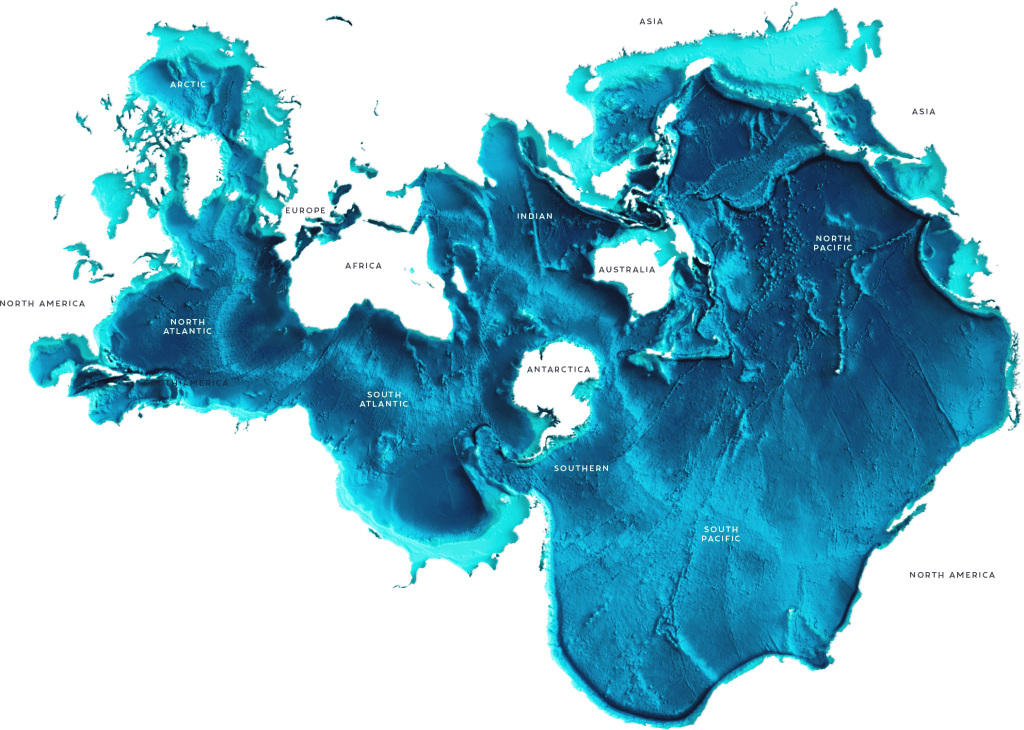
It’s the most ocean-friendly map ever created. Why haven’t more people seen it?
Discover the Spilhaus Projection, a radical world map that reveals Earth as one connected ocean—and reshapes how we see the planet.
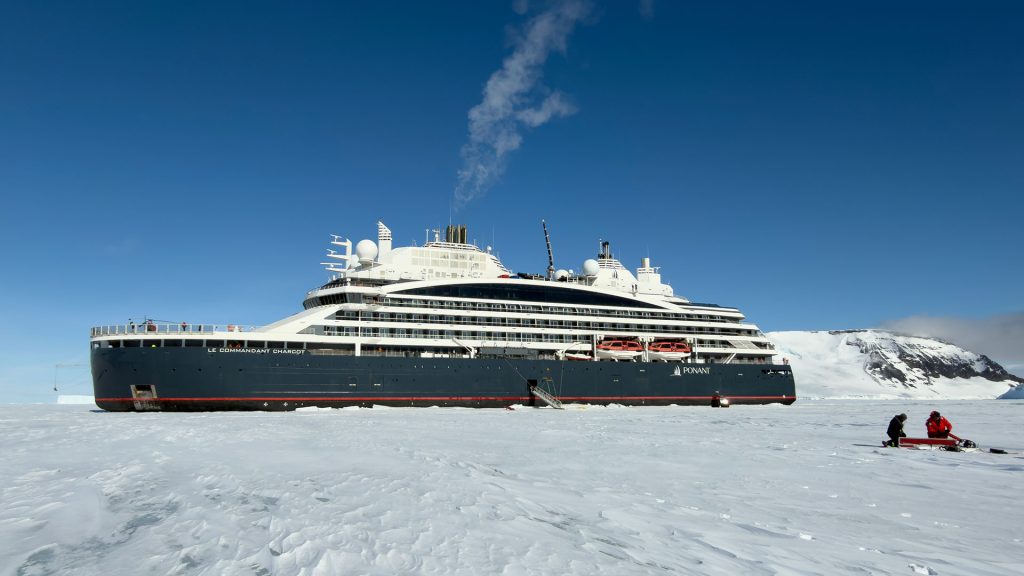
Luxury cruises with a side of climate science
A new partnership gives scientists rare access to remote Antarctic glaciers—and a new way to engage the public
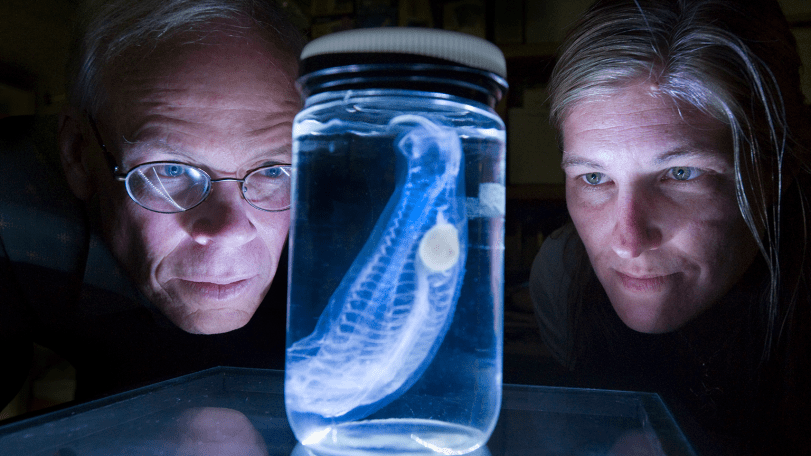
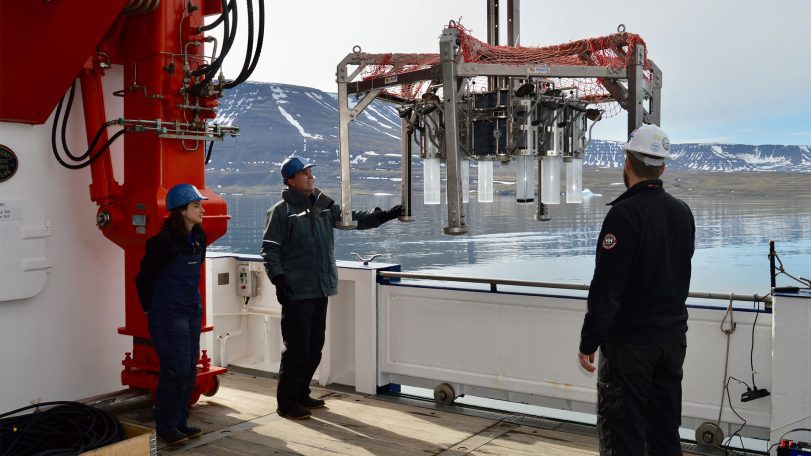
The unseen toll of war on science
As the changing climate accelerates the spread of toxic algal blooms in the Arctic, the Russia–Ukraine war is cutting off critical international collaboration needed to understand and protect vulnerable ecosystems and communities.

The human cost of Brazil’s floods
New research maps social vulnerability after the 2024 deluge
Tracking the hidden currents of Cape Cod Bay
Scientists are using drifters and ocean models to better understand how water, nutrients, and pollutants move through the bay
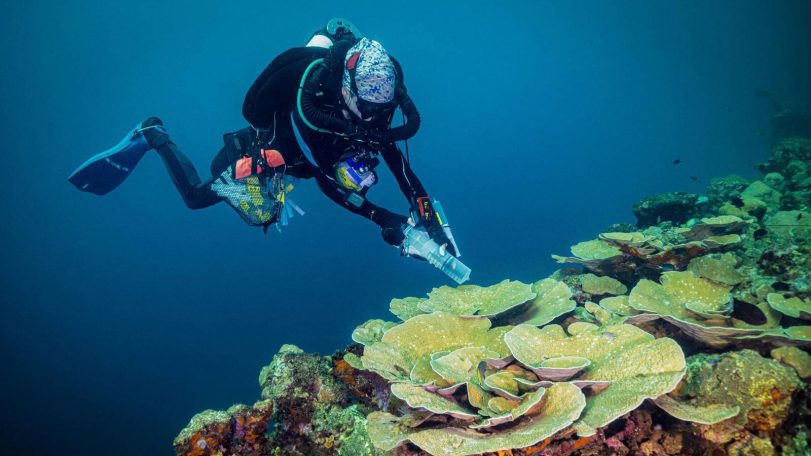
From ruin to reef
What Pacific wrecks are teaching us about coral resilience—and pollution
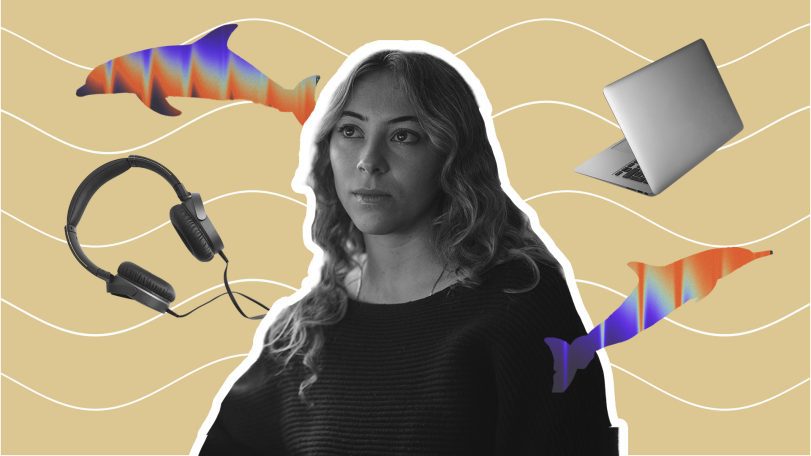
One researcher, 15,000 whistles: Inside the effort to decode dolphin communication
Scientists at WHOI analyze thousands of dolphin whistles to explore whether some sounds may function like words
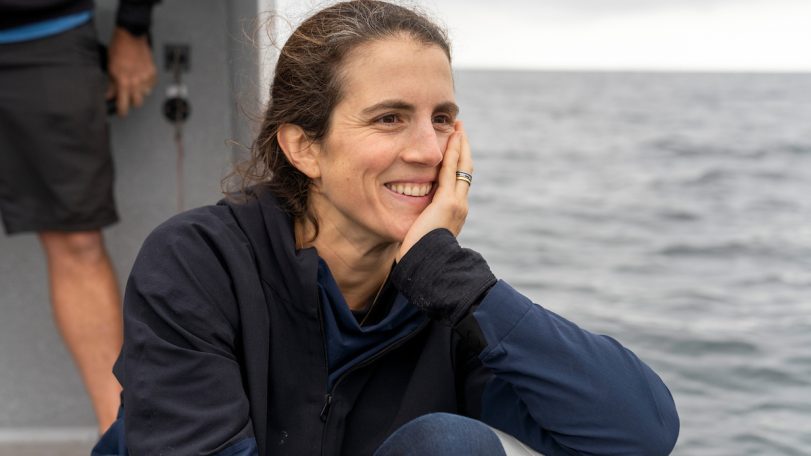
Remembering Tatiana Schlossberg, a voice for the ocean
Environmental journalist and author Tatiana Schlossberg passed away after battling leukemia on December 30, 2025….
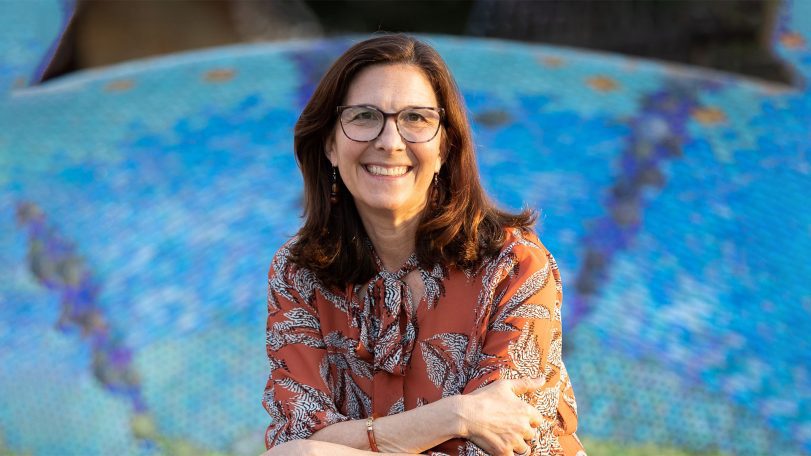
As the ocean warms, a science writer looks for coral solutions
Scientist-turned-author Juli Berwald highlights conservation projects to restore coral reefs
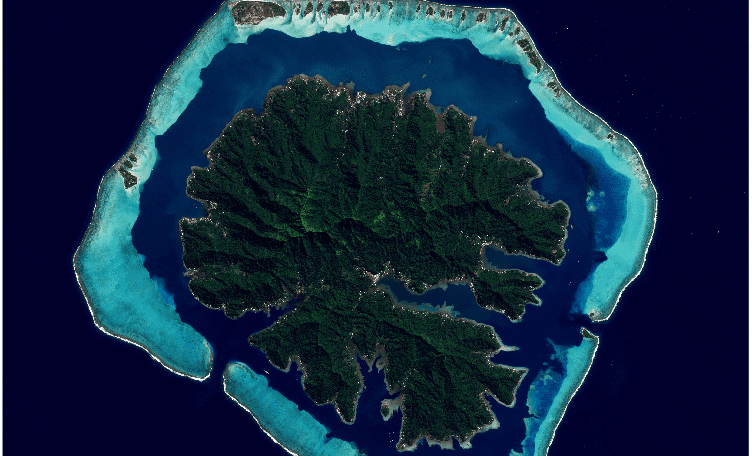
How an MIT-WHOI student used Google Earth to uncover a river–coral reef connection
Google Earth helps researcher decode how rivers sculpt massive breaks in coral reefs
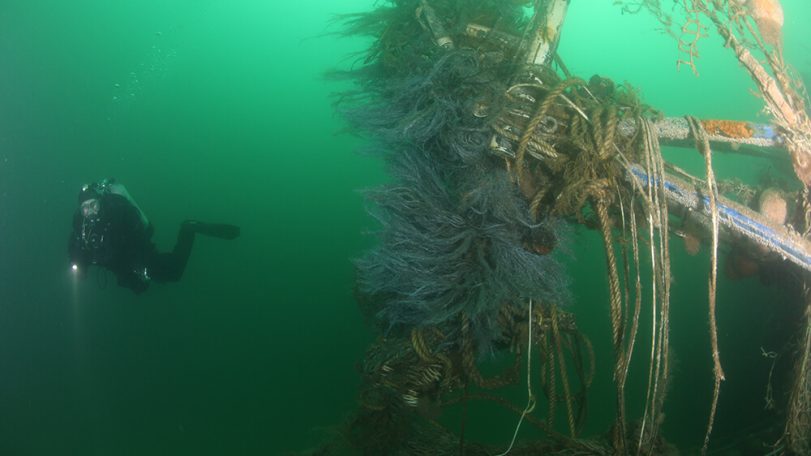
A new underwater robot could help preserve New England’s historic shipwrecks
WHOI’s ResQ ROV to clean up debris in prominent marine heritage sites
Looking for something specific?
We can help you with that. Check out our extensive conglomeration of ocean information.
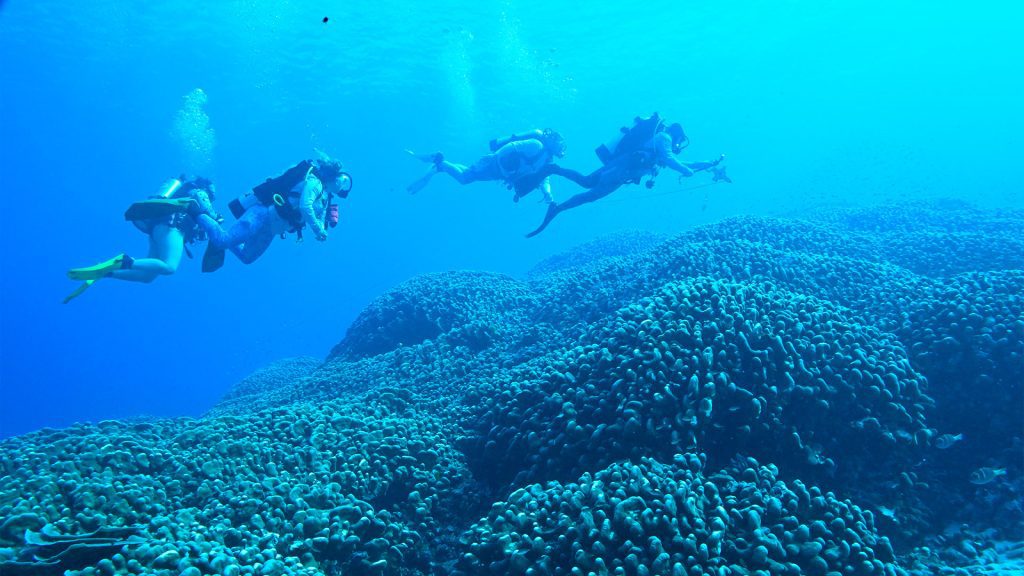
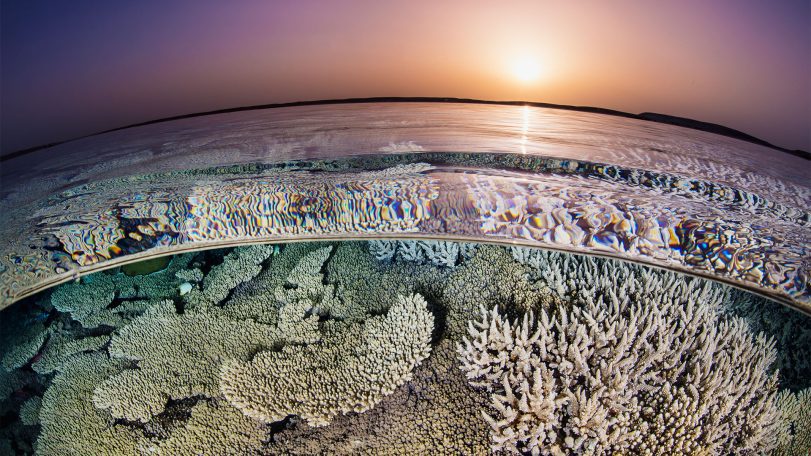
Inside the Solomon Islands’ hidden mega coral — a 300-year-old ocean giant
WHOI’s Reef Solutions team journeys to the world’s largest coral colony
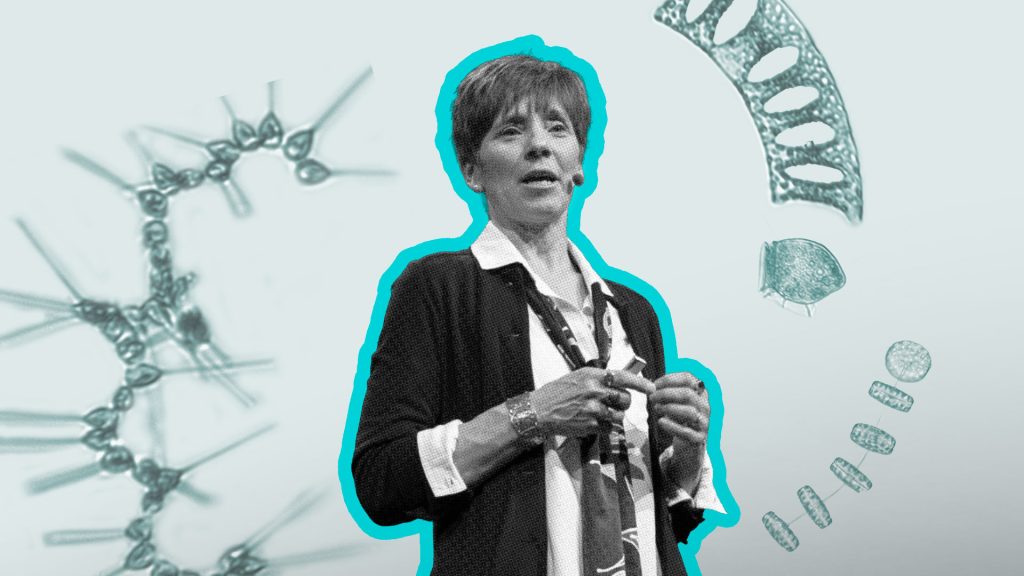
The little big picture
WHOI senior biologist Heidi Sosik on the critical need for long-term ocean datasets
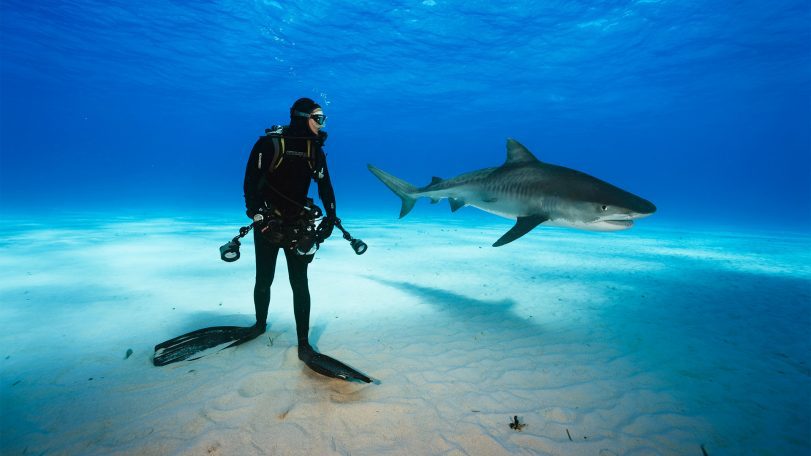
Lessons from a lifetime of exploration
Award-winning ocean photographer Brian Skerry shares insights from a career spent around ocean life and science
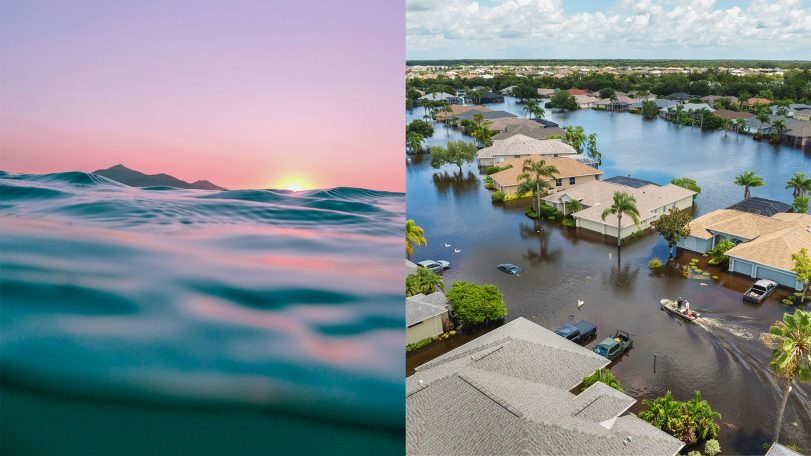
The ocean weather nexus, explained
The vital role of ocean observations in extreme weather forecasting

Breaking down plastics together
Through a surprising and successful partnership, WHOI and Eastman scientists are reinventing what we throw away
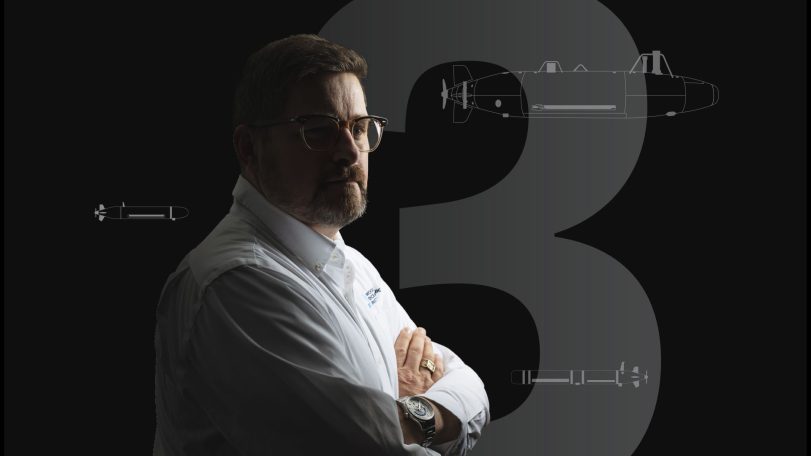
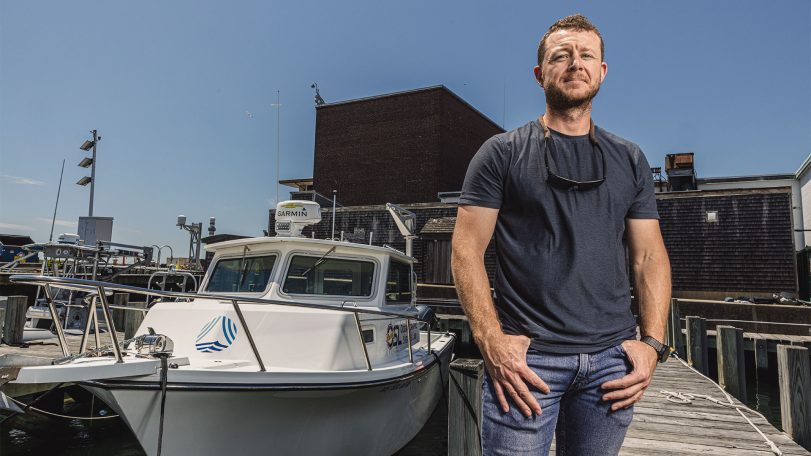
Three questions with Carl Hartsfield
Captain Hartsfield, USN retired, discusses the role ocean science plays in our national defense
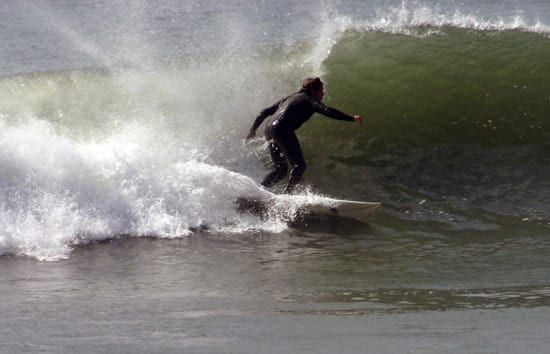
Scientific (and Surfing) Safari
Eric Montie has a great tan, photos of huge waves taped above his computer, and a…
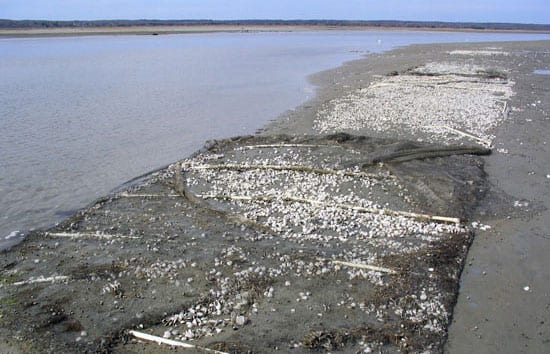
A Mysterious Disease Is Infecting Northeast Clam Beds
Scientists follow clues to the mysterious disease that is killing off clams on Cape Cod and along the Eastern Seaboard.
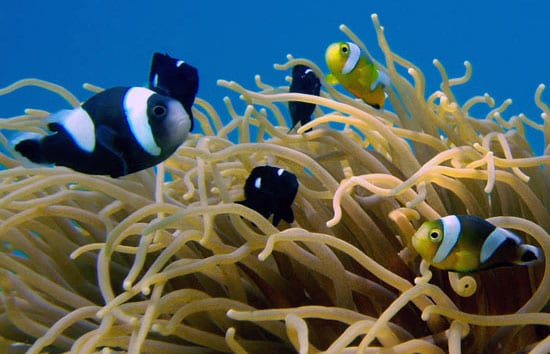
Finding Nemo…and Other Endangered Fish
A novel method to track fish larvae?using tetracycline to tag otoliths, or ear bones?sheds lights on which marine areas to protect
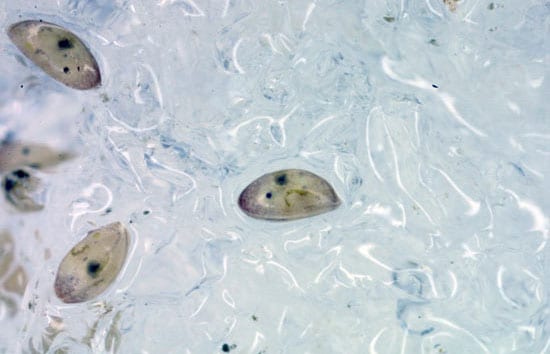
Cold Comfort for Barnacles
A WHOI research team reports that barnacle larvae can remain frozen up to seven weeks and still revive, settle, and grow to reproduce. The discovery offers a new understanding of barnacle larvae, which are abundant sources of food for larger animals in the coastal ocean. It also provides possible clues to how other intertidal marine invertebrates may settle and survive harsh winters.
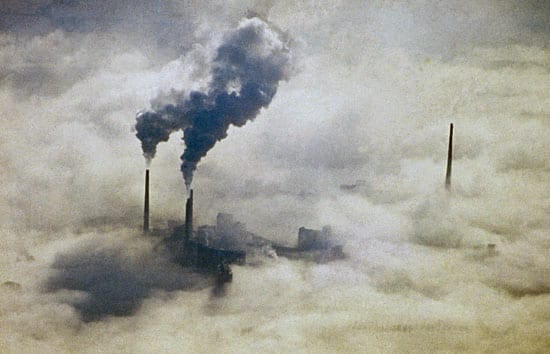
Earth Can’t Soak Up Excess Fossil Fuel Emissions Indefinitely
Earth?s land and oceans have been soaking up the excess carbon Earth?s land and oceans have been soaking up the excess carbon dioxide that humans have pumped into the atmosphere by burning fossil fuels. But there are limits.
A new-generation computer model indicates that the capacity of land and ocean to absorb and store the heat-trapping greenhouse gas will reach its peak by the end of the century?removing a brake that has been tempering the effects of global warming.
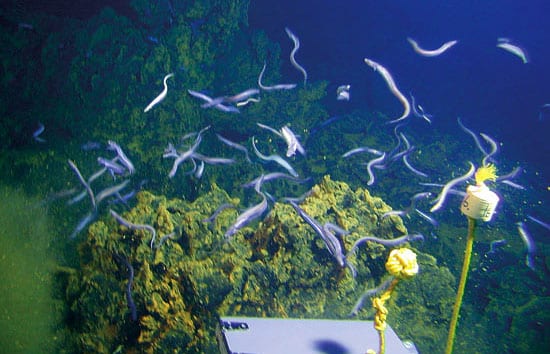
Nafanua, Eel City, and the Crater of Death
WHOI geochemist Stan Hart and colleagues have discovered a fast-growing volcano, dubbed Nafanua, inside the crater of Vailulu’u, a 14-300-foot active volcano that should begin the next island in the Samoan chain. They also found a novel hydrothermal community, which they named “Eel City,” and a lifeless zone in the caldera, which they call the “Crater of Death.”
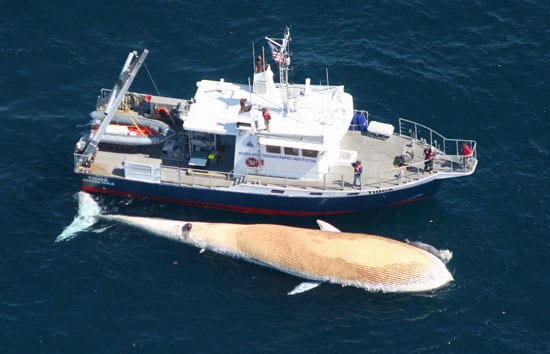
Big Whale, Big Sharks, Big Stink
A shipping tanker first spotted the whale on Sept. 9 about 24 miles southeast of…
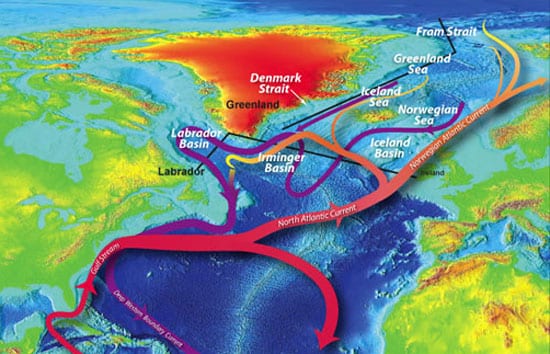
Fresher Ocean, Cooler Climate
Large and climatically sensitive regions of the North Atlantic Ocean have become less salty since the late 1960s, a trend that could alter global ocean circulation and spur climate changes by the 21st century.
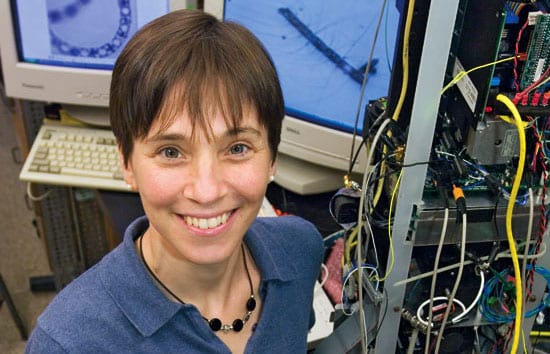
Building an Automated Underwater Microscope
A conversation with Woods Hole Oceanographic Institution biologist Heidi Sosik about her work studying phytoplankton ecology in the coastal ocean and the new instrument, the Imaging FlowCytobot, that she and biologist Rob Olson developed. Sosik describes the importance of phytoplankton to the food web and ecology of the coastal ocean, and how this new instrument, which will be deployed this summer, represents a breakthrough in year-round monitoring of coastal phytoplankton communities.
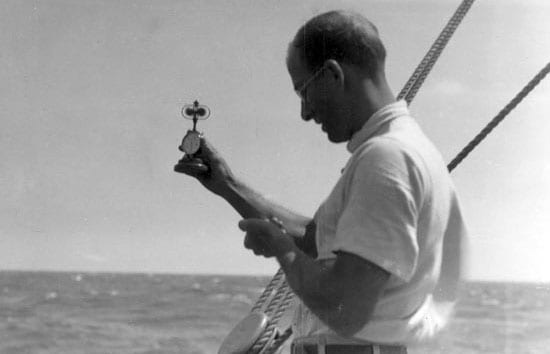
The Improbable Voyage of Al Woodcock
Al Woodcock, perhaps the last man to sail on the maiden voyage of WHOI’s first research vessel Atlantis in 1931, died Feb. 26. He was 99. A self-educated farm boy from Georgia, Woodcock was also a keen observer of the natural world. He ascended to the scientific staff at WHOI and published seminal papers on “Observations of Herring Gull Soaring,” “The Swimming of Dolphins,” and “Sea Salt in a Tropical Storm.? Starting in 1949, he published a series of seven pioneering papers on sea-salt particles and their role in the formation of fog and rain. His research gained the profound respect of the nation’s foremost scientists.
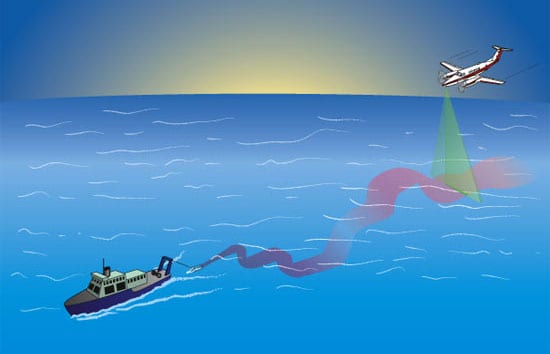
An Experiment to Dye For
WHOI scientists are exploring an experimental technique to track the complex movements of water in the oceans using harmless fluorescent dyes and airplanes equipped with Light Detection and Ranging instruments. To detect motion, LIDAR uses pulses of laser light, which cause the flowing dye to fluoresce.
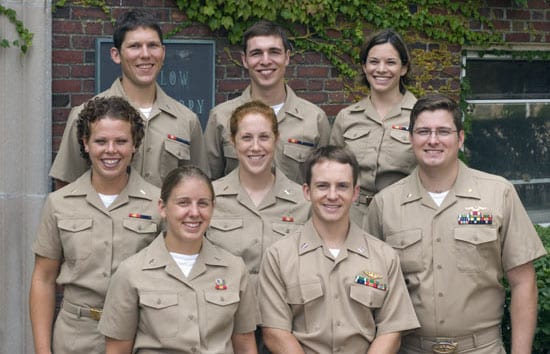
An Officer and a Graduate Student
Six hundred eighty-two students have earned master?s and doctoral degrees since the MIT/WHOI Joint Program in Oceanography/Applied Ocean Science and Engineering began in 1968. After shaking hands and accepting their diplomas, 61 of them took off their academic robes and put their Navy uniforms back on. Nine more will do so in the next two years.