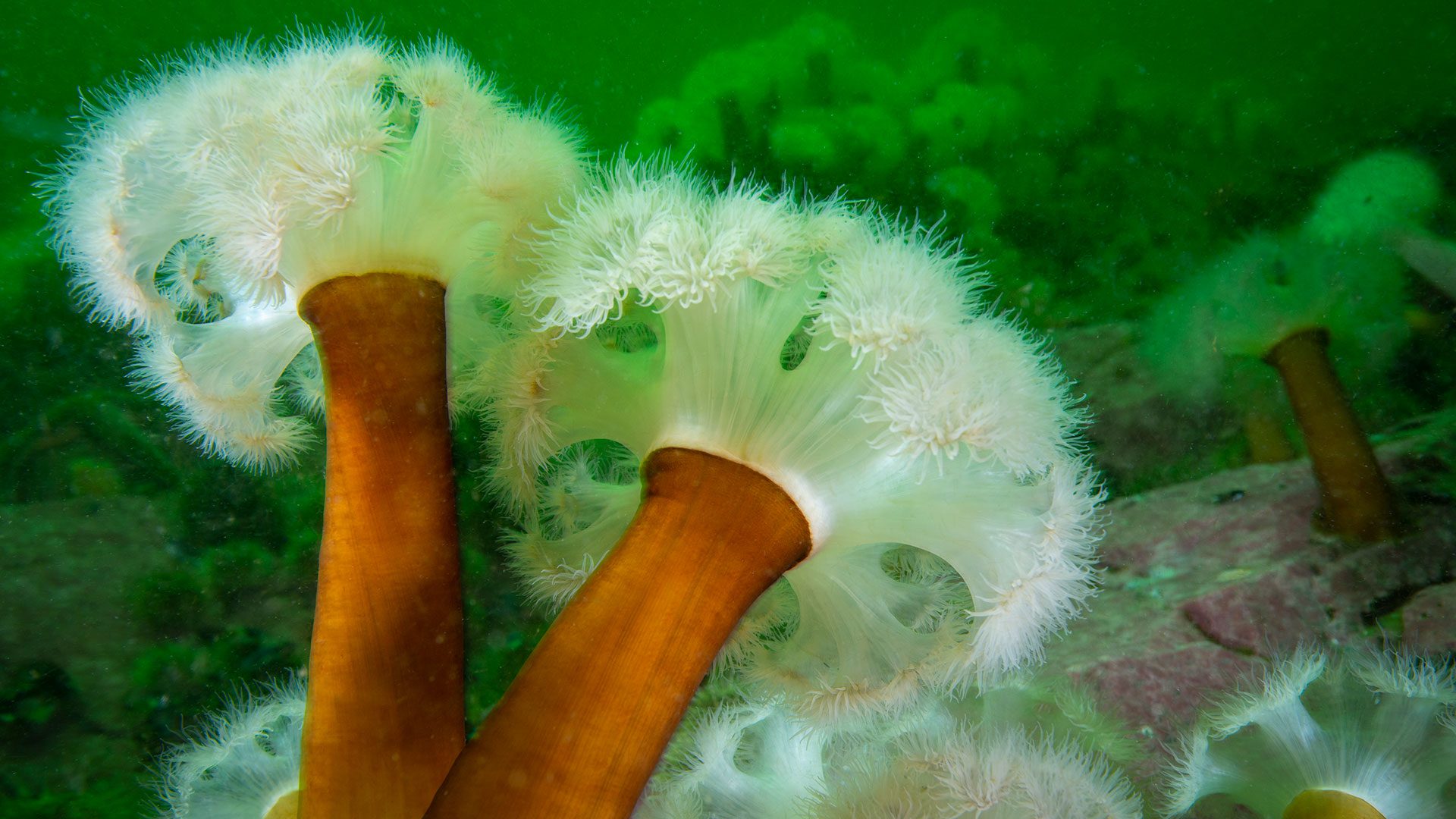
How shipwrecks helped a cold-water anemone move south
Researchers find fluffy anemones spreading south via shipwrecks, revealing how artificial reefs and ocean currents connect marine habitats
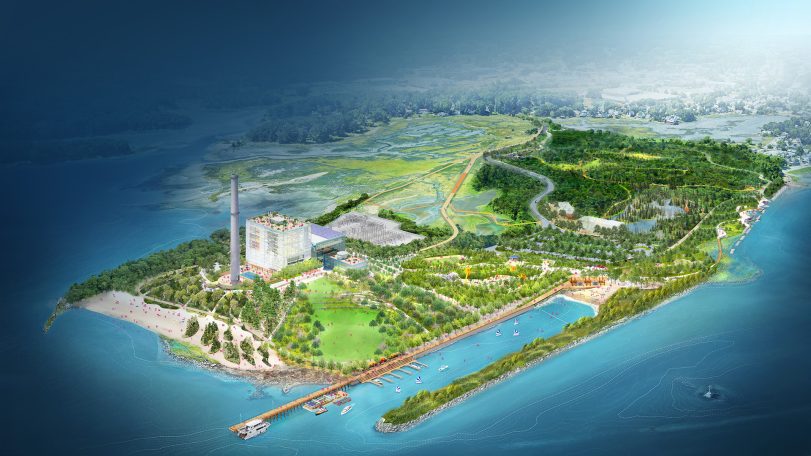
WHOI joins Manresa Wilds Project to help restore part of Connecticut’s coastline
Development of a new coastal green space and public park opens up access to ocean science in Long Island Sound
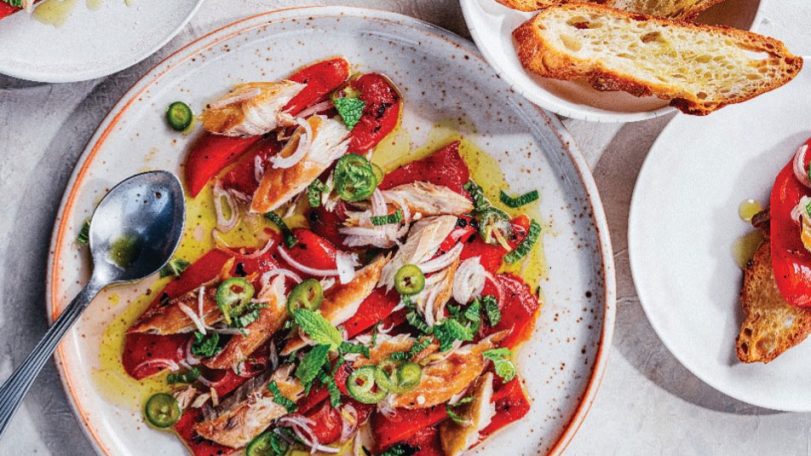
Recipe: Roasted peppers with smoked mackerel, mace, and mint
This seafood recipe by chef and author Barton Seaver is a great introduction to sustainable seafood
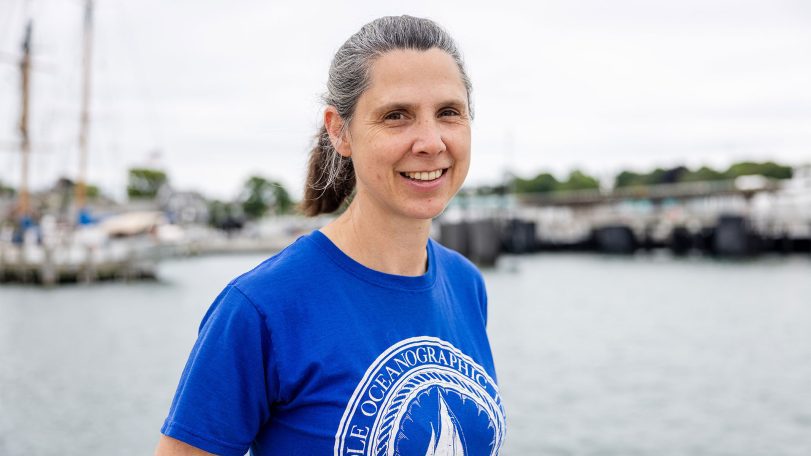
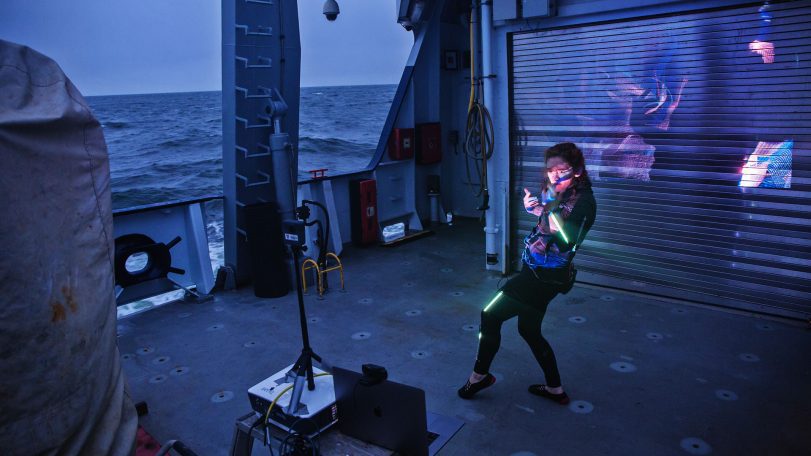
Sampling Gulf Stream plankton, one teaspoon at a time
Three questions with marine research technician Emily Peacock
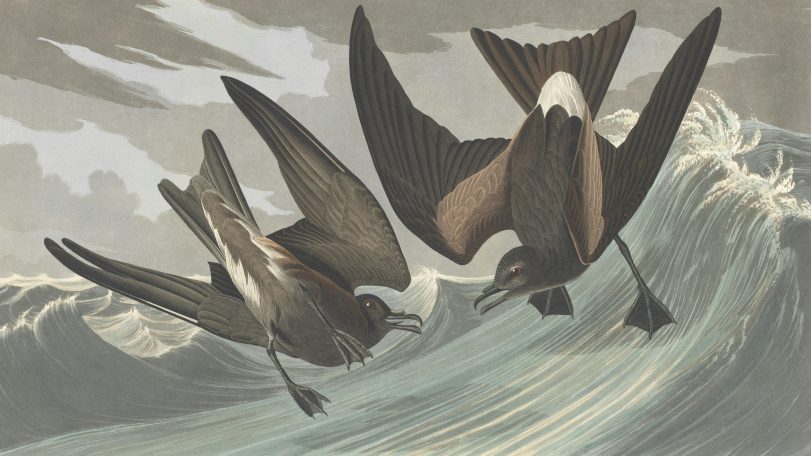
These seabirds fly toward cyclones, not away from them
New GPS tracking on petrels reveals a surprising survival strategy hidden in the eye of the storm
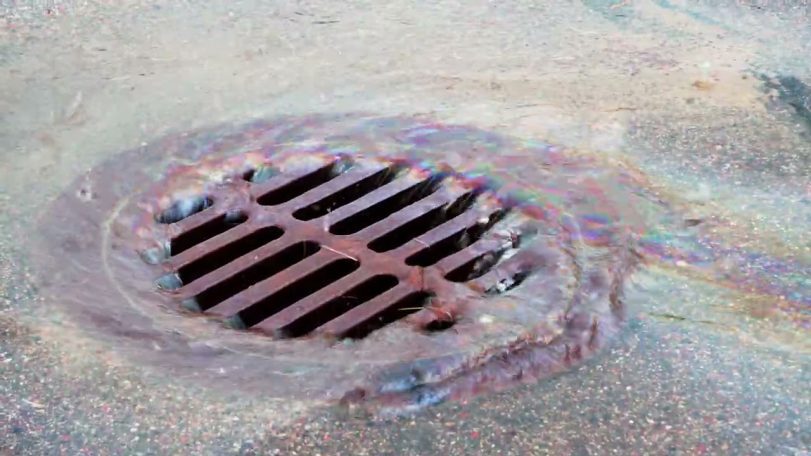
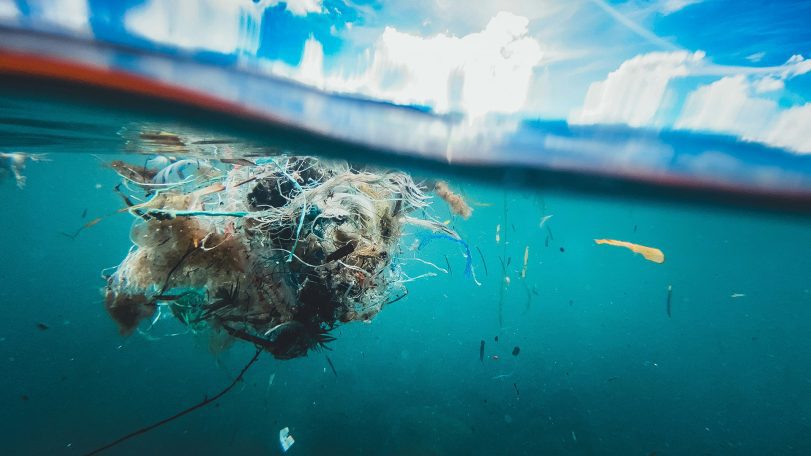
Are big spills the main source of ocean oil?
Evidence shows that smaller leaks on land contribute far more oil to our oceans

Reclaiming knowledge from the sea
Jordan Kennedy combines Indigenous knowledge, engineering, and observation to rethink how coastal landscapes are studied and restored. Her work on clam gardens and autonomous mapping systems explores how revitalizing these ancient systems can also reclaim knowledge and relationships between people, place, and practice.
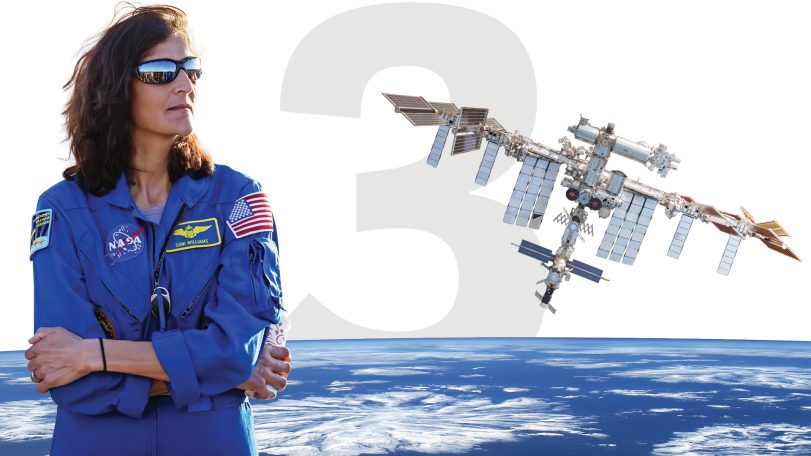
3 questions with a former NASA astronaut
WHOI Corporation Member Sunita Williams discusses space exploration, ocean science, and environmental stewardship
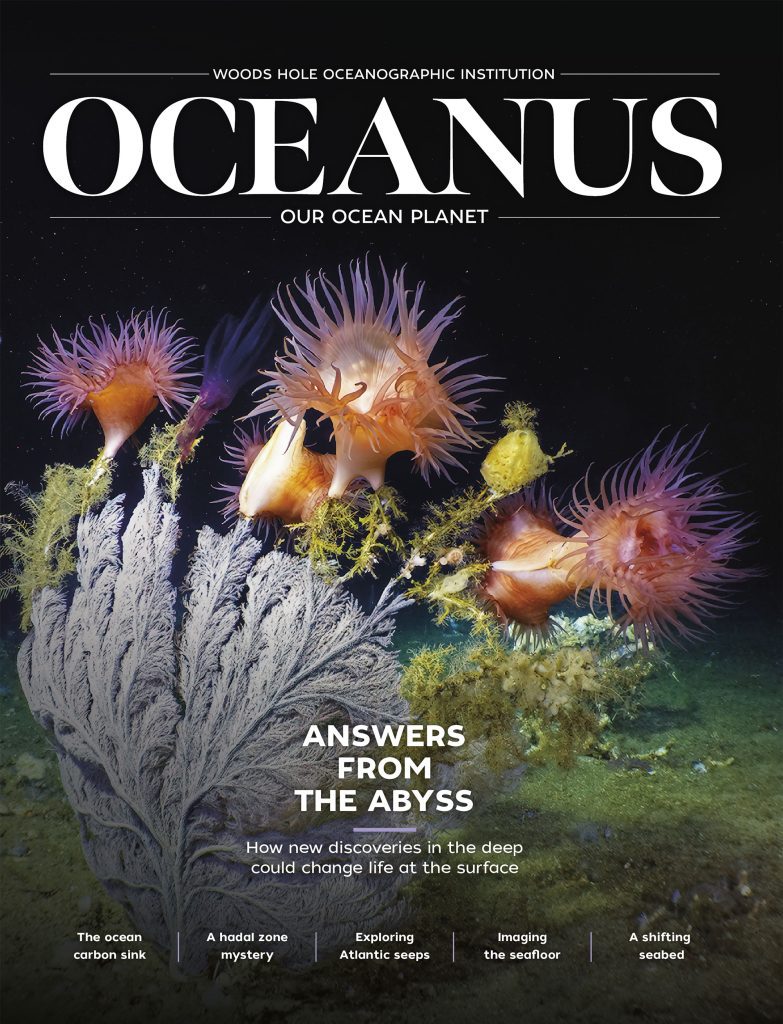
and get Oceanus delivered to your door twice a year as well as supporting WHOI's mission to further ocean science.
Our Ocean. Our Planet. Our Future.
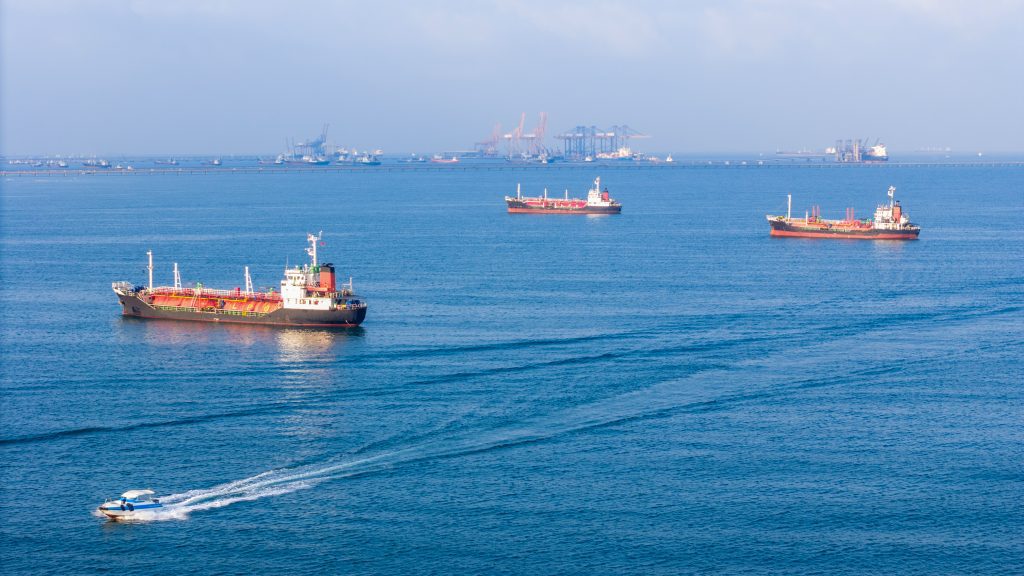
Ships in the Strait of Hormuz are becoming invasive species breeding grounds
Beneath the waterline of every ship stalled in the Persian Gulf, a thriving underwater city takes shape—barnacles, algae, mussels, sea squirts. Some of those hitchhikers could reach coastlines they’d never find on their own.
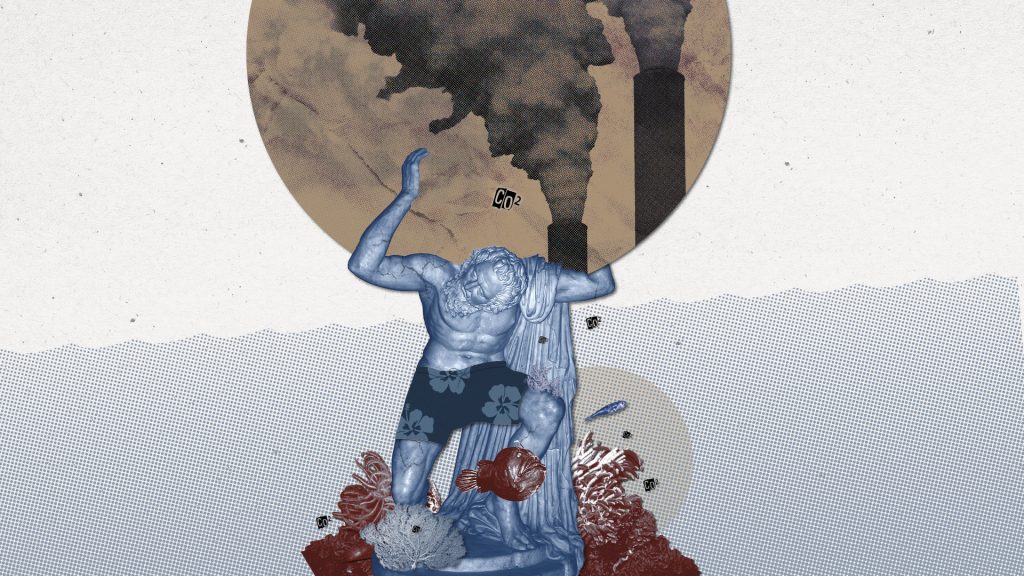
Is the ocean carbon sink at risk of faltering?
WHOI scientists explain how the ocean mitigates climate change—and could be compromised by it
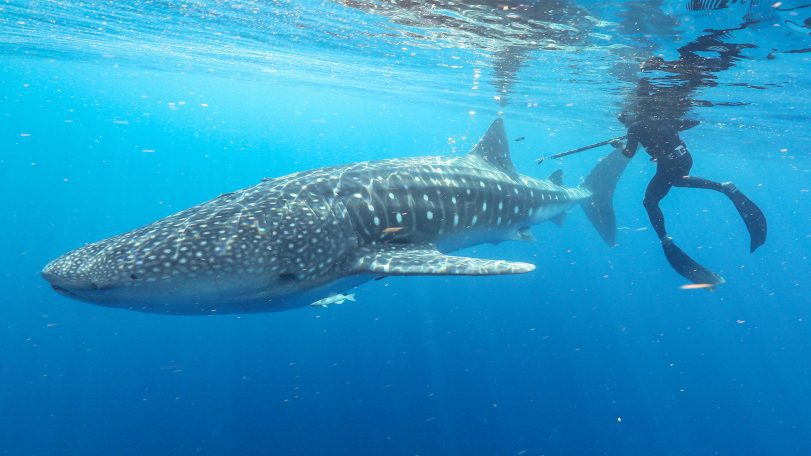
3 questions with Cam Braun
Marine biologist Camrin Braun explains why the world’s largest fish visit waters off Cape Cod—and what their epic migrations reveal about a changing ocean
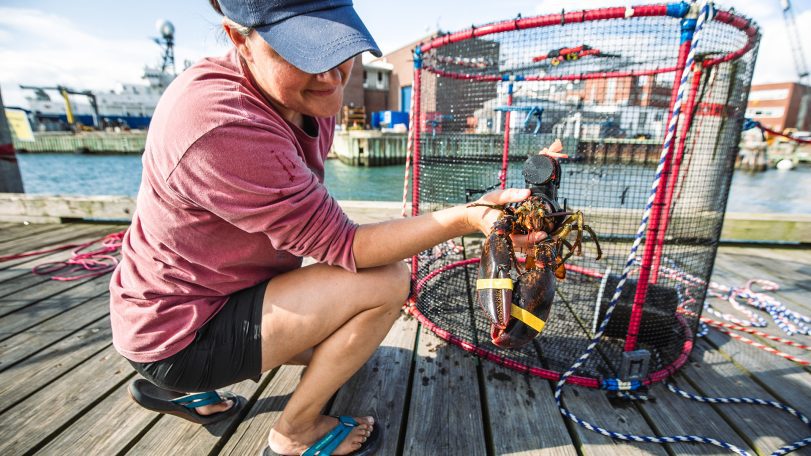
Is underwater noise from construction affecting the American Lobster?
WHOI’s Sensory Ecology Lab investigates whether an industrialized soundscape impacts the health of a New England icon
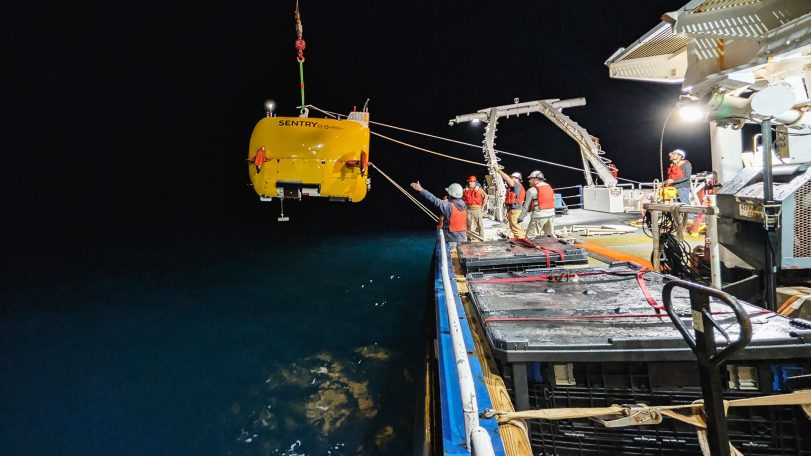
Exploring Atlantic seeps
AUV Sentry leads the way in mapping and monitoring methane bubbling from the seafloor
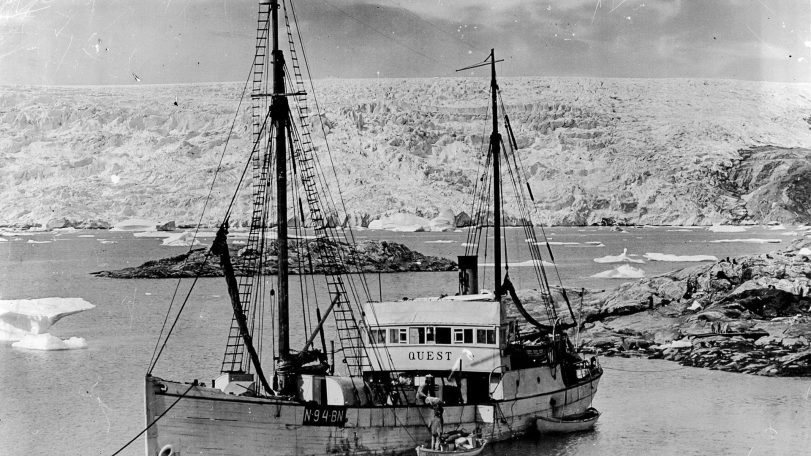
A once-in-a-generation dive into polar history
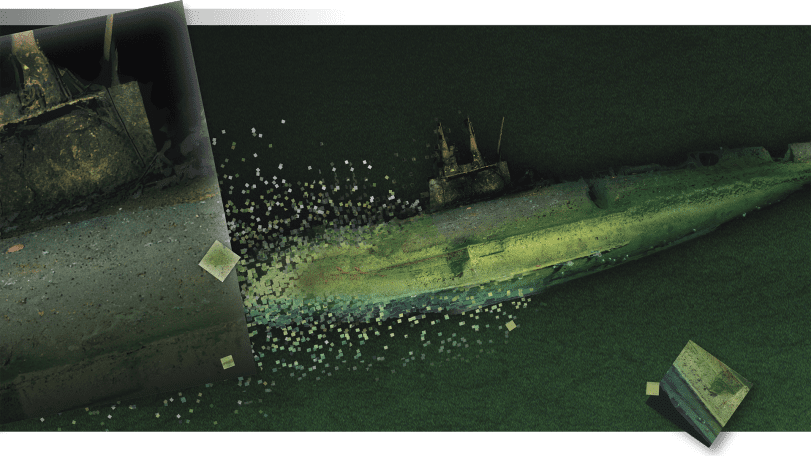
40 years after helping reveal the Titanic, Alvin returns to the North Atlantic to document two other legendary shipwrecks
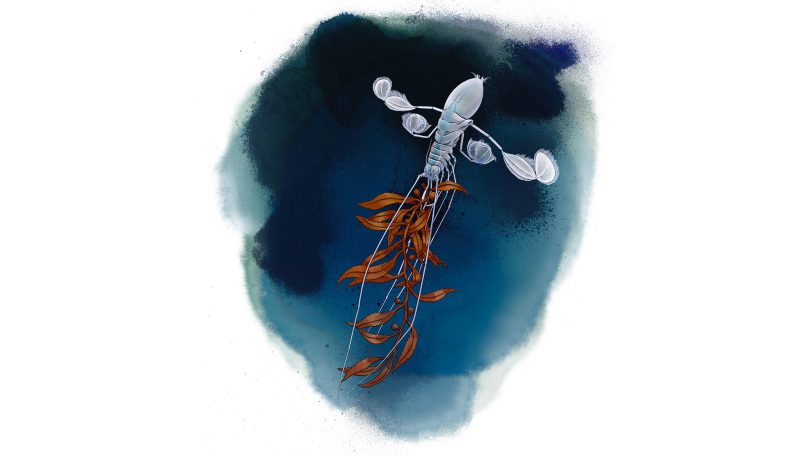
A hadal zone mystery solved
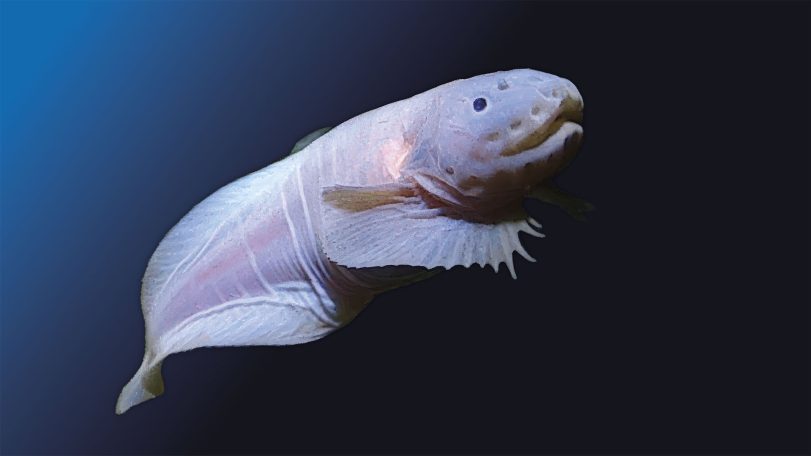
An upside-down swimming isopod shows how tightly we are connected to the deep ocean
Looking for something specific?
We can help you with that. Check out our extensive conglomeration of ocean information.
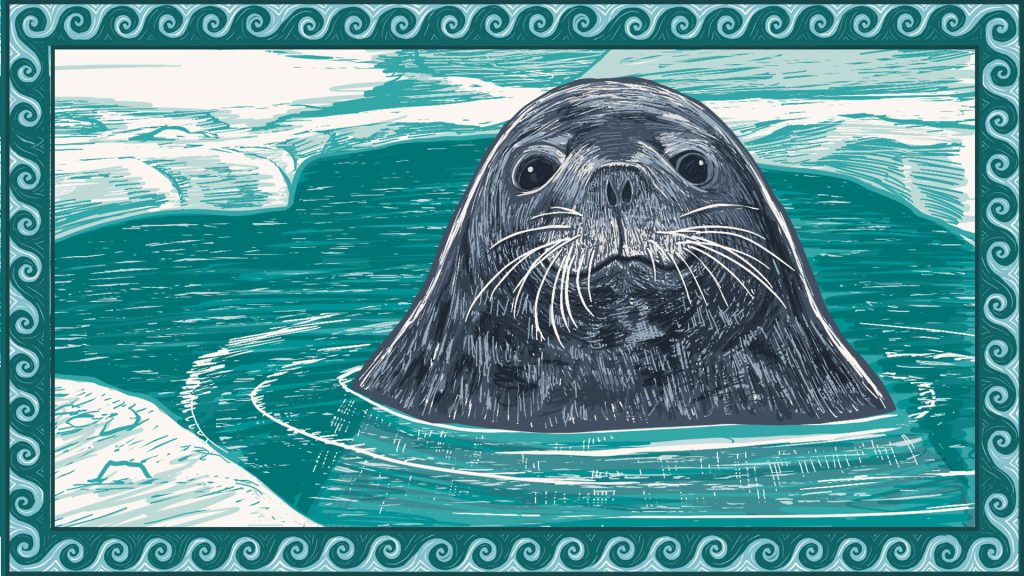
A mother seal dives
Follow a Weddell seal as her body adapts to foraging in deep, frigid waters
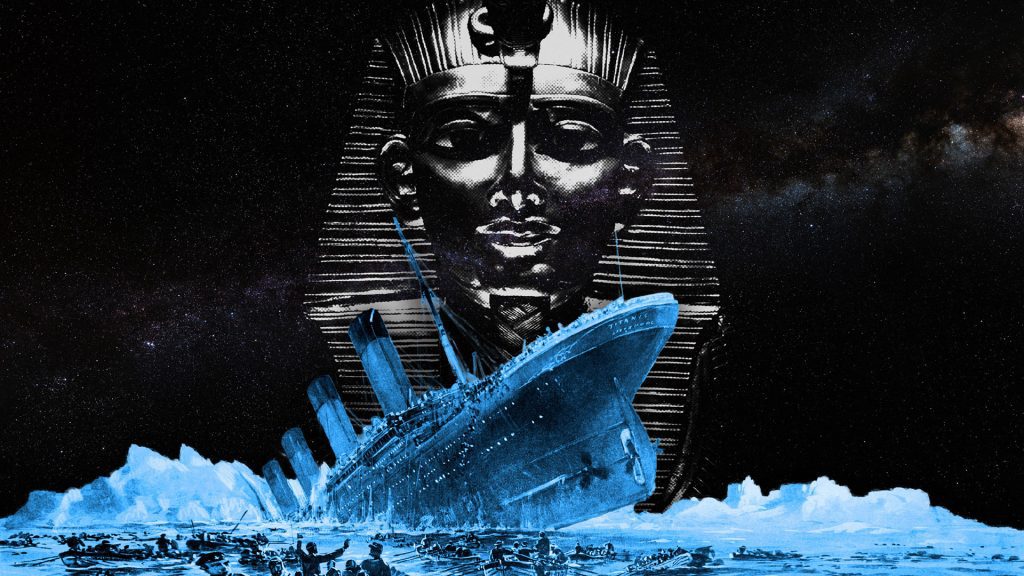
A mummy, a myth, and the Titanic
A 1986 handwritten letter to Bob Ballard revisits one of the Titanic disaster’s strangest myths
Turning motion into power: Wave energy converters for sustainable ocean monitoring
In the rapidly evolving world of ocean technology, wave energy is emerging as a promising…
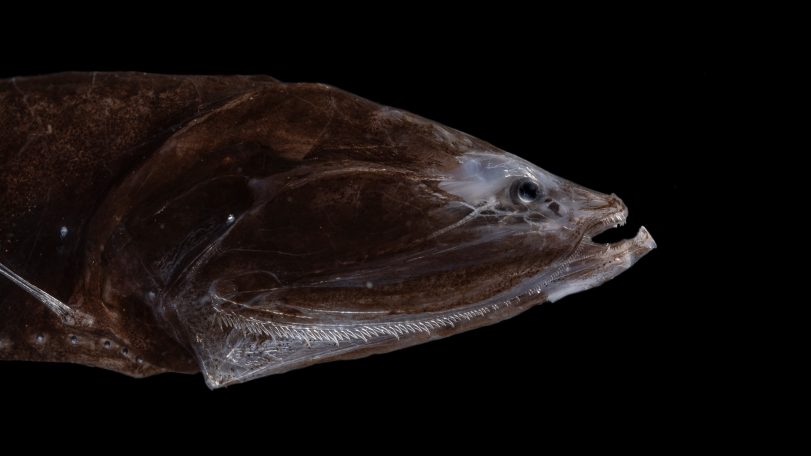
The world’s most abundant fish once thrived in an extreme climate
Fossilized teeth show bristlemouth fish evolved during one of the ocean’s hottest periods
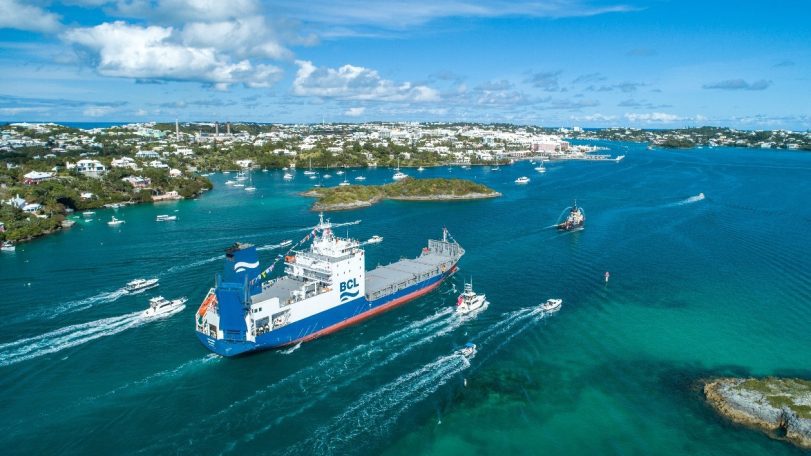
How a cargo ship is tracking hidden ocean life in the Atlantic
With funding support from CMA CGM, ocean observations aboard Bermuda Container Line’s M/V Oleander now include a window into microscopic life
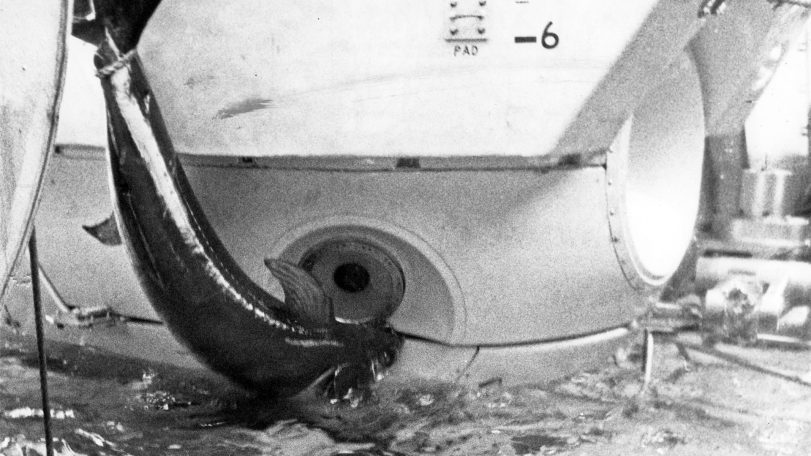
Alvin vs. the swordfish
During a 1967 dive off Florida, a startled swordfish rammed the famed submersible Alvin—lodging its sword in the hull and forcing the crew to abort the mission
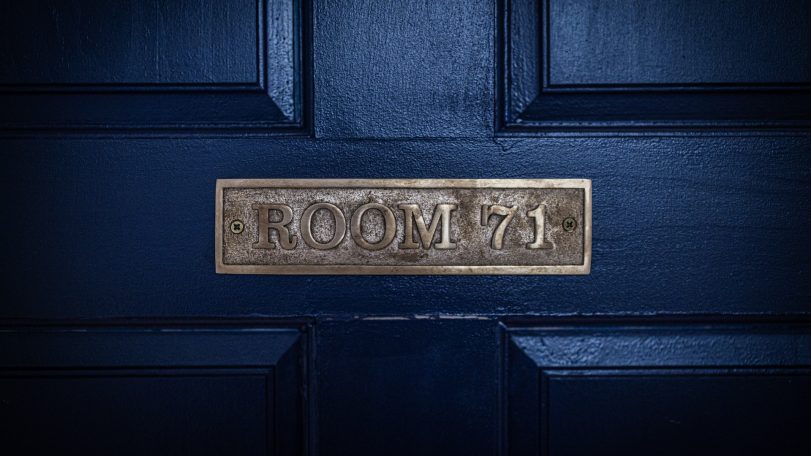
Inside Room 71: WHOI history in seven artifacts
Some of the technology, art, and gifts that tell the story of the institution’s early days
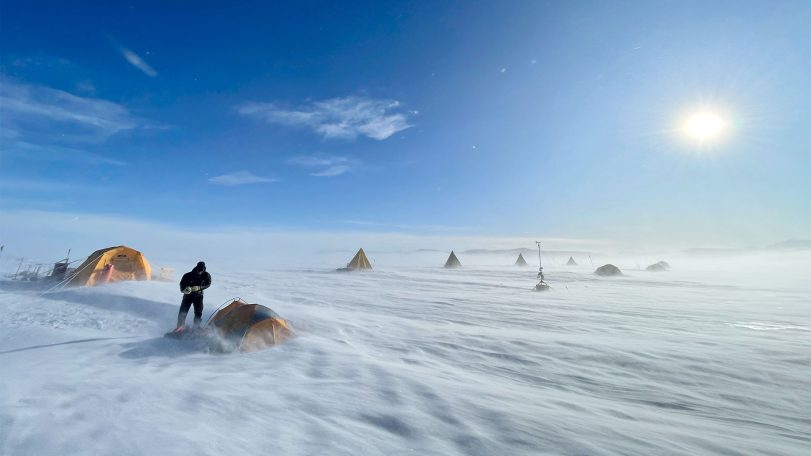
A scientist’s quest to find Earth’s oldest ice
After recovering ice that dates back 6 million years, Sarah Shackleton hopes to dig deeper into Earth’s history from a remote Antarctic moraine
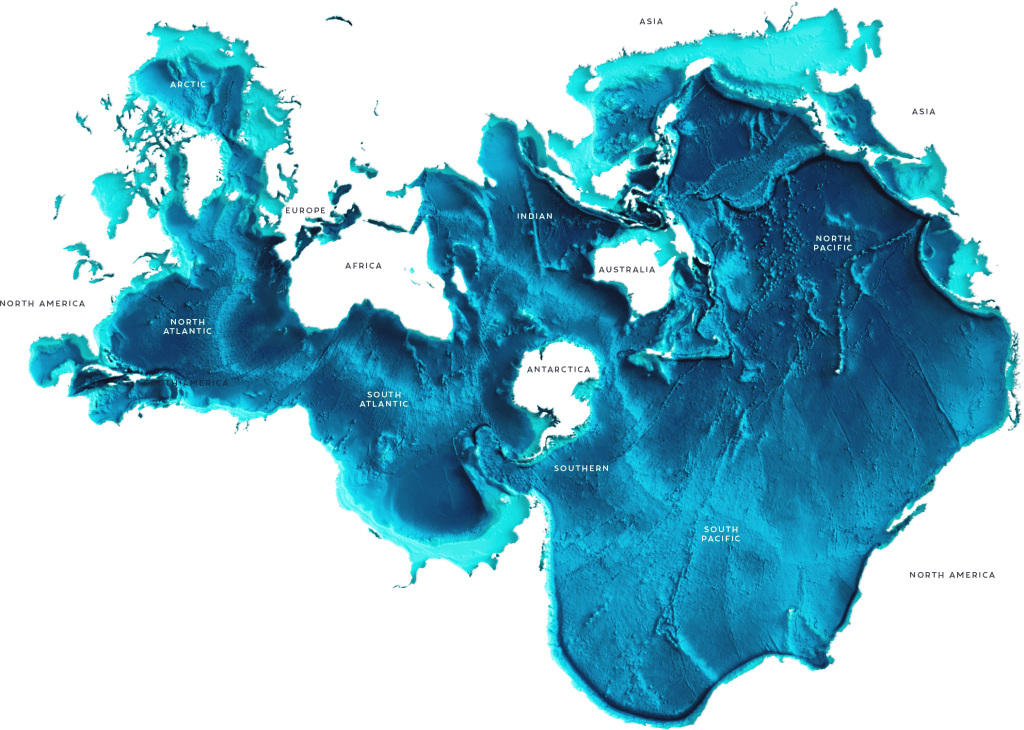
It’s the most ocean-friendly map ever created. Why haven’t more people seen it?
Discover the Spilhaus Projection, a radical world map that reveals Earth as one connected ocean—and reshapes how we see the planet.
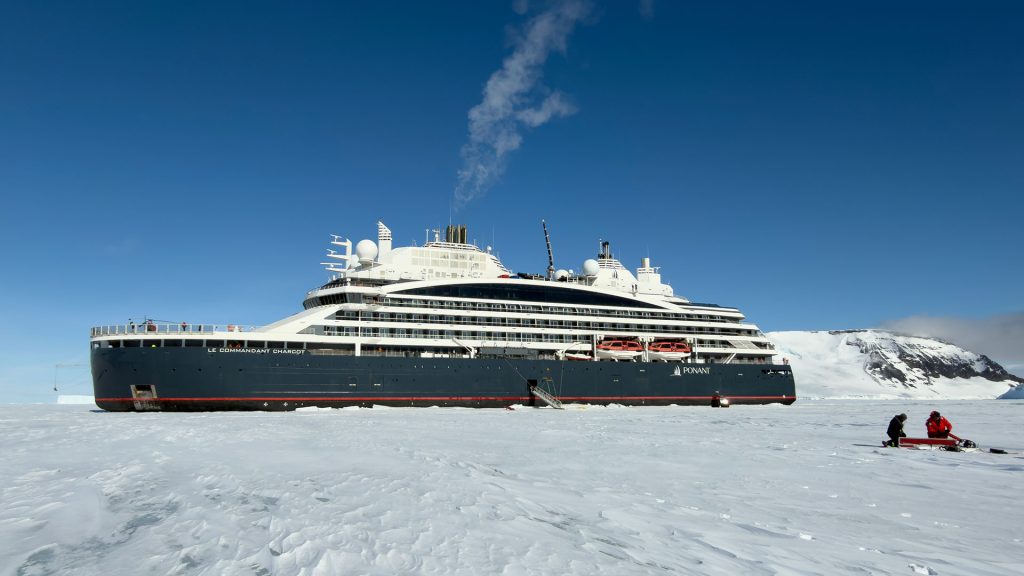
Luxury cruises with a side of climate science
A new partnership gives scientists rare access to remote Antarctic glaciers—and a new way to engage the public
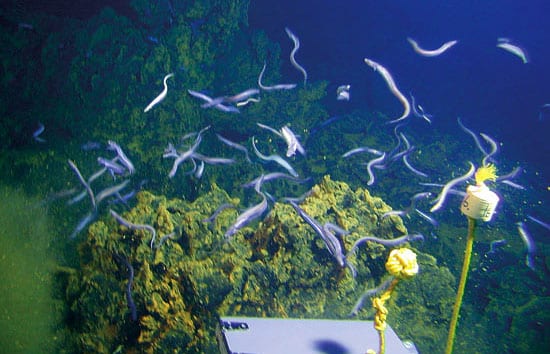
Nafanua, Eel City, and the Crater of Death
WHOI geochemist Stan Hart and colleagues have discovered a fast-growing volcano, dubbed Nafanua, inside the crater of Vailulu’u, a 14-300-foot active volcano that should begin the next island in the Samoan chain. They also found a novel hydrothermal community, which they named “Eel City,” and a lifeless zone in the caldera, which they call the “Crater of Death.”
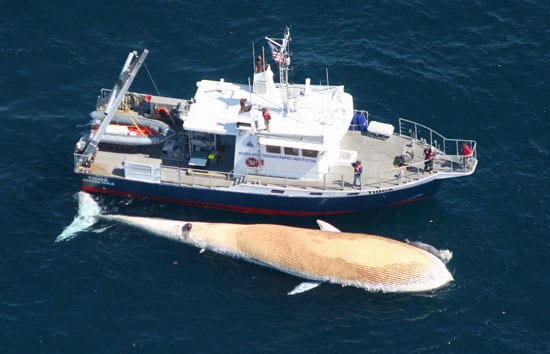
Big Whale, Big Sharks, Big Stink
A shipping tanker first spotted the whale on Sept. 9 about 24 miles southeast of…
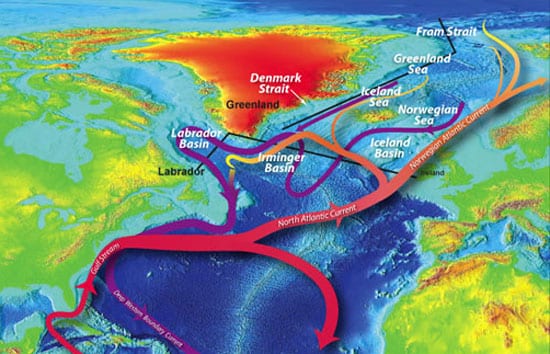
Fresher Ocean, Cooler Climate
Large and climatically sensitive regions of the North Atlantic Ocean have become less salty since the late 1960s, a trend that could alter global ocean circulation and spur climate changes by the 21st century.
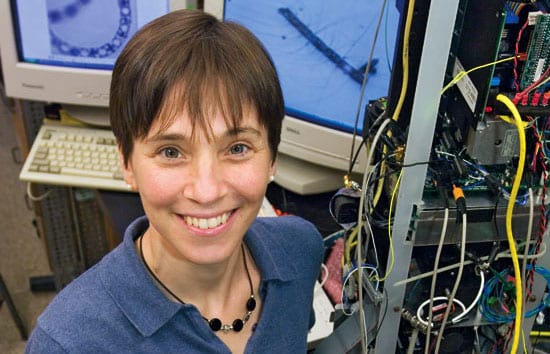
Building an Automated Underwater Microscope
A conversation with Woods Hole Oceanographic Institution biologist Heidi Sosik about her work studying phytoplankton ecology in the coastal ocean and the new instrument, the Imaging FlowCytobot, that she and biologist Rob Olson developed. Sosik describes the importance of phytoplankton to the food web and ecology of the coastal ocean, and how this new instrument, which will be deployed this summer, represents a breakthrough in year-round monitoring of coastal phytoplankton communities.
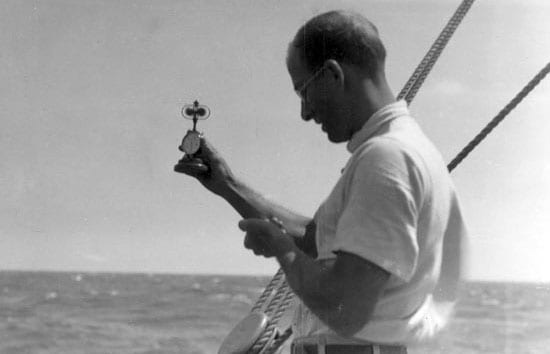
The Improbable Voyage of Al Woodcock
Al Woodcock, perhaps the last man to sail on the maiden voyage of WHOI’s first research vessel Atlantis in 1931, died Feb. 26. He was 99. A self-educated farm boy from Georgia, Woodcock was also a keen observer of the natural world. He ascended to the scientific staff at WHOI and published seminal papers on “Observations of Herring Gull Soaring,” “The Swimming of Dolphins,” and “Sea Salt in a Tropical Storm.? Starting in 1949, he published a series of seven pioneering papers on sea-salt particles and their role in the formation of fog and rain. His research gained the profound respect of the nation’s foremost scientists.
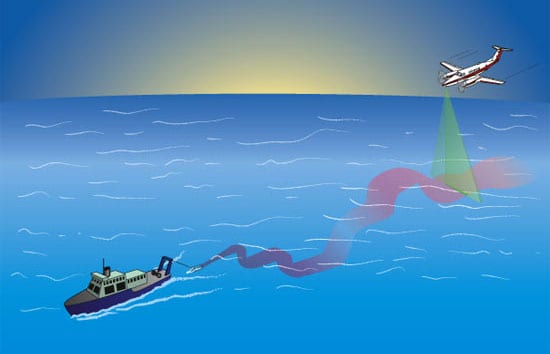
An Experiment to Dye For
WHOI scientists are exploring an experimental technique to track the complex movements of water in the oceans using harmless fluorescent dyes and airplanes equipped with Light Detection and Ranging instruments. To detect motion, LIDAR uses pulses of laser light, which cause the flowing dye to fluoresce.
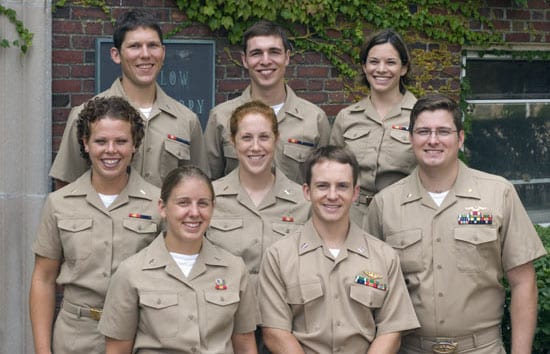
An Officer and a Graduate Student
Six hundred eighty-two students have earned master?s and doctoral degrees since the MIT/WHOI Joint Program in Oceanography/Applied Ocean Science and Engineering began in 1968. After shaking hands and accepting their diplomas, 61 of them took off their academic robes and put their Navy uniforms back on. Nine more will do so in the next two years.
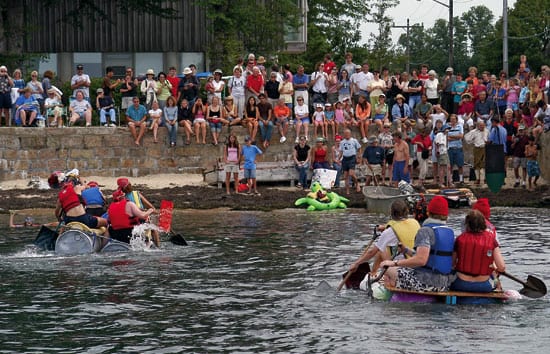
Anything-But-A-Boat Regatta
Shoveling and splashing toward a finish line ringed with spectators in Woods Hole, WHOI employees and students revived a tradition this summer: the Anything-But-A-Boat Regatta, which was first run to celebrate WHOI?s 50th year in 1980.
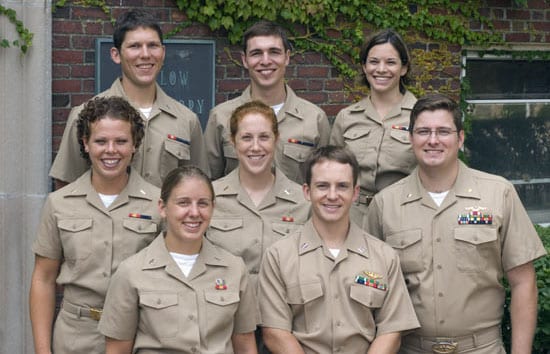
Meet the Class of 2005-2007
Nine U.S. Navy officers are pursuing graduate degrees in the MIT/WHOI Joint Program in Oceanography/Applied Ocean Science and Engineering through a special arrangement between the institutions.
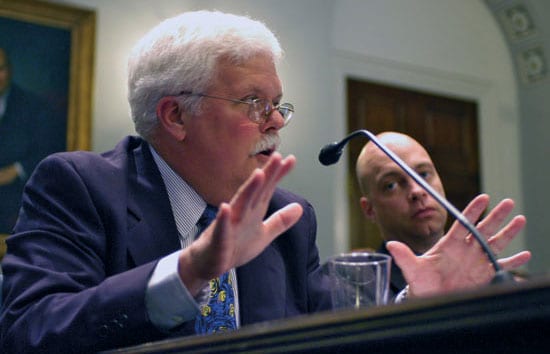
Joyce, Evans Give Testimony on Oceans to Congress
WHOI scientists Rob Evans and Terry Joyce testified June 8 before the House Subcommittee on Fisheries and Oceans, chaired by Wayne Gilchrest (R-Md.) in a continuing effort to help educate the U.S. House of Representatives on the oceans.
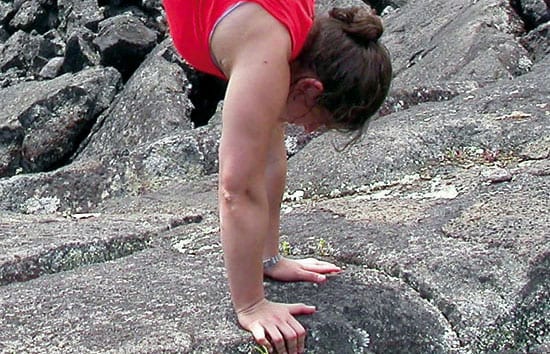
Cartwheeling Grad Student Earns Panteleyev Award
Margaret Boettcher knows a fast stress reliever: turn upside down. “Handstands and cartwheels make people…
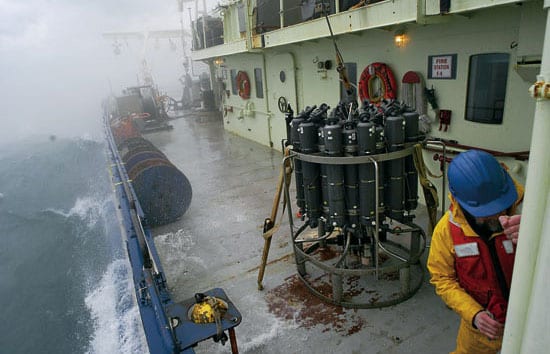
Where Currents Collide
In January 2005, a research cruise set out aboard R/V Oceanus for the tumultuous witnertime waters off Cape Hatteras—aptly nicknamed “the graveyard of the Atlantic.” During three weeks riding the waves, WHOI Research Associate Chris Linder kept a journal with pen and camera that includes “relentless North Atlantic storms battering our ship, instrument retrievals in the dead of night with blue water washing over the rail, and science gear shattered by 20-foot waves.”