
Physical Oceanography
Can We Improve Monsoon Forecasts?
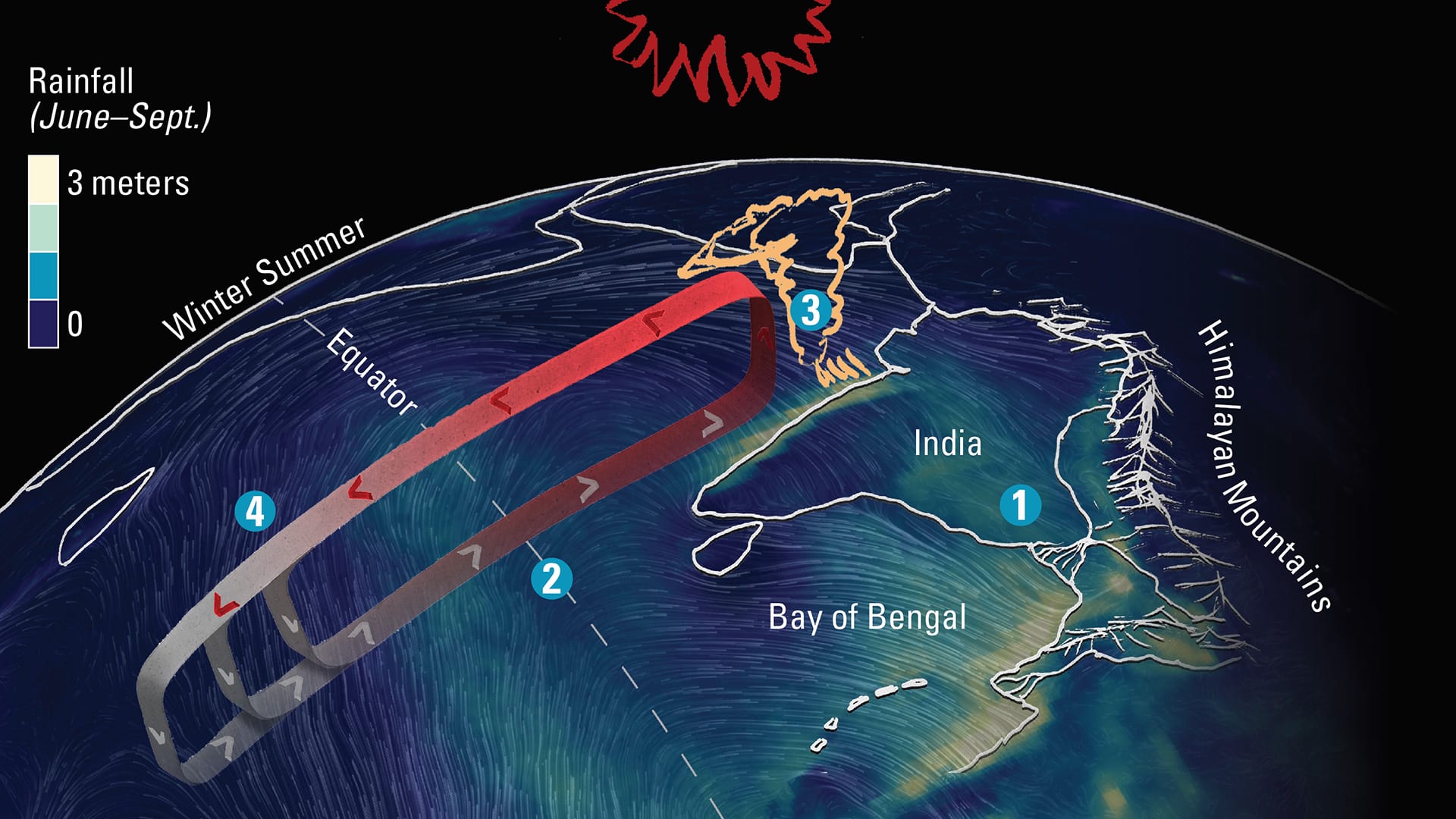
Scientists are exploring the ocean to gain new insights into forecasting the still-unpredictable monsoon rains that billions of people depend on to irrigate their crops
Read MoreAutonomous Ocean Vehicles Supply Key Data on Hurricane Florence
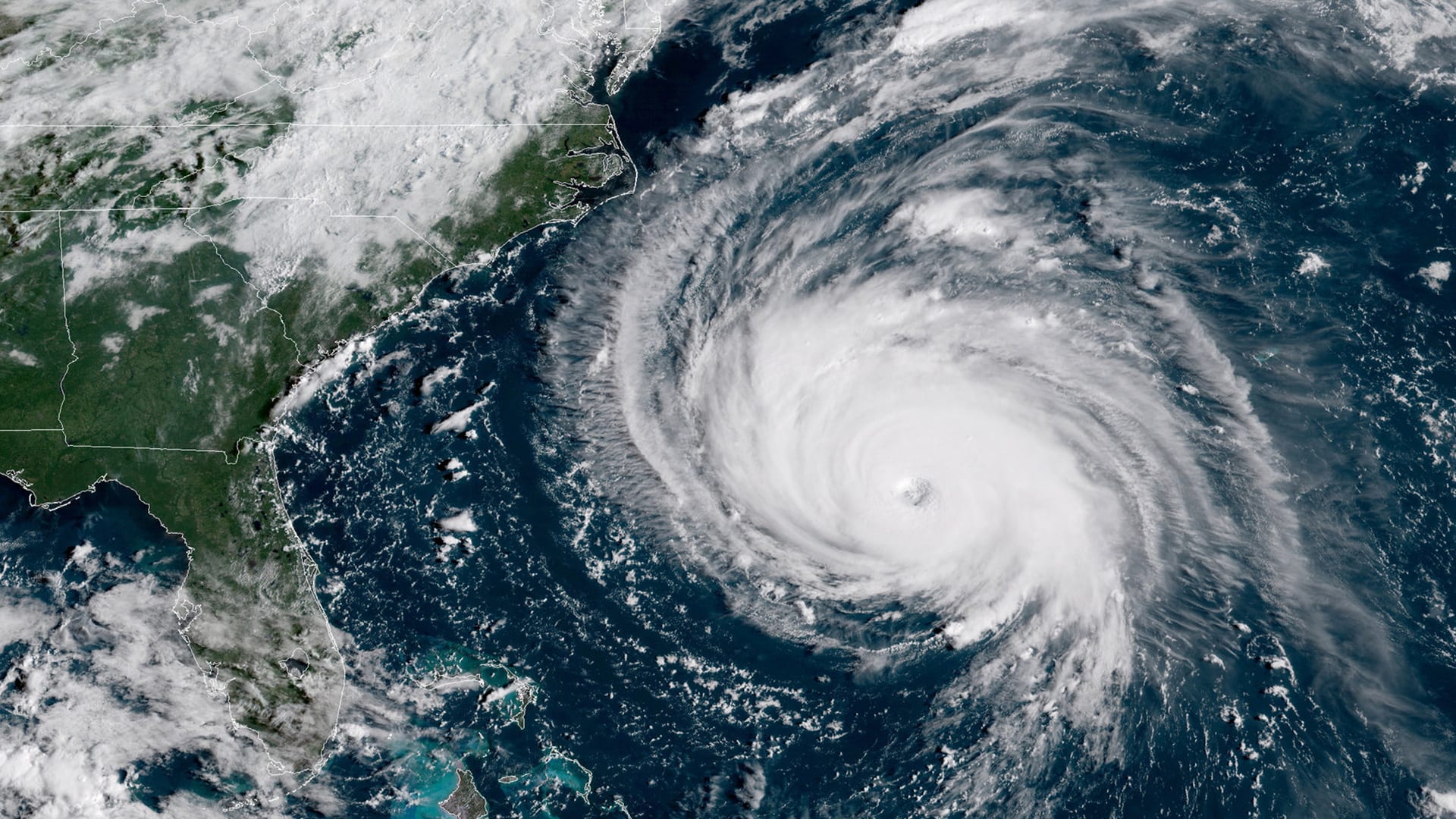
With Hurricane Florence bearing down on the North Carolina coast, researchers at Woods Hole Oceanographic Institution (WHOI) have mobilized autonomous vehicles and instruments to track changes in the ocean ahead of and beneath Florence.
Read MoreThe Recipe for a Harmful Algal Bloom
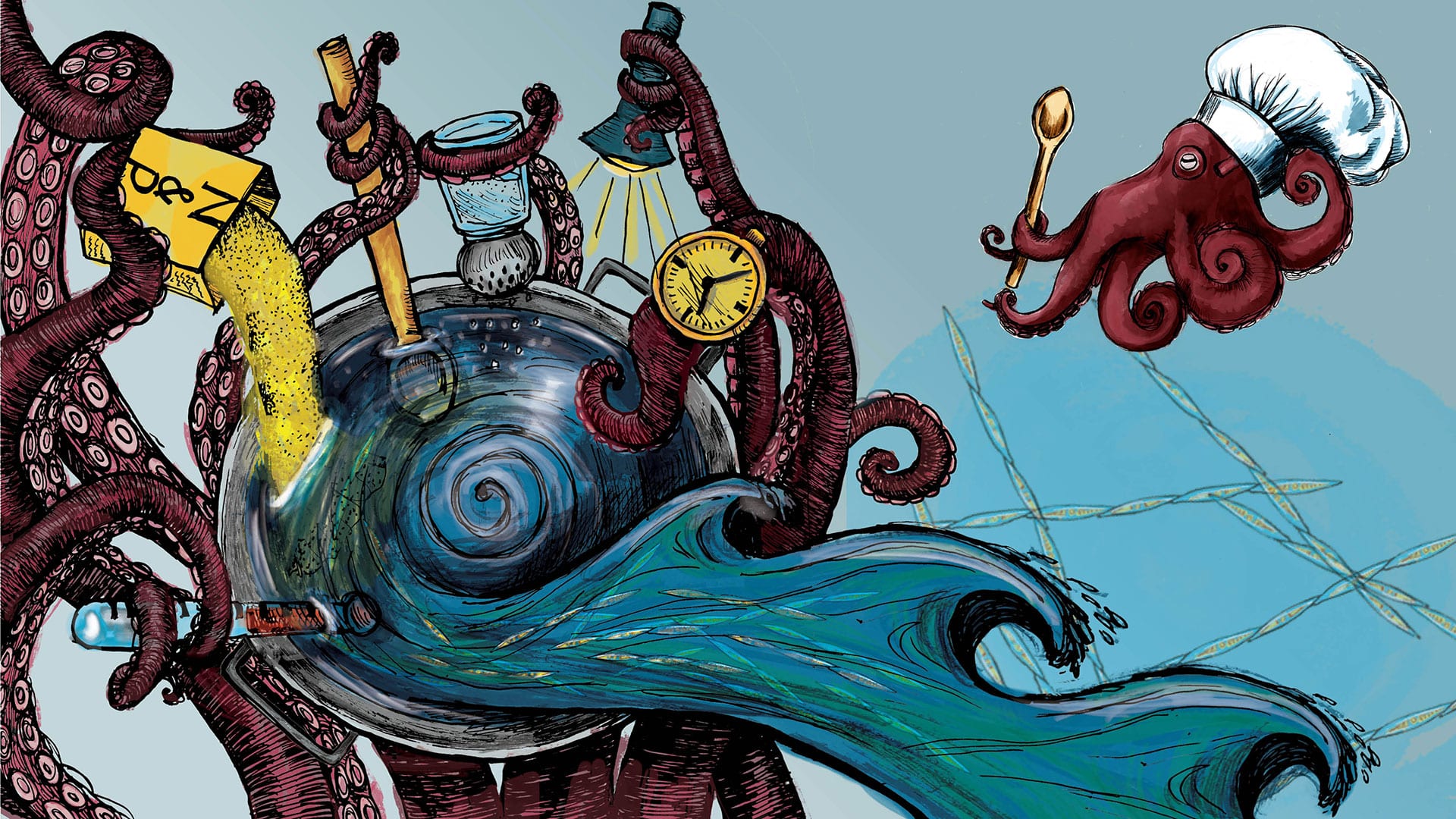
Harmful algal blooms can produce toxins that accumulate in shellfish and cause health problems and economic losses. They have increased in strength and frequency worldwide. Can we get advance warnings of when and where they will occur?
Read MoreA Hitchhiker’s Guide to the Ocean
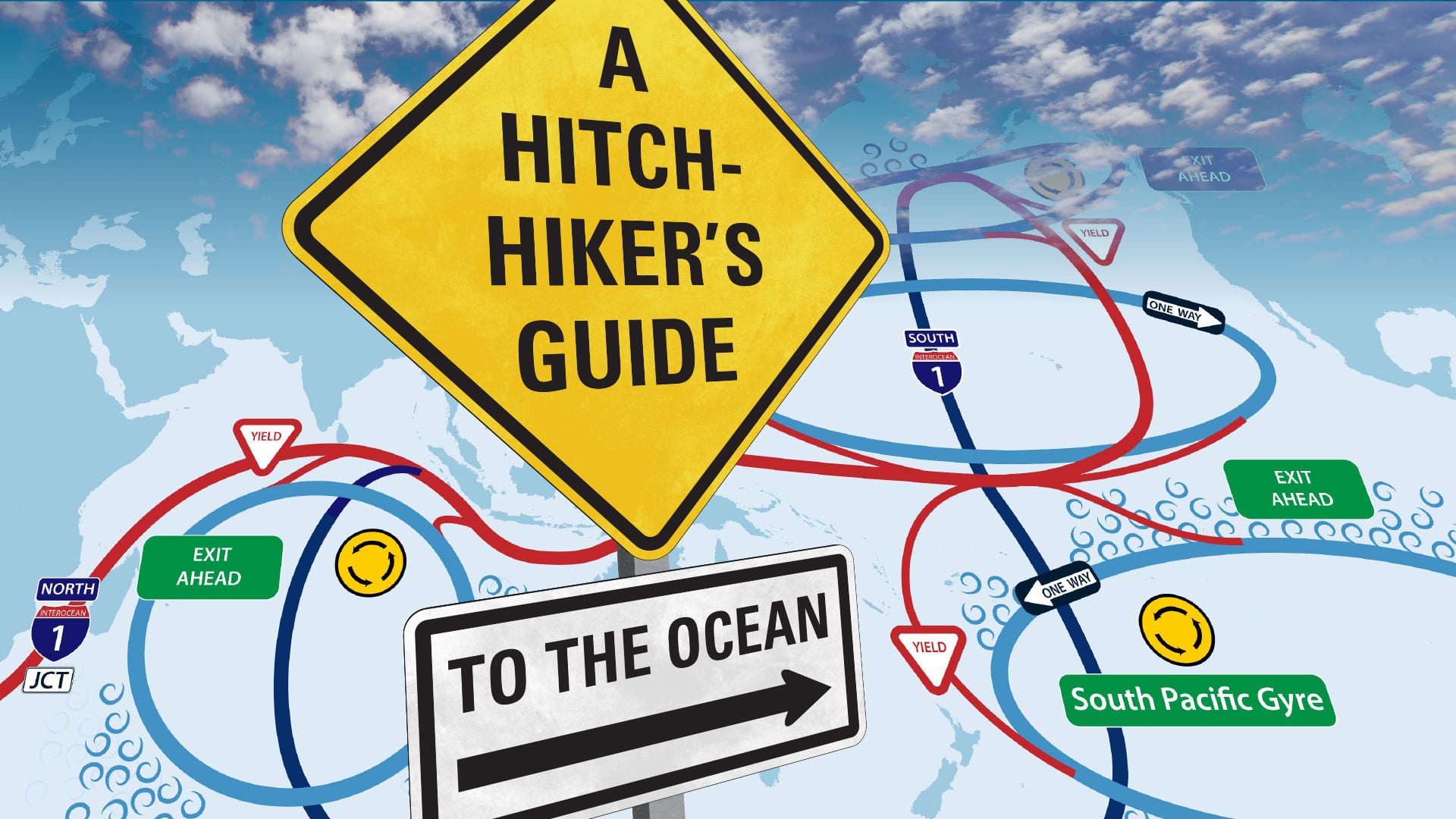
Like someone monitoring the traffic flow on a road system, MIT-WHOI Joint Program graduate student Sam Levang is examining the flow of the ocean’s global circulation, which has big impacts of our climate.
Read MoreForecasting Where Ocean Life Thrives
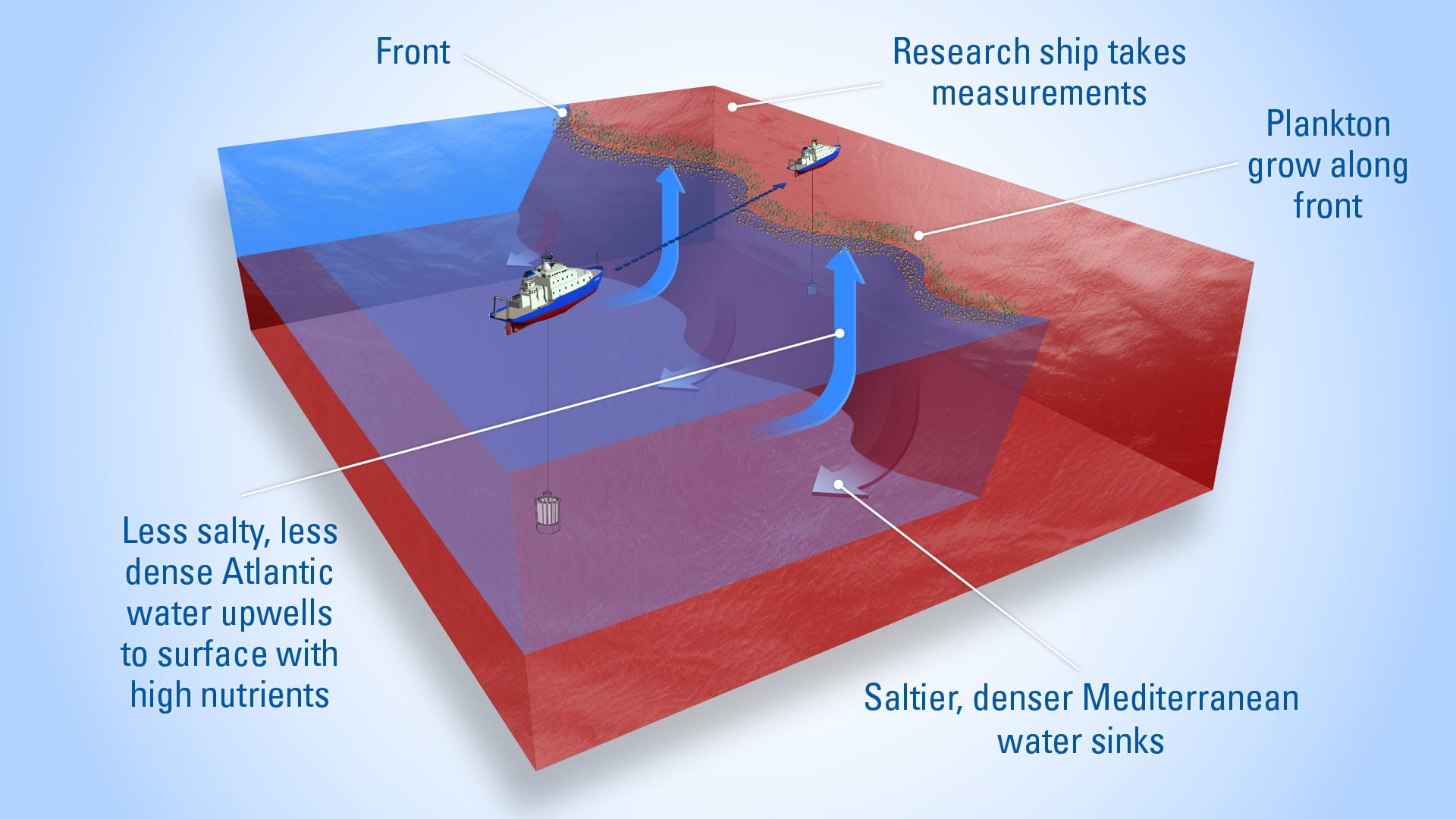
The ocean, like the atmosphere, has “fronts,” and it’s hardly quiet on them. In fact, that is where the plankton that provide the foundation of the ocean food web are most prolific.
Read MoreForecasting Future Hurricanes
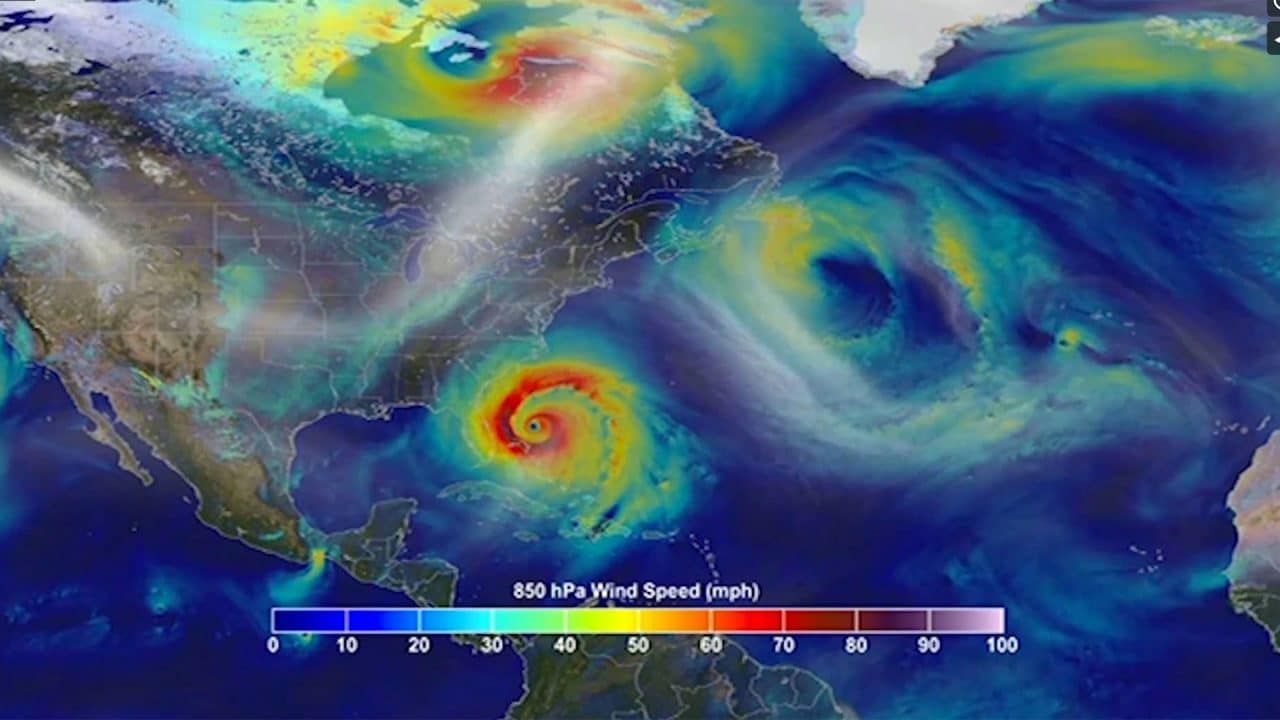
Long-term Study Focuses on New England Ocean
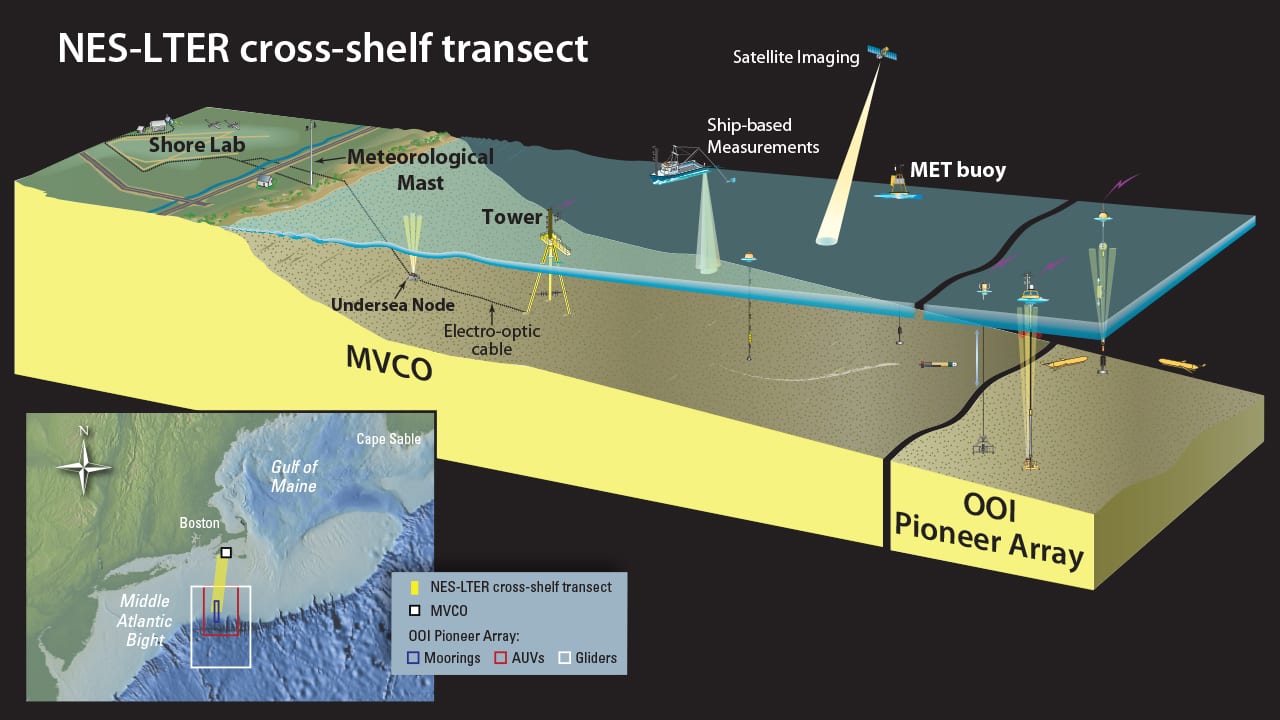
The National Science Foundation has created a new Long Term Ecological Research site off the New England coast to increase understanding of an area of the ocean known for its abundant marine life and productive commercial fisheries.
Read MoreOcean Observatories Initiative
Sailors and scientists have gone to sea for centuries to unravel the inner workings of the watery region that covers two-thirds of our planet. But they have always had to…
Read MoreAqua Incognita
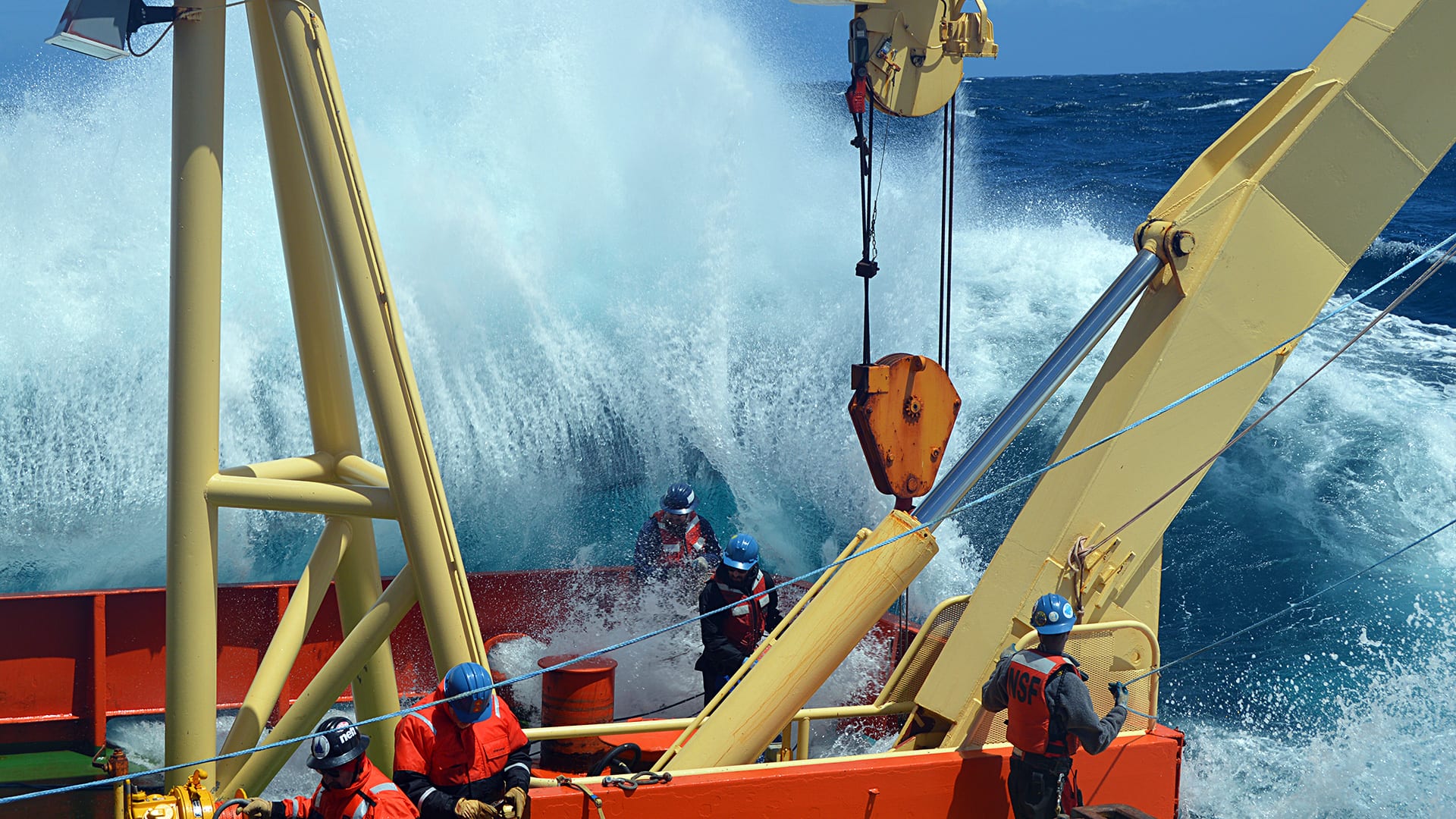
There is a jar of money in the conference room of the Mooring Operations & Engineering (MOE) team at Woods Hole Oceanographic Institution. It is a United Nations kaleidoscope of…
Read MorePinocchio’s Nose
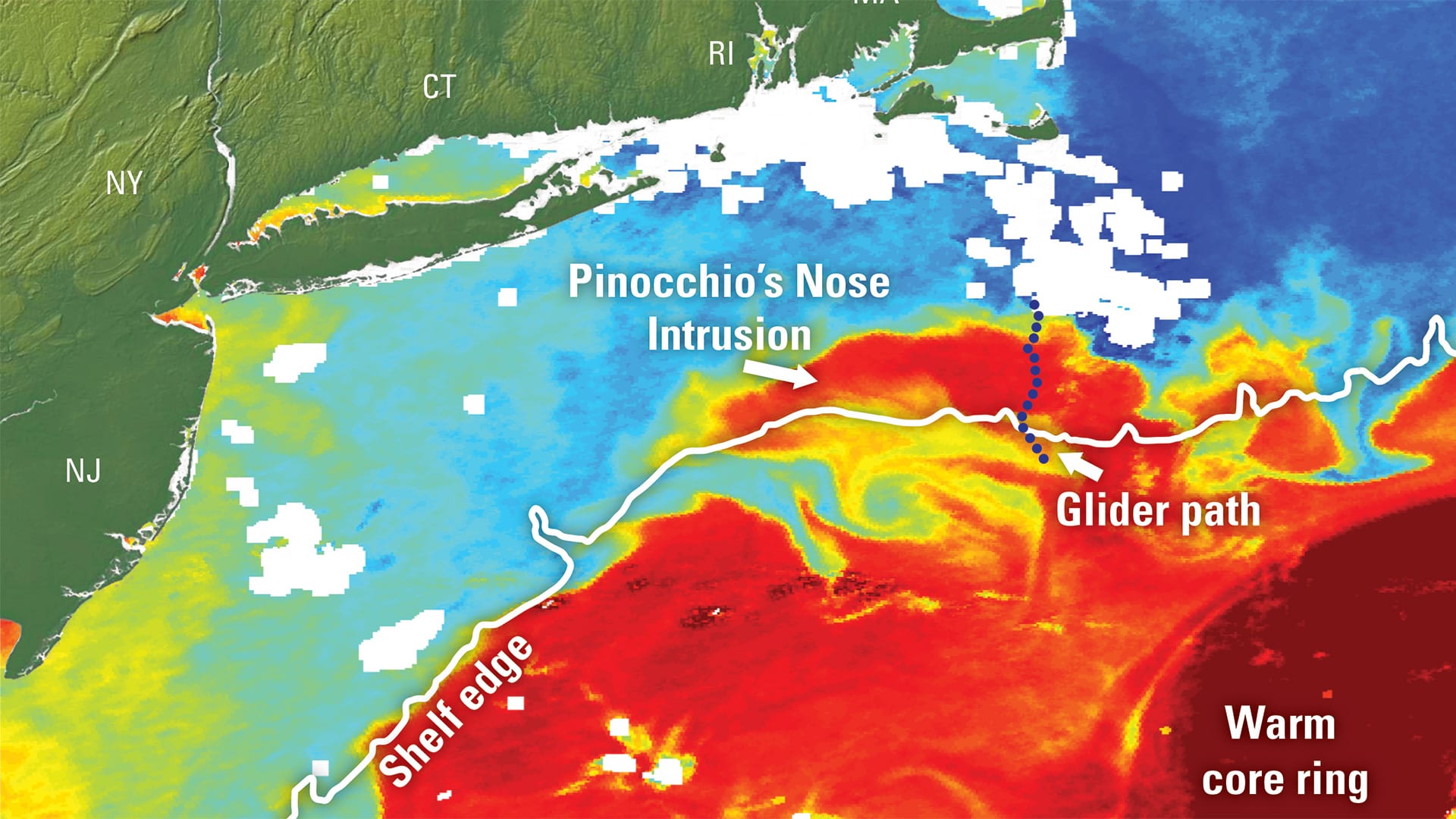
It took only a month for the new Ocean Observatories Initiative (OOI) to reveal insights about shifting ocean circulation patterns that could have major impacts on marine life and fisheries…
Read MoreThinking Global
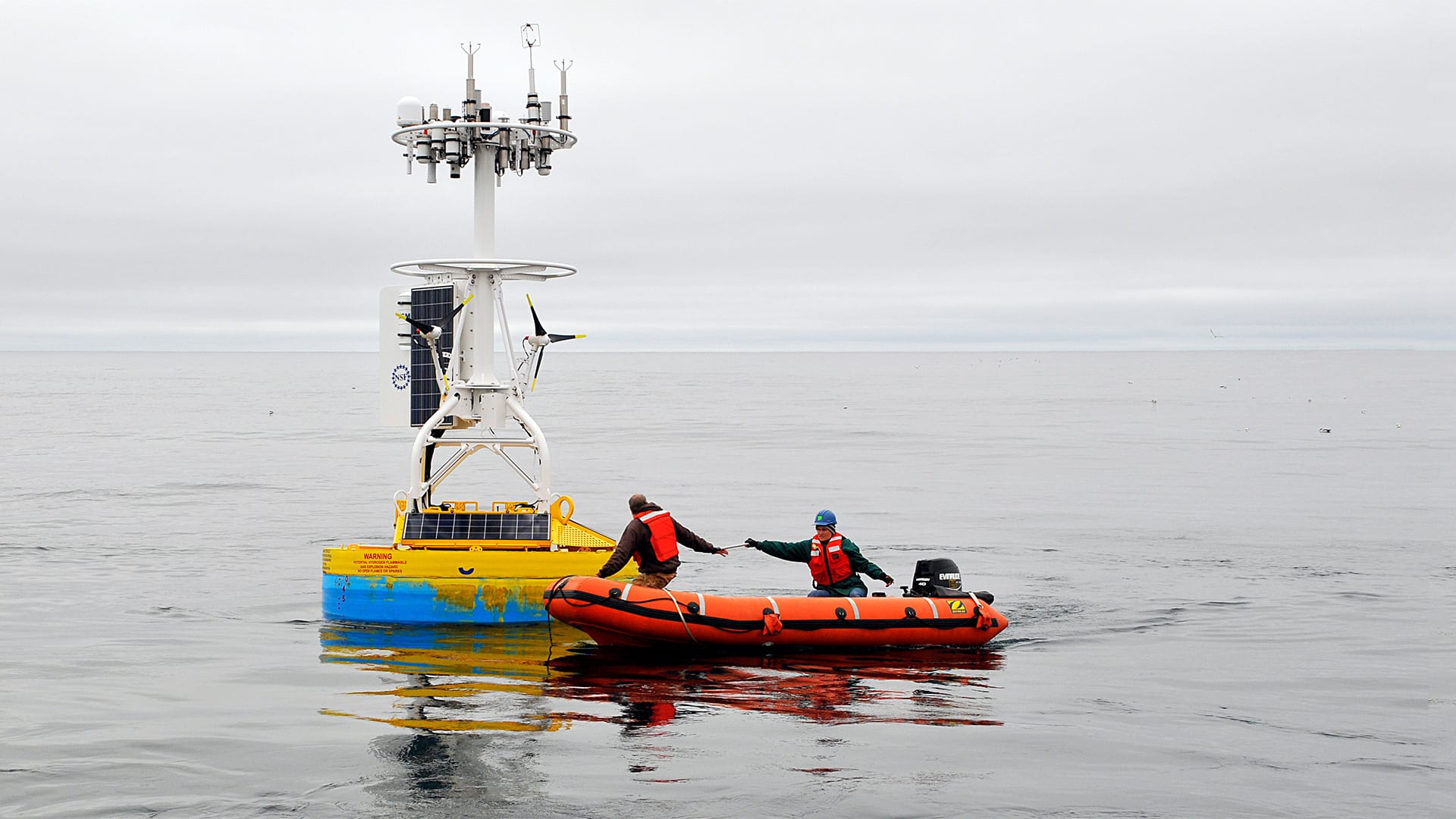
The Global Array component of the Ocean Observatories Initiative initially included four remote, high-latitude locations, selected for scientifically strategic reasons: Irminger Sea (60°N, 39°W) WHOI physical oceanographer Bob Pickart has…
Read MoreDiving for Data
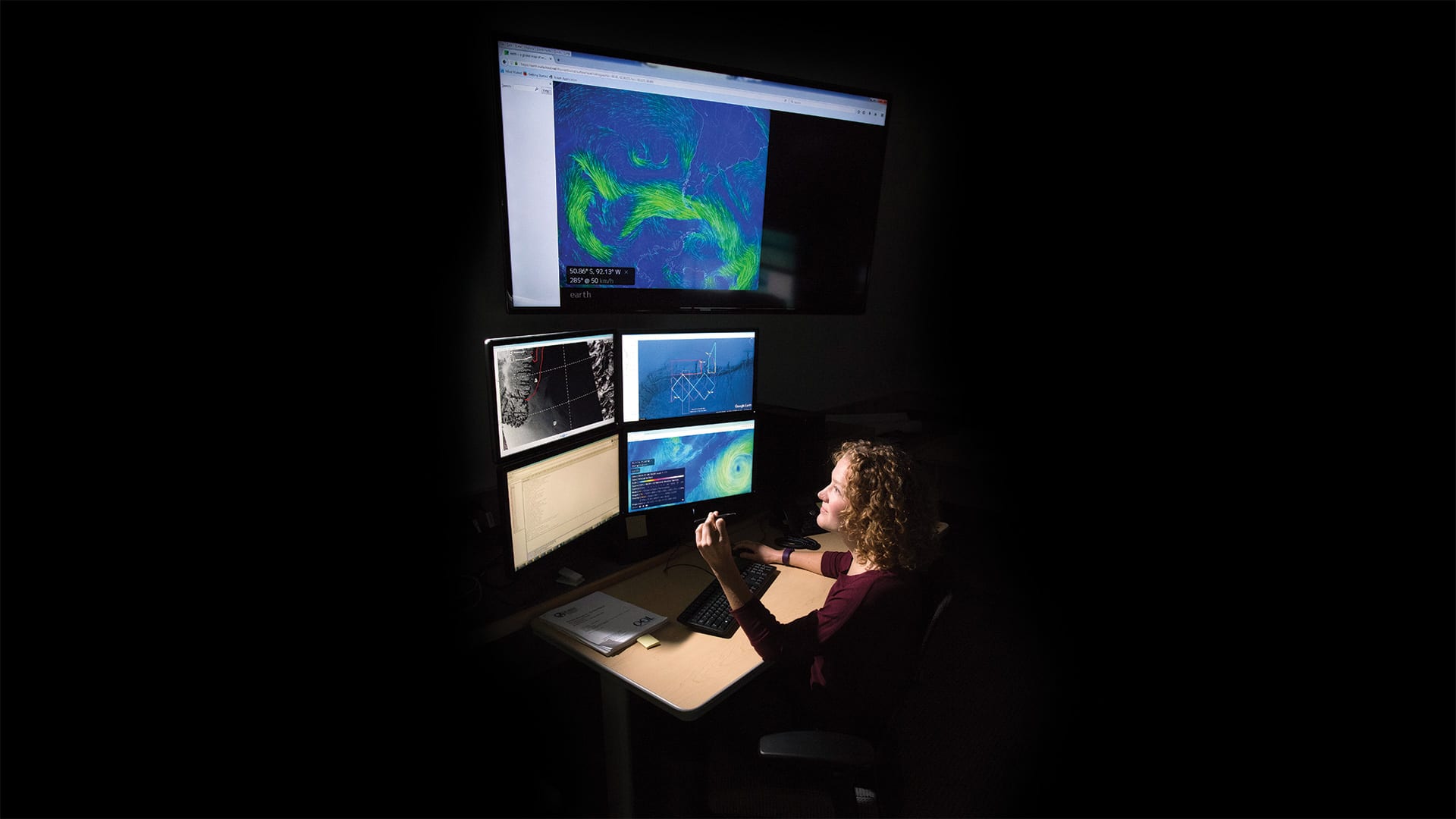
It’s the middle of the night on Cape Cod, Mass. Thousands of miles away in the South Atlantic off the coast of Argentina, a bright yellow torpedo-shaped drone floats up…
Read MoreA Pioneering Vision
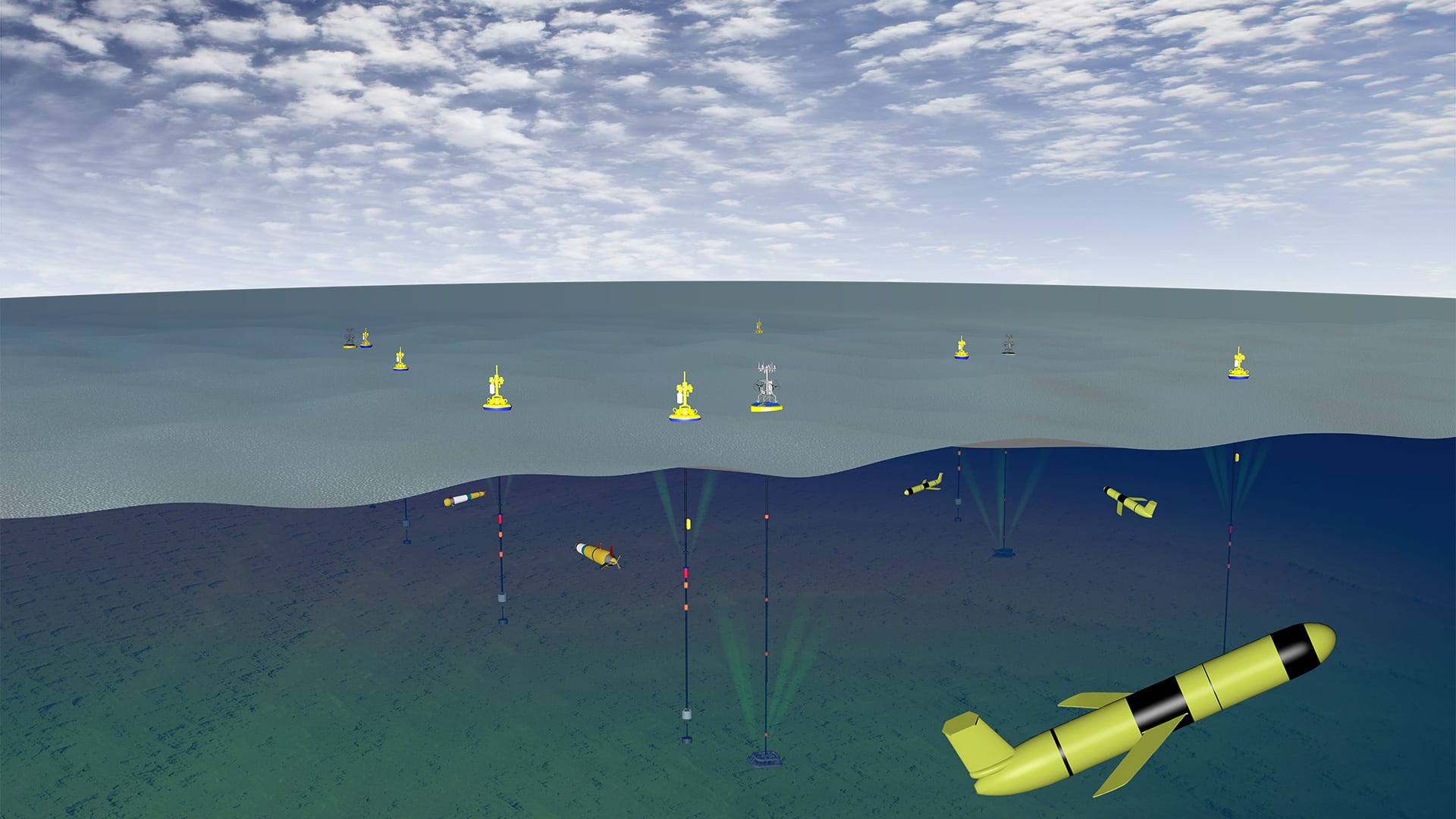
In 2005, scientists at Woods Hole Oceanographic Institution devised a revolutionary plan: They would deploy about 150 scientific instruments in coastal waters south of Martha’s Vineyard to try to understand…
Read MoreNew Air-Launched Devices Help Study Hurricanes
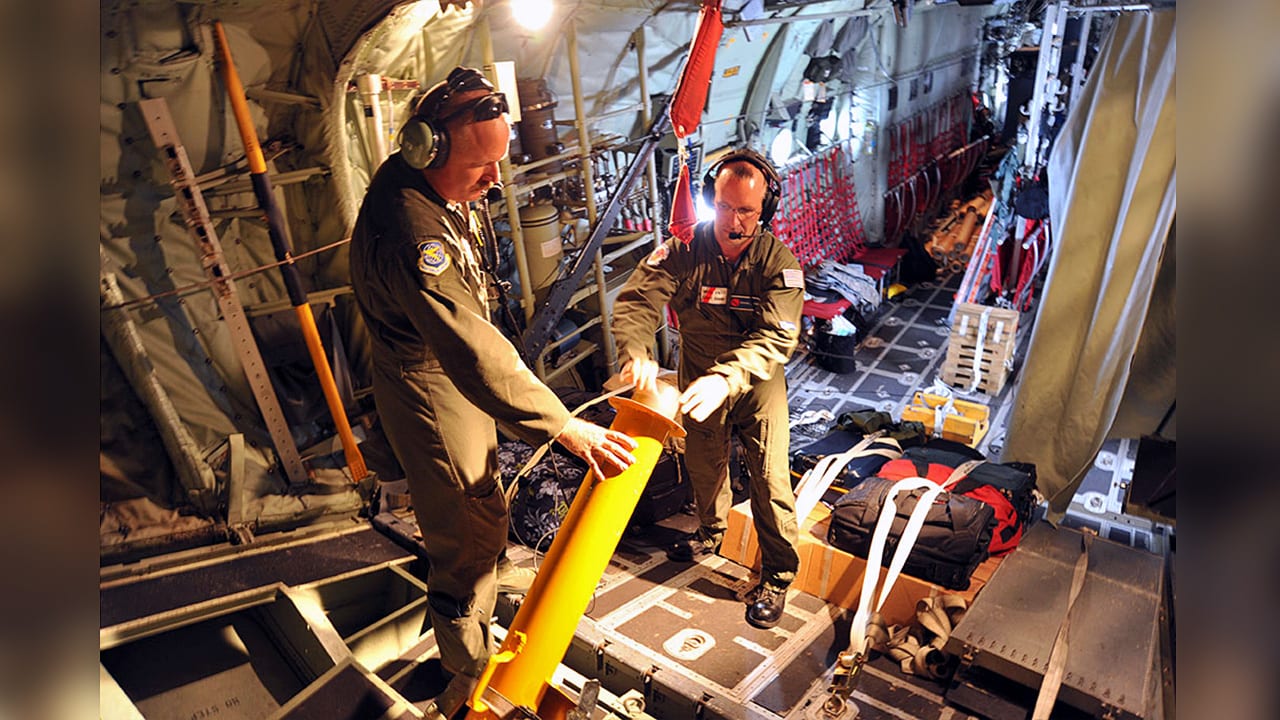
A new breed of autonomous profiling “ALAMO” floats is giving scientists and forecasters a look at the way hurricanes grow or fade as they mix the ocean in their path.
Read MoreExtreme Climate
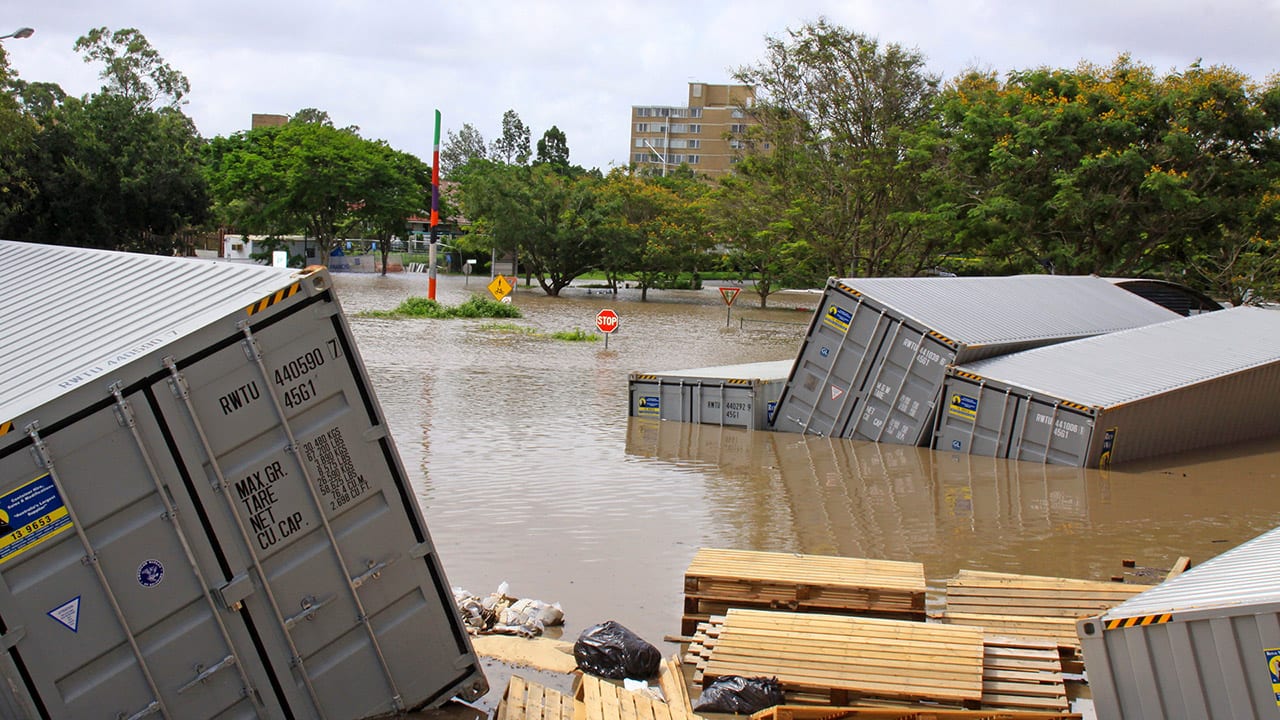
Extreme climatic events such as unusually severe storms and droughts can have profound consequences for life both on land and in the ocean. Woods Hole Oceanographic Institution climate scientist Caroline Ummenhofer studies the ocean’s role in the global water cycle and its effects on extreme weather and climate.
Read MoreTo Forecast Rain, Look to the Ocean
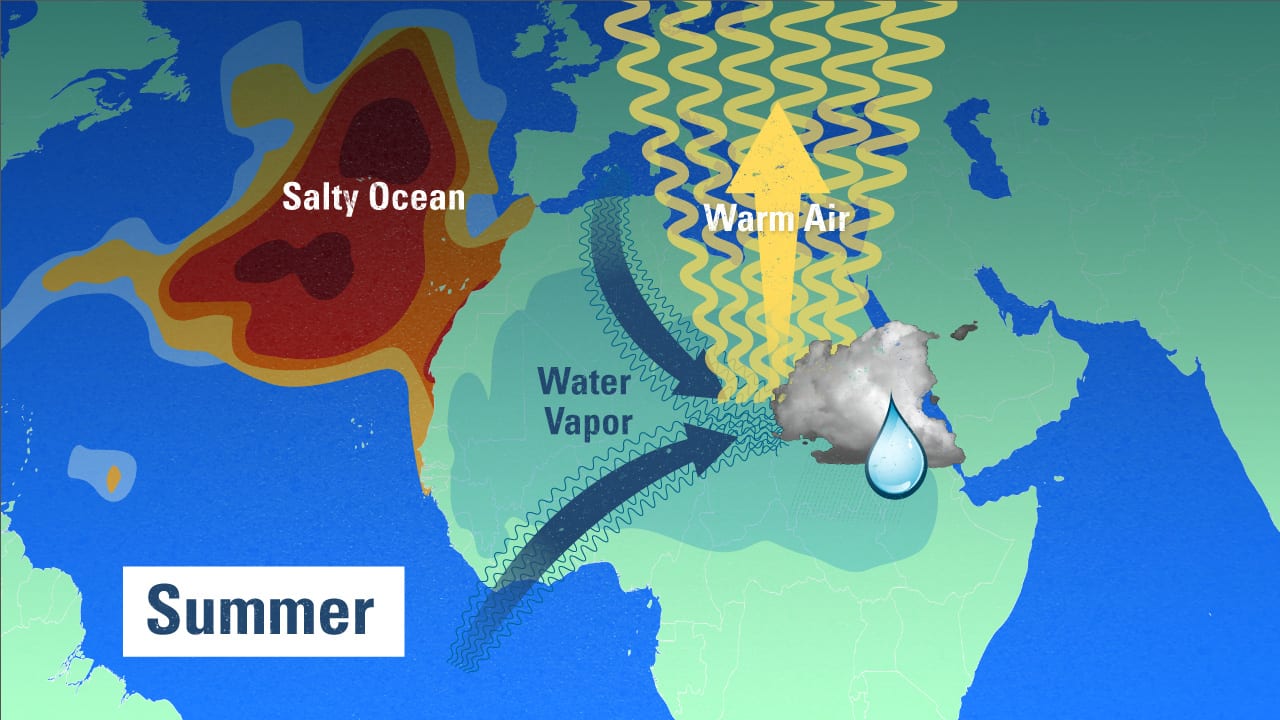
Ever since humans have existed on Earth, they have looked to the heavens to forecast rain. But more reliable clues may lie in the ocean. New research by scientists at…
Read MoreThe Hotspot for Marine Life
The continental shelfbreak in the waters off New England is an area where a spectacular abundance and diversity of marine life aggregate year-round. The Pioneer Array, a part of the NSF-funded Ocean Observatories Initiative, was placed there to help scientists explore the processes that make the shelfbreak so productive.
Read MoreScientist-Fisherman Partnership
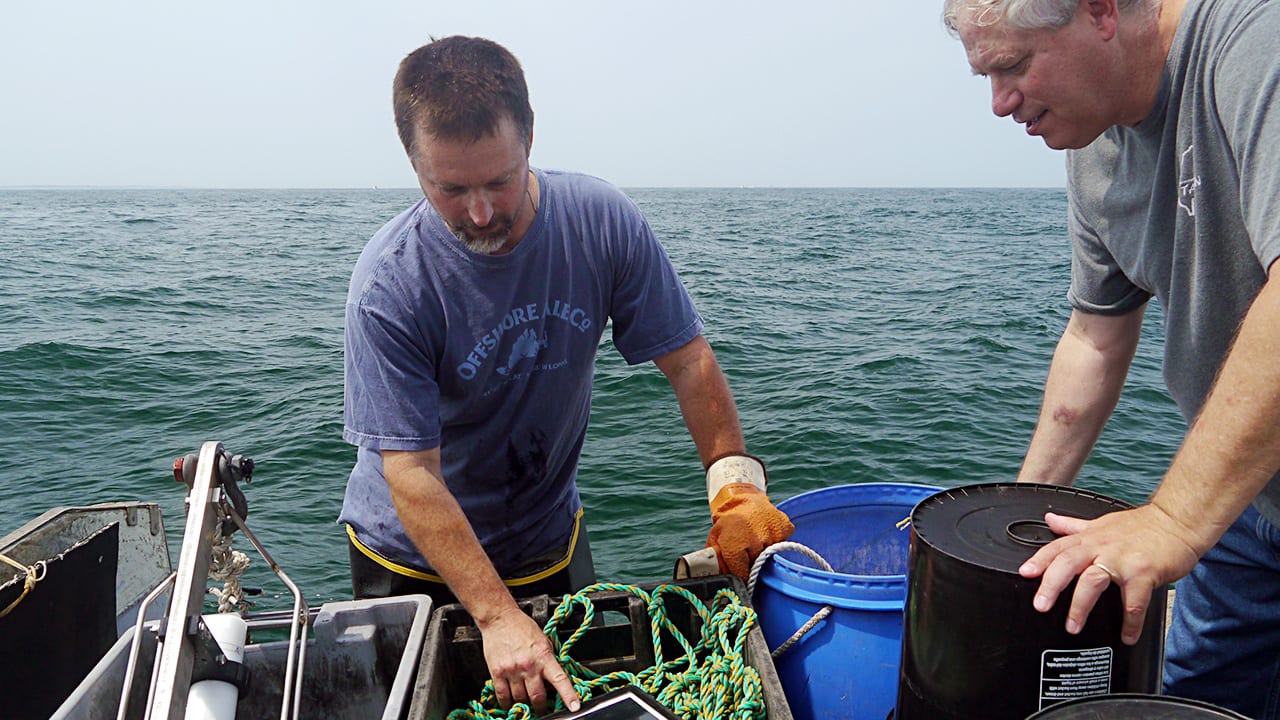
WHOI physical oceanographer Glen Gawarkiewicz is enlisting the help of local fishermen to find out how climate change is affecting water conditions along the southern New England coast.
Read MoreAntarctic Bottom Waters Freshening at Unexpected Rate
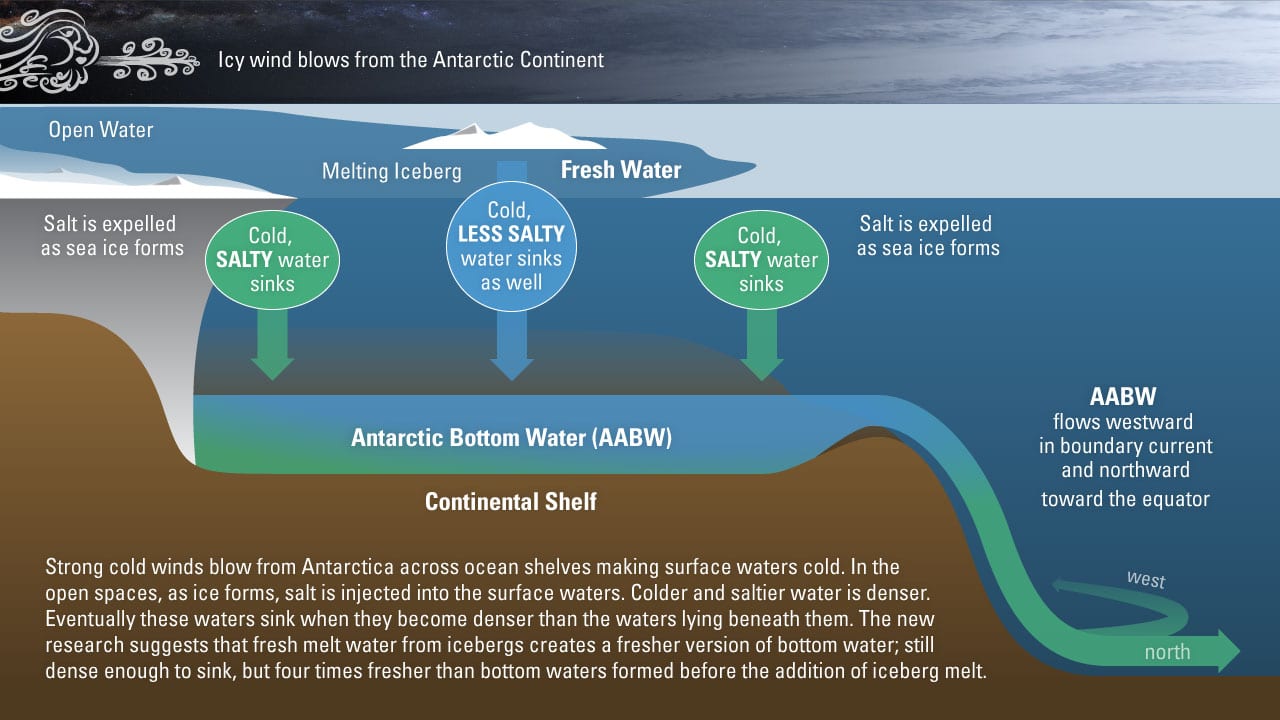
In the cold depths along the sea floor, Antarctic Bottom Waters are part of a critical part of the global circulatory system. Over the last decade, scientists have been monitoring changes in these waters, but a new WHOI study suggests these changes are themselves shifting in unexpected ways, with potentially significant consequences for the ocean and climate.
Read MoreAll the Ocean’s a Stage
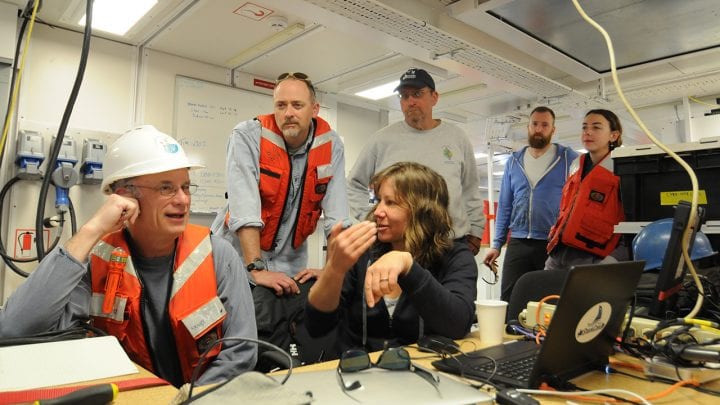
“All right, Mr. Brickley, the show begins at two o’clock,” John Kemp announced as he entered the ship’s main lab on Saturday afternoon. Kemp is the deck operations leader for…
Read MoreSalty Oceans Can Forecast Rain on Land
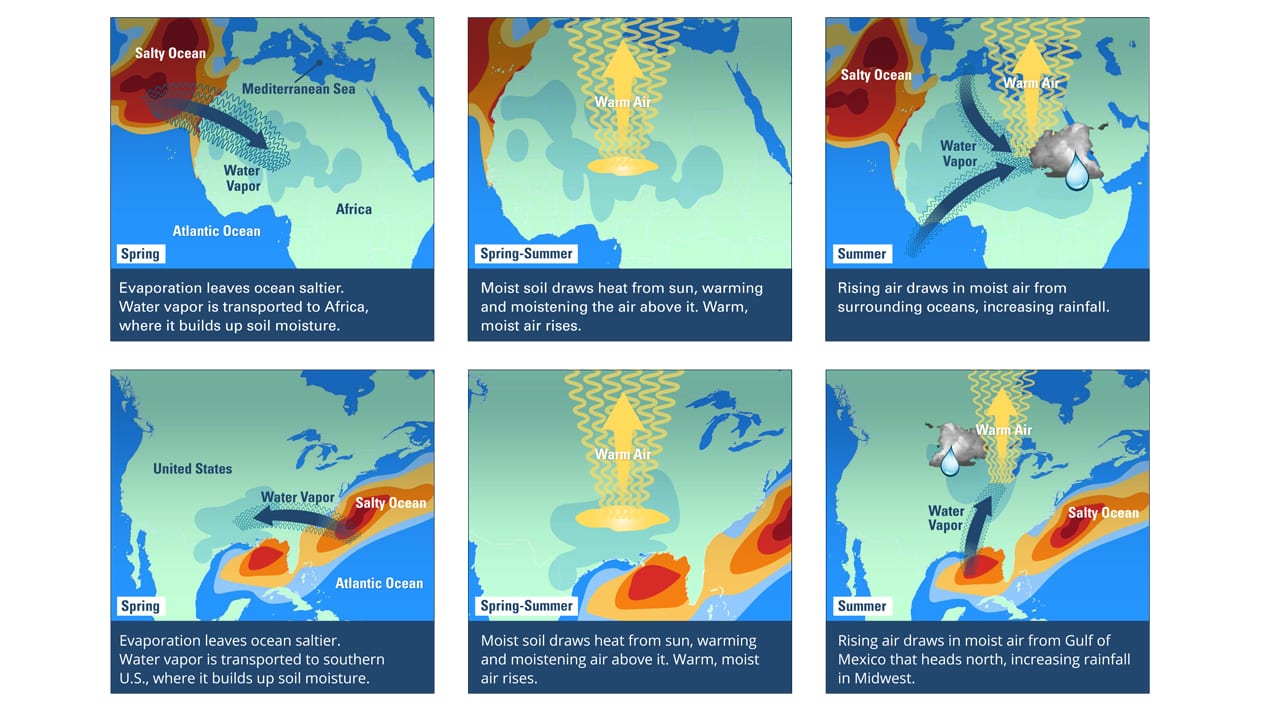
At this week’s American Geophysical Union meeting, a team of researchers from the Woods Hole Oceanographic Institution (WHOI) presented their latest research findings on the long-range predictions of rainfall on land. Their method is based on ocean salinity rather than sea surface temperatures, which has been the standard for decades.
Read MoreWarming Ocean Drove Catastrophic Australian Floods
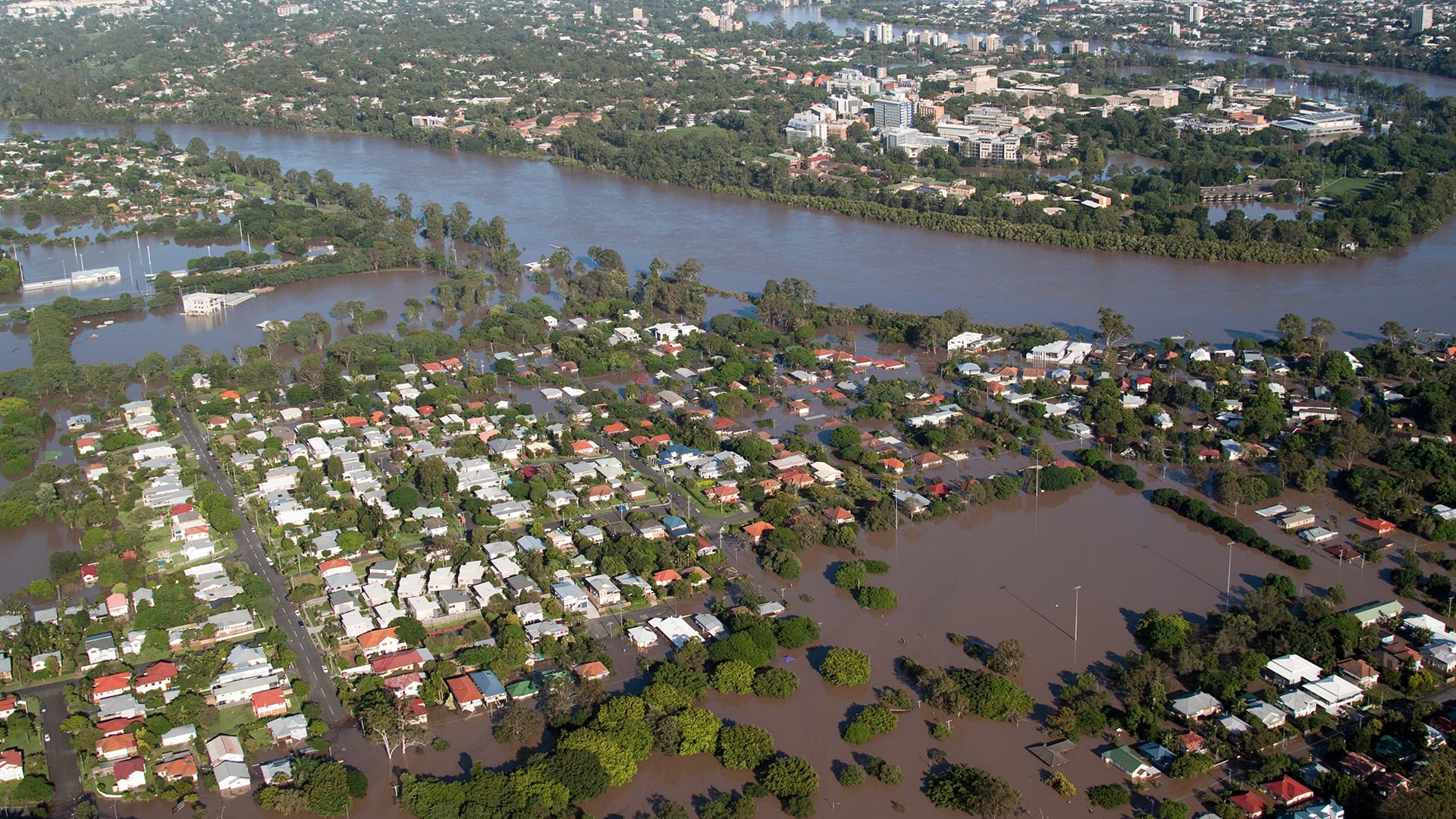
New research by Woods Hole Oceanographic Institution physical oceanographer Caroline Ummenhofer and Australian scientists suggests that long-term warming of the Indian and Pacific Oceans is increasing the risk of heavy rains in the region.
Read MoreA Slithery Ocean Mystery
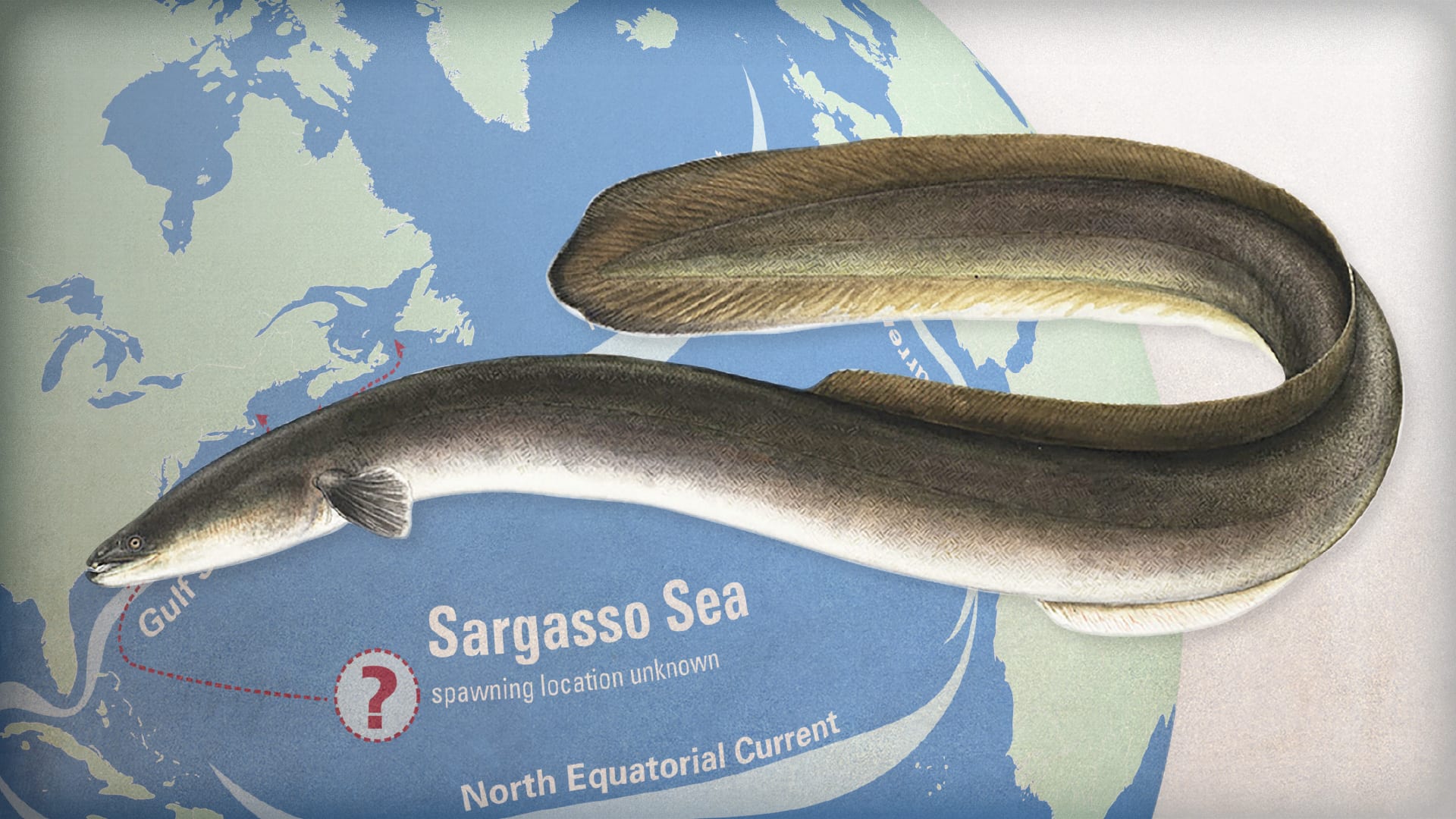
It’s an enduring mystery: How do tiny eel larvae make their way from the Sargasso Sea to coastal freshwater estuaries where they grow up?
Read MoreSigns of Big Change in the Arctic
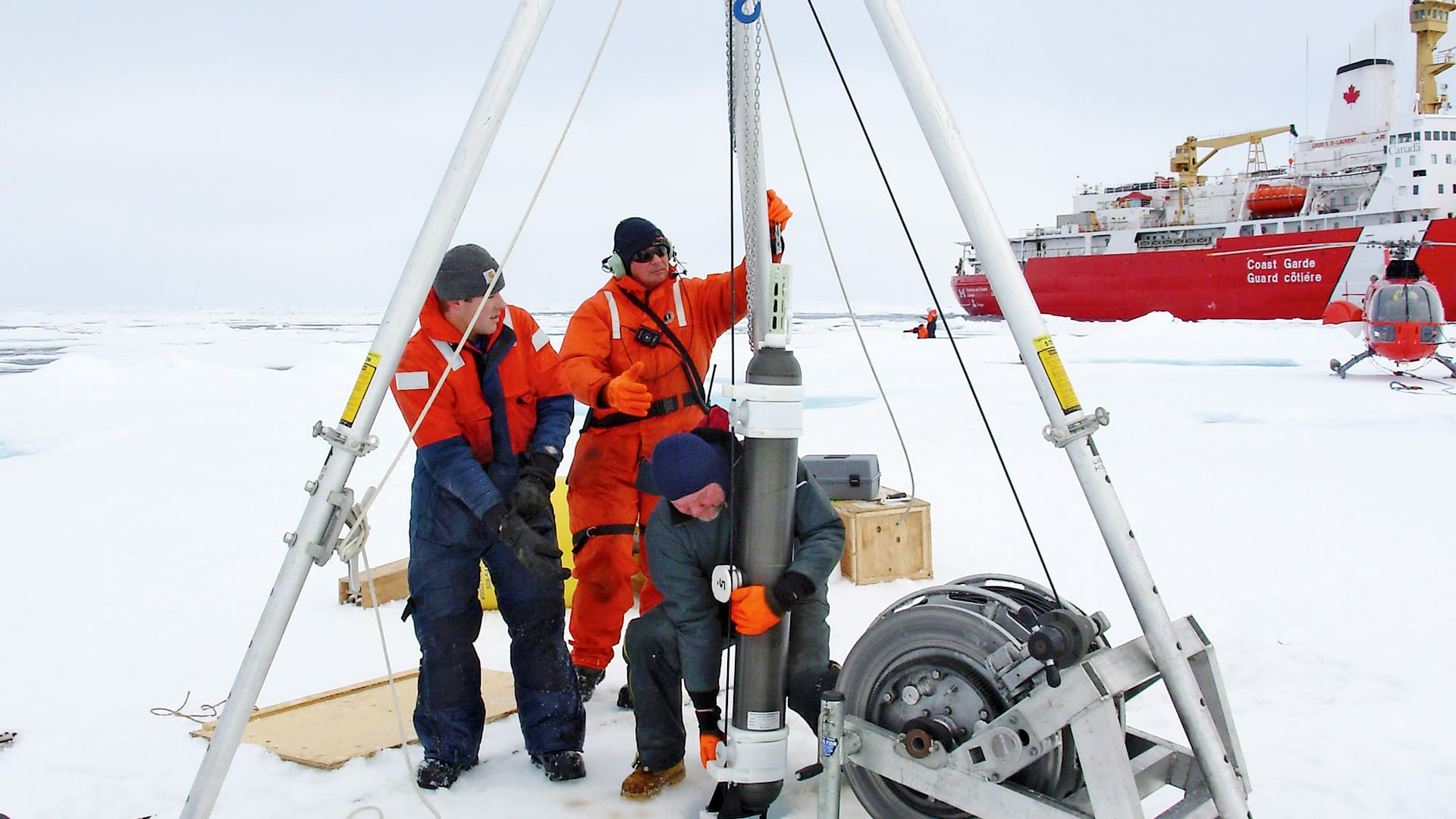
The climate in the Arctic region once predictably shifted back and forth between two regimes. But now the system seems to be stuck.
Read More