
Physical Oceanography
The Hotspot for Marine Life
The continental shelfbreak in the waters off New England is an area where a spectacular abundance and diversity of marine life aggregate year-round. The Pioneer Array, a part of the NSF-funded Ocean Observatories Initiative, was placed there to help scientists explore the processes that make the shelfbreak so productive.
Read MoreScientist-Fisherman Partnership
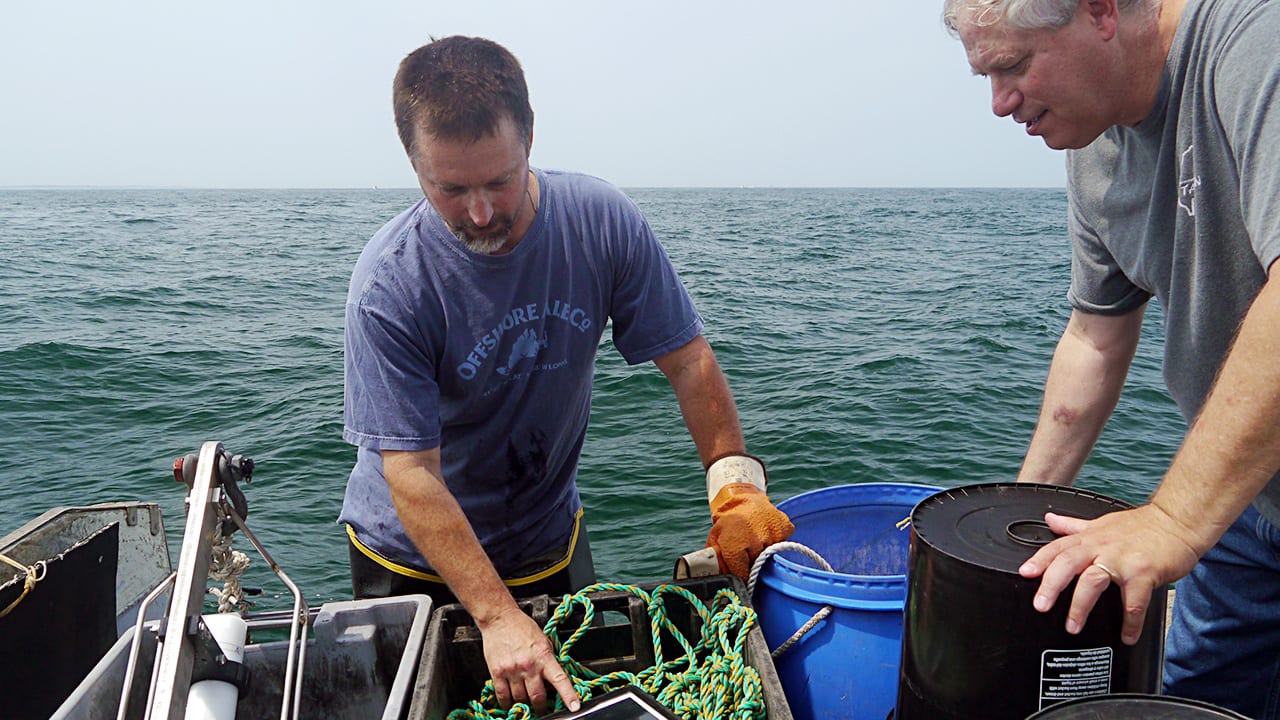
WHOI physical oceanographer Glen Gawarkiewicz is enlisting the help of local fishermen to find out how climate change is affecting water conditions along the southern New England coast.
Read MoreAntarctic Bottom Waters Freshening at Unexpected Rate
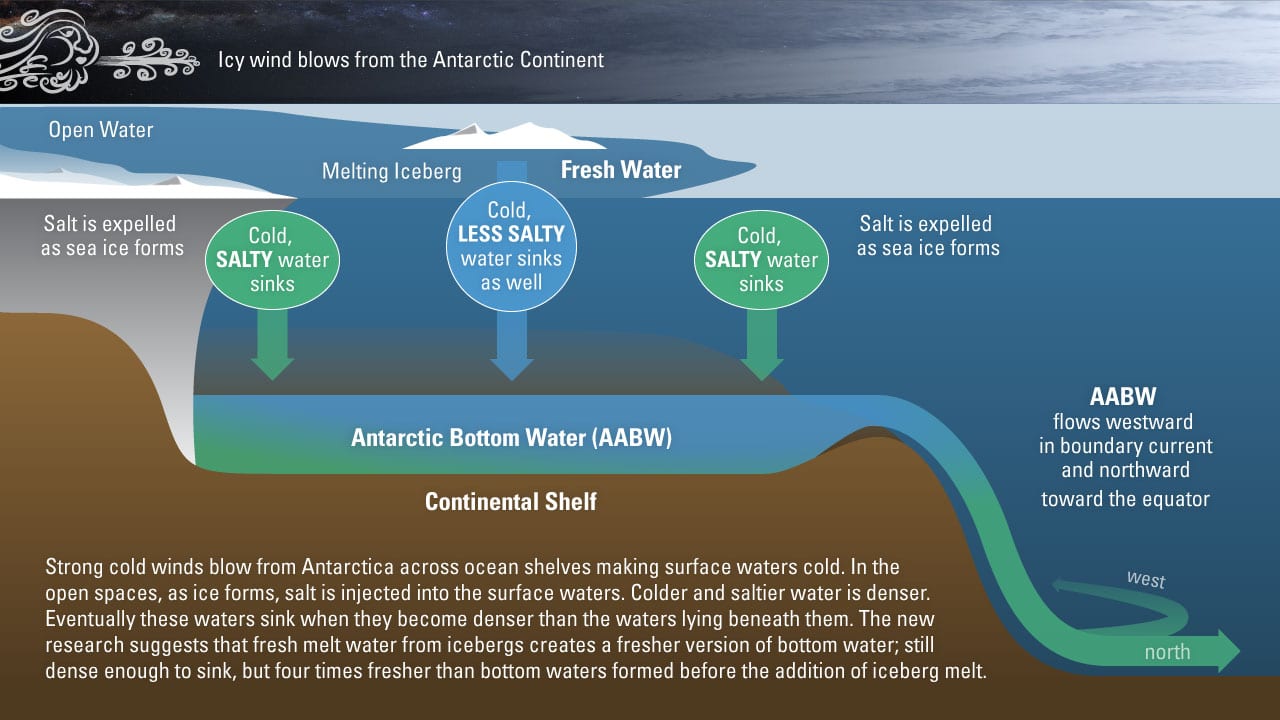
In the cold depths along the sea floor, Antarctic Bottom Waters are part of a critical part of the global circulatory system. Over the last decade, scientists have been monitoring changes in these waters, but a new WHOI study suggests these changes are themselves shifting in unexpected ways, with potentially significant consequences for the ocean and climate.
Read MoreAll the Ocean’s a Stage
“All right, Mr. Brickley, the show begins at two o’clock,” John Kemp announced as he entered the ship’s main lab on Saturday afternoon. Kemp is the deck operations leader for…
Read MoreSalty Oceans Can Forecast Rain on Land
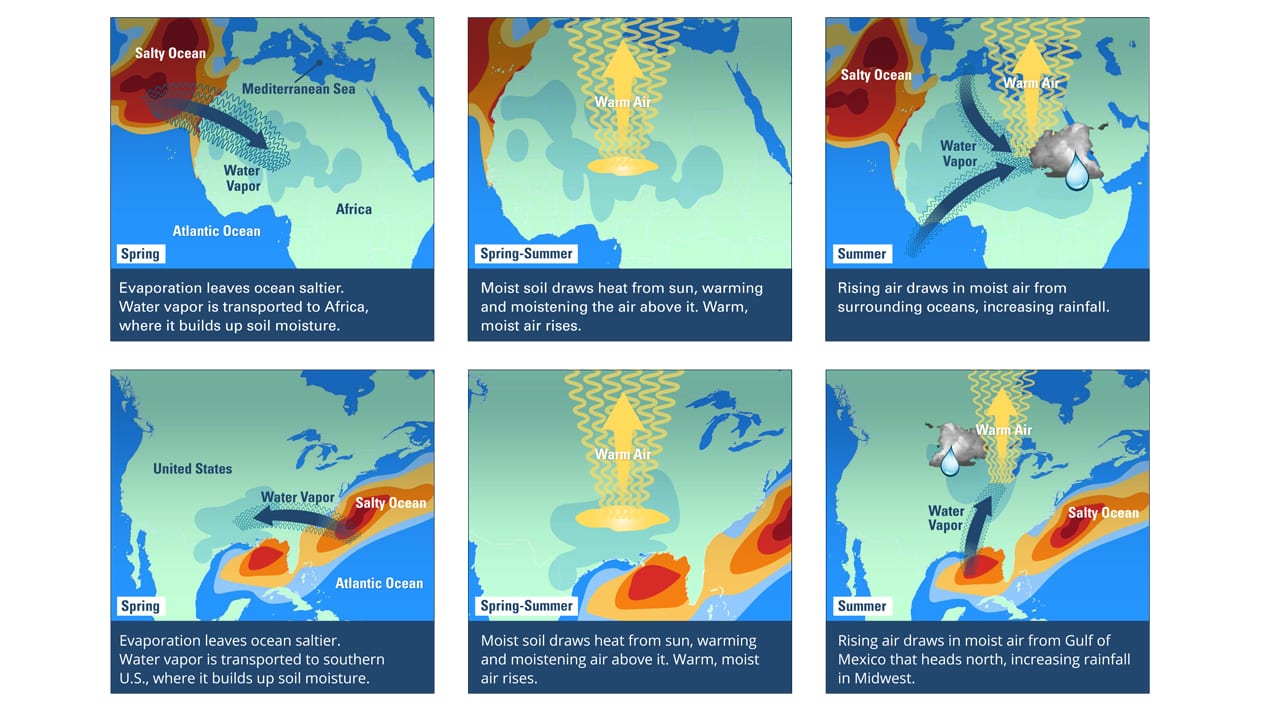
At this week’s American Geophysical Union meeting, a team of researchers from the Woods Hole Oceanographic Institution (WHOI) presented their latest research findings on the long-range predictions of rainfall on land. Their method is based on ocean salinity rather than sea surface temperatures, which has been the standard for decades.
Read MoreWarming Ocean Drove Catastrophic Australian Floods
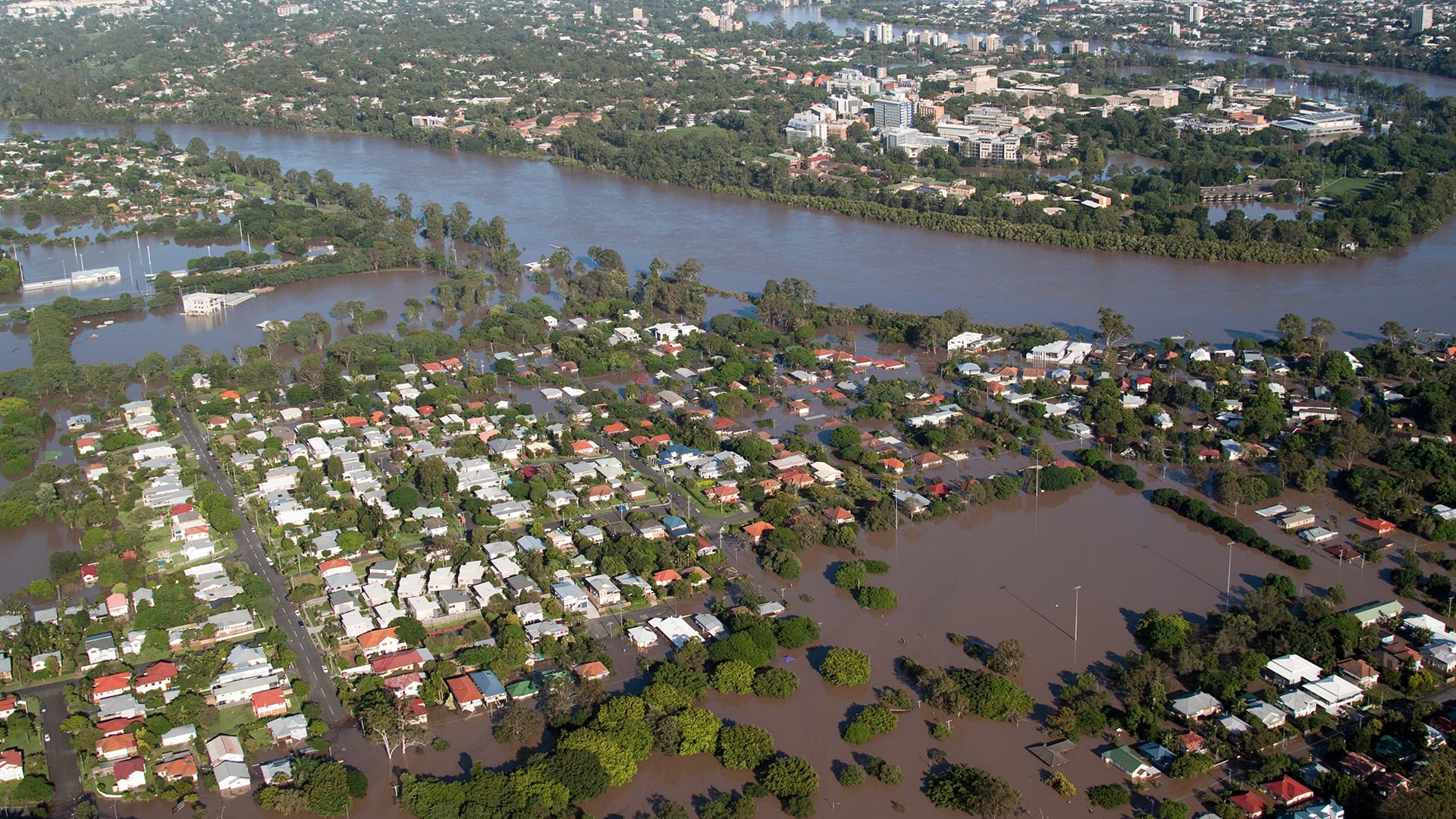
New research by Woods Hole Oceanographic Institution physical oceanographer Caroline Ummenhofer and Australian scientists suggests that long-term warming of the Indian and Pacific Oceans is increasing the risk of heavy rains in the region.
Read MoreA Slithery Ocean Mystery
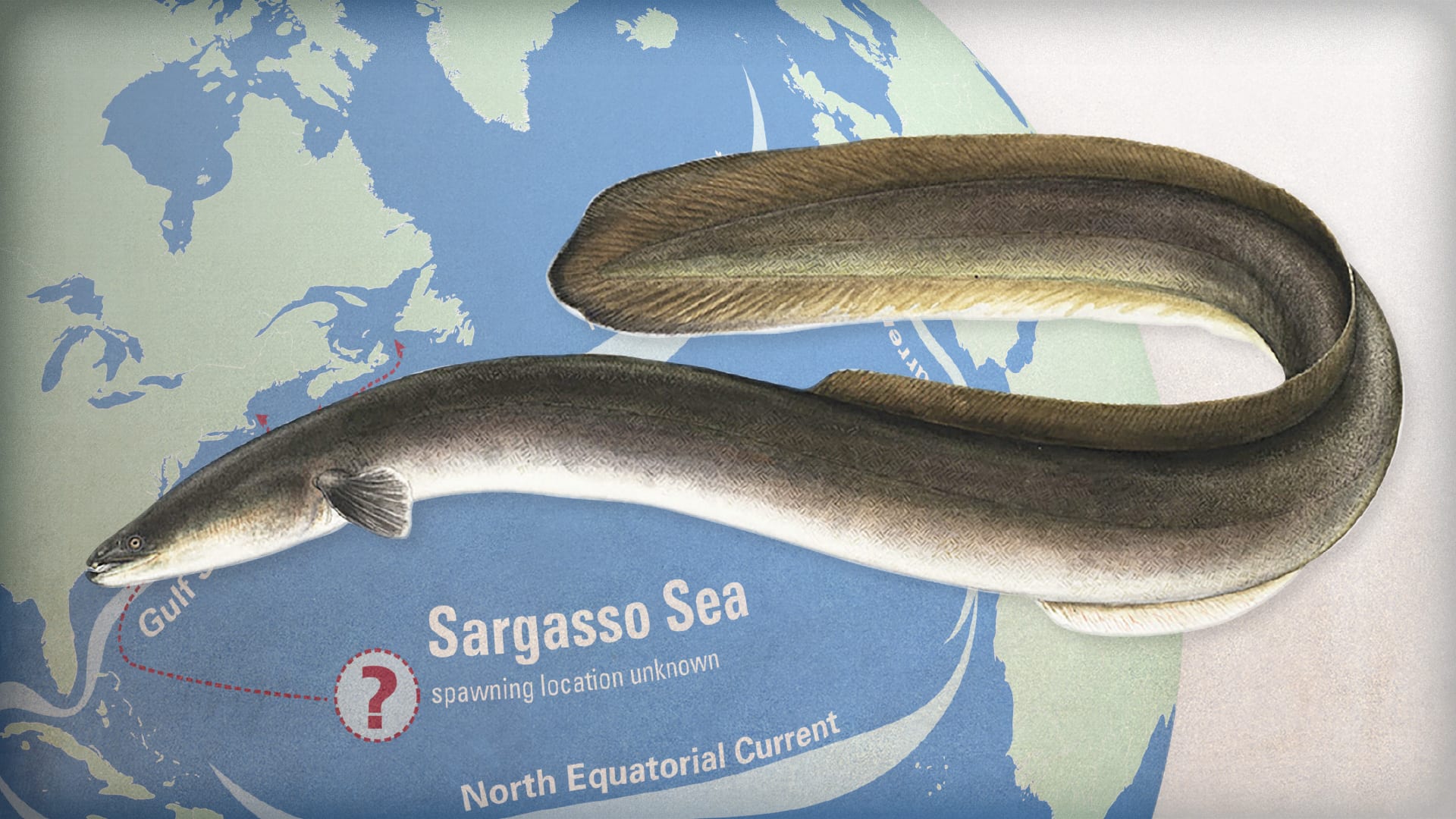
It’s an enduring mystery: How do tiny eel larvae make their way from the Sargasso Sea to coastal freshwater estuaries where they grow up?
Read MoreSigns of Big Change in the Arctic
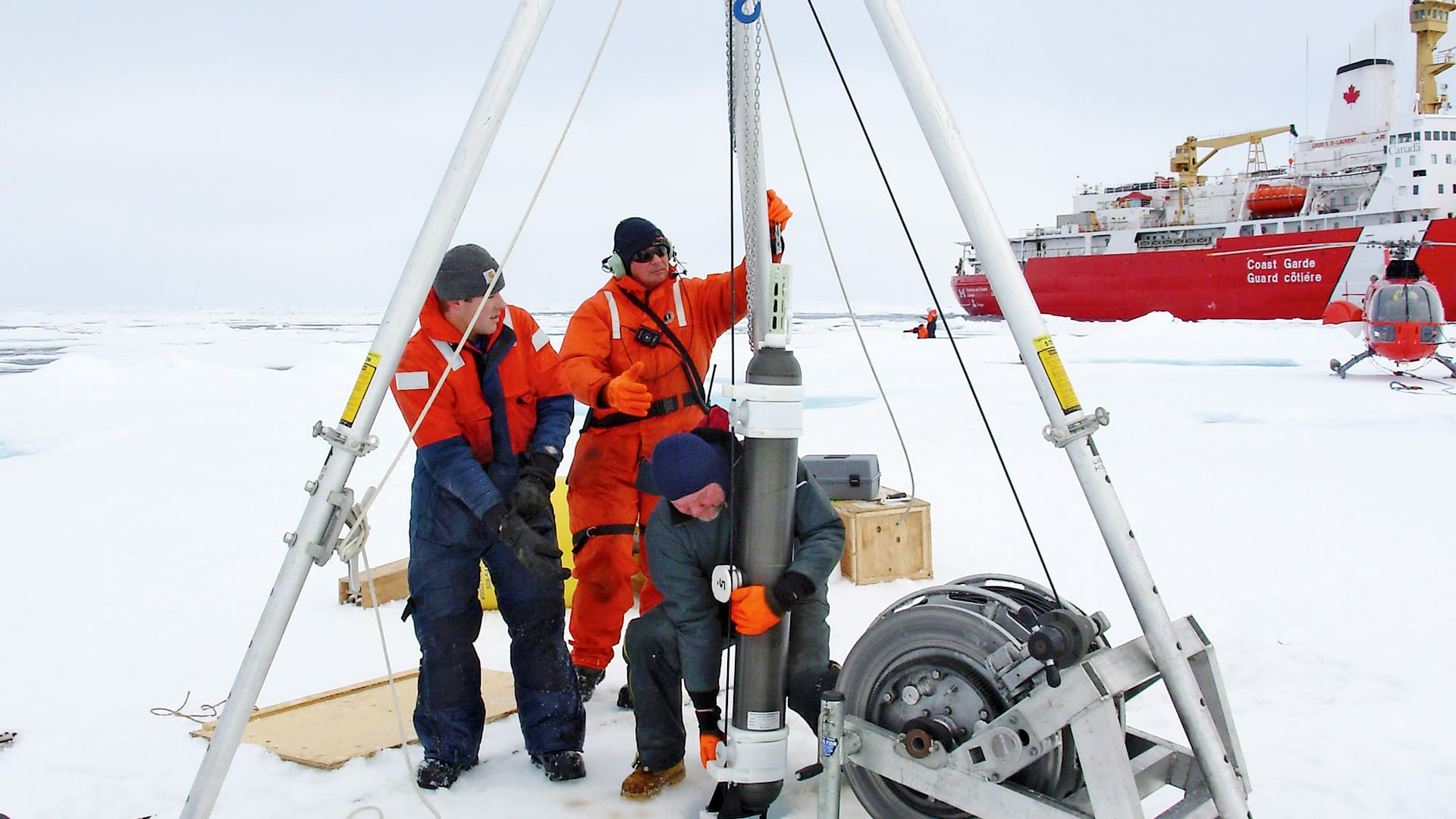
The climate in the Arctic region once predictably shifted back and forth between two regimes. But now the system seems to be stuck.
Read MoreFishermen, Scientists Collaborate to Collect Climate Data
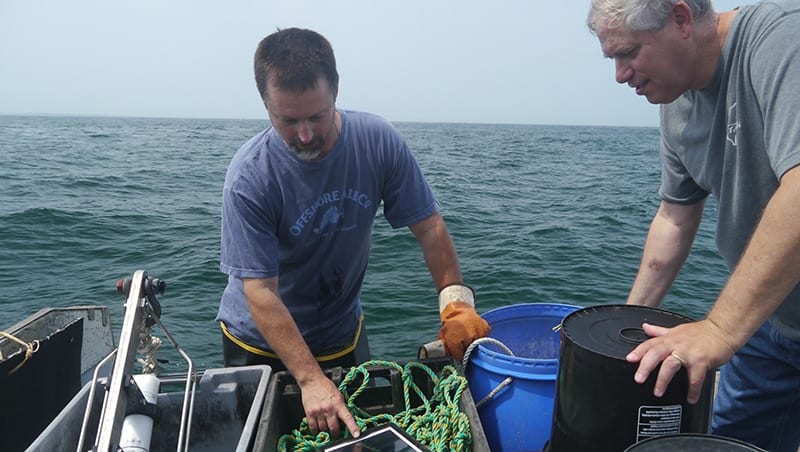
To help understand the ongoing changes in their slice of the ocean, a group of commerical fishermen in southern New England are now part of a fleet gathering much-needed climate data for scientists through a partnership with the Commercial Fisheries Research Foundation (CFRF) and Woods Hole Oceanographic Institution (WHOI).
Read MoreStudy Offers Clues to Better Rainfall Predictions
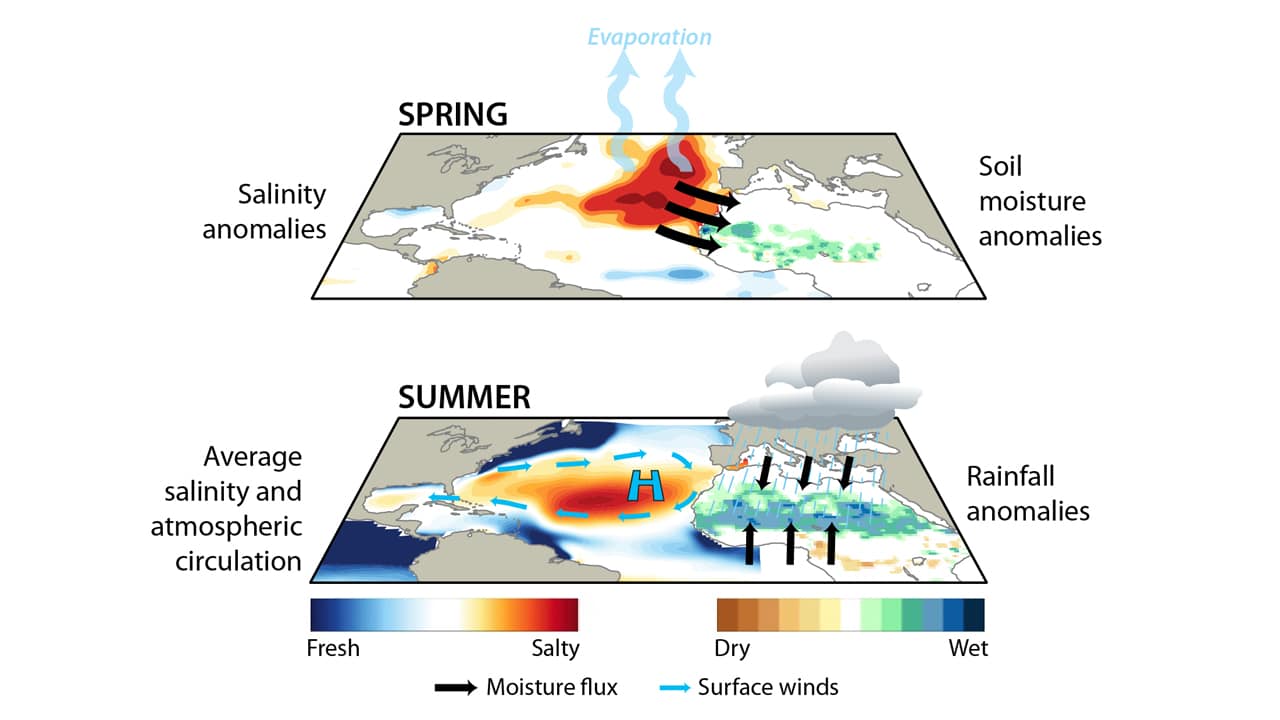
WHOI scientists have found a potential path to better seasonal rainfall predictions. Their study shows a clear link between higher sea surface salinity levels in the North Atlantic Ocean and increased rainfall on land in the West African Sahel, the area between the Sahara Desert and the savannah in Sudan.
Read MoreThrough the Looking-Glass of the Sea Surface
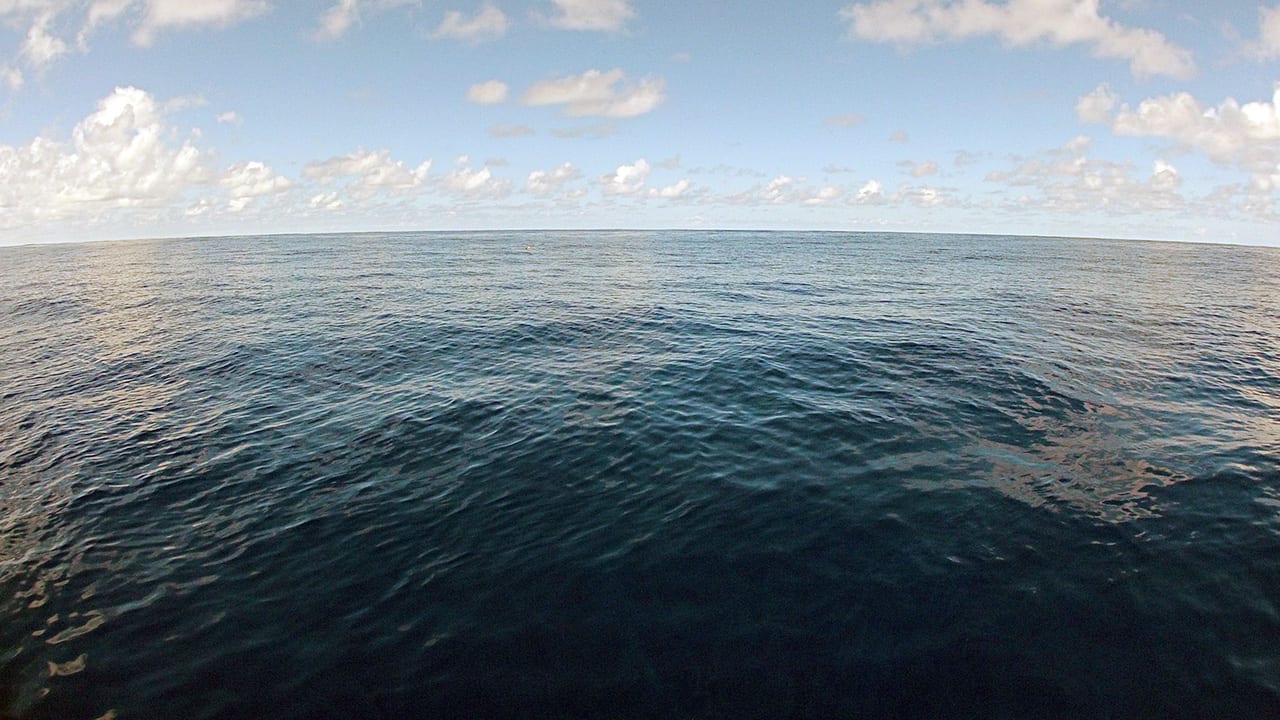
Scientists are using new technology to make previously impossible measurements at the turbulent ocean surface—a crucial junction for energy exchange between the air above and the sea below.
Read MoreFiamma Straneo Selected for Prestigious Sverdrup Lecture
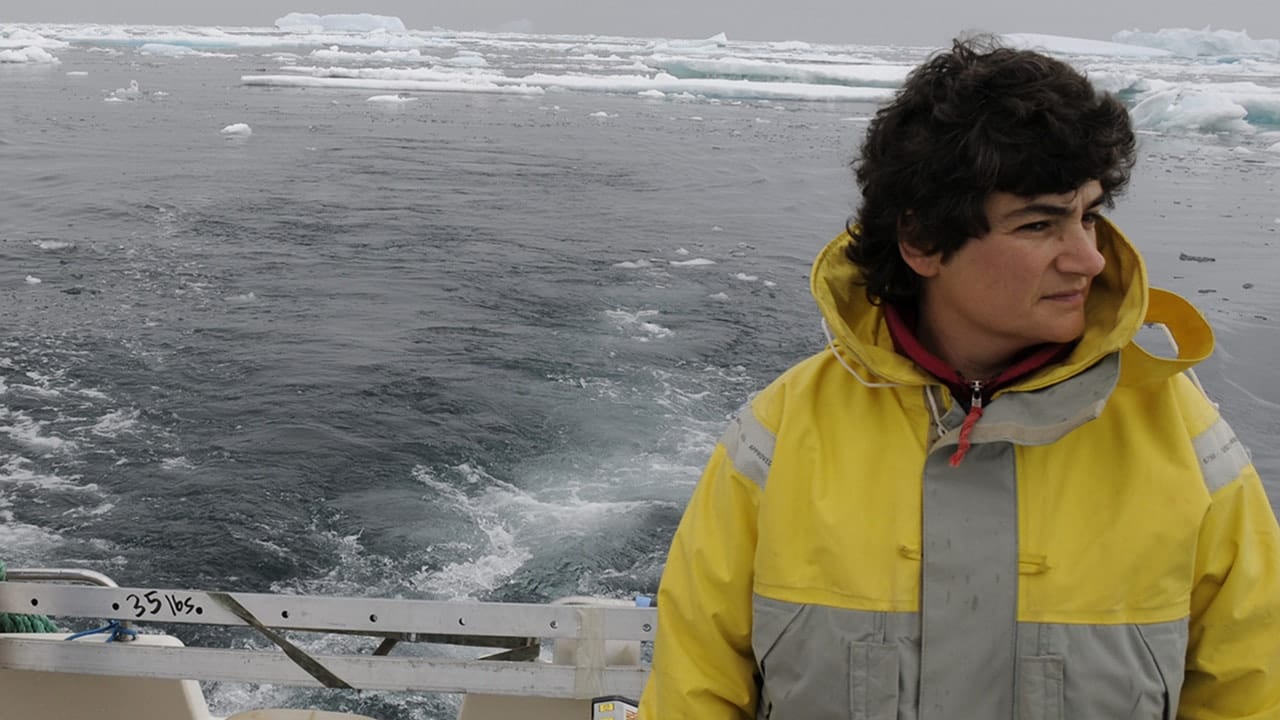
The American Geophysical Union (AGU) has chosen Fiamma Straneo, a physical oceanographer at Woods Hole Oceanographic Institution (WHOI), to deliver the Sverdrup Lecture at this year’s meeting of the Ocean Sciences section held in New Orleans from February 21-26, 2016. The lecture is one of the highest awards the section bestows on its members.
Read MoreWarming Ocean Worsened Australia’s Fatal 2010/2011 Floods
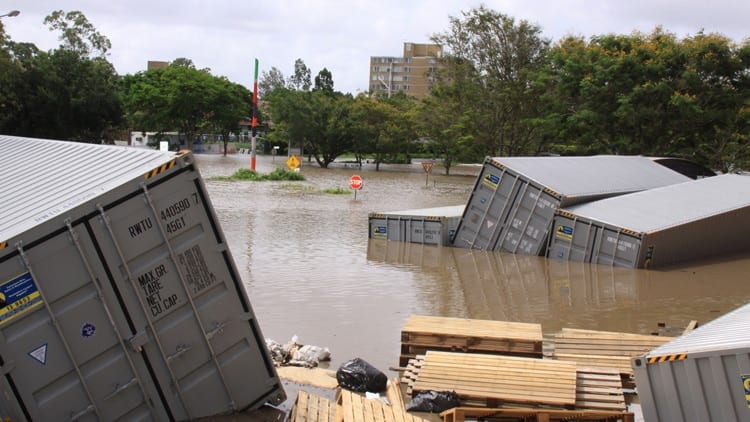
A study by a team of U.S. and Australian researchers shows that long-term warming of the Indian and Pacific oceans played an important role in increasing the severity of the devastating floods that struck Australia in 2010/2011. The study was published in Geophysical Research Letters.
Read MoreIce, Wind & Fury
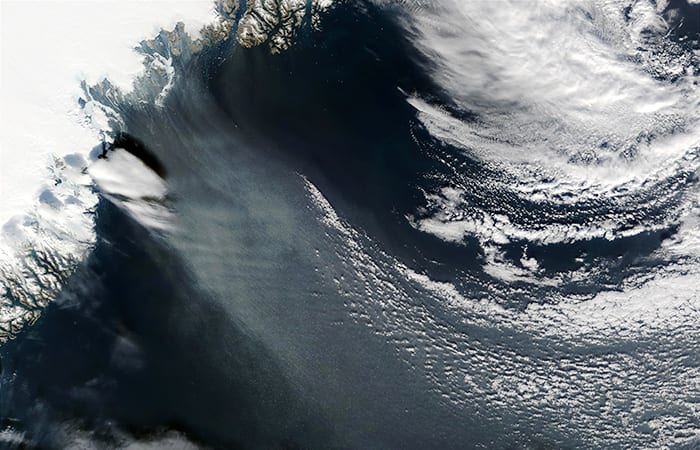
Greenlanders are well away of piteraqs, the hazardous torrents of cold air that sweep down off the ice cap. But scientists are just beginning to unravel how and when piteraqs form.
Read MoreNew Study Projects That Melting of Antarctic Ice Shelves Will Intensify
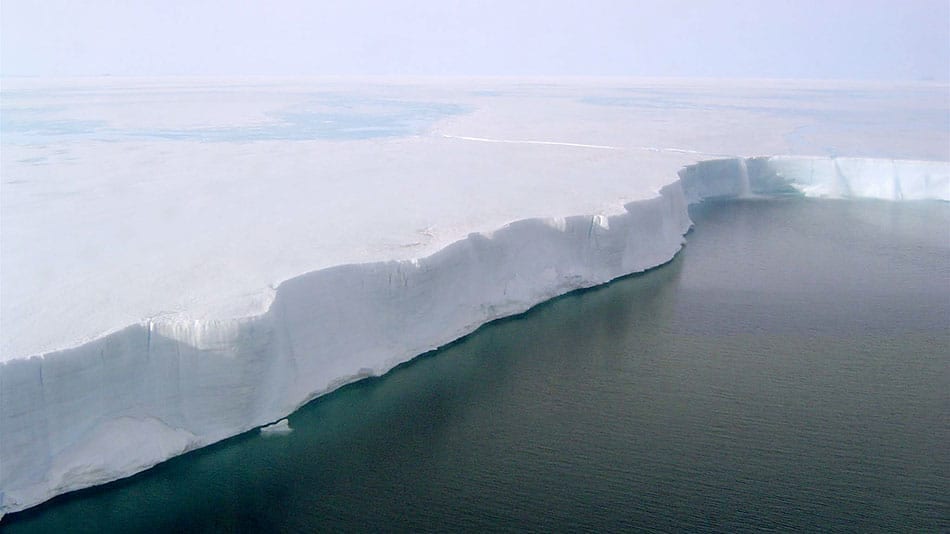
New research published today projects a doubling of surface melting of Antarctic ice shelves by 2050 and by 2100 may surpass intensities associated with ice shelf collapse, if greenhouse gas emissions from fossil fuel consumption continues at the present rate.
Ice shelves are the floating extensions of the continent’s massive land-based ice sheets. While the melting or breakup of floating ice shelves does not directly raise sea level, ice shelves do have a “door stop” effect: They slow the flow of ice from glaciers and ice sheets into the ocean, where it melts and raises sea levels.
Read MoreSudden Draining of Glacial Lakes Explained
In 2008 scientists from Woods Hole Oceanographic Institution (WHOI) and the University of Washington documented for the first time how the icy bottoms of lakes atop the Greenland Ice Sheet can crack open suddenly—draining the lakes completely within hours and sending torrents of water to the base of the ice sheet thousands of feet below. Now they have found a surprising mechanism that triggers the cracks.
Scientists had theorized that the sheer weight of the water in these supraglacial lakes applied pressure that eventually cracked the ice, but they could not explain why some lake bottoms cracked while others did not.
Read MoreHidden Currents in the Gulf of Mexico
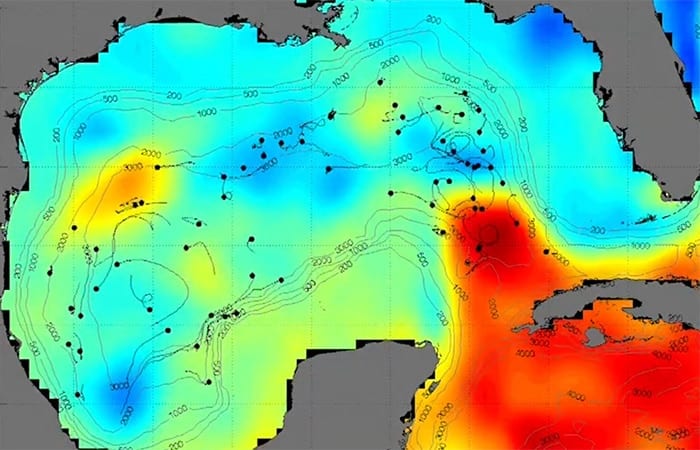
The Deepwater Horizon oil spill five years ago gave new impetus to investigating unknown subsurface currents deep within the Gulf of Mexico.
Read MoreThe Waves Within the Waves
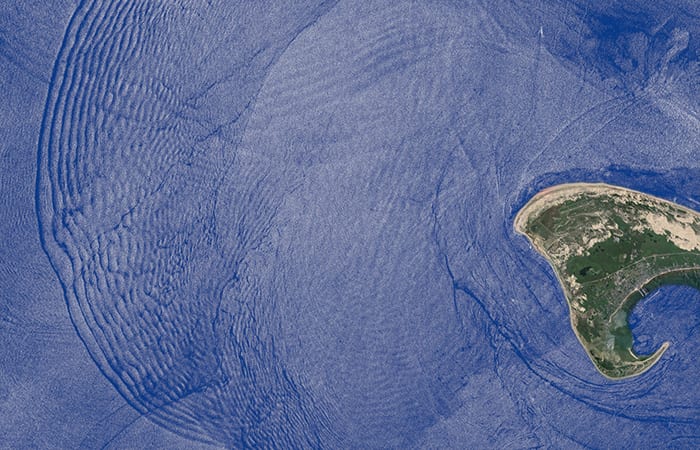
If the 30-foot wave we were looking for had tumbled across the ocean’s surface that July day, it might have been mistaken for a monstrous rogue wave. But that’s not…
Read MoreThe Jetyak
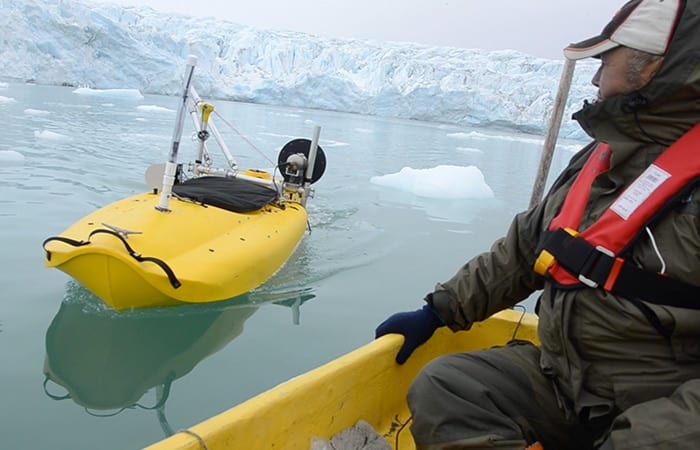
Oceanographers are always looking for cost-effective vehicles to help them explore risky regions. Scientists at WHOI have developed one: a robotic platform called the Jetyak.
Read MoreSea Science in the Space Age
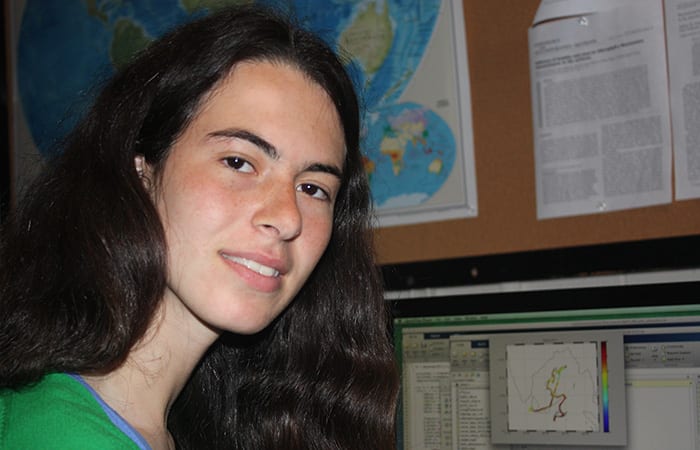
South Asian monsoons bring huge amounts of fresh water into the Bay of Bengal. Summer Student Fellow Mara Freilich used huge data sets from satellites to how and where the salinity of the Bay changes as a result.
Read MoreA Summer of Science by the Sea, 2014 (Part I)
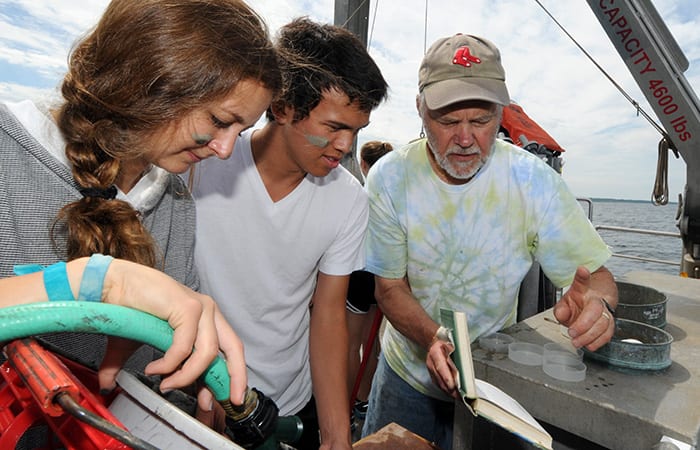
Every summer since 1959, undergraduates from around the world have come to Woods Hole Oceanographic Institution for a program to learn about ocean science and conduct research under the guidance of WHOI scientists.
Read MoreWHOI Scientists Receive $1 Million Grant from MacArthur Foundation
Rapid climate change and an increasing range of climate impacts are already being felt along our coasts, and new research suggests that U.S. Northeast coastal waters may be more vulnerable…
Read MoreA Mooring in Iceberg Alley
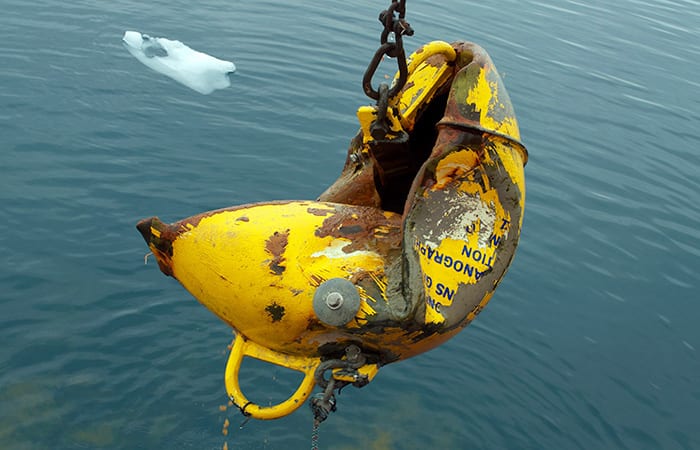
WHOI scientists knowingly put a mooring in a fjord filled with icebergs near the terminus of a Greeland glacier. But it was their only way to learn if changing ocean conditions might be affecting how fast the glacier flowed into the ocean.
Read MoreA Drop in the Ocean
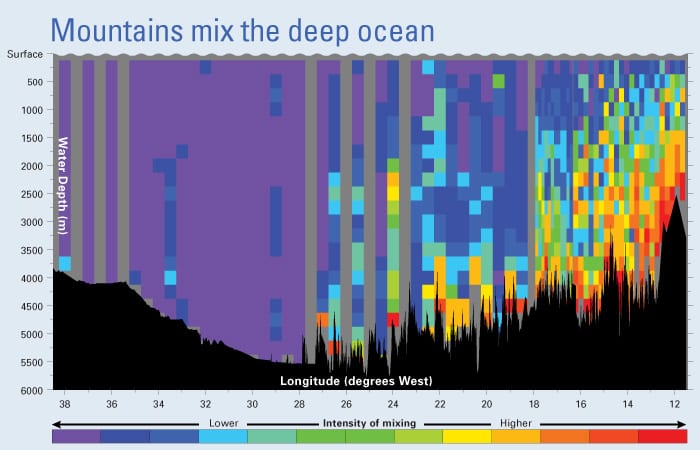
How can you follow a wisp of water within the turbulent immensity of the ocean? Jim Ledwell figured out a way. He developed a method to inject a harmless chemical…
Read More