
News Releases
Research reveals new links behind climate change in Australia
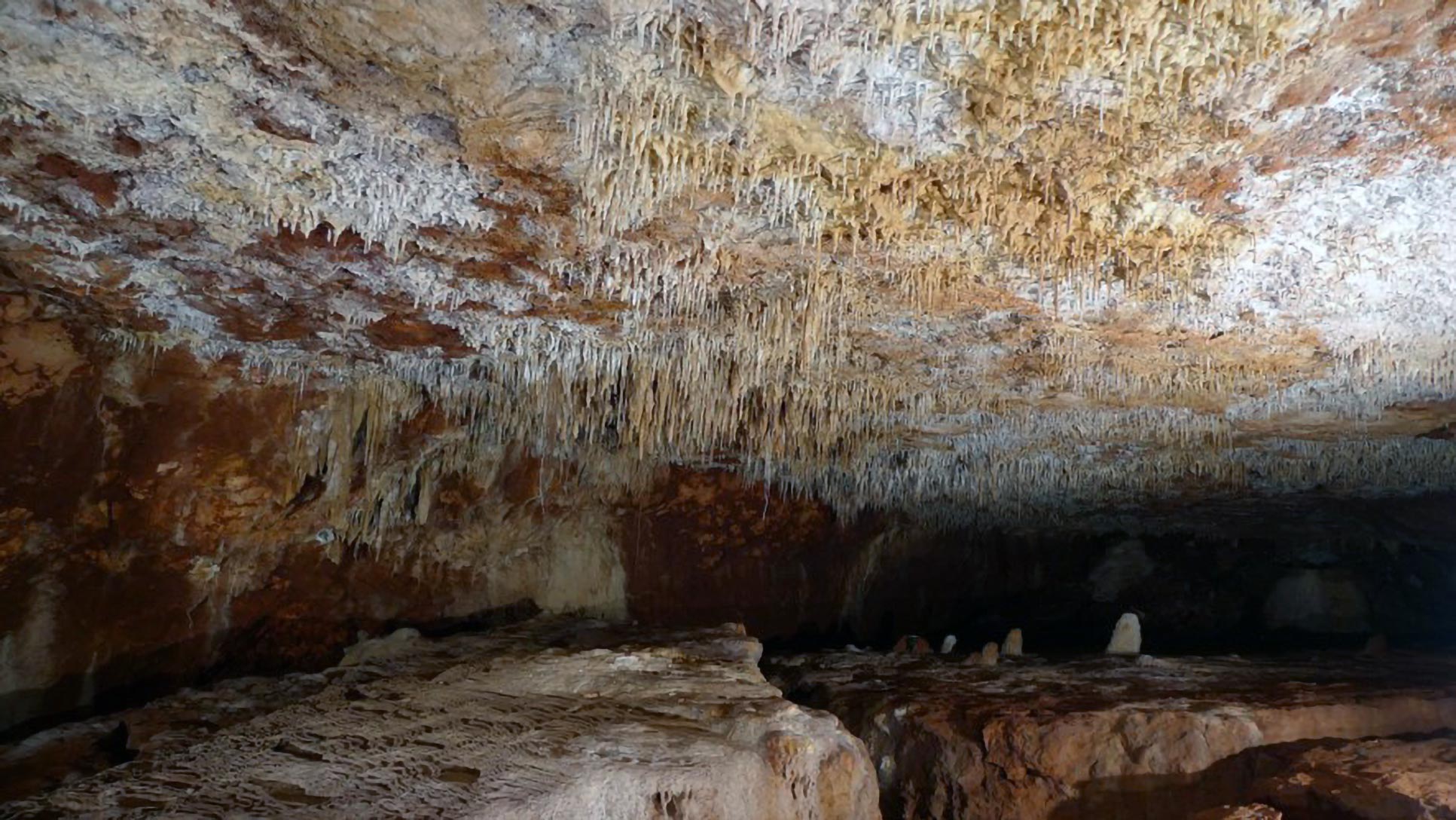
A team of scientists, including those from Woods Hole Oceanographic Institution (WHOI), have combined stalagmites and climate model simulations to reveal links between monsoon rains and tropical cyclones in Australia.
Read MoreDissolving oil in a sunlit sea
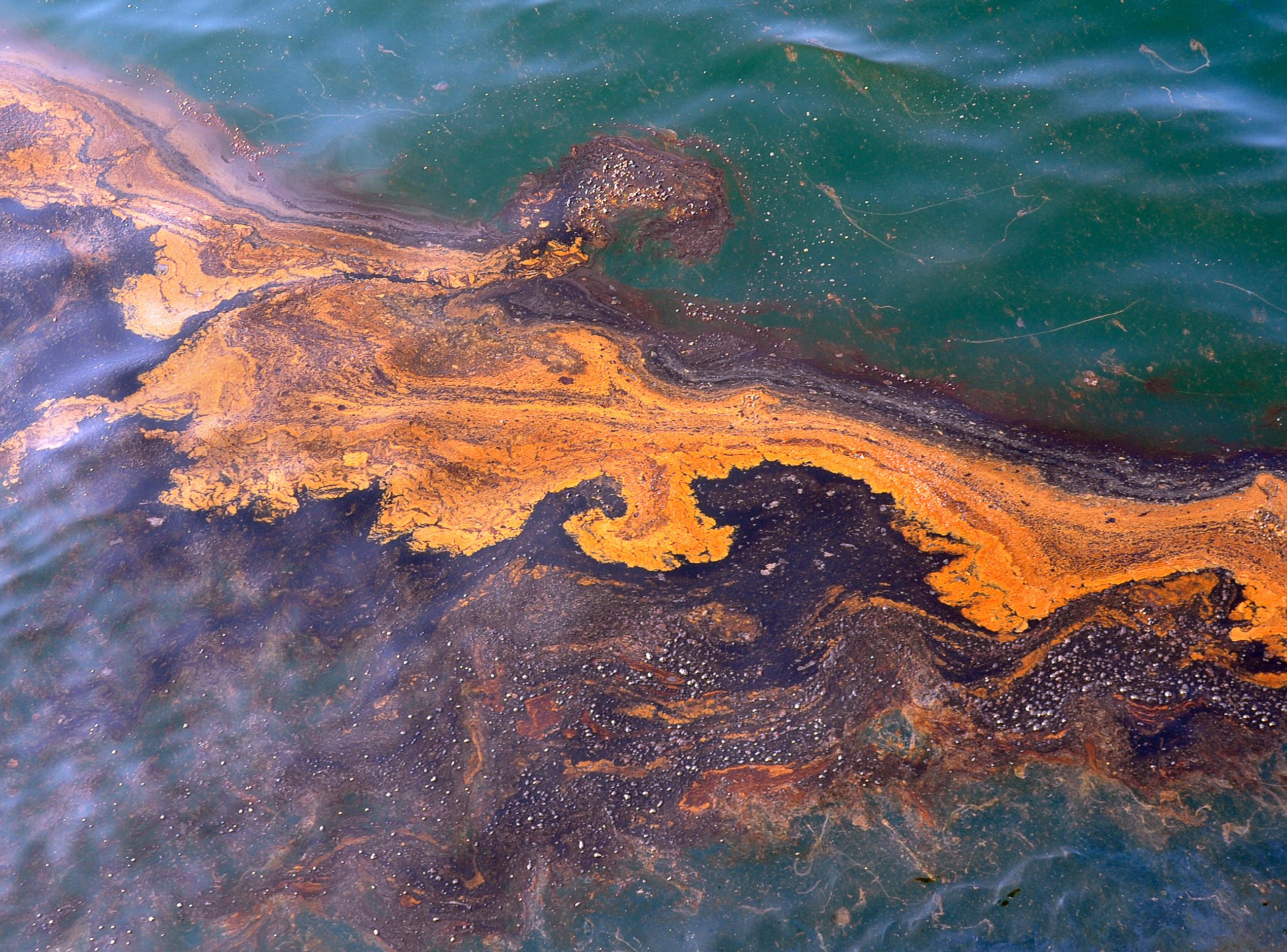
A team of Woods Hole Oceanographic Institution (WHOI) researchers discovered that nearly 10 percent of the oil floating on the Gulf after the Deepwater Horizon disaster was dissolved into seawater by sunlight – a process called “photo-dissolution”. The findings were published today in the paper “Sunlight-driven dissolution is a major fate of oil at sea” in Science Advances.
Read MoreWHOI’s Ken Buesseler named Geochemistry Fellow
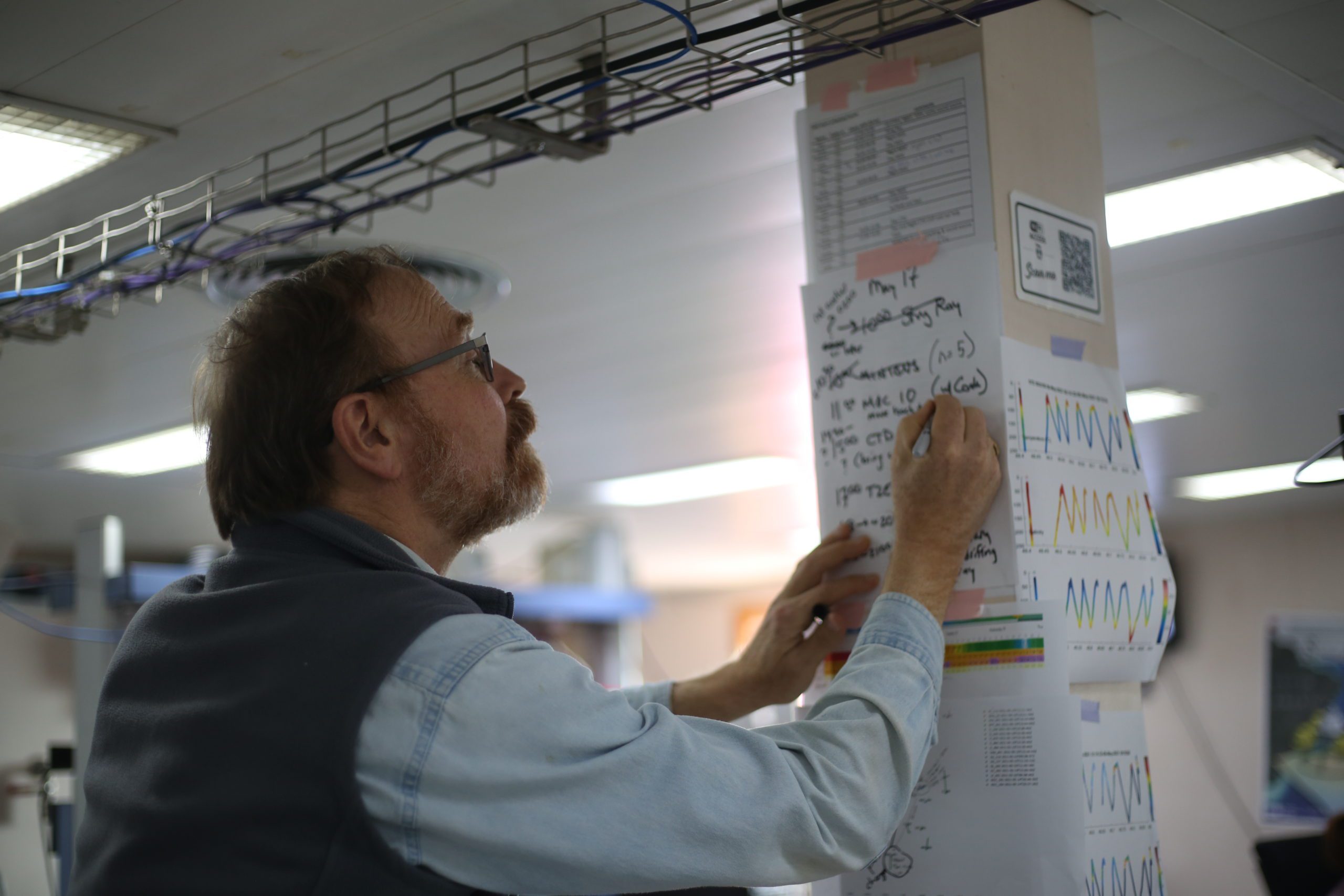
Dr. Ken Buesseler has been selected as a Geochemistry Fellow by the Geochemical Society and the European Association of Geochemistry.
Read MoreWHOI shares details on microplastic detection project
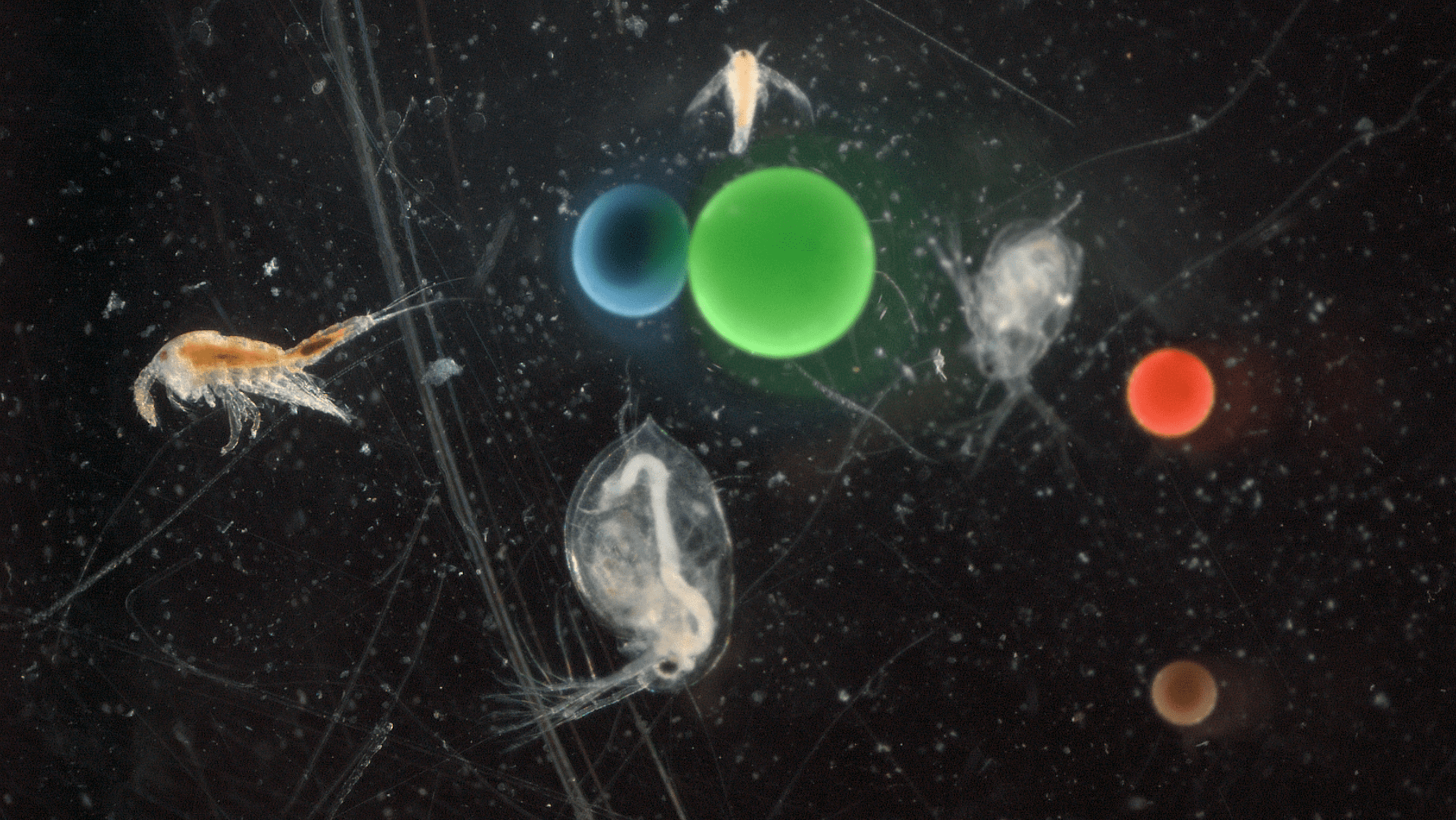
A project led by Woods Hole Oceanographic Institution’s Chemical Sensors Lab is moving researchers closer to an in-field microplastics sensor that measures the amount of plastic particles in water.
Read MoreStudy outlines challenges to ongoing clean-up of burnt and unburnt nurdles along Sri Lanka’s coastline
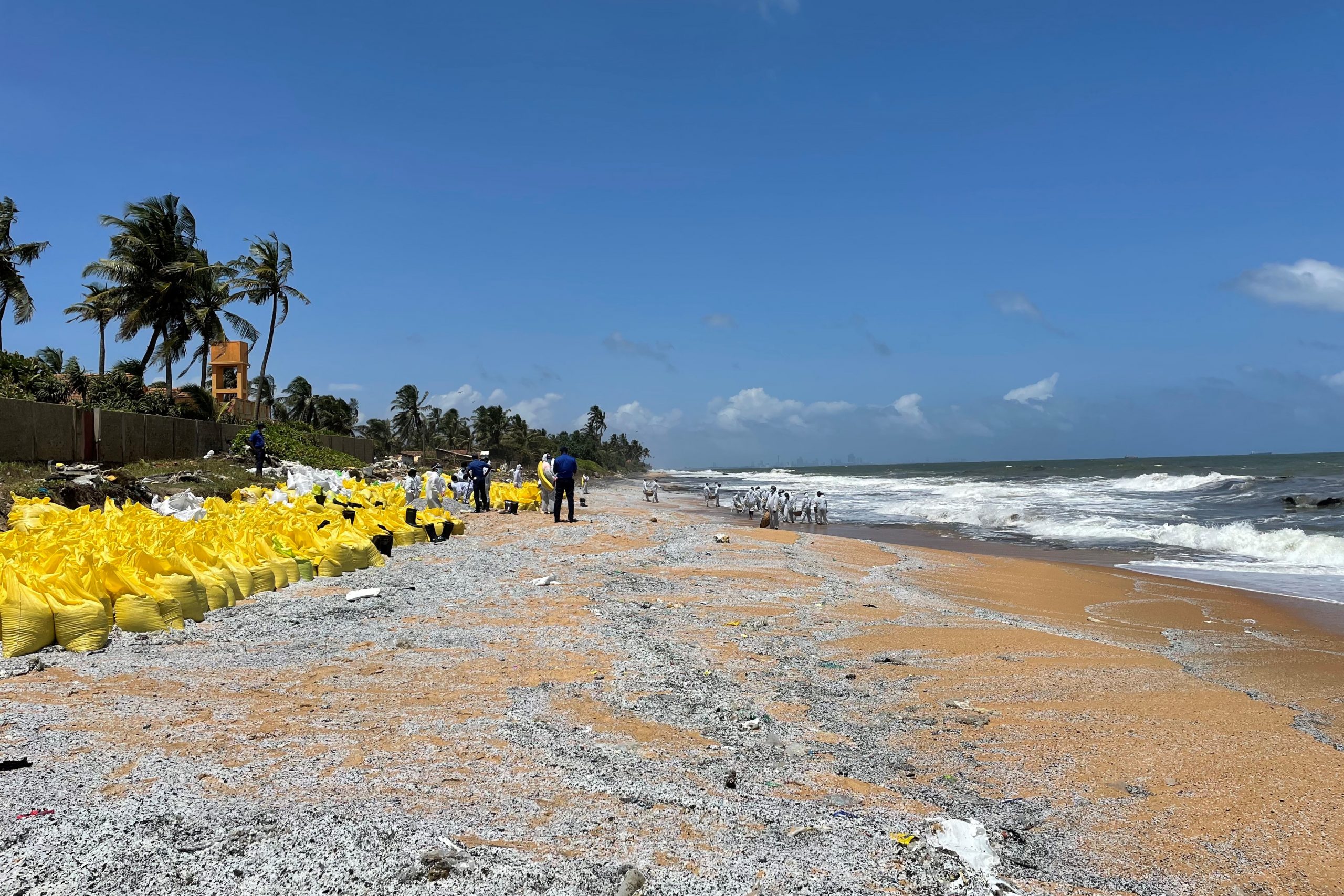
When a fire broke out on the deck of the M/V XPress Pearl cargo ship on May 20, 2021, an estimated 70-75 billion pellets of preproduction plastic material, known as nurdles, spilled into the ocean and along the Sri Lankan coastline. That spill of about 1,500 tons of nurdles, many of which were burnt by the fire, has threatened marine life and poses a complex clean-up challenge. A new peer-reviewed study characterizes how the fire modified the physical and chemical properties of the nurdles and proposes that these properties affected their distribution along the coast.
Read MoreStudy Finds Growing Potential for Toxic Algal Blooms in the Alaskan Arctic
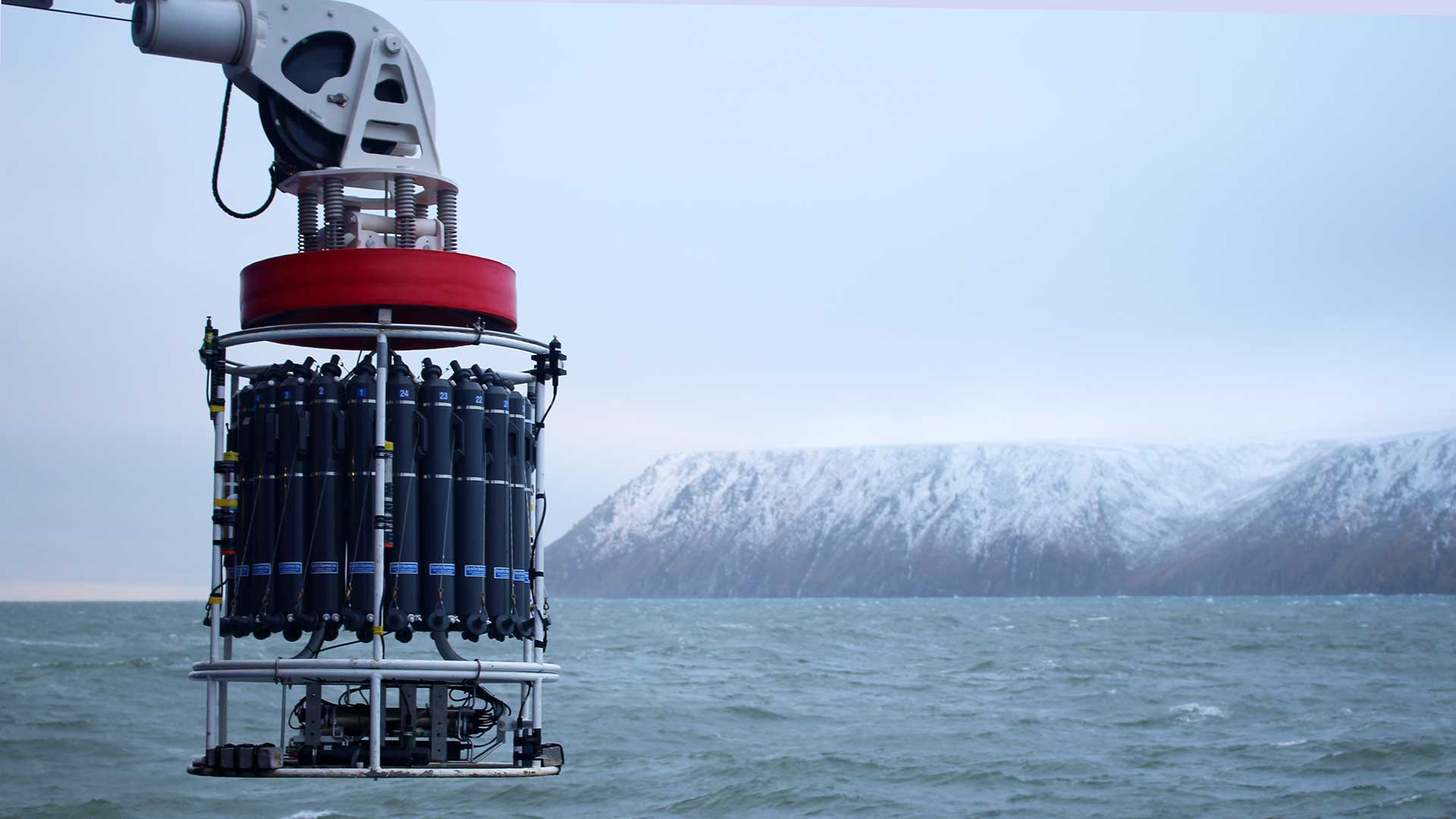
A warming Arctic presents potential new threats to humans and marine wildlife in the fast-changing region Changes in the northern Alaskan Arctic ocean environment have reached a point at…
Read MoreSunlight can break down marine plastic into tens of thousands of chemical compounds, study finds
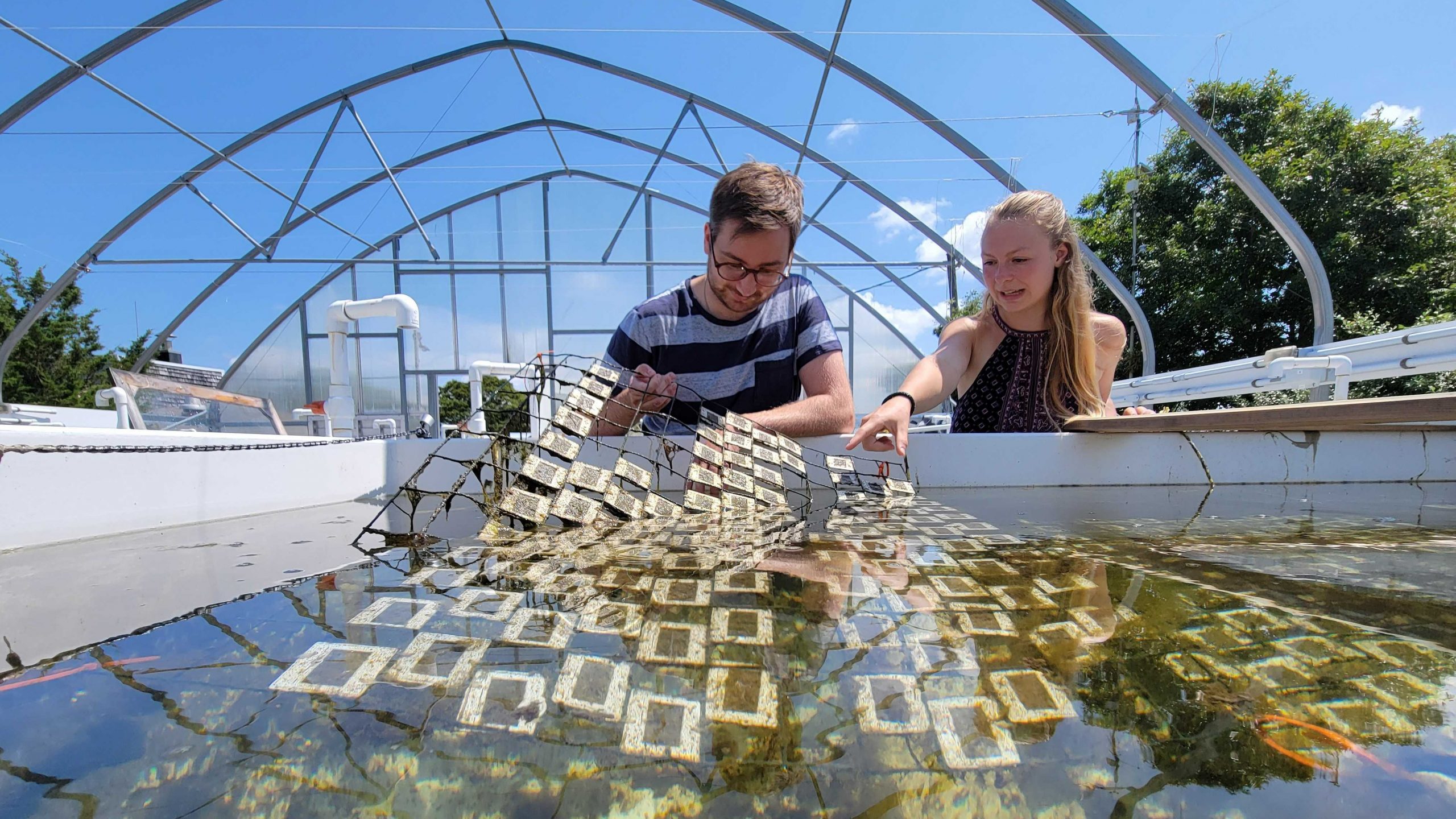
Sunlight was once thought to only fragment plastics in the marine environment into smaller particles that chemically resemble the original material and persist forever. However, scientists more recently have learned that sunlight also chemically transforms plastic into a suite of polymer-, dissolved-, and gas-phased products. Now, a new study finds that this chemical reaction can produce tens of thousands of water-soluble compounds, or formulas.
Read MoreFirst Global Statistical Analysis of Harmful Algal Blooms
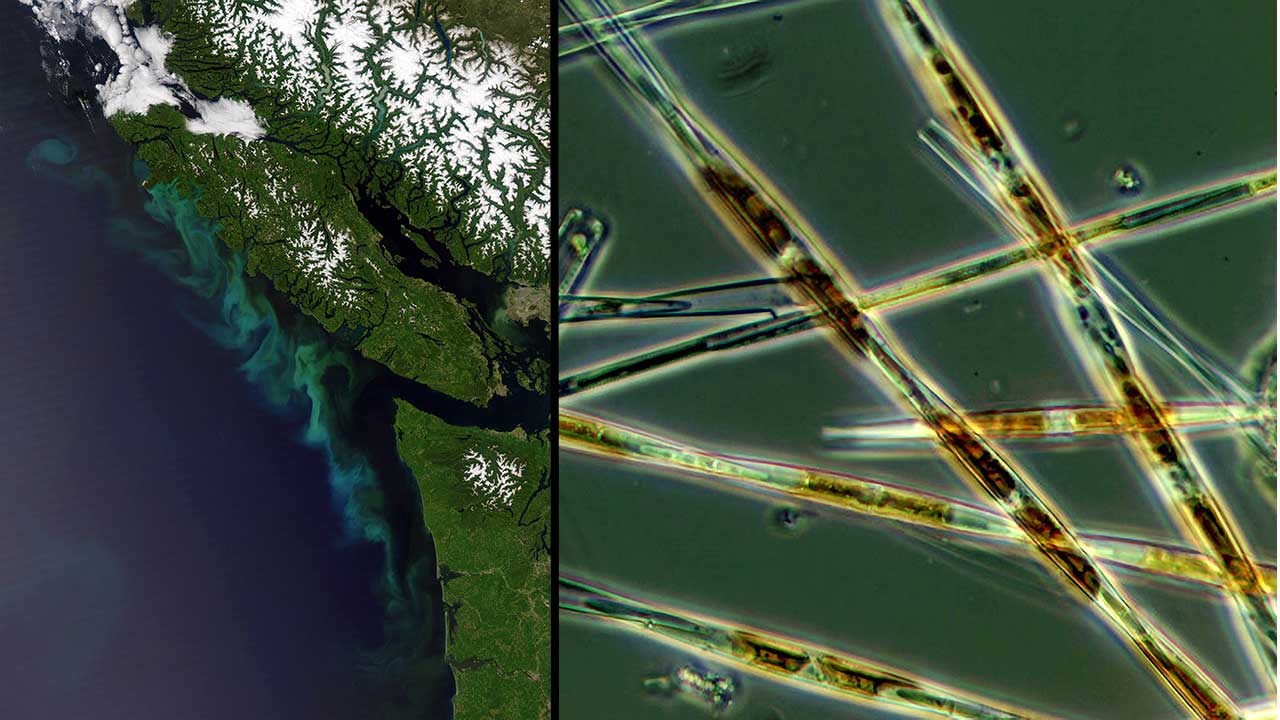
International study finds no worldwide trend in blooms, but significant increases in some regions and of certain species, pointing to the need for better monitoring and data collection—especially in light…
Read MoreWHOI and NOAA Release Report on U.S. Socio-economic Effects of Harmful Algal Blooms
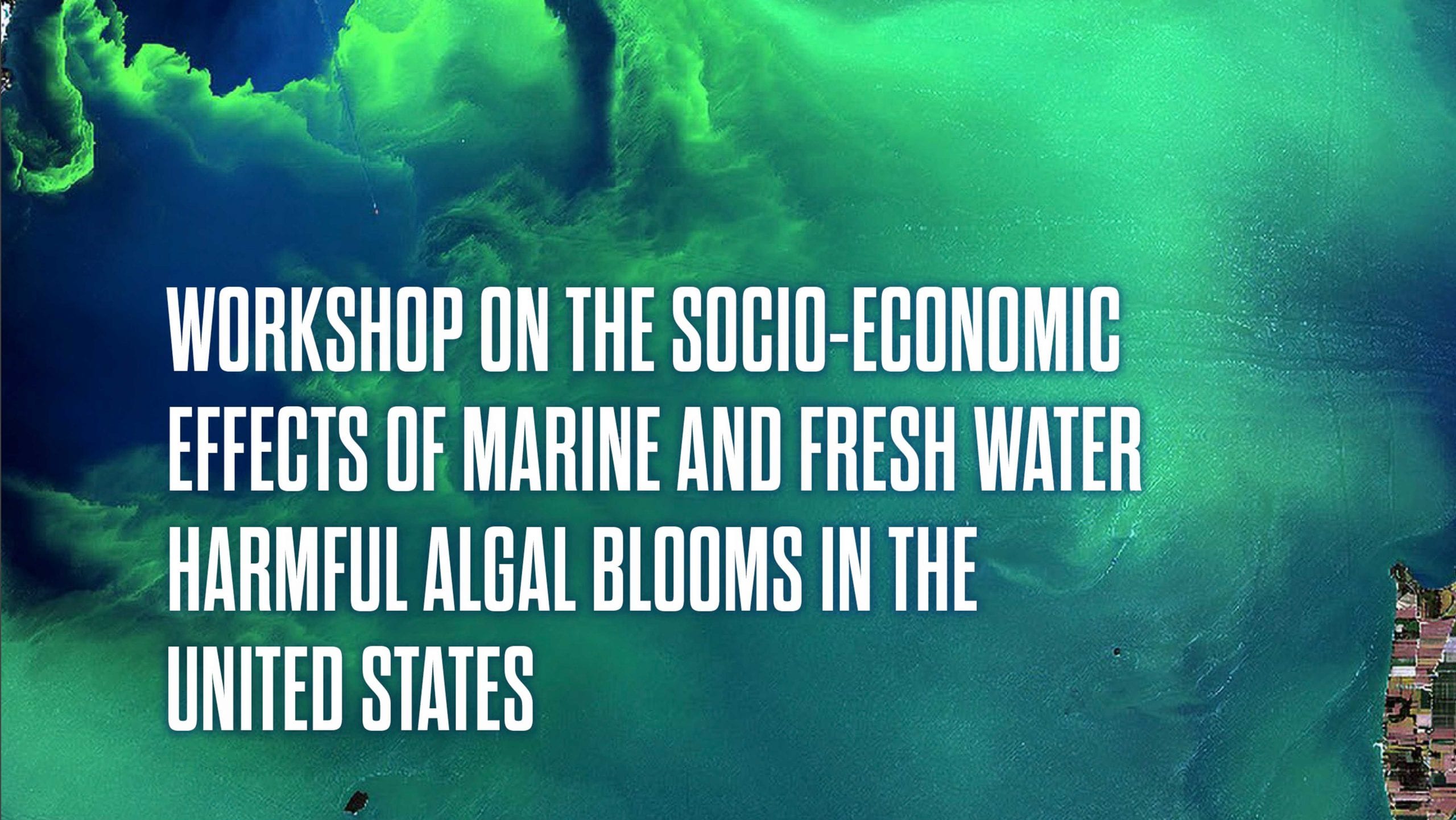
Woods Hole, Mass. — Harmful algal blooms (HABs) occur in all 50 U.S. states and many produce toxins that cause illness or death in humans and commercially important species. However,…
Read MoreStudy reconstructs ancient storms to predict changes in a cyclone hotspot
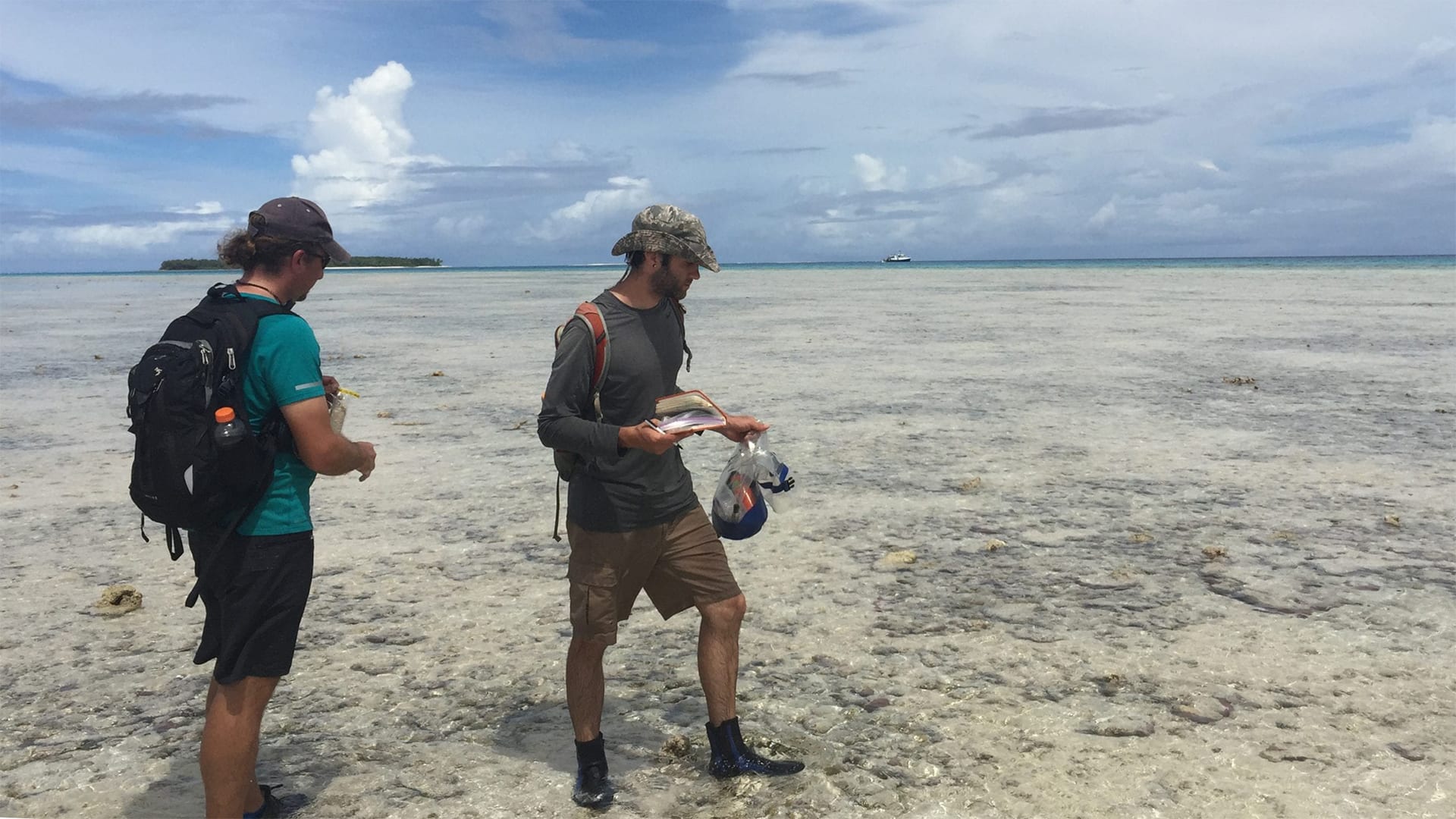
Intense tropical cyclones are expected to become more frequent as climate change increases temperatures in the Pacific Ocean. But not every area will experience storms of the same magnitude
Read MoreFirst Detailed Oil Sample Analysis Completed from Mauritius Oil Spill
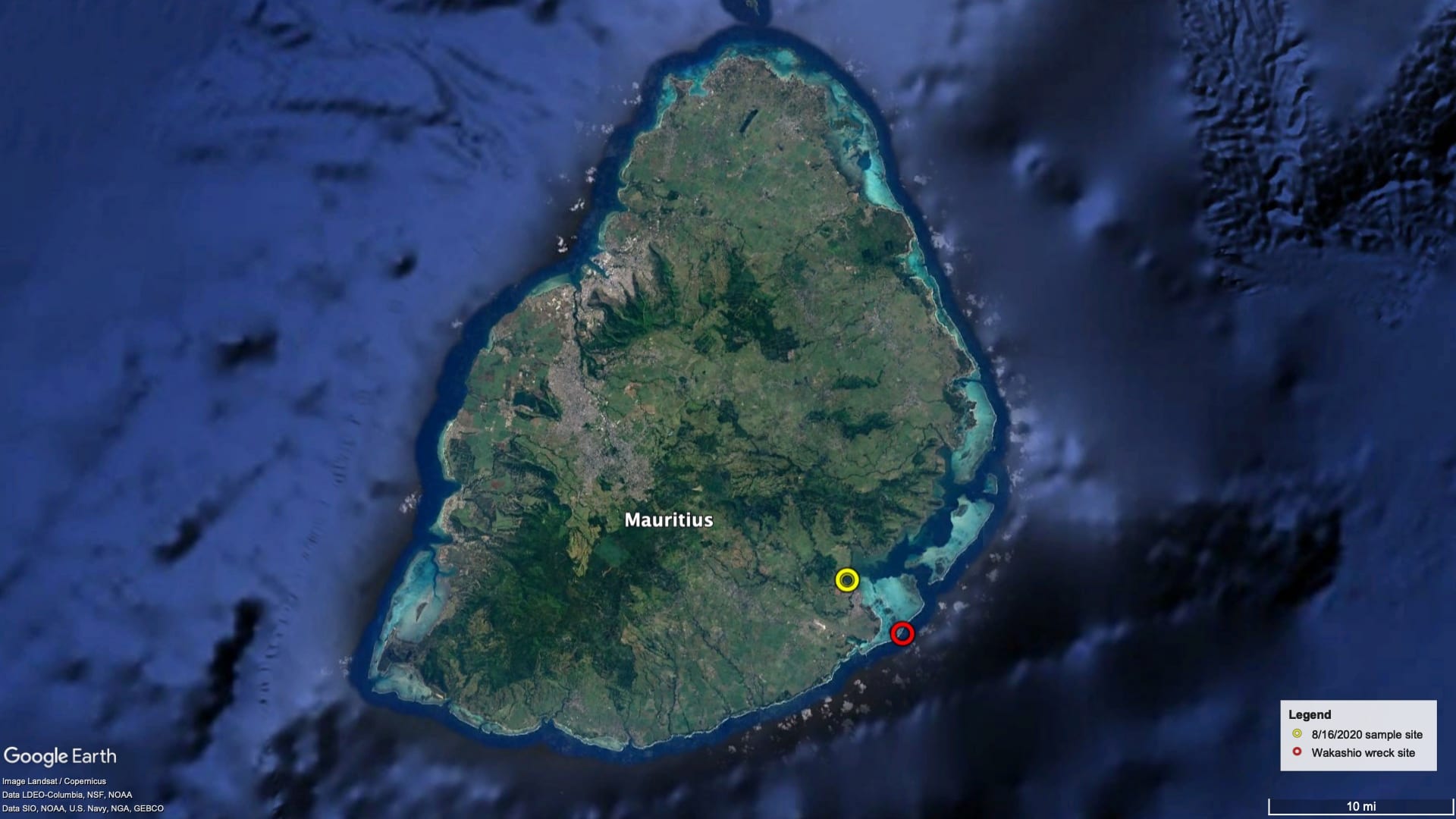
When the Japanese bulk carrier MV Wakashio struck a coral reef off the coast of Mauritius on July 25, 2020, and began leaking fuel oil two weeks later, local residents and the international community sprang into action to protect the pristine habitats that fringe the Indian Ocean nation.
Read MoreWHOI receives NOAA awards to study, predict harmful algal blooms
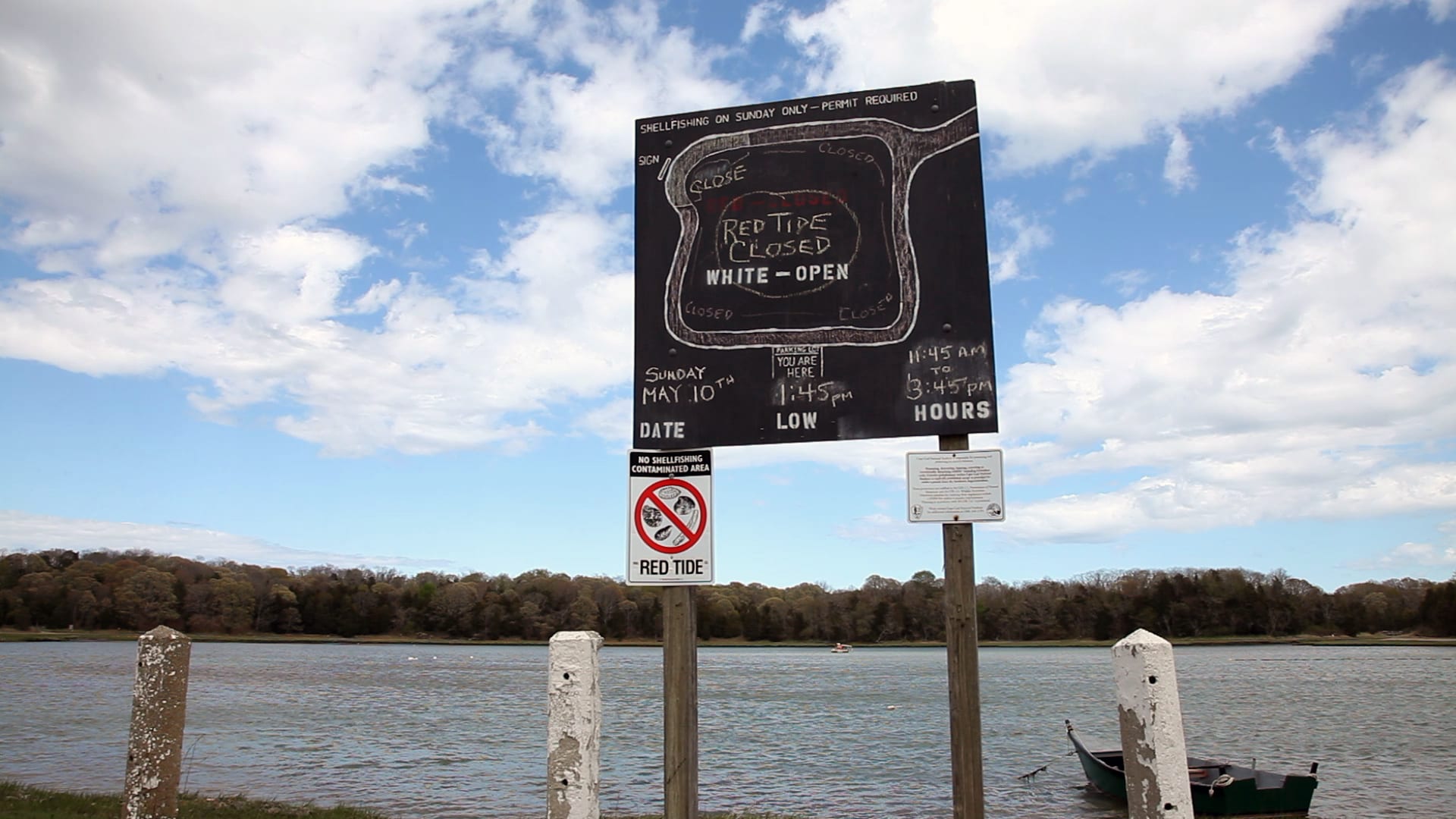
Projects will help enhance monitoring and determine socioeconomic impacts of blooms nationwide Researchers at Woods Hole Oceanographic Institution (WHOI) were recently named in a list of 17 new research projects…
Read MoreNew paper addresses the mix of contaminants in Fukushima wastewater
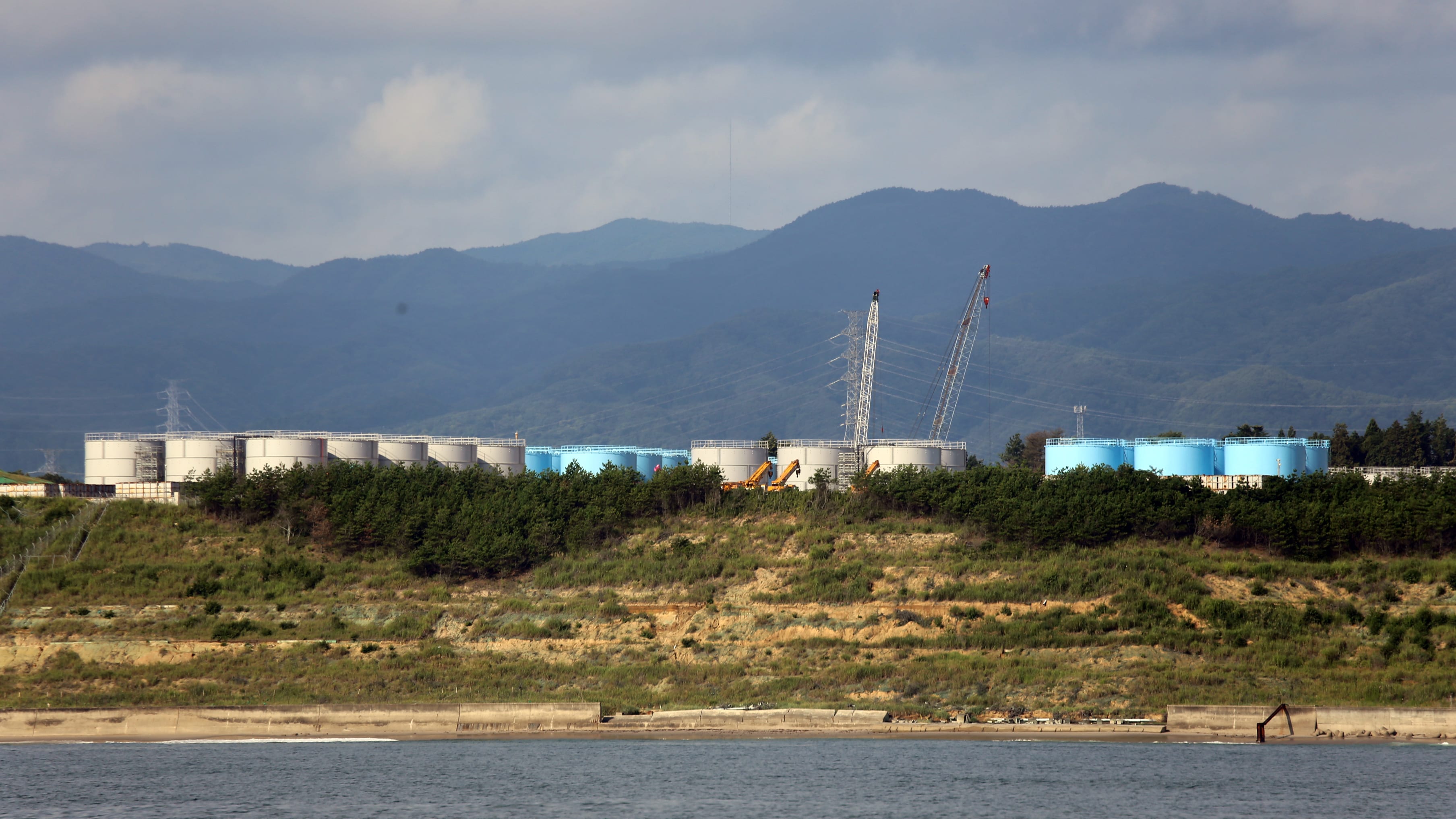
A new study in the journal Science addresses recent suggestions that treated wastewater from the Fukushima Dai-ichi Nuclear Power Plant should be dumped in the ocean.
Read MoreWHOI Scientists Make Woods Hole Film Festival Appearance
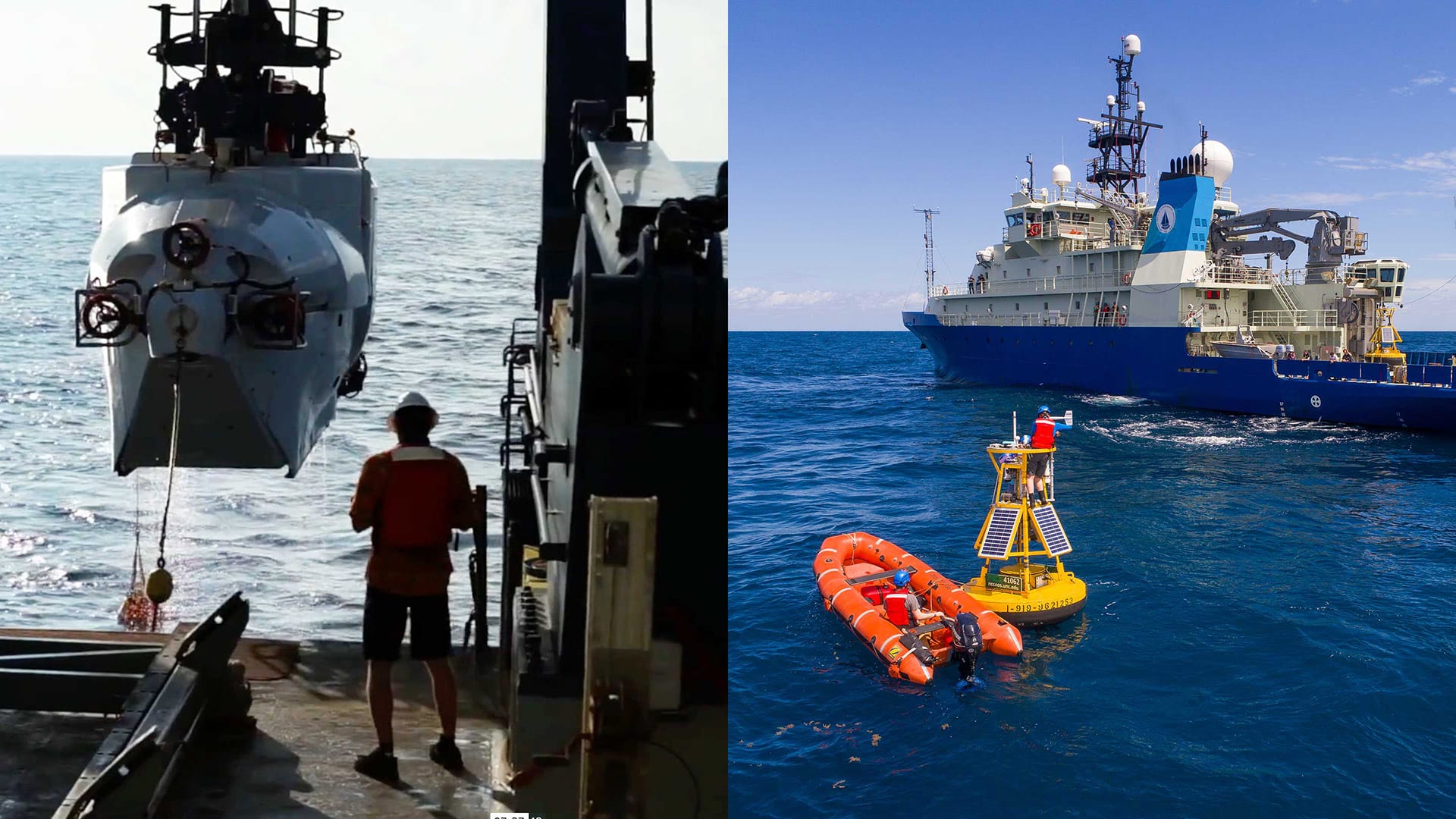
Woods Hole Oceanographic Institution (WHOI) scientists appear in two shorts and a feature film at this year’s Woods Hole Film Festival (WHFF). In addition, scientists will also participate in Q&A…
Read MoreWhat did scientists learn from Deepwater Horizon?
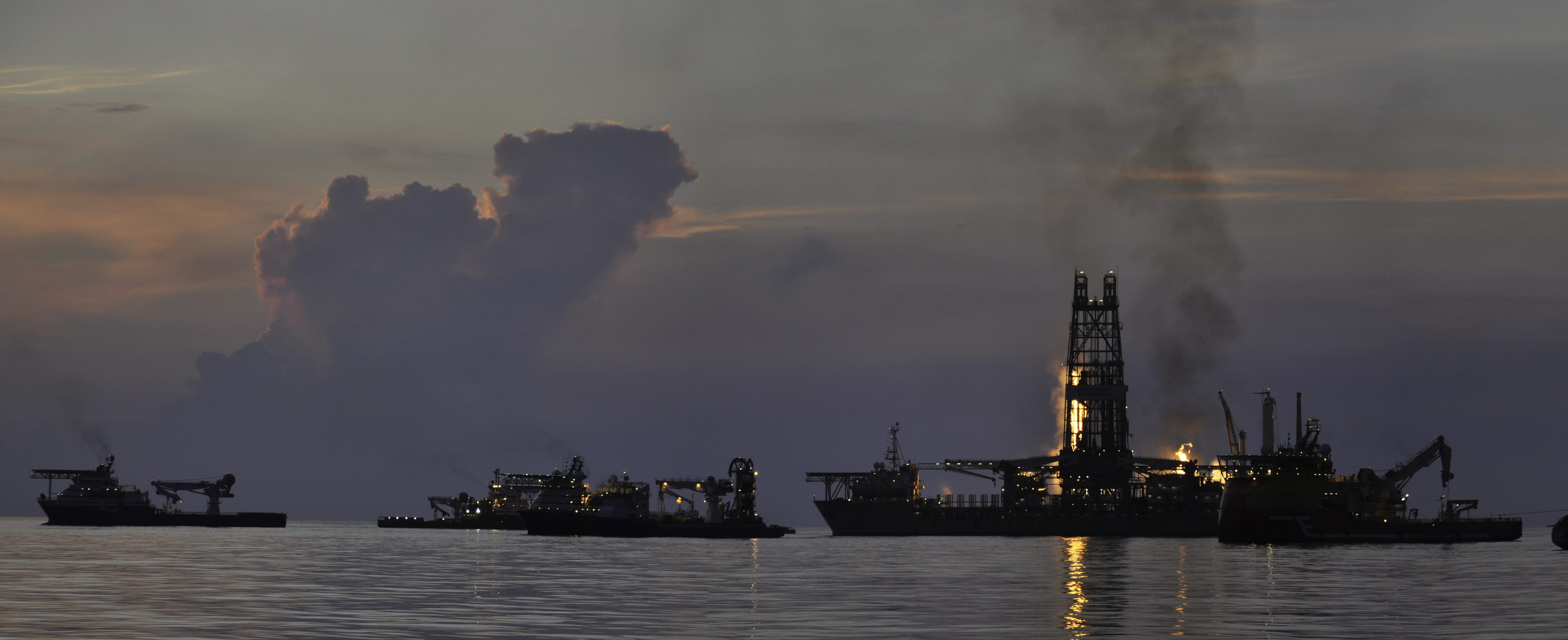
Ten years after the Deepwater Horizon explosion caused the largest accidental marine oil spill in history, WHOI marine geochemists Elizabeth Kujawinski and Christopher Reddy review what they— and their science colleagues from around the world—have learned.
Read MoreSunlight degrades polystyrene faster than expected
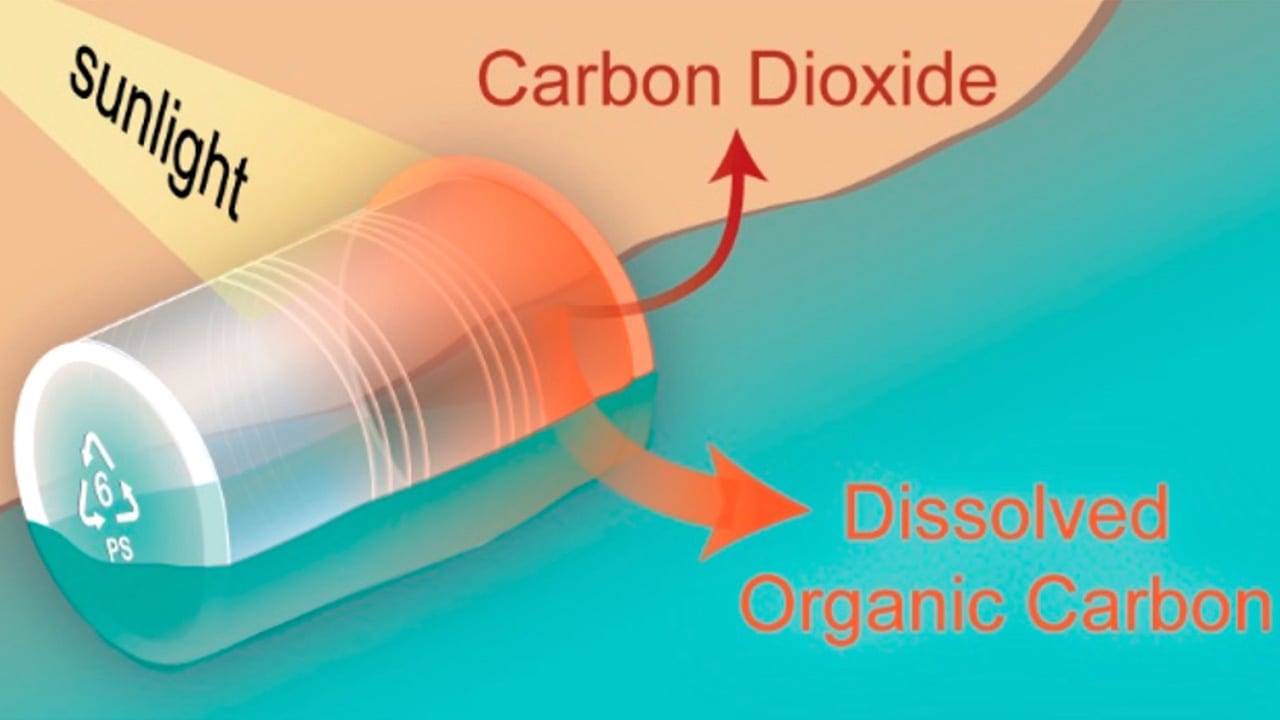
The general consensus of governmental agencies is that it takes polystyrene thousands of years to fully break down. But a new study shows that it may instead degrade in decades or centuries when exposed to sunlight.
Read MoreNOAA awards WHOI $2.9 million for harmful algal bloom research
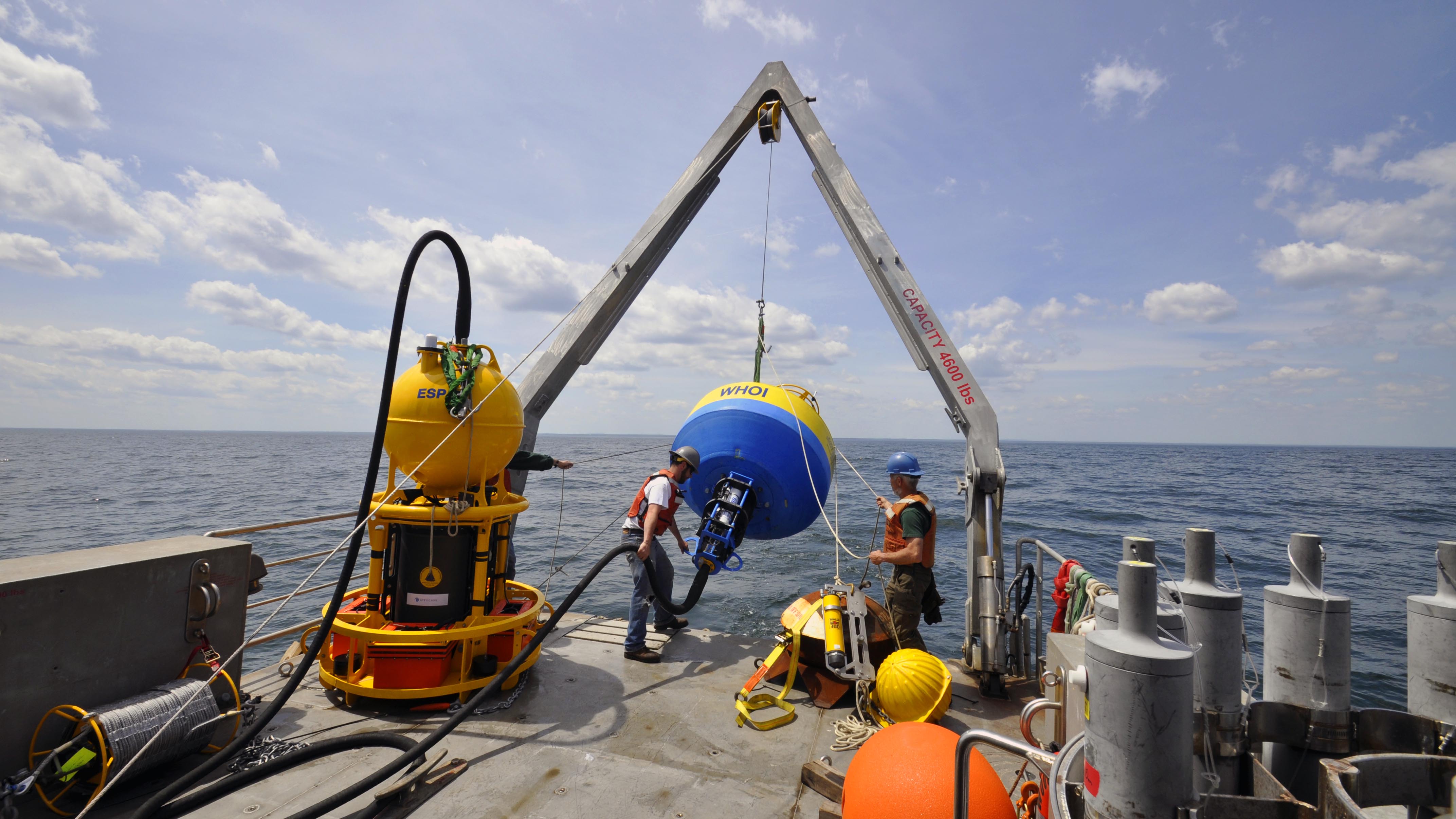
NOAA’s National Centers for Coastal Ocean Science recently announced funding for 12 new research projects to better understand and predict harmful algal blooms (HABs) and improve our collective response to them.
Read MoreFlounder Now Tumor-free in Boston Harbor
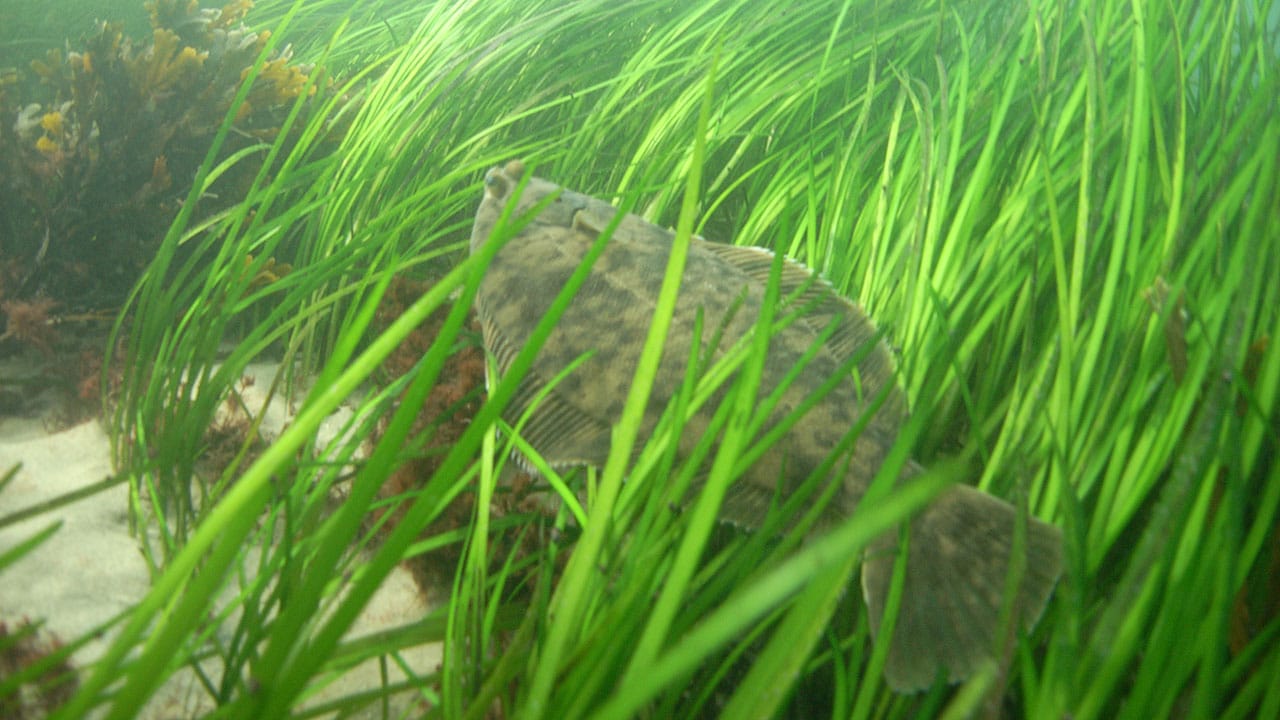
In the late 1980s, more than three-quarters of the winter flounder caught in Boston Harbor – one of the most polluted harbors in America – showed signs of liver disease, many of them with cancerous tumors. But now, a scientist at Woods Hole Oceanographic Institution (WHOI) has documented a dramatic rebound in flounder health spurred by decades of remediation efforts, including a $3.8 billion project to construct a sewage treatment plant and a 9.5-mile discharge tunnel with a 6,600-foot-long outfall diffuser. The findings appear in the Nov. 20, 2018 issue of the journal Diseases of Aquatic Organisms.
Read MoreWoods Hole Center for Oceans and Human Health Receives Five-year Funding from NSF and NIEHS
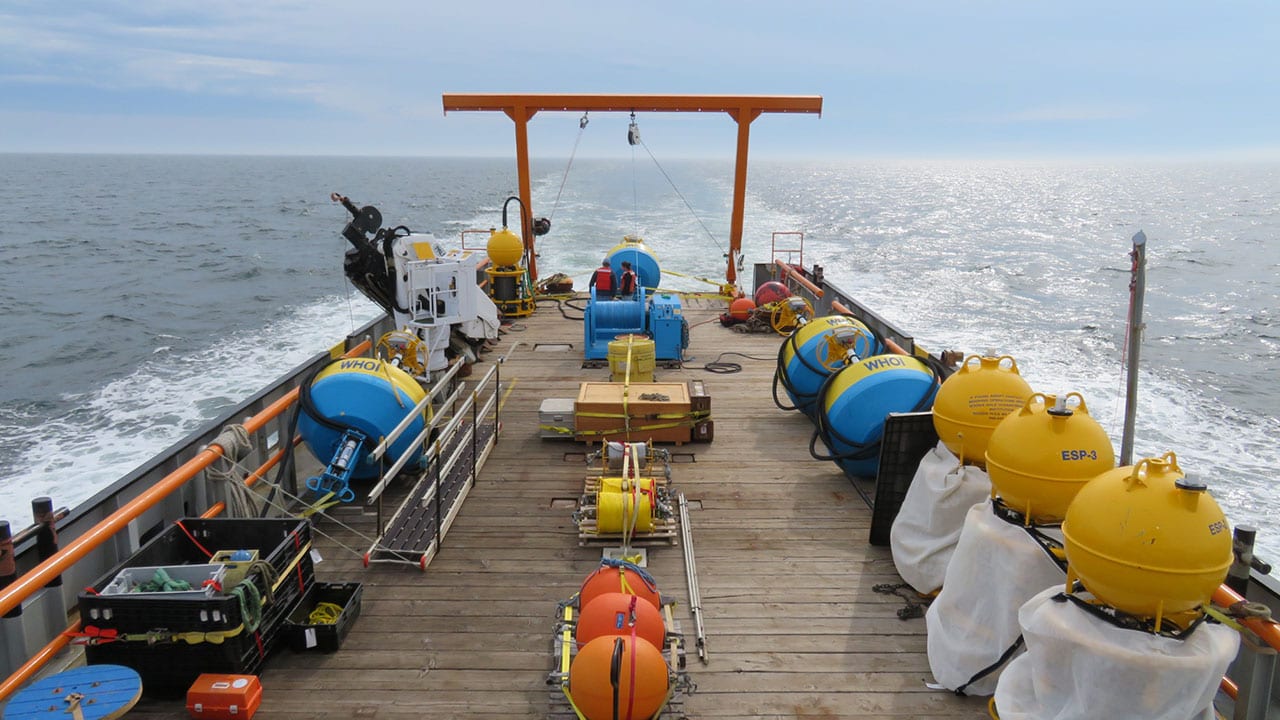
The National Science Foundation (NSF) and National Institute of Environmental Health Sciences (NIEHS), one of the National Institutes of Health, have announced that the Woods Hole Oceanographic Institution (WHOI) will…
Read MoreNew Details on Discovery of San Jose Shipwreck
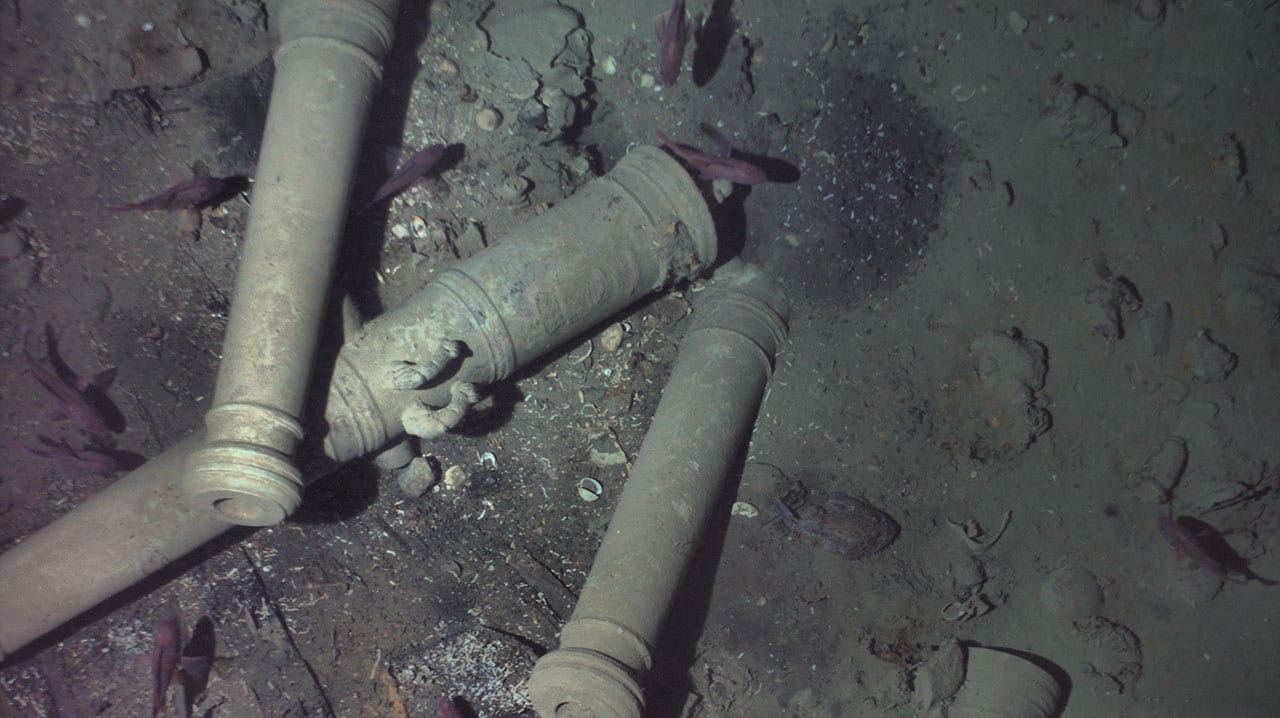
The Woods Hole Oceanographic Institution (WHOI) recently obtained authorization by Maritime Archaeology Consultants, Switzerland AG (MAC), and the Colombian government to release new details from the successful search for the three-century old San José 62-gun, three-masted Spanish galleon ship that sank with a cargo believed to be worth billions of dollars. The ship, which is often called the ‘holy grail of shipwrecks,’ went down with a treasure of gold, silver, and emeralds in 1708 during a battle with British ships in the War of Spanish Succession.
Read MoreSunlight Reduces Effectiveness of Dispersants Used in Oil Spills
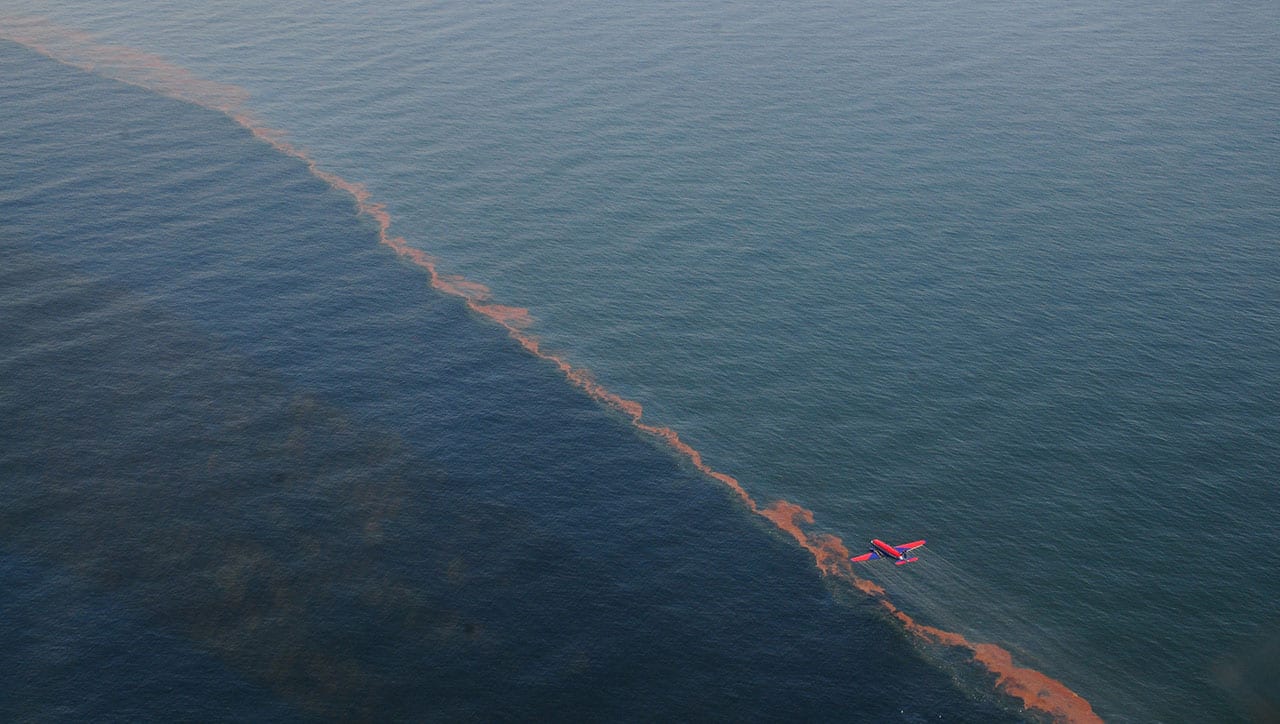
A research team led by Woods Hole Oceanographic Institution (WHOI) found that sunlight chemically alters crude oil floating on the sea surface within hours or days. In a follow-up study the team reported that sunlight changes oil into different compounds that dispersants cannot easily break up. The results of these two studies could affect how responders decide when, where, and how to use dispersants.
Read MoreRadioactivity Lingers from 1946-1958 Nuclear Bomb Tests
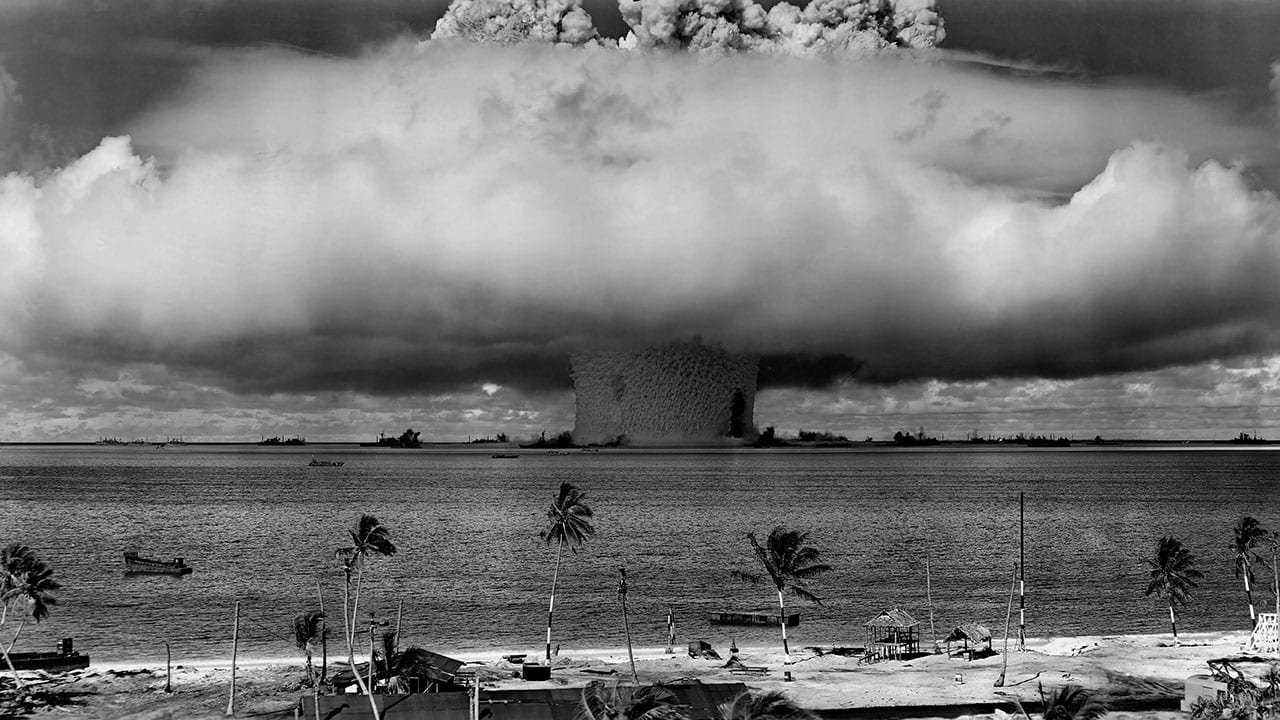
Scientists have found lingering radioactivity in the lagoons of remote Marshall Island atolls in the Pacific Ocean where the United States conducted 66 nuclear weapons tests in the 1940s and…
Read MoreScientists Find New Source of Radioactivity from Fukushima Disaster
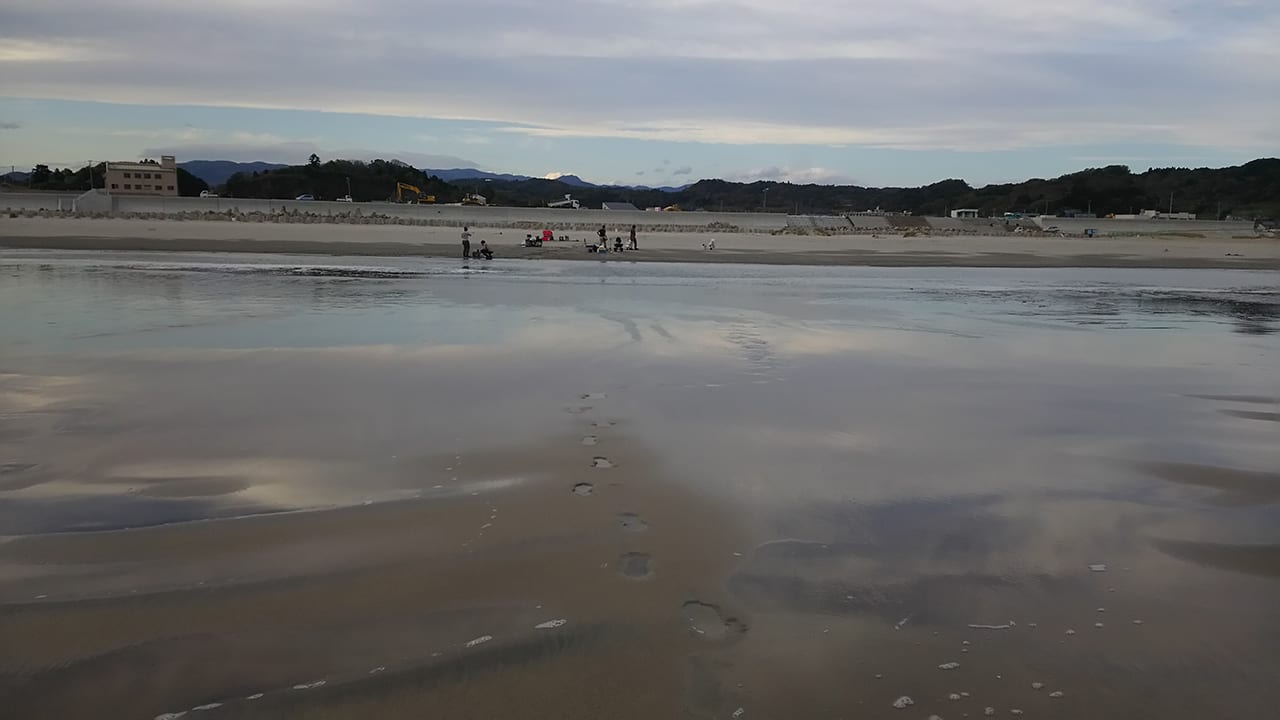
Scientists have found a previously unsuspected place where radioactive material from the Fukushima Dai-ichi nuclear power plant disaster has accumulated’in sands and brackish groundwater beneath beaches up to 60 miles away. The sands took up and retained radioactive cesium originating from the disaster in 2011 and have been slowly releasing it back to the ocean.
Read MoreDispersants Improved Air Quality for Responders at Deepwater Horizon

A study published Aug. 28, 2017, in the Proceedings of the National Academy of Sciences adds a new dimension to the controversial decision to inject large amounts of chemical dispersants immediately above the crippled oil well at the seafloor during the Deepwater Horizon disaster in 2010. The dispersants may have significantly reduced the amount of harmful gases in the air at the sea surface’diminishing health risks for emergency responders and allowing them to keep working to stop the uncontrolled spill and clean up the spilled oil sooner.
Read More