
News Releases
Expedition captures first detailed imagery of Robert Falcon Scott’s last ship, Terra Nova, using cutting-edge Canadian Voyis 3D technology
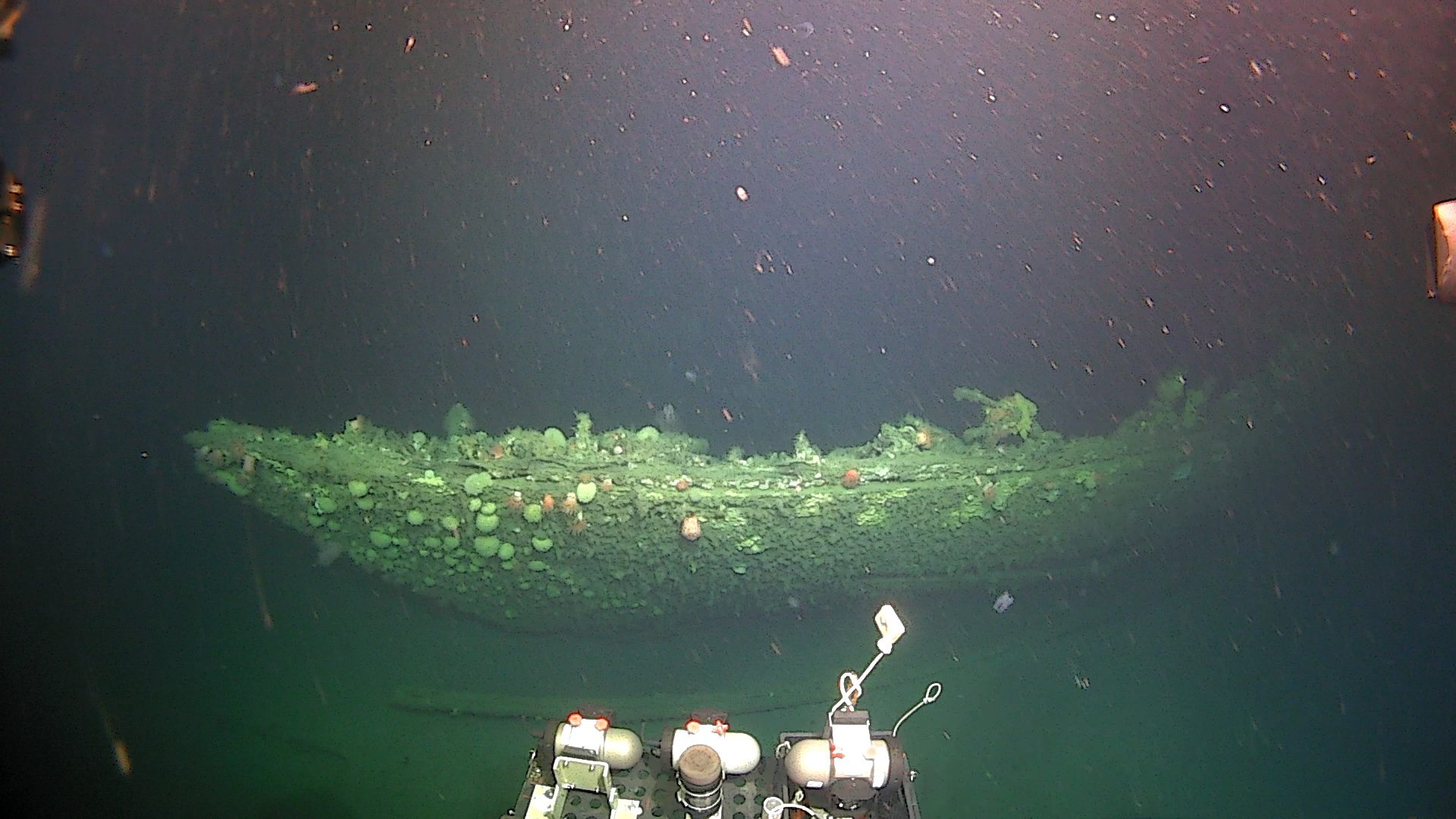
The Heroic Age Expedition, led by the Royal Canadian Geographical Society in partnership with Woods Hole Oceanographic Institution, reveals the famed Antarctic explorer’s last ship, Terra Nova in stunning detail
Read MoreResearchers help solve mystery of clockwork-like earthquake system deep beneath the Pacific
Study of Gofar transform fault on the Pacific seafloor points to mitigating effects of “barrier zones” that keep ruptures from spreading.
Read MoreWHOI discovers the oldest known whale recordings, dating to 1949
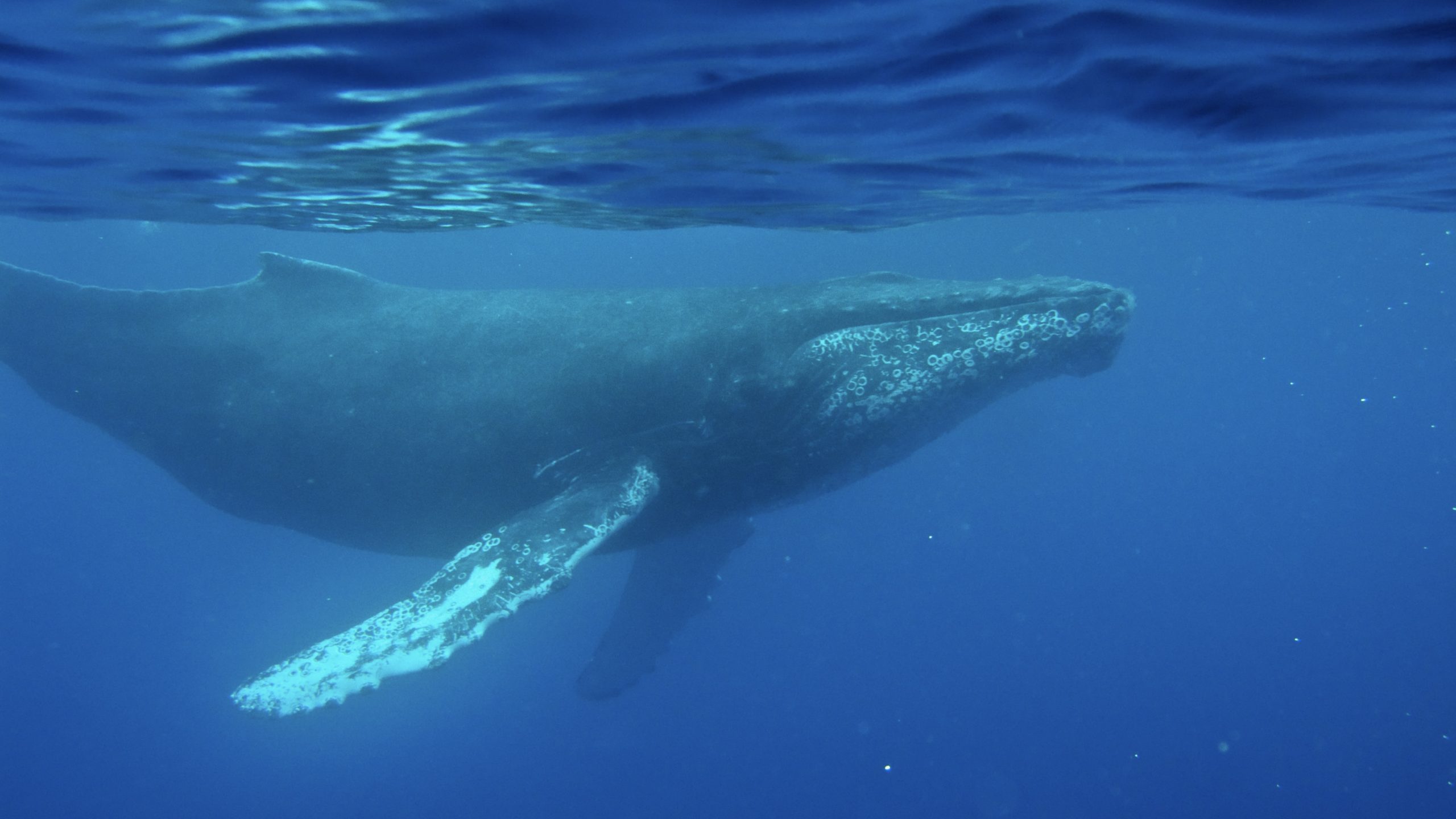
The recording was discovered on a fragile but remarkably well-preserved audograph disc in WHOI’s archival collections.
Read MoreOil residues can travel over 5,000 miles on ocean debris, study finds
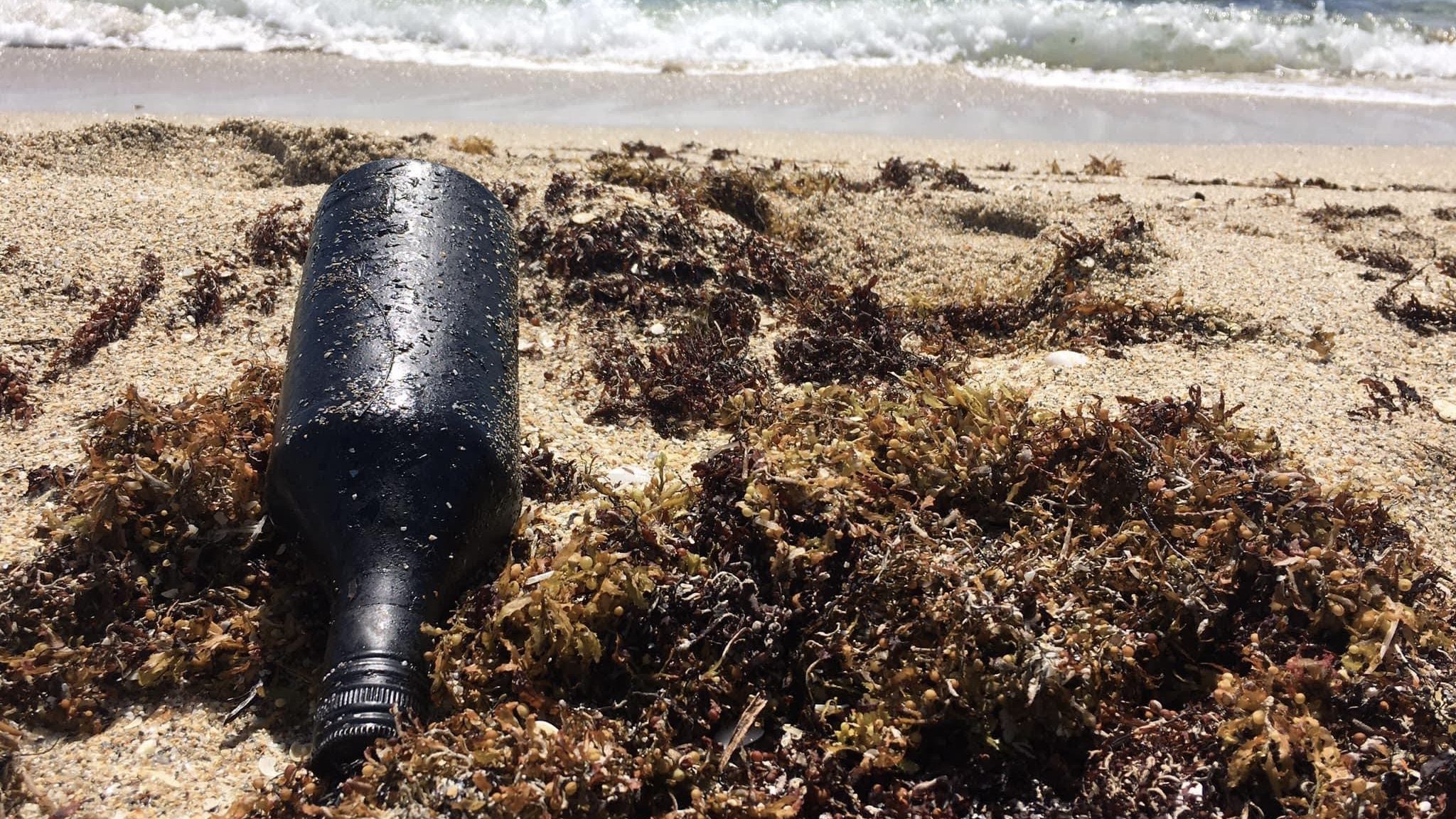
Oil spill forensics reveal how plastic debris can carry petroleum pollution across entire ocean basins
Read MoreUSS Arizona provides blueprint for addressing oil leakage at thousands of WWII shipwrecks
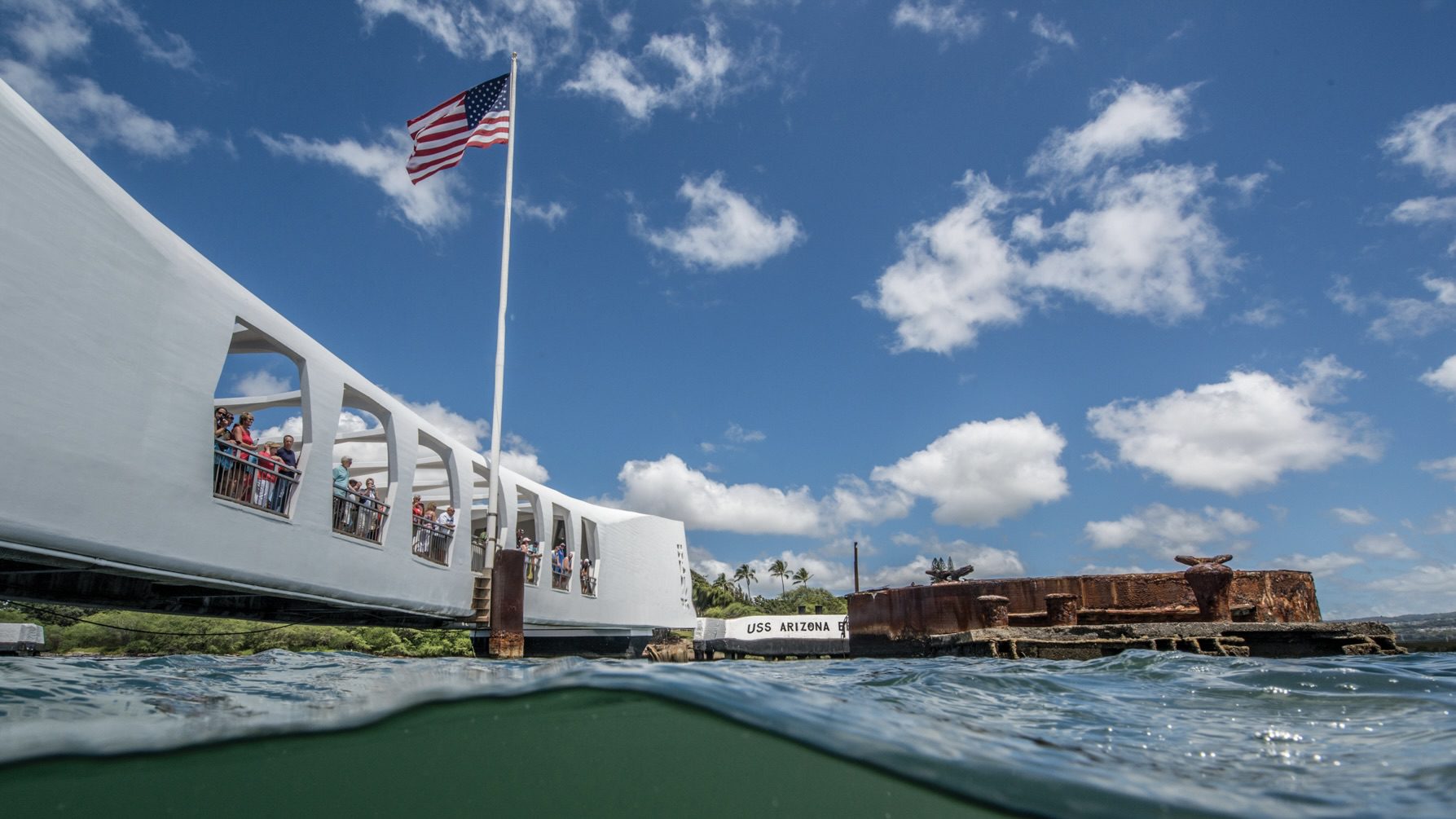
The findings underscore the USS Arizona’s dual role as a solemn memorial and a “living laboratory.”
Read MoreA new look at an old pollutant
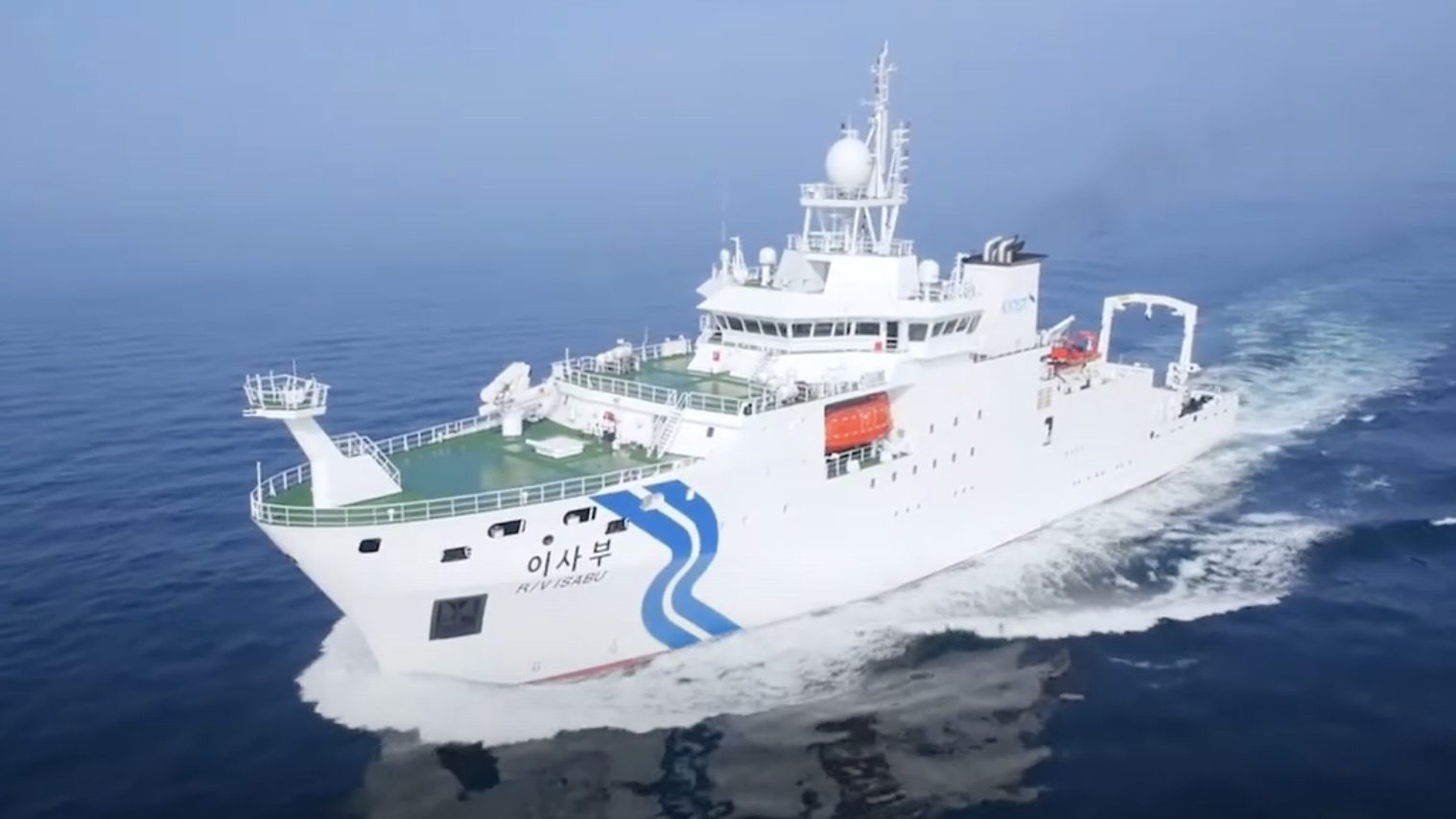
A WHOI-led study tracks mercury across the western Pacific
Read MoreForty years after the Titanic discovery, WHOI continues to advance ocean research and exploration
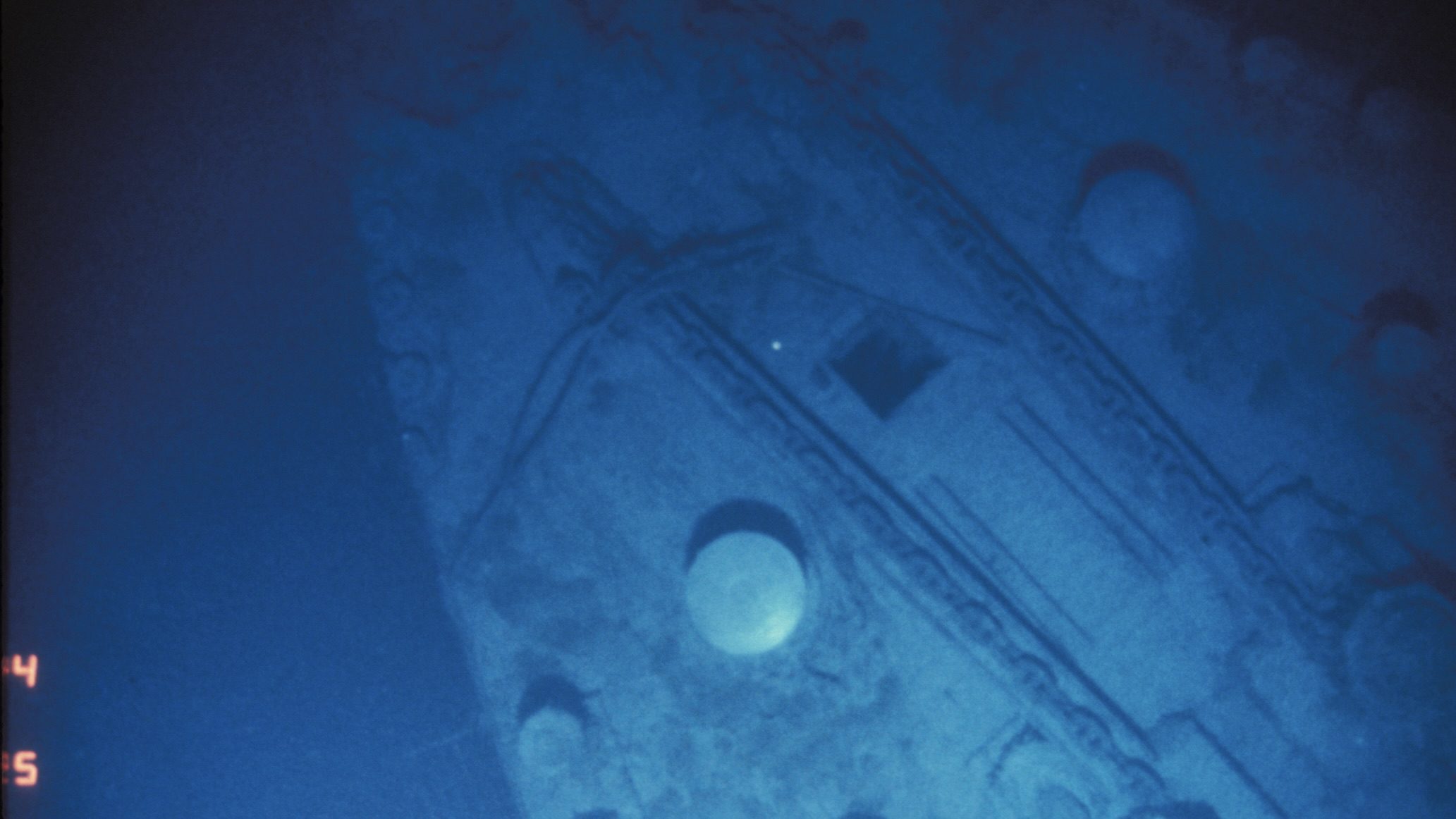
How cutting-edge technology, novel search techniques, and persistence paid off
Read MoreNew program aims to improve hurricane predictions with ocean data
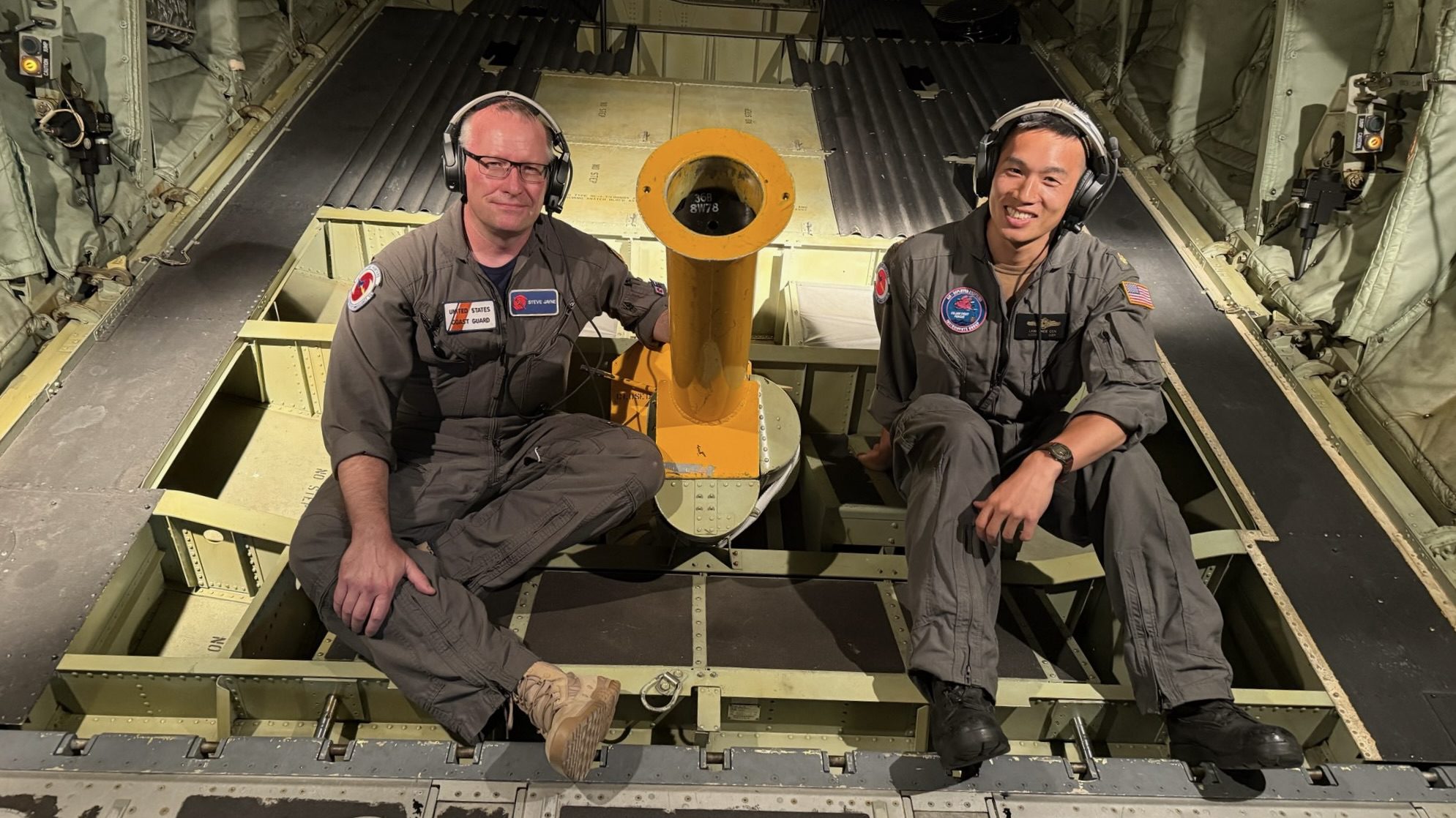
The coordinated combination of in situ observations, satellites, and high-resolution models will allow us to fill gaps in our knowledge of air-sea interactions.
Read MoreNew report highlights plastic pollution as a grave and growing danger to health and announces an independent, health-focused global monitoring system
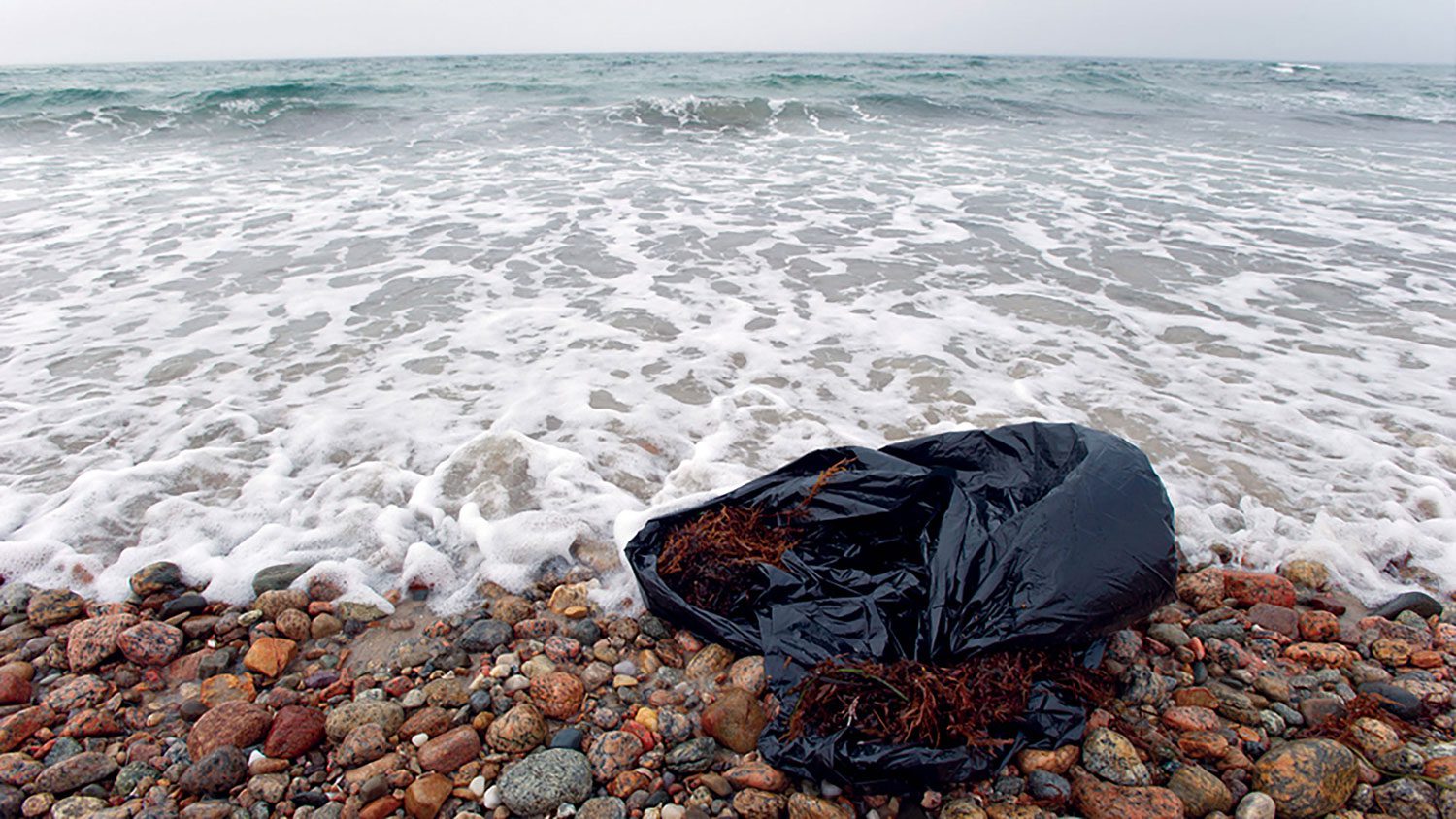
While the impacts of plastic pollution on human health and the environment are growing, the report finds, increasing harm due to plastics is not inevitable.
Read MoreResearch almost two decades in the making: What can cicadas tell us about the Earth’s metals?
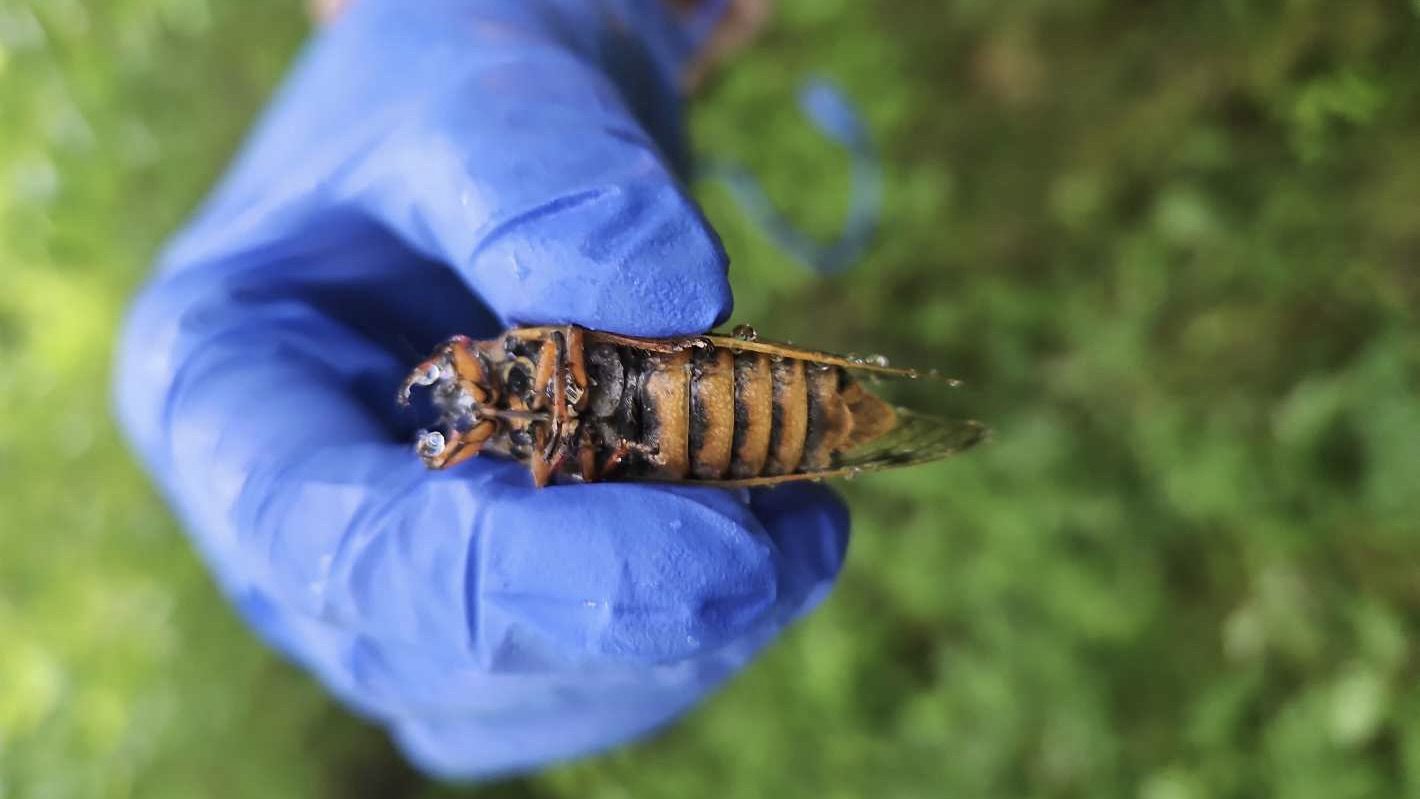
Billions of cicadas will be emerging on Cape Cod, and other parts of the country in late May or early June.
Read MoreWHOI oceanographers investigate southern Brazil’s catastrophic flooding
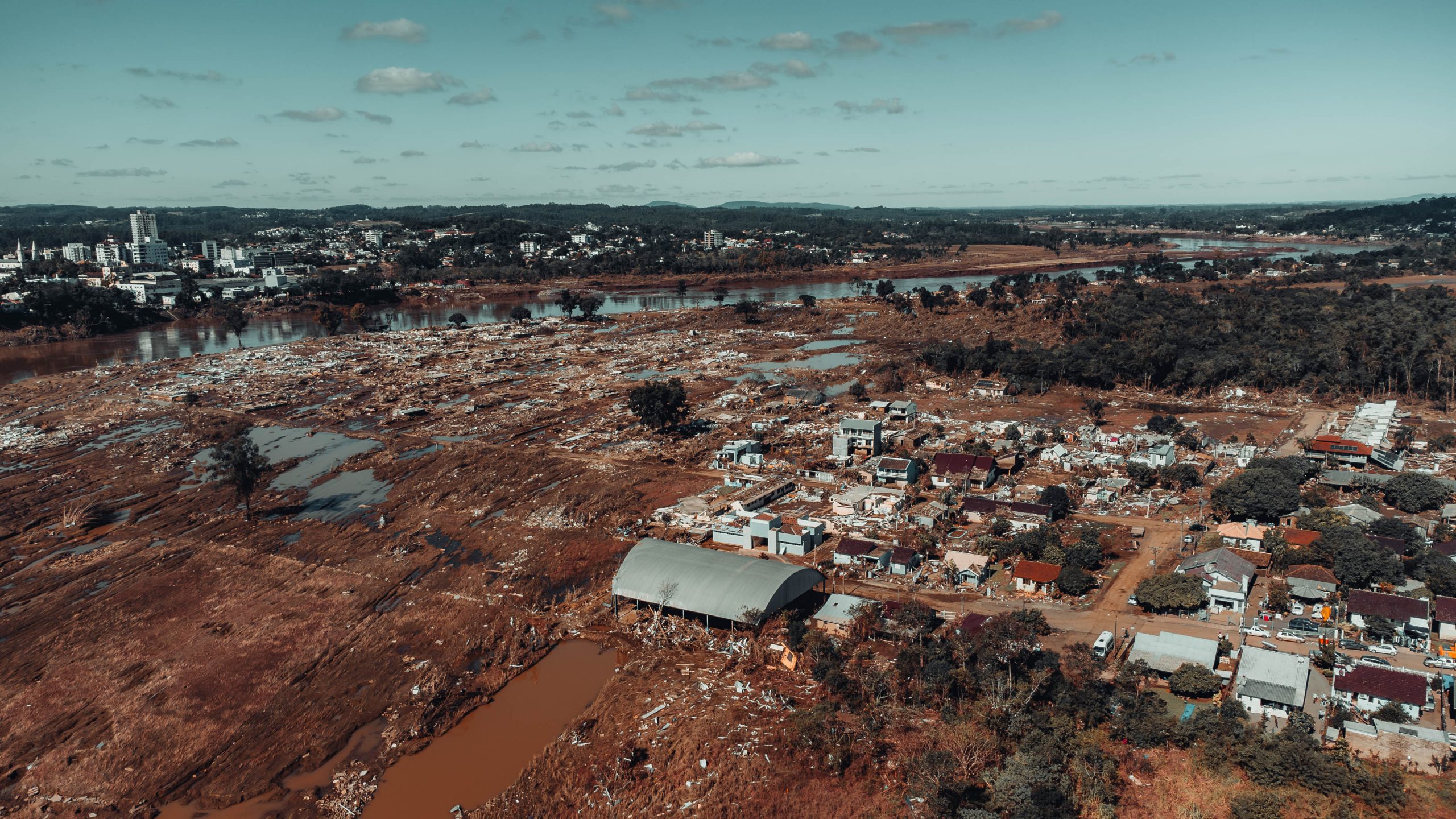
A new WHOI-led study uses satellite data to help uncover what caused devastating flooding and examine how it impacted some of the state’s most vulnerable residents.
Read MoreProposed Wastewater Release into Cape Cod Bay Likely to Remain in Bay for at Least One Month, Study Finds
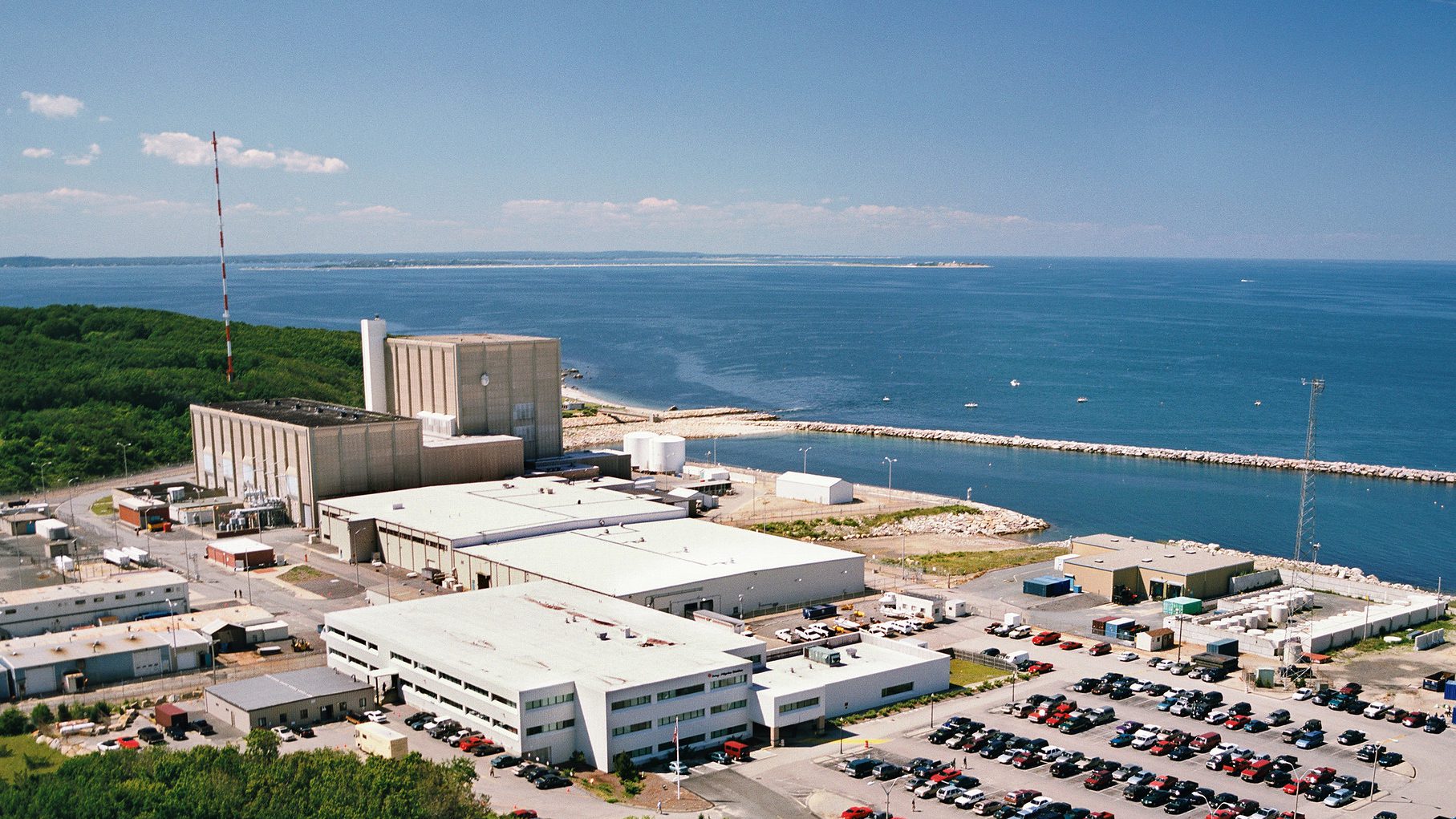
Their findings are based on a model of the circulation patterns around Cape Cod Bay and provide insight into the seasonal differences in conditions in and around the Bay.
Read MoreCoastal retreat in Alaska is accelerating because of compound climate impacts
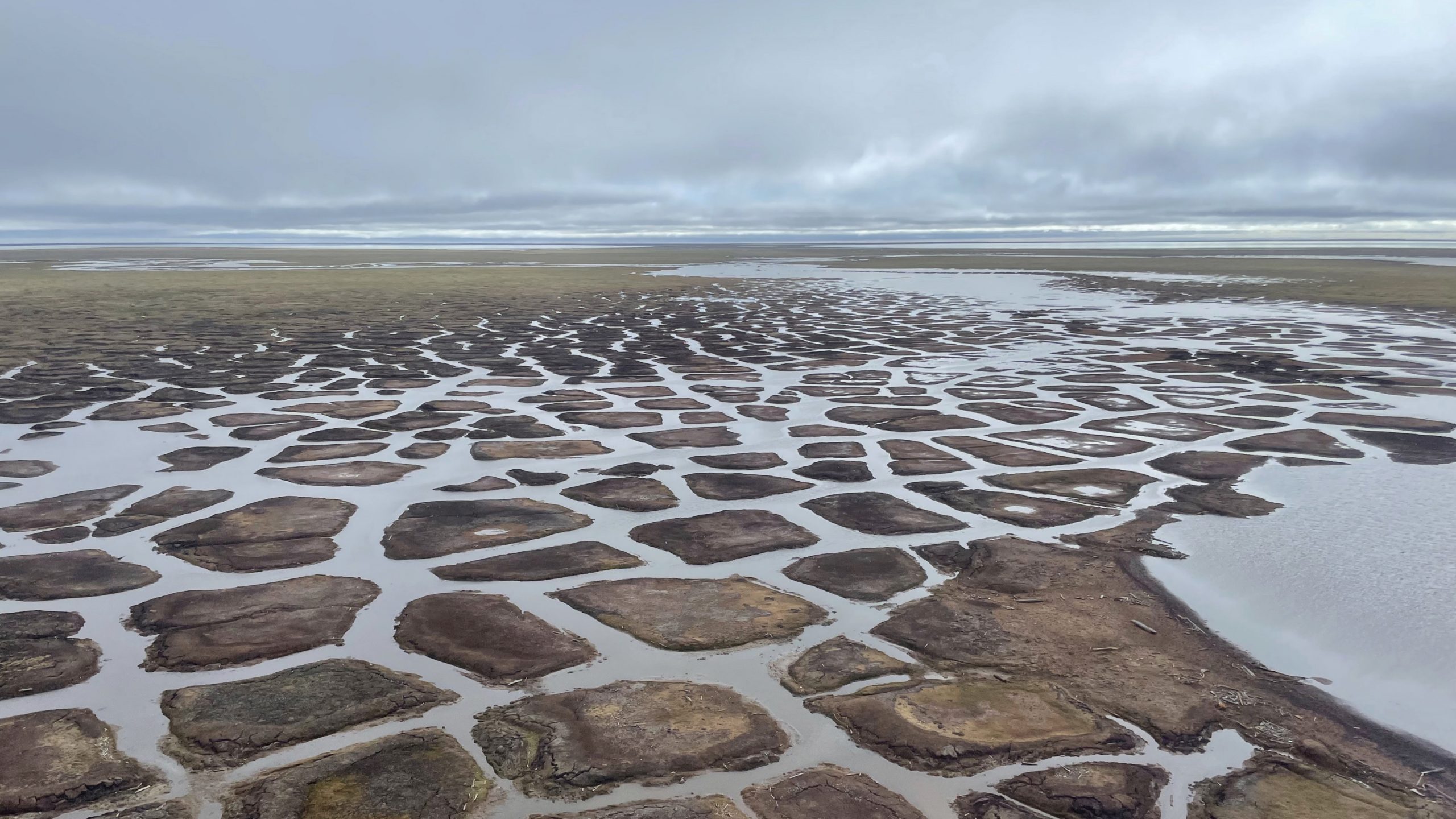
Observations have shown coastal erosion as an increasing Arctic hazard, but other hazards—including sea level rise and permafrost thaw subsidence—have received less attention.
Read MoreMulti-disciplinary teams respond to recent hurricanes to measure real time impacts of storm surge, waves
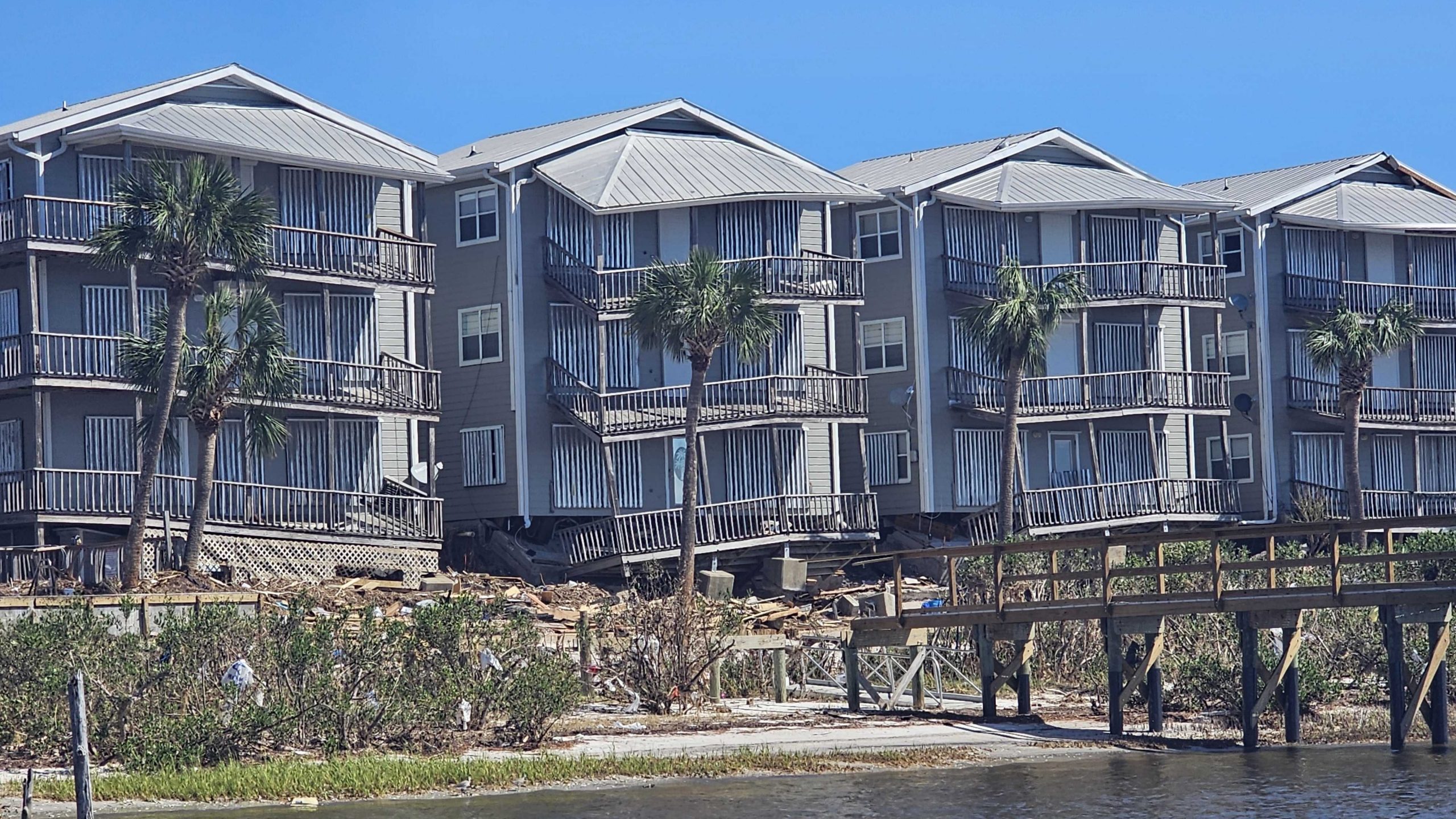
A joint team, including WHOI researchers, recently mobilized to investigate the real-time impacts of storm surge and waves from Hurricanes Helene and Milton.
Read MoreWHOI Scientists Discover Fastest Degrading Bioplastic in Seawater
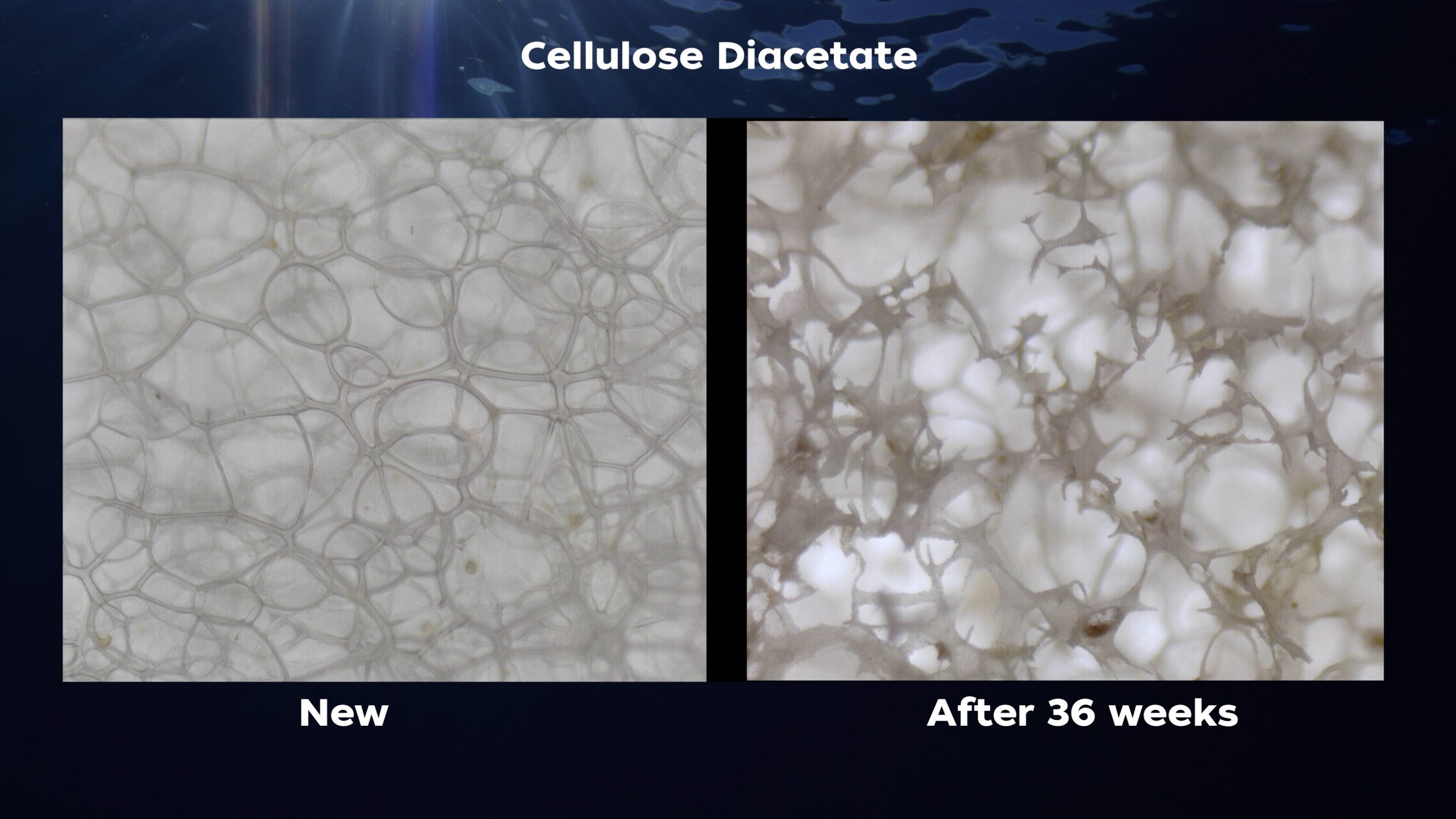
A new version of CDA was found to be the fastest degrading bioplastic material tested in seawater and is a promising replacement for other long-lasting foam plastic materials.
Read MoreNew harmful algal blooms report
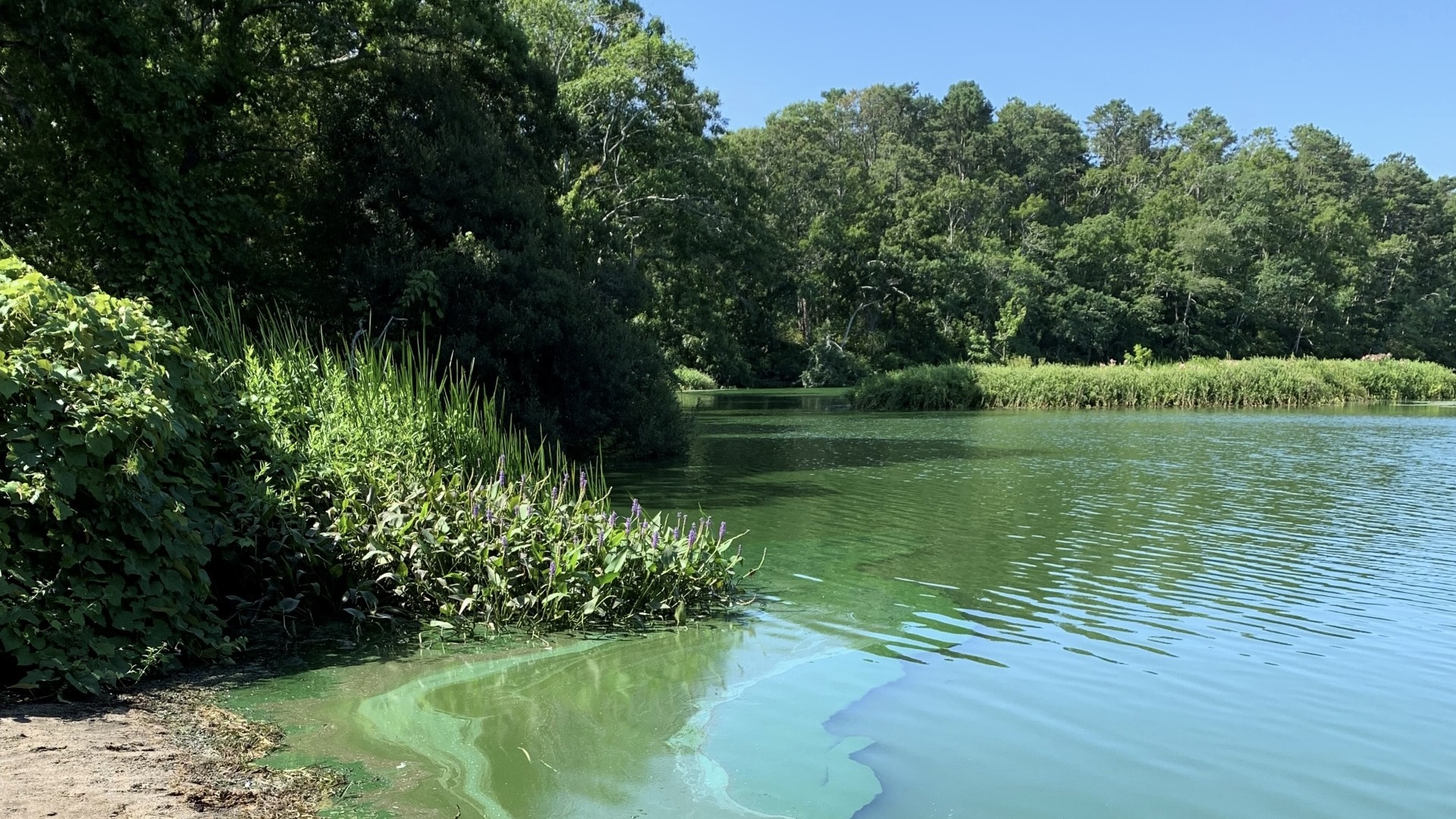
Updated national science strategy for harmful algal research and response builds on major accomplishments, findings.
Read MoreThe Detection of a Massive Harmful Algal Bloom in the Arctic Prompts Real-Time Advisories to Western Alaskan Communities
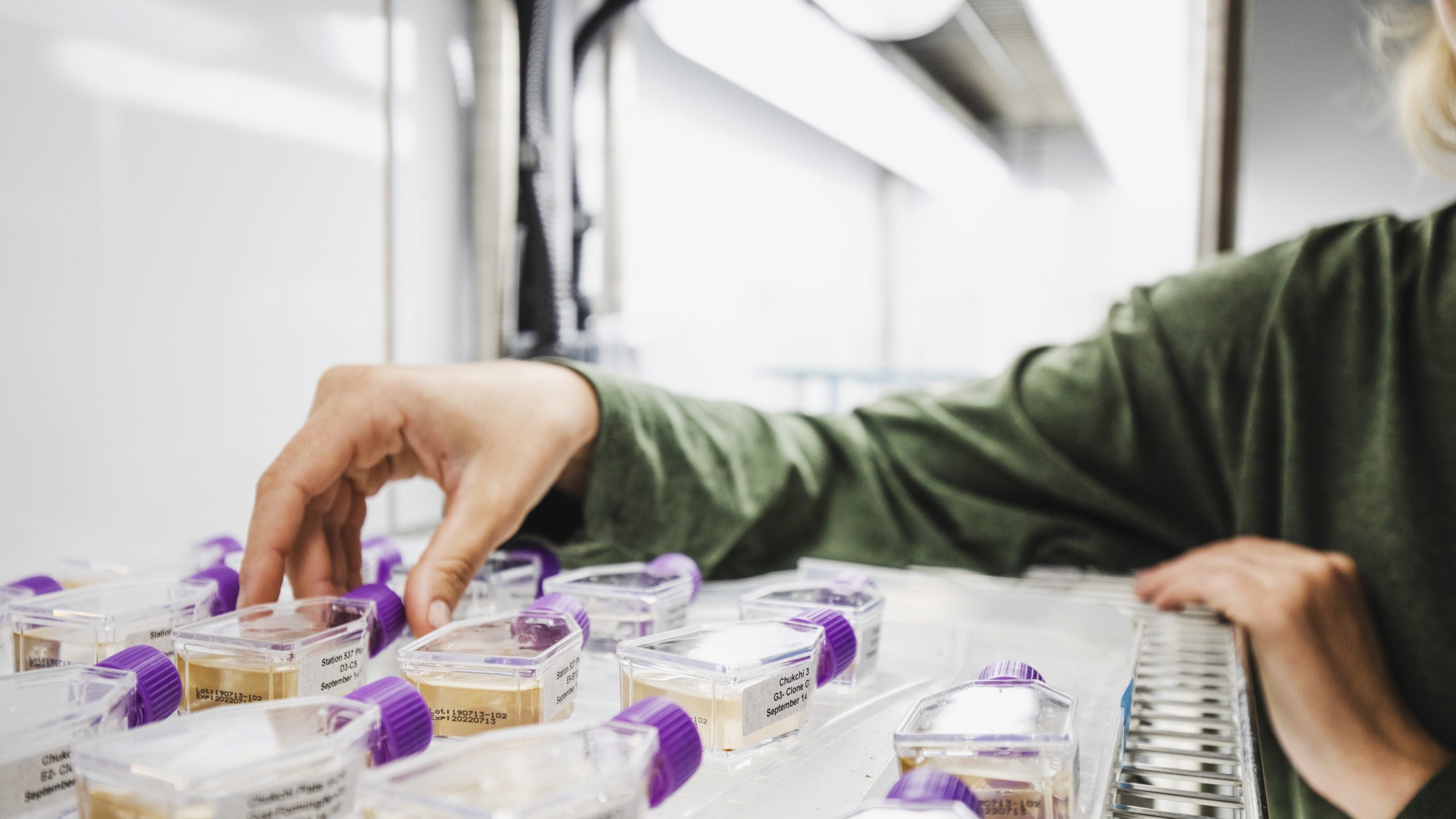
The potent toxicity of the 2022 HAB event “posed an unprecedented risk to human and ecosystem health.”
Read MoreWoods Hole Center for Oceans and Human Health Receives Additional Five Years of Funding
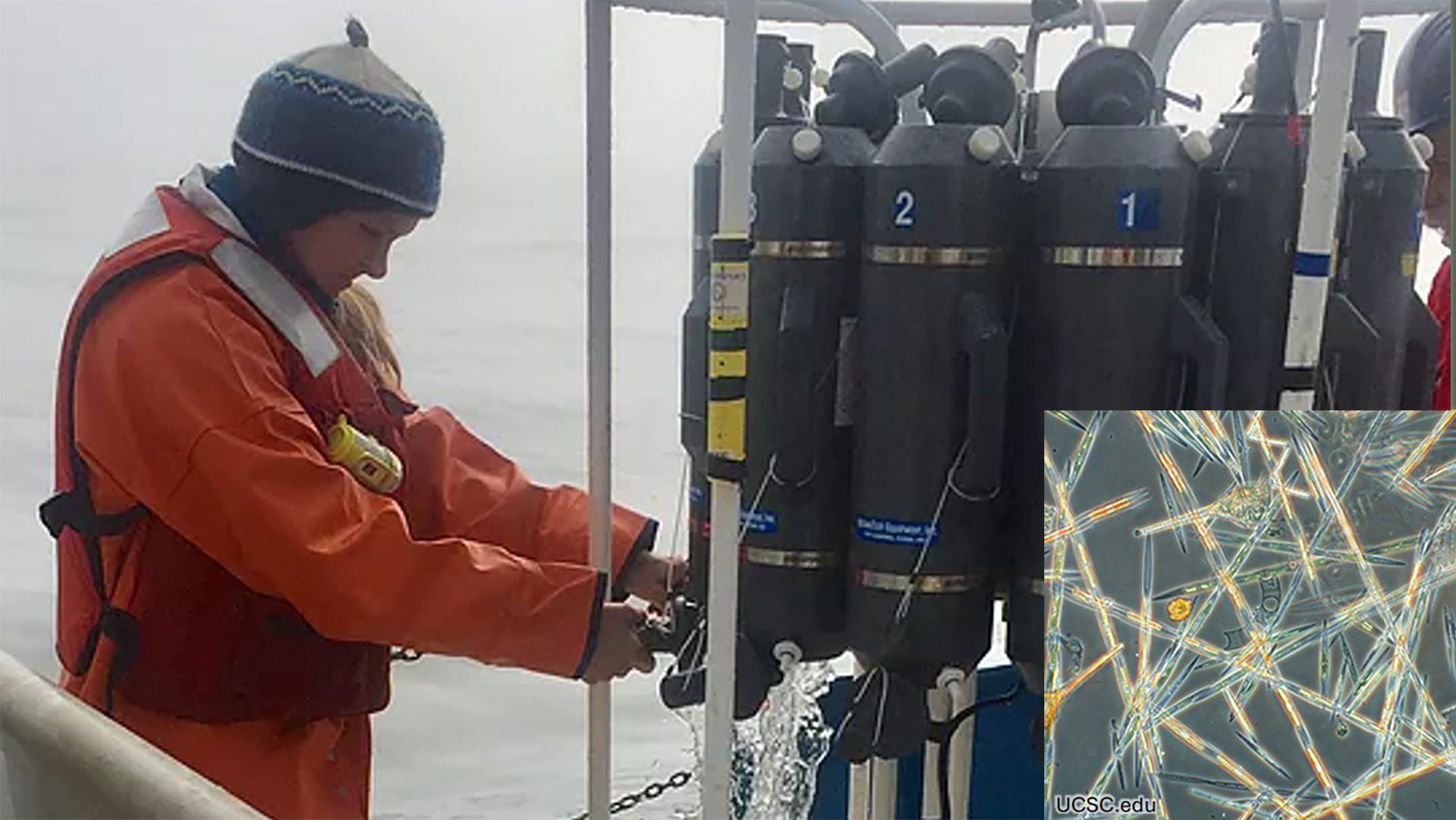
The National Institute of Environmental Health Sciences (NIEHS) and National Science Foundation (NSF) have announced that the Woods Hole Oceanographic Institution (WHOI) will receive funding to continue operating the Woods Hole Center for Oceans and Human Health (WHCOHH).
Read MoreSome Plastic Straws Degrade Quicker Than Others, New Study Shows
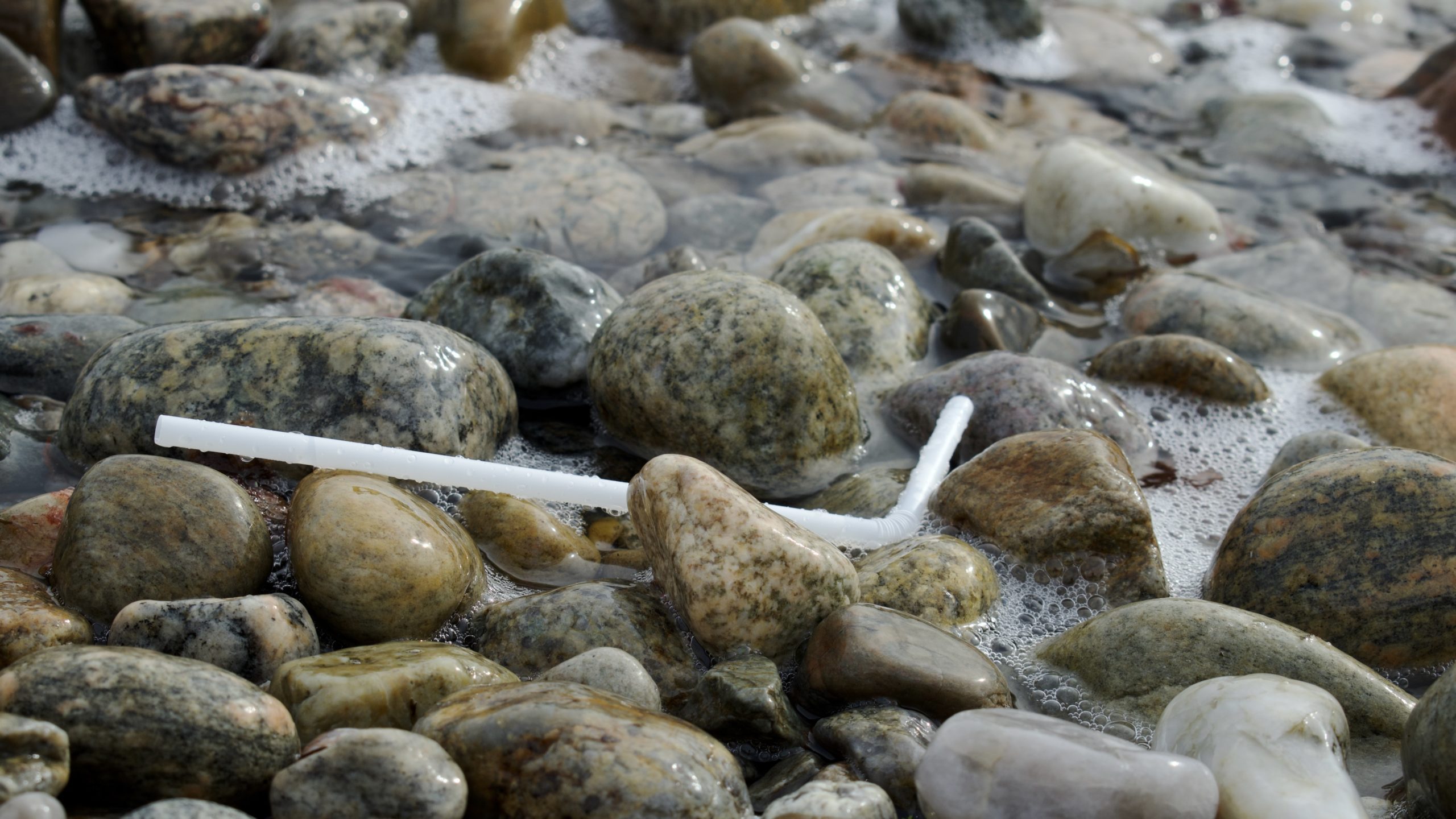
WHOI researchers determine lifetimes of drinking straws in the coastal ocean and develop a prototype bioplastic straw that degrades even faster than paper
Read MoreA new way of looking at plastics

WHOI researchers develop a new sustainability metric for plastic products
Read MoreMapping the potential path of nuclear wastewater
WHOI Sea Grant will study spreading pathways from Pilgrim Nuclear Power Station
Read MoreThe Great Atlantic Sargassum Belt
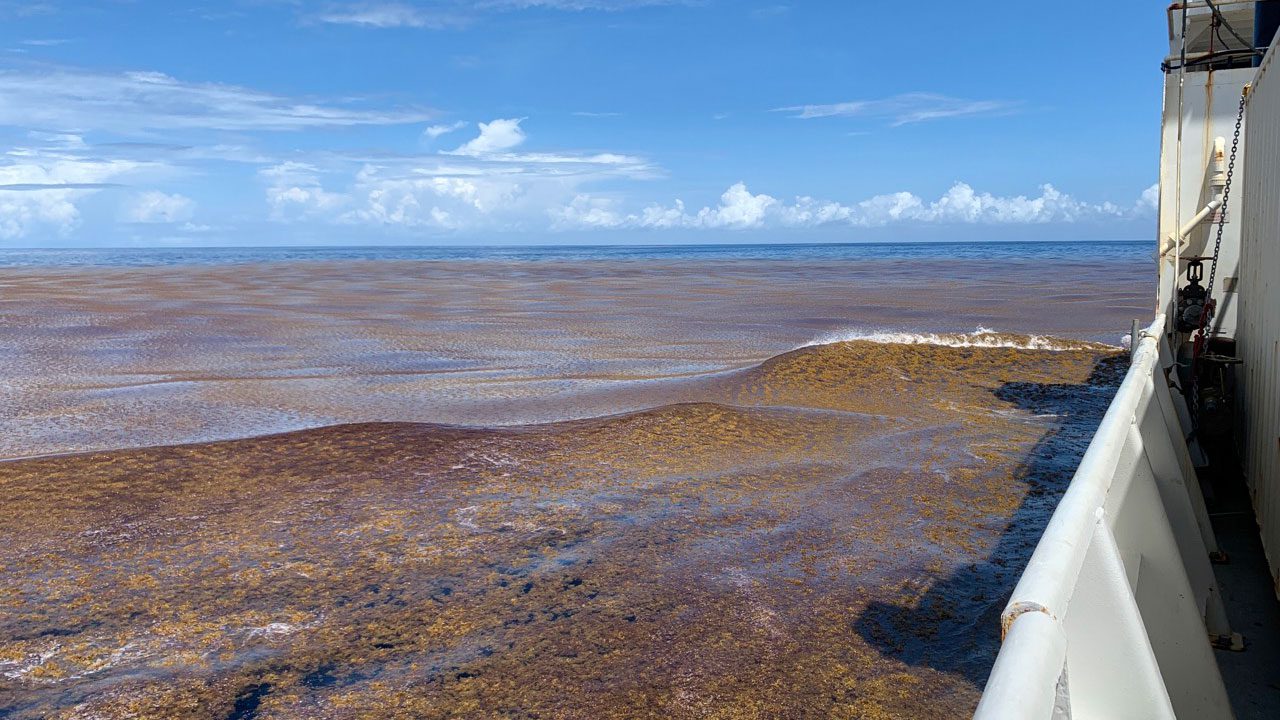
Opportunistic sampling shows geographic scope of distribution, offer some of the first sampling opportunities
Read MoreWHOI helps lead groundbreaking study on the human and ocean health impacts of ocean plastics
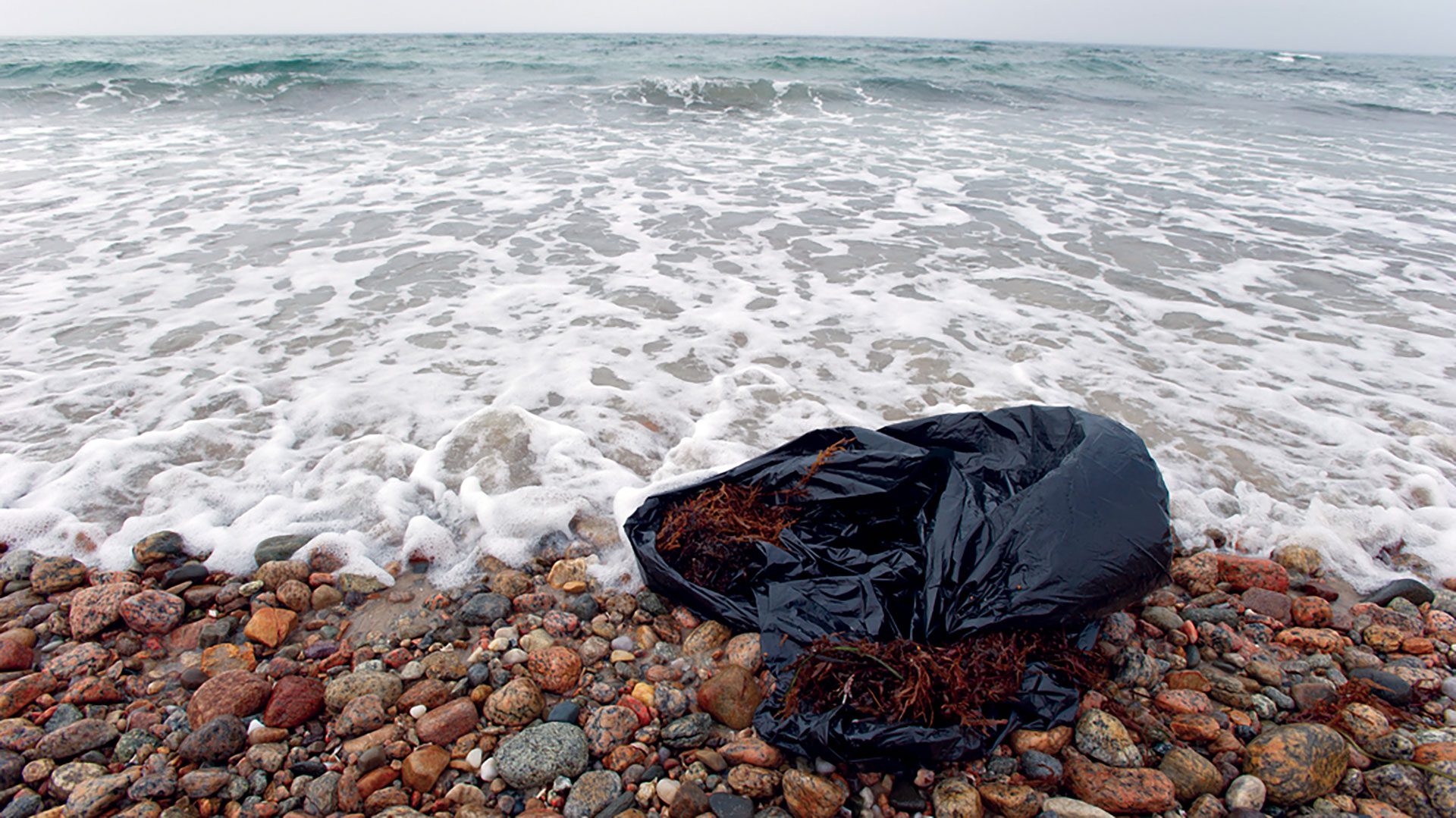
For the first time, leading researchers from the fields of healthcare, ocean science, and social science have collaborated to quantify plastic’s considerable risks to all life on Earth. The Minderoo-Monaco Commission on Plastics and Human Health report, released today, presents a comprehensive analysis showing plastics as a hazard at every stage of their life cycle.
Read MoreWoods Hole Oceanographic Institution releases rare video footage from the first submersible dives to RMS Titanic
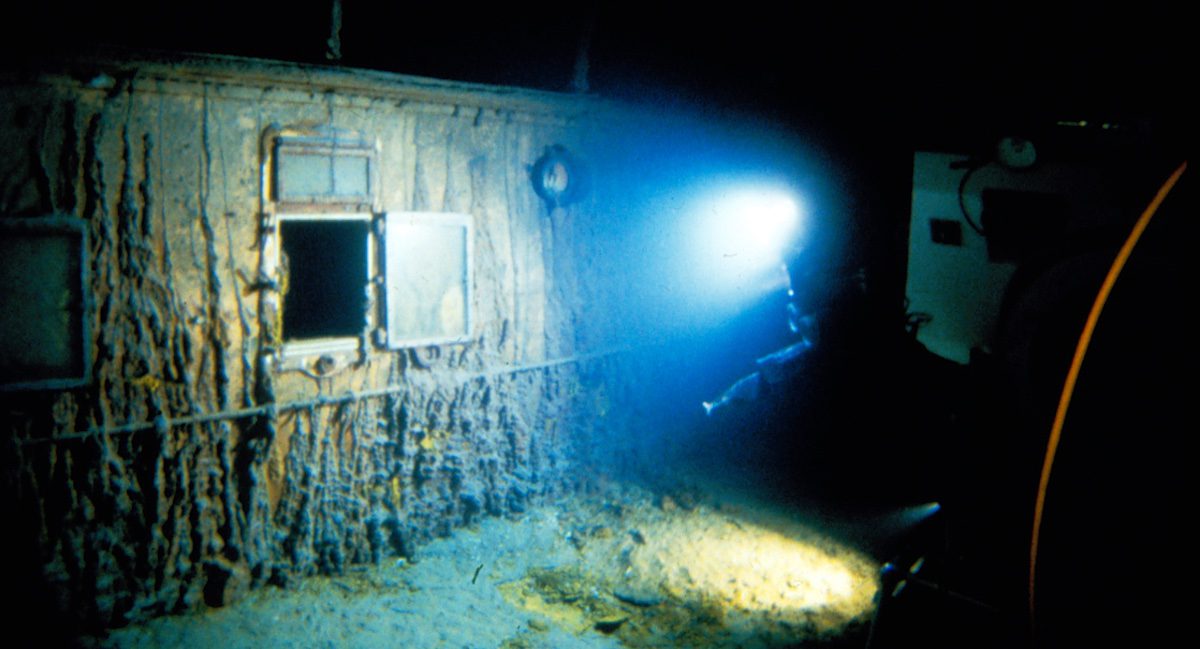
In the submersible Alvin, the mission was the first time humans set eyes on the wreck since it sank nearly 75 years earlier.
Read More