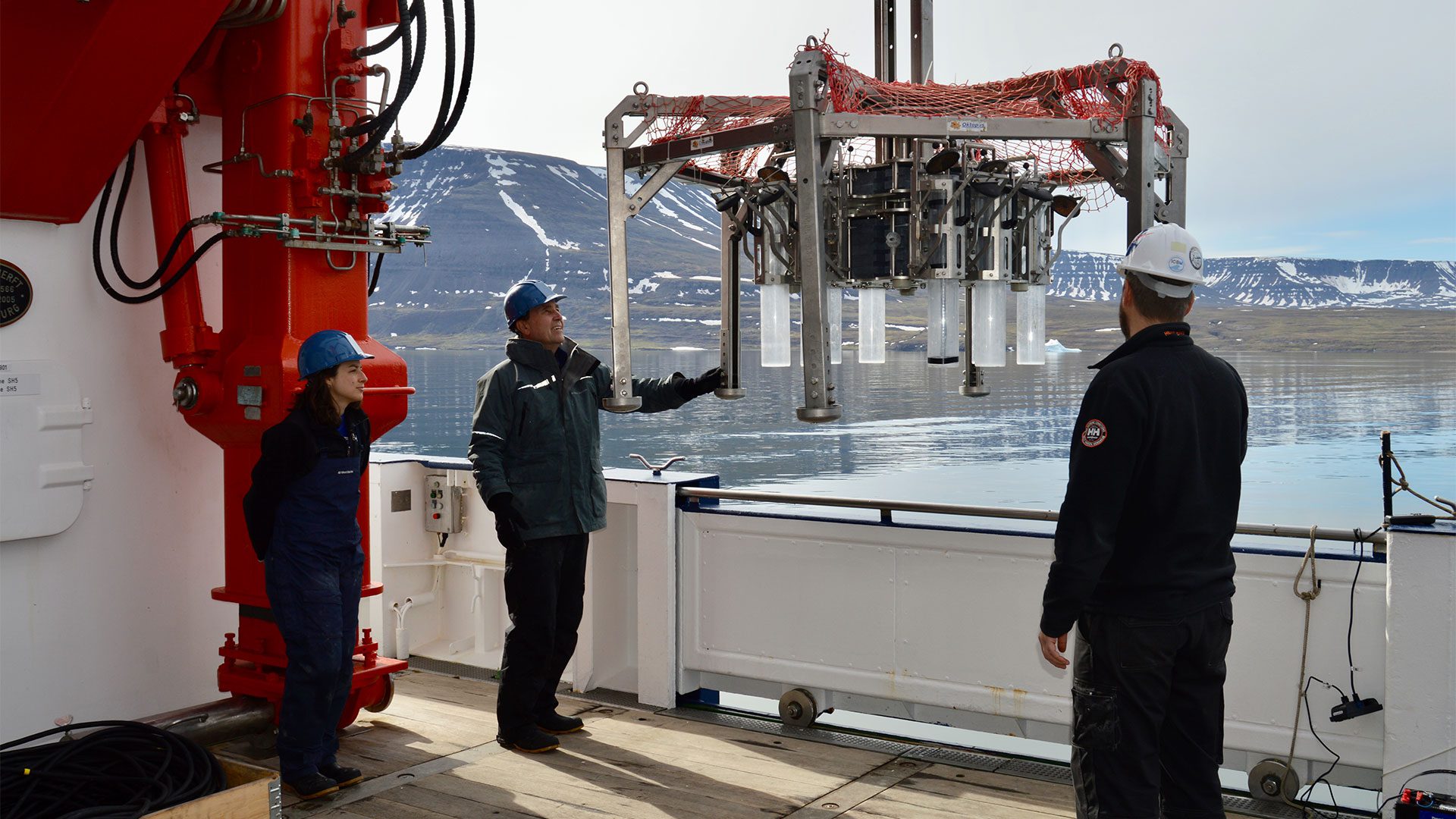
The unseen toll of war on science
As the changing climate accelerates the spread of toxic algal blooms in the Arctic, the Russia–Ukraine war is cutting off critical international collaboration needed to understand and protect vulnerable ecosystems and communities.

The human cost of Brazil’s floods
New research maps social vulnerability after the 2024 deluge
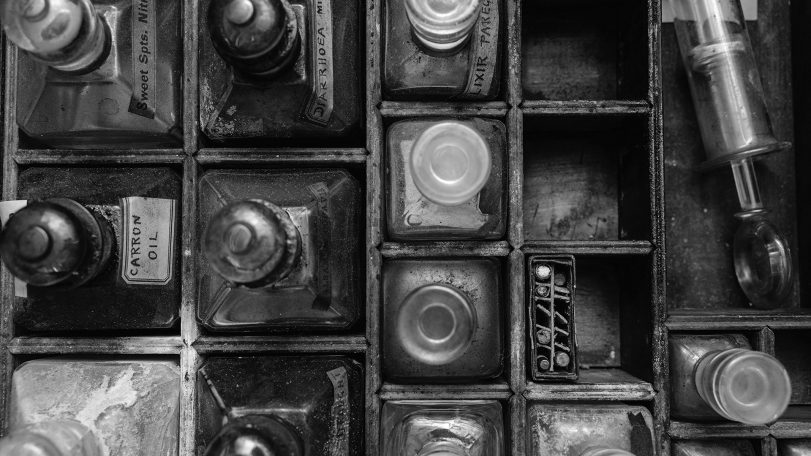
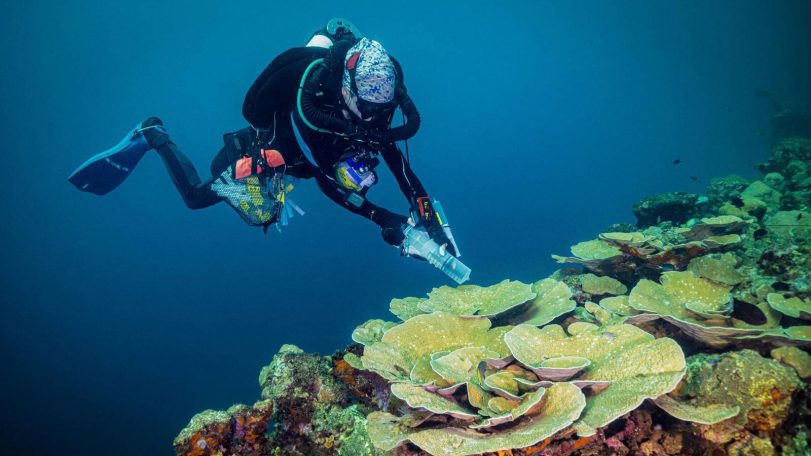
From ruin to reef
What Pacific wrecks are teaching us about coral resilience—and pollution
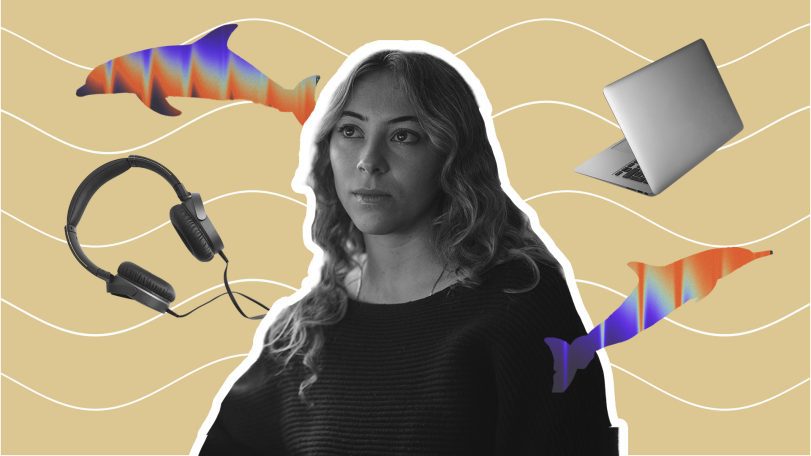
One researcher, 15,000 whistles: Inside the effort to decode dolphin communication
Scientists at WHOI analyze thousands of dolphin whistles to explore whether some sounds may function like words
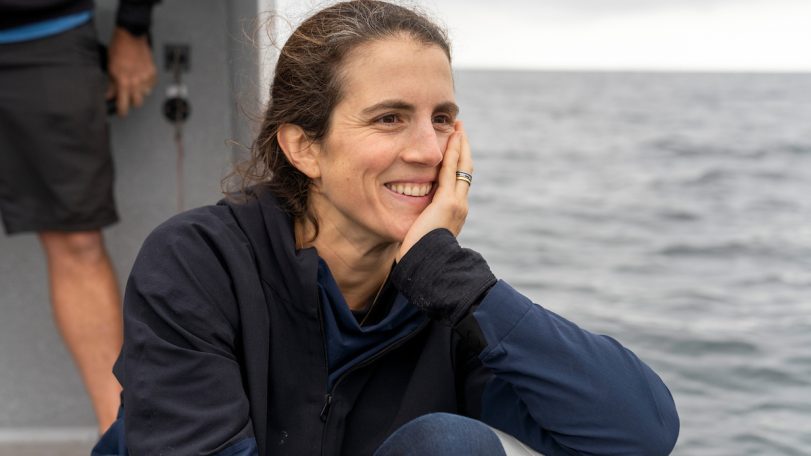
Remembering Tatiana Schlossberg, a voice for the ocean
Environmental journalist and author Tatiana Schlossberg passed away after battling leukemia on December 30, 2025….
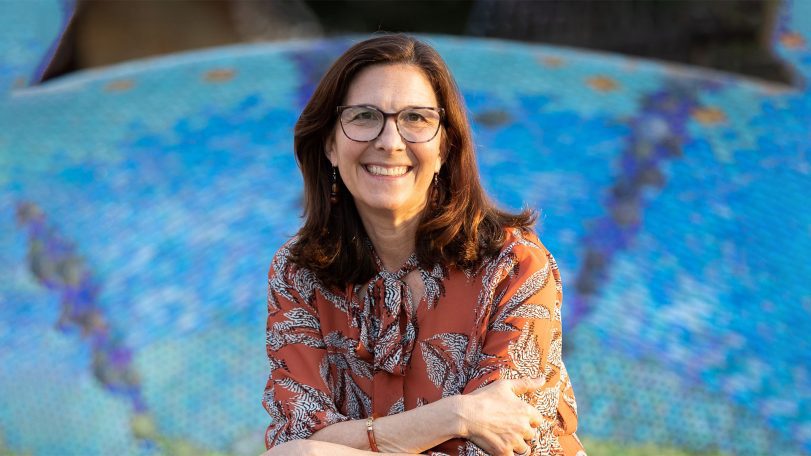
As the ocean warms, a science writer looks for coral solutions
Scientist-turned-author Juli Berwald highlights conservation projects to restore coral reefs
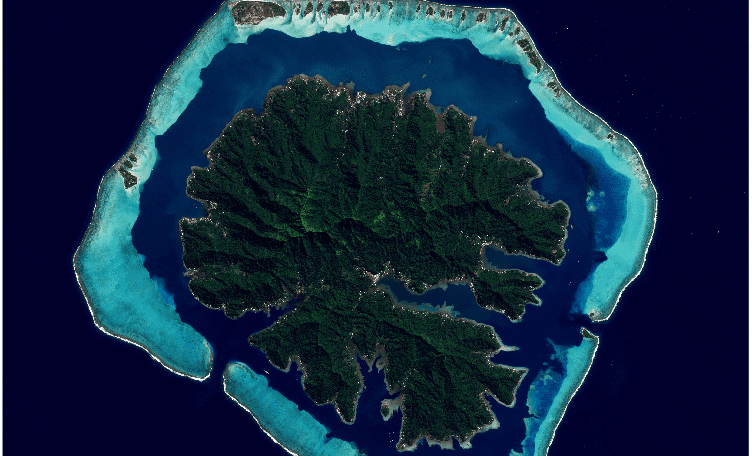
How an MIT-WHOI student used Google Earth to uncover a river–coral reef connection
Google Earth helps researcher decode how rivers sculpt massive breaks in coral reefs
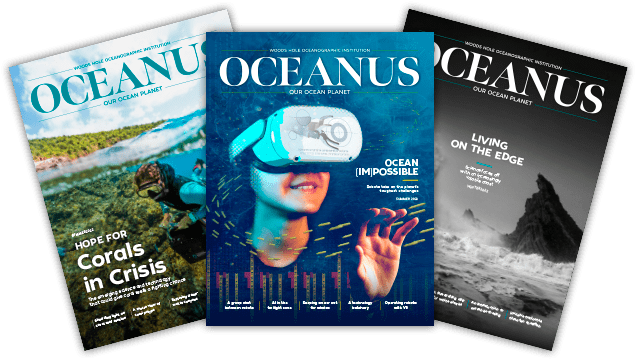
and get Oceanus delivered to your door twice a year as well as supporting WHOI's mission to further ocean science.
Our Ocean. Our Planet. Our Future.
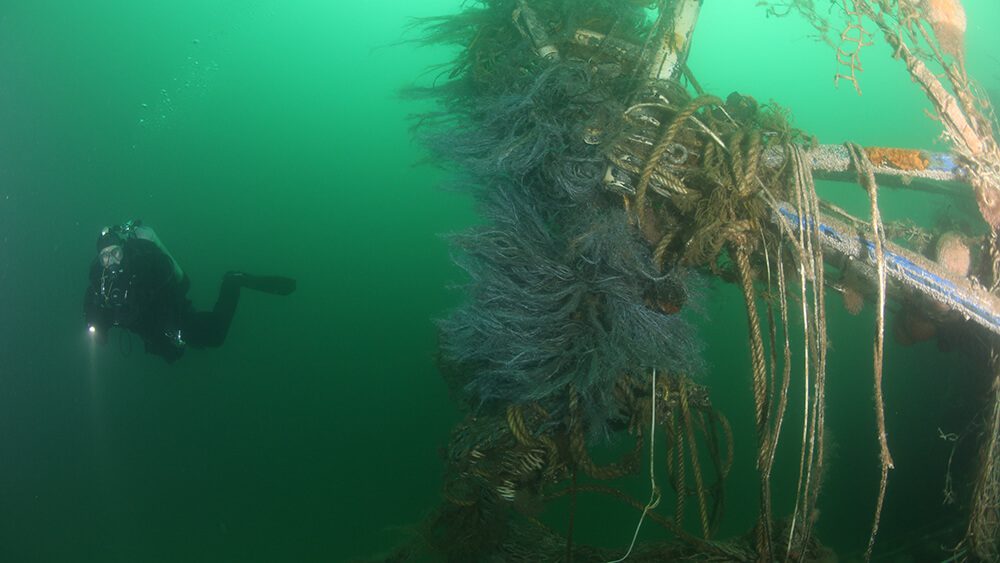
A new underwater robot could help preserve New England’s historic shipwrecks
WHOI’s ResQ ROV to clean up debris in prominent marine heritage sites
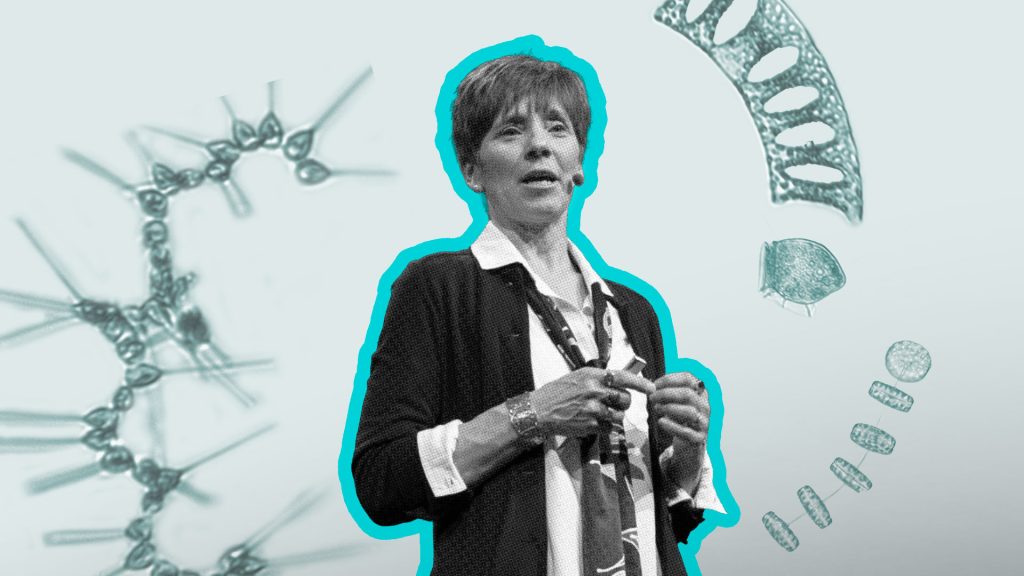
The little big picture
WHOI senior biologist Heidi Sosik on the critical need for long-term ocean datasets
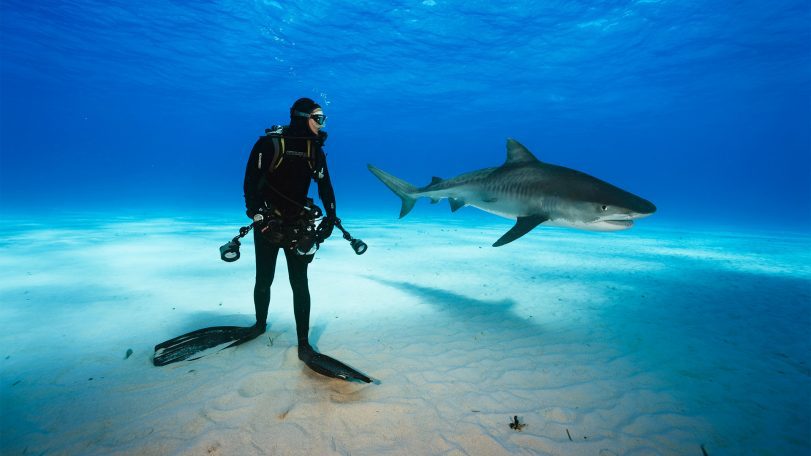
Lessons from a lifetime of exploration
Award-winning ocean photographer Brian Skerry shares insights from a career spent around ocean life and science
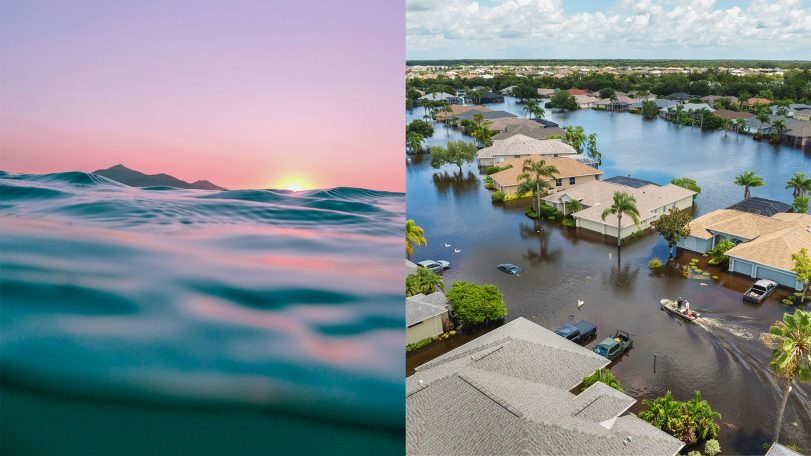
The ocean weather nexus, explained
The vital role of ocean observations in extreme weather forecasting

Breaking down plastics together
Through a surprising and successful partnership, WHOI and Eastman scientists are reinventing what we throw away
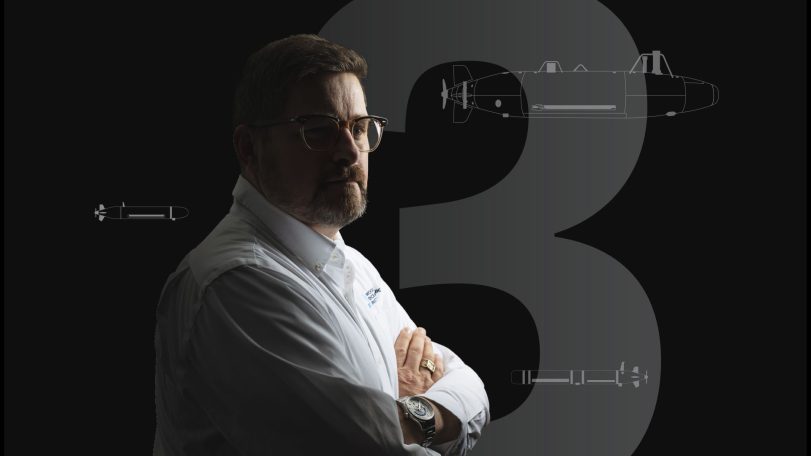
Three questions with Carl Hartsfield
Captain Hartsfield, USN retired, discusses the role ocean science plays in our national defense
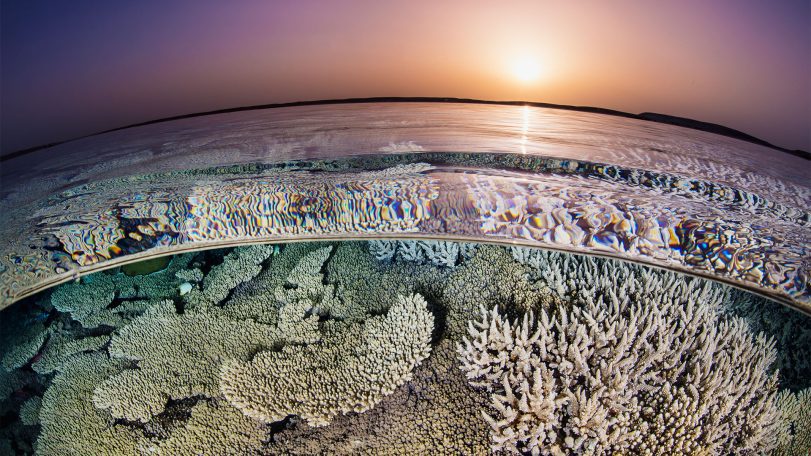

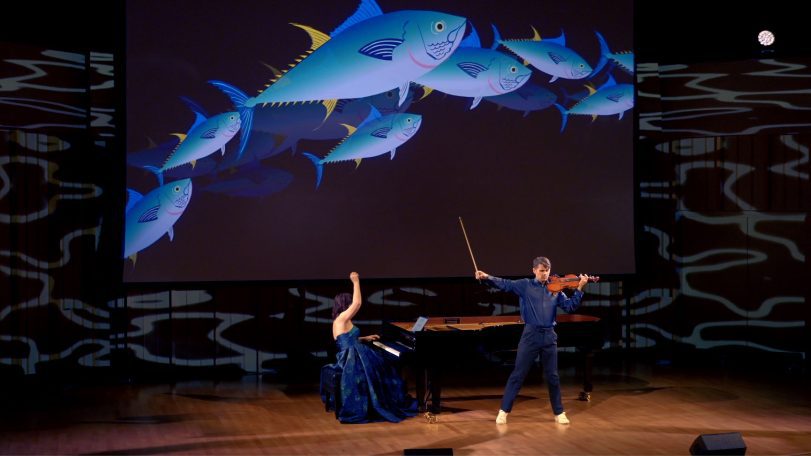
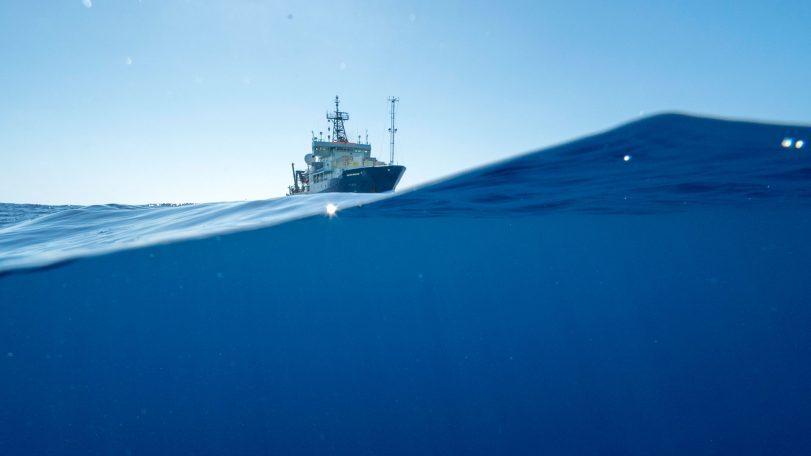
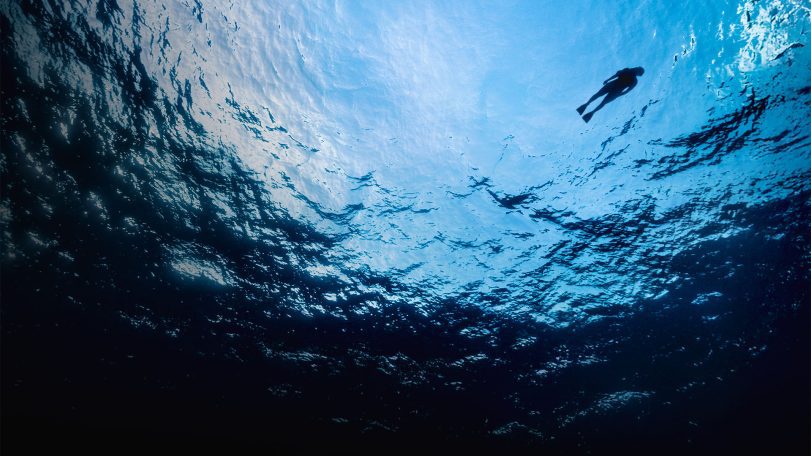
The Ocean (Re)Imagined
How expanding our view of the ocean can unlock new possibilities for life
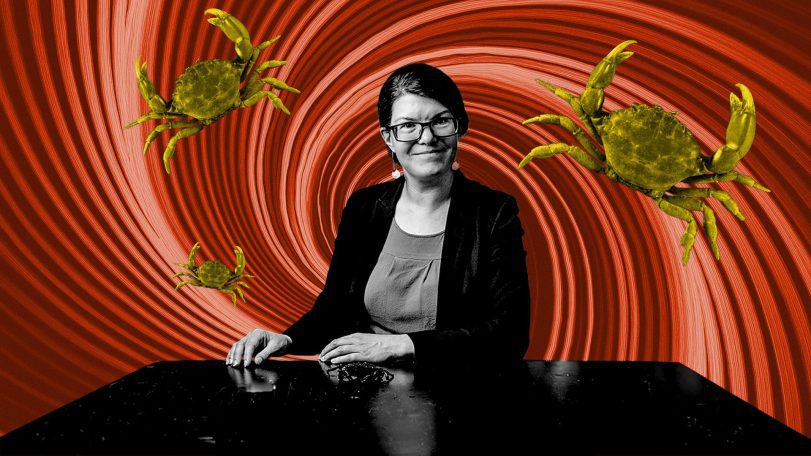
Body snatchers are on the hunt for mud crabs
WHOI biologist Carolyn Tepolt discusses the biological arms race between a parasite and its host
Looking for something specific?
We can help you with that. Check out our extensive conglomeration of ocean information.
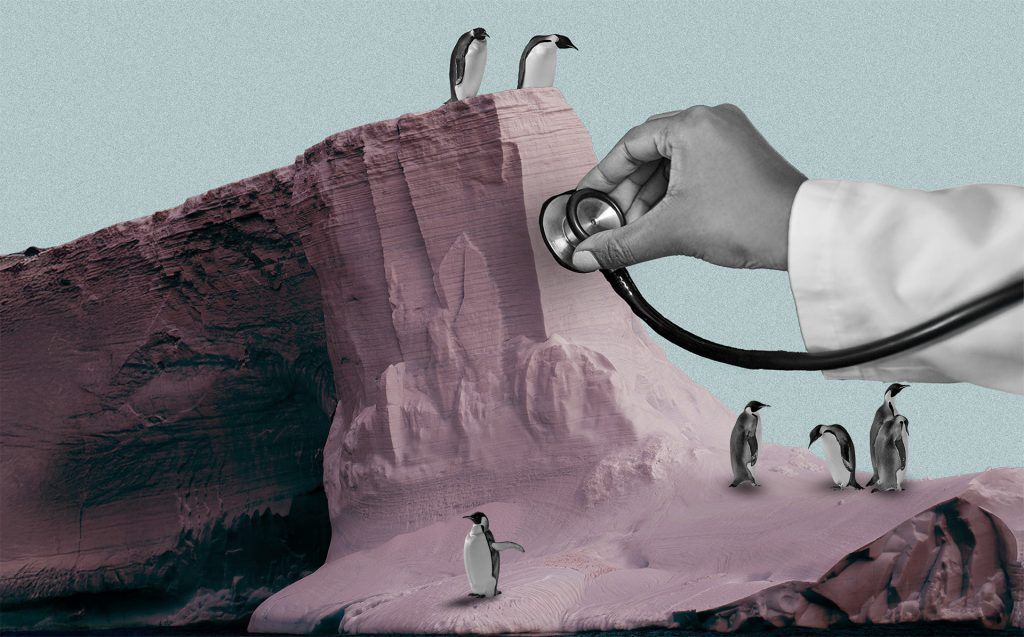
A polar stethoscope
Could the sounds of Antarctica’s ice be a new bellwether for ecosystem health in the South Pole?
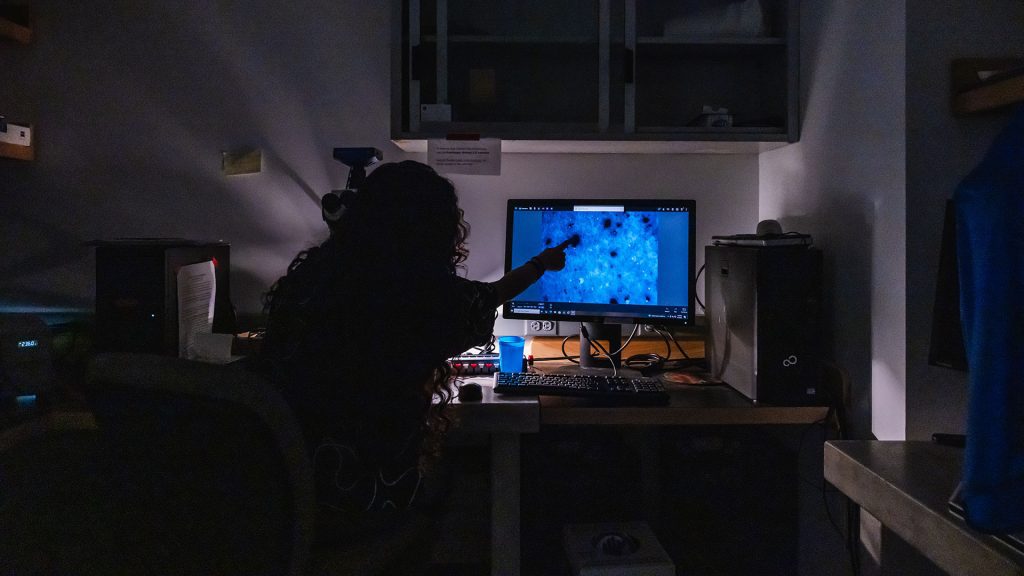
Secrets from the blue mud
Microbes survive—and thrive—in caustic fluids venting from the seafloor

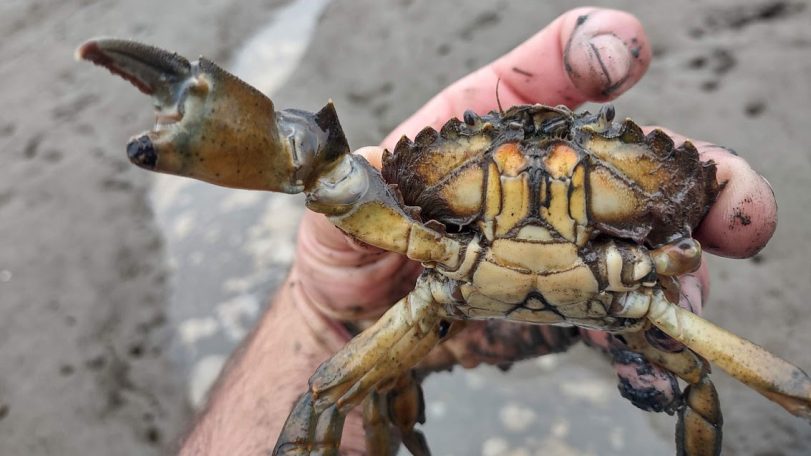
Top 5 ocean hitchhikers
As humans traveled and traded across the globe, they became unwitting taxis to marine colonizers
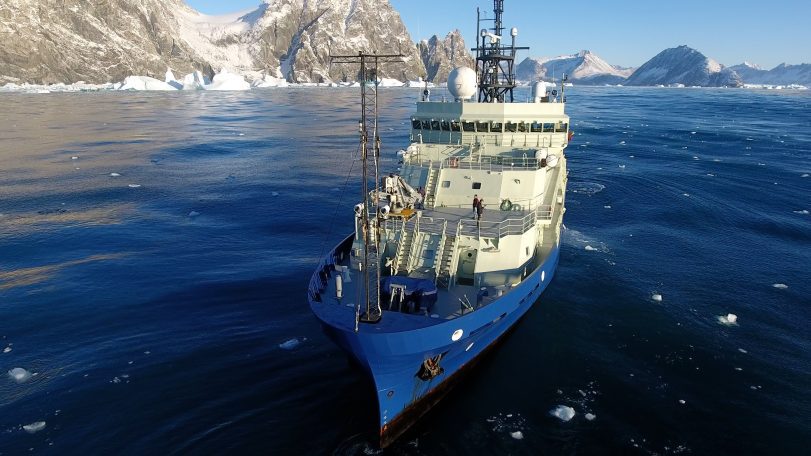
Following the Polar Code
Crew of R/V Neil Armstrong renew their commitment to Arctic science with advanced polar training
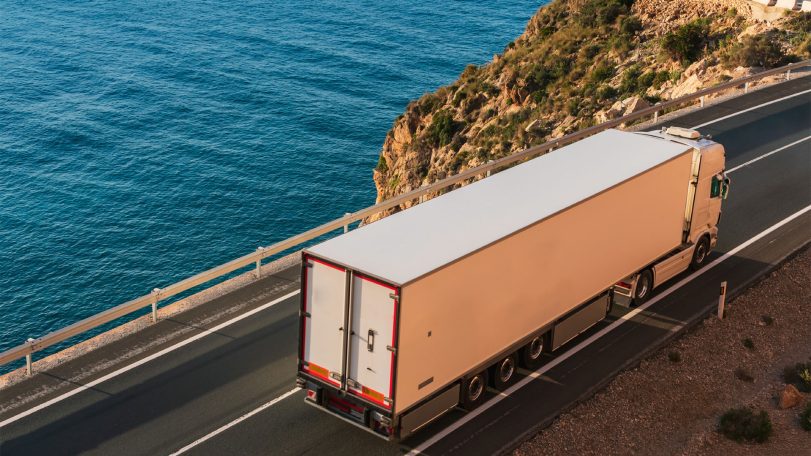
Harnessing the ocean to power transportation
WHOI scientists are part of a team working to turn seaweed into biofuel
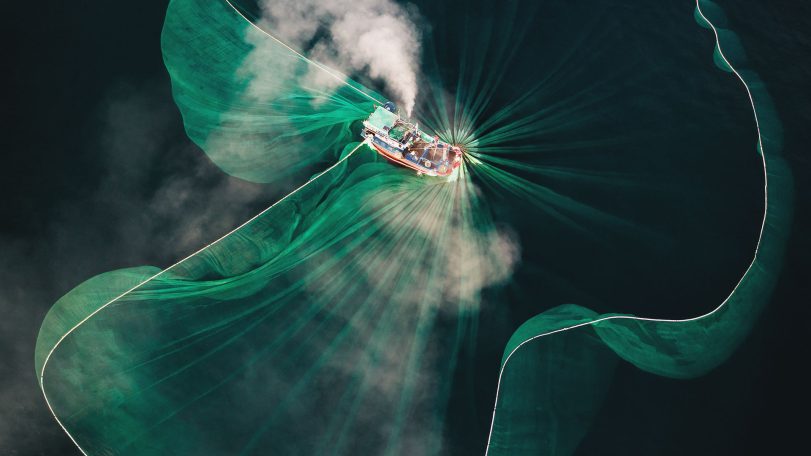
Casting a wider net
The future of a time-honored fishing tradition in Vietnam, through the eyes of award-winning photographer Thien Nguyen Noc

Gold mining’s toxic legacy
Mercury pollution in Colombia’s Amazon threatens the Indigenous way of life
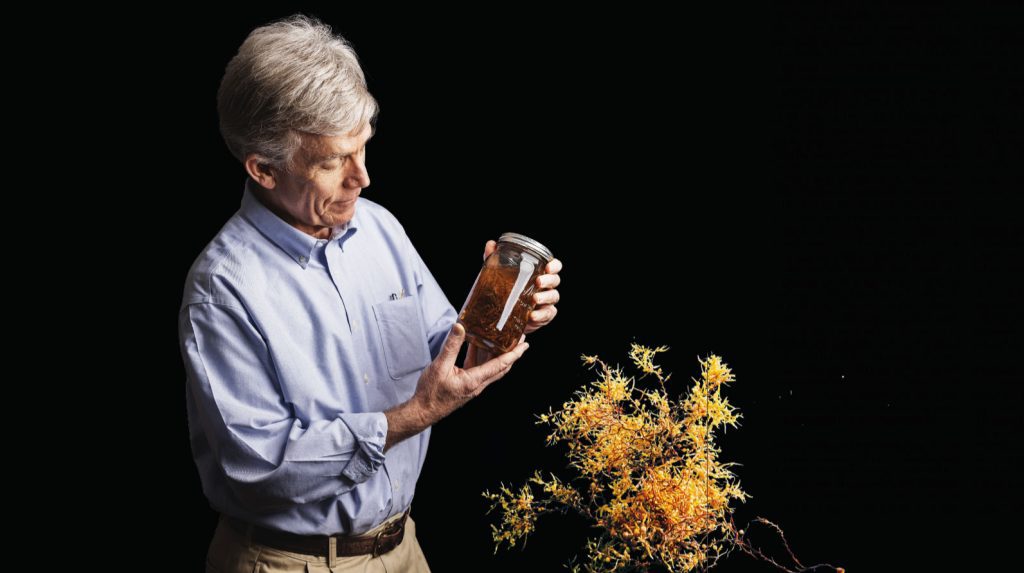
How do you solve a problem like Sargassum?
An important yet prolific seaweed with massive blooms worries scientists
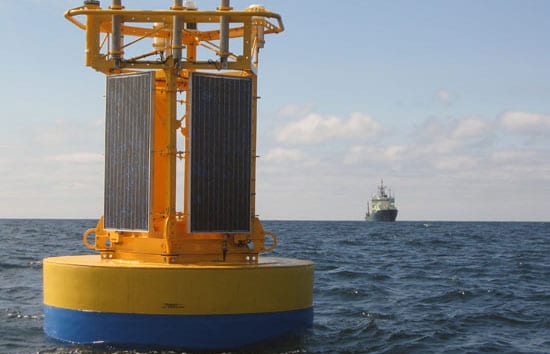
Going Wireless in the Deep Blue
How do you get long-term ocean measurements from any spot on the globe, with day by day feedback and low costs? If you are Dan Frye of the WHOI Advanced Engineering Laboratory, you take an old oceanographic concept?the moored buoy?and bring it into the 21st century with wireless technology.

Institution Receives Surprise Bequest
The latest news from around the Institution includes: the second-largest donation in WHOI history; training and awards for mid-career journalists; a new fund for graduate student training in seagoing skills; and a successful program for undergraduates.
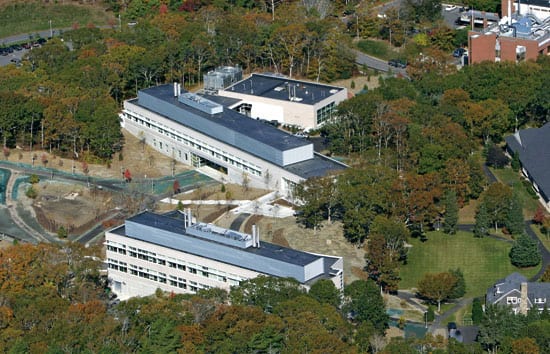
WHOI Opens New Research Facilities
For the first time in 15 years, the Woods Hole Oceanographic Institution has added significant office and laboratory space to its Quissett Campus. This fall, scientists, technical staff, and students started moving into more than 67,000 square feet of new space, a 25 percent increase in the Institution?s scientific facilities.

A Touchstone for Marine Chemists and Students Retires
John Farrington touched the lives of hundreds of graduate and undergraduate students. He helped scores of young scientists launch their careers with postdoctoral scholarships. He won the admiration of colleagues for his leadership in the study of organic geochemistry in the ocean. In November, the chemical oceanographer and longtime dean and vice president for Academic Programs at Woods Hole Oceanographic Institution stepped aside from his post.
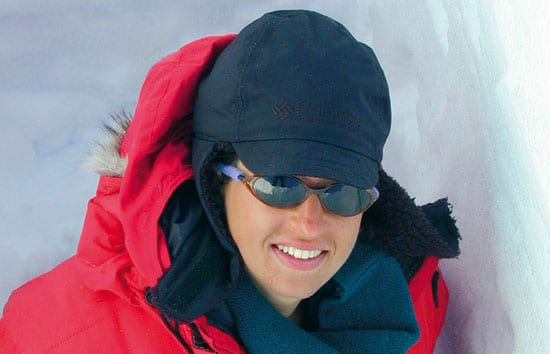
Tracking an Ocean of Ice Atop Greenland
Sarah Das calls herself a “frozen oceanographer.” Most people look at Greenland and see a…
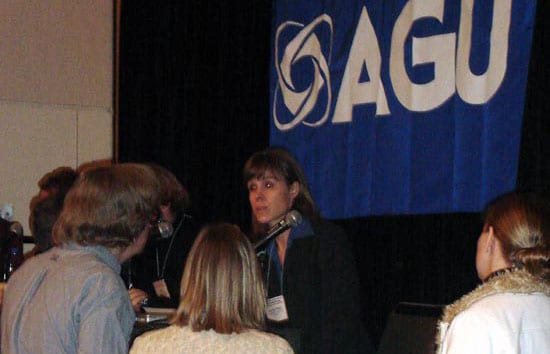
10,000 Earth & Ocean Scientists. Five days.
Over the next week, I will be posting daily reports about what’s happening at the American Geophysical Union fall…
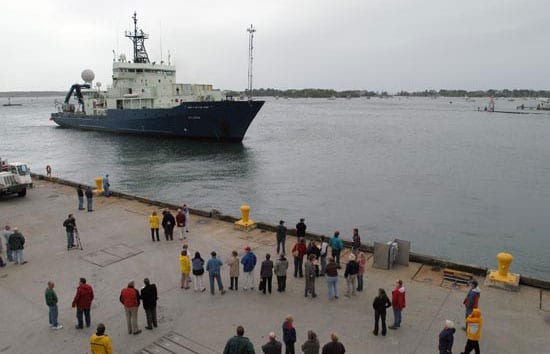
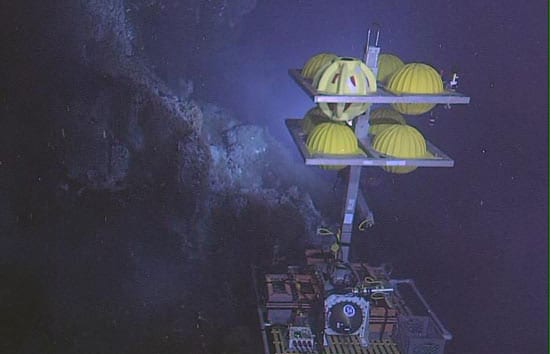
Action, Camera … Lights
Exploring the sunless seafloor can be like using a flashlight to find something in a dark basement. Now Woods Hole Oceanographic Institution scientists and engineers have built a portable light system to illuminate the depths, essentially transforming areas of the deep sea into a photography studio.
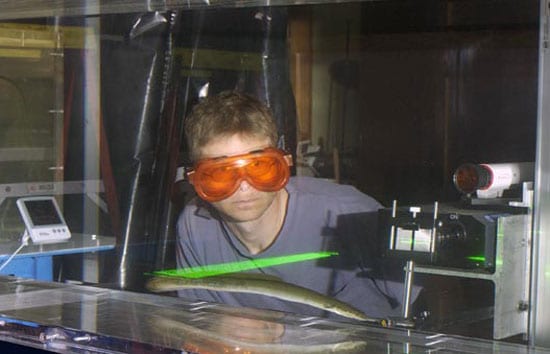
Scientists Find a New Twist in How Squids Swim
Erik Anderson was vexed by some scientific papers he read during his first year of graduate studies. Engineers had asserted that squids likely propelled themselves through water by creating vortex rings. Anderson begged to differ. Together with Mark Grosenbaugh, he set up a series of experiments to check the theories against some observational evidence.
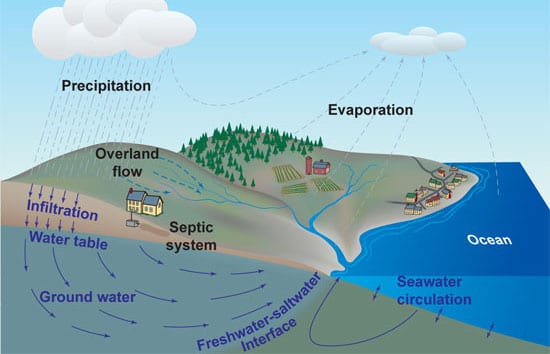
‘Seasonal Pump’ Moves Water Between Ocean and Aquifers
Hydrologists Ann Mulligan of WHOI and Holly Michael and Charles Harvey of MIT have cleared up a mystery of why so much salty water emerges from aquifers into the coastal ocean. The researchers discovered a counterintuitive seasonal pumping system at work.
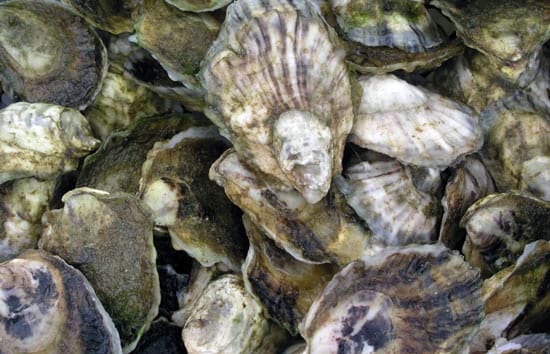
Should Eastern Oysters Be Put on the Endangered List?
Eastern oysters in Chesapeake Bay were not as happy as clams, and neither was Wolf-Dieter…