Tracking the hidden currents of Cape Cod Bay
Scientists are using drifters and ocean models to better understand how water, nutrients, and pollutants move through the bay
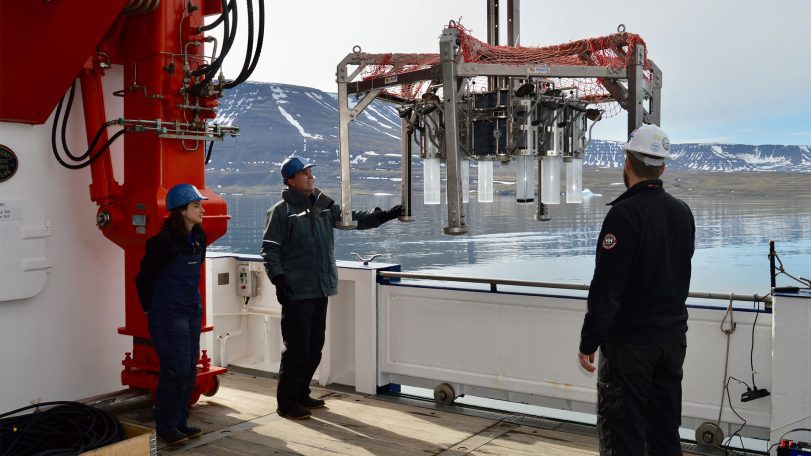
The unseen toll of war on science
As the changing climate accelerates the spread of toxic algal blooms in the Arctic, the Russia–Ukraine war is cutting off critical international collaboration needed to understand and protect vulnerable ecosystems and communities.

The human cost of Brazil’s floods
New research maps social vulnerability after the 2024 deluge
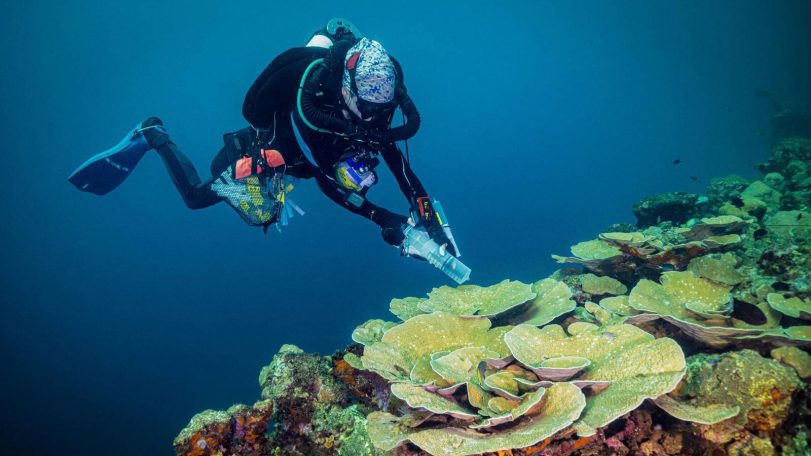
From ruin to reef
What Pacific wrecks are teaching us about coral resilience—and pollution
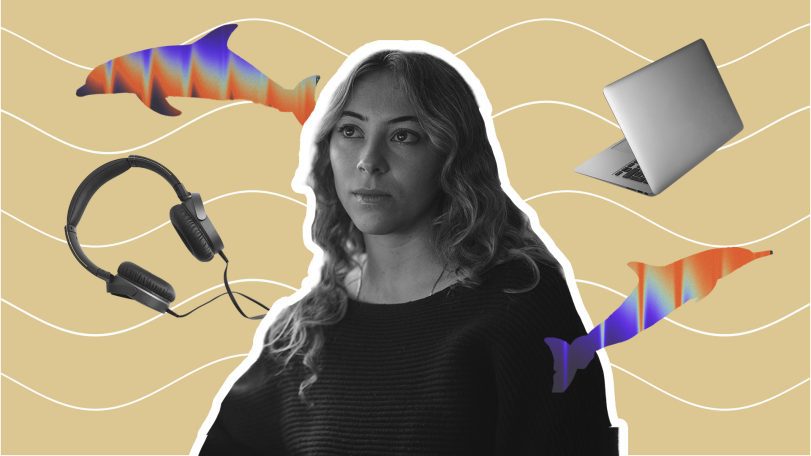
One researcher, 15,000 whistles: Inside the effort to decode dolphin communication
Scientists at WHOI analyze thousands of dolphin whistles to explore whether some sounds may function like words
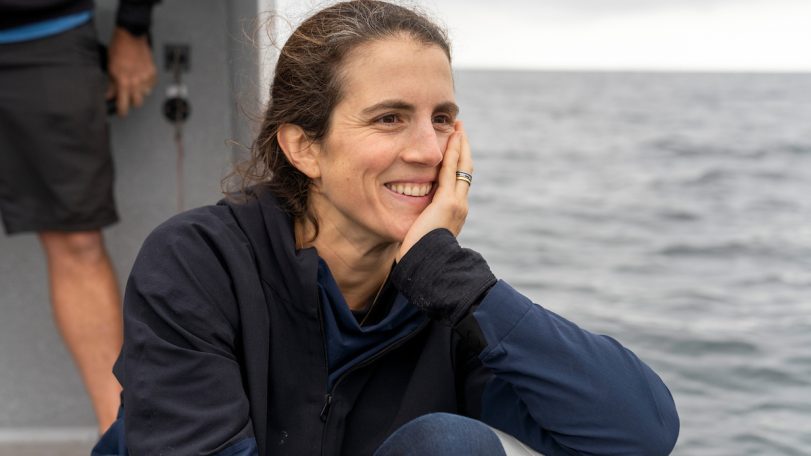
Remembering Tatiana Schlossberg, a voice for the ocean
Environmental journalist and author Tatiana Schlossberg passed away after battling leukemia on December 30, 2025….
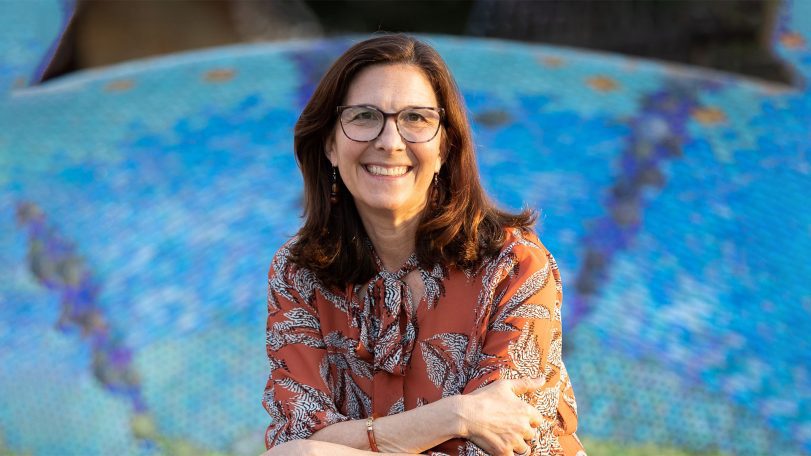
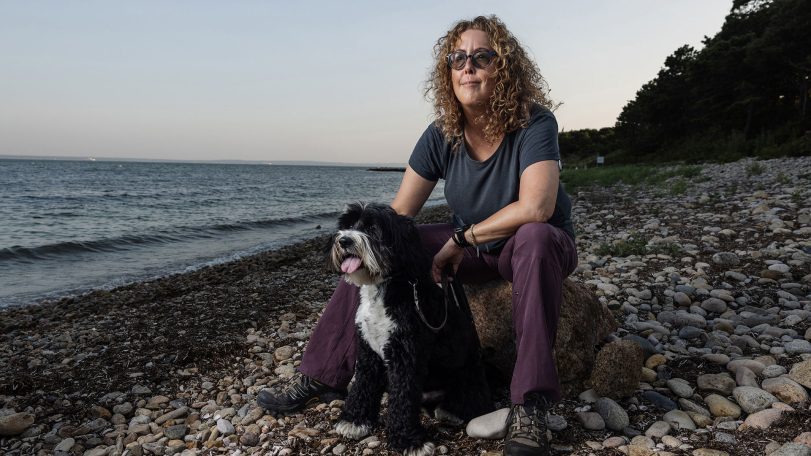
As the ocean warms, a science writer looks for coral solutions
Scientist-turned-author Juli Berwald highlights conservation projects to restore coral reefs
and get Oceanus delivered to your door twice a year as well as supporting WHOI's mission to further ocean science.
Our Ocean. Our Planet. Our Future.
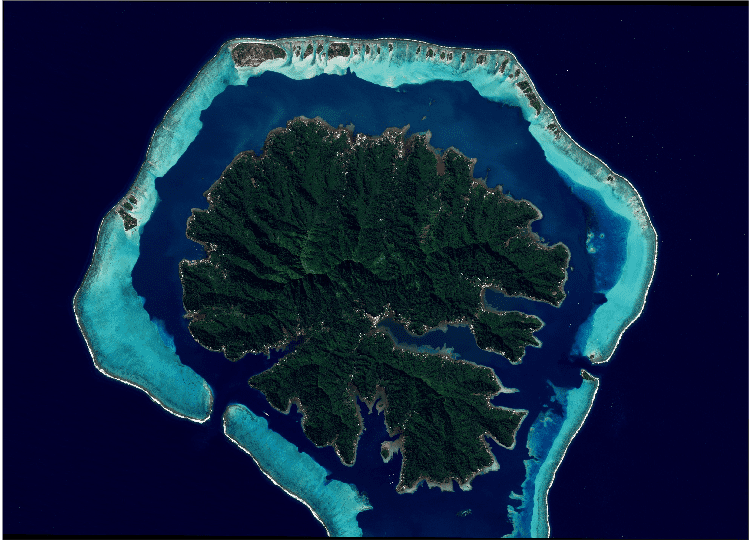
How an MIT-WHOI student used Google Earth to uncover a river–coral reef connection
Google Earth helps researcher decode how rivers sculpt massive breaks in coral reefs
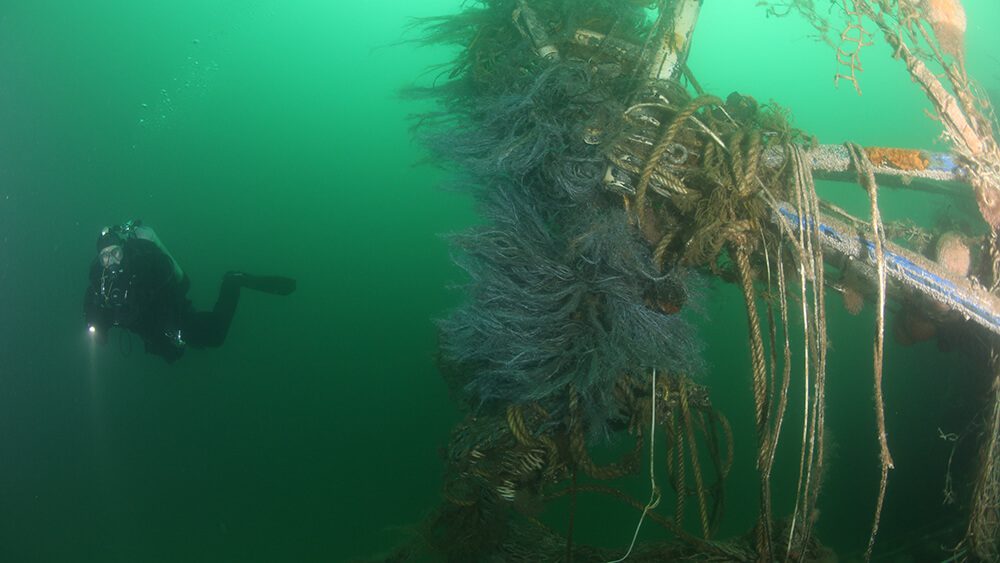
A new underwater robot could help preserve New England’s historic shipwrecks
WHOI’s ResQ ROV to clean up debris in prominent marine heritage sites
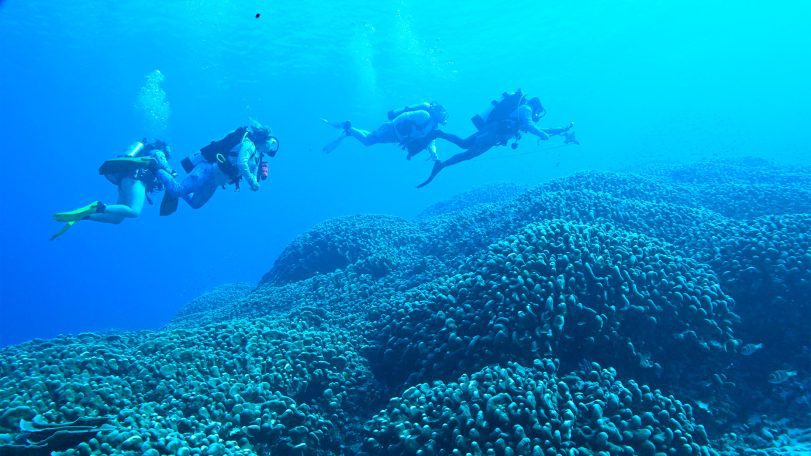
Inside the Solomon Islands’ hidden mega coral — a 300-year-old ocean giant
WHOI’s Reef Solutions team journeys to the world’s largest coral colony

The little big picture
WHOI senior biologist Heidi Sosik on the critical need for long-term ocean datasets
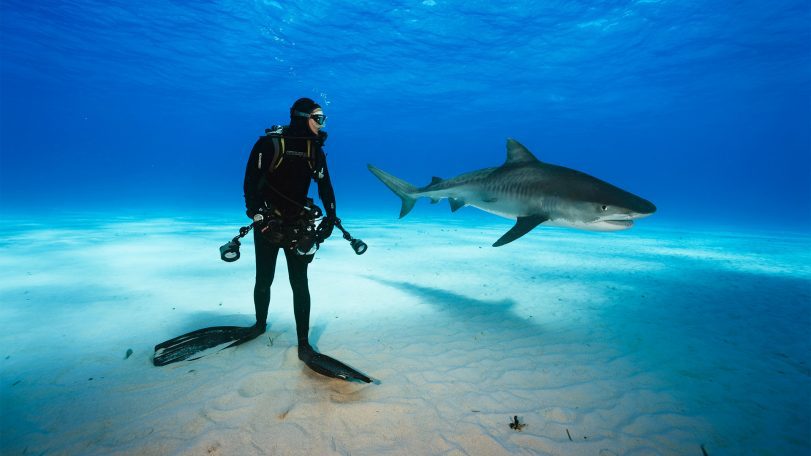
Lessons from a lifetime of exploration
Award-winning ocean photographer Brian Skerry shares insights from a career spent around ocean life and science
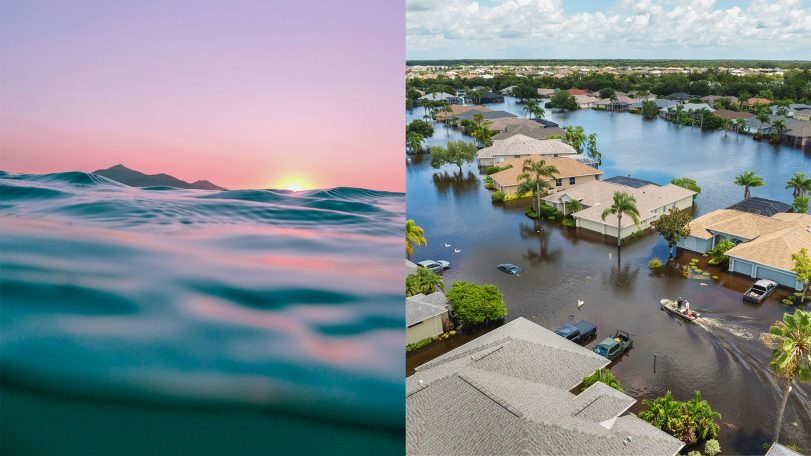
The ocean weather nexus, explained
The vital role of ocean observations in extreme weather forecasting

Breaking down plastics together
Through a surprising and successful partnership, WHOI and Eastman scientists are reinventing what we throw away
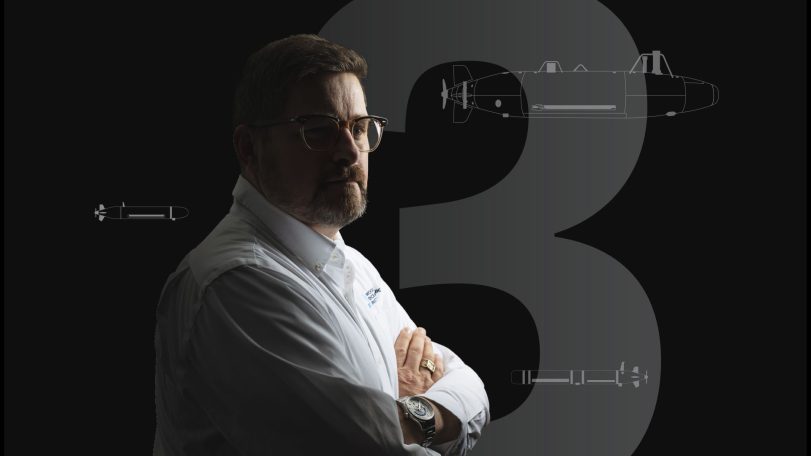
Three questions with Carl Hartsfield
Captain Hartsfield, USN retired, discusses the role ocean science plays in our national defense
The Ocean (Re)Imagined
How expanding our view of the ocean can unlock new possibilities for life
Looking for something specific?
We can help you with that. Check out our extensive conglomeration of ocean information.
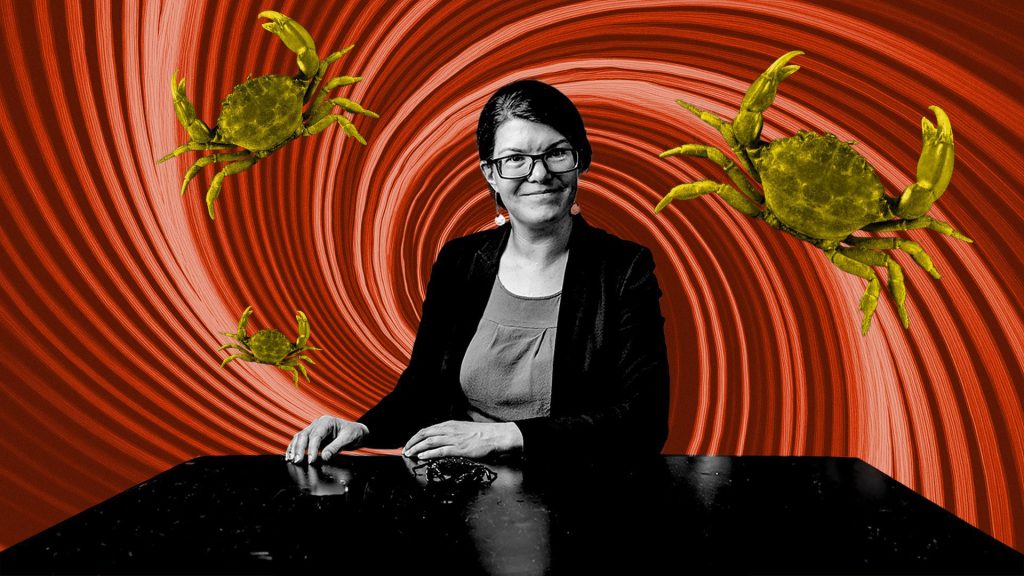
Body snatchers are on the hunt for mud crabs
WHOI biologist Carolyn Tepolt discusses the biological arms race between a parasite and its host
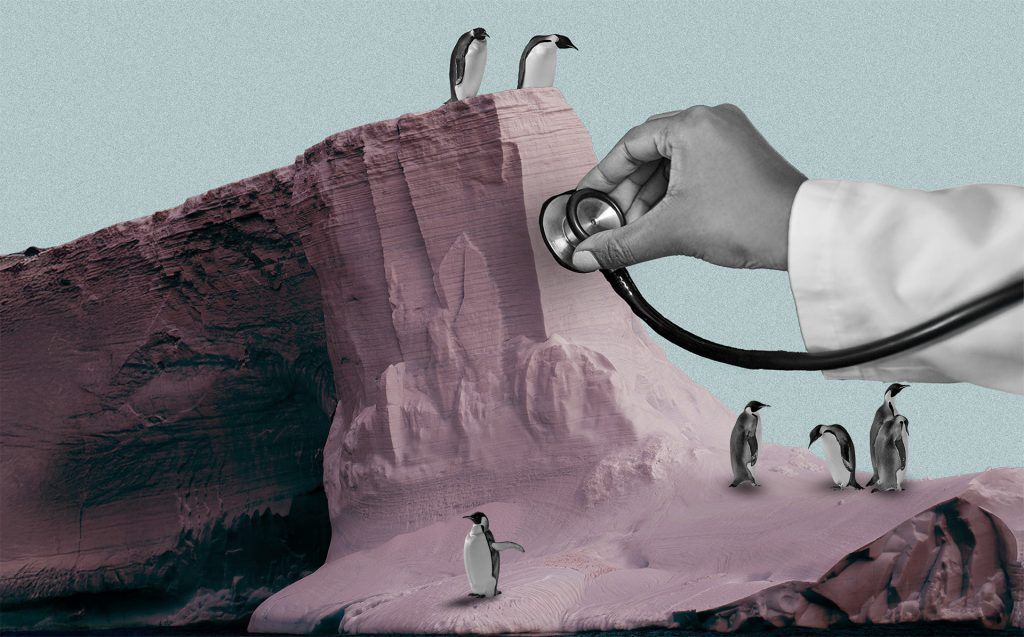
A polar stethoscope
Could the sounds of Antarctica’s ice be a new bellwether for ecosystem health in the South Pole?
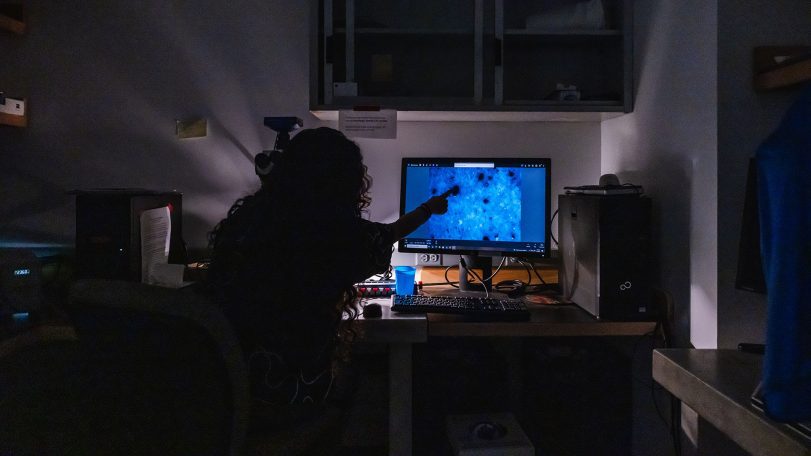
Secrets from the blue mud
Microbes survive—and thrive—in caustic fluids venting from the seafloor
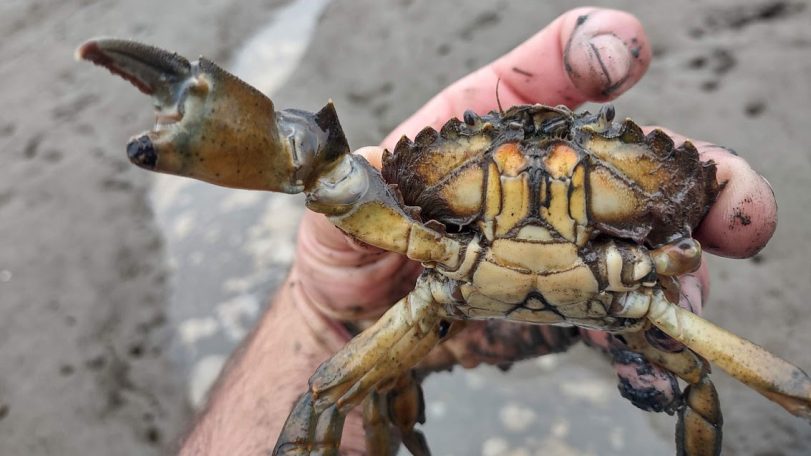
Top 5 ocean hitchhikers
As humans traveled and traded across the globe, they became unwitting taxis to marine colonizers
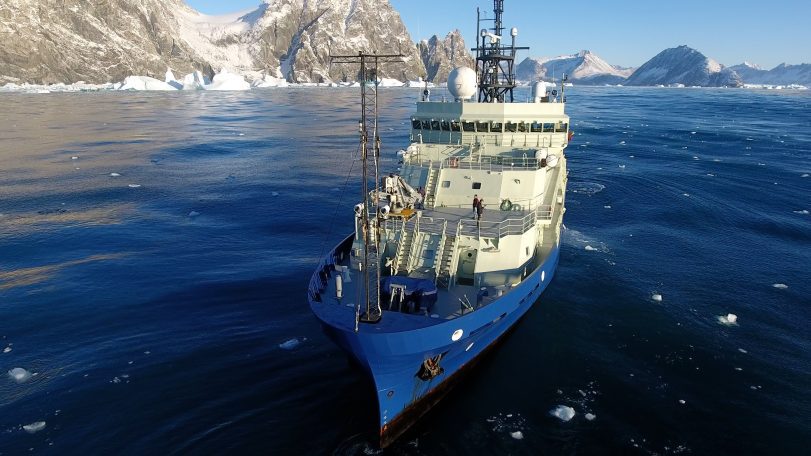
Following the Polar Code
Crew of R/V Neil Armstrong renew their commitment to Arctic science with advanced polar training
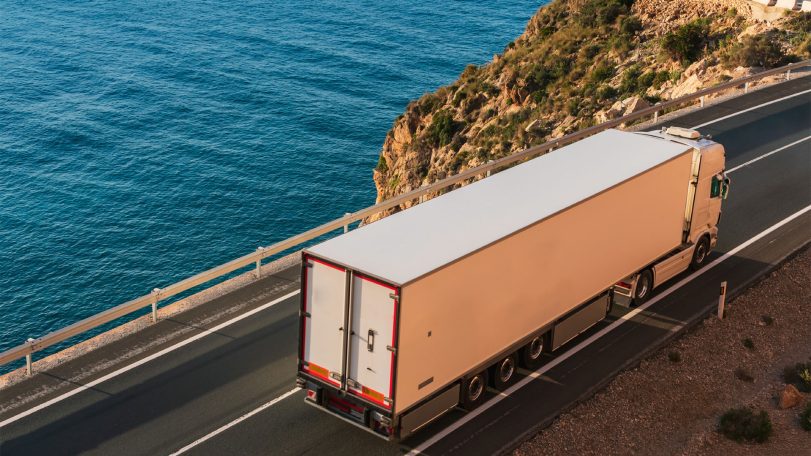
Harnessing the ocean to power transportation
WHOI scientists are part of a team working to turn seaweed into biofuel
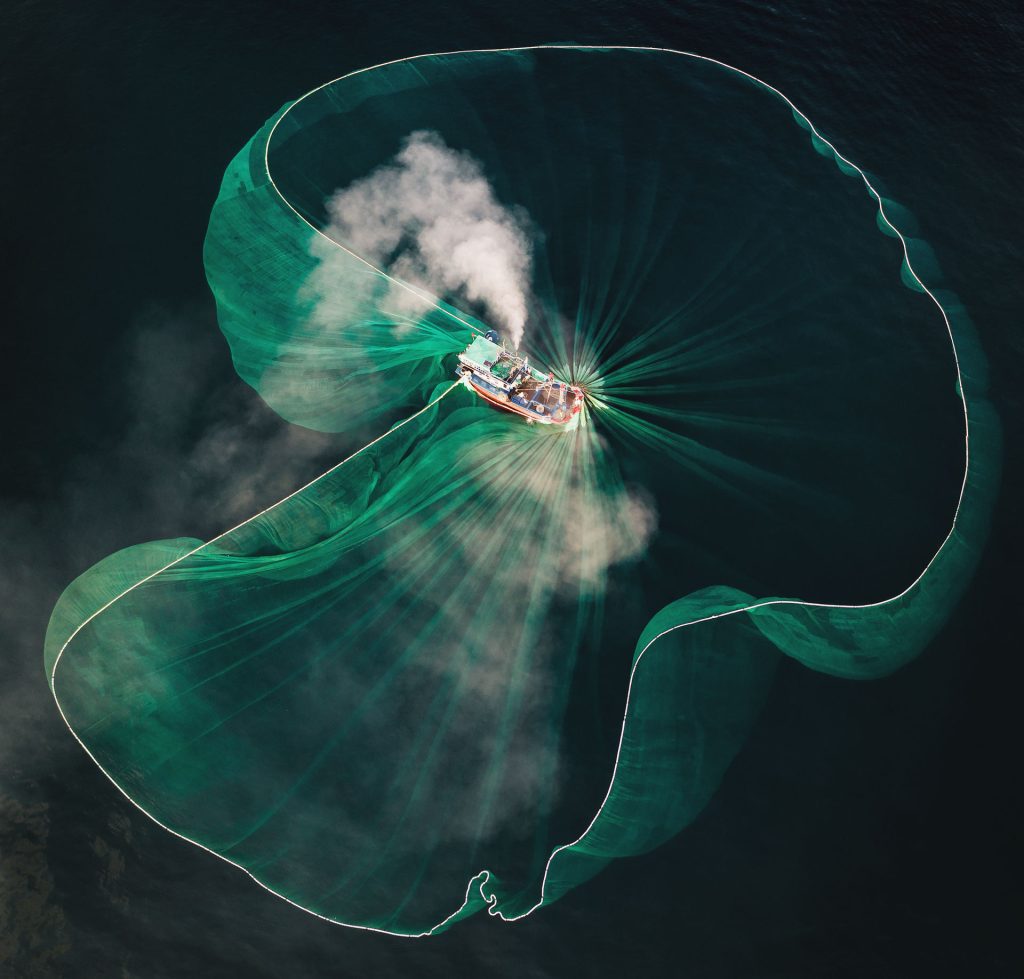
Casting a wider net
The future of a time-honored fishing tradition in Vietnam, through the eyes of award-winning photographer Thien Nguyen Noc
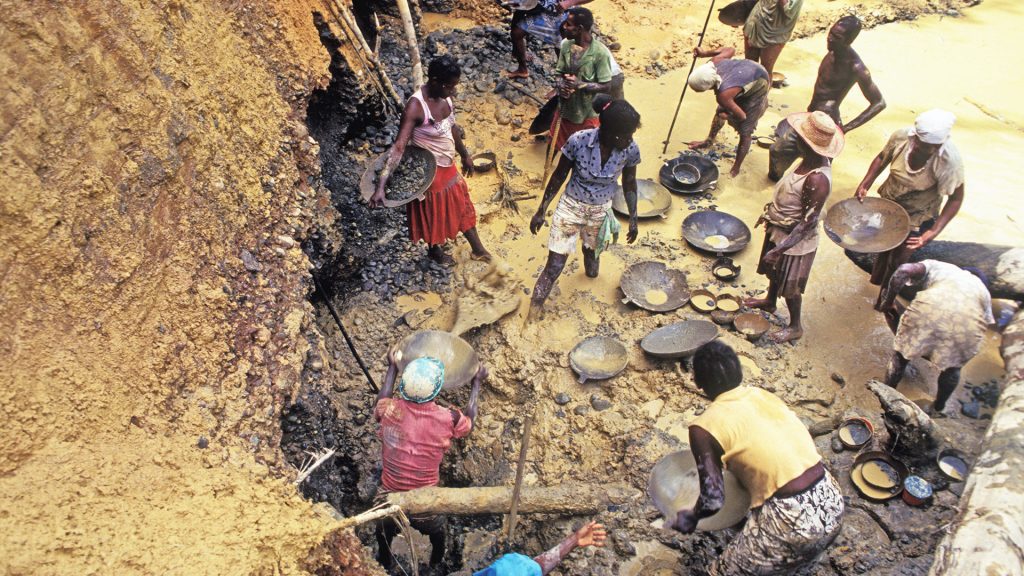
Gold mining’s toxic legacy
Mercury pollution in Colombia’s Amazon threatens the Indigenous way of life
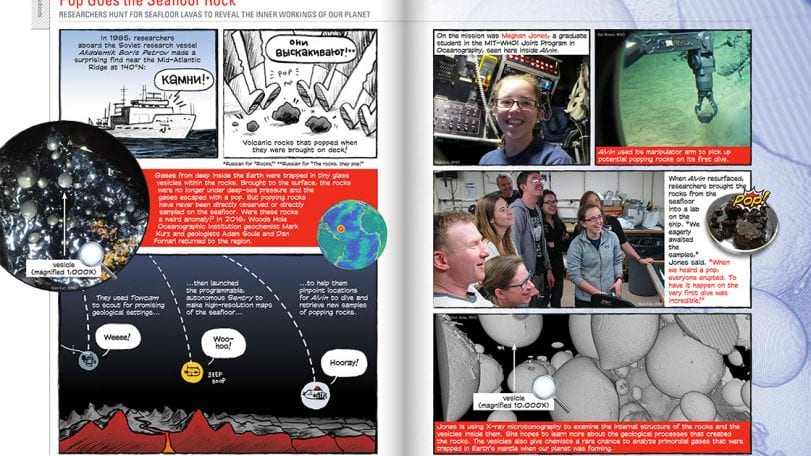
Pop Goes the Seafloor Rock
WHOI scientists used the human-occupied submersible Alvin and the autonomous underwater vehicle Sentry to explore a surprising discovery: gas-filled volcanic rocks on the seafloor that “pop” when brought up to the surface.
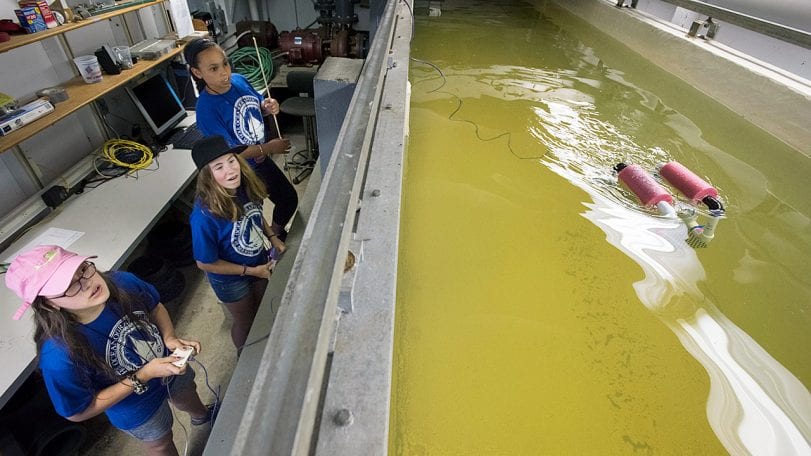
Girls Just Wanna Be Engineers
“Very few women go into engineering,” said Anna Michel, “because girls just don’t get the…
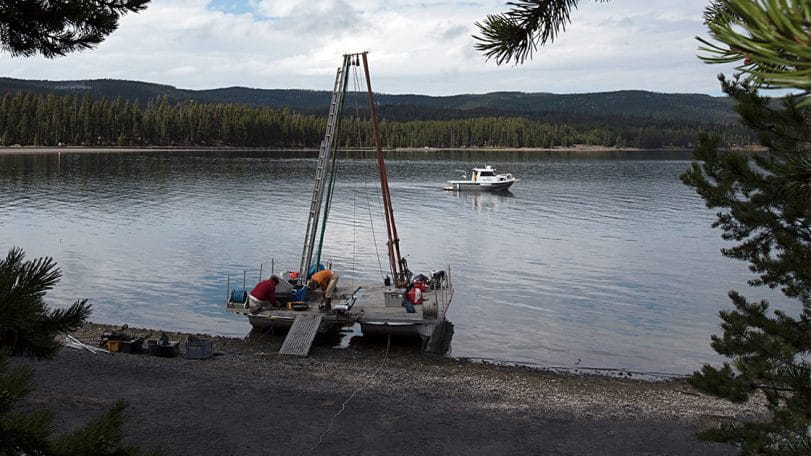
The Hot Spot Below Yellowstone Park
WHOI scientist Rob Sohn brought an arsenal of deep-sea technology normally used to explore the seafloor to the bottom of Yellowstone Lake, where a team of researchers investigated the subsurface geothermal activity hidden from view in the national park.
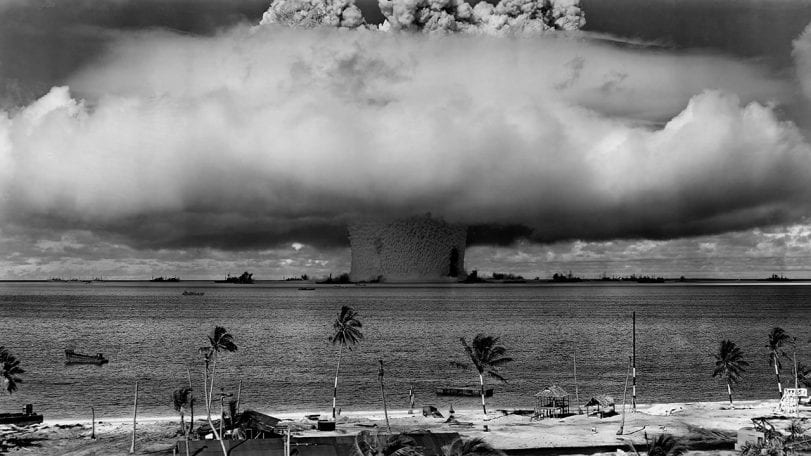
Back to Bikini
WHOI scientists returned to the Pacific islands of Bikini and Enewetak in 2015 to study radioactive contamination nearly 70 years after the U.S. used the islands for nuclear weapons testing. What they learned could also be applied to a more recent nuclear disaster: the 2011 Fukushima Daiichi reactor meltdown in Japan.
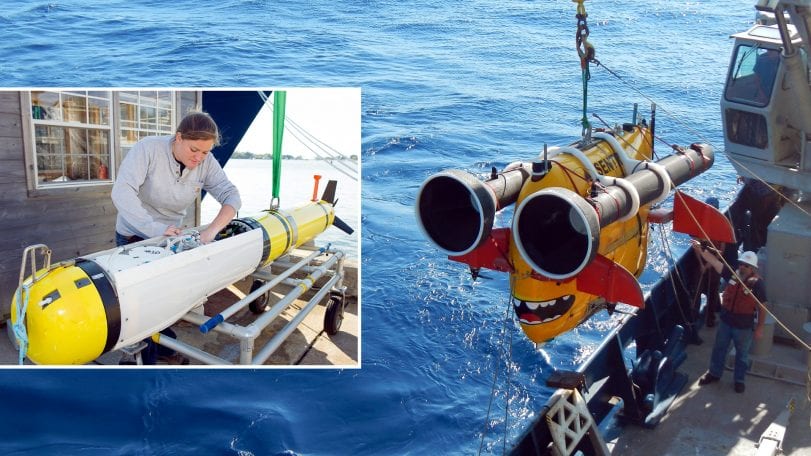
PlankZooka & SUPR-REMUS
Much of marine life begins as microscopic larvae—so tiny, delicate, and scattered in hard-to-reach parts…
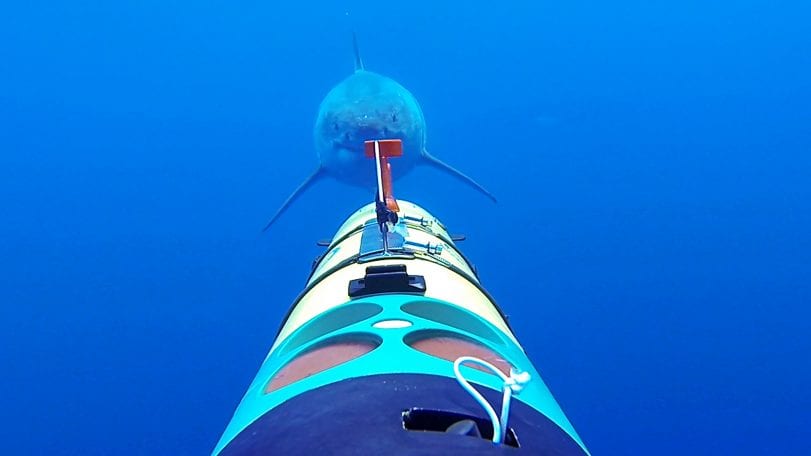
When the Hunter Became the Hunted
In waters off Mexico’s Guadalupe Island, Woods Hole Oceanographic Institution (WHOI) engineers deployed the REMUS…
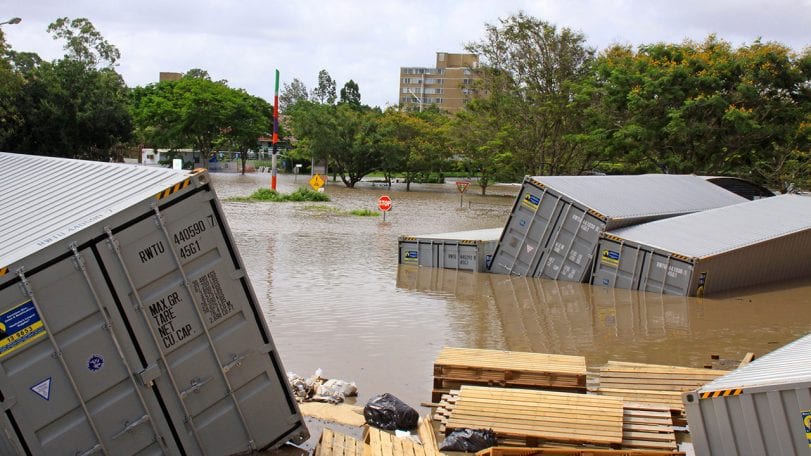
Extreme Climate
Extreme climatic events such as unusually severe storms and droughts can have profound consequences for life both on land and in the ocean. Woods Hole Oceanographic Institution climate scientist Caroline Ummenhofer studies the ocean’s role in the global water cycle and its effects on extreme weather and climate.
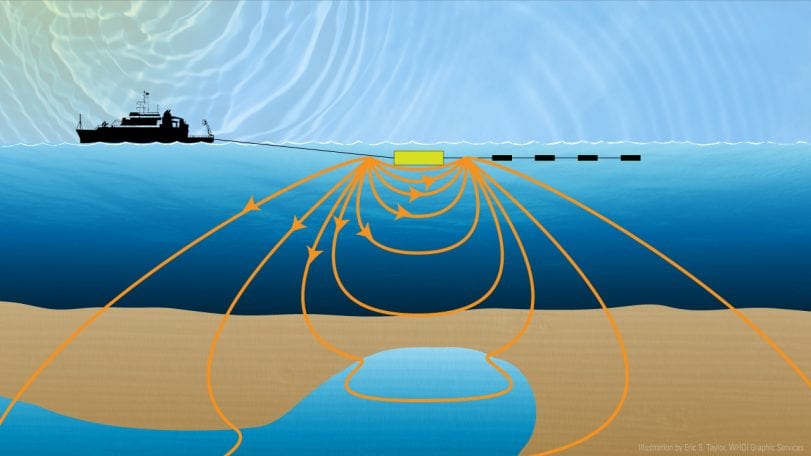
Fresh Water Below the Seafloor?
Using a new method to distinguish fresh water from oil or salt water, scientists are exploring beneath the continental shelf off New England to look for large pockets of trapped fresh water. This water may be continually filling from groundwater flowing from land or, alternatively, may have been left behind by ice ages glaciers.
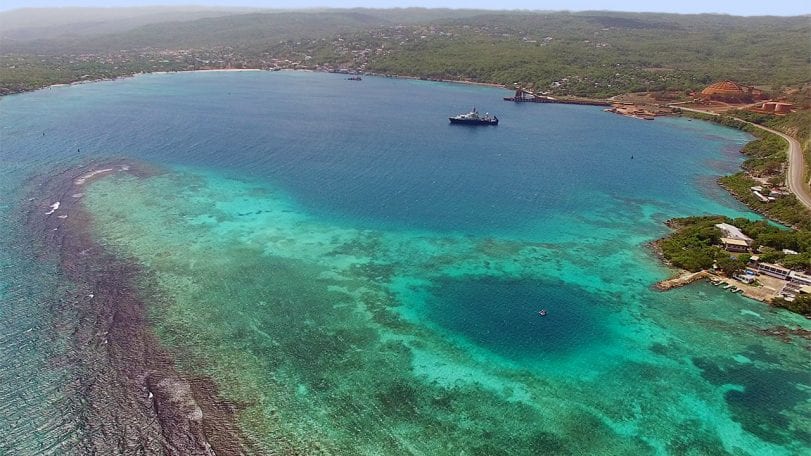
Blue Holes and Hurricanes
Scientists are digging into clues that settle into sinkholes in the seafloor to learn about hurricane patterns in the past and in the future.
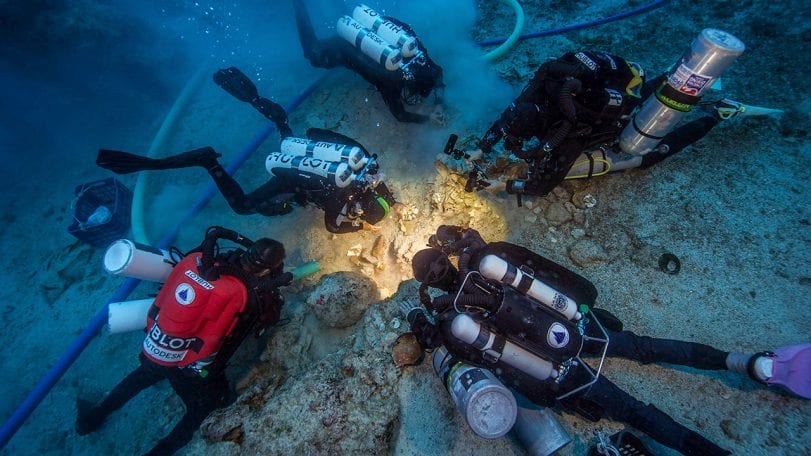
Ancient Skeleton Discovered
International researchers discovered a human skeleton during ongoing excavations of a ship that sank around…
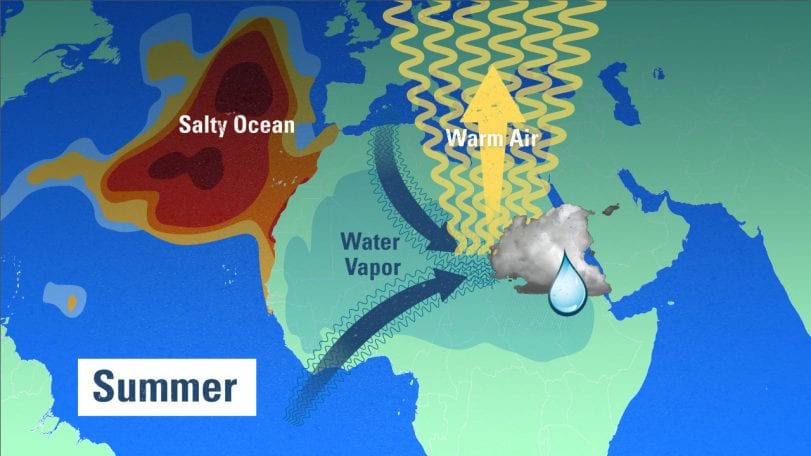
To Forecast Rain, Look to the Ocean
Ever since humans have existed on Earth, they have looked to the heavens to forecast…
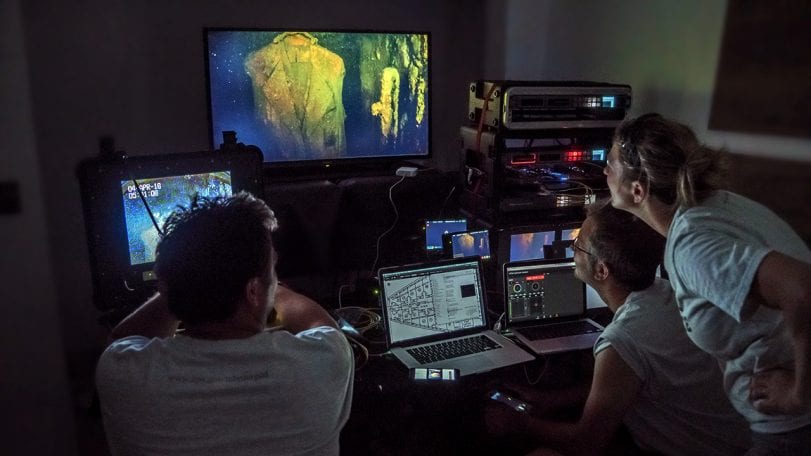
Inside the Sunken USS Arizona
Mike Skowronski (above left) pilots a remotely operated vehicle into the remains of the battleship…