
Marine Chemistry & Geochemistry
Woods Hole Oceanographic Institution receives $8.5 million in Department of Energy funding for mCDR research
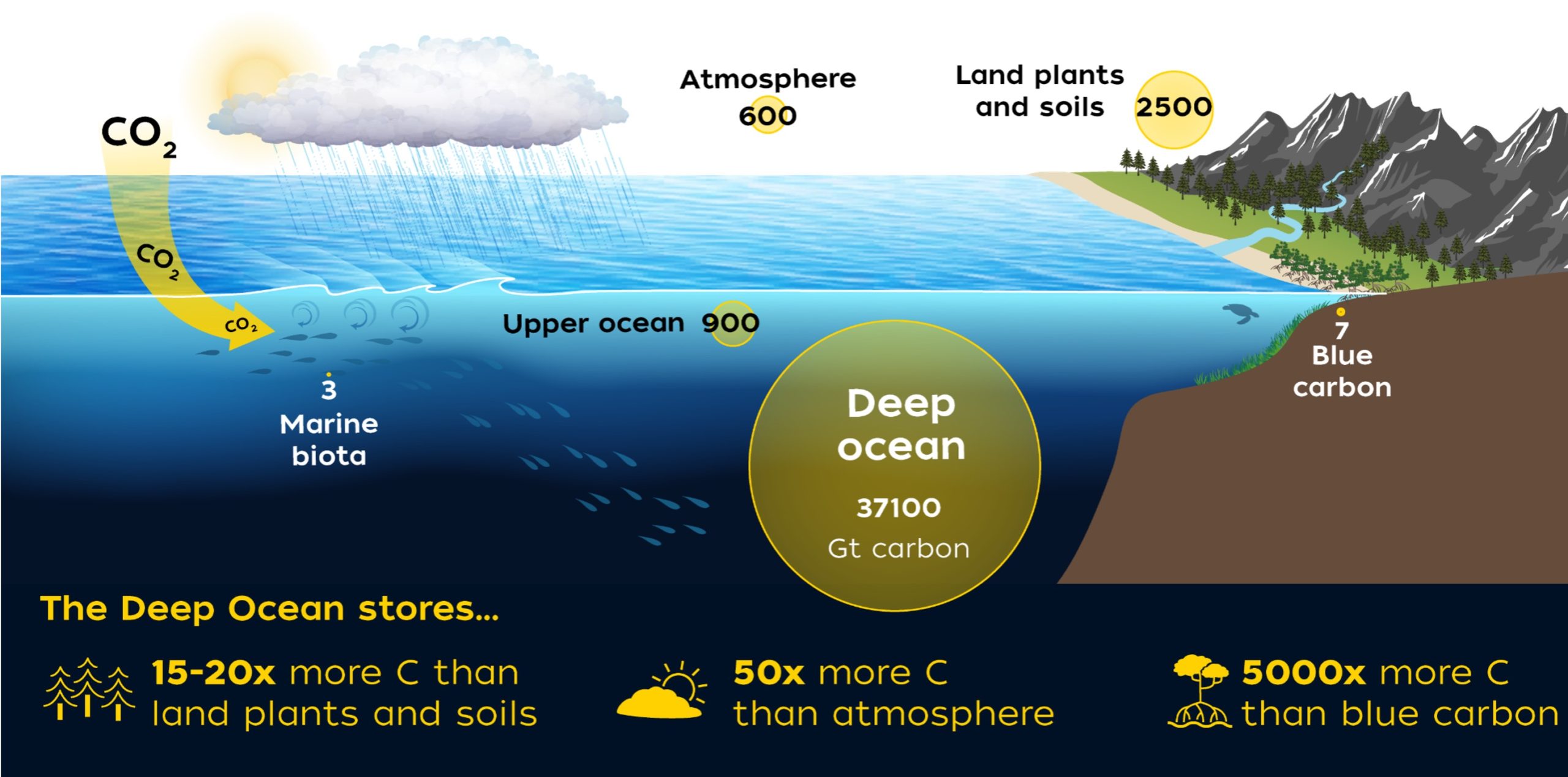
Woods Hole, Mass – The U.S. Department of Energy today announced Woods Hole Oceanographic Institution (WHOI) is one of the ten organizations selected for funding to accelerate the development of…
Read MoreWHOI chemist given prestigious award
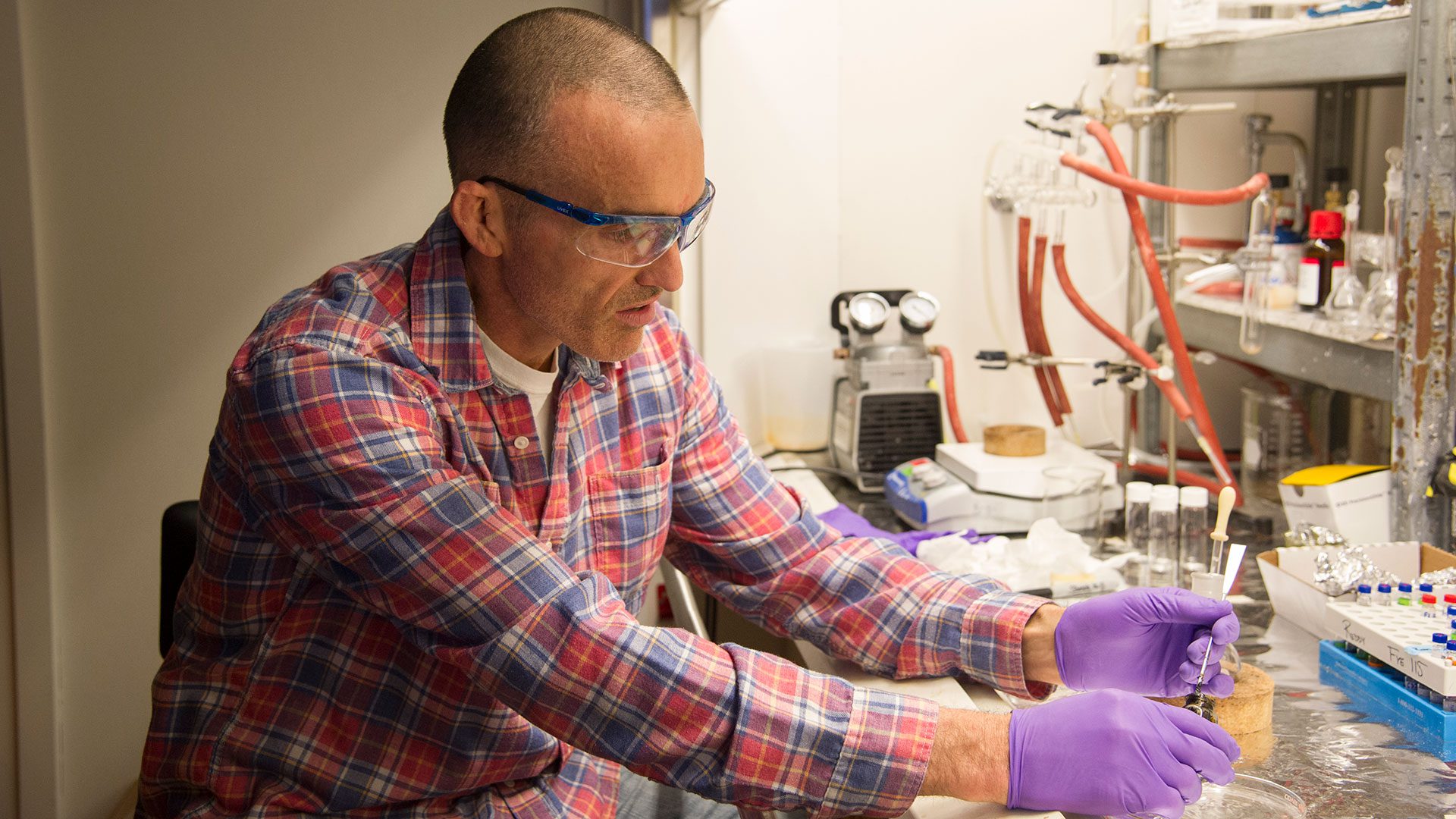
The award recognizes individuals who “materially increase the public’s knowledge of chemistry, chemical engineering, and related fields.”
Read MoreOcean Alkalinity Enhancement Project Looks at Pulling Carbon Dioxide from the Atmosphere
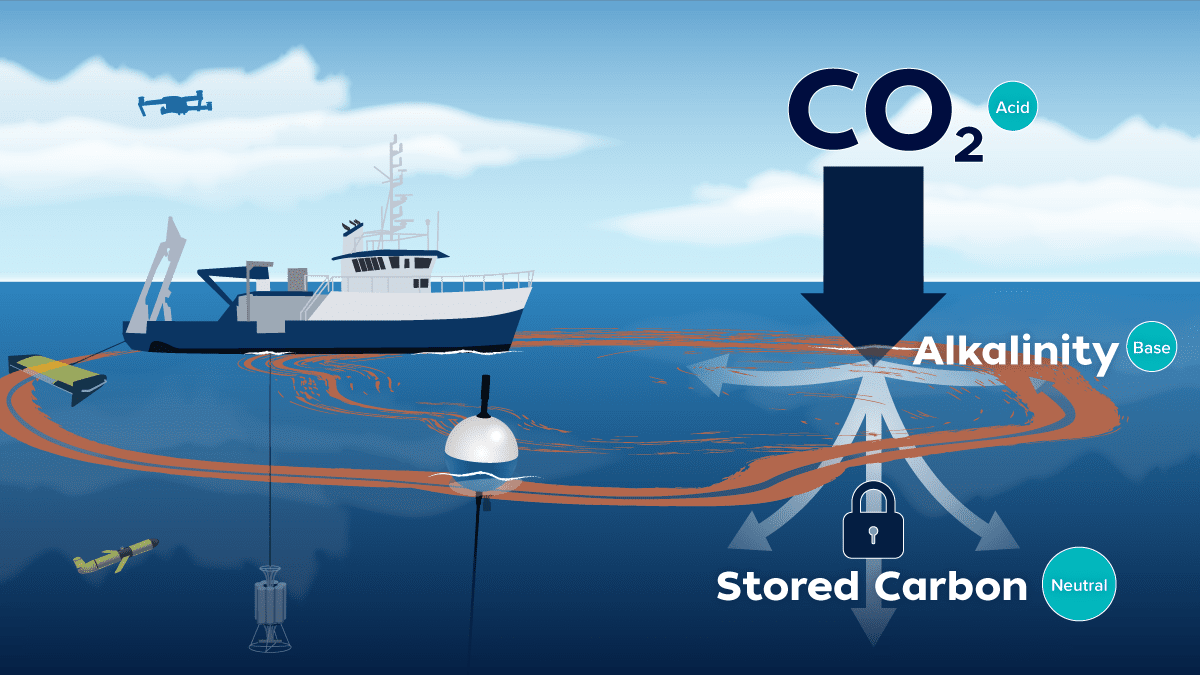
Woods Hole Oceanographic Institution project is part of the broader carbon to sea initiative
Read MoreWHOI Marine Chemist Shares Hard Won Advice for Communicating in the Face of Environmental Disasters
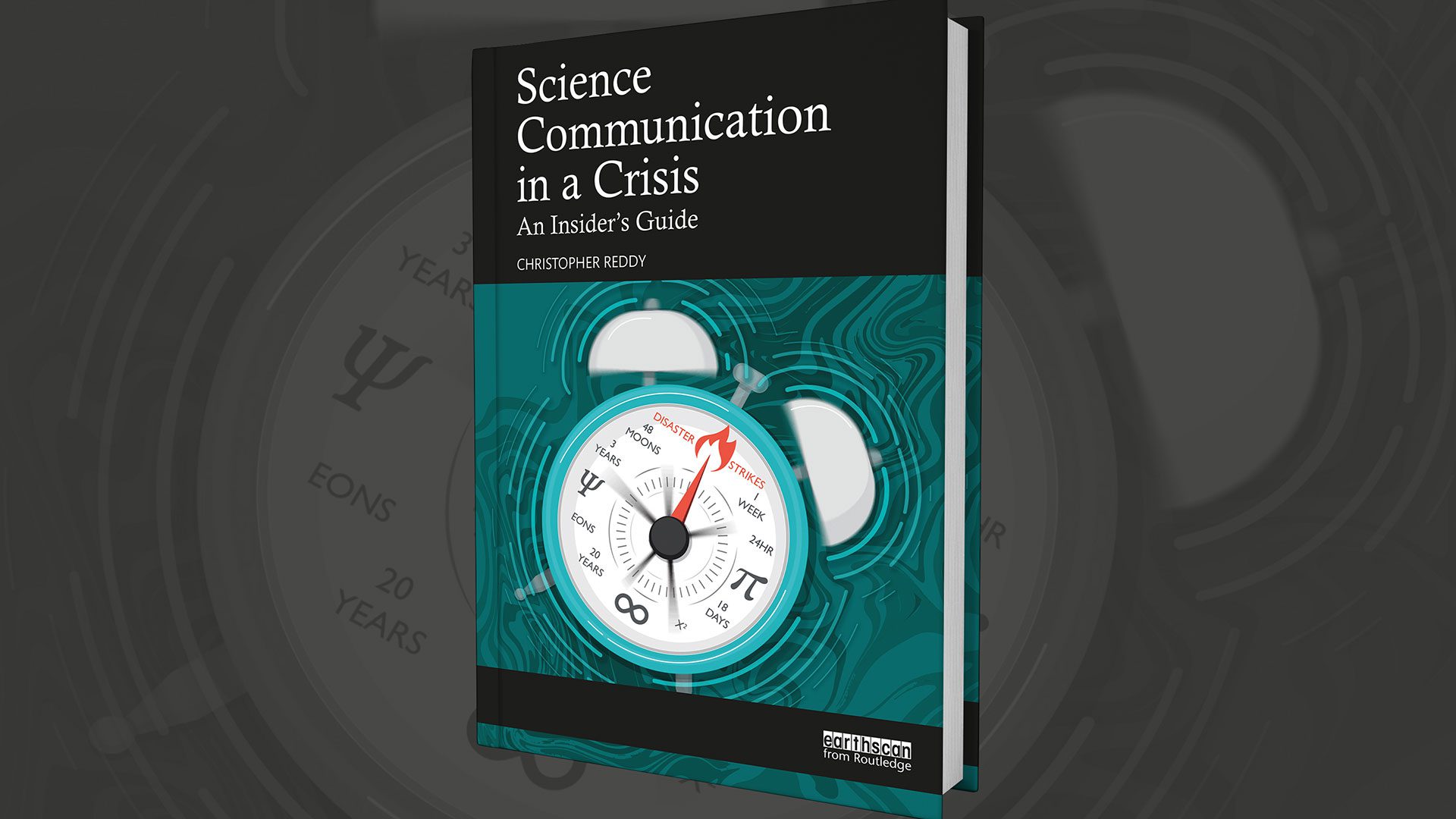
Science Communications in a Crisis: An Insider’s Guide draws on decades of experience
Read MoreOxygen dead zones
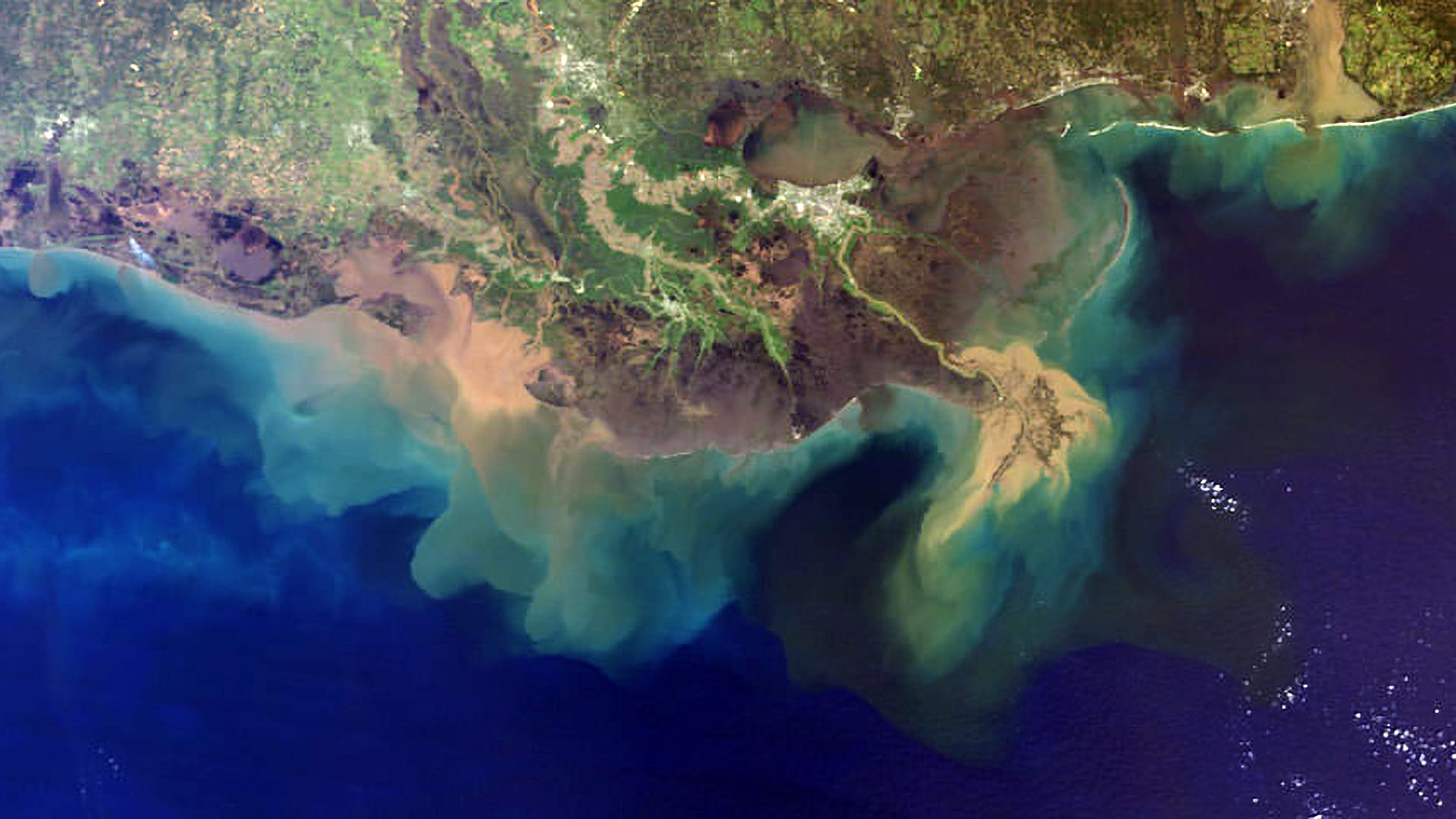
Dead zones occur when the water lacks oxygen. Like us, marine animals require oxygen to breathe, and when oxygen levels drop too low they can suffocate.
Read MoreNatural Wax Holds Promise to Replace Petroleum in Cosmetics and Personal Care Products
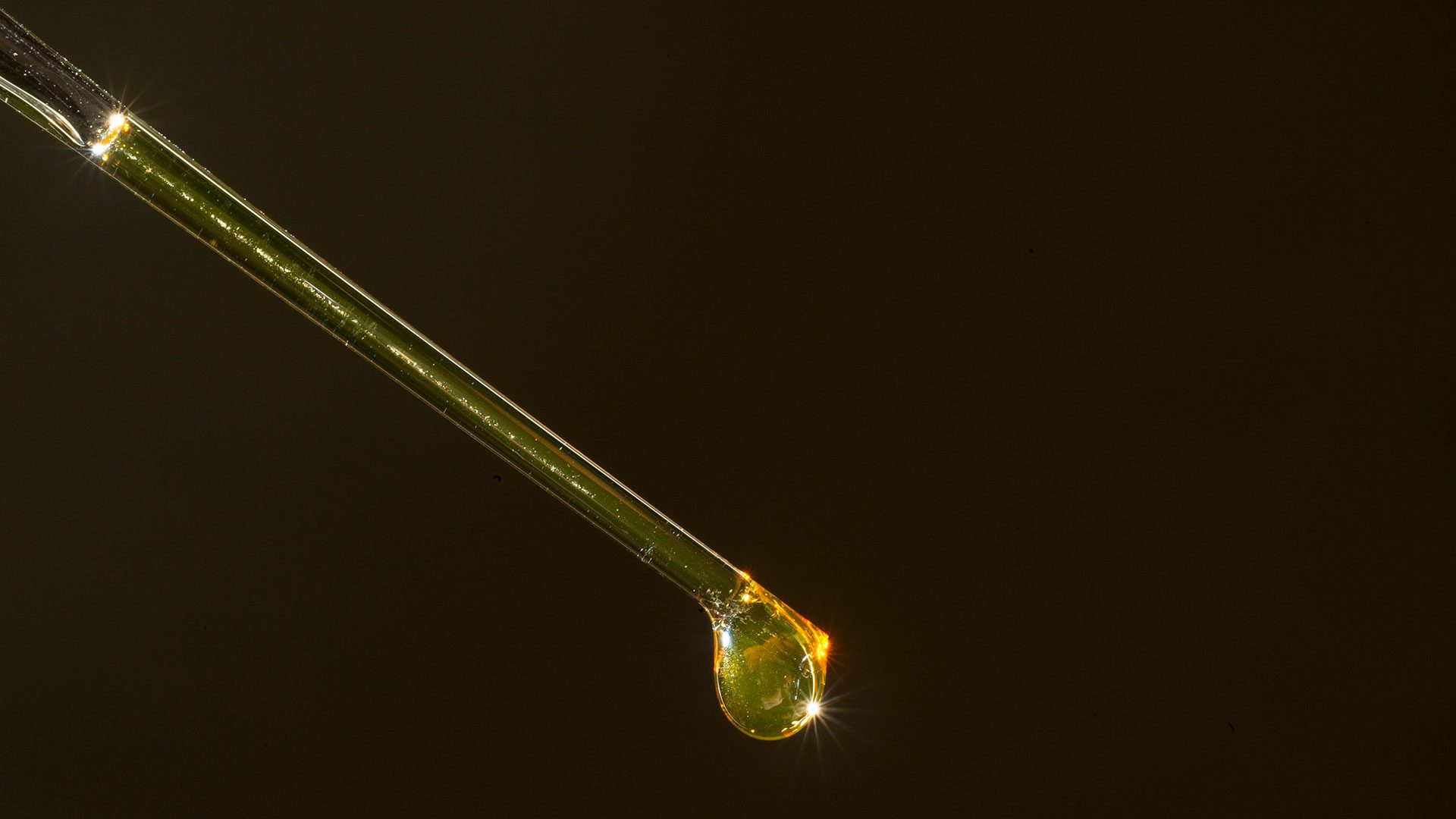
Woods Hole Oceanographic Institution and Western Washington University Sign License Agreement for Upwell Cosmetics to Make and Market a Marine Microalga-Derived Wax
Read MoreToward a New Era of Reef Solutions
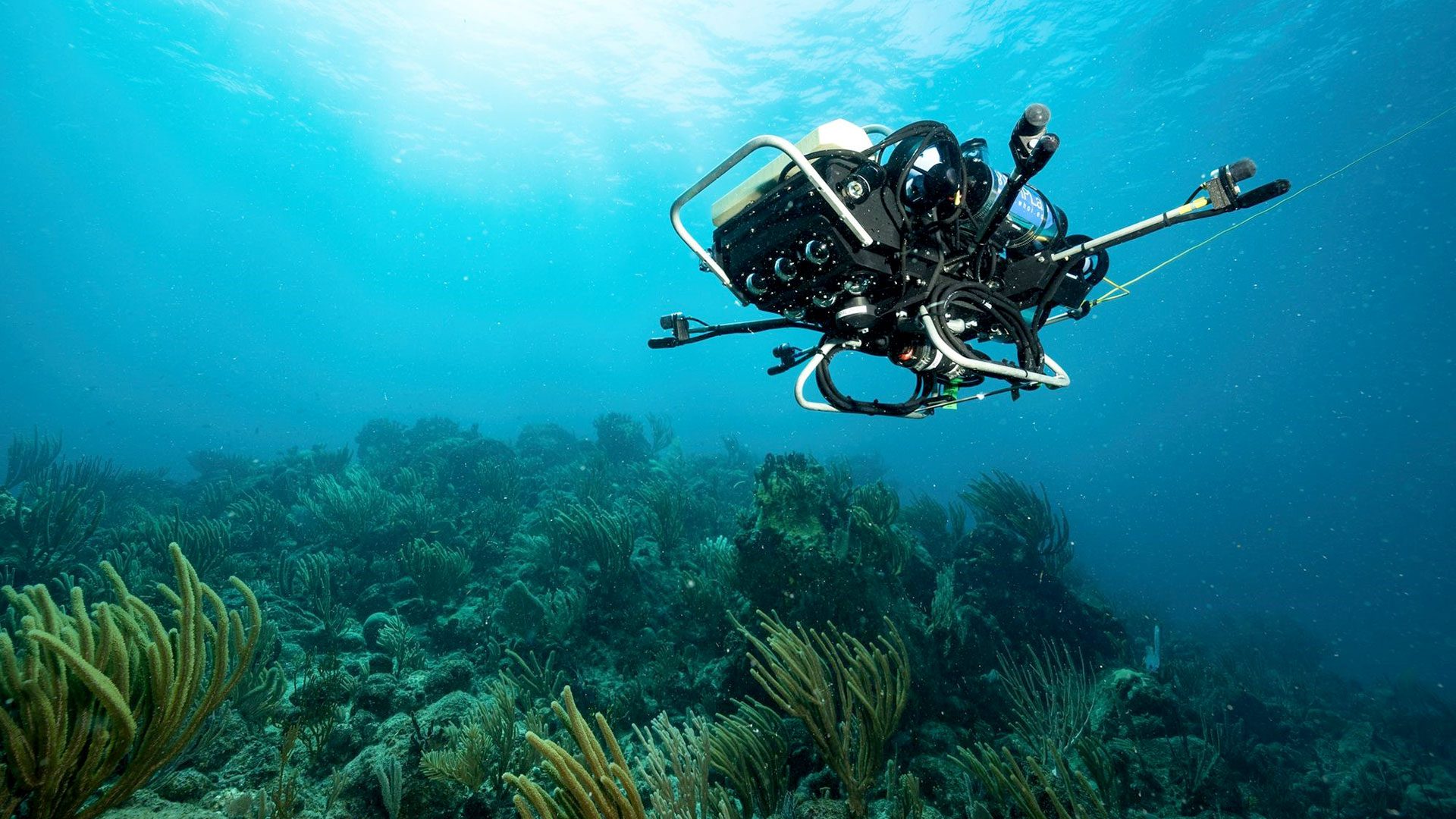
WHOI coral reef researchers propose a new technology-centered focus to study and conserve coral reefs
Read MoreWHOI helps lead groundbreaking study on the human and ocean health impacts of ocean plastics
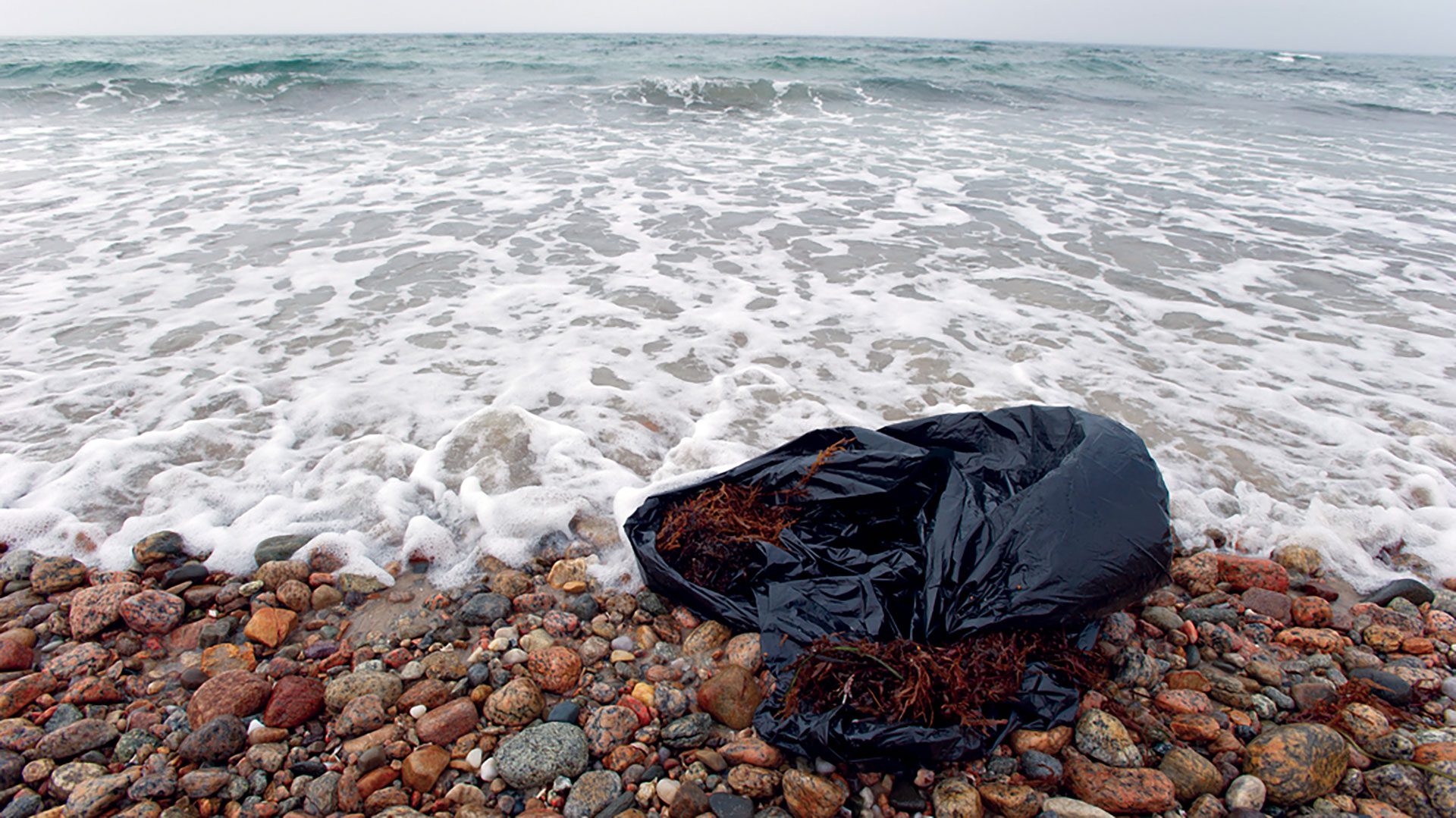
For the first time, leading researchers from the fields of healthcare, ocean science, and social science have collaborated to quantify plastic’s considerable risks to all life on Earth. The Minderoo-Monaco Commission on Plastics and Human Health report, released today, presents a comprehensive analysis showing plastics as a hazard at every stage of their life cycle.
Read MoreA Better Understanding of Gas Exchange Between the Atmosphere and Ocean Can Improve Global Climate Models
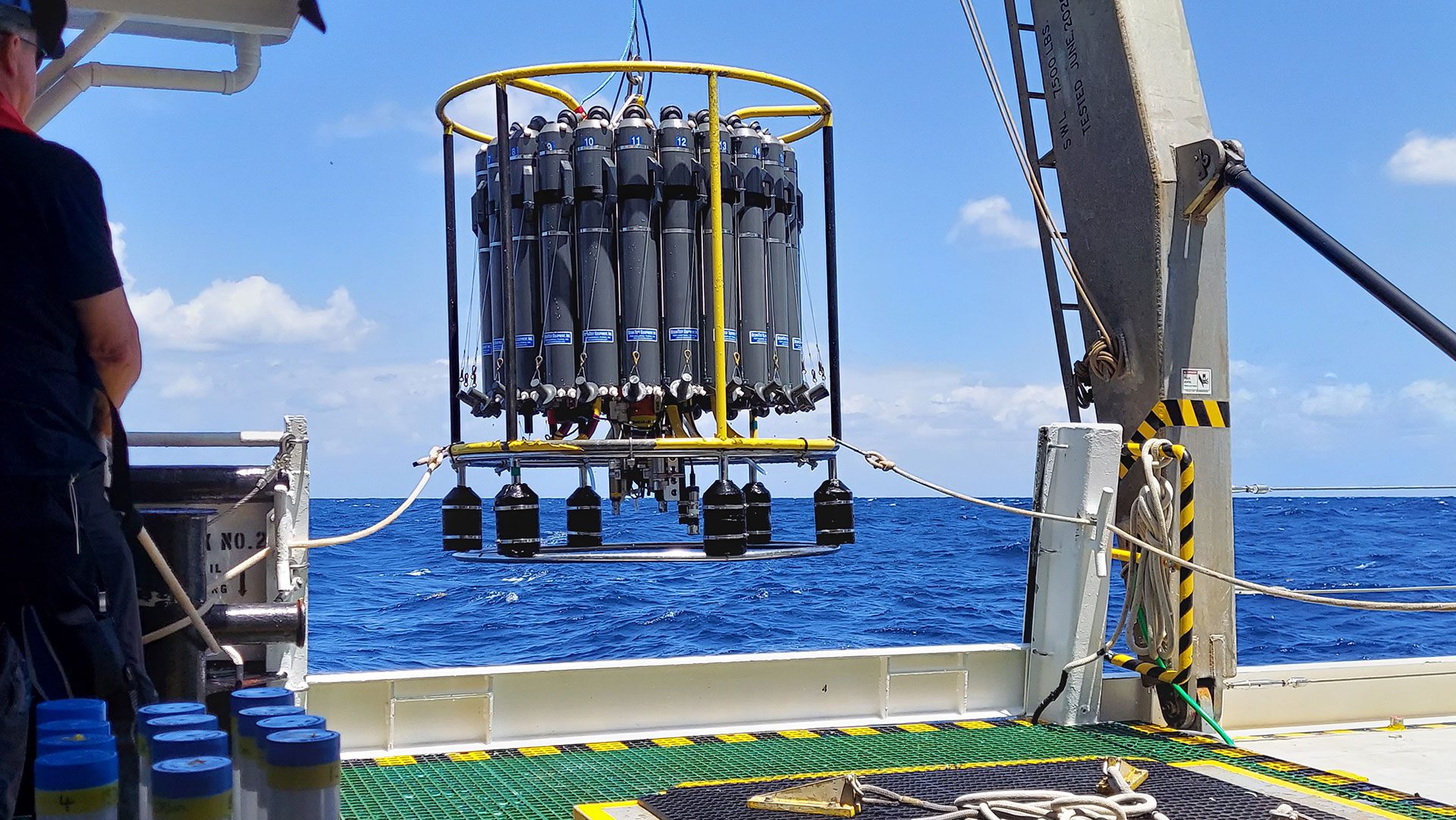
If scientists can improve the way models represent physical processes such as gas exchange, they can have more confidence in future simulations.
Read MoreExcess Nutrients Lead to Dramatic Ecosystem Changes in Cape Cod’s Waquoit Bay
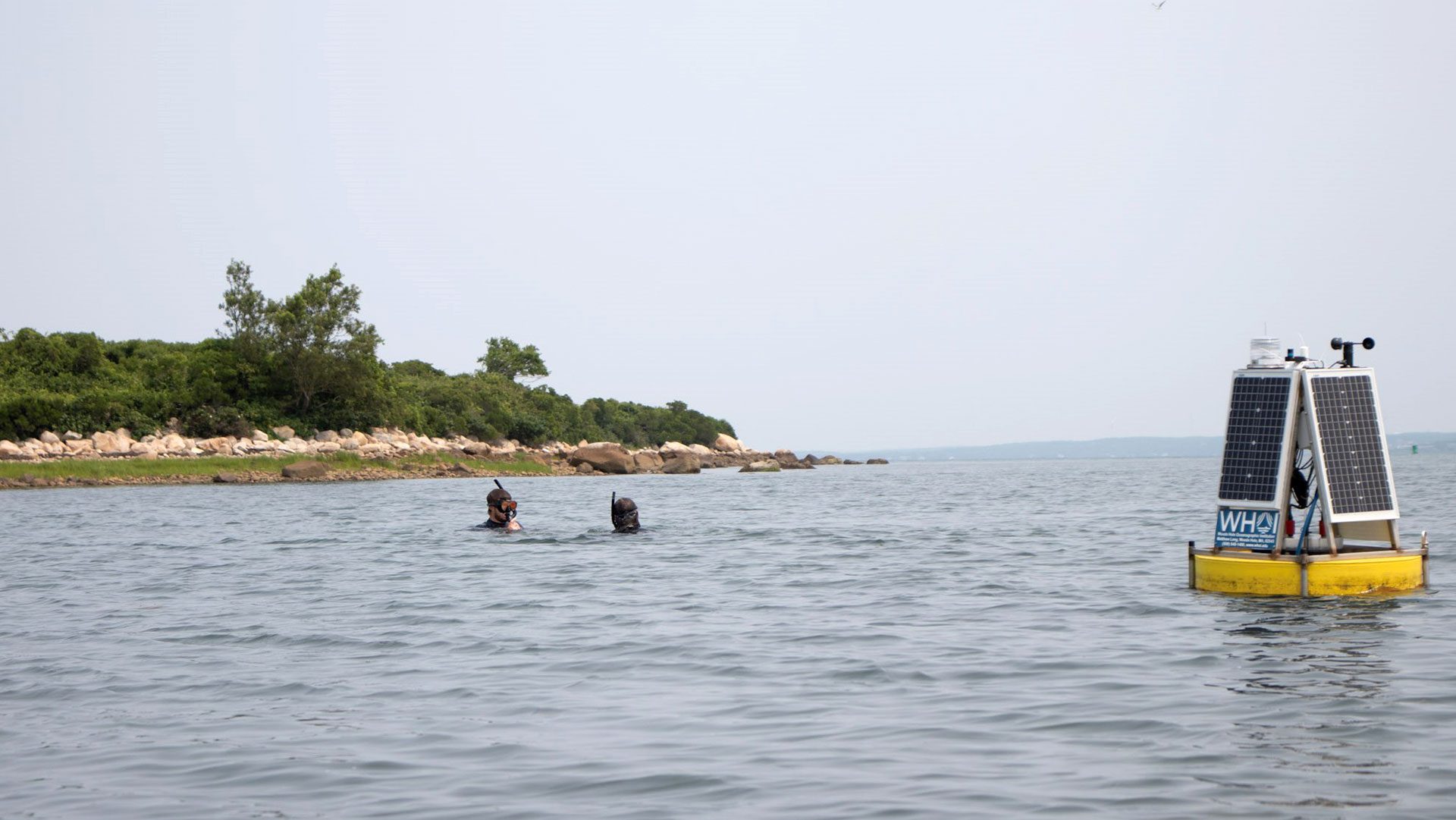
The Bay Is a harbinger for estuaries worldwide, say researchers
Read MoreWHOI Scientist Weighs In On Risks Of Radioactive Wastewater
Despite opposition, Japan may soon dump Fukushima wastewater into the Pacific
Grappling with the biggest marine plastic spill in history
Looking to the Mighty Mississippi for climate solutions
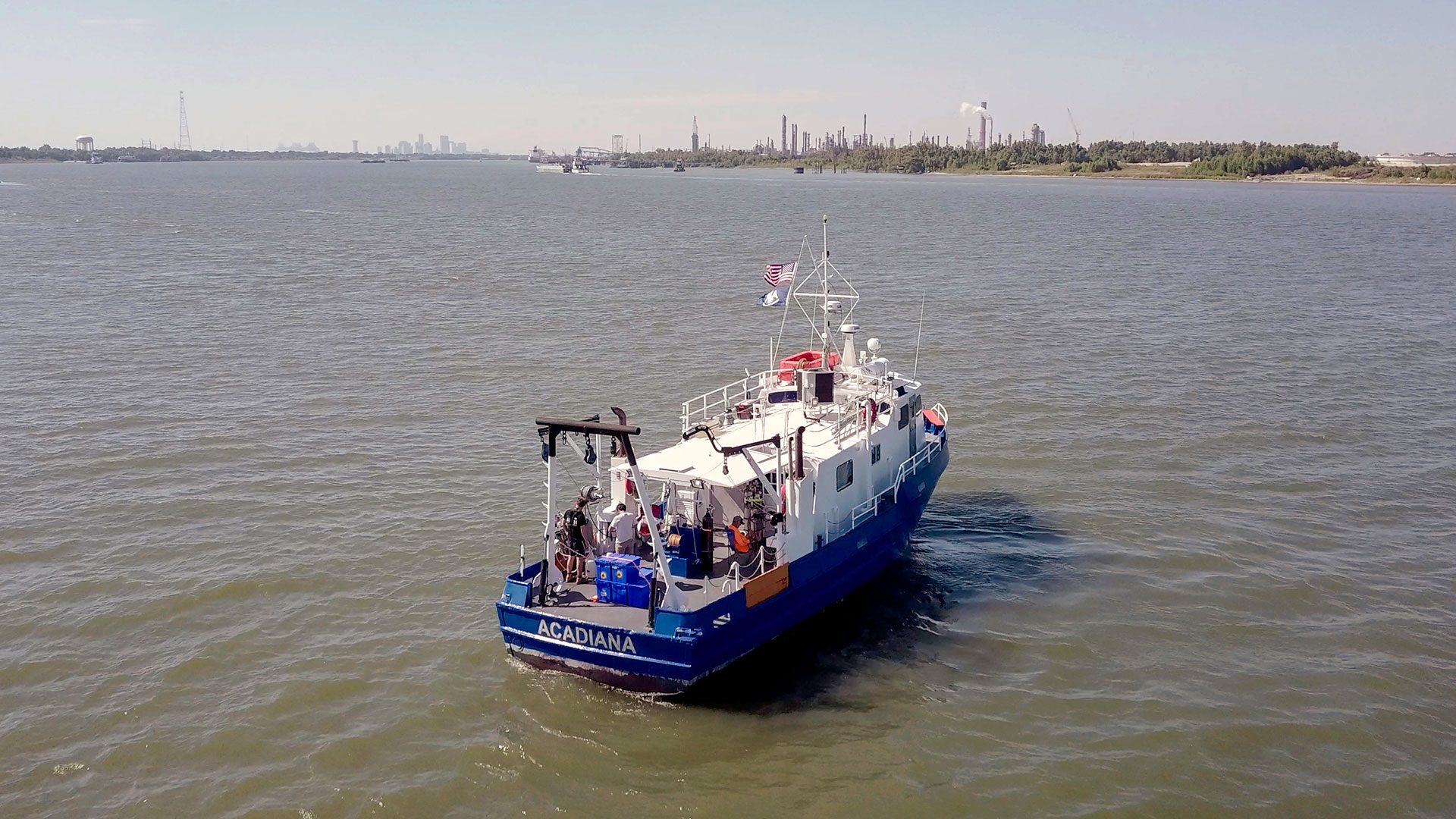
Researchers measure alkalinity flowing into the Gulf of Mexico to assess a carbon dioxide removal strategy
Read MoreWhy Indigenous perspectives matter in the climate conversation

Wampanoag Tribal Member Leslie Jonas talks WHOI, Native rights, and a timely partnership
Read MoreThe teetering balance of coastal CO2
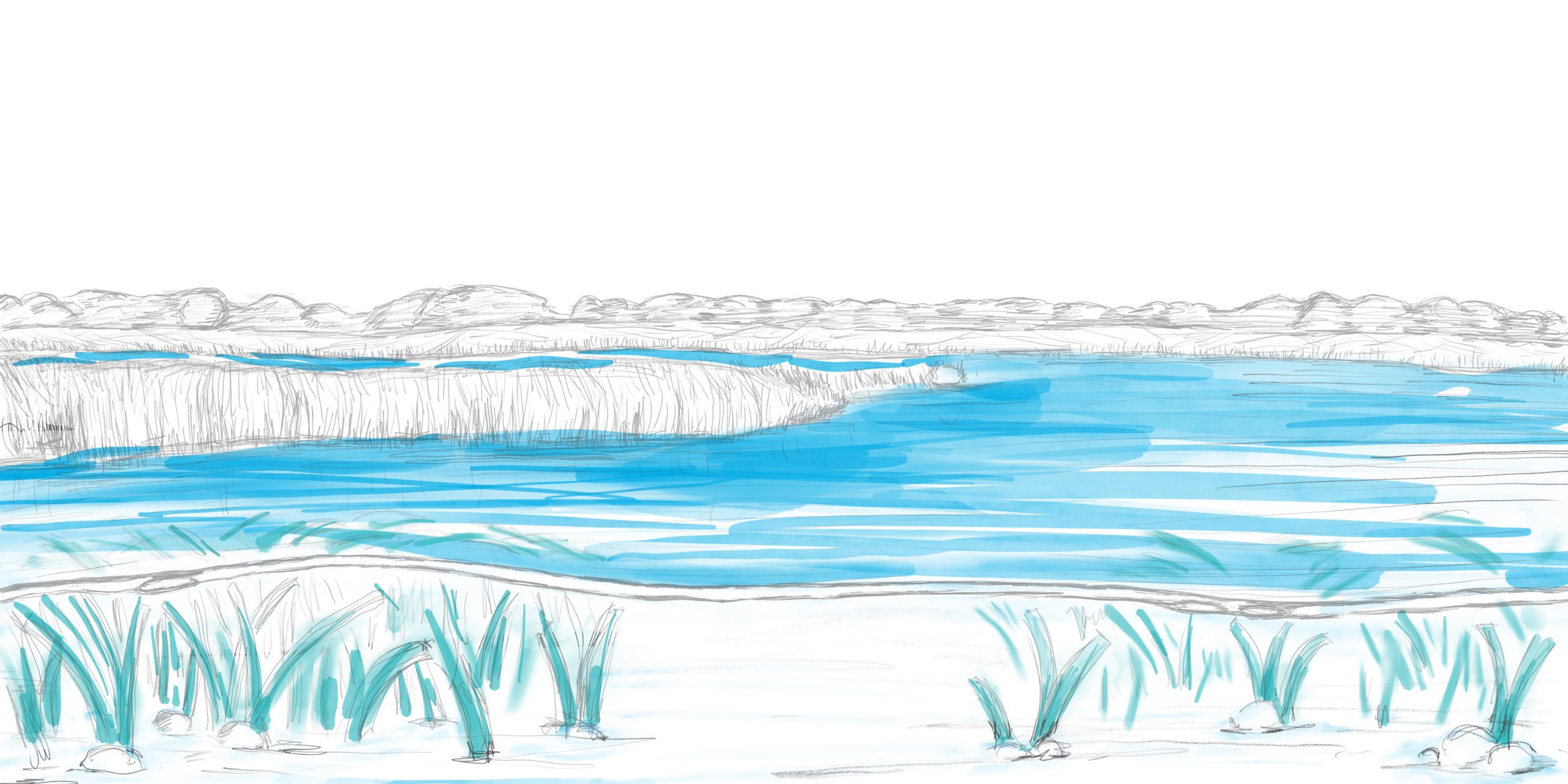
WHOI scientists Matt Long and Aleck Wang explain the incredibly important role of coastal seagrasses and rivers in the global carbon cycle
Read MoreWhat happens to natural gas in the ocean?
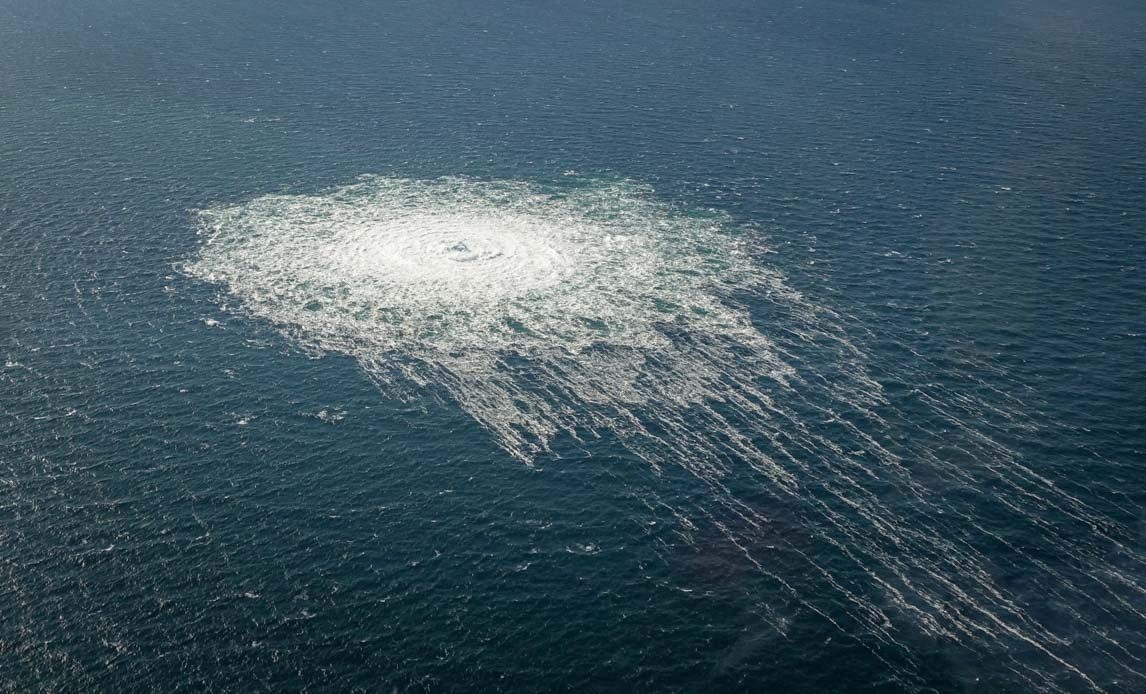
WHOI marine chemist Chris Reddy weighs in on a methane leak in the Baltic Sea
Read MoreSunlight and the fate of oil at sea
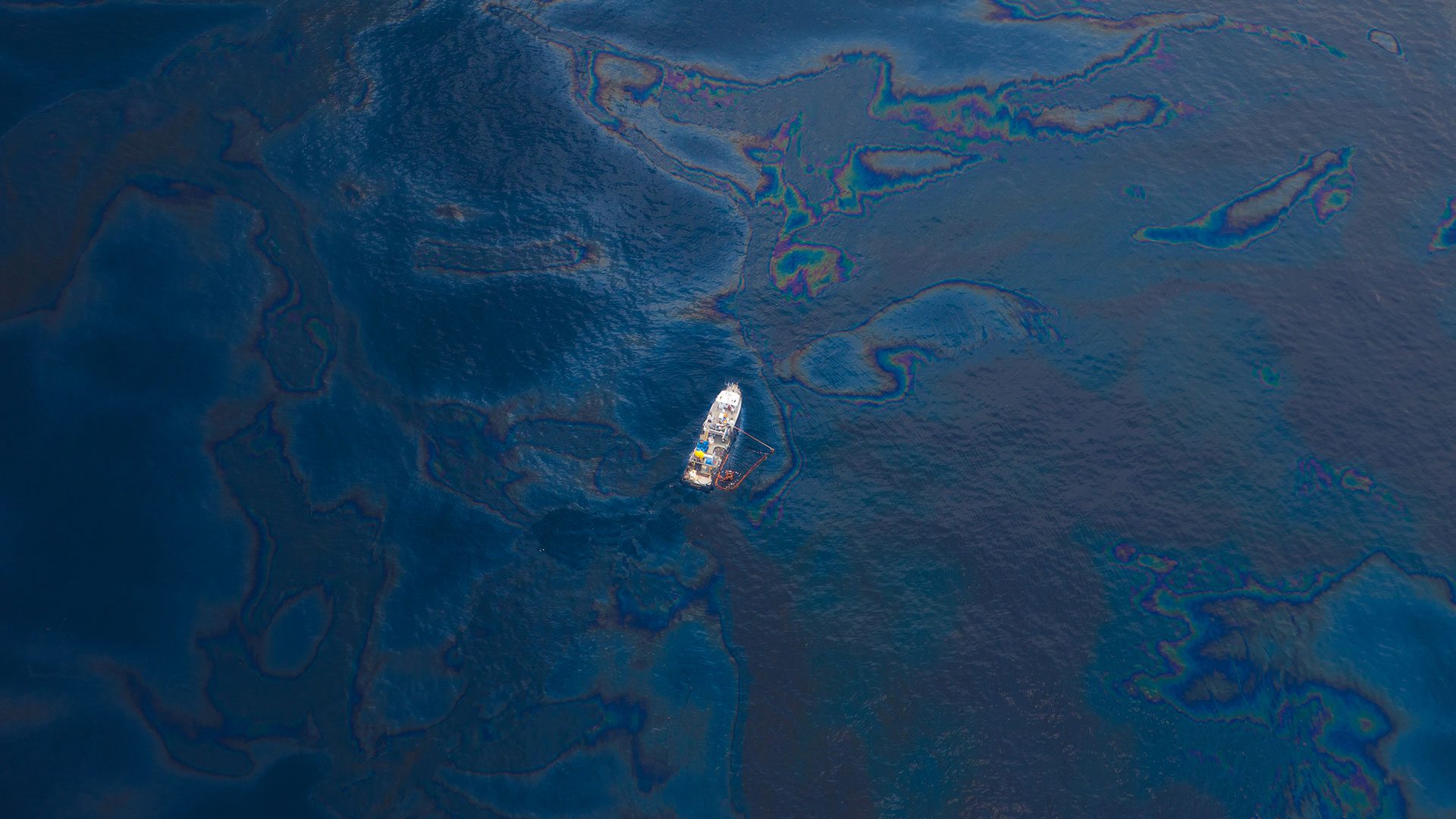
Danielle Haas Freeman draws on the language of chemistry to solve an oil spill puzzle
Read MoreAn aquatic outbreak
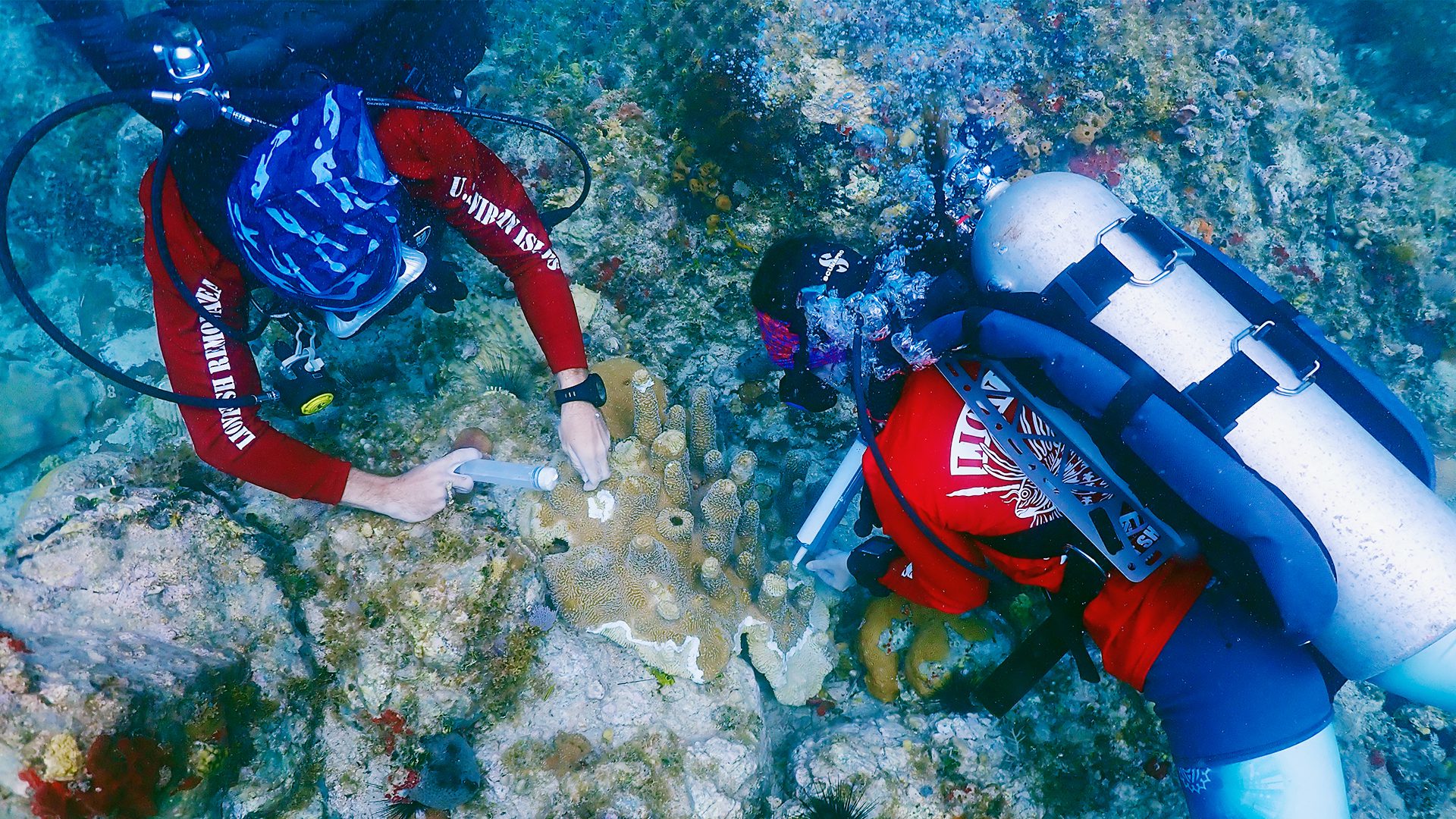
Stony coral tissue loss disease continues devastating Caribbean reefs. Here’s what we know about it so far
Read MoreCarbon sequestration sites may prevent earthquakes
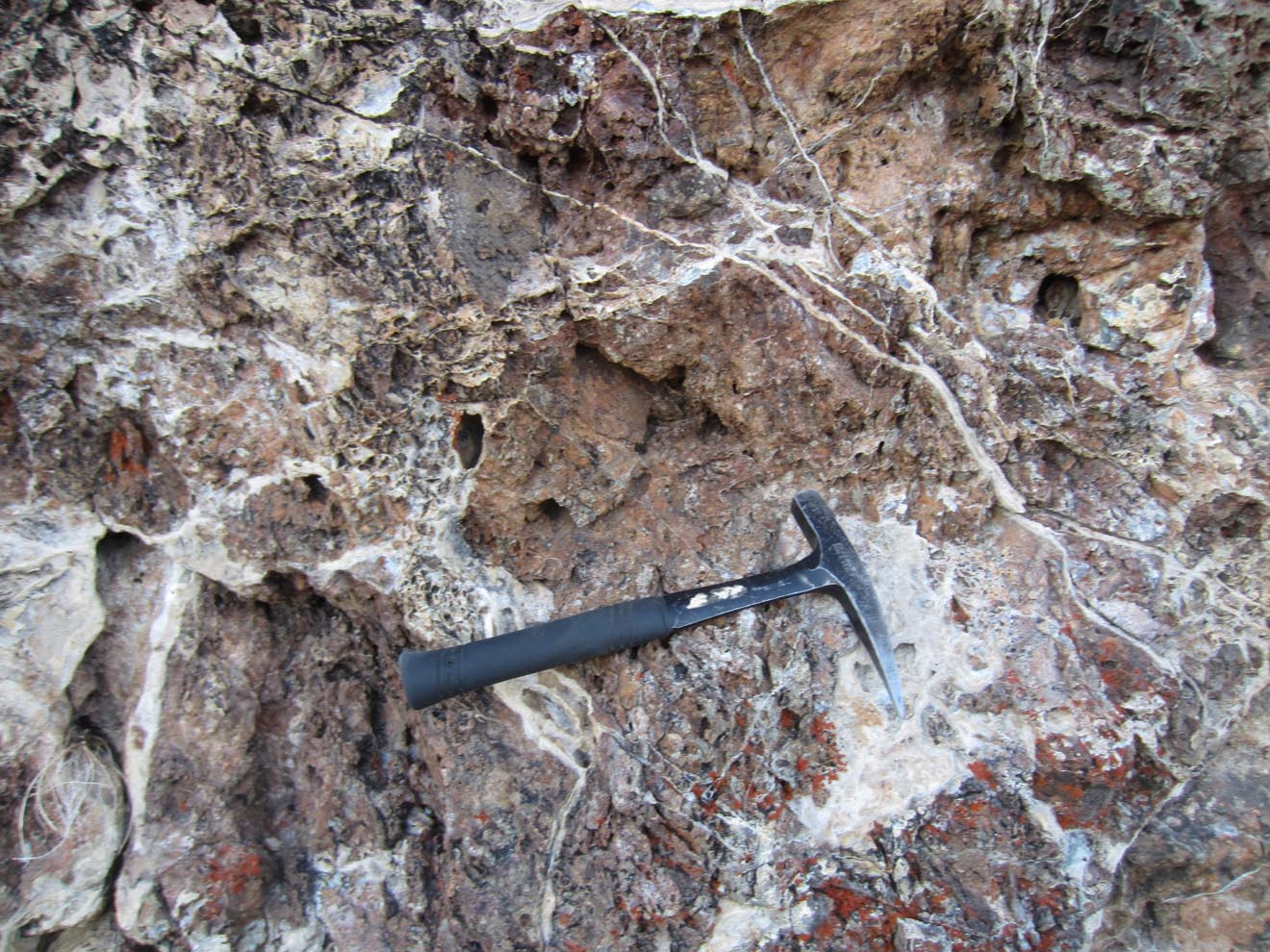
New evidence suggests that CO2-rich springs may be buffering quakes along areas of the San Andreas Fault
Read MoreA toxic double whammy for sea anemones
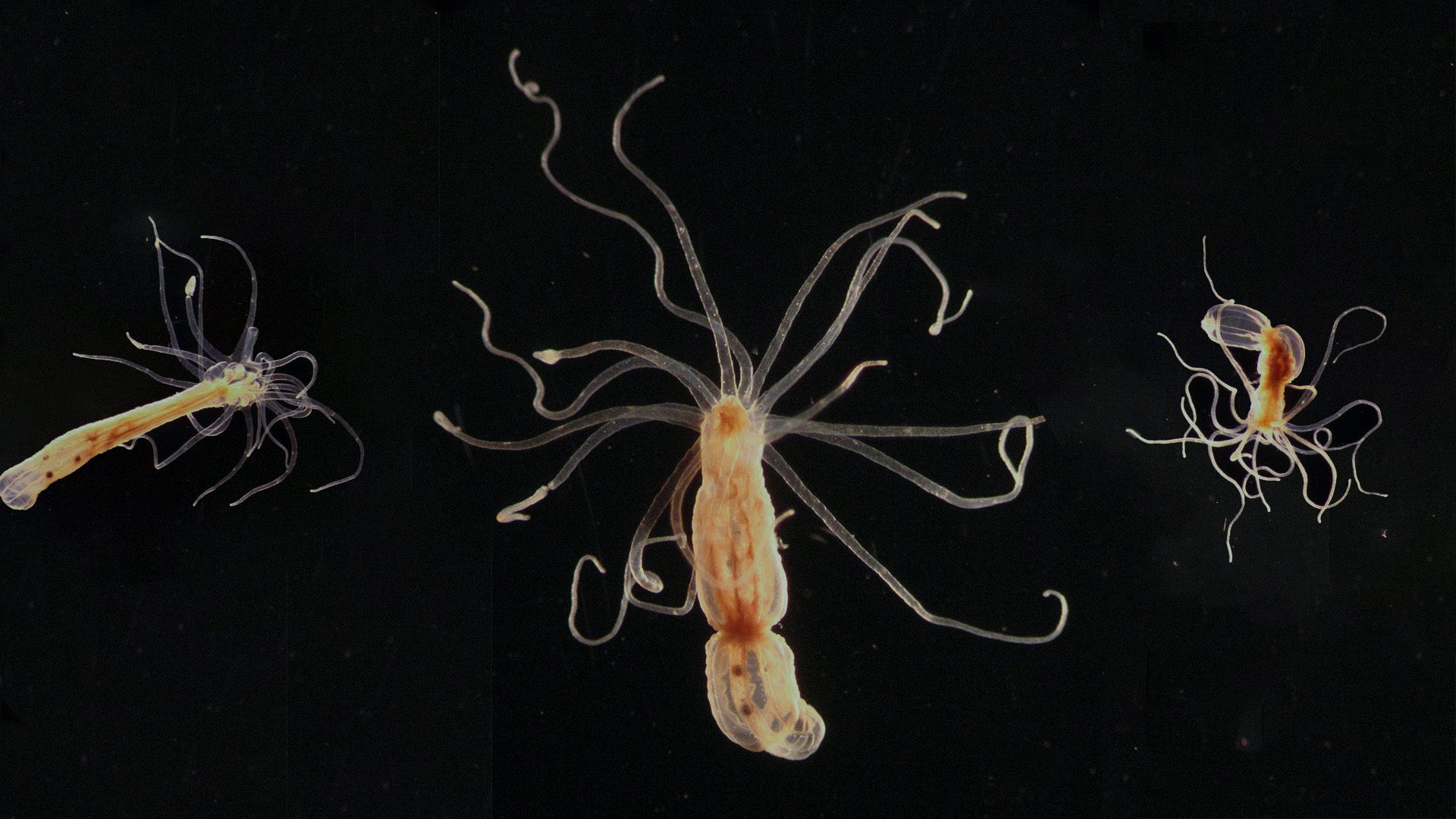
Exposure to both oil and sunlight can be harmful to sea anemones
Read MoreClimate change could lead to a dramatic temperature-linked decrease in essential omega-3 fatty acids
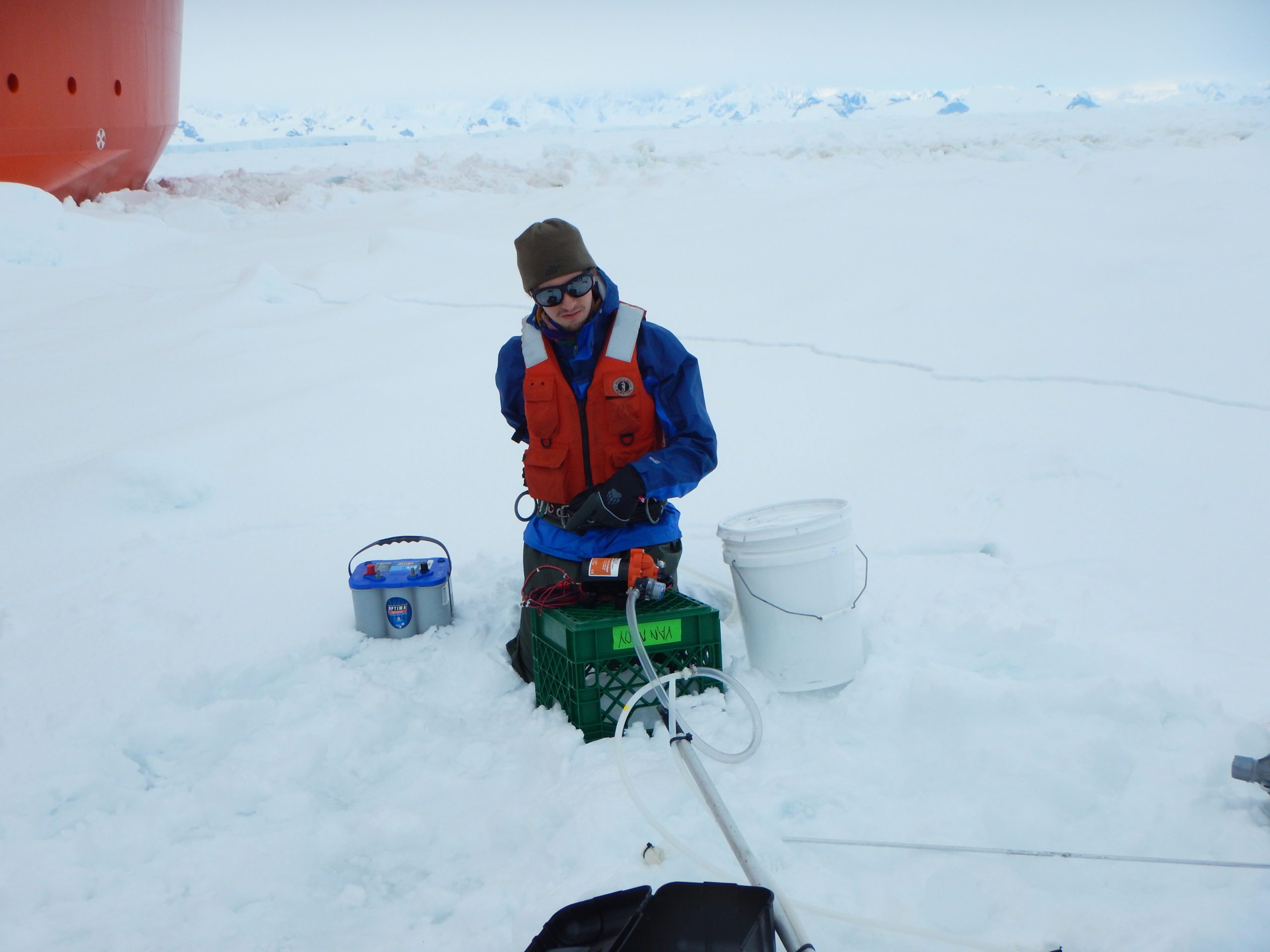
The effects of global climate change already are resulting in the loss of sea ice, accelerated sea level rise, and longer and more intense heat waves, among other threats. Now, the first-ever survey of planktonic lipids in the global ocean predicts a temperature-linked decrease in the production of essential omega-3 fatty acids, an important subset of lipid molecules.
Read MoreWHOI joins world leaders at UN Ocean Conference: June 27 – July 1, Lisbon, Portugal
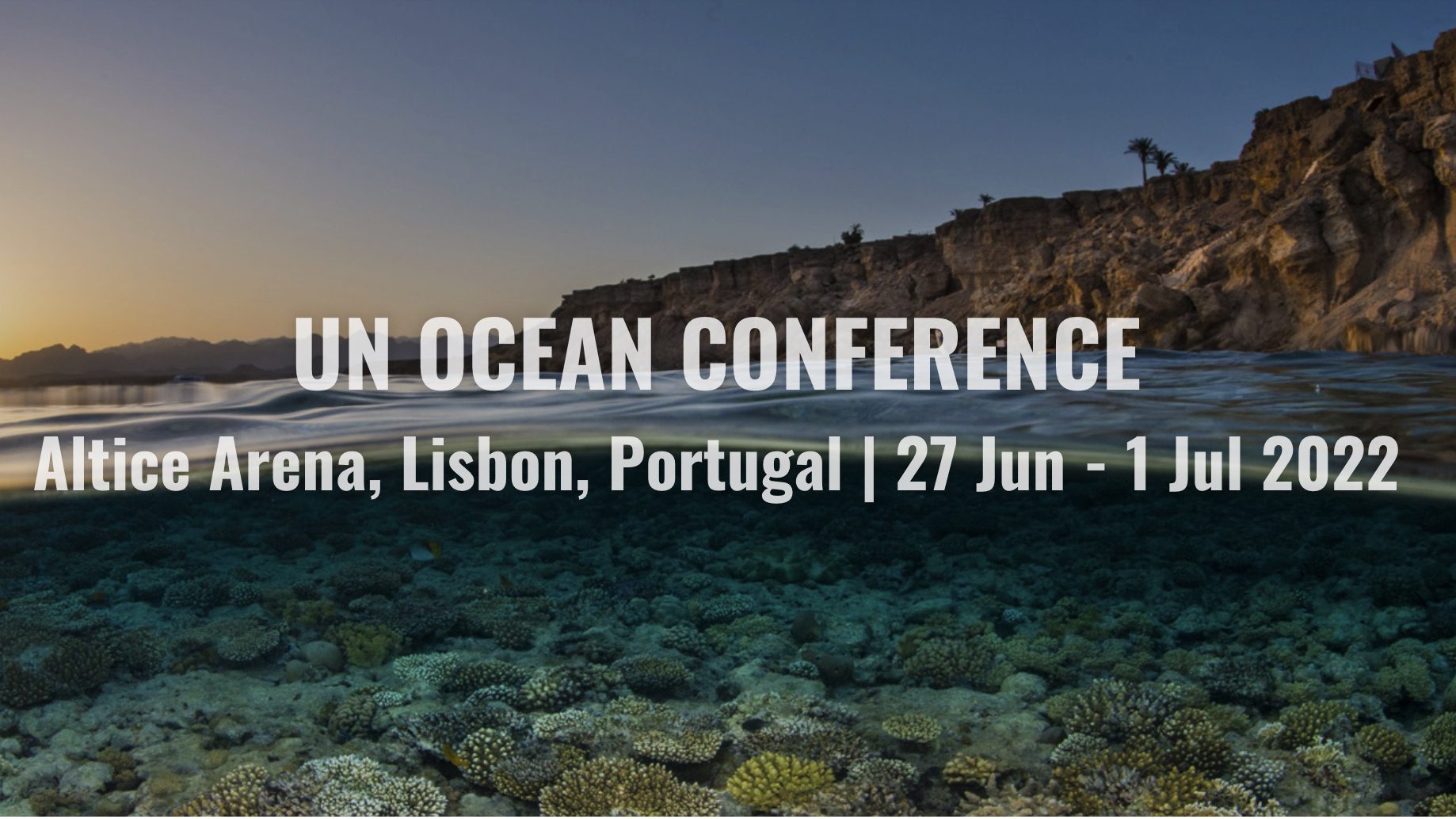
Thousands of participants from around the world will converge in Lisbon beginning June 27 as part of the 2022 United Nations Ocean Conference. Among them will be representatives from Woods Hole Oceanographic Institution (WHOI), the world’s largest independent organization dedicated exclusively to ocean research, engineering, and education.
Read More4 Potential Solutions for Corals in Crisis
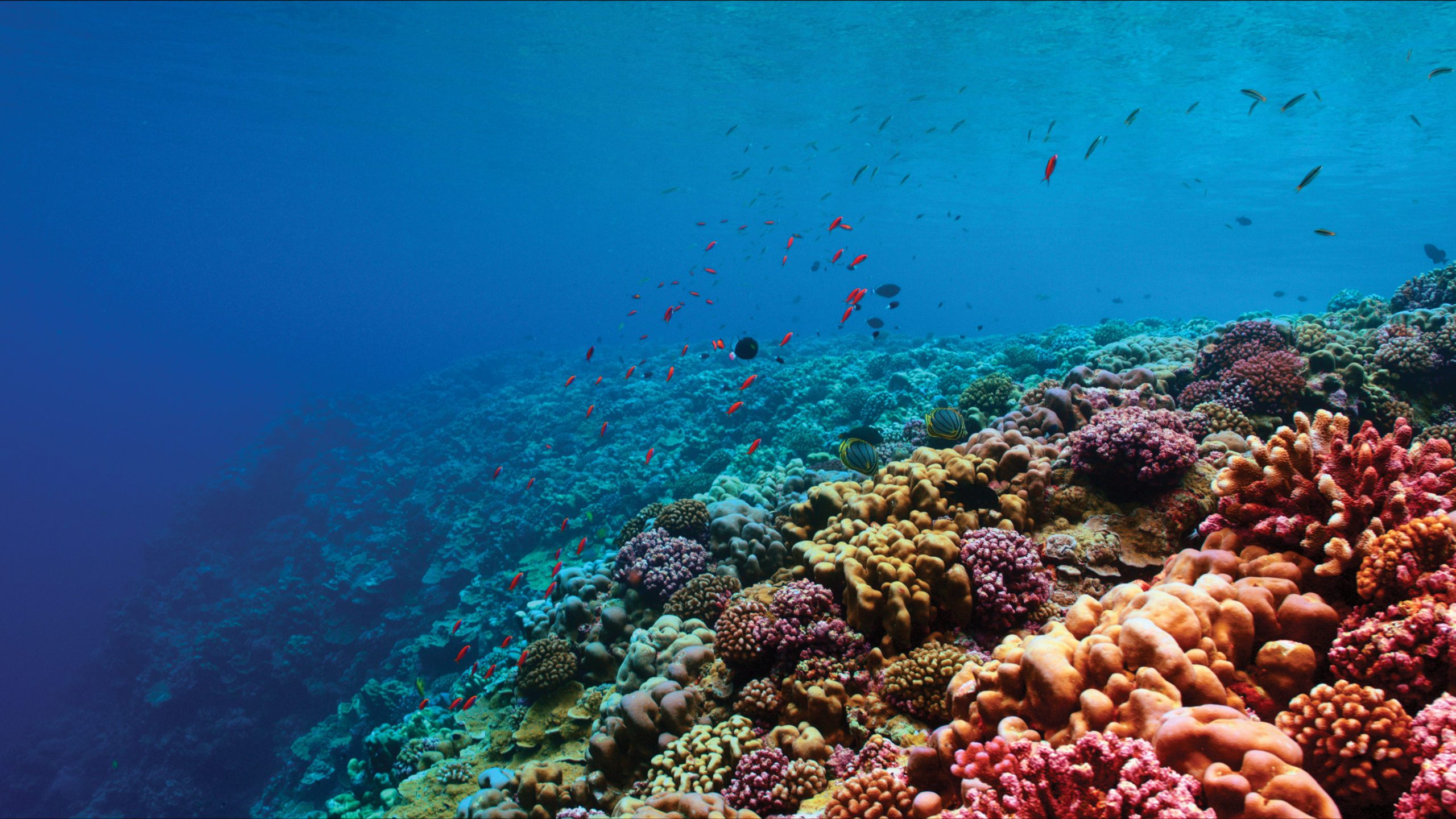
Racing against the clock, WHOI researchers and colleagues are developing innovative solutions to rebuild reefs and improve coral resiliency–before it’s too late.
Read More