
Marine Chemistry & Geochemistry
MC&G Department Hybrid Seminar: Long-Term Variability and Fates of Carbon and Alkalinity Outwelling from Coastal Wetlands
Qipei Shangguan, WHOI Sponsored by: MC&G Department – Carriage House This will be a hybrid seminar held in Carriage House. If you wish to join virtually, you can access the…
Read MoreMarine carbon dioxide removal is advancing, but questions remain about viability, says new digital report
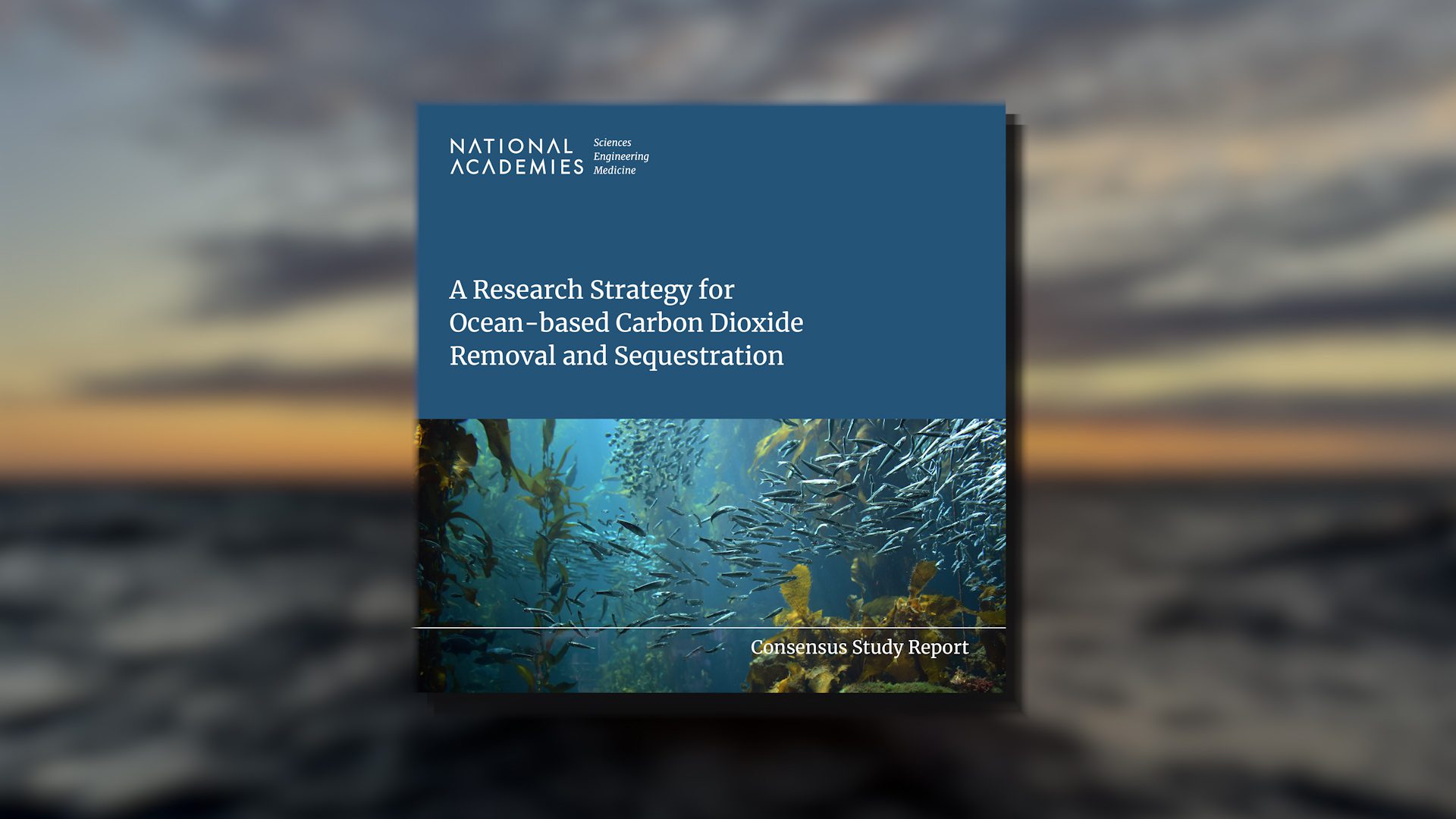
A new National Academies report lays out a research strategy for studying the ocean’s ability to sequester carbon
Read MoreMC&G Department Hybrid Seminar: Mysteries of Manganiferous Minnesota: Manganese Cycling at Microaerobic Margins
Jennifer Necker, WHOI Sponsored by: MC&G Department – Clark 507 This will be a hybrid seminar held in Clark 507. If you wish to join virtually, you can access the…
Read MoreCharlotte Commons
Colin Hutton

Annabelle Manville

Nathan Rayburn

Konstantin Scholey
Geovanni Serrato
Are big spills the main source of ocean oil?
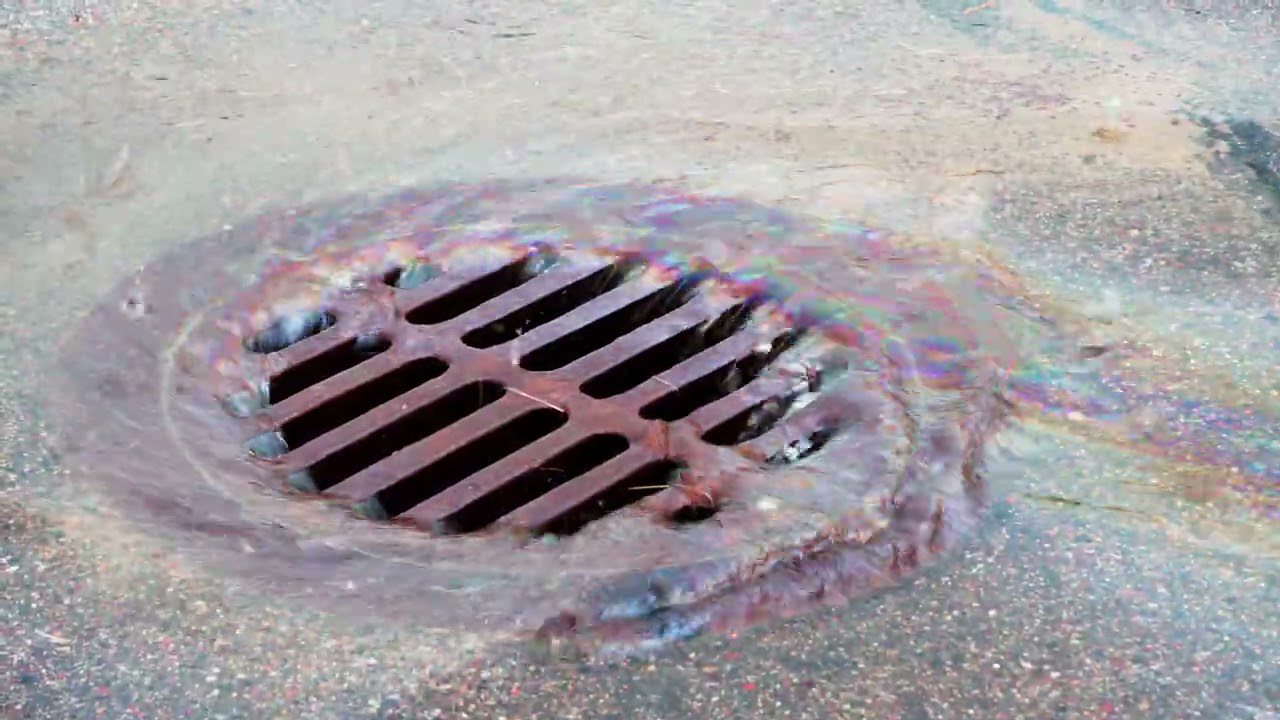
Evidence shows that smaller leaks on land contribute far more oil to our oceans
Read MoreMC&G Department Hybrid Seminar: Development and Validation of Ceramic Nanofiltration for Improved Recovery of DOC From Seawater
Sarah Messenger, WHOI Sponsored by: MC&G Department – Clark 507 This will be a hybrid seminar held in Clark 507. If you wish to join virtually, you can access the…
Read MoreMC&G Department Hybrid Seminar: Carbon Concentrating Mechanism and Growth Responses of Diatoms to Changes in Zinc and Carbonate Chemistry
Emily Burdige, WHOI Sponsored by: MC&G Department – Clark 507 This will be a hybrid seminar held in Clark 507. If you wish to join virtually, you can access the…
Read MoreWren Sakai

Alvin Operations Group Mechanical Engineer
Read MoreIs the ocean carbon sink at risk of faltering?

WHOI scientists explain how the ocean mitigates climate change—and could be compromised by it
Read MoreNew WHOI study shows seawater may offer early clues to changing reef health
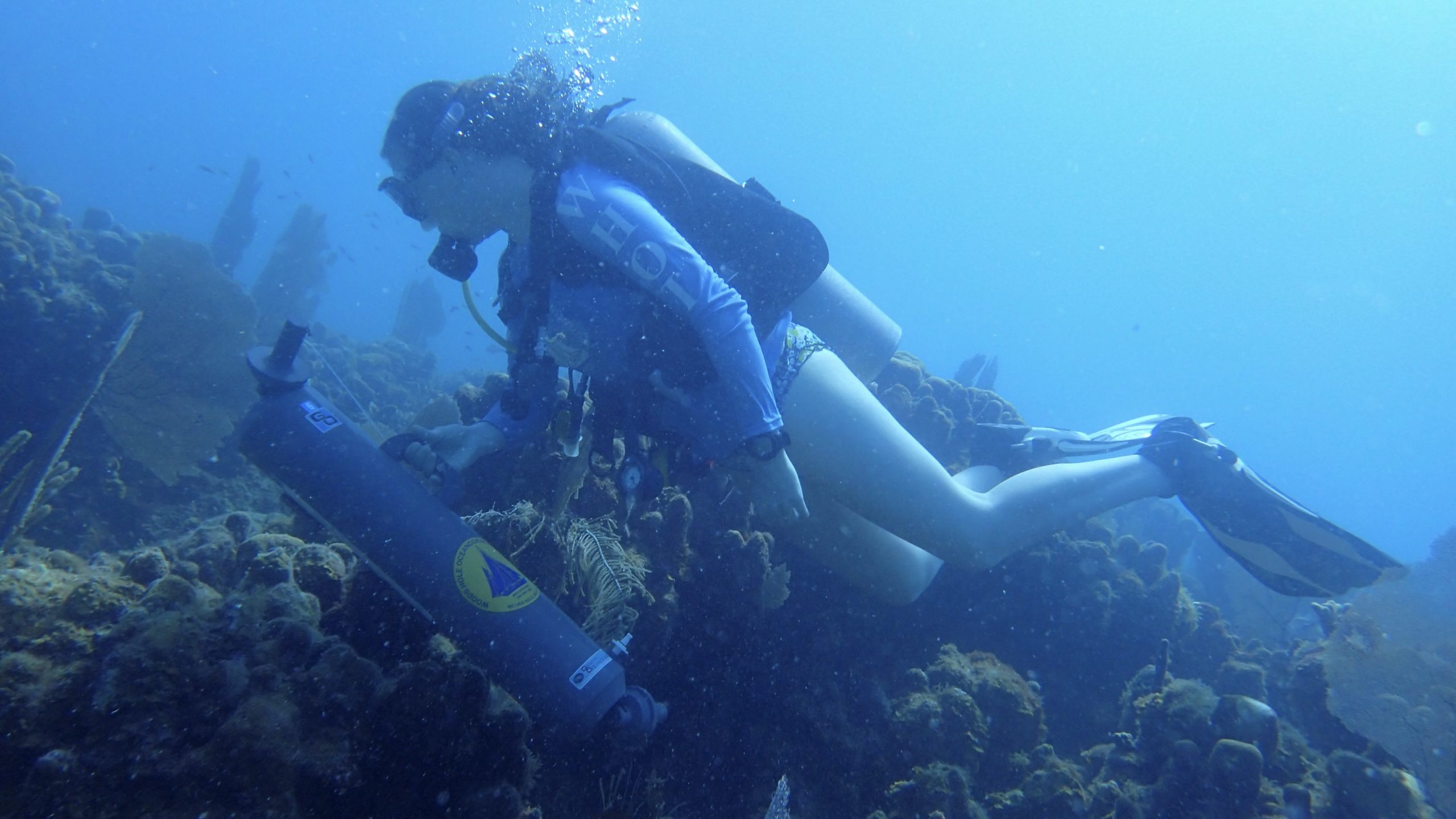
An interdisciplinary approach reveals how chemistry, microbes, and ocean circulation work together to shape reef ecosystems
Read MoreAnswers from the abyss
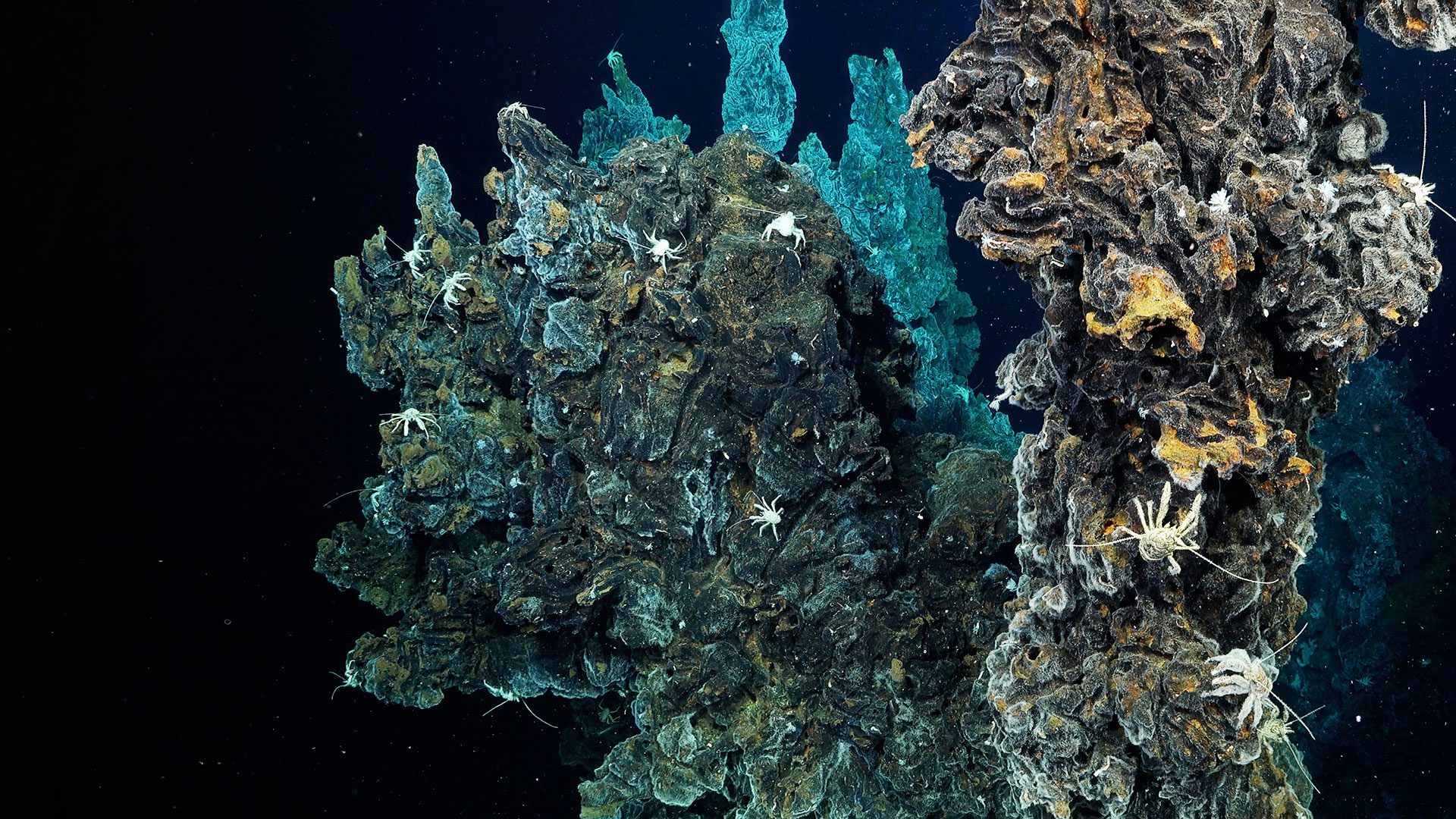
How new discoveries in the deep could change life at the surface
Read MoreMassDEP awards $500,000 to support eelgrass restoration
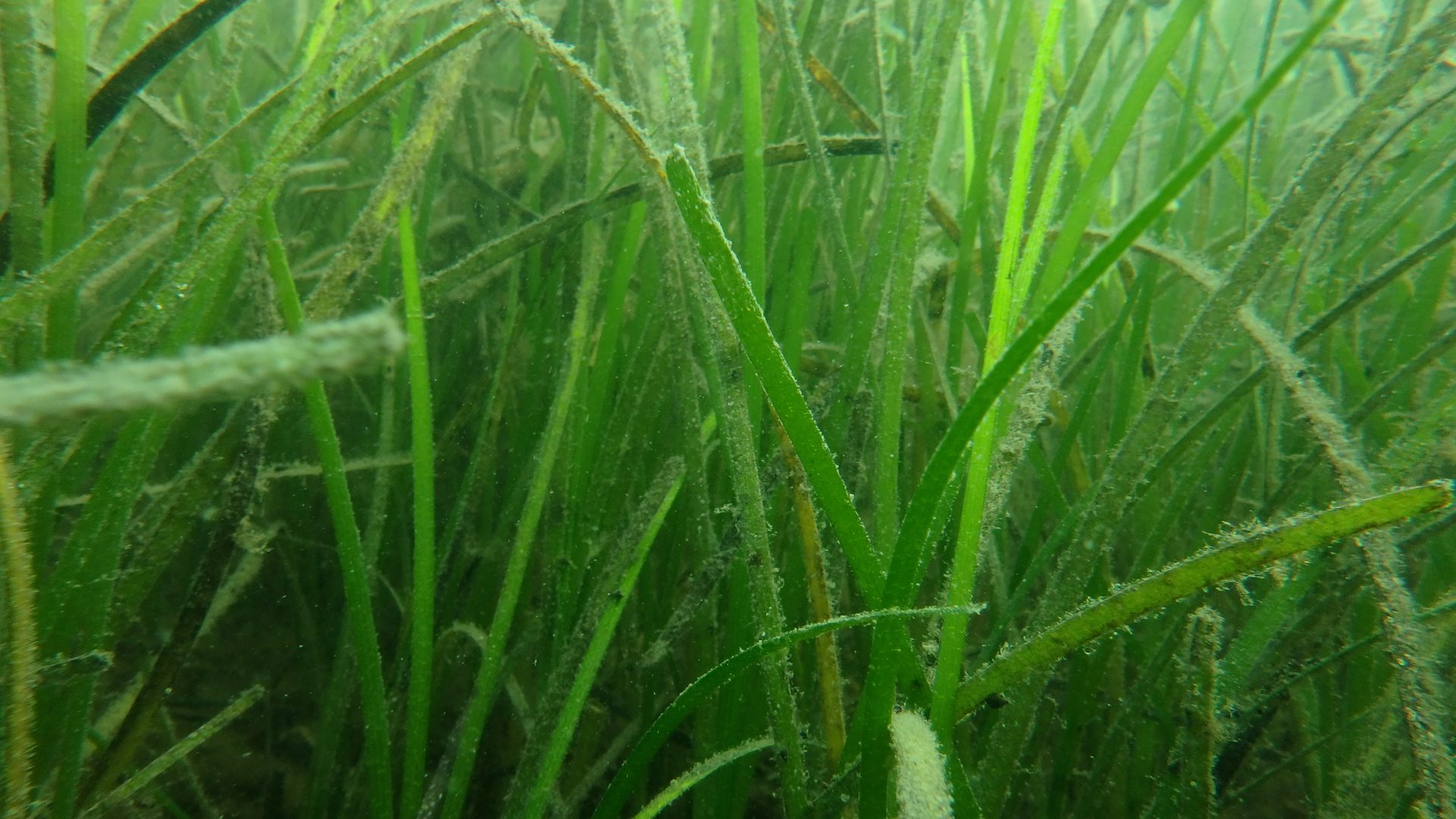
The Massachusetts Department of Environmental Protection is supporting a two-year study to quantify carbon storage in both natural and restored eelgrass meadows in coastal waters.
Read MoreSophie Hines

Paleoceanographer
Read MoreNew WHOI-led study reveals hidden “chemical currency” fueling the ocean’s carbon cycle
Researchers have identified a diverse set of molecules released by marine phytoplankton that fuel microbial life and help drive Earth’s carbon cycle
Read MoreScientists outline case for next-generation ocean iron fertilization field trials

A new paper argues that larger, longer studies with rigorous monitoring and clear safeguards are needed to accurately assess OIF as a potential long-term CO2 storage solution.
Read MoreSeawater microbes offer new, non-invasive way to detect coral disease, WHOI-led study finds
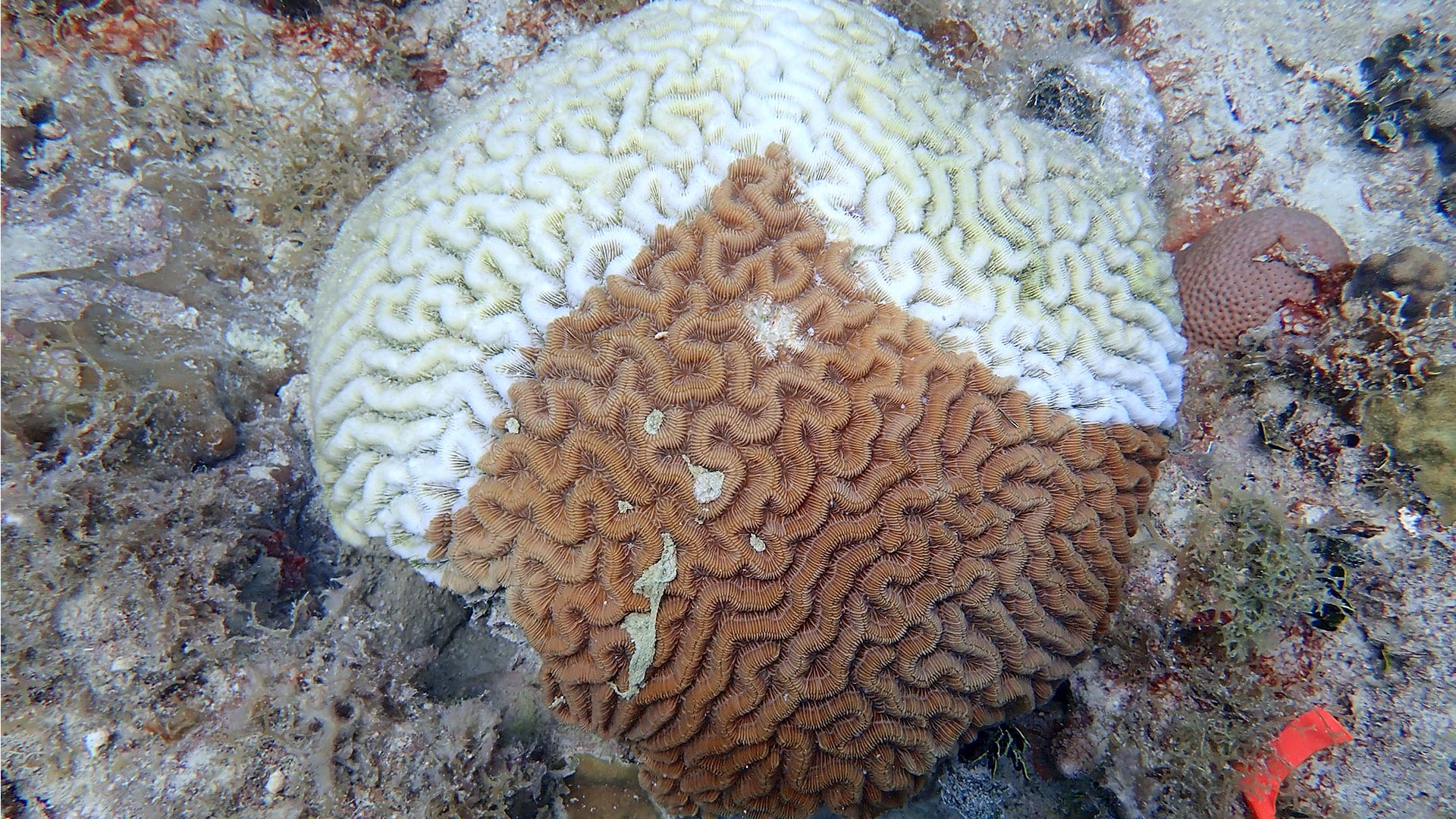
Coral reefs support more than 25 percent of all marine life and underpin the livelihoods of roughly one billion people globally.
Read MoreOil residues can travel over 5,000 miles on ocean debris, study finds
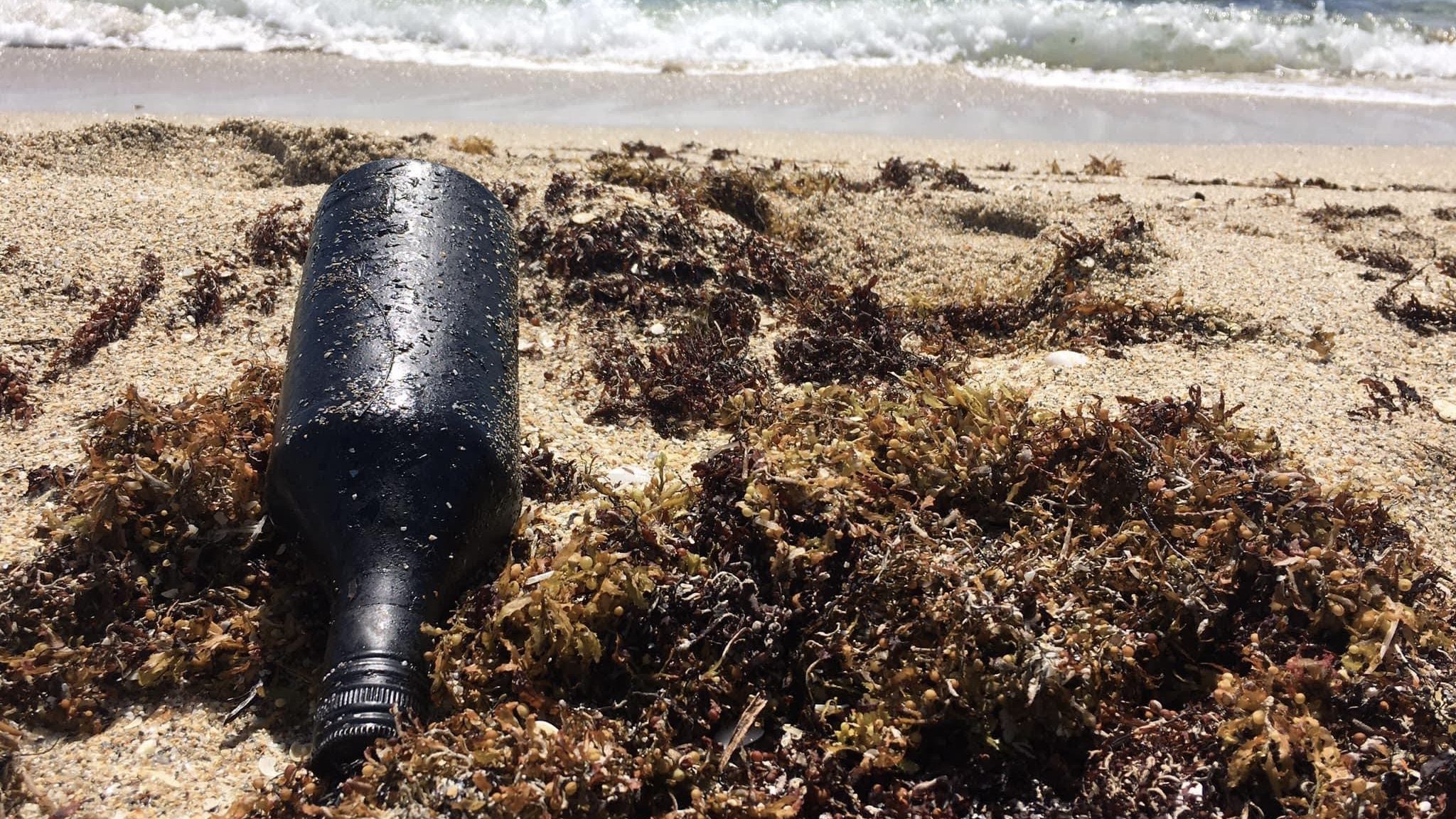
Oil spill forensics reveal how plastic debris can carry petroleum pollution across entire ocean basins
Read MoreInside the Solomon Islands’ hidden mega coral — a 300-year-old ocean giant
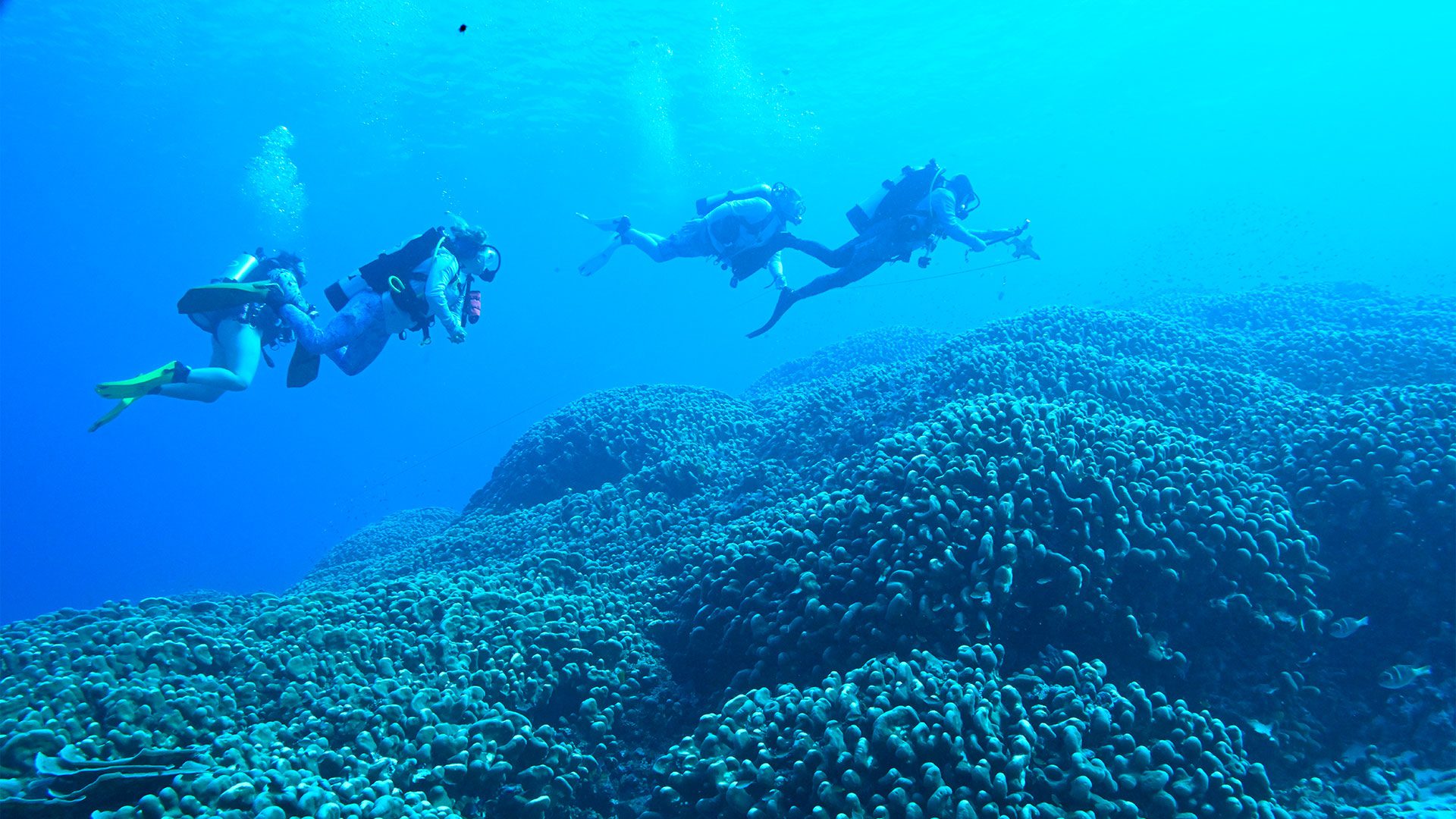
WHOI’s Reef Solutions team journeys to the world’s largest coral colony
Read MoreWhat can a whale’s breath tell us? According to a new study, a lot about its health
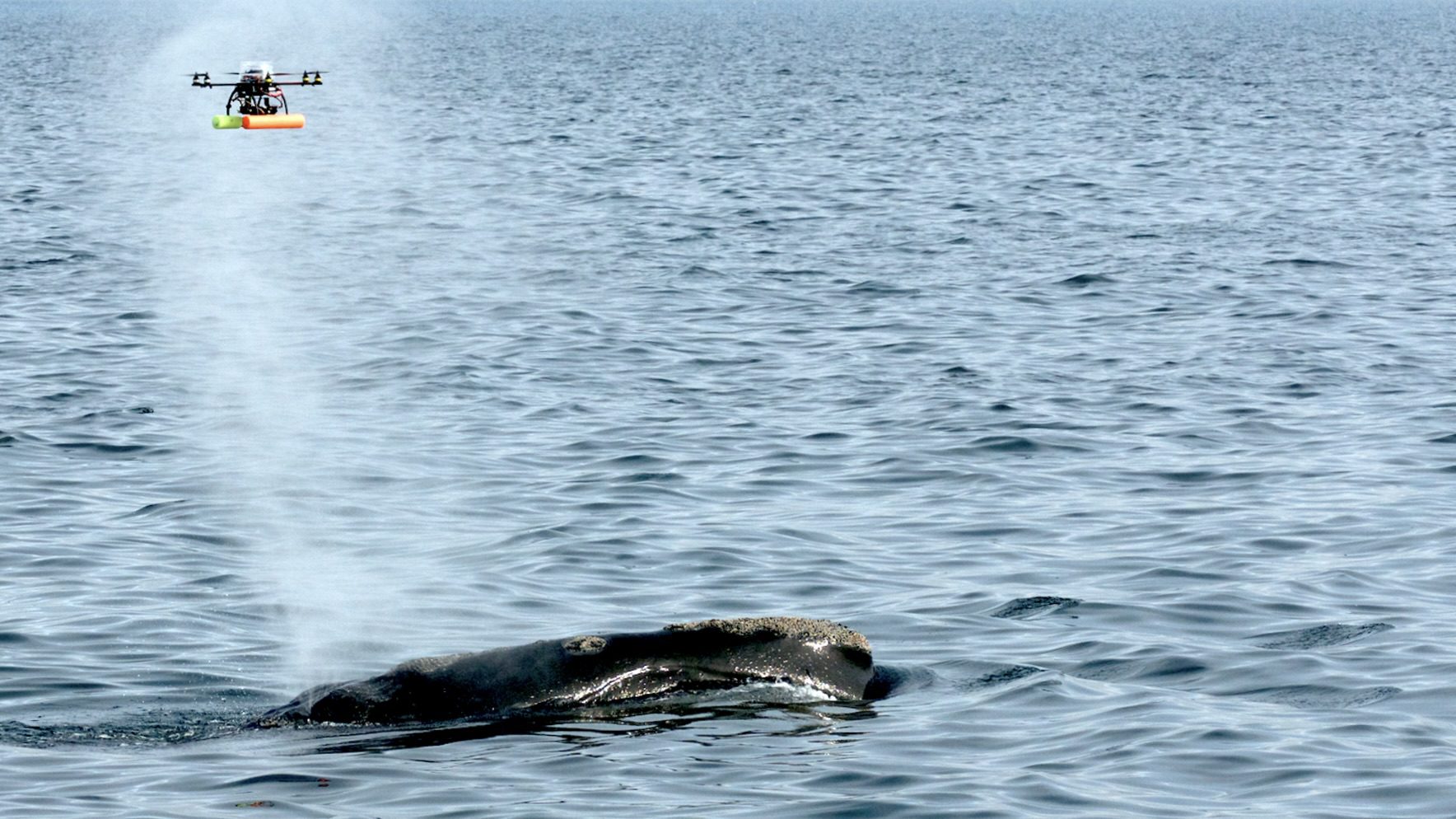
A first of its kind study links drone-collected respiratory microbes with health assessments, offering hope for protecting vulnerable populations
Read More