
Multimedia
The Atlantic Shelfbreak
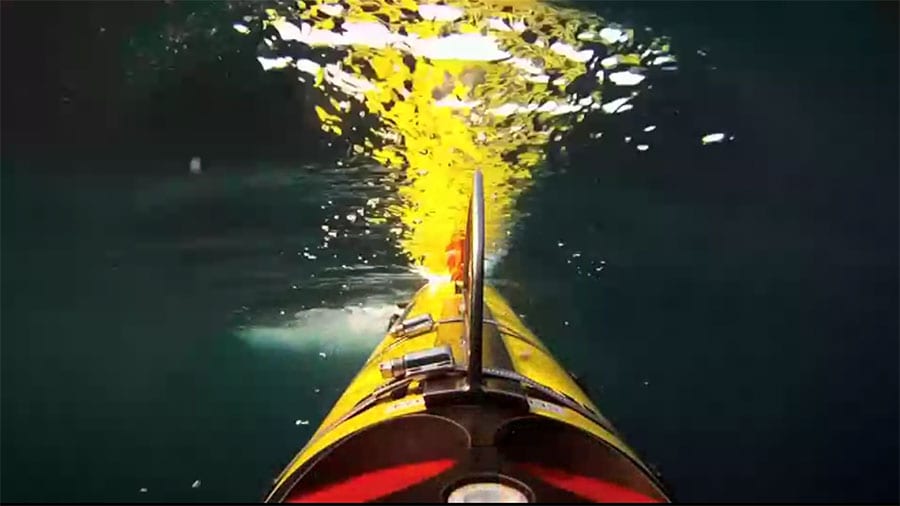
AUV REMUS explores the waters off the Carolina coast.
Read MoreClearing the Decks
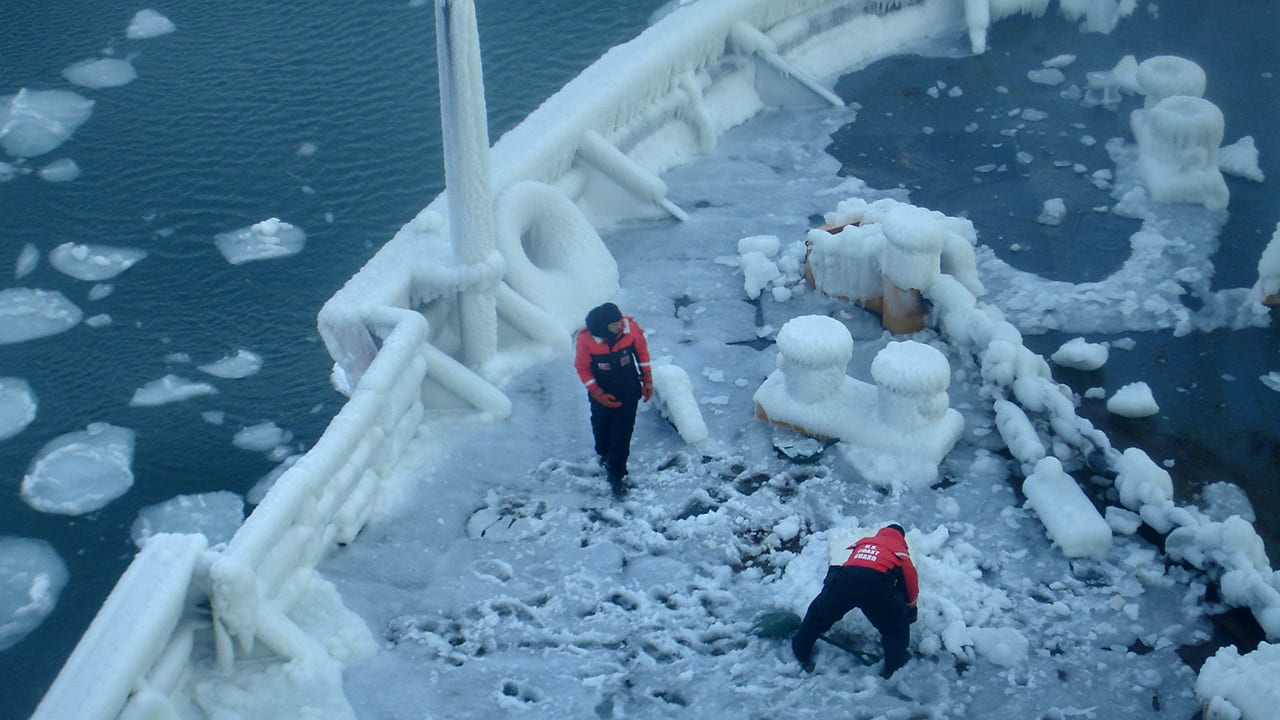
Clearing ice from the decks of the U.S. Coast Guard icebreaker Healy was a regular task for ship’s crew during a 2011 cruise into the Arctic. WHOI biologist Carin Ashjian…
Read MoreSeafloor Life
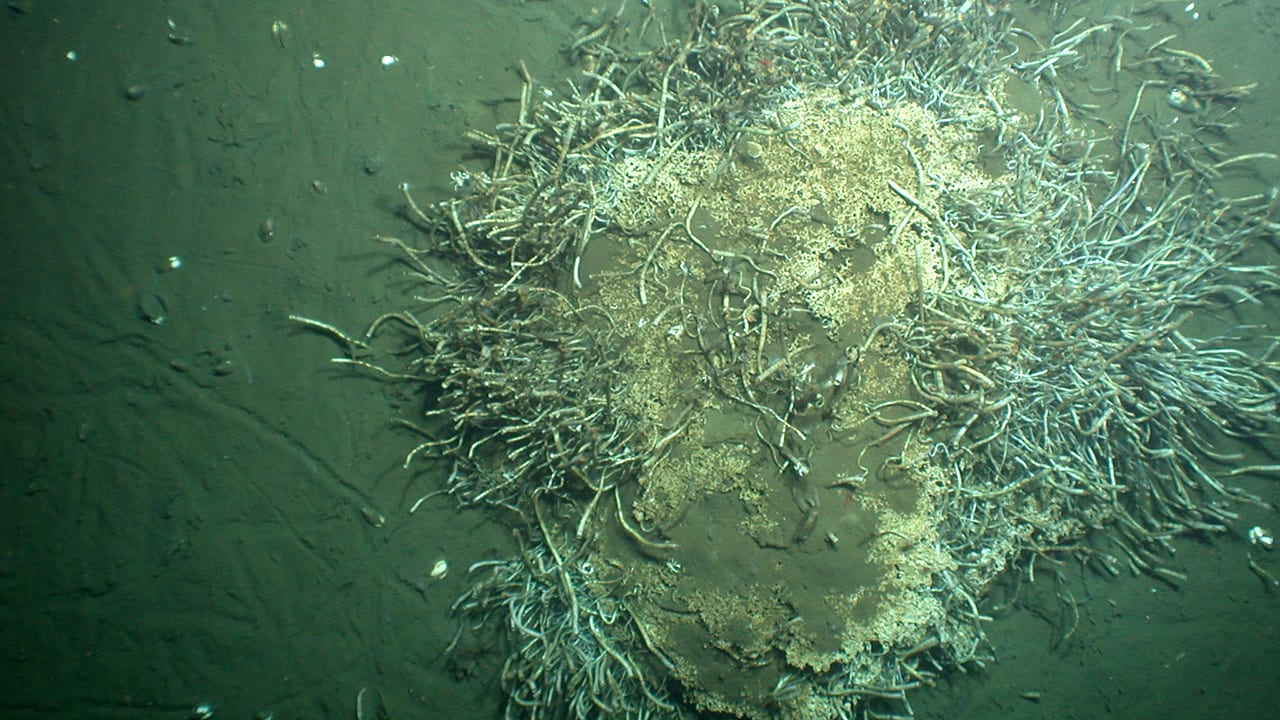
This patch of clams, bacteria, and tubeworms was photographed on the ocean bottom in the Gulf of California, where two of Earth’s tectonic plates are moving apart, further separating the…
Read MoreWhatever Floats Your Research
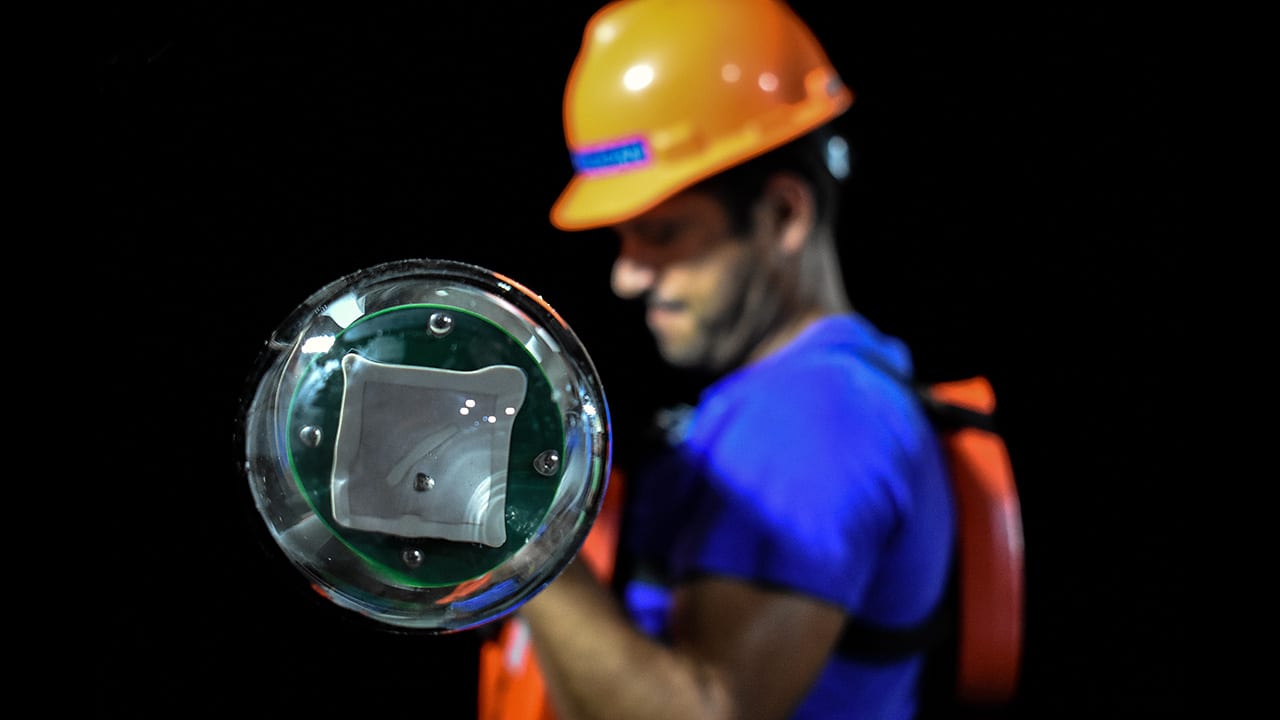
Domitilo Nájera Navarrete stands ready to deploy a RAFOS float from the research vessel Pelican in the Gulf of Mexico. The glass-tubed floats sink to a specific depth and are…
Read MoreGlider Pioneer
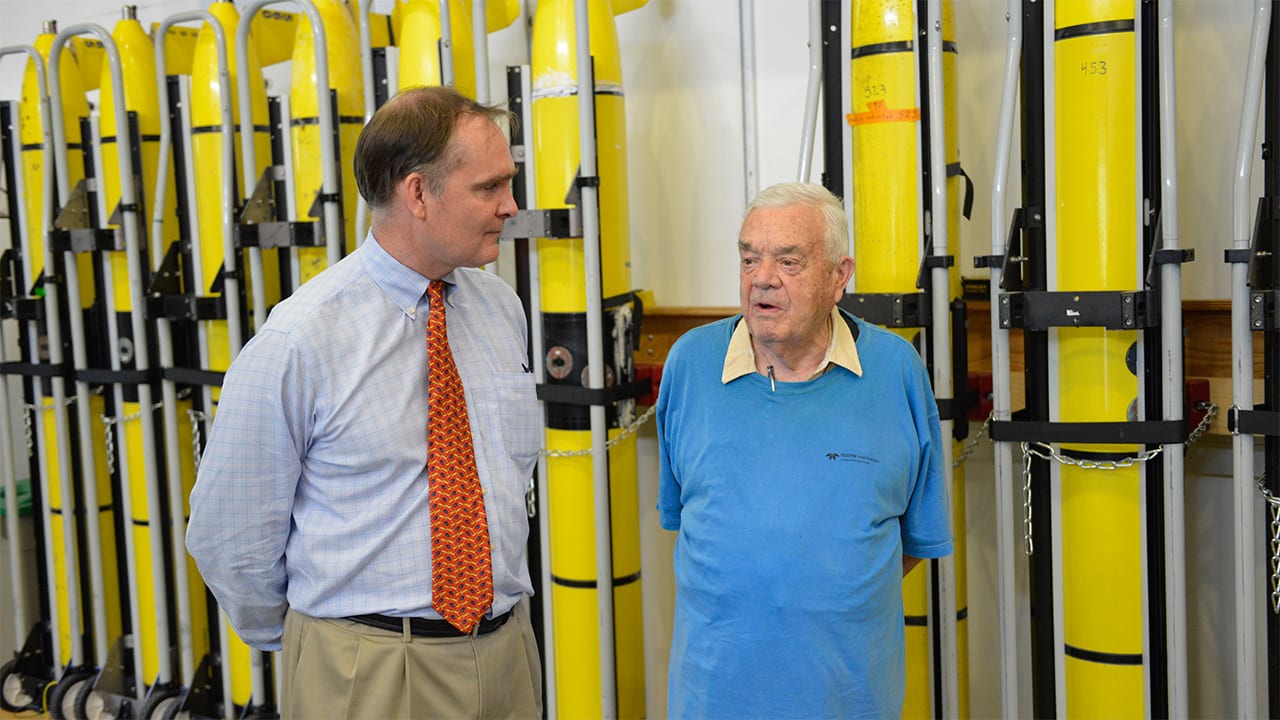
Former WHOI engineer and founder of Teledyne Webb Research Doug Webb (right) chats with Center for Marine Robotics Director Jim Bellingham in front of a wall of Webb’s inventions: Slocum…
Read MoreChanges Far Away
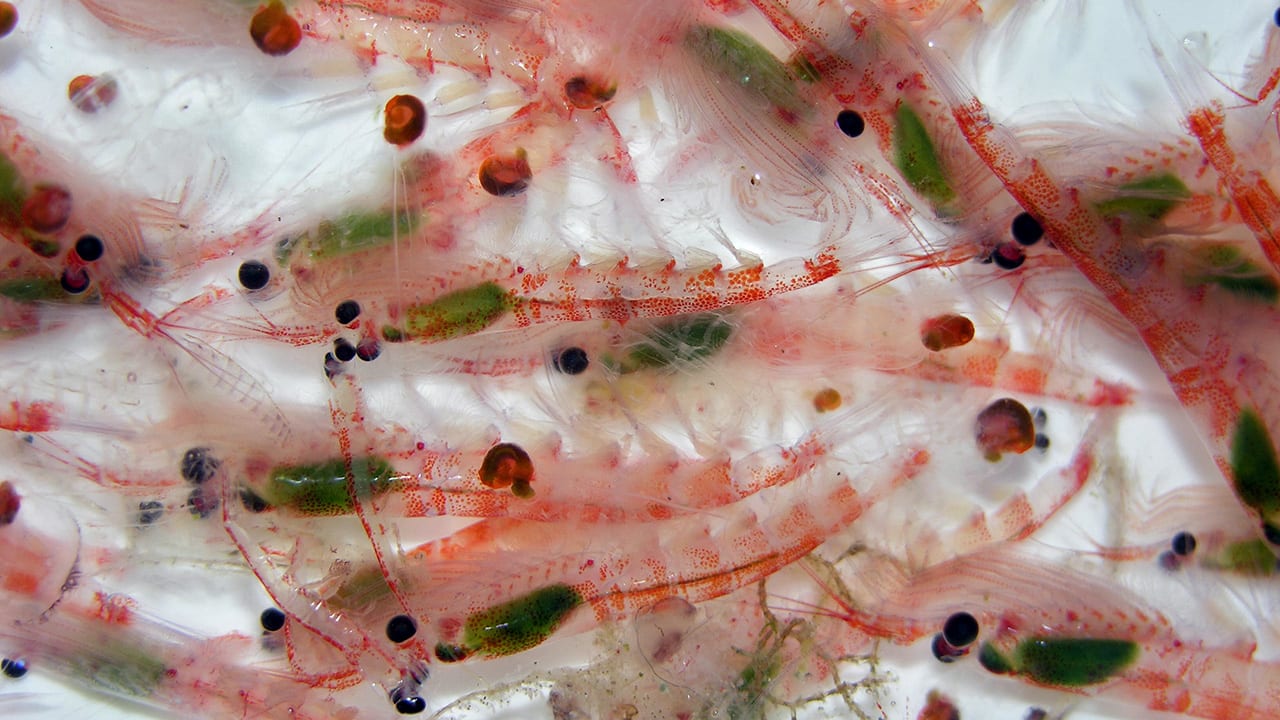
One of the most abundant zooplankton in Antarctic waters are Euphausia superba (pictured), commonly known as Antarctic krill. In the Southern Ocean, these two-inch-long, pink crustaceans are the main food…
Read MoreGravity of the Situation
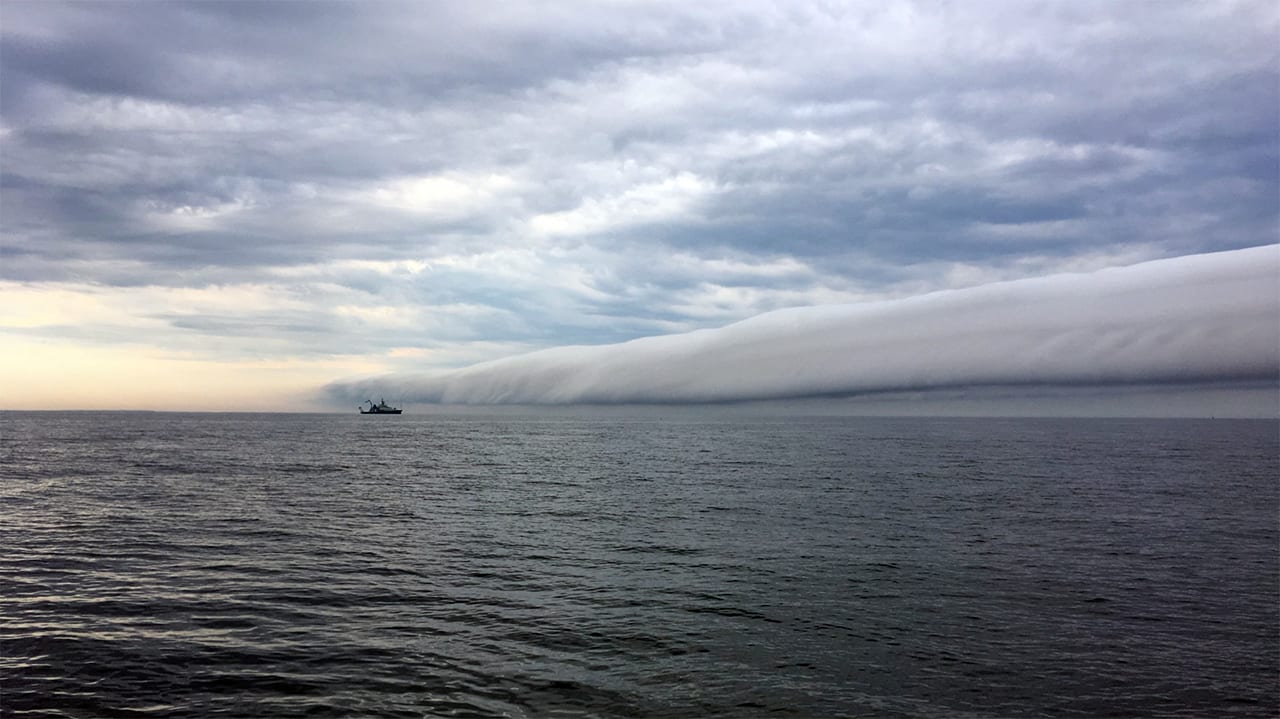
Gravity waves are undulations at the interface between two fluids of different density (fresh and salty water, or warm and cool air, for example). WHOI acoustical scientist Andone Lavery captured…
Read MoreA Royal Visit
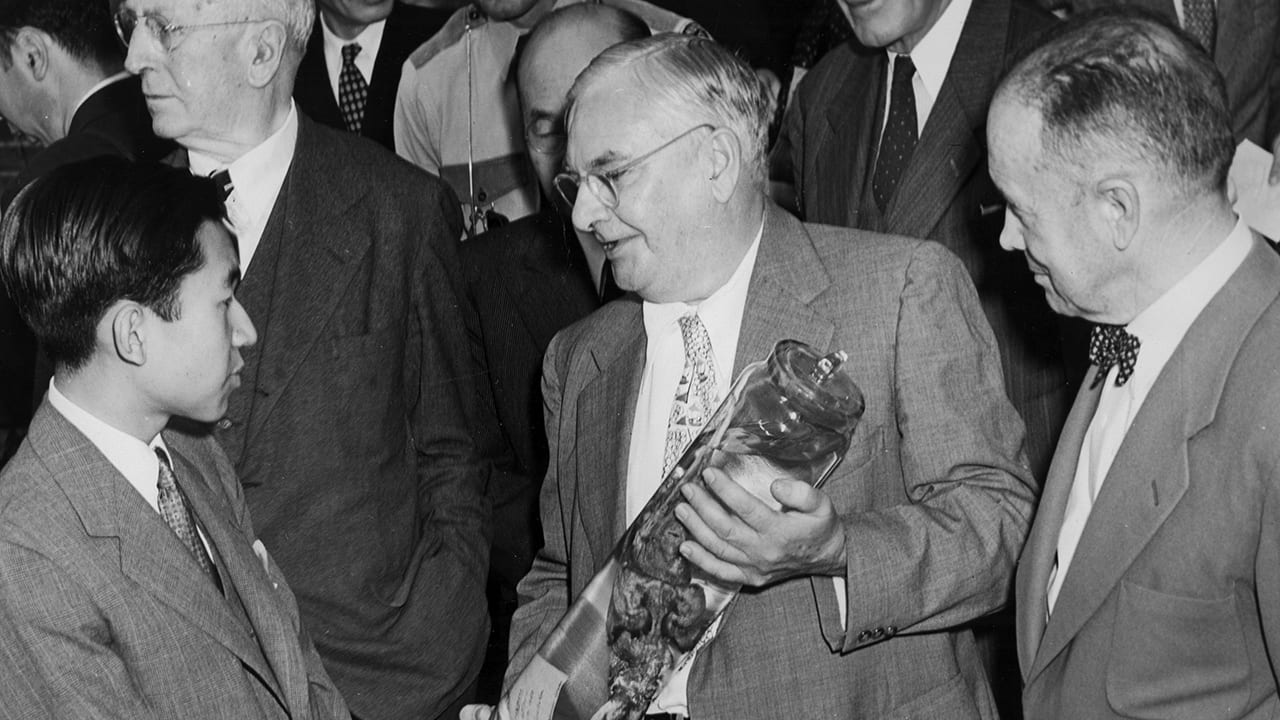
WHOI biologist Bill Schroeder (middle) presented a rare deep-sea fish—called chimaera—to Japan’s Crown Prince Akihito during a visit to WHOI back in 1953 as WHOI Director Admiral Smith (left) looked…
Read MoreA Minke Breakthrough
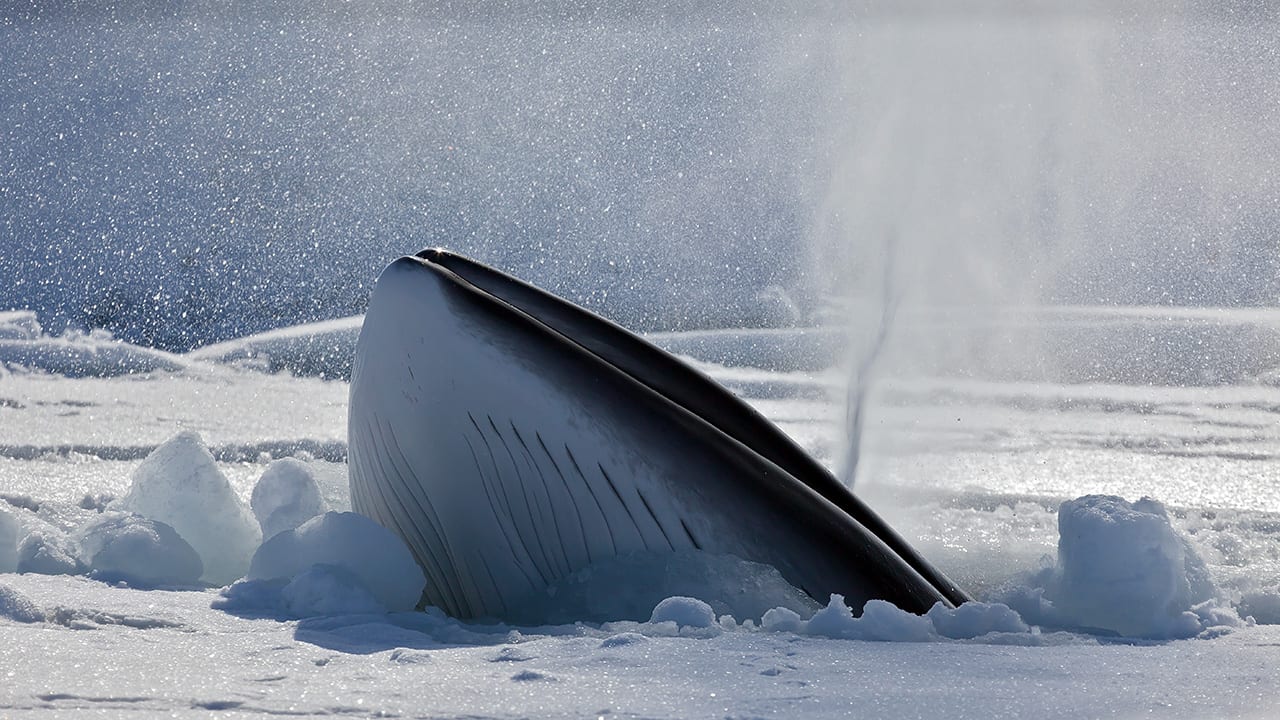
During a 2012 expedition to make detailed, high-resolution 3-D maps of Antarctic sea ice using an autonomous underwater vehicle known as SeaBED, researchers on board the Australian icebreaker RSV Aurora…
Read MoreA Shared Understanding
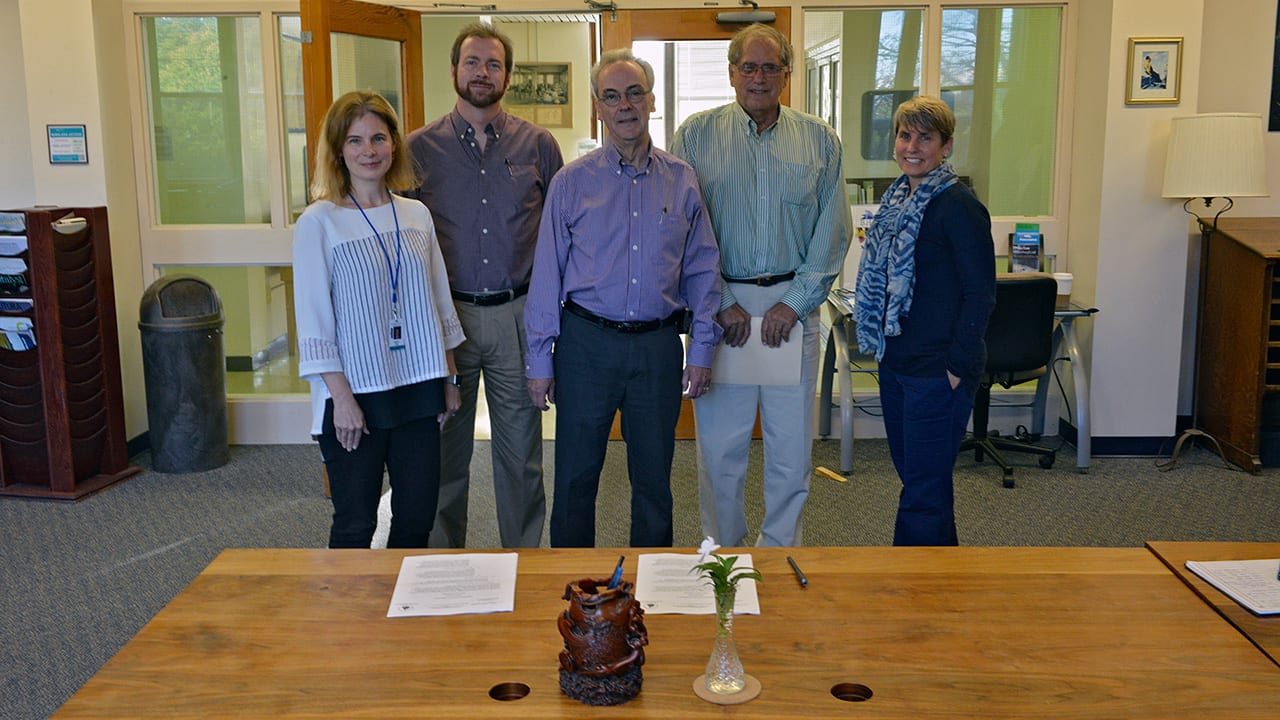
Representatives from WHOI and the Marine Biological Laboratory (MBL) met recently in Woods Hole to renew a memorandum of understanding between the two institutions in support of the MBLWHOI Library.…
Read MoreTag On
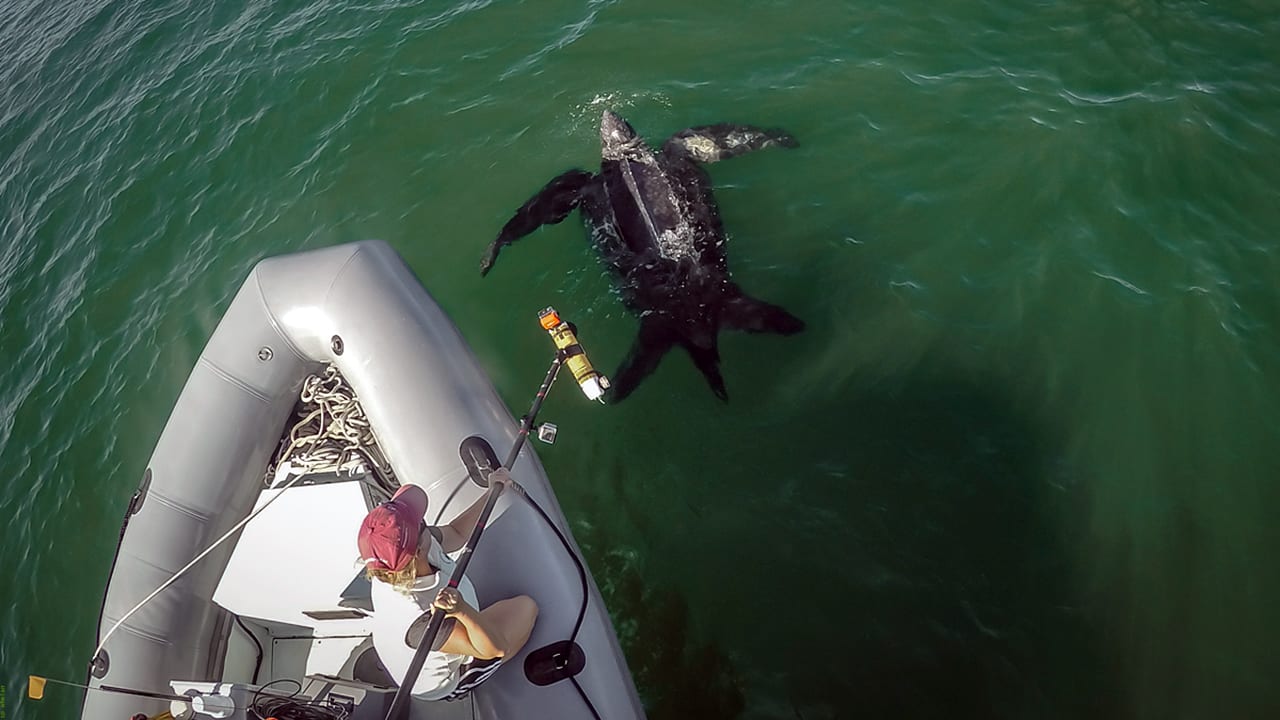
WHOI biologist Kara Dodge prepares to attach a suction cup-mounted acoustic tag to a leatherback turtle recently. The tag allows a specially outfitted REMUS 100 TurtleCam autonomous underwater vehicle to…
Read MoreSink or Swim
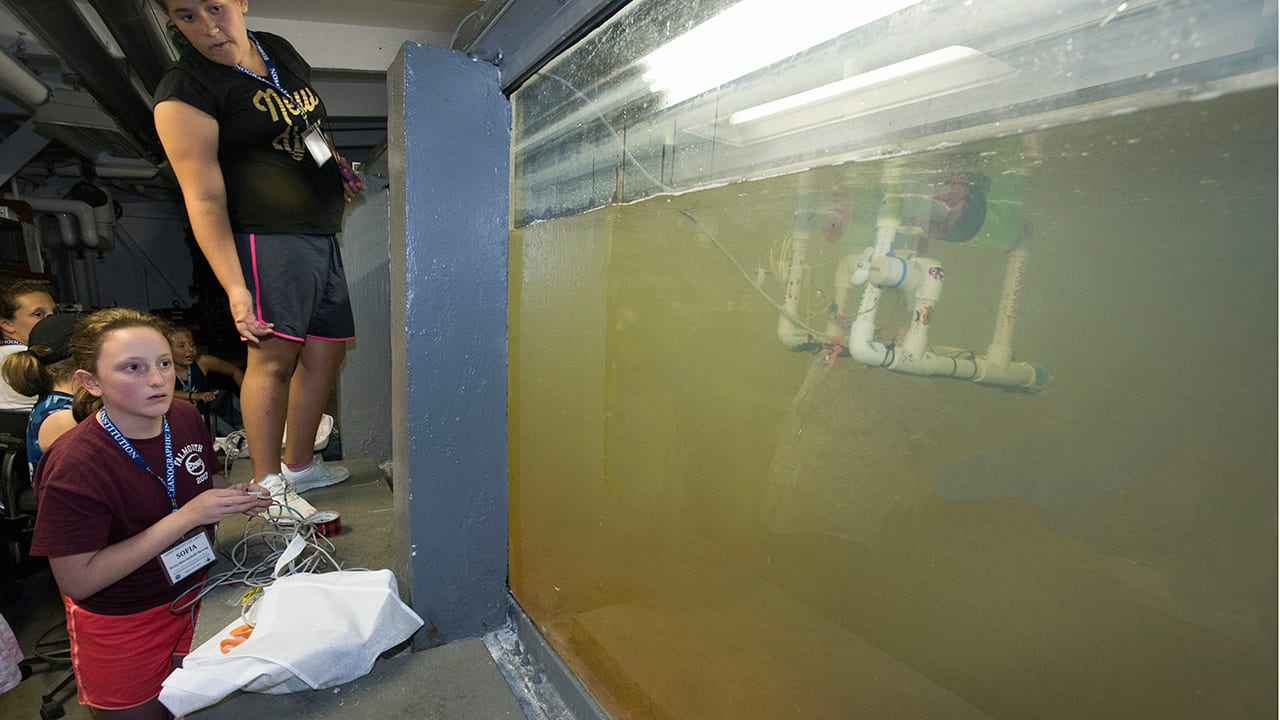
Sixth-graders from Morse Pond Middle School in Falmouth, Mass., test a remotely operated vehicle they built in a test tank in WHOI’s Smith Laboratory. It was part of a summer…
Read MoreOctopus Antics
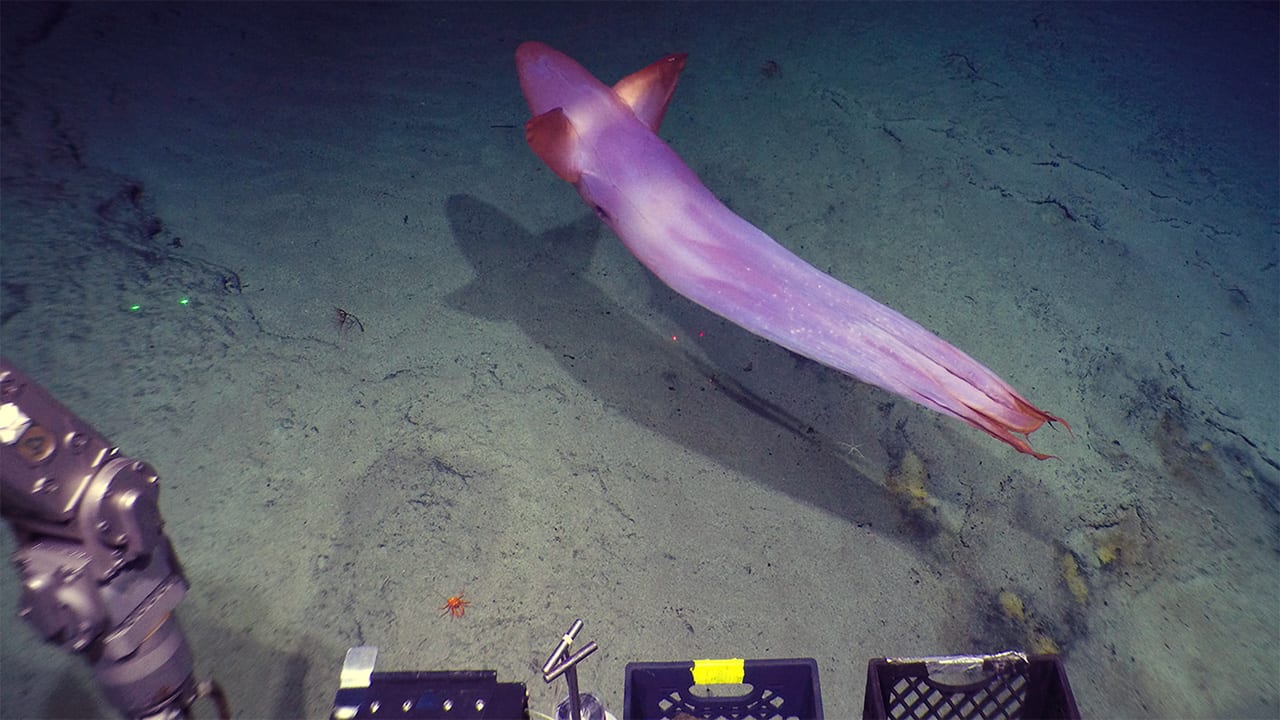
This photo of a Dumbo octopus, more than a mile down on the seafloor, graces the month of March in the 2018 WHOI Wall Calendar, now available for purchase at…
Read MoreOn the Lookout
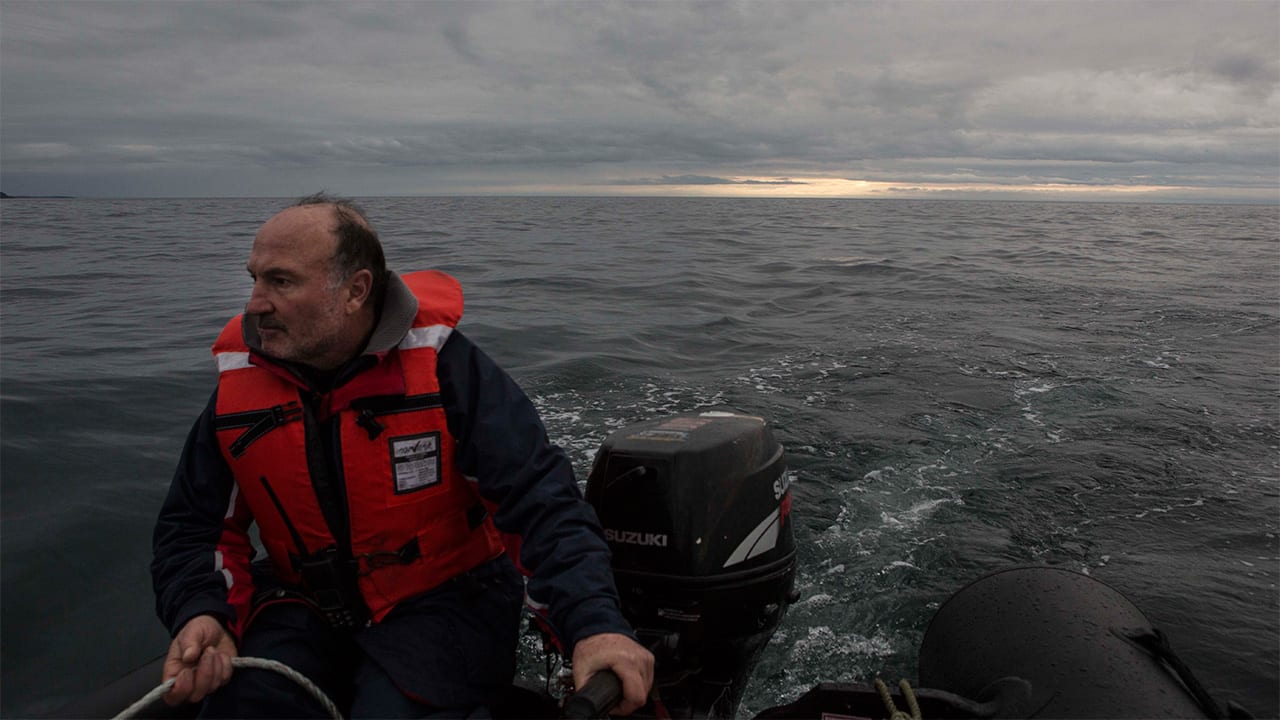
WHOI researcher and engineer Alex Bocconcelli searched for endangered blue whales off southern Chile earlier this year. Bocconcelli led a team that used temporary suction-cup tags equipped with sensors to track whales’ diving…
Read MoreResting Spot
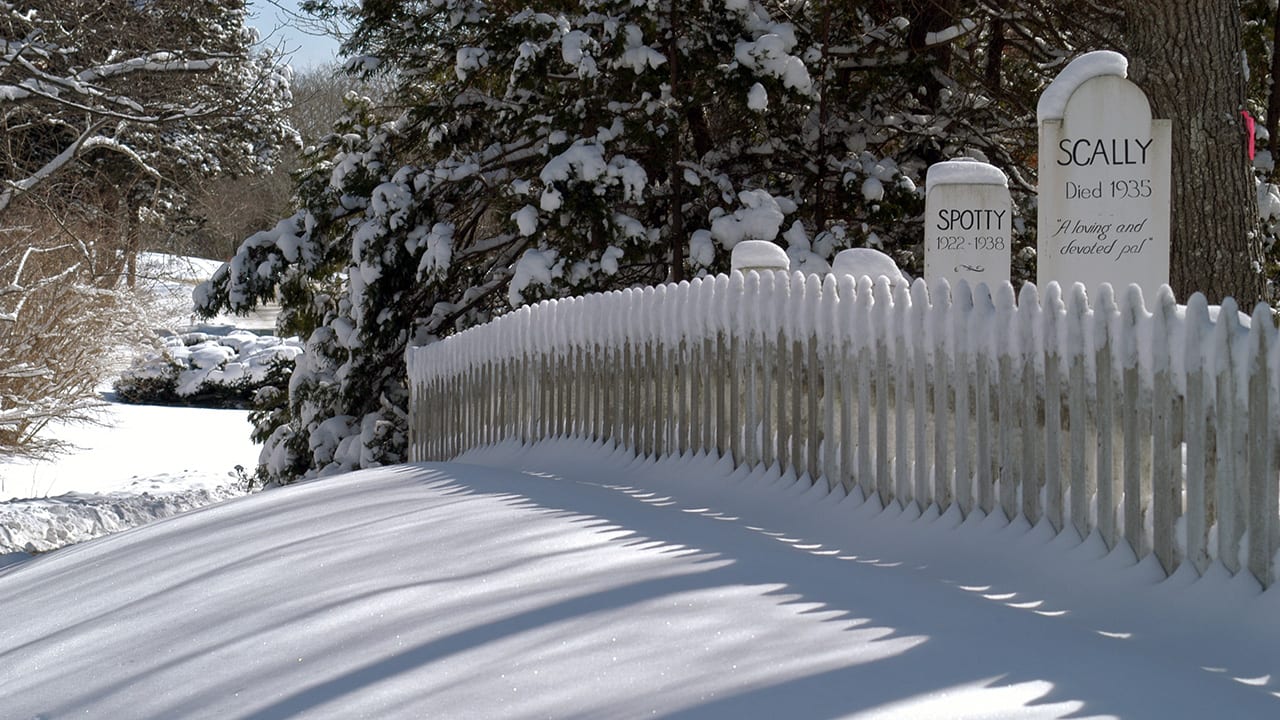
WHOI’s two campuses are a blend of new, sophisticated science laboratories and quaint, old houses and estates that still retain signs of their previous owners. Outside the Carriage House, which…
Read MoreDISCO Diver
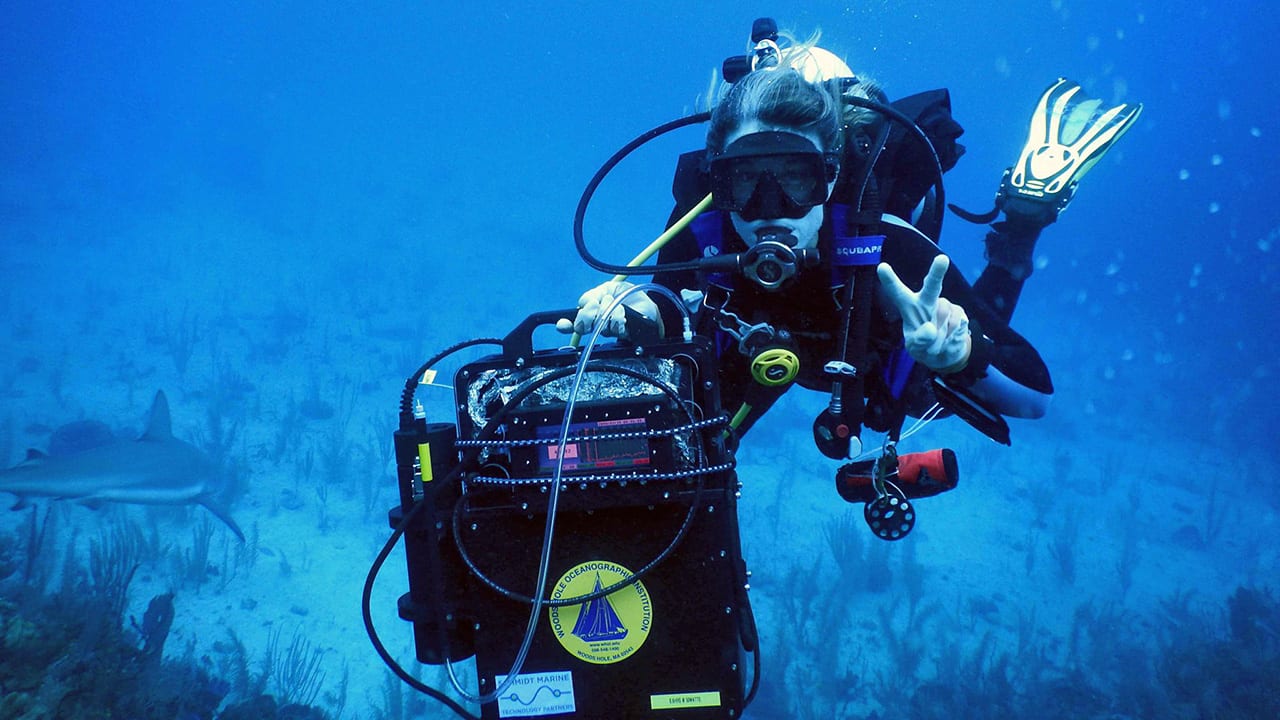
WHOI chemist Colleen Hansel swims over a reef off the southern coast of Cuba with DISCO (diver-operated underwater analyzer of superoxide), a new sensor she developed with chemist Scott Wankel,…
Read MoreTaking the Long View
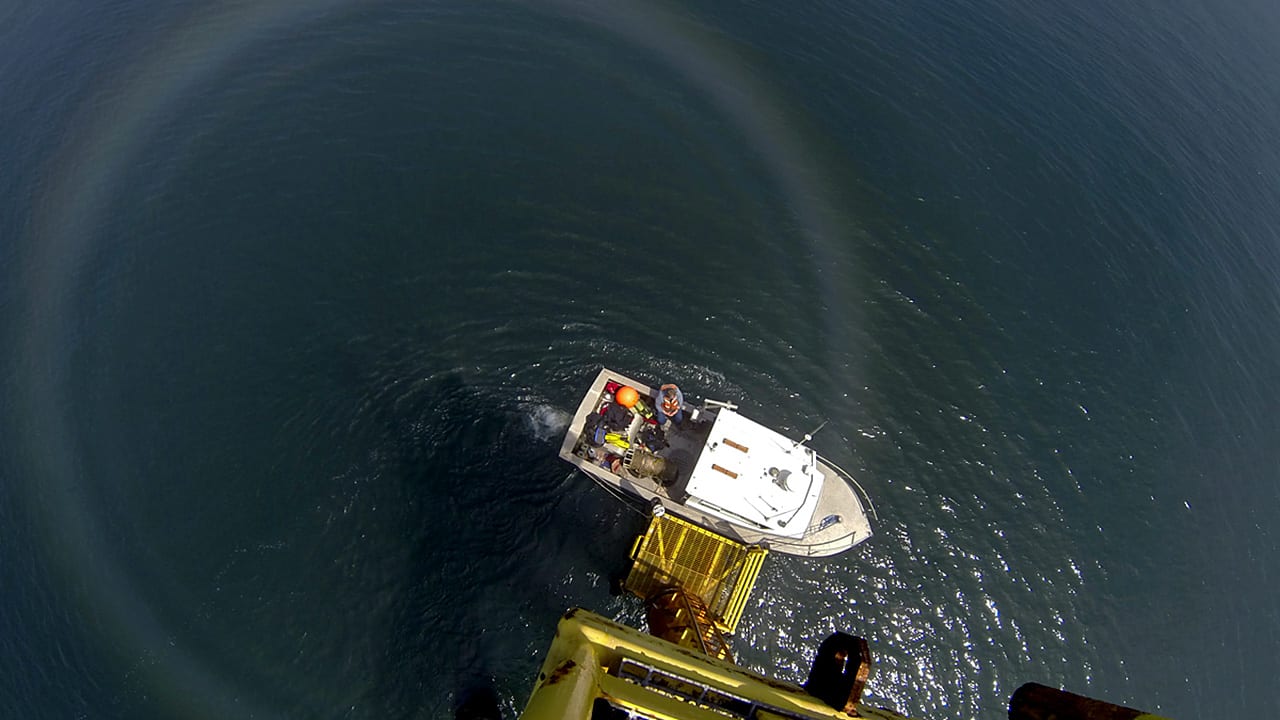
A fog bow, caused by light refracted through small water droplets in fog, arcs below the Air-Sea Interaction Tower in Martha’s Vineyard Sound. The tower, a part of the Martha’s…
Read MoreResearchers’ Spat
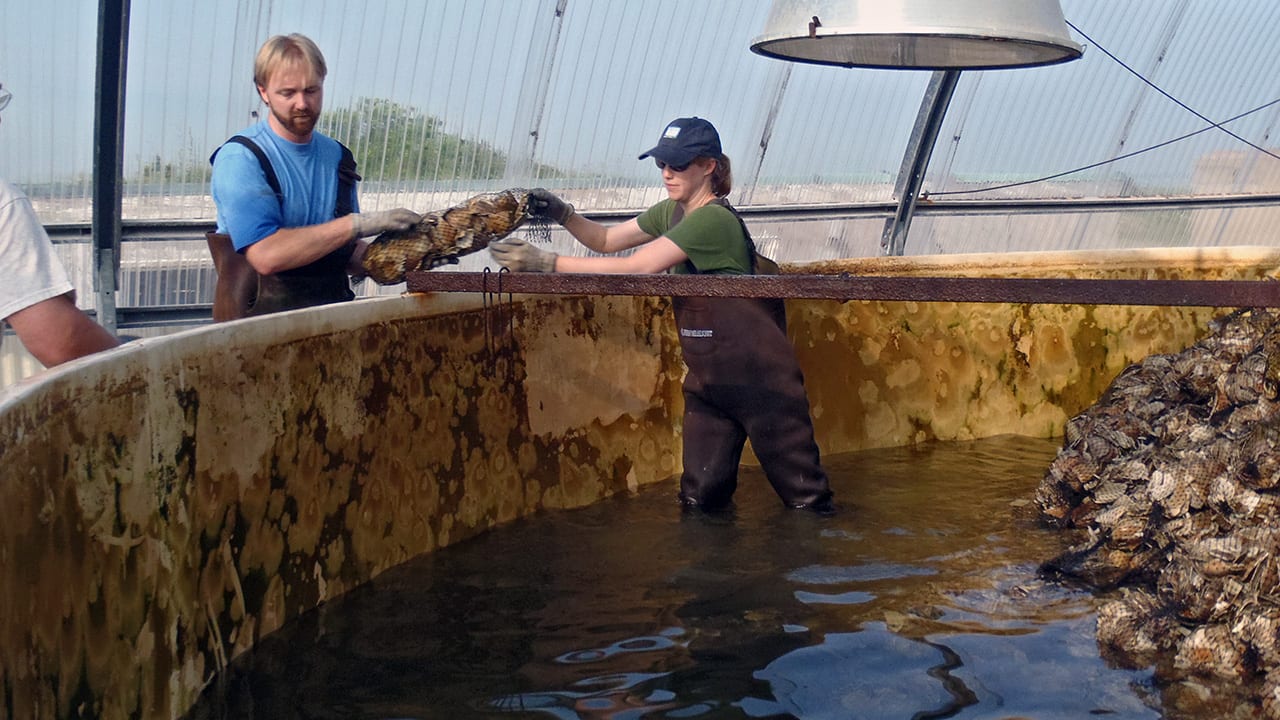
Woods Hole Sea Grant Extension Agents Joshua Reitsma and Abigail Archer help distribute bags of shell that contain oyster seed (spat) to towns for municipal shellfish propagation programs. The Woods…
Read MorePrepare for Turbulence
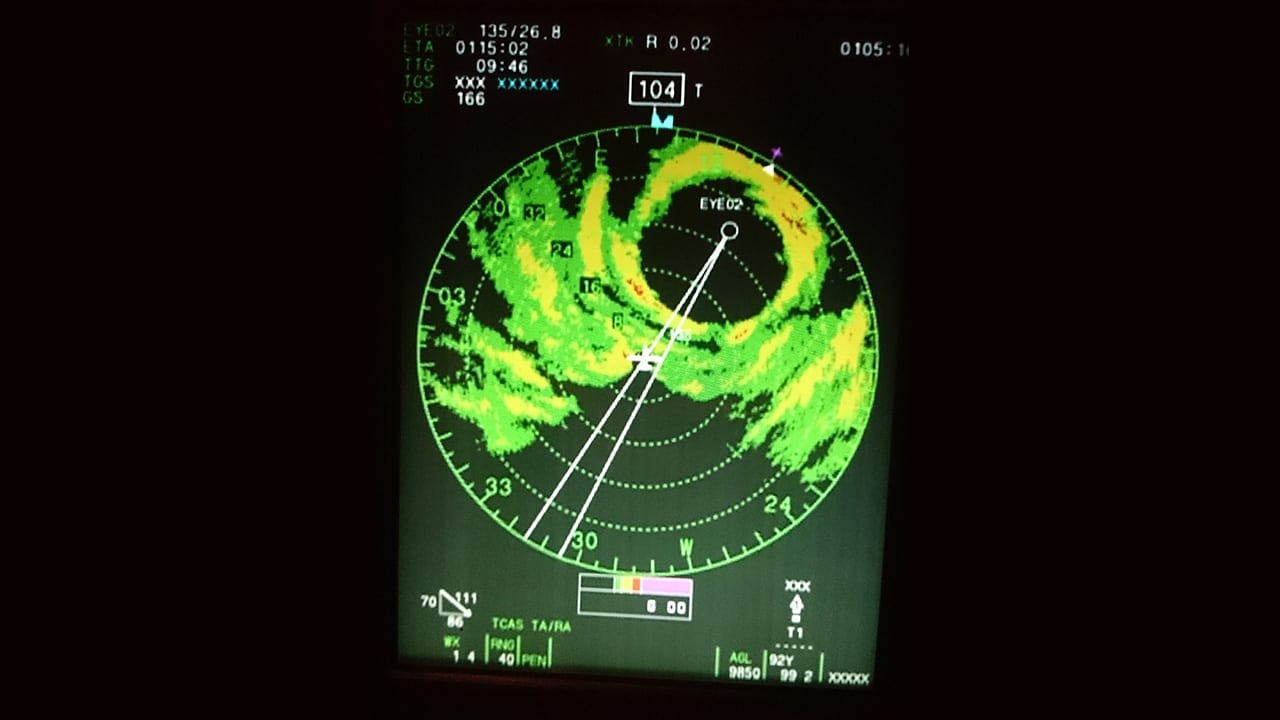
A radar view from the cockpit of a U.S. Air Force “Hurricane Hunter” (small white airplane icon) shows the eye of Hurricane Irma as the plane flies into the storm…
Read MoreSeafloor Surprises
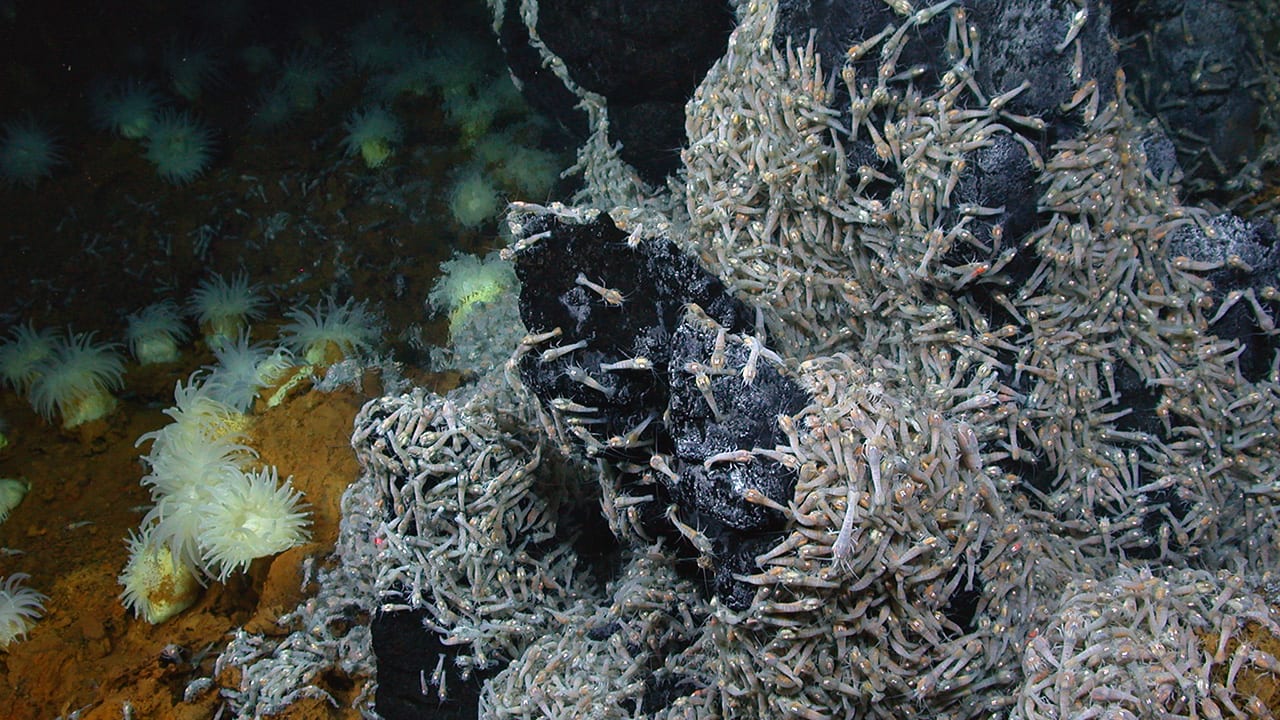
Before the discovery of hydrothermal vents in 1977 by scientists aboard the Alvin submersible, the deep sea was thought to be devoid of life because of the lack of sunlight.…
Read MoreAn Oceanographic Pioneer
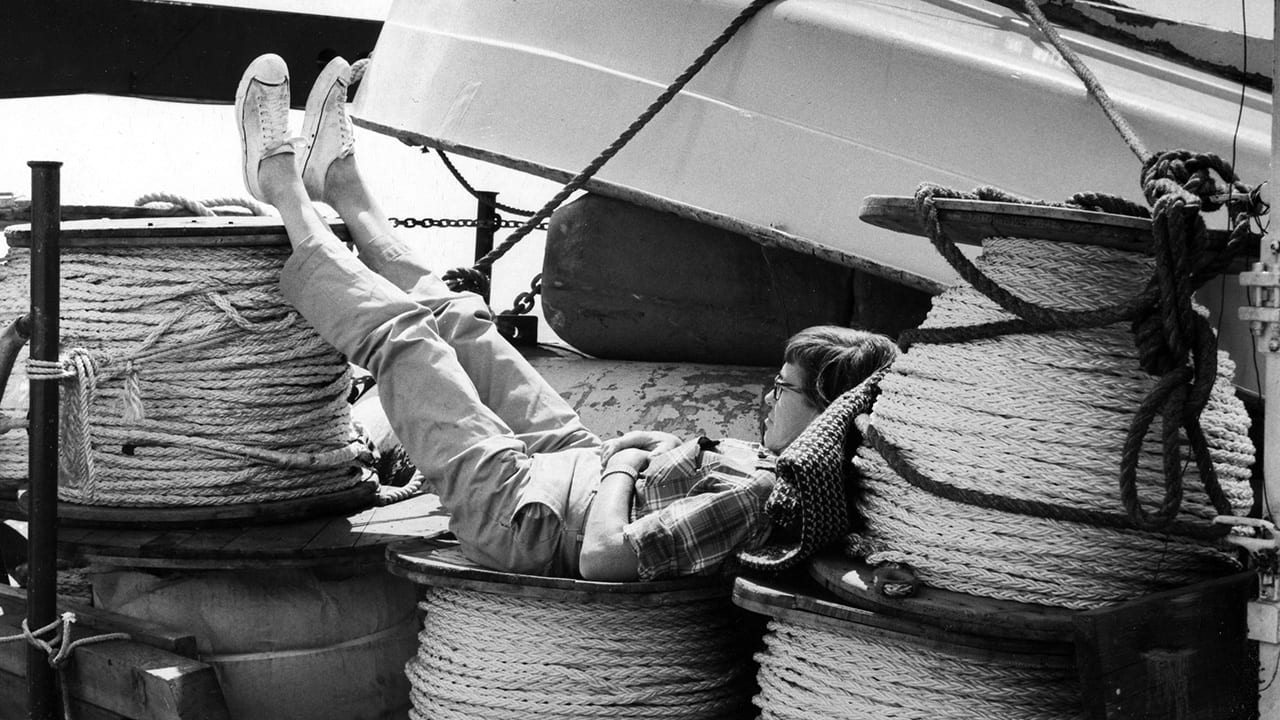
Elizabeth (“Betty”) Bunce waits for a sediment core to come up from the seafloor aboard the research vessel Chain circa 1958. Bunce (1915-2003) was a pioneering woman oceanographer. A geophysicist interested…
Read MoreTravel Mug of Microbes
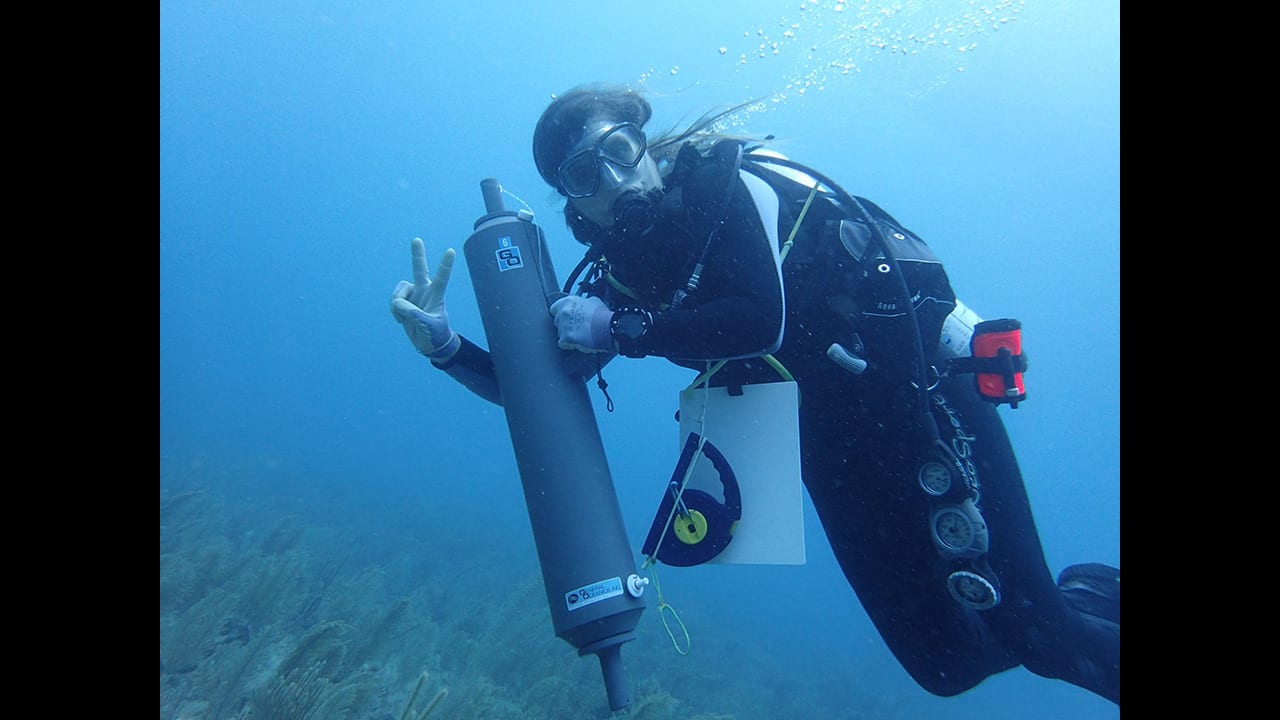
MIT-WHOI graduate student Laura Weber uses a Niskin water sampling bottle to collect seawater samples from the Jardines de la Reina (Gardens of the Queen) coral reef in Cuba. The samples will help scientists…
Read MoreThanksgiving Away from Home
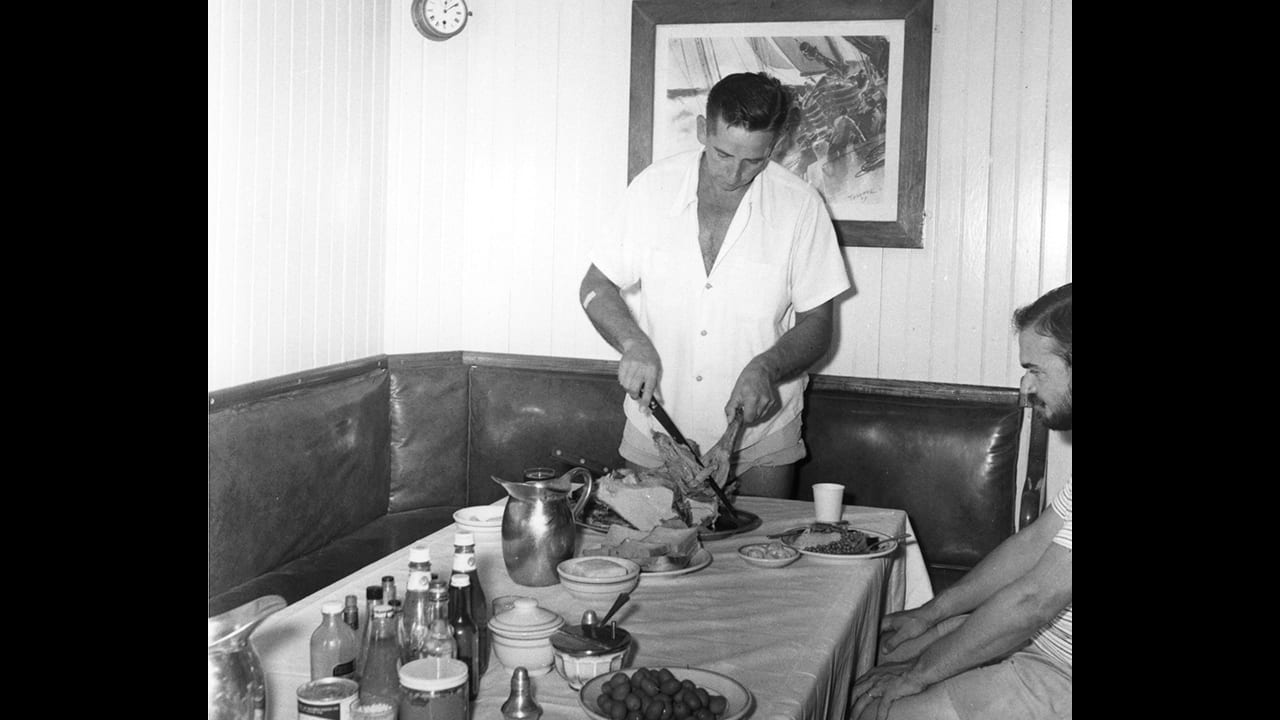
At sea, traditions that speak of home and loved ones take on greater meaning. In 1952, Capt. John Pike carved a Thanksgiving turkey in the wardroom aboard the research vessel…
Read MoreGroup Effort
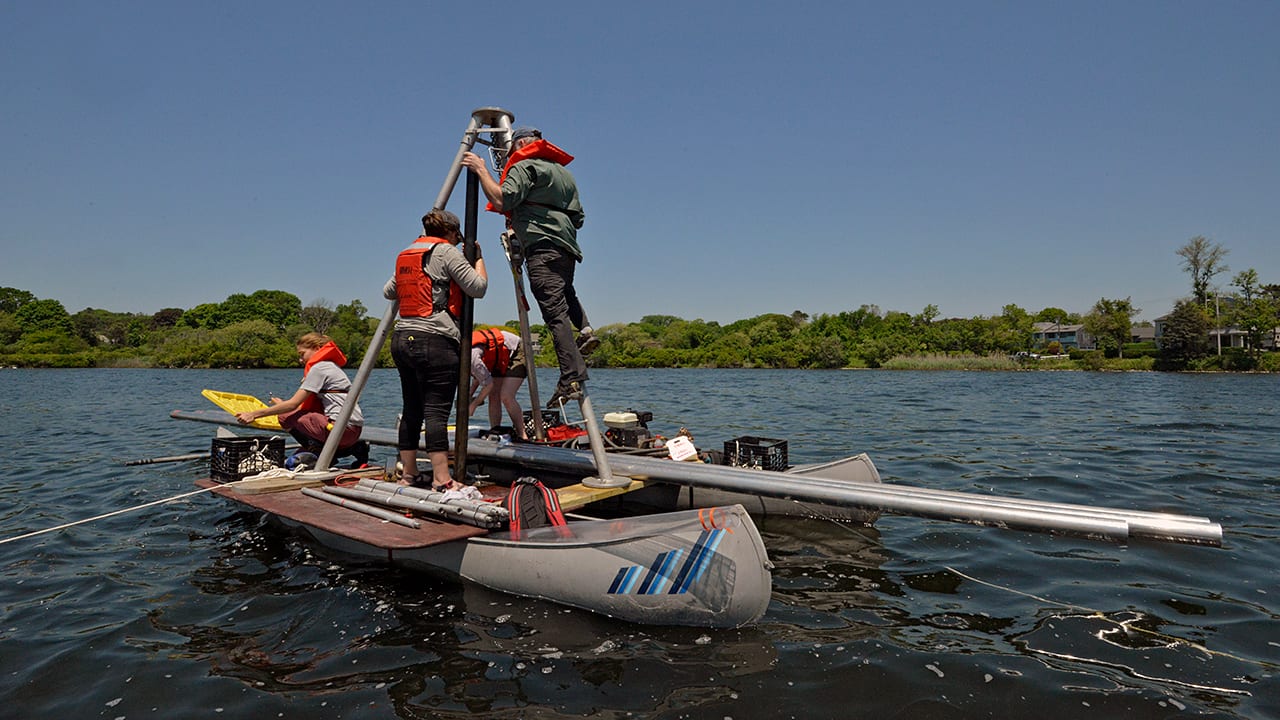
Members of the Coastal Systems Group led by Jeff Donnelly (far right) took to the high seas of Salt Pond in Falmouth, Mass., this summer to collect sediment cores from…
Read More