
Multimedia
Vent Boiling Points
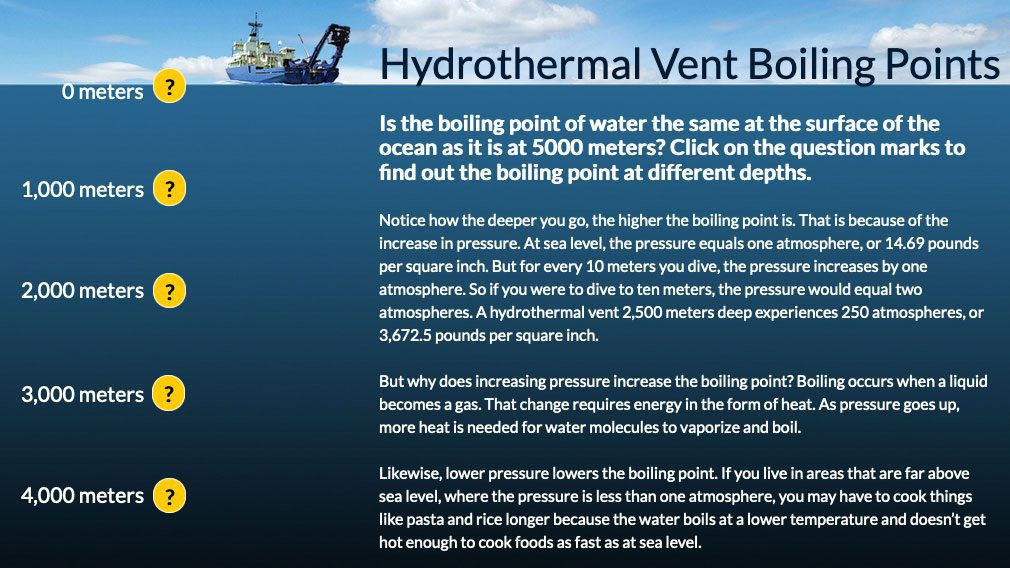
Water boils at different temperatures depending on depth. Click the markers to see how pressure affects boiling points as you descend into the deep ocean.
Read MoreVent Chemistry
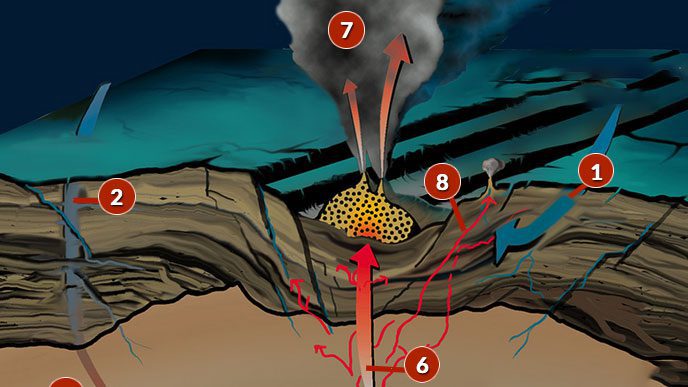
Hot fluids from vents mix with seawater, cycling metals like copper and zinc, fueling unique chemical reactions and chemosynthetic life deep in the ocean.
Read MoreHydrothermal Vent Basics
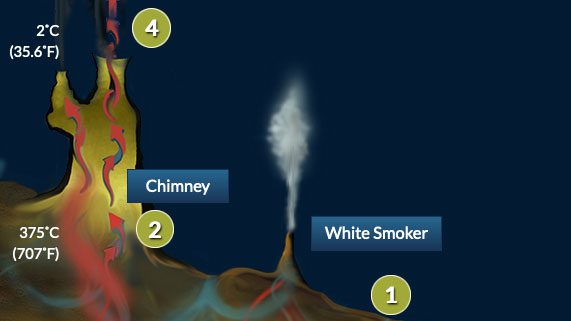
Discover how hydrothermal vents form, what they release, and why these extreme environments are hotspots for ocean chemistry and deep-sea life.
Read MoreHistory of the Earth
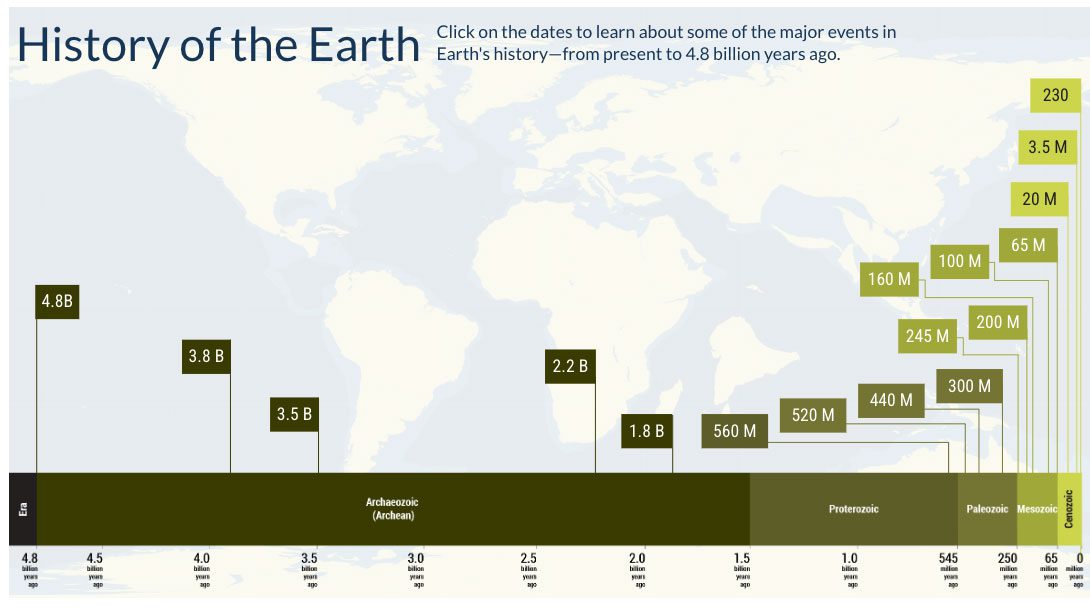
Travel back in time through 4.8 billion years of Earth’s history—from the birth of the planet to the rise of life, mass extinctions, and human evolution.
Read MoreEarth’s Anatomy
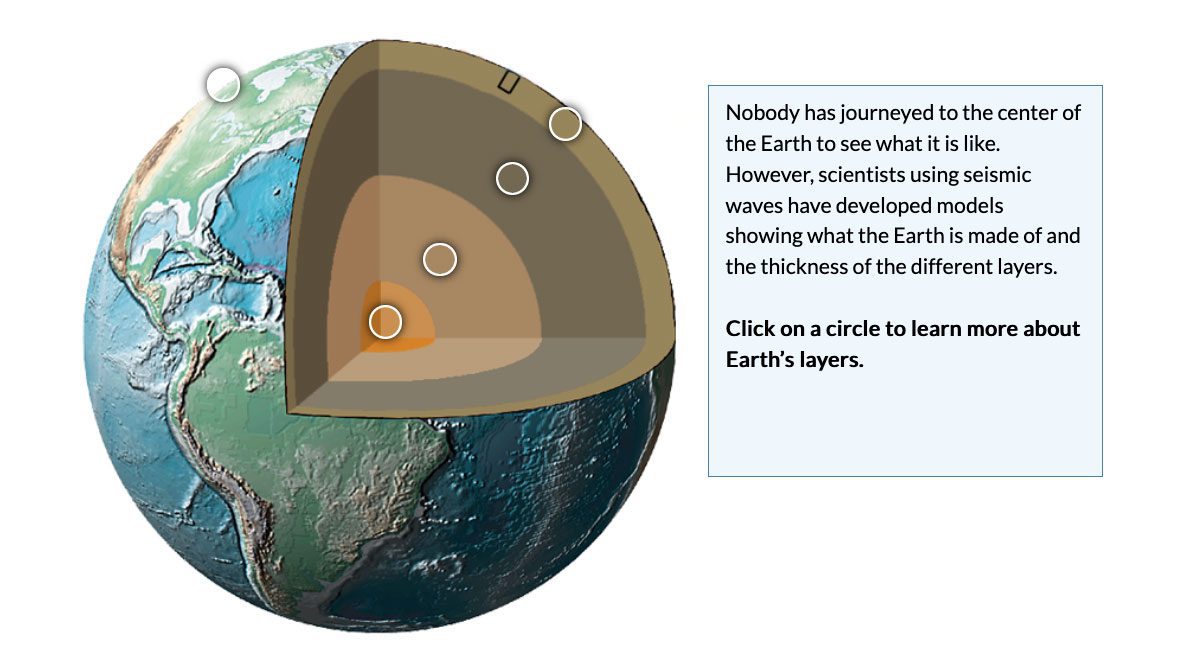
In this interactive, learn about Earth’s layers, what the Earth is made of, and the thickness of the different layers.
Read MoreTemperature, Density and Salinity
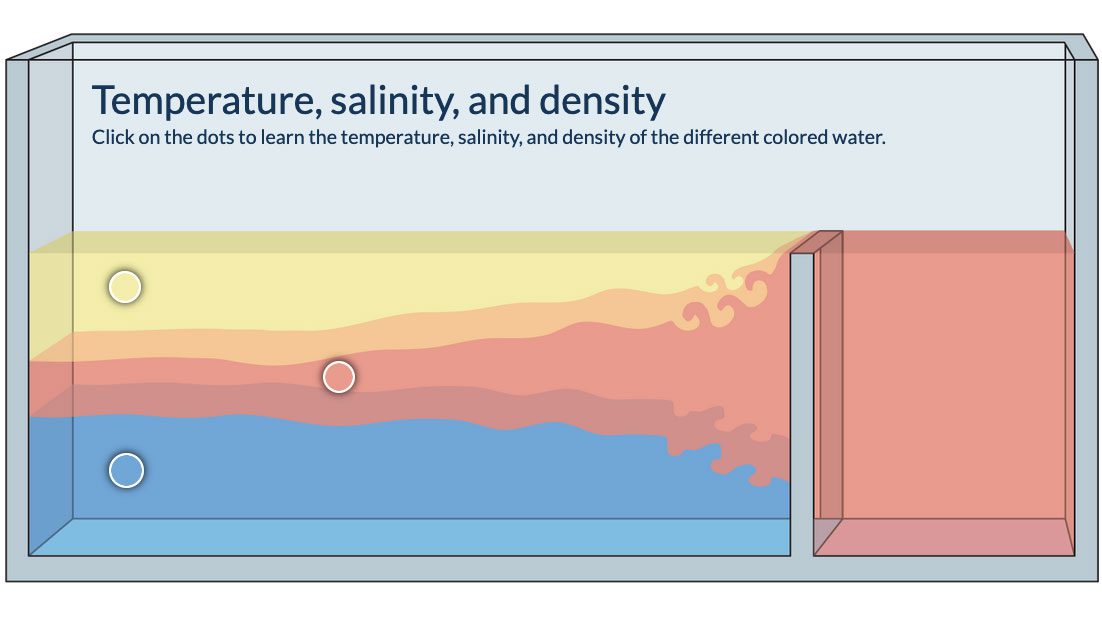
Discover how temperature and salinity shape ocean density—and how even tiny differences help drive the powerful flow of deep ocean currents.
Read MoreBetty Bunce on To Tell The TRUTH (1960s CBS)

Enjoy this throwback segment from the 1960s game show To Tell The Truth featuring WHOI Scientist Emeritus and a woman pioneer in oceanography, Elizabeth “Betty” Bunce.
Read MoreOcean Encounters: Seabirds
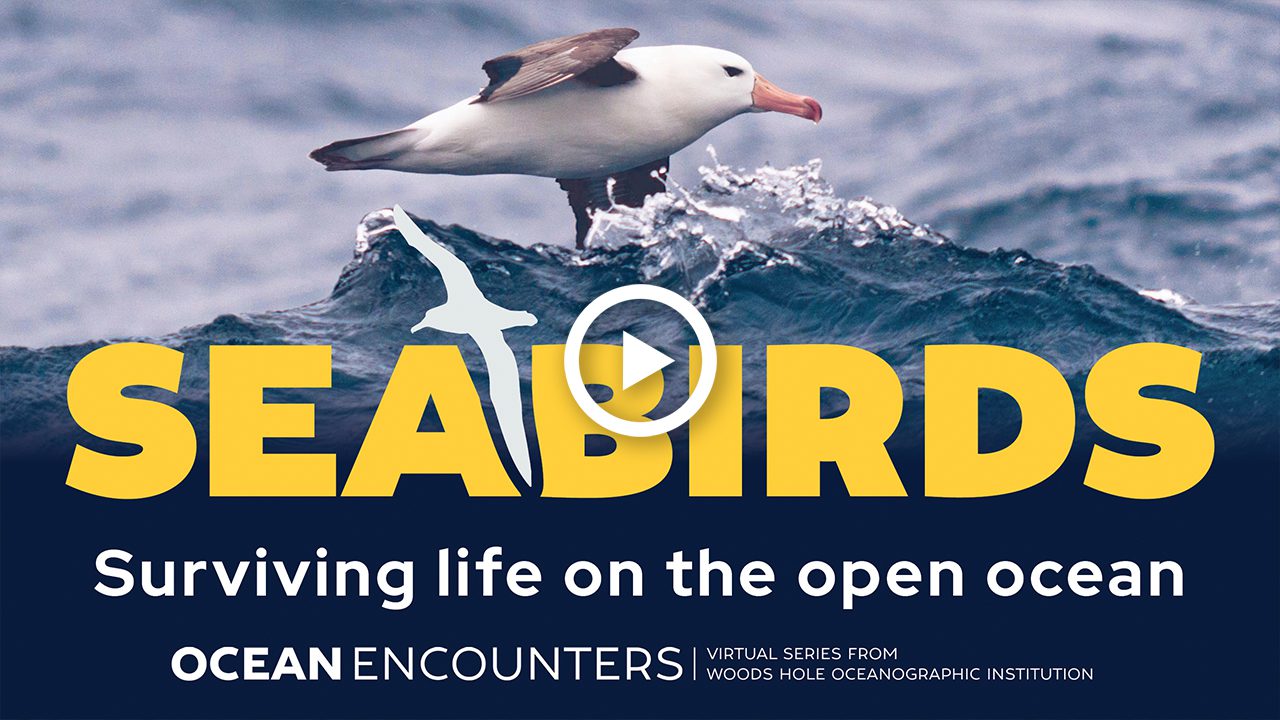
Seabirds thrive far from shore, soaring thousands of miles over open ocean—but their oceanic lifestyle also makes them vulnerable to growing environmental threats.
Read MoreFrom the Ocean to Outer Space

Watch this live downlink from the International Space Station (ISS) featuring NASA astronaut and former WHOI engineer, Loral O’Hara.
Read MoreInvestigating the world of microbes with ROV Jason
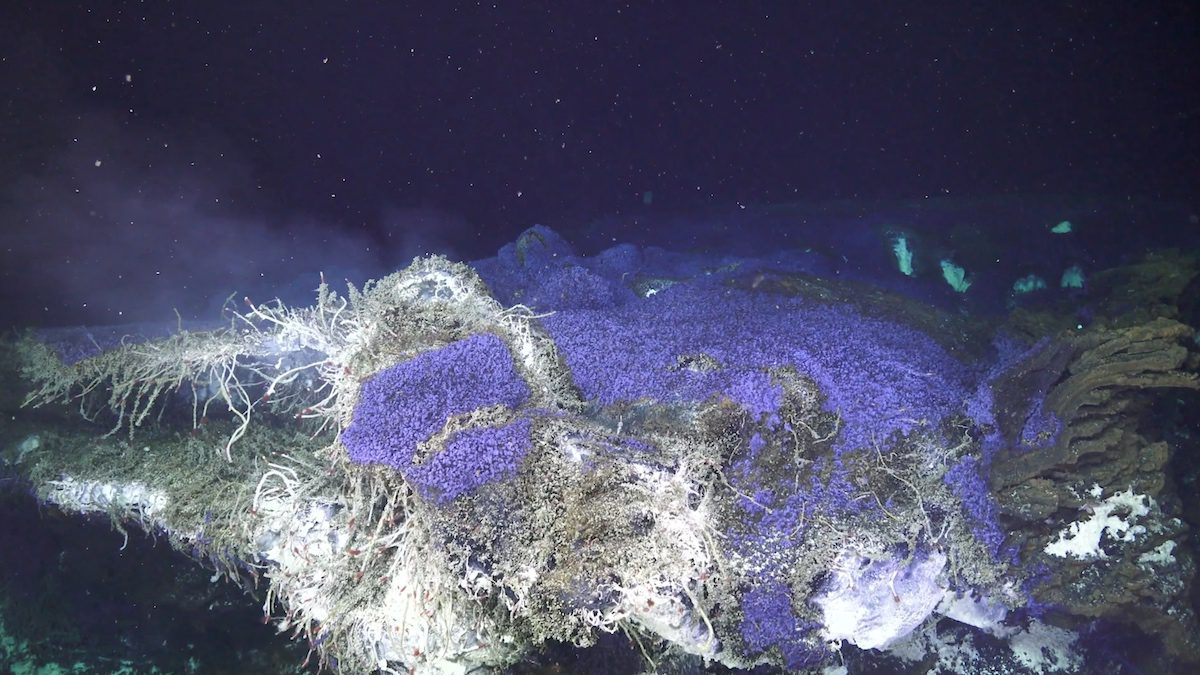
At Axial Seamount, WHOI scientists filmed vibrant life at deep-sea vents—ecosystems powered by chemosynthetic microbes in total darkness.
Read More2023 Year in Review
Here’s to another year working for our ocean, our planet, and our future.
Read MoreResilient Woods Hole Climate Walking Tour

Explore Woods Hole’s climate challenges with the Resilient Woods Hole Walking Trail app—free on the App Store and Google Play.
Read MoreNorth Atlantic right whale population leveled off in 2022
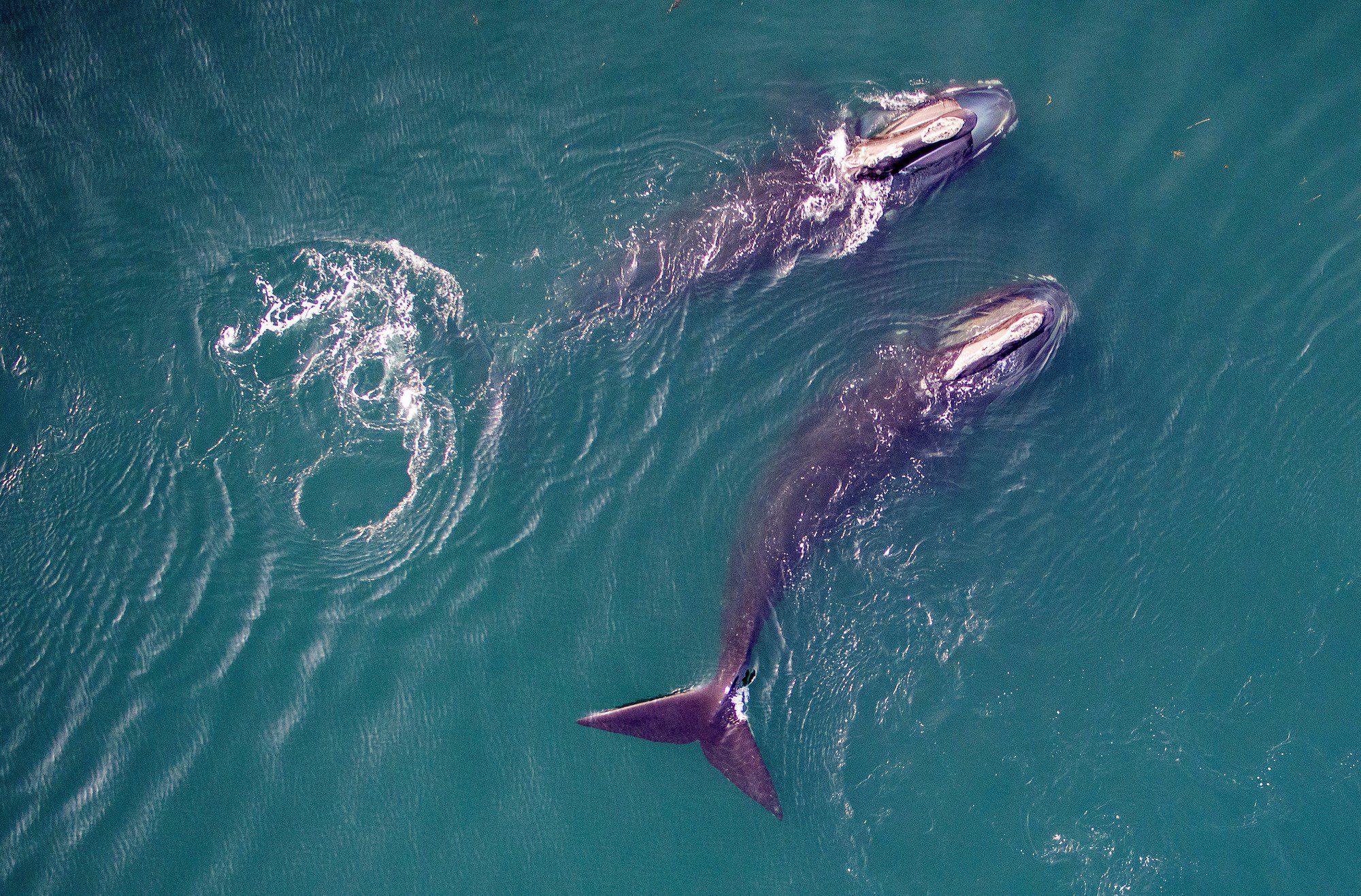
There are 356 North Atlantic right whales left, with births balancing deaths—but their critically endangered status remains urgent.
Read MoreOcean Encounters: Becoming a Marine Biologist
Ever dreamed of exploring the ocean and studying amazing marine animals? Discover what it takes to become a marine biologist and what the career looks like.
Read MoreRare look at animals in the ocean twilight zone
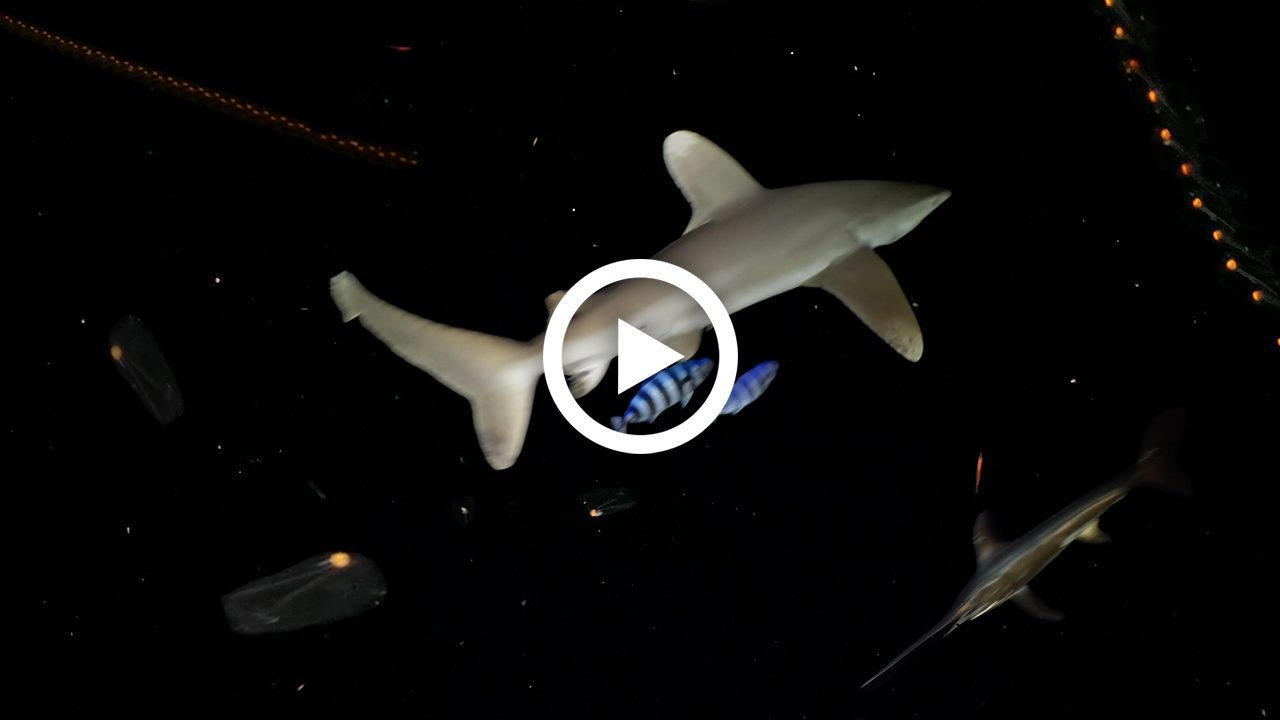
The ocean is vast, so scientists use two ocean robots to better spot and study elusive creatures from the deep, dark twilight zone.
Read MoreOcean Encounters: The Arctic
Learn how climate change in the Arctic—melting ice and warming seas—impacts life across our entire planet.
Read MoreWHOI robotics class sets sail
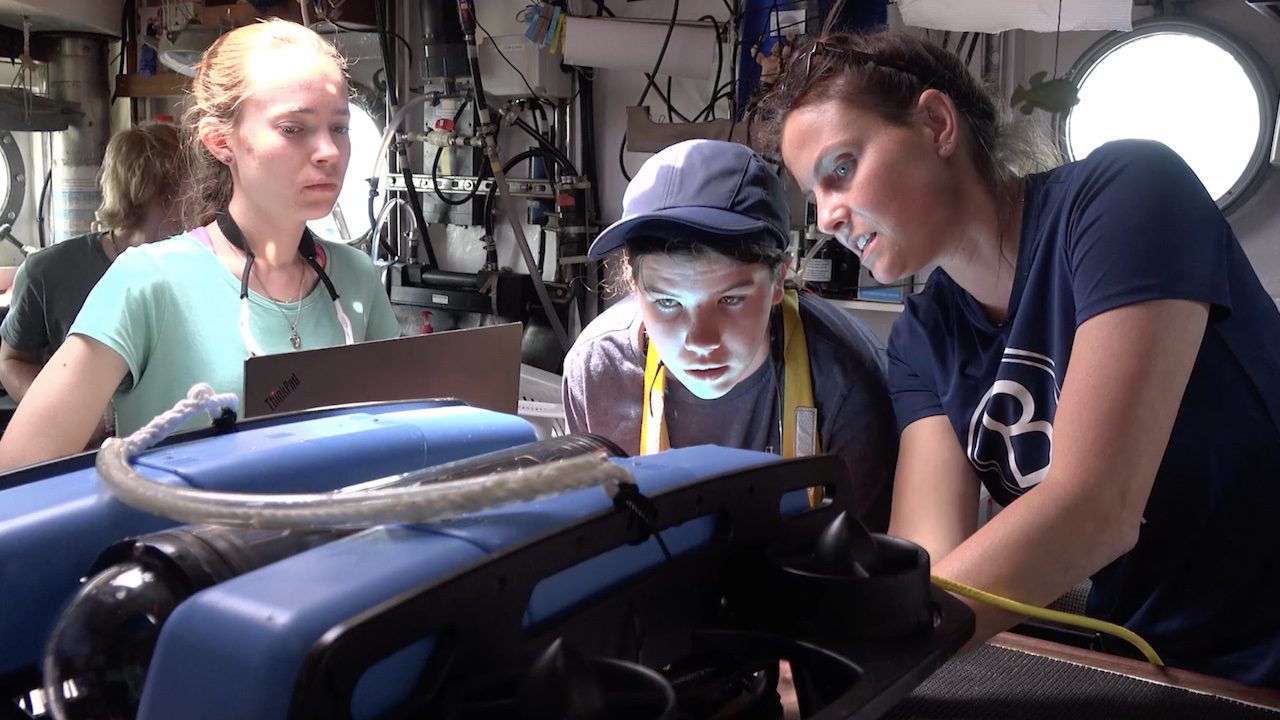
High school students set sail with WHOI to explore ocean robotics over spring break.
Read MoreA tale of two schooners
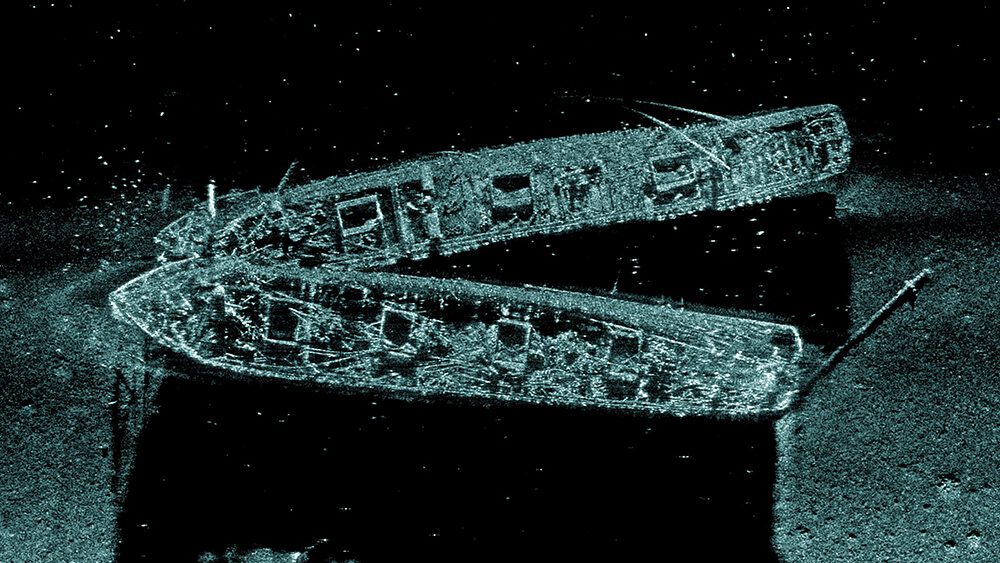
Following a 1902 collision off the Massachusetts coast, the coal schooners Frank A. Palmer and the Louise B. Crary now exist as one intertwined wreck, captured by here side-scan sonar in Stellwagen Bank National Marine Sanctuary.
Read MoreCrossata alba jellyfish
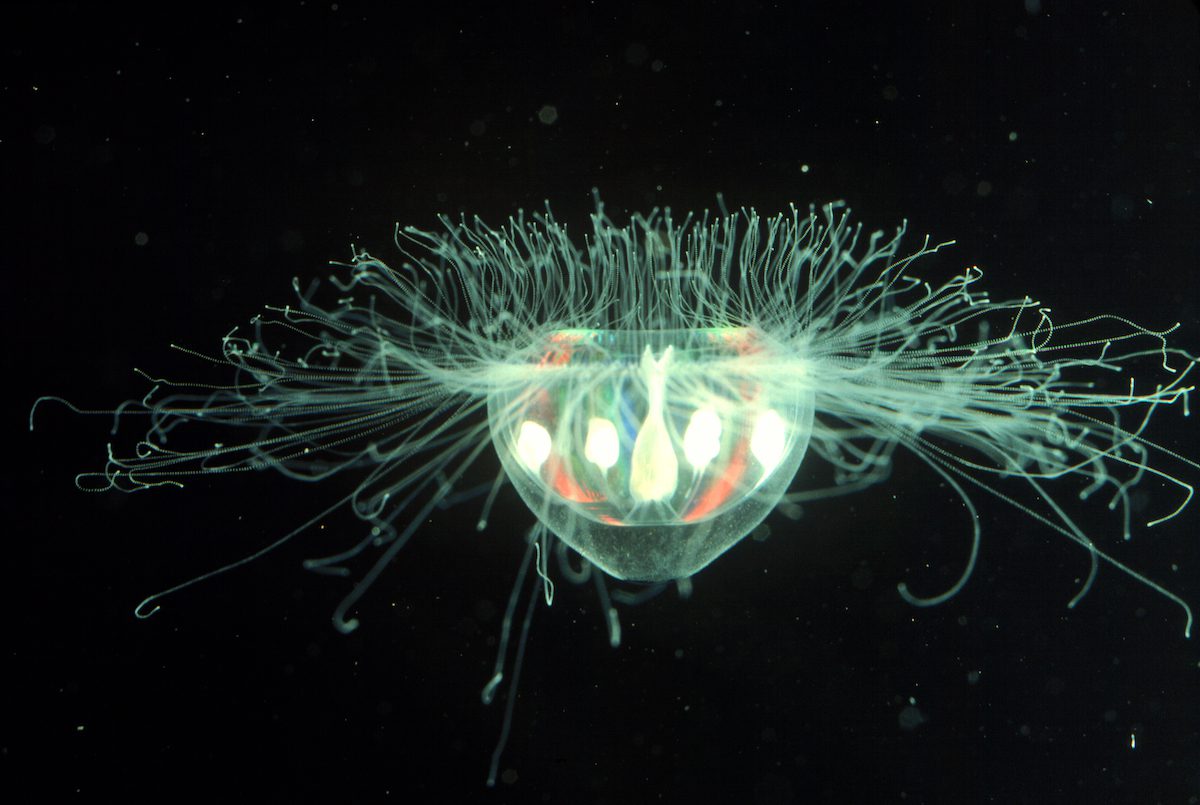
Delicate jellyfish such as this Crossota alba thrive in the Ocean Twilight Zone, where no wind, waves, or turbulence can tear them apart. In spite of their fragility, these gelatinous animals are often successful predators
Read MoreAlbert Szent-Györgyi
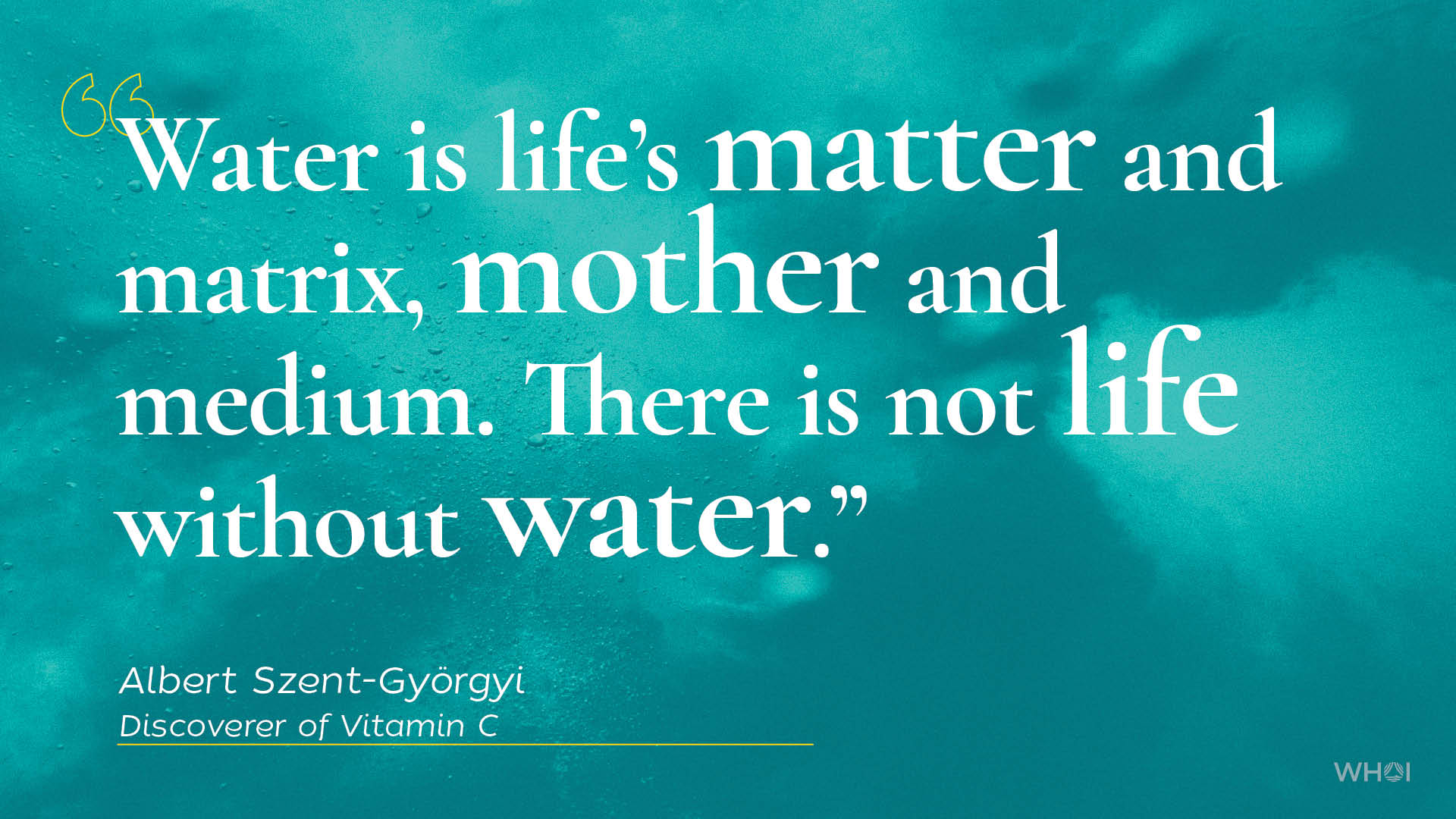
Albert Szent-Györgyi was a Hungarian-born scientist who spent much of his career at the Marine Biological Laboratory in Woods Hole. He won the Nobel Prize in 1937 for his research…
Read MoreSphere implosion
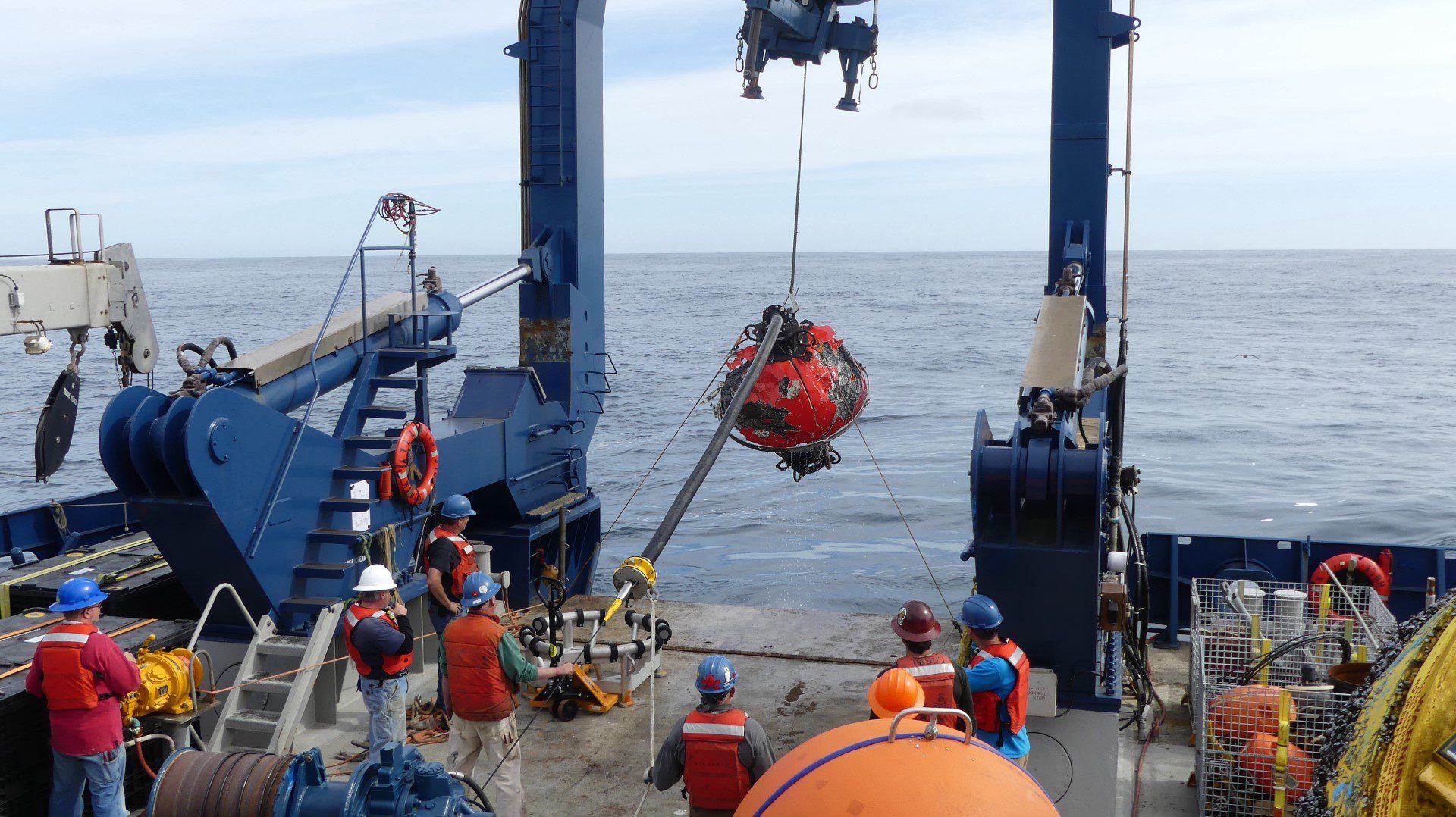
A crushed subsurface flotation sphere is pulled from the Southern Atlantic Ocean in 2018. As part of the Ocean Observatories Initiative Global Argentine Basin Array, the sphere was part of…
Read More50 Researchers, One Question: Ocean Animals
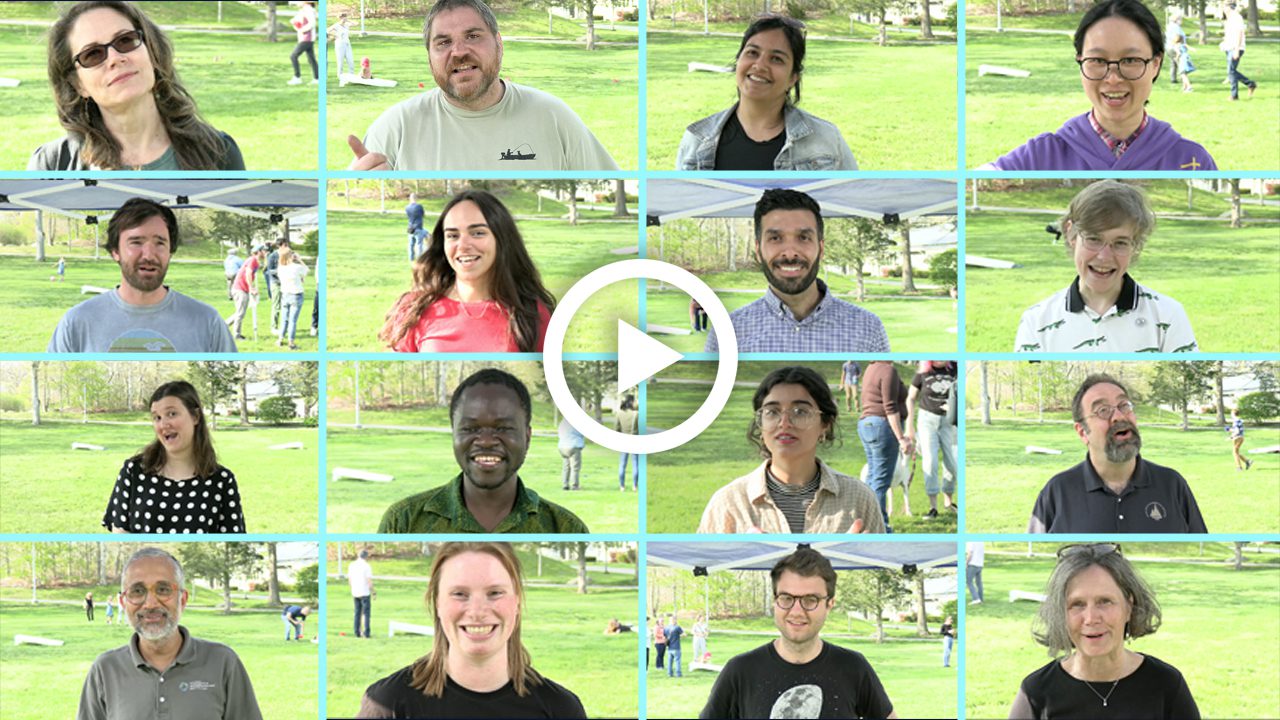
As oceanographers, we are constantly searching for answers, but the ocean is vast. What if we could talk to those who call the ocean home? What would you ask them?
Read MoreTop predator loss of habitat?
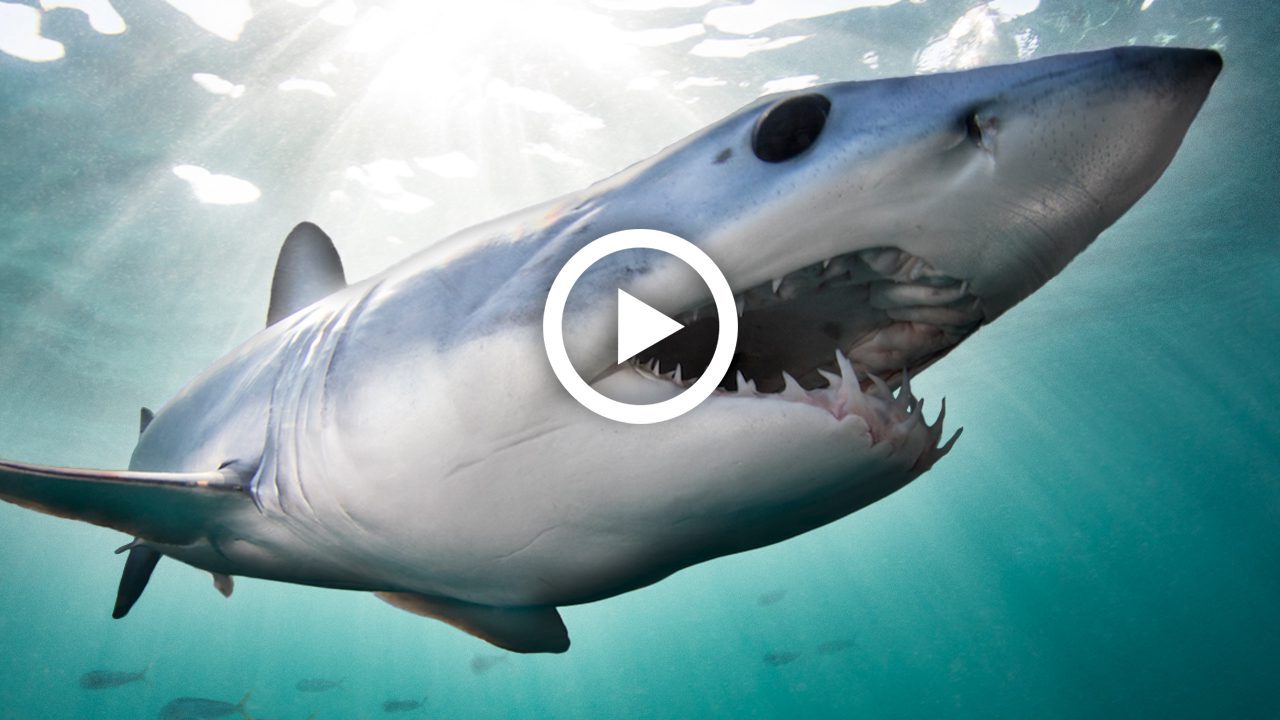
Climate change may force sharks, tuna, and billfish out of up to 70% of their current habitat.
Read MoreSpitsbergen Walruses
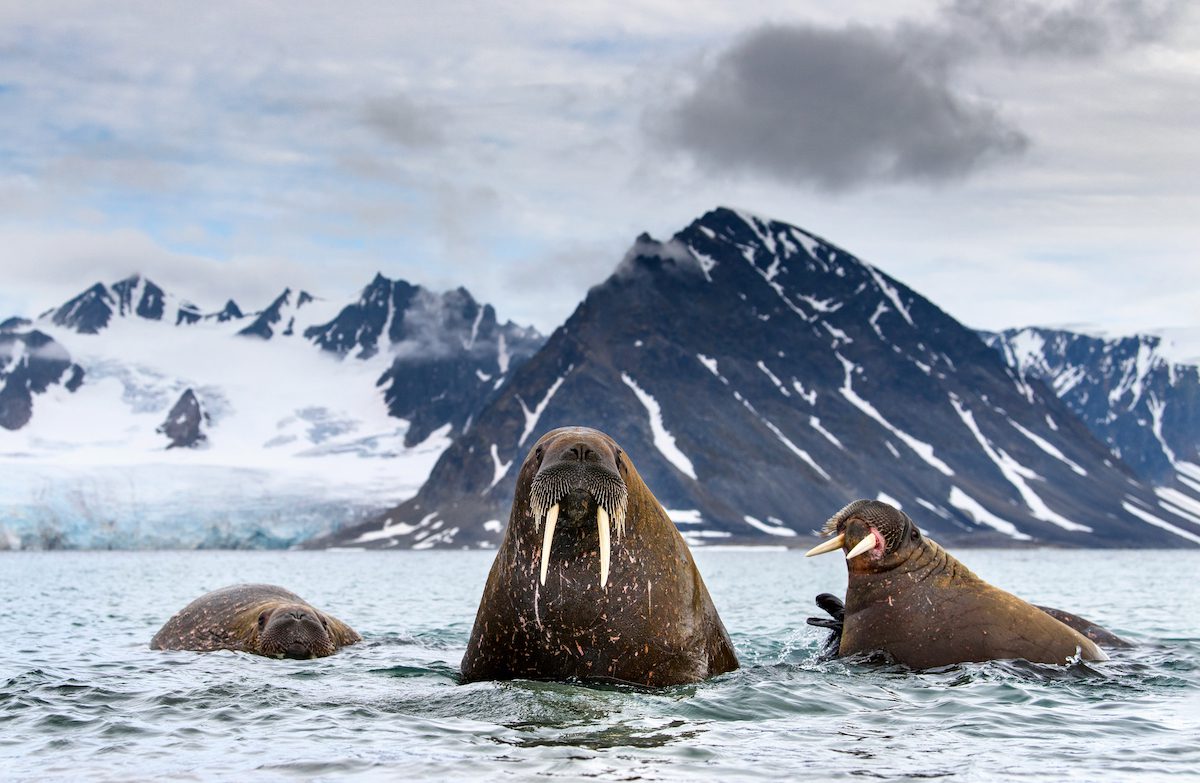
While observing walrus from the shore of Amsterdam Island in Spitsbergen, Norway, several males kept coming closer to the photographer, Aurora Lampson. “It seemed like they were just as curious…
Read More