
News Releases
The NSF Seafood Engine in New England wins $15M U.S. National Science Foundation award to strengthen fisheries and aquaculture
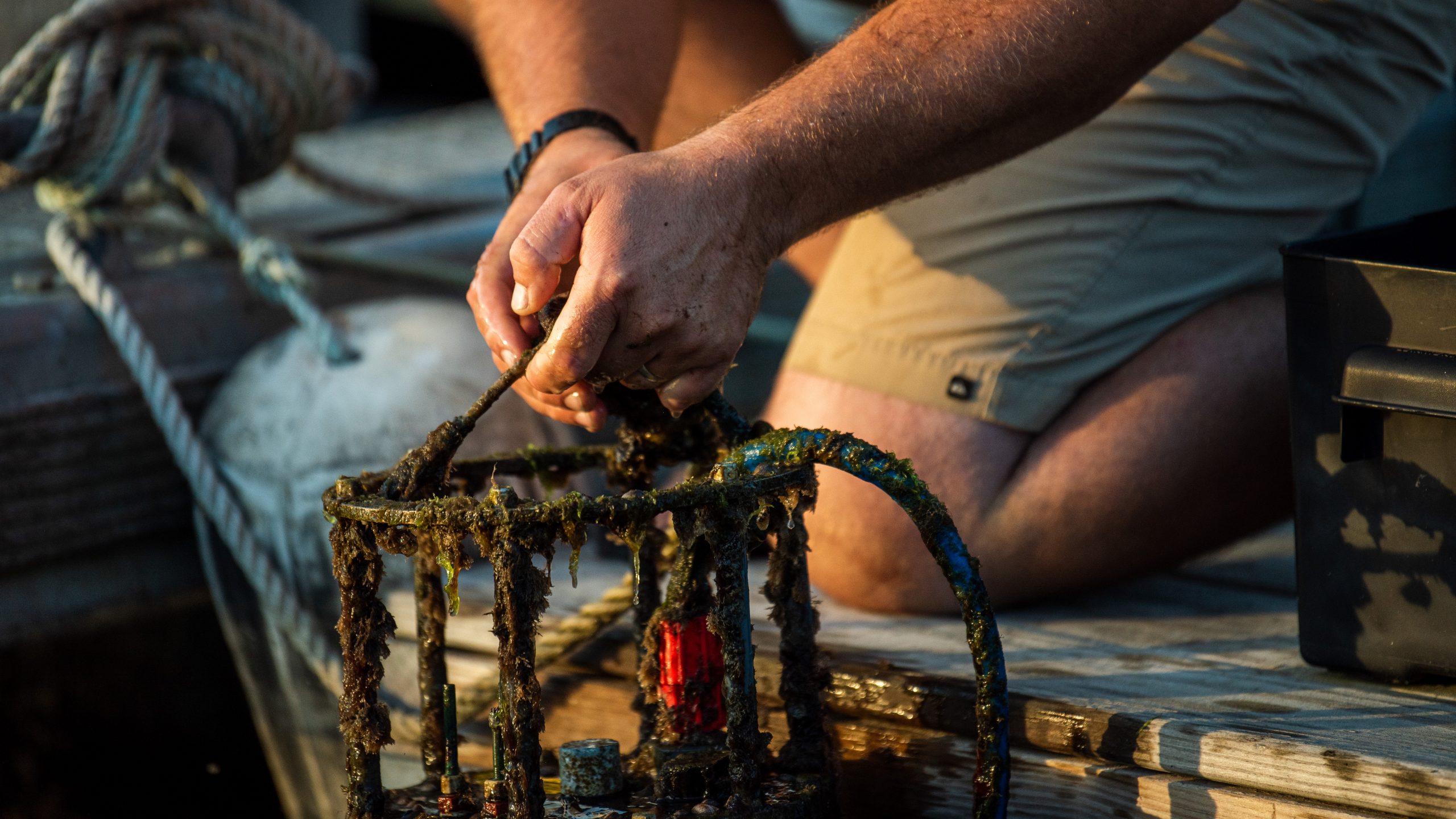
The Seafood Engine will initially receive an award of $15 million over two years, with the potential to grow up to $160 million over ten years as it works to build an internationally competitive technology and innovation cluster.
Read MoreExpedition captures first detailed imagery of Robert Falcon Scott’s last ship, Terra Nova, using cutting-edge Canadian Voyis 3D technology
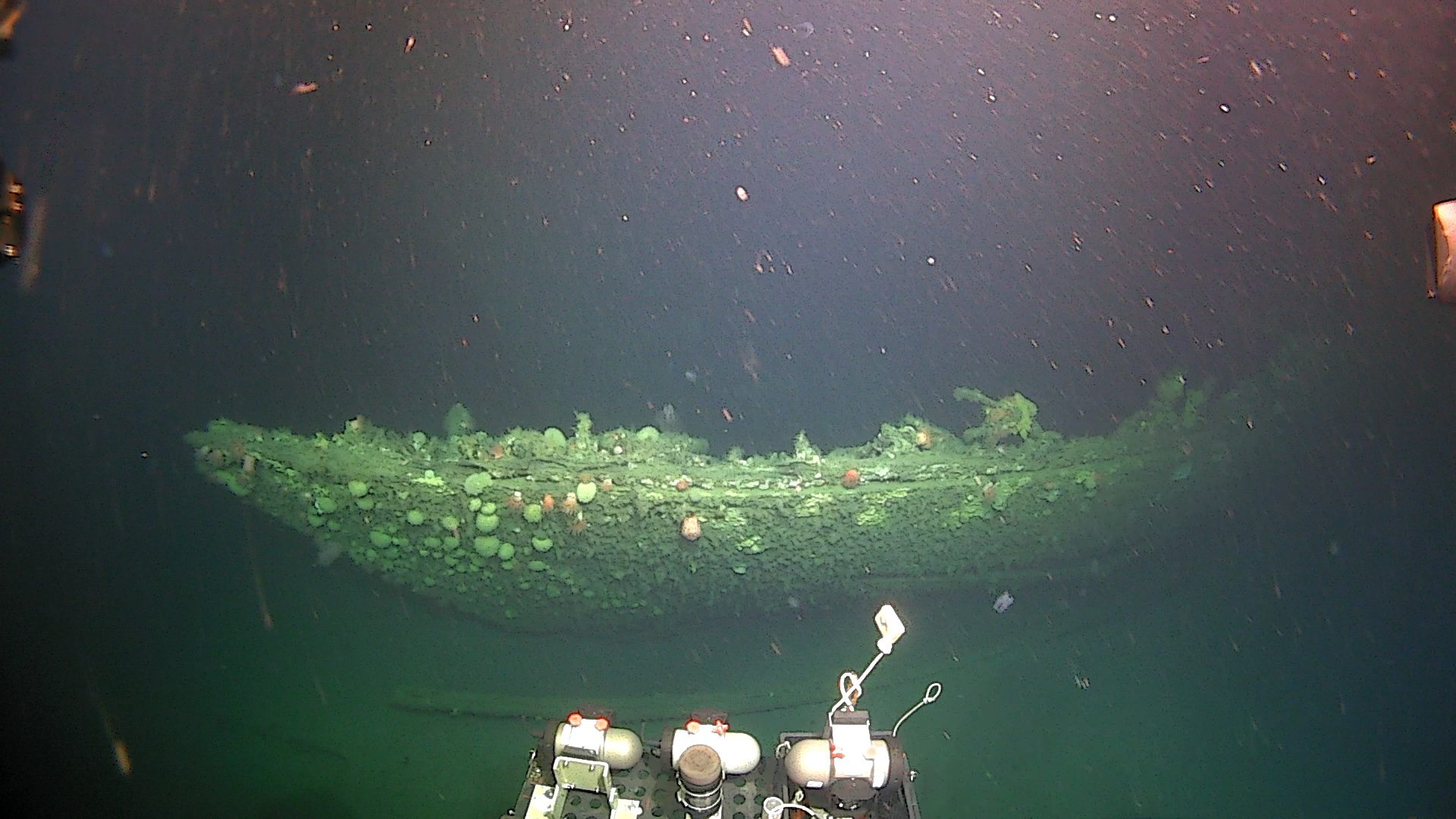
The Heroic Age Expedition, led by the Royal Canadian Geographical Society in partnership with Woods Hole Oceanographic Institution, reveals the famed Antarctic explorer’s last ship, Terra Nova in stunning detail
Read MoreHuman-occupied submersible Alvin certified to return to service
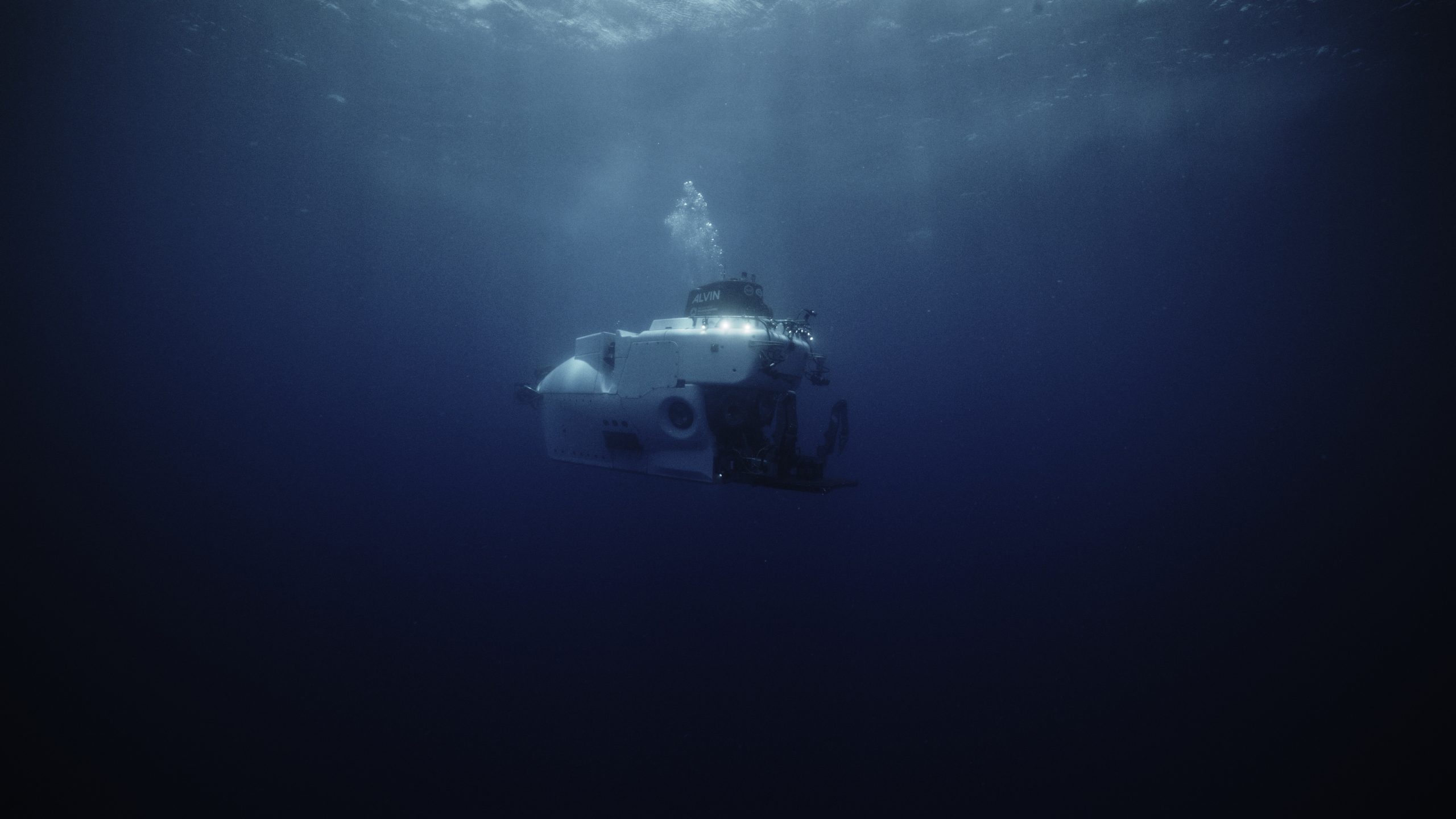
U.S. Navy certification permits sub to resume operations to 6,500 meters after routine overhaul
Read MoreHeroic Age Expedition to survey two of the world’s most famous shipwrecks
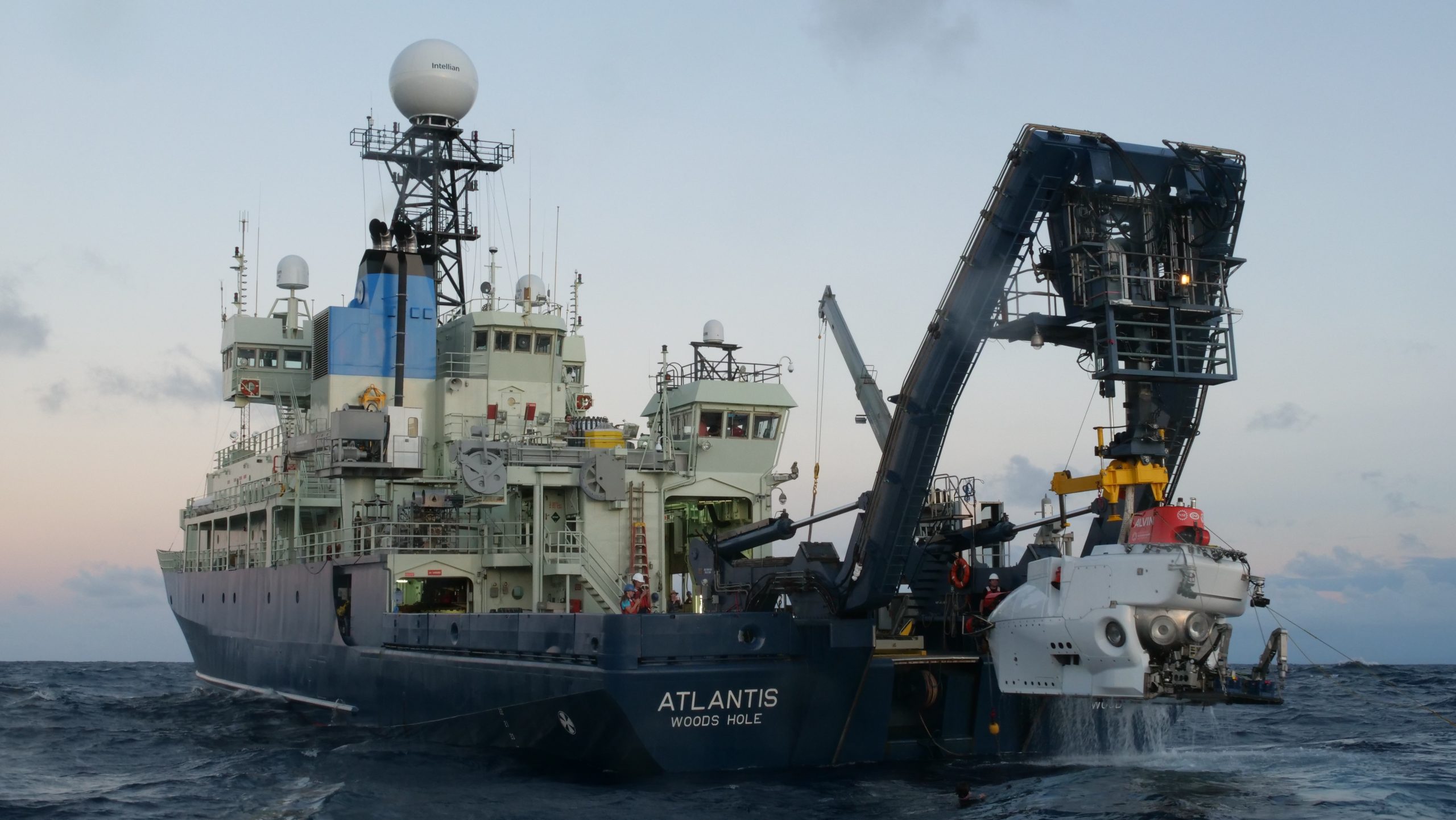
The Royal Canadian Geographical Society, in partnership with WHOI, will undertake “once-in-a-generation” expedition to survey Sir Ernest Shackleton’s Quest and Captain Robert Falcon Scott’s Terra Nova
Read MoreAutonomous underwater robot discovers hidden coral reef “hotspots”
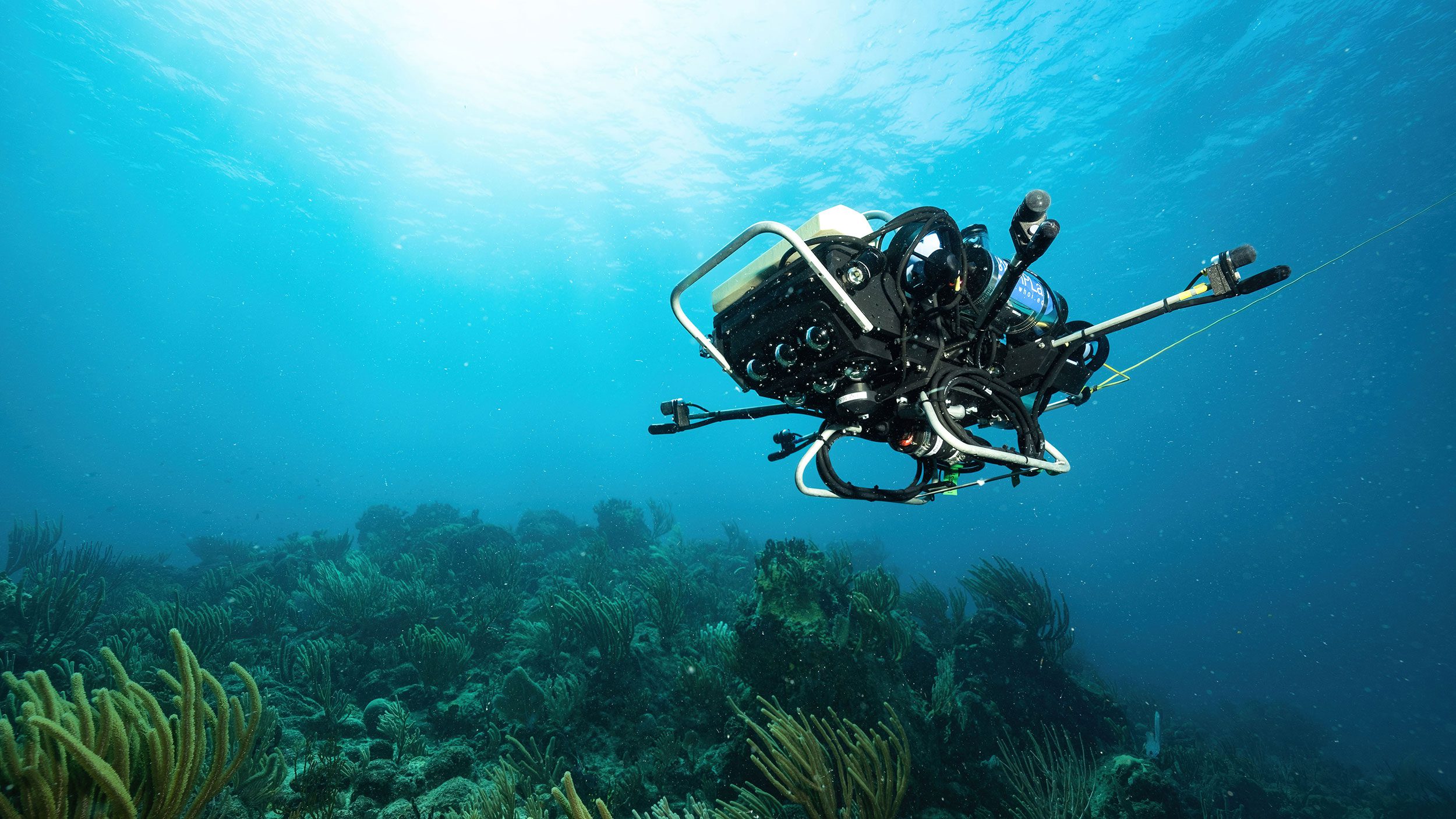
New underwater robot opens new possibilities in coral reef conservation by autonomously identifying biodiversity “hotspots”
Read MoreWHOI discovers the oldest known whale recordings, dating to 1949
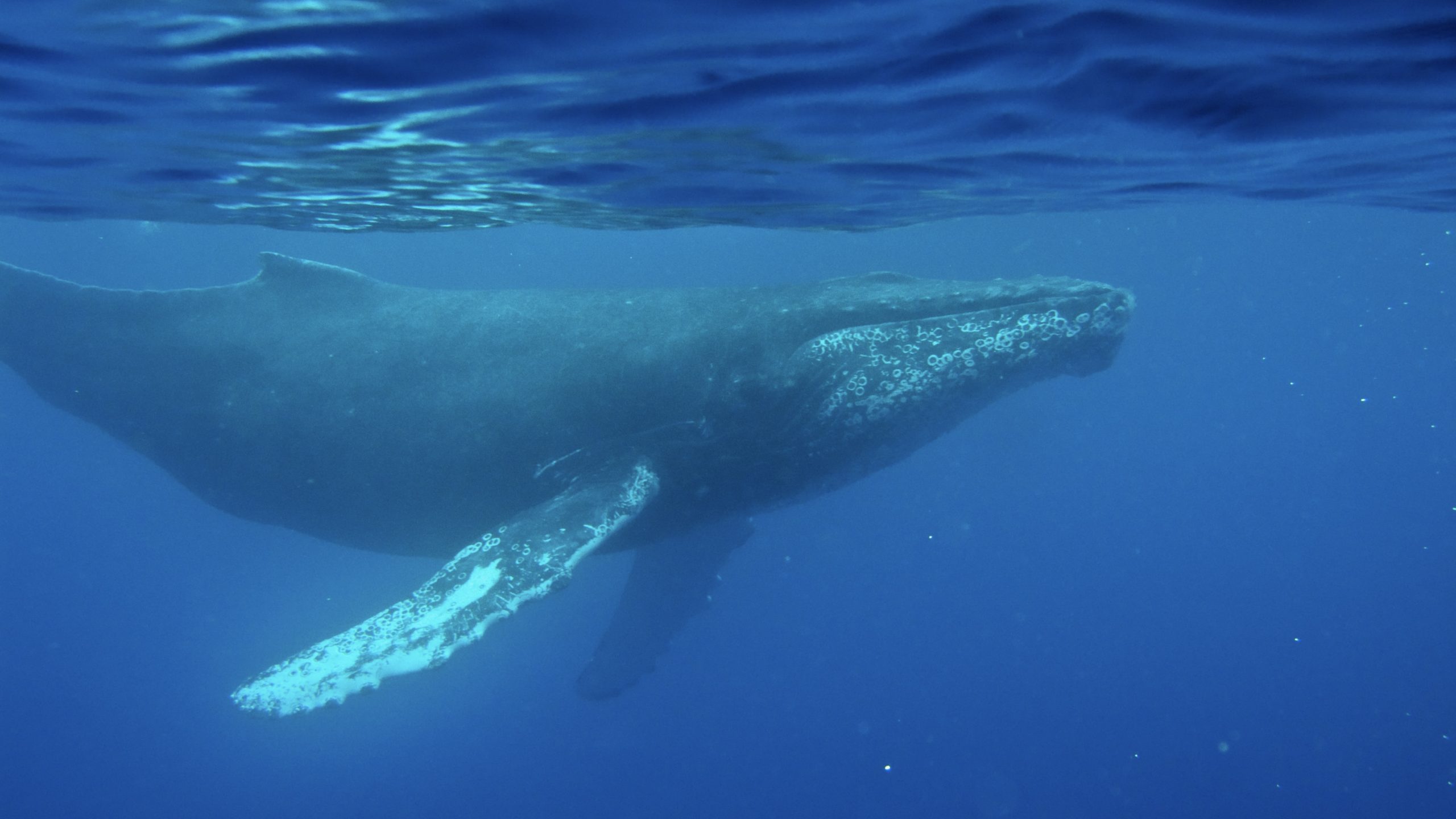
The recording was discovered on a fragile but remarkably well-preserved audograph disc in WHOI’s archival collections.
Read MoreForty years after the Titanic discovery, WHOI continues to advance ocean research and exploration
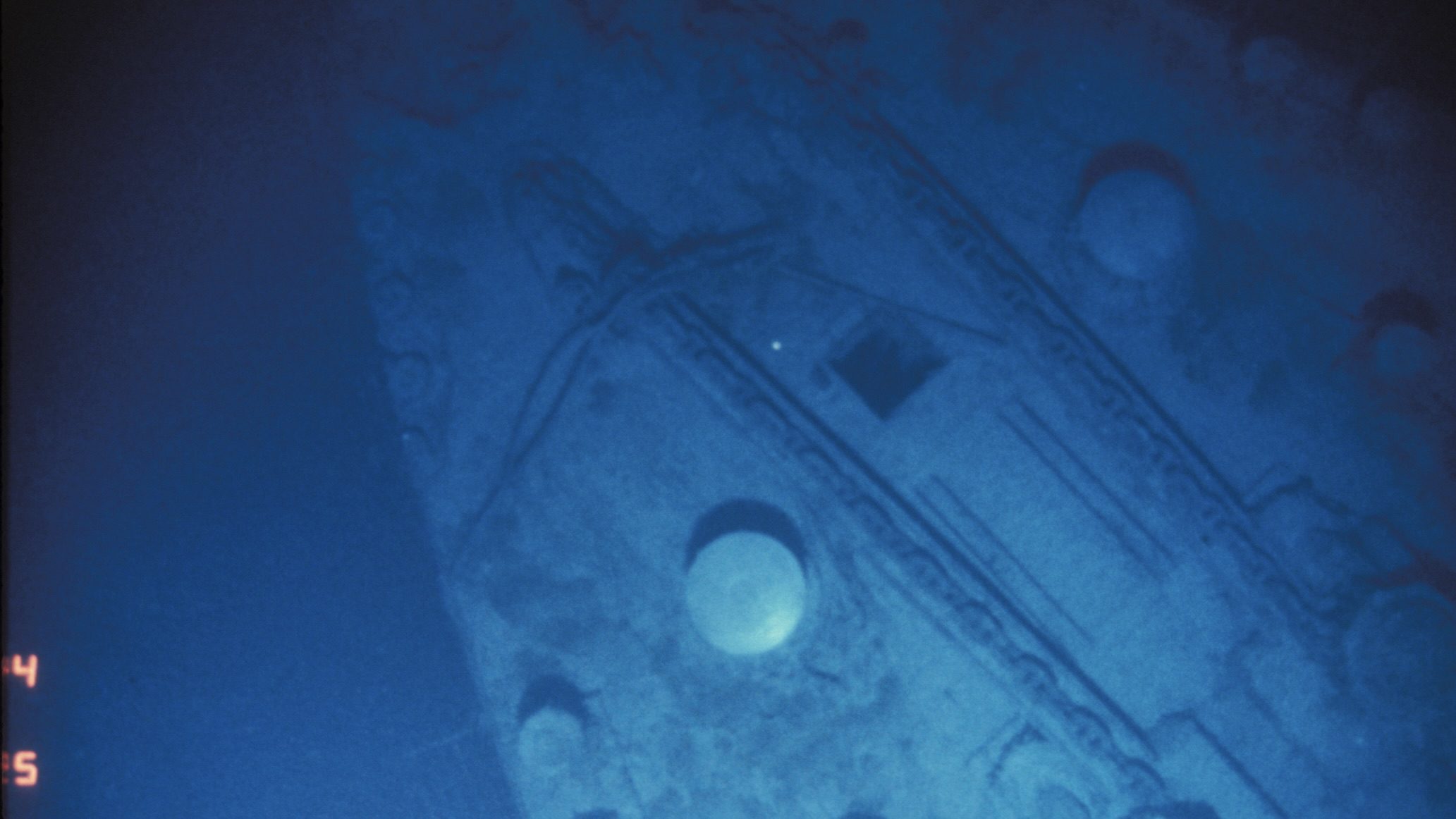
How cutting-edge technology, novel search techniques, and persistence paid off
Read MoreWHOI’s Jennifer Johnson receives Fulbright Specialist Award
Research Associate will complete a project at the National Fisheries and Marine Research Institute in Angola.
Read MoreDeep ocean technology offers never before seen images of lost WWI submarine
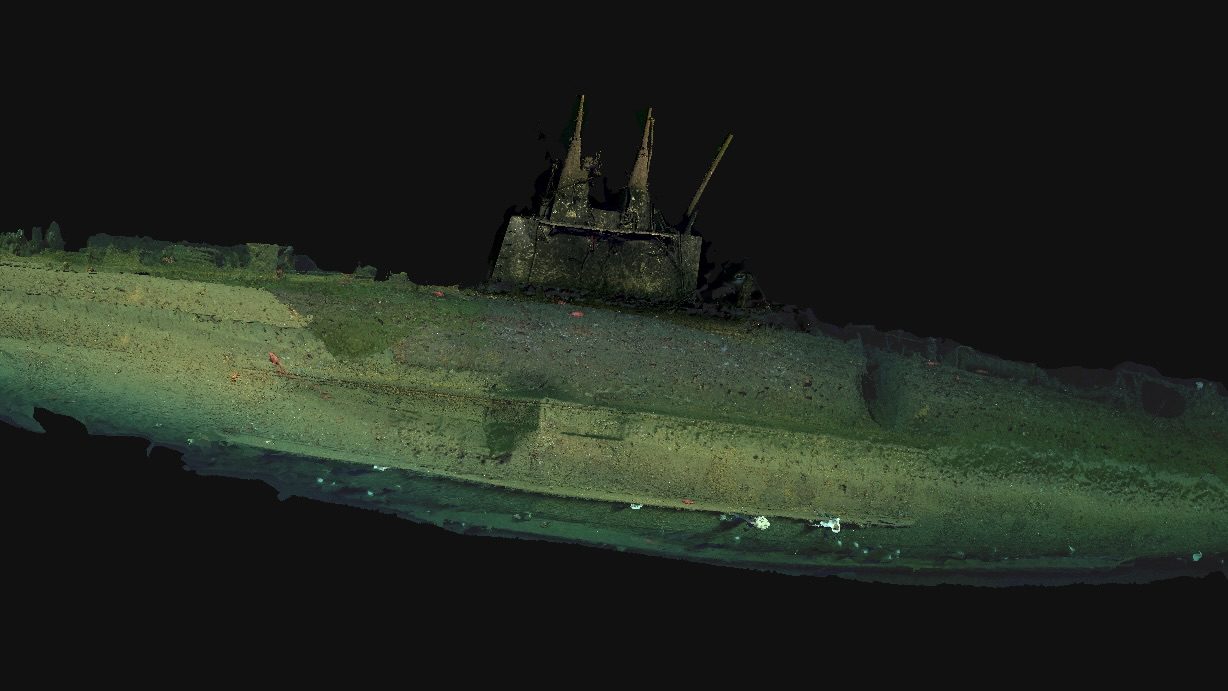
The interdisciplinary mission included team members from the U.S Navy, Naval History and Heritage Command, National Science Foundation.
Read MoreScientists use salinity to trace changes in the U.S. Northeast coastal ocean
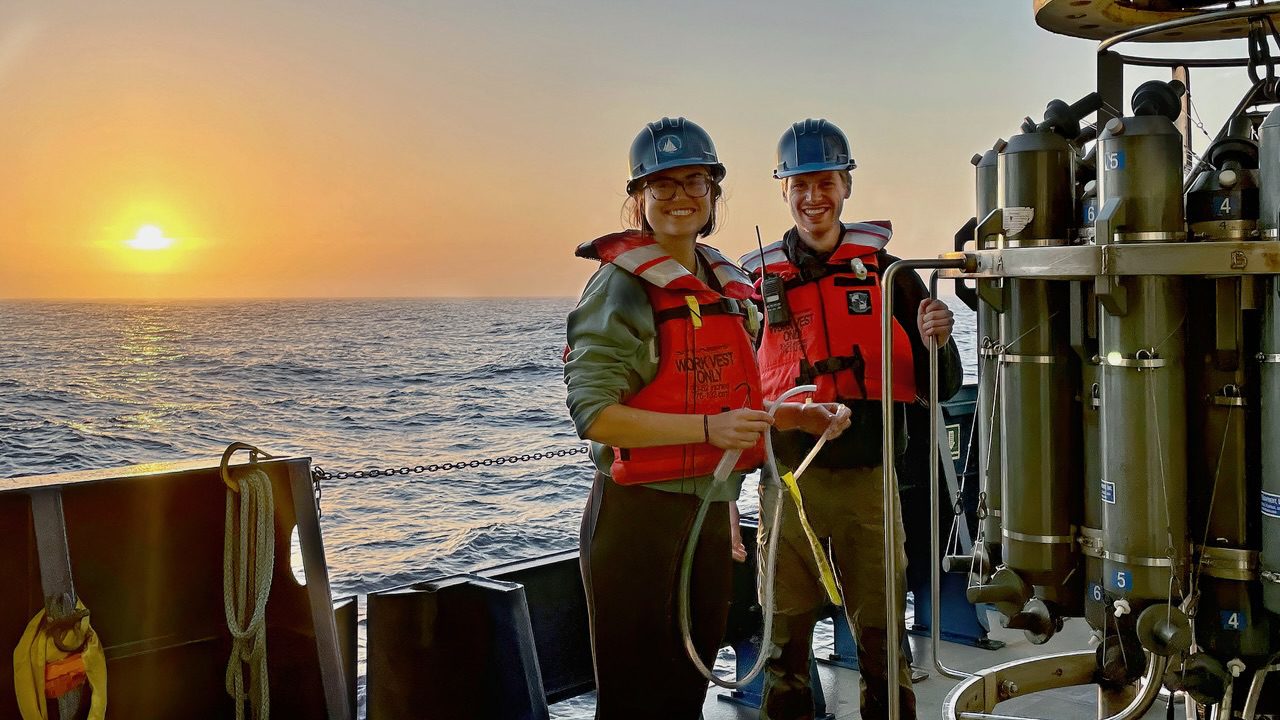
Scientists are using salt as a tracer to investigate how much the influx of warm, salty offshore water onto the continental shelf contributes to the observed seasonal “erosion” of the cold pool.
Read MoreInnovative partnerships advancing ocean observations
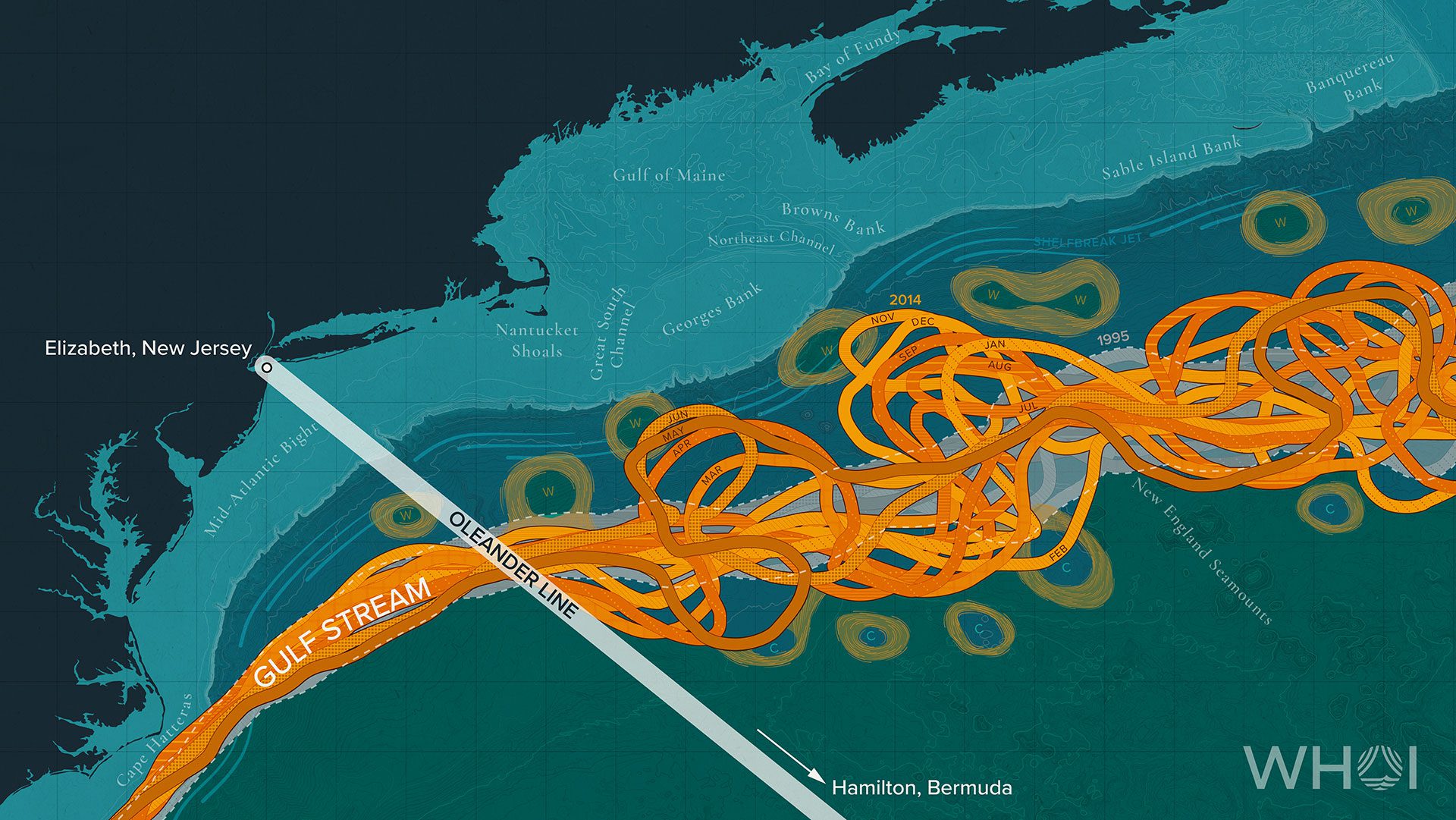
WHOI’s Science RoCs aims to equip commercial vessels with sensors to measure physical, chemical, and biological characteristics of the ocean along the world’s major shipping routes
Read MoreWoods Hole Oceanographic Institution Licenses Ocean Technology to ARMADA Marine Robotics
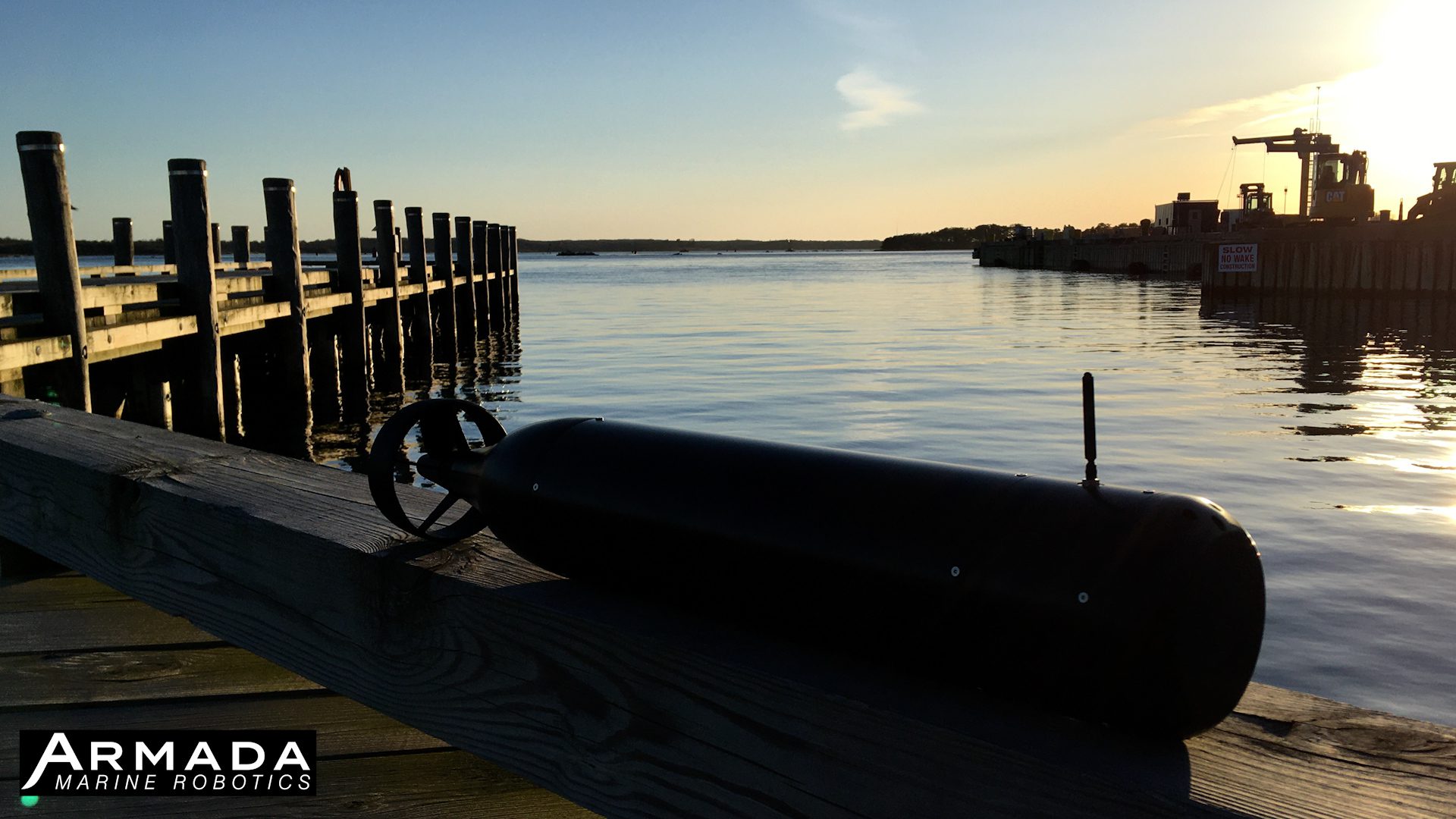
These agreements mark a significant milestone in WHOI’s efforts to foster innovation, entrepreneurship, and the commercialization of transformative ocean technologies.
Read MoreWHOI vehicles go to extreme sides of the globe
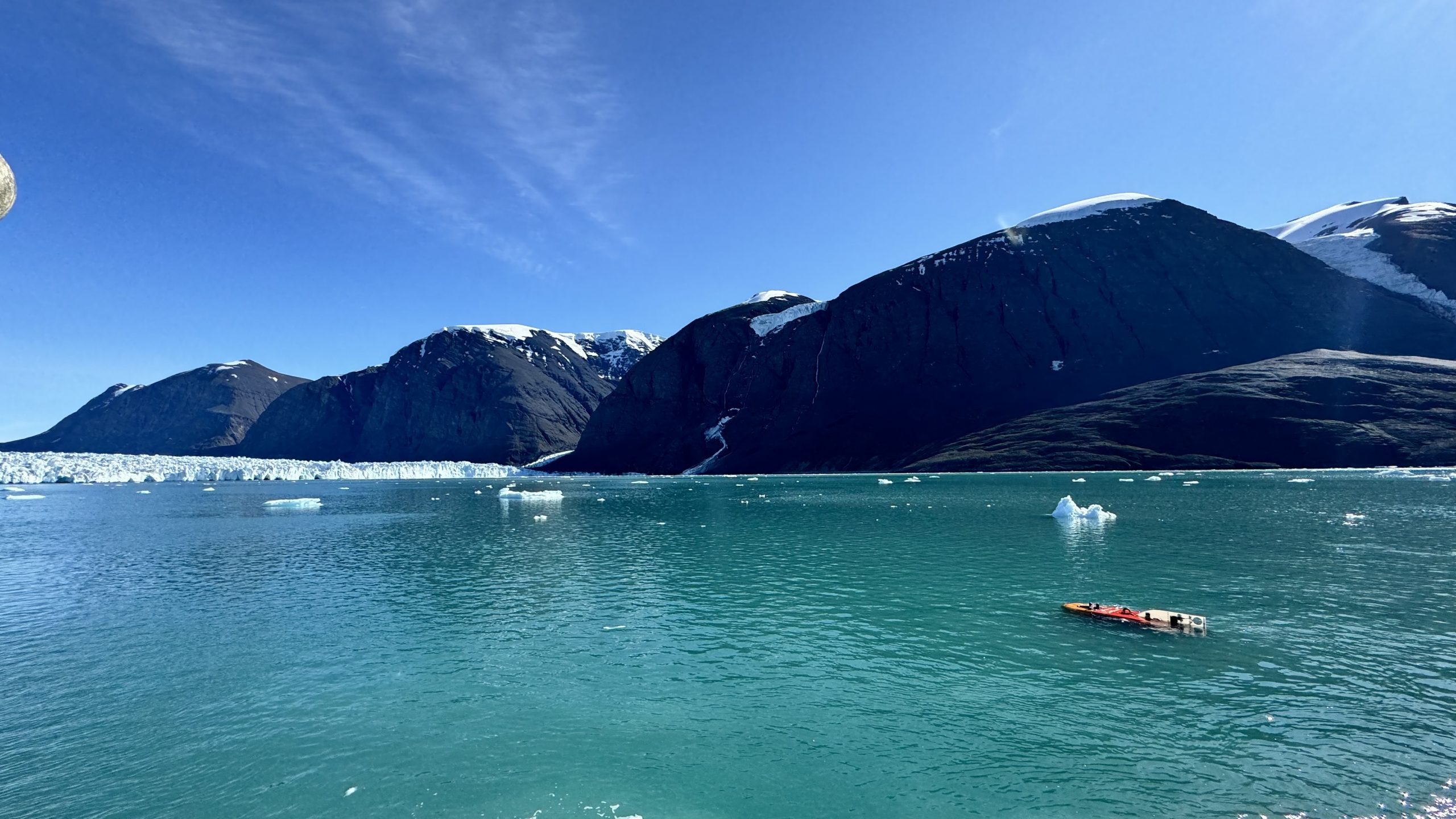
Simultaneous missions near Greenland and American Samoa support critical research about ocean life and sea level rise
Read MoreShip-mounted camera systems increase protections for marine mammals
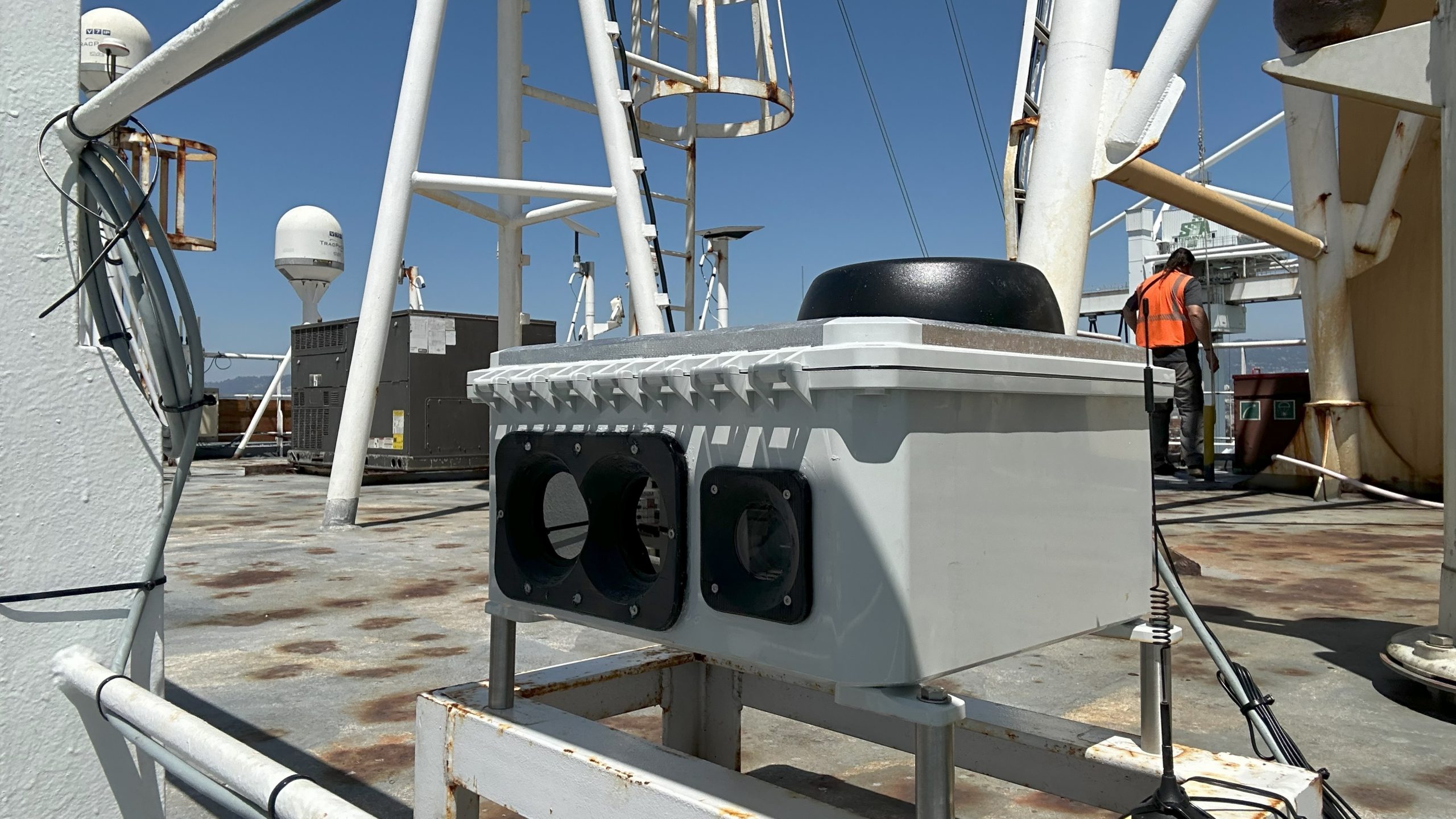
This technology uses thermal imaging to detect a whale’s body or spout and provides real-time information on their distance and bearing from a vessel.
Read MoreWHOI receives funding for next-gen ROVs
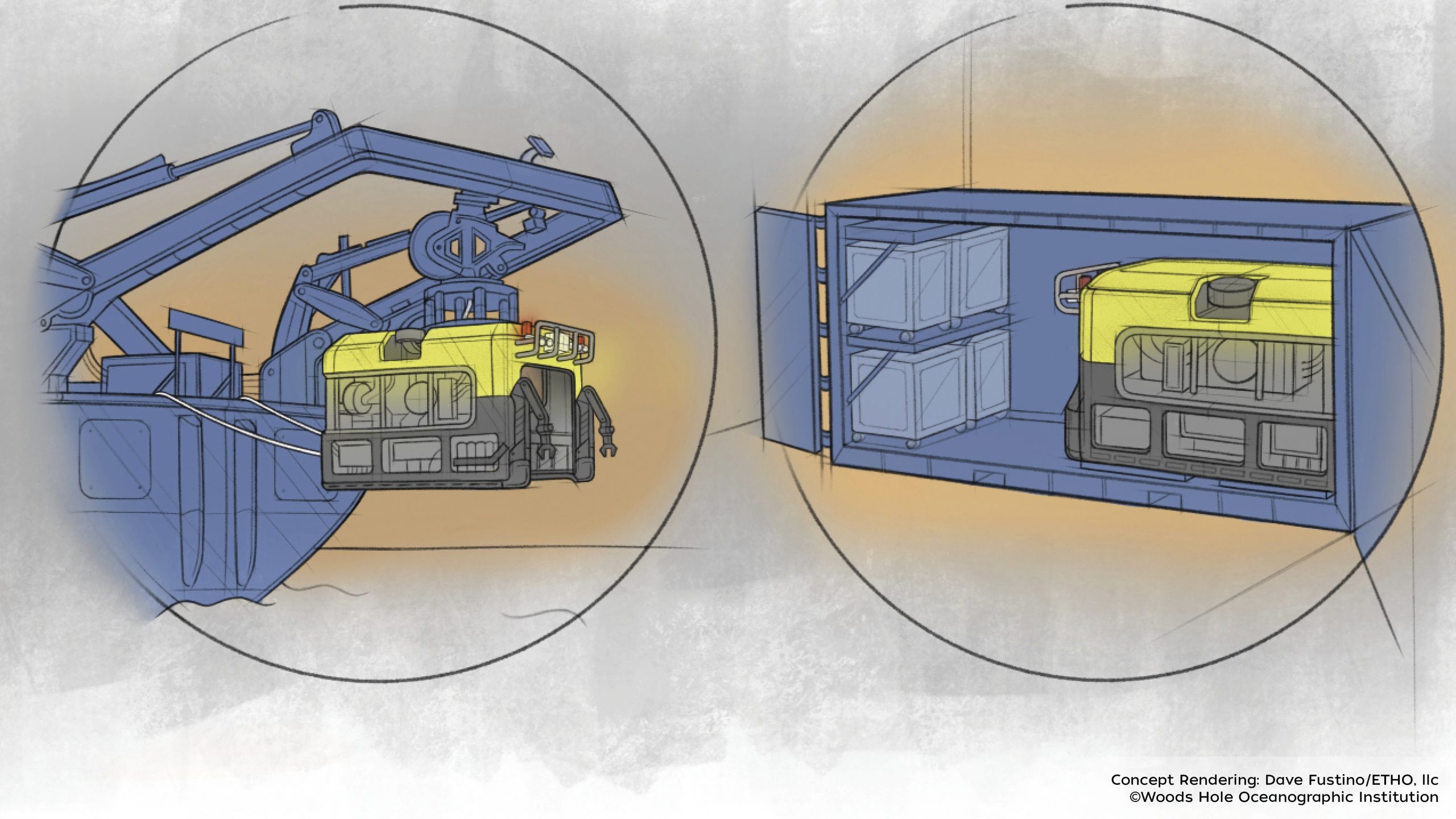
A new, integrated system will enable ocean science, exploration, and restoration efforts from a wider range of vessels.
Read MoreWarm water could persist within icy ocean worlds
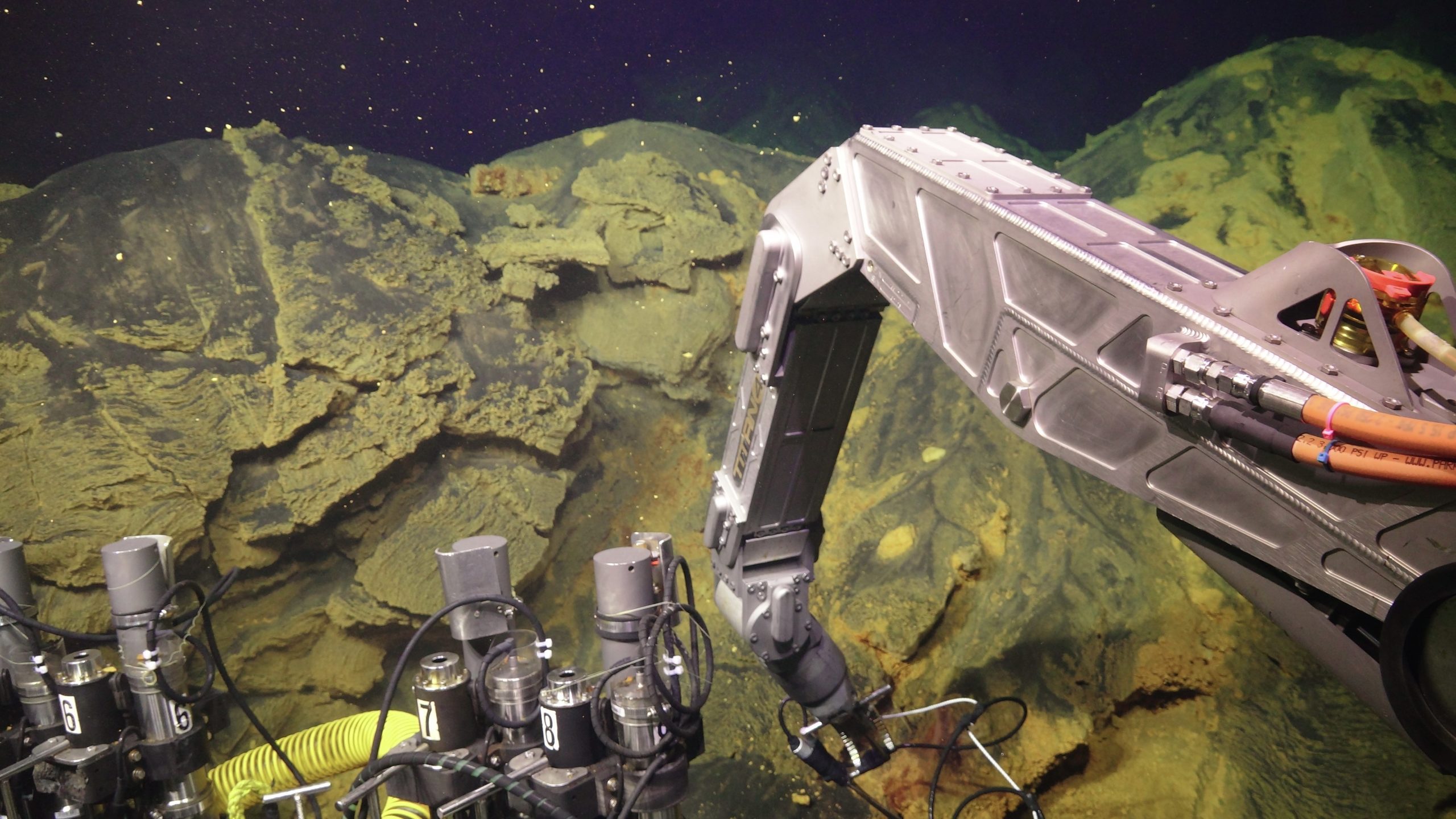
A new study investigates how the influence of low gravity, as found on ocean worlds in our solar system, impacts flow of water and heat below their seafloors.
Read MoreSixty Years of Deep Ocean Research, Exploration, and Discovery with Human-Occupied Vehicle Alvin

In June 1964, the world’s first deep-diving submersible dedicated to scientific research was commissioned. What have we learned over the past 60 years?
Read MoreA new tagging method for fragile marine species
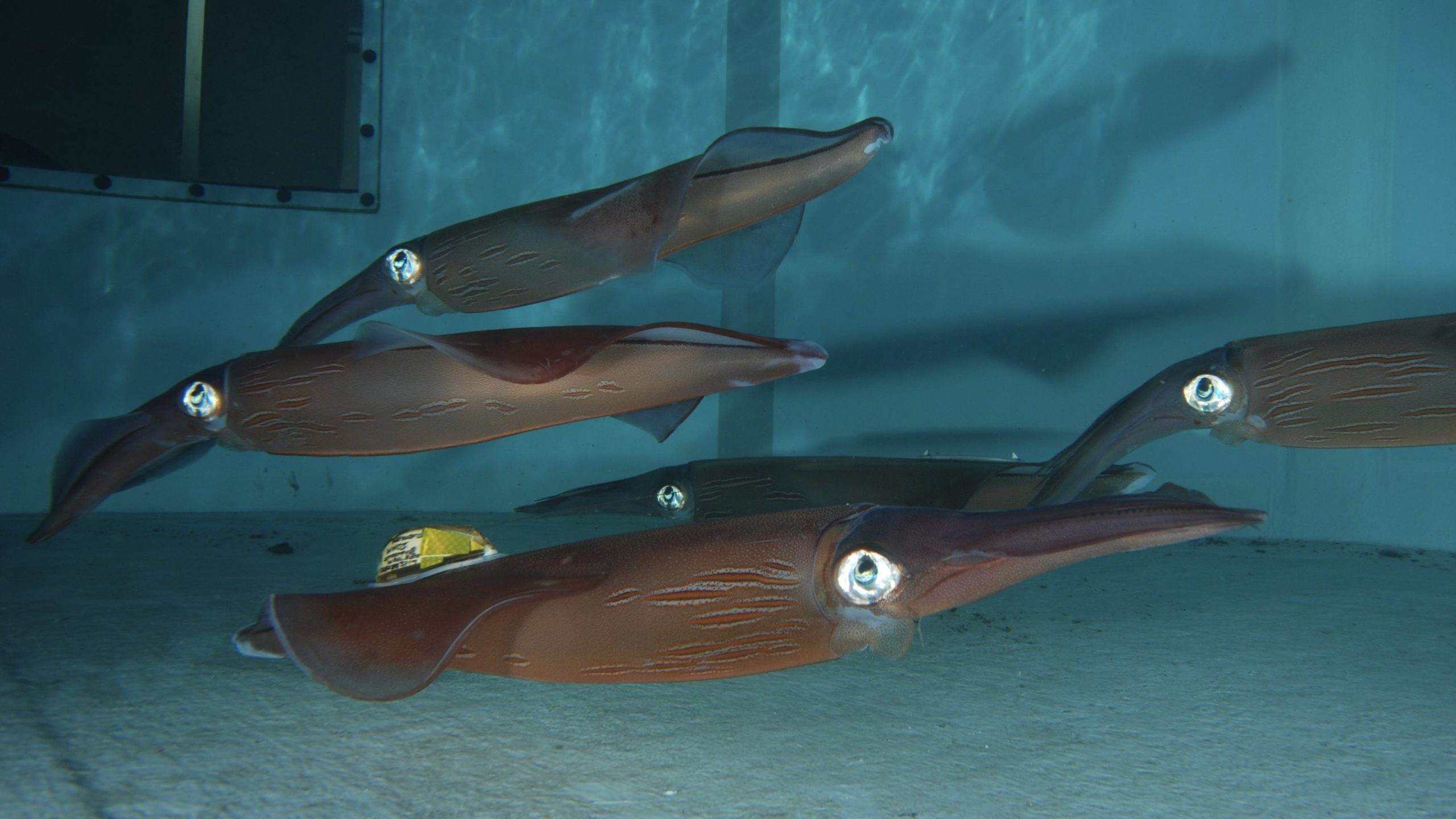
Newly developed bioadhesive sensors (BIMS) are effective and less invasive than traditional tagging. Scientists can attach them with a thin layer of dried-hydrogel in less than 20 seconds.
Read MoreSonic Youth: Healthy Reef Sounds Increase Coral Settlement
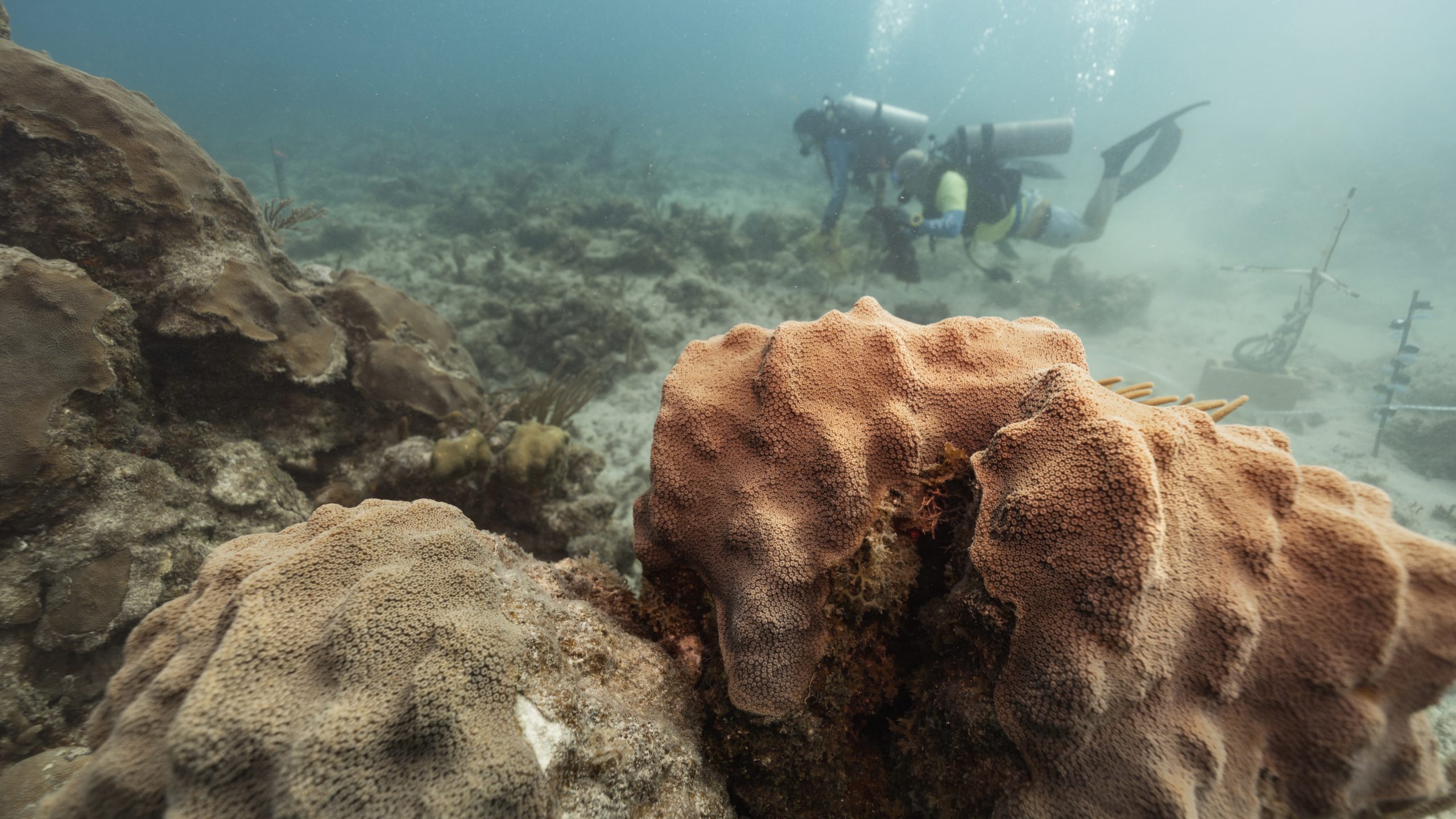
Researchers at WHOI demonstrated that replaying healthy reef sounds could potentially be used to encourage coral larvae to recolonize damaged or degraded reefs.
Read MoreNew Study: Deep Sea Sensor Reveals That Corals Produce Reactive Oxygen Species
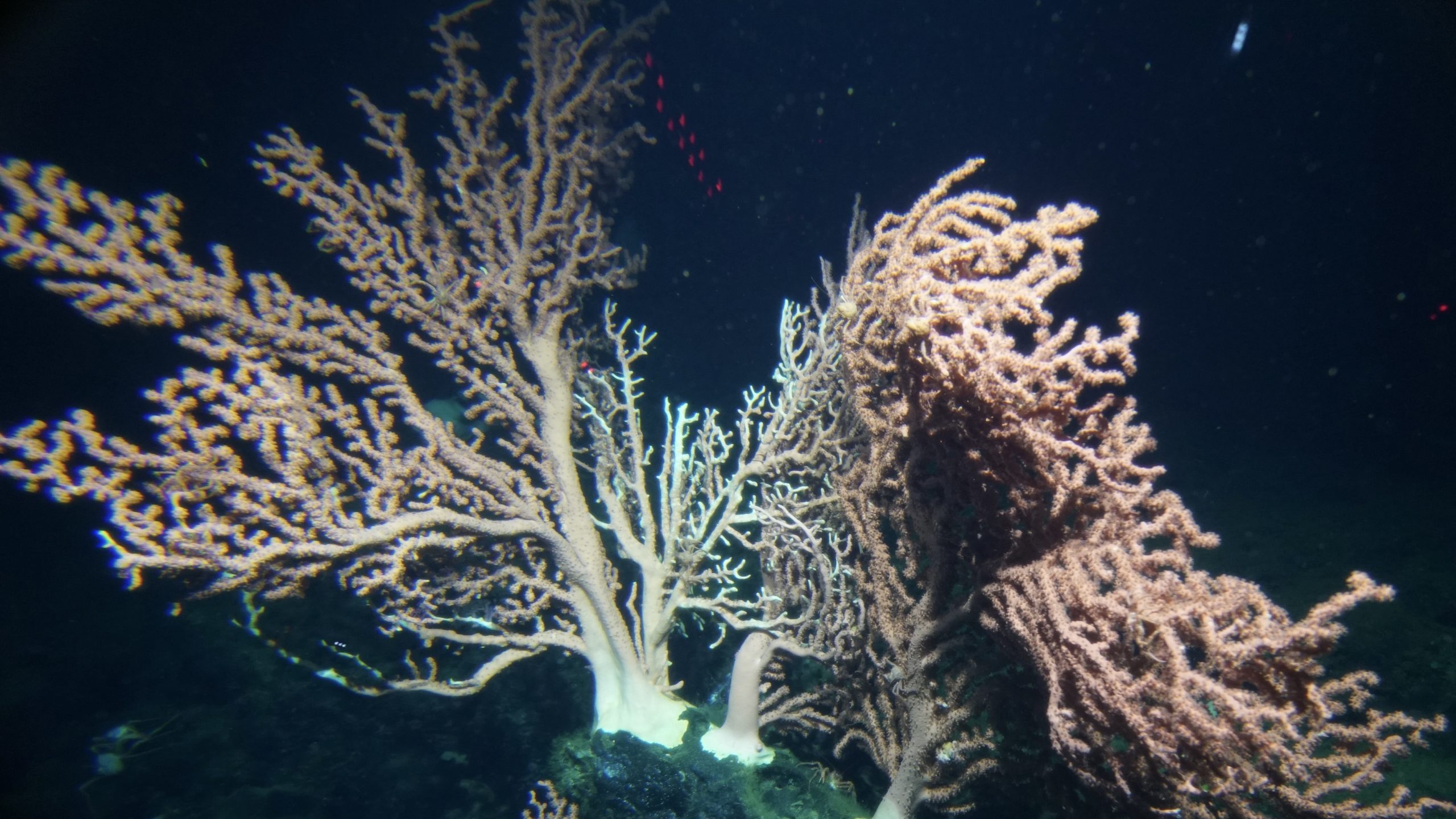
A new sensor on the submersible Alvin discovered reactive oxygen species for the first time in deep-sea corals, broadening our understanding of fundamental coral physiology Woods Hole, MA — Just…
Read MoreWHOI tapped by NSF to lead OOI Program Management for an Additional Five Years
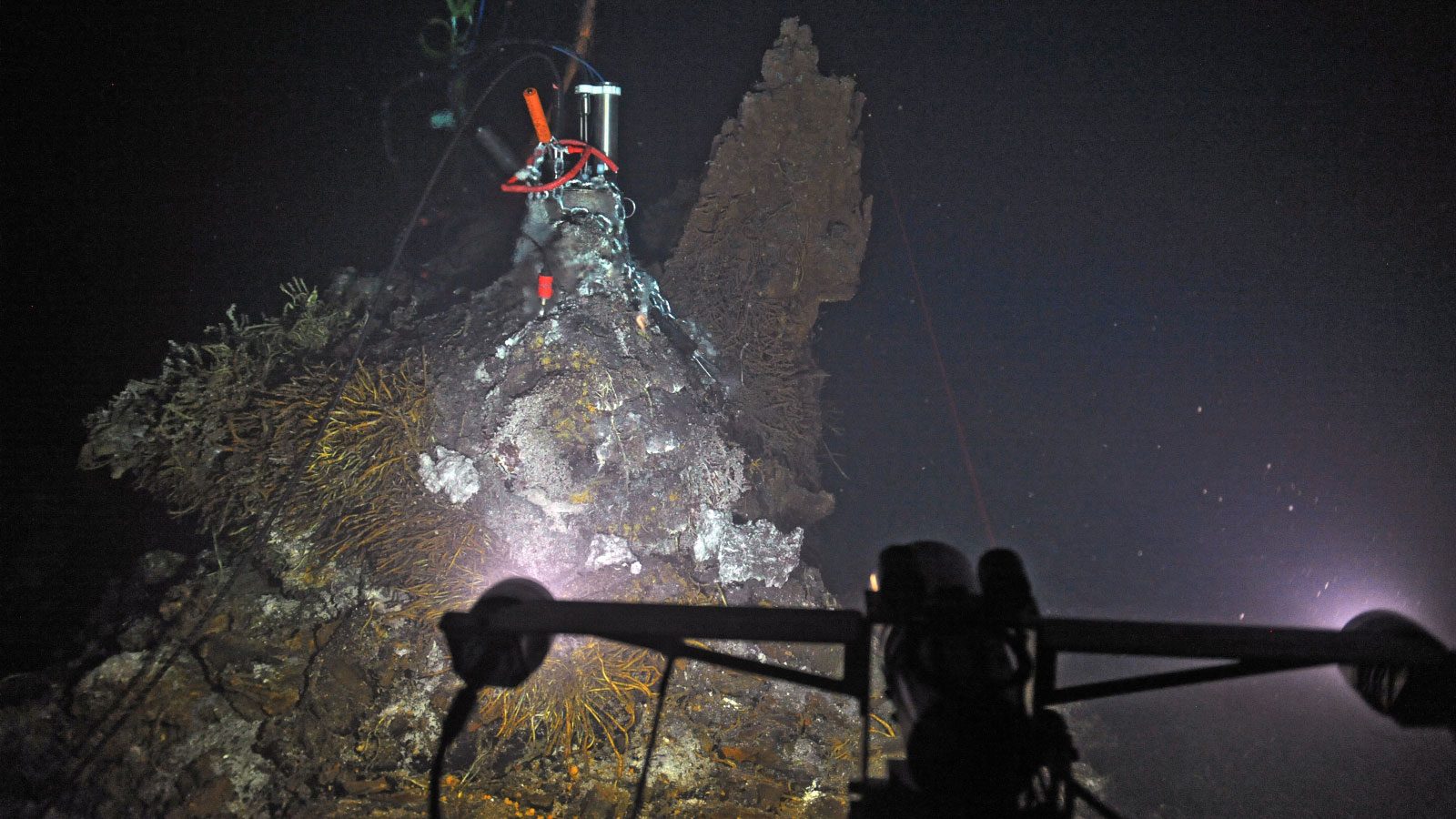
The OOI collects and serves measurements from more than 900 autonomous instruments on the seafloor and on moored and free-swimming platforms.
Read MoreA new framework for oceanographic research
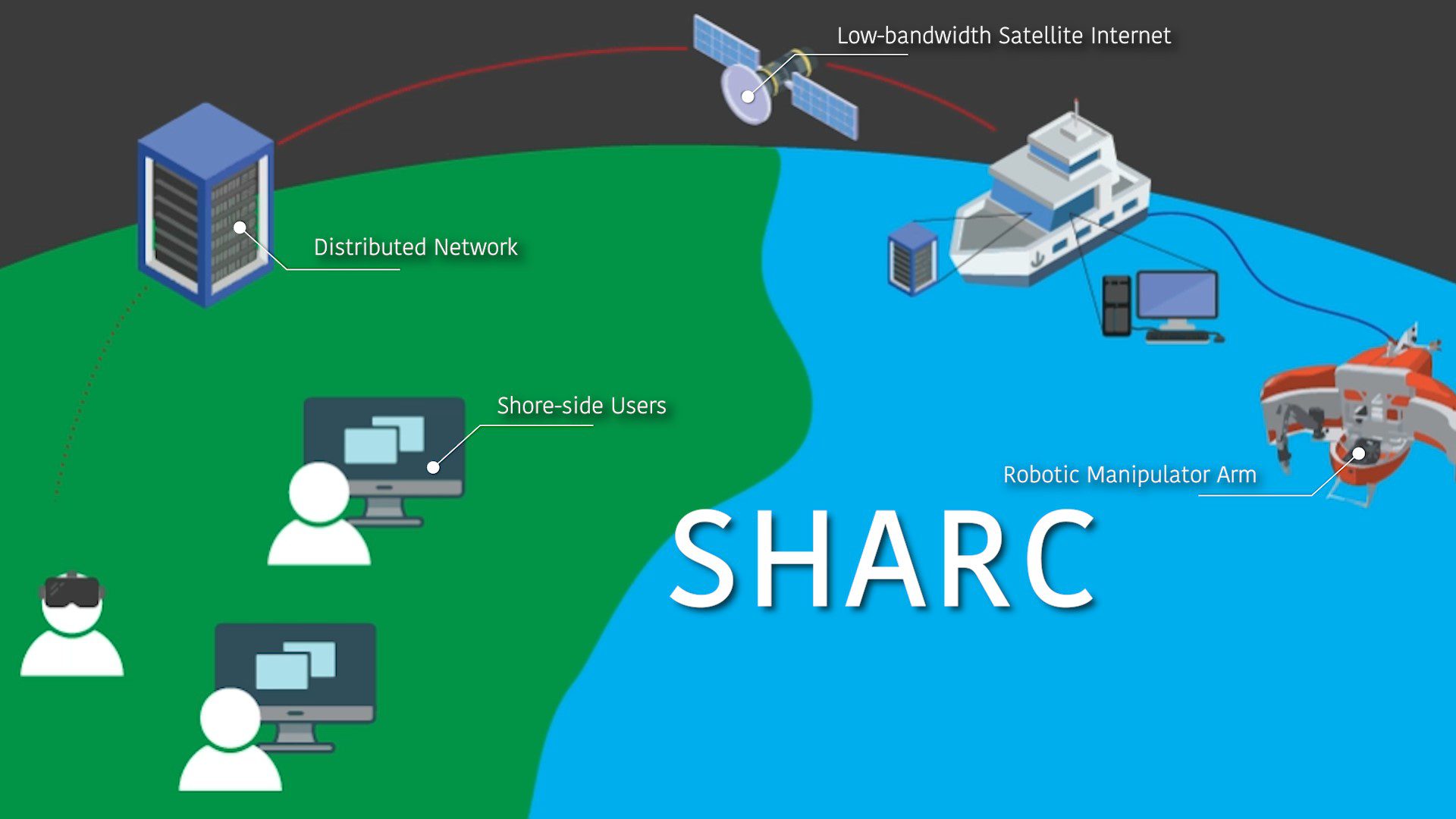
The Shared Autonomy for Remote Collaboration (SHARC) framework “enables remote participants to conduct shipboard operations and control robotic manipulators.
Read MoreScientists Aboard R/V Atlantis Discover Deep-Sea Coral Reefs in the Galápagos
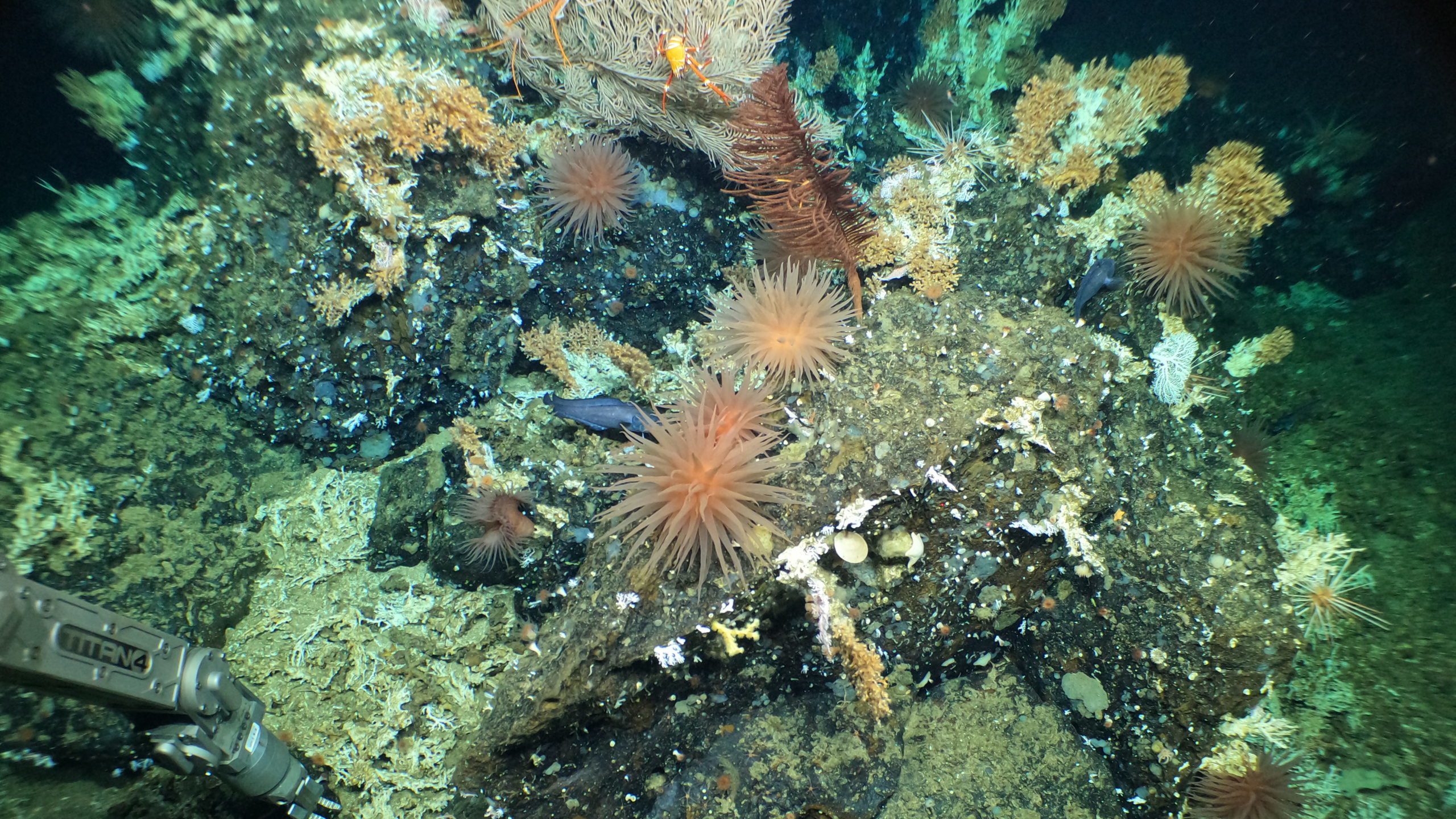
Observations using the newly upgraded human-occupied vehicle Alvin are the first of a deep-water coral reef in the Galápagos Marine Reserve.
The reefs are located at depths between 400-600 m, atop previously unmapped seamounts.
Woods Hole Oceanographic Institution partners with zoological facilities to find new ways to study heart rate, respiration in wild animal populations
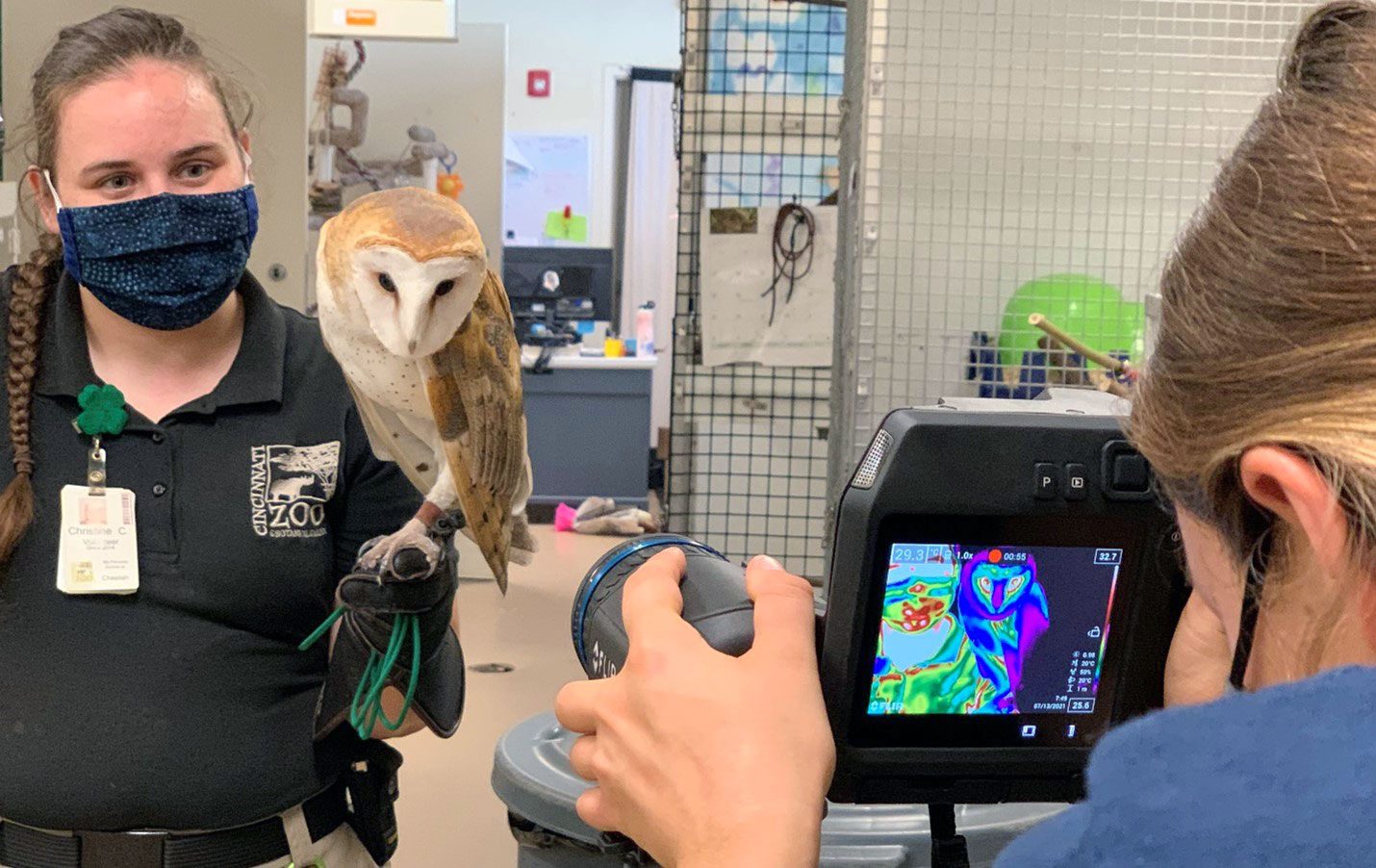
Baseline data collected in controlled settings offers a glimpse into how researchers might be able to use the technique to study animals in the wild
Read More