
News Releases
WHOI researchers head back to sea after “pause” in research expeditions
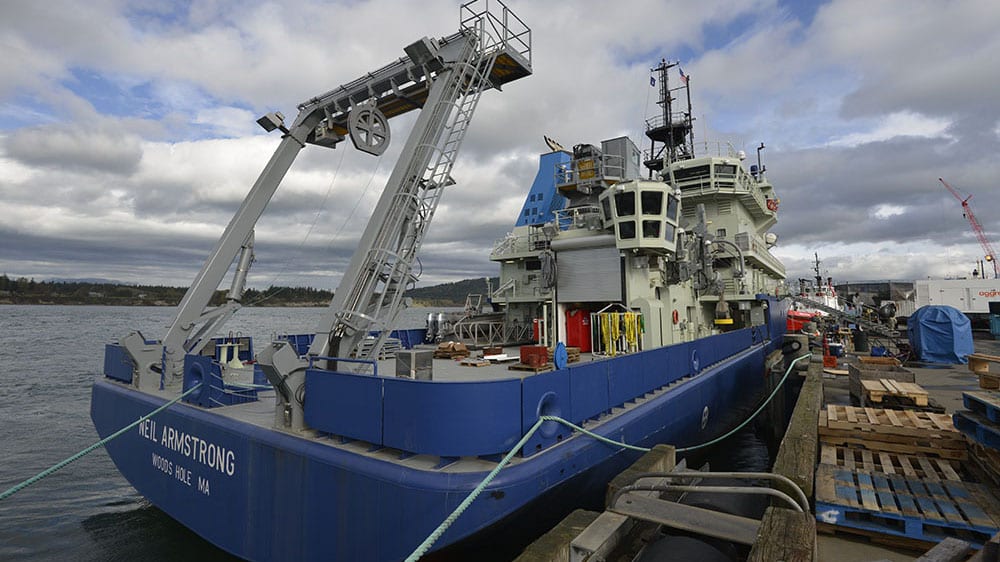
After ten weeks of preparation, nine science team members from Woods Hole Oceanographic Institution (WHOI) will depart on the R/V Neil Armstrong from Woods Hole, MA on Sunday 7 June 2020 for an 11-day expedition to service the Pioneer Array, a collection of ocean observing equipment off the New England coast, 55 miles south of Martha’s Vineyard.
Read MoreOcean explorer and filmmaker James Cameron to host virtual event on Extreme Ocean Machines
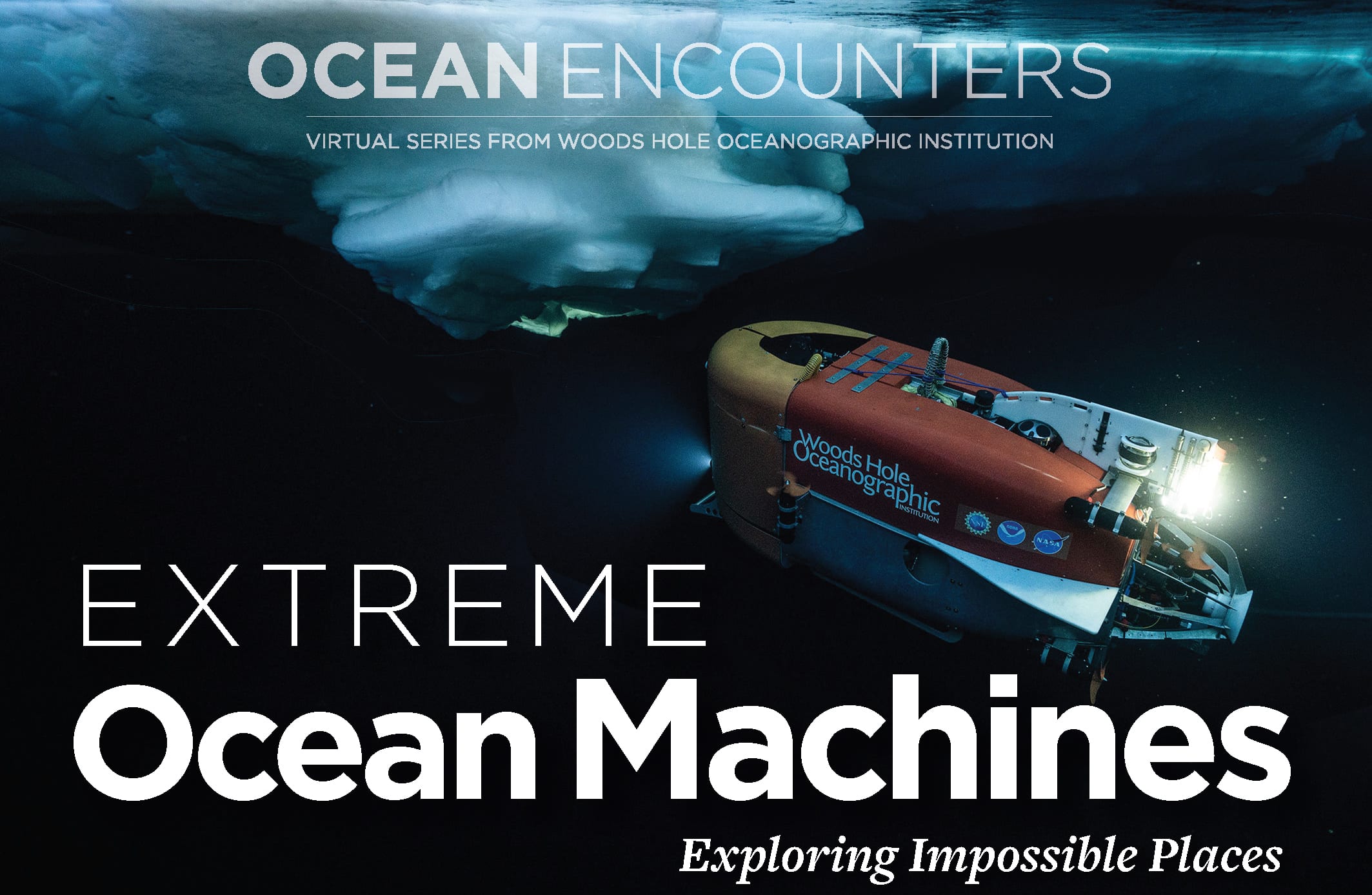
On May 20, ocean explorer and world-renowned filmmaker James Cameron will host a special edition of Ocean Encounters, a popular virtual event series from Woods Hole Oceanographic Institution.
Read MoreSharkCam reveals secret lives of basking sharks in UK
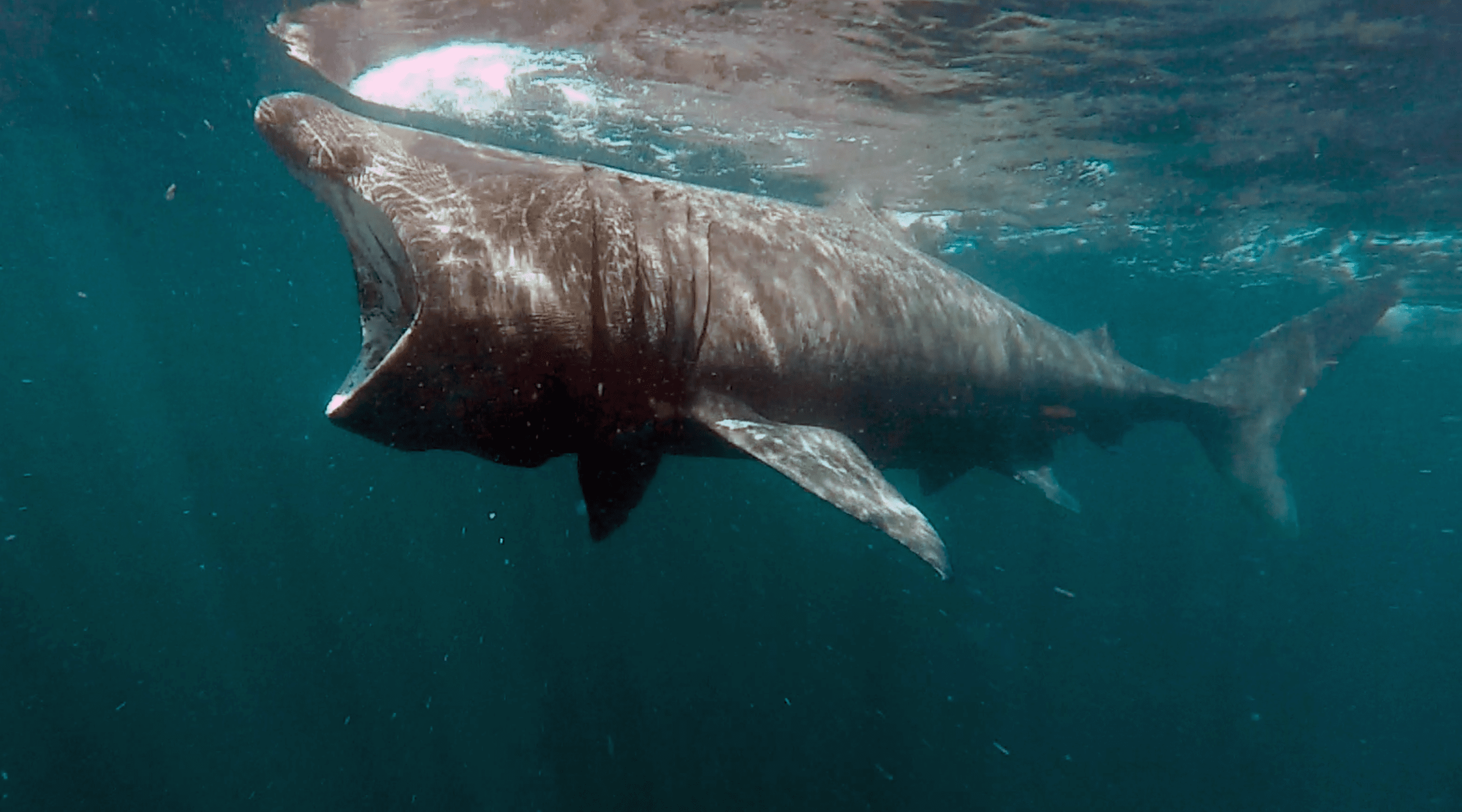
An autonomous underwater vehicle (AUV) known as the REMUS SharkCam has been used in the UK for the first time to observe the behaviour of basking sharks in the Inner Hebrides, off the west coast of Scotland.
Read MoreNOAA Names Woods Hole Oceanographic Institution to Host Cooperative Institute
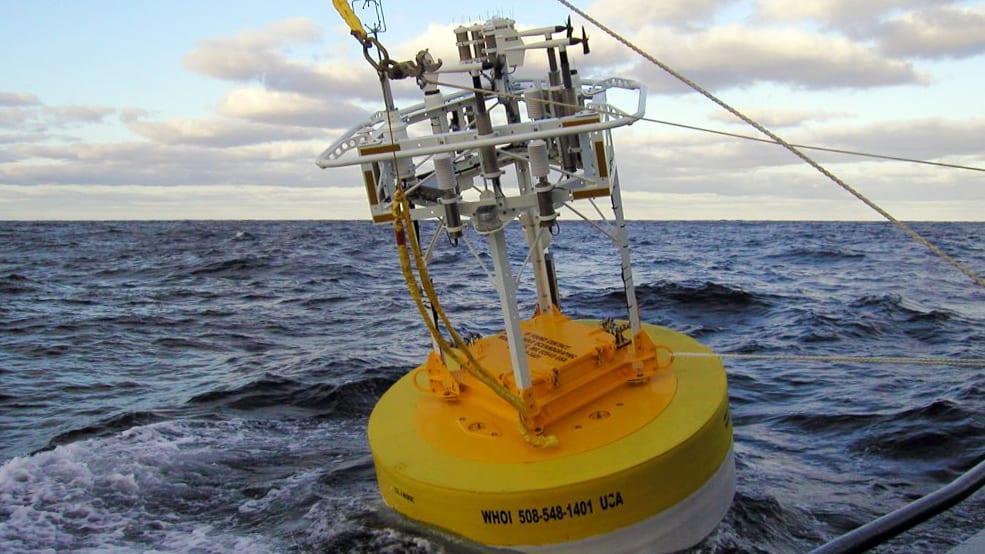
The National Oceanic and Atmospheric Administration (NOAA) selected Woods Hole Oceanographic Institution (WHOI) to host NOAA’s Cooperative Institute for the North Atlantic Region (CINAR). Cooperative Institutes are NOAA-supported, non-federal organizations…
Read MoreConstruction Begins on New Regional Class Research Vessel
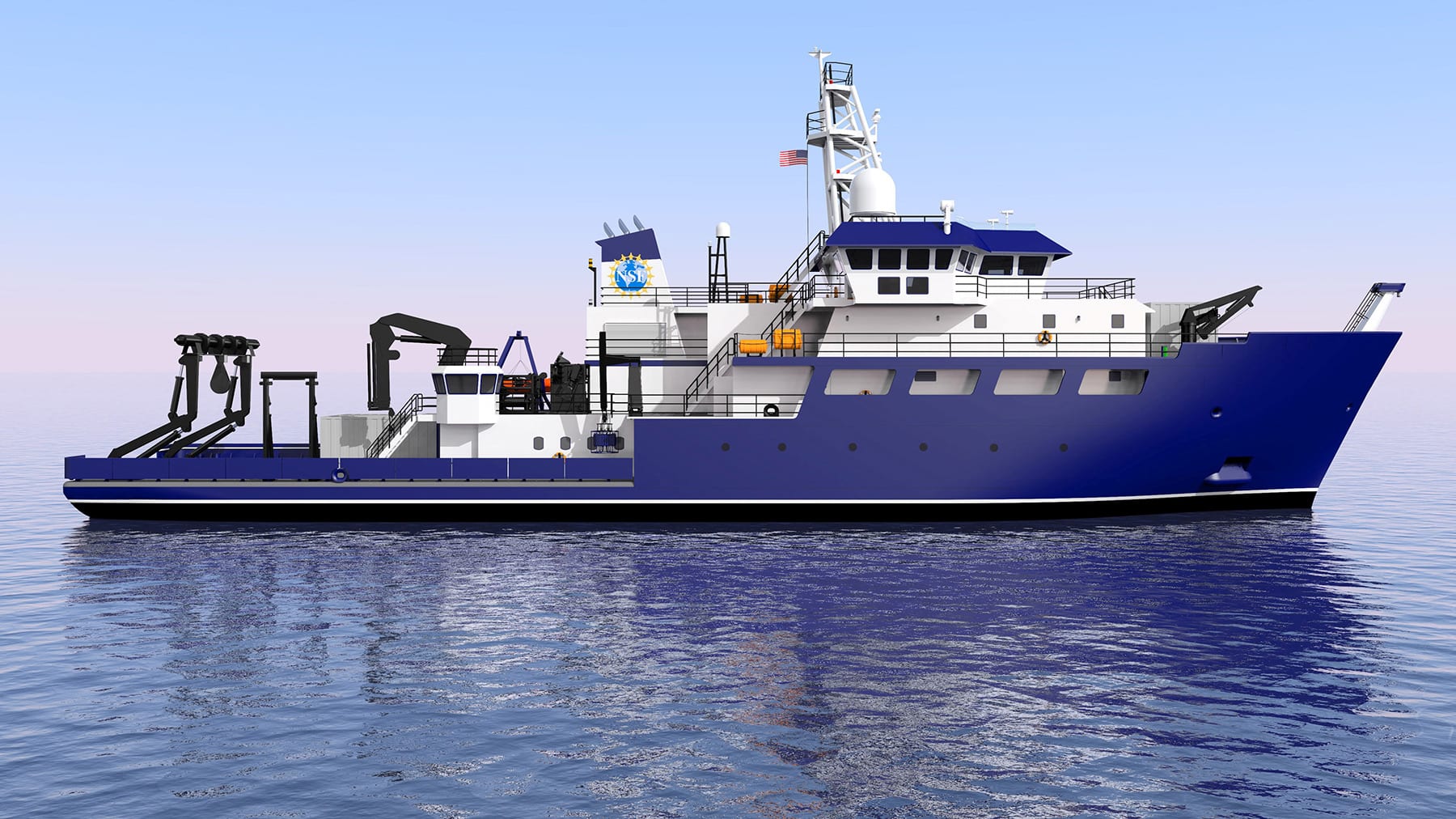
Officials from the Woods Hole Oceanographic Institution (WHOI) took part in a keel-laying ceremony this week to mark the start of construction of R/V Resolution, a new $125 million Regional Class Research Vessel (RCRV) funded by the National Science Foundation (NSF).
Read MoreWHOI to Join $94 Million Cooperative Institute
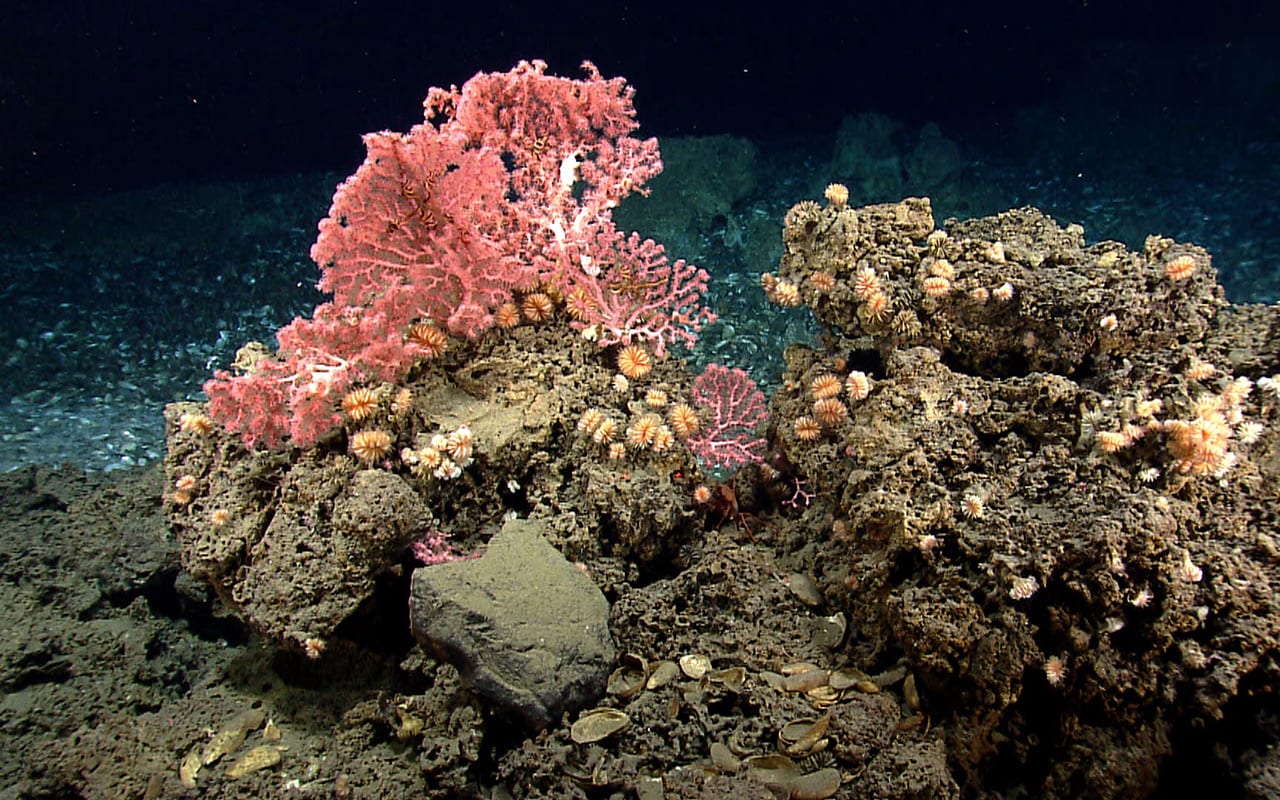
WHOI will join a new consortium led by the University of Rhode Island Graduate School of Oceanography to support ocean exploration.
Read MoreWHOI to be Featured in Upcoming BBC Program ‘Blue Planet Live’
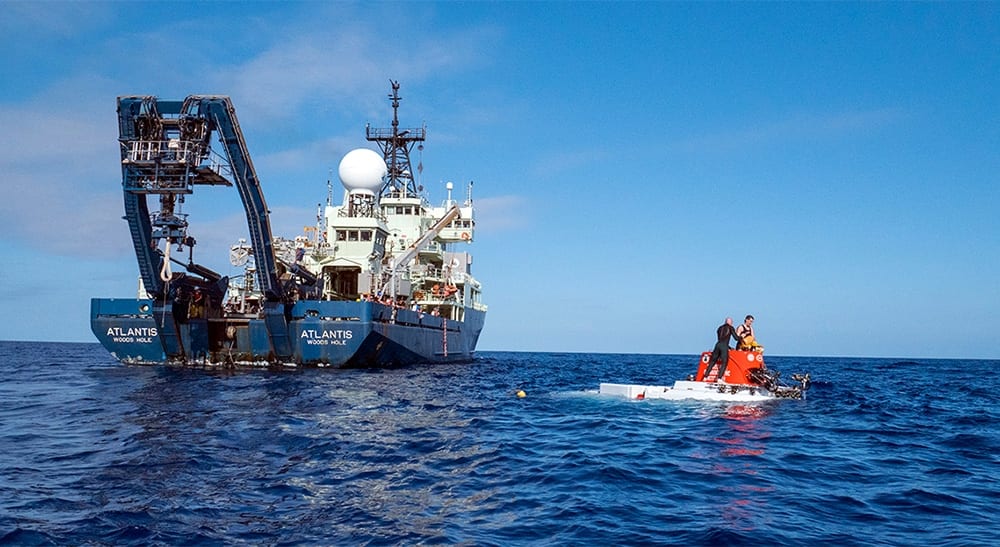
Scientists, engineers, vehicle operators, and ship crew from the Woods Hole Oceanographic Institution (WHOI) will be a featured part of the upcoming BBC program, Blue Planet Live, which will air over four nights beginning March 24. The series will include two live broadcasts from the research vessel Atlantis showing launch and recovery of the human-occupied submersible Alvin.
Read MoreGroups of Pilot Whales Have Their Own Dialects
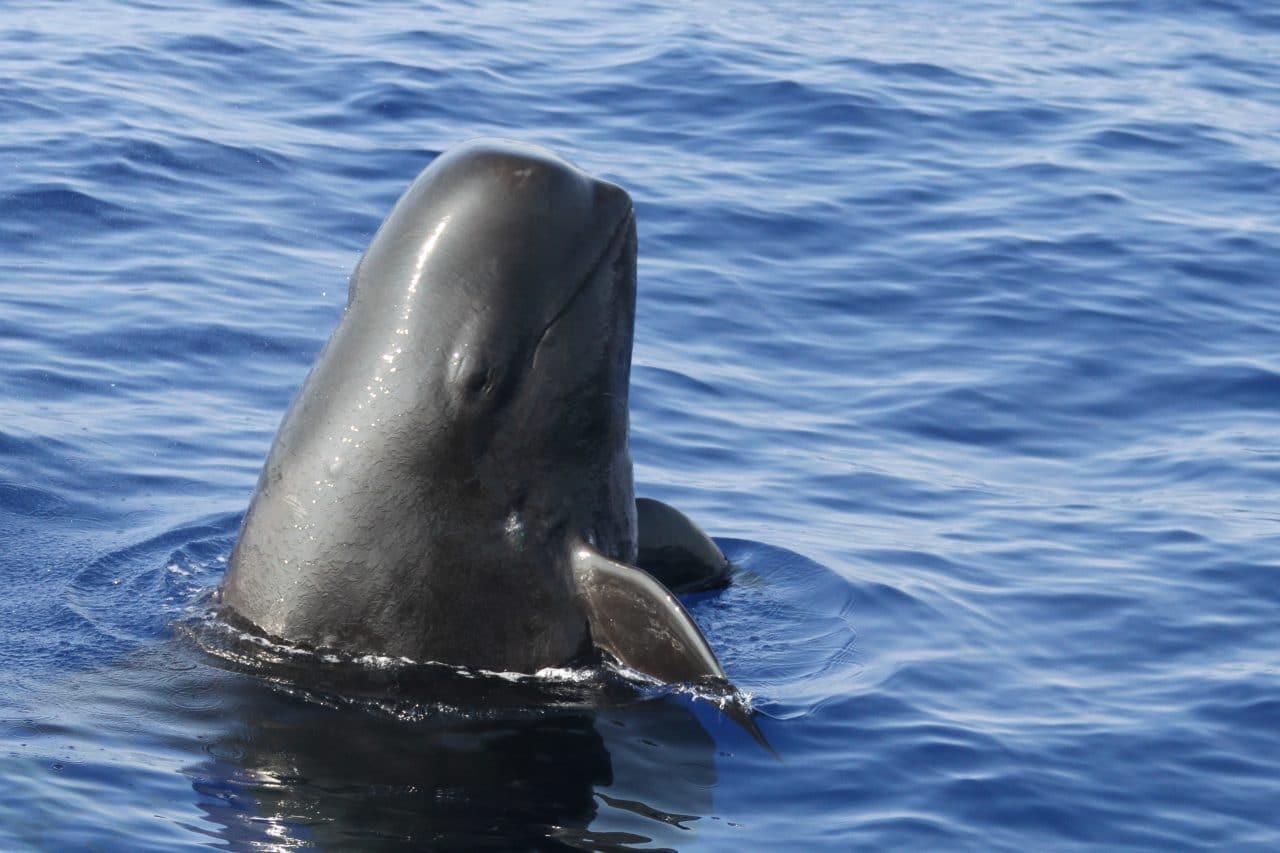
In humans, different social groups, cities, or regions often have distinct accents and dialects. Those vocal traits are not unique to us, however. A new study from the Woods Hole Oceanographic Institution (WHOI) has found that short-finned pilot whales living off the coast of Hawai’i have their own sorts of vocal dialects, a discovery that may help researchers understand the whales’ complex social structure.
Read MoreCoral Larvae Use Sound to Find a Home on the Reef
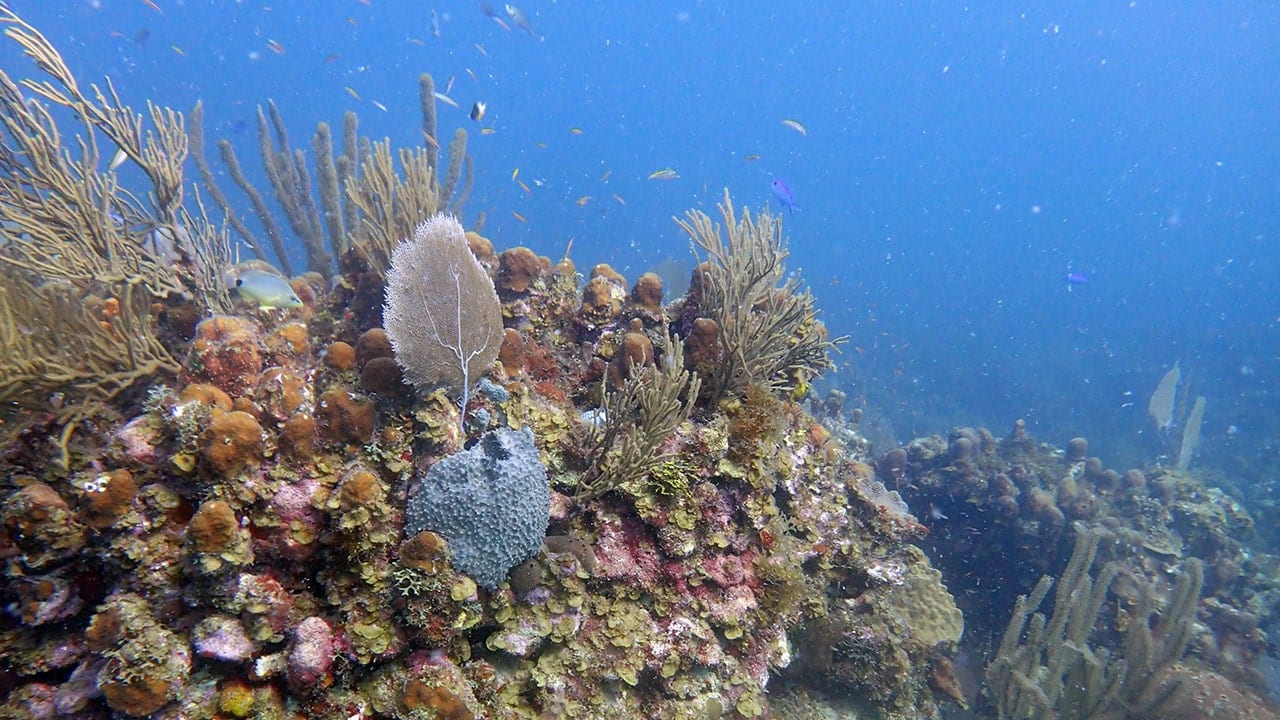
Choosing a place to call home is one of the most consequential choices a coral can make. In the animal’s larval stage, it floats freely in the ocean, but once it settles down, it anchors itself permanently to the rocky substrate of a reef, and remains stuck there for the rest of its life. Exactly how these larvae choose a specific place to live, however, is largely unclear.
Read MoreAlvin Submersible Makes 5,000th Dive
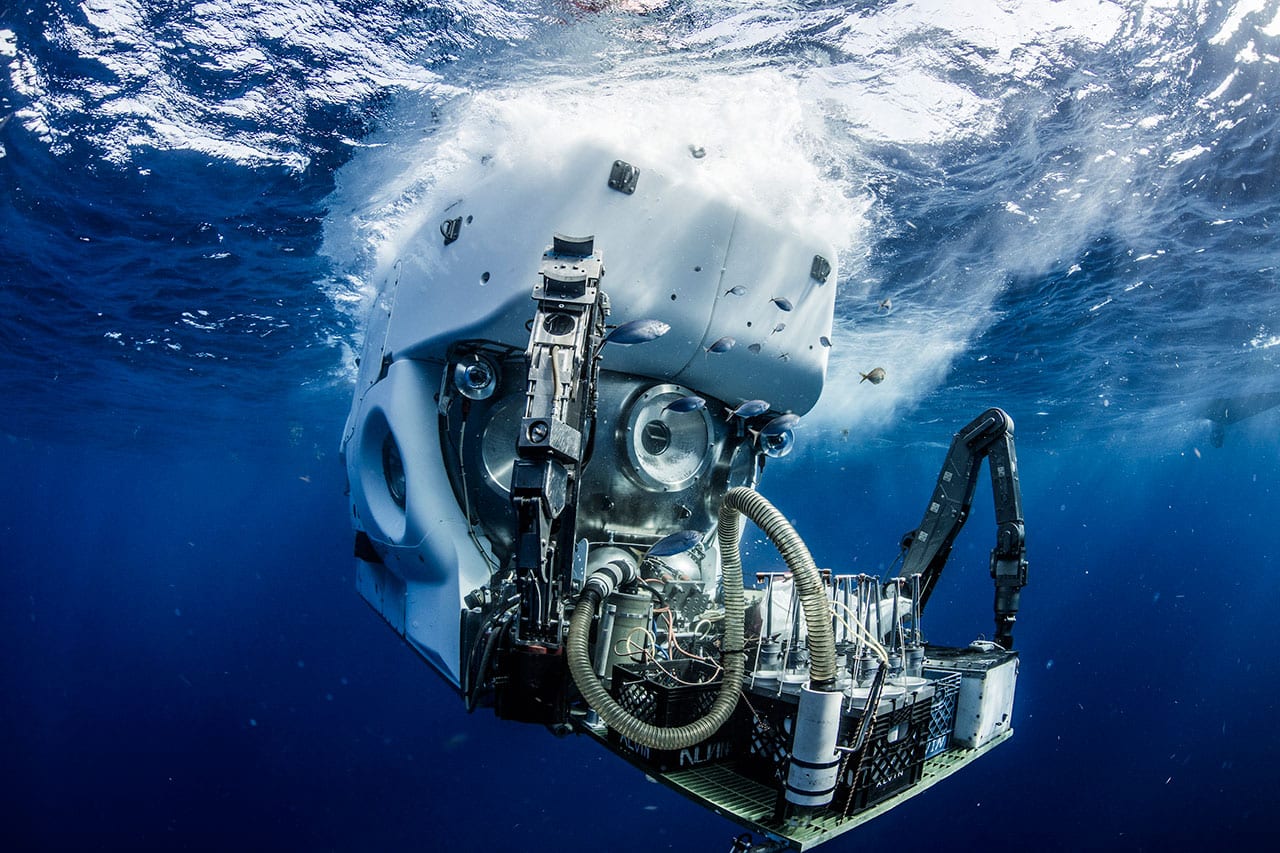
Alvin, the country’s only deep-diving research submersible capable of carrying humans to the sea floor, reached another milestone in its long career on Nov. 26, 2018, when the sub made its 5,000th dive during an expedition to the Guaymas Basin in the Gulf of California.
Read MoreNew Details on Discovery of San Jose Shipwreck
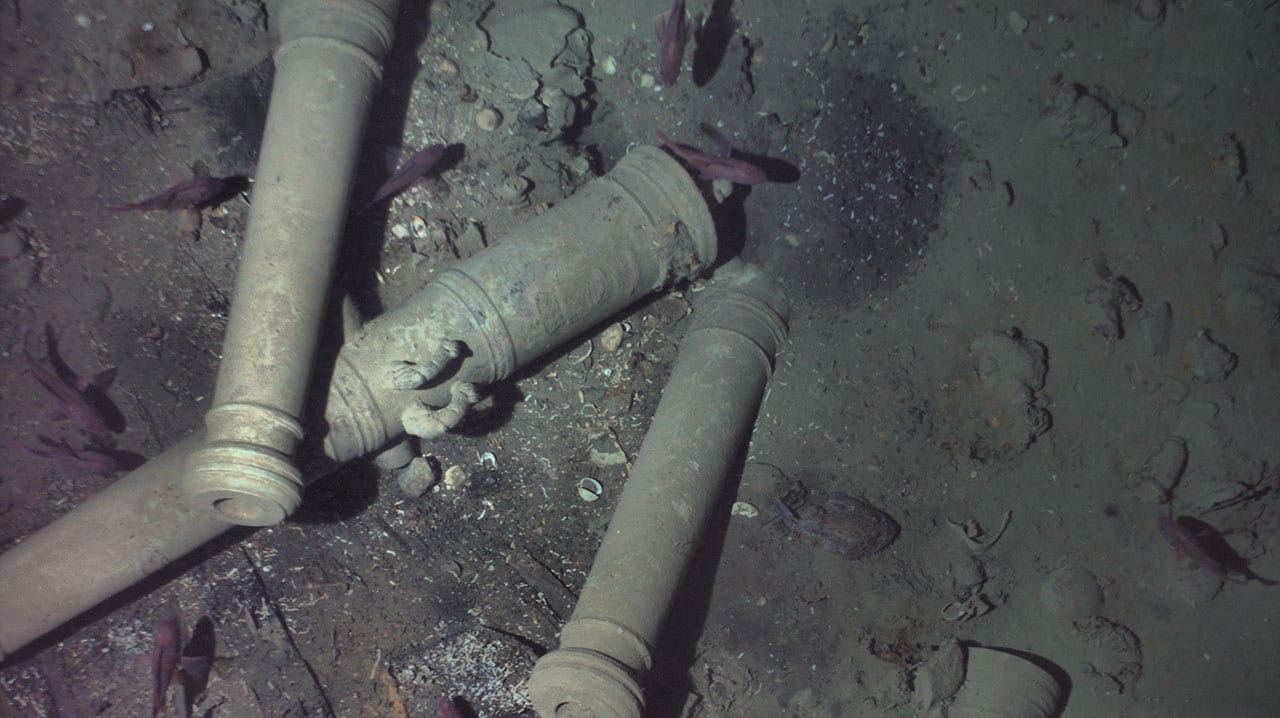
The Woods Hole Oceanographic Institution (WHOI) recently obtained authorization by Maritime Archaeology Consultants, Switzerland AG (MAC), and the Colombian government to release new details from the successful search for the three-century old San José 62-gun, three-masted Spanish galleon ship that sank with a cargo believed to be worth billions of dollars. The ship, which is often called the ‘holy grail of shipwrecks,’ went down with a treasure of gold, silver, and emeralds in 1708 during a battle with British ships in the War of Spanish Succession.
Read MoreHeidi Sosik Selected as a Fellow of The Oceanography Society
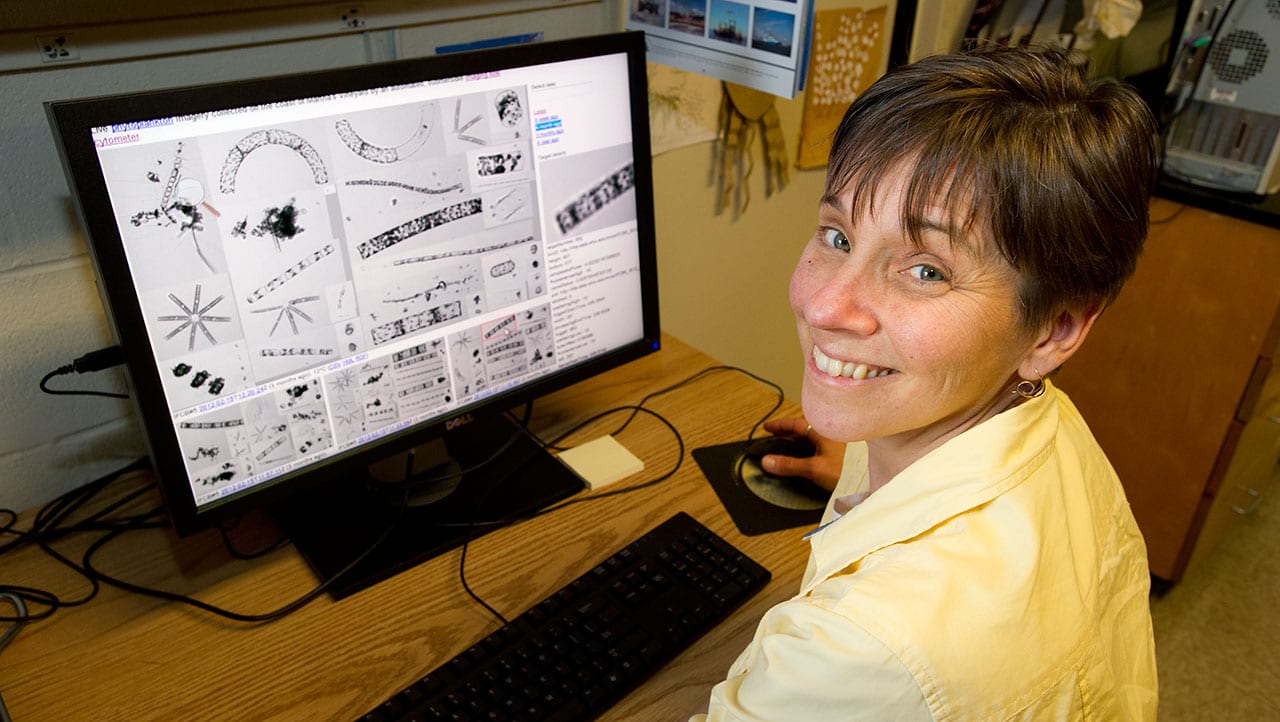
Heidi Sosik, a senior scientist in the Biology Department at Woods Hole Oceanographic Institution (WHOI) has been named a 2018 Fellow of The Oceanography Society (TOS). Sosik’s accomplishments will be formally recognized on Feb. 13, 2018, during a ceremony at the 2018 Ocean Sciences Meeting in Portland, Oregon.
Read MoreA Close-up Look at a Rare Underwater Eruption
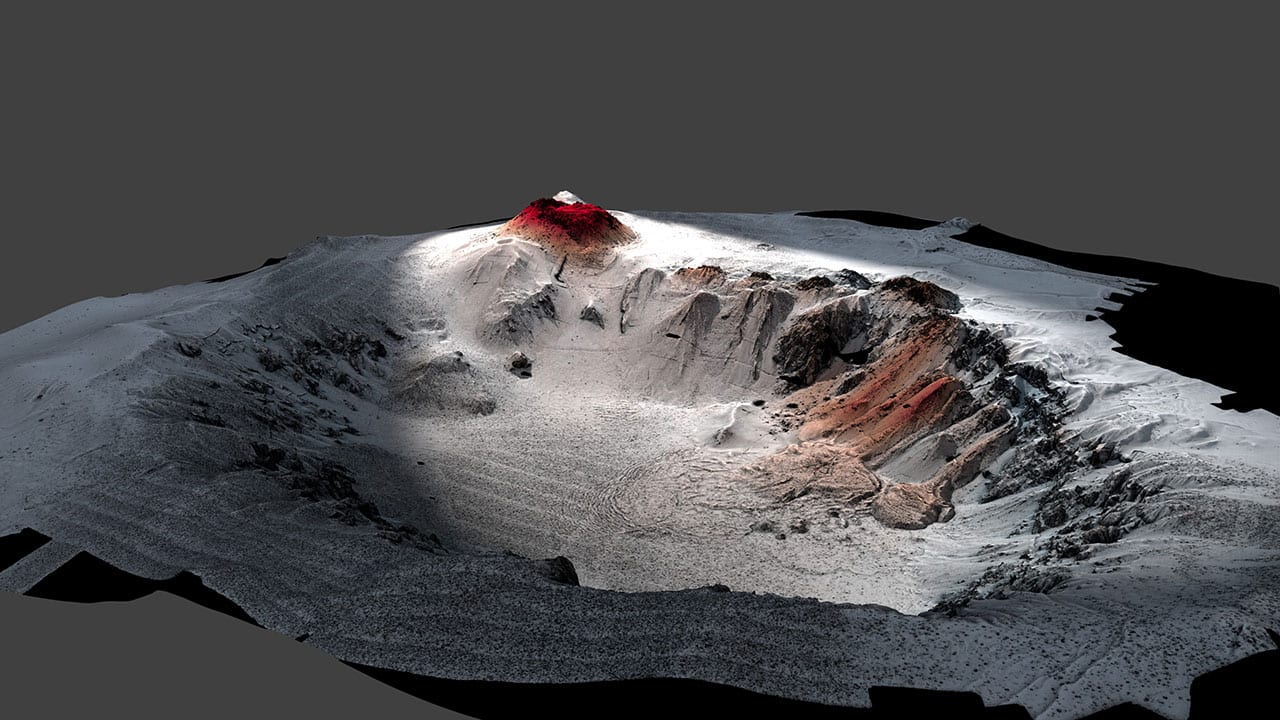
A new paper published January 10, 2018, in the journal Science Advances describes the first up-close investigation of the largest underwater volcanic eruption of the past century. The international research team led by the University of Tasmania and the Woods Hole Oceanographic Institution (WHOI) used the autonomous underwater vehicle (AUV) Sentry and the remotely operated vehicle (ROV) Jason to explore, map, and collect erupted materials from the Havre volcano during a 2015 expedition. They found that the eruption was surprising in many ways.
Read MoreRe-envisioning Underwater Imaging
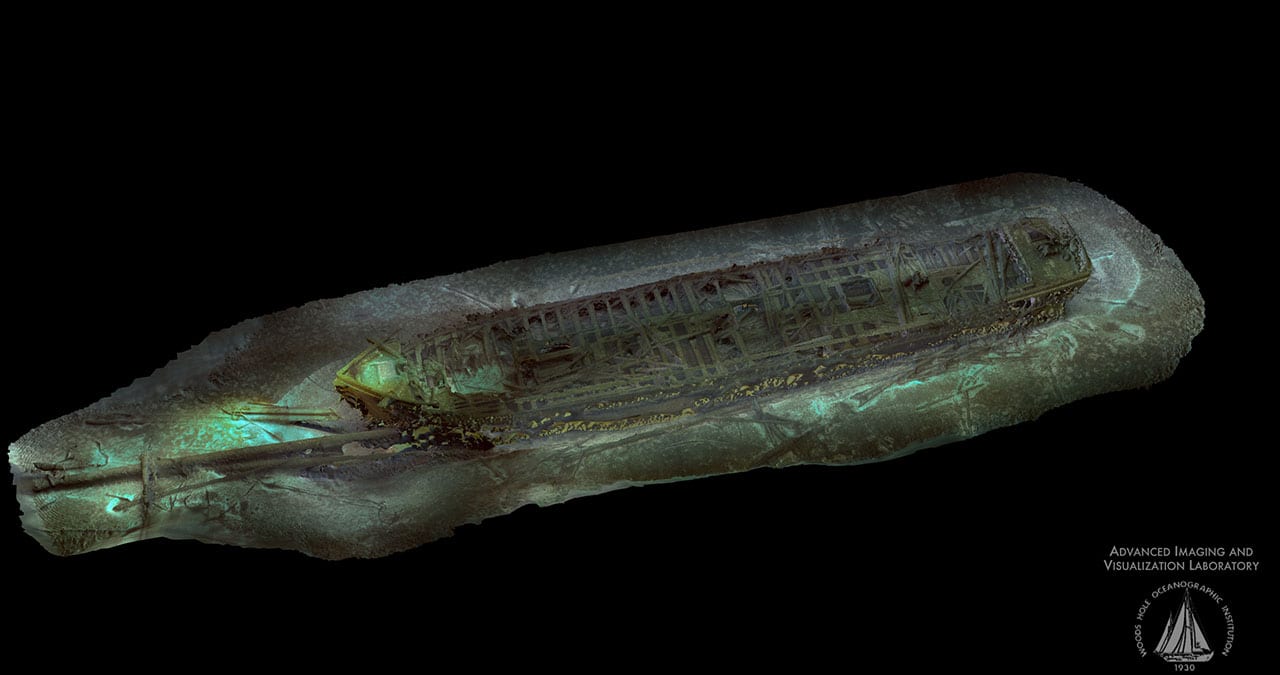
The Advanced Imaging and Visualization Laboratory (AIVL) at the Woods Hole Oceanographic Institution (WHOI) working with Marine Imaging Technologies has developed a revolutionary new multi-function, underwater imaging system capable of generating ultra-high definition television (UHDTV) video, 2-D mosaic imaging, and 3-D optical models of seafloor objects and environments. The new state-of-the-art technology is currently being field-tested on several submerged shipwreck sites in both the U.S. and Europe.
Read MoreScientists Now Listening for Whales in New York Waters With Real-time Acoustic Buoy
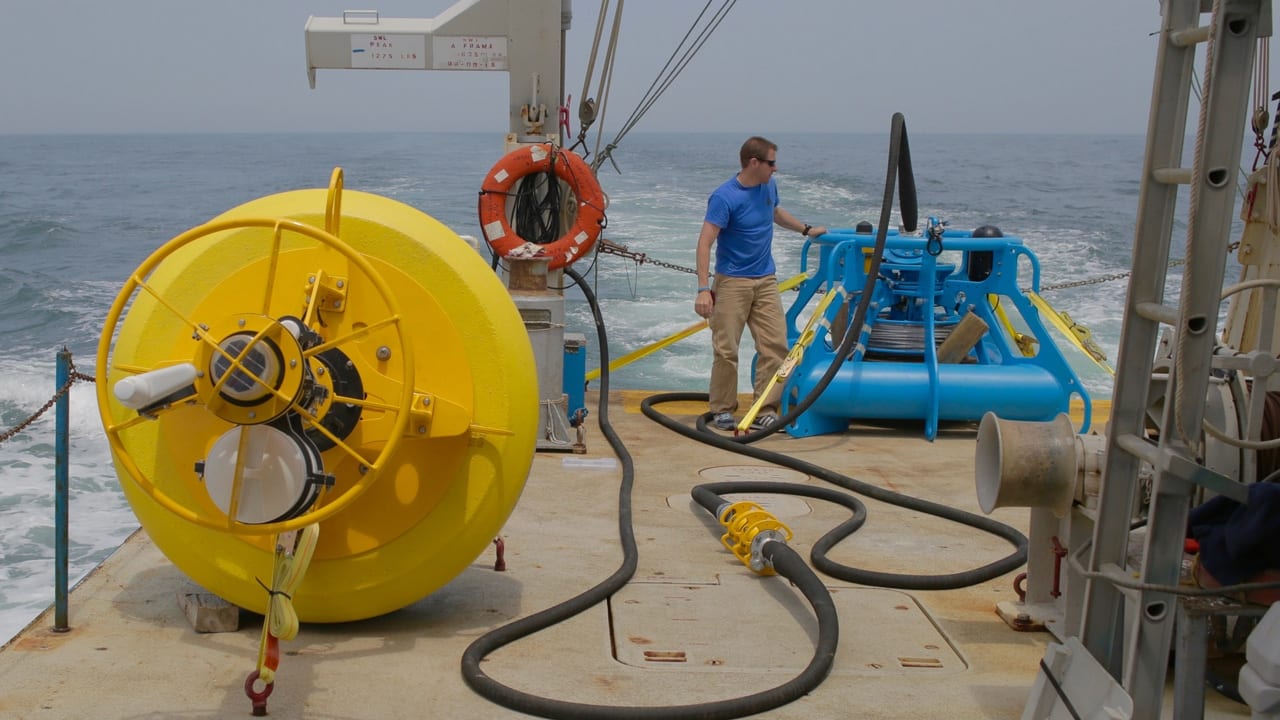
Scientists working for WCS’s (Wildlife Conservation Society) New York Aquarium and the Woods Hole Oceanographic Institution (WHOI) now have an “ear” for the New York region’s biggest “voices and singers”‘ the whales of New York Bight.
Read MoreSharkCam Tracks Great Whites into the Deep
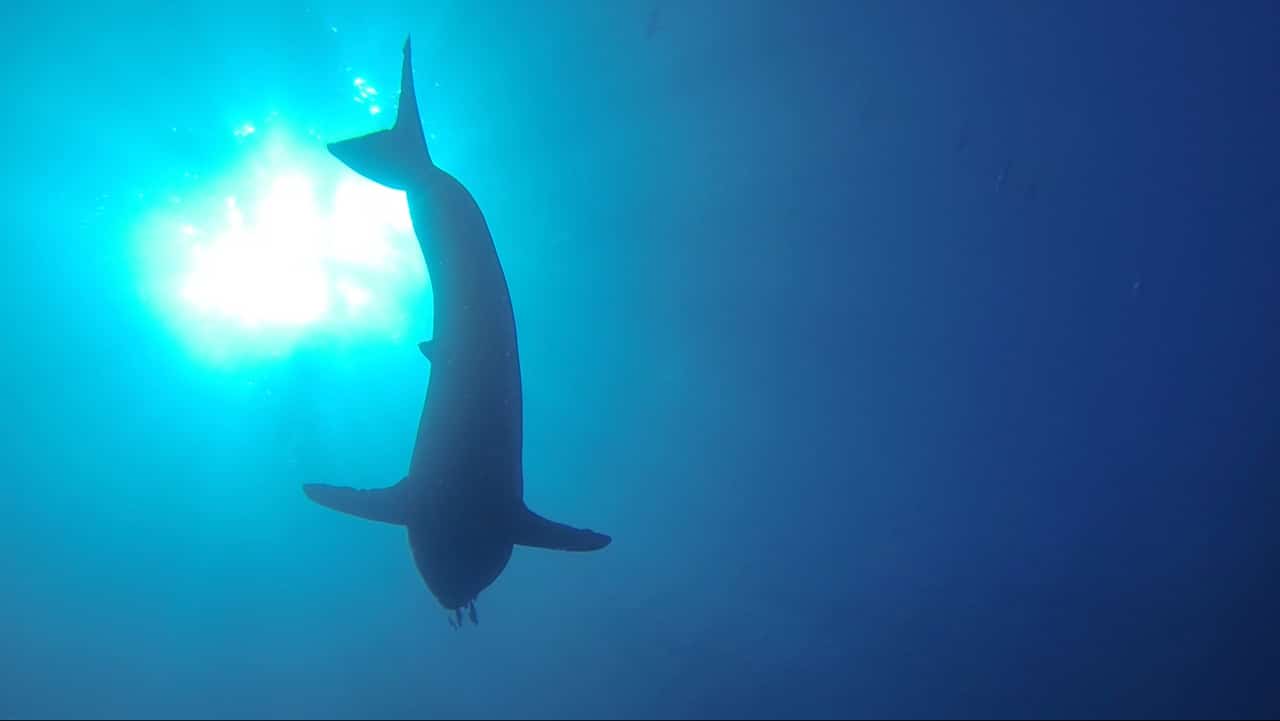
On the first trip to study great white sharks in the wild off Guadalupe Island in 2013, the REMUS SharkCam team returned with an autonomous underwater vehicle (AUV) tattooed with bite marks and some of the most dramatic footage ever seen on Discovery Channel’s Shark Week: large great white sharks attacking the underwater robot, revealing previously unknown details about strategies sharks use to hunt and interact with their prey.
Read MoreRobotic Vehicles Offer a New Tool in Study of Shark Behavior
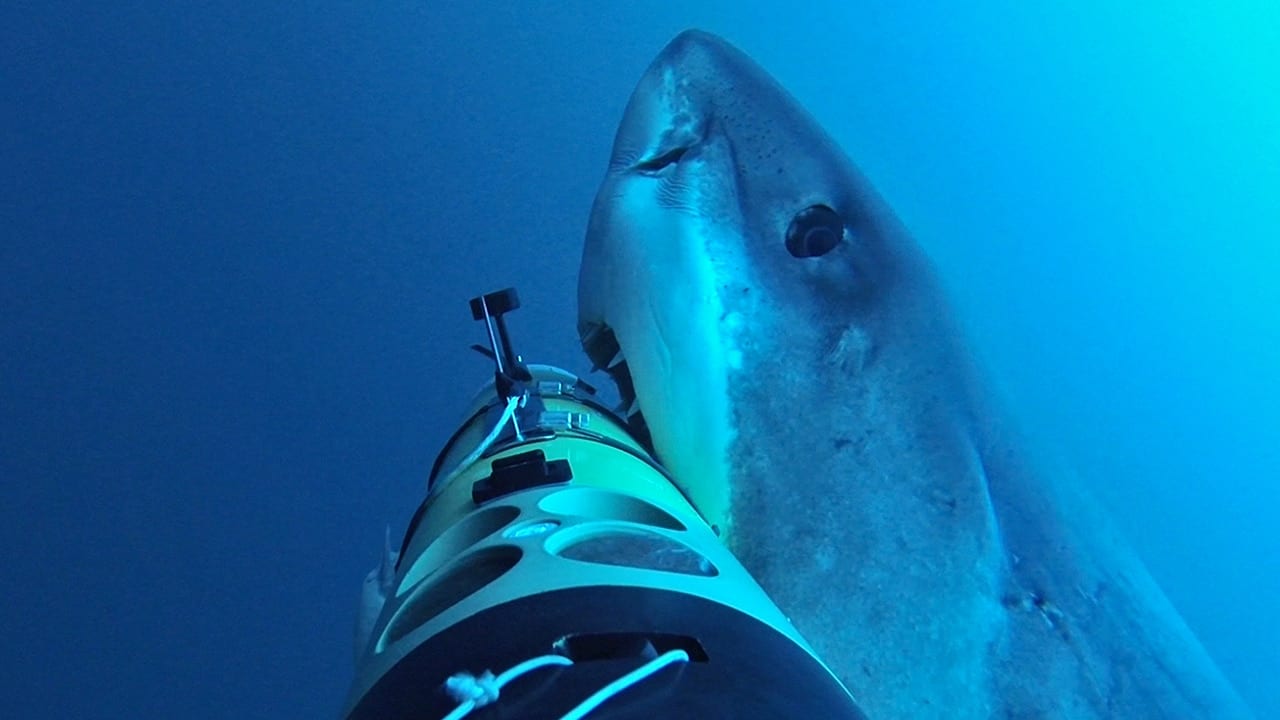
The dramatic video footage of a great white shark attacking the “REMUS SharkCam” autonomous underwater vehicle (AUV) brought some of the highest ratings to Discover Channel’s Shark Week 2014 and went viral on the Internet.
But while the footage was unprecedented, the scientific understanding enabled by the REMUS SharkCam is just as groundbreaking. The AUV was used during a science expedition in 2013 to better understand white shark behavior and represents the first successful efforts to autonomously track and image any animal in the marine environment. The research provides critical data to efforts to conserve these animals.
“We wanted to test the REMUS SharkCam technology to prove that is was a viable tool for observing marine animals – sharks in this case – and to collect substantial data about the animals’s behavior and habitat,” said WHOI engineer Amy Kukulya, one of REMUS SharkCam’s principal investigators.
The research results were recently published in the Journal of Fish Biology. The paper’s lead author is Greg Skomal, a biologist with the Massachusetts Division of Marine Fisheries. In addition to Kukulya, co-authors include biologist E. M. Hoyos-Padilla of Pelagios-Kakunjá, a Mexican marine conservation organization, and WHOI engineer and REMUS SharkCam software developer Roger Stokey.
Read MoreDeep-Sea Images Give New View of Arctic Ocean Methane Seeps
Working with colleagues from the Centre for Arctic Gas Hydrate, Environment and Climate (CAGE) in Norway, Dan Fornari from Woods Hole Oceanographic Institution’s (WHOI) Geology & Geophysics Department collected nearly 30,000 high definition images at known methane release sites in the Arctic Ocean north of Norway. The detailed images will provide new insights into the most remote areas of natural methane releases in the world.
Read MoreCamera’s Eye Sees Large Numbers of Young Scallops Off Delaware Bay
NOAA researchers and colleagues from the Woods Hole Oceanographic Institution (WHOI) have reported what appears to be a banner year for young sea scallops off the Delmarva Peninsula in mid-Atlantic waters of the U.S. NOAA’s HabCamV4, a towed imaging and sensor platform, has photographed miles of sea bottom packed with as many as 350 sea scallops in less than 1 square meter (less than three square feet). Other colorful images captured by the HabCam showed swimming scallops, sea stars and crabs—both scallop predators—and many species of fish, squid and sponges.
Read MoreResearch Submersible Alvin Completes Depth Certification to 4500 Meters
The Woods Hole Oceanographic Institution (WHOI) announces that the Human Occupied Vehicle (HOV) Alvin has achieved certification from the U. S. Naval Sea Systems Command (NAVSEA) for operations to its rated depth of 4,500 meters (approx. 2.8 miles). Two dives were conducted in the waters off Arica, Chile, on January 26-27 from the research vessel Atlantis, demonstrating vehicle performance in accordance with the specified metrics required for certification. NAVSEA representatives were on hand to monitor the process and participate in the dives.
Read MoreNereid Under Ice Vehicle: A Powerful New Tool for Polar Science
Scientists studying the harsh and rapidly changing Arctic environment now have a valuable new tool to advance their work—an innovative robot, designed and built at the Woods Hole Oceanographic Institution (WHOI) that is changing the way scientists can interact with and observe the polar environment.
Read MoreDEEPSEA CHALLENGER Travels to NYC for Cameron Film Premiere
The co-star of the James Cameron’s latest film is not your typical Hollywood starlet. She’s 24-feet long, bright green and weighs approximately 11.8 tons. The one-of-a-kind, deep-diving submersible DEEPSEA CHALLENGER…
Read MoreJames Bellingham Appointed Director of WHOI Center for Marine Robotics
The Woods Hole Oceanographic Institution has appointed James Bellingham as the first director of its Center for Marine Robotics. Bellingham will come to WHOI in early fall 2014 from the…
Read MoreIconic Research Submersible Alvin Turns 50
We know more about the surface of other planets than we do about Earth’s ocean. And what is known about our ocean would not have been possible without the deep-sea…
Read More