
News Releases
Sea Surface Temperature Research Provides Clear Evidence of Human-Caused Climate Change
New oceanic research provides clear evidence of a human “fingerprint” on climate change and shows that specific signals from human activities have altered the seasonal cycle amplitude of sea surface temperatures.
Read MoreNew federal funding to accelerate ocean-climate resilience
WHOI-led team receives funding to help small businesses prepare communities across the nation for climate change
Read MoreEvidence of Climate Change in the North Atlantic can be Seen in the Deep Ocean, Study Finds
Woods Hole, Mass. –Evidence of climate change in the North Atlantic during the last 1,000 years can be seen in the deep ocean, according to a newly published paper led…
Read MoreInteractive Climate Tour Opens in Woods Hole

A diverse group of community members, local businesses, government officials, and science institutions came together yesterday to officially launch a self-guided climate walking trail in the village of Woods Hole. The ResilientWoodsHole (RWH) Climate Walking Trail opened to the public with a ribbon cutting ceremony at the Woods Hole Waterfront Park.
Read MoreNew Study Definitively Confirms Gulf Stream Weakening
The Gulf Stream – which is a major ocean current off the U.S. East Coast and a part of the North Atlantic Ocean circulation – plays an important role in weather and climate, and a weakening could have significant implications.
Read MoreTop Fish Predators Could Suffer Wide Loss of Suitable Habitat by 2100 Due to Climate Change
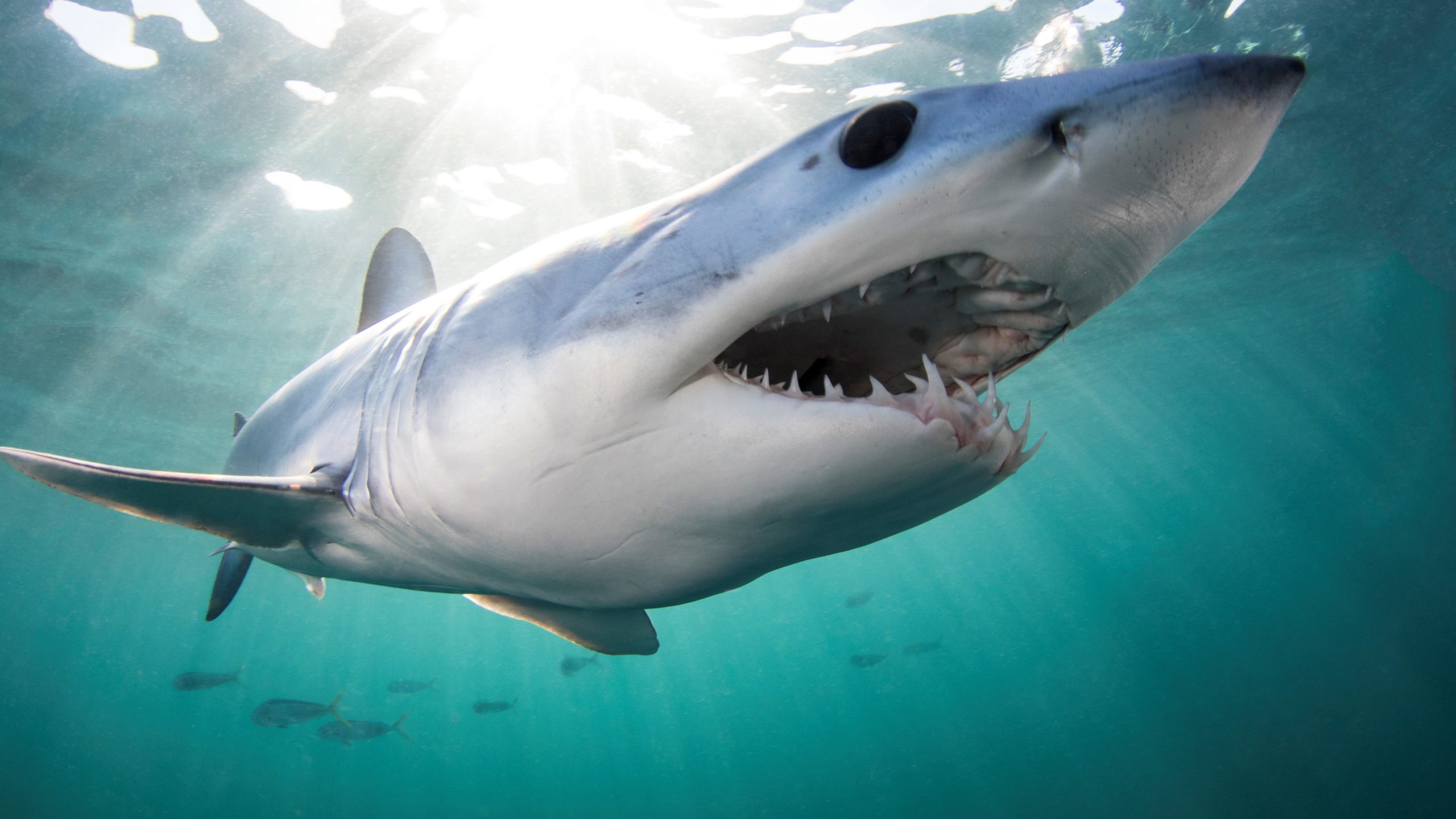
The impacts of climate change on habitats are already evident Woods Hole, MA — A study of 12 species of highly migratory fish predators—including sharks, tuna, and billfish such as…
Read MoreOleander Project Transfers to WHOI Management
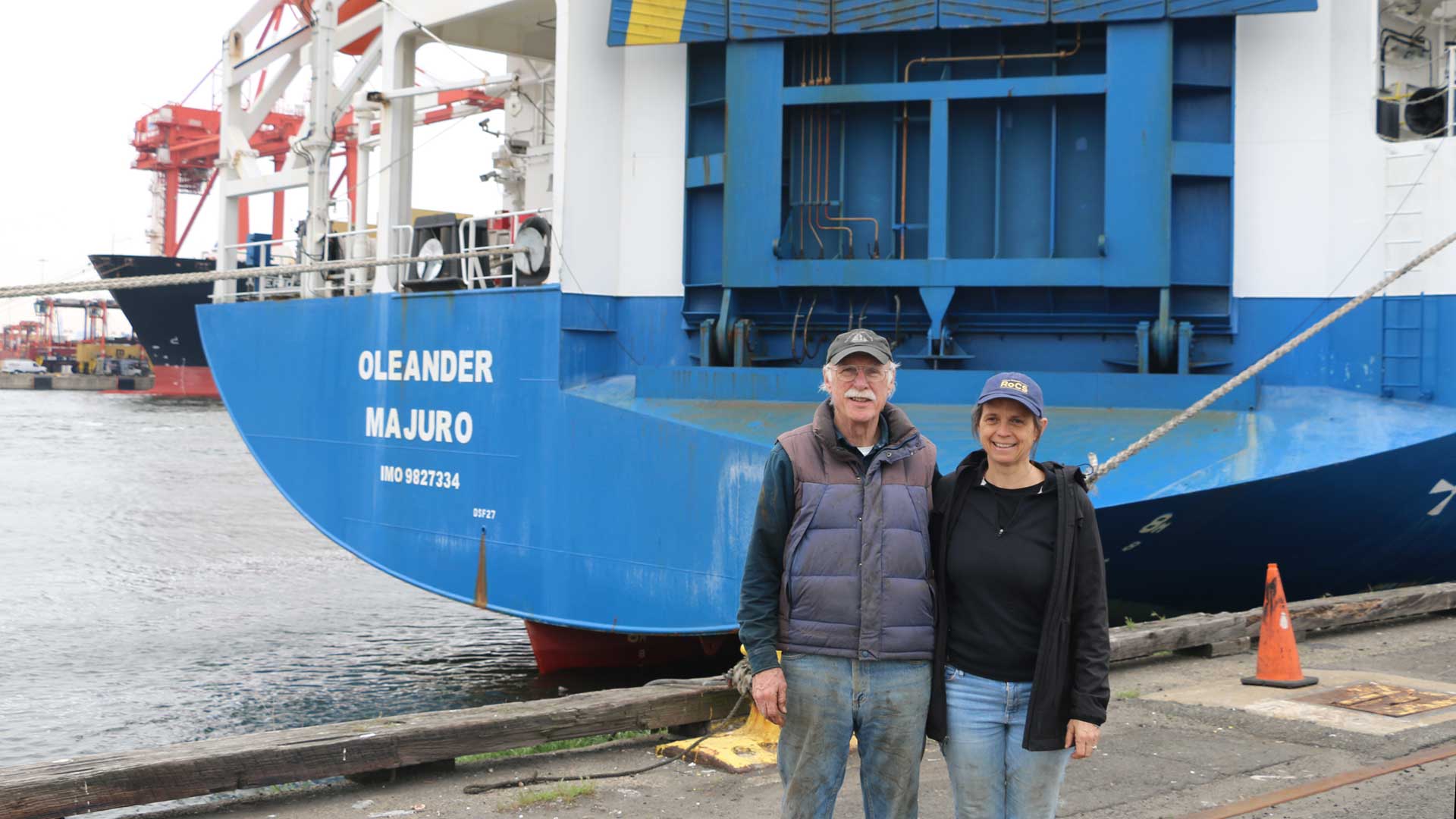
30-year effort to monitor the Gulf Stream and Northwest Atlantic circulation will continue providing crucial data and insights
Read MoreAtmospheric Research Provides Clear Evidence of Human-Caused Climate Change Signal Associated with CO2 Increases

Claims that Climate Change Is Natural are Inconsistent with Atmospheric Temperature Trends
Read MoreExcess Nutrients Lead to Dramatic Ecosystem Changes in Cape Cod’s Waquoit Bay
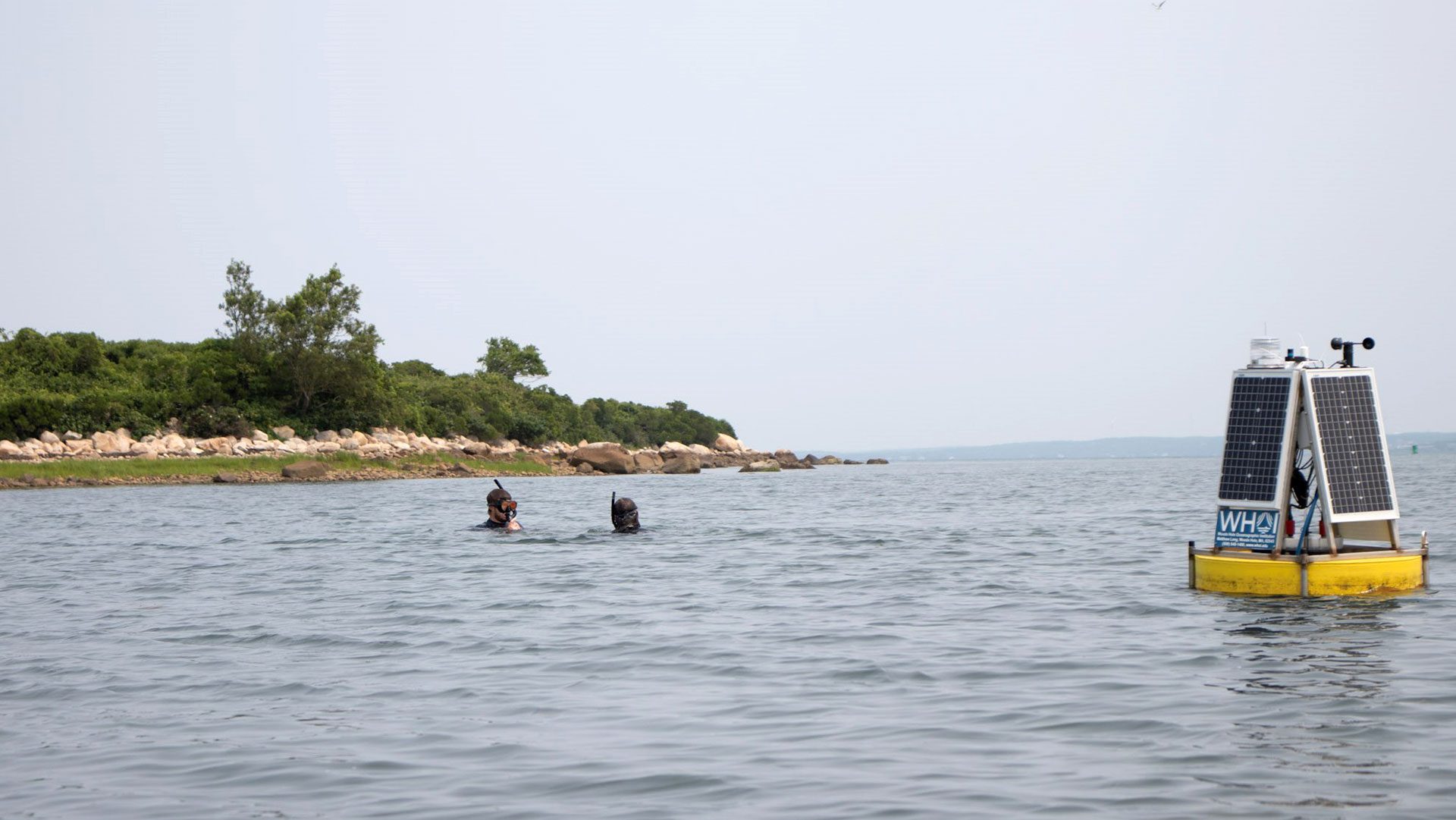
The Bay Is a harbinger for estuaries worldwide, say researchers
Read MorePaleoclimate data show land will warm more than sea
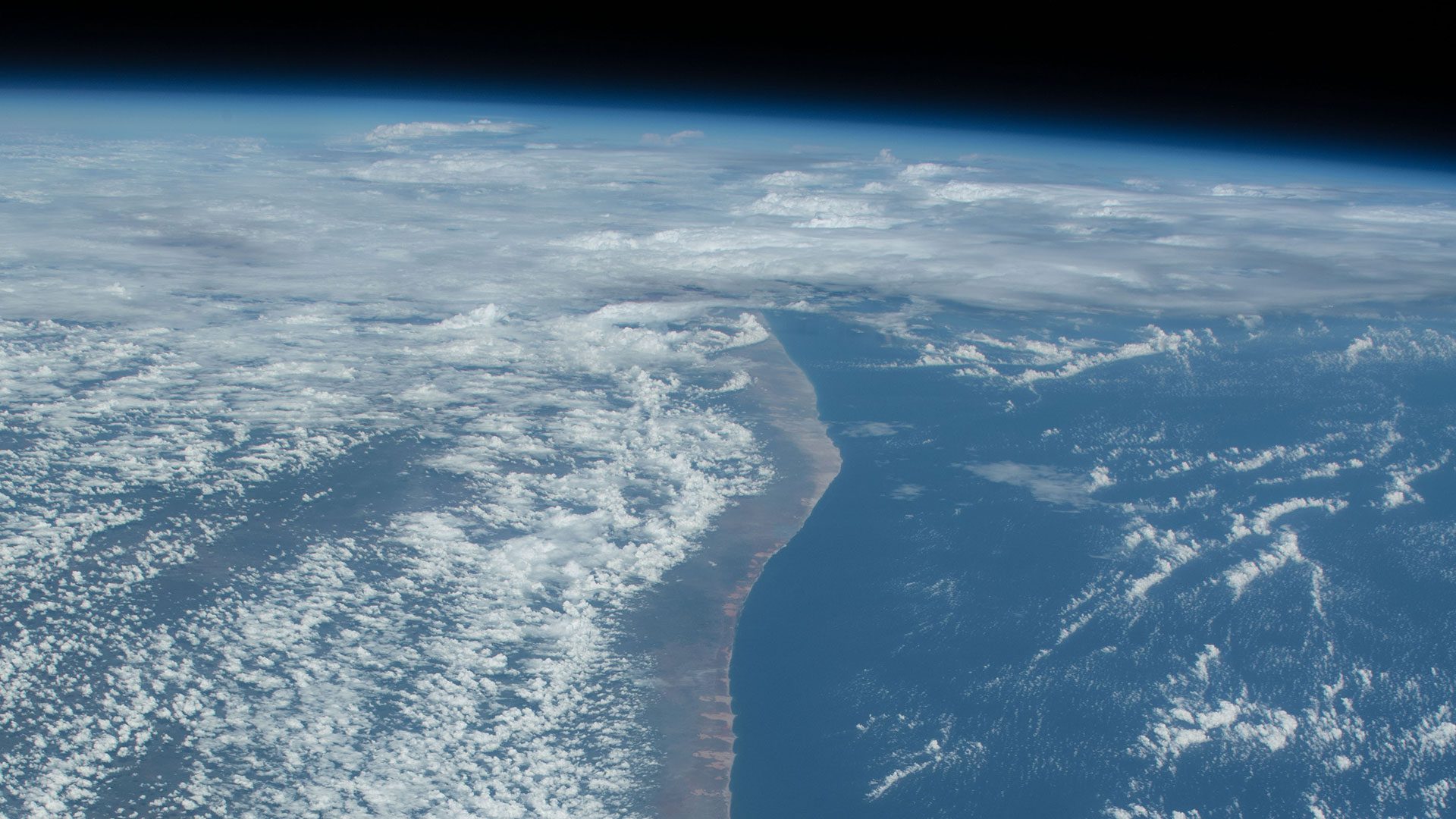
Understanding differences in land vs. sea temperatures may improve climate models, says WHOI study
Read MoreResearch reveals new links behind climate change in Australia
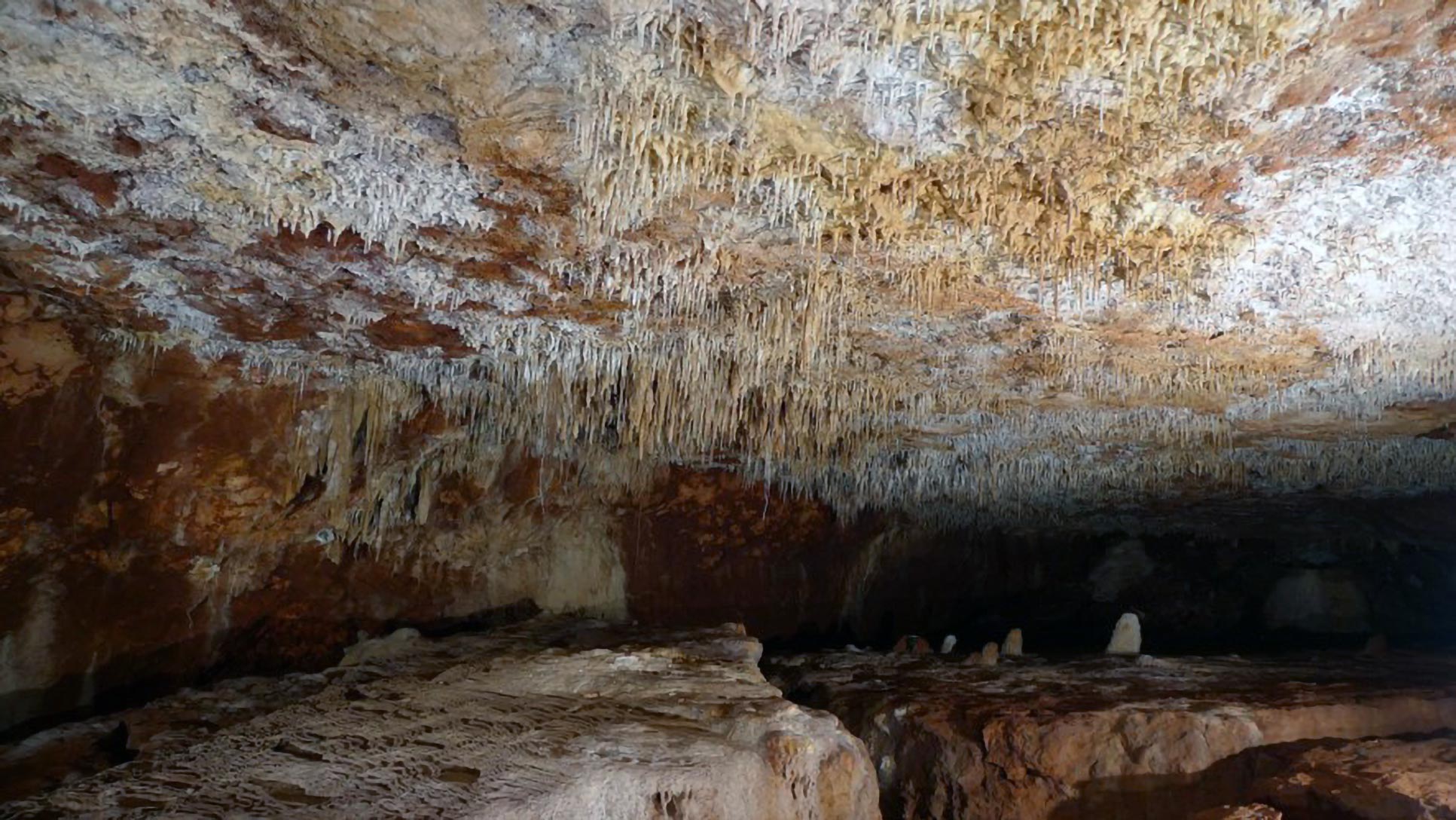
A team of scientists, including those from Woods Hole Oceanographic Institution (WHOI), have combined stalagmites and climate model simulations to reveal links between monsoon rains and tropical cyclones in Australia.
Read MoreEmperor penguins granted protections under Endangered Species Act
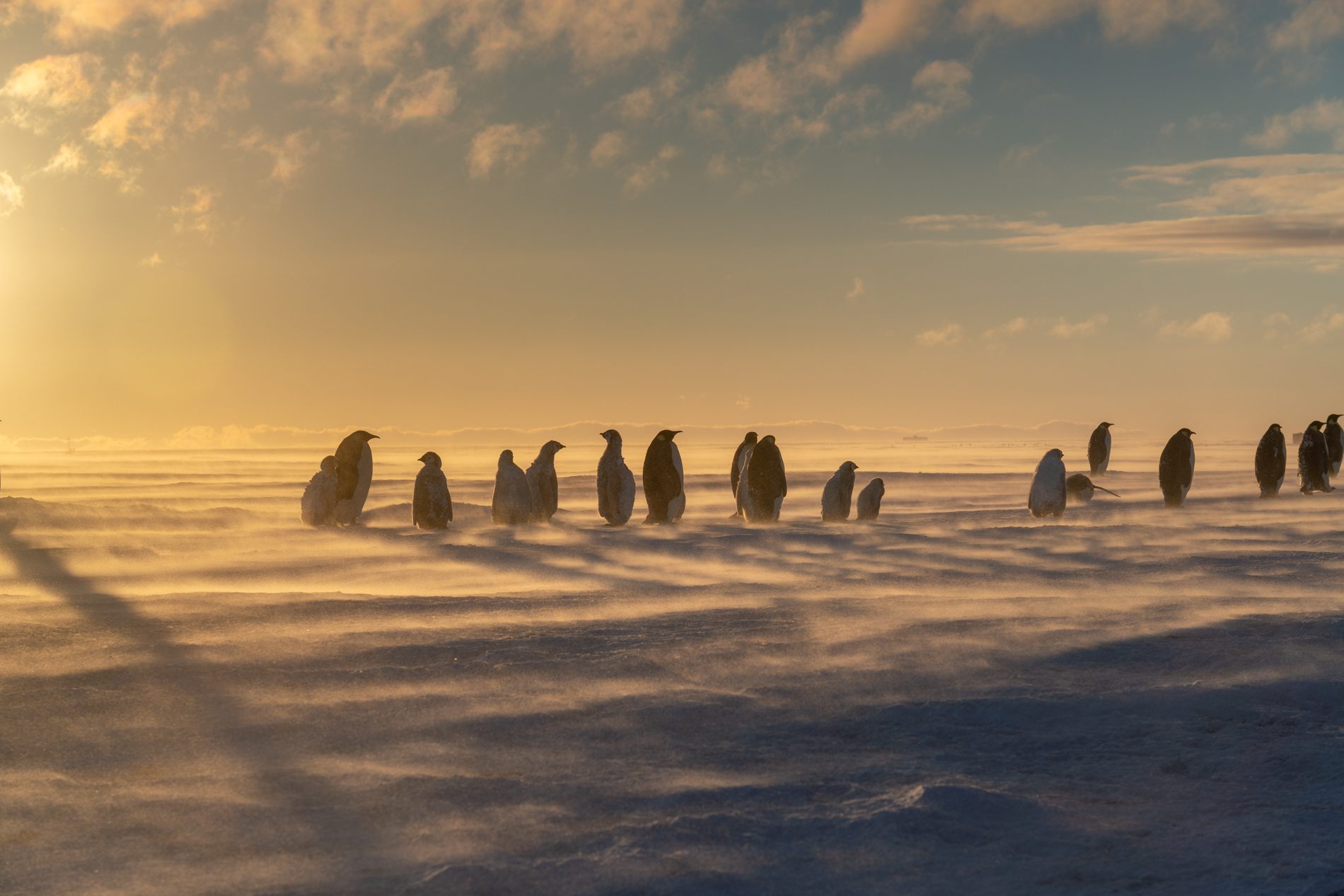
Woods Hole Oceanographic Institution among research groups that offer key findings to support federal protection of species, increasingly under siege by climate change
Read MoreFirst ever ocean-focused pavilion in the Blue Zone

Leading ocean science and philanthropic organizations to highlight the global ocean at UN climate conference
Read More“Digital Reefs” awarded $5 million
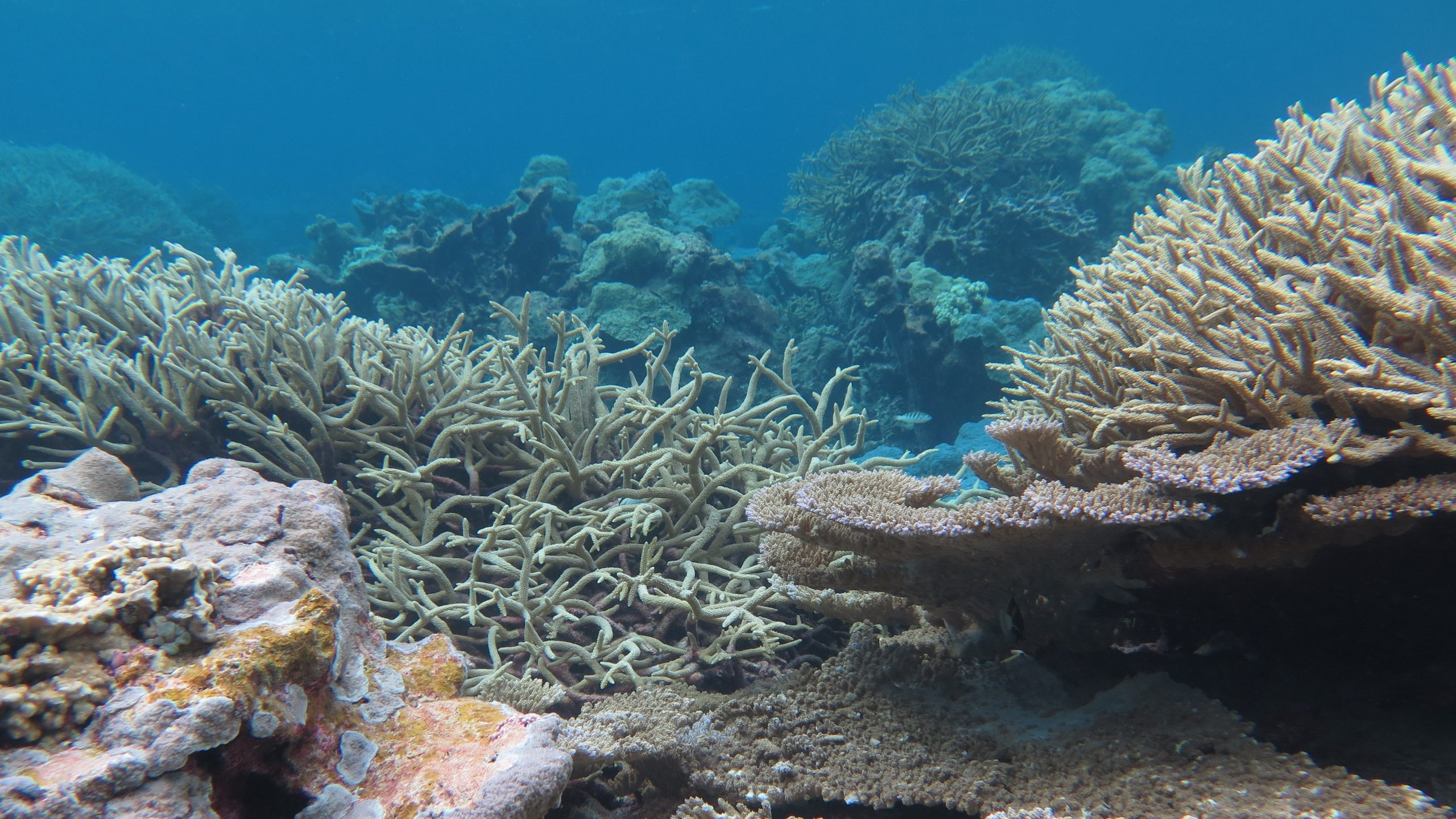
The National Science Foundation (NSF) has awarded Woods Hole Oceanographic Institution (WHOI) $5 million to participate in NSF’s ground breaking Convergence Accelerator Program. The project, led by WHOI scientist Anne Cohen, builds the world’s first Coral Reef Digital Twin, a 4-dimensional virtual replica of a living coral reef powered by state-of-the art data and models.
Read MoreHow marine predators find food hot spots in open ocean “deserts”
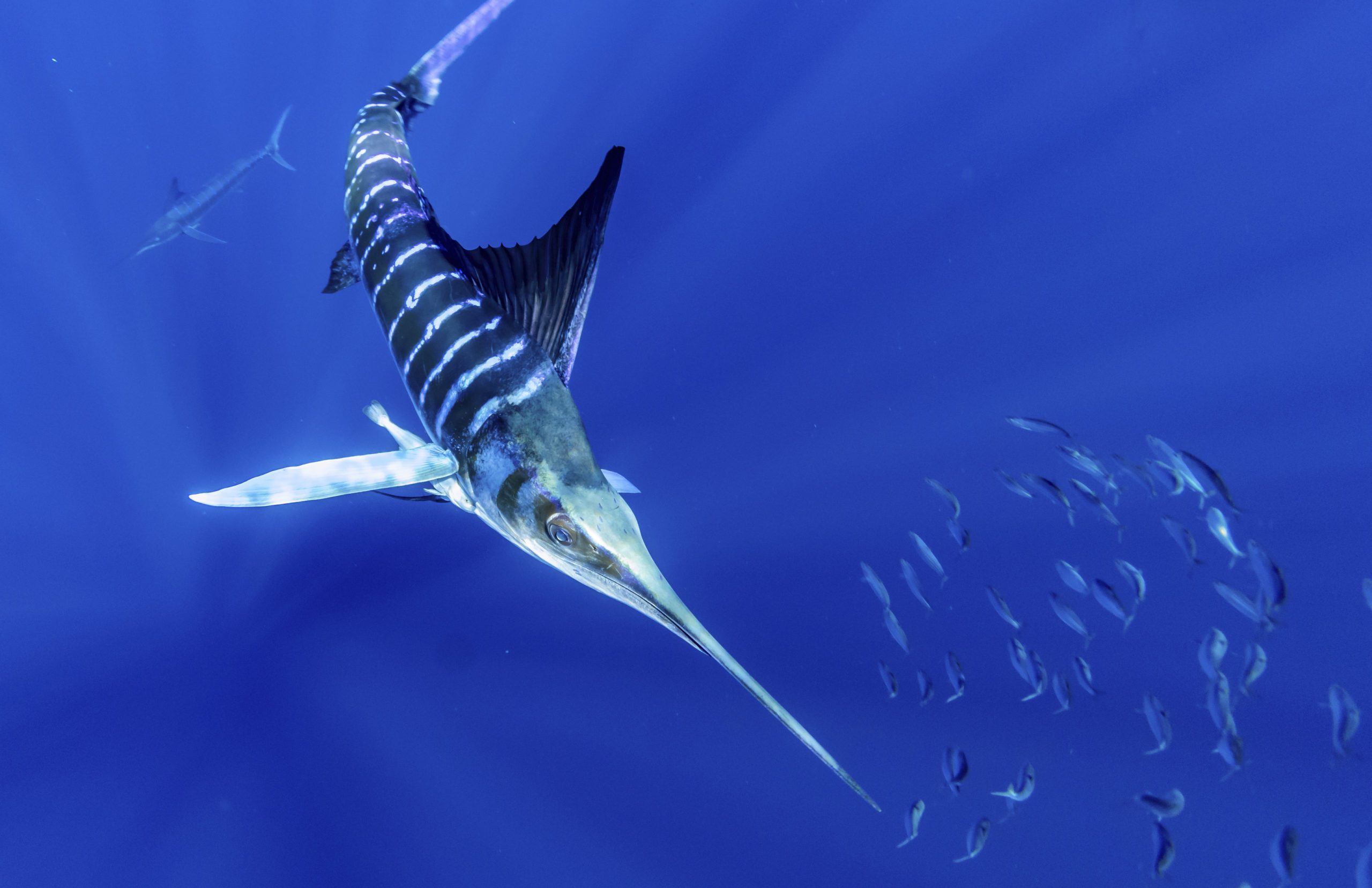
A new study led by scientists at Woods Hole Oceanographic Institution (WHOI) and University of Washington Applied Physics Laboratory (UW APL) finds that marine predators, such as tunas, billfishes and sharks, aggregate in anticyclonic, clockwise-rotating ocean eddies (mobile, coherent bodies of water). As these anticyclonic eddies move throughout the open ocean, the study suggests that the predators are also moving with them, foraging on the high deep-ocean biomass contained within.
Read MoreMarine Protected Areas in Antarctica should include young emperor penguins, scientists say
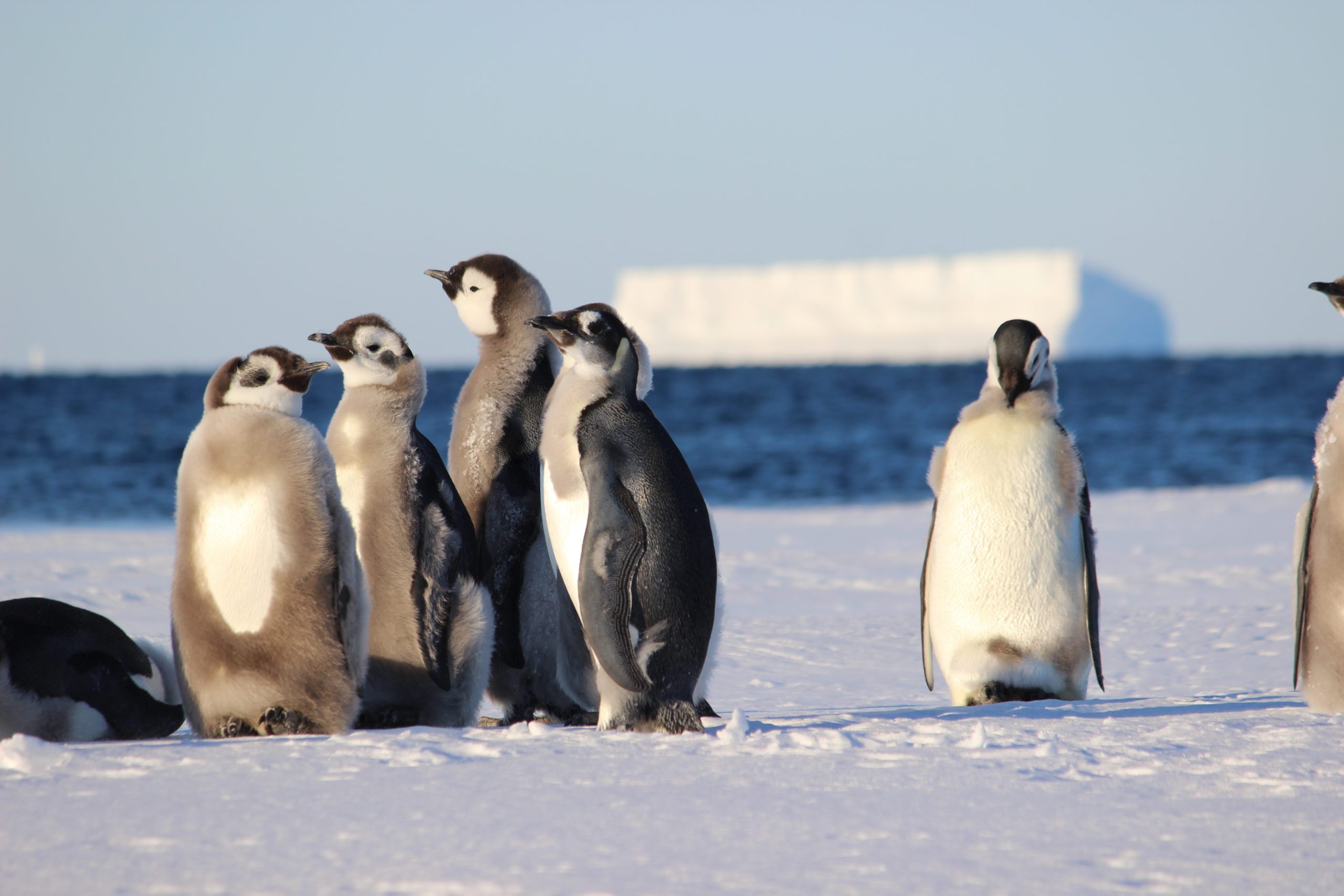
Scientists at the Woods Hole Oceanographic Institution (WHOI) and European research institutions are calling for better protections for juvenile emperor penguins, as the U.S. Fish and Wildlife Service considers listing the species under the Endangered Species Act and the Commission for the Conservation of Antarctic Marine Living Resources (CCAMLR) considers expanding the network of Marine Protected Areas (MPAs) in the Southern Ocean.
Read MoreWeddell seal moms sacrifice to provide for their pups
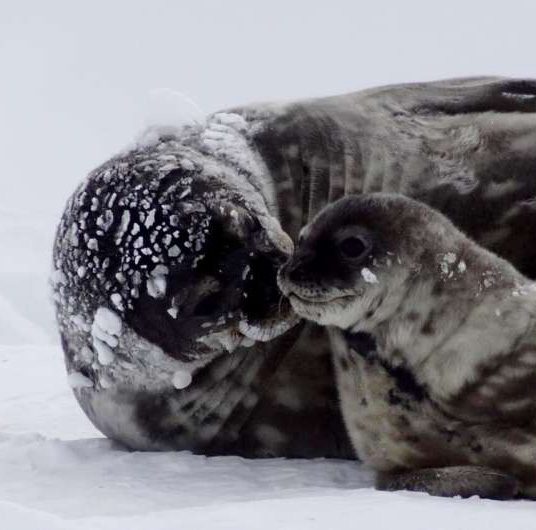
Seal mothers dramatically limit diving and foraging while lactating to provide more iron to their young
Read MoreMid-depth waters off the United States East Coast are getting saltier
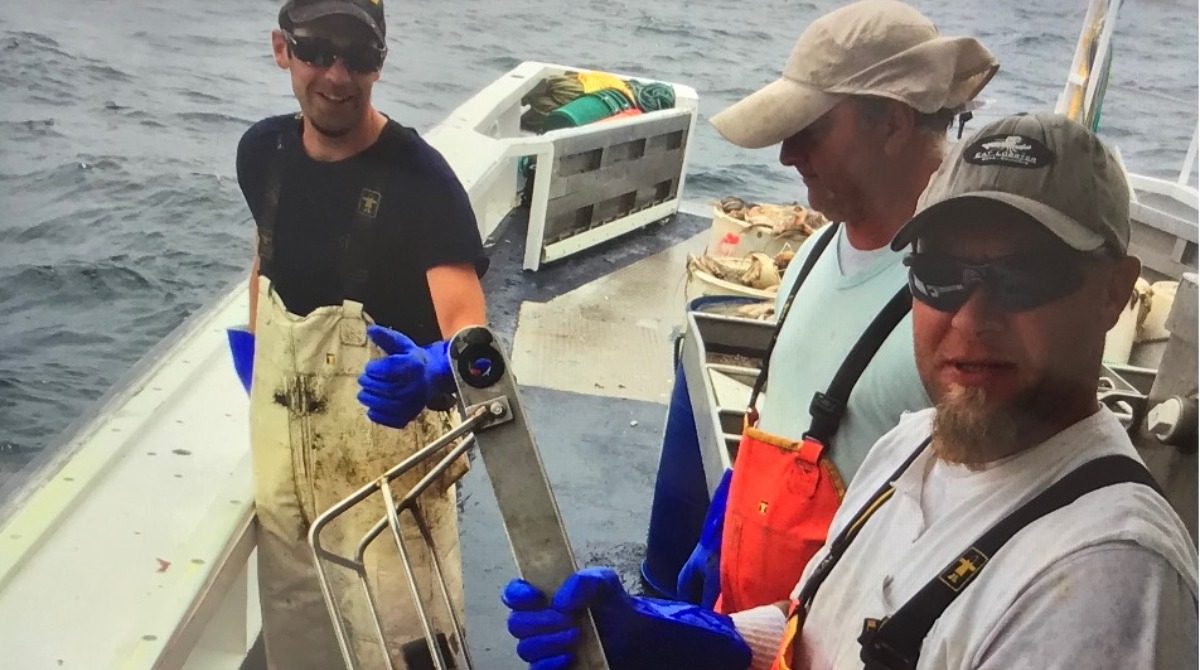
A new study led by Woods Hole Oceanographic Institution (WHOI) shows a significant increase in frequency of warm saltwater intrusions from the deep ocean to the continental shelf along the Middle Atlantic Bight, which extends from the Gulf of Maine to Cape Hatteras, North Carolina.
Read MoreScientists link the changing Azores High and the drying Iberian region to anthropogenic climate change
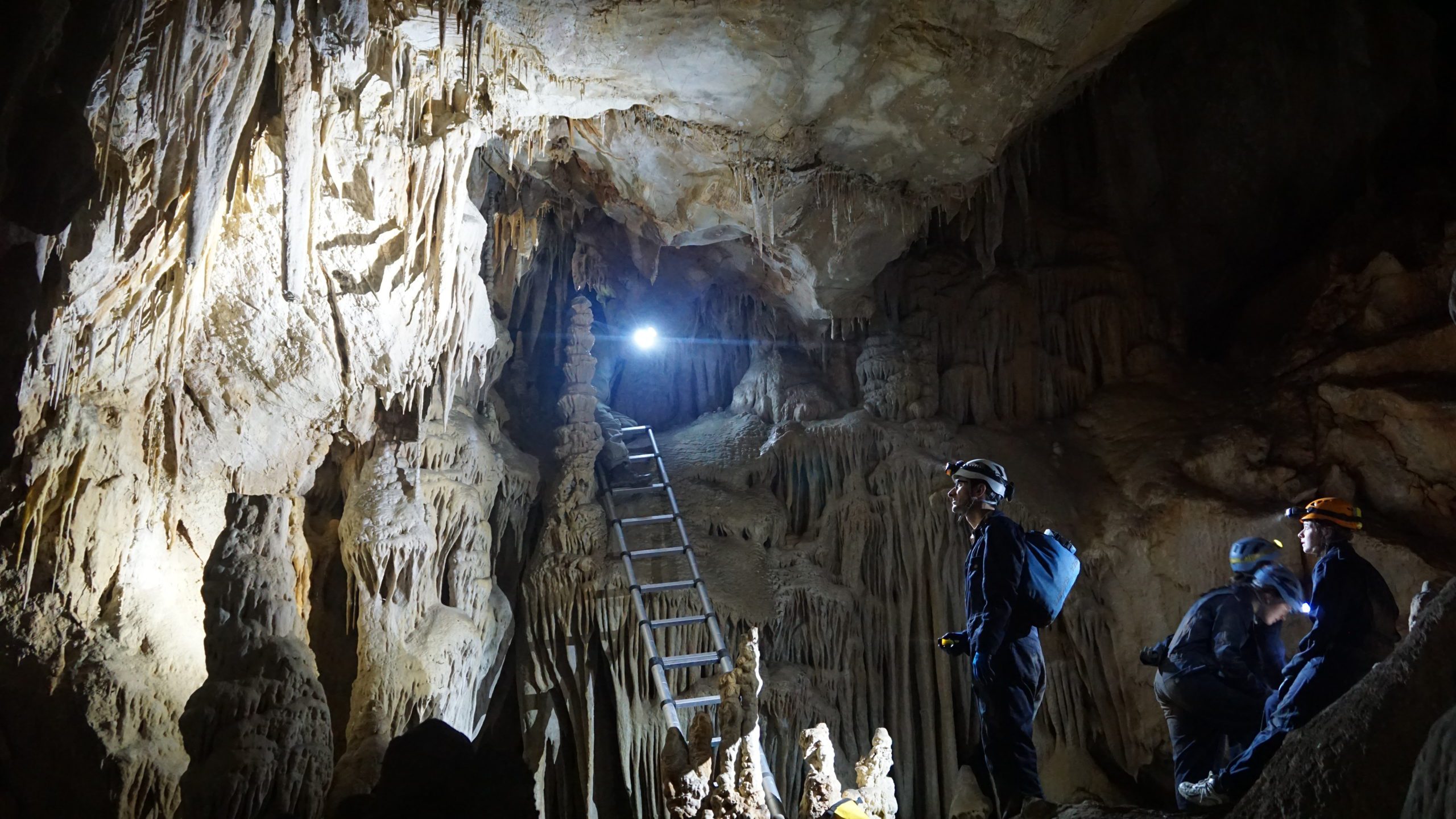
Projected changes in wintertime precipitation make agriculture in the Iberian region some of the most vulnerable in Europe, according to a new WHOI co-led study that links the changes to increased anthropogenic greenhouse gases.
Read MoreWHOI signs a memorandum of understanding with Portuguese Ocean Institute
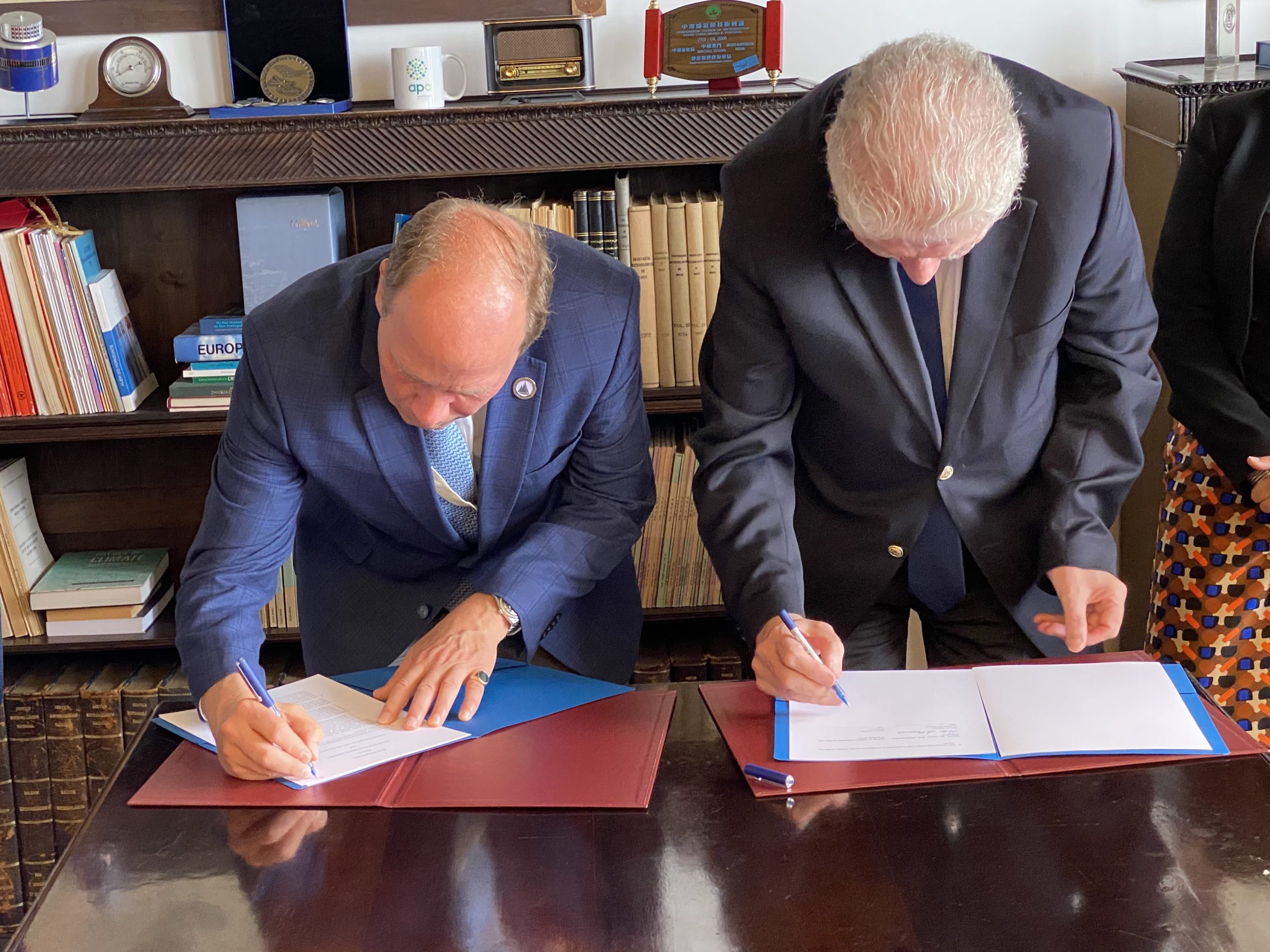
Today, the Woods Hole Oceanographic Institution (WHOI) signed a memorandum of understanding with Instituto Português do Mar e da Atmosfera (IPMA), the Portuguese national authority responsible for monitoring the country’s ocean, atmosphere, and land.
Read MoreInnovative, new “road map” for kelp crop improvement
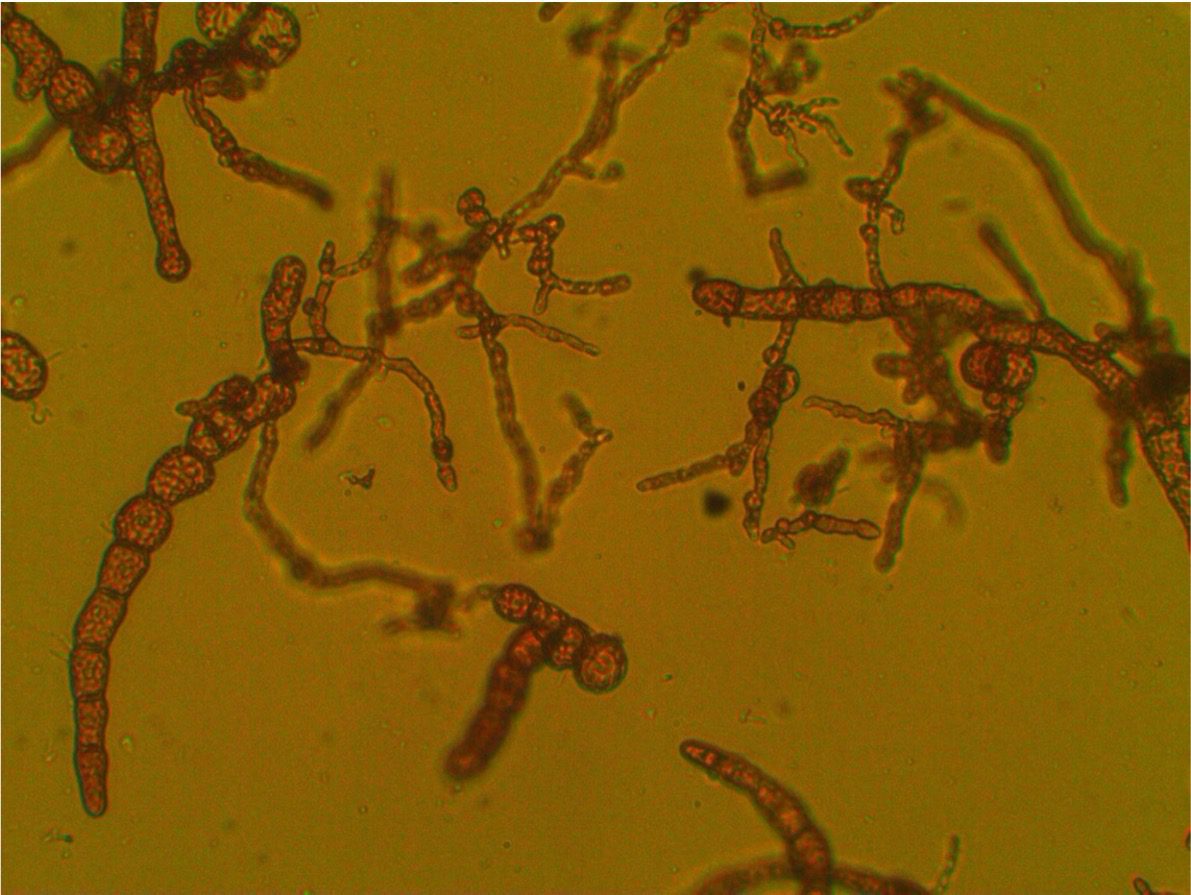
Woods Hole Oceanographic Institution (WHOI), the University of Connecticut, and Bigelow Laboratory for Ocean Sciences have executed a license agreement for a kelp germplasm, or collection of microscopic cells called gametophytes, containing more than 1,200 samples all developed and isolated by WHOI and UConn-led teams. Bigelow Laboratory’s National Center for Marine Algae and Microbiota plans to maintain, market, and distribute the germplasm collection for broad use.
Read MoreClimate change could lead to a dramatic temperature-linked decrease in essential omega-3 fatty acids
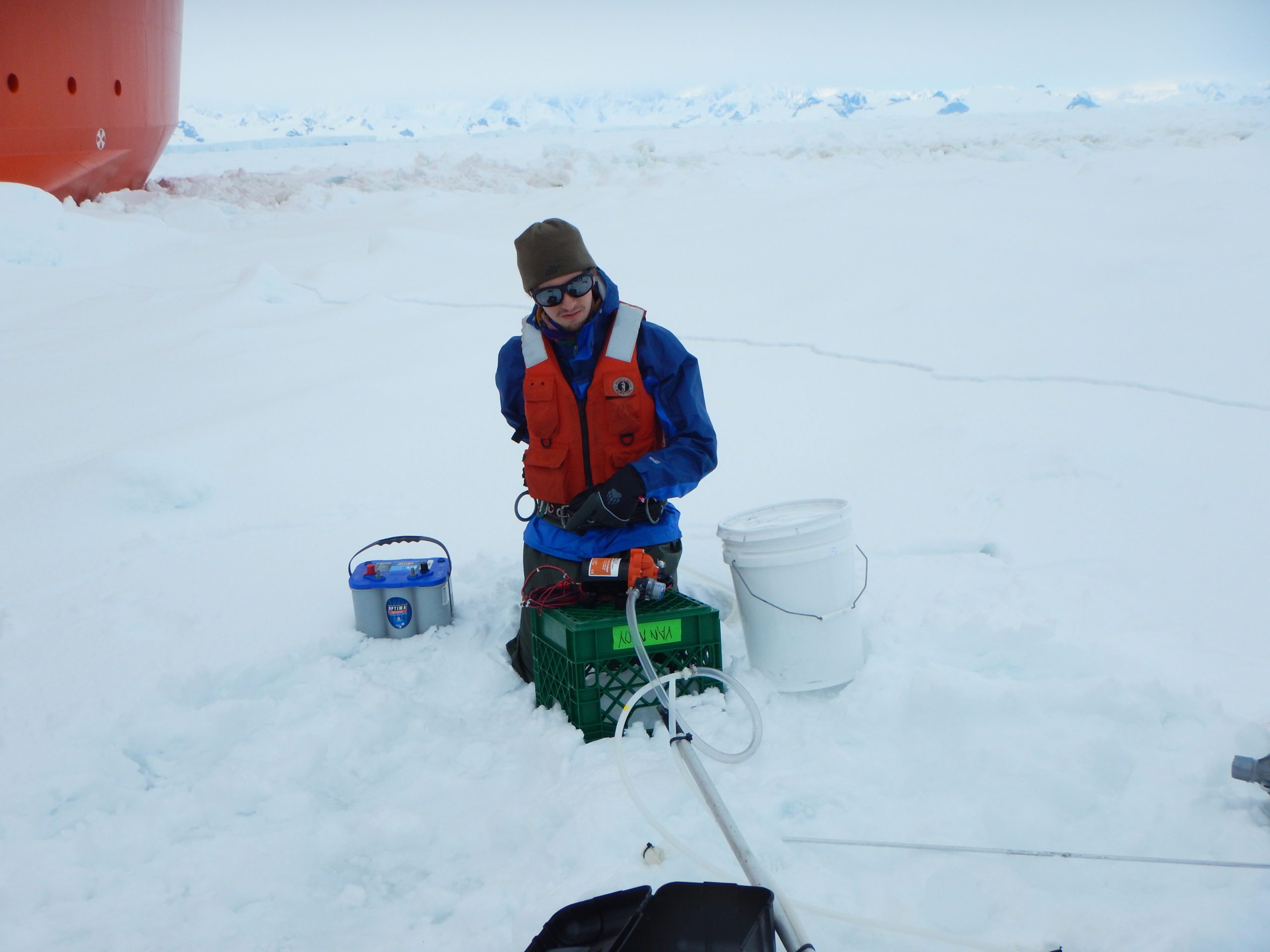
The effects of global climate change already are resulting in the loss of sea ice, accelerated sea level rise, and longer and more intense heat waves, among other threats. Now, the first-ever survey of planktonic lipids in the global ocean predicts a temperature-linked decrease in the production of essential omega-3 fatty acids, an important subset of lipid molecules.
Read MoreWHOI joins world leaders at UN Ocean Conference: June 27 – July 1, Lisbon, Portugal
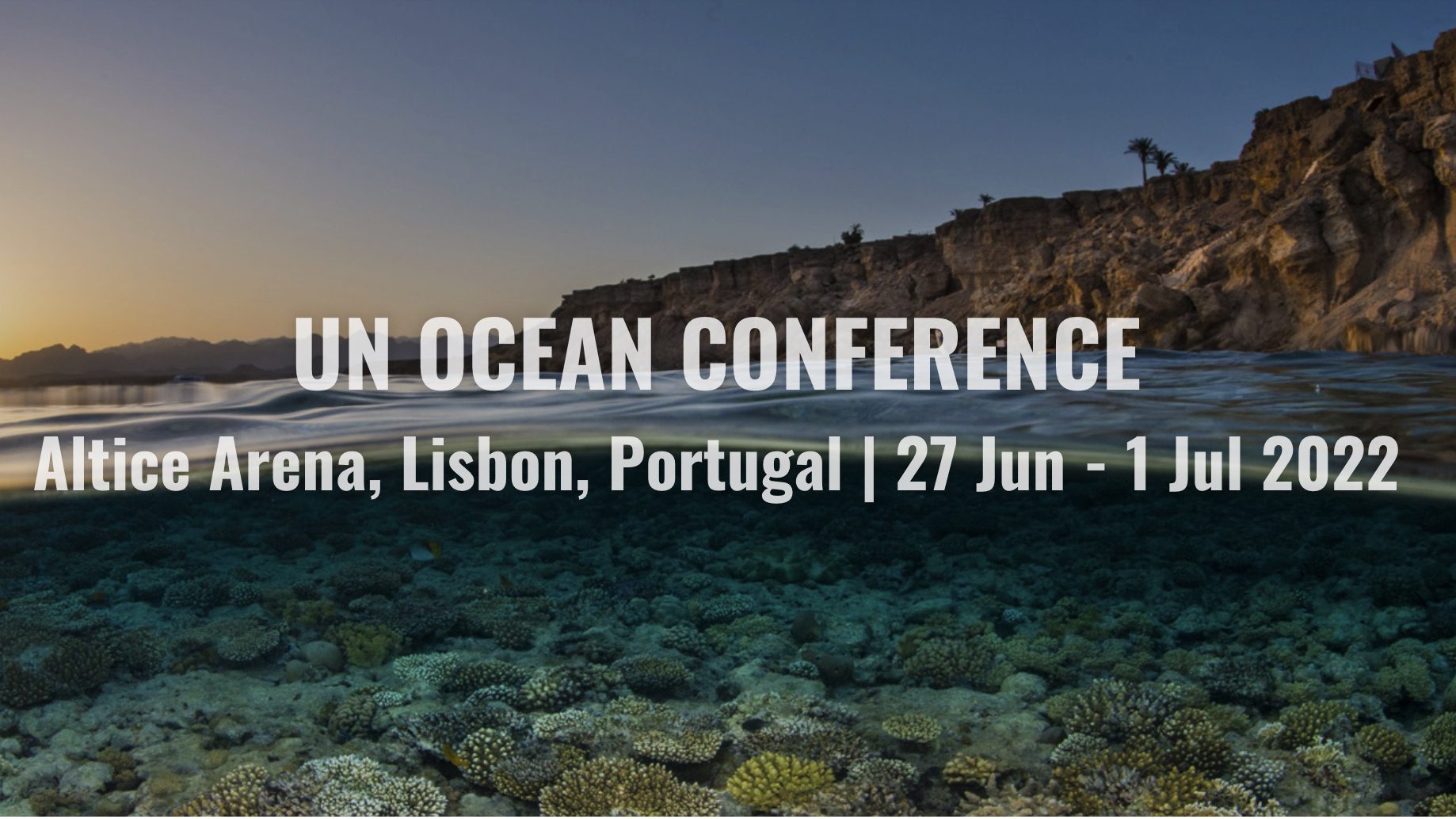
Thousands of participants from around the world will converge in Lisbon beginning June 27 as part of the 2022 United Nations Ocean Conference. Among them will be representatives from Woods Hole Oceanographic Institution (WHOI), the world’s largest independent organization dedicated exclusively to ocean research, engineering, and education.
Read MoreYawkey Foundation and WHOI present Summer Speaker Series, “Dispatches from an Ocean Planet”
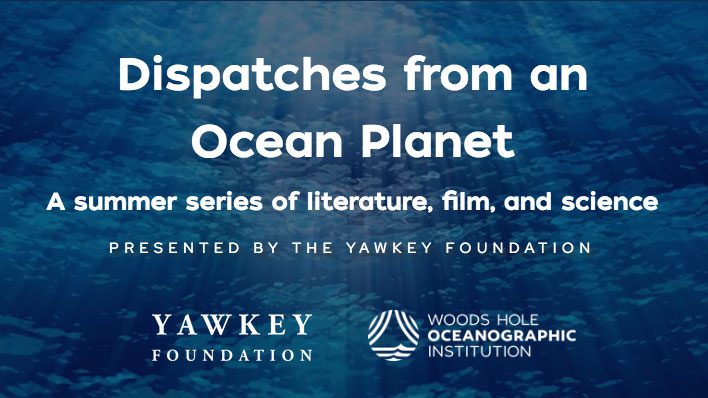
Woods Hole Oceanographic Institution, in partnership with the Yawkey Foundation, proudly presents “Dispatches from an Ocean Planet”, a summer series of film and literature. The series marks the return of WHOI in-person events after a two-year hiatus due to the pandemic. All events require pre-registration.
Read More