
News Releases
Woods Hole Oceanographic Institution selected as finalist for Governors Island Climate Solutions Center
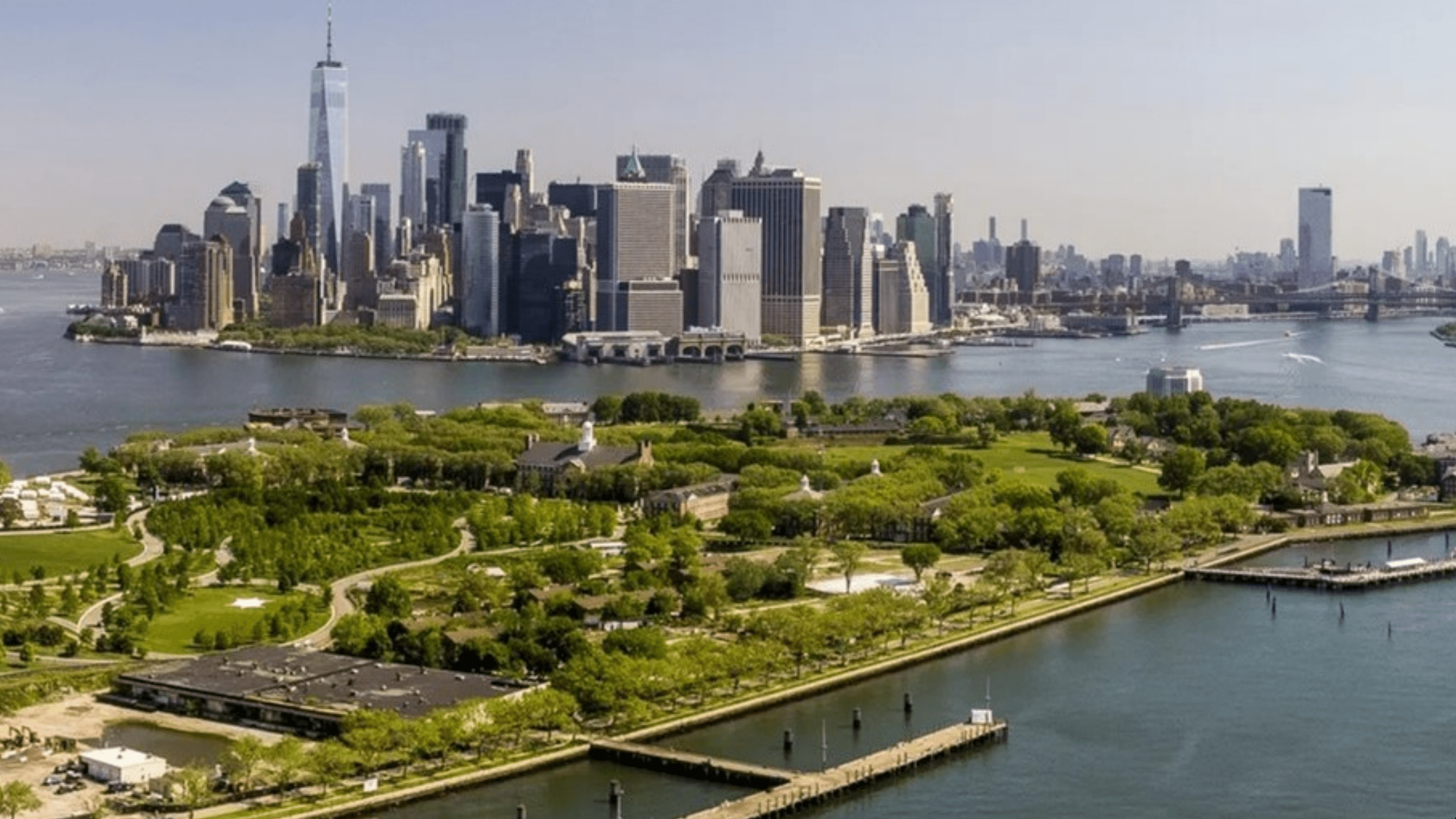
Woods Hole Oceanographic Institution (WHOI, a global leader in ocean research and exploration, is partnering with two teams selected as finalists in the development of the new Governors Island Climate Solutions Center in New York City. The announcement was recently made by former New York City Mayor Bill de Blasio and The Trust for Governors Island.
Read MoreNew ocean floats to boost global network essential for weather, climate research
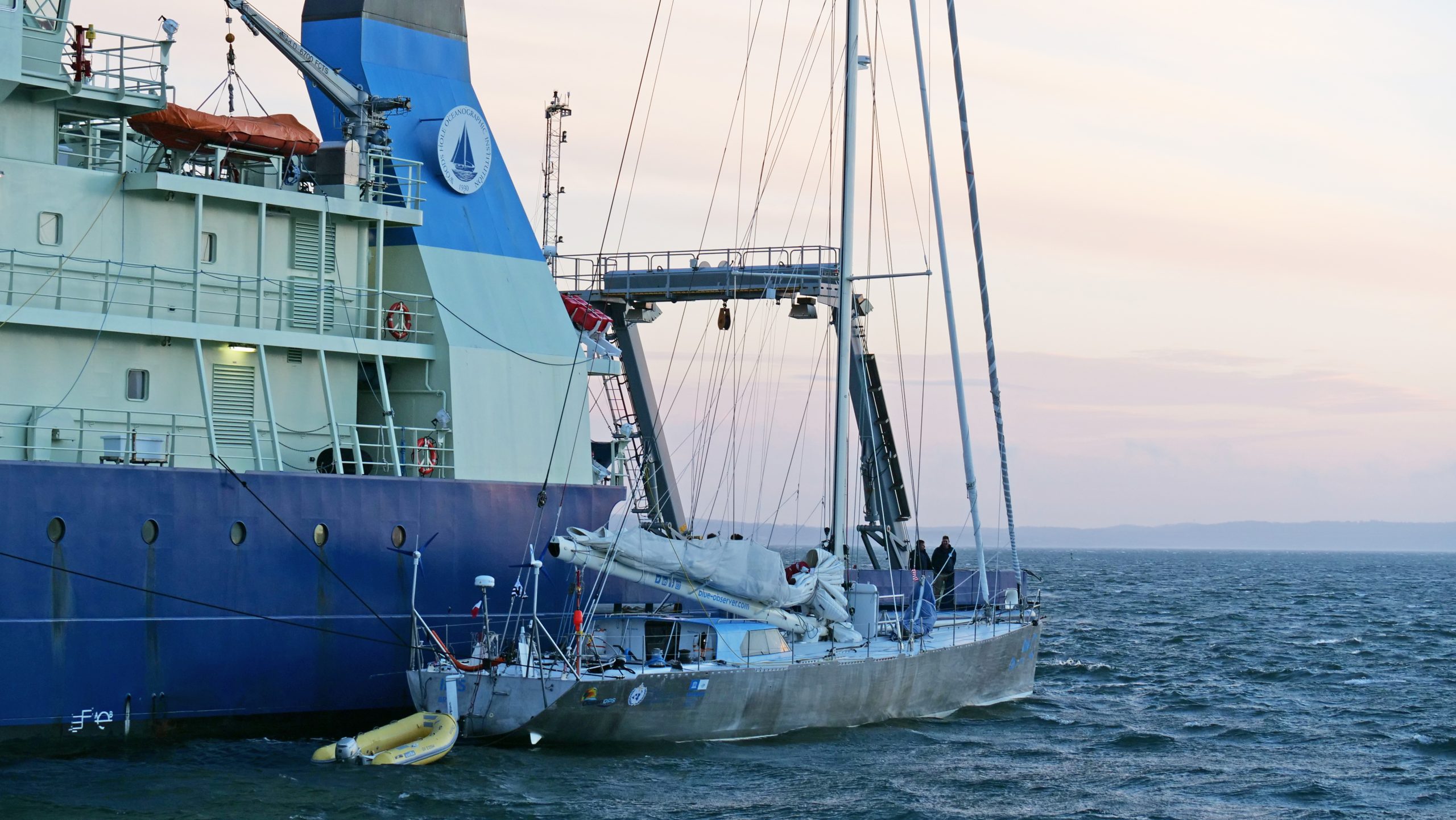
WHOI and partners join together to launch approximately 100 new Argo floats across the Atlantic Ocean to collect data that supports ocean, weather and climate research and prediction
Read MoreWHOI Arctic experts present at international climate conference overseas
Experts from WHOI and Woodwell Climate Research Center are on the ground at COP26 in Glasgow, Scotland, sharing critical perspective on the implications of a warming Arctic
Read MoreWHOI multidisciplinary team selected for prestigious National Science Foundation Program
Woods Hole Oceanographic Institution (WHOI) has been selected by the U.S National Science Foundation (NSF) for phase one of a two-part Convergence Accelerator Program, a $21 million investment to advance use-inspired solutions addressing national-scale societal challenges. WHOI is one of sixteen teams across the US chosen to participate in Track E: The Networked Blue Economy, which aims to create a smart, integrated, connected, and open ecosystem for ocean innovation, exploration, and sustainable utilization.
Read MoreModeling our climate future; WHOI to lead ocean current research
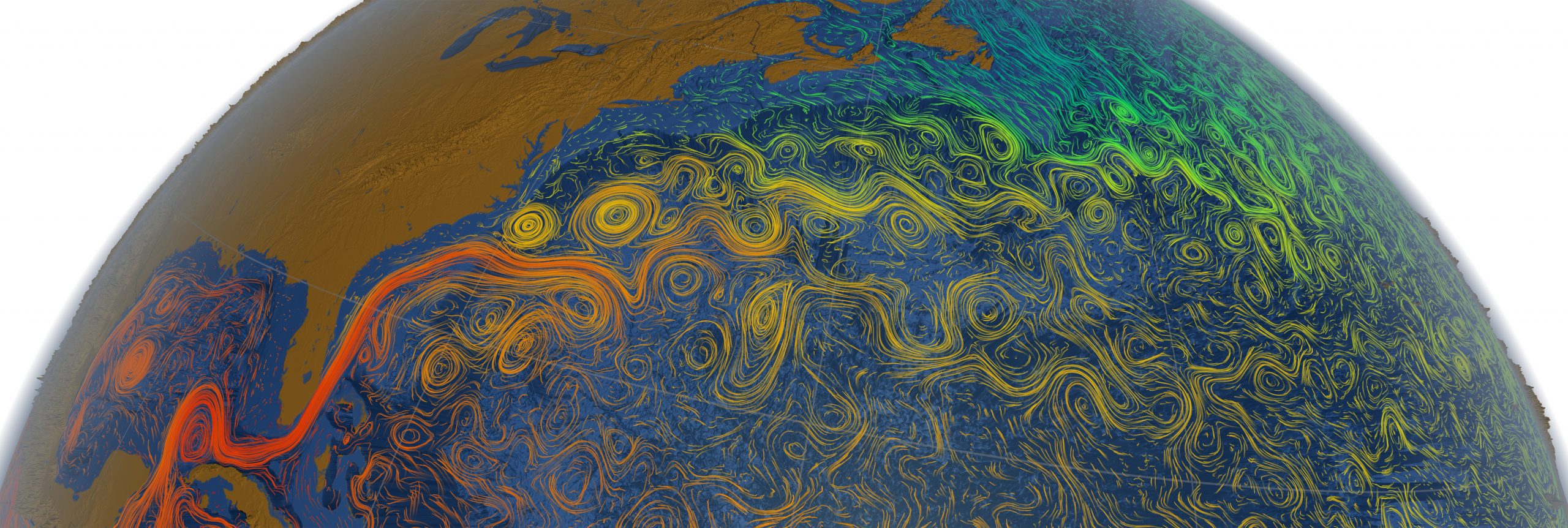
Woods Hole Oceanographic Institution (WHOI) senior scientist of physical oceanography, Dr. Young-Oh Kwon, and WHOI adjunct scientist, Dr. Claude Frankignoul, have received a new research grant from the National Oceanic and Atmospheric Administration (NOAA) Modeling, Analysis, Predictions and Projections (MAPP) Program, funding their research project focusing on western boundary ocean currents and their correspondence with the atmosphere in relation to modern day climate.
Read MoreStudy Finds Growing Potential for Toxic Algal Blooms in the Alaskan Arctic
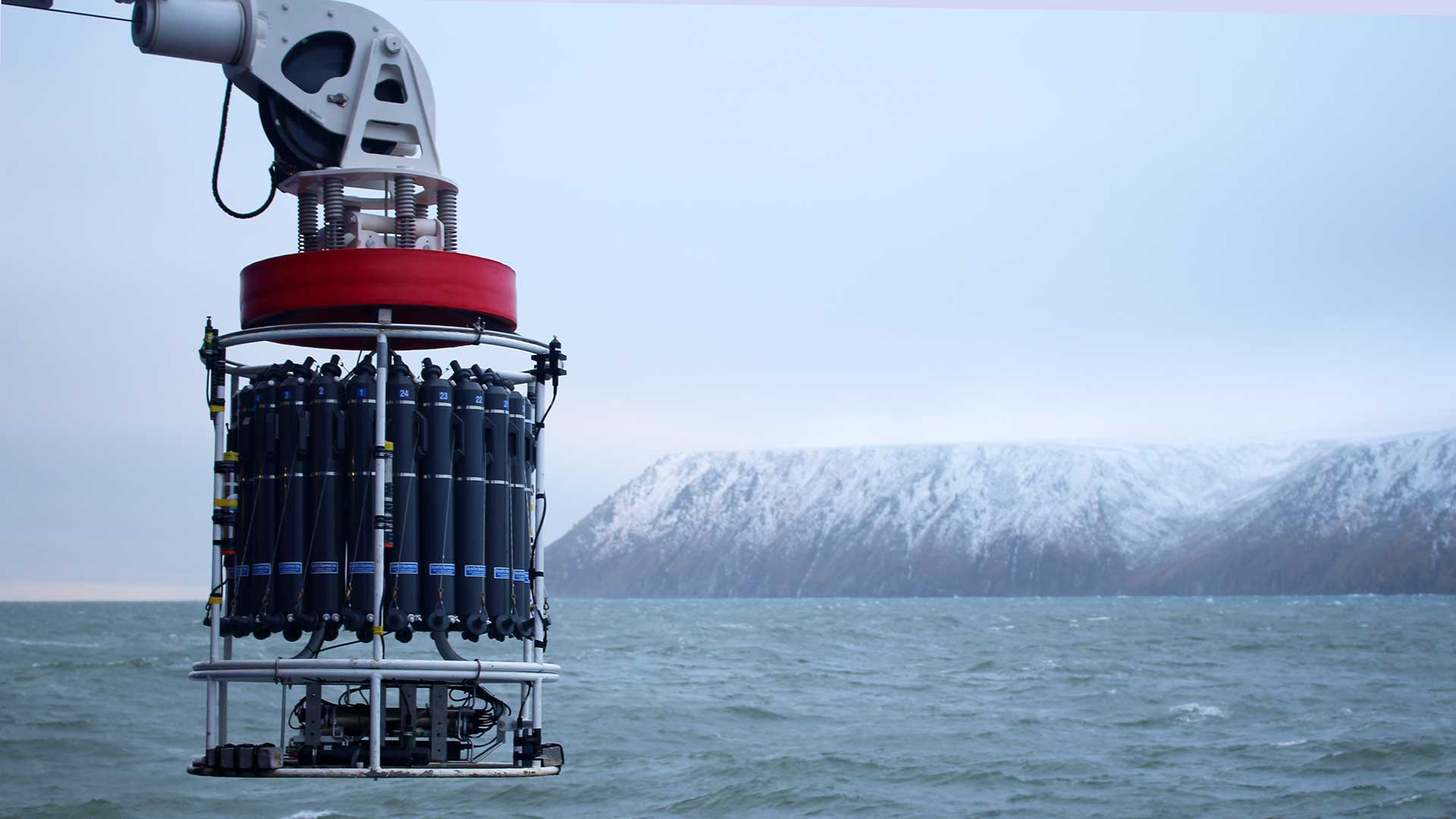
A warming Arctic presents potential new threats to humans and marine wildlife in the fast-changing region Changes in the northern Alaskan Arctic ocean environment have reached a point at…
Read MoreA recent reversal in the response of western Greenland’s ice caps to climate change
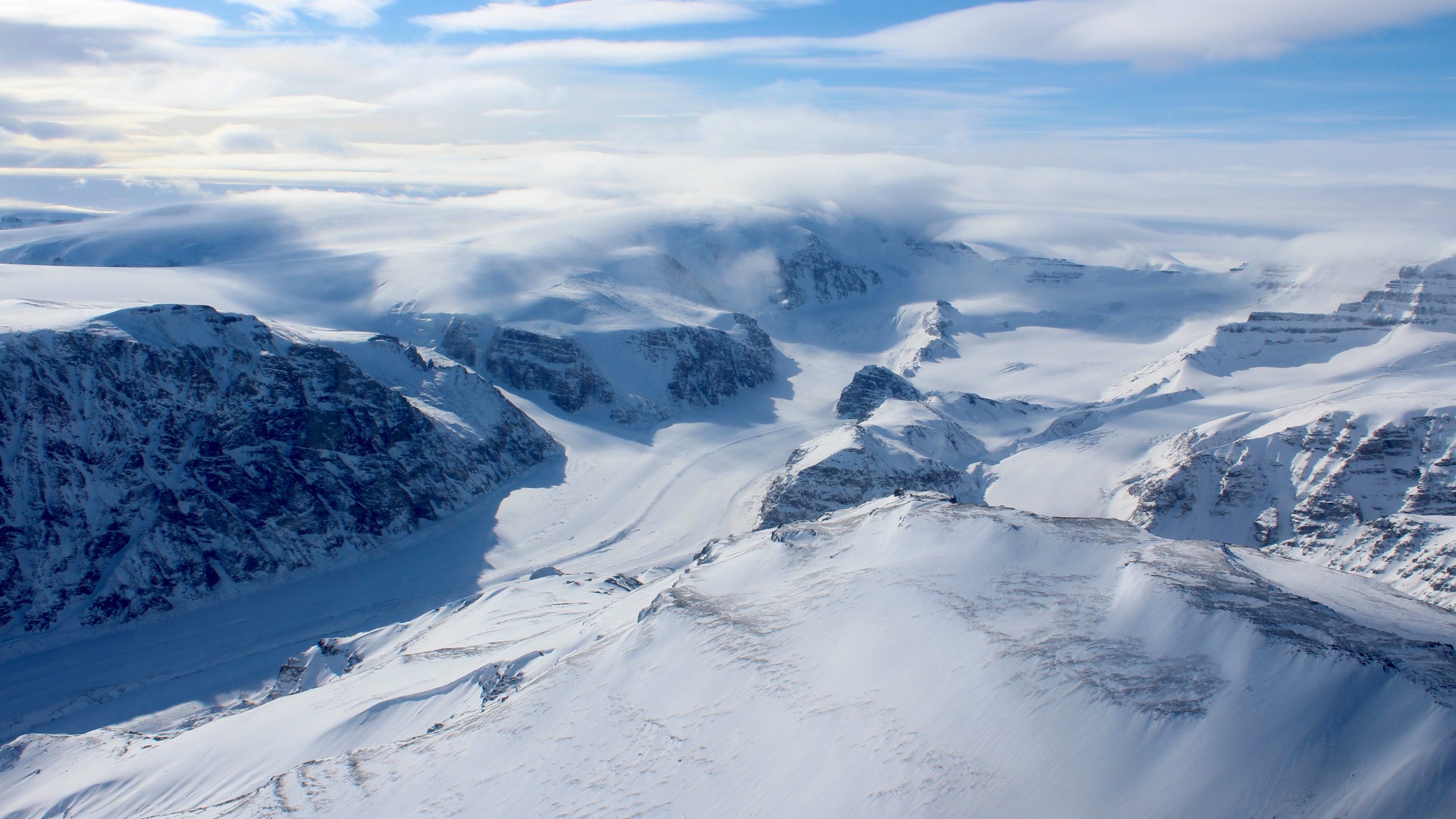
New collaborative research from the WHOI and five partner institutions published today in Nature Geoscience, reveals that during past periods glaciers and ice caps in coastal west Greenland experienced climate conditions much different than the interior of Greenland. Over the past 2,000 years, these ice caps endured periods of warming during which they grew larger rather than shrinking.
Read MoreWHOI selected for new NSF science & technology center
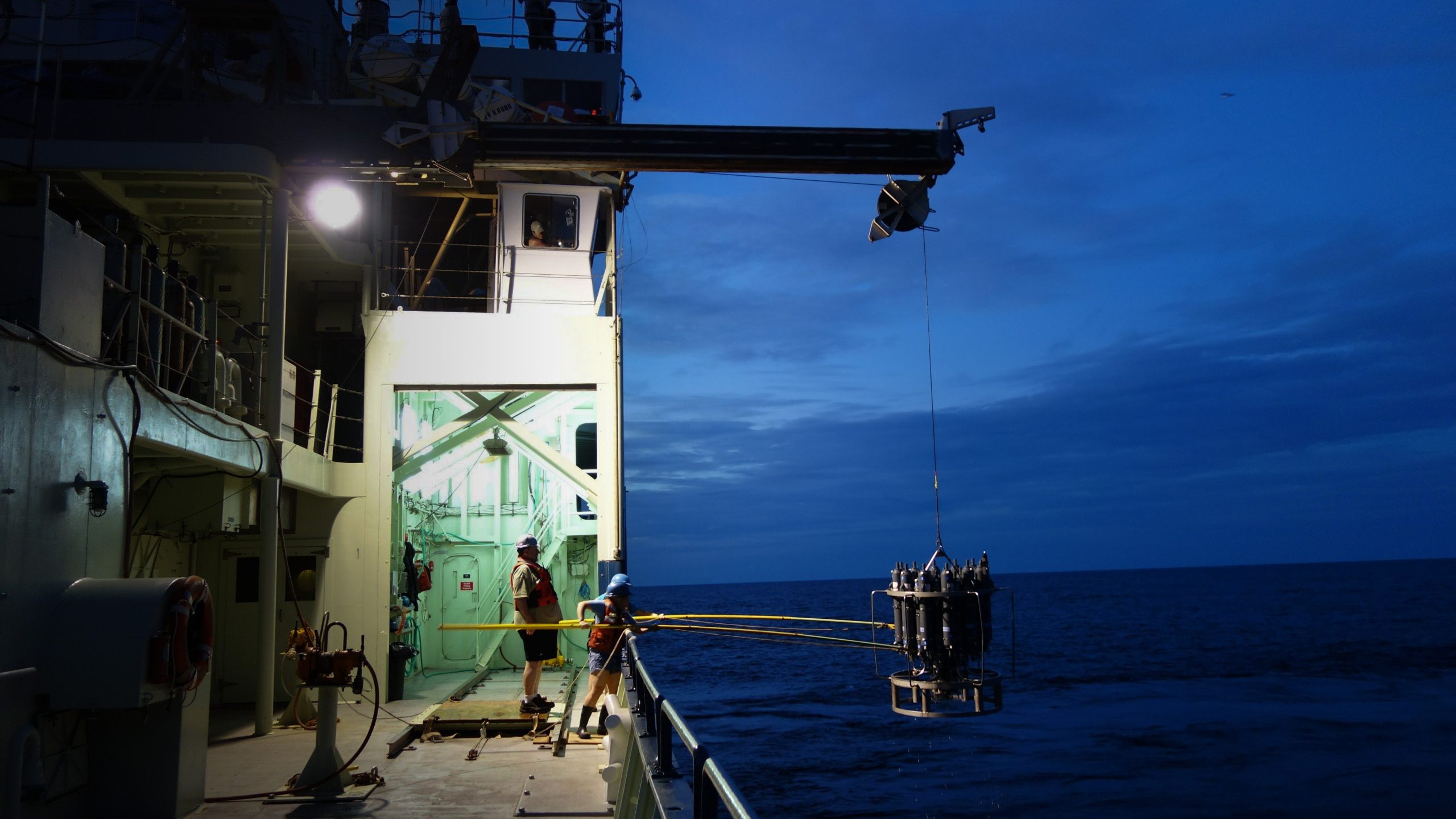
The new Center for Chemical Currencies of a Microbial Planet (C-CoMP) will focus on the chemical processes that underpin ocean ecosystems.
Read MoreSome coral reefs are keeping pace with ocean warming
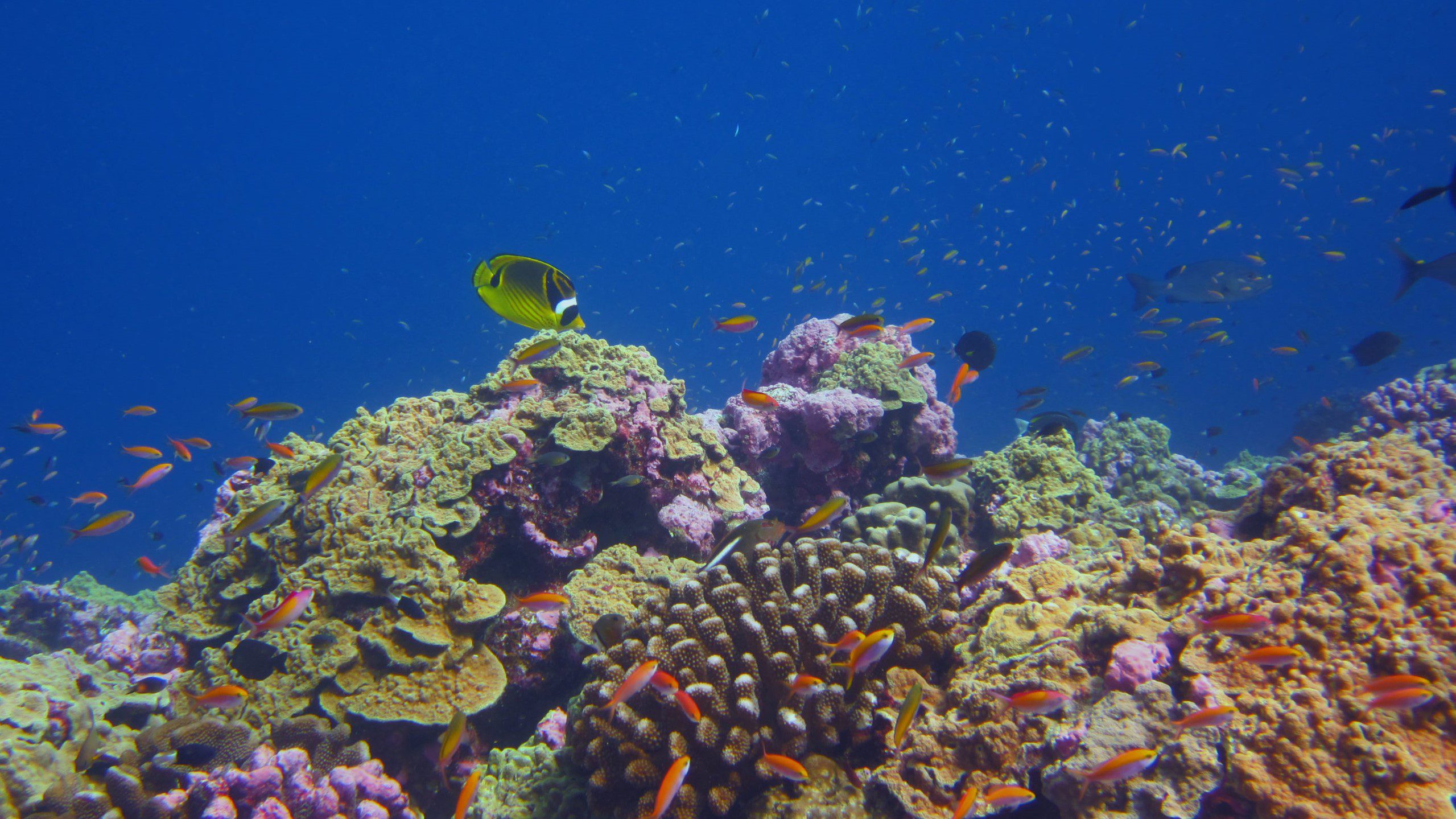
Some coral communities are becoming more heat tolerant as ocean temperatures rise, offering hope for corals in a changing climate. After a series of marine heatwaves hit the Phoenix Islands Protected Area (PIPA) in the central Pacific Ocean, a new study finds the impact of heat stress on the coral communities lessened over time.
Read MoreProject funded to digitize and mine weather data from whaling logbooks

An ongoing collaborative effort by Woods Hole Oceanographic Institution (WHOI), University of Massachusetts Dartmouth (UMassD), and Providence Public Library (PPL), has received a grant from FM Global. The project is investigating the role of historical weather data in current climate change research, and the increasingly urgent issues surrounding it.
Read MoreWHOI advancing a seaweed solution to develop new kelp strains
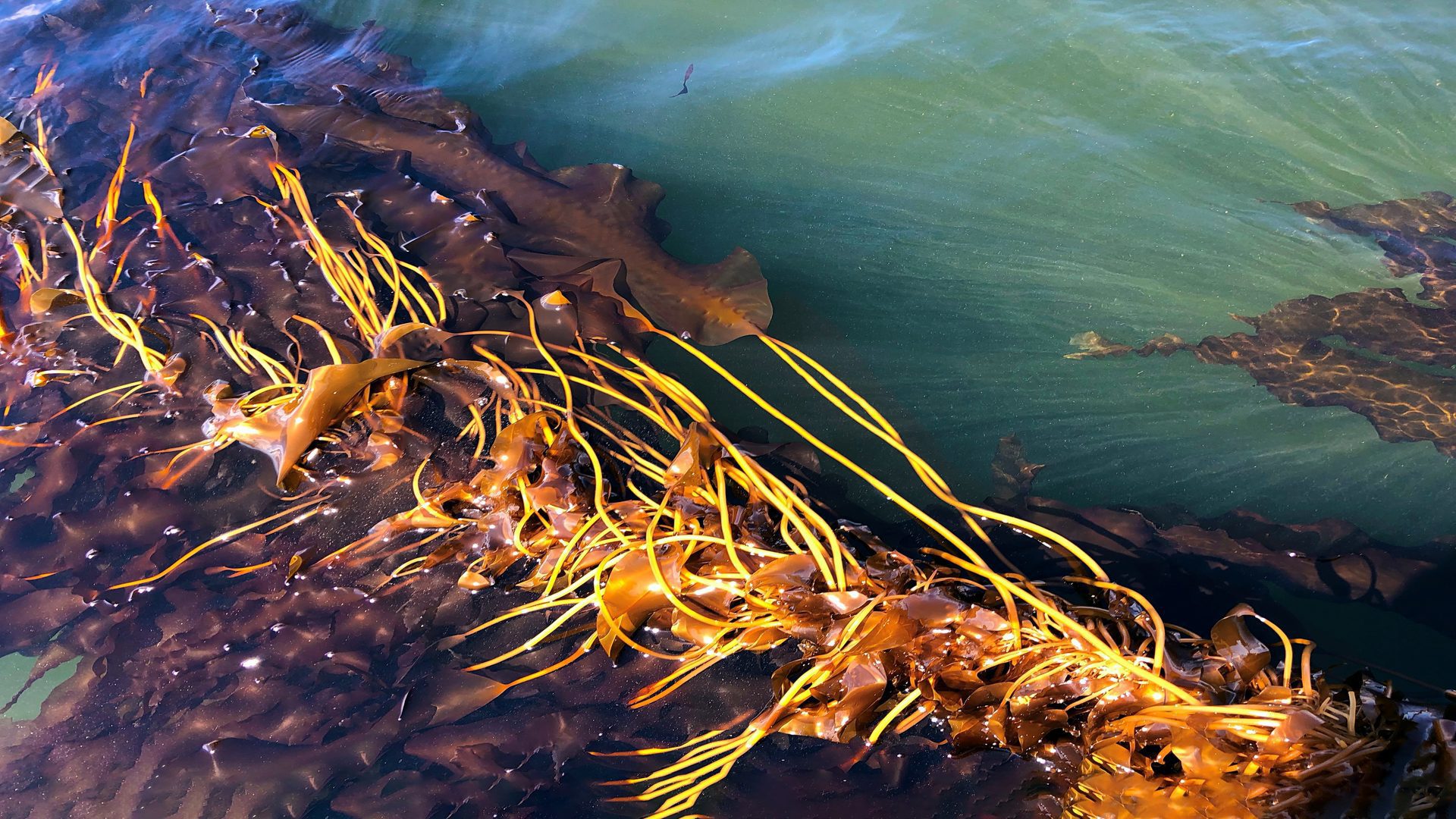
A leader in ocean science, Woods Hole Oceanographic Institution (WHOI) is embarking on a study of how new seaweed strains could further enhance the burgeoning seaweed industry and offer solutions to some of the world’s pressing challenges. This research is funded in part by World Wildlife Fund (WWF) with support from the Bezos Earth Fund.
Read MoreEmperor penguins, recommended as threatened species under Endangered Species Act
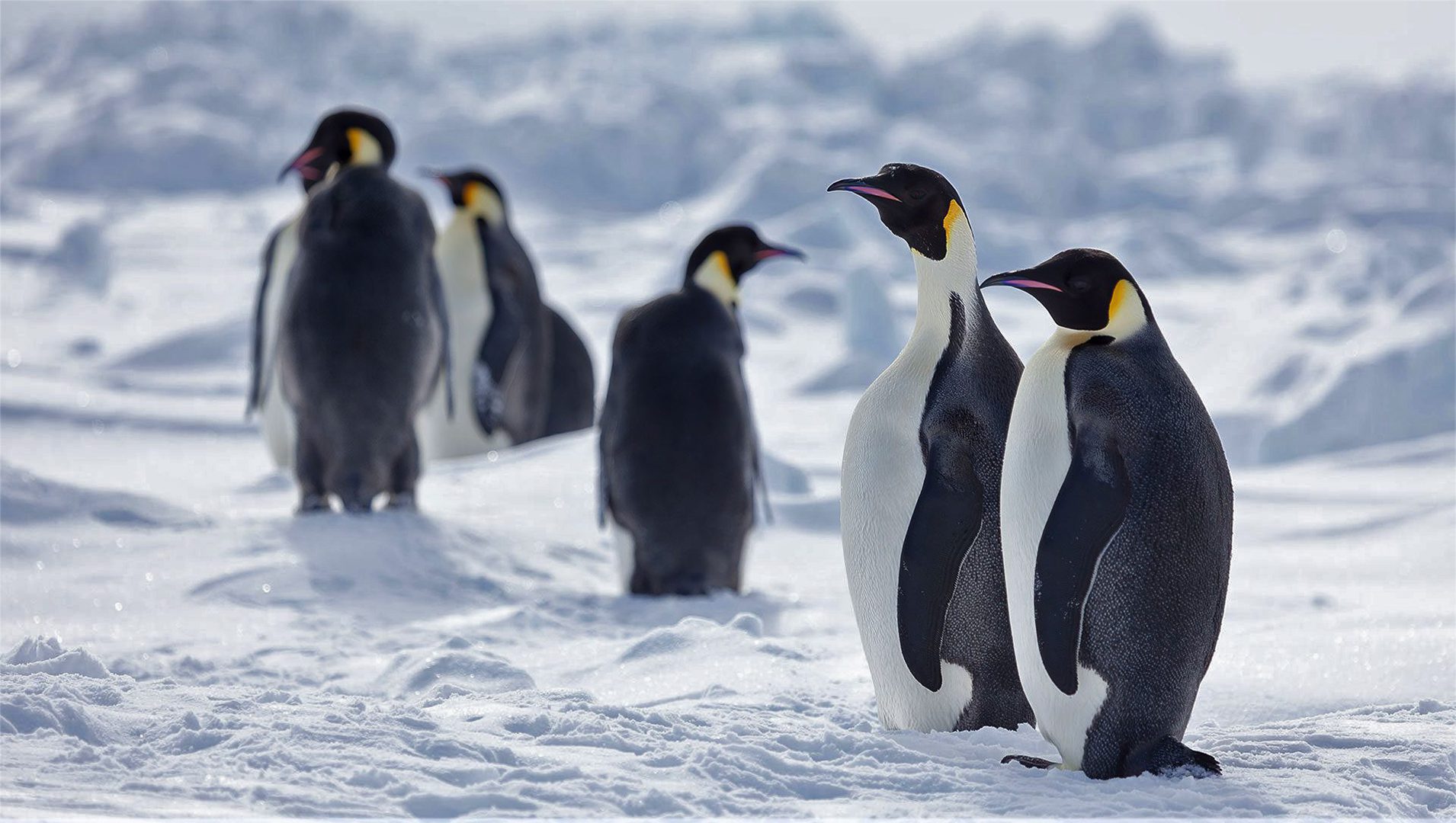
Today, the U.S. Fish and Wildlife Service (USFWS) announced a proposal to list the emperor penguin as a threatened species under the Endangered Species Act.
Read MoreNew Study Finds Emperor Penguins Increasingly Threatened by Climate Change
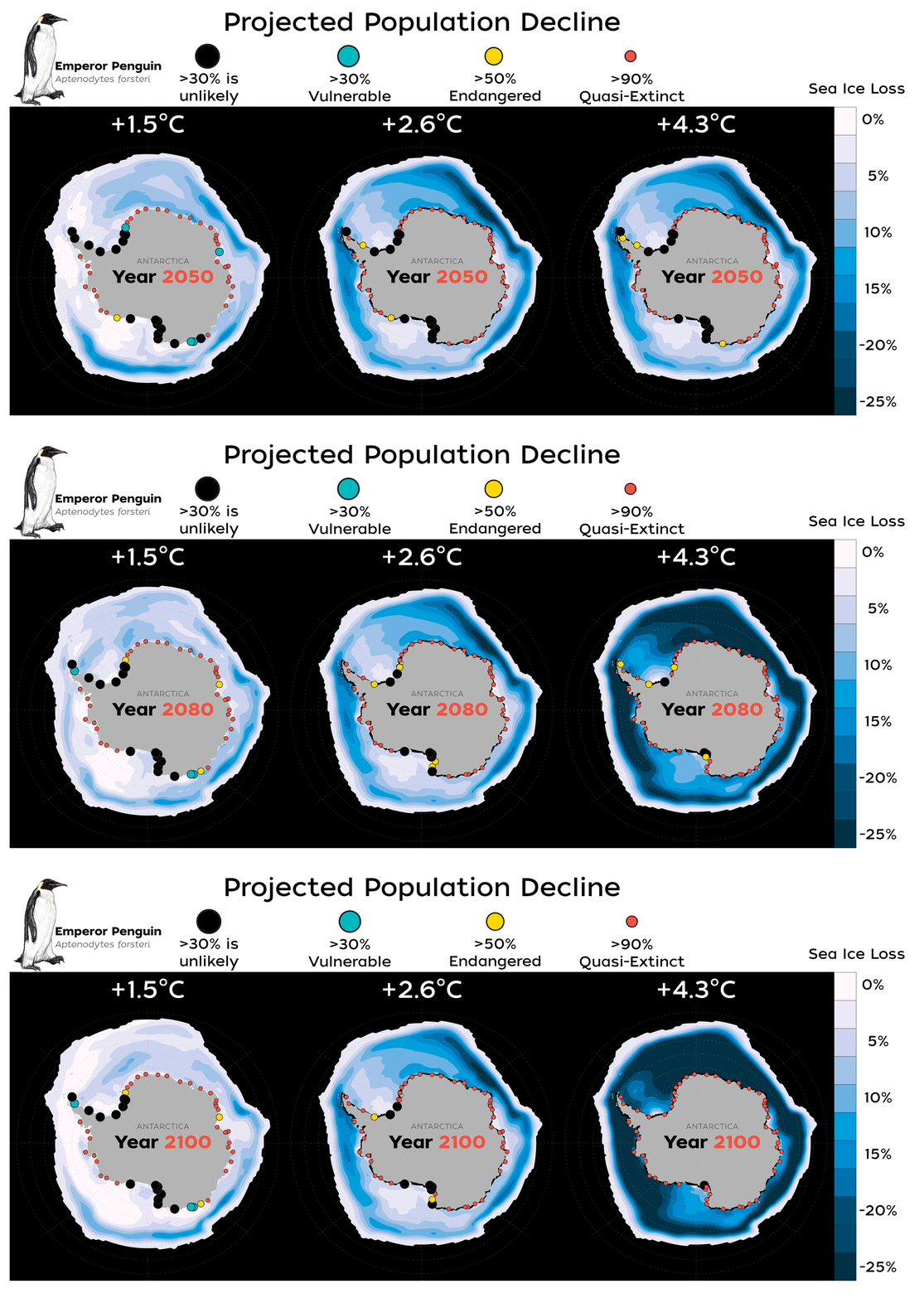
A new study published today in Global Change Biology provides valuable new data that highlights how species extinction risk is accelerating due to rapid climate change and an increase in extreme climate events, such as glacial calving and sea ice loss.
Read MoreReview Evaluates the Evidence for an Intensifying Indian Ocean Water Cycle
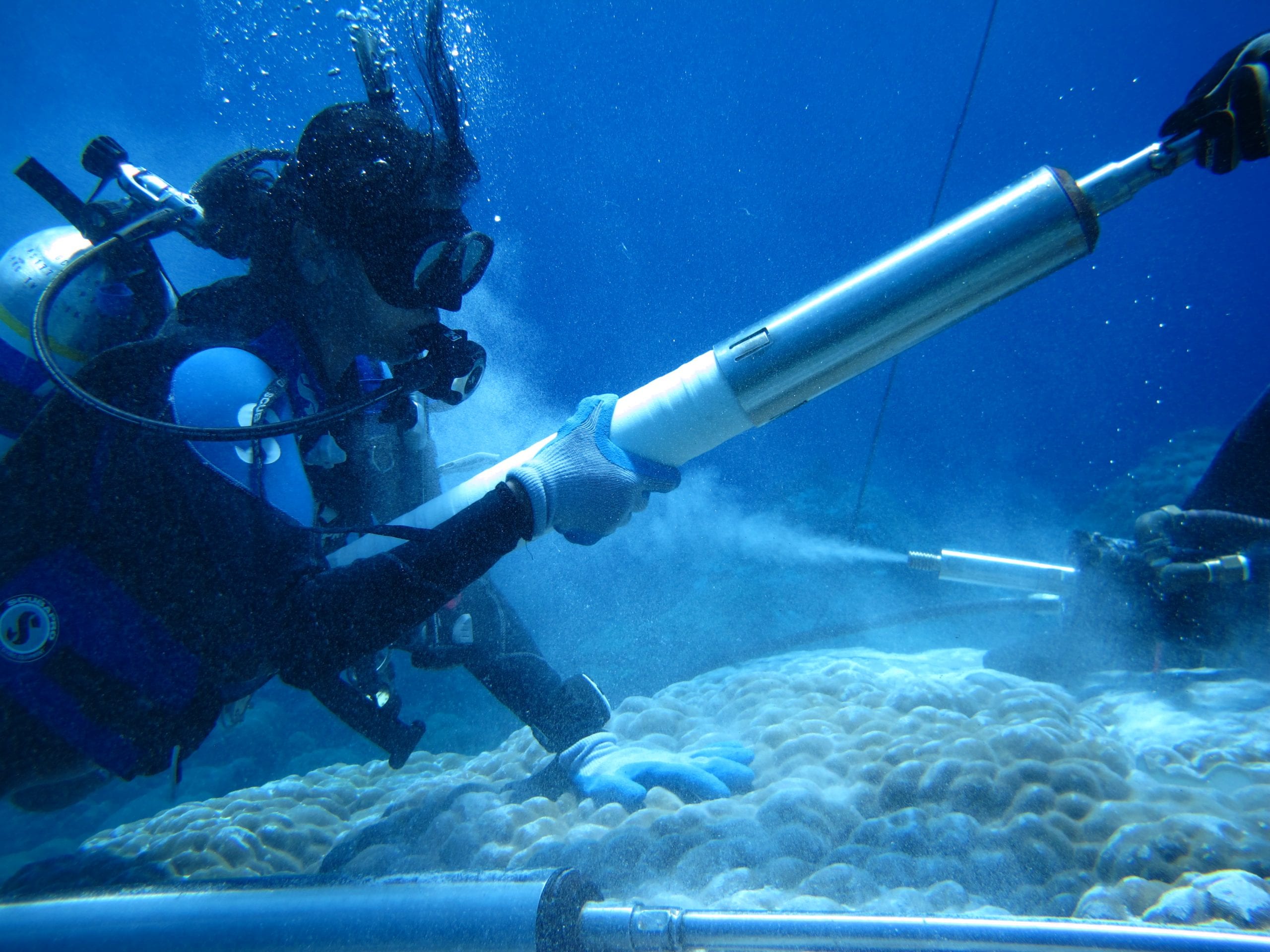
Report Calls for Better Integration of Observations, Models, and Paleo Proxies The Indian Ocean has been warming much more than other ocean basins over the last 50-60 years. While temperature…
Read MoreSome Forams Could Thrive with Climate Change, Metabolism Study Finds
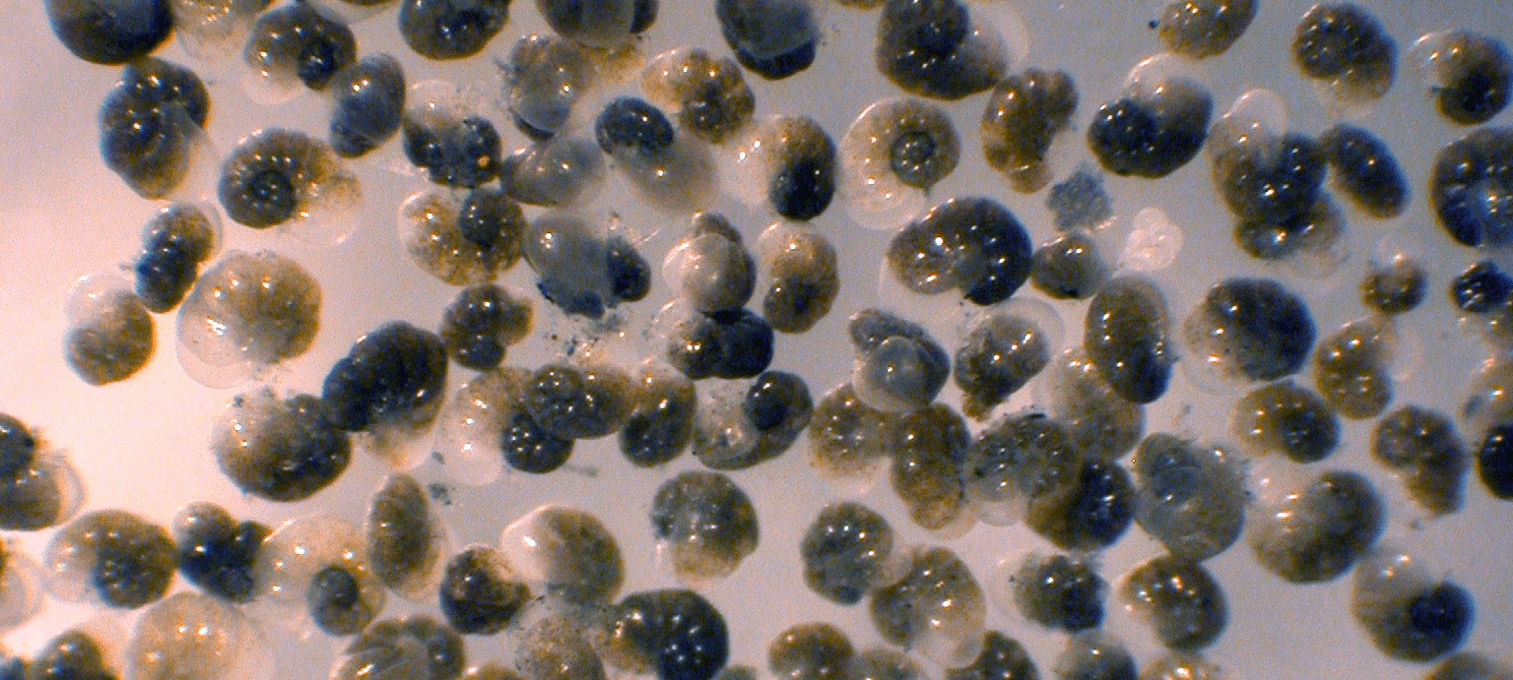
Oceanic deoxygenation is increasingly affecting marine ecosystems. A new paper that examines two foram species found that they demonstrated great metabolic versatility to flourish in hypoxic and anoxic sediments where there is little or no dissolved oxygen, inferring that the forams’ contribution to the marine ecosystem will increase with the expansion of oxygen-depleted habitats.
Read MoreStudy Finds 6⁰C Cooling on Land during the Last Ice Age, With Implications about Future Global Warming
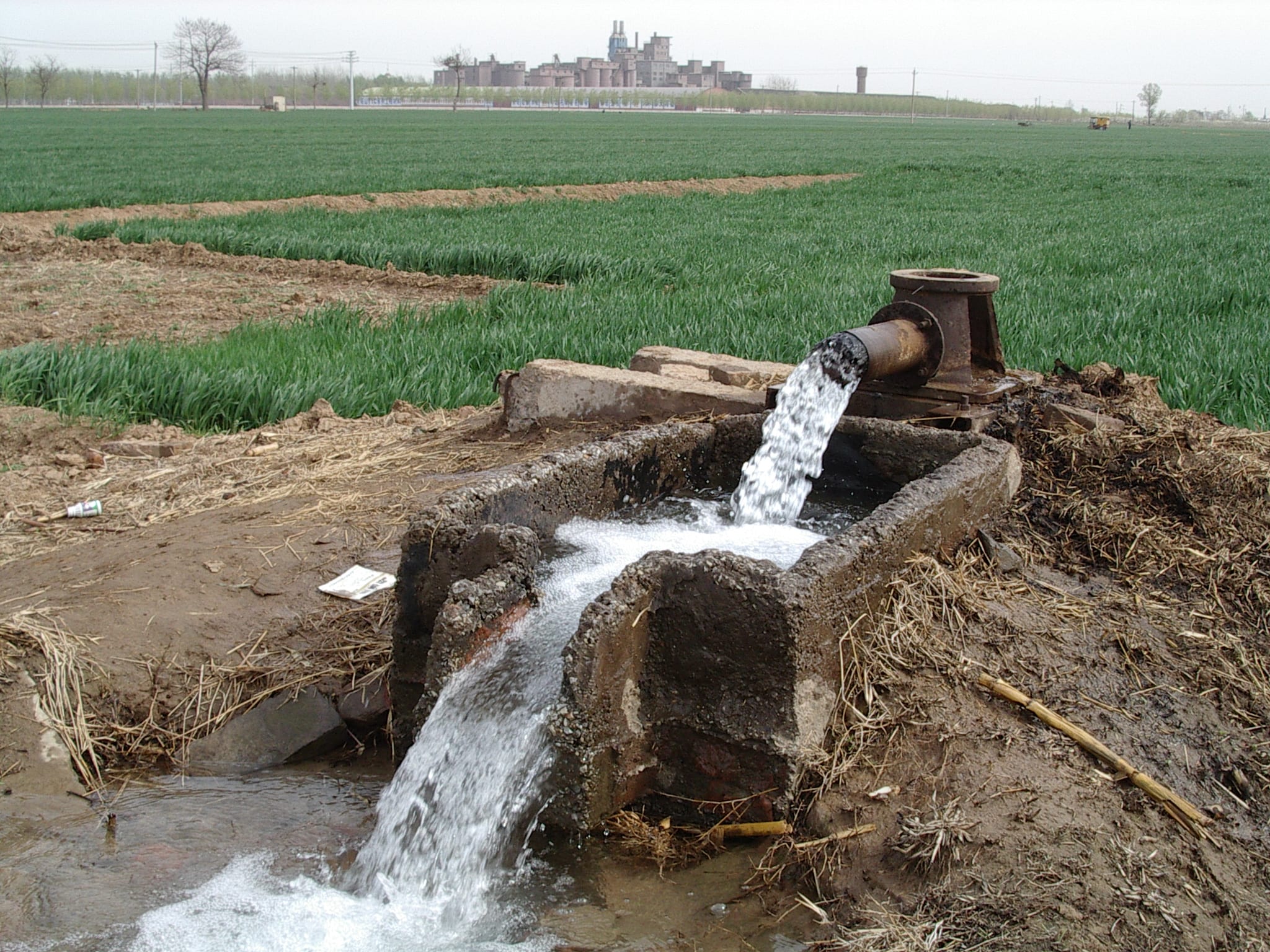
A recent report shows that prior studies have underestimated the cooling in the last glacial period, which has low-balled estimates of the Earth’s climate sensitivity to greenhouse gases. The rather high climate sensitivity is not good news regarding future global warming, which may be stronger than expected using previous best estimates.
Read MoreWHOI and ADI Launch Ocean and Climate Innovation Accelerator
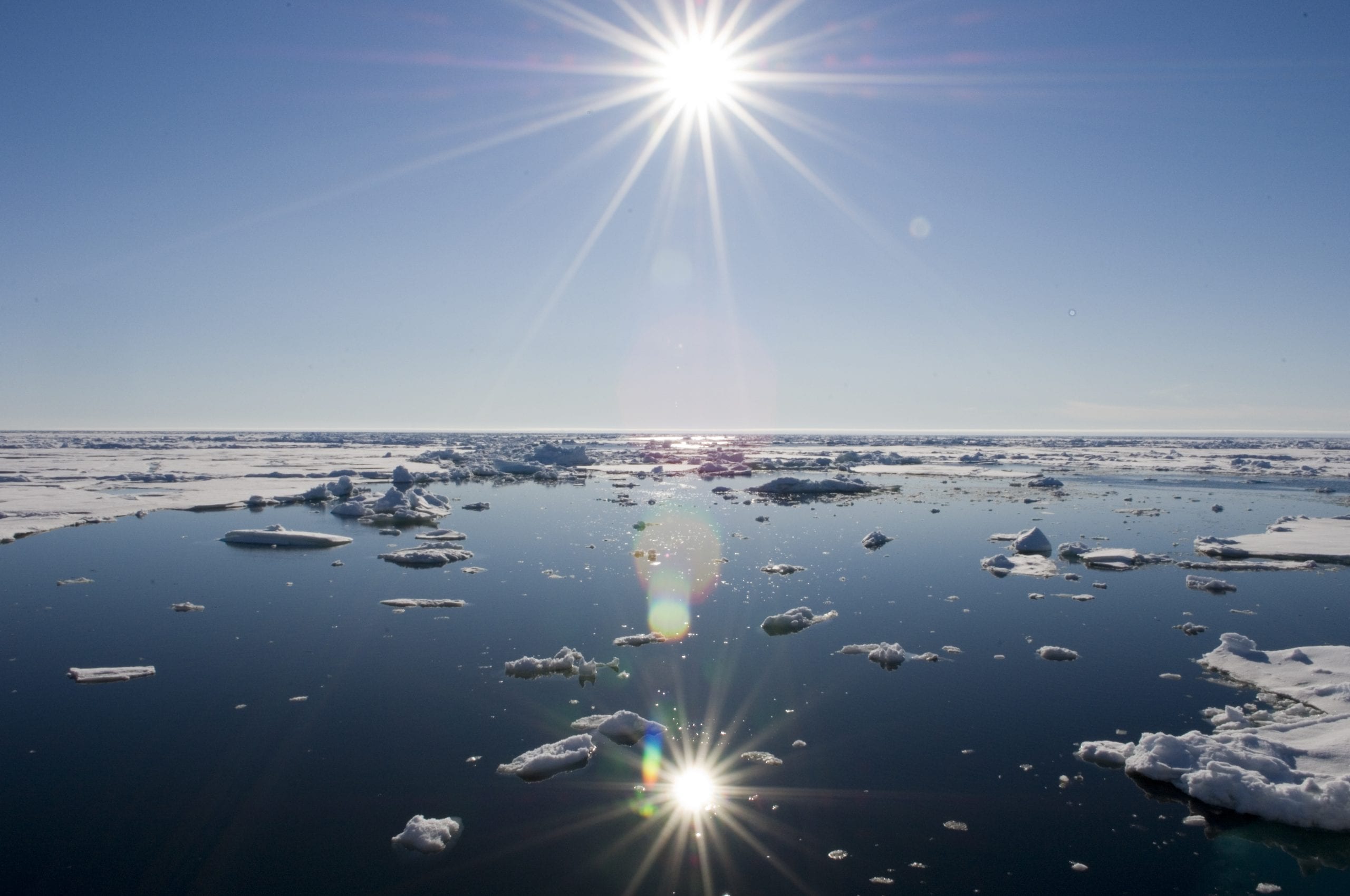
Today WHOI and Analog Devices, Inc. (ADI) launched an Ocean and Climate Innovation Accelerator (OCIA) consortium, focused on the critical role of oceans in combatting climate change, and developing new solutions at the intersection of oceans and climate.
Read MoreClimate Change Can Destabilize the Global Soil Carbon Reservoir, New Study Finds
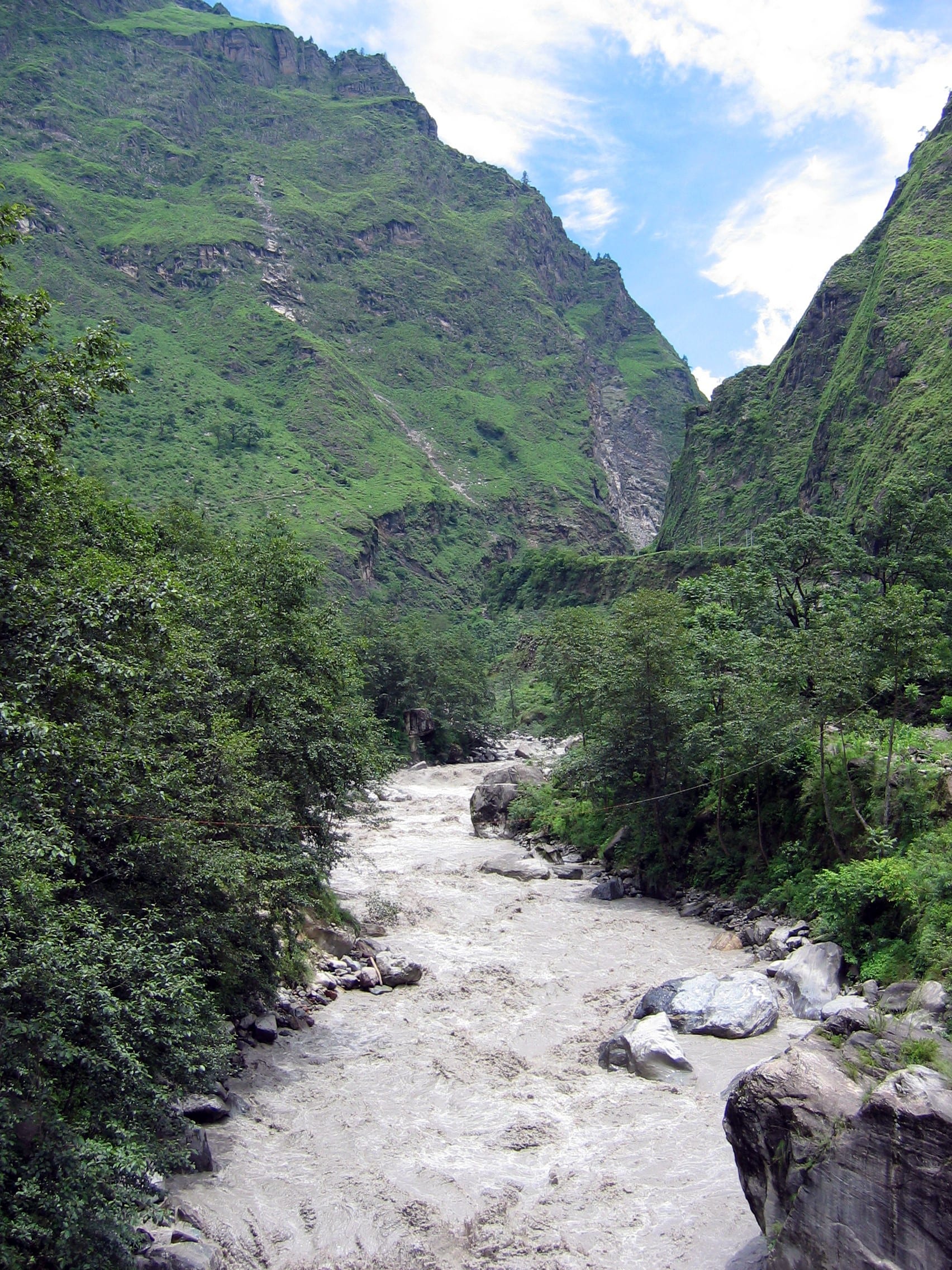
The vast reservoir of carbon that is stored in soils probably is more sensitive to destabilization from climate change than has previously been assumed, according to a new study by…
Read MoreStudy reconstructs ancient storms to predict changes in a cyclone hotspot
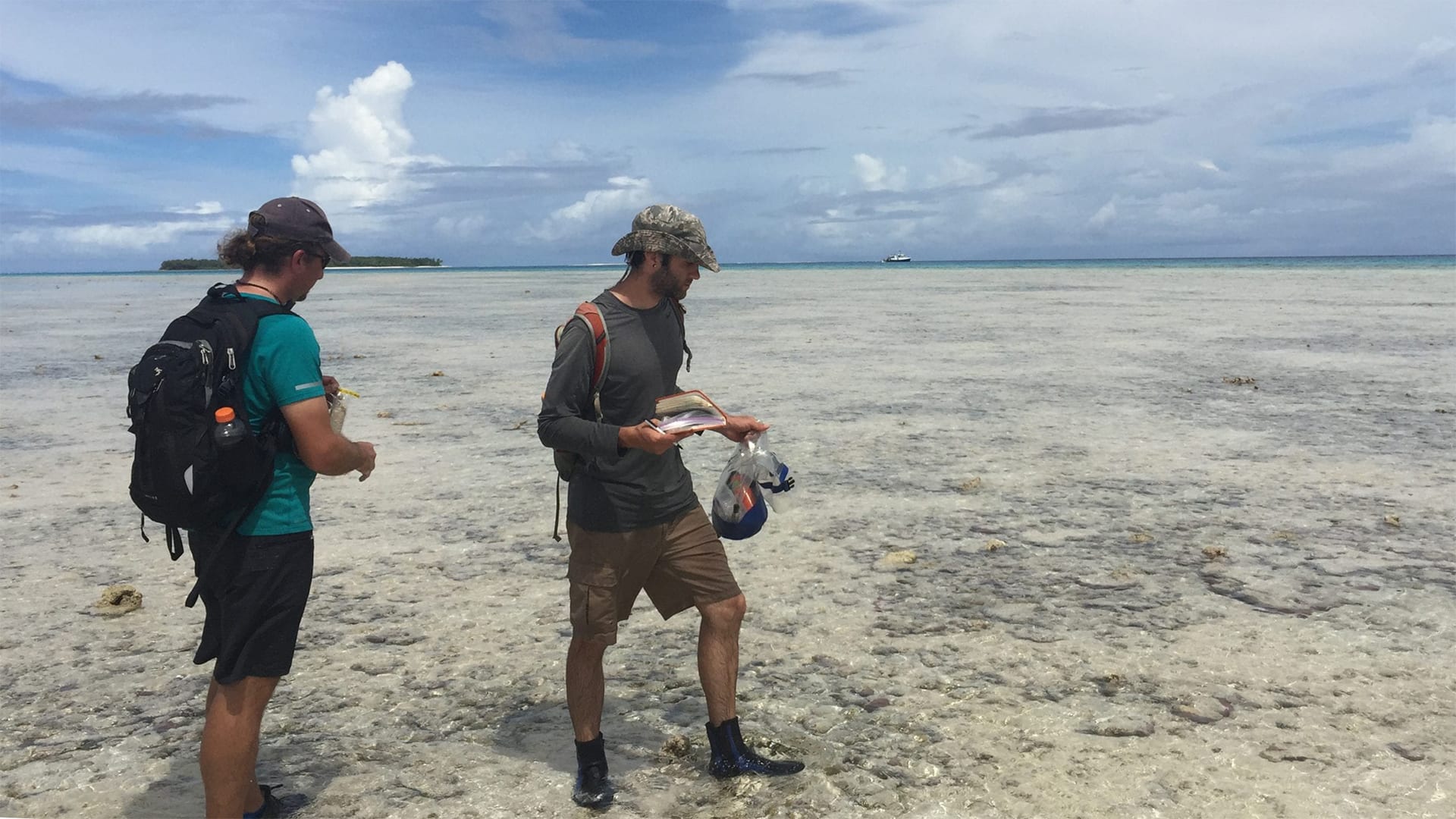
Intense tropical cyclones are expected to become more frequent as climate change increases temperatures in the Pacific Ocean. But not every area will experience storms of the same magnitude
Read MoreWHOI-NOAA partnership tackles critical gap in climate knowledge
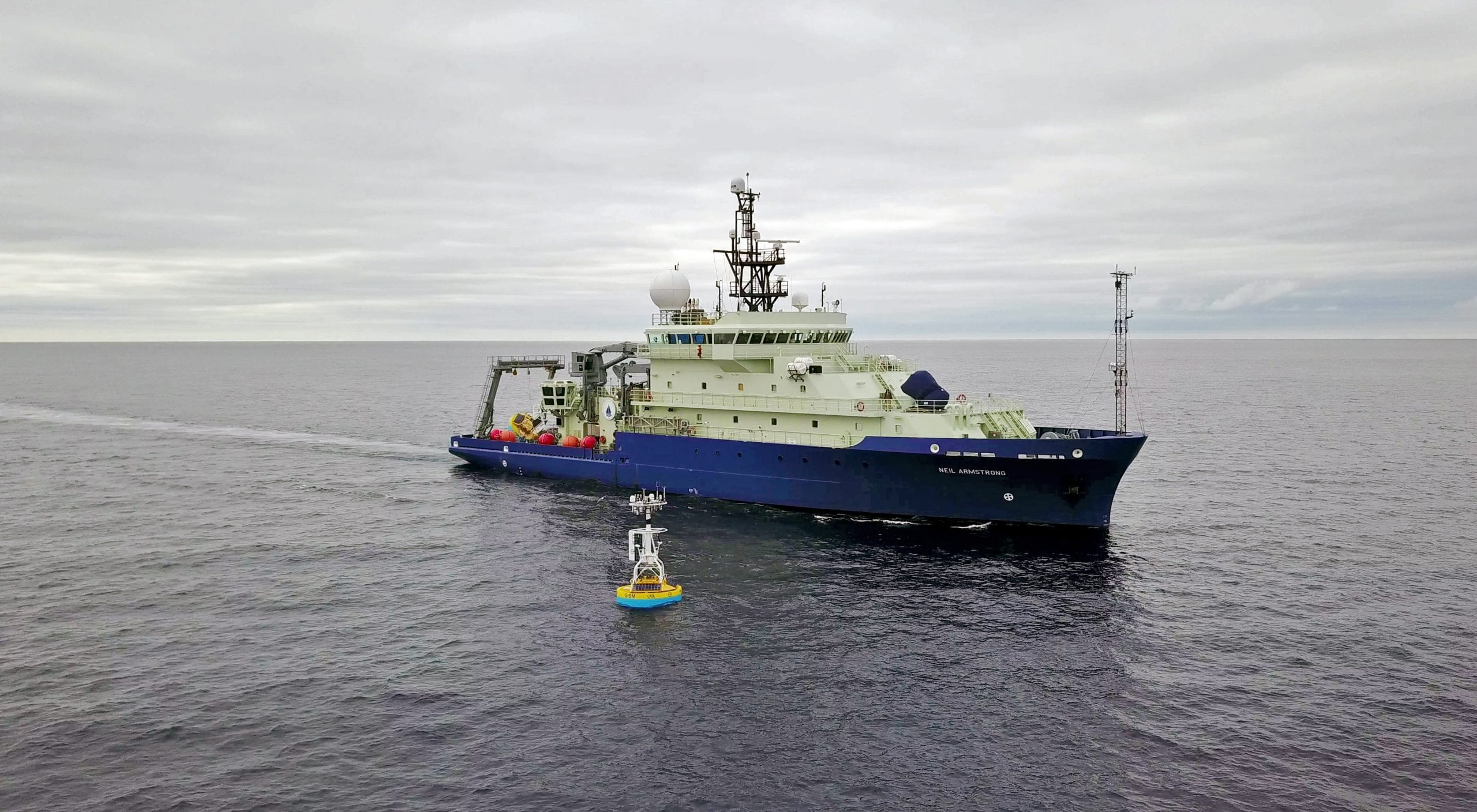
Remote technologies, machine learning will improve simulations of polar ice melt and implications for the global climate Researchers at Woods Hole Oceanographic Institution (WHOI) were recently awarded a $500,000 grant…
Read MoreWarming oceans are getting louder
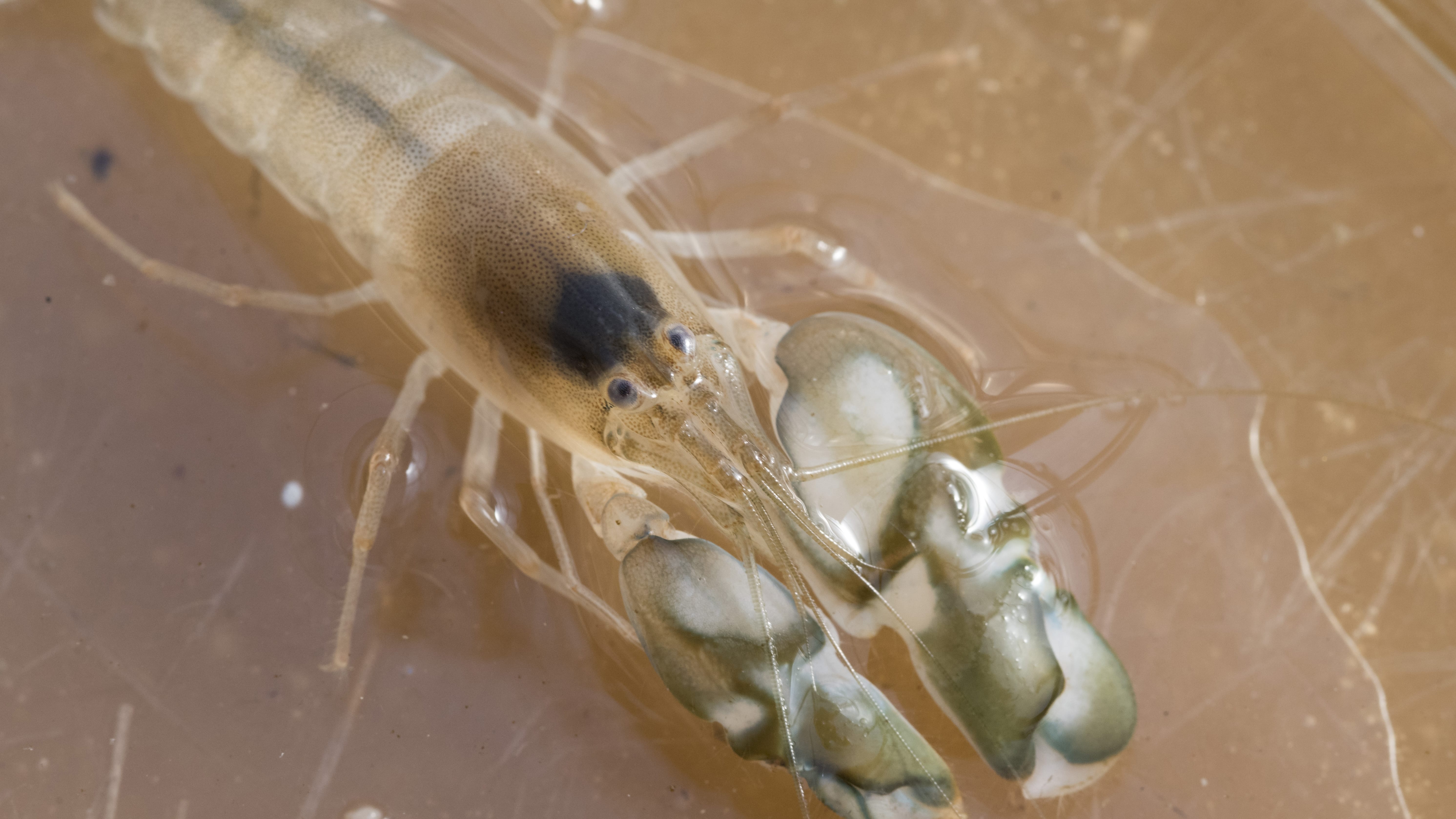
One of the ocean’s loudest creatures will get even louder and more troublesome to humans and sea life as the ocean warms.
Read MoreClownfish can’t adapt to rapid environmental changes
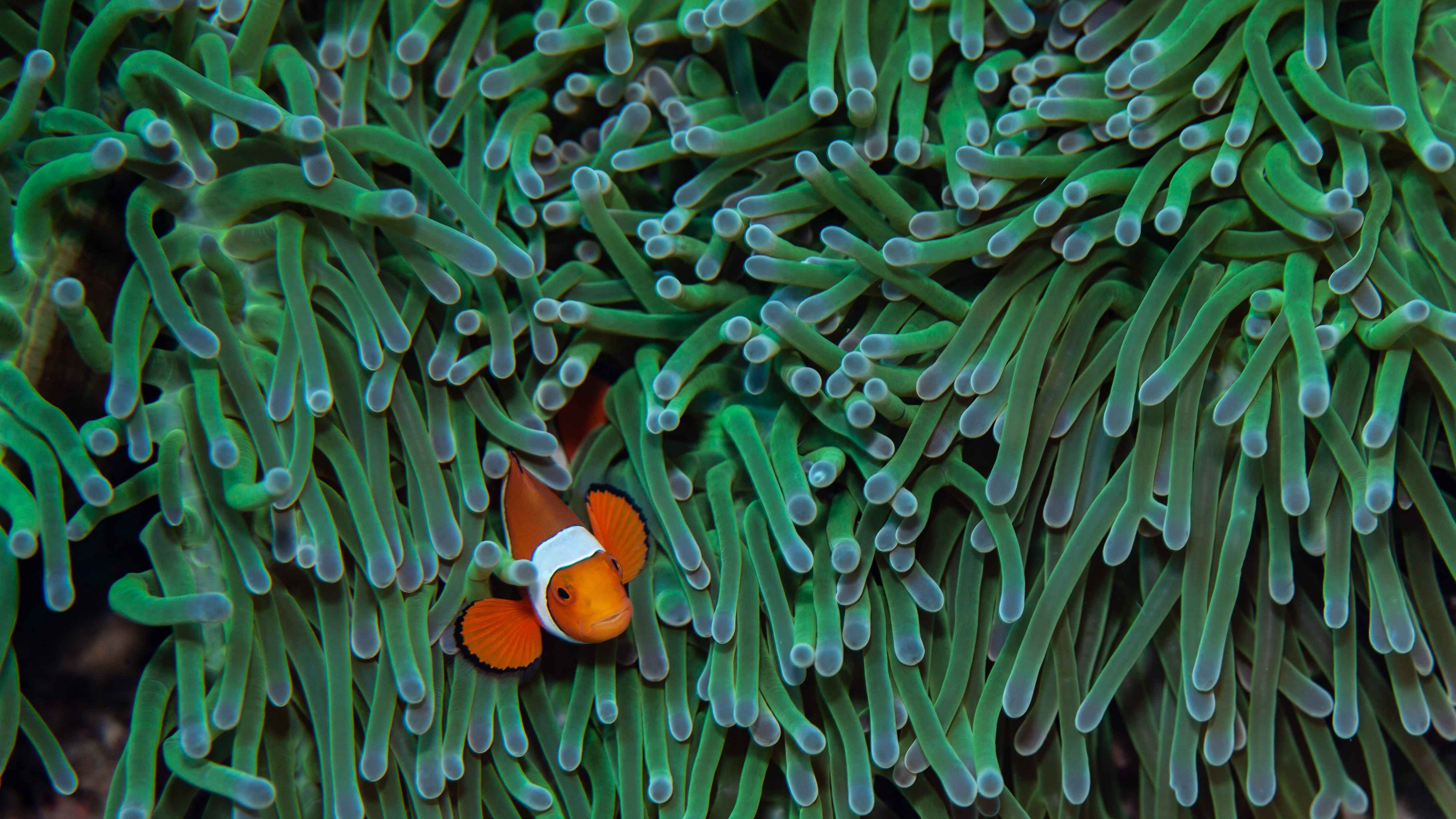
The beloved anemone fish popularized by the movies “Finding Nemo” and “Finding Dory” don’t have the genetic capacity to adapt to rapid changes in their environment, according to a new study in the journal Ecology Letters.
Read MoreNorth Atlantic Ocean productivity has dropped 10 percent during industrial era
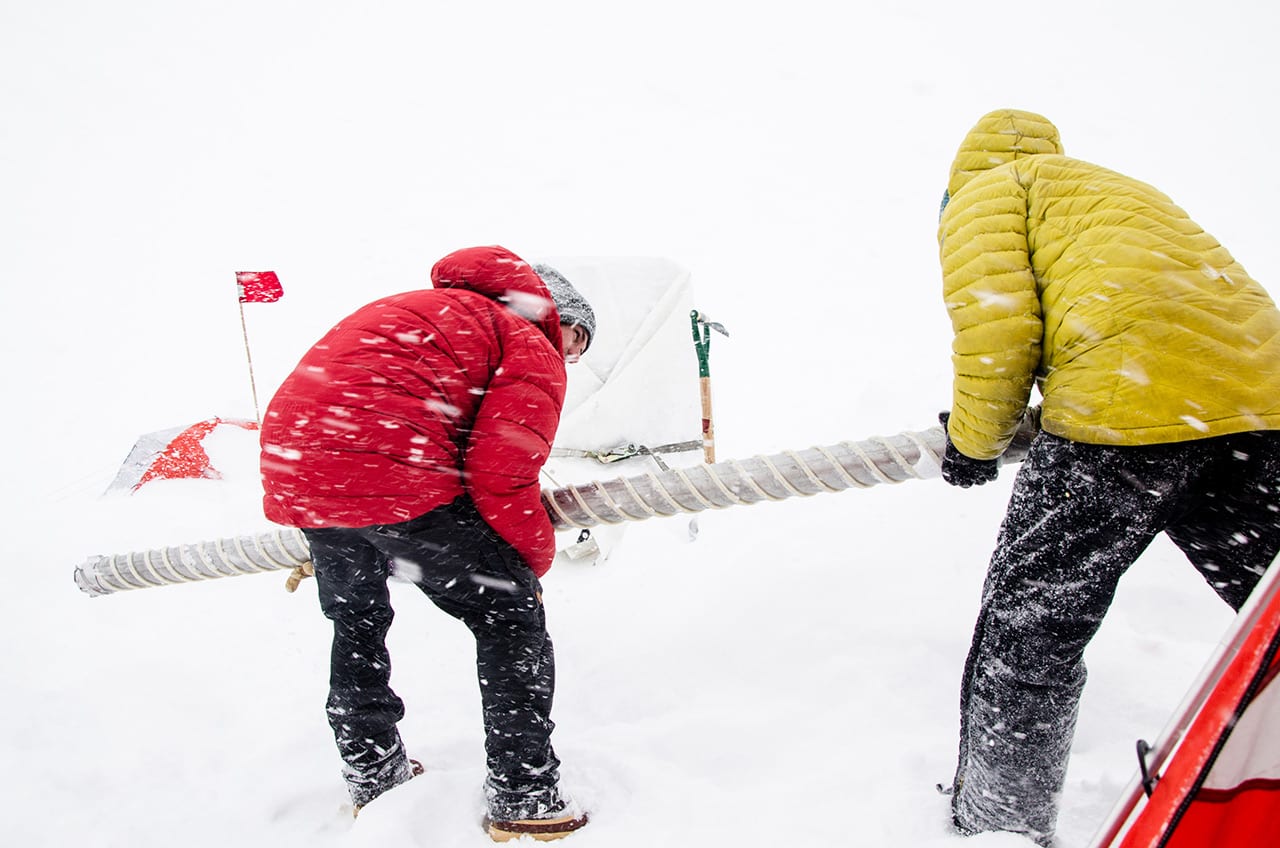
Scientists at MIT, Woods Hole Oceanographic Institution (WHOI), and elsewhere have found evidence that phytoplankton’s productivity is declining steadily in the North Atlantic, one of the world’s most productive marine basins.
Read MoreGreenland Ice Sheet Melt ‘Off the Charts’ Compared With Past Four Centuries
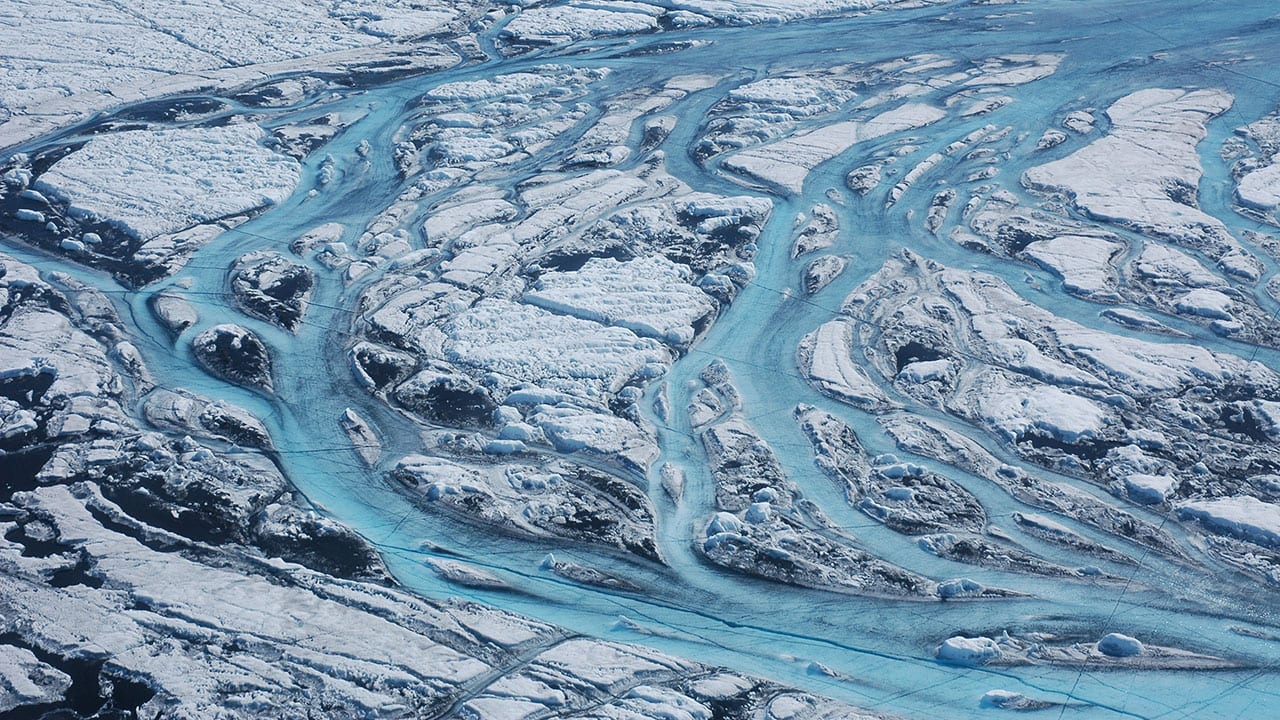
Surface melting across Greenland’s mile-thick ice sheet began increasing in the mid-19th century and then ramped up dramatically during the 20th and early 21st centuries, showing no signs of abating, according to new research published Dec. 5, 2018, in the journal Nature. The study provides new evidence of the impacts of climate change on Arctic melting and global sea level rise.
Read More