
News Releases
Study Tracks Severe Bleaching Events on a Pacific Coral Reef Over Past Century
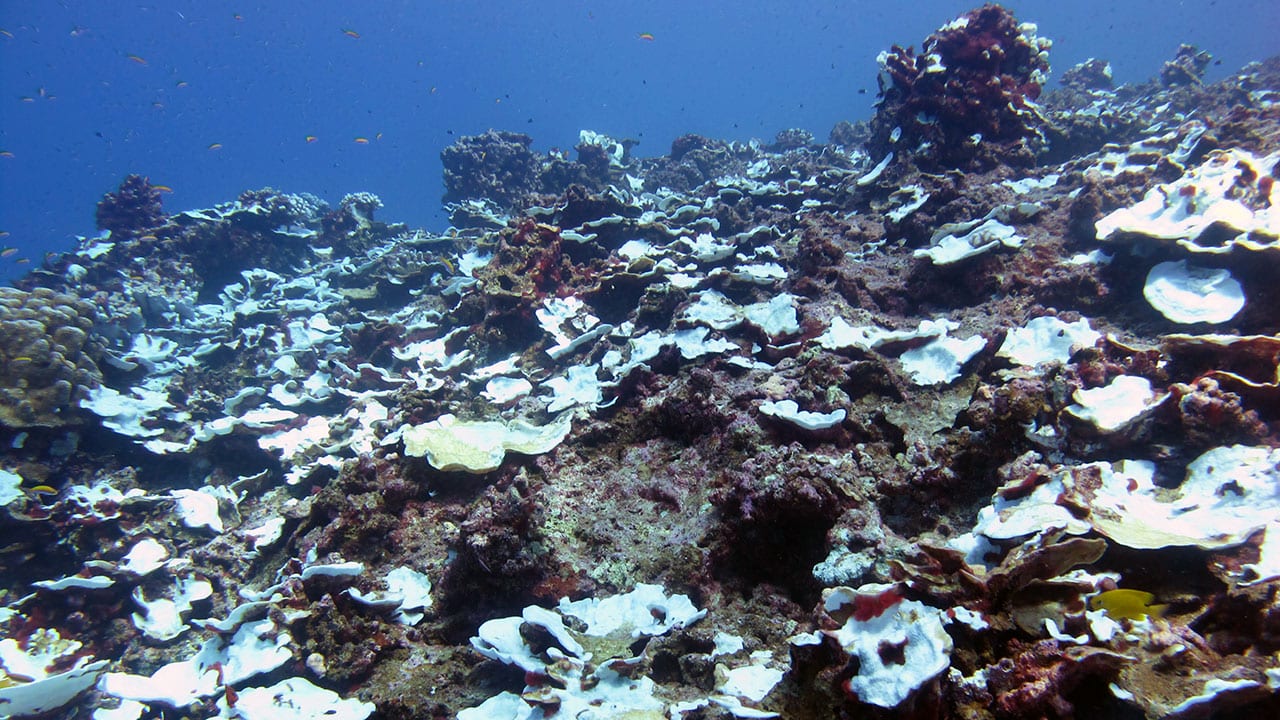
As climate change causes ocean temperatures to rise, coral reefs worldwide are experiencing mass bleaching events and die-offs. For many, this is their first encounter with extreme heat. However for some reefs in the central Pacific, heatwaves caused by El Nino are a way of life. Exactly how these reefs deal with repeated episodes of extreme heat has been unclear. A new study from the Woods Hole Oceanographic Institution (WHOI), has uncovered the history of bleaching on a reef in the epicenter of El Nino, revealing how some corals have been able to return after facing extreme conditions. The study was published October 26, 2018, in the journal Communications Biology.
Read MoreMountain Erosion May Add Carbon Dioxide to Atmosphere
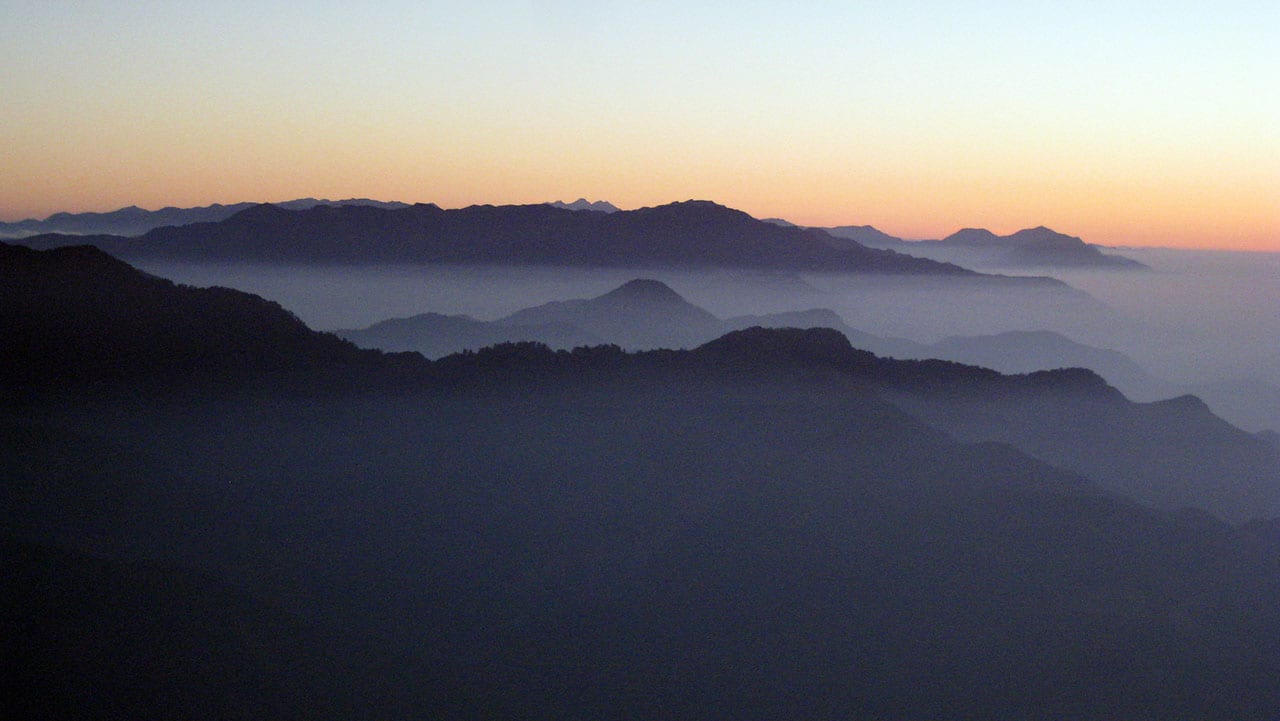
Scientists have long known that steep mountain ranges can draw carbon dioxide (CO2) out of the atmosphere as erosion exposes new rock, it also starts a chemical reaction between minerals on hill slopes and CO2 in the air, weathering the rock and using CO2 to produce carbonate minerals like calcite.
Read MoreMonitoring Bacteria on Whale Skin
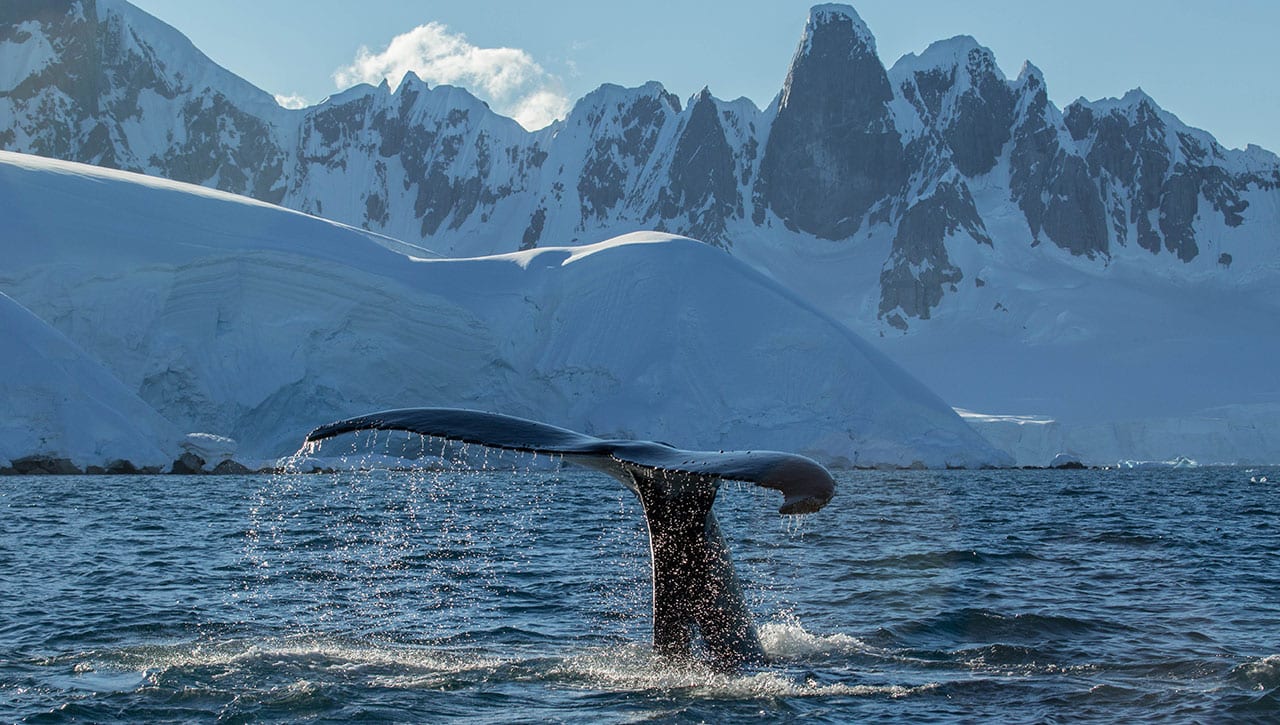
Just like with humans, the skin on marine mammals serves as an important line of defense against pathogens in their environment. A new study sheds light on the skin microbiome – a group of microorganisms that live on skin – in healthy humpback whales, which could aid in future efforts to monitor their health.
Read MoreFeeling the Heat in the NW Atlantic
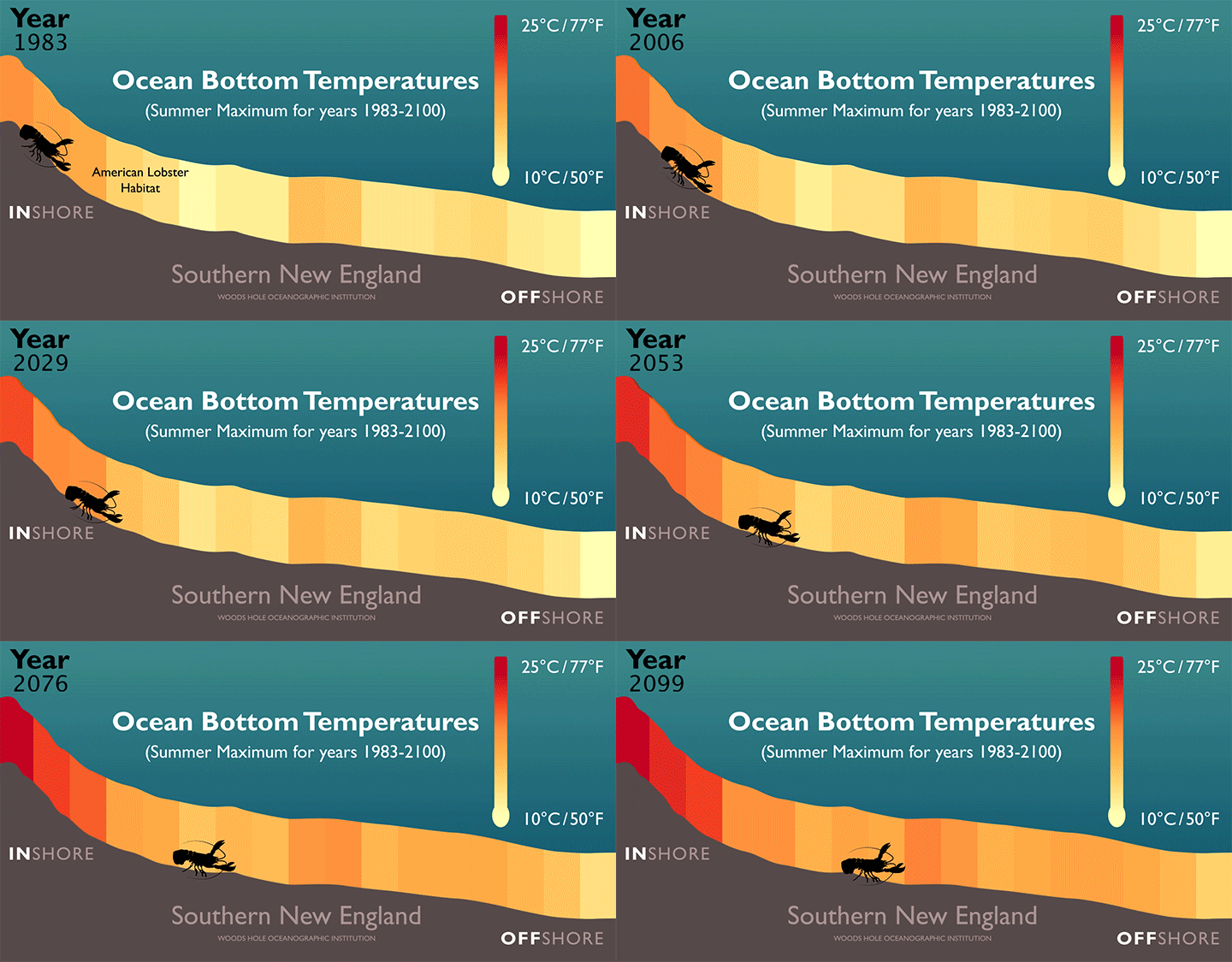
Rising temperatures along the bottom of the Atlantic Ocean will force American lobsters (H. americanus) farther offshore and into more northern waters, according to a new study led by researchers at the Woods Hole Oceanographic Institution (WHOI).
Read MoreMore Frequent Extreme Ocean Warming Could Further Endanger Albatross
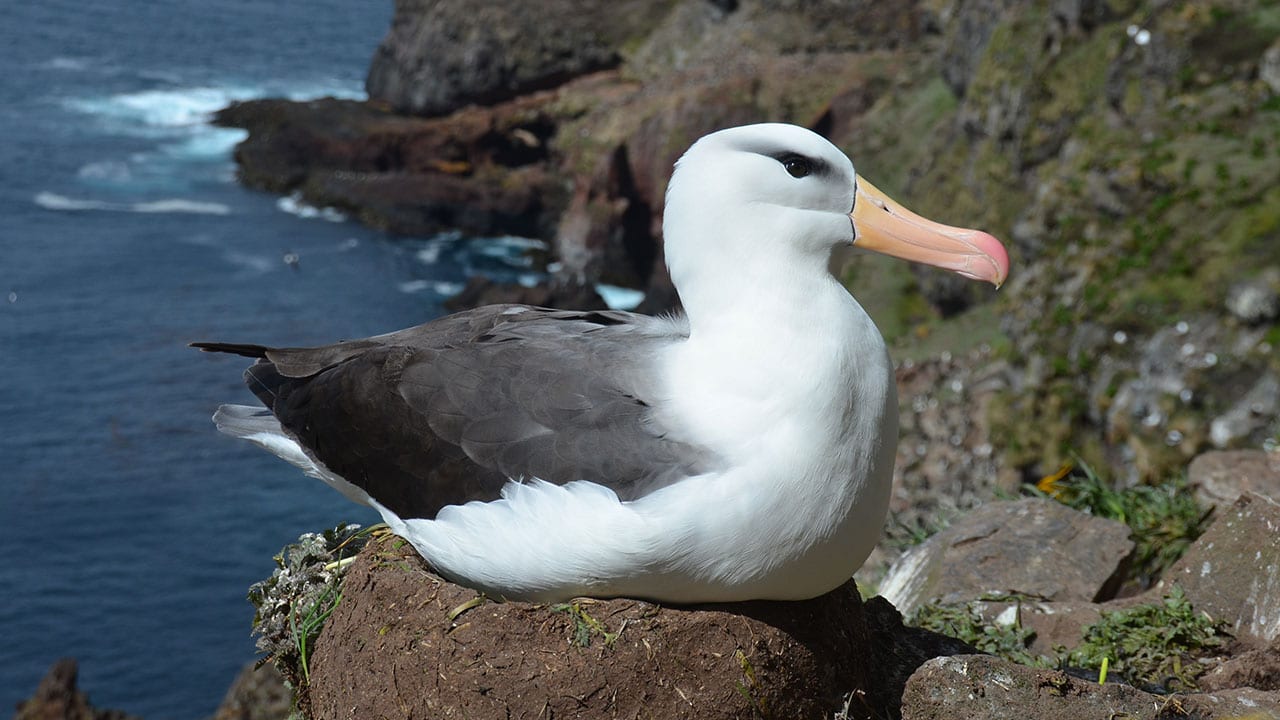
As scientists grapple with the behavioral, ecological and evolutionary impacts of extreme climatic events, the journal Philosophical Transactions of the Royal Society B created a special June issue to explore what is known on the topic and pioneer new approaches to this challenging and rapidly expanding field of study. The issue, which was published online May 8, 2017, was co-edited by Wood Hole Oceanographic institution (WHOI) biologist Stephanie Jenouvrier.
Read MoreCorals Die as Global Warming Collides with Local Weather in the South China Sea
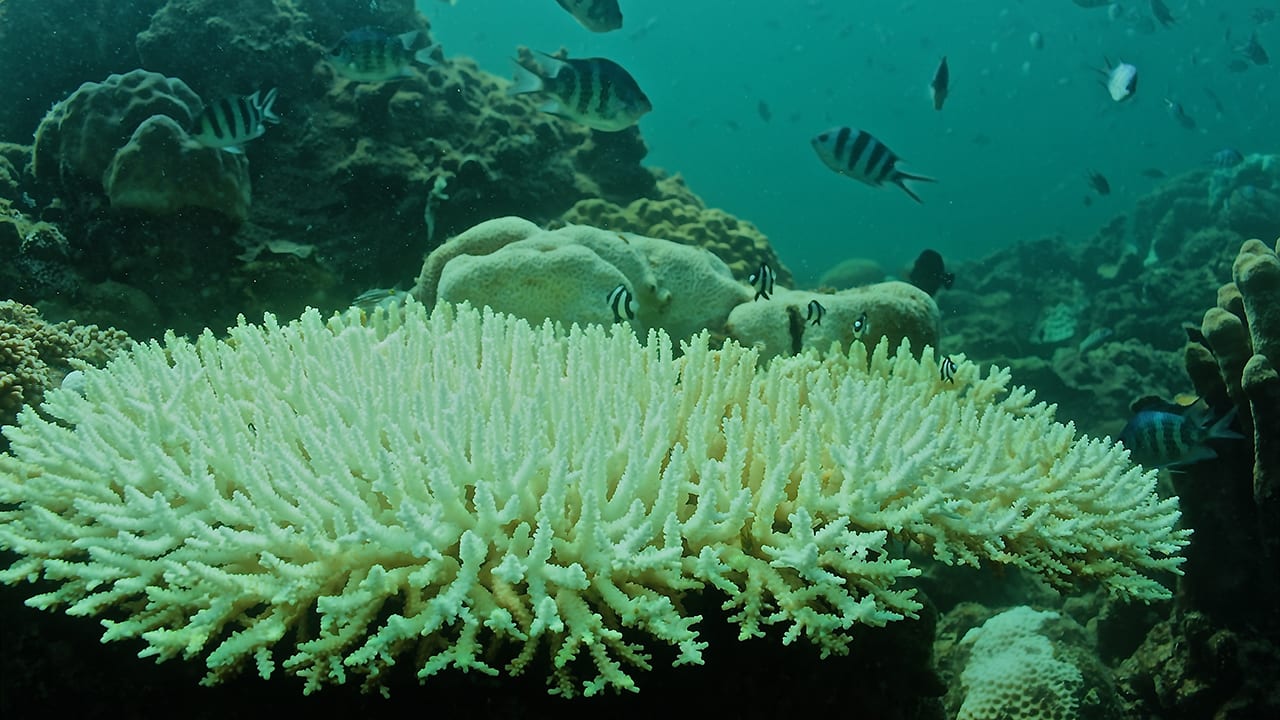
New research highlights the devastation caused when global-scale ocean warming interacts with short-lived weather anomalies, and adds urgency to the question of how reefs will fare through the end of this century.
Read MoreFishermen, Scientists Collaborate to Collect Climate Data
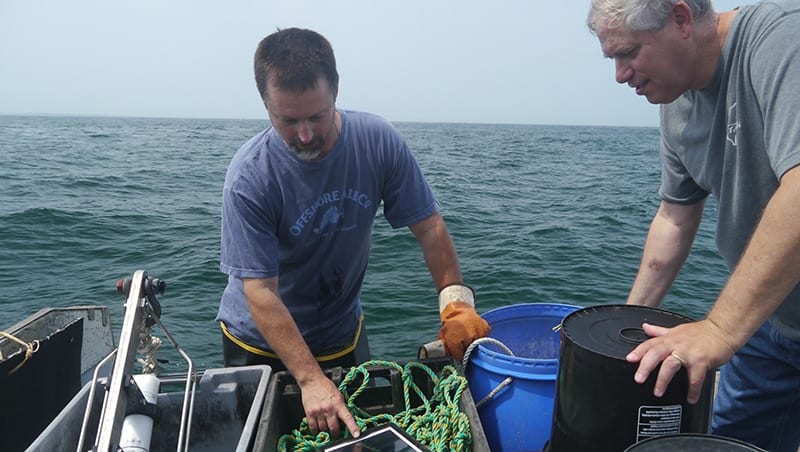
To help understand the ongoing changes in their slice of the ocean, a group of commerical fishermen in southern New England are now part of a fleet gathering much-needed climate data for scientists through a partnership with the Commercial Fisheries Research Foundation (CFRF) and Woods Hole Oceanographic Institution (WHOI).
Read MoreFiamma Straneo Selected for Prestigious Sverdrup Lecture
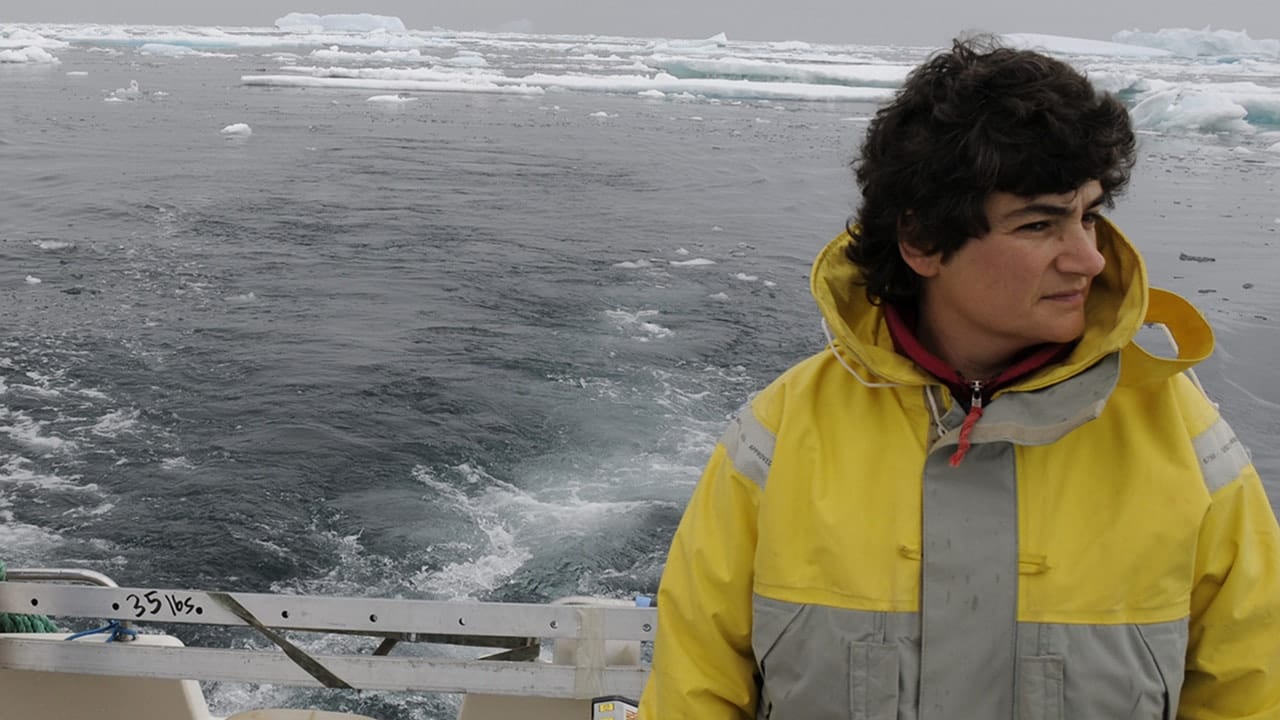
The American Geophysical Union (AGU) has chosen Fiamma Straneo, a physical oceanographer at Woods Hole Oceanographic Institution (WHOI), to deliver the Sverdrup Lecture at this year’s meeting of the Ocean Sciences section held in New Orleans from February 21-26, 2016. The lecture is one of the highest awards the section bestows on its members.
Read MoreStudy Reveals Climate Change Impacts on Buzzards Bay
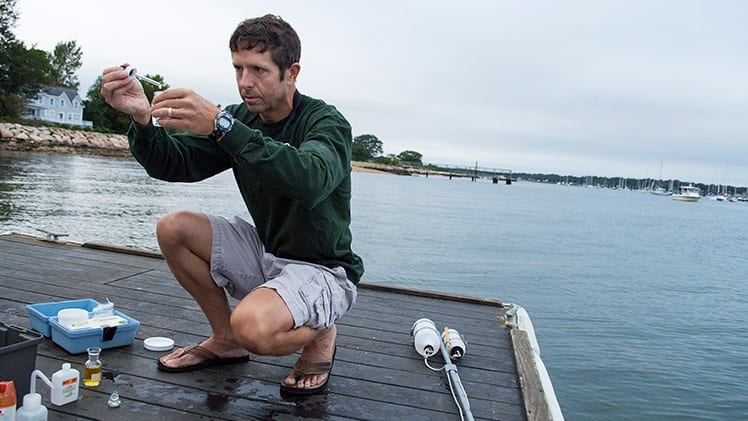
Utilizing 22 years of data collected by a network of citizen scientists, researchers from the Woods Hole Oceanographic Institution (WHOI) and their colleagues at the Buzzards Bay National Estuary Program, the Buzzards Bay Coalition, and the Marine Biological Laboratory found that average summertime temperatures in embayments throughout Buzzards Bay warmed by almost 2 degrees Celsius—roughly 4 degrees Fahrenheit.
Read MoreWHOI, NEAQ Embark on Expedition to the Phoenix Islands
A research team led by the New England Aquarium (NEAQ) and Woods Hole Oceanographic Institution (WHOI) are heading out on a 6,000-mile expedition to one of the most remote places on Earth—the Phoenix Islands in the central Pacific Ocean. Throughout the month of September and in the midst of a strengthening Pacific El Nino, researchers will investigate the combined effects of climate change and human activity on the these vast coral reef ecosystems and the diversity of life they sustain.
Read MoreAccelerated Warming of the Continental Shelf Off Northeast Coast
A new study by physical oceanographers at Woods Hole Oceanographic Institution (WHOI), published in the Journal of Geophysical Research, shows that water temperatures in this continental shelf region have been trending upward, with unprecedented warming occurring over the last 13 years. The study also suggests a connection between sea level anomalies and water temperature along the continental shelf.
Read MoreUnderstanding the Ocean’s Role in Greenland Glacier Melt
The Greenland Ice Sheet is a 1.7 million-square-kilometer, 2-mile thick layer of ice that covers Greenland. Its fate is inextricably linked to our global climate system. In the last 40…
Read MoreMelting Sea Ice Threatens Emperor Penguins, Study Finds
At nearly four feet tall, the Emperor penguin is Antarctica’s largest sea bird—and thanks to films like “March of the Penguins” and “Happy Feet,” it’s also one of the continent’s…
Read MoreNew Study by WHOI Scientists Provides Baseline Measurements of Carbon in Arctic Ocean
Scientists from the Woods Hole Oceanographic Institution (WHOI) have conducted a new study to measure levels of carbon at various depths in the Arctic Ocean. The study, recently published in…
Read MorePacific Islands May Become Refuge for Corals in a Warming Climate, Study Finds
Scientists have predicted that ocean temperatures will rise in the equatorial Pacific by the end of the century, wreaking havoc on coral reef ecosystems. But a new study shows that climate change could cause ocean currents to operate in a surprising way and mitigate the warming near a handful of islands right on the equator. As a result these Pacific islands may become isolated refuges for corals and fish.
Read MoreLong-Term Carbon Storage in Ganges Basin May Portend Global Warming Worsening
Global warming could destabilize the pool of carbon in the Ganges-Brahmaputra basin and similar places on Earth, potentially increasing the rate of CO2 release into the atmosphere.
Read MoreBacterial Communication Could Affect Earth’s Climate
Woods Hole Oceanographic Institution (WHOI) scientists have discovered that bacterial communication could have a significant impact on the planetÃÂs climate.
Read MoreNovel Ocean-Crust Mechanism Could Affect World’s Carbon Budget
The Earth is constantly manufacturing new crust, spewing molten magma up along undersea ridges at the boundaries of tectonic plates. The process is critical to the planet?s metabolism, including the cycle of underwater life and the delicate balance of carbon in the ocean and atmosphere. Now, scientists at the Woods Hole Oceanographic Institution (WHOI) have observed ocean crust forming in an entirely unexpected way?one that may influence those cycles of life and carbon and, in turn, affect the much-discussed future of the world?s climate.
Read MoreWHOI Scientist Takes Comprehensive Look at Human Impacts on Ocean Chemistry
Numerous studies are documenting the growing effects of climate change, carbon dioxide, pollution and other human-related phenomena on the world?s oceans. But most of those have studied single, isolated sources of pollution and other influences. Now, a marine geochemist at the Woods Hole Oceanographic Institution (WHOI) has published a report in the latest issue of the journal Science that evaluates the total impact of such factors on the ocean and considers what the future might hold.
Read MoreWoods Hole Consortium Delegates Participating in U.N. Climate Change Conference in Copenhagen this Week
CONTACTS: Andrea Early, Marine Biological Laboratory 508-289-7652; aearly@mbl.edu Media Relations Office, Woods Hole Oceanographic Institution 508-289-3340; media@whoi.edu Elizabeth Braun, Woods Hole Research Center 508-540-9900, x109; ebraun@whrc.org WOODS HOLE, MA—Directors and…
Read MoreWarming Climate Impacts Base of Food Web in Western Antarctic Peninsula
A paper published this week in Science shows for the first time that the warming climate is changing the numbers and composition of phytoplankton—the base of the food web—along the…
Read MoreEmperor Penguins March toward Extinction?
Popularized by the 2005 movie “March of the Penguins,” emperor penguins could be headed toward extinction in at least part of their range before the end of the century, according…
Read MoreBacterial Pathogens and Rising Temperatures Threaten Coral Health
Coral reefs around the world are in serious trouble from pollution, over-fishing, climate change and more. The last thing they need is an infection. But that’s exactly what yellow band…
Read MoreStudy links swings in North Atlantic Oscillation variability to climate warming
Using a 218-year-long temperature record from a Bermuda brain coral, researchers at the Woods Hole Oceanographic Institution (WHOI) have created the first marine-based reconstruction showing the long-term behavior of one…
Read More