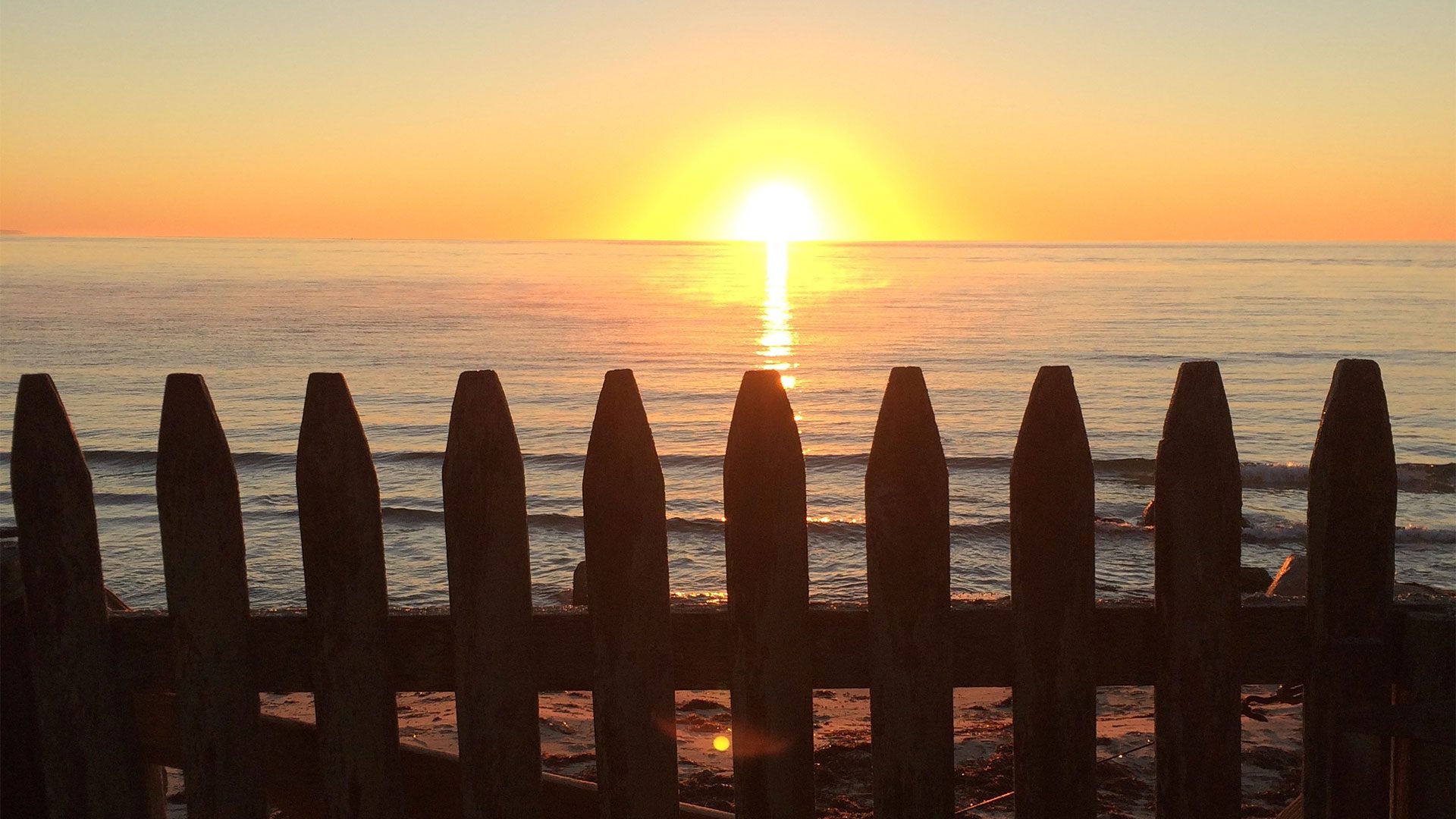
Tracking the hidden currents of Cape Cod Bay
Scientists are using drifters and ocean models to better understand how water, nutrients, and pollutants move through the bay
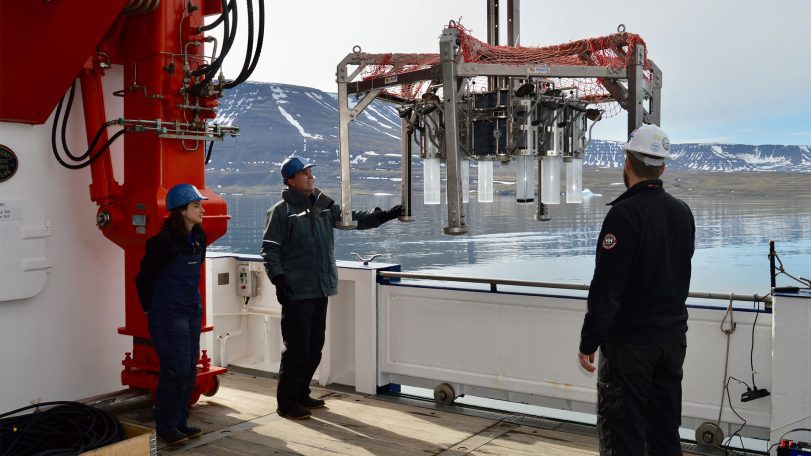
The unseen toll of war on science
As the changing climate accelerates the spread of toxic algal blooms in the Arctic, the Russia–Ukraine war is cutting off critical international collaboration needed to understand and protect vulnerable ecosystems and communities.

The human cost of Brazil’s floods
New research maps social vulnerability after the 2024 deluge

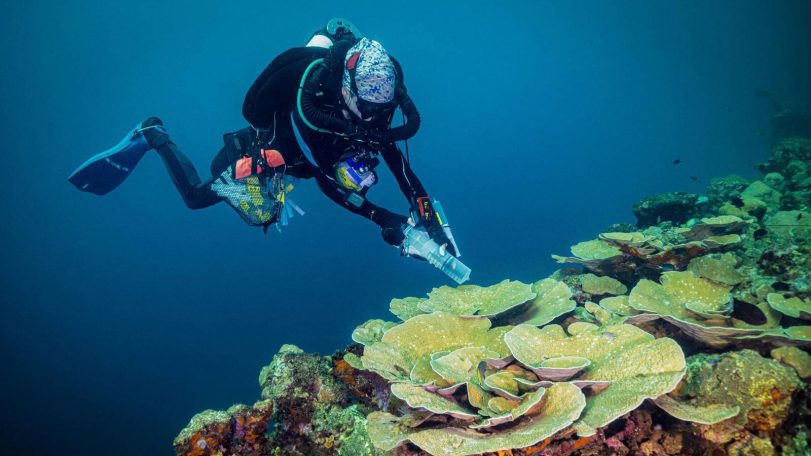
From ruin to reef
What Pacific wrecks are teaching us about coral resilience—and pollution
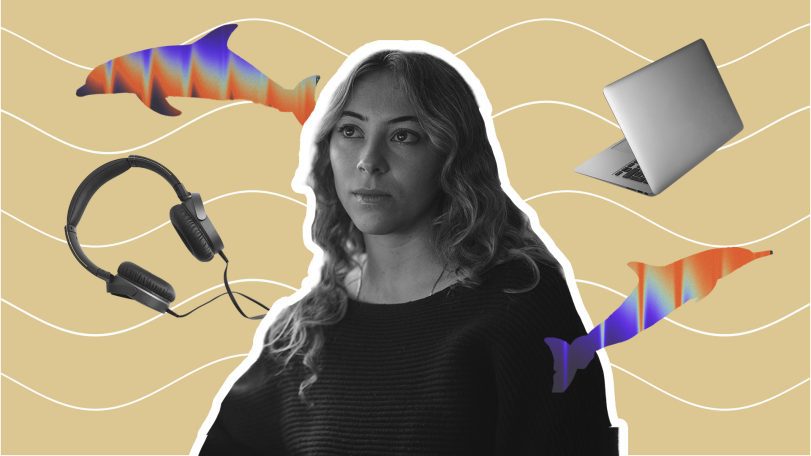
One researcher, 15,000 whistles: Inside the effort to decode dolphin communication
Scientists at WHOI analyze thousands of dolphin whistles to explore whether some sounds may function like words
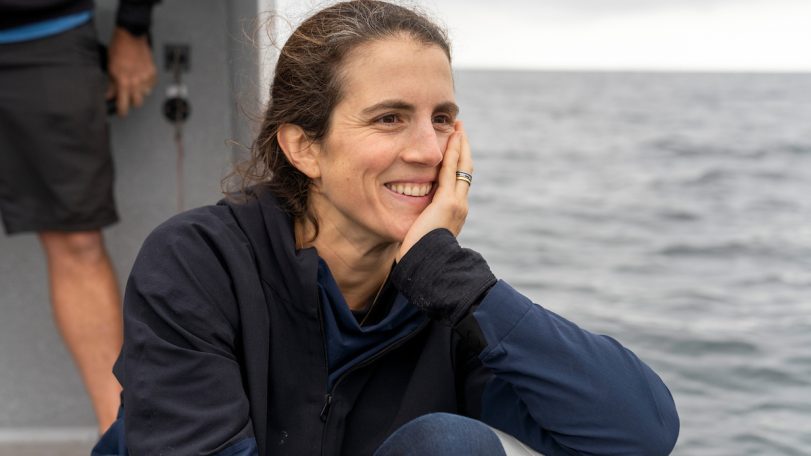
Remembering Tatiana Schlossberg, a voice for the ocean
Environmental journalist and author Tatiana Schlossberg passed away after battling leukemia on December 30, 2025….
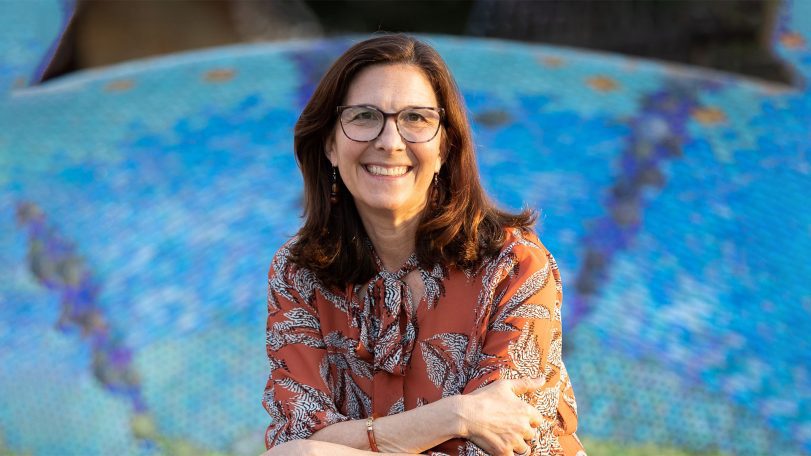
As the ocean warms, a science writer looks for coral solutions
Scientist-turned-author Juli Berwald highlights conservation projects to restore coral reefs
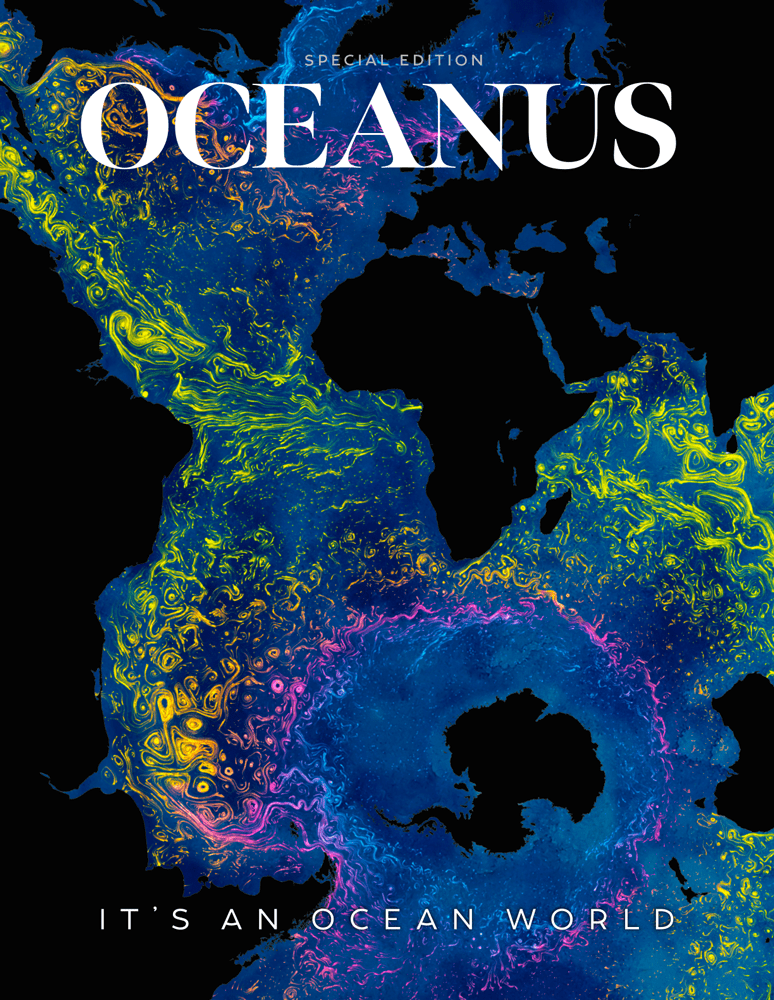
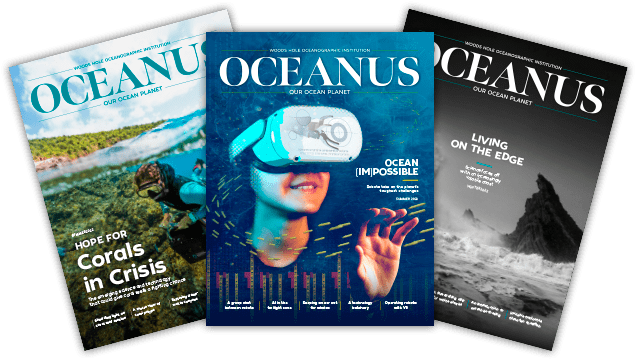
and get Oceanus delivered to your door twice a year as well as supporting WHOI's mission to further ocean science.
Our Ocean. Our Planet. Our Future.
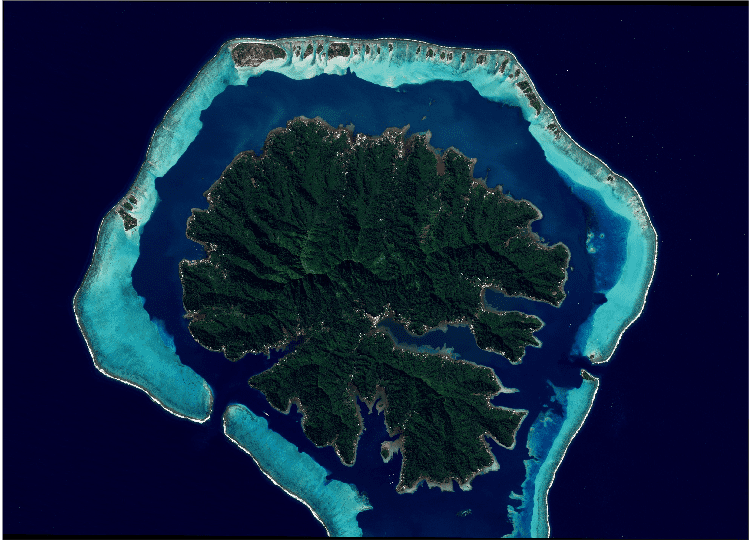
How an MIT-WHOI student used Google Earth to uncover a river–coral reef connection
Google Earth helps researcher decode how rivers sculpt massive breaks in coral reefs
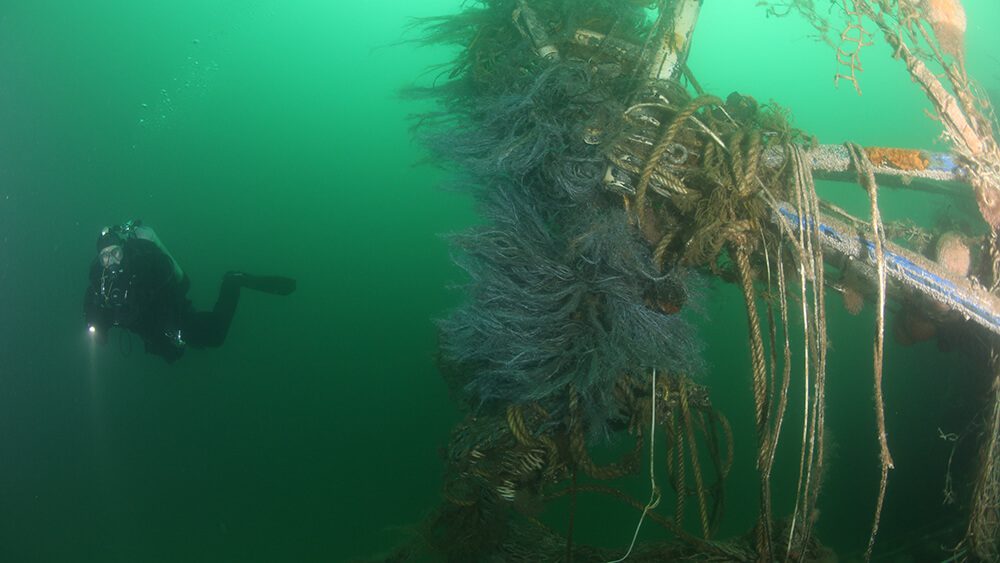
A new underwater robot could help preserve New England’s historic shipwrecks
WHOI’s ResQ ROV to clean up debris in prominent marine heritage sites
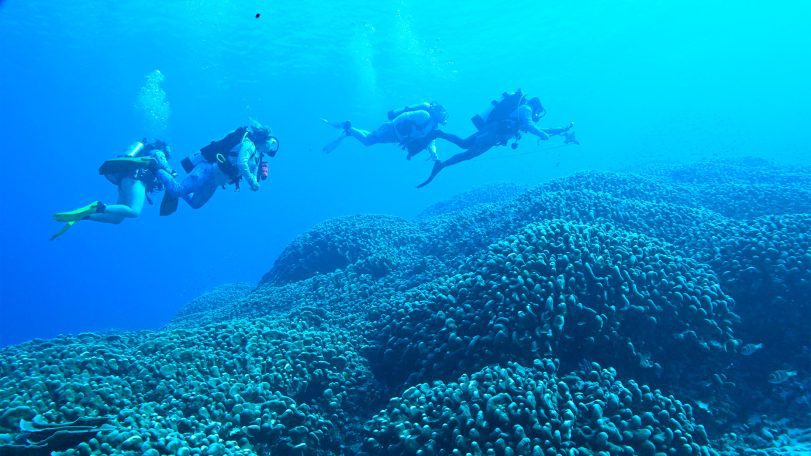
Inside the Solomon Islands’ hidden mega coral — a 300-year-old ocean giant
WHOI’s Reef Solutions team journeys to the world’s largest coral colony

The little big picture
WHOI senior biologist Heidi Sosik on the critical need for long-term ocean datasets
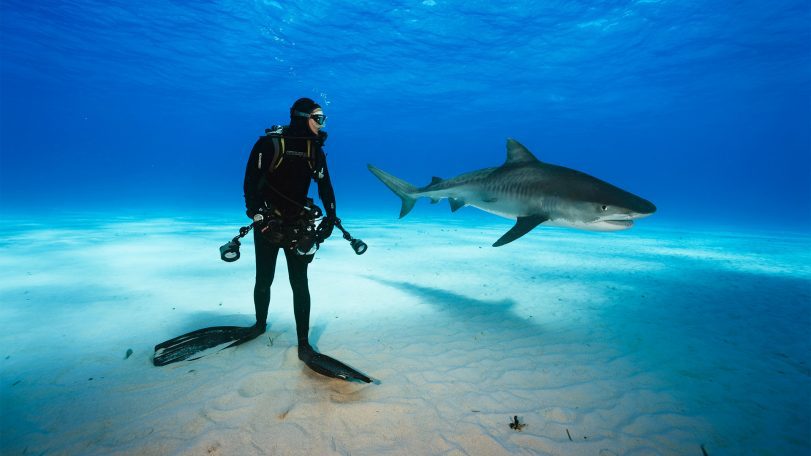
Lessons from a lifetime of exploration
Award-winning ocean photographer Brian Skerry shares insights from a career spent around ocean life and science
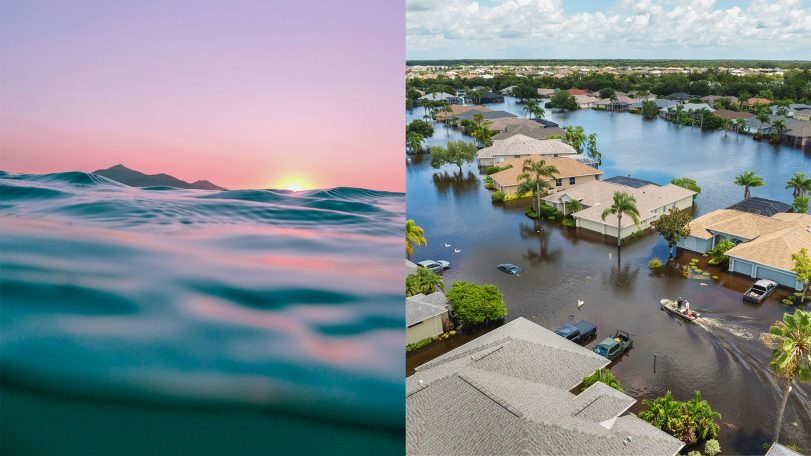
The ocean weather nexus, explained
The vital role of ocean observations in extreme weather forecasting

Breaking down plastics together
Through a surprising and successful partnership, WHOI and Eastman scientists are reinventing what we throw away
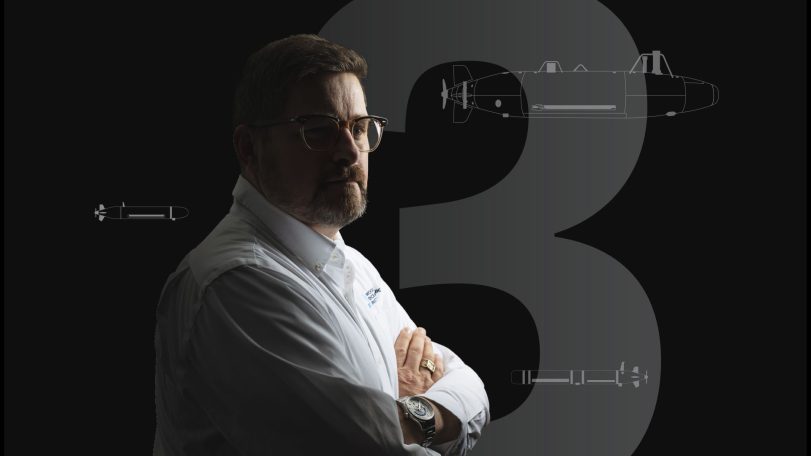
Three questions with Carl Hartsfield
Captain Hartsfield, USN retired, discusses the role ocean science plays in our national defense
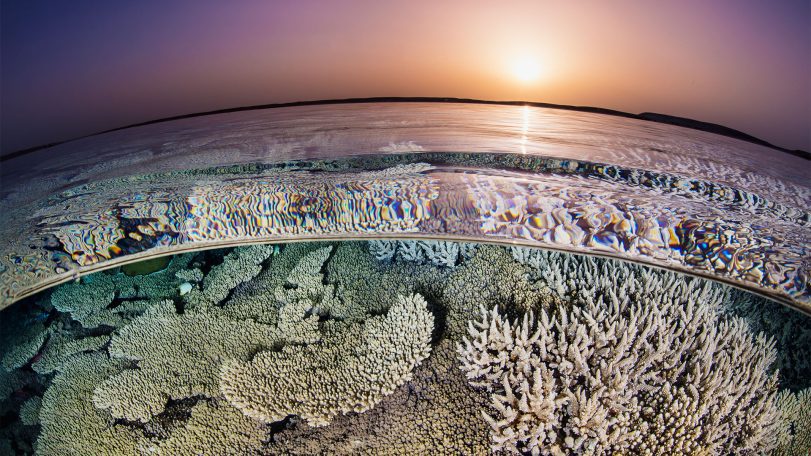
The Ocean (Re)Imagined
How expanding our view of the ocean can unlock new possibilities for life
Looking for something specific?
We can help you with that. Check out our extensive conglomeration of ocean information.
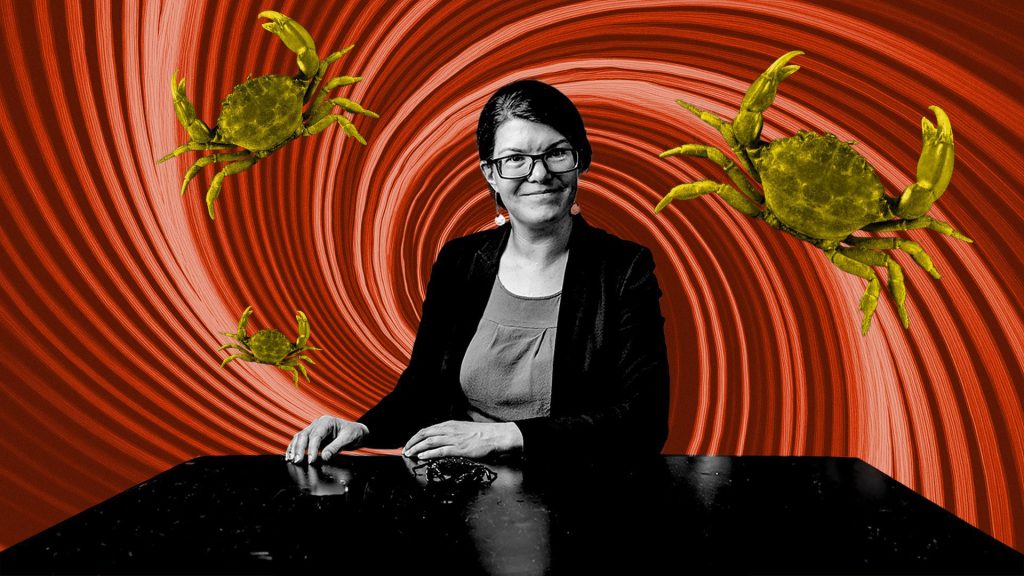
Body snatchers are on the hunt for mud crabs
WHOI biologist Carolyn Tepolt discusses the biological arms race between a parasite and its host
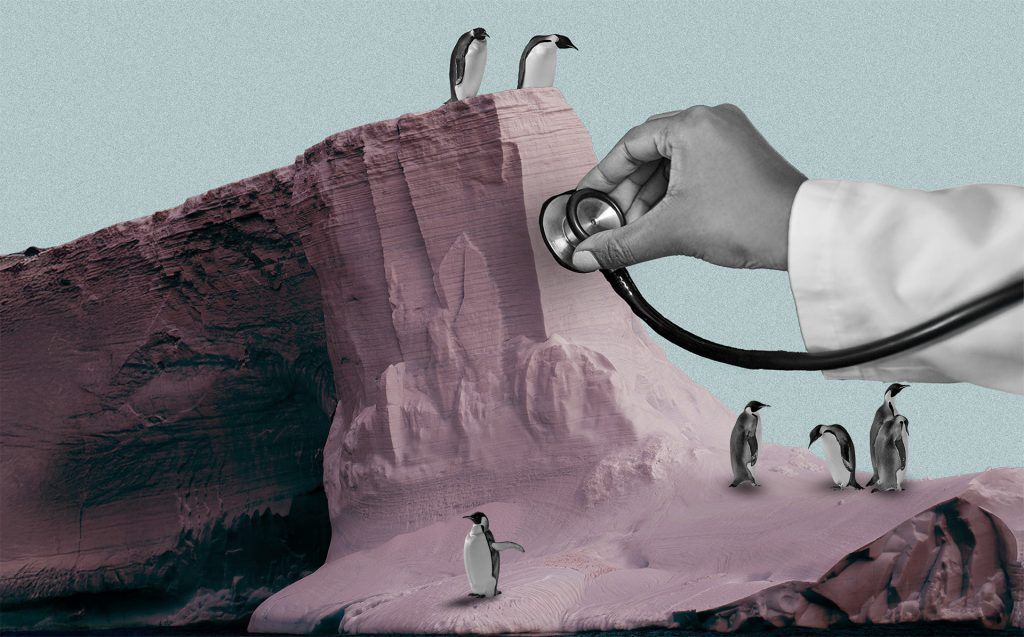
A polar stethoscope
Could the sounds of Antarctica’s ice be a new bellwether for ecosystem health in the South Pole?
Secrets from the blue mud
Microbes survive—and thrive—in caustic fluids venting from the seafloor
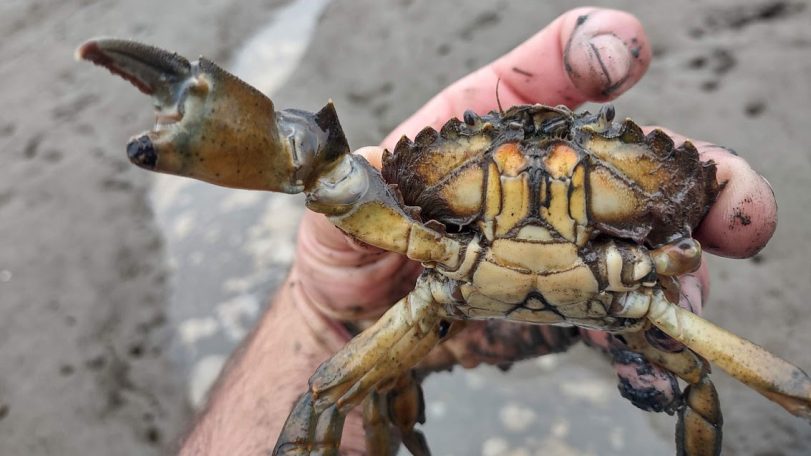
Top 5 ocean hitchhikers
As humans traveled and traded across the globe, they became unwitting taxis to marine colonizers
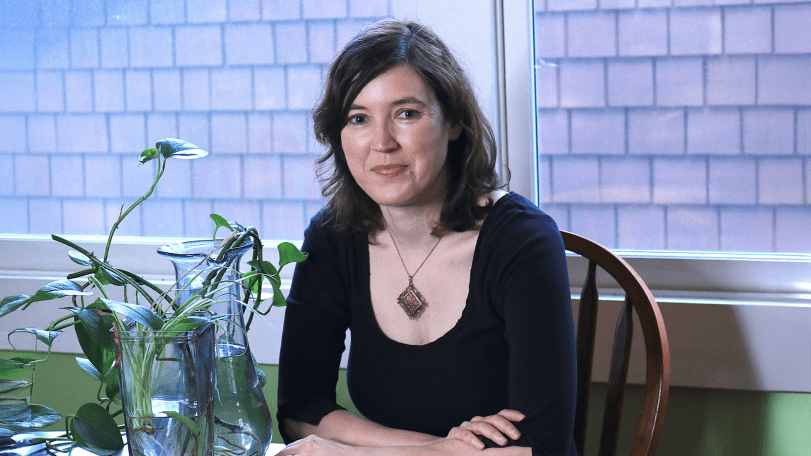
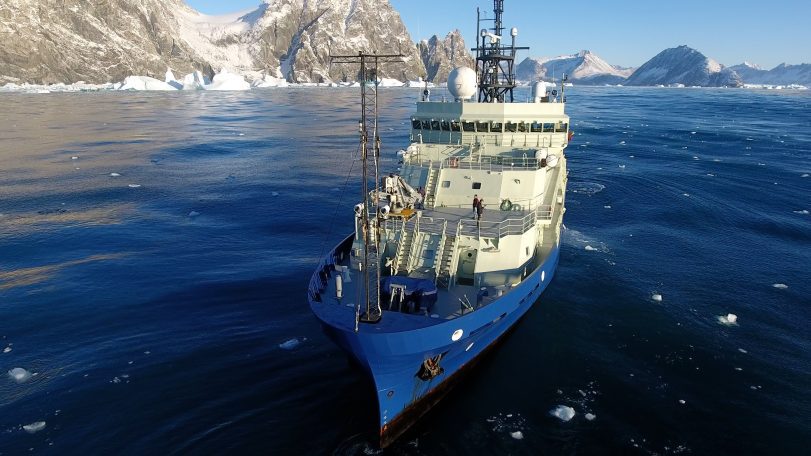
Following the Polar Code
Crew of R/V Neil Armstrong renew their commitment to Arctic science with advanced polar training

Harnessing the ocean to power transportation
WHOI scientists are part of a team working to turn seaweed into biofuel
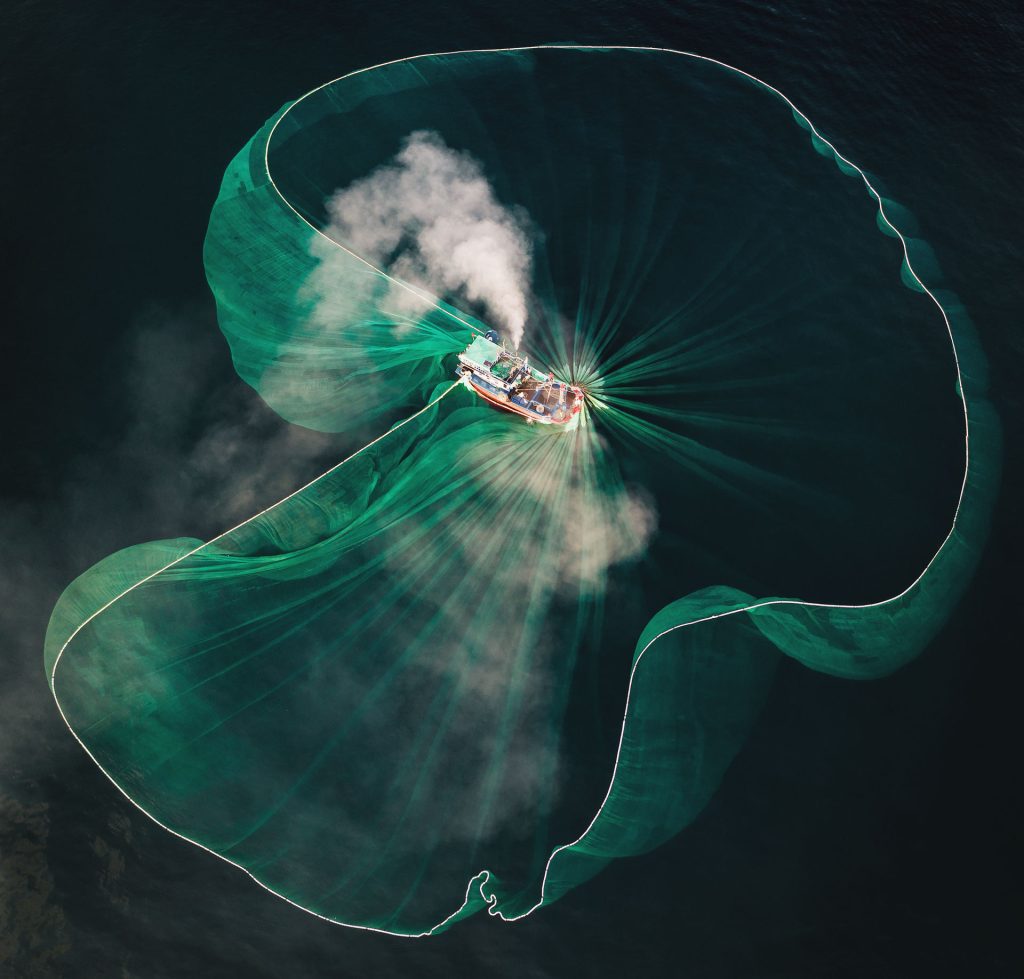
Casting a wider net
The future of a time-honored fishing tradition in Vietnam, through the eyes of award-winning photographer Thien Nguyen Noc
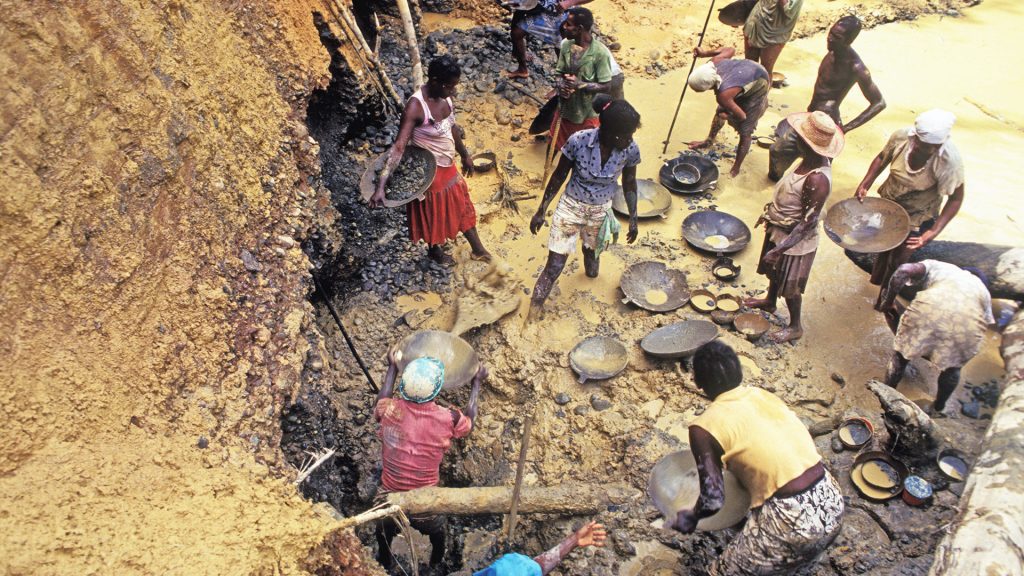
Gold mining’s toxic legacy
Mercury pollution in Colombia’s Amazon threatens the Indigenous way of life
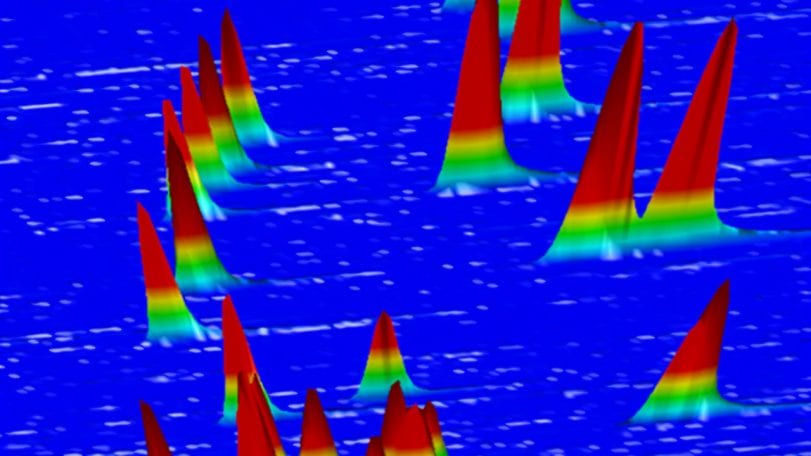
A Faster Way to Better Reactions
Finding new chemical reactions to synthesize commercial products more efficiently is big business and a major source of innovation. A new study offers a way to make the search faster, cheaper, and greener.
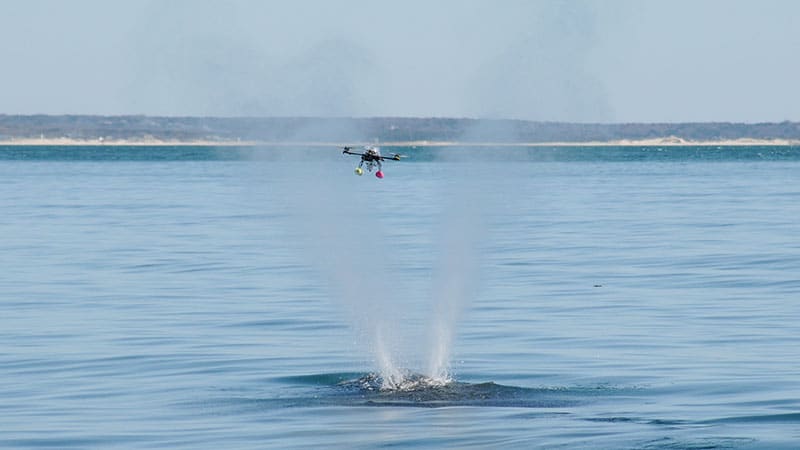
Endangered Whales Get a High-Tech Check-Up
Drones seem to be everywhere these days, from backyards to battlegrounds. Scientists are using them too: in this case, to assess the health of endangered North Atlantic right whales. Since drones are small and quiet, they can fly close to whales without disturbing them, bringing back incredibly detailed photographs and samples of microbe-rich blow.
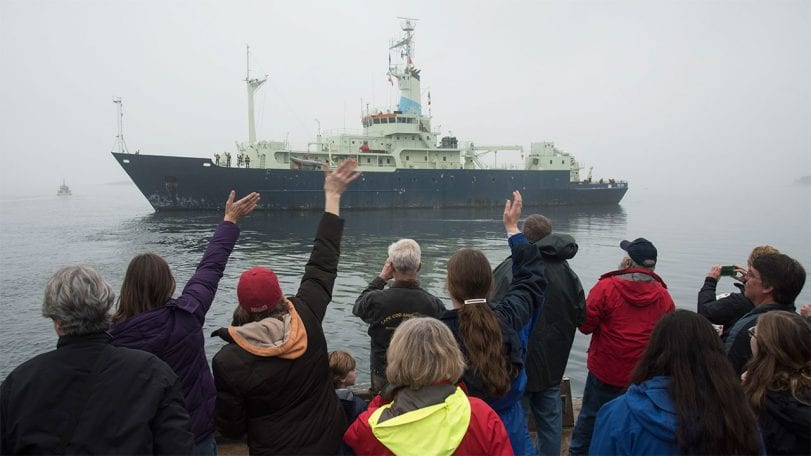
Remembering Knorr
After an iconic, 44-year career, the research vessel Knorr left the dock at Woods Hole Oceanographic Institution in March for the last time. It also left a place in the hearts of many who sailed on the ship or who had simply seen it in Woods Hole. A few of the people who watched it depart shared their memories of Knorr in this audio postcard.
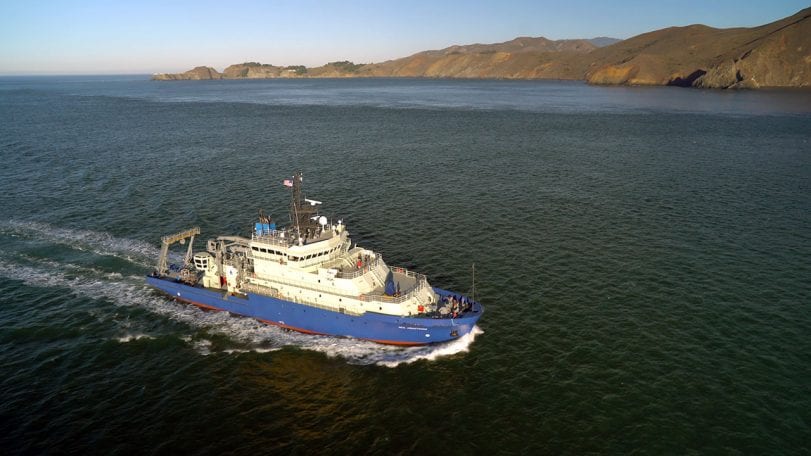
Our Ship Comes In
The long-awaited newest research vessel in the U.S. academic fleetâand the latest in a long line of WHOI-operated shipsâarrives in Woods Hole on Wednesday.
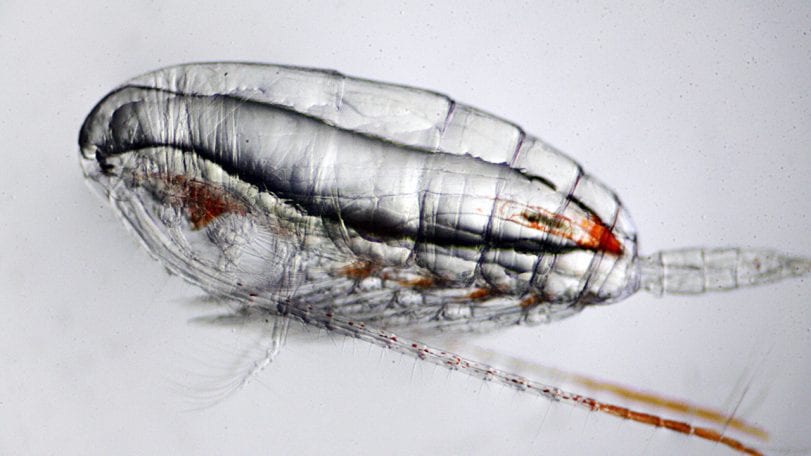
Journey Into the Ocean’s Microbiomes
Bacteria in the ocean, including pathogenic ones, often hitchhike on tiny crustaceans called copepods. A graduate student explored their complex relationships.
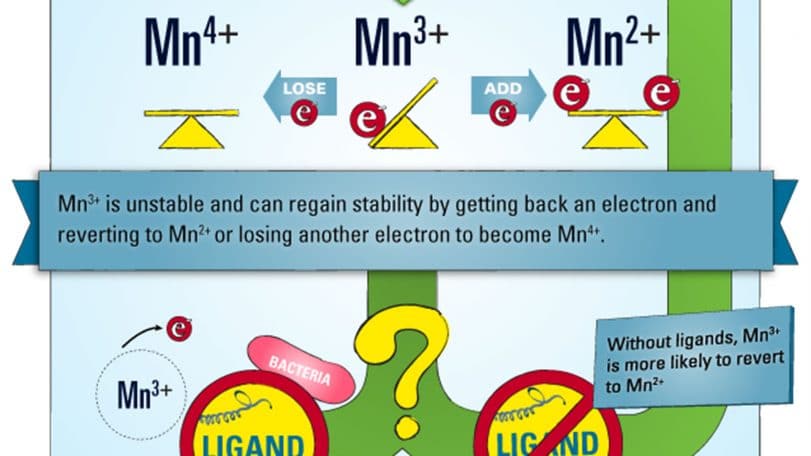
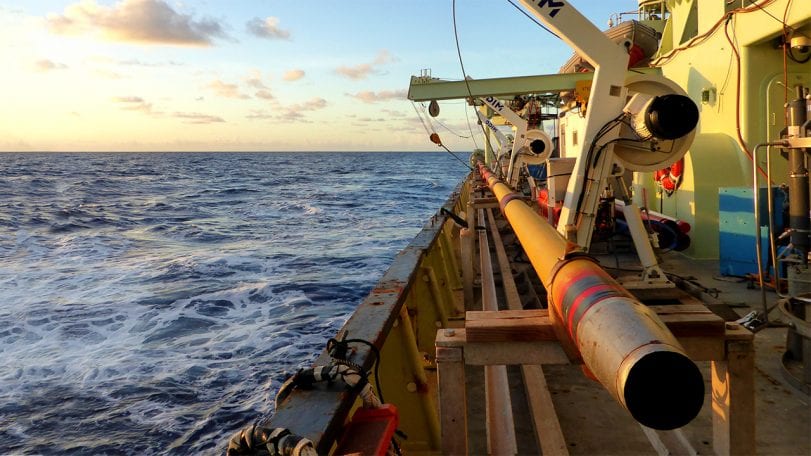
Minerals Made by Microbes
Some minerals actually don’t form without a little help from microscopic organisms, using chemical processes that scientists are only beginning to reveal.
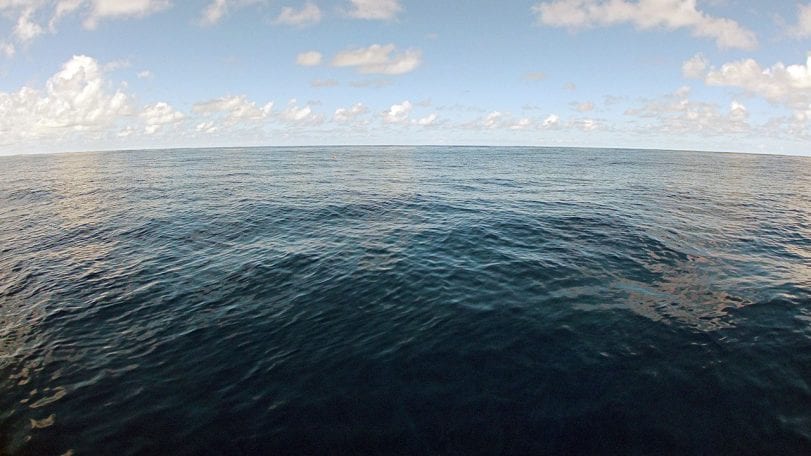
Through the Looking-Glass of the Sea Surface
Scientists are using new technology to make previously impossible measurements at the turbulent ocean surface—a crucial junction for energy exchange between the air above and the sea below.
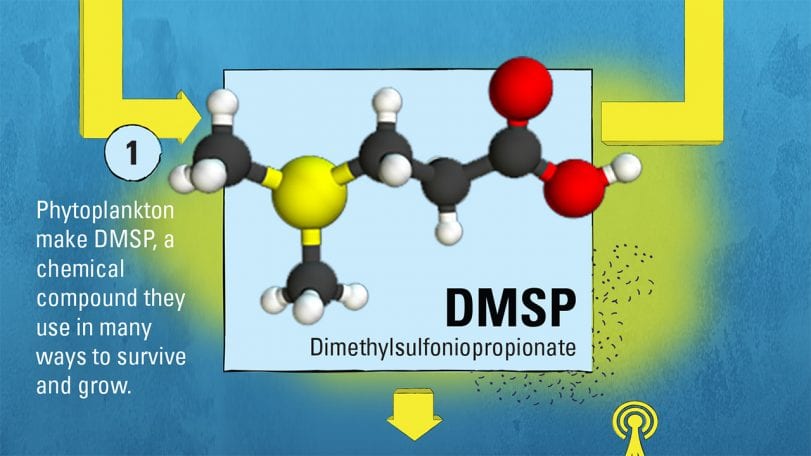
A Mighty Mysterious Molecule
What gives sea air its distinctive scent? A chemical compound called dimethylsulfide. In a new study, WHOI scientists show that the compound may also be used by marine microbes to communicate with one another.
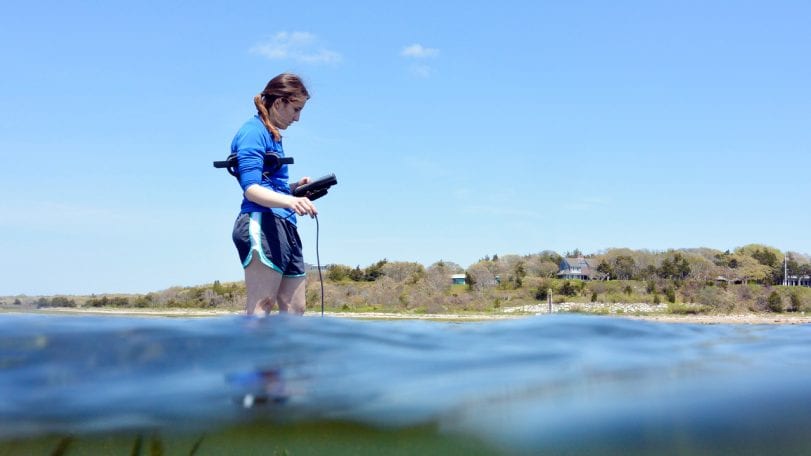
Recipes for Antibiotic Resistance
MIT-WHOI graduate student Megan May is investigating how microbes naturally develop resistance to antibiotic compounds in the marine environment and how human activities, including overuse of drugs and pollution, may be affecting the dynamic.
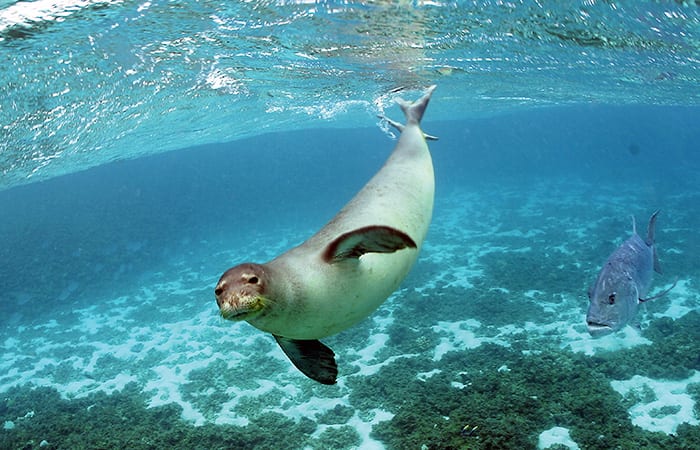
Seal Whiskers Inspire Marine Technology
The night approaches quickly. A harbor seal plunges into the water, diving deep as the…
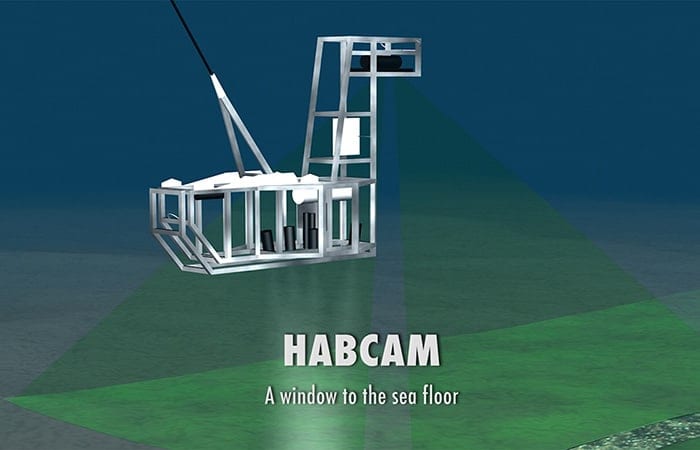
HABCAM
A towed underwater vehicle equipped with cameras, sonar, and sensors paints vivid portraits of life on the seafloor.