
Raising Awareness
News
NEWS RELEASES
New international coalition establishes shared principles for responsible research into ocean iron-based carbon removal
The coalition aims to advance scientific understanding through greater coordination, information sharing, transparency, and common standards for responsible research.
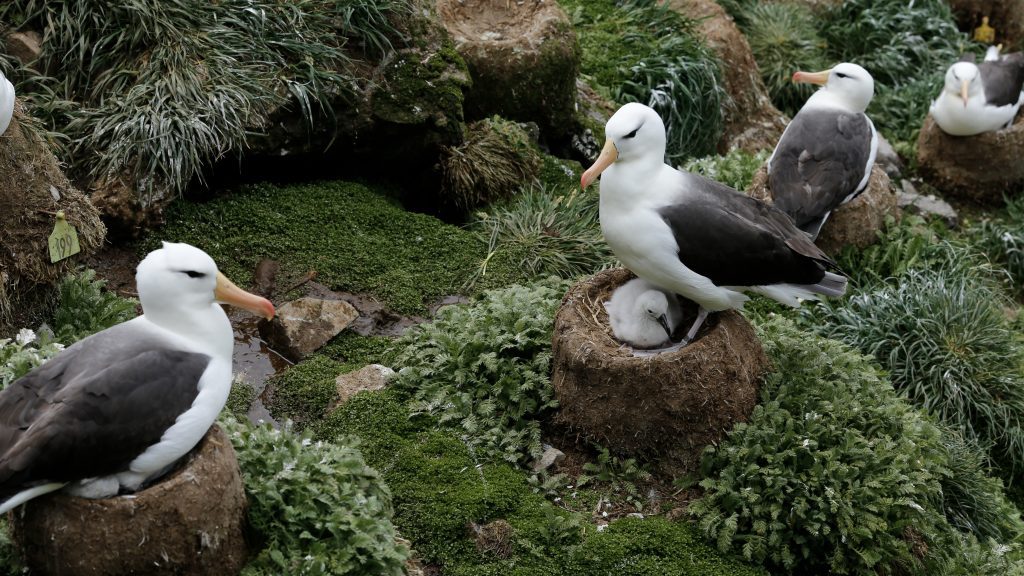
Can a species evolve fast enough to avoid extinction under a changing climate?
New WHOI-led study of black-browed albatrosses finds that climate mitigation may matter more than evolution for population persistence
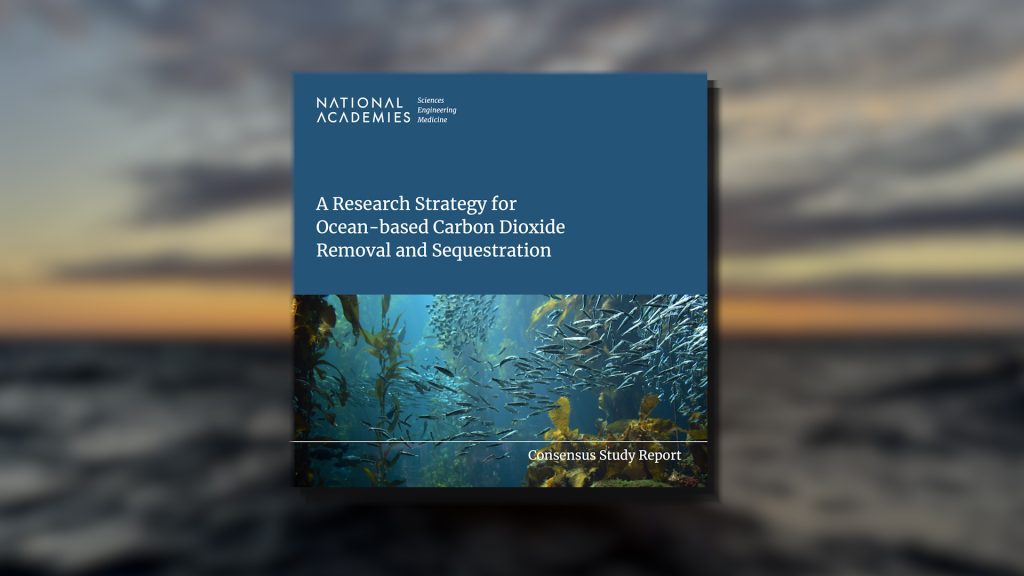
Marine carbon dioxide removal is advancing, but questions remain about viability, says new digital report
A new National Academies report lays out a research strategy for studying the ocean’s ability to sequester carbon
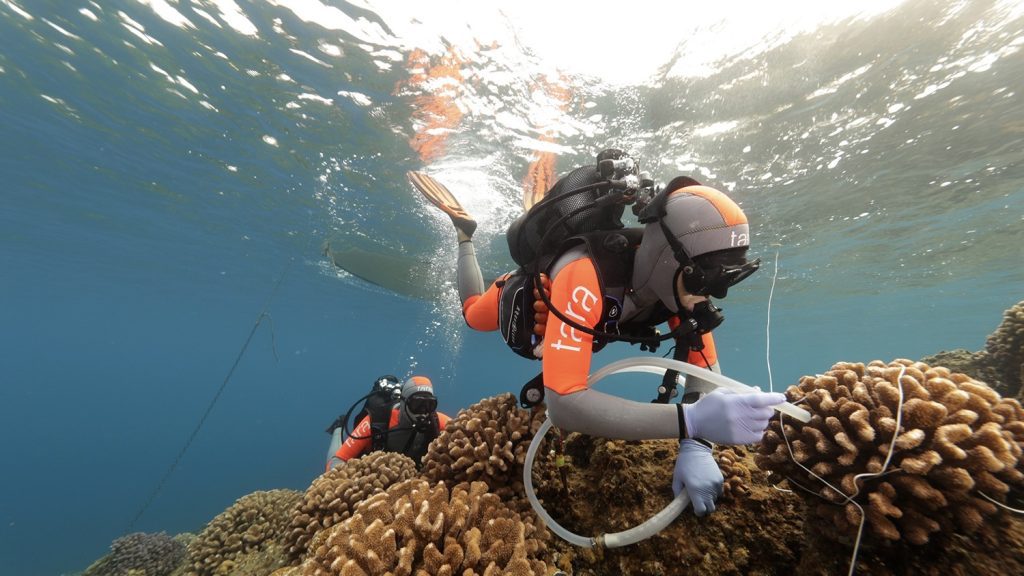
WHOI scientist joins global Tara Coral expedition to unlock secrets of climate-resilient reefs
A two-year mission across the Coral Triangle will probe how viruses and reef ecosystems could help some corals withstand rising ocean temperatures.
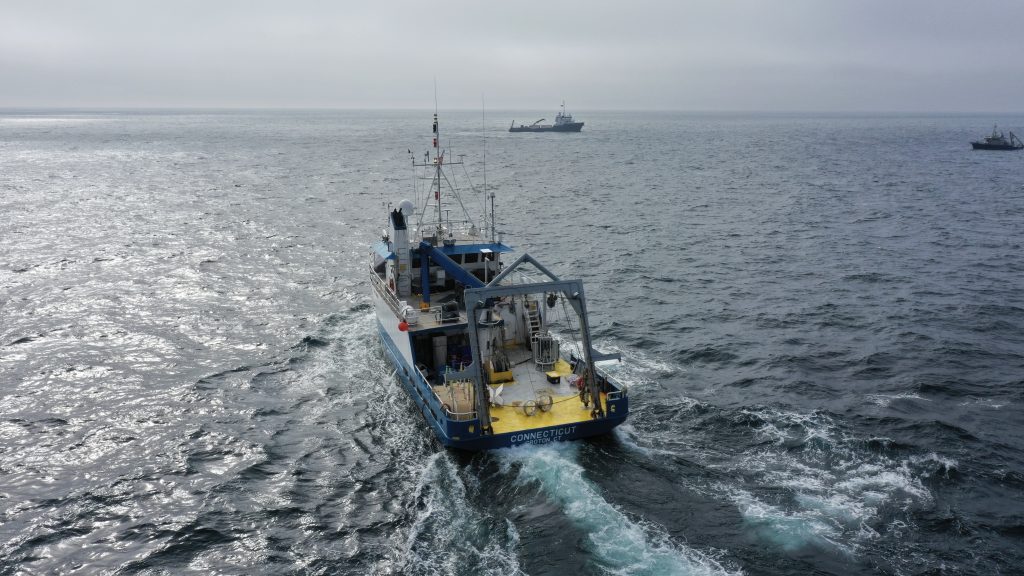
Preliminary results from the first EPA-permitted ocean alkalinity enhancement (OAE) field trial
LOC-NESS project team shares findings at annual Ocean Sciences Meeting
WHOI | OCEANUS
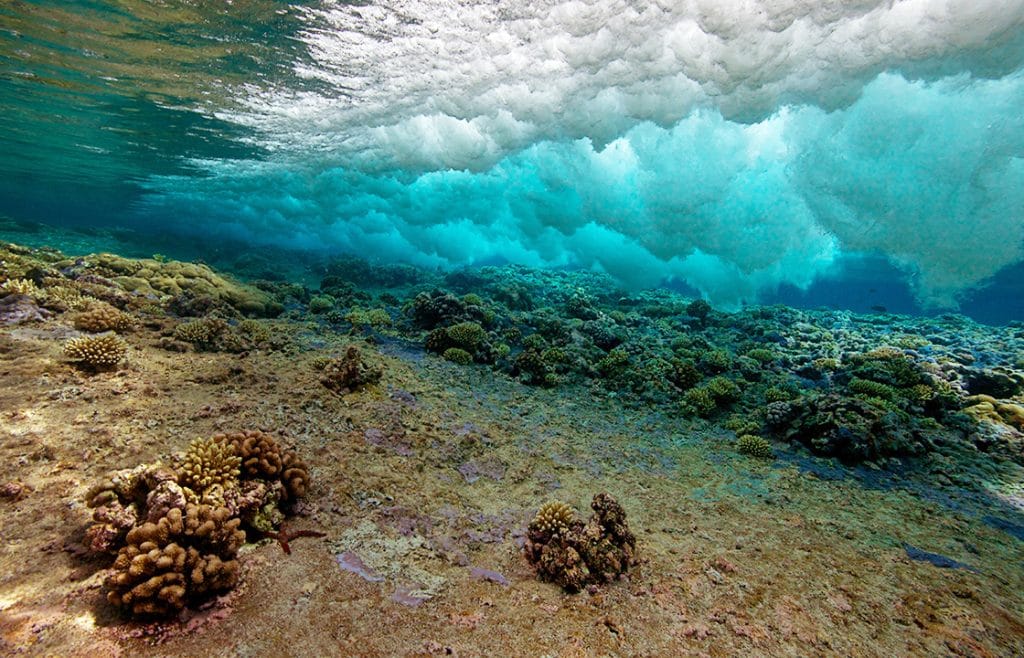
Coral Coring
Off a small island in the Chagos archipelago in the Indian Ocean, Woods Hole Oceanographic Institution (WHOI) biogeochemists Konrad Hughen and Colleen Hansel use a special underwater drill to take a core sample from a boulder coral (Porites lobata) during an expedition in 2015 (top left). Porites lobata corals are actually colonies of tiny polyps, like sea anemones, that often grow up to 13 feet tall and live more than 400 years. They secrete calcium…
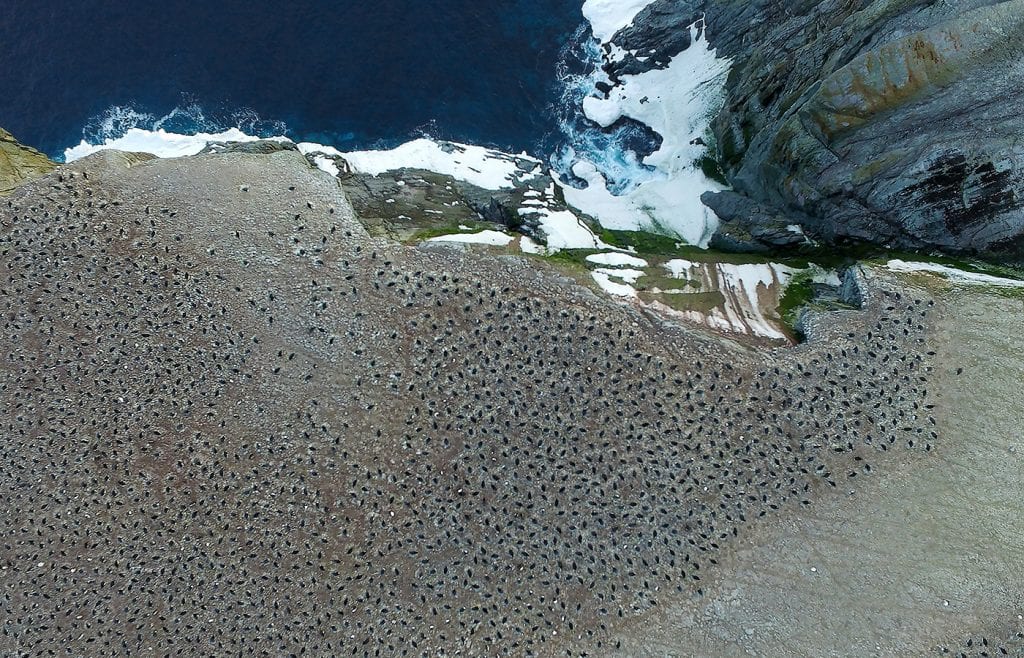
See Those Black Dots? They’re Penguins. Now Count Them.
That’s exactly what a team of researchers from Woods Hole Oceanographic Institution (WHOI) did on a recent expedition to the Danger Islands off the Antarctic Peninsula. The islands are home to Adélie penguin “supercolonies” like this one, which can number in the hundreds of thousands of birds. To estimate the size of these large penguin breeding colonies, WHOI seabird biologist Stephanie Jenouvrier, MIT-WHOI Joint Program graduate student Thomas-Sayre McChord, and colleagues are using aerial photographs…
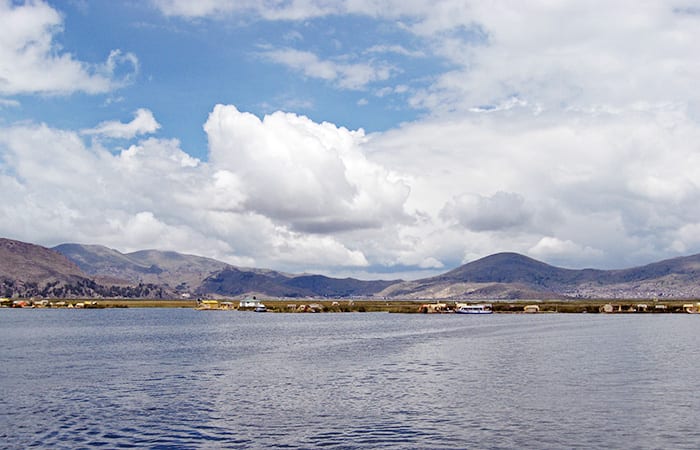
Tracking a Trail of Carbon
Lake Titicaca in the Andes Mountains of South America is an extraordinary place to explore ancient human civilization, Earth’s climate history, and the flow of carbon through our planet.
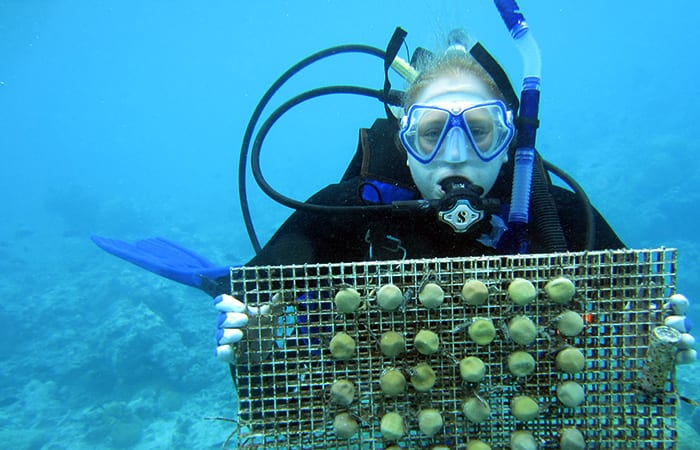
Coral Crusader
Graduate student Hannah Barkley is on a mission to investigate how warming ocean temperatures, ocean acidification, and other impacts of climate change are affecting corals in an effort to find ways to preserve these vital ocean resources.
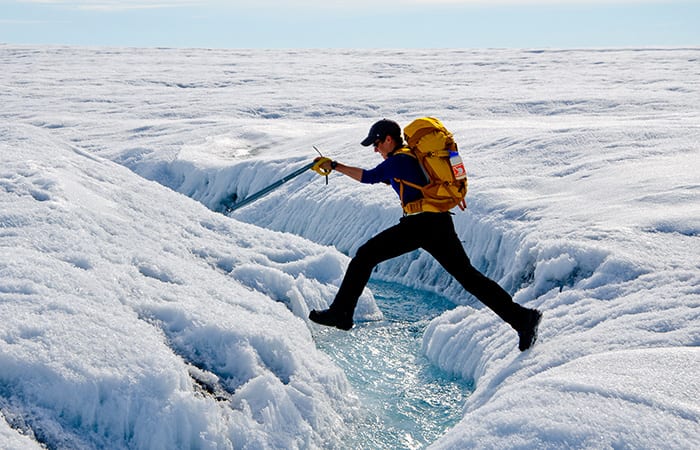
Scientists Find Trigger That Cracks Lakes
Graduate student Laura Stevens became a focal point of a research team that cracked a big mystery atop the Greenland Ice Sheet.
Publications
IN THE NEWS - RESEARCH HIGLIGHTS
Study offers first definitive proof that Gulf Stream has weakened
“New research from the Woods Hole Oceanographic Institution offers the first conclusive evidence that the Gulf Stream has weakened. The powerful ocean current off the East Coast influences regional weather, climate and fisheries, and the finding could have significant implications both for New England and the global climate.”
What Happens to Marine Life When There Isn’t Enough Oxygen?
In September of 2017, Woods Hole Oceanographic Institution postdoctoral scholar Maggie Johnson was conducting an experiment with a colleague in Bocas del Toro off the…
Maine’s having a lobster boom. A bust may be coming.
The waters off Maine’s coast are warming, and no one knows what that’s going to mean for the state’s half-billion-dollar-a-year lobster industry—the largest single-species fishery in North America. Some fear that continued warming could cause the lobster population to collapse. To understand what’s happening to the ecosystem of the Gulf of Maine, says Glen Gawarkiewicz, an oceanographer at Woods Hole Oceanographic Institution, in Massachusetts, you have to look beyond it—see how it’s affected by the atmosphere, ocean currents, and rivers that flow into it.