
Raising Awareness
News
NEWS RELEASES
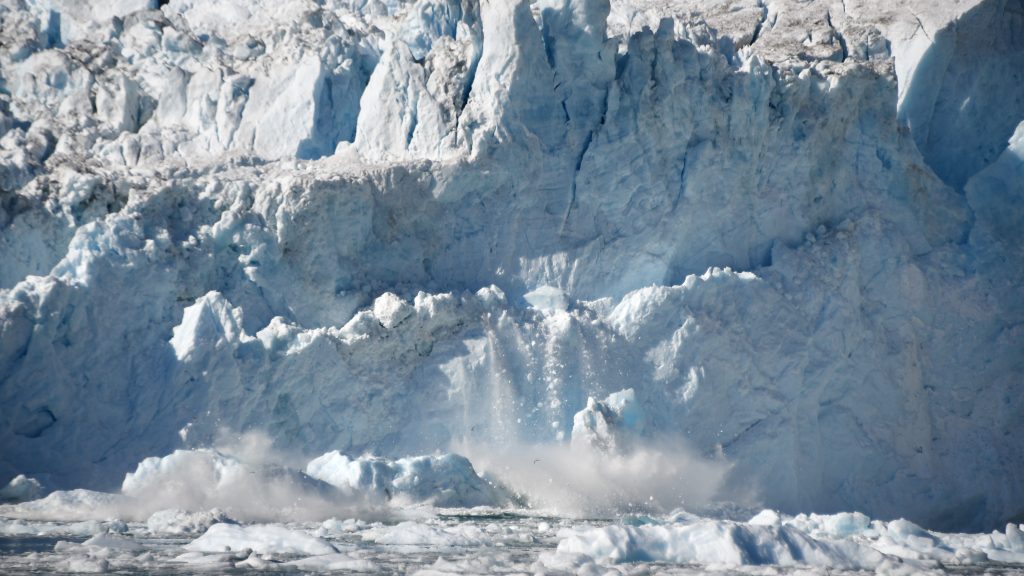
Global survey sheds light on the forces shaping ice-sheet stability
WHOI researchers use more than 15,000 satellite observations of ice cliffs to reduce uncertainty in future sea level rise projections
New international coalition establishes shared principles for responsible research into ocean iron-based carbon removal
The coalition aims to advance scientific understanding through greater coordination, information sharing, transparency, and common standards for responsible research.
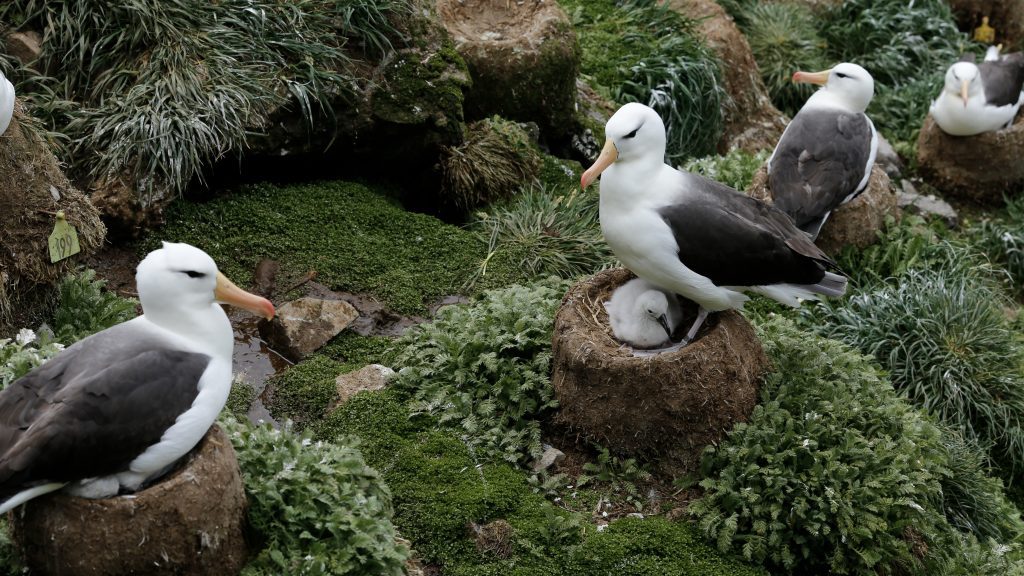
Can a species evolve fast enough to avoid extinction under a changing climate?
New WHOI-led study of black-browed albatrosses finds that climate mitigation may matter more than evolution for population persistence
Marine carbon dioxide removal is advancing, but questions remain about viability, says new digital report
A new National Academies report lays out a research strategy for studying the ocean’s ability to sequester carbon
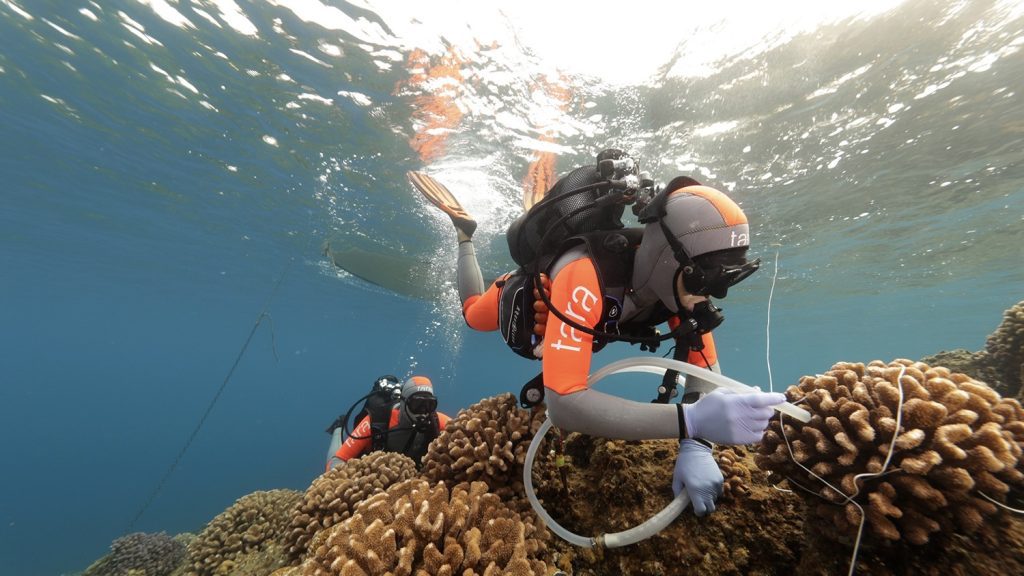
WHOI scientist joins global Tara Coral expedition to unlock secrets of climate-resilient reefs
A two-year mission across the Coral Triangle will probe how viruses and reef ecosystems could help some corals withstand rising ocean temperatures.
WHOI | OCEANUS
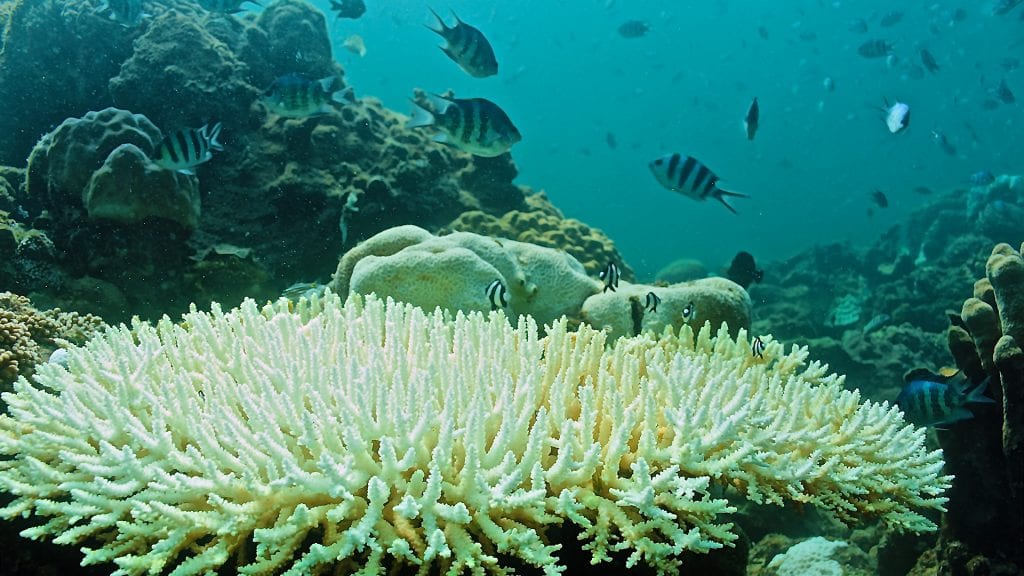
A Double Whammy for Corals
Scientists know that gradually rising ocean temperatures can push corals past a threshold and cause them to bleach. But combine this chronic stress with an acute short-term weather shift, and the amplified impacts can be sudden and devastating. That’s what a research team led by Woods Hole Oceanographic Institution discovered in June 2015 on Dongsha Atoll, a circular coral reef surrounding a lagoon in the remote South China Sea. The Dongsha corals were already feeling…
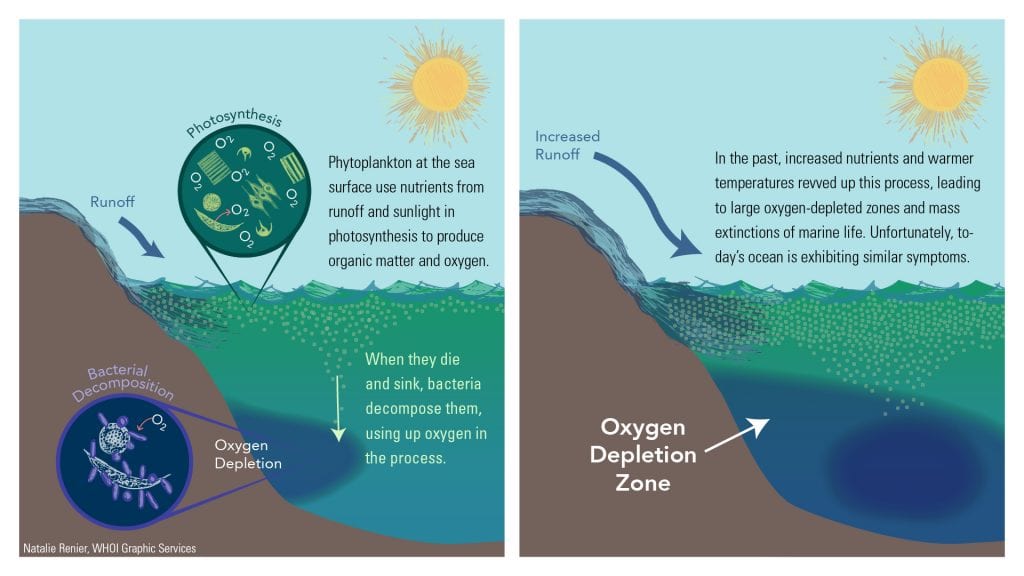
Will Oxygen in the Ocean Continue to Decline?
The living, breathing ocean may be slowly starting to suffocate. The ocean has lost more than two percent of its oxygen over the past-half century, and oxygen-depleted “dead zones” continue to expand throughout the global ocean. This deoxygenation poses a serious threat to marine life and ecosystems. Yet scientists have had no way to measure how fast oxygen depletion happens. But now a research team at Woods Hole Oceanographic Institution has developed for the first…
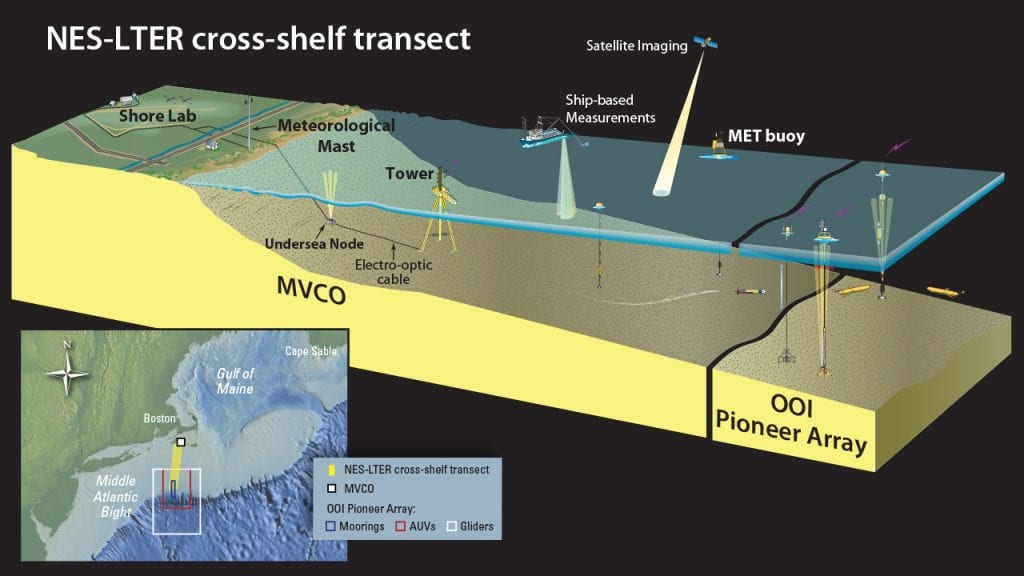
Long-term Study Focuses on New England Ocean
The National Science Foundation has created a new Long Term Ecological Research site off the New England coast to increase understanding of an area of the ocean known for its abundant marine life and productive commercial fisheries.
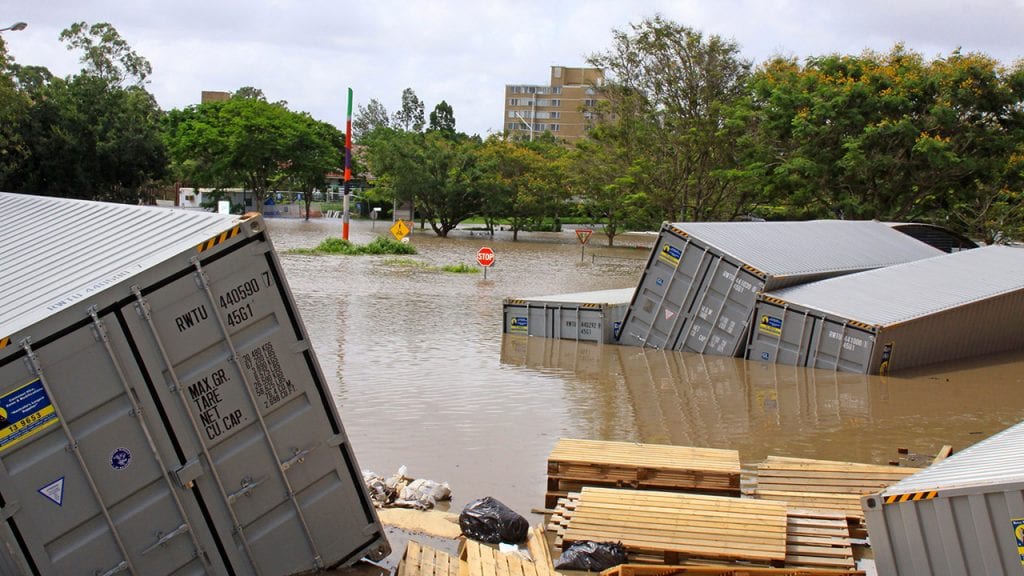
Extreme Climate
Extreme climatic events such as unusually severe storms and droughts can have profound consequences for life both on land and in the ocean. Woods Hole Oceanographic Institution climate scientist Caroline Ummenhofer studies the ocean’s role in the global water cycle and its effects on extreme weather and climate.
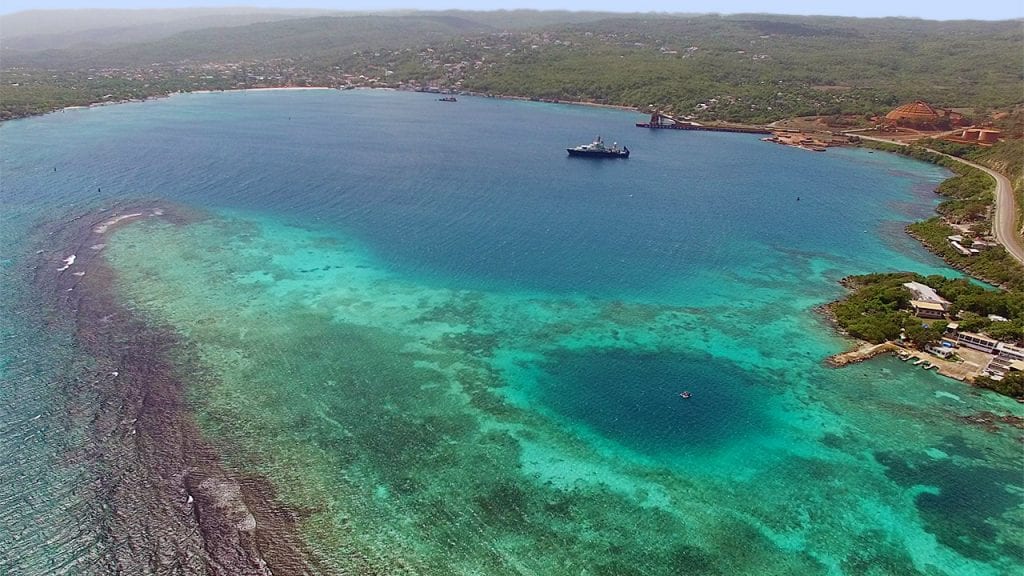
Blue Holes and Hurricanes
Scientists are digging into clues that settle into sinkholes in the seafloor to learn about hurricane patterns in the past and in the future.
Publications
IN THE NEWS - RESEARCH HIGLIGHTS
Study offers first definitive proof that Gulf Stream has weakened
“New research from the Woods Hole Oceanographic Institution offers the first conclusive evidence that the Gulf Stream has weakened. The powerful ocean current off the East Coast influences regional weather, climate and fisheries, and the finding could have significant implications both for New England and the global climate.”
What Happens to Marine Life When There Isn’t Enough Oxygen?
In September of 2017, Woods Hole Oceanographic Institution postdoctoral scholar Maggie Johnson was conducting an experiment with a colleague in Bocas del Toro off the…
Maine’s having a lobster boom. A bust may be coming.
The waters off Maine’s coast are warming, and no one knows what that’s going to mean for the state’s half-billion-dollar-a-year lobster industry—the largest single-species fishery in North America. Some fear that continued warming could cause the lobster population to collapse. To understand what’s happening to the ecosystem of the Gulf of Maine, says Glen Gawarkiewicz, an oceanographer at Woods Hole Oceanographic Institution, in Massachusetts, you have to look beyond it—see how it’s affected by the atmosphere, ocean currents, and rivers that flow into it.