
Raising Awareness
News
NEWS RELEASES
New international coalition establishes shared principles for responsible research into ocean iron-based carbon removal
The coalition aims to advance scientific understanding through greater coordination, information sharing, transparency, and common standards for responsible research.
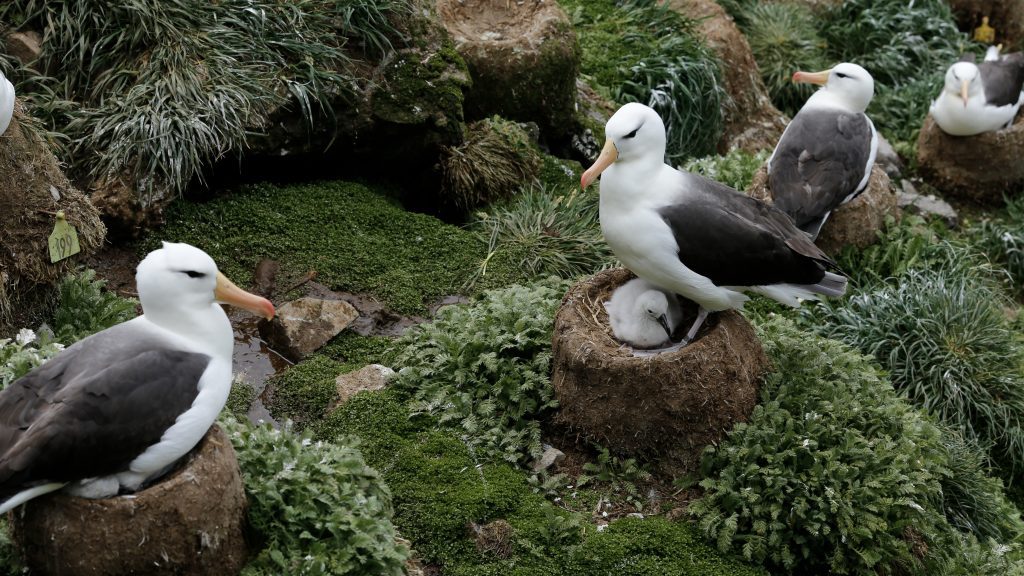
Can a species evolve fast enough to avoid extinction under a changing climate?
New WHOI-led study of black-browed albatrosses finds that climate mitigation may matter more than evolution for population persistence
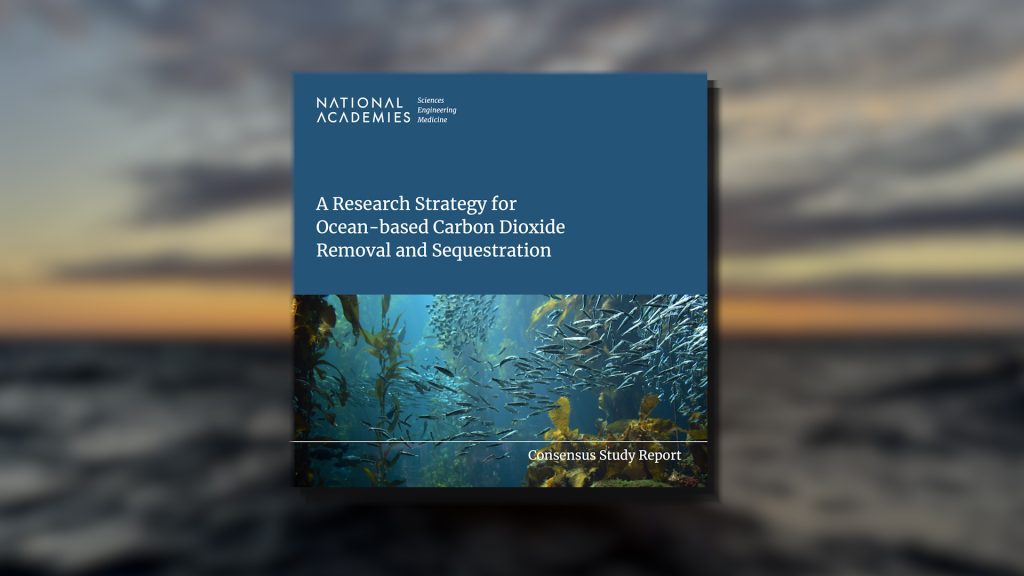
Marine carbon dioxide removal is advancing, but questions remain about viability, says new digital report
A new National Academies report lays out a research strategy for studying the ocean’s ability to sequester carbon
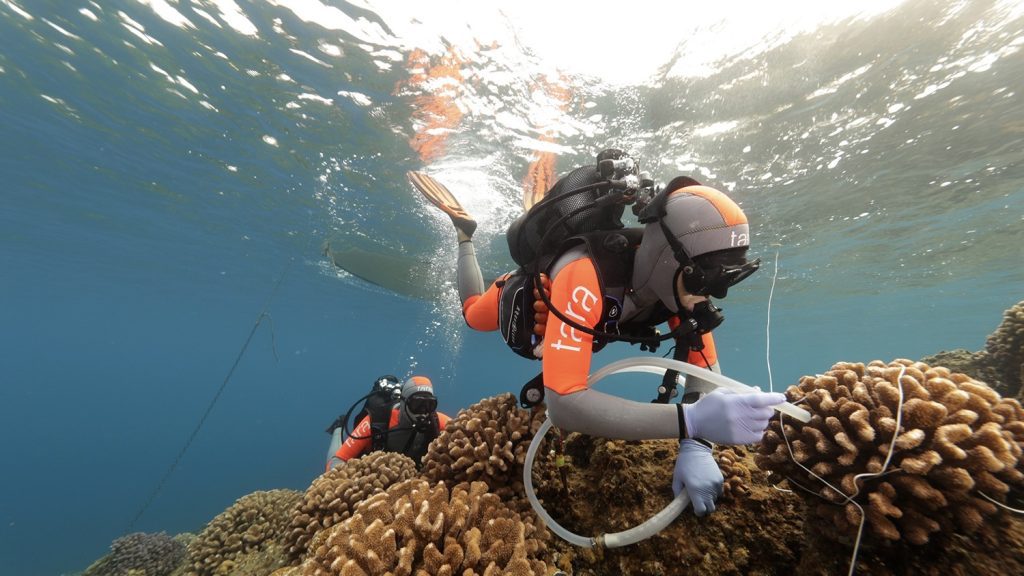
WHOI scientist joins global Tara Coral expedition to unlock secrets of climate-resilient reefs
A two-year mission across the Coral Triangle will probe how viruses and reef ecosystems could help some corals withstand rising ocean temperatures.
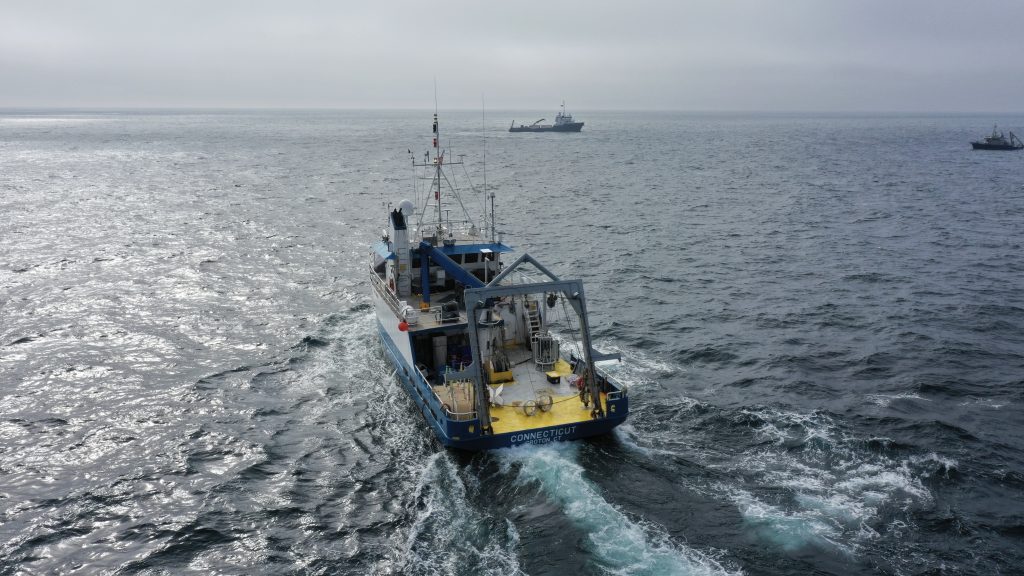
Preliminary results from the first EPA-permitted ocean alkalinity enhancement (OAE) field trial
LOC-NESS project team shares findings at annual Ocean Sciences Meeting
WHOI | OCEANUS
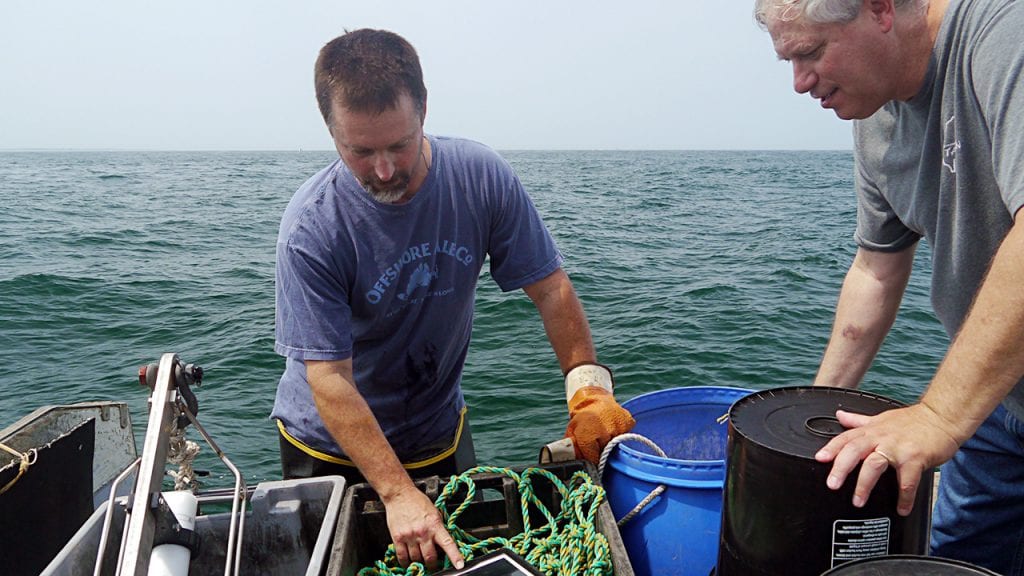
Scientist-Fisherman Partnership
WHOI physical oceanographer Glen Gawarkiewicz is enlisting the help of local fishermen to find out how climate change is affecting water conditions along the southern New England coast.
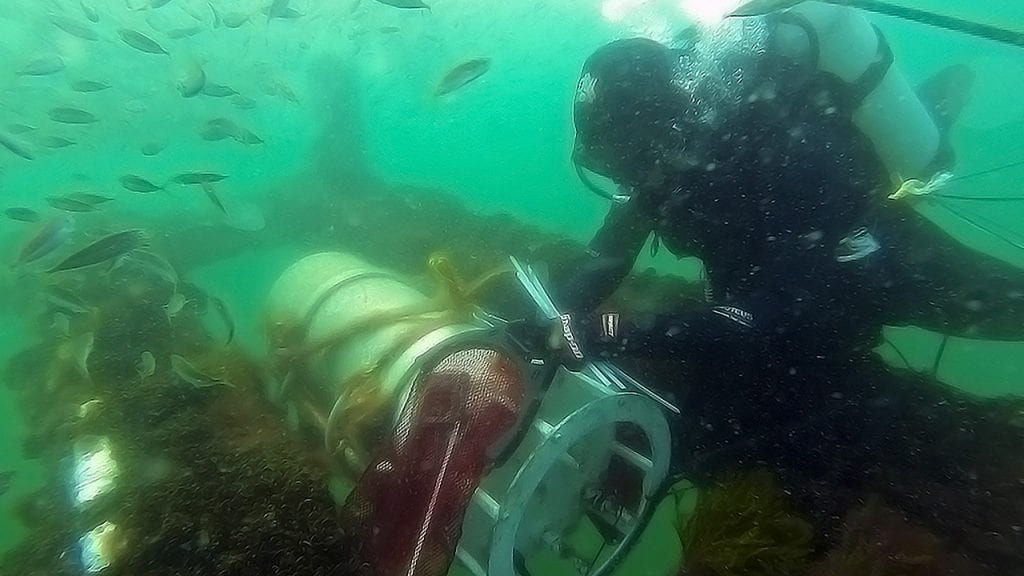
Spring Arrives Earlier in the Ocean Too
Warmer oceans are triggering phytoplankton to start their annual blooms up to four weeks earlier than usual—a signal of how climate change can have far-reaching impacts on marine ecosystems. From 2003 to 2016, scientists at Woods Hole Oceanographic Institution monitored the growth of one of the most abundant phytoplankton in the ocean, a blue-green algae called Synechococcus, at a site off Martha’s Vineyard. In spring, Synechococcus blankets the ocean surface like grass on land, stimulating…
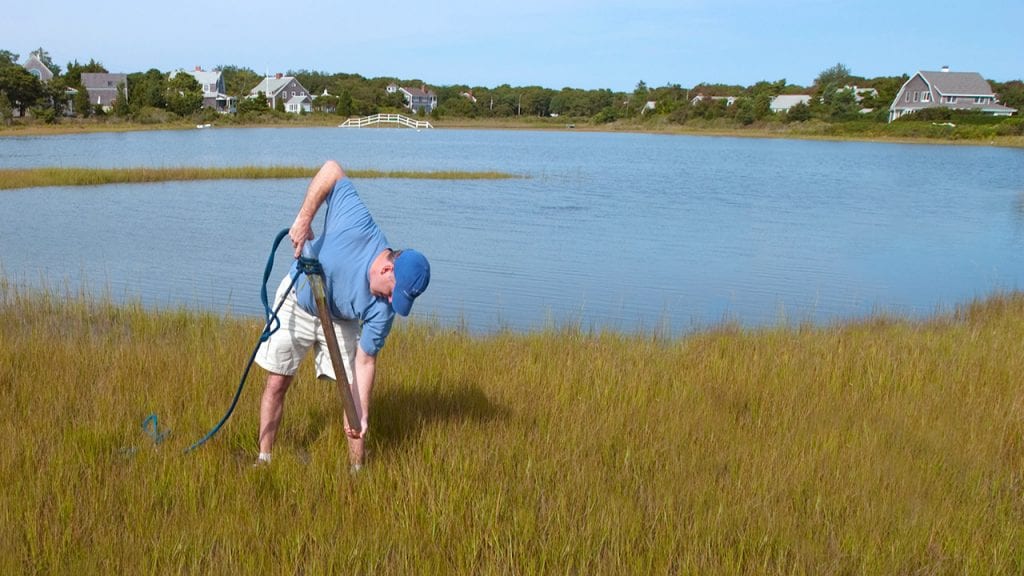
More Floods & Higher Sea Levels
A research team predicts potentially big changes within the next century that would have significant impacts on those who live on or near the coast.
Signs of Big Change in the Arctic
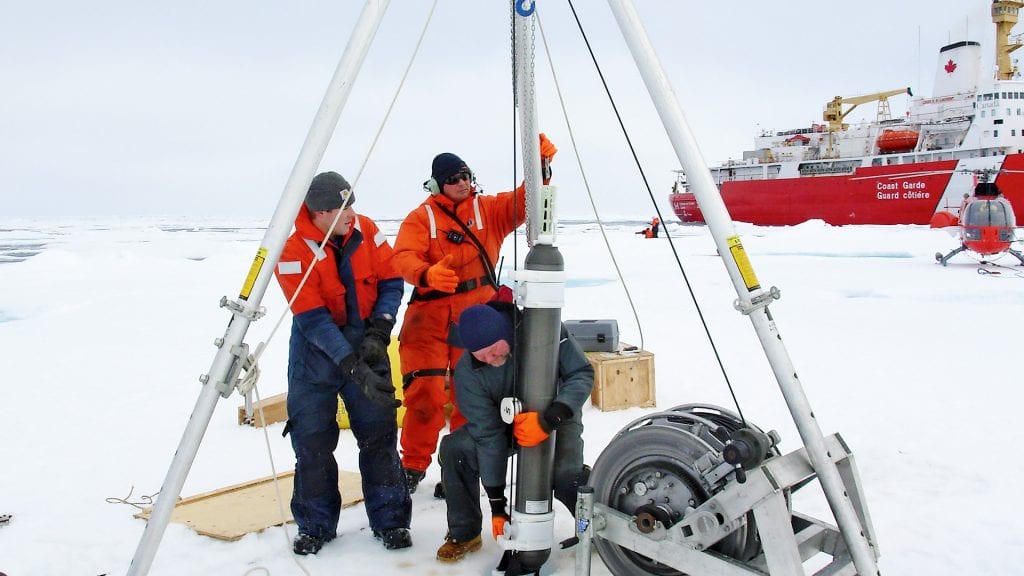
The climate in the Arctic region once predictably shifted back and forth between two regimes. But now the system seems to be stuck.
As Bay Warms, Harmful Algae Bloom
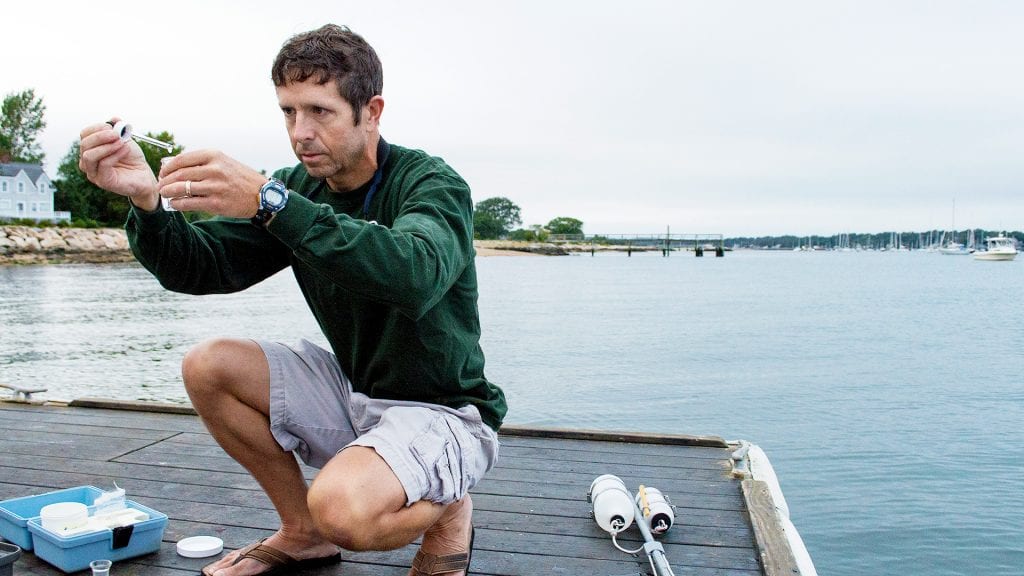
Warming coastal waters off southern Massachusetts are worsening the effects of pollution from septic systems, wastewater treatment plants, and fertilizer runoff—and causing a rise in harmful algal blooms. Researchers at Woods Hole Oceanographic Institution (WHOI) and the Marine Biological Laboratory in Woods Hole analyzed water samples and temperature data collected along the coast of Buzzards Bay from 1992 to 2013 by a network of trained citizen scientists called Baywatchers. These volunteers, working with the Buzzards…
Publications
IN THE NEWS - RESEARCH HIGLIGHTS
Study offers first definitive proof that Gulf Stream has weakened
“New research from the Woods Hole Oceanographic Institution offers the first conclusive evidence that the Gulf Stream has weakened. The powerful ocean current off the East Coast influences regional weather, climate and fisheries, and the finding could have significant implications both for New England and the global climate.”
What Happens to Marine Life When There Isn’t Enough Oxygen?
In September of 2017, Woods Hole Oceanographic Institution postdoctoral scholar Maggie Johnson was conducting an experiment with a colleague in Bocas del Toro off the…
Maine’s having a lobster boom. A bust may be coming.
The waters off Maine’s coast are warming, and no one knows what that’s going to mean for the state’s half-billion-dollar-a-year lobster industry—the largest single-species fishery in North America. Some fear that continued warming could cause the lobster population to collapse. To understand what’s happening to the ecosystem of the Gulf of Maine, says Glen Gawarkiewicz, an oceanographer at Woods Hole Oceanographic Institution, in Massachusetts, you have to look beyond it—see how it’s affected by the atmosphere, ocean currents, and rivers that flow into it.