
Raising Awareness
News
NEWS RELEASES
New international coalition establishes shared principles for responsible research into ocean iron-based carbon removal
The coalition aims to advance scientific understanding through greater coordination, information sharing, transparency, and common standards for responsible research.

Can a species evolve fast enough to avoid extinction under a changing climate?
New WHOI-led study of black-browed albatrosses finds that climate mitigation may matter more than evolution for population persistence
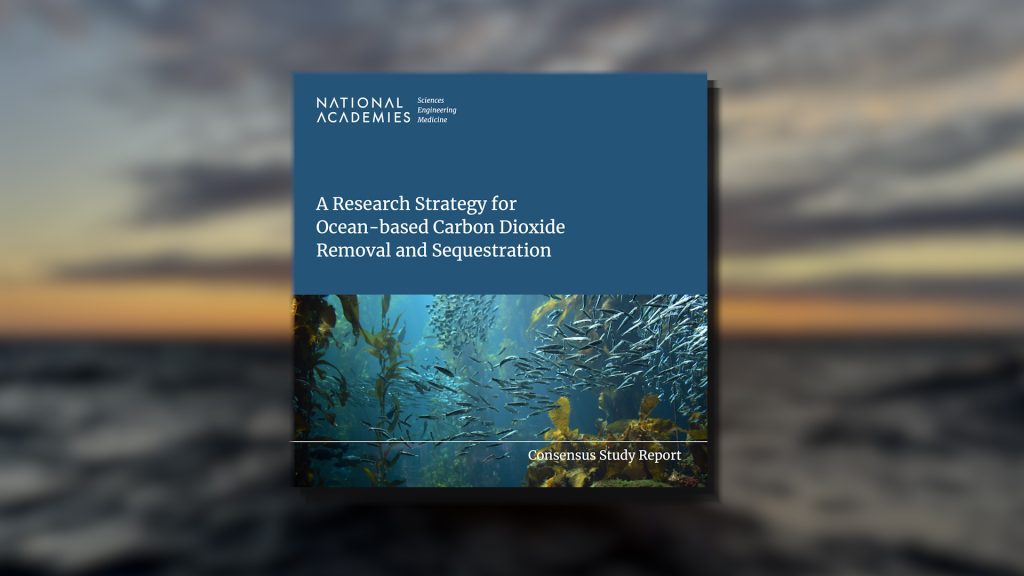
Marine carbon dioxide removal is advancing, but questions remain about viability, says new digital report
A new National Academies report lays out a research strategy for studying the ocean’s ability to sequester carbon
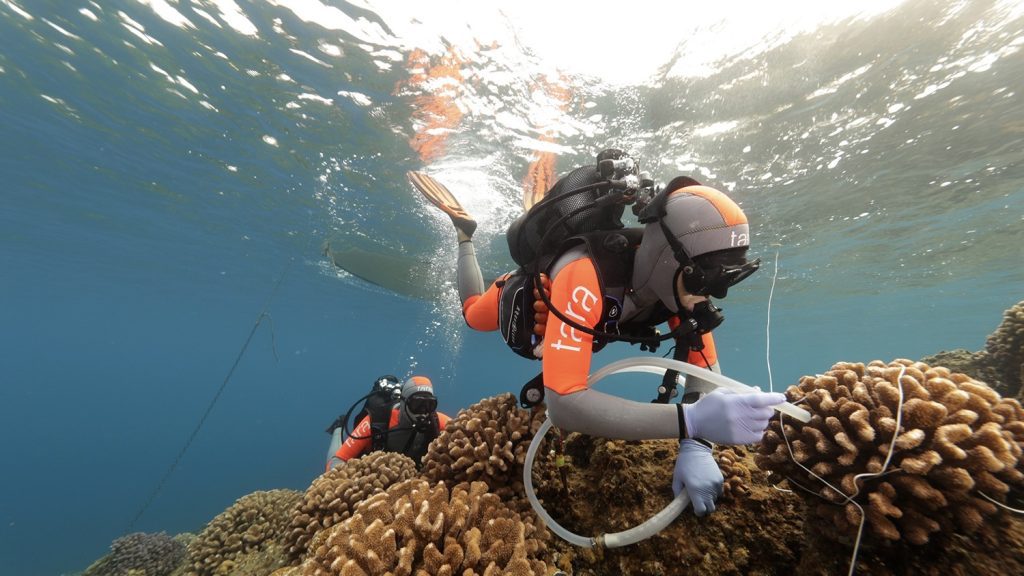
WHOI scientist joins global Tara Coral expedition to unlock secrets of climate-resilient reefs
A two-year mission across the Coral Triangle will probe how viruses and reef ecosystems could help some corals withstand rising ocean temperatures.
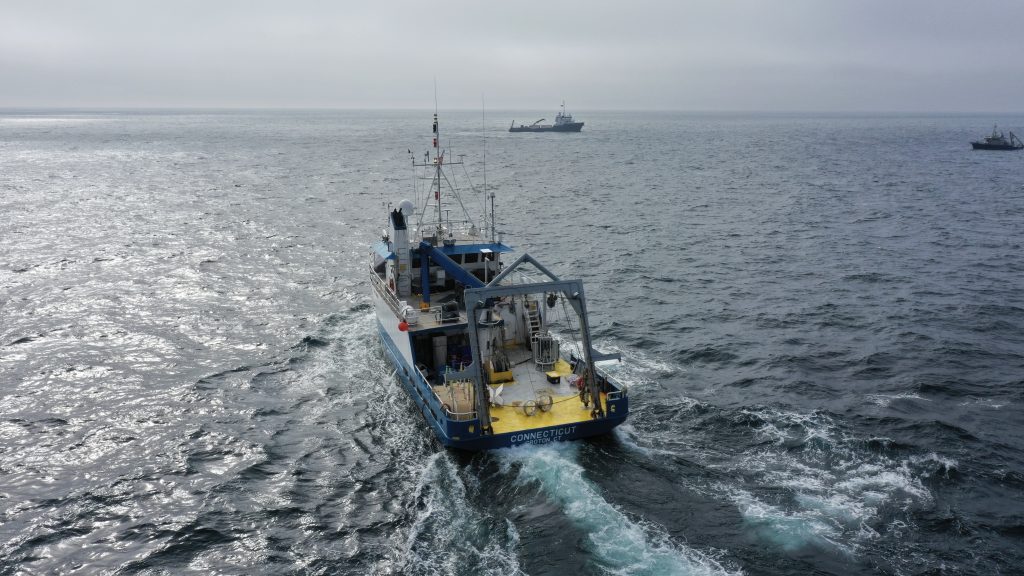
Preliminary results from the first EPA-permitted ocean alkalinity enhancement (OAE) field trial
LOC-NESS project team shares findings at annual Ocean Sciences Meeting
WHOI | OCEANUS
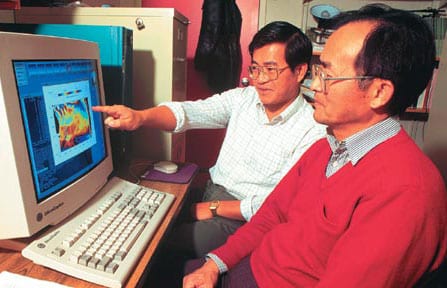
Computer Modelers Stimulate Real and Potential Climate, Work Toward Prediction
Although weather forecasting is accepted by the public as part of daily life, oceanic forecasting is not yet so advanced. There are, however, successful examples of oceanic forecasting—one is the newly developed skill to predict El Nino/Southern Oscillation (ENSO) events, largely due to improvements in ocean modeling.
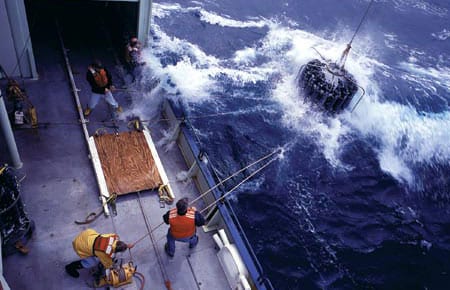
Oceans & Climate
The past decade has brought rapid scientific progress in understanding the role of the ocean in climate and climate change. The ocean is involved in the climate system primarily because it stores heat, water, and carbon dioxide, moves them around on the earth, and exchanges these and other elements with the atmosphere.
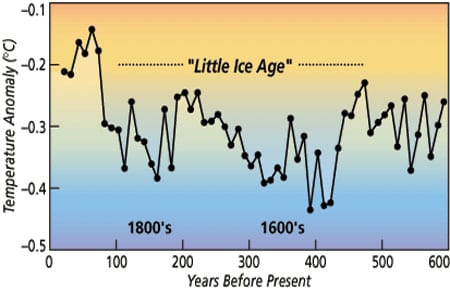
Sedimentary Record Yields Several Centuries of Data
Natural climate changes like the Little Ice Age and the Medieval Warm Period are of interest for a few reasons. First, they occur on decade to century time scales, a gray zone in the spectrum of climate change. Accurate instrumental data do not extend back far enough to document the beginning of these events, and historical data are often of questionable accuracy and are not widespread geographically.
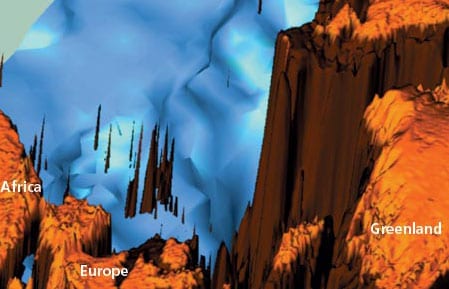
Transient Tracers Track Ocean Cimate Signals
Transient tracers provide us with a unique opportunity to visualize the effects of the changing climate on the ocean. They trace the pathways climate anomalies follow as they enter and move through the ocean and give us valuable information about rates of movement and amounts of dilution. This knowledge is important for developing ocean-climate models to predict long term climate changes.
Publications
IN THE NEWS - RESEARCH HIGLIGHTS
Study offers first definitive proof that Gulf Stream has weakened
“New research from the Woods Hole Oceanographic Institution offers the first conclusive evidence that the Gulf Stream has weakened. The powerful ocean current off the East Coast influences regional weather, climate and fisheries, and the finding could have significant implications both for New England and the global climate.”
What Happens to Marine Life When There Isn’t Enough Oxygen?
In September of 2017, Woods Hole Oceanographic Institution postdoctoral scholar Maggie Johnson was conducting an experiment with a colleague in Bocas del Toro off the…
Maine’s having a lobster boom. A bust may be coming.
The waters off Maine’s coast are warming, and no one knows what that’s going to mean for the state’s half-billion-dollar-a-year lobster industry—the largest single-species fishery in North America. Some fear that continued warming could cause the lobster population to collapse. To understand what’s happening to the ecosystem of the Gulf of Maine, says Glen Gawarkiewicz, an oceanographer at Woods Hole Oceanographic Institution, in Massachusetts, you have to look beyond it—see how it’s affected by the atmosphere, ocean currents, and rivers that flow into it.