
Raising Awareness
News
NEWS RELEASES
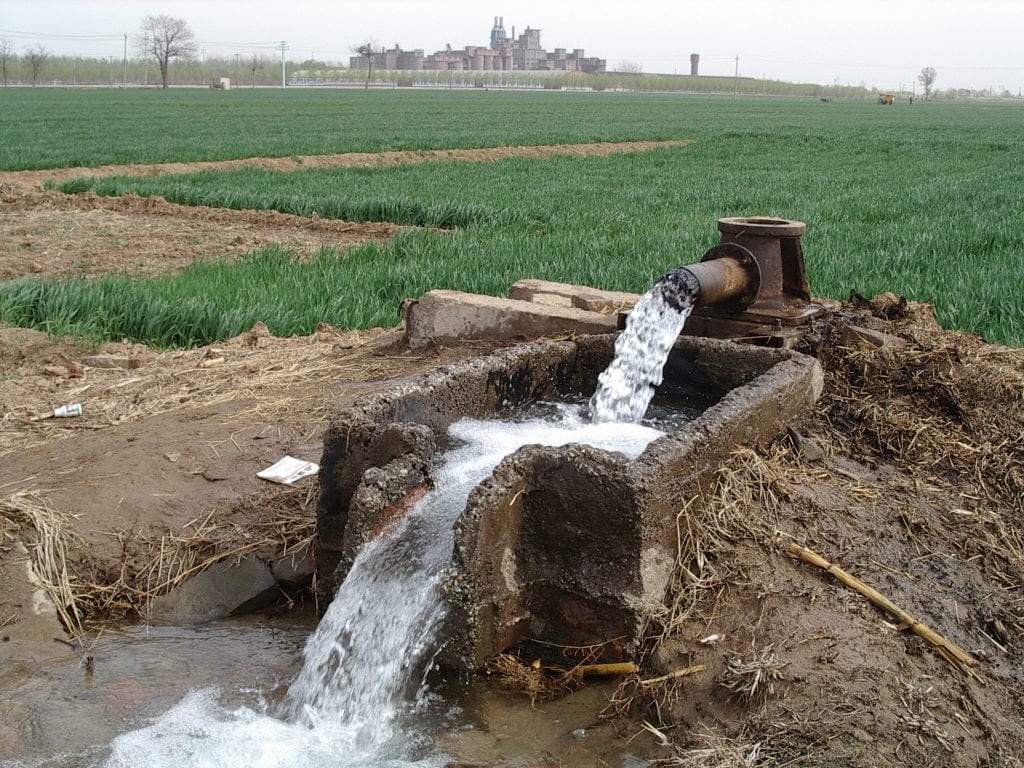
Study Finds 6⁰C Cooling on Land during the Last Ice Age, With Implications about Future Global Warming
A recent report shows that prior studies have underestimated the cooling in the last glacial period, which has low-balled estimates of the Earth’s climate sensitivity to greenhouse gases. The rather high climate sensitivity is not good news regarding future global warming, which may be stronger than expected using previous best estimates.
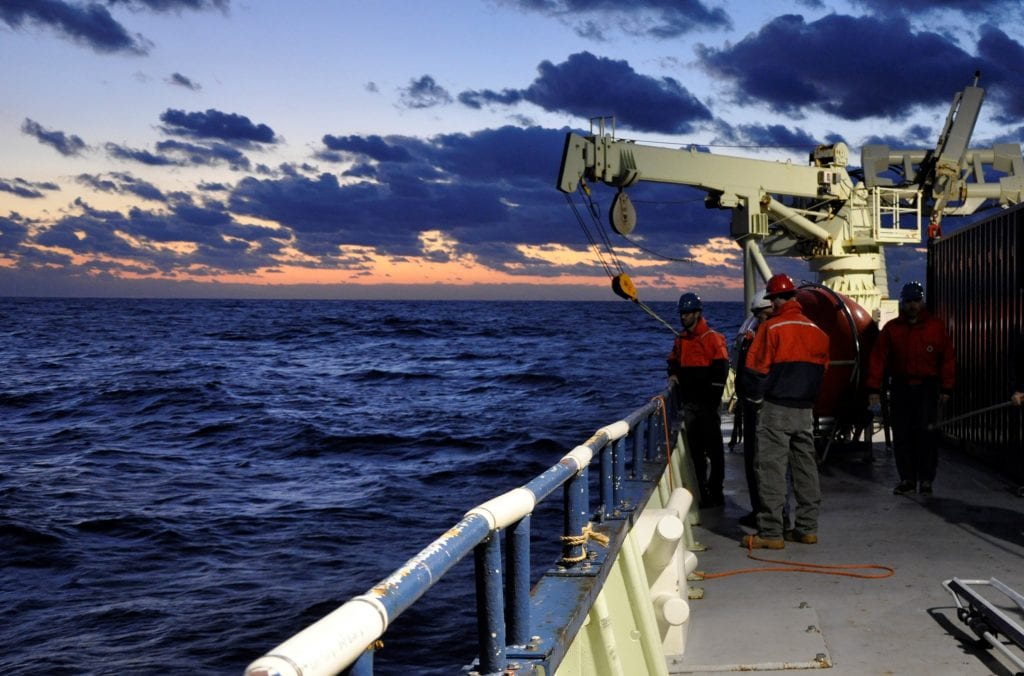
WHOI to Launch New Center for Ocean and Climate Research
Today WHOI announced the establishment of the Francis E. Fowler IV Center for Ocean and Climate to seek new knowledge and solutions at the intersection of oceanography and climate science. A generous gift from Francis E. Fowler, IV established the center and will enable it to immediately commence operations.
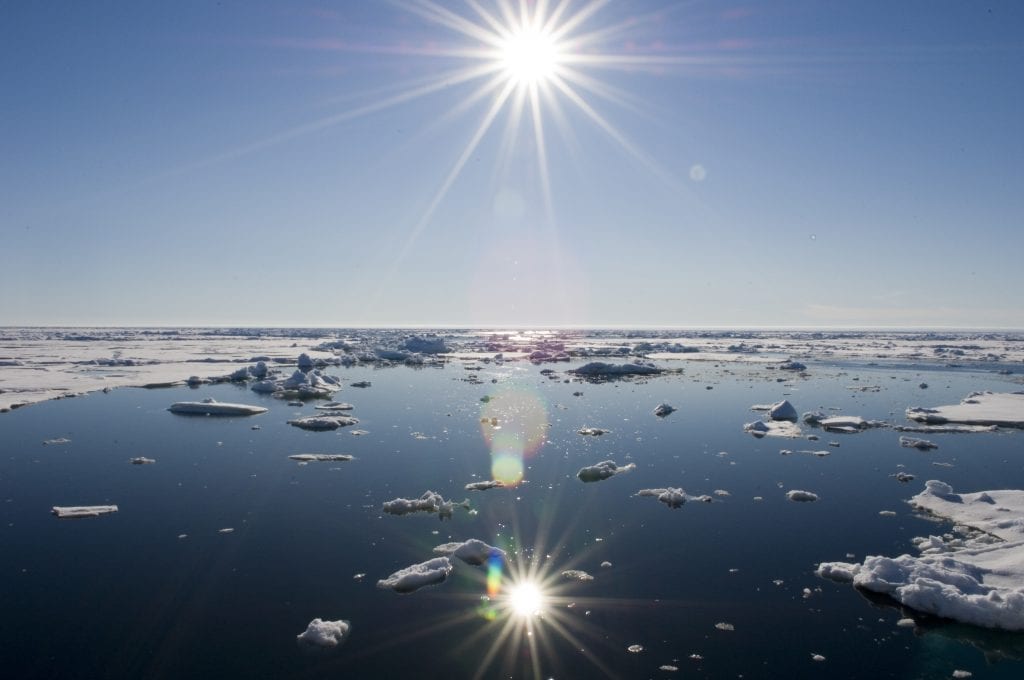
WHOI and ADI Launch Ocean and Climate Innovation Accelerator
Today WHOI and Analog Devices, Inc. (ADI) launched an Ocean and Climate Innovation Accelerator (OCIA) consortium, focused on the critical role of oceans in combatting climate change, and developing new solutions at the intersection of oceans and climate.
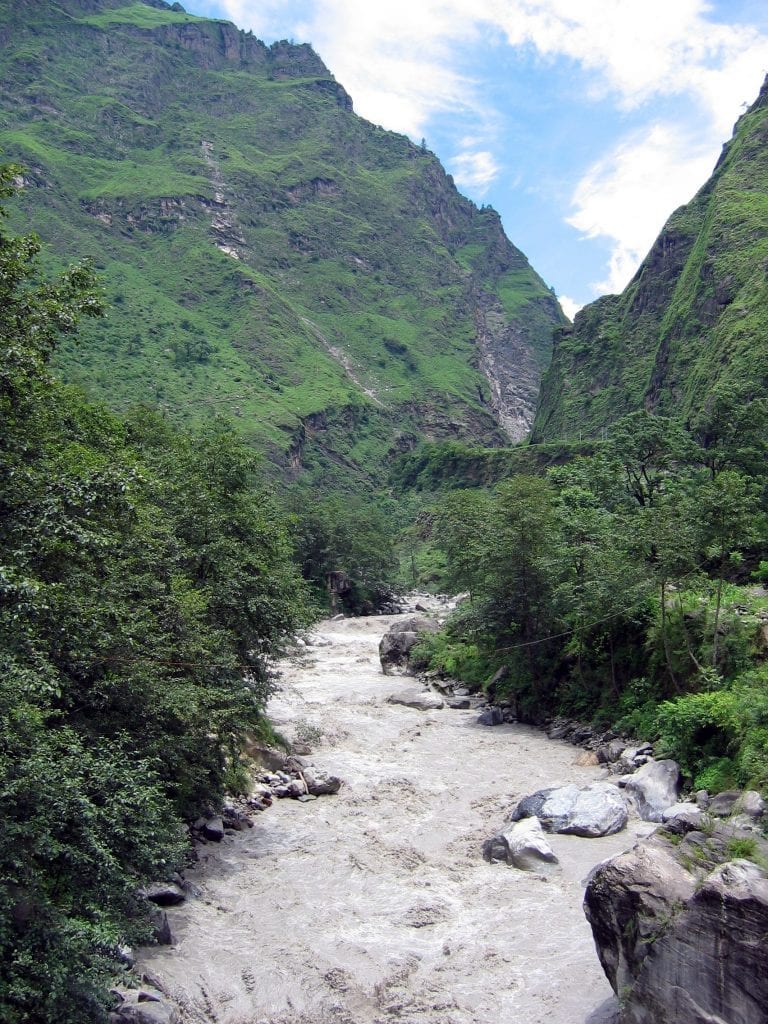
Climate Change Can Destabilize the Global Soil Carbon Reservoir, New Study Finds
The vast reservoir of carbon that is stored in soils probably is more sensitive to destabilization from climate change than has previously been assumed, according to a new study by researchers at WHOI and other institutions. The study found that the biospheric carbon turnover within river basins is vulnerable to future temperature and precipitation perturbations from a changing climate. Although many earlier, and fairly localized, studies have hinted at soil organic carbon sensitivity to climate…
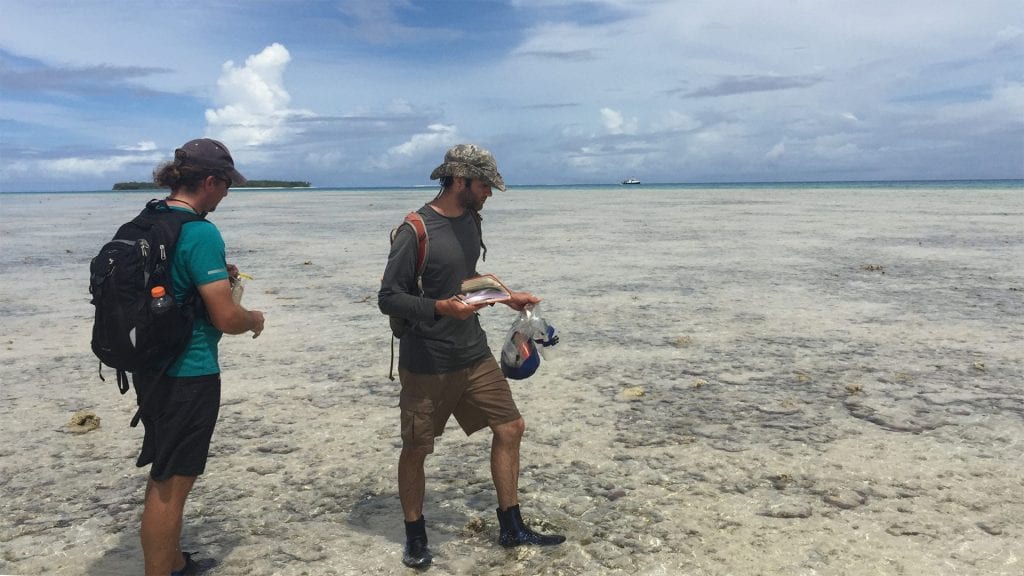
Study reconstructs ancient storms to predict changes in a cyclone hotspot
Intense tropical cyclones are expected to become more frequent as climate change increases temperatures in the Pacific Ocean. But not every area will experience storms of the same magnitude
WHOI | OCEANUS
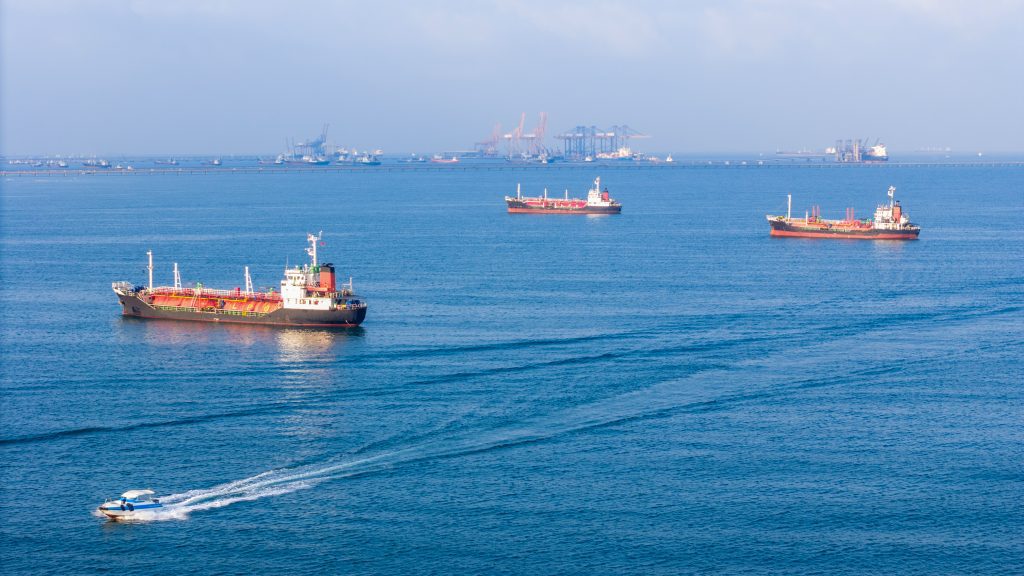
Ships in the Strait of Hormuz are becoming invasive species breeding grounds
Beneath the waterline of every ship stalled in the Persian Gulf, a thriving underwater city takes shape—barnacles, algae, mussels, sea squirts. Some of those hitchhikers could reach coastlines they’d never find on their own.
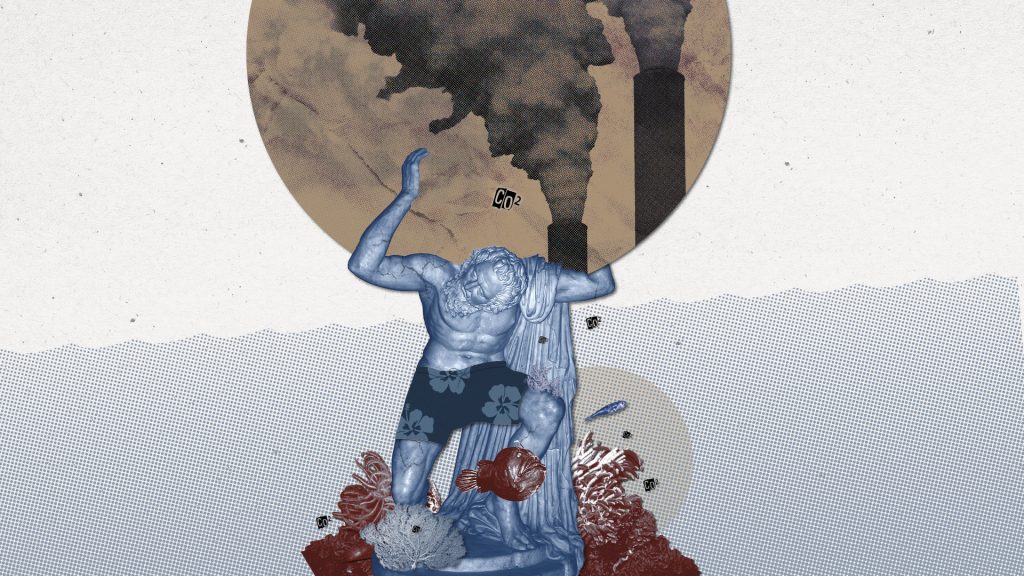
Is the ocean carbon sink at risk of faltering?
WHOI scientists explain how the ocean mitigates climate change—and could be compromised by it
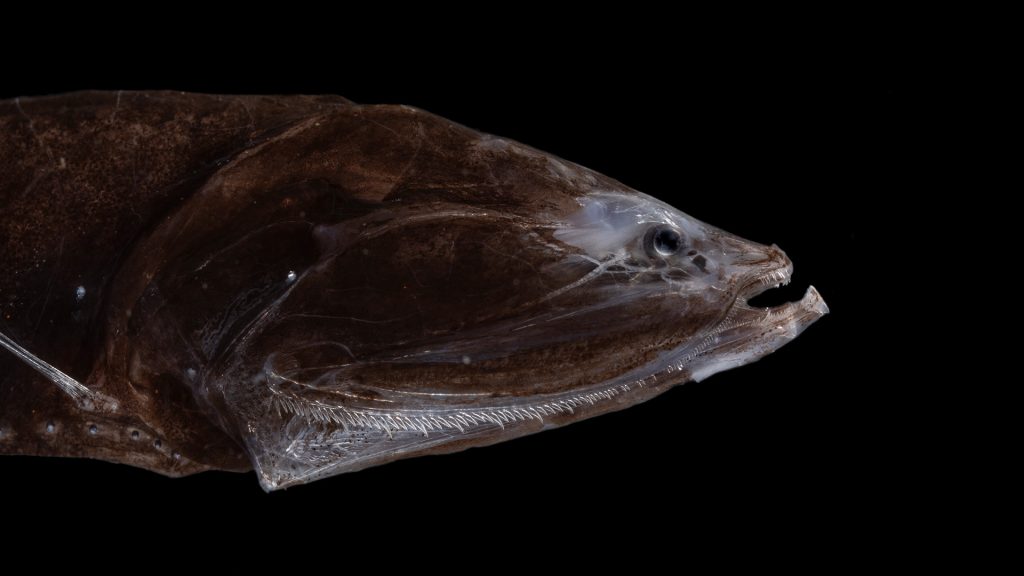
The world’s most abundant fish once thrived in an extreme climate
Fossilized teeth show bristlemouth fish evolved during one of the ocean’s hottest periods
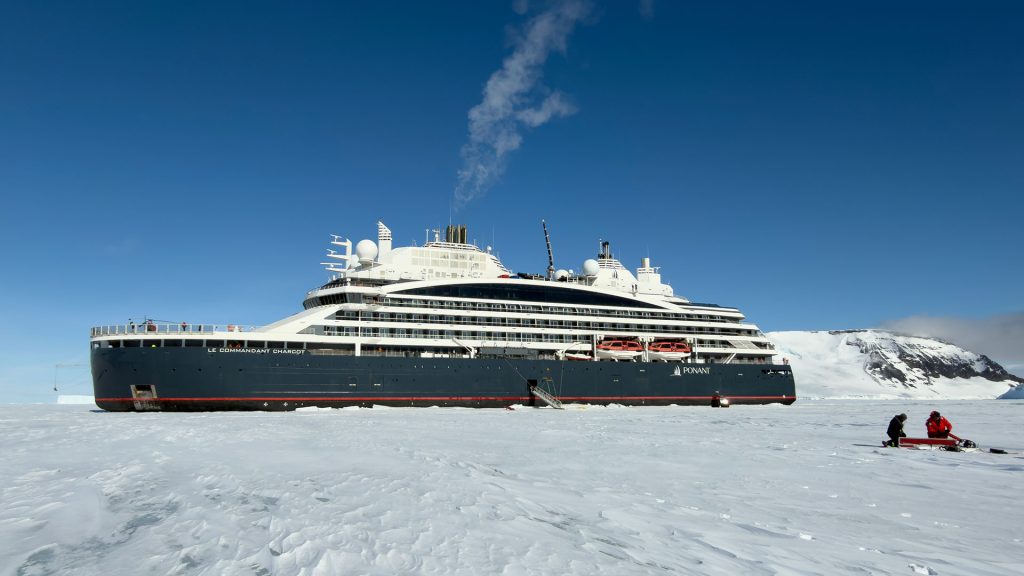
Luxury cruises with a side of climate science
A new partnership gives scientists rare access to remote Antarctic glaciers—and a new way to engage the public
Publications
IN THE NEWS - RESEARCH HIGLIGHTS
Study offers first definitive proof that Gulf Stream has weakened
“New research from the Woods Hole Oceanographic Institution offers the first conclusive evidence that the Gulf Stream has weakened. The powerful ocean current off the East Coast influences regional weather, climate and fisheries, and the finding could have significant implications both for New England and the global climate.”
What Happens to Marine Life When There Isn’t Enough Oxygen?
In September of 2017, Woods Hole Oceanographic Institution postdoctoral scholar Maggie Johnson was conducting an experiment with a colleague in Bocas del Toro off the…
Maine’s having a lobster boom. A bust may be coming.
The waters off Maine’s coast are warming, and no one knows what that’s going to mean for the state’s half-billion-dollar-a-year lobster industry—the largest single-species fishery in North America. Some fear that continued warming could cause the lobster population to collapse. To understand what’s happening to the ecosystem of the Gulf of Maine, says Glen Gawarkiewicz, an oceanographer at Woods Hole Oceanographic Institution, in Massachusetts, you have to look beyond it—see how it’s affected by the atmosphere, ocean currents, and rivers that flow into it.