
Raising Awareness
News
NEWS RELEASES
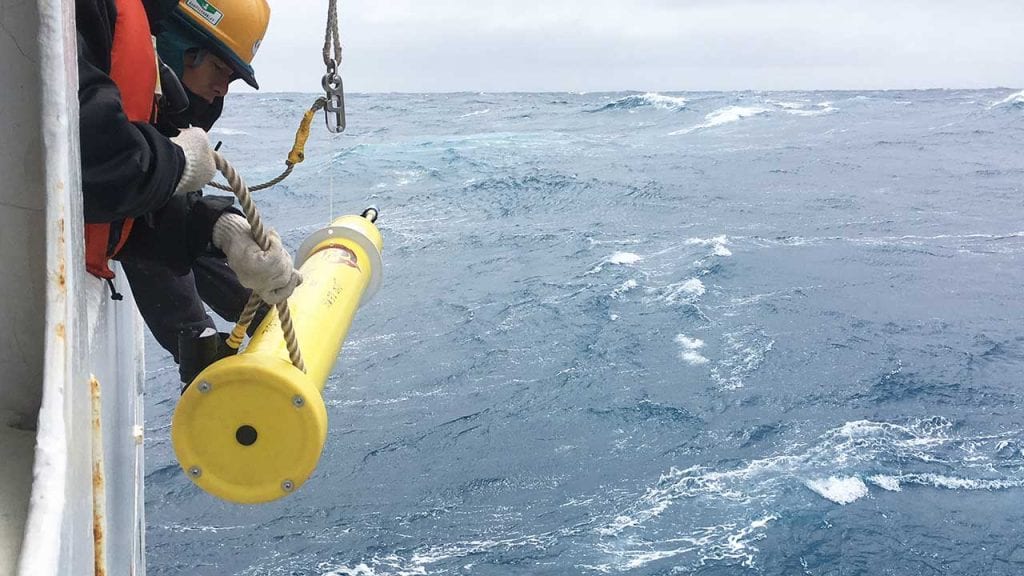
New multi-institutional grant will support a fleet of robotic floats
The National Science Foundation approved a $53 million grant to build a global network of chemical and biological sensors that will monitor ocean health.
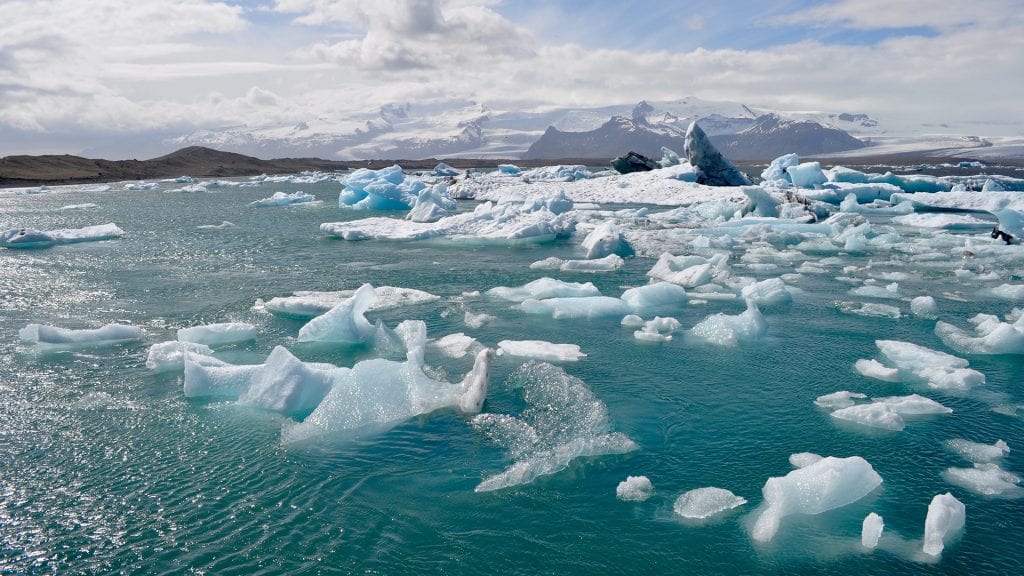
Two New Studies Substantially Advance Understanding of Currents that Help Regulate Climate
Two studies shed new light on a critical driver of the Atlantic Meridional Overturning Circulation (AMOC) and potential impacts of rising temperatures
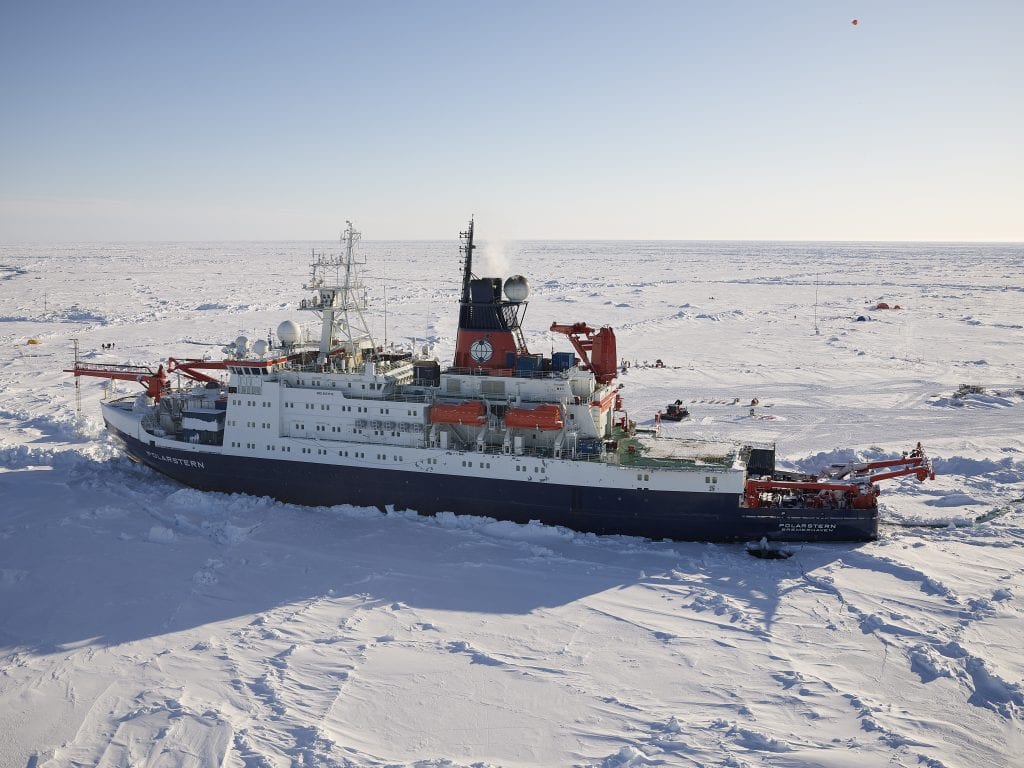
Epic Arctic Mission Ends
An epic mission ended as the German icebreaker Polarstern returned home Oct. 12, 2020, after being frozen near the top of the world for nearly a year to study all aspects of the Arctic system.
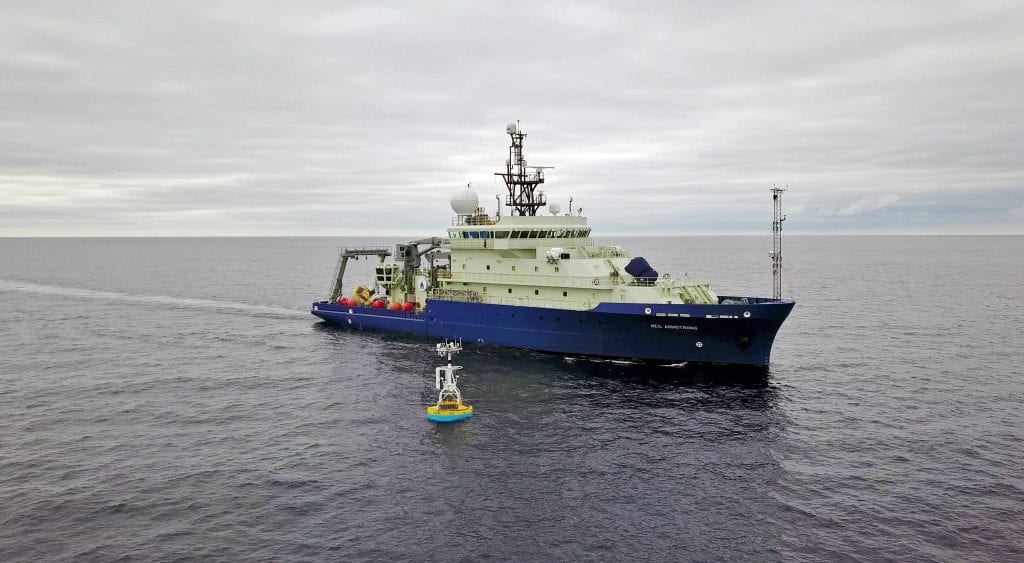
WHOI-NOAA partnership tackles critical gap in climate knowledge
Remote technologies, machine learning will improve simulations of polar ice melt and implications for the global climate Researchers at Woods Hole Oceanographic Institution (WHOI) were recently awarded a $500,000 grant from the National Oceanic and Atmospheric Administration’s (NOAA) Climate Observations and Monitoring (COM) program to develop machine learning tools to improve estimates of air-sea heat exchange in the Arctic Ocean and adjacent seas. These tools are expected to fill critical gaps in climate models, which…
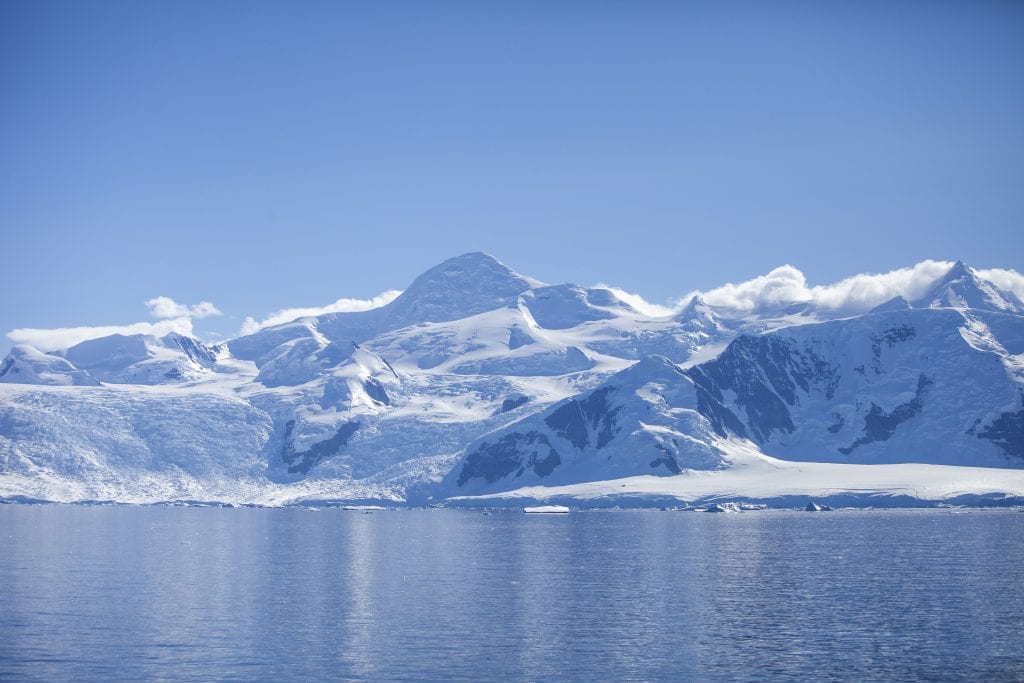
Antarctic Ice Sheet Loss Expected to Affect Future Climate Change
The research team reports that their new models with the added ice melt information reveal important interacting processes and demonstrate a need to accurately account for meltwater input from ice sheets in order to make confident climate predictions.
WHOI | OCEANUS
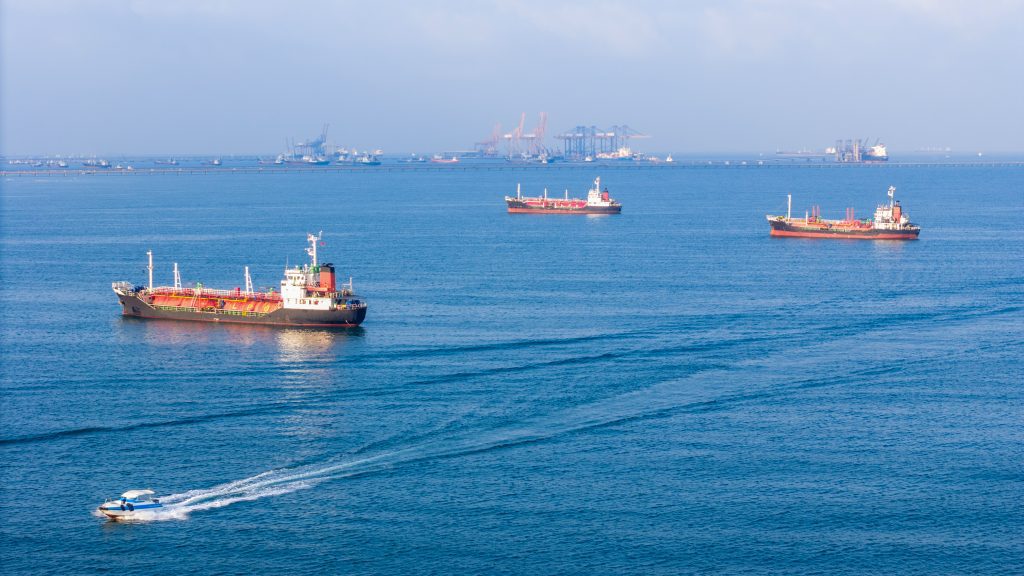
Ships in the Strait of Hormuz are becoming invasive species breeding grounds
Beneath the waterline of every ship stalled in the Persian Gulf, a thriving underwater city takes shape—barnacles, algae, mussels, sea squirts. Some of those hitchhikers could reach coastlines they’d never find on their own.

Is the ocean carbon sink at risk of faltering?
WHOI scientists explain how the ocean mitigates climate change—and could be compromised by it
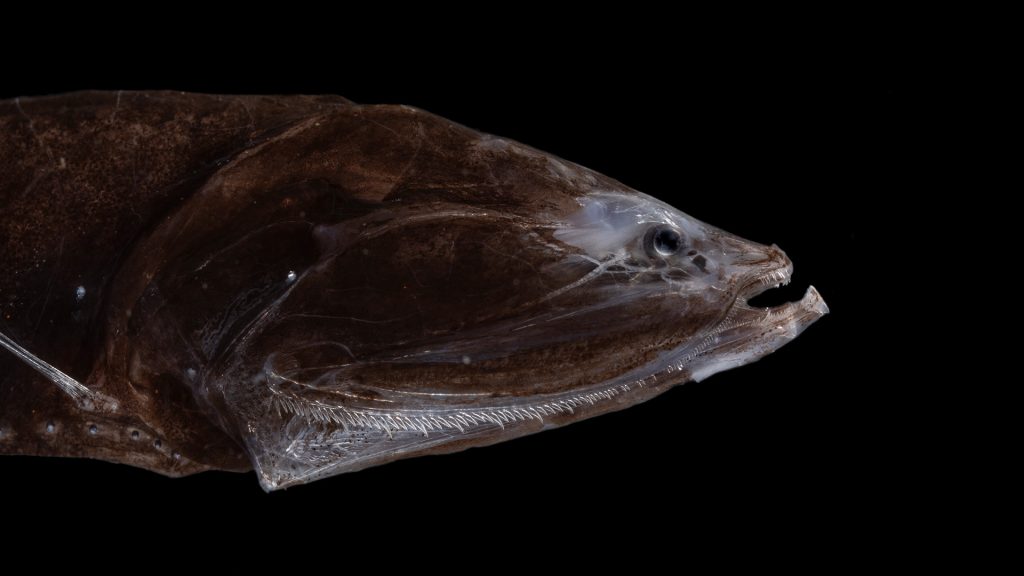
The world’s most abundant fish once thrived in an extreme climate
Fossilized teeth show bristlemouth fish evolved during one of the ocean’s hottest periods
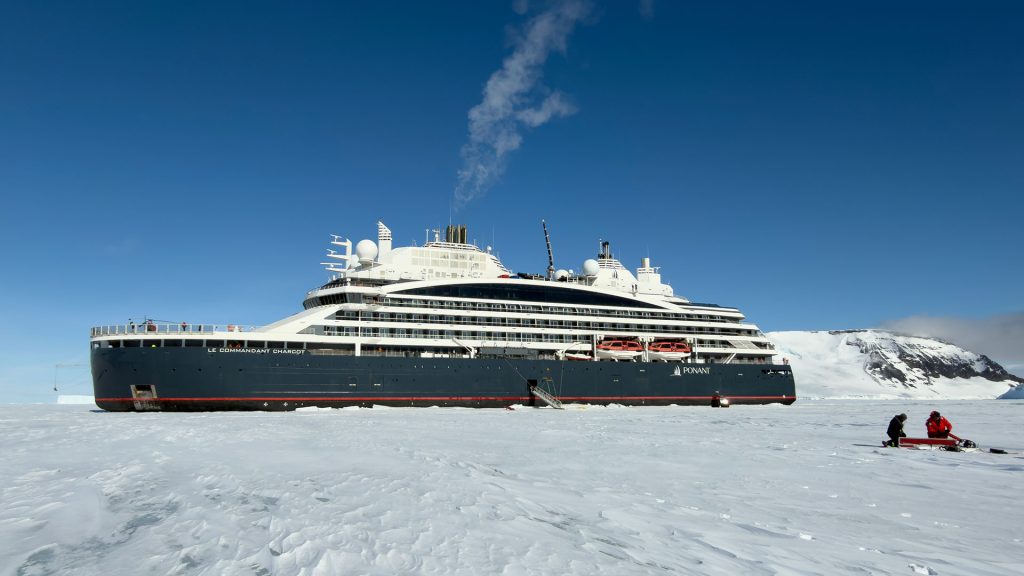
Luxury cruises with a side of climate science
A new partnership gives scientists rare access to remote Antarctic glaciers—and a new way to engage the public
Publications
IN THE NEWS - RESEARCH HIGLIGHTS
Study offers first definitive proof that Gulf Stream has weakened
“New research from the Woods Hole Oceanographic Institution offers the first conclusive evidence that the Gulf Stream has weakened. The powerful ocean current off the East Coast influences regional weather, climate and fisheries, and the finding could have significant implications both for New England and the global climate.”
What Happens to Marine Life When There Isn’t Enough Oxygen?
In September of 2017, Woods Hole Oceanographic Institution postdoctoral scholar Maggie Johnson was conducting an experiment with a colleague in Bocas del Toro off the…
Maine’s having a lobster boom. A bust may be coming.
The waters off Maine’s coast are warming, and no one knows what that’s going to mean for the state’s half-billion-dollar-a-year lobster industry—the largest single-species fishery in North America. Some fear that continued warming could cause the lobster population to collapse. To understand what’s happening to the ecosystem of the Gulf of Maine, says Glen Gawarkiewicz, an oceanographer at Woods Hole Oceanographic Institution, in Massachusetts, you have to look beyond it—see how it’s affected by the atmosphere, ocean currents, and rivers that flow into it.