
Raising Awareness
News
NEWS RELEASES
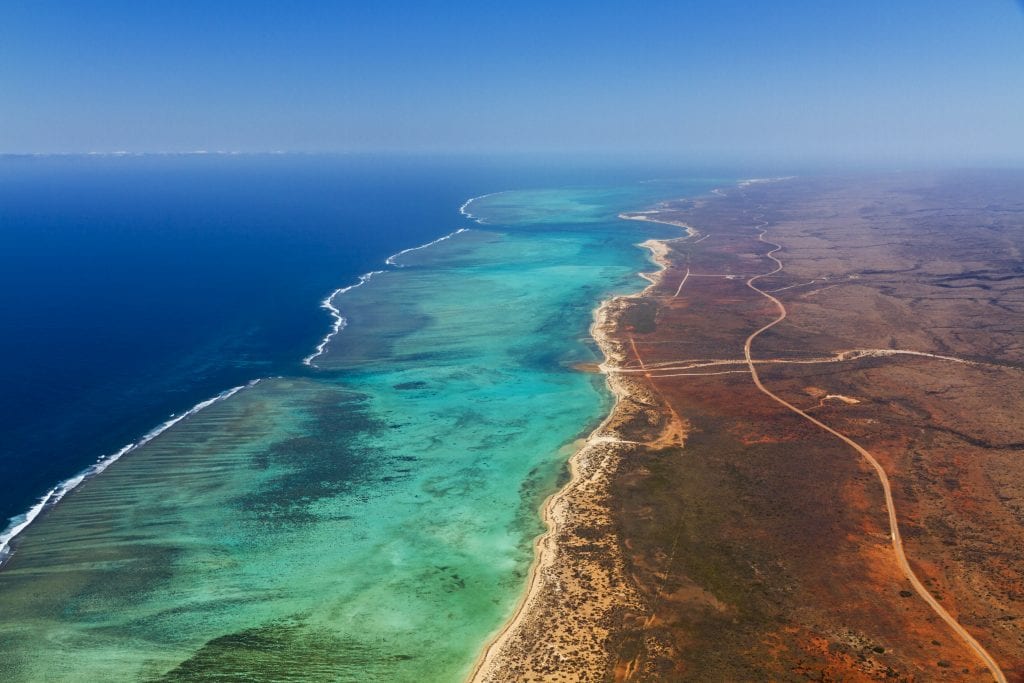
Studies investigate marine heatwaves, shifting ocean currents
North America experienced a series of dangerous heatwaves during the summer of 2020, breaking records from coast to coast. In the ocean, extreme warming conditions are also becoming more frequent and intense.
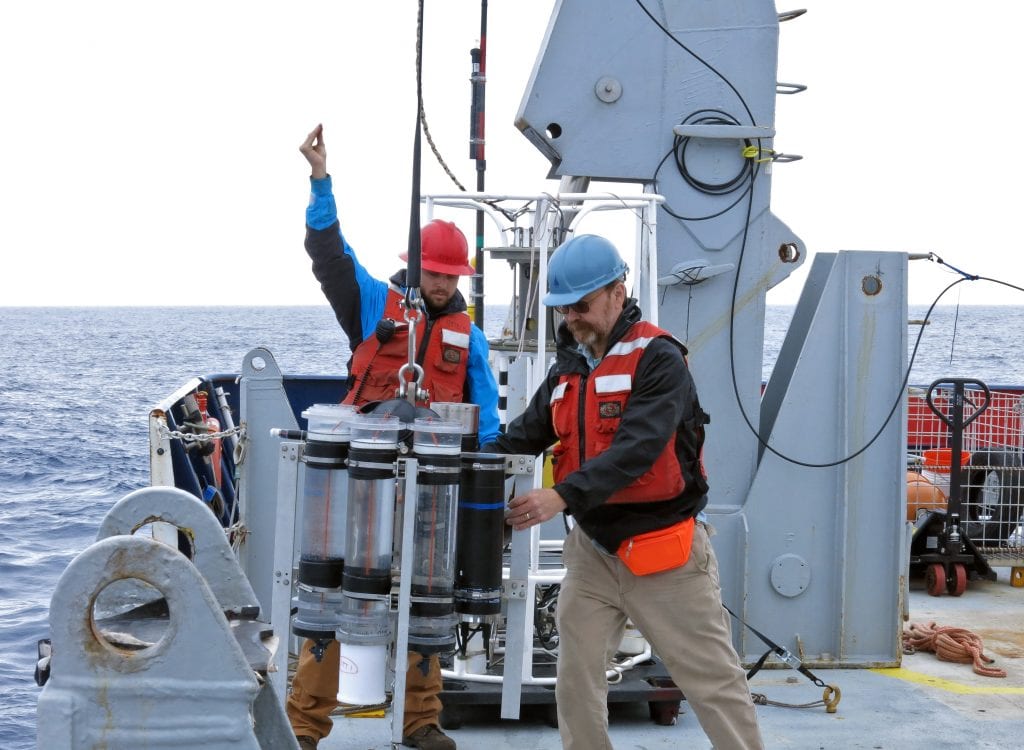
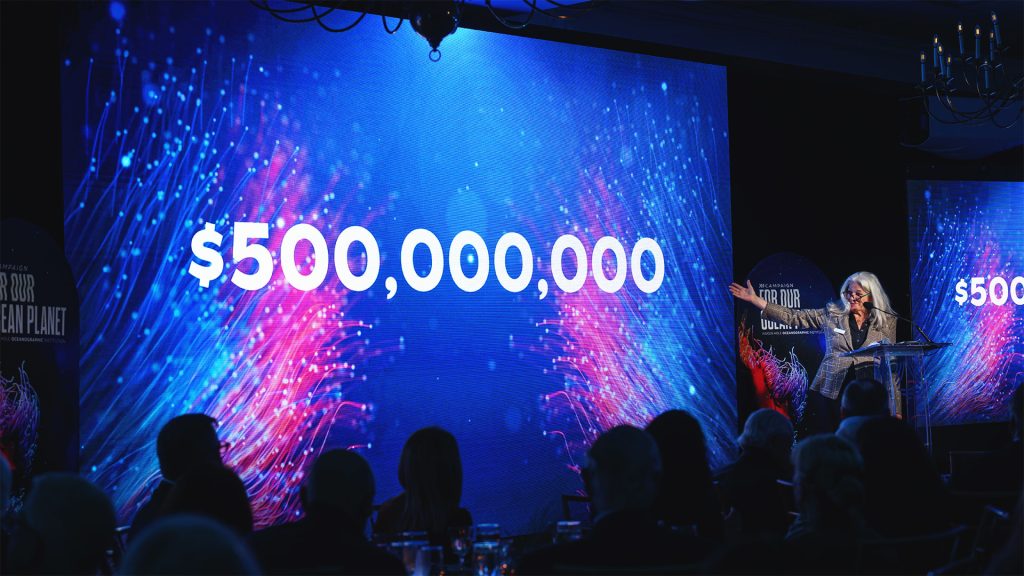
The $500 billion question: what’s the value of studying the ocean’s biological carbon pump?
A new study puts an economic value on the benefit of research to improve knowledge of the biological carbon pump and reduce the uncertainty of ocean carbon sequestration estimates.
Florida Current is Weaker Now Than at Any Point in the Past Century
A key component of the Gulf Stream has markedly slowed over the past century-that’s the conclusion of a new research paper in Nature Communications published on August 7. The study develops a method of tracking the strength of near-shore ocean currents using measurements made at the coast, offering the potential to reduce one of the biggest uncertainties related to observations of climate change over the past century. “In the ocean, almost everything is connected,” said…
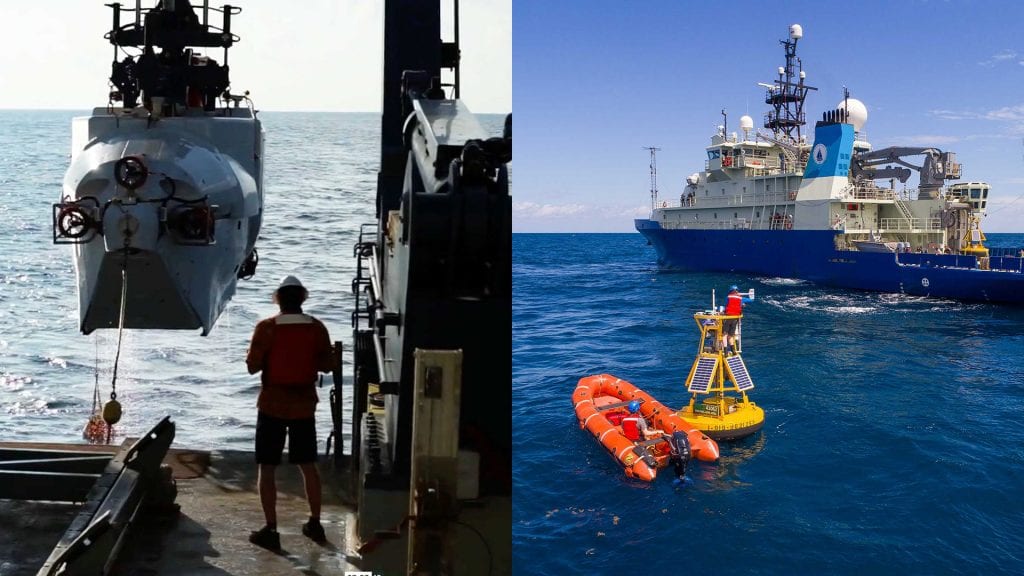
WHOI Scientists Make Woods Hole Film Festival Appearance
Woods Hole Oceanographic Institution (WHOI) scientists appear in two shorts and a feature film at this year’s Woods Hole Film Festival (WHFF). In addition, scientists will also participate in Q&A sessions connected to three of the festival’s feature-length, ocean-themed entries. The short films, “Divergent Warmth” and “Beyond the Gulf Stream” are part of a program titled “The Blue Between Us,” offered on-demand from July 25 to August 1 as part of the festival’s virtual program….
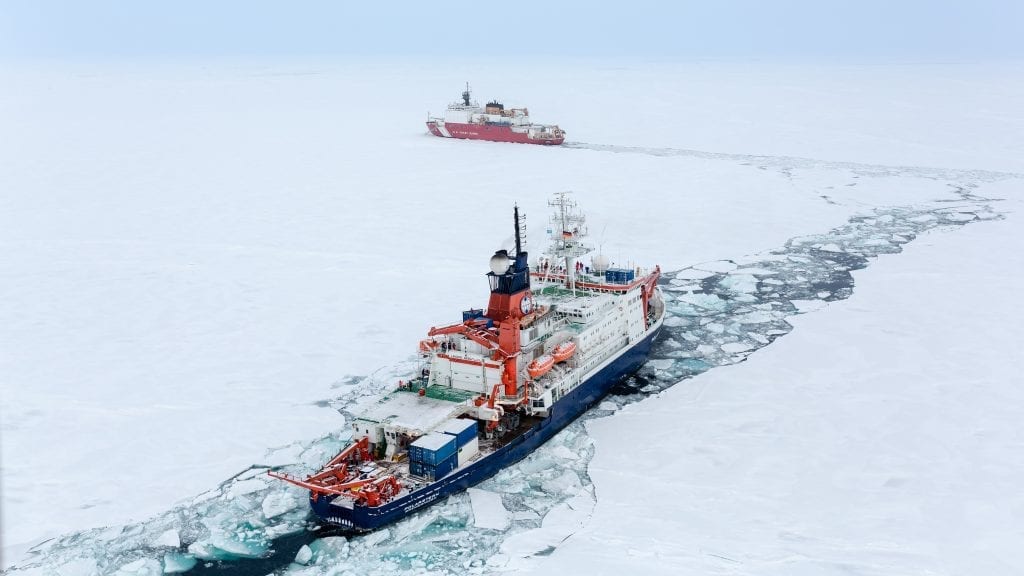
A rapidly changing Arctic
A new study by researchers at Woods Hole Oceanographic Institution (WHOI) and their international colleagues found that freshwater runoff from rivers and continental shelf sediments are bringing significant quantities of carbon and trace elements into parts of the Arctic Ocean via the Transpolar Drift—a major surface current that moves water from Siberia across the North Pole to the North Atlantic Ocean.
WHOI | OCEANUS
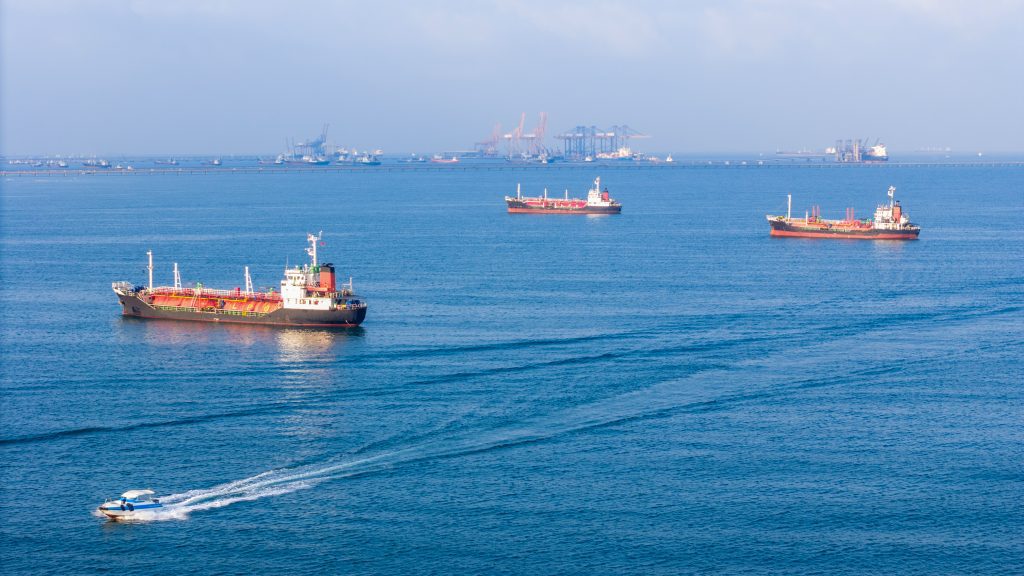
Ships in the Strait of Hormuz are becoming invasive species breeding grounds
Beneath the waterline of every ship stalled in the Persian Gulf, a thriving underwater city takes shape—barnacles, algae, mussels, sea squirts. Some of those hitchhikers could reach coastlines they’d never find on their own.
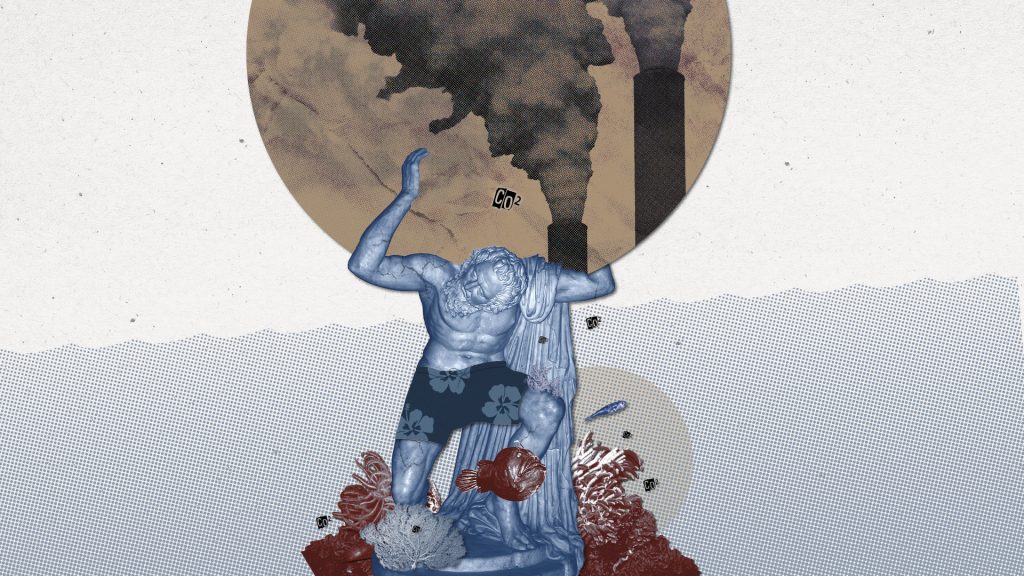
Is the ocean carbon sink at risk of faltering?
WHOI scientists explain how the ocean mitigates climate change—and could be compromised by it
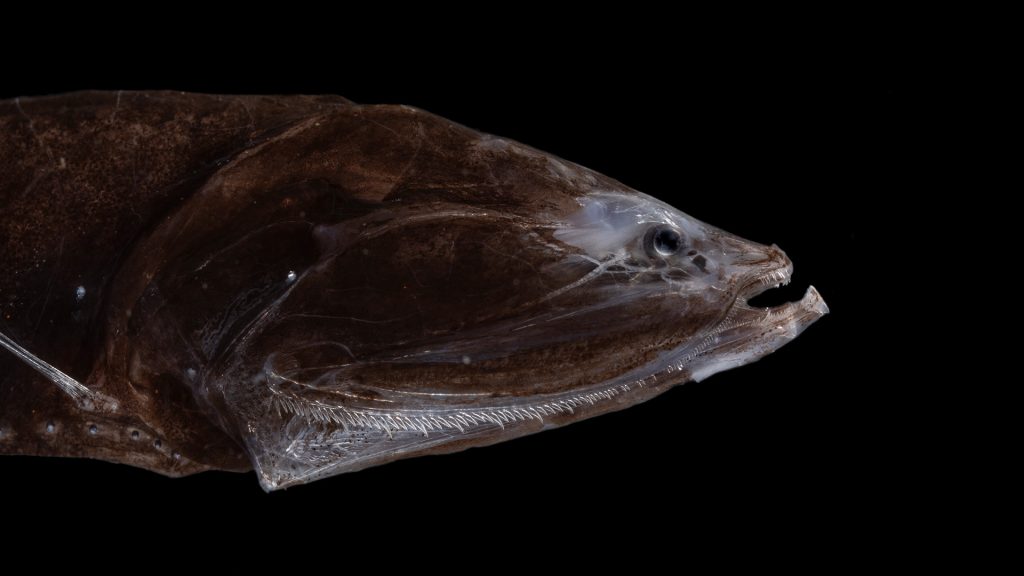
The world’s most abundant fish once thrived in an extreme climate
Fossilized teeth show bristlemouth fish evolved during one of the ocean’s hottest periods
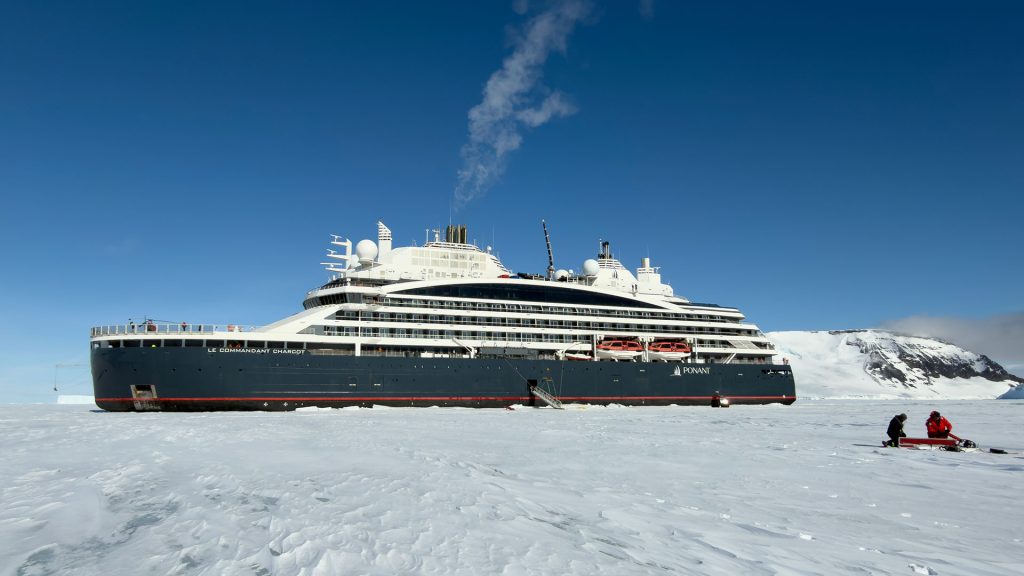
Luxury cruises with a side of climate science
A new partnership gives scientists rare access to remote Antarctic glaciers—and a new way to engage the public
Publications
IN THE NEWS - RESEARCH HIGLIGHTS
Study offers first definitive proof that Gulf Stream has weakened
“New research from the Woods Hole Oceanographic Institution offers the first conclusive evidence that the Gulf Stream has weakened. The powerful ocean current off the East Coast influences regional weather, climate and fisheries, and the finding could have significant implications both for New England and the global climate.”
What Happens to Marine Life When There Isn’t Enough Oxygen?
In September of 2017, Woods Hole Oceanographic Institution postdoctoral scholar Maggie Johnson was conducting an experiment with a colleague in Bocas del Toro off the…
Maine’s having a lobster boom. A bust may be coming.
The waters off Maine’s coast are warming, and no one knows what that’s going to mean for the state’s half-billion-dollar-a-year lobster industry—the largest single-species fishery in North America. Some fear that continued warming could cause the lobster population to collapse. To understand what’s happening to the ecosystem of the Gulf of Maine, says Glen Gawarkiewicz, an oceanographer at Woods Hole Oceanographic Institution, in Massachusetts, you have to look beyond it—see how it’s affected by the atmosphere, ocean currents, and rivers that flow into it.