
Raising Awareness
News
NEWS RELEASES
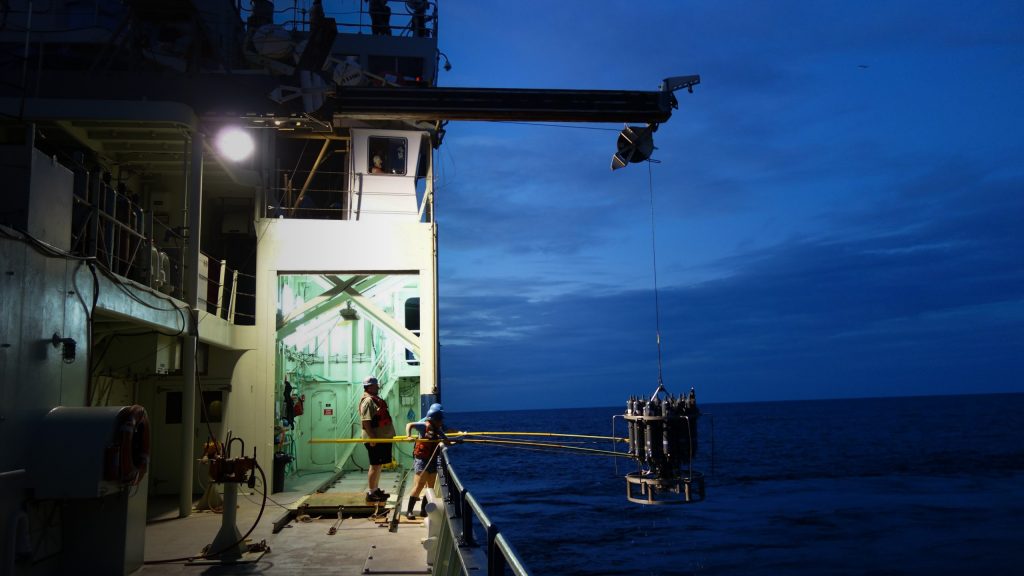
WHOI selected for new NSF science & technology center
The new Center for Chemical Currencies of a Microbial Planet (C-CoMP) will focus on the chemical processes that underpin ocean ecosystems.
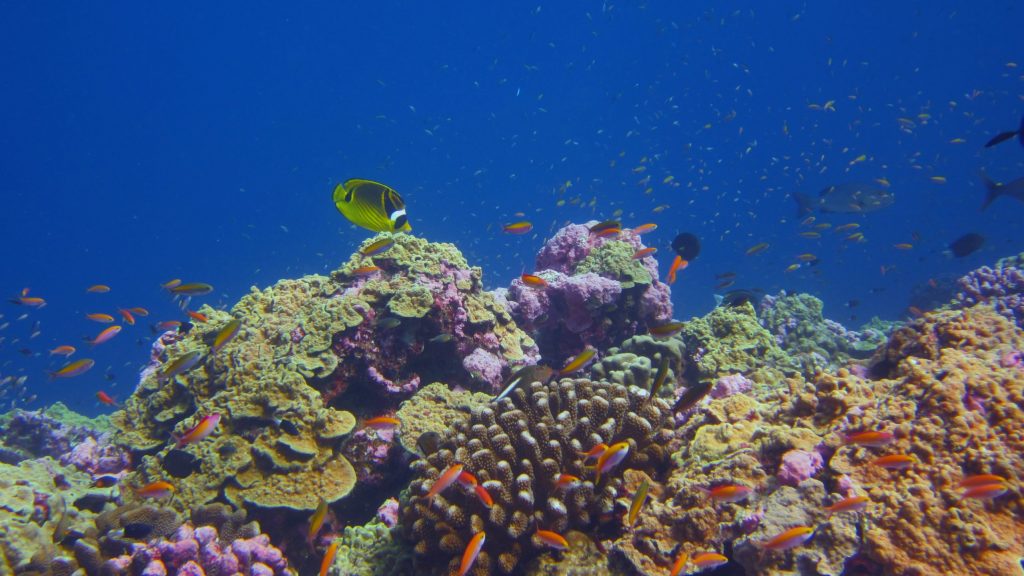
Some coral reefs are keeping pace with ocean warming
Some coral communities are becoming more heat tolerant as ocean temperatures rise, offering hope for corals in a changing climate. After a series of marine heatwaves hit the Phoenix Islands Protected Area (PIPA) in the central Pacific Ocean, a new study finds the impact of heat stress on the coral communities lessened over time.
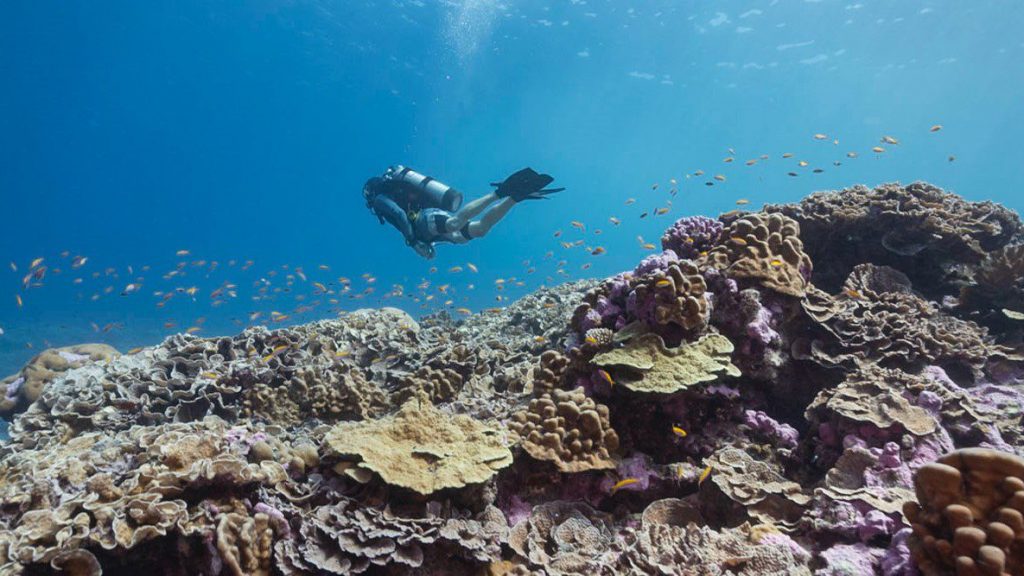
Surviving extreme heat
A team led by Anne Cohen, a scientist at Woods Hole Oceanographic Institution, received $1.75M in funding from the National Science Foundation (NSF) to study how coral reefs survive extreme heat events caused by climate change. The multidisciplinary project taps into expertise across four WHOI departments to uncover the oceanographic and biological processes that enable corals to survive marine heatwaves.

Project funded to digitize and mine weather data from whaling logbooks
An ongoing collaborative effort by Woods Hole Oceanographic Institution (WHOI), University of Massachusetts Dartmouth (UMassD), and Providence Public Library (PPL), has received a grant from FM Global. The project is investigating the role of historical weather data in current climate change research, and the increasingly urgent issues surrounding it.
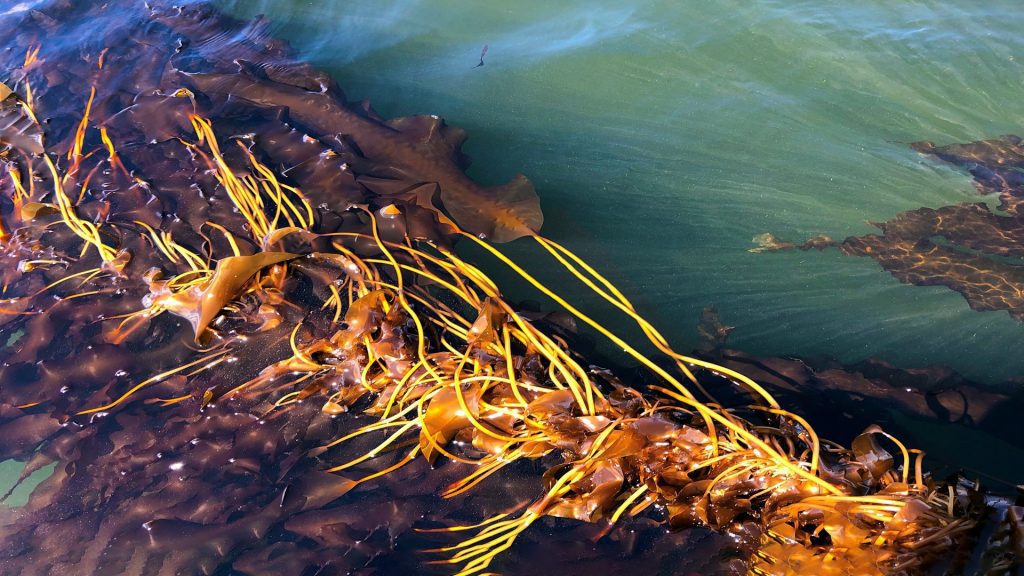
WHOI advancing a seaweed solution to develop new kelp strains
A leader in ocean science, Woods Hole Oceanographic Institution (WHOI) is embarking on a study of how new seaweed strains could further enhance the burgeoning seaweed industry and offer solutions to some of the world’s pressing challenges. This research is funded in part by World Wildlife Fund (WWF) with support from the Bezos Earth Fund.
WHOI | OCEANUS
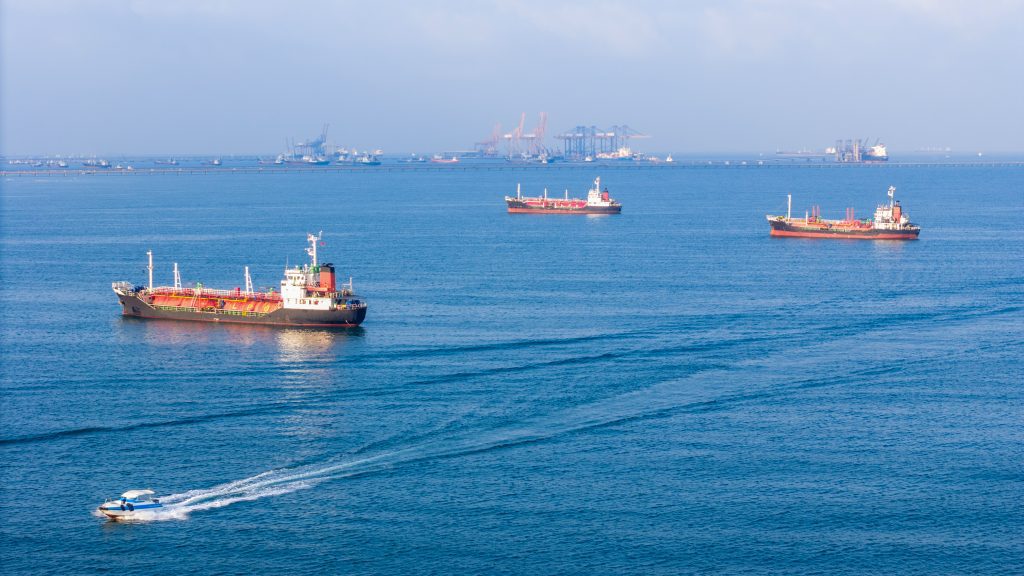
Ships in the Strait of Hormuz are becoming invasive species breeding grounds
Beneath the waterline of every ship stalled in the Persian Gulf, a thriving underwater city takes shape—barnacles, algae, mussels, sea squirts. Some of those hitchhikers could reach coastlines they’d never find on their own.

Is the ocean carbon sink at risk of faltering?
WHOI scientists explain how the ocean mitigates climate change—and could be compromised by it
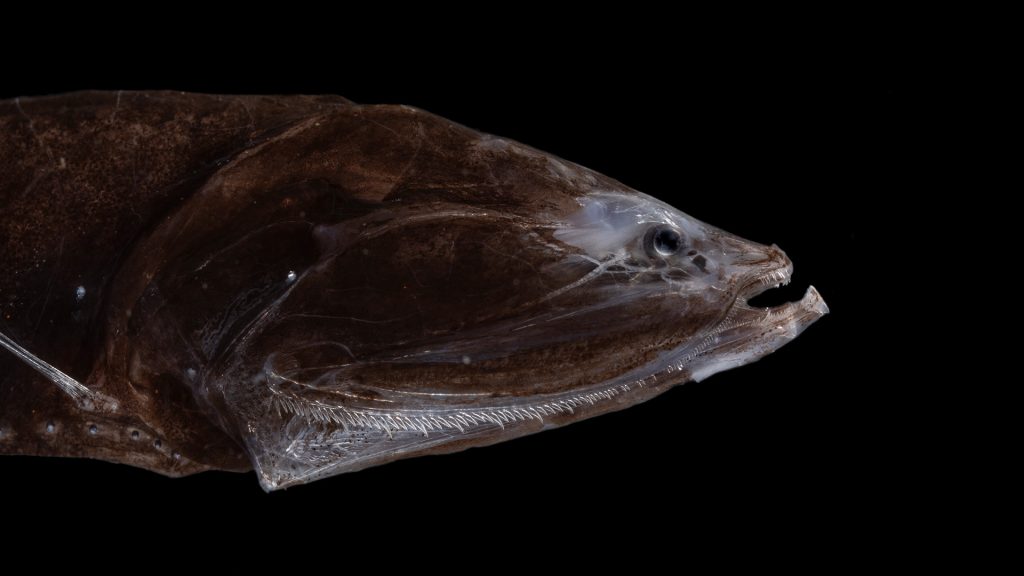
The world’s most abundant fish once thrived in an extreme climate
Fossilized teeth show bristlemouth fish evolved during one of the ocean’s hottest periods
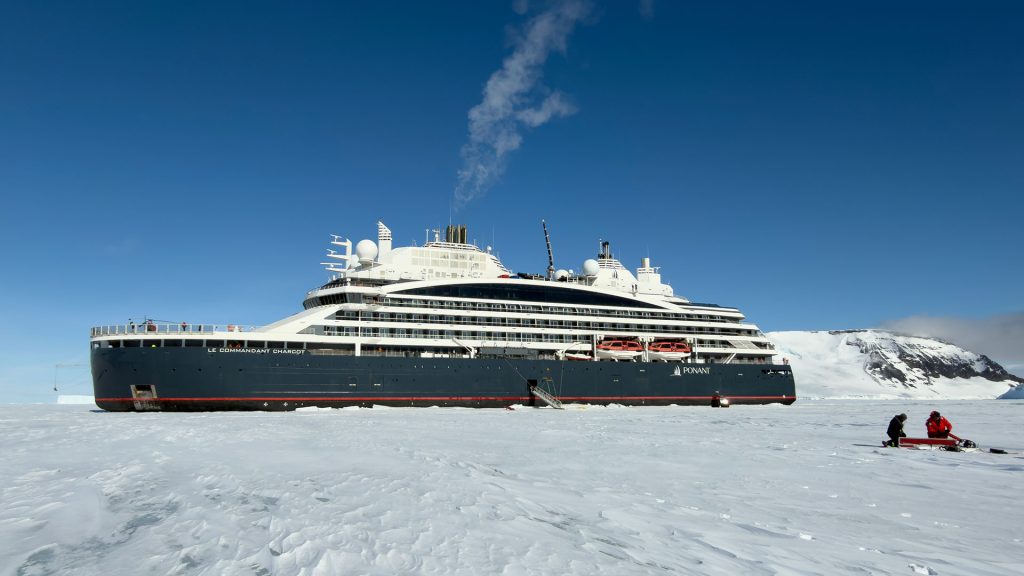
Luxury cruises with a side of climate science
A new partnership gives scientists rare access to remote Antarctic glaciers—and a new way to engage the public
Publications
IN THE NEWS - RESEARCH HIGLIGHTS
Study offers first definitive proof that Gulf Stream has weakened
“New research from the Woods Hole Oceanographic Institution offers the first conclusive evidence that the Gulf Stream has weakened. The powerful ocean current off the East Coast influences regional weather, climate and fisheries, and the finding could have significant implications both for New England and the global climate.”
What Happens to Marine Life When There Isn’t Enough Oxygen?
In September of 2017, Woods Hole Oceanographic Institution postdoctoral scholar Maggie Johnson was conducting an experiment with a colleague in Bocas del Toro off the…
Maine’s having a lobster boom. A bust may be coming.
The waters off Maine’s coast are warming, and no one knows what that’s going to mean for the state’s half-billion-dollar-a-year lobster industry—the largest single-species fishery in North America. Some fear that continued warming could cause the lobster population to collapse. To understand what’s happening to the ecosystem of the Gulf of Maine, says Glen Gawarkiewicz, an oceanographer at Woods Hole Oceanographic Institution, in Massachusetts, you have to look beyond it—see how it’s affected by the atmosphere, ocean currents, and rivers that flow into it.