
Marine Policy
Tara Hetz

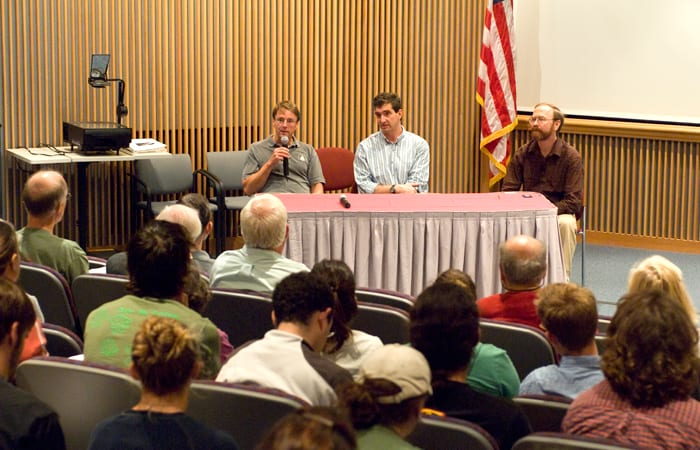
Tara Hetz has gotten to see a different side of Woods Hole Oceanographic Institution (WHOI) from her Summer Student Fellow (SSF) peers this summer as the sole fellow at the…
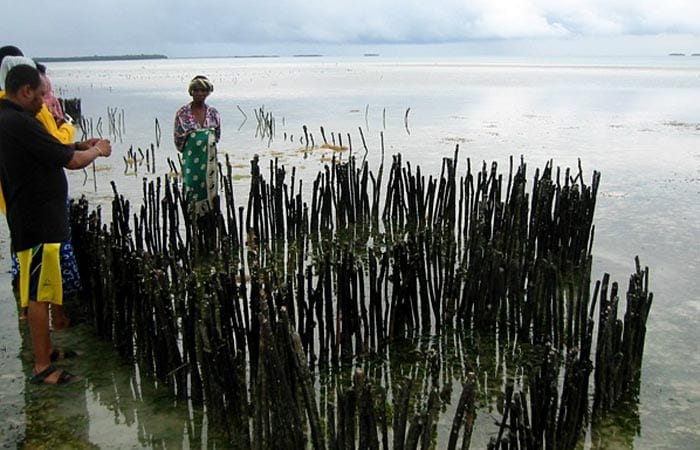
Read MoreFarming Shellfish in Zanzibar
To Fertilize, or Not to Fertilize
Global warming is “unequivocal,” the Intergovernmental Panel on Climate Change (IPCC) reported in November 2007. Human actions—particularly the burning of fossil fuels—have dramatically raised carbon dioxide and other greenhouse gases…
Read MoreProposals Emerge to Transfer Excess Carbon into the Ocean
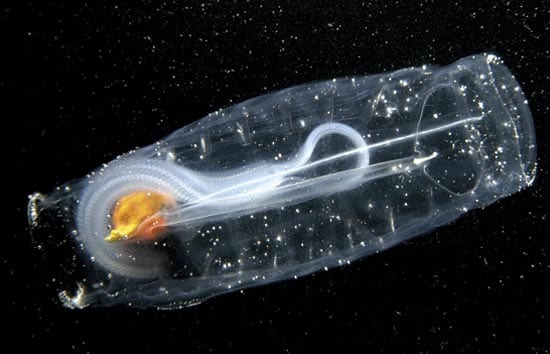
It’s sort of the planetary equivalent of moving clutter accumulating in the attic to other storage space in the basement: transferring excess heat-trapping carbon dioxide from Earth’s atmosphere into the…
Read MoreDumping Iron and Trading Carbon
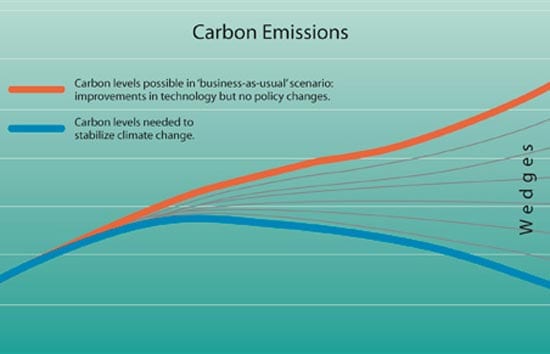
Debating the idea of fertilizing the ocean with iron can feel a little like riding a seesaw. On the up side is iron’s eye-catching potential to set off enormous plankton…
Read MoreLessons from Nature, Models, and the Past
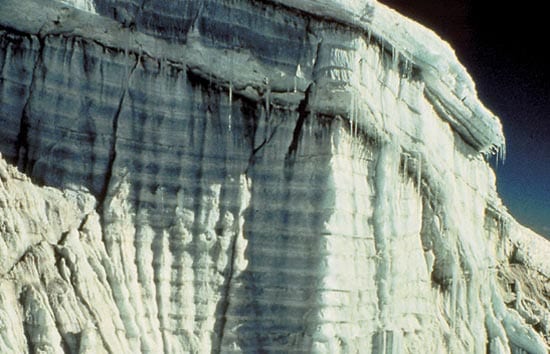
The first part of biogeochemist John Martin’s famous prediction—“Give me half a tanker of iron, and I’ll give you an ice age”—has been proved partly right: Iron is the only…
Read MoreWhat Are the Possible Side Effects?
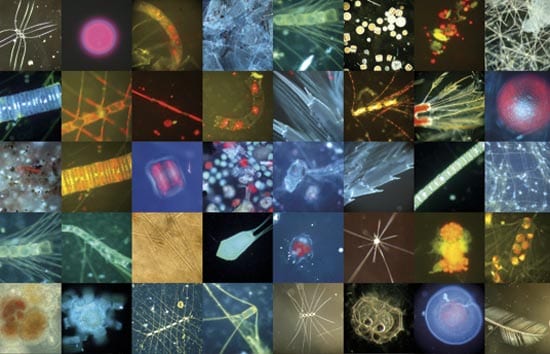
Most of the ocean food chain is too small to see, but that doesn’t mean the effects of iron fertilization will be, too. “The purpose, if one is going to…
Read MoreWill Ocean Iron Fertilization Work?
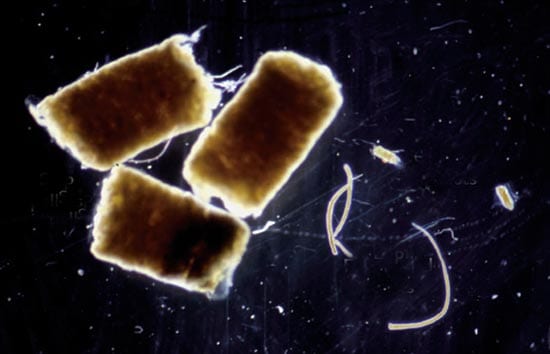
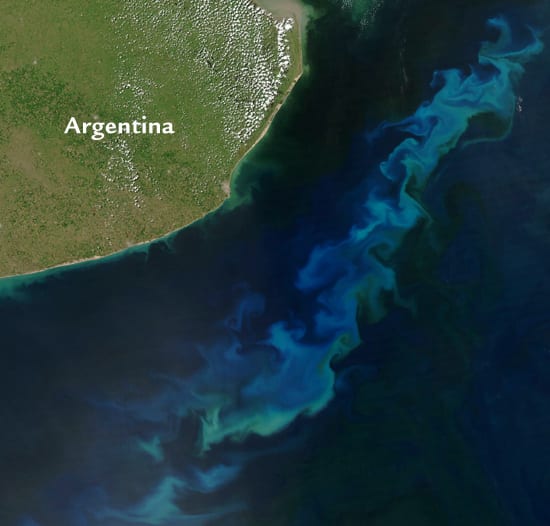
In this age of satellites, it’s fairly easy to answer the basic question of whether adding iron to the ocean can stimulate a plankton bloom. When storms over land blow…
Read MoreFertilizing the Ocean with Iron
“Give me half a tanker of iron, and I’ll give you an ice age” may rank as the catchiest line ever uttered by a biogeochemist. The man responsible was…
Read MoreA Modest Proposal to Sustain Lobsters and Lobstermen
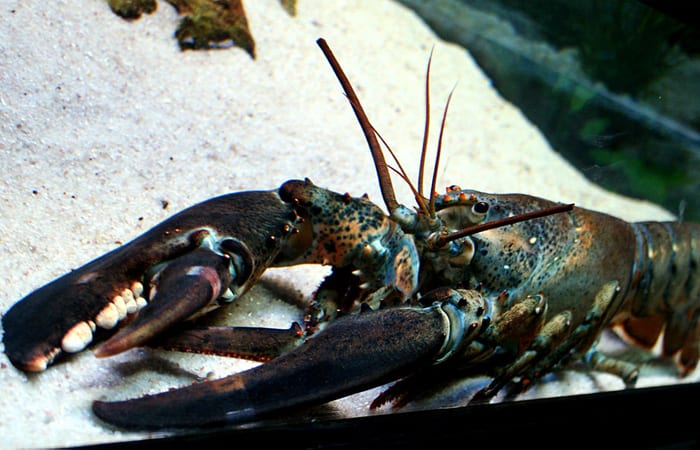
A new study by a WHOI scientist and a former lobsterman suggests a provocative lobster management strategy that offers economic benefits to the lobster fishermen, while invigorating lobster stocks.
Read MoreDo Fishing Regulations Lead to More Accidents?
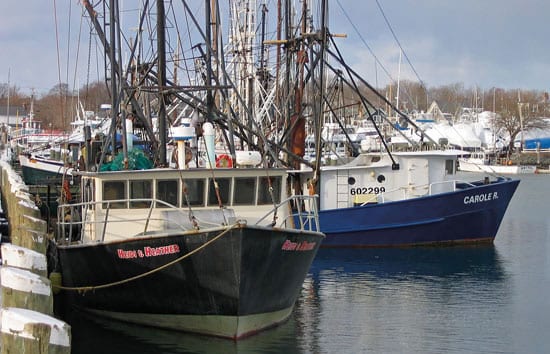
Fishermen have argued that regulations about when and where they can catch fish have caused more sinkings and fatal accidents at sea. But a new statistical analysis by Woods Hole researchers has found no hard evidence to support that argument.
Read More‘Seasonal Pump’ Moves Water Between Ocean and Aquifers
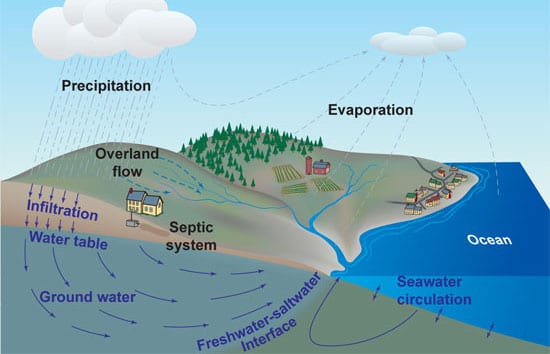
Hydrologists Ann Mulligan of WHOI and Holly Michael and Charles Harvey of MIT have cleared up a mystery of why so much salty water emerges from aquifers into the coastal ocean. The researchers discovered a counterintuitive seasonal pumping system at work.
Read MoreIn and Out of Harm’s Way
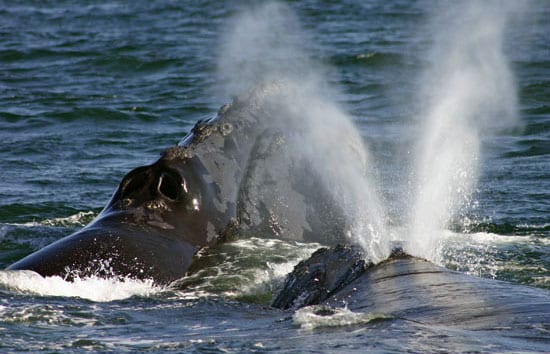
Just a few more miles or a few more minutes. That’s what scientists and some federal managers think it would take to improve the plight of the highly endangered North…
Read MoreA Whole New Kettle of Fish
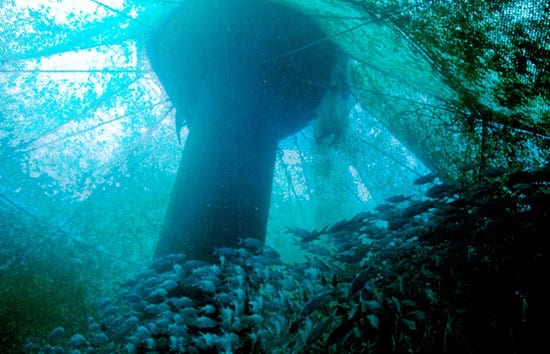
With most of the world?s fisheries already fully exploited or overexploited, the wild catch will not meet increasing worldwide demand for seafood?which the U.S. Department of Commerce projects will triple by 2025. The United States also imports nearly 70 percent of the seafood Americans consume, resulting in an $8 billion shellfishing industry trade deficit.
Read MoreWhich Way Will the Wind Blow?
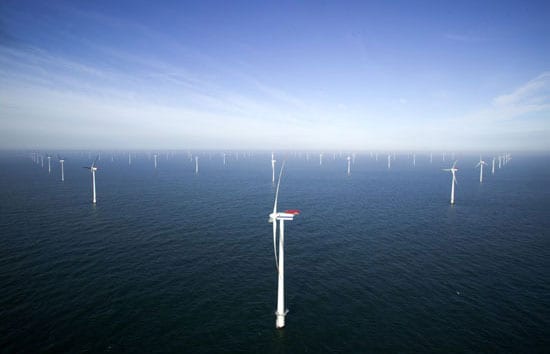
Wind energy is the fastest-growing sector of the global electric power industry, and several companies have proposed to build large wind turbines and utility-scale electric power-generating facilities in the coastal waters of the United States. Such facilities could change the way people use the ocean, and the public is divided over the costs and benefits. The environmental and economic benefits of renewable, nonpolluting sources of energy are clear. But there may be side effects from the placement of modern wind farms in the ocean, including the degradation of seascapes, impacts on birds and marine animals, and the disruption of existing patterns of human use of the ocean. The laws and regulations related to the placement of wind turbines in the ocean are at best rudimentary and inchoate; at worst, they are non-existent. Marine scientists and engineers can make an important contribution to this growing public debate by clarifying our understanding of the nature of these side effects. They might also inform public policies that balance the value of various ocean resources with the rights and interests of all who wish to use them.
Read More